



Some foods get labeled as villains and never seem to shake it off, even when the science evolves. You have probably second guessed a grocery cart item because of a scary headline or a diet rule from years ago.
This list looks at notorious picks and why they earned their reputations, plus how context and portions can change the story. Keep an open mind and see which ones might deserve a place at your table again.
Egg yolks

Egg yolks were cast as cholesterol bombs, and that stuck. For years, the advice was simple: toss the yolk and keep the whites.
But newer research shows dietary cholesterol affects blood cholesterol less than once feared, and yolks bring choline, vitamin D, and carotenoids.
Still, the bad label lingers. You might feel judged ordering a whole omelet instead of an egg-white option.
Moderation matters, as always, especially for those with specific lipid concerns.
If you love eggs, you can balance them within a varied diet. Pair with fiber-rich sides.
Enjoy the flavor without the old fear.
Butter

Butter took heat during the low fat era, blamed for saturated fat and heart risk. Margarine replaced it, then trans fats from some spreads became the real villain.
The narrative never fully corrected, and butter stayed the scapegoat.
Today, the nuance is clearer. Saturated fat still warrants moderation, but butter can fit sparingly in balanced meals.
Flavor density means a little goes far.
You might swap in olive oil most days and keep butter for special dishes. Choose quality and watch portions.
The smear on toast is not the whole story.
Whole milk

Whole milk was sidelined when fat fear peaked, replaced with skim cartons everywhere. People equated creaminess with guilt.
Yet emerging evidence suggests dairy fat might not be uniformly harmful and could even correlate with satiety and stable weight for some.
Still, the stigma survives. You may whisper when requesting full fat lattes.
Portion size and overall diet patterns matter more than a single splash.
If you enjoy whole milk, consider how it fits your day. Balance with produce, lean proteins, and movement.
The glass can be part of a thoughtful routine.
White bread

White bread became the poster child for processed carbs and blood sugar spikes. It lost fiber in refining, and that fueled its bad reputation.
Compared to whole grains, it digests fast, leaving you hungrier sooner.
That does not mean a grilled cheese is a moral failure. It means context counts.
Pair white bread with protein, fat, or fiber to blunt the spike.
Use it intentionally: small portions, balanced meals, and not every day. If you need easy-to-digest options, it can help.
Choose variety across the week.
Red meat
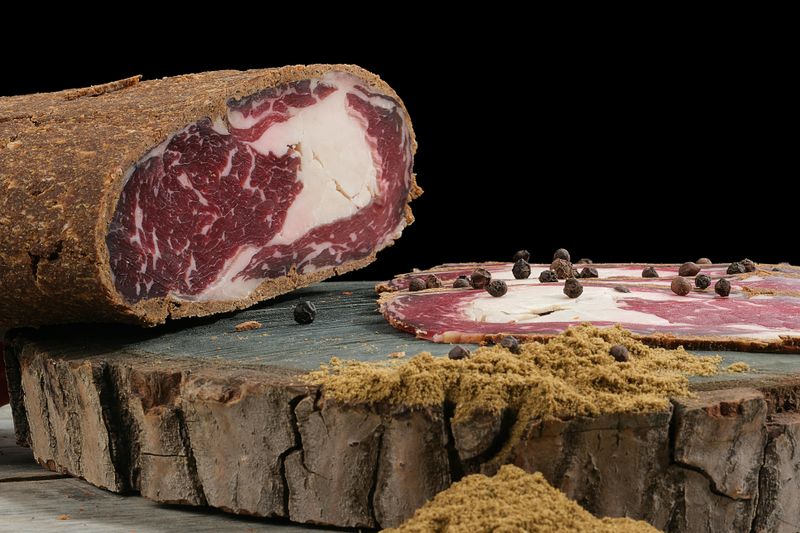
Red meat has long been tied to heart disease, colon cancer, and environmental concerns. Processed versions raise clearer risks, but fresh cuts got swept into the same bucket for many.
The message simplified to meat is bad.
Reality is messier. Portion sizes, cooking methods, and frequency matter.
Trimming visible fat and avoiding charring can help.
If you eat red meat, plan it like a treat, not a default. Balance with beans, fish, whole grains, and fiber-rich sides.
Let variety carry your week and keep steak nights special.
Bacon
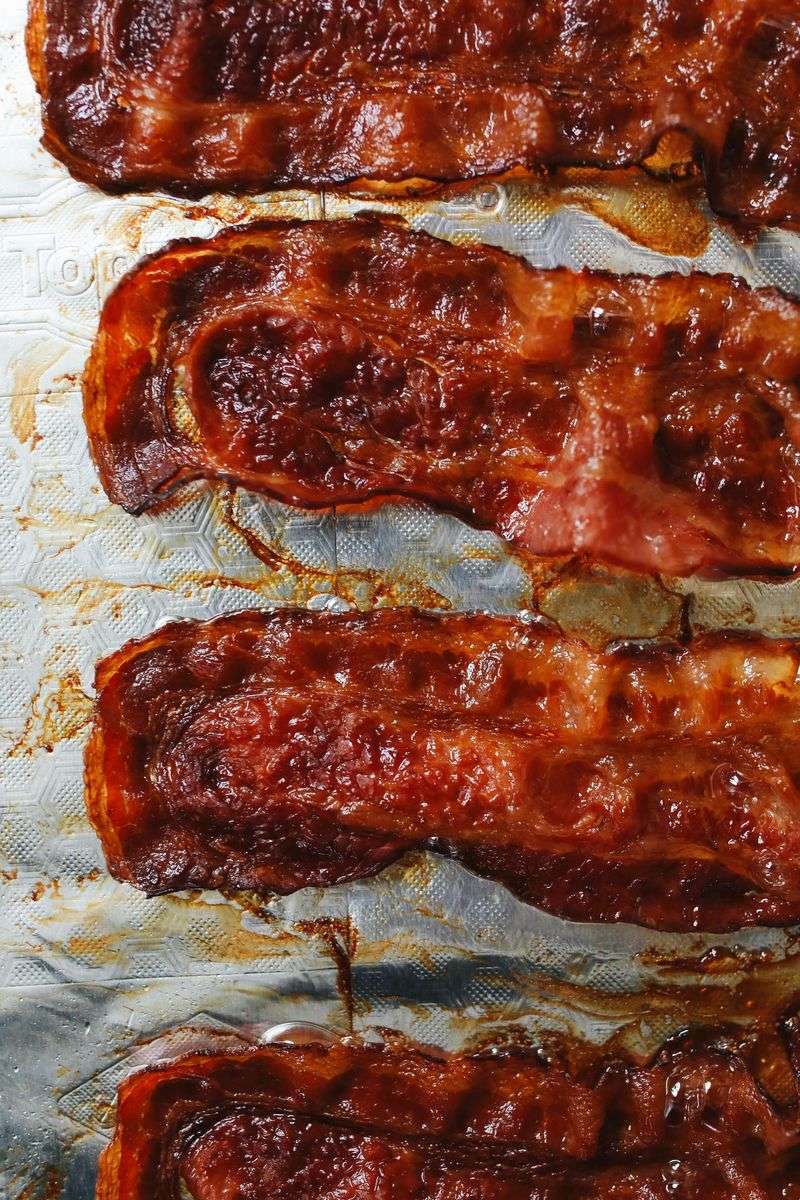
Bacon’s sizzle sells, but it wears a heavy processed meat label. Nitrates, sodium, and saturated fat feed its reputation.
Headlines warned of cancer links when eaten frequently, and many people never forgot.
You can respect the risk without panicking. Occasional servings, smaller portions, and mindful pairings go a long way.
Look for lower sodium or nitrate free options if they fit your taste.
Save bacon for moments you will savor. Add extra fruit, greens, and water alongside.
Let it be a crispy accent, not the main act.
Sausage

Sausage sits with processed meats that raise health concerns. Salt, preservatives, and saturated fat contribute to its bad name.
It is easy to overeat, tucked into buns or layered on pizzas.
Still, you can be strategic. Choose leaner poultry versions or smaller links.
Balance your plate with crunchy salads, roasted vegetables, or beans.
Think frequency and quality. Save artisan or well-sourced sausage for occasional meals.
When you do indulge, enjoy it slowly and fully, letting a little carry a lot of flavor.
Sugar

Sugar became the universal villain for good reason: excess intake links to weight gain, fatty liver, and dental woes. Hidden sugars in sauces and snacks keep totals high without you noticing.
Cutting back helps almost everyone.
But an occasional dessert is not doom. The problem is routine overconsumption.
Reading labels and savoring sweets mindfully can shift the balance.
Try fruit forward treats, smaller portions, and balanced meals with protein and fiber. You will likely feel steadier energy.
Keep sugar special, not standard, and the story changes.
Salt

Salt was branded bad as hypertension rates climbed, and sodium limits became common advice. Many processed foods cram in more than you would add at home.
That stealthy load keeps blood pressure high for salt sensitive folks.
Yet salt also makes food satisfying, which can help you cook more at home. The key is using less packaged fare and seasoning thoughtfully.
Taste before shaking.
Focus on potassium rich foods, herbs, acids, and umami to reduce reliance. Track your numbers if advised.
You can enjoy flavor without the flood.
Pasta
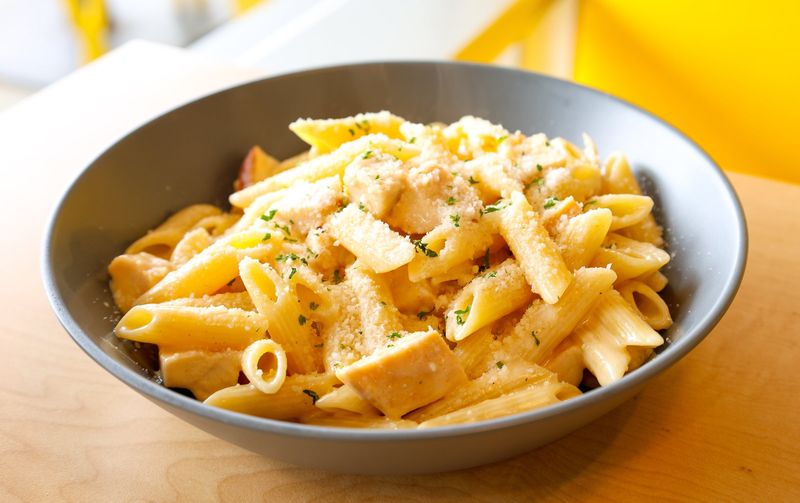
Pasta was vilified by low carb waves and diet culture shortcuts. People imagined instant weight gain from a single bowl.
In reality, portion size and what you pair it with matter more than the noodle itself.
Choose al dente, add vegetables, beans, or lean protein, and drizzle olive oil. These moves slow digestion and boost satisfaction.
Whole grain or legume pastas add fiber.
A measured plate can absolutely fit. Try smaller bowls, more sauce substance, and mindful seconds.
Let pasta be a vehicle for color, texture, and balance.
Rice

Rice, especially white, gets flagged for quick digestion and blood sugar spikes. Some extrapolate that to mean rice is bad, full stop.
That ignores portions, accompaniments, and cultural context where balanced meals make it work.
Cooling and reheating can increase resistant starch slightly. Pair rice with vegetables, protein, and healthy fats to level your response.
Brown and mixed grains add fiber too.
You can also try smaller scoops and savor each bite. The aim is steadiness, not perfection.
Rice can coexist with health goals when the plate is varied.
Potatoes

Potatoes were painted as empty carbs thanks to fries and chips dominating the image. But a plain potato offers potassium, vitamin C, and fiber in the skin.
The problem is often preparation and portions, not the vegetable itself.
Choose baking, roasting, or boiling over deep frying. Keep toppings light and add greens or protein on the side.
Cooling and reheating can raise resistant starch a bit.
Let potatoes play a supporting role. Vary colors with sweet or purple varieties.
You can enjoy the comfort without the crash by balancing the plate.
Processed cheese

Processed cheese gets mocked as plastic slices with questionable ingredients. It is engineered for meltability, not artisanal cred.
Sodium and additives fuel the bad branding, and purists roll their eyes.
Yet it solves a real kitchen job: perfect melt on burgers or breakfast sandwiches. Occasional use is fine if the rest of your diet is varied.
Read labels and pick shorter ingredient lists when possible.
Mix it up with real cheese other days. Keep portions small and enjoy the nostalgia factor.
Food joy counts too, alongside nutrition.
Hot dogs

Hot dogs carry the full processed meat baggage: sodium, preservatives, and links to higher health risks with frequent intake. Cheap versions reinforced the junk image.
The bad label stuck hard.
You can upgrade thoughtfully. Choose better quality franks, smaller sizes, or poultry based options.
Load the bun with crunchy veggies, mustard, and sauerkraut for balance.
Reserve them for ballgames, cookouts, and fun gatherings. Enjoy one, then shift to fruit and water.
Let hot dogs be a sometimes tradition, not a staple.
Bologna

Bologna became shorthand for low quality lunch meat. Emulsified texture, additives, and sodium reinforced the stigma.
Many grew up eating it and then swore it off as adults.
There is room for nuance. Occasional nostalgia sandwiches can fit into a balanced week.
You can seek versions with fewer additives or try turkey bologna to lighten things up.
Load that sandwich with crisp lettuce, tomato, and whole grain bread when possible. Eat slowly and appreciate the memory.
Then rotate in leaner proteins most days to keep variety high.
Spam

Spam’s shelf stability and salty punch made it a wartime staple, then a punchline. The can symbolizes processed meat excess for many.
But it is also woven into real culinary traditions that treat it with respect.
If you enjoy it, keep portions small and pair with vegetables, rice, and plenty of water. Consider pan searing to render some fat and deepen flavor.
Do not make it daily.
Cultural context matters. Honor the dishes you love and keep frequency sensible.
Balance is the bridge between pleasure and health.
Chocolate
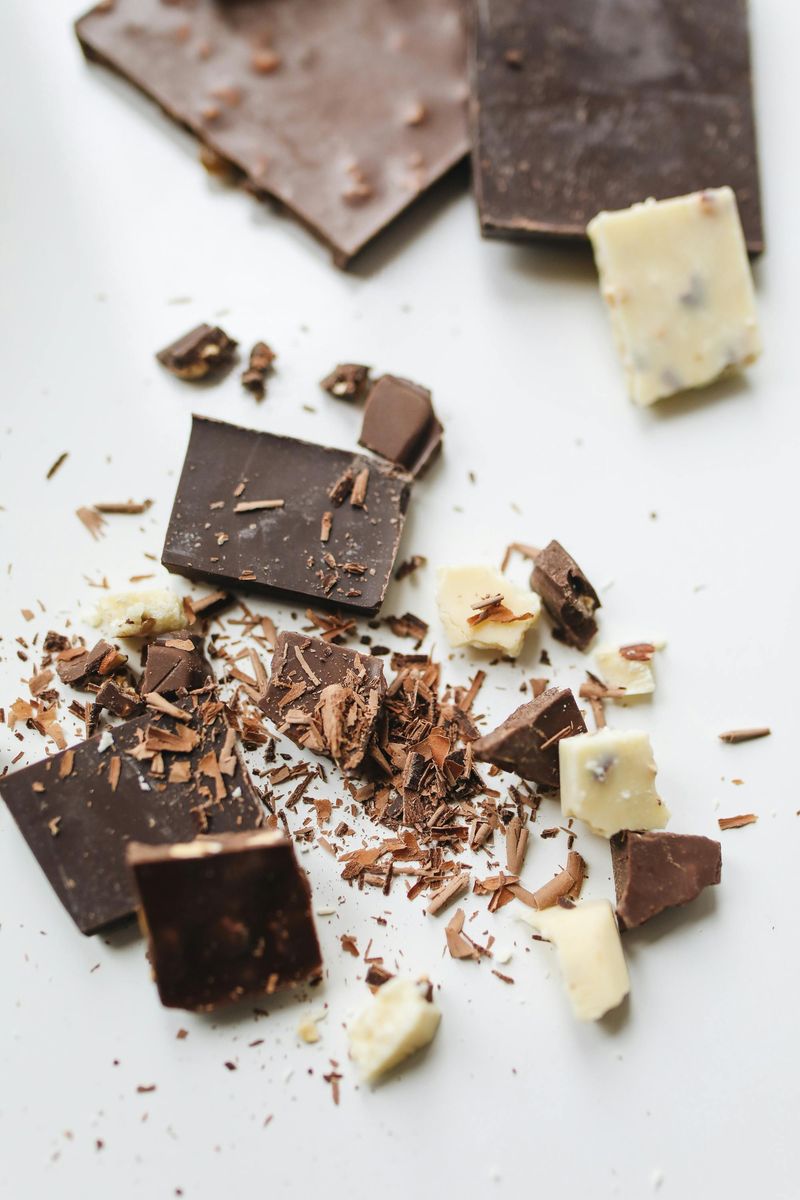
Chocolate was scolded for sugar and fat, then partially redeemed by cocoa’s flavanols. The public message stayed mixed, so many still call it bad by default.
The key is type and dose.
Dark varieties with higher cocoa and less sugar offer more potential benefits. A few squares can satisfy without overdoing it.
Milk chocolate and candies are best kept occasional.
Pair chocolate with fruit, nuts, or simply a quiet moment. Let it melt slowly and notice the aroma.
Pleasure plus prudence can live in the same bite.
Ice cream

Ice cream wears the sugar and saturated fat scarlet letters. Diet culture framed it as a cheat food, which can fuel all or nothing thinking.
That mindset often backfires.
Instead, enjoy a mindful scoop. Choose quality, savor texture, and stop at enough.
Fruit based add ins or smaller cones can help you hit the sweet spot.
Plan it into your week like any treat. Balance heavier days with lighter meals and movement.
Ice cream can be joy, not a judgment, when you stay intentional.