



Explore the warmth and richness of Korean cuisine with this list of 18 comforting dishes that go beyond the familiar realm of BBQ and Kimchi jjigae. Each item is a culinary delight that offers a unique taste experience, perfect for bringing comfort and joy.
Sundubu Jjigae (Soft Tofu Stew)
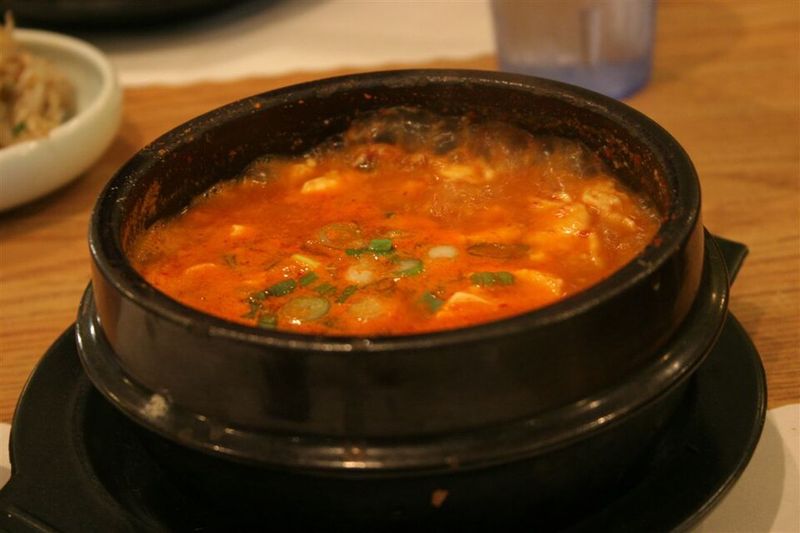
Sundubu Jjigae captivates with its warm, spicy broth and silky tofu texture. It’s a beloved choice during cold months, offering a comforting yet lively experience.
The stew often includes seafood or meat, with clams being a popular addition. The dish is typically served in a hot stone pot, keeping it bubbling hot.
A raw egg is usually cracked on top, adding a rich dimension. It’s a dish that brings warmth to both your stomach and soul, making it a staple in Korean households.
Bibimbap
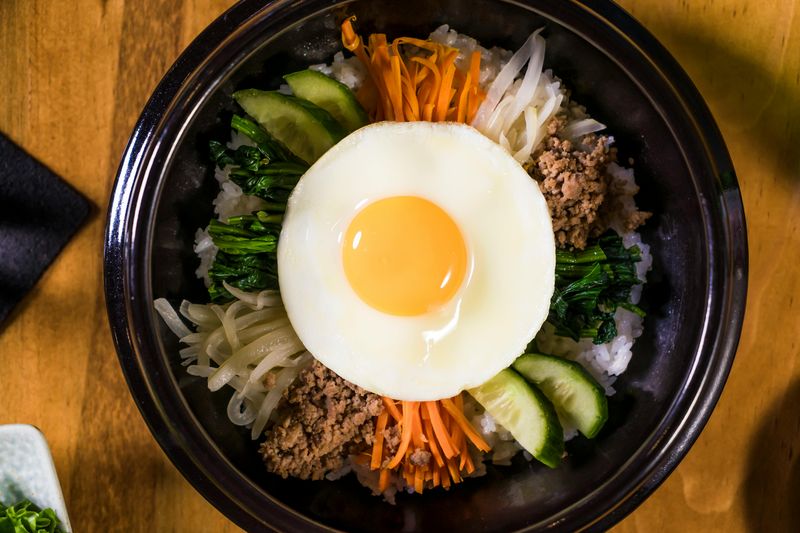
Bibimbap stands out with its colorful presentation and wholesome nature. This dish is a delightful mix of rice, vegetables, and beef.
Each element is distinct yet harmonizes beautifully when mixed with spicy gochujang sauce. A fried egg crowns the dish, adding a creamy texture.
Bibimbap’s visual appeal and harmonious flavors make it a favorite among food lovers. Each bite is a new experience, a vibrant mosaic of flavors and textures.
Japchae
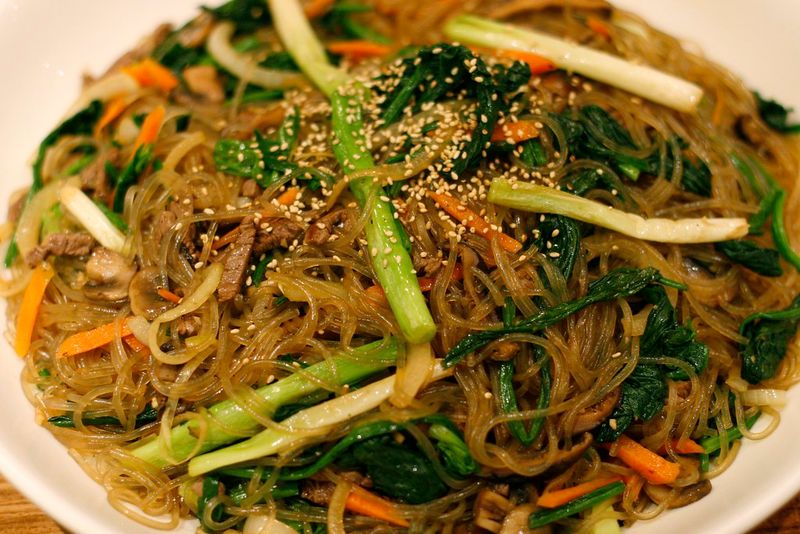
Japchae is a dish that dances between savory and sweet. Made with glass noodles, it offers a delightful texture and flavor.
The noodles are stir-fried with beef and an assortment of vegetables like spinach and carrots. A touch of soy sauce and sugar brings everything together.
Sesame seeds sprinkled on top add a nutty aroma. Japchae is often enjoyed as a celebratory dish, its vibrant colors reflecting joyous occasions.
Tteokbokki

Tteokbokki is the spicy, street food darling of Korea. Its chewy rice cakes soaked in a fiery gochujang sauce are irresistible to spice lovers.
It’s often combined with fish cakes, adding a savory depth. This dish is about indulgence and bold flavors.
Despite its spicy nature, it provides a satisfying warmth that keeps many coming back for more. Tteokbokki is a vivid representation of Korean street food culture.
Jajangmyeon
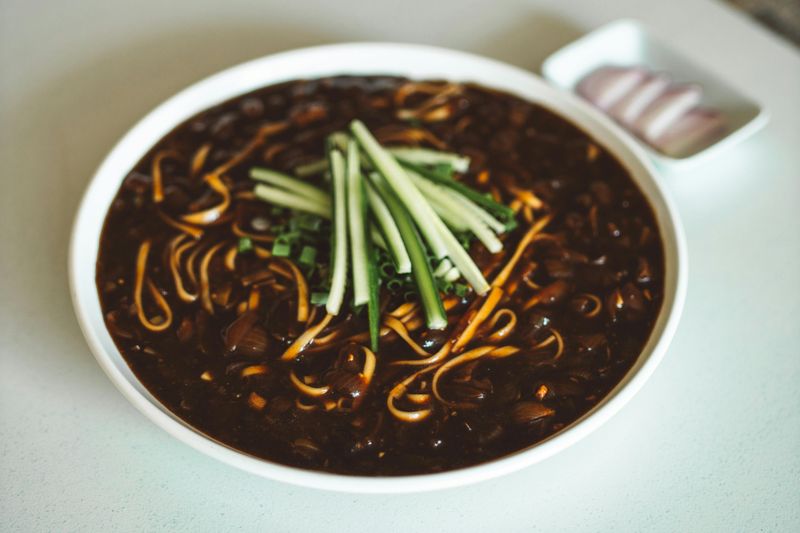
Jajangmyeon offers a comforting embrace with its thick, black bean sauce. This noodle dish is a beloved staple in Korean homes.
The sauce, made from fermented black beans, coats the chewy noodles, creating a rich flavor profile. Often, diced pork or seafood is added.
Slices of cucumber provide a refreshing contrast. Jajangmyeon is an everyday favorite, known for its satisfying and hearty nature.
Naengmyeon (Cold Noodles)
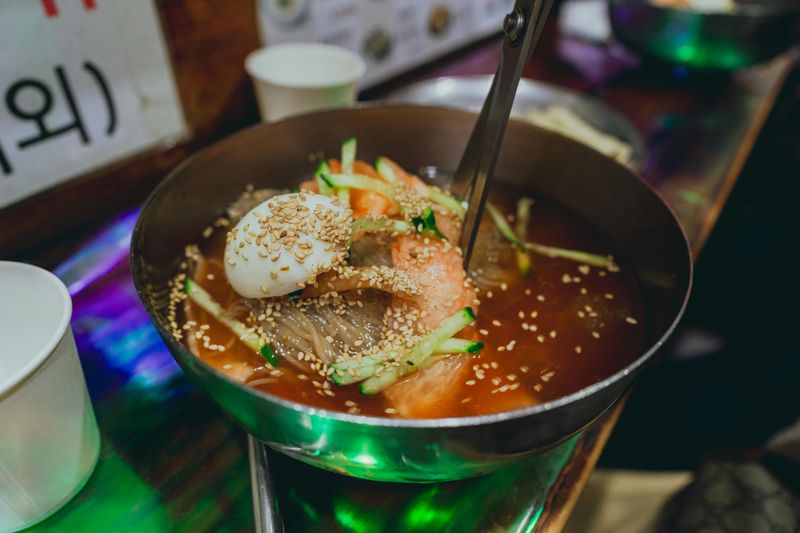
Naengmyeon offers a refreshing escape from the heat with its icy, cold broth and chewy buckwheat noodles. It’s the ultimate summer dish.
Slices of beef and a hard-boiled egg add protein, while cucumber delivers a crunchy contrast. The tangy broth is invigorating.
Often enjoyed in a communal setting, Naengmyeon is both a social and culinary delight. It’s a dish that refreshes both body and spirit.
Kimchi Fried Rice
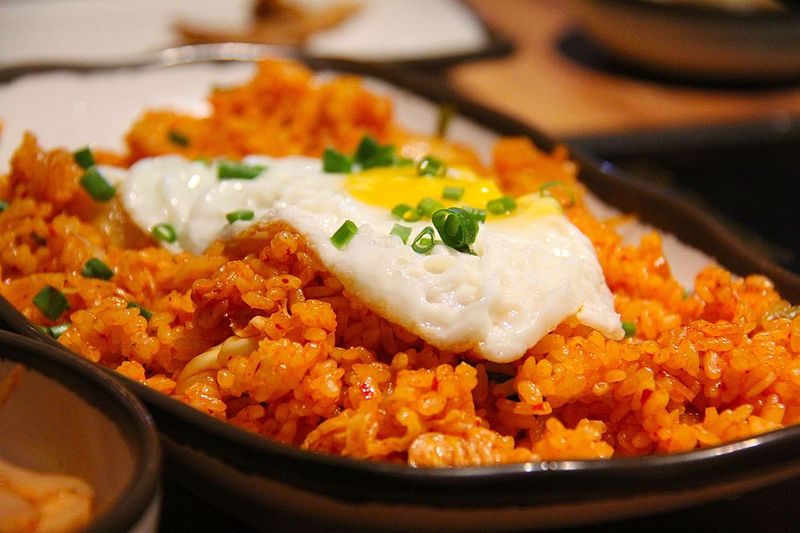
Kimchi Fried Rice is a symphony of flavors, combining the spicy tang of kimchi with the comforting familiarity of fried rice. It’s a staple for Korean households.
Leftover rice is transformed with the addition of kimchi, vegetables, and sometimes meat. A fried egg on top adds a creamy richness.
This dish is a testament to the versatility of kimchi, turning simple ingredients into something extraordinary. It’s both satisfying and full of character.
Chicken Karaage (Korean Style)
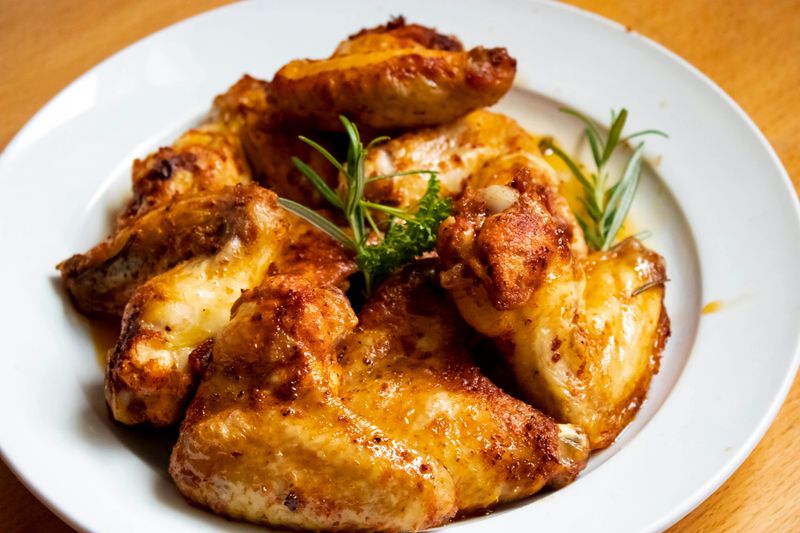
Korean-style Chicken Karaage offers a crispy, savory delight that’s hard to resist. These juicy, marinated chicken bites are a crowd-pleaser.
The chicken is double-fried for extra crunch, creating an irresistible texture. A hint of spice adds excitement.
Though not traditionally Korean, this version embodies the playful fusion of flavors. It’s a dish perfect for sharing among friends, accompanied by lively conversation.
Tonkatsu (Korean Donkatsu Version)
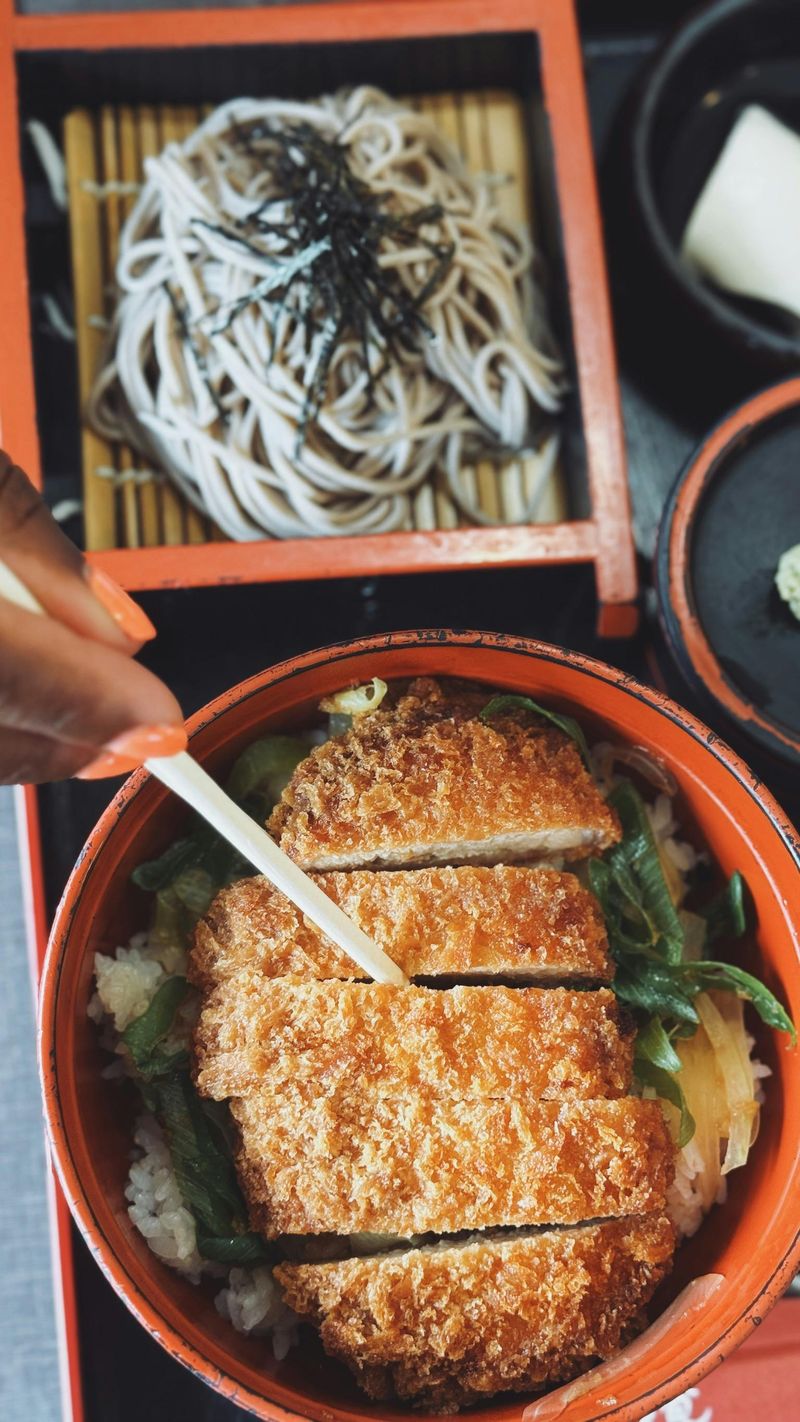
Korean Donkatsu is a hearty, crunchy delight. This breaded pork cutlet is fried to perfection, offering a satisfying crunch.
Served with rice and shredded cabbage, it’s a complete meal. The sweet and tangy tonkatsu sauce elevates the flavors.
Though originally Japanese, the Korean version has its own unique charm. It’s comfort food at its best, providing warmth and satisfaction.
Gamjatang (Pork Bone Soup)
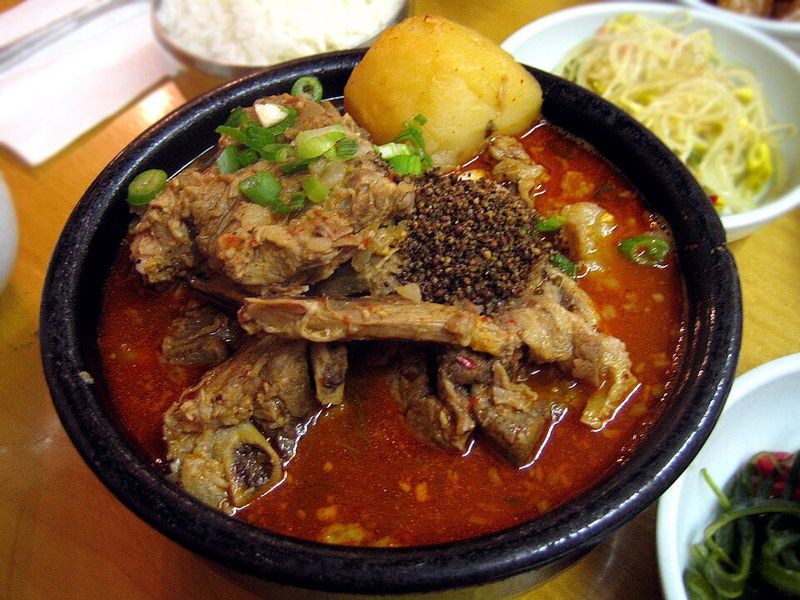
Gamjatang is a robust dish that captures the heart with its rich, spicy broth. The pork bones lend a deep, savory flavor.
Potatoes and napa cabbage soak up the broth, while perilla leaves add a distinct aroma. It’s a dish that fills more than just your stomach.
Perfect for chilly days, Gamjatang is a communal experience, often shared in large groups. It’s a warm embrace in a bowl.
Haemul Pajeon (Seafood Pancake)
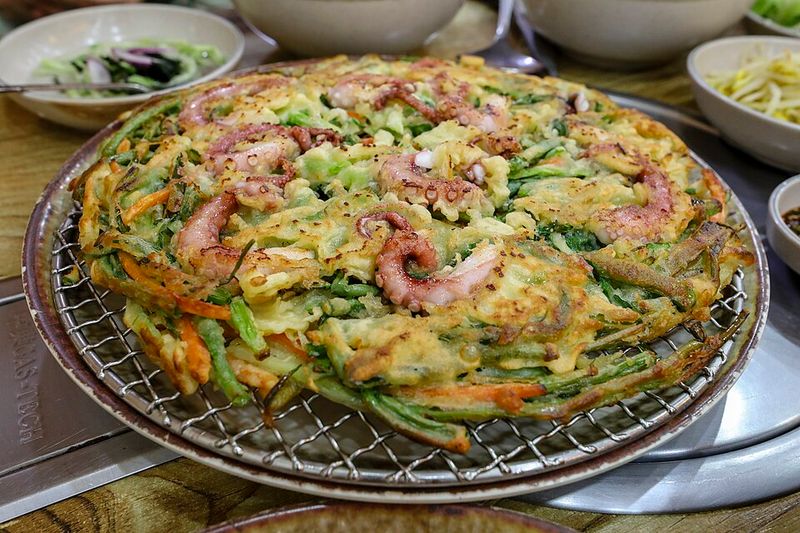
Haemul Pajeon is a crispy, savory pancake that showcases the bounty of the sea. Packed with seafood and green onions, it offers a delightful texture.
Crispy on the outside and tender inside, it pairs beautifully with soy dipping sauce. The variety of seafood adds layers of flavor.
Often shared among friends, Haemul Pajeon is both a meal and social experience. It’s a celebration of flavors and companionship.
Kimchi Pajeon
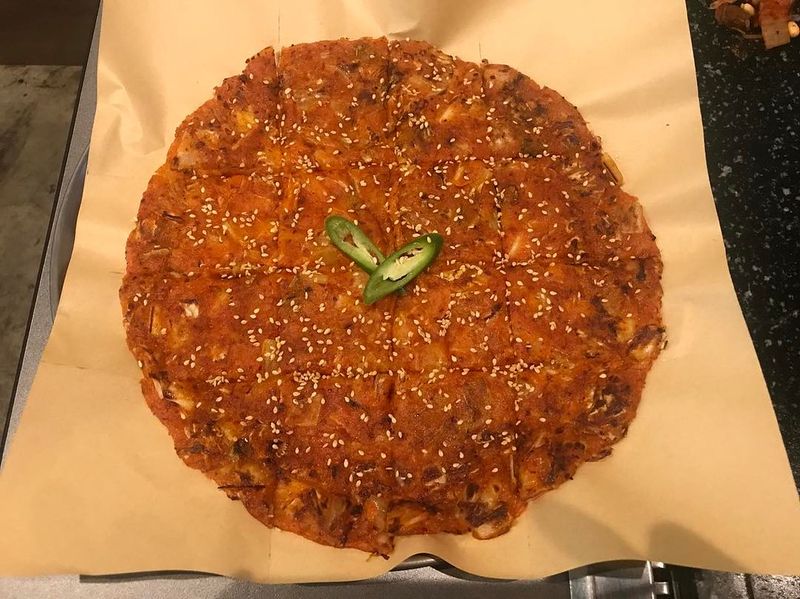
Kimchi Pajeon is a spicy pancake that combines the boldness of kimchi with the crispness of a traditional pancake.
The fermentation of kimchi adds a rich, spicy depth to the dish, making it an exciting choice for those who love a kick.
It’s perfect for sharing, often enjoyed as a snack or side dish. Kimchi Pajeon is a versatile dish full of character and zest.
Mandu Soup
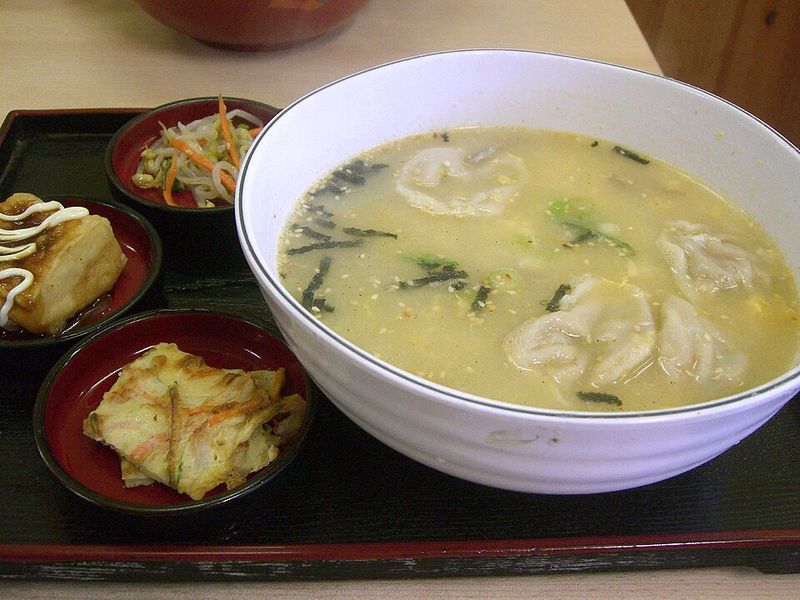
Mandu Soup is a comforting dish, featuring delicate dumplings in a light, savory broth. Each dumpling is a little pouch of joy.
Filled with a mix of meat and vegetables, the dumplings offer a tender bite. The broth complements the flavors, adding warmth.
It’s a favorite during colder months, providing a gentle, soothing experience. Mandu Soup is like a warm hug in a bowl.
Gyeran-jjim (Steamed Eggs)
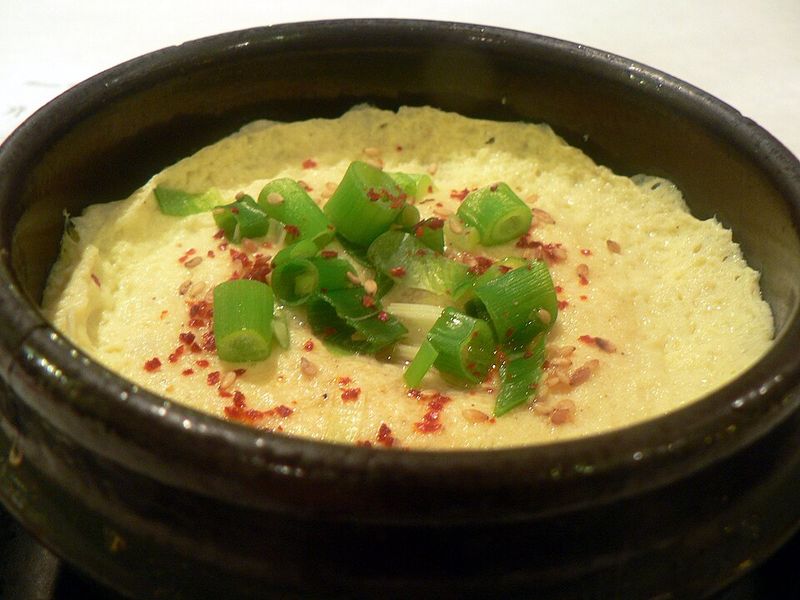
Gyeran-jjim is a fluffy, delicate dish that melts in your mouth. Steamed eggs are transformed into a light, airy delight.
Often served as a side dish, it complements a variety of meals. The gentle flavor is soothing to the palate.
Garnished with green onions, it adds a touch of color and aroma. Gyeran-jjim is a simple pleasure, offering comfort and warmth.
Hobakjuk (Pumpkin Porridge)
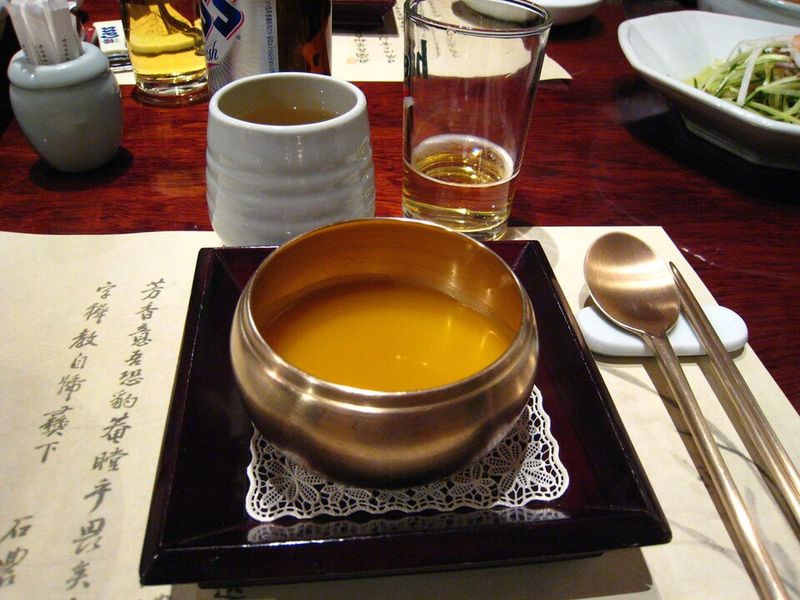
Hobakjuk is a sweet, comforting porridge made from pumpkin, offering a smooth, creamy texture.
It’s often enjoyed as a breakfast or dessert, providing a gentle start or end to the day. The natural sweetness is enhanced by a touch of sugar.
Garnished with pine nuts, it adds a nutty contrast. Hobakjuk is a dish of simplicity and delight, soothing the soul with each spoonful.
Dakjuk (Chicken Porridge)
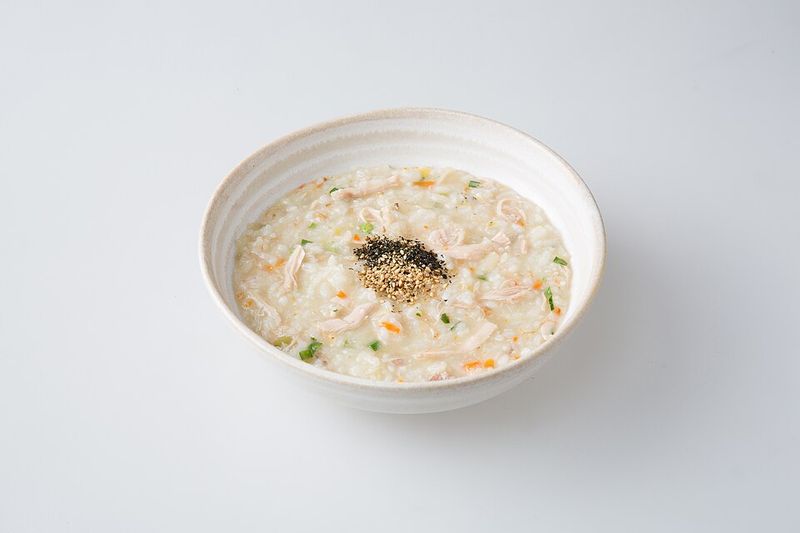
Dakjuk is a comforting porridge that combines shredded chicken with rice in a heartwarming blend.
The gentle flavors are soothing, making it a go-to dish for those feeling under the weather. It’s nourishing and satisfying.
Sesame seeds on top add a subtle aroma. Dakjuk embodies comfort, providing warmth and care with every spoonful.
Budae Jjigae (Army Stew)
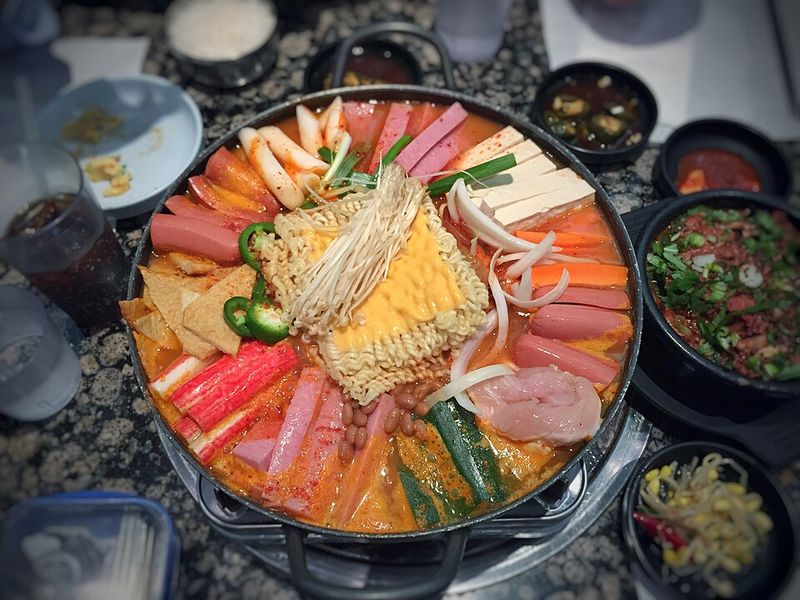
Budae Jjigae is a spicy, eclectic stew born from innovation. Combining sausages, tofu, and noodles, it’s a rich, flavorful experience.
Originally created from surplus army supplies, its unique mix of ingredients tells a story of adaptation. The kimchi and vegetables add freshness.
Each bite offers a different surprise, making it a communal favorite. Budae Jjigae is both a dish and a narrative of resilience and creativity.
Doenjang Jjigae (Soybean Paste Stew)
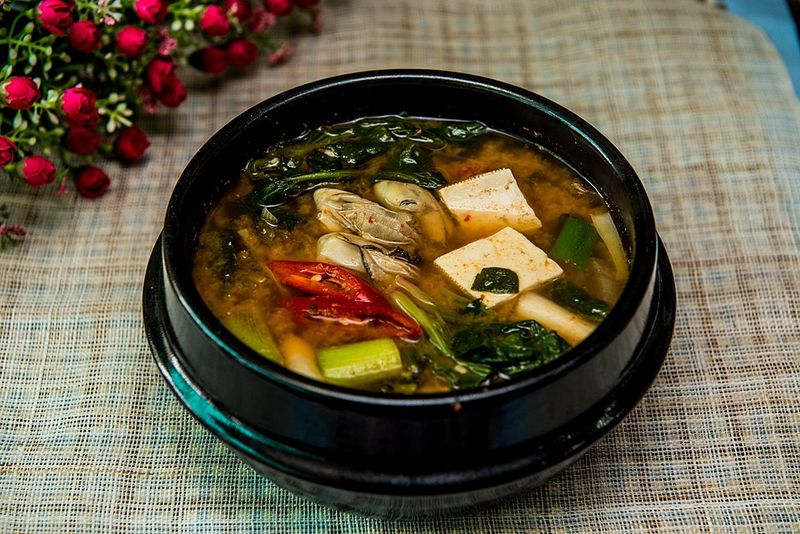
A cornerstone of Korean cuisine, Doenjang Jjigae delivers a deep, umami flavor from its fermented soybean paste. Its hearty nature is complemented by a rich array of vegetables.
Tofu, potatoes, and zucchini are common ingredients, soaking up the savory broth beautifully. It’s a dish that reflects Korean home-cooking at its finest.
The wholesome flavors offer a taste of nostalgia for many Koreans. Enjoying this stew is like wrapping yourself in a comforting culinary blanket.