


Ever felt pressured to enjoy a meal simply because everyone else seems to? You’re not alone. Here are 18 dishes that, despite their popularity, often don’t hit the spot for many of us.
Fruitcake
Fruitcake is often the centerpiece of holiday desserts, but it’s not everyone’s favorite.
Packed with candied fruits and nuts, the dense texture can often feel overwhelming. Some find the overly sweet and sticky combination unappealing.
Despite its festive reputation, it often ends up being re-gifted. While fruitcake has its fans, many quietly avoid it, dreading the holiday tradition of another slice. It’s a love-it-or-hate-it dessert that remains a holiday staple.
Liver and Onions
Liver and onions might be a classic, but the strong flavor isn’t for everyone.
The metallic taste of liver often overshadows the sweetness of caramelized onions. Some find the texture off-putting, leading to avoidance at dinner tables.
Despite attempts to reinvent this dish, it remains an acquired taste. Many diners prefer to skip this meal, hoping for something less intense. The nostalgia associated with liver and onions can’t always overcome its divisive flavor.
Ambrosia Salad
Ambrosia salad, with its mishmash of ingredients, often puzzles those unfamiliar with it.
Featuring canned fruits, marshmallows, and whipped cream, it blurs the line between salad and dessert. The texture and flavors can be bizarre for some.
Despite its vintage charm, many find it overly sweet and confusing. It’s often left untouched at potlucks, with diners opting for simpler choices. Ambrosia salad might evoke nostalgia, but it’s not always a beloved dish.
Gelatin Molds
Gelatin molds, once a party favorite, now often receive mixed reviews.
The wobbly texture and artificial colors can be off-putting for those preferring natural flavors. Embedded fruits add an unexpected chewiness that not everyone appreciates.
Despite their visual appeal, gelatin molds often remain as table decorations rather than dessert. Many see them as relics of the past, enjoyed only by a niche audience. Their place in modern cuisine is more about nostalgia than taste.
Sardines
Sardines, despite their nutritional benefits, are not universally loved.
Their strong fishy aroma and oily texture can be overwhelming for some palates. Eating them straight from the can isn’t appealing to everyone.
While considered a delicacy in certain cuisines, sardines often remain in the pantry untouched. Many prefer milder fish options, sidelining sardines to the adventurous eaters. They’re a polarizing choice at any meal.
Tofu
Tofu, a staple in vegetarian diets, can be a love-hate affair.
Its bland flavor requires proper seasoning to shine, which some find challenging to master. The spongy texture doesn’t appeal to everyone, often being described as lacking character.
While versatile, tofu can be uninspiring if not prepared well. Many diners skip it, opting for more flavorful protein sources. Tofu’s potential is vast, but it’s not always the first choice.
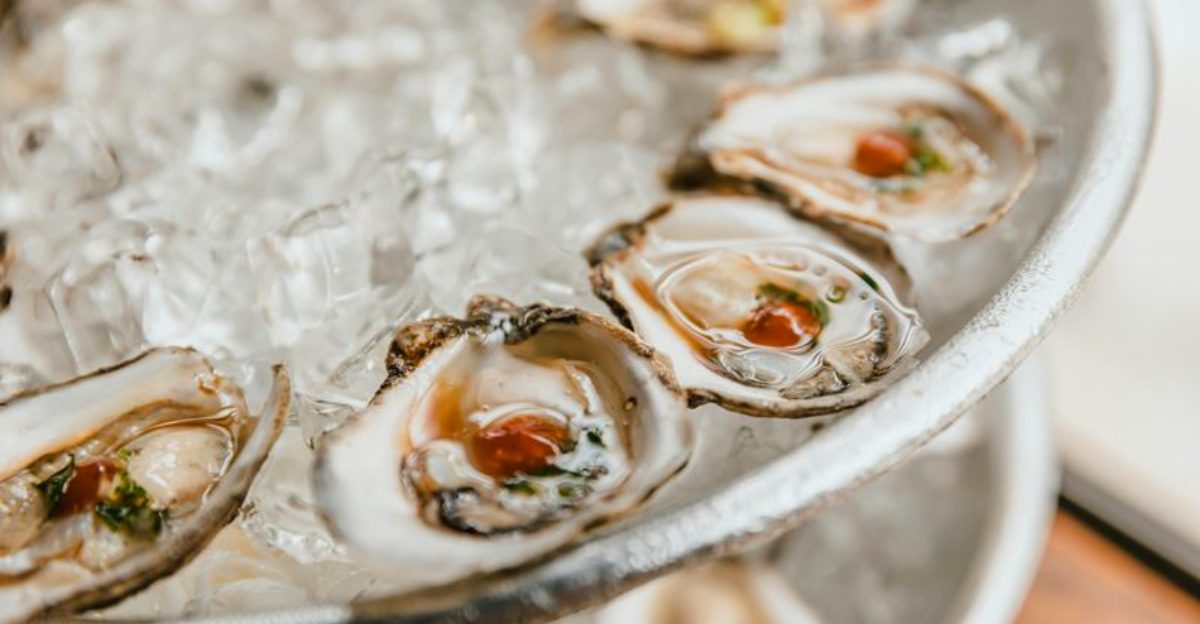
Oysters
Oysters are a delicacy that often divides opinion.
Their slimy texture and briny taste can be off-putting, making them an acquired taste. The idea of swallowing them whole doesn’t appeal to everyone.
Despite their gourmet reputation, many prefer to admire them from afar. Oysters might be a treat for some, but they’re a challenge for others. Their presence is often more about the experience than the flavor.
Brussels Sprouts
Brussels sprouts, despite their nutritious value, aren’t everyone’s favorite.
Their strong, bitter flavor can be difficult to mask, even with creative recipes. The typical mushy texture doesn’t win over many fans.
While some adore them roasted, others avoid them at all costs. They’re often the vegetable left behind on dinner plates. Brussels sprouts continue to be a contentious side dish despite their health benefits.
Blue Cheese
Blue cheese, with its bold flavor, is not universally adored.
The pungent aroma and moldy appearance can be a turn-off for many. Its intense taste is often overwhelming, limiting its appeal.
Despite being a staple in cheese platters, blue cheese often remains untouched. Many prefer milder cheese varieties, leaving blue cheese to the brave. Its strong character is both its allure and deterrent.
Caviar
Caviar is synonymous with luxury, yet not everyone’s cup of tea.
The salty, fishy flavor and tiny popping texture are not universally enjoyed. The expense often exceeds the enjoyment for many diners.
Despite its status, caviar is often more about prestige than taste. Many would rather invest in more satisfying treats. It’s a polarizing delicacy loved by some, but quietly bypassed by others.
Haggis
Haggis, a Scottish classic, isn’t for the faint-hearted.
Its rich, gamey flavor and unusual ingredients can be daunting. The idea of consuming sheep’s organs wrapped in stomach isn’t appealing to everyone.
While a cultural symbol, haggis is often met with skepticism outside Scotland. It’s cherished by some but politely declined by others. The bold flavors make it a dish for the adventurous.
Sauerkraut
Sauerkraut, known for its tangy flavor, can be divisive.
The fermented cabbage carries a sharp taste and pungent smell. Its acidity isn’t universally appreciated, especially by those preferring milder foods.
While popular in certain cuisines, sauerkraut is often side-stepped by the cautious eater. It’s a unique addition to meals, but not always a welcome one. The boldness of sauerkraut makes it a challenging choice.
Anchovies
Anchovies, with their saltiness, can overpower dishes.
The intense, fishy flavor doesn’t appeal to everyone, especially in larger quantities. Their texture, combined with the strong aroma, often deters diners.
While they add depth to certain sauces, anchovies are often picked off pizzas. Many prefer milder toppings, leaving anchovies for the daring. Their presence is both a culinary boon and bane.
Jellied Eels
Jellied eels, a London specialty, are not for everyone.
The gelatinous texture and fishy taste can be off-putting. The unusual preparation method is often a deterrent for the uninitiated.
Despite its historical roots, jellied eels remain a niche delicacy. Many prefer to pass on this dish, opting for more familiar flavors. It’s a culinary curiosity rather than a widespread favorite.
Haggis
Haggis, a Scottish classic, isn’t for the faint-hearted.
Its rich, gamey flavor and unusual ingredients can be daunting. The idea of consuming sheep’s organs wrapped in stomach isn’t appealing to everyone.
While a cultural symbol, haggis is often met with skepticism outside Scotland. It’s cherished by some but politely declined by others. The bold flavors make it a dish for the adventurous.
Kimchi
Kimchi, with its spicy, tangy profile, is not universally loved.
The fermented taste and pungent aroma can be intimidating. Its bold flavors are an acquired taste for those unaccustomed to Korean cuisine.
While celebrated globally, kimchi often remains an acquired taste. Many diners look for milder alternatives, leaving kimchi for the aficionados. Its presence at meals adds intrigue but not always enjoyment.
Spam
Spam has a peculiar charm, but isn’t a favorite for all.
The processed texture and salty taste often lead to mixed reactions. It’s a convenience food, but not everyone appreciates its artificiality.
Though nostalgically linked to wartime meals, many avoid it for fresher options. Spam is both a staple and a mystery meat, intriguing yet bewildering. Its reputation precedes its flavor, dividing opinions.
Eggplant
Eggplant, with its unique texture, is not universally adored.
The spongy quality can be unappealing if not cooked properly. Its mild taste doesn’t always win over fans who prefer bolder flavors.
While versatile, eggplant often remains overshadowed by more popular vegetables. Many diners move past it, looking for more exciting options. It’s embraced in some cuisines but politely declined in others.