


Some recipes feel like doorways to another era, and tackling them can be intimidating when you are just finding your kitchen groove. If you have ever stared at a bubbling pot and wondered if Grandma had secret instructions, you are not alone.
These beloved classics ask for patience, timing, and a little courage. Let’s break them down so you can cook with confidence and maybe even start a new tradition at your table.
Pot roast
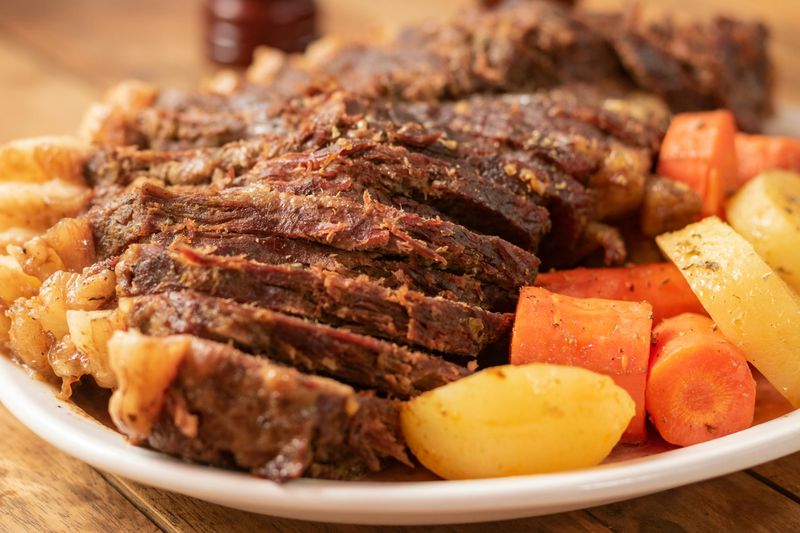
Pot roast can feel like a trust fall. You season, sear, and tuck it in to braise, then wait for magic.
The trick is low heat, time, and enough liquid to soften tough connective tissue. Aromatics like onions, garlic, and thyme do heavy lifting.
Brown the meat deeply for flavor, then deglaze with broth or wine. Keep the lid snug and avoid constant peeking.
Add root vegetables later so they do not disintegrate. When a fork slides in easily, rest the roast, thicken juices into gravy, and serve proudly.
Beef stew
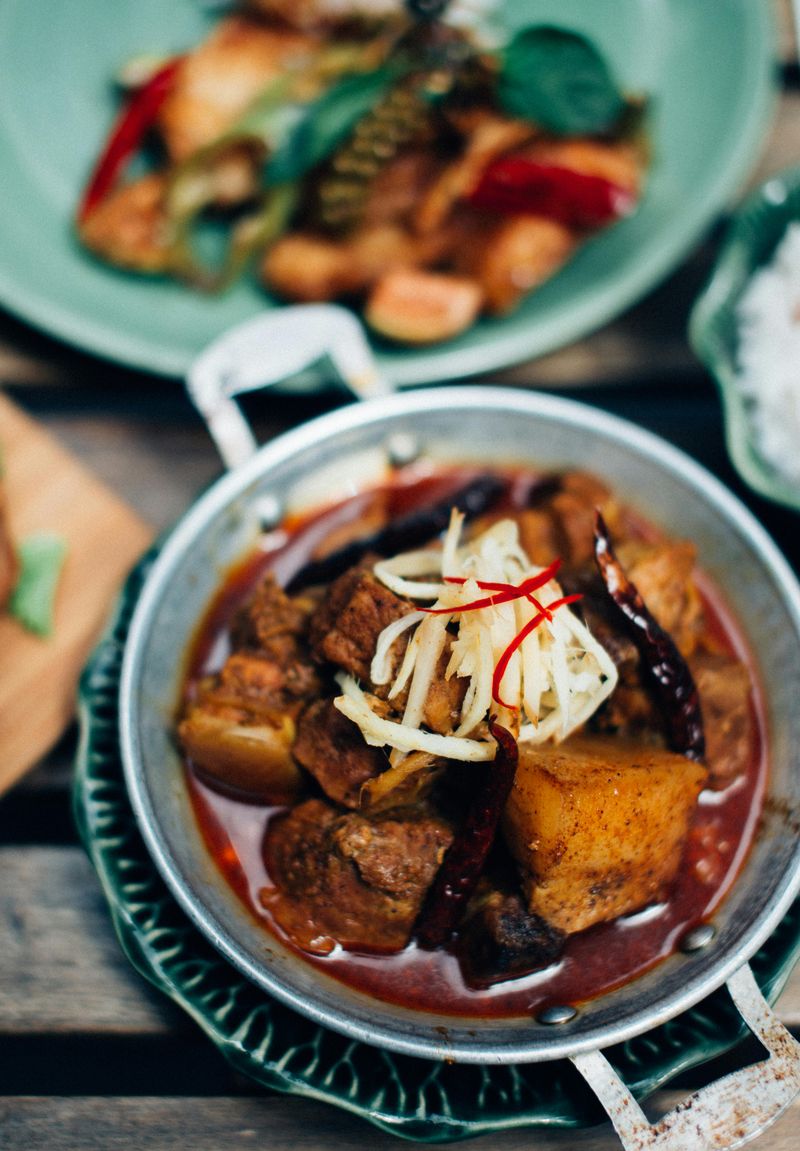
Beef stew scares many because meat turns tough if rushed. Choose chuck, cut it evenly, and brown in batches for deep flavor.
Deglaze the fond and simmer gently with stock, tomato paste, and herbs. Low and slow breaks down collagen, turning it silky.
Add potatoes and carrots mid-cook so they hold shape. Adjust salt at the end, not the beginning.
A splash of vinegar or Worcestershire brightens the richness. If it is thin, mash a few potatoes or whisk cornstarch with water.
Serve with crusty bread and confidence.
Chicken soup
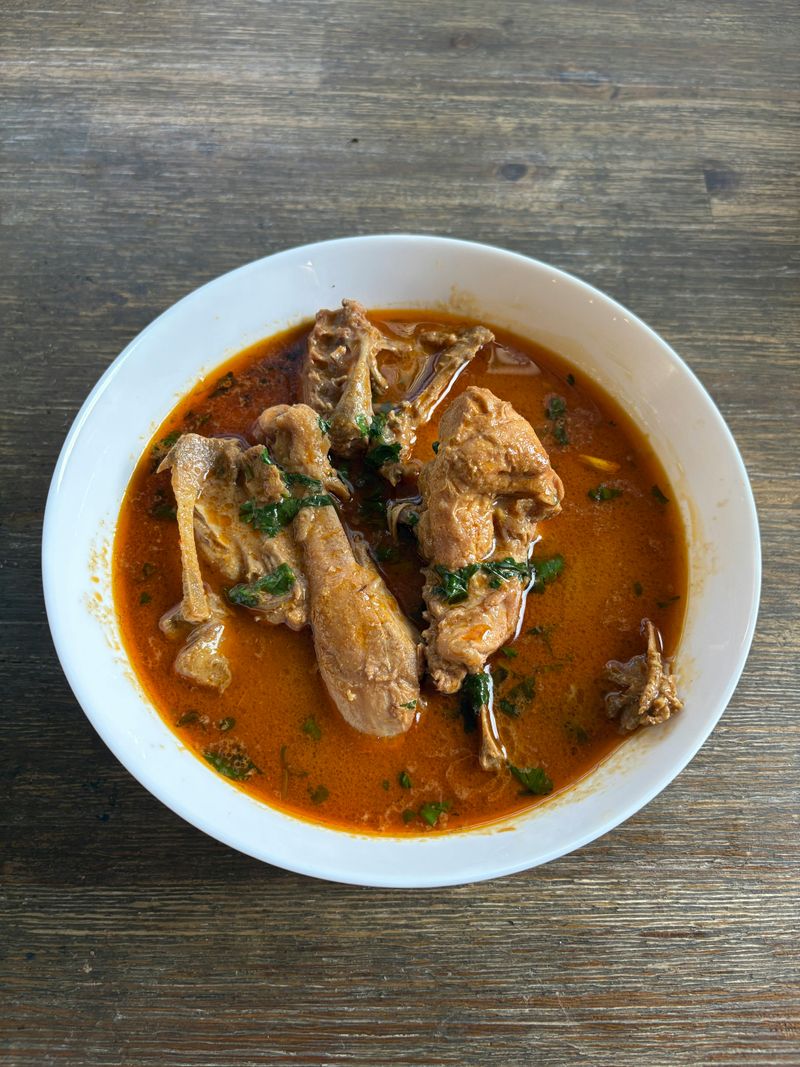
Chicken soup is simple in theory yet easy to muddy. Start with bone-in pieces for depth and skim foam for clarity.
Keep the simmer gentle so broth stays golden, not cloudy. Aromatics matter: celery, carrots, onion, bay, and a few peppercorns.
Salt lightly at first and finish seasoning at the end. Add noodles separately to avoid sogginess.
Shred chicken when tender, then return to the pot with fresh herbs like dill or parsley. A squeeze of lemon wakes everything up.
You will taste the calm in every spoonful.
Meatloaf
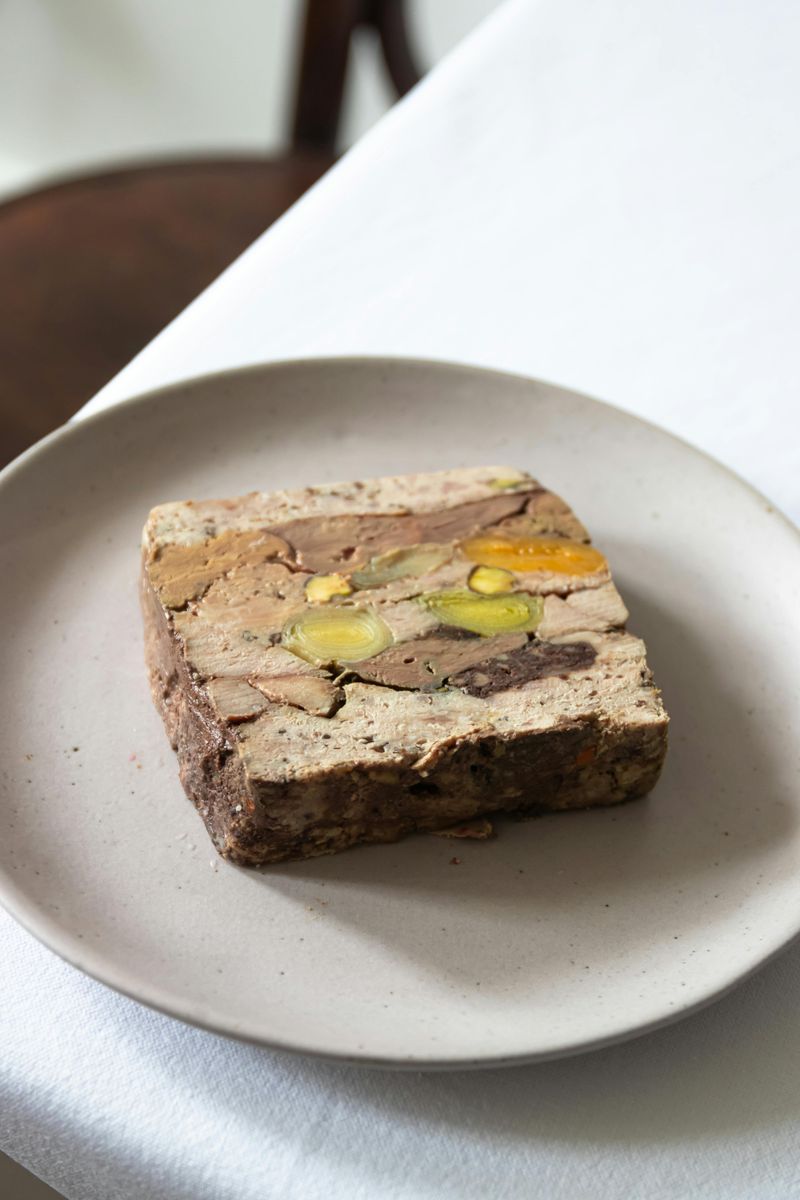
Dry meatloaf haunts dinner tables. Use a panade, bread soaked in milk, to keep it tender.
Mix gently so proteins do not seize. Combine beef with a little pork for moisture and flavor, and fold in grated onion for juiciness.
Shape a loaf on a sheet pan for even browning, not a deep pan. Brush with tangy ketchup glaze and bake until just cooked.
Rest before slicing to keep slices intact. If nervous, test a mini patty in a skillet to adjust seasoning first.
Easy win.
Roast chicken
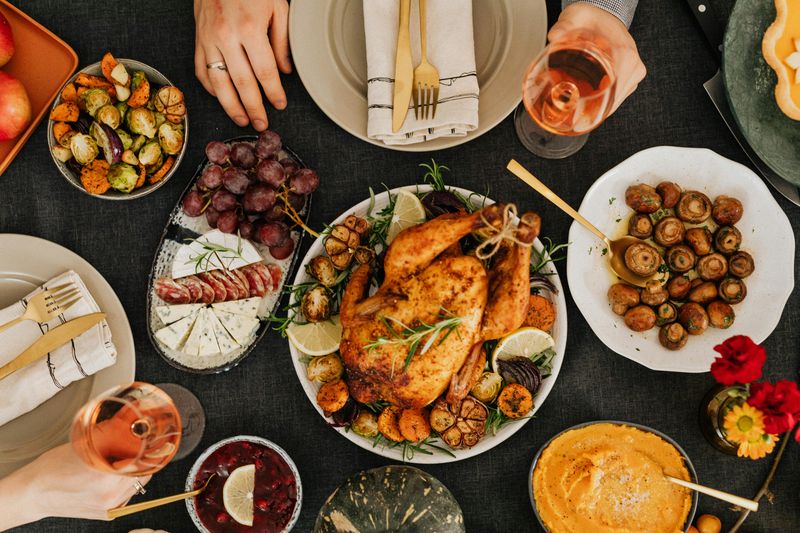
Roast chicken looks simple but timing and temperature cause doubts. Pat the bird dry, salt ahead, and let it air chill for crisp skin.
Stuff the cavity lightly with lemon and garlic. Roast hot to render fat, then rest so juices redistribute.
Use a thermometer for peace of mind: 160 in the breast, 175 in the thigh. Baste with pan juices or butter if you like shine.
Toss potatoes under the rack to catch flavor. Carve gently, and you will hear the skin crackle.
Confidence unlocked.
Gravy
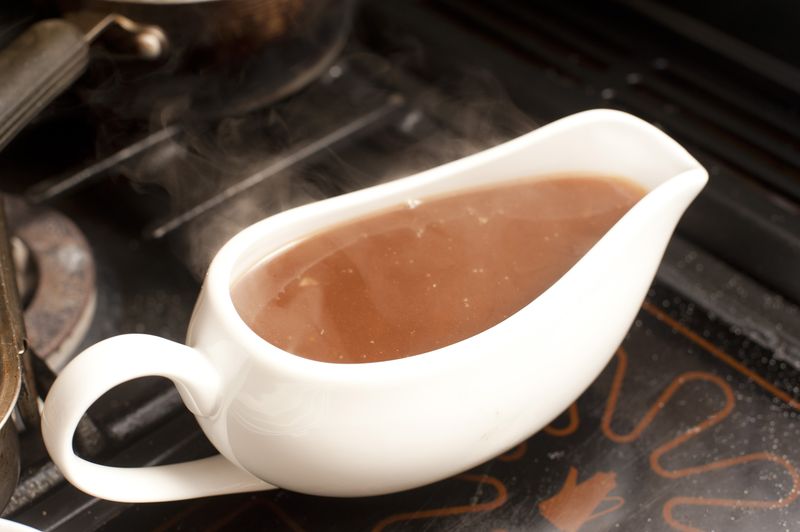
Gravy turns panic into triumph if you know the sequence. Skim fat from drippings, then make a roux: equal parts fat and flour cooked until blond or brown.
Whisk in hot stock slowly to avoid lumps, simmering until glossy.
Season with salt, pepper, maybe a splash of sherry or soy for depth. If lumps appear, blend or strain.
A cornstarch slurry works when you lack fat. Finish with a pat of butter for sheen.
Serve immediately, and you will watch plates get quieter.
Mashed potatoes
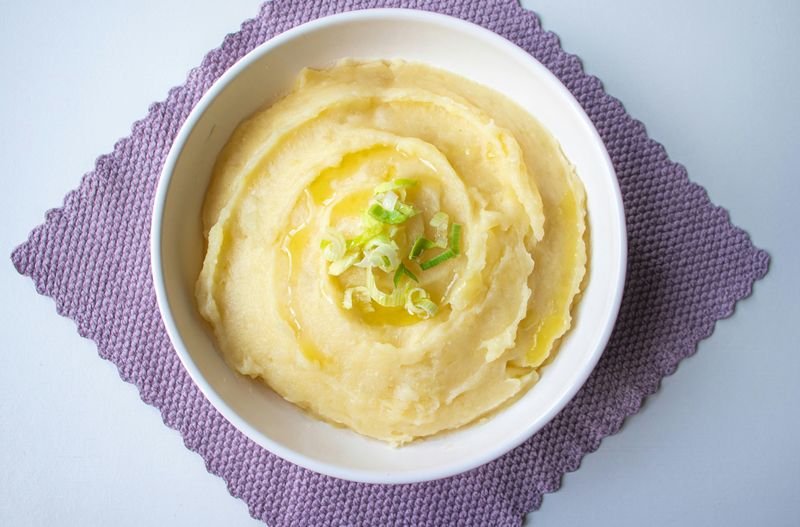
Gluey mash is a rookie nightmare. Choose starchy potatoes, boil in salted water, and drain thoroughly.
Use a ricer or food mill to keep things fluffy. Warm the butter and cream before folding in so the potatoes absorb smoothly without seizing.
Season in layers and do not overwork. For extra silkiness, add a spoon of sour cream or cream cheese.
Keep warm over a double boiler if serving later. A final pat of butter and chives makes them look restaurant ready.
Comfort, upgraded, no stress.
Stuffed peppers
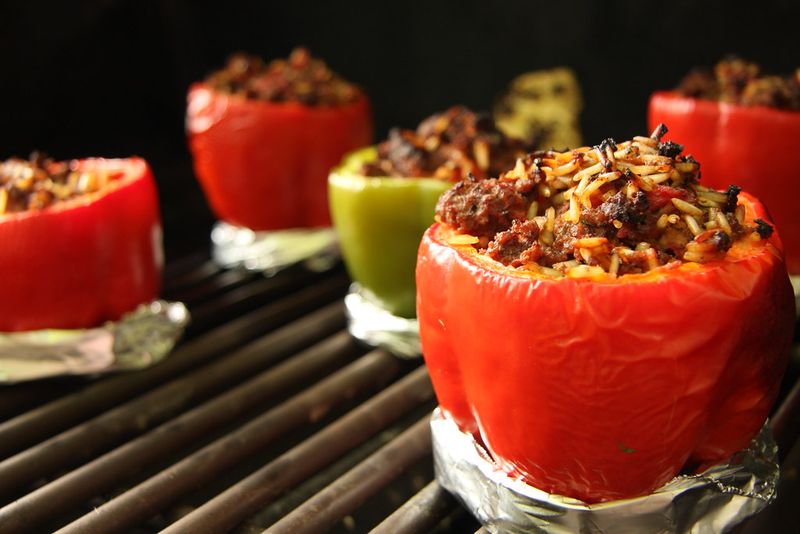
Stuffed peppers intimidate because fillings can turn bland or soggy. Par-cook peppers to soften without collapsing.
Season the rice and meat mixture boldly with herbs, tomato paste, and a little grated onion for moisture. Cheese adds indulgence but do not drown it.
Arrange peppers snugly so they stand tall. Pour a bit of broth or tomato sauce into the dish for steam.
Bake until the filling reaches safe temperature and the tops are lightly browned. Rest before serving so juices settle.
Every bite becomes sturdy, flavorful, and satisfying.
Cabbage rolls
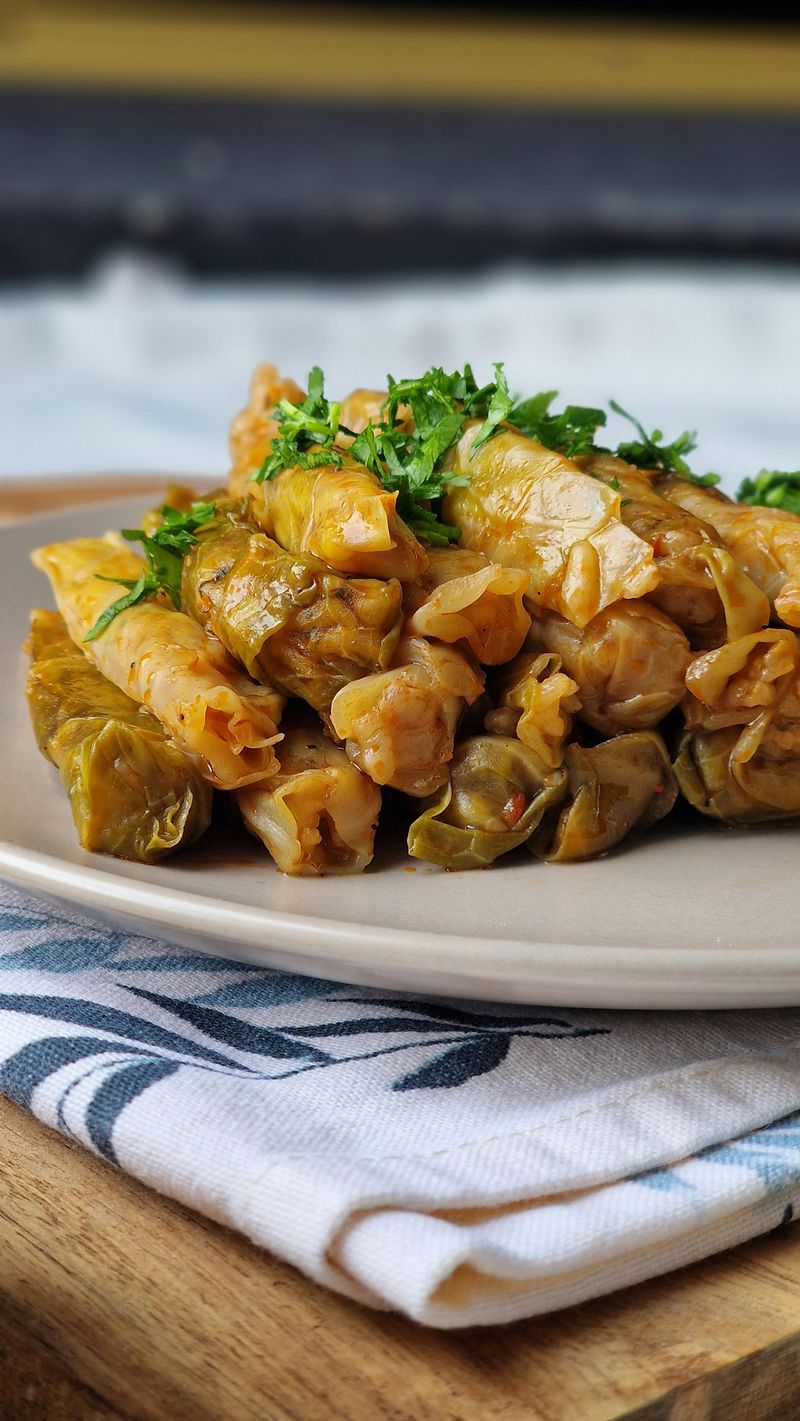
Cabbage rolls demand patience and gentle hands. Core and blanch the cabbage until pliable, then chill leaves to handle easily.
Mix meat, rice, onion, and herbs well but not tightly. Roll snugly with tucked sides so they do not unravel while cooking in sauce.
Lay them seam side down in a sauced dish and cover to braise. Do not boil aggressively or they toughen.
Season the sauce with a touch of sugar or vinegar to balance acidity. Serve with sour cream and dill.
They taste like home and effort well spent.
Chicken pot pie
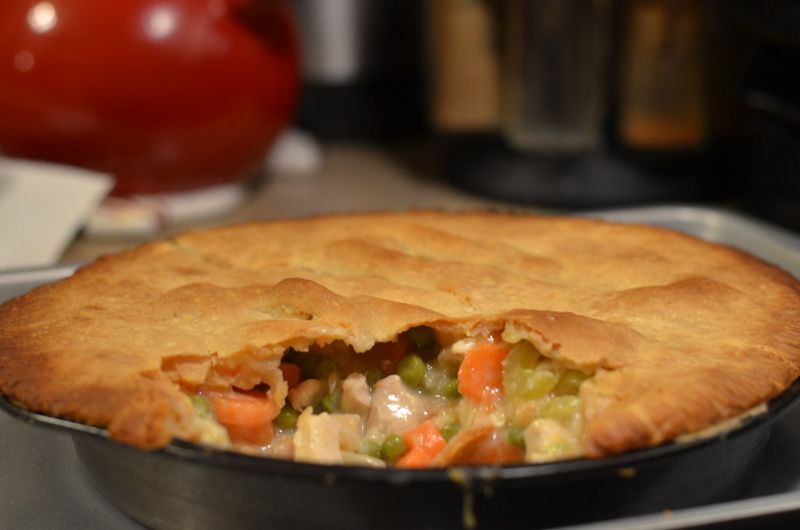
Chicken pot pie is about timing and texture. Keep the filling creamy but not soupy by simmering stock with a roux, then folding in vegetables and chicken gently.
Cool the filling before adding crust to avoid sogginess. Cold dough meets hot oven for flake.
Vent the top so steam escapes. Brush with egg wash for color.
Bake on a preheated sheet to crisp the bottom. Let it rest before slicing or the filling will flood.
You will cut into layers of comfort that hold together beautifully.
Shepherds pie
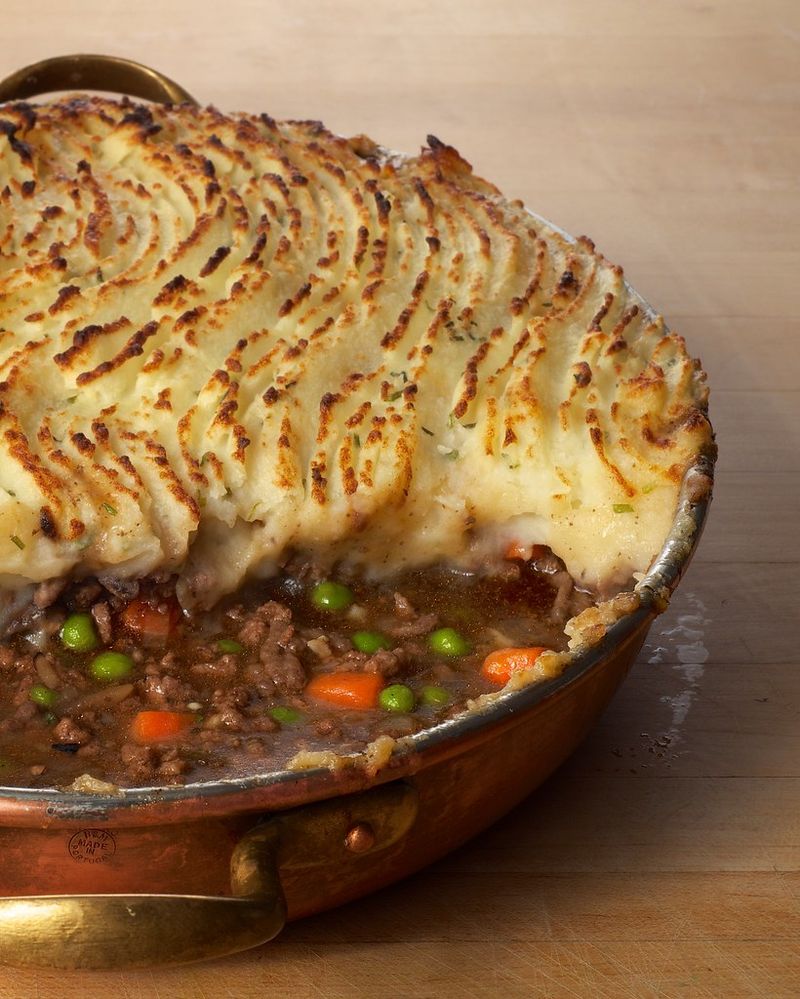
Shepherds pie trips people up with watery layers. Cook down the lamb mixture until saucy, not soupy.
A dollop of tomato paste and Worcestershire adds depth. Spread warm, fluffy potatoes over, then rough up the surface for crispy peaks.
Bake until bubbling at the edges and golden on top. Rest to set the layers before scooping.
If using beef, it is cottage pie technically, but the method stays similar. Serve with a bright green side to cut richness.
It is rustic, satisfying, and freezer friendly.
Homemade bread
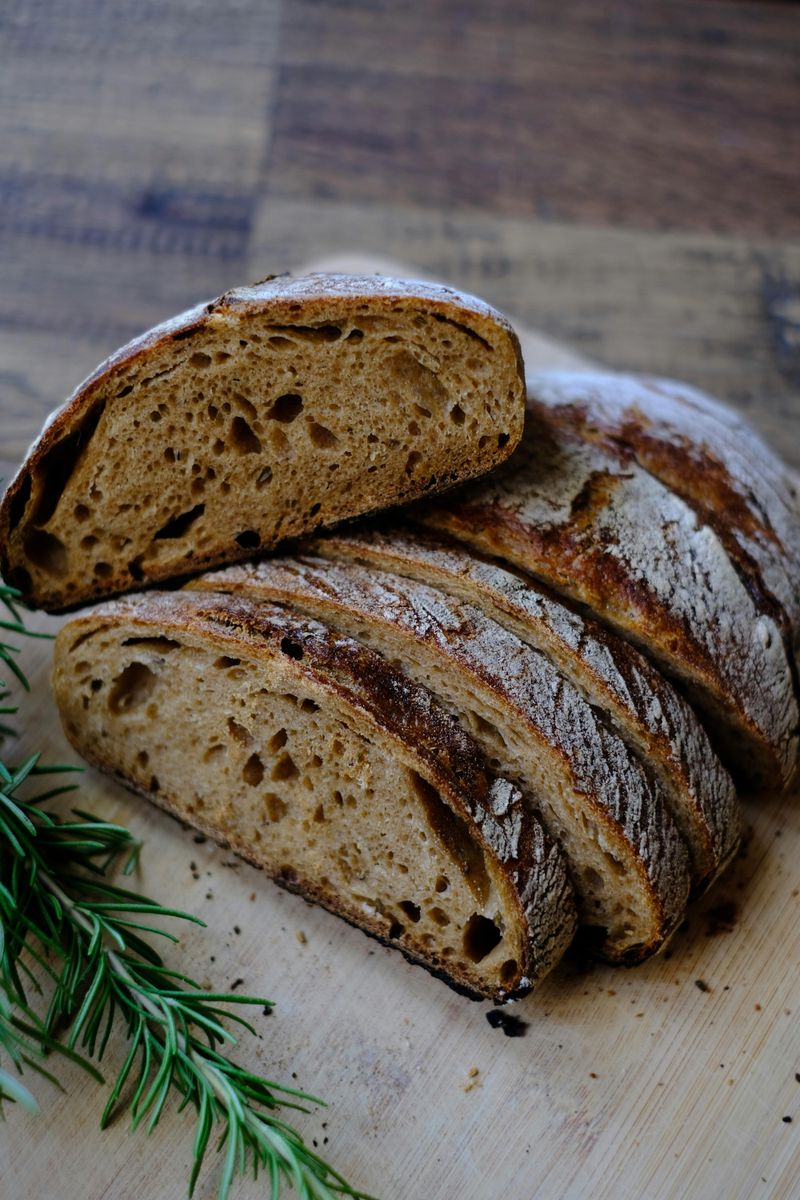
Bread feels mysterious until you try it. Measure by weight, not volume, and use warm water for the yeast.
Knead until smooth and elastic or use stretch and fold. Let dough rise until doubled rather than watching the clock.
Temperature and patience are everything.
Shape gently to preserve gas. Steam the oven with a preheated Dutch oven or a pan of water for a great crust.
Cool completely before slicing so crumb sets. The first crackle will make you proud.
You will want to bake again tomorrow.
Pie crust
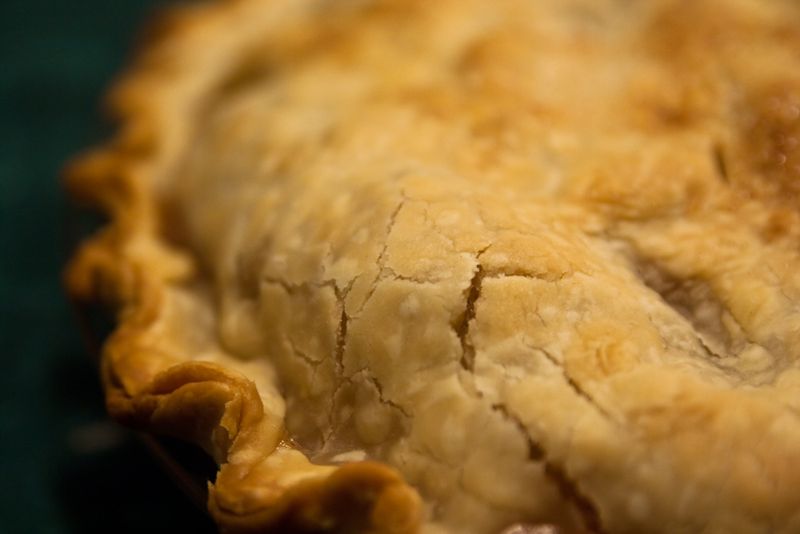
Pie crust anxiety is real. Keep everything cold so butter stays in visible pieces that create flakes.
Use minimal water, added gradually, until the dough just holds. Handle gently and chill before rolling.
Rotate the dough often to prevent sticking and maintain a circle.
Blind bake when needed using parchment and pie weights. Brush with egg wash for shine.
If cracks form, patch with extra dough. Let baked crust cool before filling.
The sound of crisp shards on your fork will feel like victory, every single time.
Rice pudding
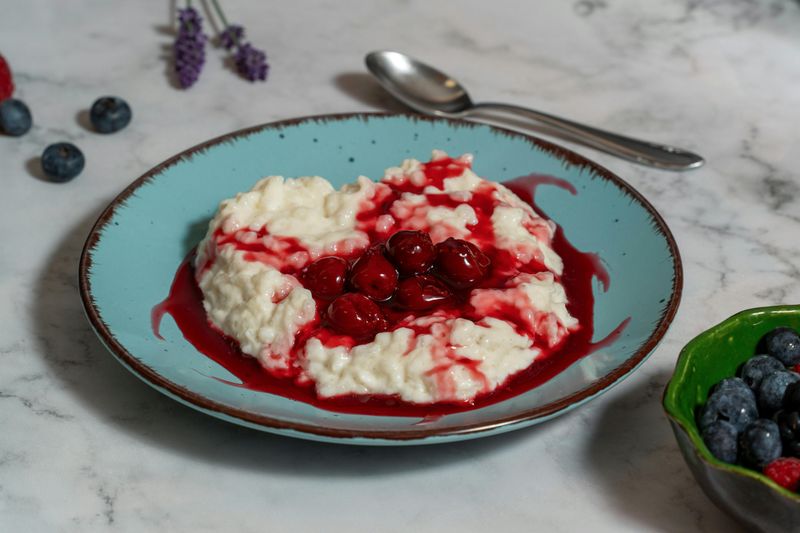
Rice pudding intimidates because it can scorch or seize. Use short grain rice for creaminess and keep heat low.
Stir regularly, scraping the bottom with a flat spoon. Add sugar midway so grains soften first, then enrich with milk or cream slowly.
A pinch of salt boosts flavor, and vanilla or citrus zest adds fragrance. Plump raisins separately if you like them tender.
Stop cooking when it is slightly looser than desired. It thickens as it cools, becoming spoon hugging and nostalgic.
Bread pudding
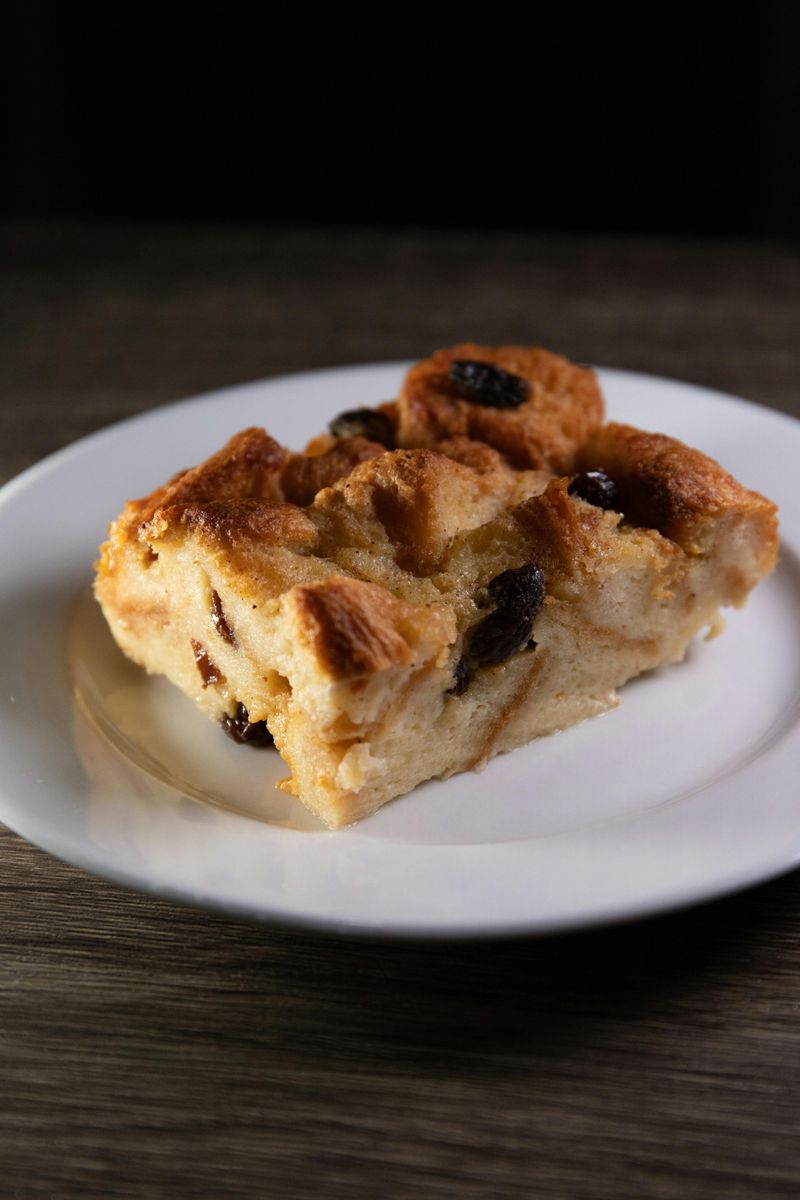
Bread pudding is about ratios. Dry bread absorbs custard better, so cube and toast it lightly.
Whisk eggs, milk, cream, sugar, and vanilla with a pinch of salt. Pour over bread and let it soak until saturated.
Scatter raisins or chocolate if you like.
Bake in a water bath for gentler heat and custard that sets softly. The top should be golden, the center barely wobbly.
Rest before serving. A warm sauce, like bourbon caramel or vanilla cream, turns it into comfort you will crave again.
Apple pie
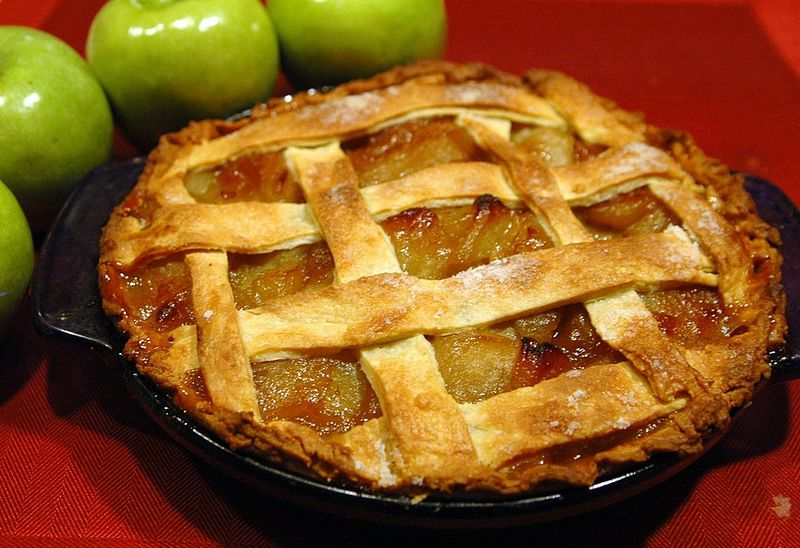
Apple pie tests patience. Choose a mix of tart and sweet apples for balance and texture.
Toss slices with sugar, lemon, cinnamon, and a thickener like tapioca or cornstarch. Let them macerate to release juices, then drain and reduce the syrup for intense flavor.
Keep crust cold and pile the apples high. Vent well and bake on a hot sheet to set the bottom.
Wait for the juices to bubble thickly. Cool before slicing so it holds.
That first warm bite feels like autumn in a forkful.
Fresh soup

Making fresh soup from scratch can feel vague without a recipe. Start with a flavor base: sweat onions, carrots, and celery in oil with salt.
Add garlic and tomato paste until fragrant. Pour in stock and build with seasonal vegetables, beans, or grains, layering textures thoughtfully.
Season gradually and finish with acid, like lemon or vinegar, for brightness. Fresh herbs at the end keep flavors lively.
Blend part for body or keep it brothy and clear. Taste, adjust, and trust your senses.
It becomes your signature bowl of comfort.
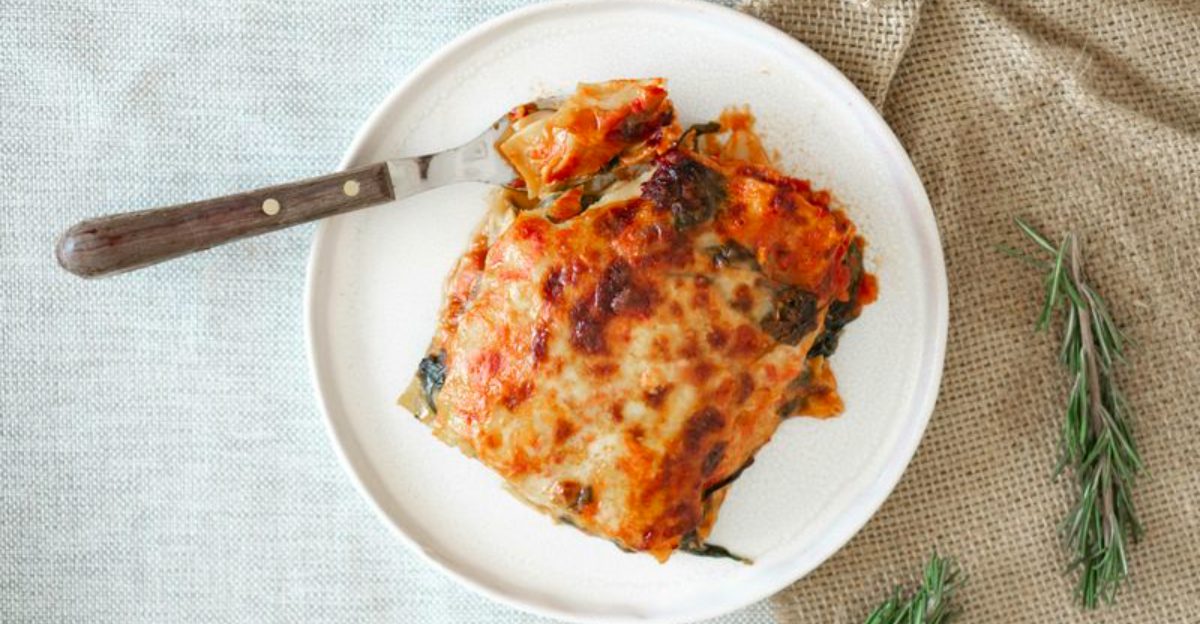
Lasagna
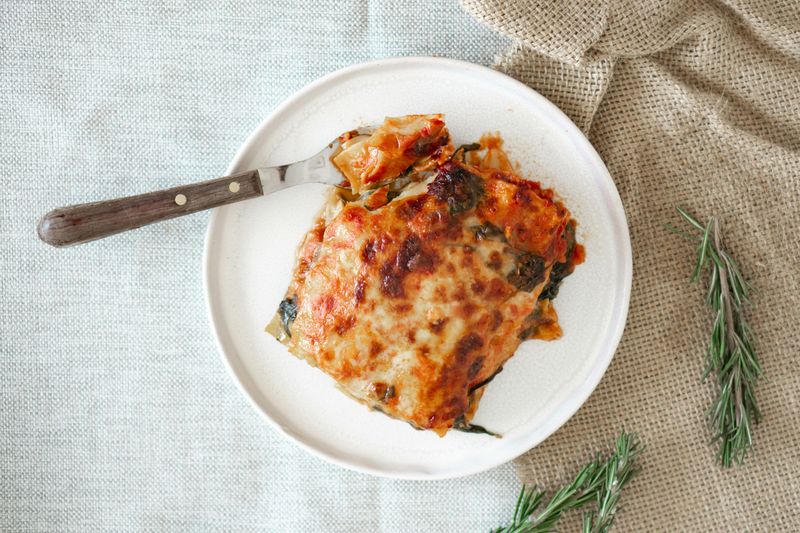
Lasagna’s fear comes from messy layers. Cook noodles al dente or use no-boil and thin your sauce slightly.
Season ricotta with salt, pepper, and herbs so it sings. Layer thoughtfully: sauce, pasta, ricotta, meat or veg, mozzarella, repeat.
Do not overload any single layer.
Cover with foil to steam, then uncover to brown. Rest at least 20 minutes so slices hold.
A sharp knife and offset spatula make clean portions. Serve with a simple salad to balance richness.
You will get confident faster than that cheese melts.