


We all have that one food we swear we hate, only to be blown away when someone serves the real, well-made version. It is not your fault if a soggy, bland, or overcooked plate scarred you.
Great ingredients and proper technique can transform the most divisive dishes into favorites. Ready to give a few notorious foods a fair second chance?
Brussels sprouts
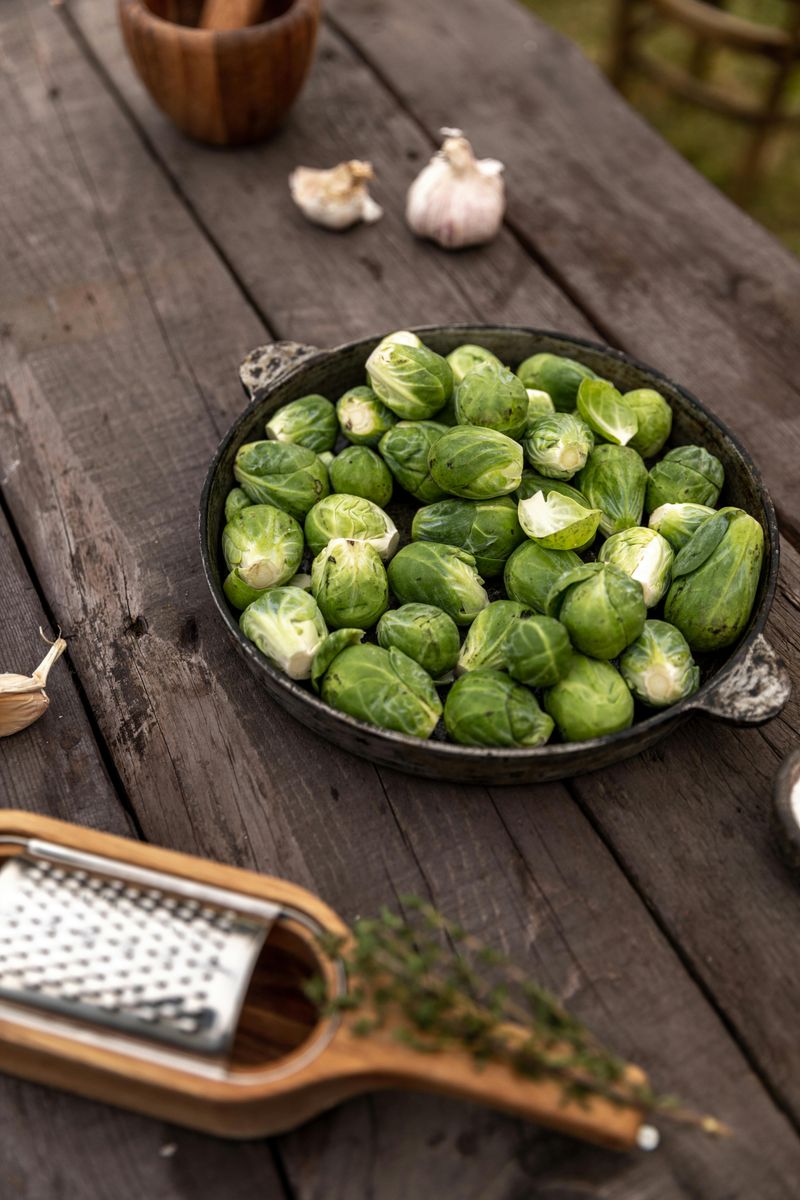
Roasted right, Brussels sprouts turn nutty, sweet, and crisp at the edges. The key is high heat, plenty of space on the pan, and a generous toss of oil and salt.
A splash of balsamic or lemon at the end lifts everything.
If your only memory is boiled bitterness, you deserve a do-over. Try pancetta, chili flakes, or honey for extra charm.
You will catch yourself picking up charred leaves like chips.
Mushrooms
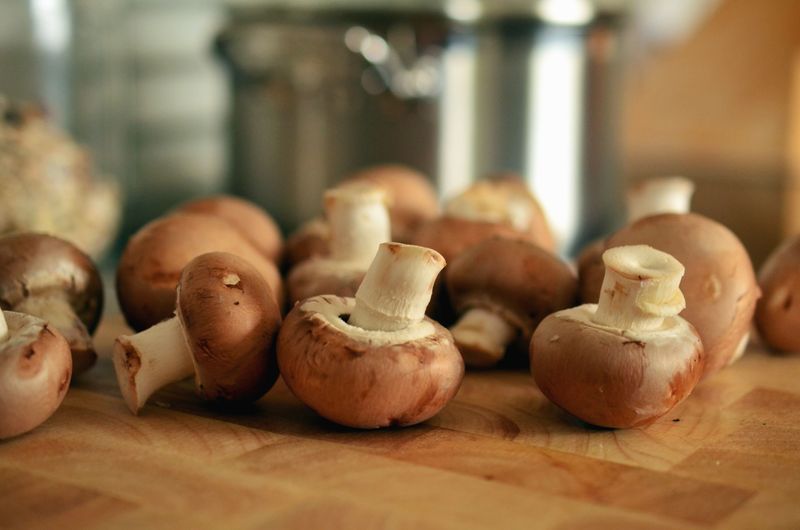
Mushrooms need a hot pan and patience. Crowd them and they steam, turning rubbery and bland.
Let them sizzle in butter or olive oil, undisturbed, until deeply browned, then season boldly with salt, garlic, and herbs.
That is when they taste meaty and complex, not squeaky. A splash of sherry or soy at the end adds savory depth.
Suddenly, they are steak’s best friend or toast’s star.
Beets
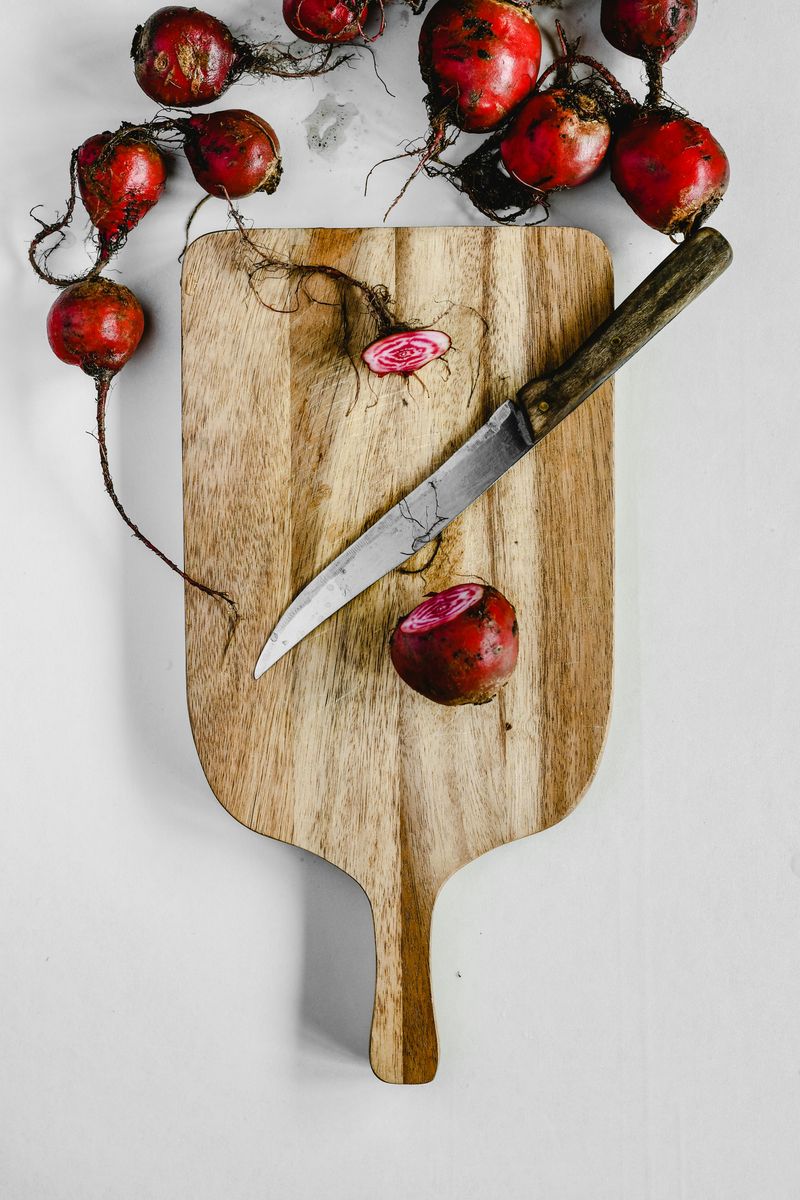
Beets get unfairly labeled as earthy in a dirty way. Roast them until tender, then peel and slice.
Pair with tangy goat cheese, citrus, and crunch to balance their sweetness.
You will taste candy vibes with garden charm. Pickled beets bring bright acidity that wakes up salads and sandwiches.
Skip the canned stuff if that put you off, and try fresh roasted.
Cabbage
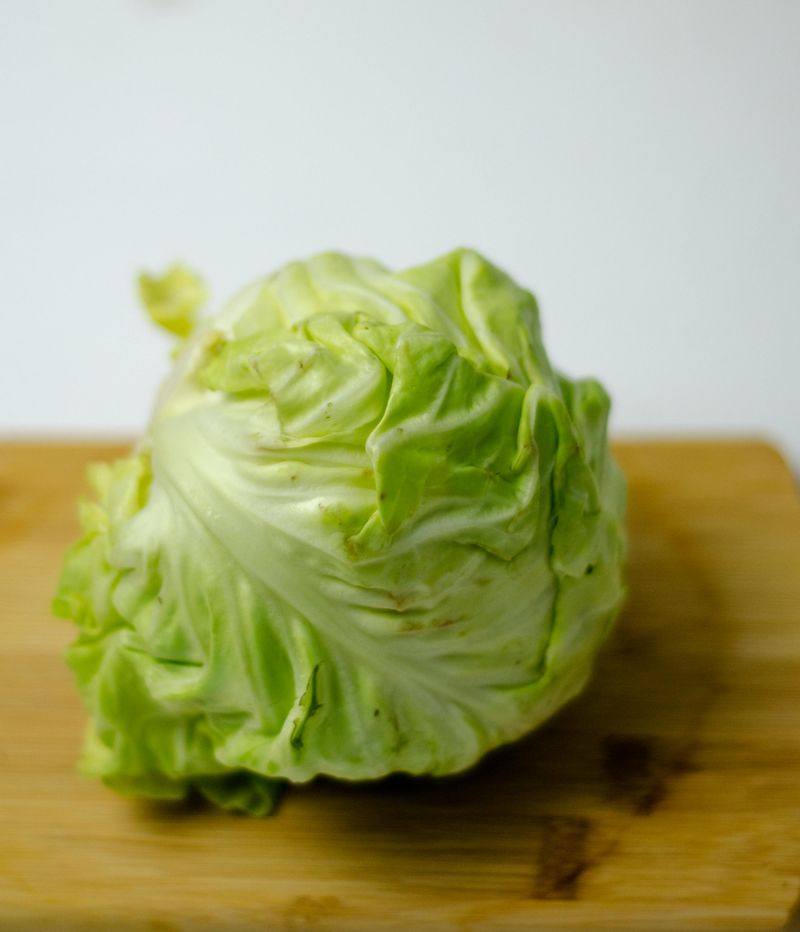
Cabbage shines when it is treated like a steak. Roast thick wedges until the edges char and the centers soften.
Brush with olive oil, garlic, and pepper, then finish with lemon.
It goes from watery sidekick to smoky, sweet centerpiece. Shredded and quickly stir fried, it stays crisp and juicy.
Add soy, sesame, and scallions, and suddenly you are eating seconds.
Sauerkraut
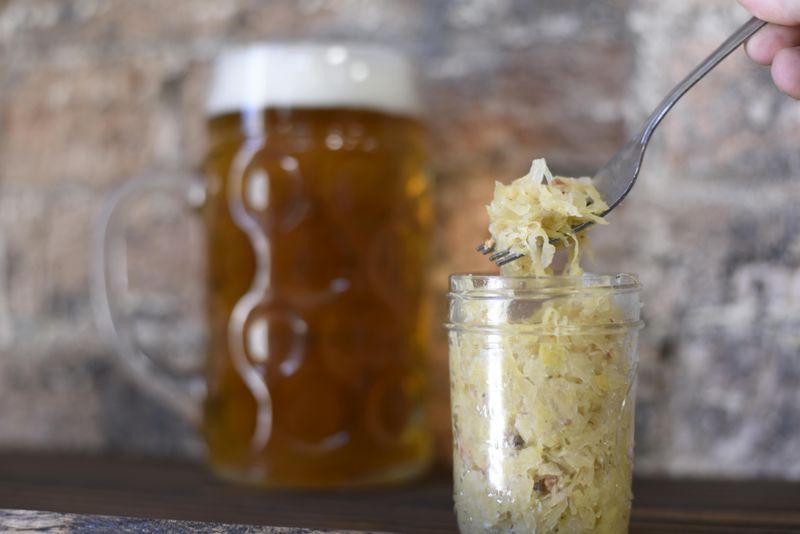
Good sauerkraut is bright, crunchy, and clean, not limp or aggressively sour. Raw, unpasteurized kraut has living tang that wakes up heavy dishes.
Rinse lightly if you prefer milder acidity.
Warm it gently with butter and onions, or pile it cold onto sandwiches. That snap against juicy sausages or roasted potatoes is addictive.
Once you find a fresh batch, old canned kraut will never impress you again.
Kimchi
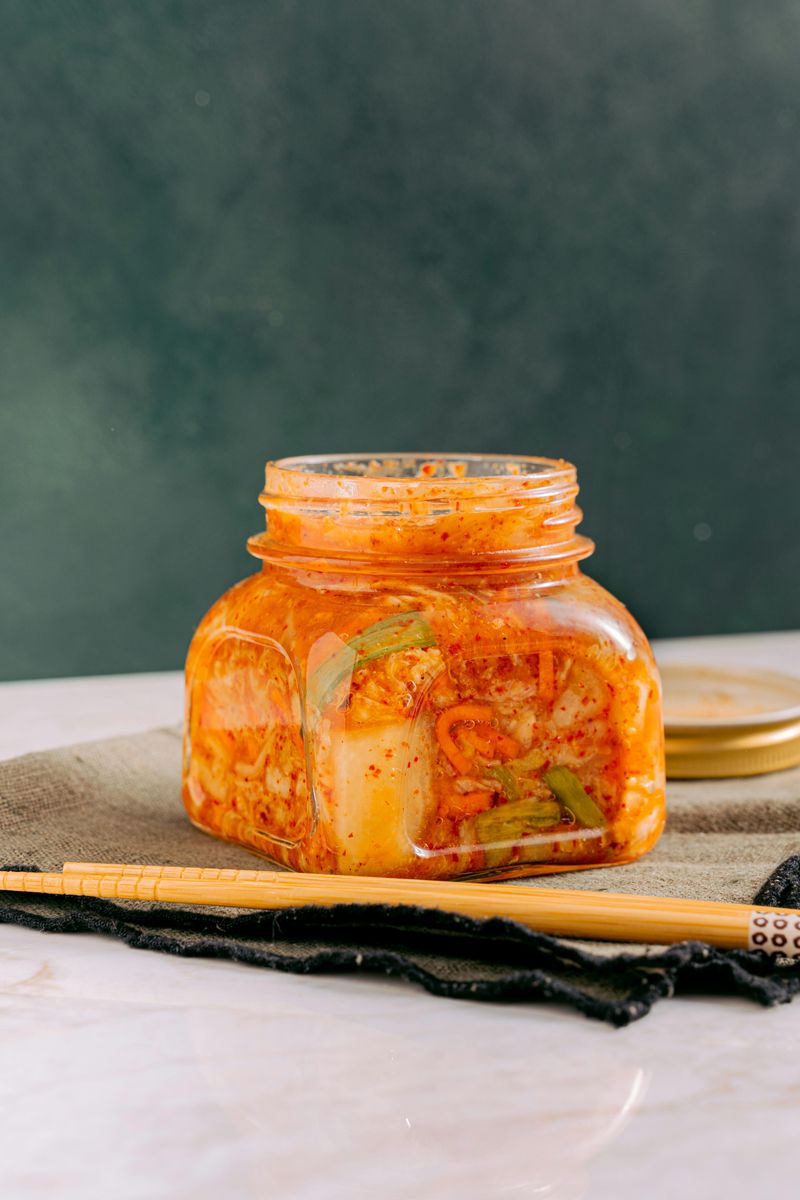
Kimchi is not just heat. Great kimchi tastes fizzy, sweet, salty, and savory all at once, with satisfying crunch.
Weariness comes from old, dull jars.
Try fresh kimchi with rice, eggs, or grilled meats. If it is too intense, stir it into fried rice or pancakes to mellow the bite.
You will start craving that lively zing and subtle funk daily.
Olives
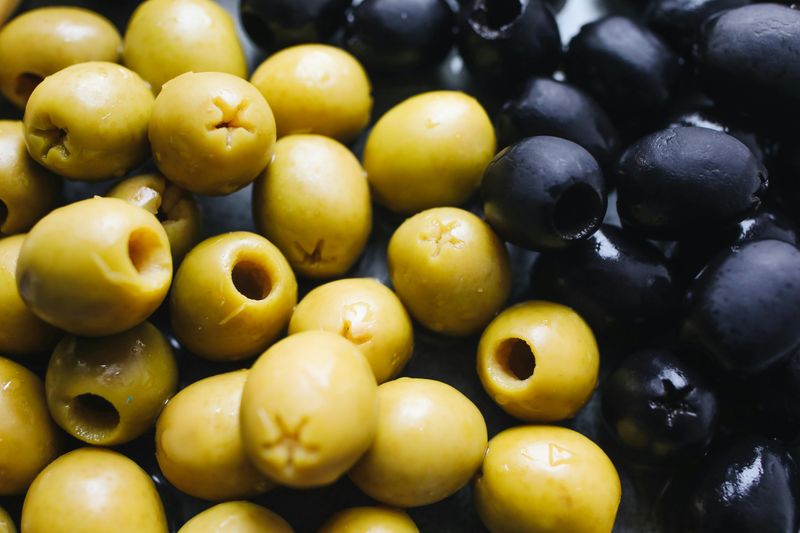
Olives vary wildly. Buttery green Castelvetranos are nothing like briny, puckering canned slices.
Warm good olives with garlic, zest, and herbs, and their flavors soften and bloom.
Rinse if they are too salty, then pair with cheese or crusty bread. You will get why people obsess over them.
A proper olive bar can convert even the staunchest skeptics in minutes.
Blue cheese
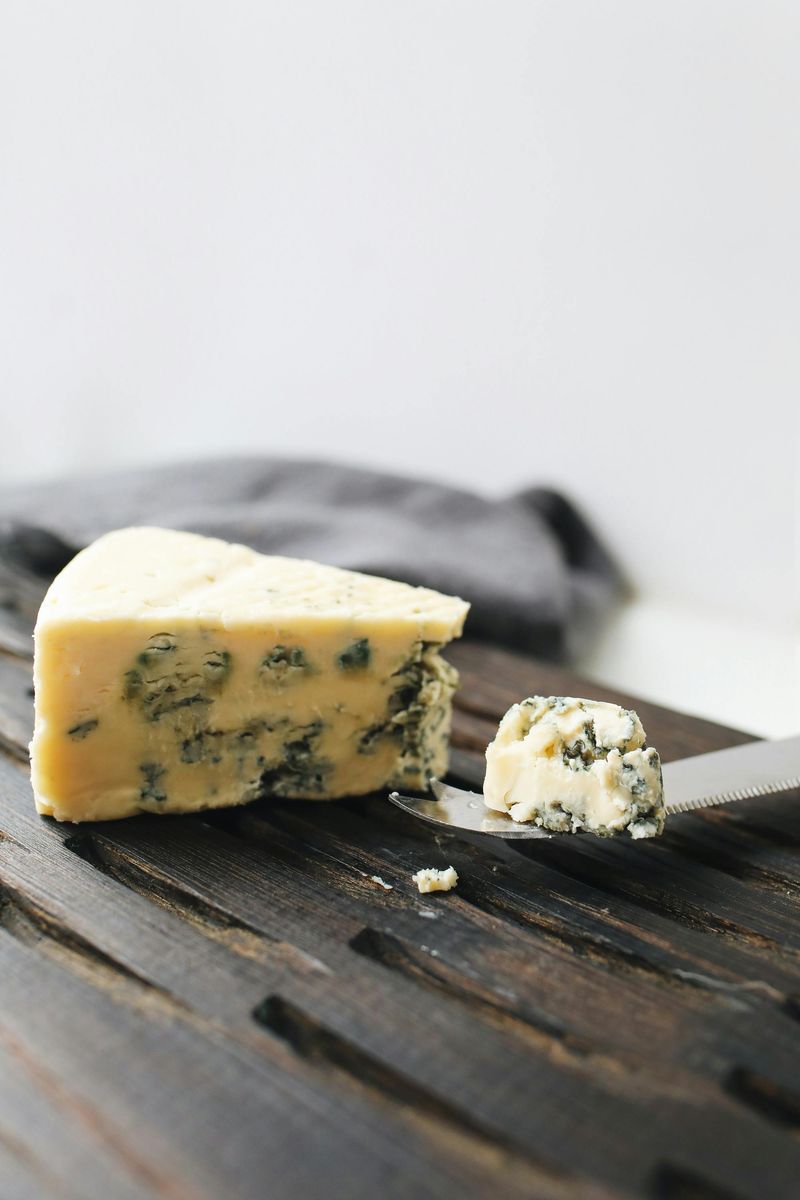
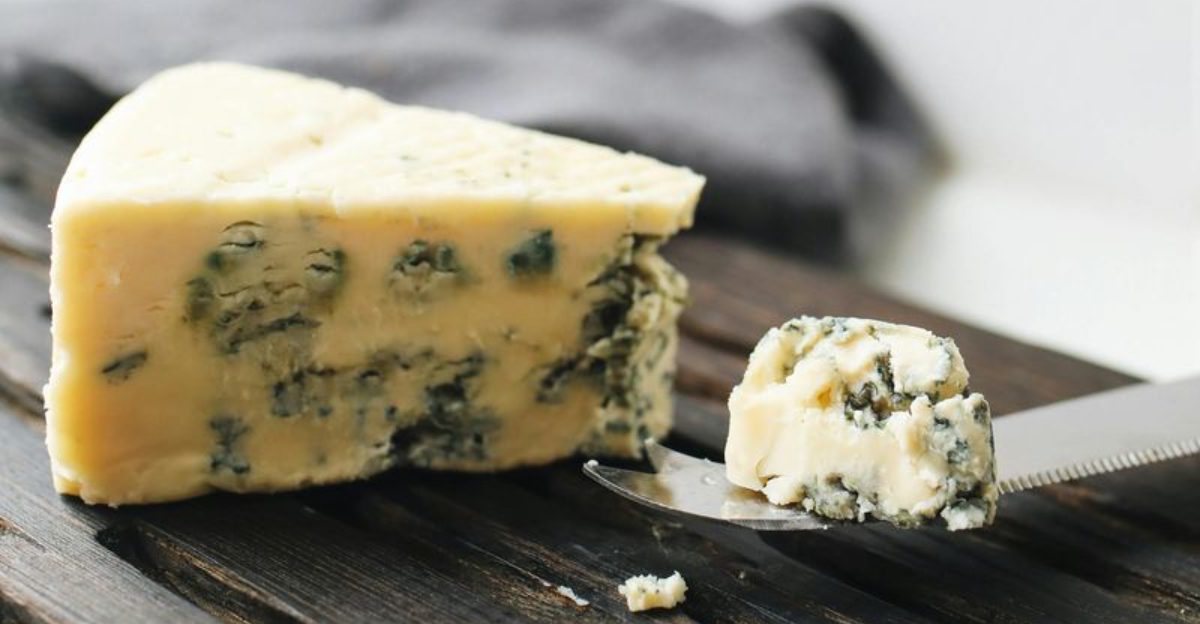
Blue cheese can be gentle and creamy, not just stinging. Start with milder styles like Gorgonzola Dolce or Cambozola.
Add honey, pears, or figs, and everything harmonizes.
Crumble a touch over steak or a burger for deep savoriness. Balance is the trick.
Once you stop nibbling it plain and try thoughtful pairings, its magic suddenly clicks into place.
Anchovies
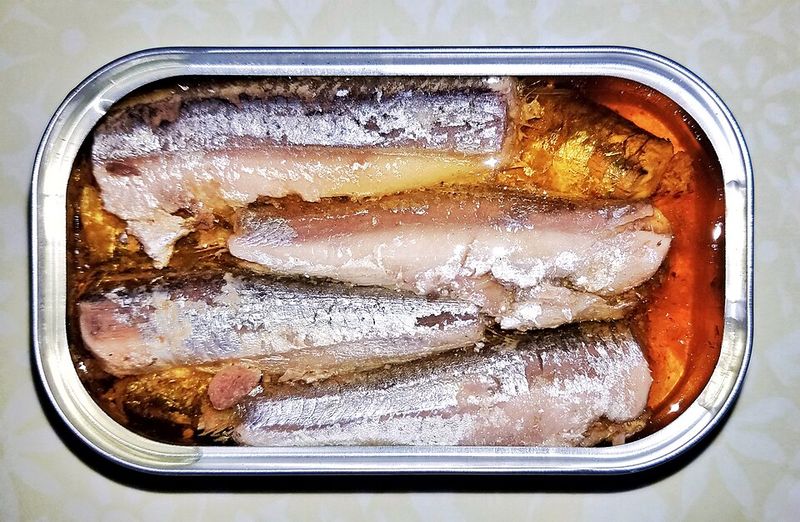
Bad anchovies taste fishy and harsh. Good ones melt into sauces, bringing savory depth without obvious fishiness.
Mash with butter, lemon, and parsley for toast, or dissolve into hot oil for pasta.
You will not shout anchovy, you will just taste wow. Seek jarred or high quality tinned fillets packed in olive oil.
Refrigerate leftovers and treat them like flavor jewels.
Sardines
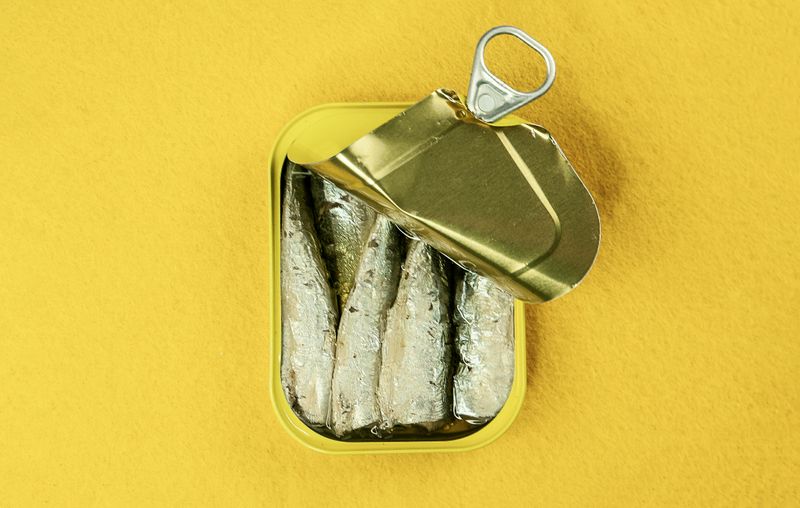
Sardines bring richness, not fishy funk, when packed in good oil and served simply. Pat them dry, add lemon, and set them on crisp toast.
The skin is delicate and flavorful.
If you are nervous, try them warmed and flaked into pasta with garlic and chili. They deliver omega rich satisfaction without heaviness.
Once you discover a brand you trust, sardines become a weeknight hero.
Oysters
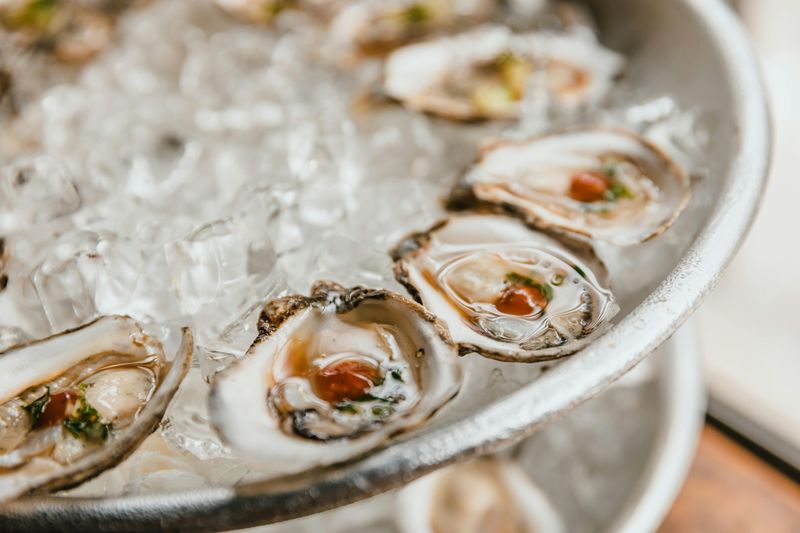
Cold, freshly shucked oysters taste like clean ocean air, not murky tidepools. The key is trusted sources and proper chilling.
Start with small, sweet varieties and add lemon or mignonette.
If raw feels intimidating, try lightly grilled or fried versions first. Texture becomes tender and briny, not slimy.
Once you get that first perfect slurp, the fear fades fast.
Pickles
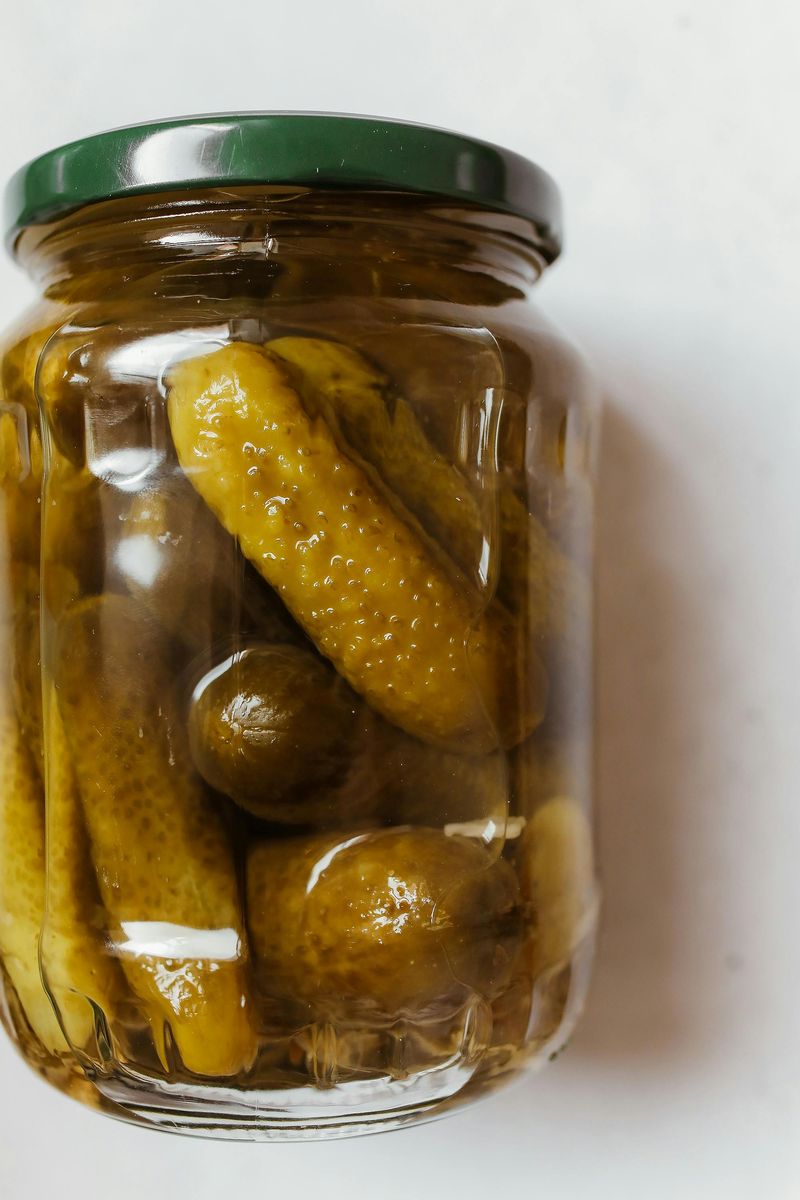
Not all pickles are puckery bombs. Quick fridge pickles stay crisp and bright, with balanced salt and acidity.
Add garlic, dill, or chili to suit your vibe.
Use them to cut through rich foods or to perk up salads. Good pickles snap loud and finish clean, not cloying.
Make a small batch once, and store bought jars may never satisfy you again.
Tofu
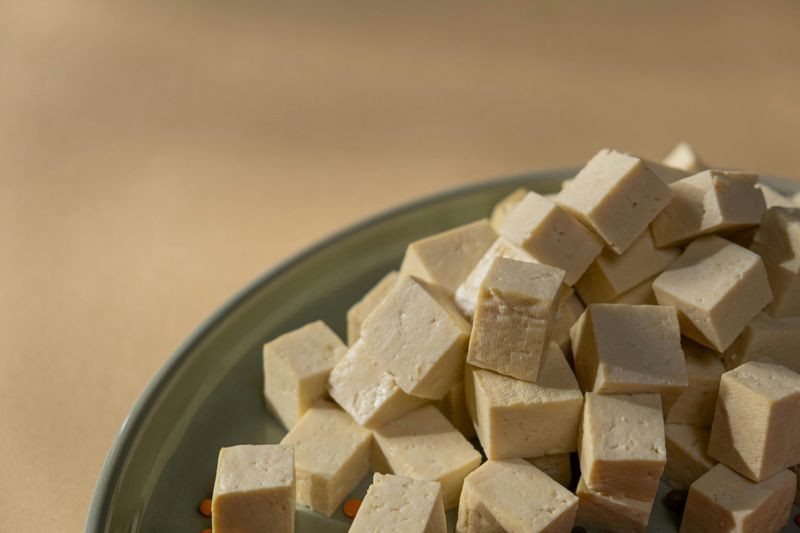
Tofu only tastes boring when neglected. Press it, season boldly, and use high heat.
Cornstarch dusting helps achieve shatter crisp edges while the inside stays custardy.
Toss with a punchy sauce of soy, vinegar, garlic, and chili, and it sings. Bake or stir fry, then finish with scallions and lime.
Suddenly you are stealing bites straight from the pan.
Cottage cheese
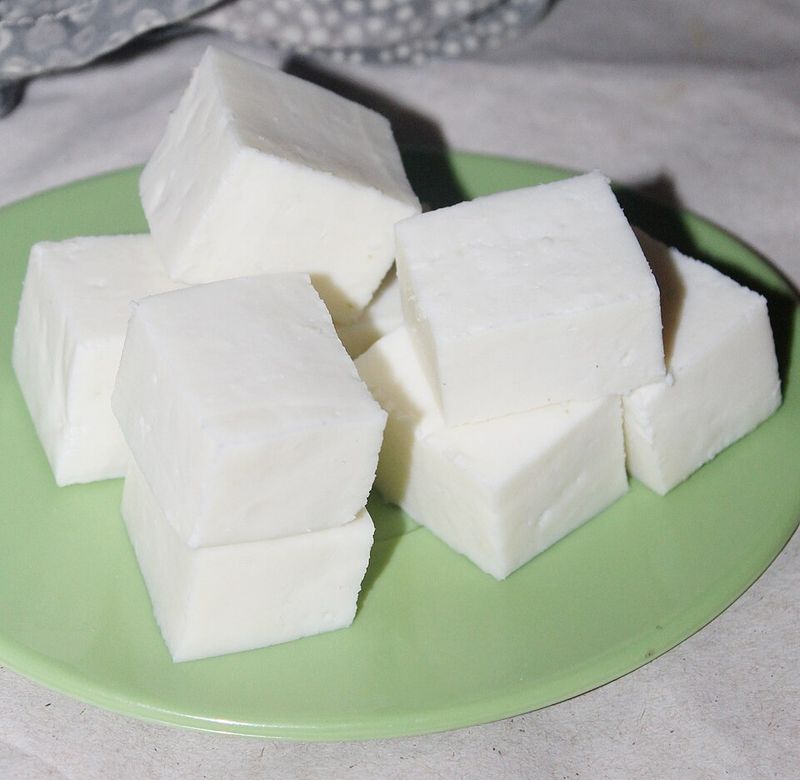
Quality cottage cheese is creamy, lightly salty, and pleasantly tangy, not watery or squeaky. Choose small curd or whipped styles for smoother texture.
Pair with fruit, honey, or everything bagel seasoning for balance.
It also hides beautifully in pancakes and dips. If your memory is cafeteria cups, a good brand will surprise you.
Chill it well and stir before serving for silkier spoonfuls.
Liver and onions
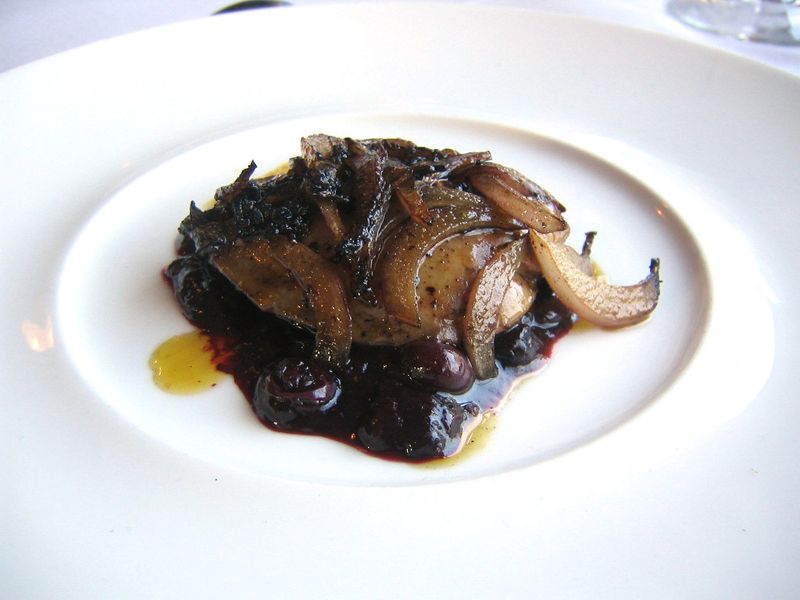
Overcooked liver is chalky and bitter, which ruins first impressions. Properly seared for just a minute or two per side, it stays tender and velvety.
Soak briefly in milk, then season and pair with deeply caramelized onions.
That sweetness balances mineral richness perfectly. A splash of sherry or balsamic in the pan finishes the sauce.
Suddenly, it feels like cozy bistro fare instead of a punishment.
Grapefruit
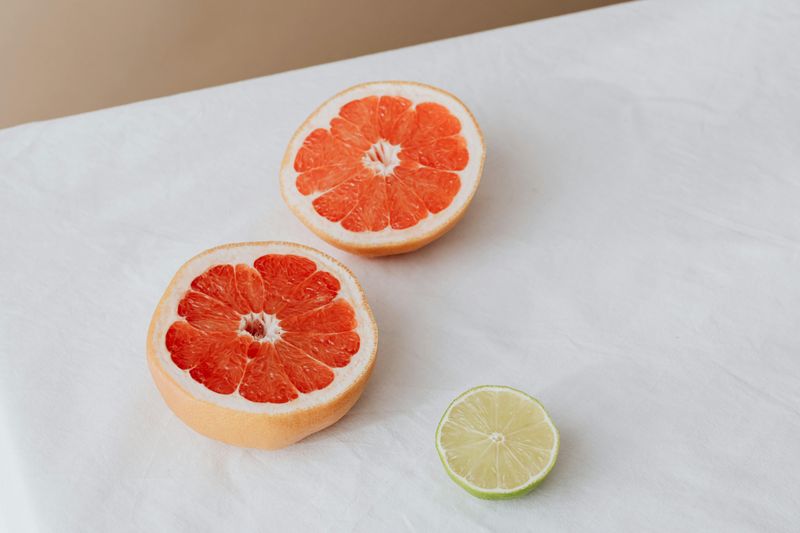
Grapefruit can be sharply bitter when underripe. Choose ruby red varieties for sweetness, or broil with a sprinkle of sugar to caramelize the surface.
Add mint and a pinch of salt to round the edges.
Segment it carefully, removing membranes for a silky bite. In salads with avocado and shrimp, it becomes refreshing and luxurious.
You will taste sunshine instead of pucker.
Dark chocolate
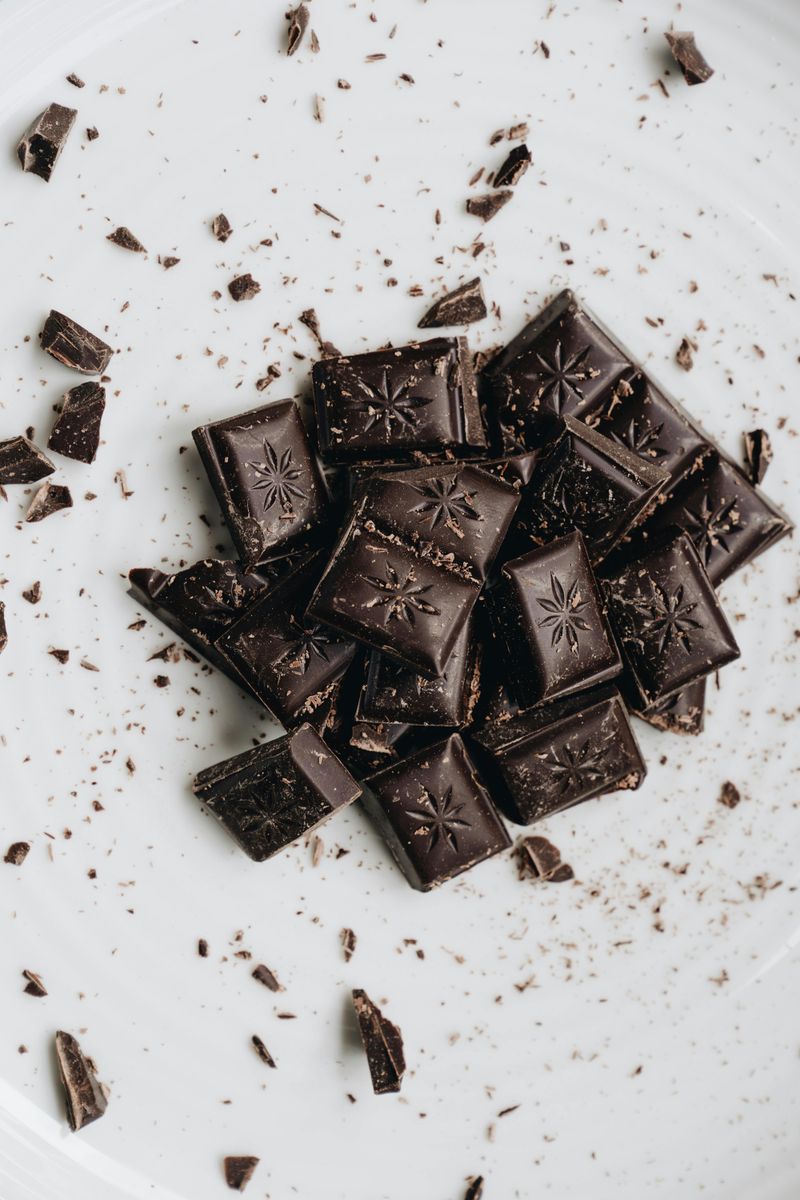
Dark chocolate varies from harsh to heavenly. Start around 70 percent cacao with well roasted beans and good conching.
Let it melt slowly on your tongue, and notice the fruit, nut, or spice notes.
A pinch of sea salt or espresso deepens flavor. Cheap bars can taste chalky, so seek reputable makers.
Once you meet a balanced bar, bitterness reads as elegance, not punishment.
Cornbread
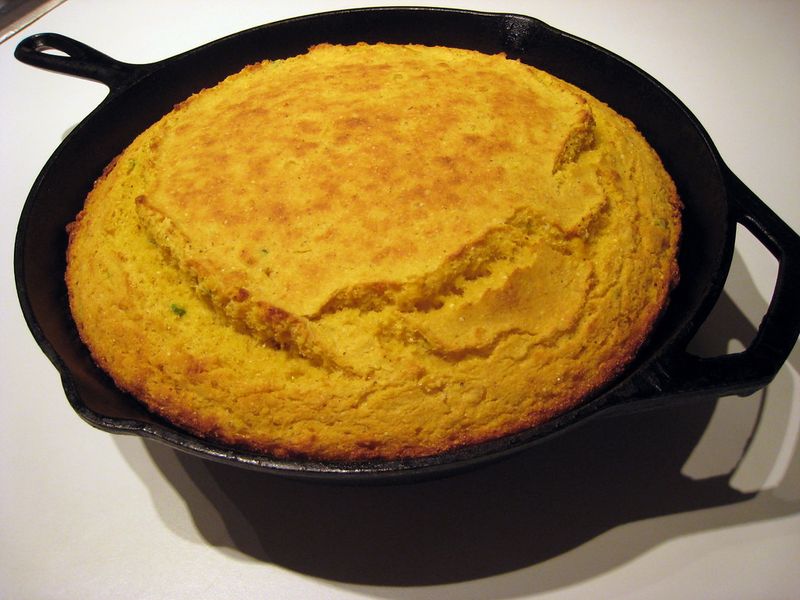
Great cornbread balances crumbly corn flavor with moisture and a crackly crust. Use a ripping hot skillet and real buttermilk.
Some like it slightly sweet, others savory with jalapenos and cheddar.
Either way, do not overmix. Serve warm with butter and a little honey or chili crisp for contrast.
That first edge piece with crunchy sides might convert lifelong skeptics immediately.
Rice pudding
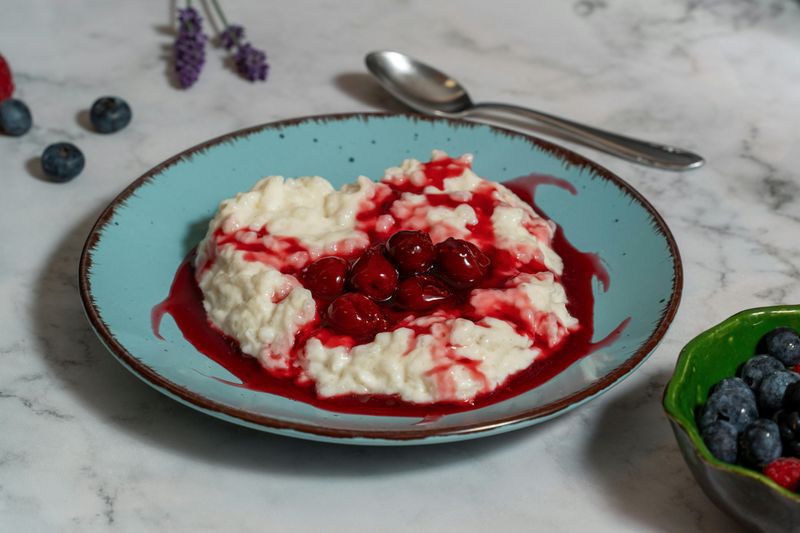
Rice pudding should be silky and fragrant, not gluey. Simmer slowly with whole milk, vanilla, and a pinch of salt until the grains relax.
Sweeten modestly, then fold in cinnamon or citrus zest.
Serve warm or chilled, with plump raisins or toasted nuts for texture. The comfort is gentle, almost nostalgic.
One careful batch can erase memories of cafeteria mush entirely.