


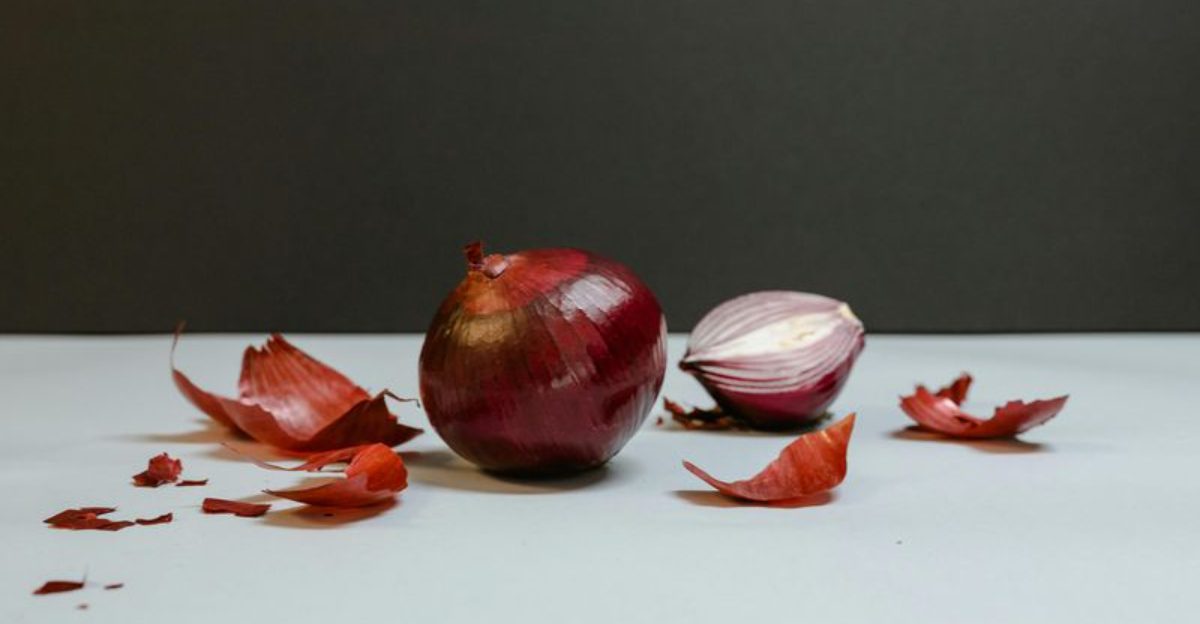
Remember when these groceries barely touched your budget? Now they spark side-eye at the shelf and trigger mental math right in the aisle.
Blame supply snags, weather, labor, and plain old demand, but shoppers feel the squeeze most where it used to be easy. Here are the everyday foods now causing little turf wars in your cart.
Eggs
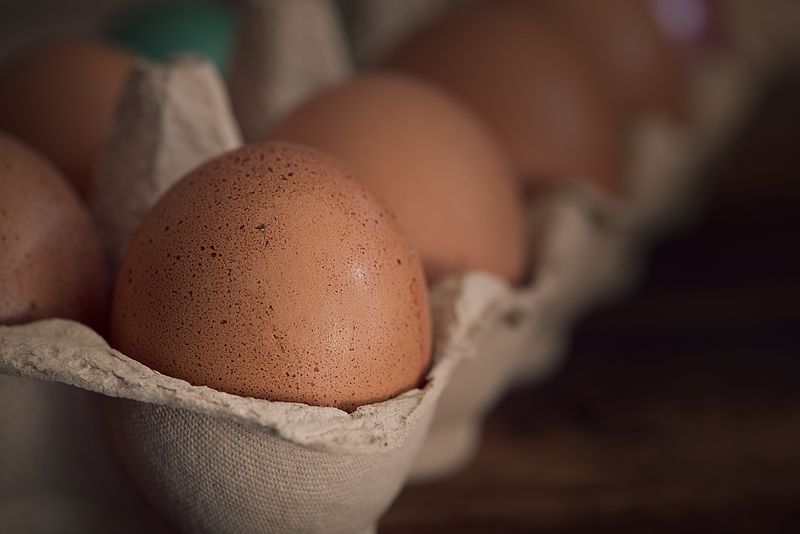
Remember when a carton of eggs felt like pocket change? Now you eye the price tag and debate how many omelets you can justify this week.
Avian flu, feed costs, and supply hiccups turned a breakfast staple into a budget line you actually track.
You swap brand loyalty for whatever dozen looks reasonable, or consider smaller packs to stretch meals. Baking days get planned, and leftovers turn into frittatas so nothing goes to waste.
When the shelf gets low, that quiet glance between shoppers says it all: grab them now or go without. Eggs are suddenly precious.
Butter
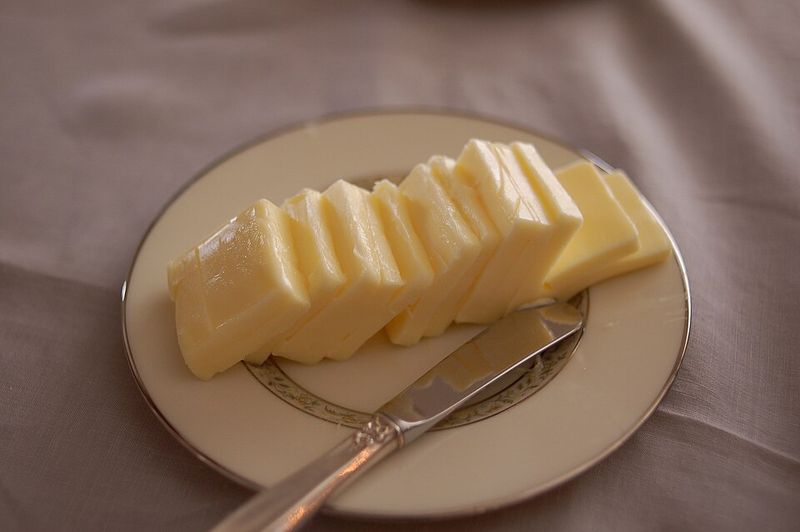
Butter used to slide into the cart without a second thought. Now you scan sizes, calculate cost per ounce, and wonder if store brand will deliver the same flaky crust for pies.
Dairy feed and processing costs climbed, and bakers everywhere felt it right in their pastry layers.
At home, you plan bakes around sales and freeze extra sticks when possible. Some folks split recipes with oil or try margarine, but flavor still pulls you back.
That last box on the shelf becomes a quiet prize. You grab it quickly, because holiday baking crowds remember too, and they are watching.
Coffee
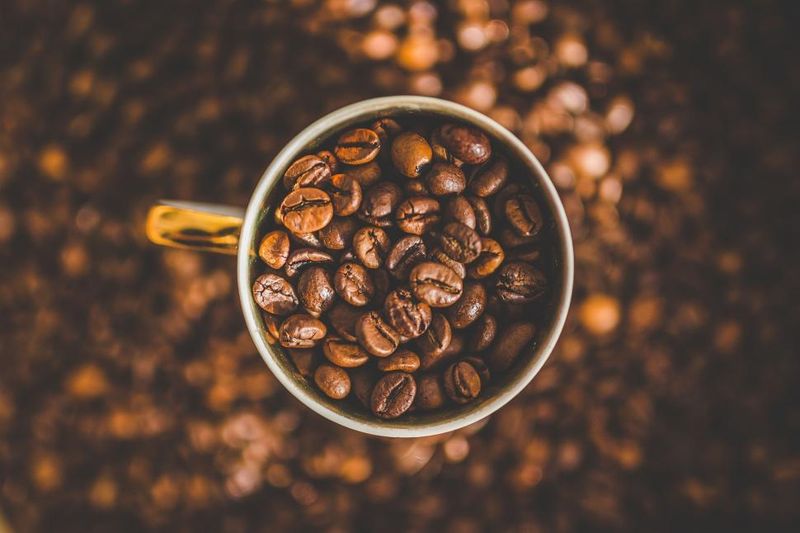
Coffee used to be an automatic toss-in, like paying for morning sanity. Now you compare single-origin versus blends and debate whether that sale justifies a bigger bag.
Droughts, shipping delays, and rising labor costs pushed beans into luxury-adjacent territory, and yes, you can taste the budget decisions in your mug.
You stretch grounds with careful measuring and brew at home more often. The fancy cold brew shifts to weekends, and you guard the last scoop like treasure.
A clearance sticker turns you into a speed walker. You are not alone.
Half the aisle is doing the same math.
Olive oil

Olive oil used to feel like a healthy splurge that still played nice with your budget. Now poor harvests and heat waves have thinned supply, and prices jump between store visits.
You find yourself rationing drizzles, saving the good bottle for salads, and cooking with a cheaper oil on weeknights.
Suddenly, label reading becomes a mini research project. Is that blend worth it, and does the flavor hold up under heat?
When a familiar brand goes on sale, carts move faster and eyes narrow. You grab two if limits allow, then guard them like liquid gold all month.
Ground beef
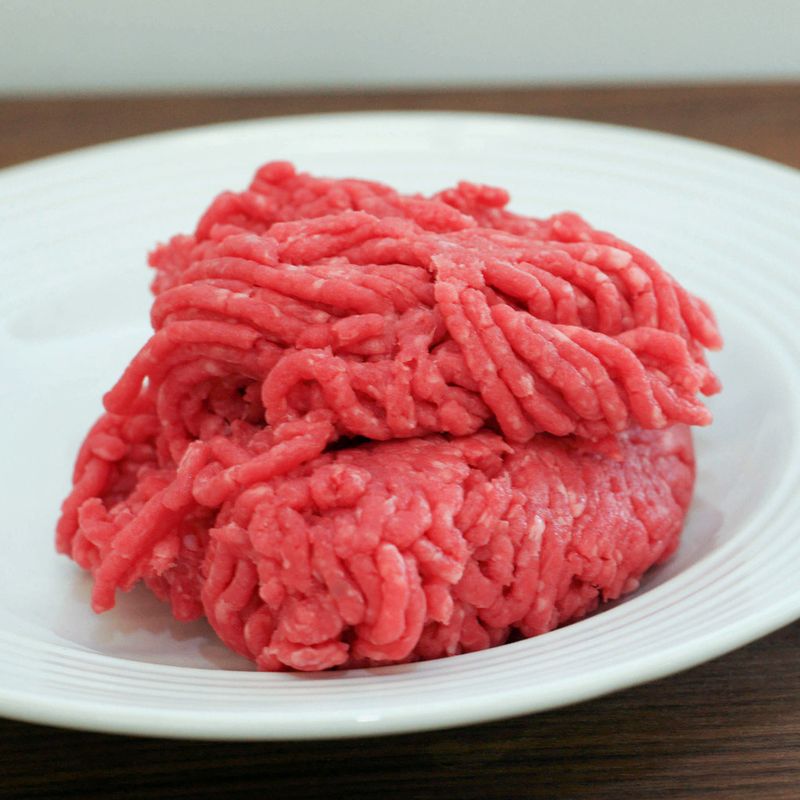
Ground beef used to anchor budget dinners without drama. Now you hover between lean and regular, weighing flavor against a price jump that stings.
Feed, transport, and processing all climbed, and burger nights turned into strategic events where leftovers become tacos and pasta sauce to stretch every ounce.
You hunt for family packs and split them at home, freezer bags at the ready. The markdown sticker feels like winning the lottery.
People circle the display, quietly waiting for the butcher to restock. When it lands, you move.
Chili plans are made on the spot. No time wasted.
Chicken wings
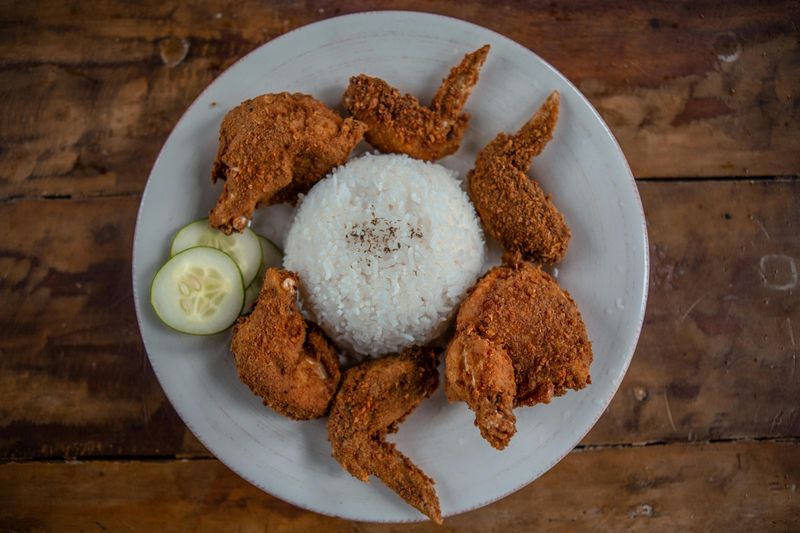
Chicken wings were once the cheap party hero. Now every big game weekend turns the poultry aisle into a shuffling crowd, all hoping for a decent price per pound.
Restaurant demand, processing bottlenecks, and shifting cuts made wings a minor luxury, and you can feel it when the freezer stash runs low.
You pivot to drumsticks sometimes, but wings keep calling. Air fryer to the rescue, and every sauce gets used to stretch portions.
When a fresh shipment hits, folks suddenly find reasons to linger. You slide in quickly, thankful, and promise to share.
Maybe. Depending on the guests.
Bacon
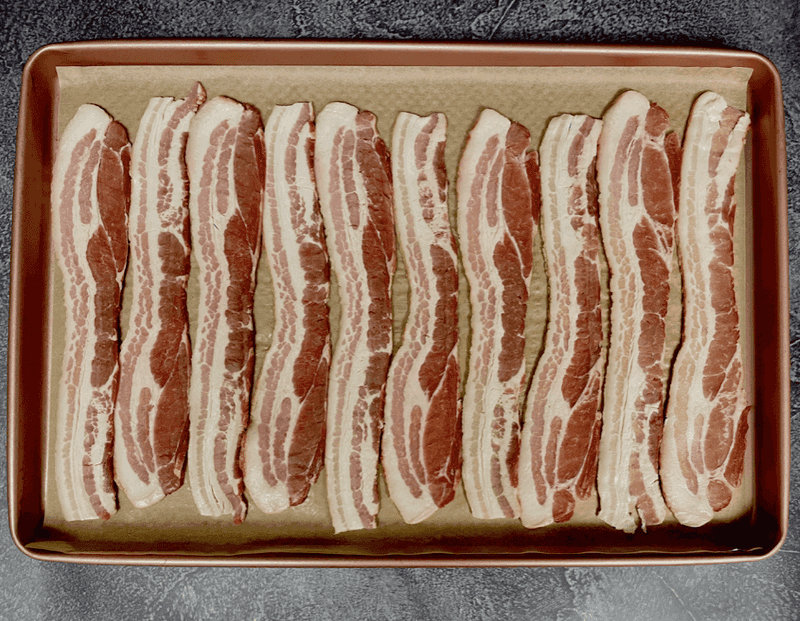
Bacon used to be a carefree weekend splurge. Now sticker shock makes you weigh thickness against budget, and you ration strips like currency.
Pork supply shifts, processing costs, and strong brunch demand keep the price elevated, turning BLTs into carefully planned treats instead of casual cravings.
You bake it instead of frying to capture every crispy piece and save drippings for flavor insurance. Breakfast for dinner stretches a pack over multiple meals.
When a promo appears, folks grab two and vanish. You do the same, stashing one in the freezer, smugly imagining future Saturday mornings with pancakes.
Bread loaves
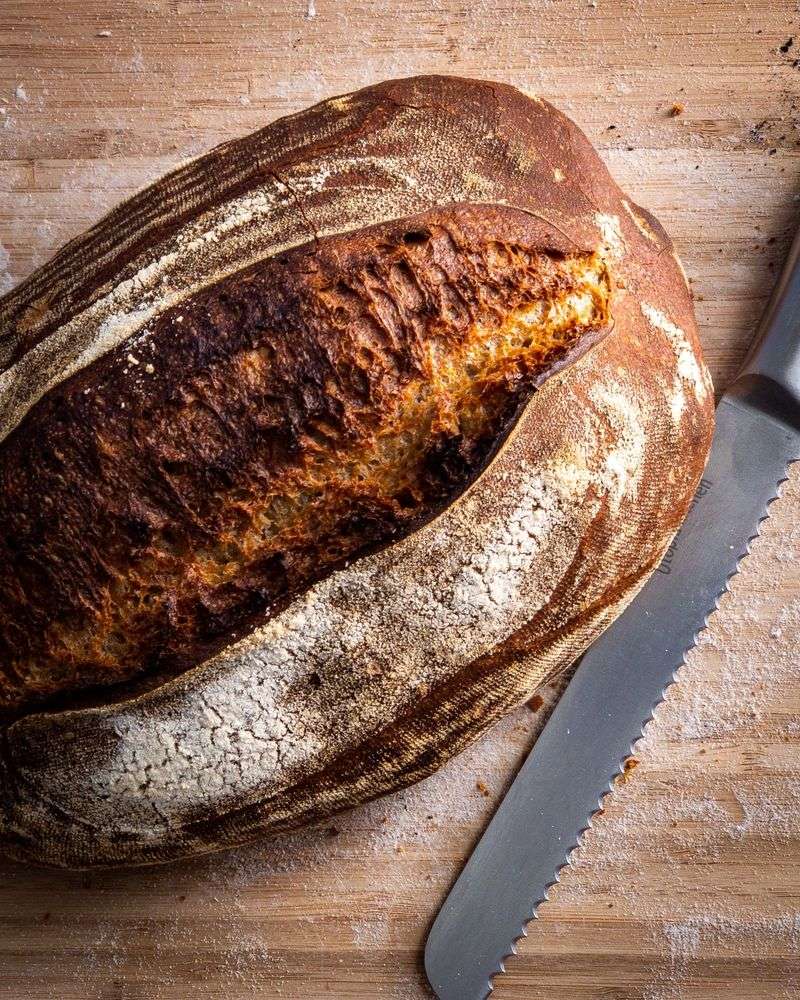
Bread loaves once floated into the cart without a whisper. Now wheat prices, labor, and packaging make even basic sandwich bread feel premium.
You debate bakery fresh versus shelf staple and wonder if the extra couple dollars really buys longer softness or just a nicer label you will recycle later.
You start freezing half loaves and planning toast nights to avoid waste. Homemade sounds tempting, but time is not always on your side.
When the cheap rack drops a few loaves, eyes sharpen. You slide one out and nod politely.
That grilled cheese tomorrow will feel like victory.
Milk
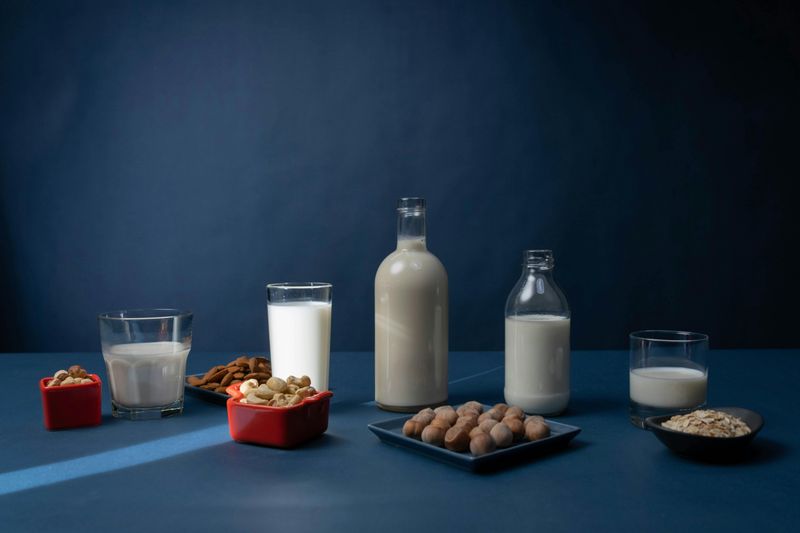
Milk was a routine reach, a quiet staple for cereal, baking, and late night cookies. Now you track sales, choose sizes carefully, and maybe switch fat percentages if it saves a buck.
Feed, processing, and transport costs ripple straight into your fridge, and the kids still pour generously like nothing changed.
You experiment with smaller cartons midweek to prevent waste. Shelf life becomes a calculation, and so does brand rotation.
When the weekly deal hits, you grab two and map out smoothies and sauces. A stranger does the same, and you exchange that tiny smile of hard-won efficiency.
Cheese
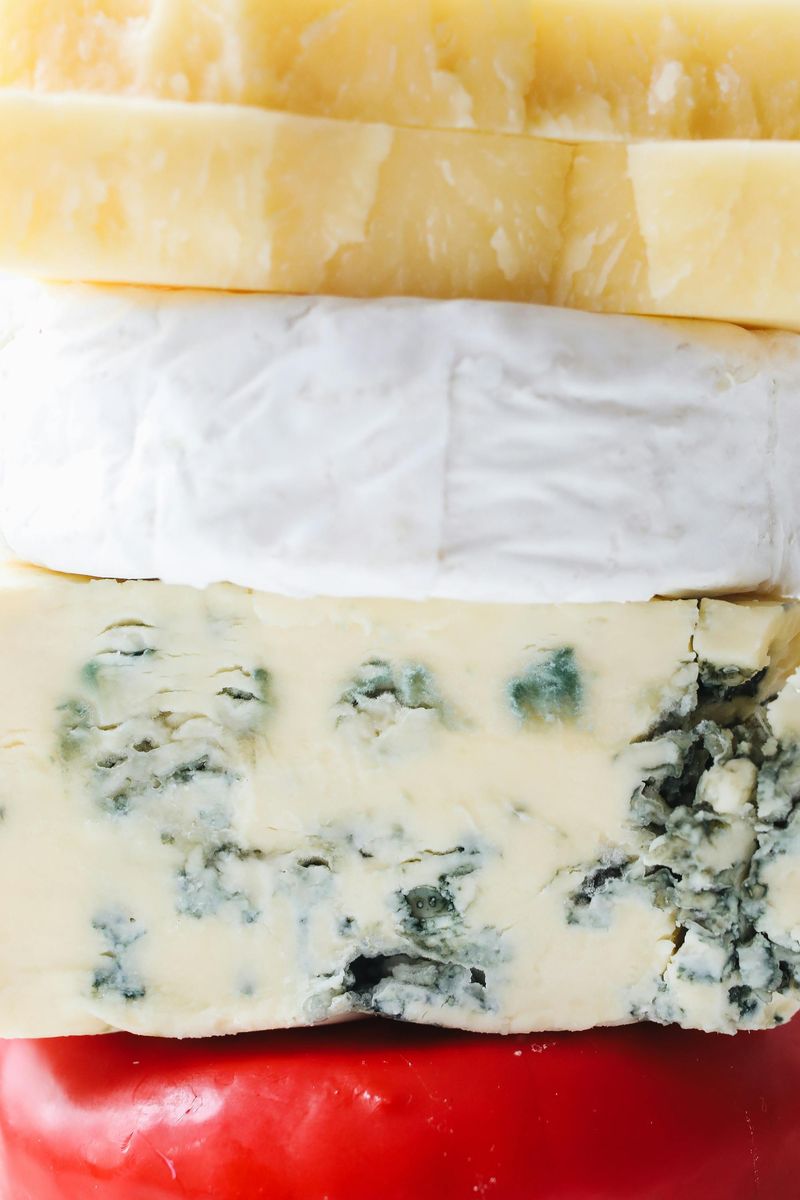
Cheese used to be an easy add-on. Now you weigh blocks versus pre-shredded and hide the good cheddar for special dinners.
Milk prices, aging time, and specialty demand pushed everything upward, so pizza night becomes a blend of mozzarella and whatever is left in that mysterious deli drawer bag.
You grate your own to save a little and freeze extra for later bakes. Snack portions shrink, but flavor still wins arguments.
When a buy one get one appears, hands move fast. You snag yours and back away gently, already dreaming of lasagna layers like a budget-minded optimist.
Rice
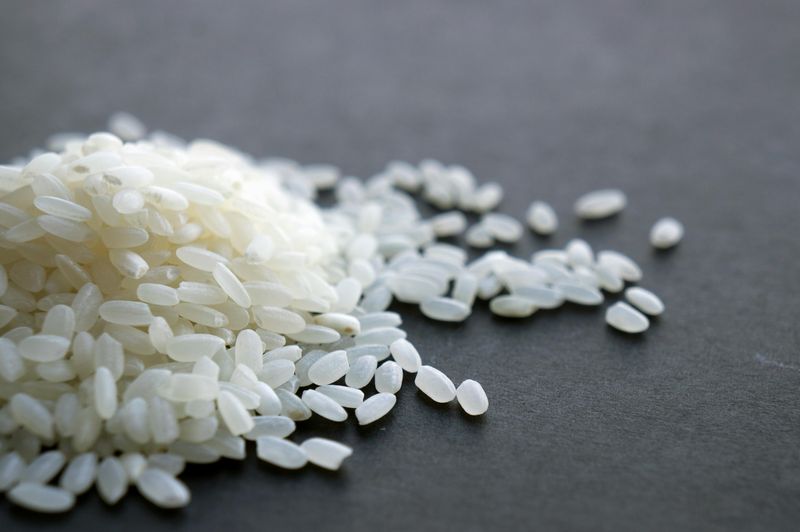
Rice was a quiet hero for cheap, comforting meals. Lately, export limits, weather hits, and shipping costs nudged prices up, and the big bags do not feel as mindless as before.
You watch unit prices, consider mixed grains, and plan leftover rice bowls like you are running a tiny cafe at home.
Rinsing, toasting, and freezing portions helps stretch every cup. Stir fries reclaim odds and ends from the fridge.
When the last large sack goes on sale, carts swarm like birds. You move decisively, because sushi night and curry plans depend on it.
Budget still matters, flavor even more.
Pasta

Pasta used to anchor weeknights for pennies. Now durum costs and packaging nudge prices up, and you find yourself swapping shapes based on whatever is cheapest.
Still, pantry comfort wins, and you nurse sauces with extra vegetables, beans, or a splash of pasta water like a thrifty nonna in training.
You chase sales on multipacks and stash them in the back cabinet. Guests never notice when cavatappi replaces rigatoni.
When end-cap deals drop, the aisle suddenly feels busier. You slide a few boxes into your cart, smiling at the future baked ziti that saves a Tuesday from takeout temptation.
Cooking oil

Cooking oil was once a forgettable purchase. Now weather shocks, export limits, and biofuel demand turned basic bottles into budget line items.
You compare smoke points, debate blends, and save the fancy stuff for finishing while the neutral workhorse handles daily sautés. Every splash in the pan feels a little more calculated now.
Big jugs look tempting, but rancidity worries creep in. You track rotation, label dates, and store away from heat like a pro.
When a pallet price dips, folks converge fast. You secure one and move on, already planning crispy tofu and golden potatoes without wasting a drop.
Peanut butter
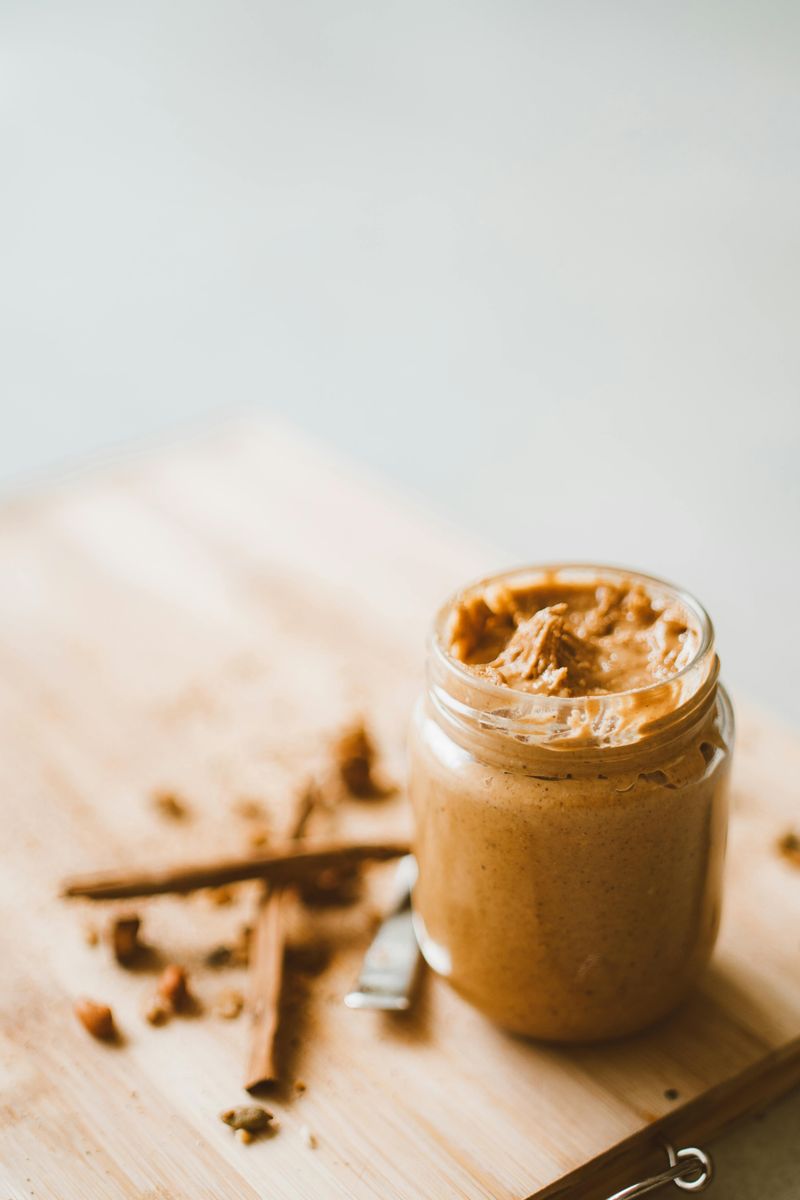
Peanut butter once lived in the pantry as a cheap protein backup. Now you compare jar sizes, natural versus stabilized, and wonder if the sale is actually a deal.
Crop swings and processing costs creep onto the shelf, and lunchbox sandwiches suddenly feel like tiny investments you do not want wasted.
You scrape every bit from the jar and stir the natural kind like it is a ritual. Apples, crackers, oatmeal boosts, all measured with care.
When the promo hits, people grab multiples. You do too, thinking ahead to late night spoonfuls that rescue hunger and keep the budget behaving.
Potatoes
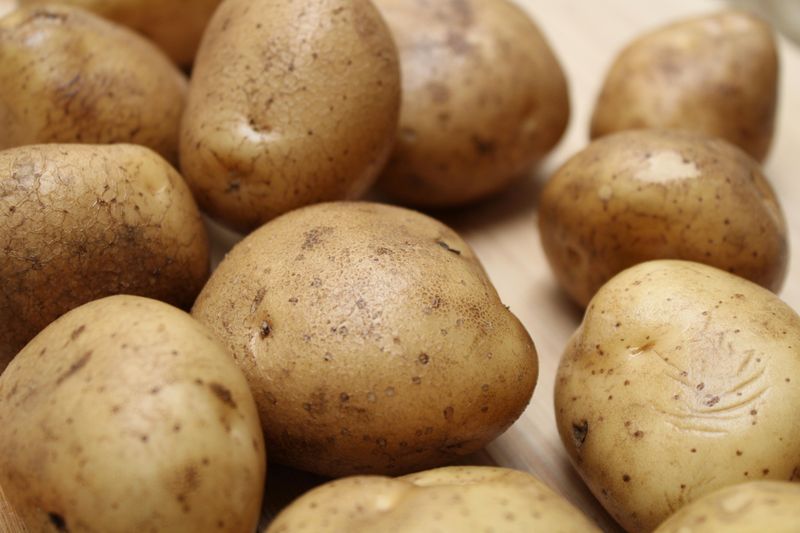
Potatoes used to be the safety net meal maker. Weather swings and storage costs nudged prices, and even bulk bags demand attention now.
You pick carefully to avoid waste, planning roasts, mash, and breakfast hash that stretch across days. The humble spud still delivers, but the casual toss-in has turned strategic.
You use skins for extra crunch and save leftovers for shepherd’s pie. Fries move from daily habit to weekend treat.
When a fresh pallet lands, shoppers lean in, eyeing size and value. You commit quickly, already picturing crispy edges, a dollop of sour cream, and dinners that still satisfy.
Cereal
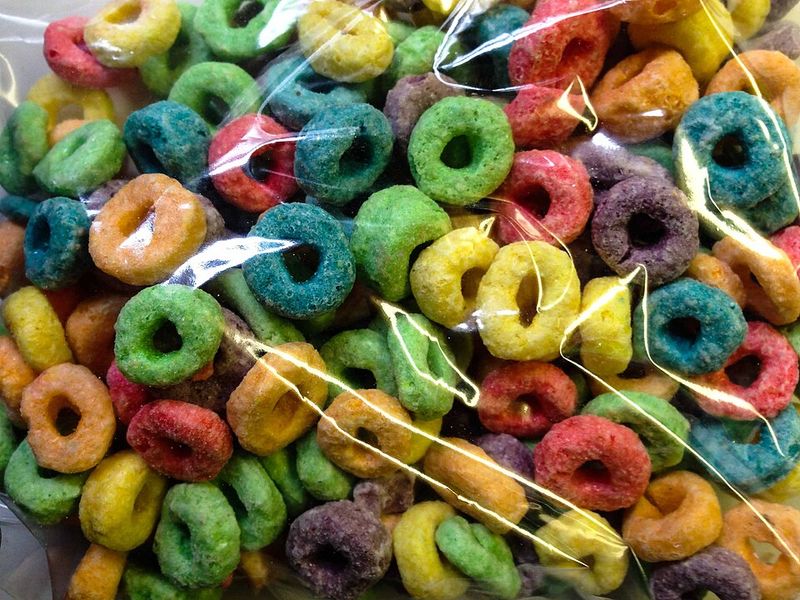
Cereal used to be the easiest breakfast decision. Now box sizes shrink while prices climb, making you read unit costs like a pro.
You rotate brands by sale cycle, mix plain with sweet to keep kids happy, and ration weekend cartoon bowls so the box actually lasts until next grocery trip.
Coupons matter again, and store brands surprise you more often than expected. Granola sometimes steps in, but milk to crunch ratio still rules.
When a two for deal appears, people scoop quickly. You do too, already planning travel baggie snacks and late night handfuls that do not wreck tomorrow morning.
Frozen meals
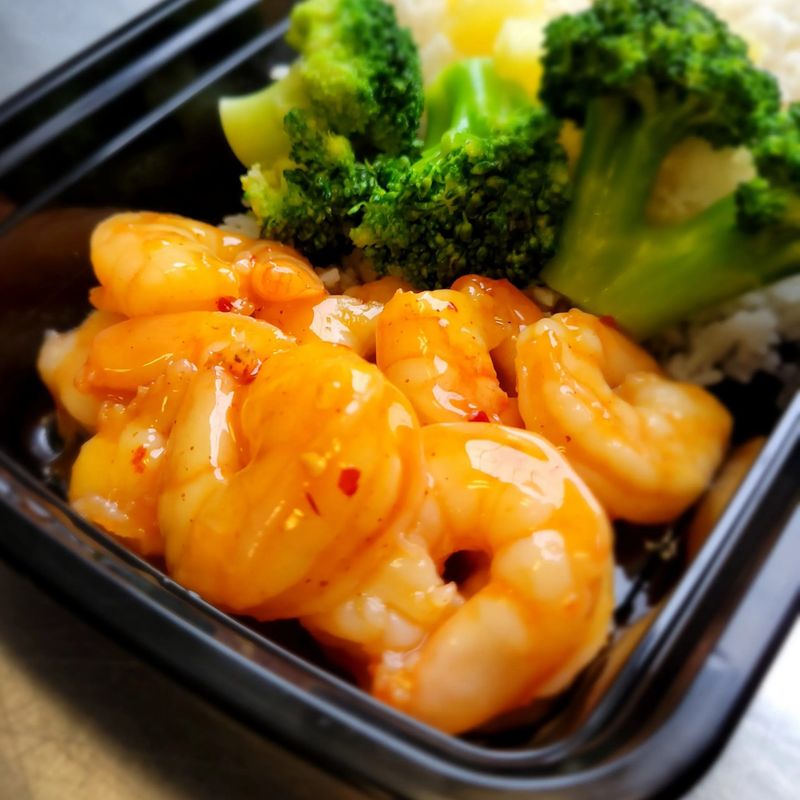
Frozen meals used to be the lazy night bargain that saved your sanity. Now convenience comes at a premium, and you juggle portion size, ingredients, and cost per serving.
Factory, packaging, and energy expenses stack up, so you stash a few favorites and fill gaps with batch-cooked leftovers to keep spending tame.
You scout flash sales and try new brands when coupons stack. Microwaves hum across the aisle as folks debate sauces and protein counts.
When the price dips, carts open fast. You grab a couple, already picturing those too-tired evenings when cooking ambition vanishes but hunger does not.
Chocolate bars
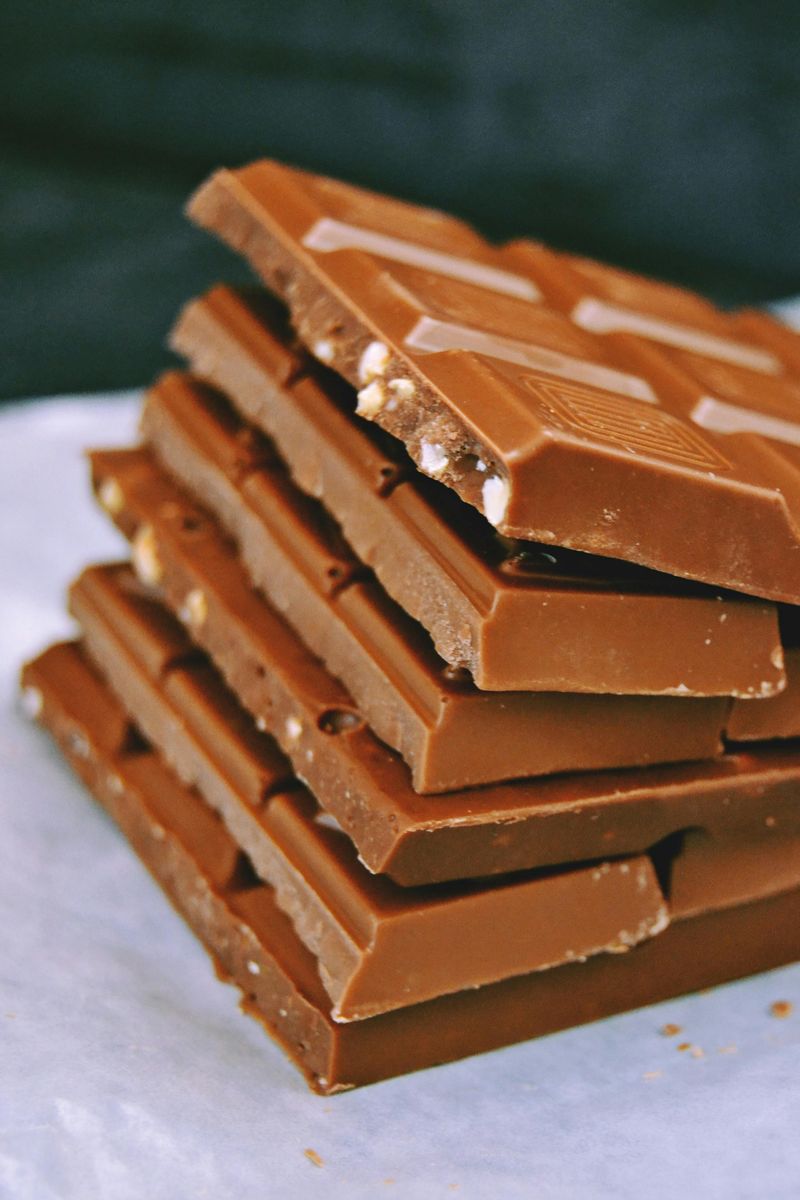
Chocolate bars used to be a harmless impulse at checkout. Now cocoa shortages and demand turn small treats into tiny splurges you actually plan.
You weigh dark versus milk, consider size, and save wrappers like trophies after a rough week. The craving wins, but the budget wants negotiated terms first.
Sales trigger quiet excitement, especially on good brands. You buy a few and hide them from yourself, sometimes successfully.
When limited editions arrive, hands move faster. You slide one in, promising moderation later.
It is still joy in a wrapper, just guarded a little more fiercely by everyone in line.
Onions
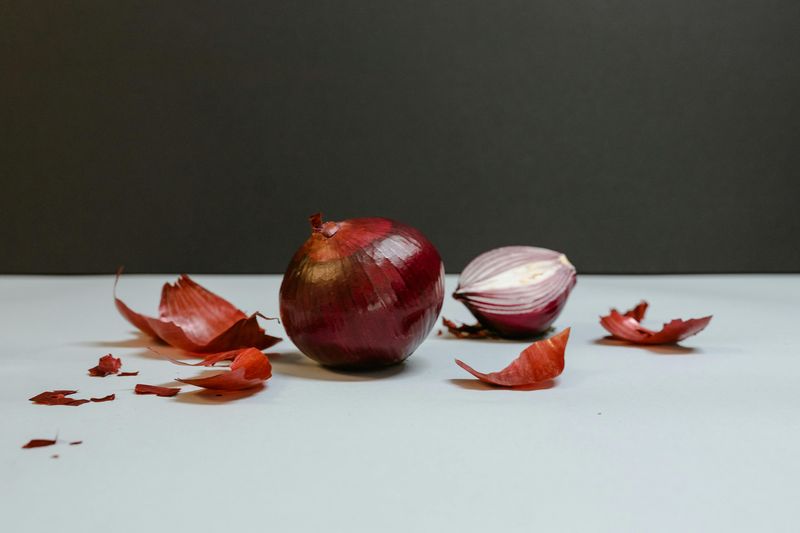
Onions used to be the cheapest flavor insurance imaginable. Now harvest hiccups and shipping push prices up, and you treat each bulb with fresh respect.
You store them carefully, plan soffritto batches, and freeze diced portions so none sprout in the dark. Every stew and sauce still starts here, only more thoughtfully.
Caramelizing a big batch becomes a weekend project, stretching into sandwiches and pastas. You try smaller onions when bags look tired.
When firm, heavy bulbs appear at a fair price, the bin suddenly crowds. You reach in calmly, choosing keepers that will perfume the kitchen and still mind the budget.