


You walk into the store for a few basics and walk out wondering how a small basket hit your wallet so hard. Prices did not just rise, they crept up in quiet little jumps that now feel impossible to ignore.
If your monthly budget keeps getting squeezed by everyday staples, you are not imagining it. Here is what changed, why it hurts, and how to stay one step ahead.
Eggs
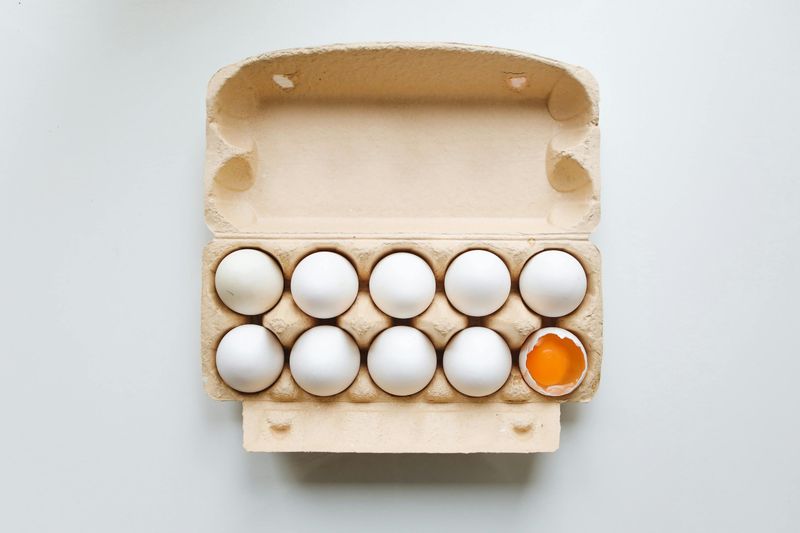
Remember when a carton felt like a routine buy? Now you hover, comparing sizes, cage-free claims, and whatever discount card trick might shave off a dollar.
Supply swings, feed costs, and demand from bakeries and households have scrambled expectations, pun intended.
When prices spike, consider smaller cartons for fewer wasteful breakfasts or stretch eggs into frittatas with veggies. Buy in bulk only if you truly use them before the date.
Freeze beaten eggs for later.
Store them cold, pointed-end down, and keep menus flexible. Eggs can still rescue dinners, just not every night.
Butter
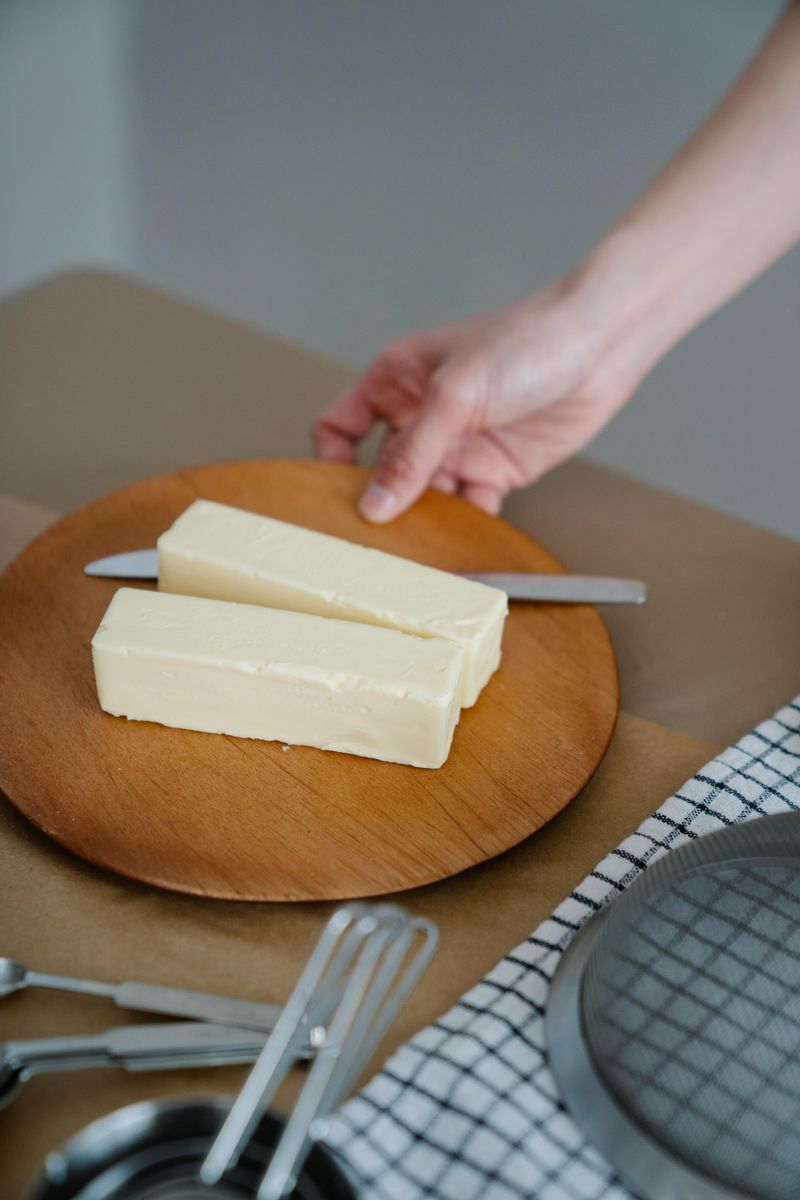
Butter used to be a quiet baking staple, now it feels like a splurge. Dairy feed, energy, and packaging push costs up, and holiday demand never helps.
You glance at margarine, then sigh because flavor matters in cookies and sauces.
Stretch butter with olive oil for sautéing or try brown butter to make less feel luxurious. Freeze extra sticks when on sale.
Choose store brands if the ingredient list stays clean.
For baking, measure carefully and skip mindless slathering. Butter can still be joy, just measured joy.
Keep one stick in rotation and the rest tucked away.
Bacon
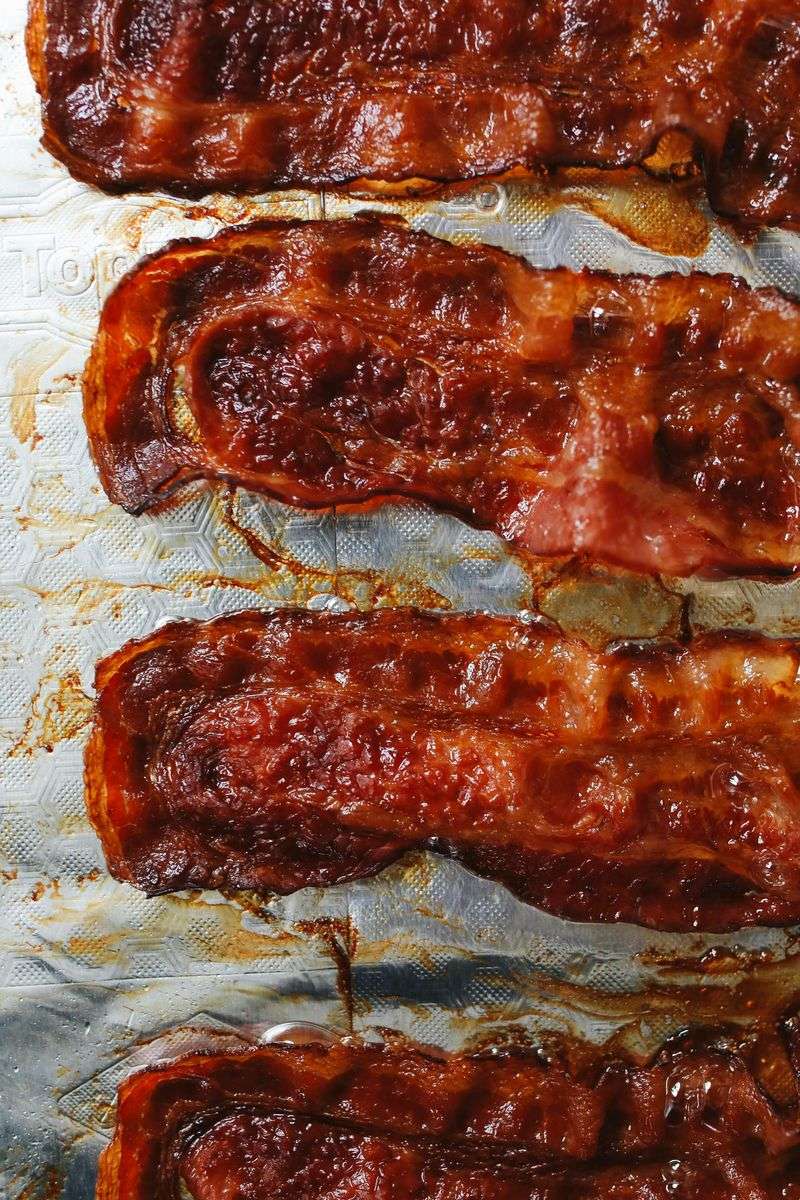
Bacon became a weekend treat that quietly turned into a budget ambush. Pork supply shifts and processing costs mean those smoky strips carry premium pricing.
The shrinkflation hits too, with fewer slices hiding in familiar packaging.
Use bacon as a garnish, not the main act. Crumble one or two slices over salads, pizzas, or baked potatoes to keep the flavor punch without draining cash.
Save rendered fat for cooking greens or beans.
Consider thick-cut for fewer but more satisfying bites. Freeze portions between parchment.
You get the taste ritual while spending a lot less.
Olive oil

Olive oil prices rose with droughts, harvest swings, and global demand. One splash used to feel casual, now each pour feels like budgeting.
You still want that peppery finish on roasted veggies, but the bottle empties faster than planned.
Buy reputable but mid-tier brands in dark glass. Use a spout to control pours.
Reserve your best oil for finishing and a cheaper neutral oil for high-heat cooking.
Store it cool and sealed to protect flavor so every drop counts. Try infused oils for impact.
Your salads and pastas still shine without draining your paycheck.
Coffee
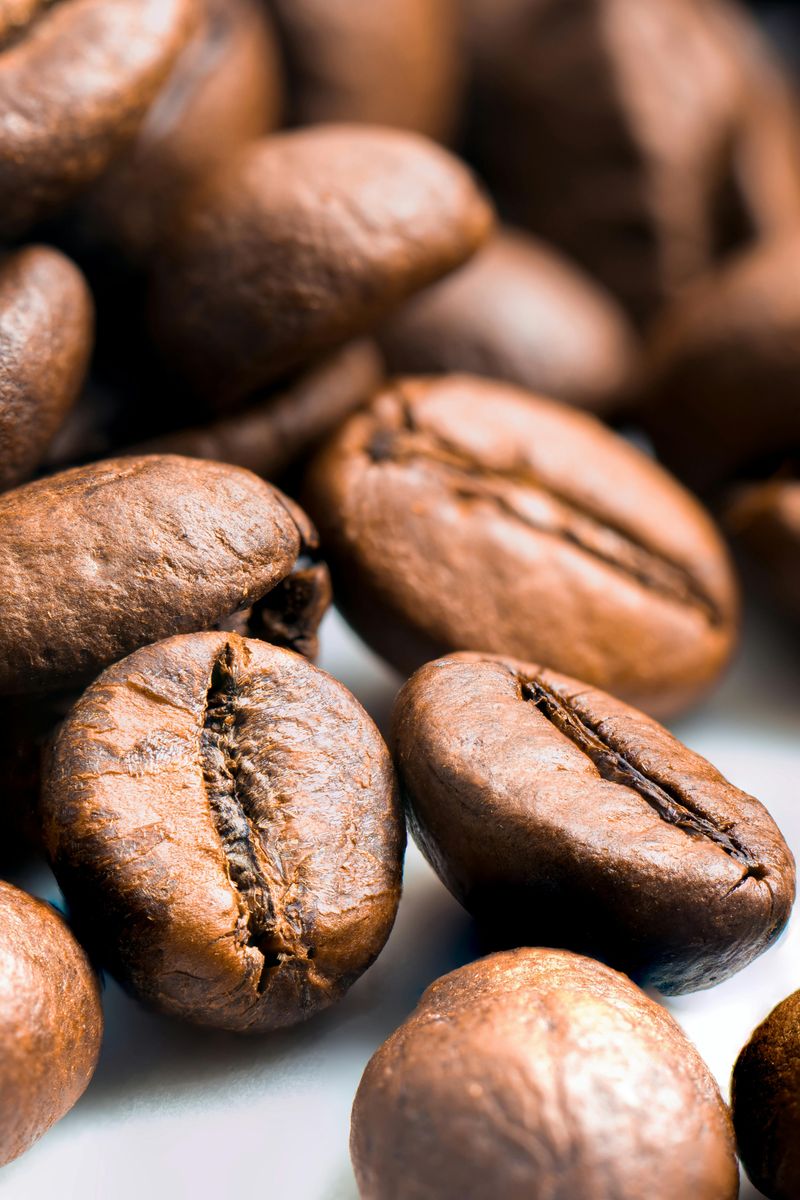
Your morning cup became a line item you actually notice. Weather shocks, shipping costs, and labor ripple through beans to your mug.
Cafe prices nudge you home, but even grocery bags stare back with premium numbers.
Buy whole beans, grind only what you need, and store airtight. Switch to a medium roast you enjoy daily, saving the fancy origins for weekends.
Brew ratios matter, so do reusable filters.
Stretch with iced coffee concentrates or half-caf blends. Watch subscriptions and compare unit prices.
Your ritual stays comforting, just smarter and calmer on the budget.
Cheese
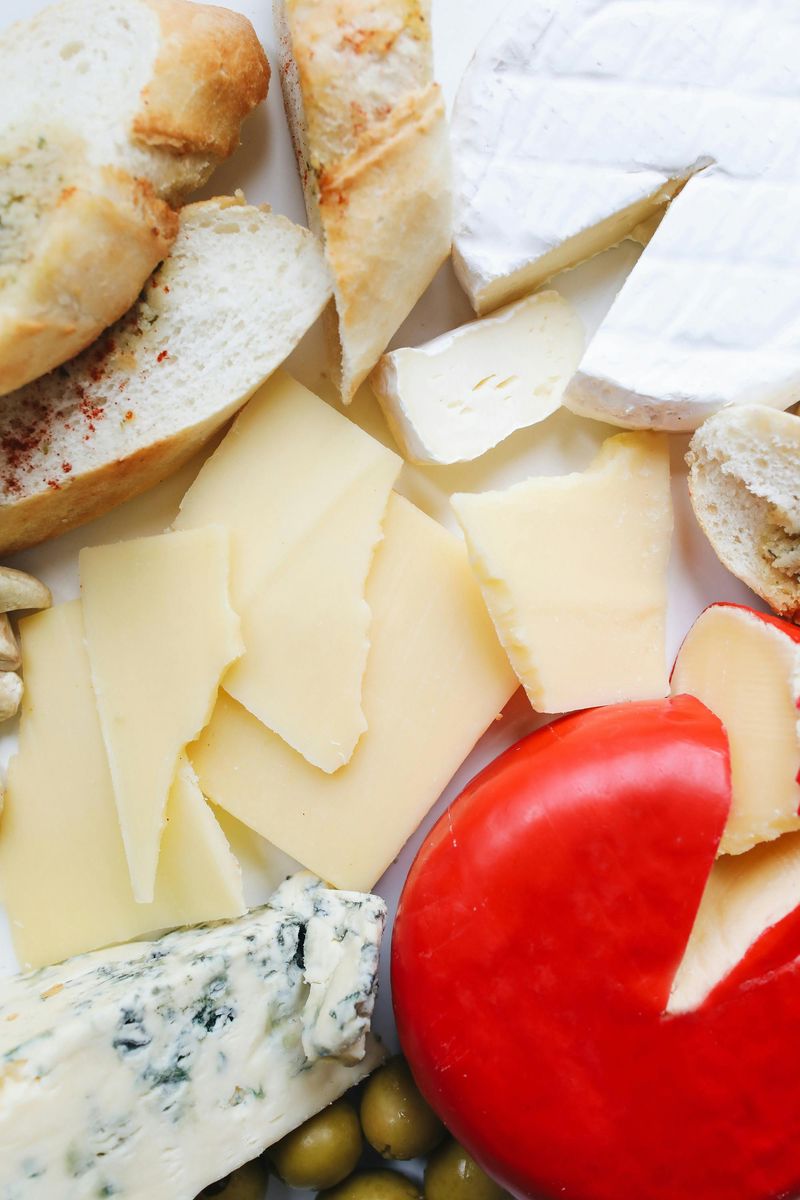
Cheese sneaks into carts like a reward, then shocks at checkout. Milk prices, aging time, and imports add layers of cost.
Even basic cheddar climbed, while specialty wedges feel museum-level precious.
Grate your own from blocks to dodge shrinkflation and anti-caking fillers. Use bold cheeses sparingly for impact.
Pre-portion slices for sandwiches so nothing molds in the drawer.
Shop ends and trimmings for deals. Blend mozzarella with a bit of parmesan to stretch pizza nights.
Cheese can stay delightful without blowing the plan, as long as every nibble has a purpose.
Milk

Milk used to be the definition of predictable. Now unit prices bounce enough to make you pause mid-aisle.
Feed, fuel, and packaging costs trickle down to every pour over cereal or splash in coffee.
Check unit prices on half-gallons versus gallons, especially if spoilage happens. Consider shelf-stable or powdered milk for backups.
Non-dairy alternatives are not always cheaper, so compare carefully.
Keep it cold, close the cap, and store in the back of the fridge. Plan recipes to use the last cup.
Let milk serve you, not surprise you.
Ground beef
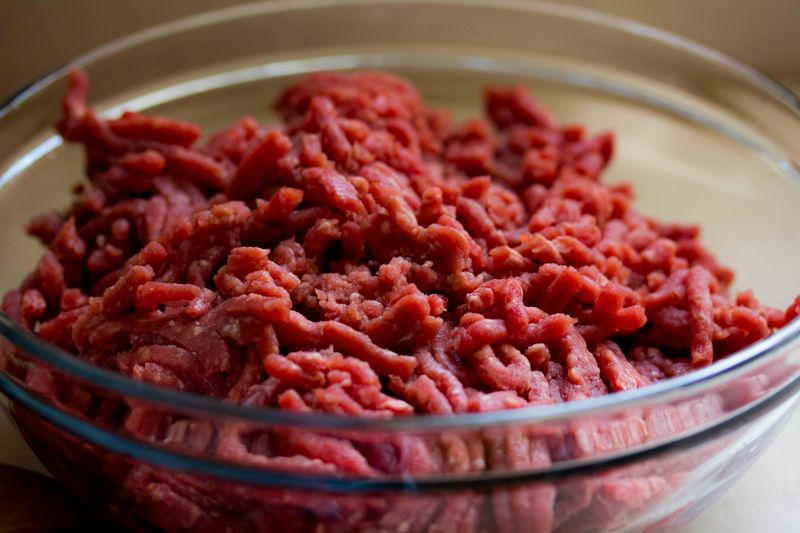
That familiar pack for tacos and burgers now demands negotiation. Cattle cycles, feed costs, and processing make red meat a budget stressor.
You still crave chili nights, but the price per pound insists on strategy.
Buy larger packs on sale, then portion and freeze flat for quick defrosting. Blend with lentils, mushrooms, or grated zucchini to stretch flavor and nutrition.
Choose 85 percent lean for value and juiciness.
Batch cook sauces to reduce waste. Rotate in poultry or beans to balance costs.
Ground beef stays in the rotation, just smarter and more intentional.
Chicken breast
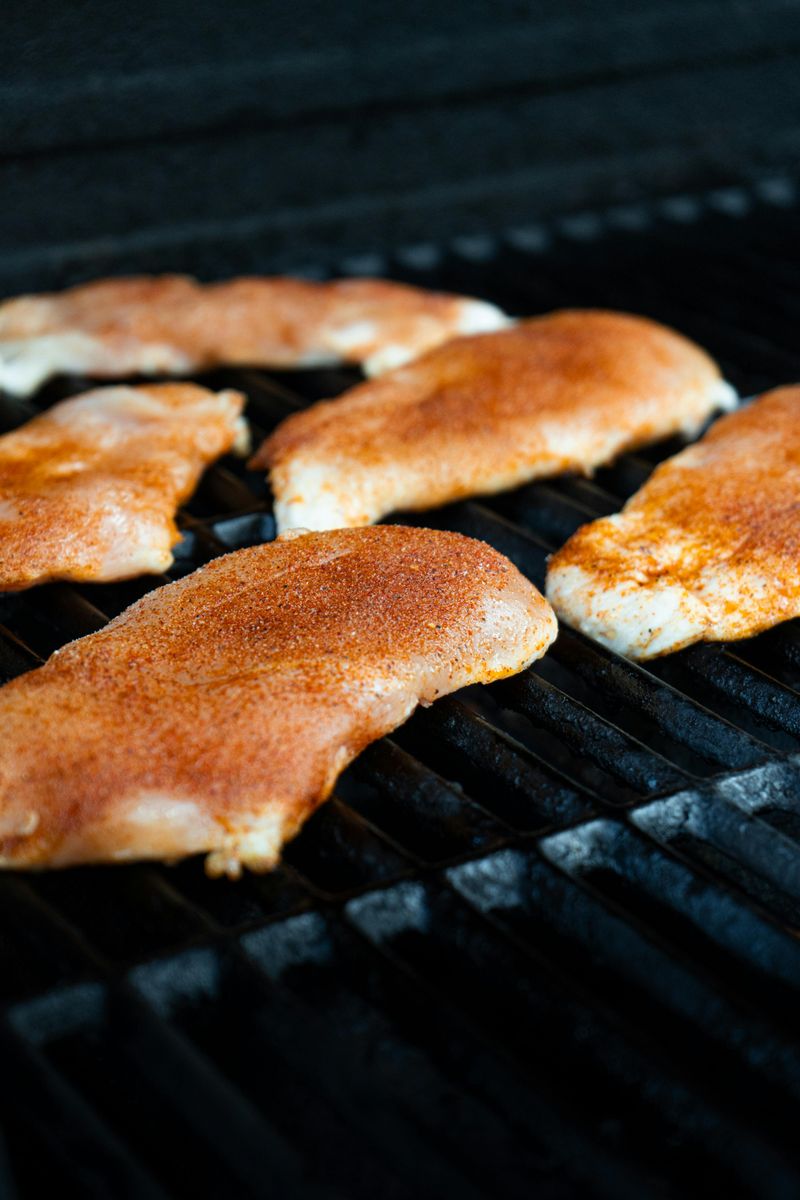
Chicken breast once felt like the dependable protein that never spiked. Lately, costs jump and pack sizes shrink.
Quick-cooking convenience keeps it popular, which only tightens supply and pressure.
Buy whole chickens, break them down, and freeze cuts. Consider boneless thighs for better value and moisture.
Brining smaller portions rescues texture so you use less meat overall.
Marinate and slice thin for bowls and wraps. Save trimmings for stock.
The goal is dependable protein without the sticker shock, and that means flexibility, knife skills, and a freezer that works hard.
Chicken wings
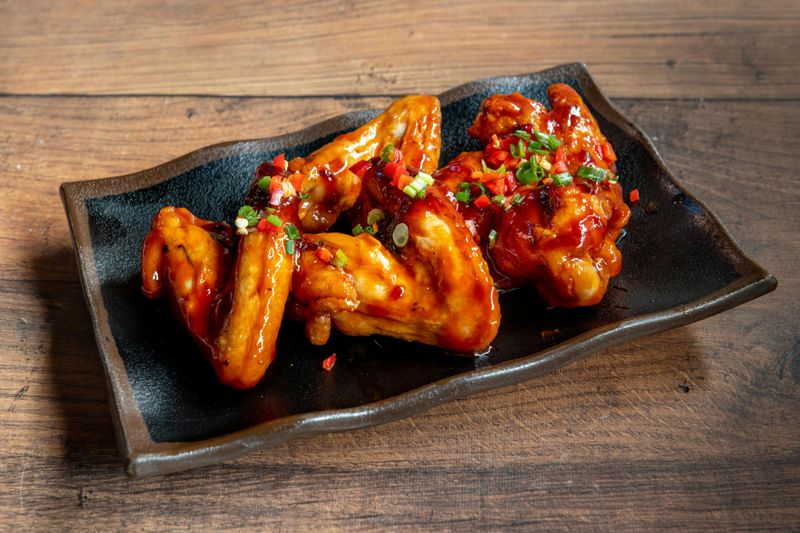
Wings used to be budget bar food, now they are prime-time pricey. Demand from restaurants and game days spiked, and processing adds costs.
Packs feel lighter, yet somehow the total is heavier on your receipt.
Buy whole wings and break them into flats and drumettes yourself. Bake instead of deep-fry to save oil.
Stretch with bold sauces, celery, and slaw so portions feel abundant.
Consider drumsticks when wings go wild. Freeze sales finds for party nights.
You still get the crispy joy, just without treating them like an everyday habit.
Bread loaf

That basic sandwich loaf became a quiet budget leak. Flour, labor, and packaging add up fast, especially with fancy grains or seeds.
Even store brands creep upward while slices sometimes seem thinner.
Compare unit prices by ounce. Freeze half the loaf to stop waste.
Toasting revives day-old bread and makes open-faced sandwiches satisfying with less.
Consider bakery clearance racks for quality at a discount. Try baking simple no-knead bread on weekends.
Bread should carry lunches without carrying your budget away, and a few small habits make a big difference.
Cereal
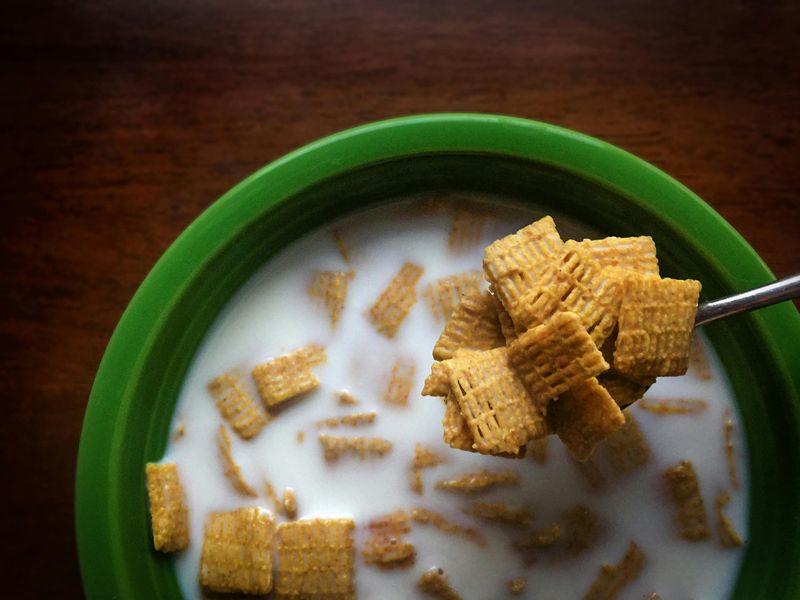
Cereal boxes stayed the same size, then somehow felt lighter. Sugar, grain, and marketing stack costs until breakfast becomes a luxury.
Kids notice mascots, you notice unit prices doing gymnastics.
Compare by ounce, not box. Choose store brands and plain varieties, adding fruit or nuts for excitement.
Use airtight containers so every flake lives to see milk.
Rotate oatmeal and homemade granola for balance. Buy only flavors that actually get eaten.
Cereal can still be fun, just not a budget free-for-all fueled by cartoons and impulse.
Peanut butter
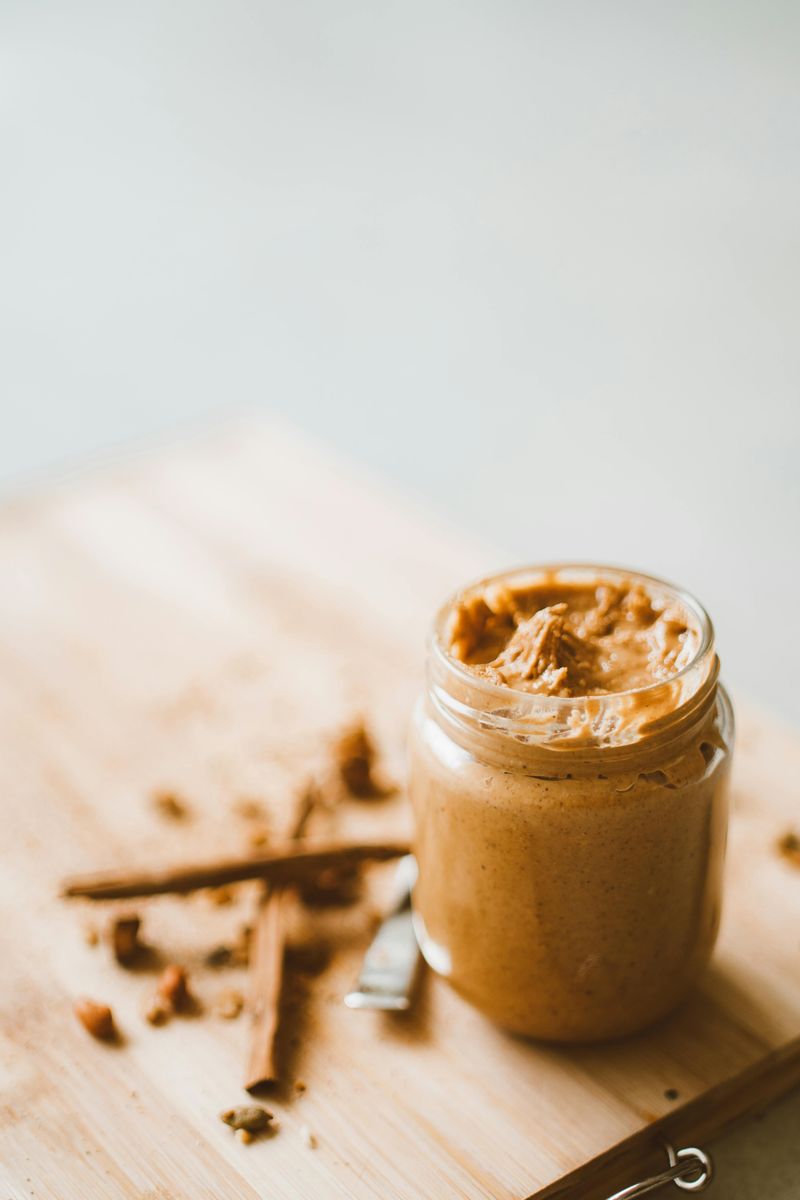
Peanut butter feels like childhood security, yet the price now makes you squint. Crop yields, processing, and brand premiums stack up quickly.
Some jars even slim down without a word.
Choose simple ingredient lists and compare store brands. Stir natural jars and store upside down to keep oil integrated.
Spread thinner, then boost sandwiches with bananas or honey.
Use for sauces and energy bites where a little carries far. Watch sales cycles and buy two, not ten.
Peanut butter still fuels days, just measured and mindful instead of automatic.
Yogurt
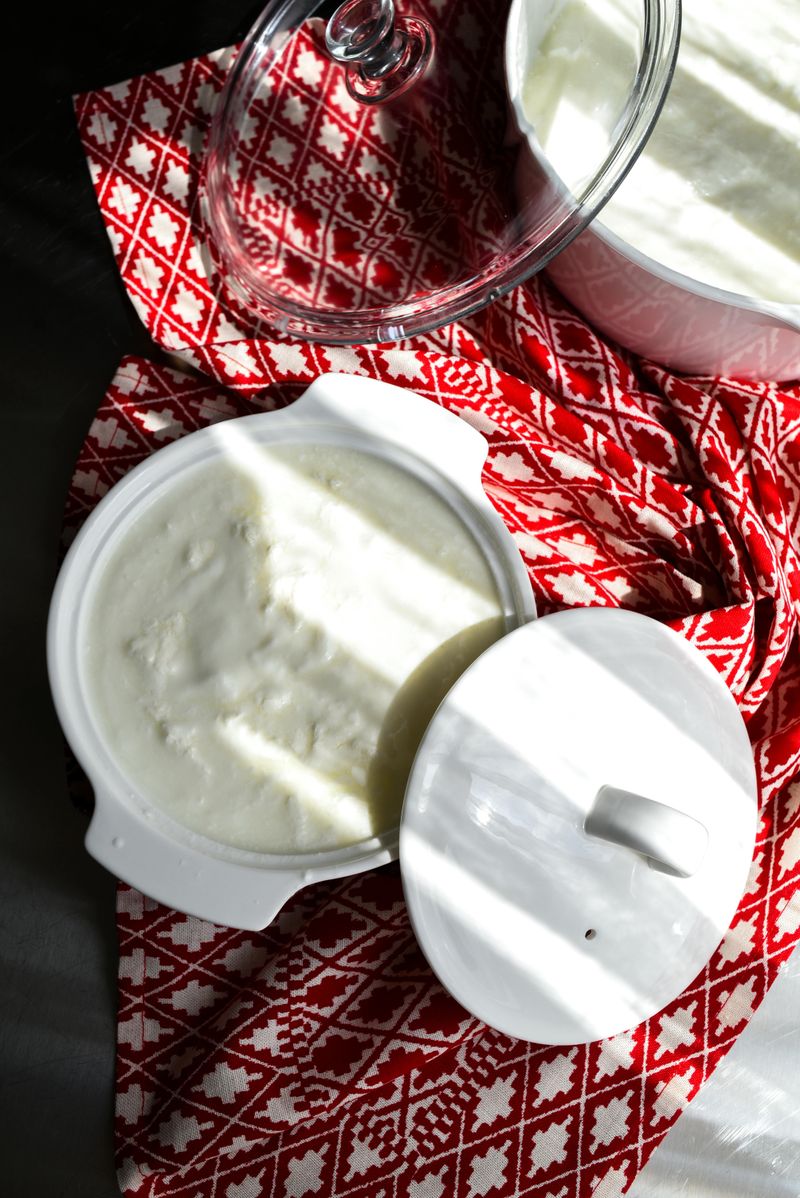
Yogurt hustled from snack to wellness product, and prices followed. Single-serves look convenient but drain budgets fast.
Probiotics, high protein, and fancy fruit blends all add margin that you pay, every week.
Buy plain tubs and portion into reusable cups. Sweeten with fruit or a drizzle of honey.
Strain overnight for thick Greek-style without the premium markup.
Watch sell-by dates for markdowns. Mix in granola right before eating to keep crunch.
You still get creamy comfort and protein, just without treating packaging as part of the meal.
Frozen meals
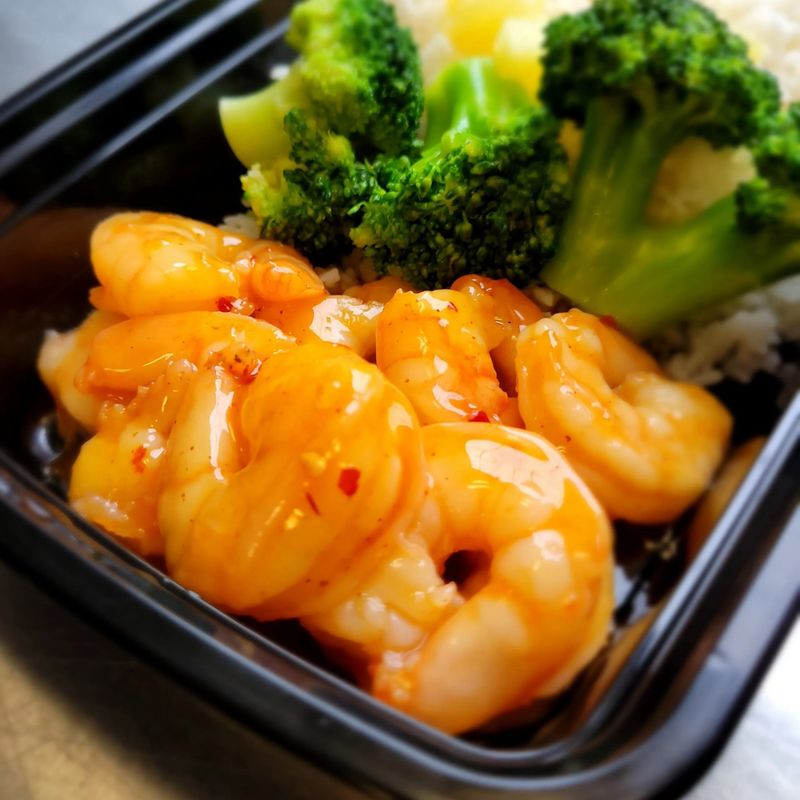
Frozen meals promise convenience but quietly empty wallets. Labor, packaging, and branding stack costs, and portions often leave you hungry.
Sales come and go, yet the baseline keeps rising.
Keep a couple for emergencies, not as a daily habit. Batch-cook chili, burrito fillings, and soups, then freeze in single portions.
Add a side salad or bread to stretch satisfaction.
Read labels for protein and sodium so you know what you are paying for. Balance convenience with planning.
Your freezer can save time without consuming the budget every weekday night.
Avocados
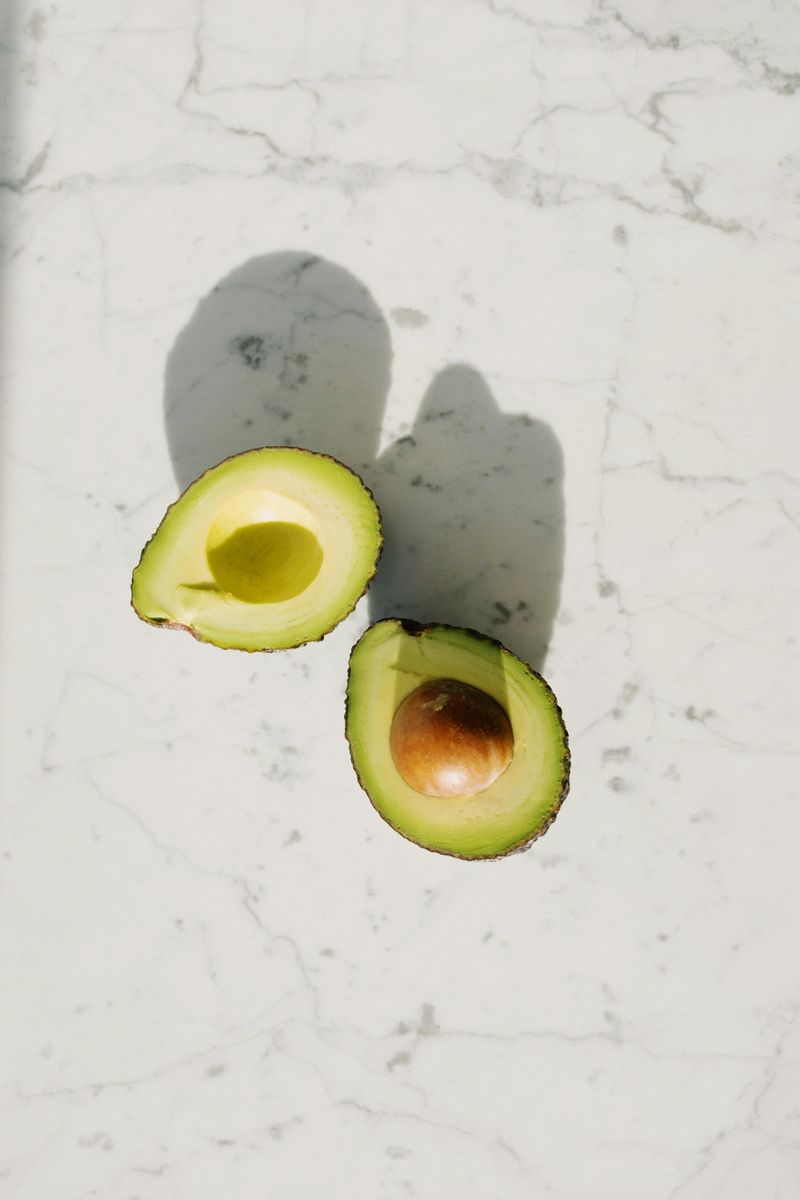
Avocados moved from occasional treat to lifestyle, and prices followed. Weather, transport, and demand make each fruit feel precious.
One bad seed-to-flesh ratio and you feel downright robbed.
Buy at different ripeness levels to stagger use. Store uncut fruit in the fridge to slow ripening.
Stretch guacamole with tomato, corn, or edamame without losing that creamy vibe.
Use lemon to slow browning and save halves with the pit. Consider small avocados for portion control.
You still get toast moments and taco nights, just without turning green at the register.
Berries
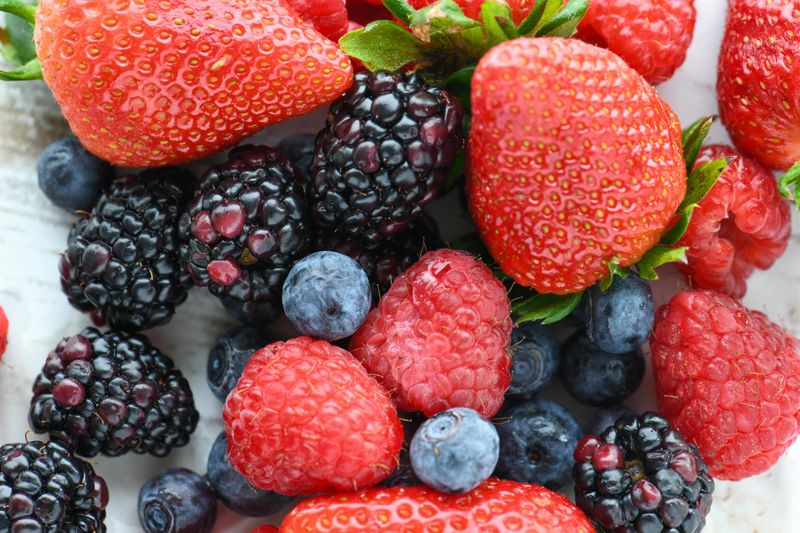
Berries are joyful but brutal on budgets, especially off-season. Delicate fruit means careful shipping and quick spoilage, so you pay for risk.
One forgotten clamshell becomes expensive compost.
Buy frozen for smoothies and sauces. When fresh, wash just before eating, layer with paper towels, and store in a breathable container.
Choose in-season varieties for better prices and flavor.
Stretch with yogurt parfaits and pancakes. Freeze softening berries for compote instead of tossing.
You keep the sparkle of summer sweetness without letting it devour your monthly plans.
Pasta
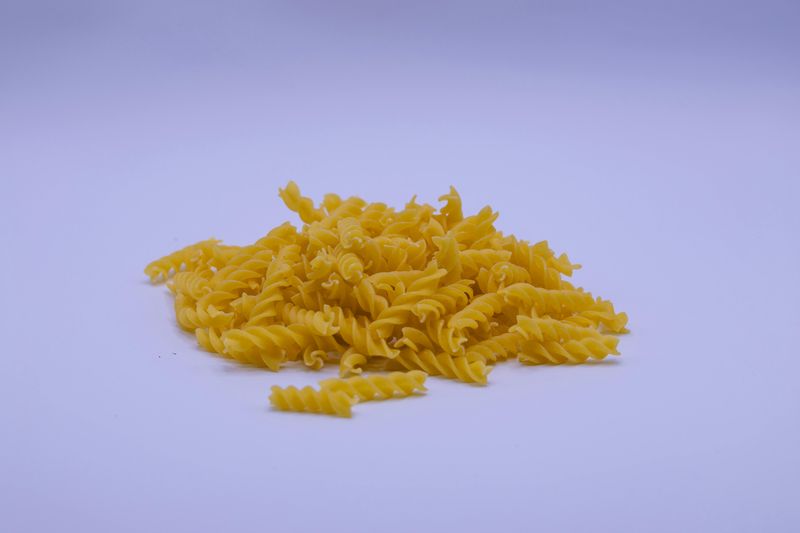
Pasta was the weeknight hero, simple and cheap. Now boxes edge higher while some brands quietly shrink ounces.
Wheat prices and packaging keep the pressure on, yet pasta remains a comfort reliable as ever.
Watch unit prices, and stock up during true sales. Cook one minute short and finish in sauce so smaller portions feel indulgent.
Add beans or hearty vegetables for protein and fiber.
Save pasta water to stretch sauces. Rotate shapes to match recipes, preventing overuse.
You still get twirl-worthy dinners without turning your budget into spaghetti.
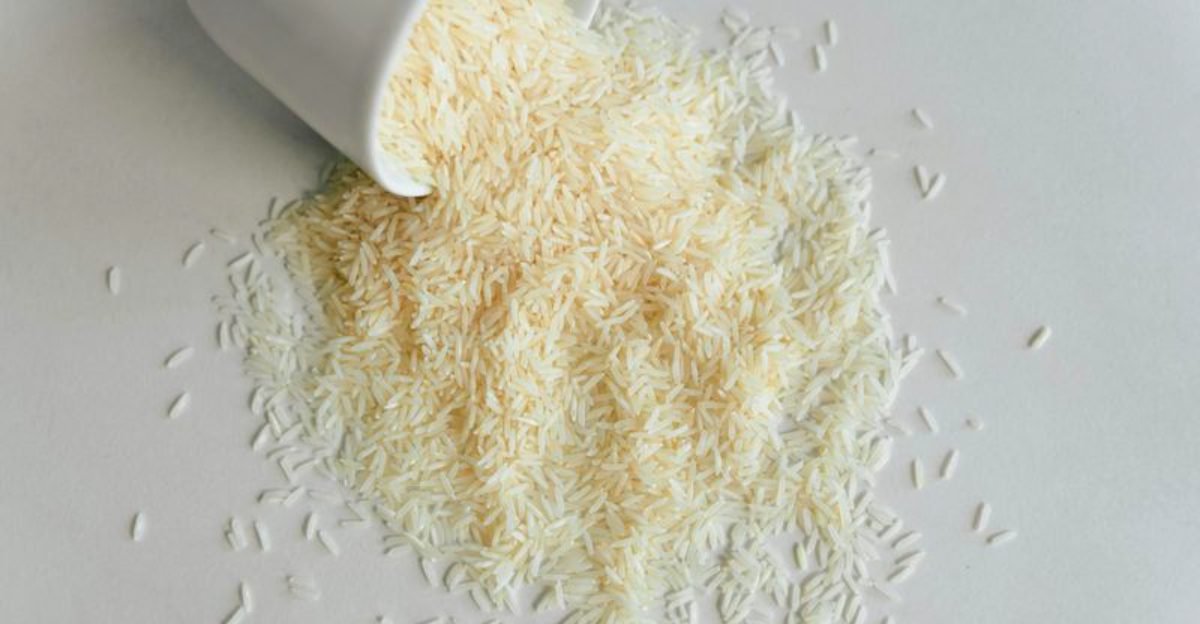
Rice
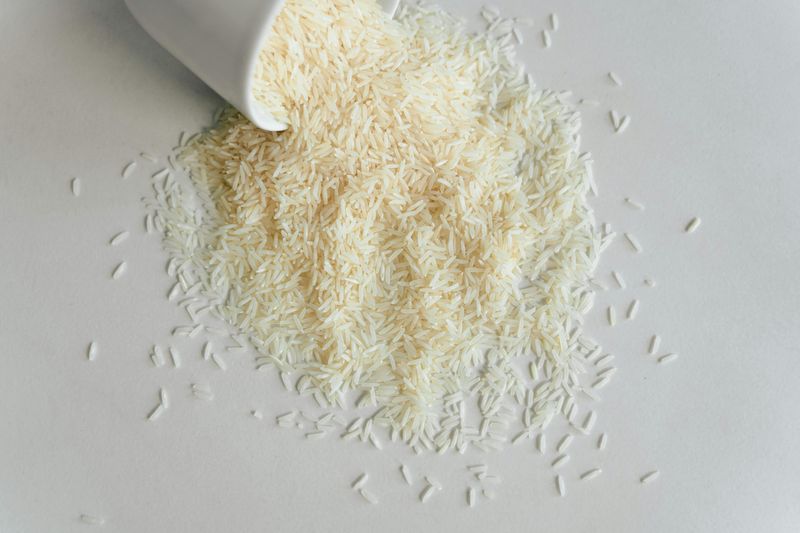
Rice is supposed to be the steady anchor. Import issues and weather can nudge prices up, and small bags cost more per pound.
Suddenly, that pantry staple is not as cheap as memory suggests.
Buy larger bags if storage is dry and pest-proof. Rinse, cook in batches, and freeze flat for quick meals.
Blend white with brown or jasmine for flavor balance.
Add eggs, veggies, or beans to turn cups into full meals. Keep a scoop in the bag for portion control.
Rice still stretches budgets, just with more planning and storage care.