


Some groceries used to be automatic toss-ins, but now they feel like mini budget meetings in the aisle. Prices nudge you to weigh convenience against cost, taste against trade-offs, and time against planning.
This list breaks down those subtle decisions so you can shop with confidence instead of guesswork. If your cart has felt heavier lately, it is not your imagination, it is strategy.
Eggs
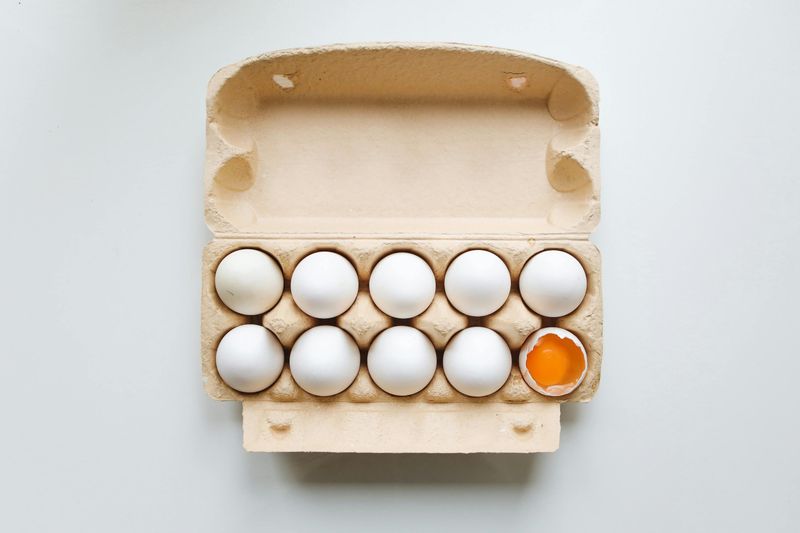
Eggs used to be a no-brainer, but volatility turned them into a budgeting checkpoint. You weigh cage-free versus conventional, large versus jumbo, and the cost per egg matters more than labels once did.
When sales hit, grabbing two cartons feels strategic rather than indulgent.
Protein per dollar remains strong, especially for breakfasts, baking, and quick dinners. Yet quality and ethics tug, making the price-vs-values calculus personal.
You might rotate brands, track unit costs, and meal plan around frittatas to stretch value without sacrificing your morning routine.
Butter
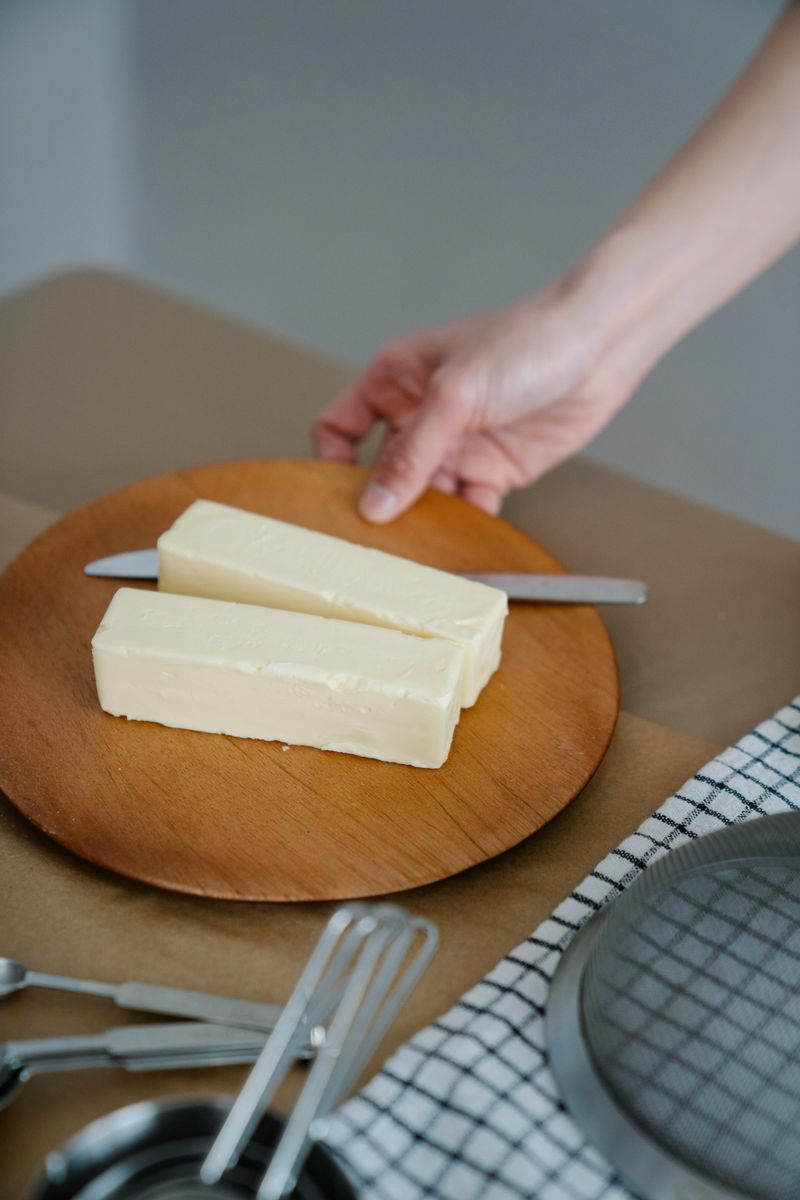
Butter became a line item with consequences for baking, sauteing, and flavor. Store brand blocks compete with European-style options that promise richer taste but cost more per tablespoon.
You notice sales cycles, stock up, and freeze extra to ride out price spikes.
Recipe planning shifts too, swapping olive oil where you can and saving butter for showpiece dishes. The choice between salted and unsalted now aligns with versatility and waste reduction.
Even a simple toast routine invites math: is the flavor payoff worth the premium this week, or will a mix-and-match approach keep the budget intact?
Bacon
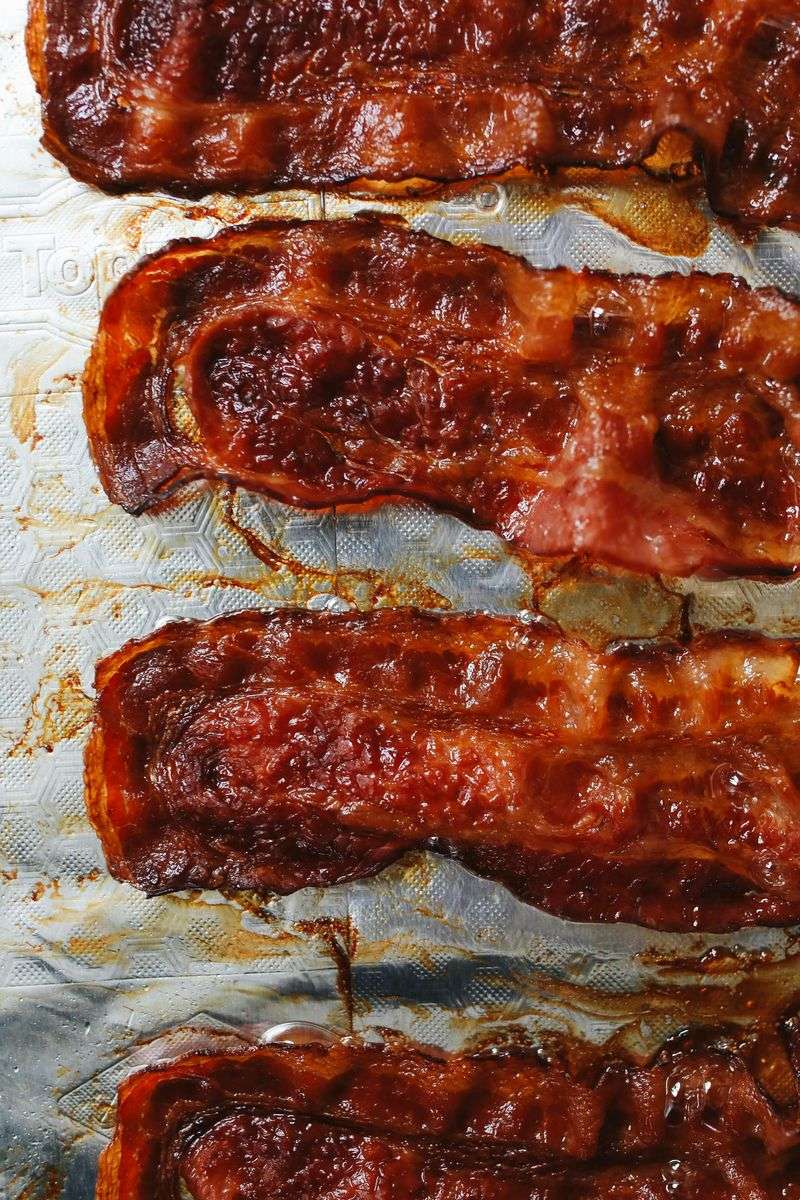
Bacon slid from weekend treat to serious decision. Prices bounce with pork supply and brand positioning, and suddenly thick-cut means thinner wallets.
You consider buying in bulk, splitting packs, or choosing turkey bacon when sales are bleak.
There is also waste control, freezing portions so slices stretch across breakfasts and BLTs. Flavors tempt with maple or peppered options, but plain often wins on versatility.
The sizzle still feels celebratory, yet you plan it, not wing it. When bacon hits a discount, it can anchor a meal plan.
Otherwise, it stays a once-a-week luxury.
Olive oil

Olive oil turned into a tiered choice: extra-virgin for dressings, pure for cooking, and big-tin budget buys for daily sauteing. You scan harvest dates, acidity claims, and certifications, then land on a midrange bottle that will not wreck the budget.
Sales and warehouse sizes suddenly look like investment opportunities.
Flavor matters though, so a small premium bottle may live beside a larger workhorse. You protect freshness by buying sizes you can finish quickly.
That blend keeps costs reasonable while keeping salads bright and pans slick. It is less about splurge versus stingy and more about right oil, right job.
Coffee
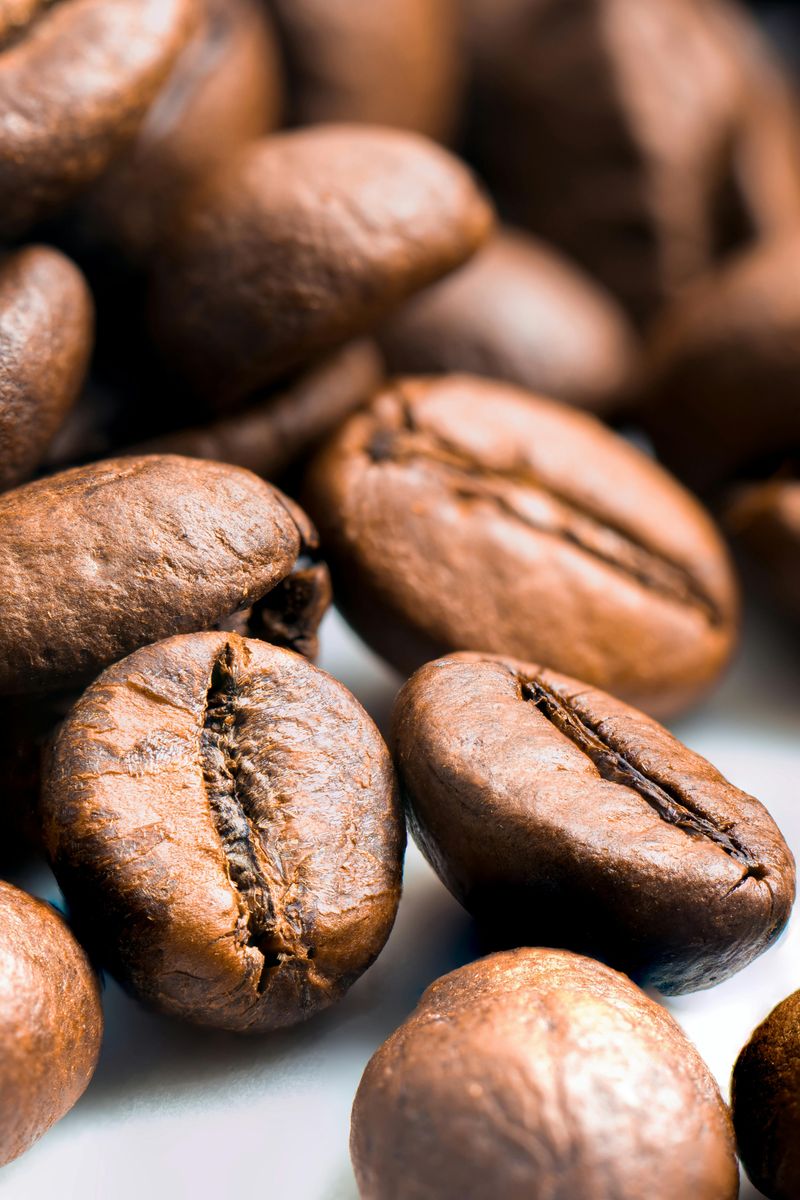
Coffee is a daily ritual that now demands strategy. You compare whole bean to pre-ground, single-origin to blends, and unit cost against your caffeine needs.
Brewing at home beats cafe prices, but only if you actually enjoy the cup and avoid waste.
Sales trigger bulk buys, and a grinder feels like a savings tool, not a gadget. You ration scoops, store beans airtight, and stretch specialty bags with a reliable house blend.
The payoff is powerful: fewer takeout runs and consistent mornings. Still, when fatigue hits, a midweek latte sneaks in, reminding you budgeting is human.
Cheese
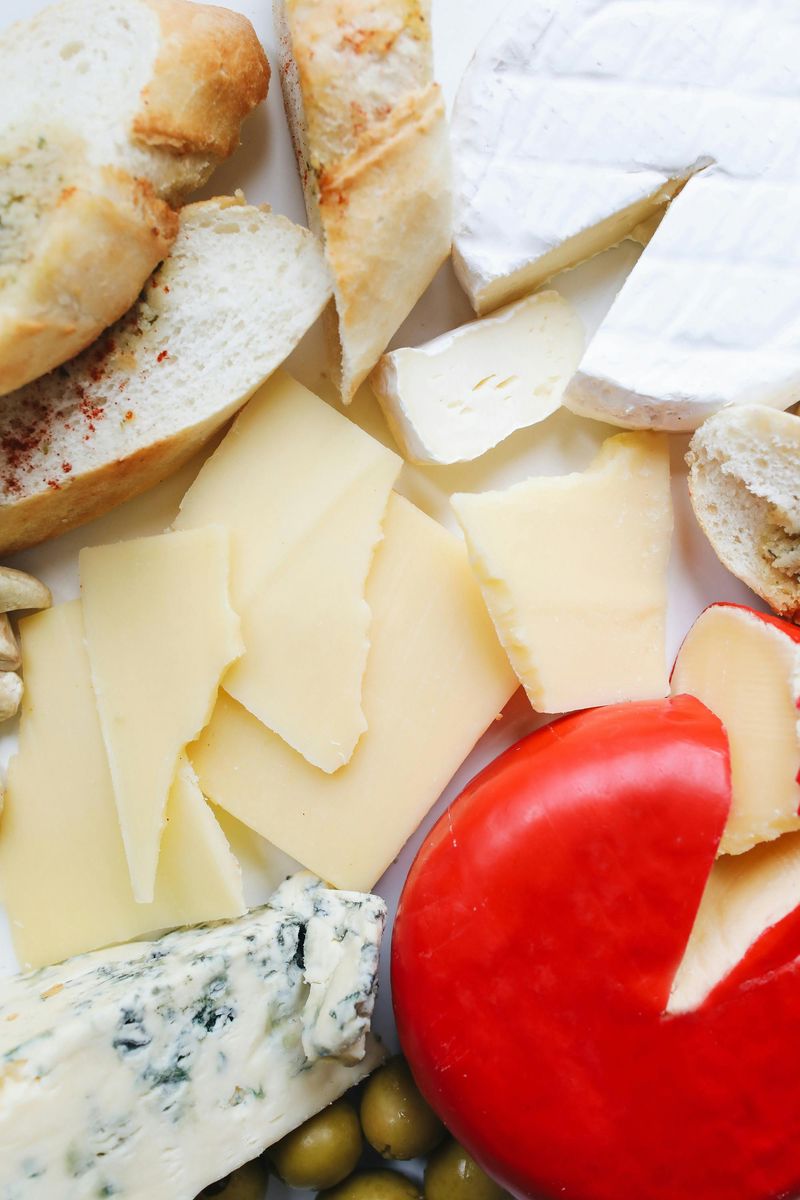
Cheese became a portfolio: everyday shred, block for slicing, and a tiny splurge wedge for weekends. Pre-shredded saves time but costs more, so a box grater might pay for itself after a month.
You plan recipes to use the same block multiple ways to avoid half-fuzzy leftovers.
Snack packs tempt with convenience, yet cutting your own cubes keeps budgets calmer. Strong-flavored cheeses pull double duty because a little goes far.
Freezing is tricky for texture, so you buy smart sizes. In the cart, cheese whispers lifestyle choices disguised as dairy, demanding both restraint and pleasure.
Milk

Milk seems simple until you balance price, fat level, and household consumption. Buying a gallon saves money if you finish it, but half-gallons prevent waste for small households.
Shelf life, store brand reliability, and lactose-free needs all factor into the math.
Sometimes powdered or ultra-filtered options look costly upfront but stretch further in recipes and protein goals. You may set a weekly limit or switch to plant milk for coffee only.
Whatever the route, milk now sits at the crossroads of nutrition, habit, and spoilage risk, making every pour a small budgeting bet you try to win.
Ground beef
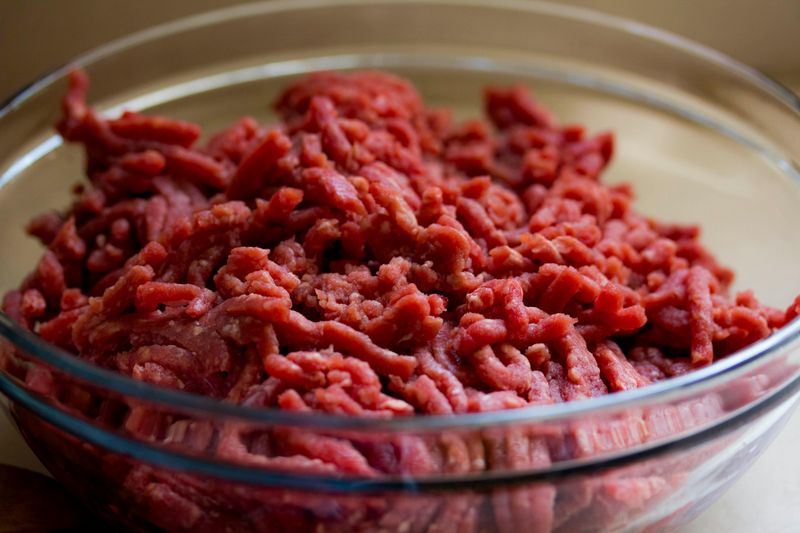
Ground beef requires weighing fat content against price and recipes. Higher lean percentages cost more but can deliver less shrinkage, so you calculate yield per cooked ounce.
Family packs stretch budgets, especially when portioned and frozen for tacos, meatballs, and sauces.
Quality cues like color and grind freshness matter, but so do weeknight timelines. You might blend with lentils or mushrooms to extend flavor and nutrition while lowering cost.
Sales dictate the menu, and a freezer becomes your ally. Ground beef is no longer casual protein, it is a planned investment with returns measured in easy dinners.
Chicken breast
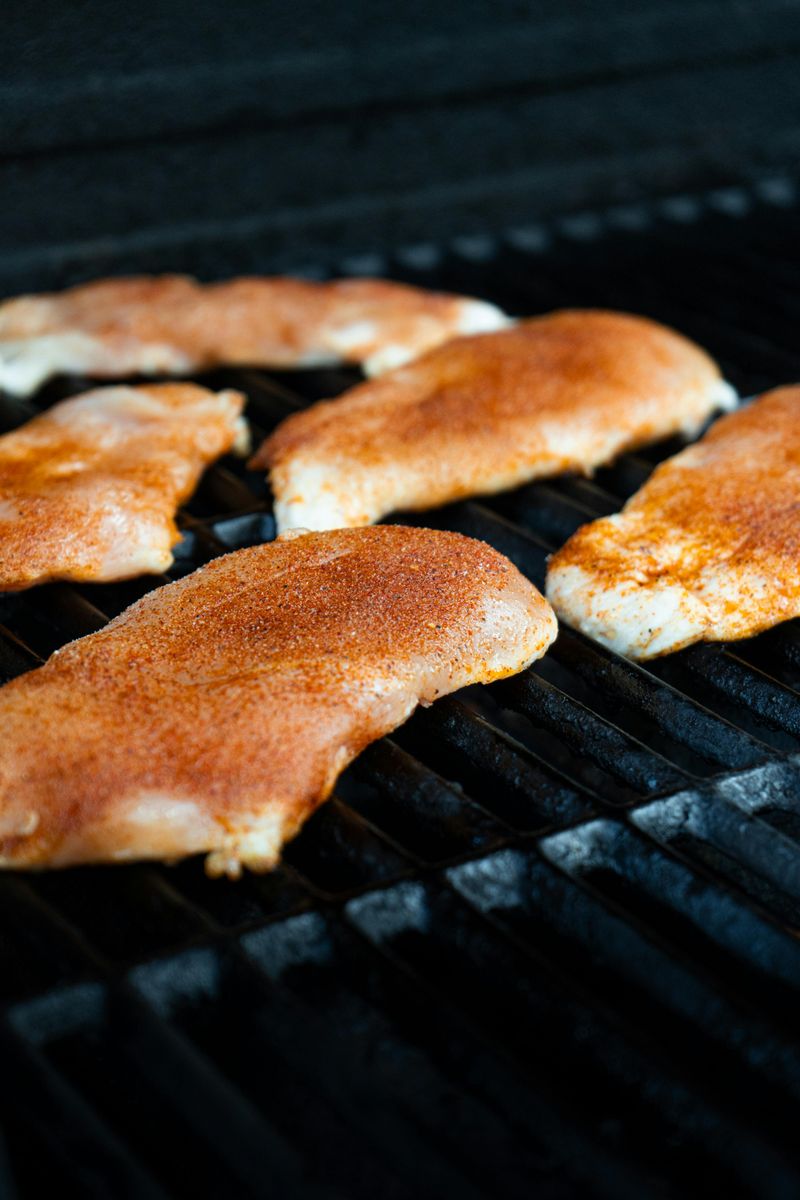
Chicken breast carries a health halo, but the price-per-pound can sting. You weigh convenience trims against doing the knife work yourself.
Buying bulk family packs and freezing portions unlocks weekday flexibility and keeps eating out at bay.
Marinades and slow cookers rescue dry outcomes, making value stretch across salads, bowls, and pasta. Sometimes thighs win on flavor and price, so you pivot when the tag dictates.
The decision lands between lean habit and taste satisfaction. Either way, it is a staple that teaches you to shop sales, portion smartly, and cook once, eat twice.
Chicken wings
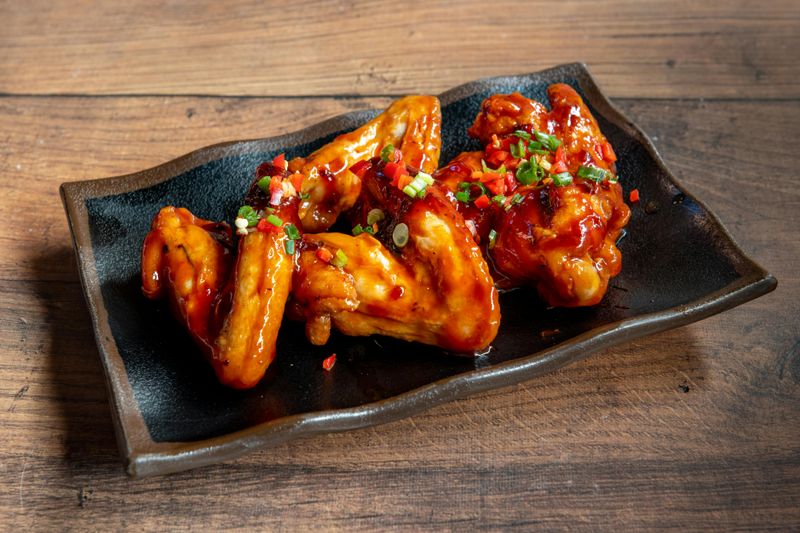
Chicken wings used to be cheap party food, now they are a splurge that competes with takeout. You calculate per-wing costs against game-day cravings and oven-bake them to dodge frying oil.
Buying whole wings and breaking them down helps, though it adds effort.
Seasonings and sauces become the budget lever, transforming inexpensive pantry items into craveable results. When prices spike, drumsticks or thighs fill in with similar satisfaction.
Wings are fun and social, but not automatic. They teach you to plan occasions, batch cook, and savor the crispy moments without blowing the monthly food plan.
Bread loaf
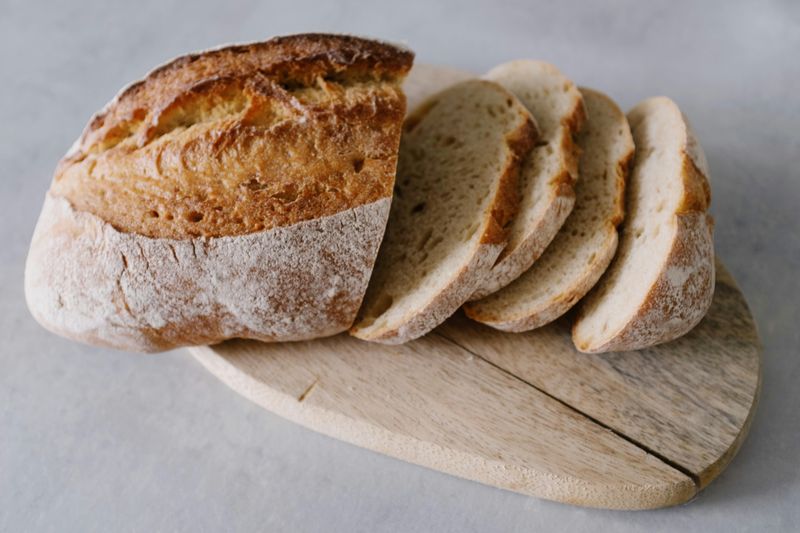
Bread now asks: bakery-fresh or value sandwich loaf. Artisan options wow with crust and crumb, but unit servings cost more and stale faster.
The store brand sliced loaf stretches for lunches and toast, especially when frozen by halves to cut waste.
Ingredient lists, seed content, and fiber claims factor into long-term health costs. Sometimes you split the difference, grabbing a baguette for dinner and budget slices for the week.
Toasting revives older slices, extending life and taste. That tiny decision at the shelf can tilt your week toward convenience, nutrition, and fewer midweek bakery detours.
Rice
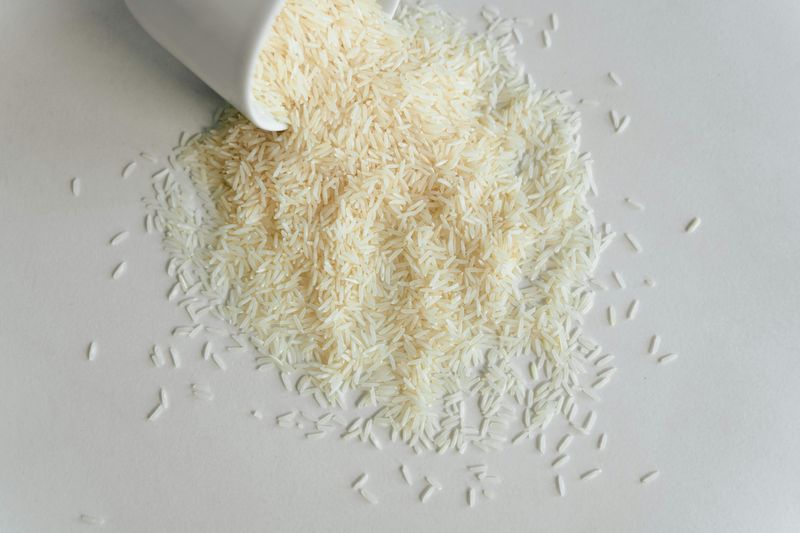
Rice is a budget backbone, but form matters. Small bags feel cheap, yet bulk sacks crush the price per serving if you have storage.
You consider jasmine versus basmati versus long grain, balancing aroma, stickiness, and versatility across stir-fries and bowls.
Rinsing, batch cooking, and freezing portions elevate convenience to rival takeout. Paired with beans or eggs, rice builds satisfying meals that stretch meat budgets.
Still, instant cups sometimes win on busy nights despite higher costs. Your cart choice hinges on space, time, and commitment to leftovers.
Done right, rice quietly funds other splurges.
Pasta
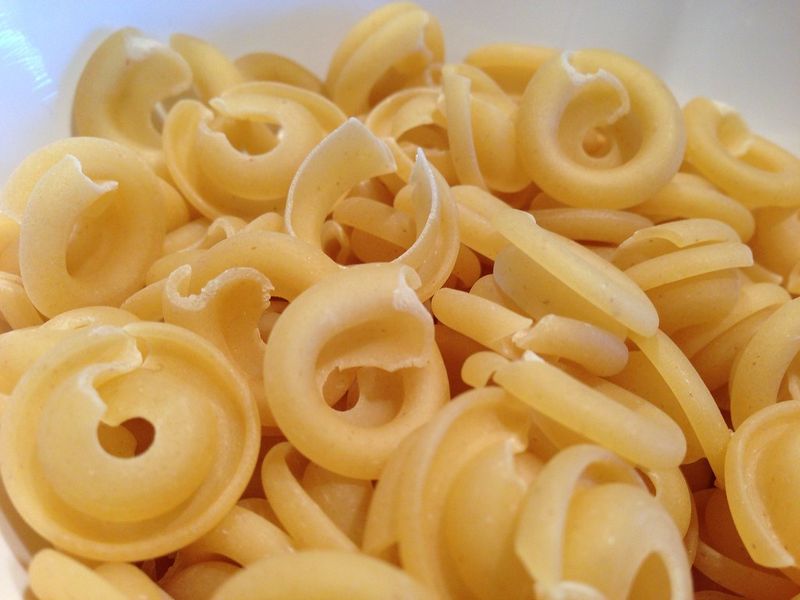
Pasta turns pennies into dinners, but options multiply. Regular store-brand boxes deliver value, while bronze-cut or imported shapes command a premium for sauce cling and texture.
You decide whether that mouthfeel matters on a Tuesday or if marinara masks the difference.
Buying multiple shapes on sale carries you through weeks of meals. Pairing with canned tomatoes and leftover vegetables keeps costs predictable.
Whole wheat or protein pastas add nutrition but often raise price per serving. In practice, a balanced pantry mix wins: one premium box for a treat, several budget boxes for the heavy lifting.
Cereal
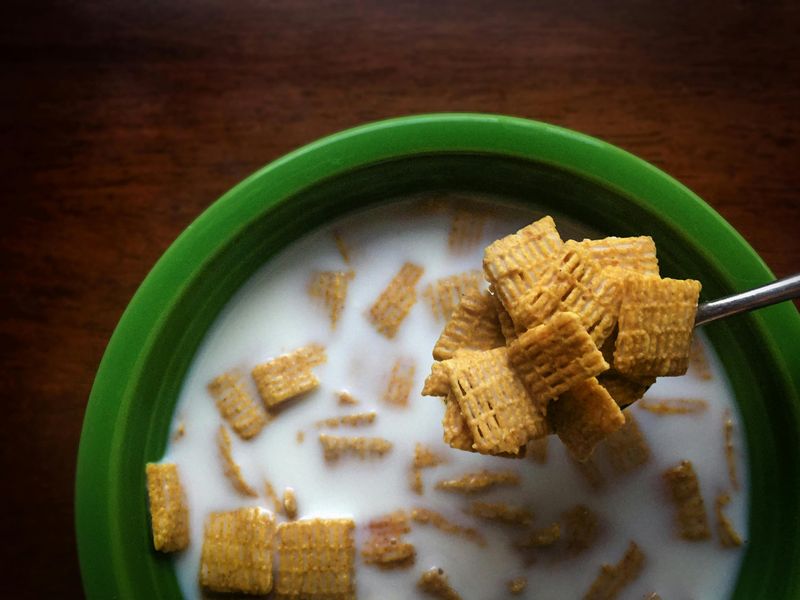
Cereal feels nostalgic, yet it is a math puzzle in disguise. Family size boxes look like deals, but staleness can erase savings if your household grazes slowly.
Sugar content, fiber, and protein influence satiety, changing how many bowls you pour before reaching for snacks.
Store brands often mimic favorites at a gentler price. Coupons and loyalty app deals swing choices week to week.
Sometimes oats or eggs replace cereal altogether when budgets tighten. Still, a reliable crunch has value on chaotic mornings.
You learn to rotate flavors, seal bags tightly, and pour mindfully instead of automatically.
Peanut butter
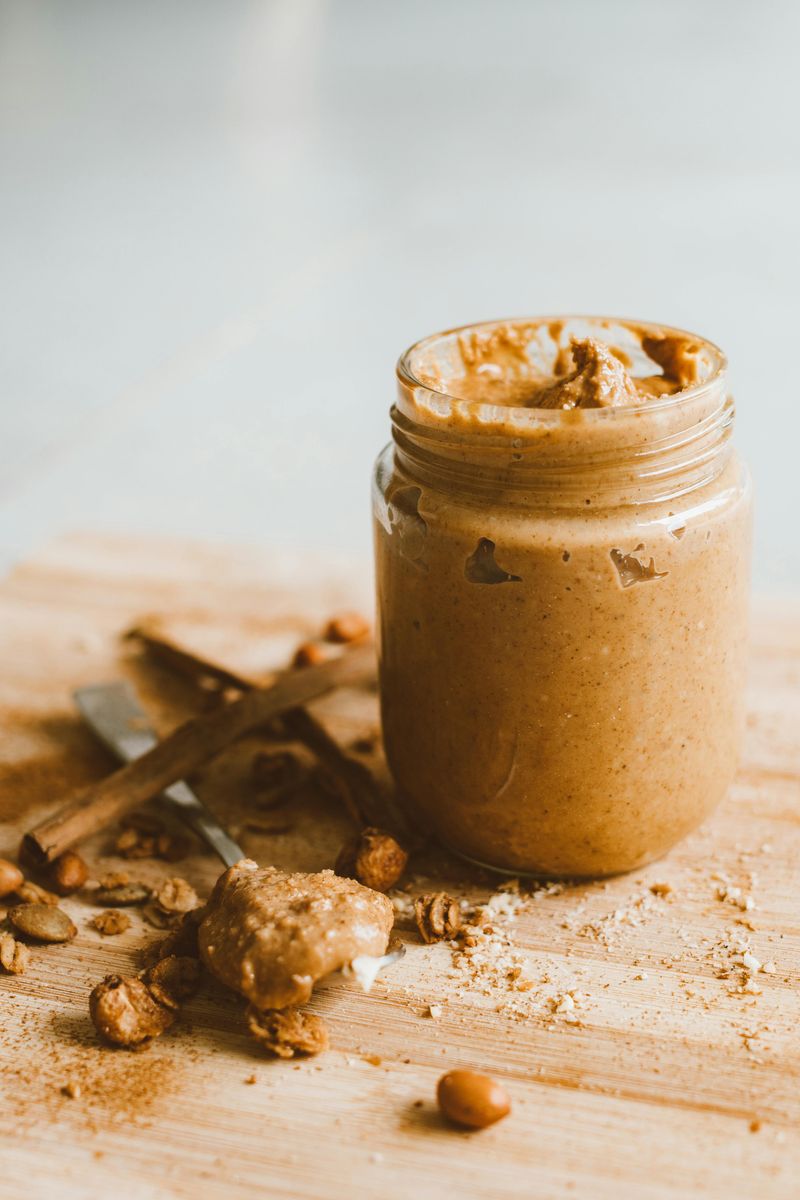
Peanut butter sits at the crossroads of nutrition, convenience, and price stability. Natural versions cost more and separate, while classic jars spread smoothly and last longer.
You compare protein per serving and sugar content, weighing sandwich efficiency against snack satisfaction.
Sales invite double-ups because unopened jars keep well. A spoonful can replace pricier snacks, anchoring apples, oatmeal, and smoothies.
Allergy-friendly alternatives are meaningful but pricey, requiring tighter planning. In the end, peanut butter still feels like a smart staple if you monitor portion creep and rotate sizes to match your household’s pace.
Yogurt

Yogurt morphed into a protein strategy. Single-serve cups give variety but cost more per ounce, while big tubs demand commitment and careful storage.
Greek and skyr bring higher protein, changing snack patterns and breakfast fullness in your favor.
Sweetness levels, live cultures, and add-ins all carry price implications. You might buy plain tubs and customize with fruit and honey to save.
When sales hit, rotating flavors keeps you from burning out. Yogurt’s role can replace pricier desserts and snacks, but only if you manage dates and avoid half-eaten containers lurking behind leftovers.
Frozen meals
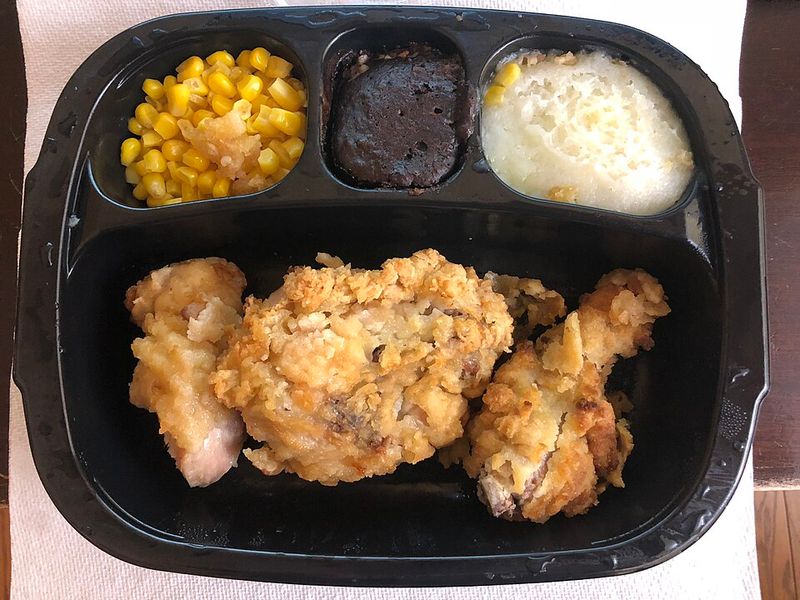
Frozen meals are time insurance with a premium. On a brutal weeknight, they rescue you from takeout, which reframes the cost as savings.
You compare calories, protein, and sodium, then stock a few reliable options to bridge long days.
Buying multipacks during sales reduces the sting, but freezer space limits variety. Pairing with a quick side salad elevates value and nutrients.
When you batch cook and freeze homemade portions, the trade-off leans your way. Still, a couple of boxes in the freezer provide peace of mind, and peace has its own line on the budget.
Berries
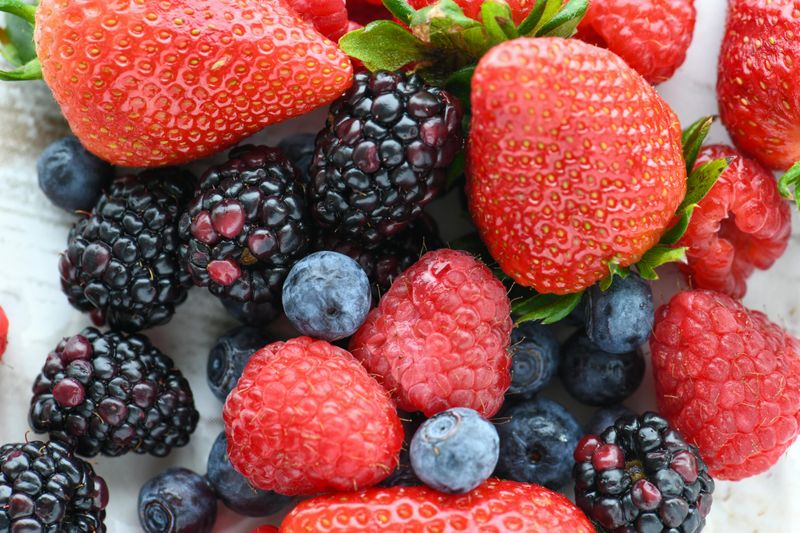
Berries are joy packaged in fragile economics. Clamshells fluctuate wildly in price and spoil fast, so you check for hidden mold and plan usage within days.
Frozen bags often win on cost per cup and reduce waste, especially for smoothies and baking.
When fresh is irresistible, you rinse right before eating, portion intentionally, and pair with yogurt or oats to extend satisfaction. Sales steer you to whichever berry is abundant that week.
The decision balances aesthetics, nutrition, and shelf life. Choosing wisely means more bowls of color without tossing money into the compost.
Avocados
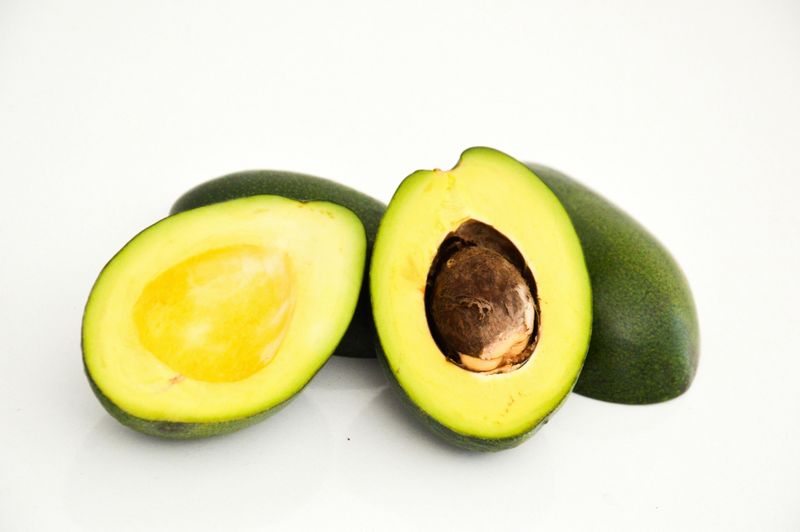
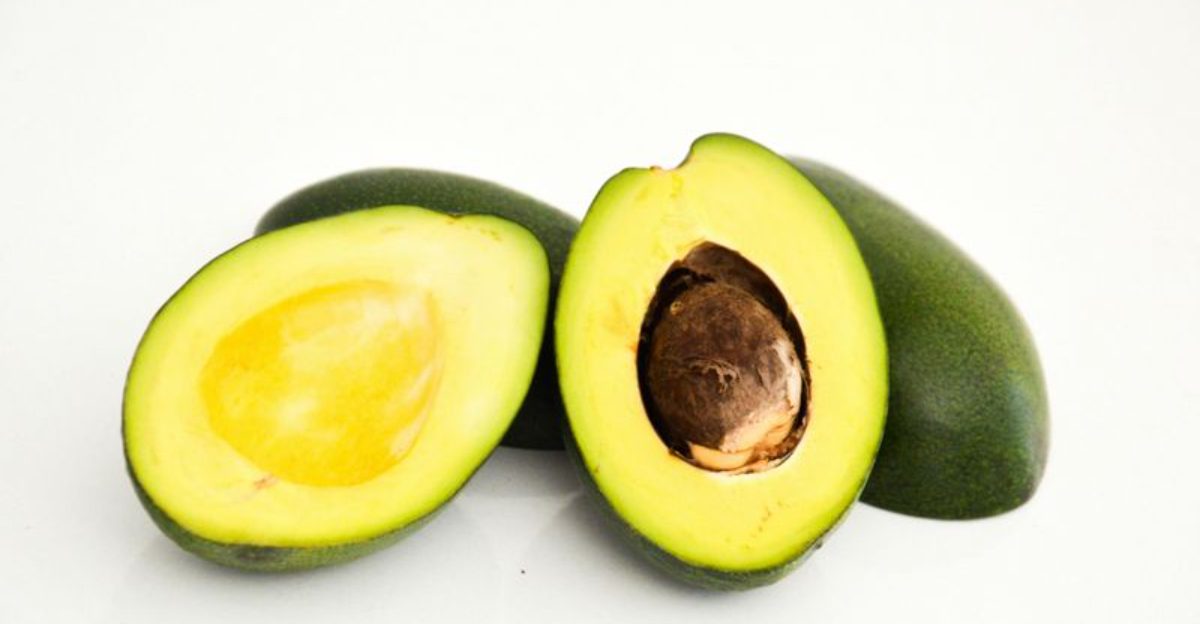
Avocados bring sticker shock and ripeness roulette. You choose between bags of small fruits or pricier singles, then plan your week around when they will be ready.
Wasting one hurts, so you stagger ripeness and store in the fridge to slow the clock.
They replace pricier proteins in toast and bowls, so there is hidden value if used smartly. Sales inspire guacamole nights, while off-weeks push you toward hummus.
The quiet decision is timing, not just price, because planning beats impulse. When an avocado hits perfect softness, the payoff feels worth the calculation.