



If you have ever opened a check and felt a tiny sting of confusion, you are not alone. In 2026, receipts come packed with mystery add ons that turn a simple meal into a scavenger hunt.
You deserve clarity before you order, not surprise math at the end. Let’s call out the culprits so you can spot them fast and choose better.
Service fee
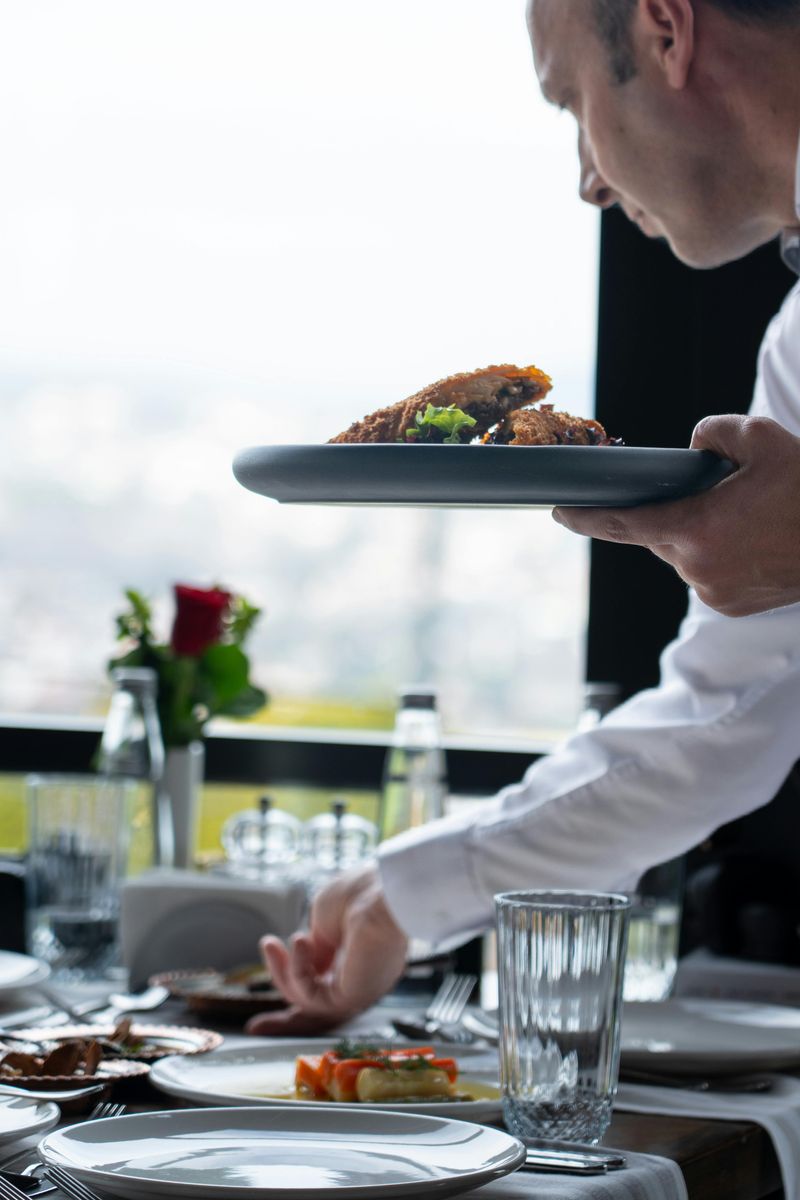
You order dinner, then a mysterious service fee sneaks onto the bill, pretending to support fair wages while prices already jumped. It feels like paying twice for the same promise.
You want transparency, not a math puzzle at the table.
If the fee truly replaces tipping, say so clearly and adjust prices openly. If it funds benefits, show the breakdown so you can feel good about it.
Until then, this line item looks like margin in disguise, making you suspicious and less generous with tips you actually control. Ask for removal or choose places that price honestly up front always.
Credit card surcharge
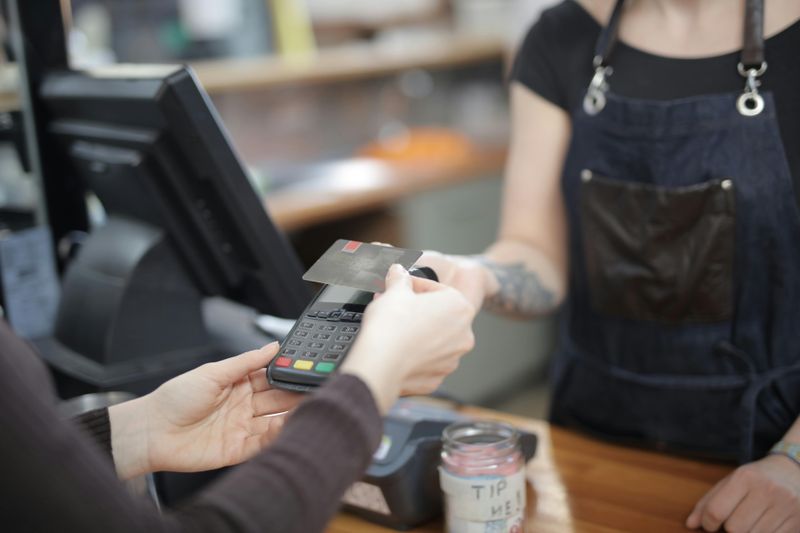
You tap to pay, then a credit card surcharge appears without warning. Interchange exists, sure, but costs should be baked into menu pricing.
You should not feel penalized for choosing the safest, most common way to pay.
Post a clear cash discount or stop the gotcha fee altogether. In 2026, contactless is standard, and surprises breed distrust fast.
Ask before ordering, and if the fee is nonnegotiable, consider taking your appetite to the spot next door that respects clarity. Payment should feel simple, not like a small penalty tacked on.
Transparent pricing wins trust and repeat visits from you always.
Automatic gratuity

An automatic gratuity gets added, then a tip line still sits there daring you. That double ask can feel pushy, even if service shined.
You should know whether the auto tip replaces your discretion or simply sets a baseline.
Make the policy obvious on menus and receipts with brief, human explanations. Large parties and high wage cities make it complicated, but clarity keeps goodwill intact.
When in doubt, ask the server how it works, then tip extra only if you truly received standout care and want to recognize that effort. Transparent math prevents resentment and protects great hospitality from suspicion.
“Suggested” tip screen
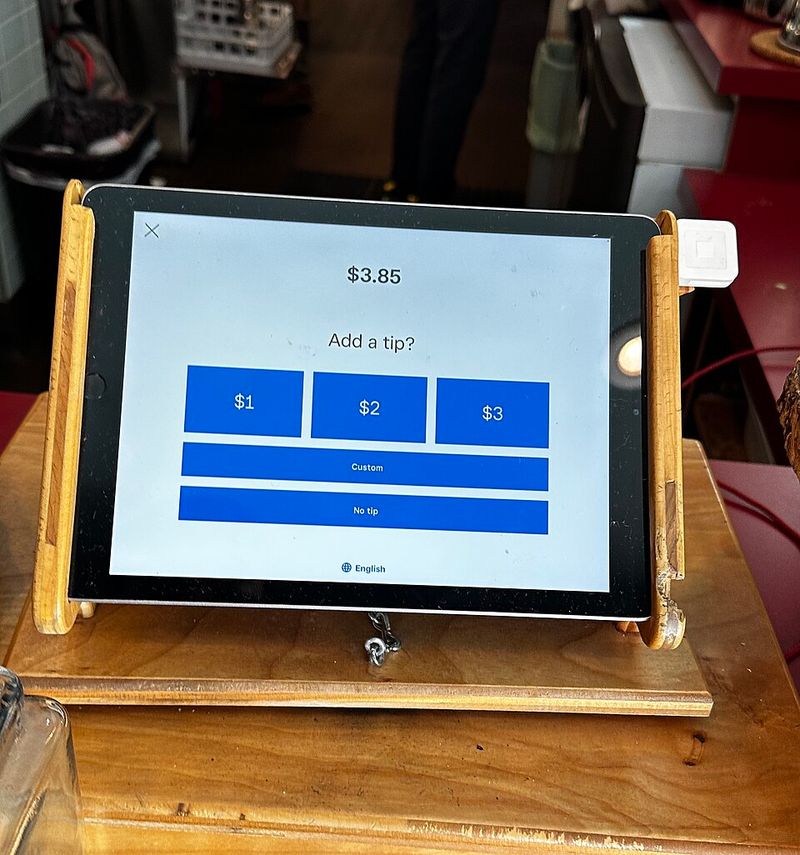
The “suggested” tip screen jumps to 25 percent before you blink. Anchoring works, but it should feel fair, not manipulative.
You came for lunch, not a behavioral economics lecture at the register.
Offer realistic options with a custom field easy to find. Show whether amounts are pre or post tax so you can choose accurately.
When buttons feel like pressure, you are more likely to tap the smallest number or walk away altogether, which helps nobody in the long run. Clear ranges build trust, encourage generosity, and make repeat visits feel comfortable.
Keep the choice obvious and pressure low always.
Bottle water upcharge

You ask for water, then get steered toward pricey bottles with elegant labels. Hydration should not require a sales pitch.
Tap with a filter is fine in most places, and you deserve a straight option.
Servers can simply ask still, sparkling, or tap, no drama attached. If there is a charge, list it clearly next to the brand.
Choose confidently by saying tap is great, thanks, and save your splurge for something delicious you actually wanted, like dessert or a special drink that adds to your night. Transparent water choices prevent awkward upsells and keep goodwill refreshed and flowing nicely.
Extra sauce charge
Want a little more sauce, suddenly there is a mysterious add on. Small requests should not feel like a toll booth.
If portions are tiny, adjust recipes rather than nickel and diming guests.
Reasonable extras can be free, with larger sides priced clearly on the menu. You will happily pay for a pint of sauce if you know the value.
What feels bad is surprise pennies that add up, creating friction with the person trying to make your order right in the first place. Better portioning and menus end awkward haggling and keep service friendly for everyone at the table.
Side swap fee
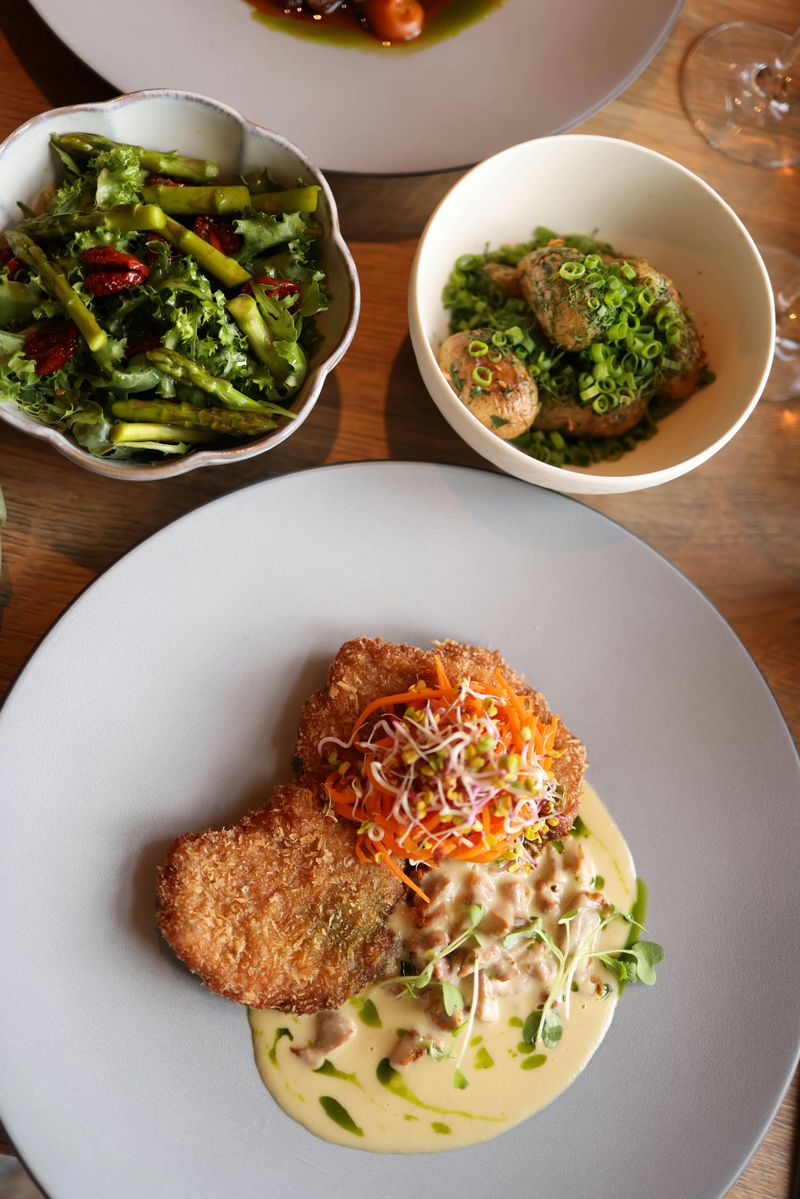
You swap fries for salad, then a side swap fee appears like a penalty. It feels odd when both cost about the same.
You are not gaming the system, just adjusting for taste or dietary needs.
Menu design should anticipate common switches and price them evenly. If there is a real cost difference, show it plainly before ordering.
A friendly note saves awkward moments, and you leave feeling respected instead of dinged for a simple choice that made the meal better for you. Transparent options reduce friction and keep kitchens efficient while guests stay happy.
That is good for everyone.
Substitution fee
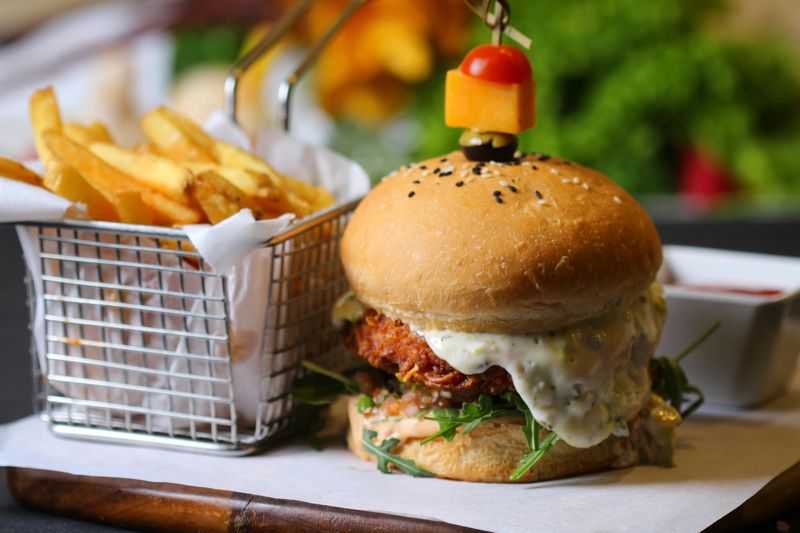
Asking to hold cheese or swap tofu for chicken should not trigger a mystery substitution fee. Reasonable flexibility is part of hospitality.
You appreciate boundaries, but unclear penalties make choices stressful.
Publish what can change free and what requires an upcharge with amounts. Allergies and ethics matter, and nobody should pay extra to stay safe.
Clear rules let you order confidently, tip happily, and return often because the restaurant met you halfway instead of charging you for speaking up about your needs. Compassionate policies build loyalty and reduce waste during busy service.
Everyone wins when guidance is posted clearly upfront.
Split plate fee
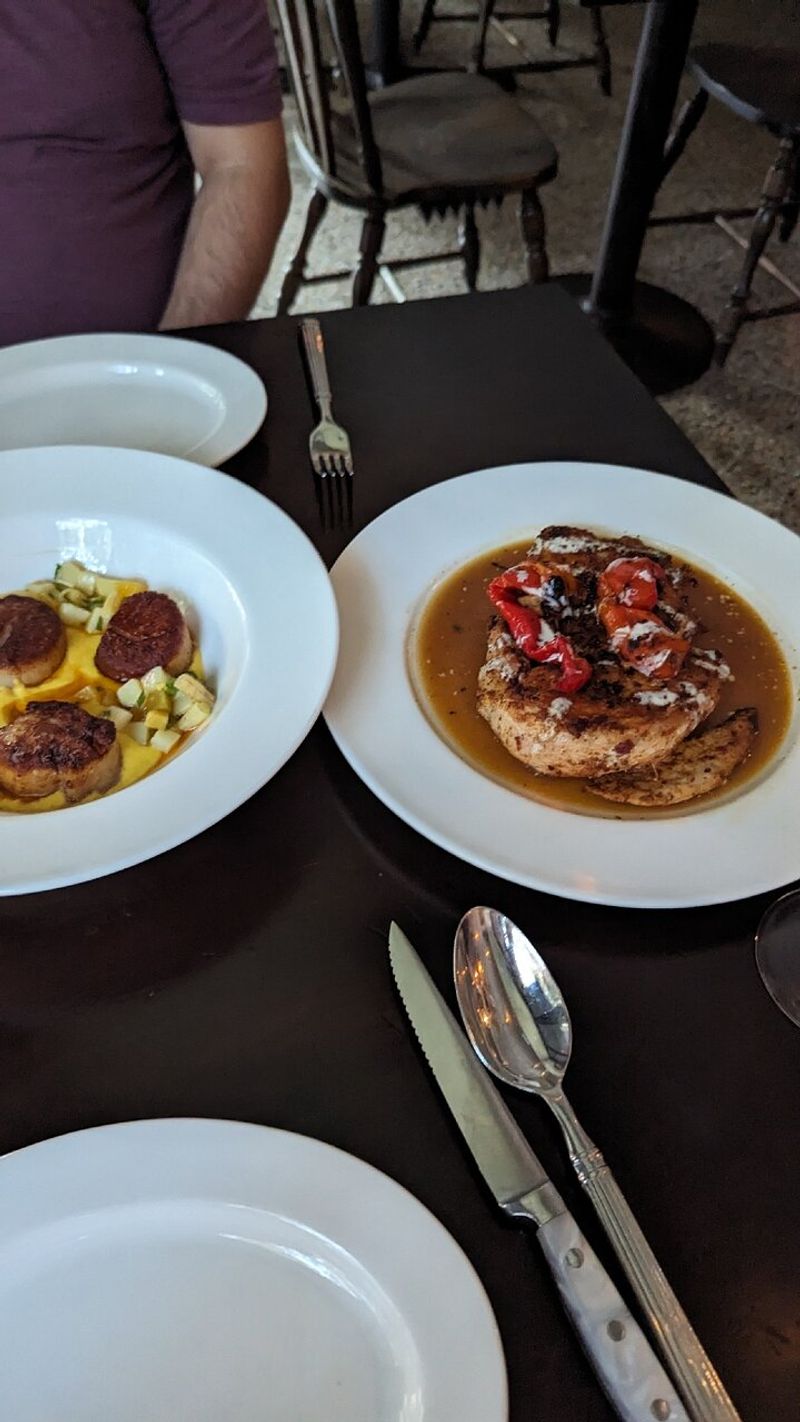
Sharing an entree should not invite a split plate fee unless extra work is obvious. You already contribute through drinks, starters, or dessert.
A surcharge for an extra plate feels like punishing connection.
If portions are generous, offer a clear sharing policy that includes more sides or bread. Otherwise, skip the fee and trust guests to order what they want.
You will come back, bring friends, and spend more over time because the place welcomed the way you like to eat. Hospitality is about ease, not tolls that make celebration feel constrained.
Keep sharing joyful and welcoming always for everyone.
Bread basket charge
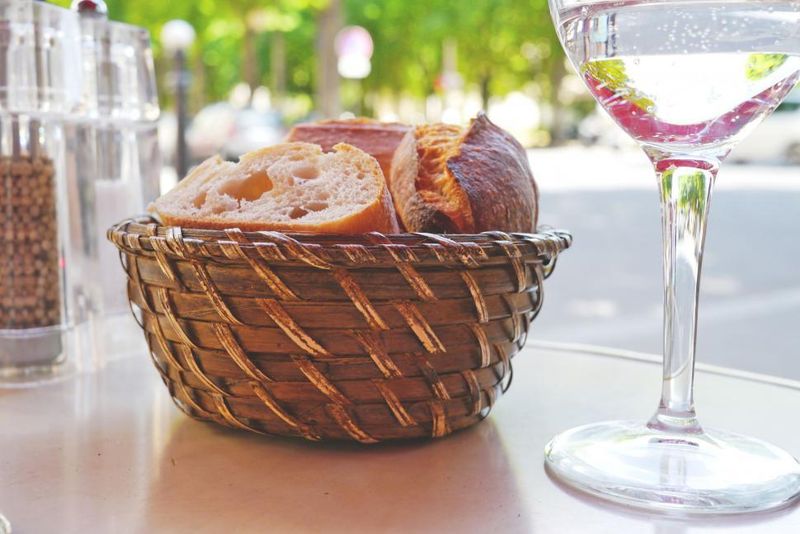
A bread basket used to be a warm hello, now it has a price tag. If butter and bread are premium, fine, just be upfront.
Surprise carbs are not the luxury anyone requested.
List it on the menu with portion details and refills, or gift a small bite for free. Guests will appreciate the choice and maybe even order a second round.
When expectations are set, you can enjoy every slice without wondering what awkward little number will appear at the end. Transparency turns bread into joy instead of a tricky hidden surcharge.
Simple clarity earns trust and smiles nightly.
Refill limits

Refill limits on soda or coffee can feel stingy when portions are already small. You remember bottomless refills as part of the vibe.
Now a second pour carries a fee you did not expect.
Spell out refills clearly with sizes, time windows, and costs. If quality beans or craft syrups drive expense, say that, and many will nod and pay.
The frustration is not the money, it is surprise, which you can eliminate with a single friendly line under the beverage section. Predictable policies make lingering pleasant and help staff manage tables smoothly.
Everybody relaxes when boundaries are known upfront.
Premium ice charge
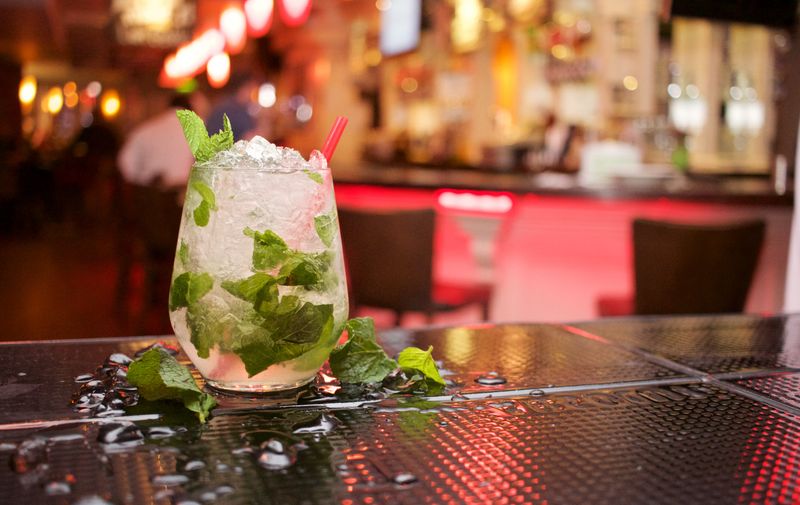
Paying extra for premium ice cubes sounds like satire until the bill lands. Do you really need crystal spheres for soda water.
Fancy ice can be cool for cocktails, but it should be optional and obvious.
If it changes dilution and taste, offer a line item with price and a standard alternative. You feel respected when asked, not cornered by default.
Say regular ice is perfect, thanks, and spend the saved dollars on something that adds flavor, not just a glossy photo moment for social media. Sensible choices beat gimmicks and keep your drink experience refreshing without extra costs attached.
To go packaging fee
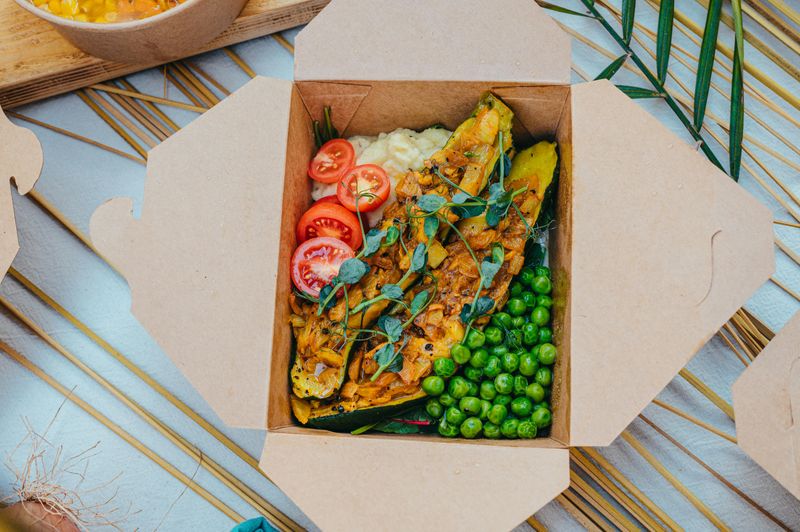
Taking leftovers home now arrives with a to go packaging fee tucked at the bottom. Containers cost money, but charging quietly feels off.
You already paid for the food inside.
Build packaging into prices or state the fee up front near takeout items. Offer reusable options or discounts for guests who bring containers.
Clarity makes you feel like a partner in reducing waste, not a target for add ons that nibble at your wallet after you decided to be practical. Honest communication keeps loyalty strong and encourages better environmental habits together.
That is worth planning for up front, always everywhere.
Happy hour exclusions

Happy hour looks great until fine print excludes the items you actually want. Bait and switch vibes kill the mood fast.
You showed up early to enjoy a deal, not decipher asterisks.
Publish the full list online and in house with times and limits. Generous, simple offerings bring crowds that buy snacks and return later at full price.
When the rules feel fair, you relax, order freely, and tell friends to meet here next time because the promise matched the experience. Consistency builds trust and keeps weeknight plans light, fun, and affordable.
No tricks, just good value shared openly.
Parking validation fee
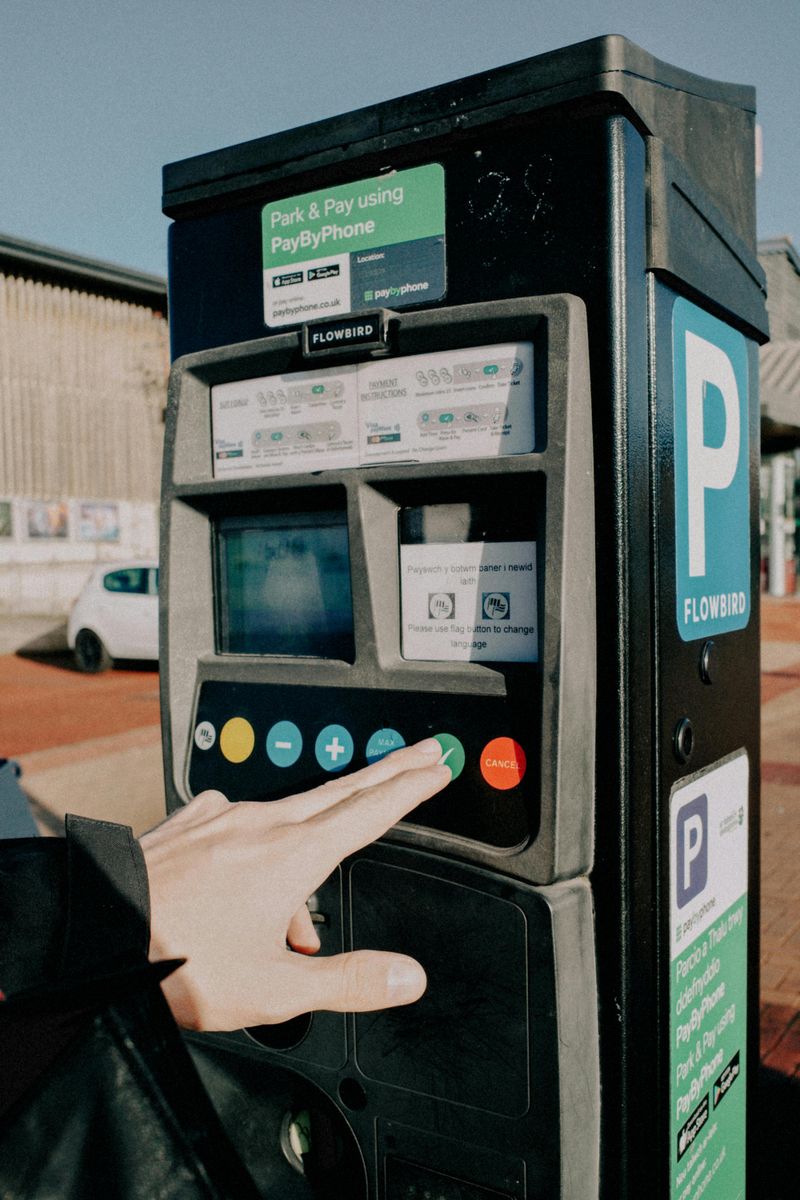
You dine in, then discover a parking validation fee that barely reduces the garage rate. That feels like paying for permission to eat.
If parking is part of the pitch, validation should matter.
Partner with the lot for meaningful discounts or state there is no deal. Tell guests up front so they can choose rideshare or a different block.
Surprises after dessert sour the memory, while clear guidance keeps the evening smooth and helps you budget for the total outing without stress. Honest logistics save time and keep first impressions bright for return visits.
You appreciate knowing costs beforehand always.
Reservation fee

A reservation fee to hold a table feels strange when you plan to spend. Deposits for no shows make sense, but not silent charges.
You want clarity on whether it applies to the bill or vanishes.
Spell out refundable rules, time windows, and how the amount is credited. Good systems reduce flakes while rewarding reliable guests.
When the policy is fair and visible, you feel comfortable booking big nights, and staff can plan confidently without springing extra costs that make celebrations feel less welcome. Balance matters, and transparency turns fees into simple planning tools.
That is how trust grows reliably.
Delivery fee
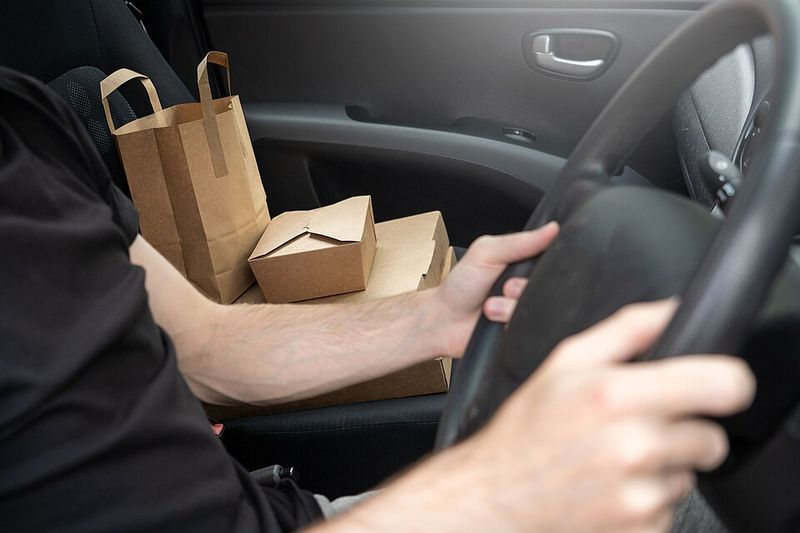
Delivery fees stack with service charges, tips, and menu markups until dinner costs surprise you. Convenience is worth something, but not endless line items.
You should see a single, honest price before committing.
Platforms and restaurants could present all fees upfront with a toggle for driver tip. You will still order, and you will feel better about it.
When trust improves, baskets grow, repeat orders follow, and everyone benefits from clarity rather than confusion that wastes time comparing totals across apps. Simple math wins, and you can budget dinner without sticker shock.
Fewer surprises mean happier customers and drivers.
Order minimum fee
An order minimum fee punishes small households and solo diners. You want a sandwich, not a spreadsheet.
Setting a minimum is fine, but tacking on a fee feels hostile.
Offer smaller combos, pickup discounts, or a delivery radius that makes logistics work. Tell people the target, then design options to meet it.
Creativity beats penalties, and you will return because the restaurant solved the problem thoughtfully instead of charging extra for daring to crave a single meal. Respect for different appetites builds loyalty and word of mouth quickly.
Clear goals invite fair choices that feel good to you every time.
Kitchen fee

A kitchen fee shows up like a cover charge for cooks already budgeted. You respect back of house work, but not surprise taxation.
When menus rise and a separate fee appears, you feel nudged into funding payroll twice.
Build the true cost into the dish price so expectations match. If management wants solidarity, post a clear note that tips go to service only.
Otherwise, this add on reads as convenience for accounting, not fairness, and you leave a little annoyed, wondering what would happen if you politely asked to have it waived. Better pricing beats backward fees every single time.