


Ever glanced at a menu and wondered why your wallet feels lighter while your plate looks suspiciously airy? Certain words are crafted to dazzle you into expecting luxury while quietly shrinking portion sizes.
Once you know the language, you can spot the tricks and choose wisely without losing flavor or value. Let’s decode the menu together so you leave satisfied, not surprised.
Small plate
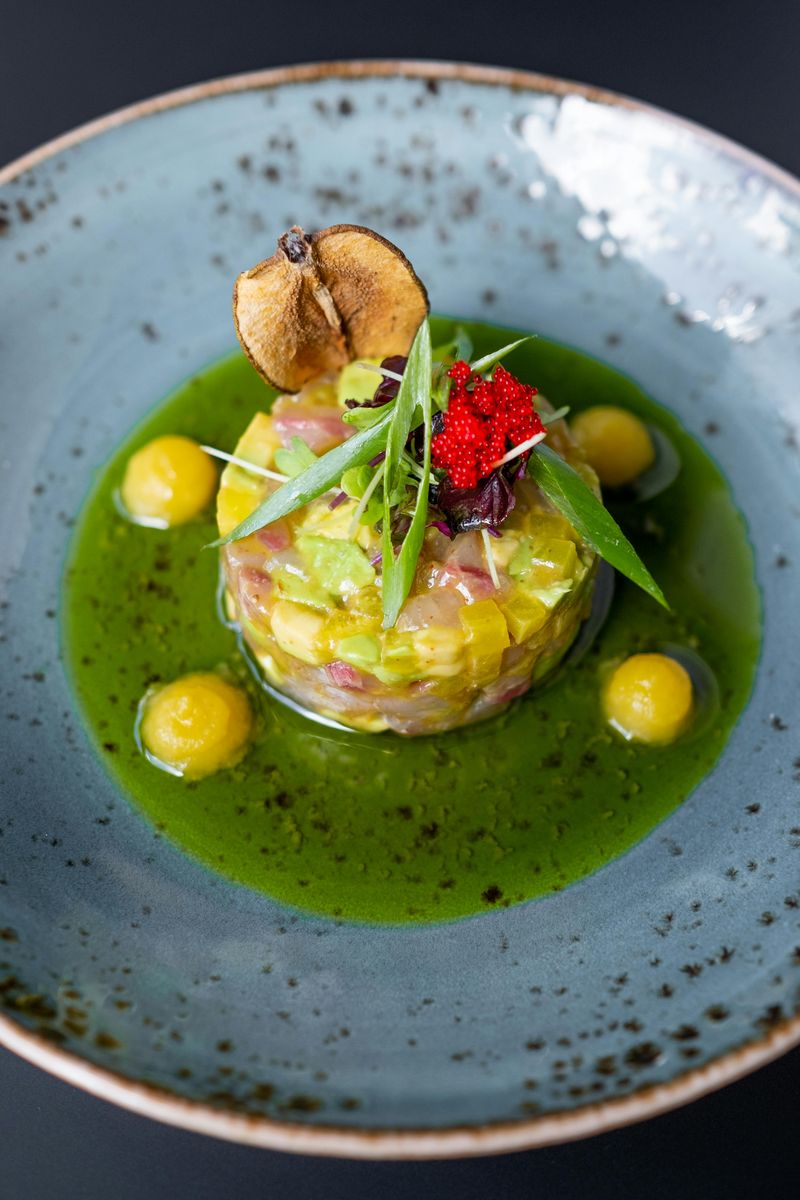
Small plate sounds friendly, like a casual nibble before the main event. But many times it simply means fewer bites for nearly entree prices, especially when each plate is meant for sharing.
You might end up ordering multiple rounds just to feel satisfied.
Chefs love the format for creativity and pacing, and that part can be wonderful. Still, watch how costs stack up across several miniature dishes.
If you want value, ask about portion size or order a heartier special alongside.
Tasting menu
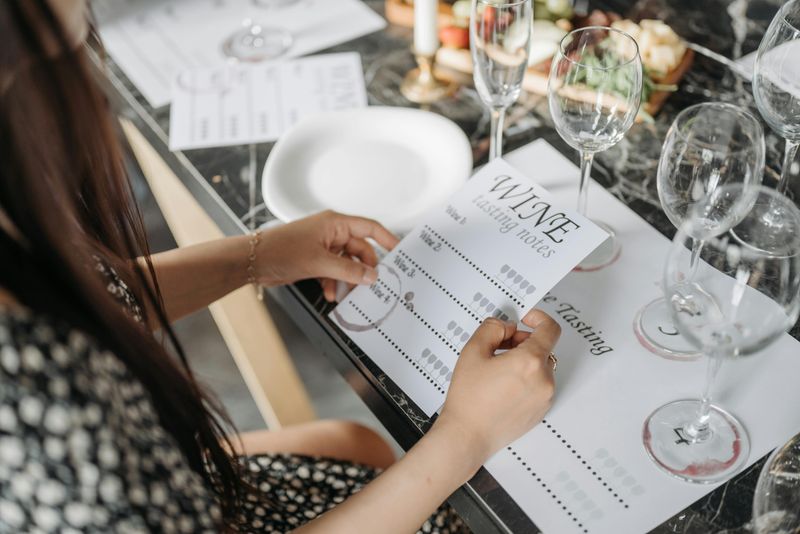
A tasting menu promises a culinary journey, and it can be unforgettable. The tradeoff is portion size, stretched across many delicate courses that emphasize artistry over fullness.
You are paying for technique, pacing, and narrative, not volume.
When you are truly hungry, factor in bread, supplements, or a post dinner snack. Tasting menus shine for special occasions or when exploring a chef’s vision.
Just know the price per bite is high, and value depends on how much you appreciate nuance over quantity.
Deconstructed
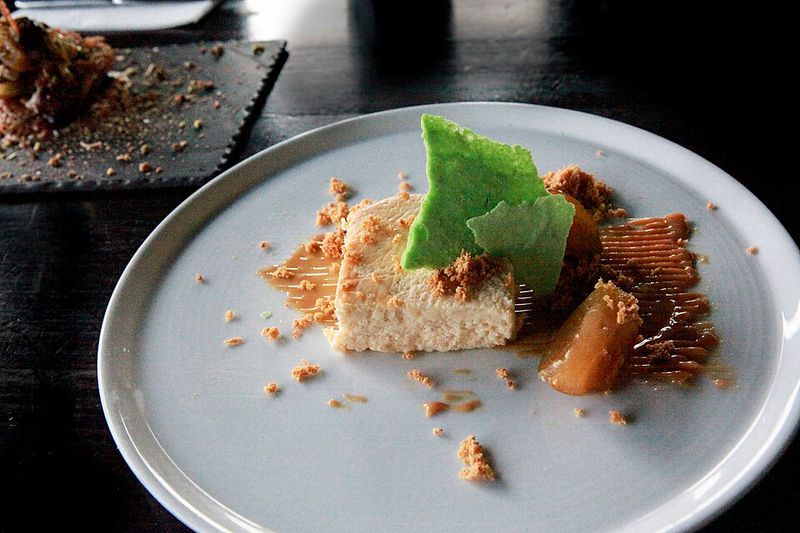
Deconstructed often means the familiar is split into parts with dramatic plating. You will see crumbs, foams, and sauces arranged like a gallery piece, which can be fun.
The catch is that separating components can shrink what you actually get.
This style highlights technique and flavor contrast, not abundance. If you love exploration, it is a delight.
If you want comfort and heft, it may disappoint unless you combine it with something more substantial. Expect premium pricing because labor and presentation demand time.
Chef’s choice
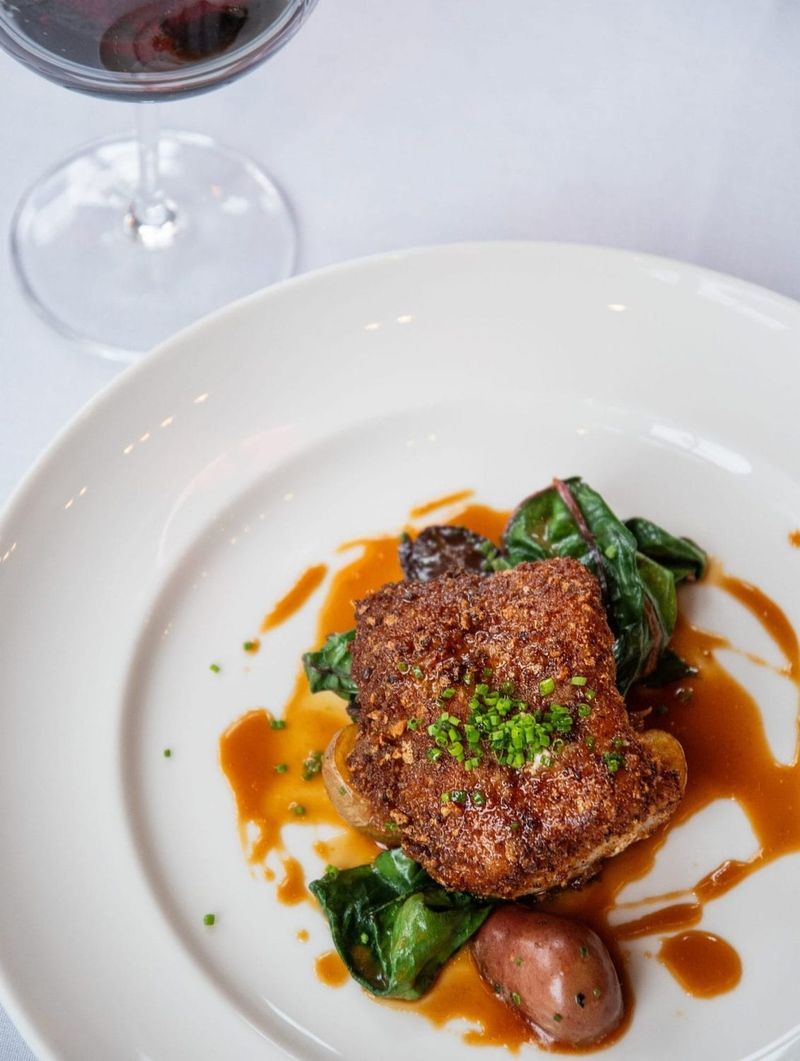
Chef’s choice can feel like a secret handshake with the kitchen. You put trust in the chef’s taste, seasonality, and best inventory behind the scenes.
In return, you might get a curated set of smaller plates or premium bites.
The surprise is part of the value, but the portions tend to skew refined instead of filling. Ask about number of courses and whether supplemental dishes appear.
If appetite matters, request a rough portion description. Price usually reflects craftsmanship and exclusivity, not quantity.
Artisan
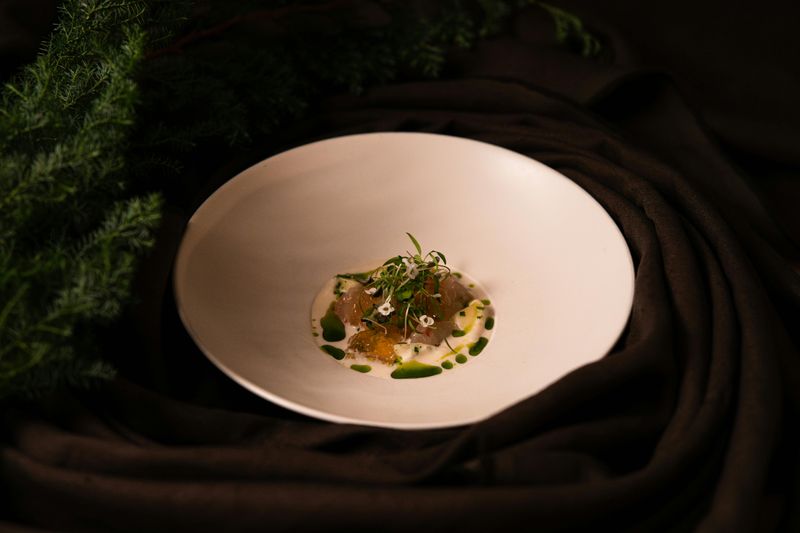
Artisan signals craftsmanship and small batch production, which can justify premium pricing. However, artisan portions often arrive as delicate slices, slivers, or dollops.
Think micro batch cheese, house pickles, and specialty bread served sparingly.
The flavor intensity may be high, but the plate can feel light for the cost. If you want value, look for sets or boards instead of single artisan items.
Ask about grams or counts. Artisan is about story, process, and care, not necessarily a larger helping.
Handcrafted
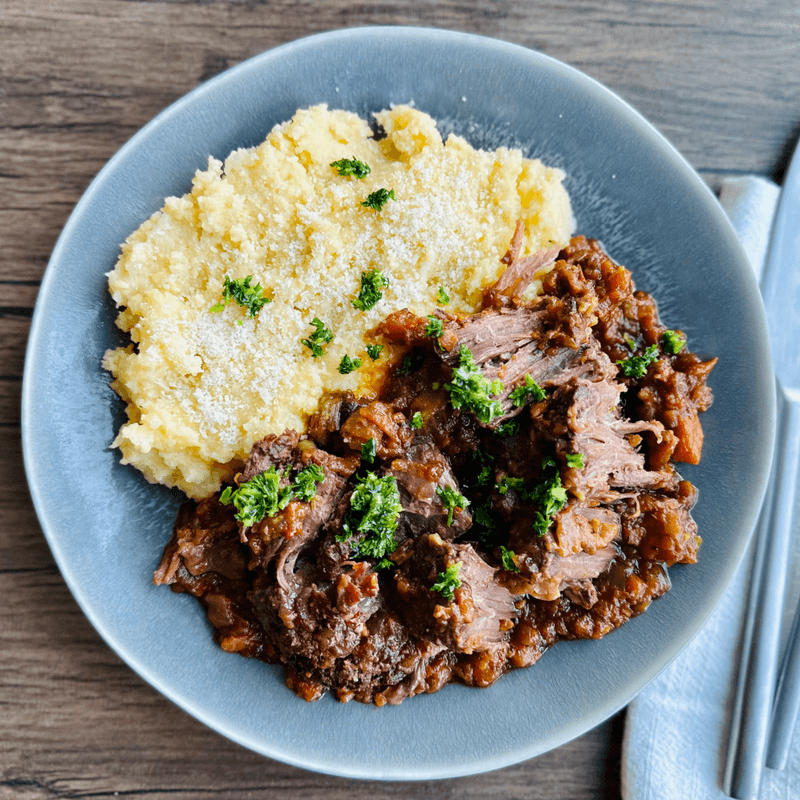
Handcrafted suggests meticulous technique, like shaking a cocktail a certain way or forming dumplings by hand. The labor is real, but the portions do not automatically increase.
Many handcrafted items are small because time and ingredients are costly.
You are paying for skill and precision in each bite or sip. If you need more substance, consider pairing with a heartier dish.
Ask whether there is a larger format available. Handcrafted is about experience and texture, often at boutique scale.
Delicate
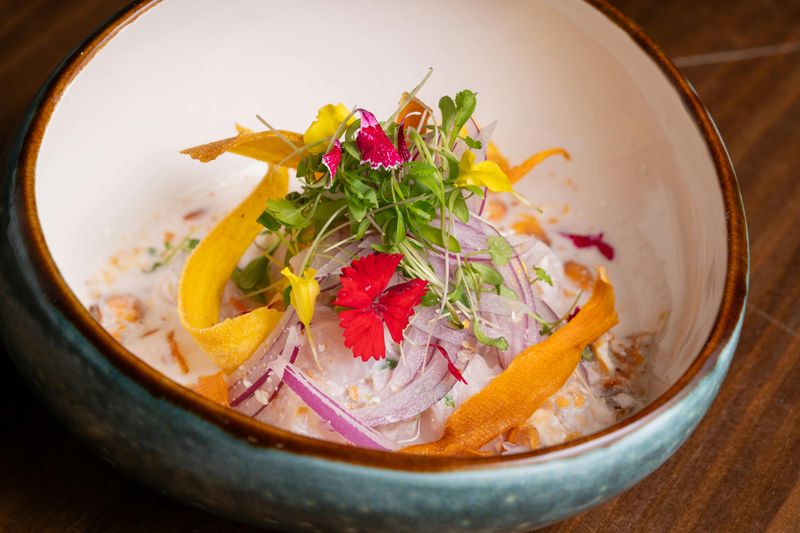
Delicate foreshadows tenderness, light textures, and precise cooking. Think barely set custards, thinly sliced fish, or whisper thin pastries.
These dishes are fragile, so portions remain small to preserve structure.
Price reflects technique and ingredient quality more than volume. If you are craving substance, pair a delicate course with something robust.
Asking about size is fair, especially when the description feels ethereal. Delicate usually reads as fewer bites with heightened finesse.
Petite
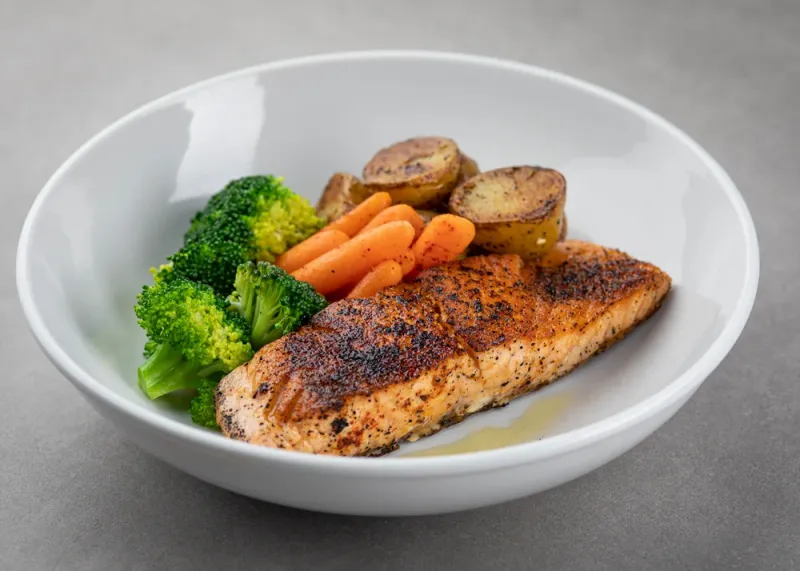
Petite does not pretend. It openly promises a small portion, often charming and photogenic.
Expect a bite or two that delivers concentrated flavor, not a full dessert or entree.
This is perfect when you want a taste without committing to a large serving. Pricing can feel steep per ounce, so consider sharing multiple petites to create variety.
Petite is honest about size, which helps you plan your order and appetite.
Modern twist
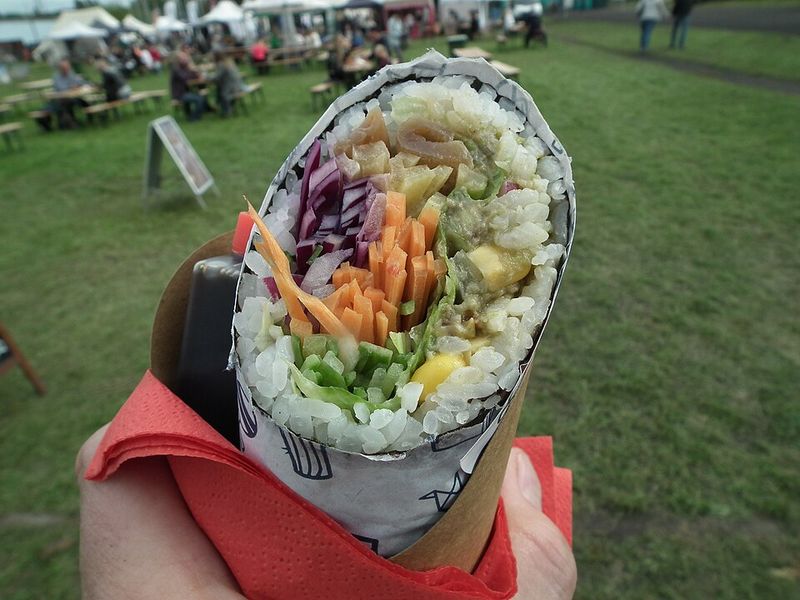
Modern twist signals a reimagined classic using contemporary techniques. That often strips away bulk in favor of sleek presentation and concentrated flavor.
The price reflects innovation and ingredient upgrades.
It is exciting when you want novelty and clean lines on the plate. If you are hungry, confirm whether the portion equals the original version.
Modern twists rarely prioritize hearty servings. Balance your order with a side to avoid leaving peckish.
Chef inspired
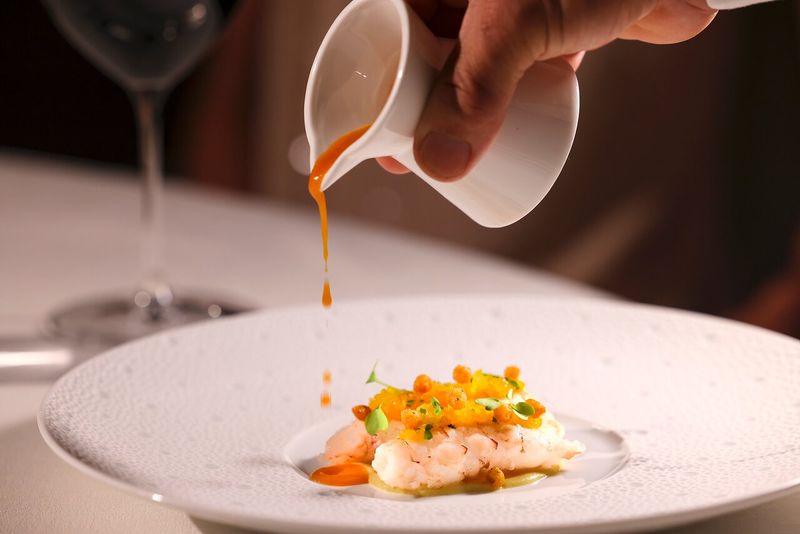
Chef inspired hints at dishes driven by personal creativity or travel experiences. Expect thoughtful flavors and controlled plating rather than generous heaps.
Prices usually rise to match the chef’s reputation and sourcing.
The food can be memorable, but portions tend to remain compact. If you prioritize fullness, ask about sides or larger format offerings.
Chef inspired shines when you want a culinary point of view more than volume.
Limited availability
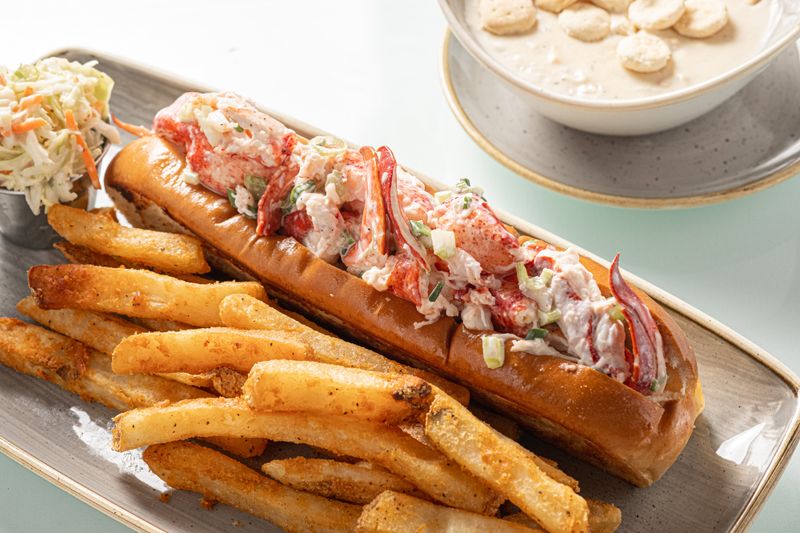
Limited availability plays on scarcity. It suggests rare ingredients or time sensitive specials that disappear fast.
Because supply is tight, portions are often smaller and prices higher.
When you are tempted, ask how big the serving actually is. Consider ordering one for the table to taste without making it your main course.
Scarcity can be delicious, but it does not guarantee satisfaction if you are truly hungry.
Market price
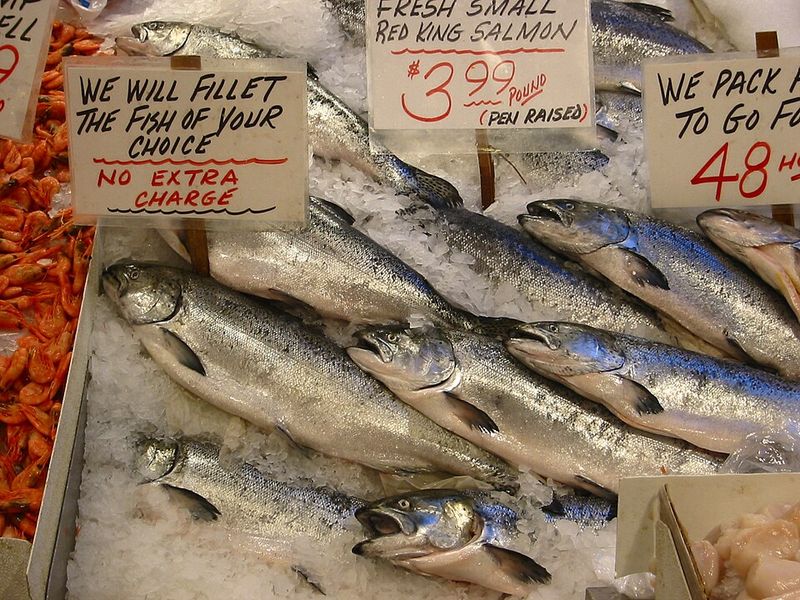
Market price means the cost fluctuates with supply, usually for seafood or seasonal items. It can be fair, but portion sizes may be modest to manage volatility.
Always ask for the current price and weight.
Servers expect the question, and you will avoid sticker shock. If the portion sounds light, balance with a side or consider another entree.
Market price rewards those who like top quality, but it is not always a value play.
Shareable
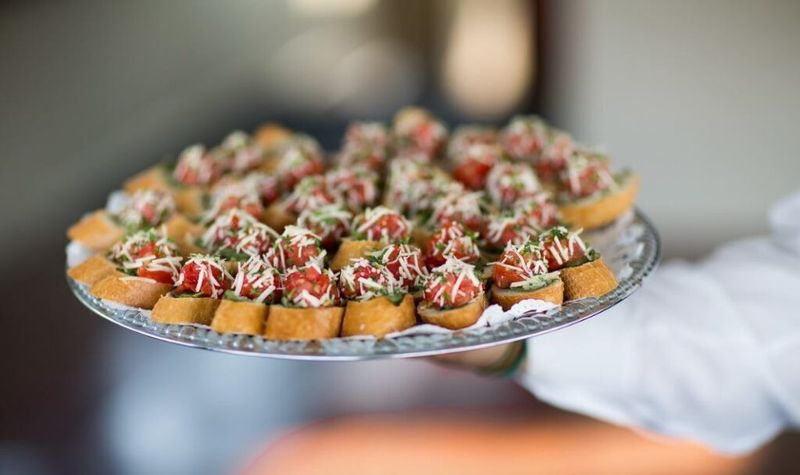
Shareable implies generosity, but sometimes it means one modest portion split among several people. The per person amount can shrink dramatically.
You might need two orders to feed the table.
Ask how many it realistically serves and whether it pairs with bread or rice. Shareable dishes are great for variety, just monitor cost per person.
They can be lighter than the photo suggests, especially with trendy appetizers.
Gourmet
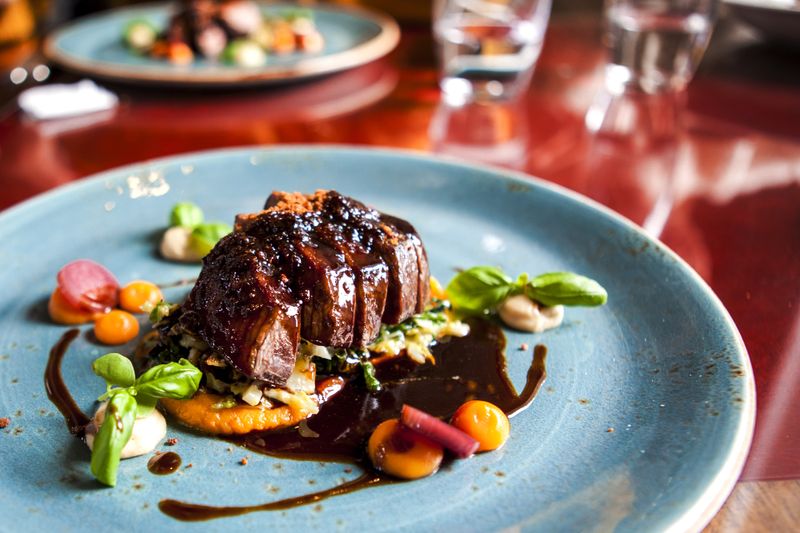
Gourmet signals premium ingredients and chef attention, but it often rebalances size and price. The gourmet version of a familiar dish might shrink while the cost climbs.
You are paying for upgrades like heritage meats, truffles, or rare cheeses.
That can be delicious, yet not necessarily filling. Scan for add ons or combo options to round out the meal.
Gourmet tends to spotlight singular quality bites, not skyscraper portions. Value depends on how much the premium ingredients matter to you.
Signature
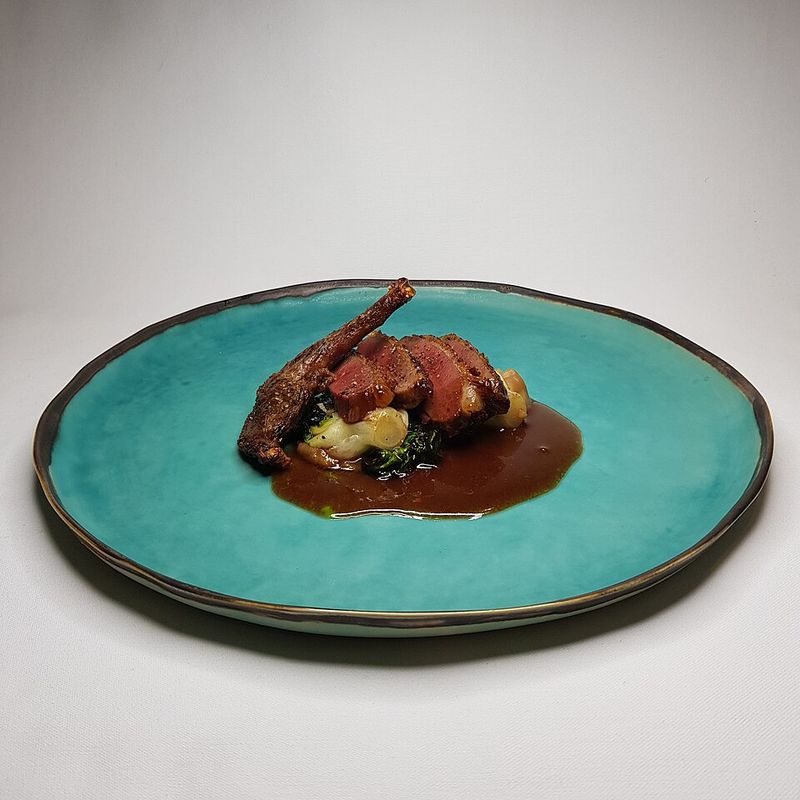
Signature dishes showcase a restaurant’s identity. They are often perfected over time, highly plated, and tightly portioned to control consistency.
Popularity can drive price higher, even if the size stays modest.
If you want to taste what the place is known for, a signature plate is a great bet. Just do not expect it to be the largest offering.
Pair with a complementary side or appetizer to feel complete. You are buying bragging rights and precision.
Curated
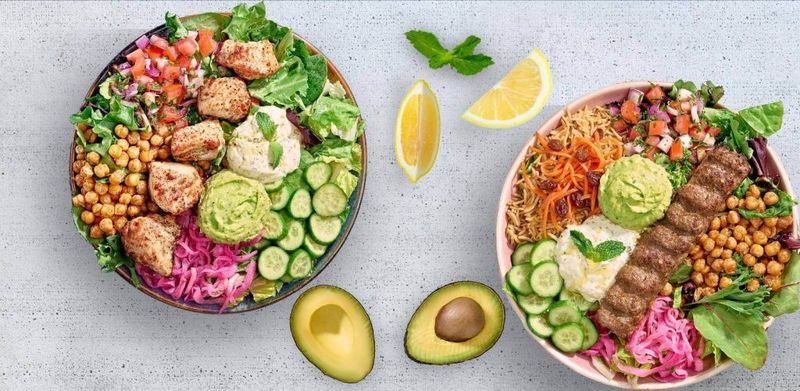
Curated suggests careful selection, often from high end suppliers. The set might include just a few standout items with perfect pairings.
Because each component is premium, the overall amount can be small.
You pay for curation skill, sourcing, and balance. If you want more food, look for larger boards or add bread and olives.
Ask how many people it truly serves. Curated is about editing, not abundance, and it tends to price accordingly.
Seasonal
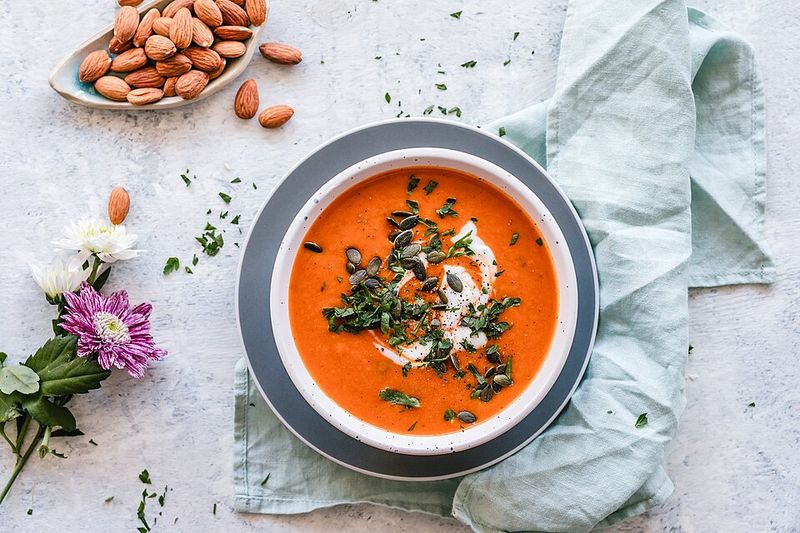
Seasonal can be wonderful because ingredients are fresher and flavors pop. Yet limited harvests often mean smaller yields and tightly portioned plates.
Restaurants use peak season produce sparingly to control cost and waste.
You pay for quality and timing rather than volume, which is fair when the produce sings. If hunger is your priority, pair seasonal dishes with a substantial side.
Ask which items are most filling. Seasonal menus change frequently, so value varies with availability and chef style.
Rustic
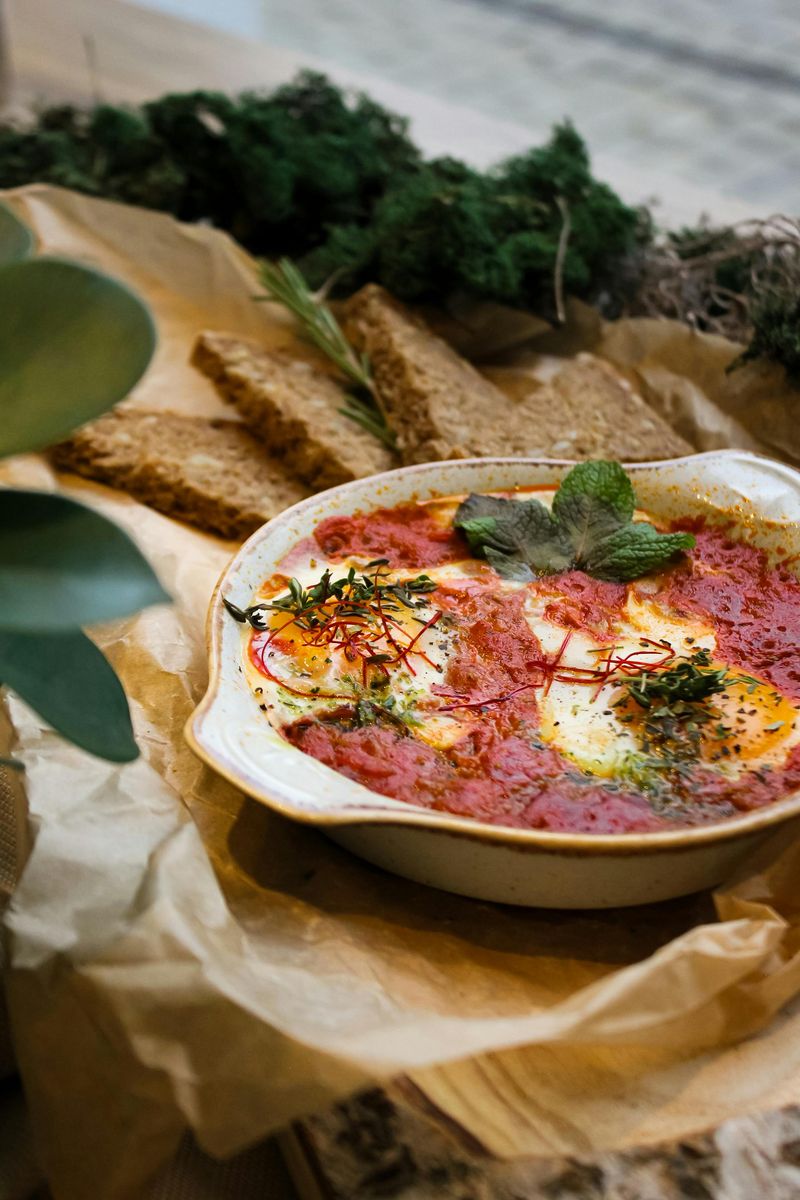
Rustic conjures comfort and countryside charm, but it often masks careful portion control. You might see chunky vegetables, torn herbs, and cast iron presentation that feels generous.
The actual serving can still be modest.
Restaurants use rustic styling to emphasize authenticity over size. If value matters, check weight or sides included.
Rustic can be satisfying when flavors are bold, but it is no guarantee of abundance. Pair with bread or a shared plate if you are truly hungry.
Elevated
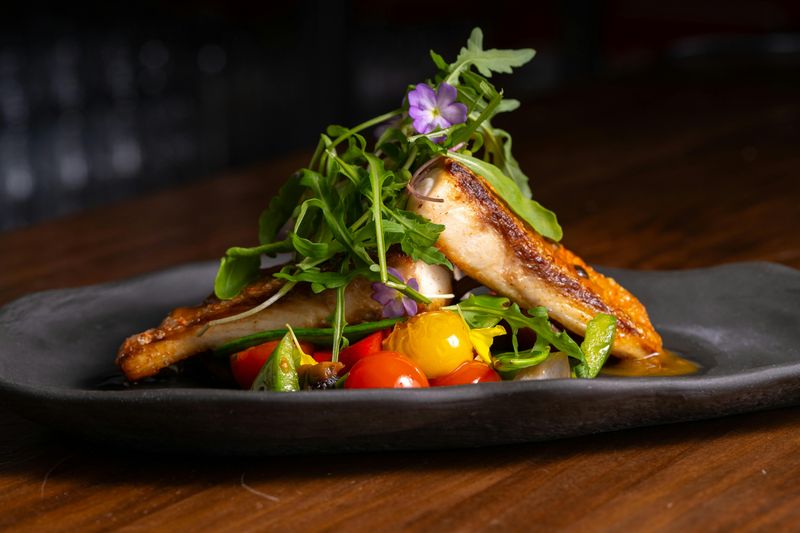
Elevated means a classic has been refined with better ingredients and technique. That usually brings higher prices and cleaner presentations.
Unfortunately, the move to elegance often trims portion size.
Expect fewer components on the plate, carefully placed and garnished. The flavors should be bright and balanced, which can be worth it if you crave finesse.
If you want fullness, consider a side or second course. Elevated is polish first, volume second.