


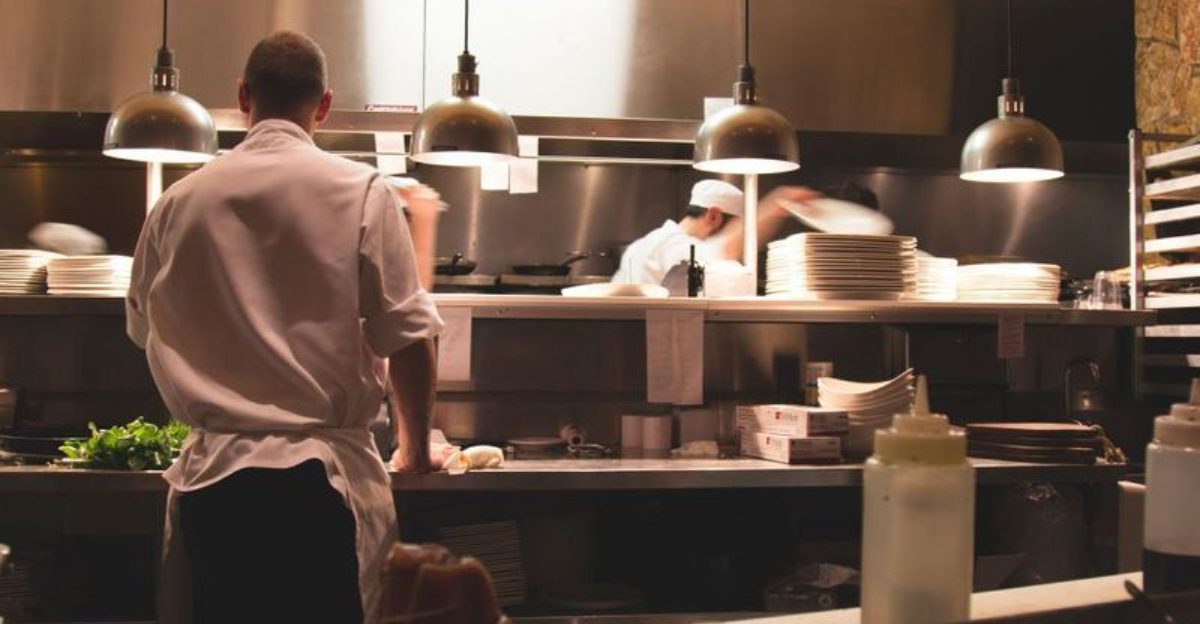
Ever wonder why your bill creeps up even when you swear you did not order much? Many restaurant rules look standard at first glance, but they quietly nudge you toward spending more.
Once you see the patterns, it is hard to unsee how the game is played. Let us decode the tricks so you can enjoy your meal without feeling played.
Two drink minimum

Two drink minimums sound festive, but they are really revenue insurance. Drinks carry high margins, so guaranteeing two per person boosts profit even if you skip appetizers.
You might feel pressured to order quickly, then add another to avoid holding up the table.
The workaround is pacing and clarity. Ask if nonalcoholic options count, and choose thoughtfully priced choices.
Sip slowly, order water alongside, and confirm whether the policy applies during off peak times. If it feels pushy, you are not obligated to linger.
Auto gratuity

Auto gratuity is framed as fairness for staff, especially with large parties. It can also mask tip expectations that exceed what you planned.
Some places hide the line, and you might unknowingly tip again on top of it, doubling the spend.
Protect yourself by scanning the bill and asking whether service is included. If auto gratuity appears, adjust the extra tip line to zero or a small addition if service exceeded expectations.
Clarify before paying so you are not tipping twice. You are not cheap for asking, you are informed.
Service charge
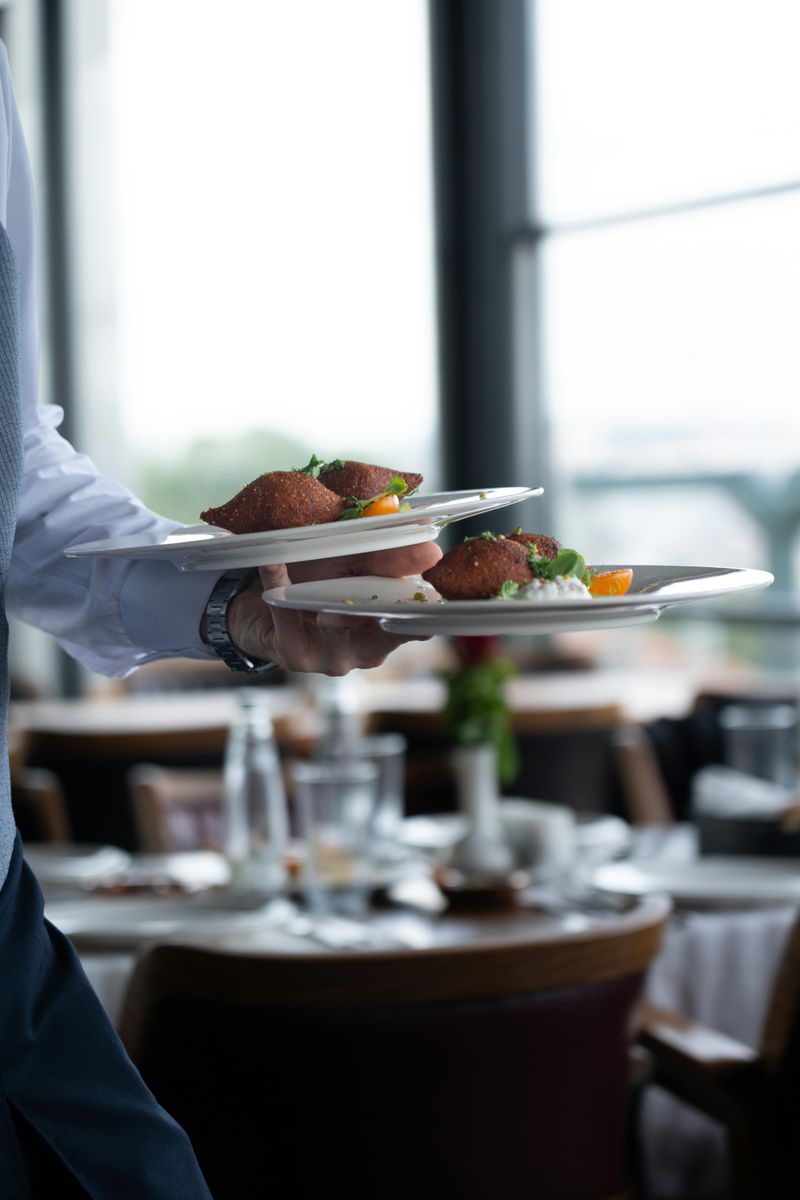
Service charges appear as vague fees that sound official. They might replace tipping or exist in addition to it, inflating the total with little clarity.
Some restaurants use them to cover benefits or credit card costs without raising menu prices.
You should ask what the charge covers and whether staff receives it. If tipping is still expected, you can reduce or omit additional gratuity accordingly.
Transparency matters, and you deserve to know where your money goes. Read the fine print, and do not be shy about questions.
Reservation fee
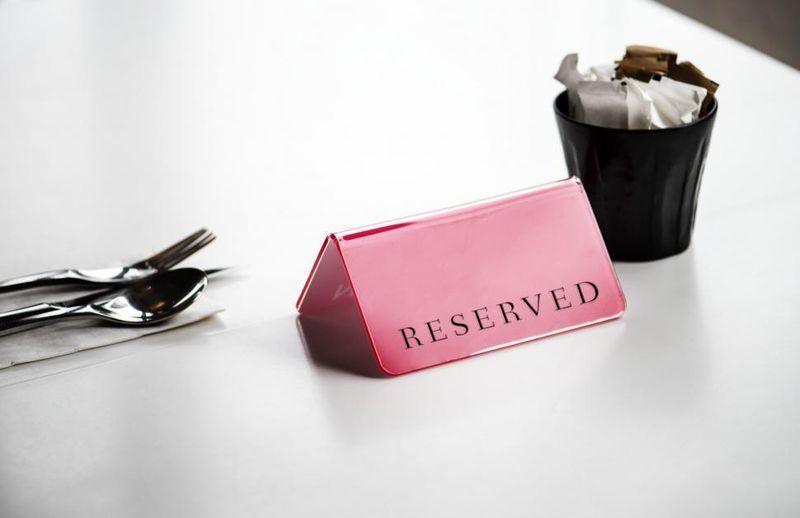
Reservation fees show up with prepaid holds or late cancellation penalties. They make sense for high demand spots, but they also deter flexibility and pad revenue when plans change.
You may feel boxed into spending more to justify the sunk cost.
Before booking, read cancellation windows and whether the fee converts to dining credit. If it is nonrefundable, consider walk in times or off peak reservations.
Set reminders so you do not lose your slot. Your schedule should not become their profit center without your consent.
Credit card fee

Credit card fees pass processing costs onto you rather than baking them into menu prices. It makes listed prices look competitive while the real bill climbs later.
Small percentages add up, especially with large tables or special occasions.
Ask if cash pricing is available or whether the fee is waived for debit. Some places offer a discount for cash, which might make sense for you.
Either way, calculate the total with the fee before ordering extras. You deserve transparent pricing upfront, not at payment time.
Market price
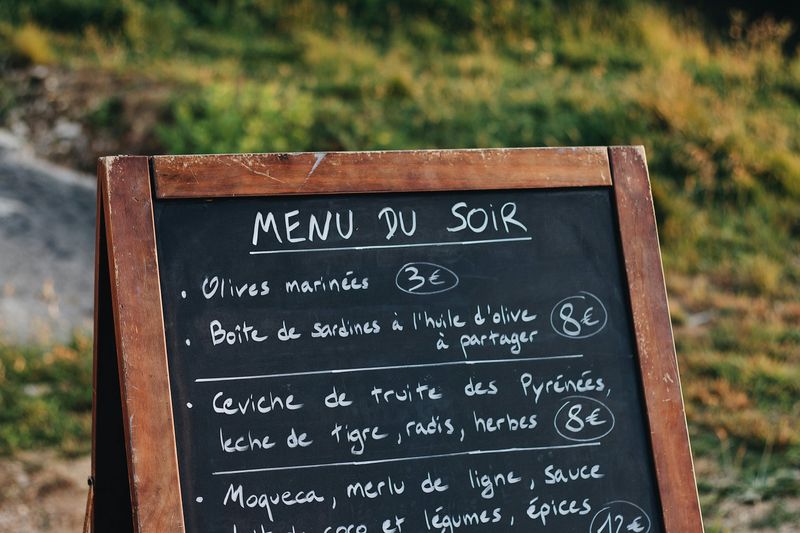
Market price sounds chic, but it is a wild card that can swing high. Without a listed number, you might order under pressure and learn the cost later.
That uncertainty nudges you toward pricy specials you would not have chosen otherwise.
Always ask the actual price and portion size before committing. Compare it to regular menu items so you are not paying a premium for hype.
If the server hesitates, that is your signal to rethink. Owning the conversation keeps your budget in your hands.
No substitutions
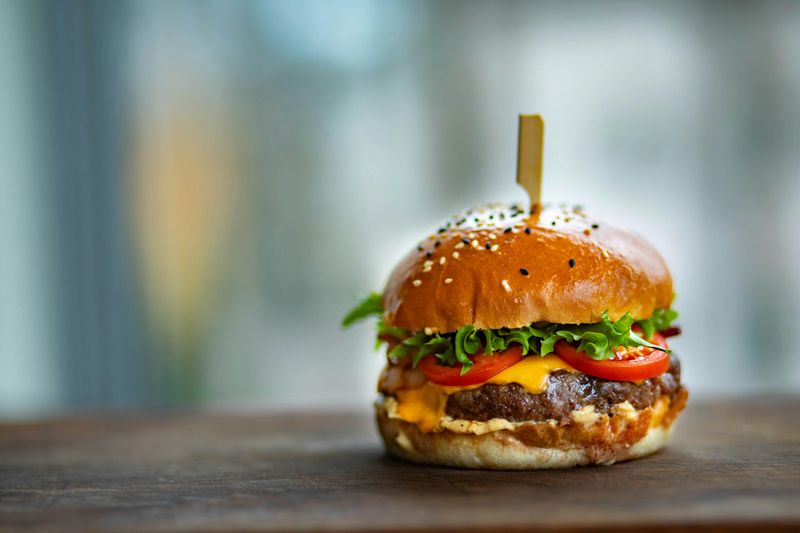
No substitutions can protect the kitchen flow, but it also pushes upsells. If you cannot swap a side, you may add another dish or pay for extras.
The rule limits flexibility and quietly increases average checks.
When you need an adjustment, ask for simple omissions rather than swaps. Request sauces on the side or choose a dish designed for your preferences.
If restrictions feel rigid, pivot to items that already fit your needs. Your goal is eating well without paying for parts you do not want.
Split plate fee
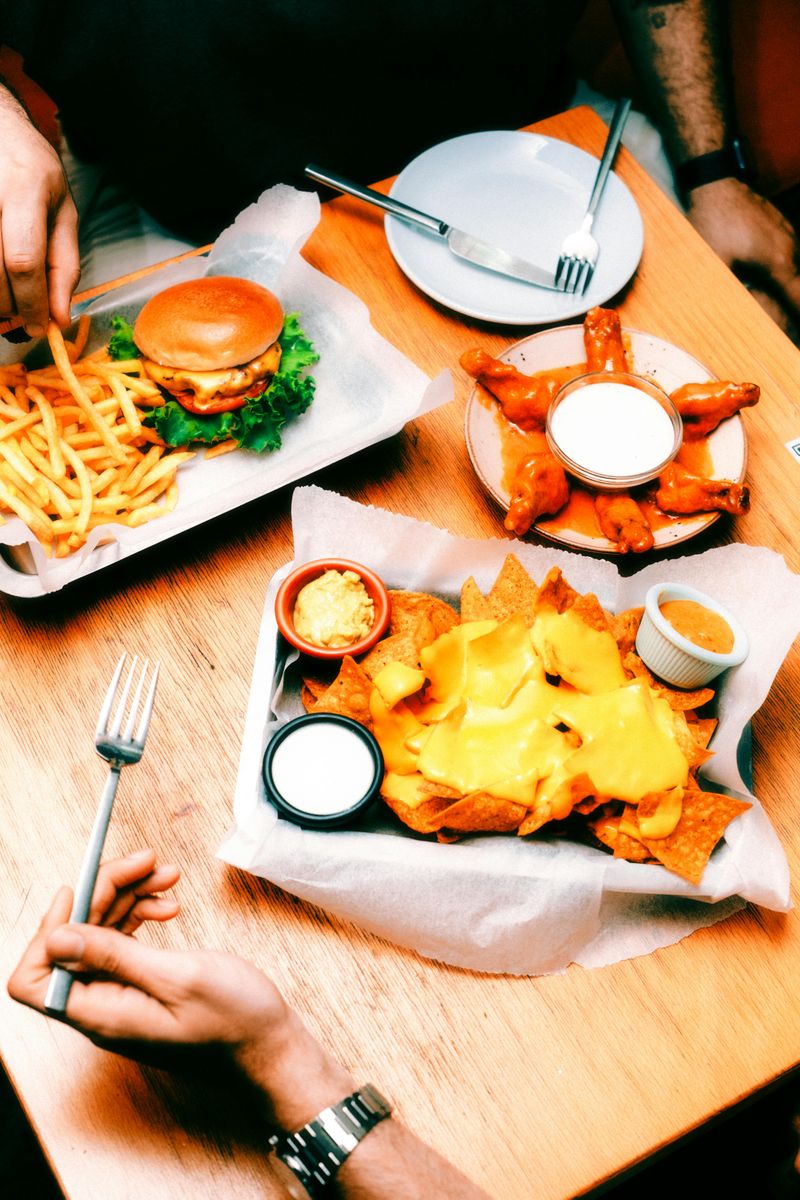
Split plate fees discourage sharing and aim to keep per person revenue up. You might be charged for dividing one entree, even if you add sides or drinks.
The message is clear: order more, not less.
To bypass it, ask for extra plates without official splitting, or share appetizers that are designed for multiples. Alternatively, order an entree and a side to balance portions without doubling the main.
If the fee is unavoidable, calculate whether a second dish offers better value. You control the check, not the policy.
Bread charge
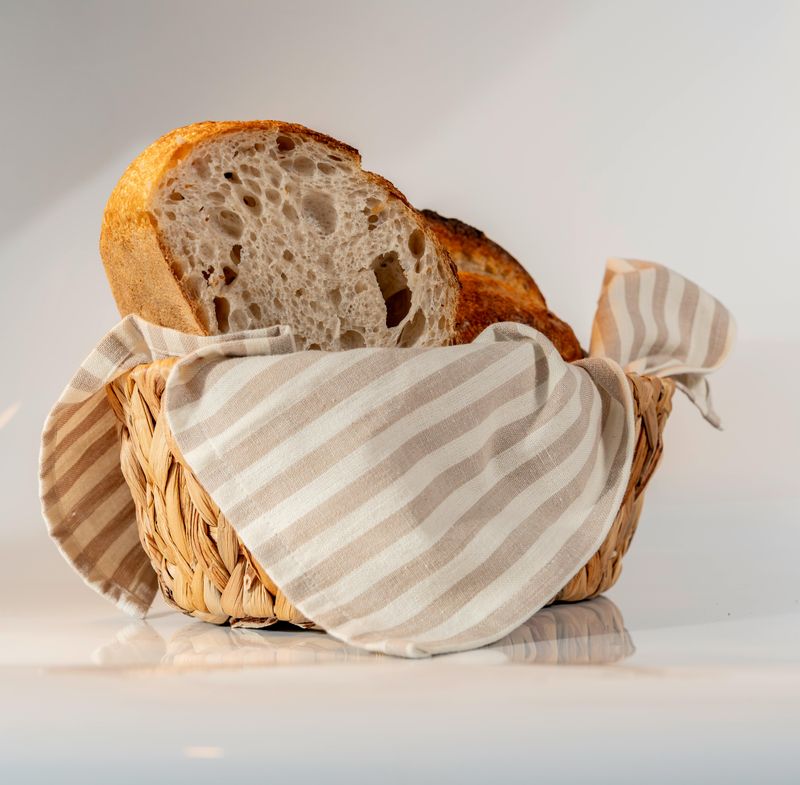
What used to be complimentary bread now sometimes carries a fee. It is framed as artisanal or house baked, which justifies a small charge that adds up across the table.
You order it out of habit, not hunger.
Pause and ask if it is free before saying yes. If there is a charge, consider skipping or sharing one basket for the group.
Fill up on what you actually want, not what shows up first. You are allowed to decline with a smile and save room for the main event.
Water charge

Water upsells often appear as bottled or sparkling suggestions. Sometimes staff pours premium water by default, then you see it on the bill.
It feels minor, yet a few bottles can rival a glass of wine.
State your preference immediately: tap water, please. If they insist on bottling, ask the price and size before agreeing.
Keep glasses filled with tap to reduce temptation. Hydration should not become a luxury line item unless you genuinely want it.
You can always change your mind later without overcommitting.
Sauce charge
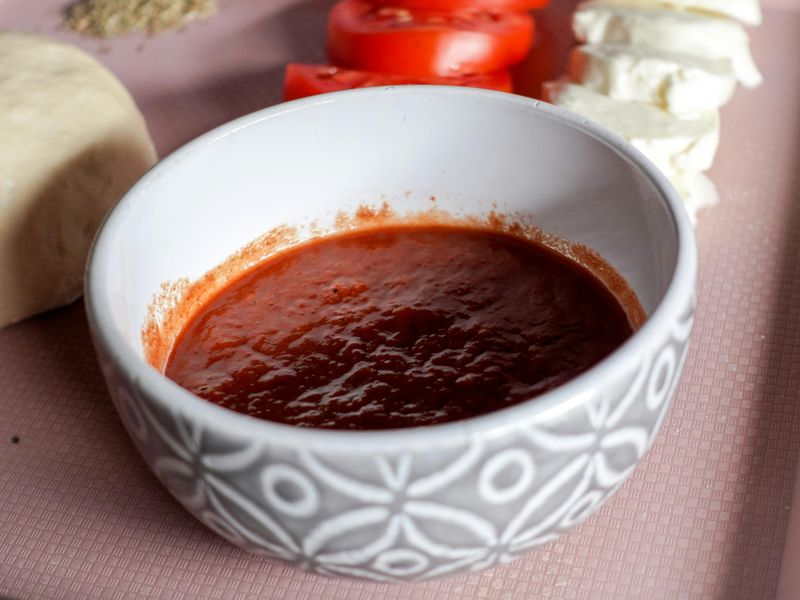
Extra sauce fees seem tiny, but they create add on momentum. One ramekin becomes two, then three, and suddenly you have added a side’s worth of cost.
Some menus price sauces like mini dishes, especially with fries or grilled items.
Ask what comes included and how large the portions are. Choose one flavorful option rather than sampling several you barely use.
If you love sauce, consider dishes that already come well dressed. Small costs do not feel small when they repeat across the table.
Small portions
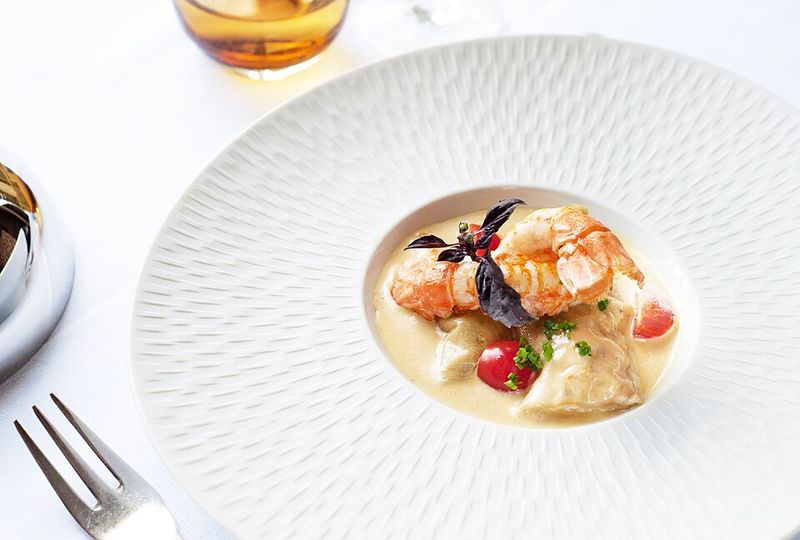
Deliberately small portions invite add ons like sides, bread, and extra courses. You leave a little hungry and order dessert or another round.
The plate looks chic, the bill looks bigger, and you justify it as an experience.
Read reviews for portion clues and look around at neighboring tables. If portions are petite, balance with a hearty appetizer or shareable main.
You can also ask about weight or size in plain terms. Feeling satisfied is not unfashionable.
It is your meal and your money.
Tasting menu
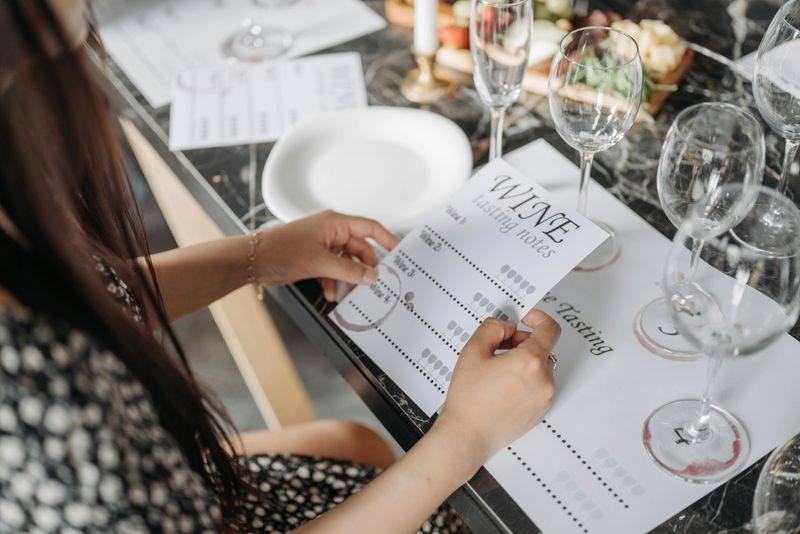
Tasting menus lock you into a multi course journey priced per person. It feels curated and exclusive, but also removes price control and encourages wine pairings.
You may leave dazzled yet lighter in the wallet than planned.
Before booking, check the full price with taxes and fees, and ask about substitutions. Consider going a la carte if you prefer control over portions and budget.
If you commit, skip pairings or share a bottle instead. You deserve the experience on your terms, not theirs.
Sharing plates
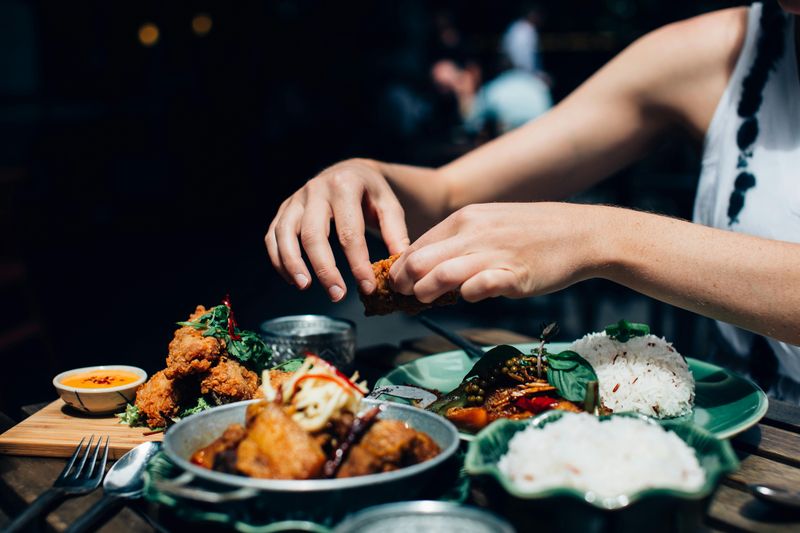
Sharing plates sound social, but they encourage ordering more variety than you need. Small bites stack up, and you forget how many you agreed to.
The per plate cost can rival entrees by the time you finish.
Set a cap before ordering and stick to it. Ask the server which dishes are most substantial so you do not chase fullness with extras.
Order in waves to avoid overcommitting. You can always add one more if you are truly hungry, not just curious.
Limited menu
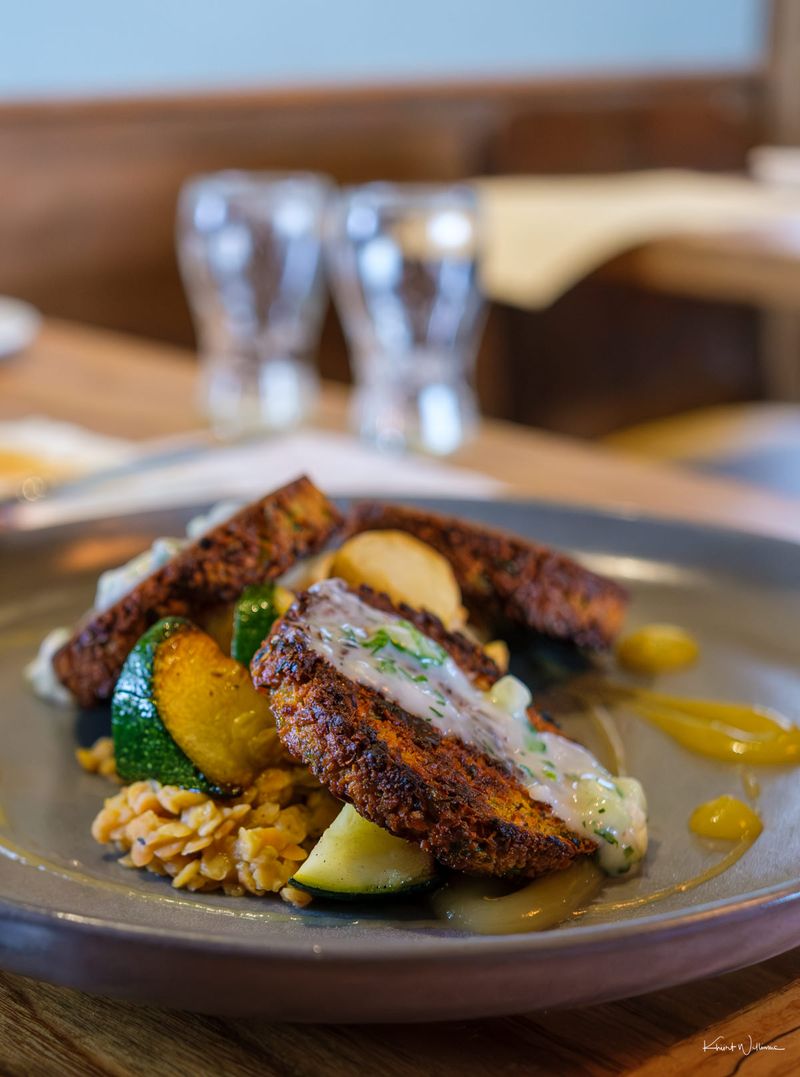
Limited menus streamline operations and funnel you toward higher margin items. When choices shrink, you are more likely to accept the pricier pick.
Specials boards can be curated to steer orders strategically.
Ask about off menu basics or simpler swaps. Sometimes there is a plain grilled option or unlisted side that suits you better.
If nothing fits, consider another spot rather than paying for compromise. A short menu can be excellent, but it should not box you into overspending.
Peak time surcharge
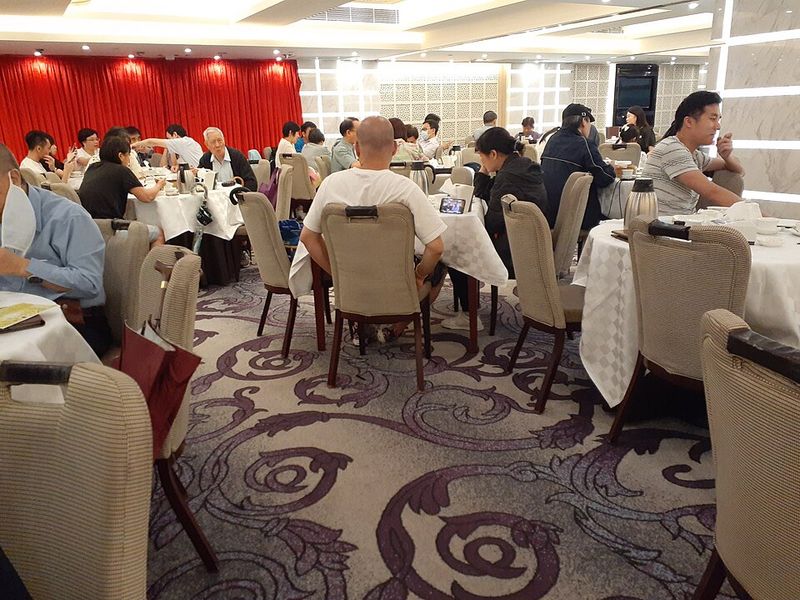
Peak time surcharges add dynamic pricing to dining. You pay more during prime hours under the banner of demand.
It normalizes higher totals while the menu price stays the same.
Check if the surcharge applies on holidays, weekends, or specific time blocks. If so, shift to early or late seating to save.
Confirm whether happy hour discounts still stack. Your timing is leverage, and you do not owe a premium for the same plate if you can flex your schedule.
Minimum spend
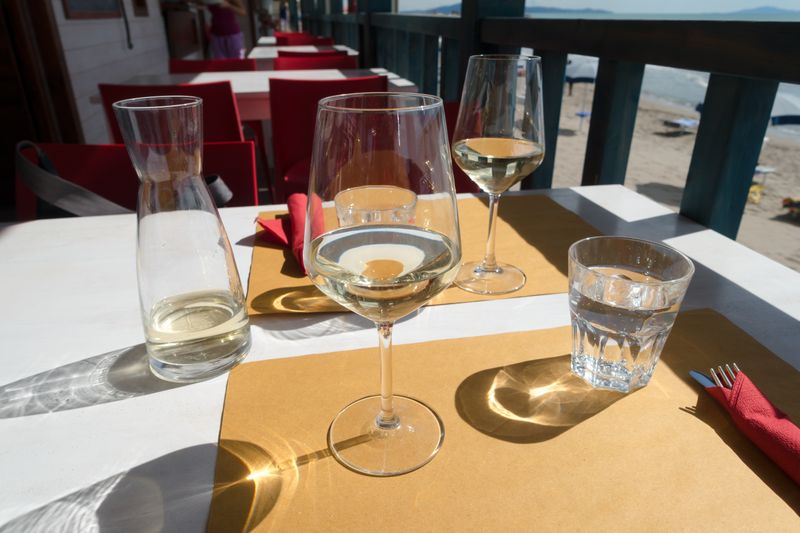
Minimum spend requirements ensure each seat generates revenue, especially at lounges and weekend slots. It can feel like a cover charge disguised as hospitality.
You might add extras to hit the threshold even when you are done.
Ask how the minimum is calculated and whether tax and gratuity count. Share plates strategically or split a bottle instead of random fillers.
If the minimum feels steep, consider a different time or venue. Your night out should match your appetite and budget, not a quota.
Processing fee

Processing fees sneak in as vaguely named costs at checkout. They can cover online booking systems, QR ordering, or table side tech.
The label sounds administrative, but it functions like another markup layered onto your bill.
Scan for these lines before finalizing payment. If there is a fee, ask whether cash or in person payment avoids it.
Decide if the convenience is worth the extra. You are not difficult for questioning add ons.
You are smart for protecting your wallet while still enjoying your meal.
Kitchen fee
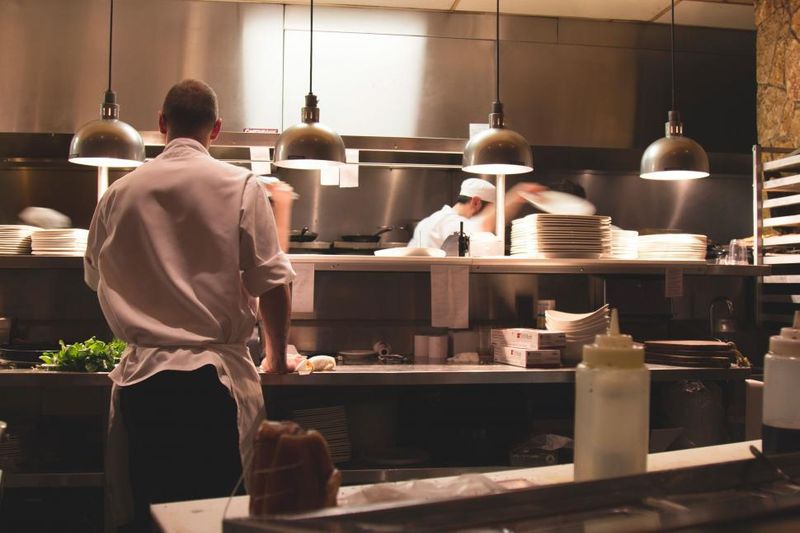
Kitchen fees are often presented as support for back of house wages. While noble, they can also be a stealthy price increase without updating menus.
You end up paying more even if you order simply or share plates modestly.
Ask whether the fee replaces tipping and if the kitchen staff receives a portion. If it is mandatory, factor it into your ordering decisions or consider a different venue.
Clear policies build trust. Hidden add ons erode it, and you have every right to choose accordingly.