


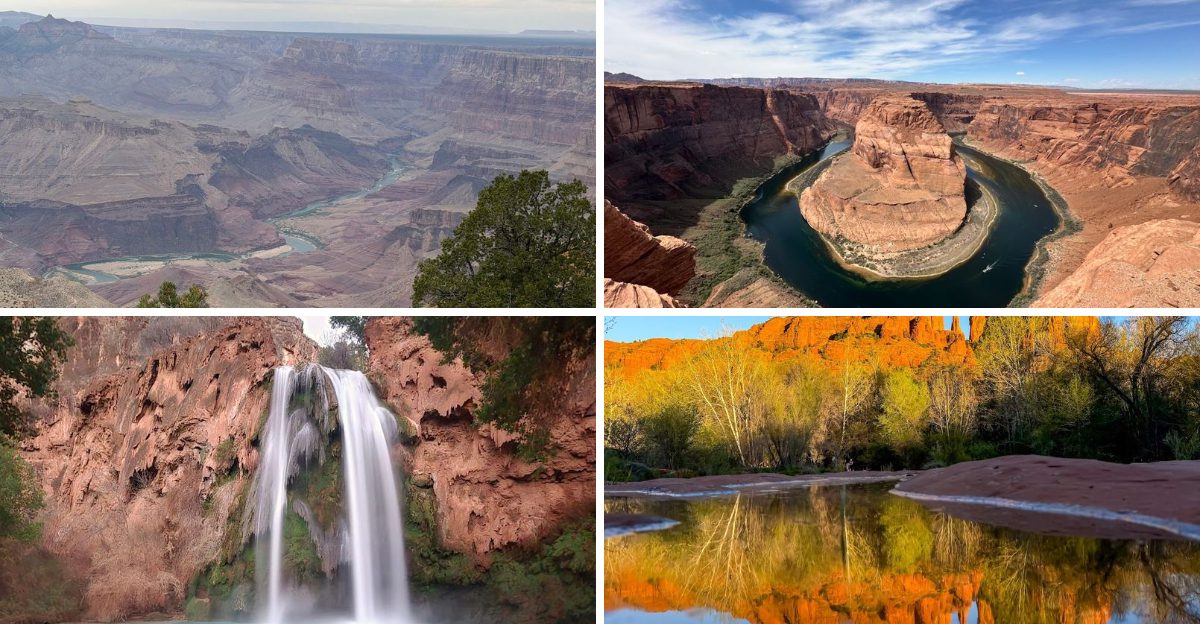
Arizona is a state that seems almost too beautiful to be real. From towering red rock formations to ancient cliff dwellings, its landscapes look like they were painted by someone with a wild imagination.
Photos online give you a glimpse, but nothing truly prepares you for the moment you stand in front of these places yourself. Here are 20 Arizona landmarks that will leave you completely speechless when you see them in person.
Grand Canyon South Rim – Grand Canyon Village, Arizona
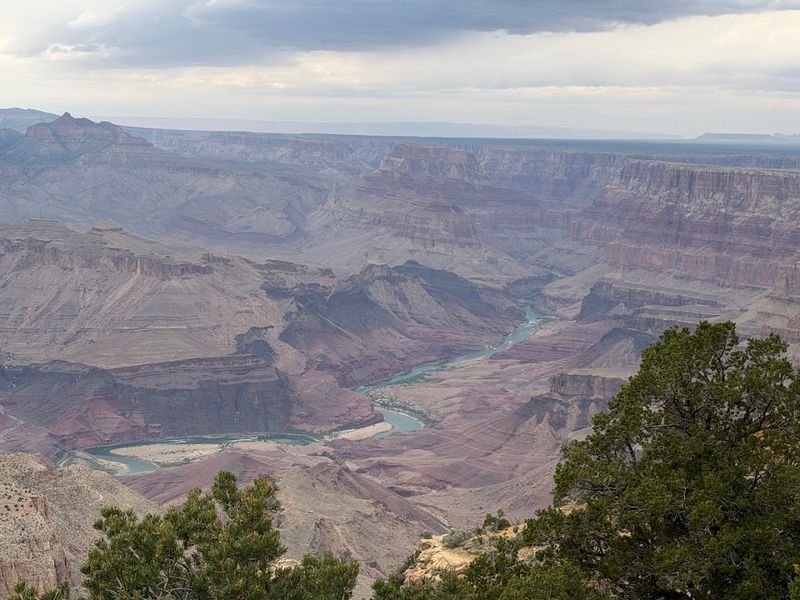
No photograph has ever done the Grand Canyon justice. Standing at the South Rim, you realize the canyon is so wide and deep that your brain almost refuses to process it.
The layers of red, orange, and purple rock tell 2 billion years of Earth’s history.
Sunrise and sunset are the best times to visit for jaw-dropping colors. Most trails are accessible from the South Rim Village area, making it the most popular entry point for good reason.
Horseshoe Bend – Arizona
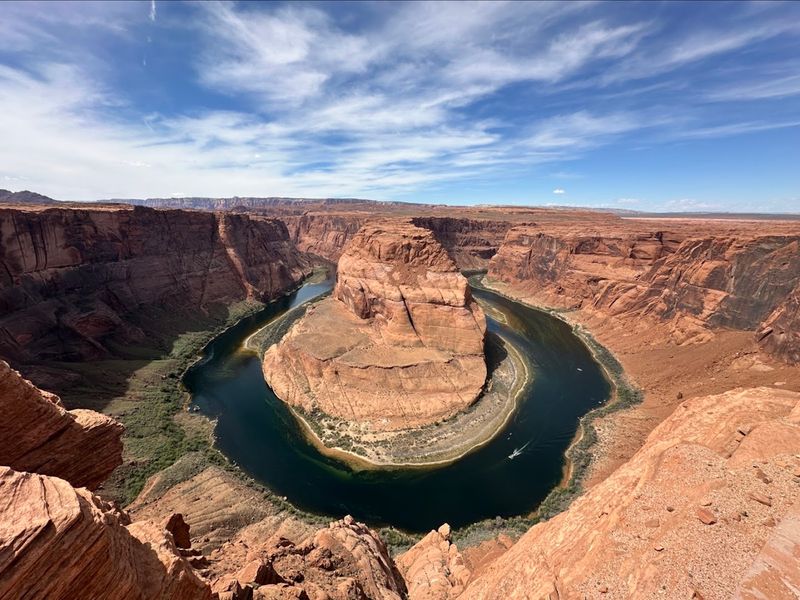
Horseshoe Bend sneaks up on you. You walk a flat sandy trail for about 1.5 miles, and then suddenly the ground drops away into one of the most dramatic natural curves on Earth.
The Colorado River wraps around a massive sandstone cliff like a giant horseshoe far below.
The drop is around 1,000 feet, so hold onto your hat and your nerves. Early morning visits mean fewer crowds and softer, more photogenic lighting conditions.
Antelope Canyon – Arizona
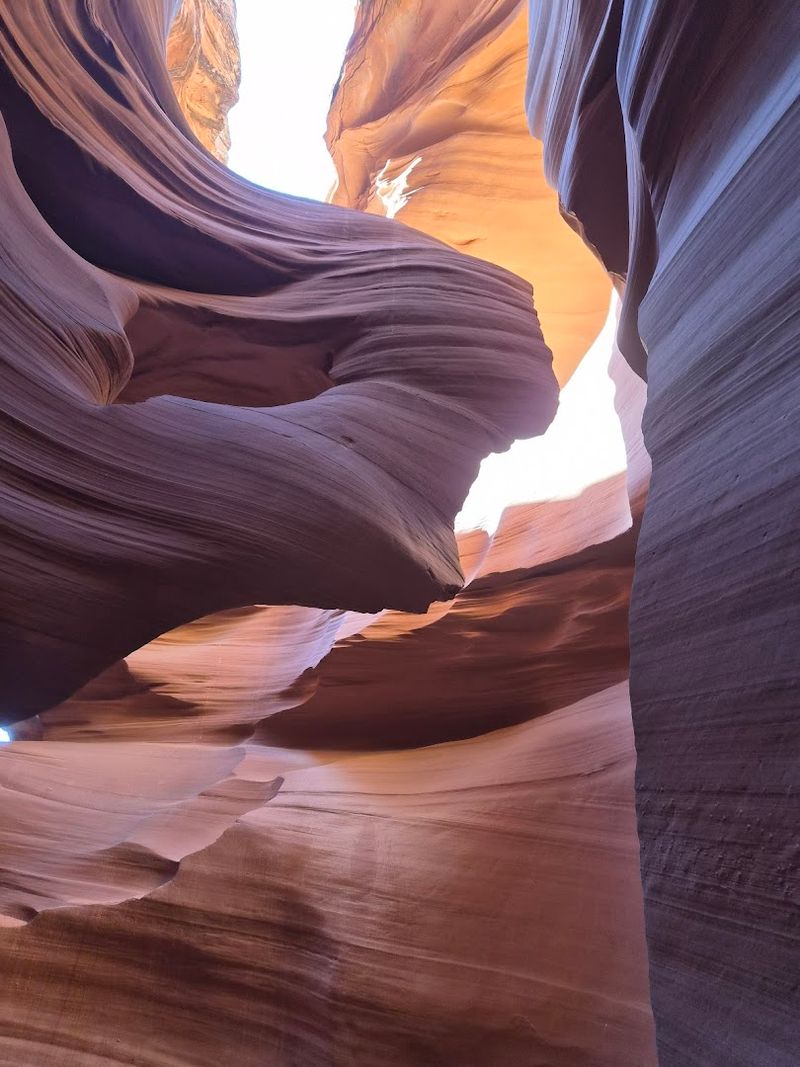
Antelope Canyon feels like stepping inside a living painting. Wind and water carved these narrow sandstone walls into flowing, wave-like shapes over millions of years, and the colors shift constantly as sunlight moves through the slot above.
Guided tours are required, and for good reason – it is easy to get turned around inside. The Upper Canyon is famous for its dramatic light beams, which appear around midday between April and October.
Saguaro National Park – Arizona
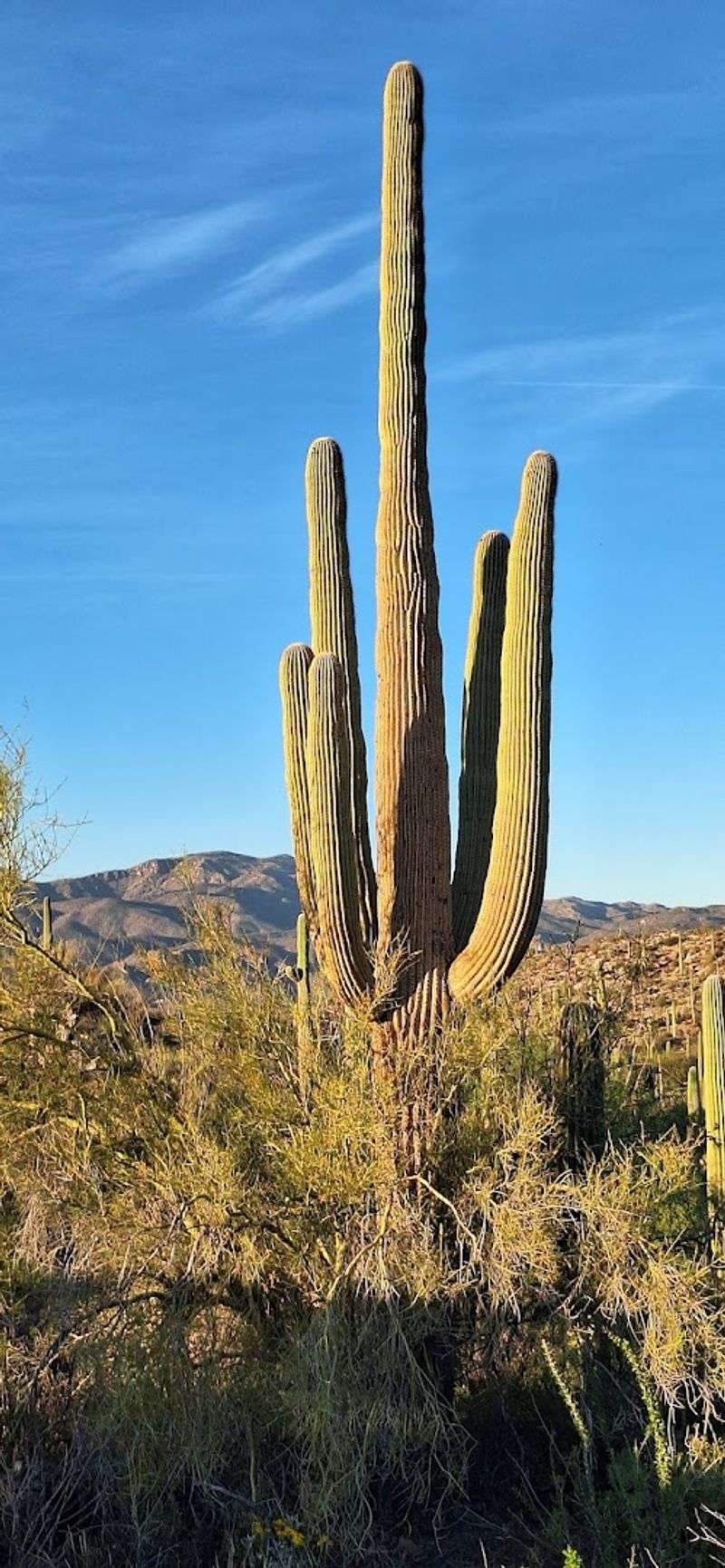
There is something almost magical about a forest made entirely of cacti. Saguaro National Park protects thousands of the iconic saguaro cacti, some of which stand over 40 feet tall and live for more than 150 years.
Walking among them feels like visiting another planet.
The park is split into two districts on either side of Tucson. Spring wildflower season adds bursts of color to the already stunning scenery, making it an extra rewarding time to explore.
Cathedral Rock – Arizona
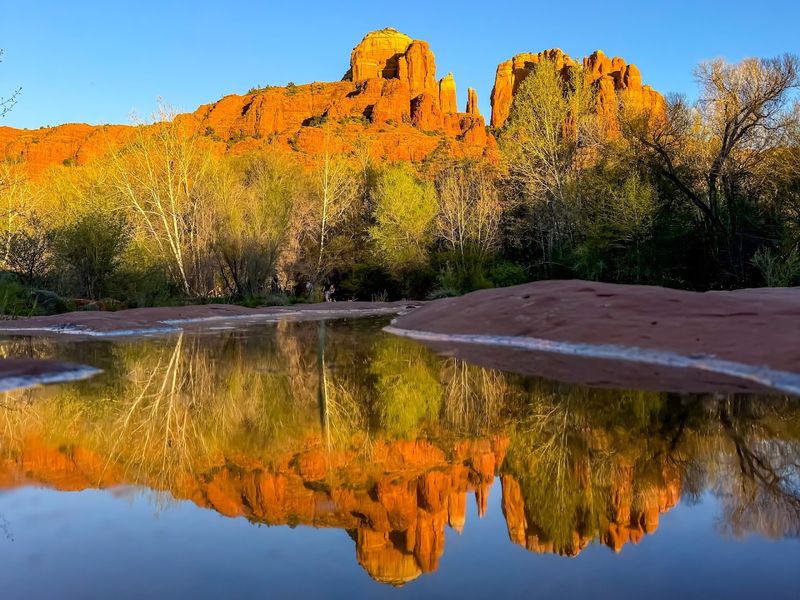
Cathedral Rock in Sedona is one of those landmarks that makes you stop mid-sentence and stare. Rising dramatically above Oak Creek, its twin spires of red sandstone are one of the most photographed spots in the entire American Southwest.
The hike to the top is short but steep, with some scrambling over rocks near the summit. Reaching the top rewards you with a sweeping 360-degree view of Sedona’s red rock country that is absolutely unforgettable.
Canyon de Chelly National Monument – Arizona
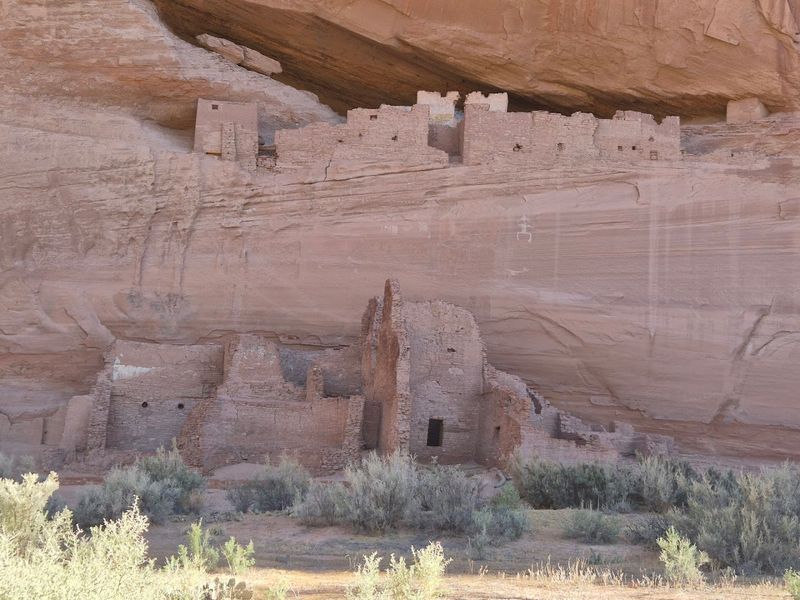
Canyon de Chelly has been home to people for nearly 5,000 years, and you can feel that deep history the moment you look out over its rust-colored walls. Ancient Ancestral Puebloan cliff dwellings are tucked into the canyon walls like hidden treasures waiting to be discovered.
Unlike most national parks, Canyon de Chelly is located on Navajo Nation land and still has Navajo families living inside it. Guided tours led by local Navajo guides offer a rich, respectful way to explore.
Petrified Forest National Park – Arizona
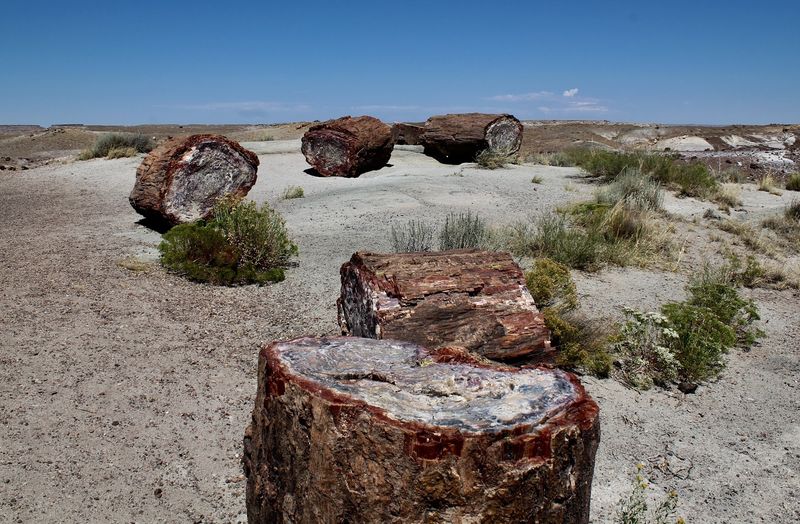
Imagine a forest that turned to stone over 200 million years ago. That is exactly what happened in Petrified Forest National Park, where ancient logs now sparkle with crystals of quartz, amethyst, and jasper.
The colors are astonishing up close.
The park also includes sections of the Painted Desert, where the badlands glow in shades of purple, pink, and red. Stargazing here is phenomenal too, since the park is a designated Dark Sky Park far from city lights.
Meteor Crater Natural Landmark – Winslow, Arizona
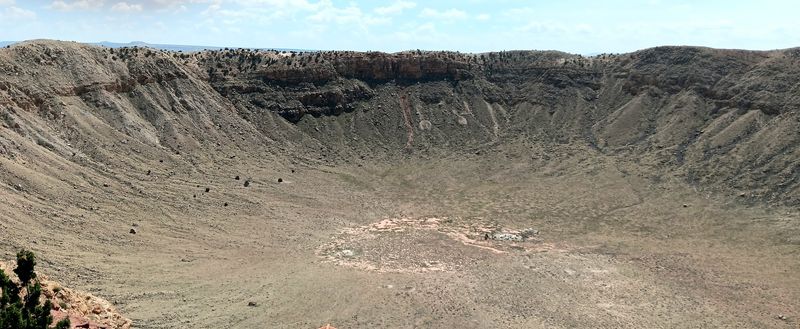
About 50,000 years ago, a giant space rock slammed into the Arizona desert and left behind a crater nearly a mile wide and 550 feet deep. Standing on the rim of Meteor Crater gives you a genuine sense of the raw power that shaped our solar system.
The visitor center is packed with fascinating exhibits about space and impact science. NASA even trained Apollo astronauts here because the terrain is so similar to the Moon’s surface – how cool is that?
Havasu Falls – Arizona
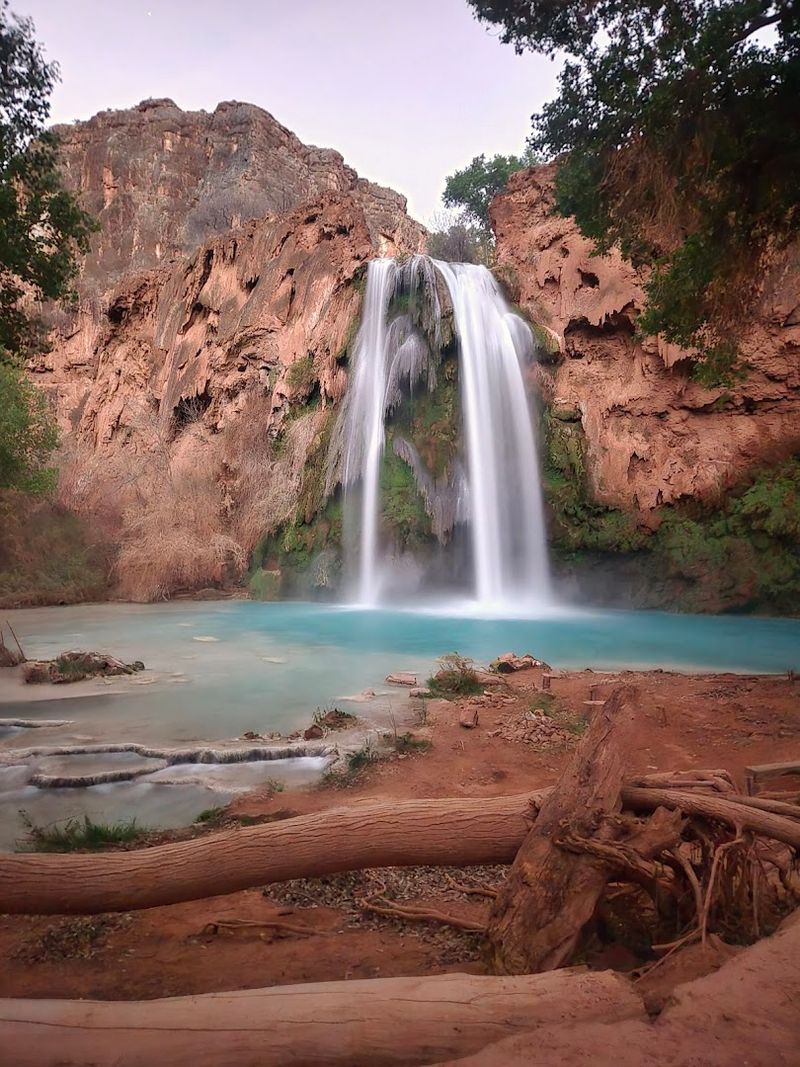
Bright turquoise water tumbling over red rock into a shimmering pool in the middle of the desert – Havasu Falls looks like it belongs in a dream. Located on the Havasupai Tribal lands deep inside the Grand Canyon, reaching it requires a 10-mile hike each way.
Permits are required and sell out months in advance, so plan early. Every step of that hike becomes completely worth it the moment you hear the roar of the falls and round the corner to see them.
London Bridge – Lake Havasu City, Arizona
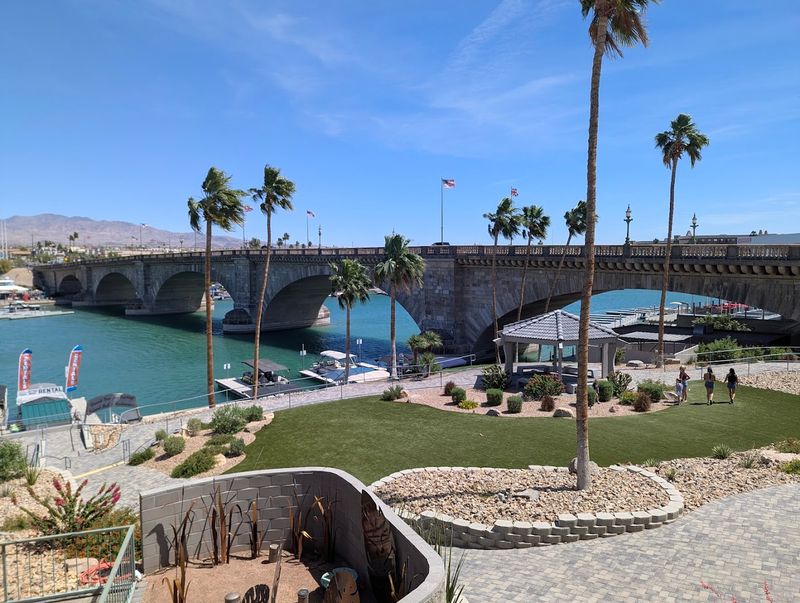
Yes, that London Bridge – the real one from England. In 1968, the City of Lake Havasu City purchased the original London Bridge brick by brick, shipped it to Arizona, and rebuilt it over a man-made channel.
It is one of the most wonderfully unexpected landmarks in the entire country.
Strolling across it while surrounded by Arizona desert sunshine feels genuinely surreal. The bridge is the centerpiece of a lively waterfront area with shops, restaurants, and boat tours nearby.
Taliesin West – Scottsdale, Arizona
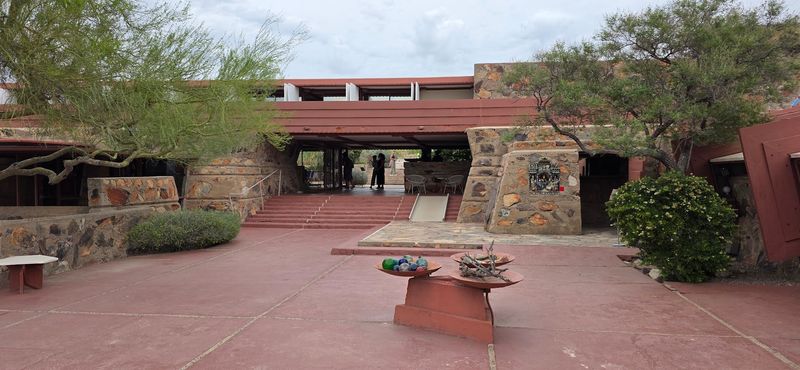
Frank Lloyd Wright believed buildings should grow out of the land around them, and Taliesin West proves he knew what he was talking about. Built starting in 1937, this desert compound served as Wright’s winter home, architecture school, and design studio all in one.
The way the stone walls, canvas roofs, and open terraces merge with the surrounding Sonoran Desert is genuinely stunning. Guided tours reveal incredible stories about Wright’s vision and the students who lived and studied here.
Desert Botanical Garden – Phoenix, Arizona
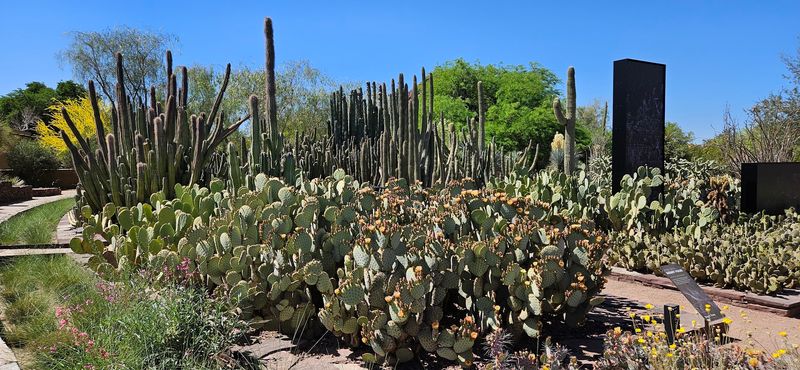
Walking through the Desert Botanical Garden feels like discovering that deserts are secretly bursting with life. Spread across 140 acres in Papago Park, this garden showcases over 50,000 plants from deserts around the world, including rare and endangered species.
Spring is spectacular when thousands of wildflowers bloom alongside towering cacti. The garden also hosts evening events with lights strung among the plants, creating a warm, magical atmosphere that is completely different from any typical garden visit.
Chapel of the Holy Cross – Sedona, Arizona
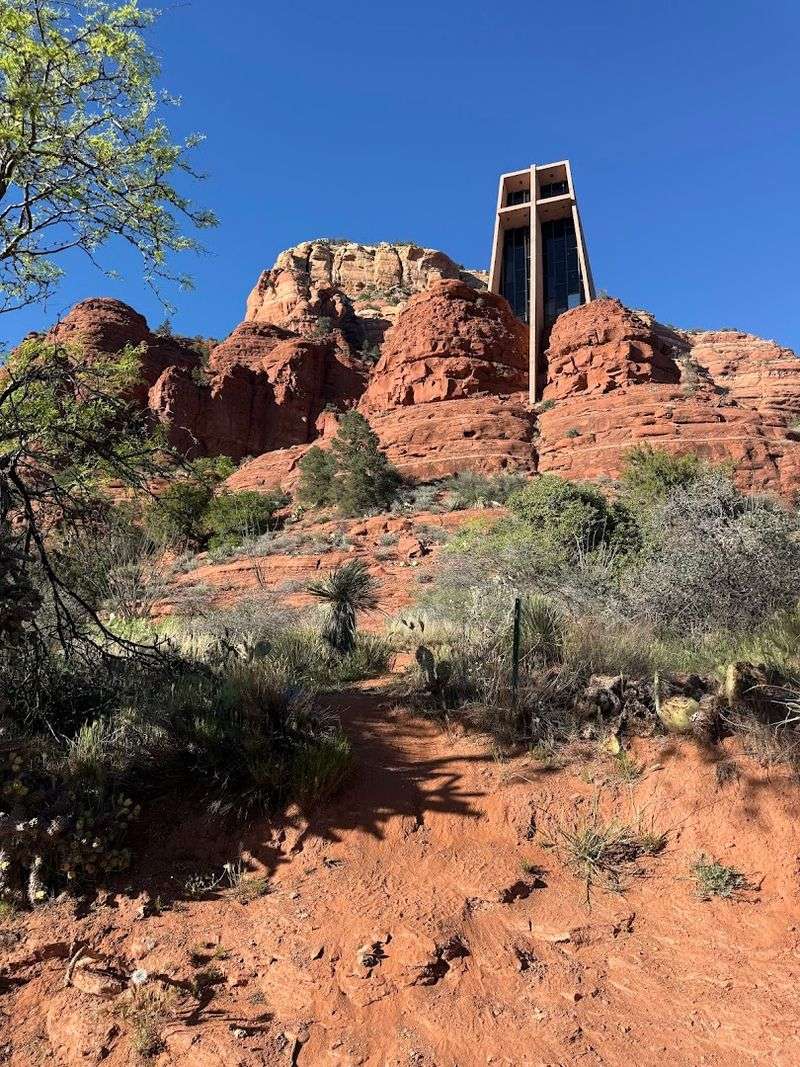
Built directly into a 250-foot butte of red rock, the Chapel of the Holy Cross is one of the most visually striking churches anywhere in the world. Sculptor Marguerite Brunswig Staude commissioned it in 1956, inspired partly by the Empire State Building and partly by Sedona’s landscape itself.
The interior is simple and peaceful, letting the spectacular views through the large windows do all the talking. Even visitors who are not religious tend to find the setting deeply moving and awe-inspiring.
Organ Pipe Cactus National Monument – Ajo, Arizona
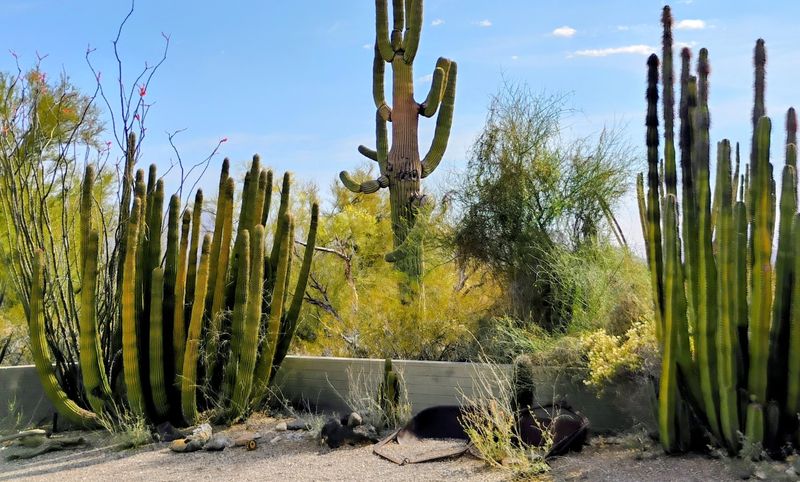
Organ pipe cacti look exactly like their name – clusters of tall, tube-like arms growing from a single base, resembling a pipe organ. This rare species grows naturally in the United States only within this monument near Ajo, making it a genuinely one-of-a-kind destination.
The monument is also one of Arizona’s best stargazing spots, designated as an International Dark Sky Park. Desert wildflowers in spring add a splash of color to the already dramatic landscape of saguaros and organ pipes.
Lake Powell – Arizona
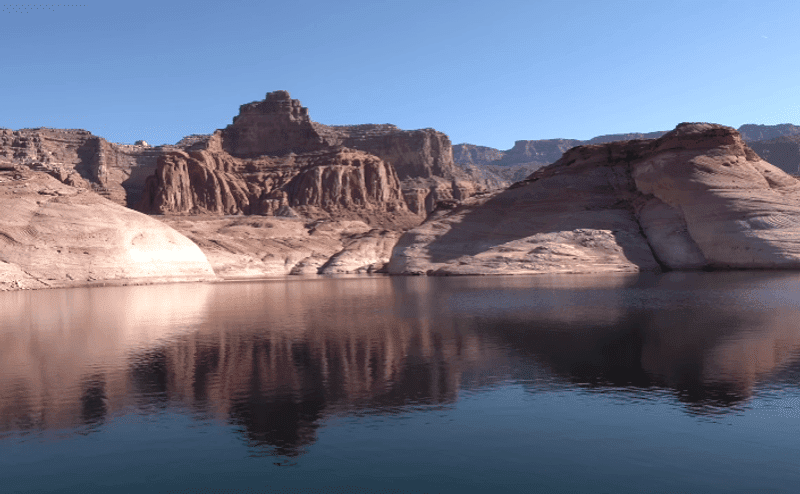
Lake Powell stretches across the Arizona-Utah border like a turquoise ribbon woven between canyon walls. Created by the Glen Canyon Dam in 1966, the reservoir now spans nearly 2,000 miles of shoreline – more coastline than the entire Pacific Coast of the United States.
Houseboating, kayaking, and swimming in slot canyons are just a few ways to explore its stunning waters. Rainbow Bridge, the world’s largest natural bridge, is accessible by boat and is an absolute must-see nearby.
San Xavier del Bac Mission – Tucson, Arizona
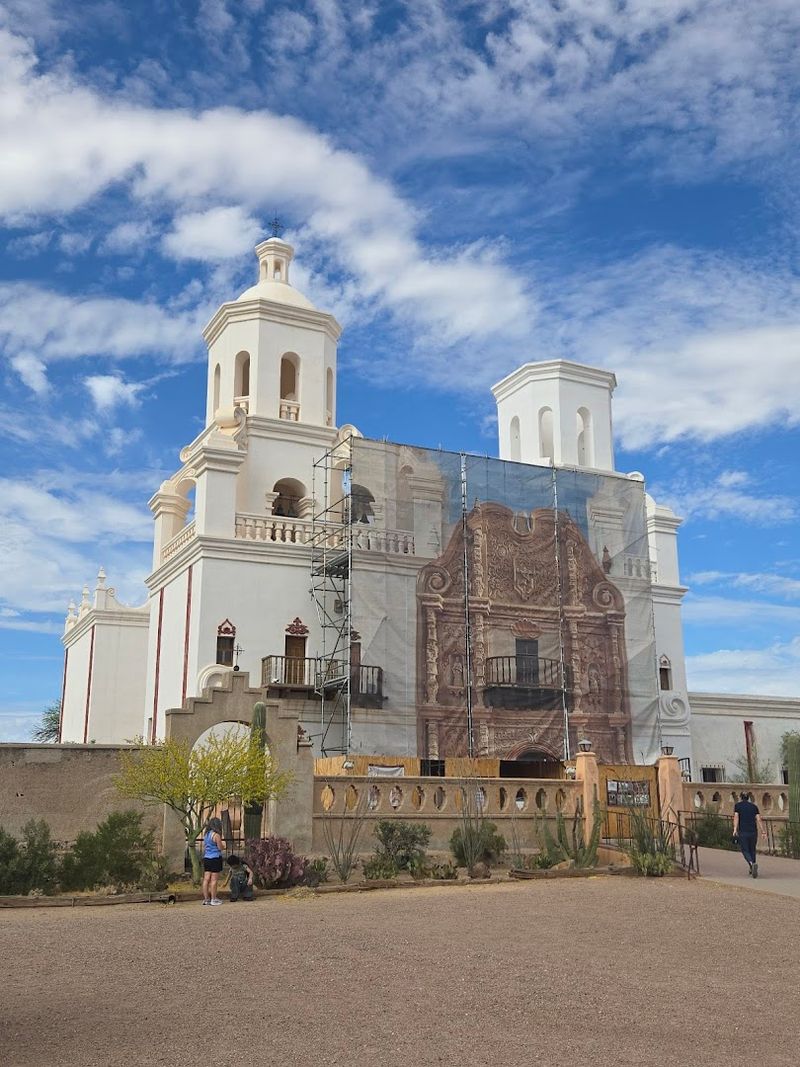
Nicknamed the White Dove of the Desert, San Xavier del Bac Mission has been standing in the Sonoran Desert since 1797. Its brilliant white walls and ornate baroque architecture seem almost impossible against the dusty desert landscape, making the first glimpse of it genuinely breathtaking.
The interior is filled with richly painted walls, detailed carvings, and religious artwork that has survived centuries. The mission is still an active parish for the Tohono O’odham Nation, adding a living cultural significance to its historical grandeur.
Montezuma Castle National Monument – Camp Verde, Arizona
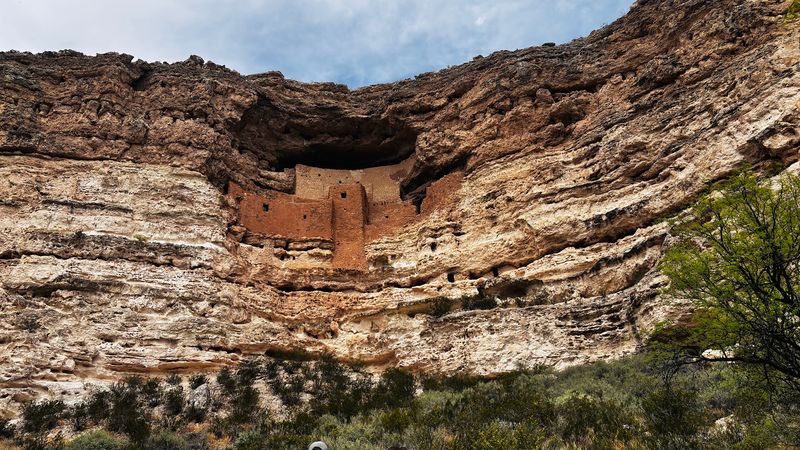
Perched 100 feet up a limestone cliff above Beaver Creek, Montezuma Castle is one of the best-preserved cliff dwellings in North America. Despite its name, it has nothing to do with the Aztec emperor – early settlers named it incorrectly back in the 1860s, and the name stuck.
The Sinagua people built this five-story, 20-room apartment-like structure around 1100 AD. Looking up at it from the trail below, it is hard to believe people climbed up and lived there for hundreds of years.
Walnut Canyon National Monument – Arizona
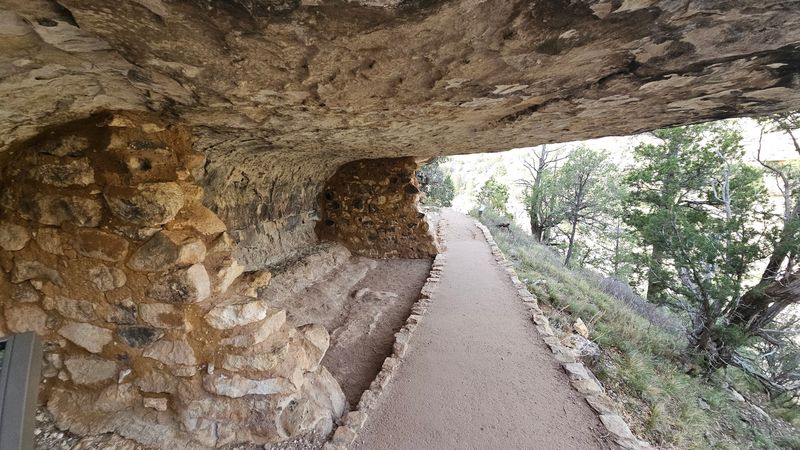
Walnut Canyon hides one of Arizona’s most underrated secrets. Tucked into a forested canyon near Flagstaff, over 80 ancient cliff dwellings are built right into the natural limestone ledges, sheltered beneath rocky overhangs that have protected them for nearly 800 years.
The Island Trail descends 185 feet into the canyon and passes directly in front of many dwellings, offering an unusually close look. The combination of lush canyon forest and ancient architecture makes this place feel completely different from other Arizona ruins.
Tonto Natural Bridge State Park – Pine, Arizona
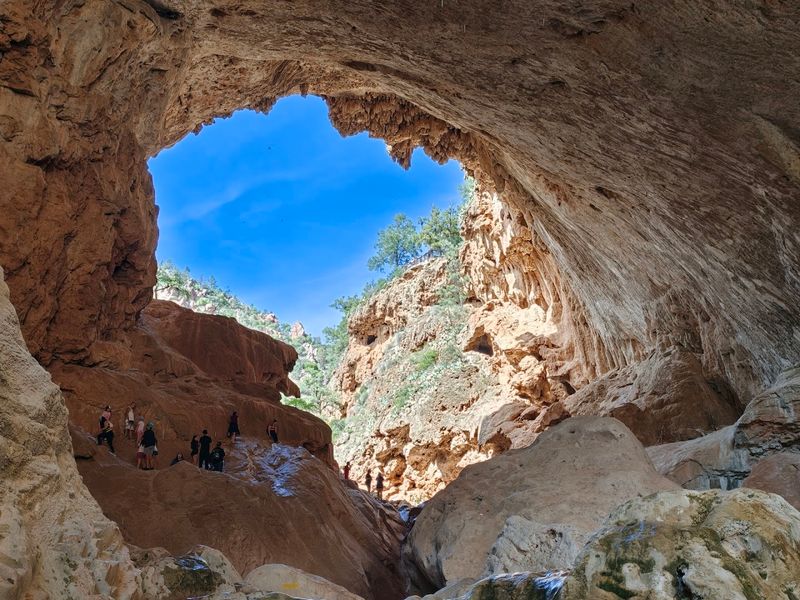
Hidden in the pine forests above the Mogollon Rim, Tonto Natural Bridge is believed to be the largest natural travertine bridge in the world, spanning 183 feet across a lush green canyon. Water flows through and beneath it year-round, feeding a gorgeous pool below.
Several trails descend to the bridge from different angles, each offering a dramatically different perspective. Swimming in the pool beneath the bridge on a warm day is one of those experiences that feels too good to be true.
Chiricahua National Monument – Willcox, Arizona
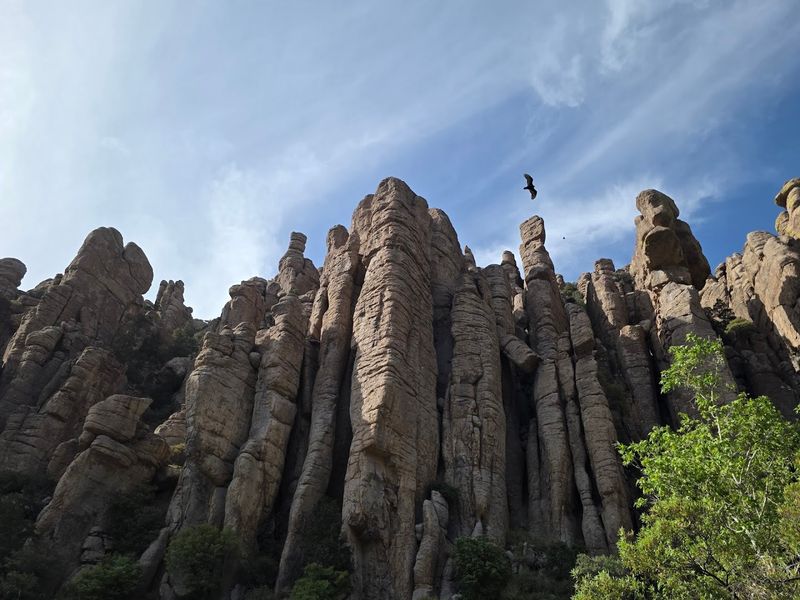
Chiricahua National Monument looks like a giant child stacked thousands of stone columns and balanced boulders on top of each other just to see how high they could go. Volcanic eruptions about 27 million years ago created this surreal landscape of rhyolite rock formations that defy gravity.
Because it sits in a remote corner of southeastern Arizona, Chiricahua gets far fewer visitors than it deserves. That quiet solitude, combined with excellent wildlife viewing and over 17 miles of hiking trails, makes it a true hidden gem.