


There was a time when certain dishes were the crown jewels of every restaurant menu, making diners feel special with every bite. From elegant tableside preparations to hearty comfort food, these meals told stories of tradition, creativity, and culinary pride.
Somewhere along the way, changing tastes, food trends, and cost pressures pushed them off menus and into memory. Here is a look at 20 classic dishes that most restaurants have quietly retired.
Chicken a la King
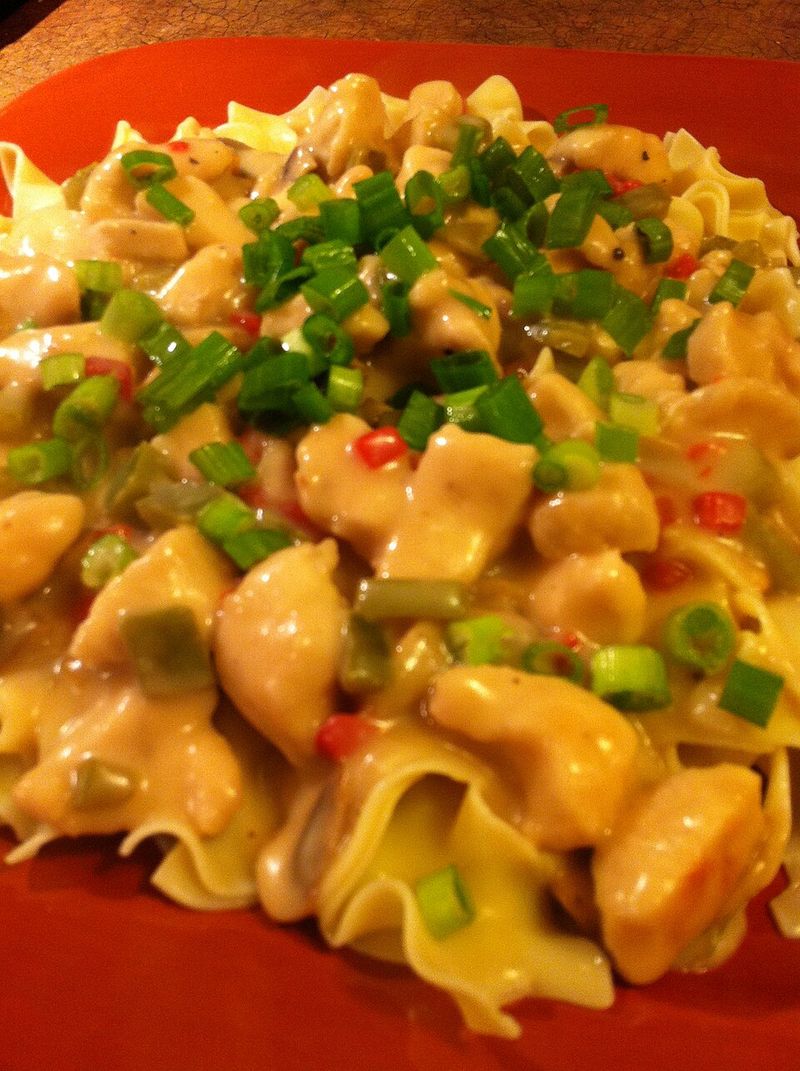
Back in the early 1900s, Chicken a la King was the dish that made people feel like royalty at the dinner table. This rich, creamy mixture of diced chicken, mushrooms, pimientos, and green peppers served over toast or puff pastry was a staple at fancy hotels and neighborhood diners alike.
It became a go-to for banquet halls and church potlucks too. Somewhere between the rise of fast food and the farm-to-table movement, this beloved classic quietly disappeared.
Finding it on a modern menu today is nearly impossible, but making it at home brings back a truly comforting, old-school warmth.
Liver and Onions
Few dishes spark stronger opinions than liver and onions. People either loved it deeply or avoided it entirely, but for decades it held a firm spot on diner menus across the country.
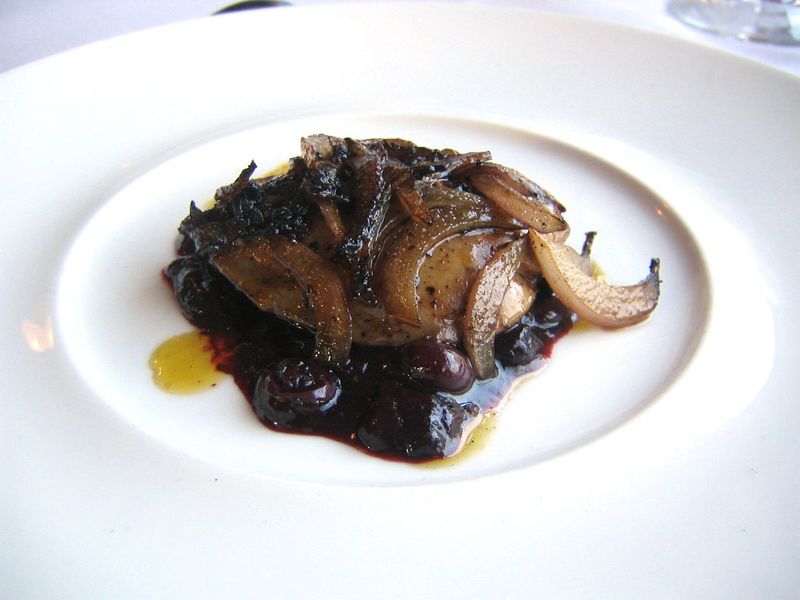
Beef liver, pan-fried until just done and topped with sweet, slow-cooked onions and rich brown gravy, was considered both affordable and nutritious.
It was a practical meal during tough economic times, packed with iron and vitamins. Today, younger diners tend to skip organ meats altogether, and most restaurants have followed that lead.
Still, for those who grew up eating it, the smell of liver and onions frying remains deeply nostalgic.
Salisbury Steak
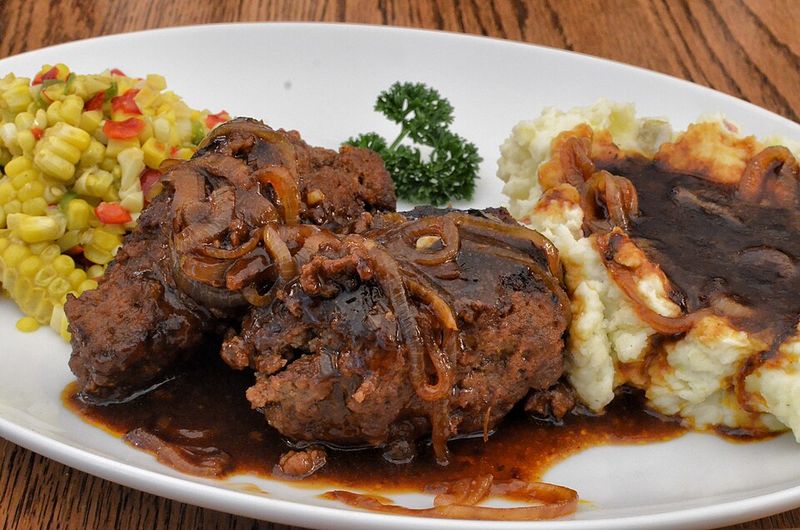
Named after Dr. James Salisbury, a 19th-century physician who believed ground beef was the key to good health, Salisbury steak became an American comfort food icon. A seasoned ground beef patty shaped like a steak and smothered in mushroom or onion gravy, it was filling, cheap, and deeply satisfying.
It ruled diner menus and TV dinner trays for generations. The frozen food version kept it alive in homes long after restaurants dropped it.
Today it rarely appears on restaurant menus, though food bloggers and home cooks have sparked a small revival. Sometimes the old ways really are the best ways.
Veal Oscar
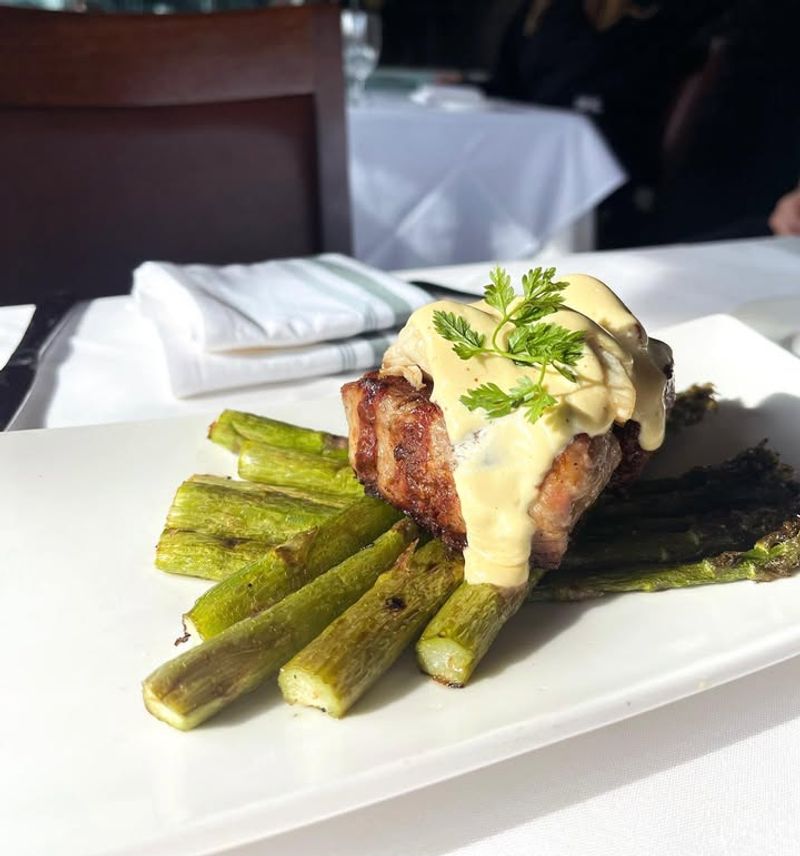
Veal Oscar sounds like something from a black-tie dinner in 1965, and honestly, it was. This elegant dish featured tender veal cutlets topped with crab meat, fresh asparagus, and a velvety bearnaise sauce.
It was named in honor of King Oscar II of Sweden and became a symbol of fine dining sophistication.
Steakhouses and supper clubs featured it proudly through the mid-20th century. As veal fell out of favor due to ethical concerns and rising costs, Veal Oscar quietly vanished from most menus.
A few upscale restaurants still offer variations, but the original glory days of this dish are long gone.
Shrimp Louie
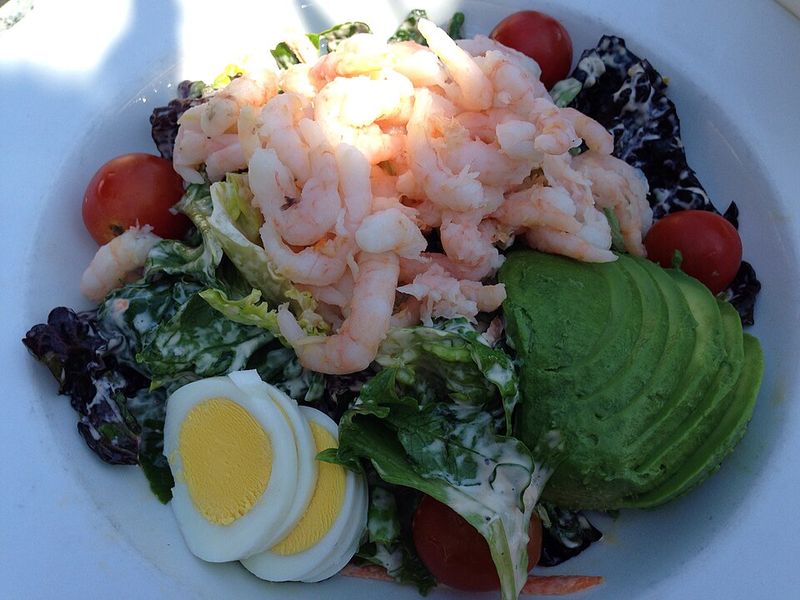
Shrimp Louie was the kind of salad that made you feel like you were lunching on the California coast in 1950. Chilled cooked shrimp piled over crisp iceberg lettuce, sliced tomatoes, hard-boiled eggs, and a tangy Louie dressing made it both refreshing and filling.
It was a West Coast staple, especially popular in San Francisco seafood restaurants.
The dish traces back to the early 1900s and was once considered the height of casual elegance. Modern salad menus have shifted toward grain bowls and kale blends, leaving Shrimp Louie behind.
It deserves a serious comeback on warm summer menus everywhere.
Welsh Rarebit
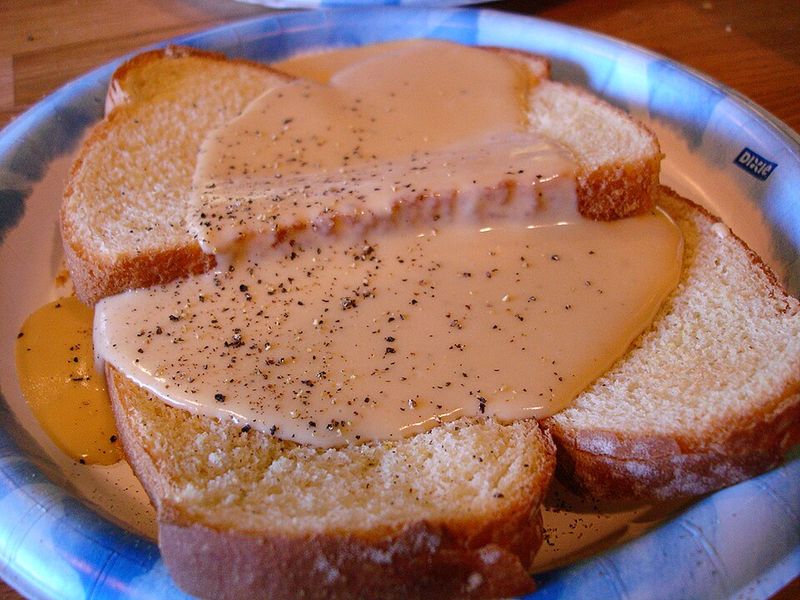
Welsh rarebit has one of the most misleading names in food history. There is no rabbit in this dish at all.
Instead, it is a gloriously rich, savory sauce made from melted sharp cheddar cheese, ale or beer, mustard, and Worcestershire sauce, poured generously over thick slices of toasted bread.
It was once a beloved pub staple and appeared on American restaurant menus throughout the early 20th century. Somewhere along the way, simple cheese toast got trendy and Welsh rarebit got forgotten.
Anyone who has tasted a properly made version knows it blows basic grilled cheese completely out of the water.
Steak Diane
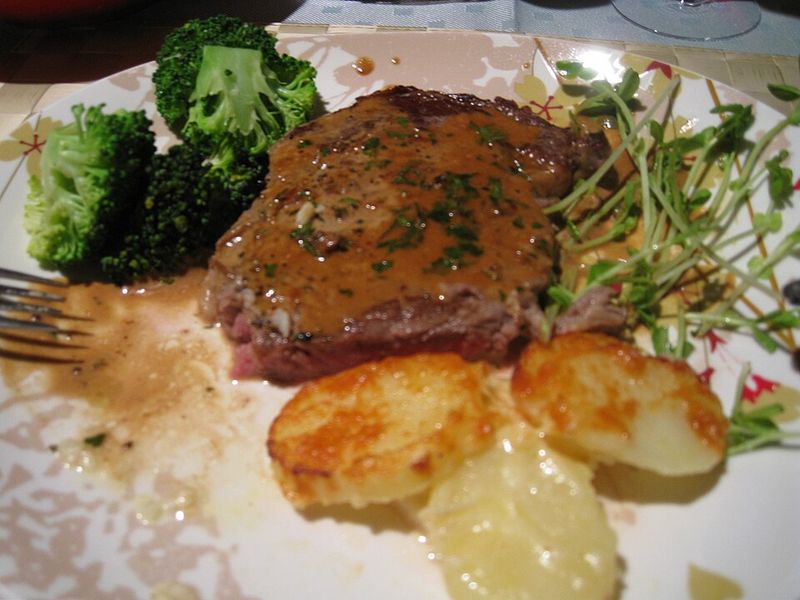
Steak Diane was pure theater. Waiters would wheel a cart right to your table and prepare this dish live, flambeing brandy in a pan with mushrooms, shallots, Worcestershire sauce, and cream before pouring it over a tender beef medallion.
The blue flames and sizzling sounds made dinner feel like a show.
It was the signature move of fancy supper clubs from the 1950s through the 1970s. As tableside service became too expensive and labor-intensive for most restaurants, Steak Diane disappeared with it.
Food historians consider it one of the greatest casualties of changing restaurant culture. Watching it prepared was half the experience.
Chicken Tetrazzini
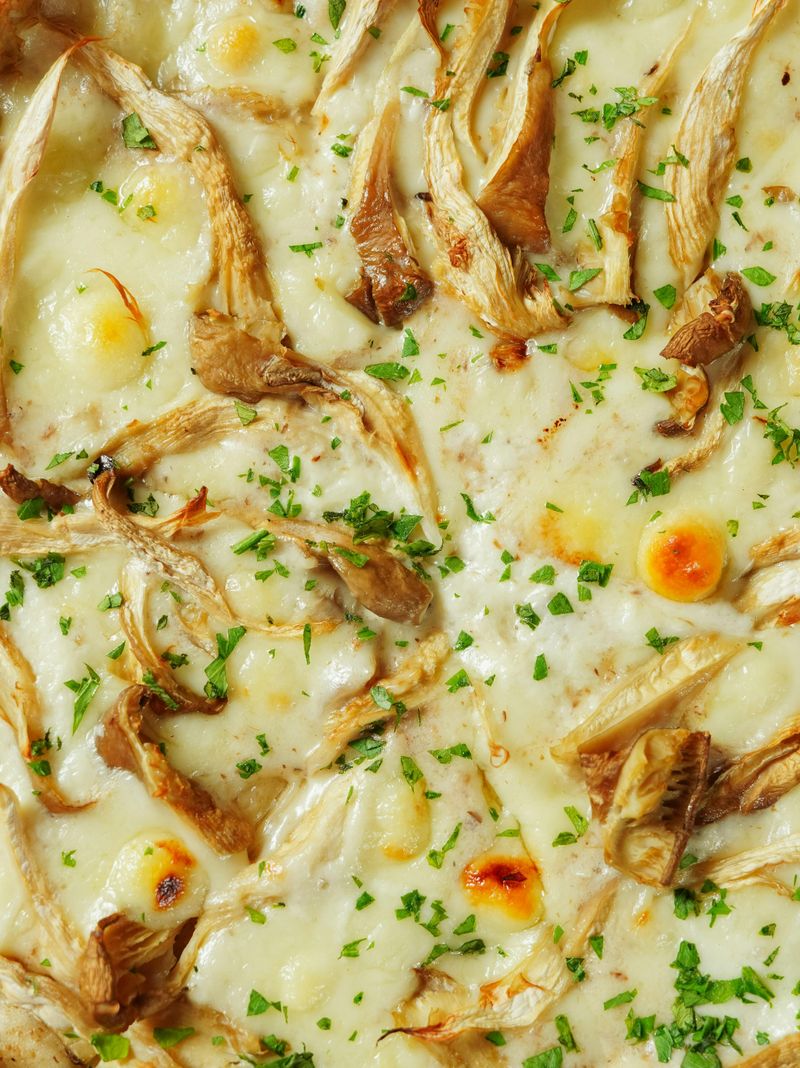
Named after Italian opera singer Luisa Tetrazzini, this baked pasta dish became a staple of American home cooking and mid-century restaurant menus. Chicken Tetrazzini combined tender chicken, spaghetti, mushrooms, and a creamy sherry-laced sauce, all topped with breadcrumbs and baked until golden and bubbly.
It was the kind of dish that showed up at church suppers, potlucks, and family-style restaurants with equal enthusiasm. As lighter pasta dishes and Italian-American cuisine evolved, this heavy casserole faded from professional kitchens.
Home cooks still make it with leftover turkey after Thanksgiving, keeping the spirit alive. It is pure, unapologetic comfort food at its finest.
Lobster Newberg
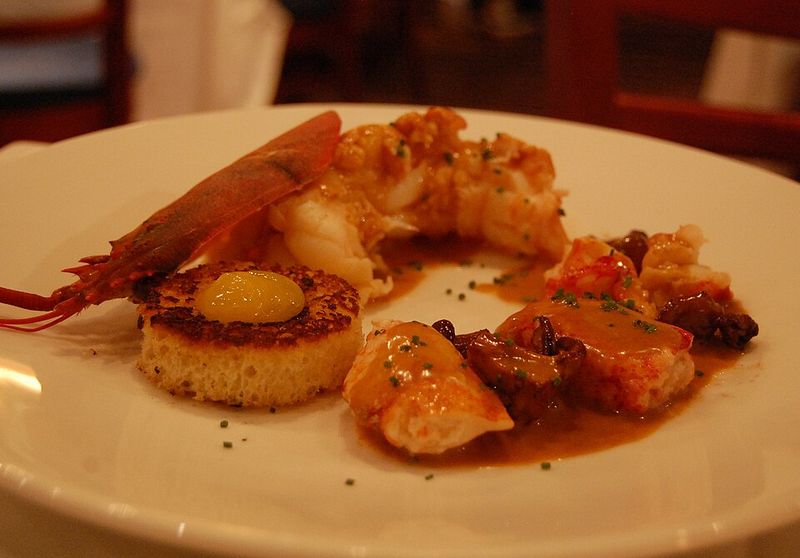
Lobster Newberg has a dramatic origin story. Legend says it was created at Delmonico’s restaurant in New York after a sea captain named Ben Wenberg shared his recipe.
The restaurant later renamed it Newberg after a falling out. The dish featured chunks of lobster cooked in a silky sauce of butter, cream, sherry, and egg yolks.
It was considered the pinnacle of American fine dining in the late 1800s and early 1900s. As seafood preparation styles modernized and lobster prices soared, this elaborate dish became harder to justify on menus.
Today it survives mostly in culinary history books and nostalgic cooking blogs.
Creamed Chipped Beef on Toast
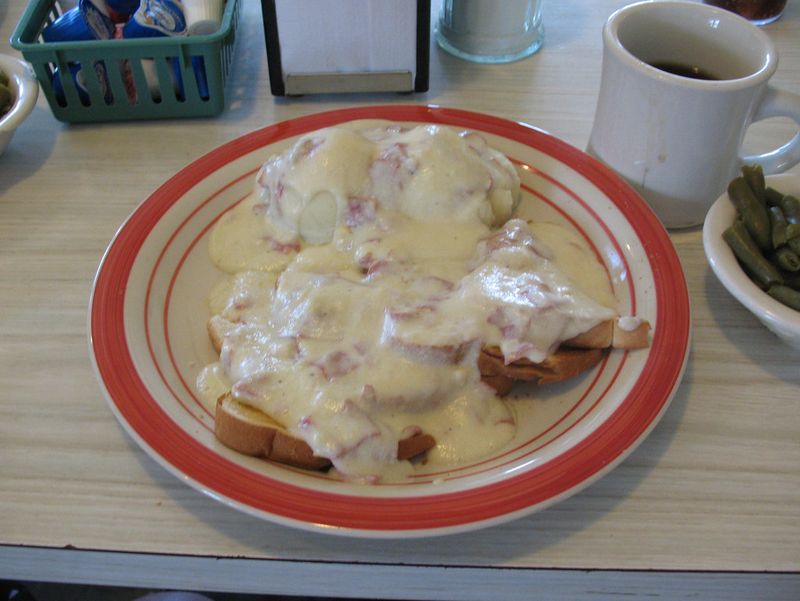
Affectionately known by a very colorful nickname among soldiers who ate it in military mess halls, creamed chipped beef on toast was once a staple of American breakfast and brunch menus. Thin slices of dried, salted beef folded into a thick, peppery white cream sauce and ladled over toast made for a filling, inexpensive meal.
Diners and family restaurants served it through the 1970s without apology. It was humble food with real staying power.
As brunch menus became more adventurous and upscale, this no-frills dish got left behind. Those who grew up eating it still talk about it with surprising fondness and a little laughter.
Deviled Crab
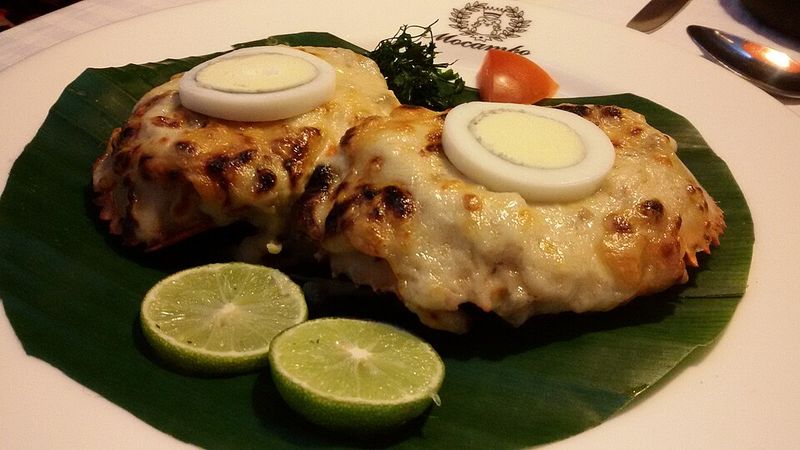
Deviled crab was a Southern seafood classic that brought bold, spicy flavor to the table. Crab meat was mixed with mustard, hot sauce, breadcrumbs, and seasonings, then stuffed back into the crab shell and baked until crispy and golden on top.
The word deviled simply meant the filling was seasoned with heat and spice.
Coastal restaurants in the South and along the Gulf Coast featured it proudly for decades. As seafood menus modernized and crab preparations shifted toward crab cakes and crab dips, the deviled version quietly stepped aside.
It remains a treasured recipe in Southern coastal communities where the old traditions still matter most.
Oxtail Soup
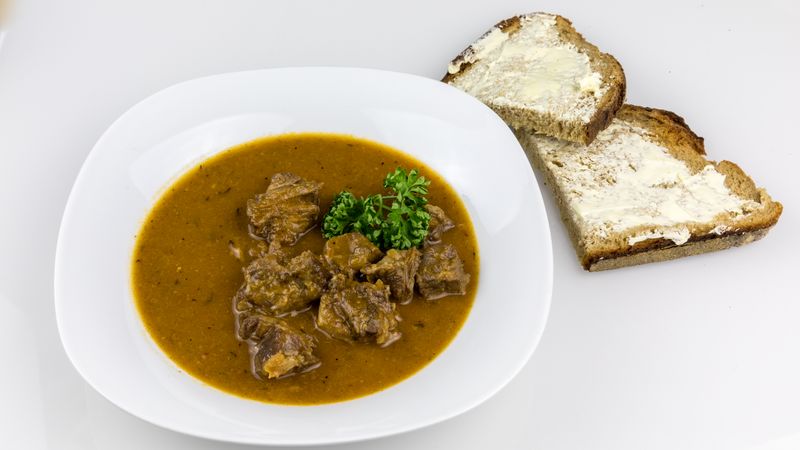
Oxtail soup is one of those dishes that rewards patience. The bony, collagen-rich tail of a cow simmers for hours in a deep, savory broth with root vegetables, herbs, and sometimes a splash of wine.
The result is an incredibly rich, gelatinous soup that warms you from the inside out.
It was a working-class staple in Britain and made its way onto American restaurant menus in the early 20th century. Over time, diners moved away from bone-heavy, slow-cooked dishes that required real effort to eat.
Today oxtail has made a comeback in Caribbean and Korean cuisines, but the classic soup version remains mostly forgotten.
Ham Steak with Pineapple
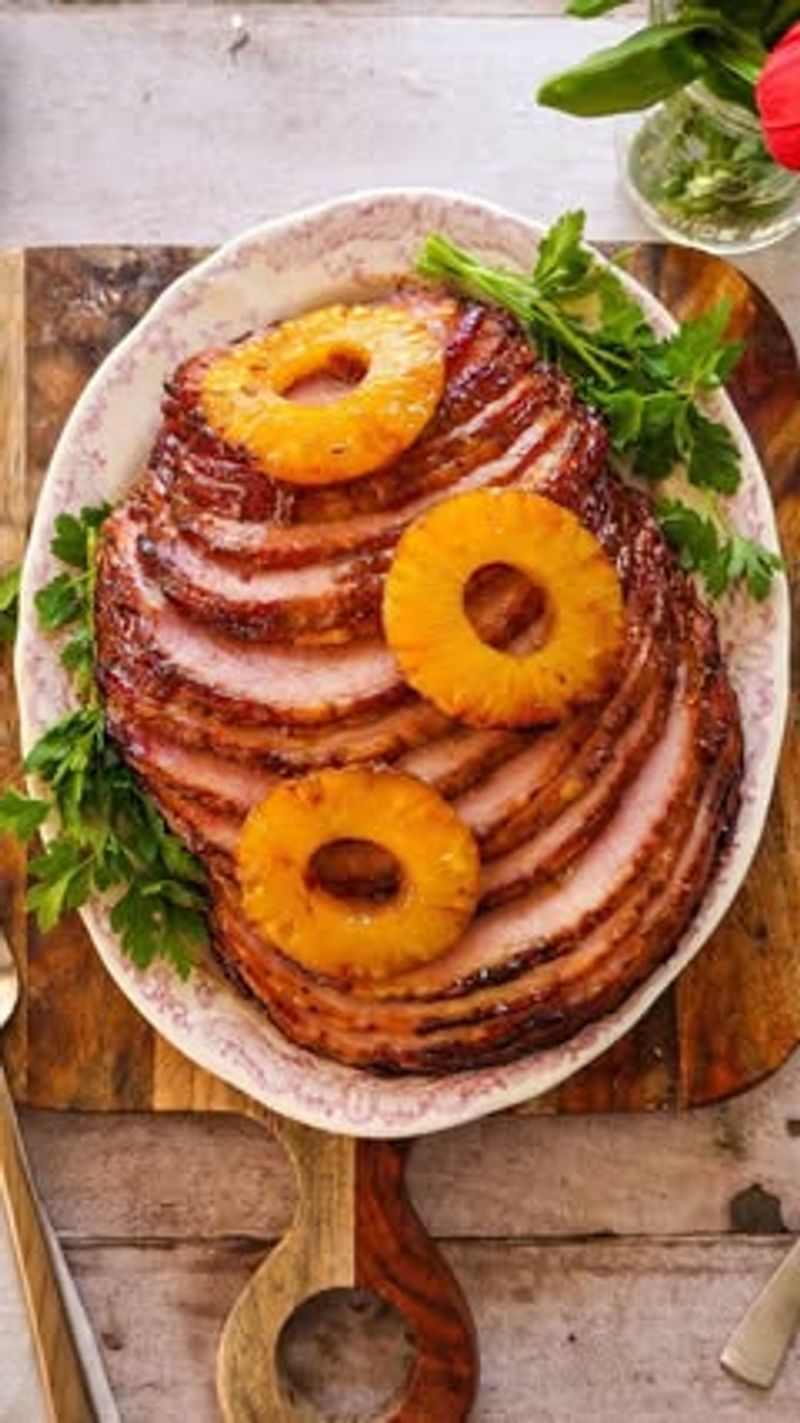
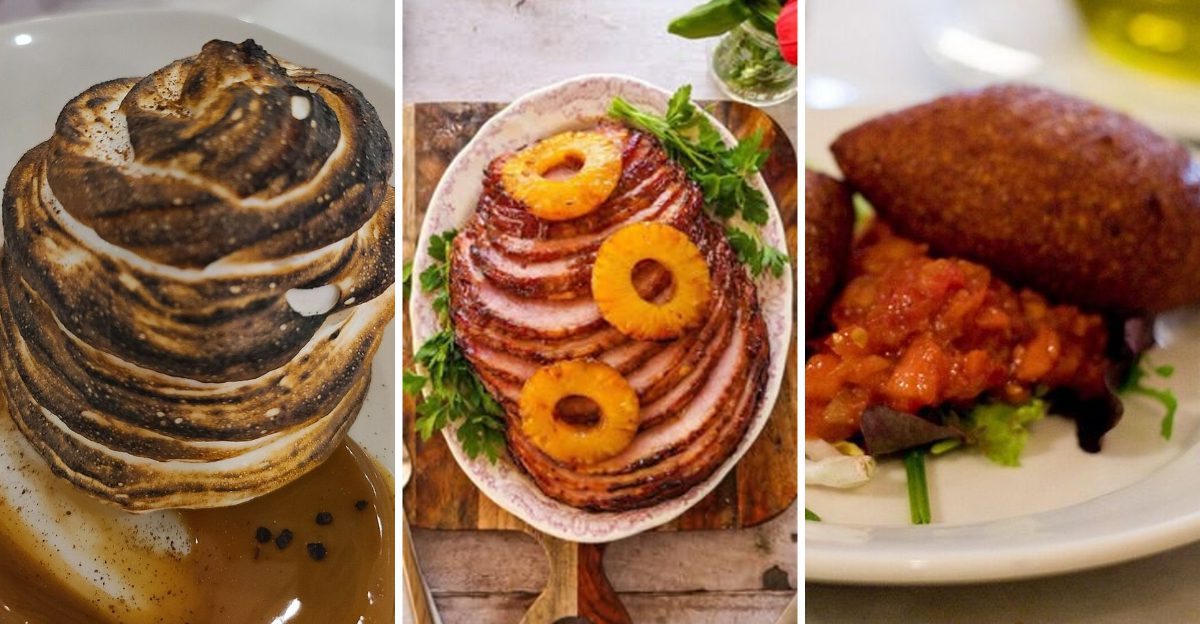
Ham steak with pineapple rings was practically the mascot of mid-century American dining. A thick, bone-in ham slice grilled or pan-fried and topped with caramelized canned pineapple rings and a brown sugar glaze was sweet, salty, and satisfying all at once.
It showed up on diner menus, supper club specials, and family restaurant boards with cheerful regularity.
The combination of ham and pineapple was considered the ultimate sweet-savory pairing long before anyone argued about it on pizza. As culinary tastes grew more sophisticated and canned fruit fell from grace, this dish quietly disappeared.
It still makes an appearance at holiday tables, just rarely at restaurants anymore.
Stuffed Bell Peppers
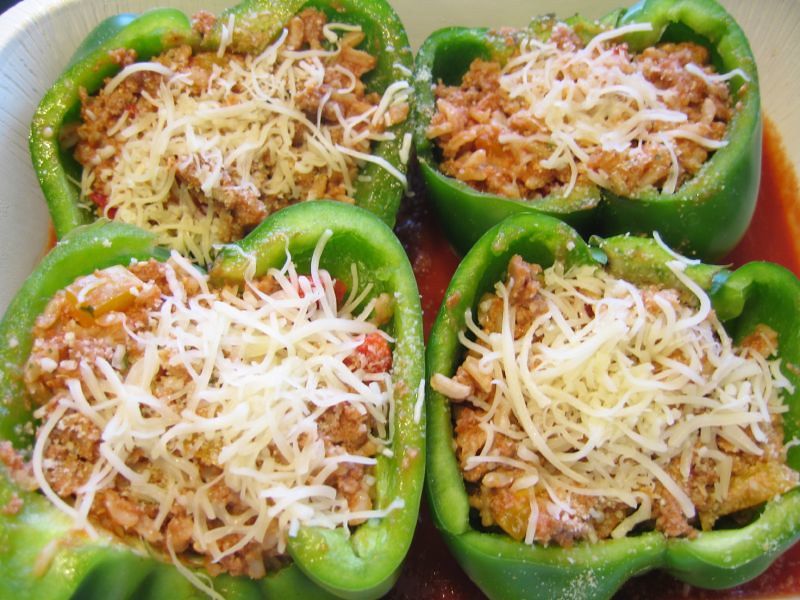
Stuffed bell peppers were once a reliable fixture on family restaurant menus and blue-plate special boards everywhere. Hollowed-out green peppers filled with a savory mixture of ground beef, rice, onions, and tomato sauce, then baked until tender and often topped with melted cheese, they were the definition of a complete, satisfying meal in one tidy package.
They were economical, filling, and easy to prepare in large batches, making them perfect for diners and cafeterias. As menu trends shifted toward globally inspired dishes and lighter fare, stuffed peppers got quietly retired from most restaurant kitchens.
Home cooks still make them regularly, proving some classics never truly lose their appeal.
Turkey Croquettes
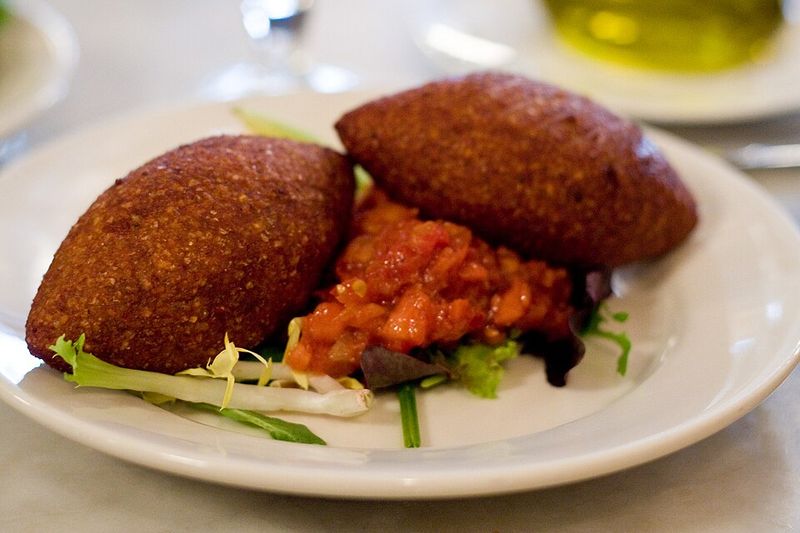
Turkey croquettes were the original leftover makeover. Finely chopped or ground turkey mixed with mashed potatoes, herbs, and binders, shaped into cylinders or cones, breaded, and fried until crispy golden brown.
They were served with a creamy gravy or sauce and made a surprisingly elegant meal out of what was essentially leftover meat.
They appeared on lunch menus and daily specials at diners and hotel restaurants throughout the mid-1900s. The croquette as a concept fell out of fashion as Americans embraced more casual eating styles.
Finding turkey croquettes on a menu today is a genuine rarity. They deserve a spot on the nostalgia-driven comeback menus popping up everywhere.
Jellied Tomato Salad
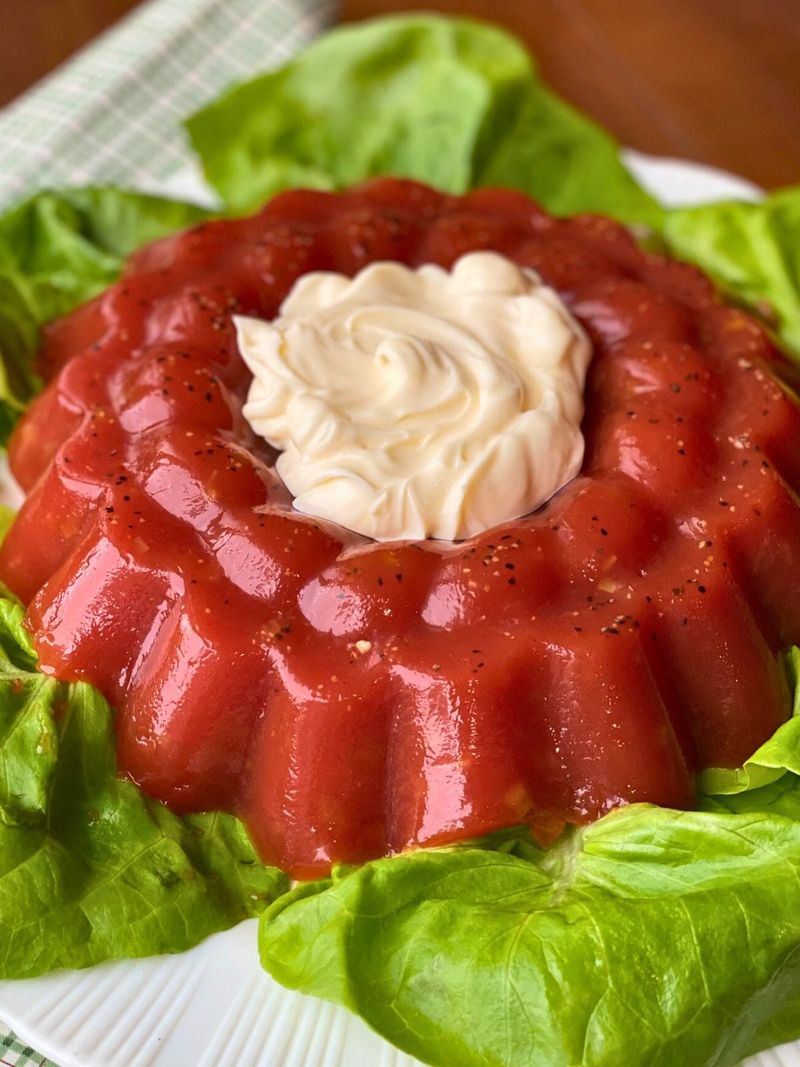
The 1950s and 1960s had a deep love affair with gelatin, and jellied tomato salad was one of its most famous results. Tomato juice and vegetable broth were set in gelatin molds with diced celery, olives, or cream cheese tucked inside, then served chilled on a bed of lettuce as a first course salad.
It looked impressive and tasted surprisingly refreshing.
Hostesses and restaurant chefs alike relied on it for luncheons and dinner parties. As the gelatin mold craze faded in the 1970s, this dish became a symbol of outdated food culture.
Today it mostly appears in retro food blogs and vintage cookbook collections with equal parts curiosity and humor.
Corned Beef Hash
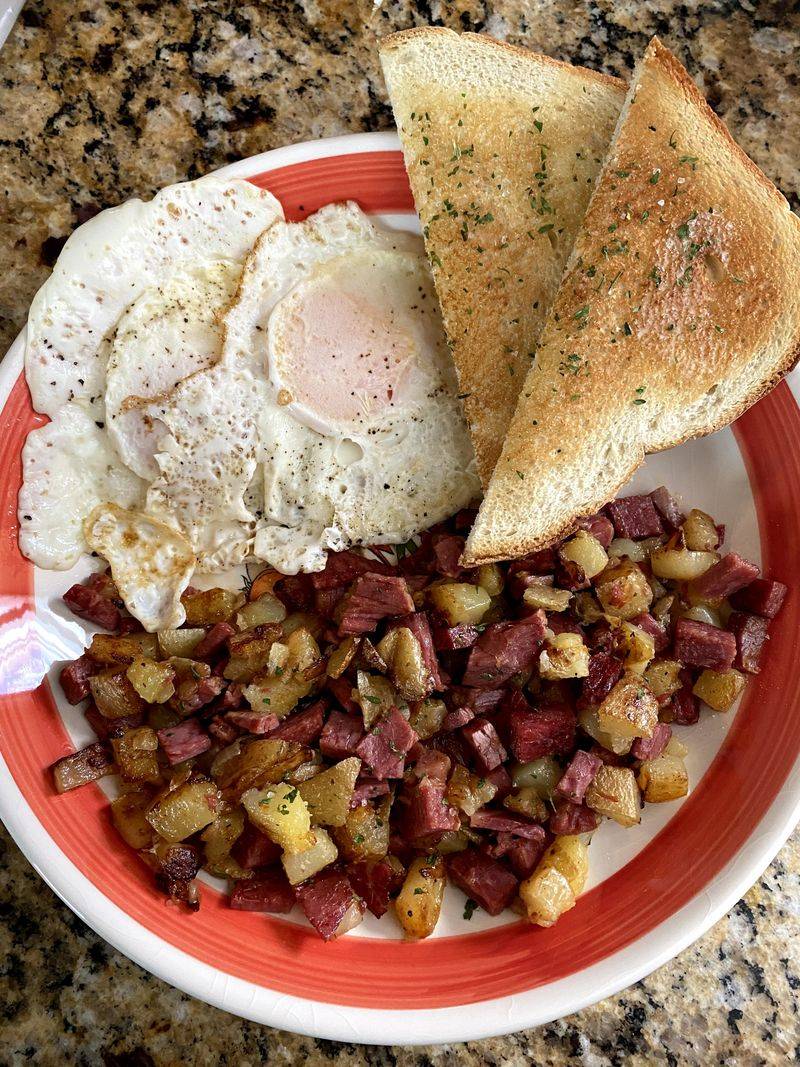
Corned beef hash done right is one of the most satisfying breakfast dishes ever created. Diced corned beef, potatoes, and onions cooked together in a skillet until crispy on the outside and tender inside, topped with a fried egg, was a diner morning staple for generations.
It was the kind of breakfast that actually kept you full until dinner.
While some classic diners still serve it, the dish has largely vanished from modern brunch menus dominated by avocado toast and grain bowls. The canned version gave it an undeserved bad reputation.
Fresh, house-made corned beef hash is a completely different and far more delicious experience worth seeking out.
Baked Alaska
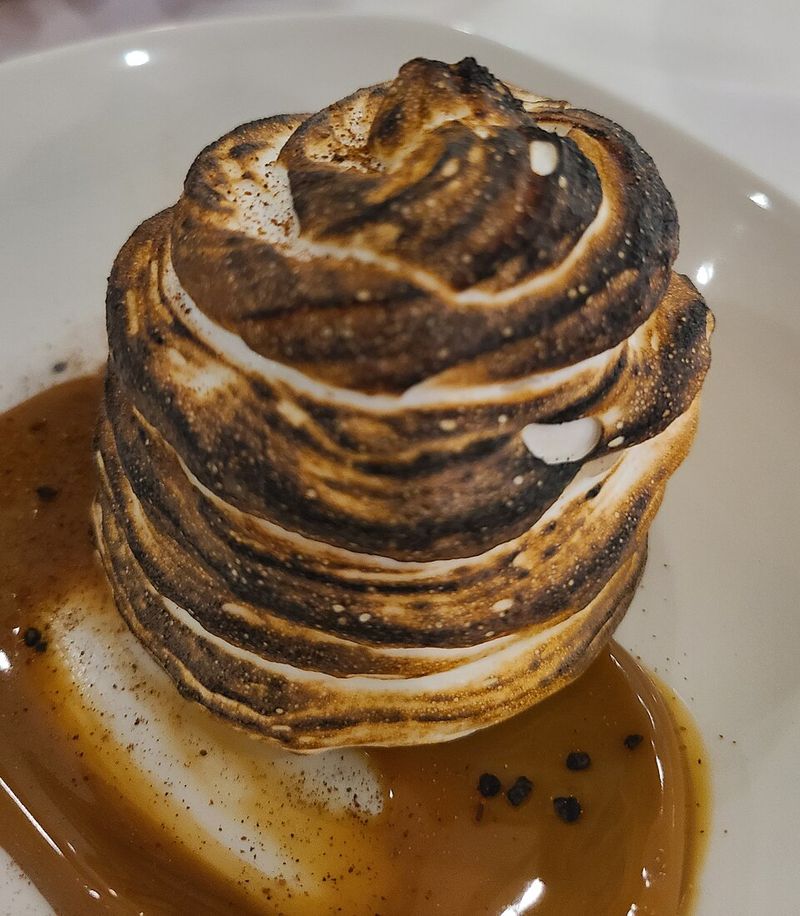
Baked Alaska is one of the most theatrical desserts ever invented. A base of sponge cake topped with layers of ice cream, completely encased in thick meringue, and then briefly baked or torched until the outside is golden and toasted while the ice cream inside stays perfectly frozen.
The contrast of hot and cold in every bite is genuinely magical.
It was a showstopper at fine dining restaurants and special occasion dinners throughout the 20th century. As dessert menus simplified and kitchen labor costs rose, this time-consuming creation largely disappeared.
Some upscale restaurants still offer it for special occasions, but the days of Baked Alaska as a menu regular are mostly history.
Sweetbreads
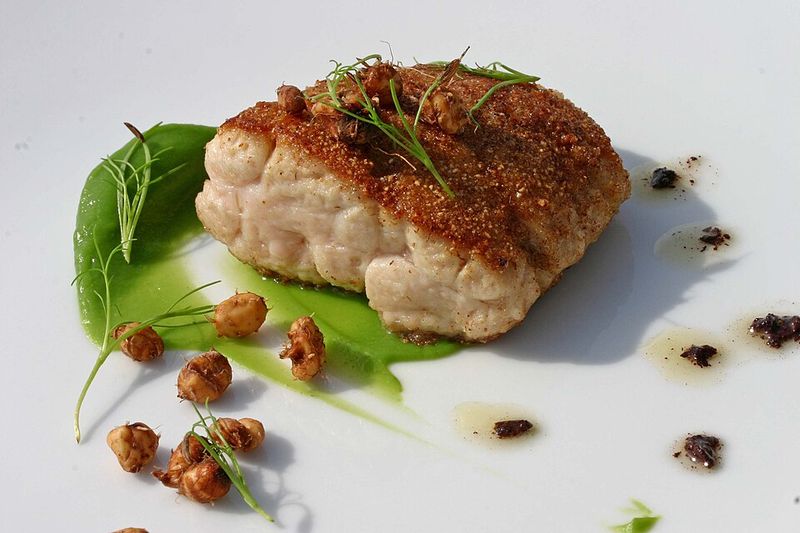
Sweetbreads sound far more innocent than they actually are. They are the thymus gland or pancreas of a young calf or lamb, and in the right hands, they are absolutely extraordinary.
When properly prepared, pan-seared until golden and crispy on the outside with a creamy, tender interior, sweetbreads are considered a delicacy in French and classic American fine dining.
They appeared regularly on upscale restaurant menus through the mid-20th century. As organ meats fell from mainstream favor and diners became more squeamish about what they were eating, sweetbreads quietly left most menus.
They still appear at adventurous farm-to-table restaurants, but finding them takes some dedicated searching these days.
Chopped Sirloin with Gravy
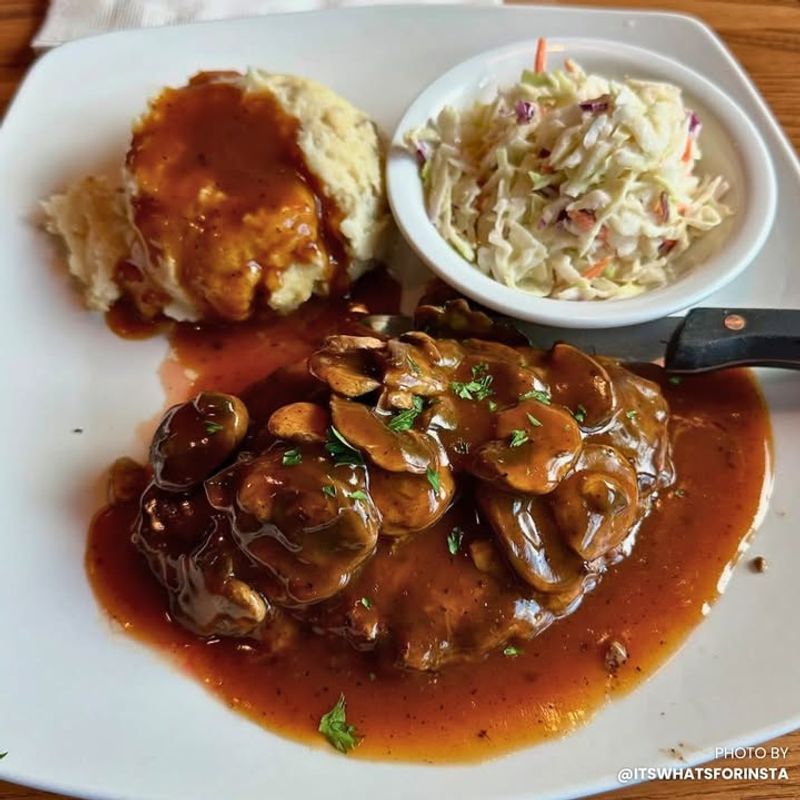
Chopped sirloin with gravy was the working man’s answer to a steakhouse meal. A coarsely ground or hand-chopped sirloin patty, cooked to order and covered in a rich brown onion gravy, sat alongside mashed potatoes and a vegetable on thousands of American restaurant menus for decades.
It delivered steakhouse flavor at a fraction of the price.
Family steakhouses and casual dining chains made it a staple through the 1970s and 1980s. As burger culture took over and menu prices shifted, chopped sirloin quietly got replaced by fancier options.
It was honest, unpretentious food that never tried to be anything other than delicious. Sometimes that is exactly what a meal should be.