


Some kitchen advice gets repeated so often it starts to sound like law, but it can quietly sabotage your dinner. You deserve meals that taste better than bland, rubbery, or watery.
Let’s bust the most common myths and replace them with simple habits that actually work. Read on, and you will cook with more confidence tonight.
Too much salt
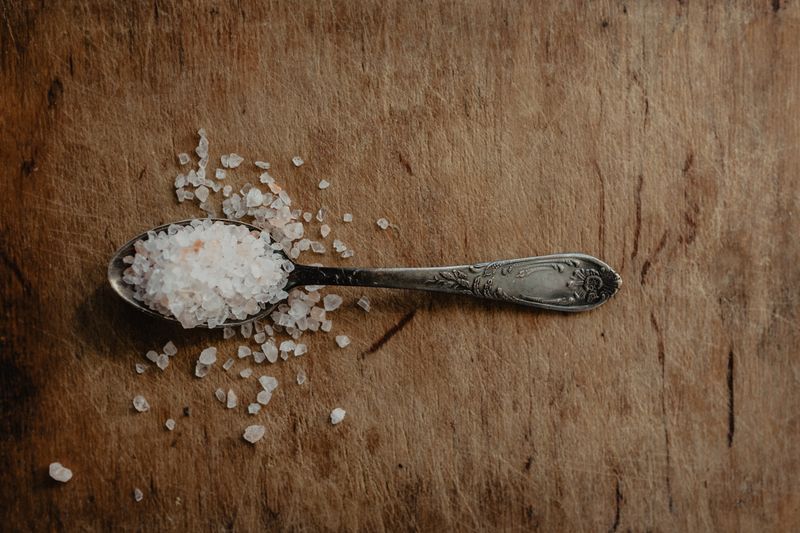
People say salt equals flavor, then pour with a heavy hand. Too much salt flattens nuance and makes food taste one-note.
You should season gradually, tasting often, and consider other flavor boosters like acids, herbs, and umami.
If a dish is oversalted, do not panic. Dilute with unsalted stock, add a starchy element, or balance with lemon juice.
When possible, season in layers during cooking, not just at the end.
Use fine salt for even distribution and flaky salt for finishing. Your tongue adapts quickly, so reset with water.
Better yet, keep a small pinch bowl, not a shaker.
No salt at all
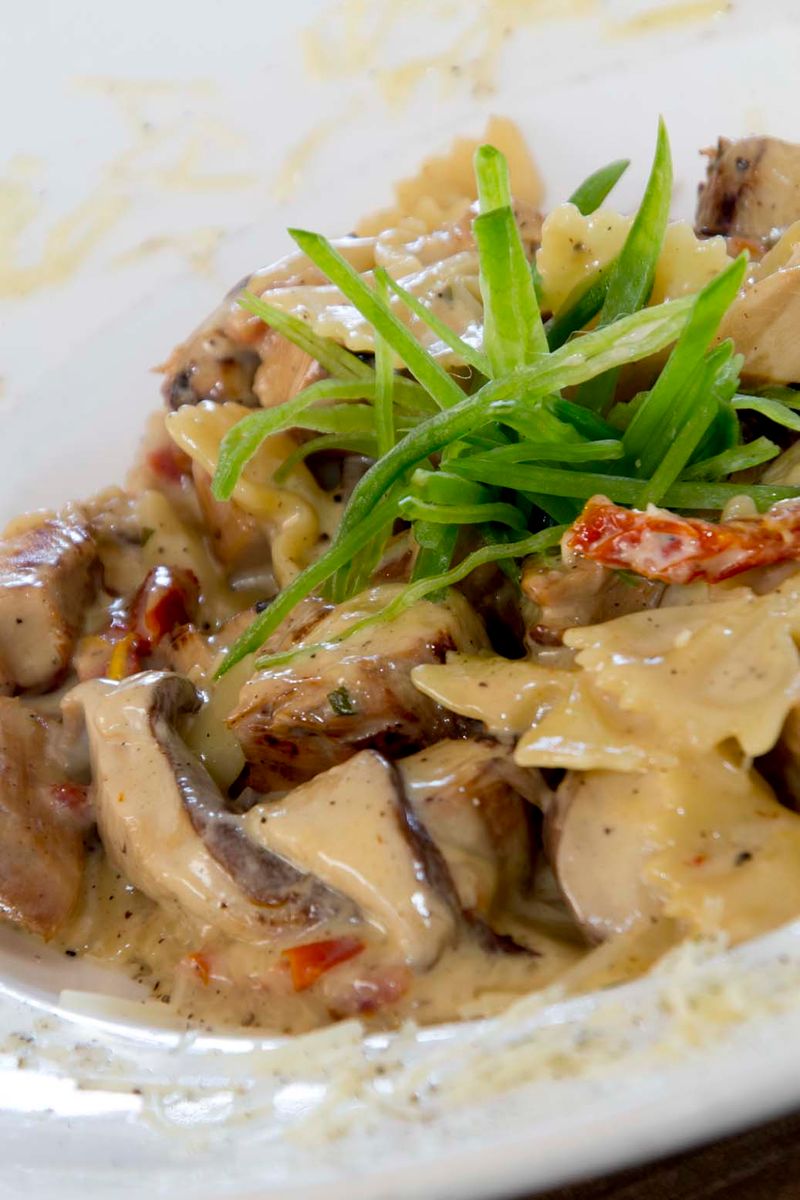
Cutting salt entirely might sound healthy, but it often backfires. Without any salt, flavors taste muted and oddly sweet or bitter.
You can use less salt wisely instead, targeting ingredients that benefit most during cooking.
Season water for pasta, grains, and vegetables so taste penetrates. Add small, well-timed pinches early, then adjust at the end.
Pair with acids like vinegar or citrus to brighten without extra sodium.
Choose kosher salt for control and consistency. Taste before adding more.
You will discover that a little salt, used thoughtfully, unlocks vibrancy without turning your meal into a sodium bomb.
Overcooking pasta
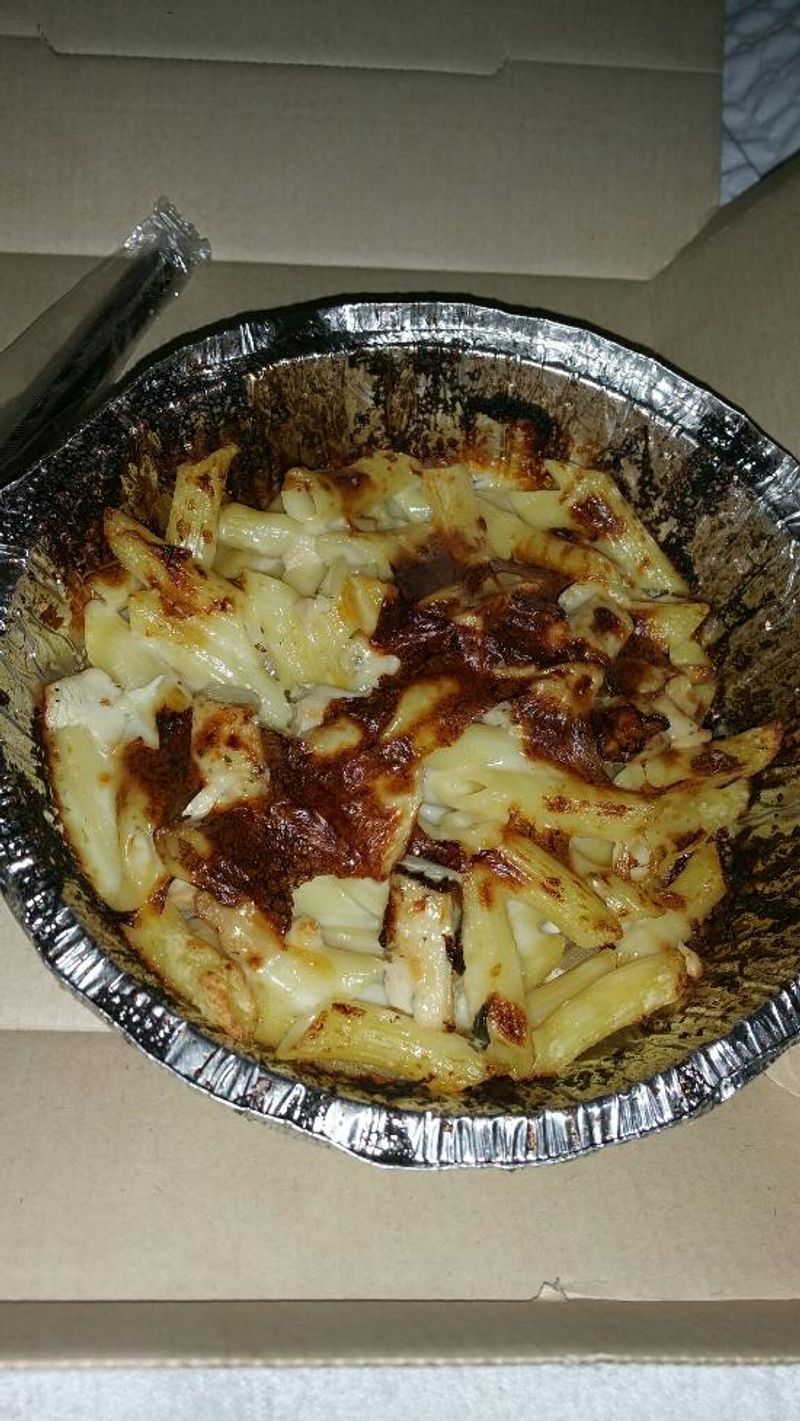
People often say to cook pasta until soft, but softness means overcooked. Overcooked pasta turns gluey, absorbs too much sauce, and loses bite.
You should cook until just shy of al dente, then finish in the sauce.
Salt the water aggressively so the pasta is flavorful inside. Keep a cup of starchy water to adjust thickness and help sauce cling.
Taste a strand, looking for a slight core.
Do not rinse unless for cold salads. Use the timer, but trust your teeth.
Finishing in sauce for one minute creates cohesion, better texture, and restaurant-level results at home.
Undercooking rice
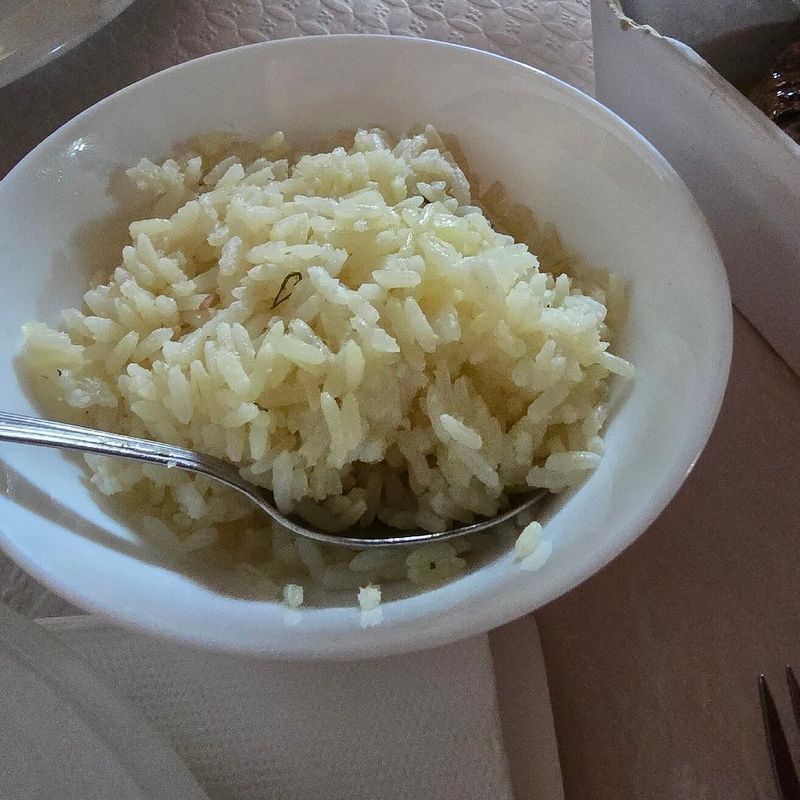
Some claim rice needs minimal water to stay fluffy, but too little leaves chalky centers. Undercooked rice never softens on the plate.
You should measure carefully, simmer gently, and rest covered.
Rinse to remove excess starch, then use the proper ratio for your variety. Keep the lid on to trap steam, avoiding peeks that drop temperature.
When the timer ends, let it sit ten minutes.
Fluff with a fork to release steam and prevent clumps. If underdone, sprinkle a bit of water and steam longer.
Patience and precise ratios beat guesswork every time.
Boiling vegetables
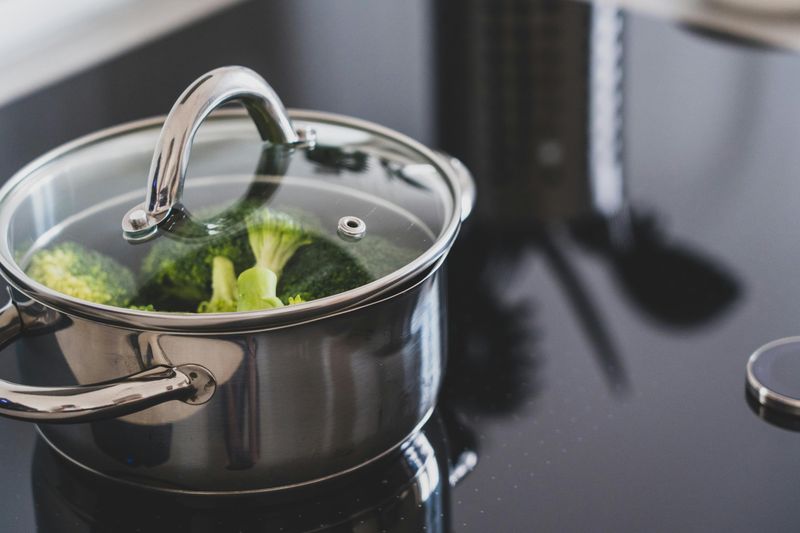
Boiling vegetables until soft was common advice, but it drains color and nutrients. The result tastes watery and dull.
Instead, steam, roast, or sauté to concentrate sweetness and preserve texture.
Roasting at high heat caramelizes edges and deepens flavor. Steaming keeps snap while maintaining brightness.
A quick sauté with garlic, lemon, and olive oil turns simple produce into something craveable.
Salt appropriately and finish with acid or herbs. If boiling is required, use salted water and stop early.
Shock in ice water to lock color, then rewarm with butter for a better finish.
Skipping seasoning
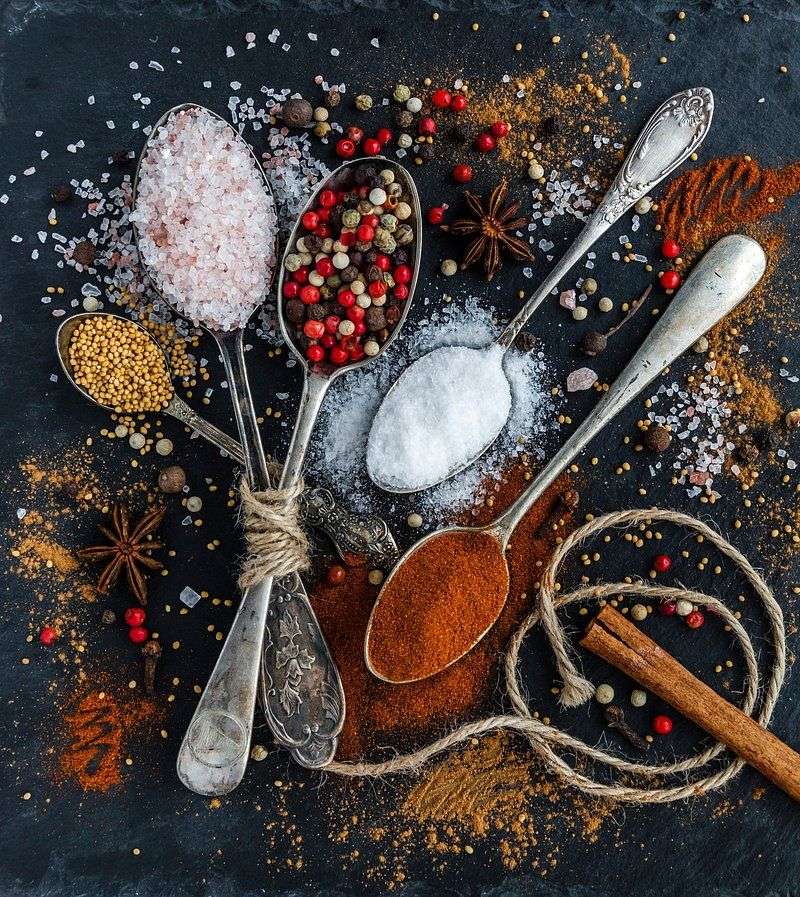
Relying solely on heat and time ignores the power of seasoning. Skipping seasoning makes food taste flat even if cooked perfectly.
Layer small amounts of salt, pepper, acids, and aromatics throughout.
Season proteins before cooking to draw flavor inward. Add herbs at different stages for complexity.
Taste after major steps and adjust, because ingredients change as they cook.
Balance is the goal, not intensity. A squeeze of lemon or splash of vinegar can wake everything.
Remember, seasoning is a conversation with your taste buds, not a single shout at the end.
Cold pan cooking
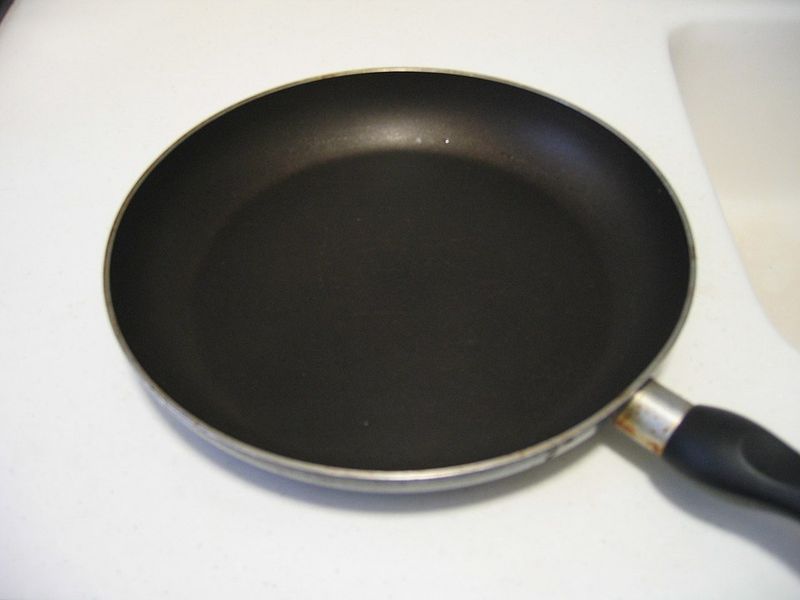
Starting in a cold pan when searing meat or vegetables leads to pale, soggy results. You miss the Maillard reaction that builds crust and flavor.
Preheat the pan until a drop of water dances, then add oil and food.
Dry the surface so it can brown, not steam. Do not move it too soon, letting a crust form before flipping.
High heat at the start, then adjust to avoid burning.
For eggs and delicate items, warm but not scorching is key. Match the method to the ingredient.
Heat control turns bland into beautifully caramelized bites.
Crowding the pan
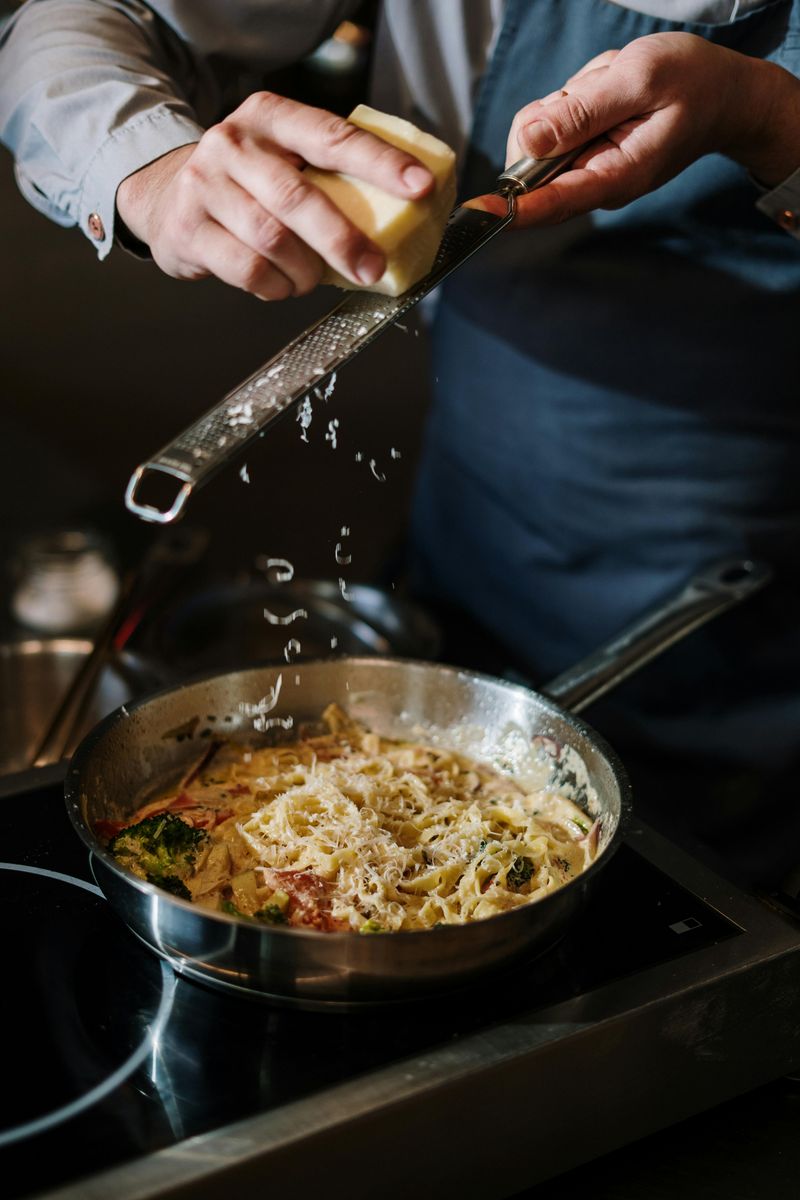
Stuffing the pan seems efficient, but it traps steam and kills browning. Food turns gray, watery, and unevenly cooked.
Give pieces space so moisture evaporates and surfaces caramelize.
Work in batches and keep finished items warm in a low oven. Use a larger pan when available.
Listen for a steady sizzle, not a hissy steam cloud.
Dry ingredients before cooking and avoid constant stirring. Turning once or twice helps crust formation.
Browning equals flavor, and crowding stands in its way every single time.
Burning garlic
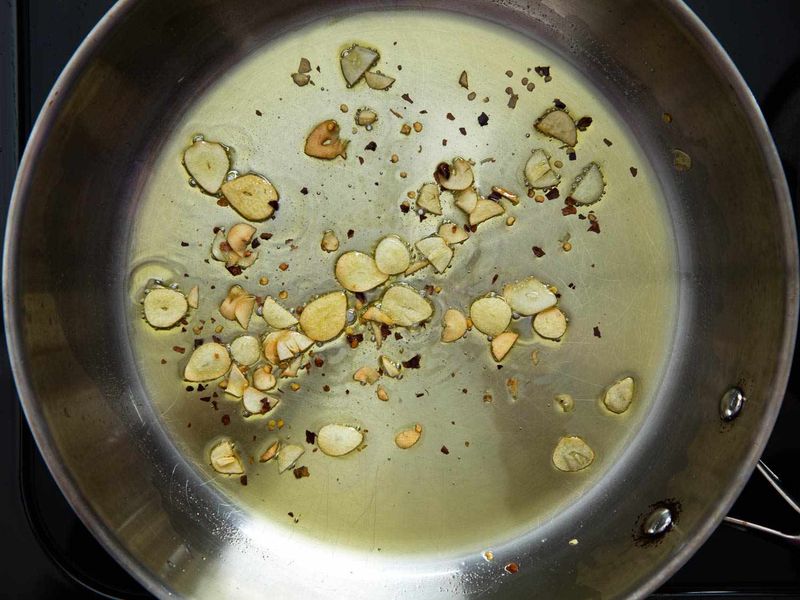
Garlic burns faster than you think, turning bitter and acrid. Adding it too early over high heat ruins sauces and sautés.
Cook garlic gently until just fragrant, or add midway after sturdier ingredients.
Use medium heat and more oil to buffer hot spots. Consider smashing cloves for milder flavor that tolerates heat better.
Stir constantly during the brief window between pale and golden.
If it burns, start over. A tiny bit of char can taint the dish.
Add garlic later, finish with raw grated cloves, or bloom in cooler oil before heating.
Old spices
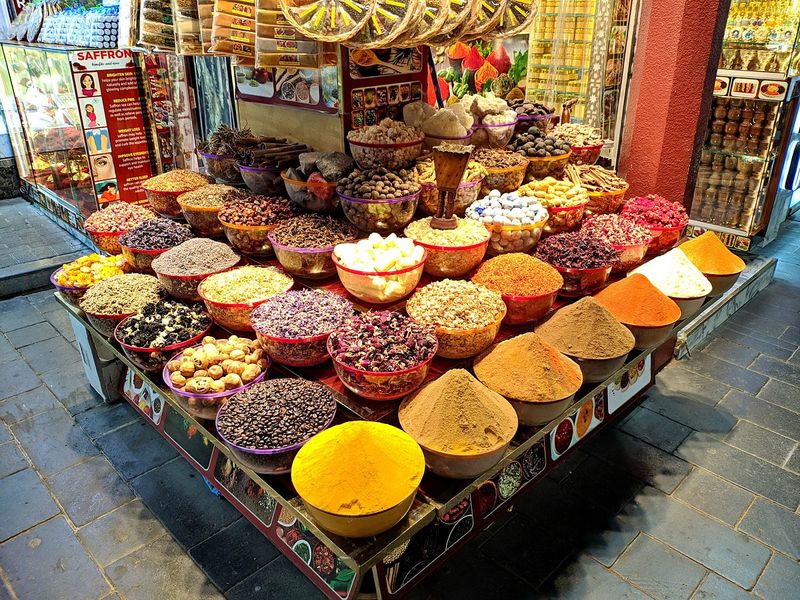
Spices do not last forever, regardless of storage. Old spices taste dusty and weak, forcing you to add more without payoff.
Buy smaller amounts, date jars, and replace ground spices yearly.
Whole spices keep longer and bloom beautifully when toasted. Grind as needed for punchier flavor.
Keep them away from heat, light, and moisture to extend life.
Test potency by rubbing a pinch between fingers and smelling. If aroma is faint, it is time to refresh.
Fresh spices transform ordinary recipes and make seasoning feel effortless again.
Too much oil
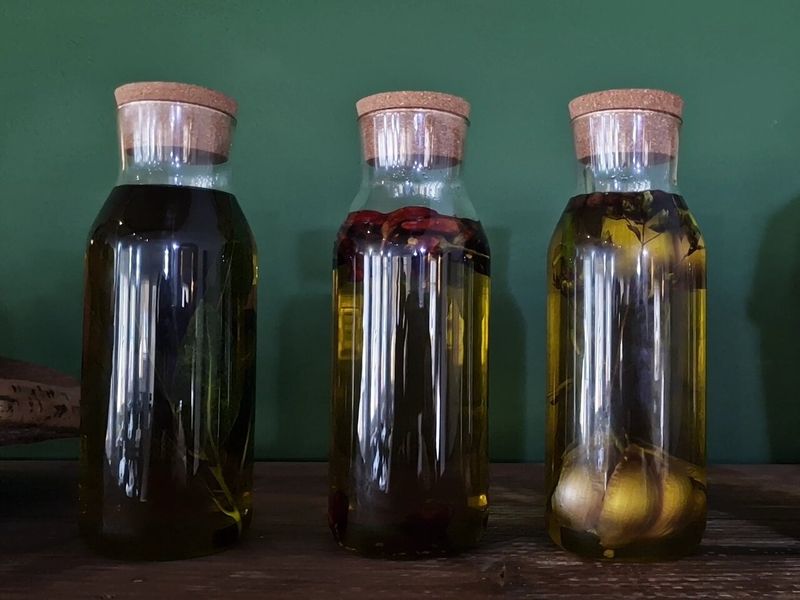
Pouring extra oil seems like a shortcut to crisp, but it often makes food greasy and heavy. Excess oil also drops pan temperature, sabotaging browning.
Use just enough to coat the surface, then add more only if needed.
Preheat oil until shimmering for better sear. Blot proteins dry and avoid constant flipping.
Drain finished items on a rack, not paper towels that trap steam underneath.
For roasting, lightly toss and spread out. Measure oil when learning a new recipe.
You will get crisp texture and cleaner flavor without the slick aftertaste.
Cutting meat early
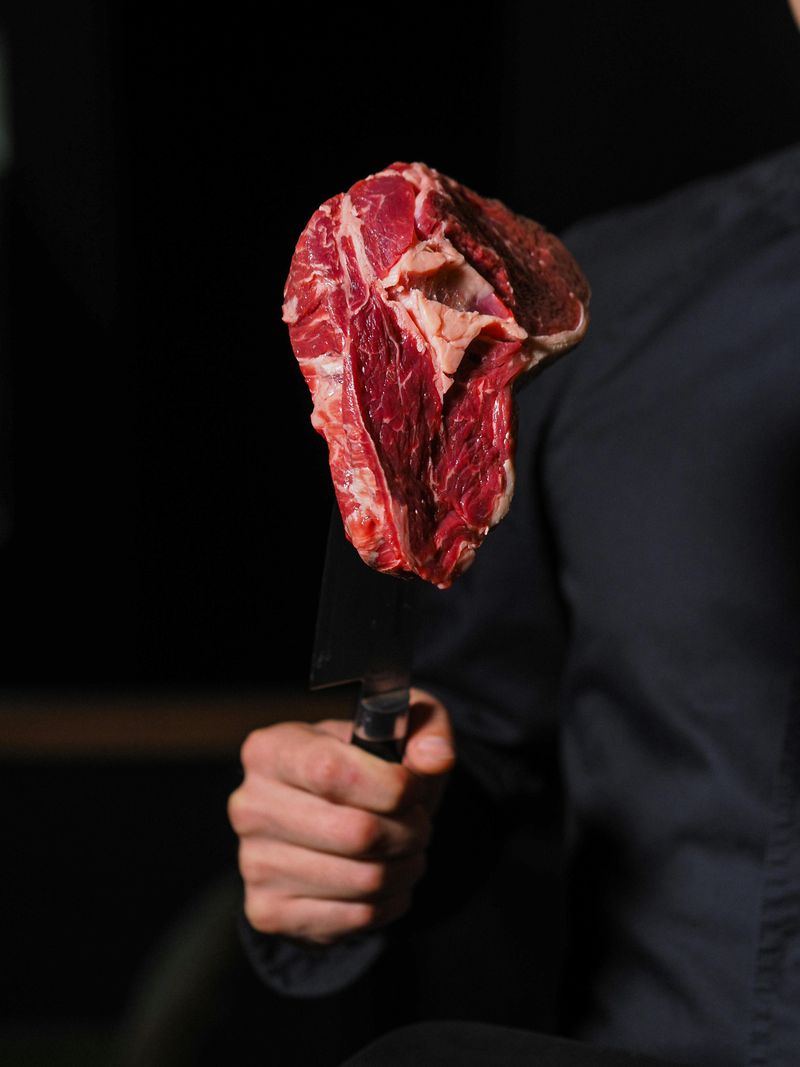
Slicing meat the moment it leaves the heat feels urgent, but you lose precious juices. Early cutting leaves dry, fibrous bites.
Rest the meat so juices redistribute, then slice against the grain.
Tent loosely with foil to keep warm without steaming the crust. Smaller cuts need a few minutes, larger roasts need longer.
A board with a groove catches drips and keeps counters tidy.
Use a sharp knife for clean slices. If unsure, rest longer rather than shorter.
This simple pause turns okay steaks and roasts into tender, succulent experiences.
No resting meat
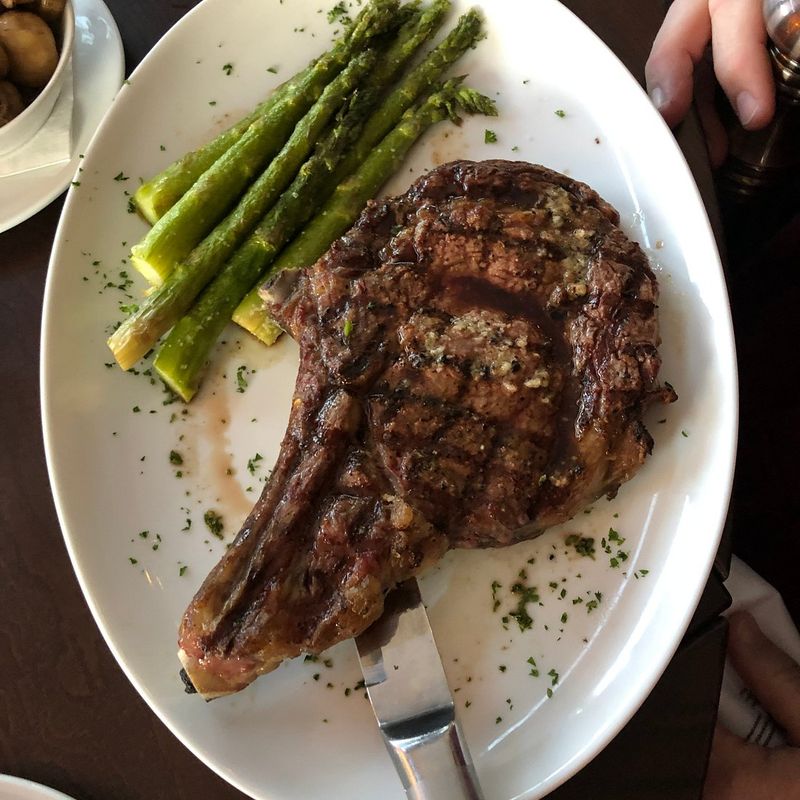
Skipping the rest might save minutes, yet it costs texture and flavor. Resting allows internal pressure to drop so moisture stays put.
You end up with juicier slices and cleaner carving.
Time rests by size, not guesswork. Steaks need five to ten minutes, while large roasts may need twenty or more.
Keep warm by tenting lightly to avoid steaming the crust.
Carryover cooking is real, so pull the meat a few degrees early. Use a thermometer for accuracy.
Once you make resting a habit, you will never rush the knife again.
Overmixing batter
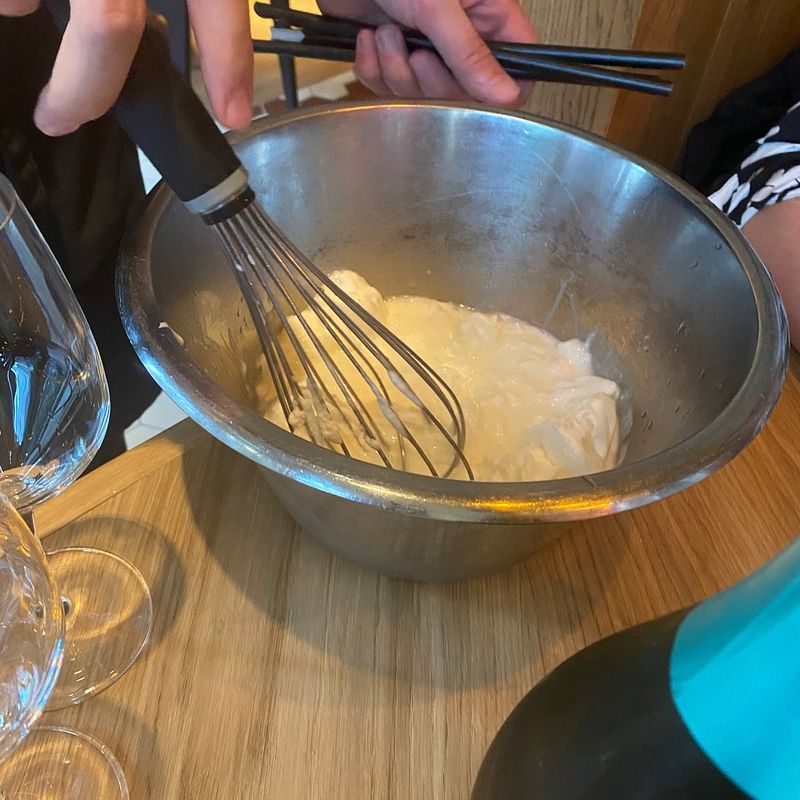
People believe smoother batter means better cake, but overmixing develops gluten and toughens crumbs. Muffins become rubbery, pancakes turn chewy.
Mix just until the dry streaks disappear, then stop.
Use a gentle folding motion for delicate batters. Let the mixture rest briefly so hydration evens out.
Lumps are often your friend in quick breads and pancakes.
Measure flour accurately to avoid heavy batter that demands more mixing. A rubber spatula gives control without overworking.
Your baked goods will rise higher and stay tender when you resist the urge to whip.
Too much sauce
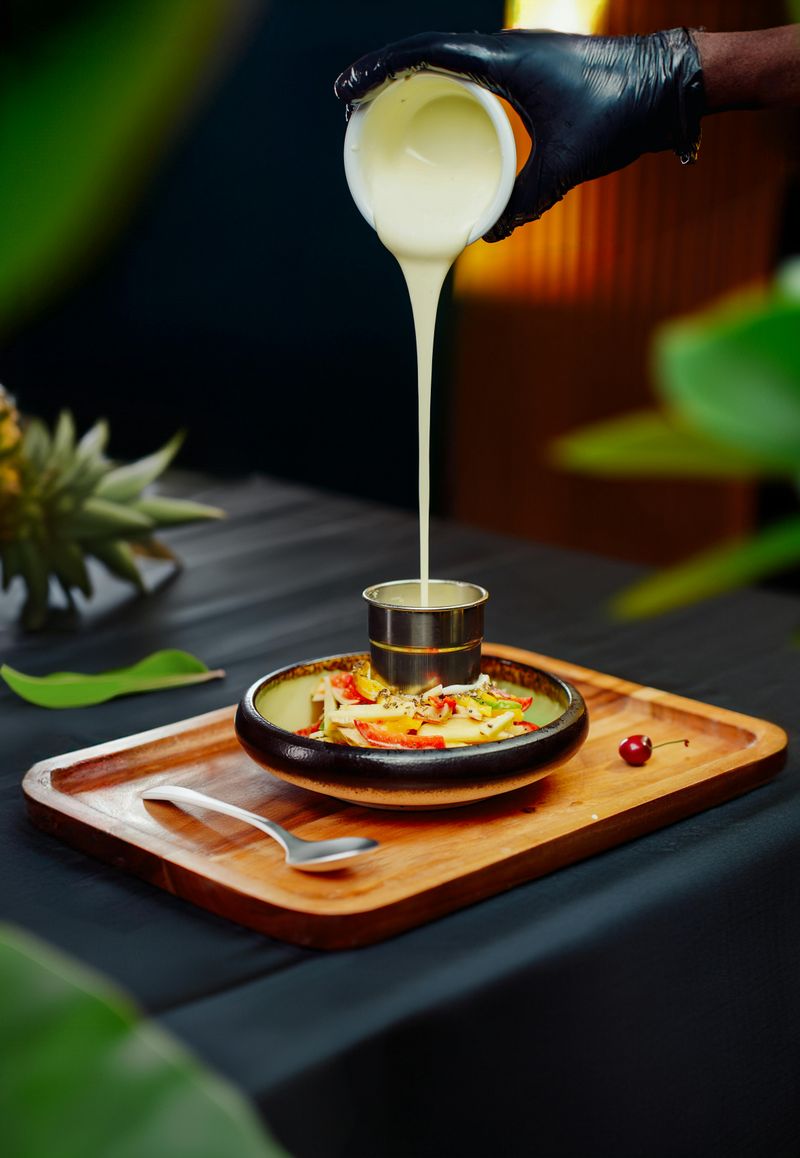
Dousing everything in sauce hides texture and overwhelms flavor. Instead of harmony, you get a soupy, unbalanced plate.
Aim for a light coating that clings, not a puddle that smothers.
Reduce sauce to concentrate flavor and toss with the main ingredient off heat. Use starchy pasta water or butter to emulsify.
Taste and adjust salt and acid before serving.
Consider contrast: a drizzle or spoonful in the right place is powerful. Garnish with fresh herbs or citrus zest.
You will notice textures pop and individual ingredients finally shine.
Too little sauce
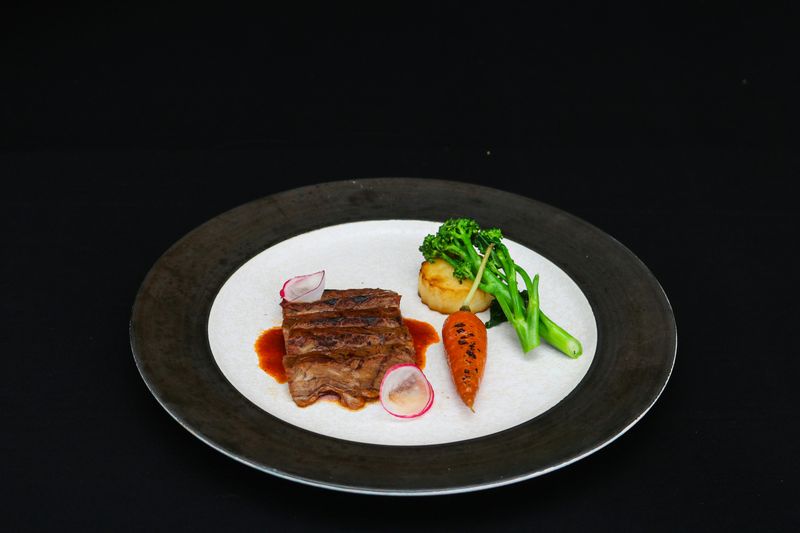
Going stingy with sauce to be neat leaves dishes dry and bland. The goal is a glossy coating that carries flavor to every bite.
Think balance, not deprivation.
Finish pasta or stir-fries in the pan with sauce to marry flavors. Add a splash of cooking water or stock to help it cling.
Off heat, swirl in butter or oil for shine.
Taste for salt and acidity before plating. A little extra spooned on top can signal the flavors inside.
You want cohesion, not a dry tangle that disappoints.
Overcooking chicken
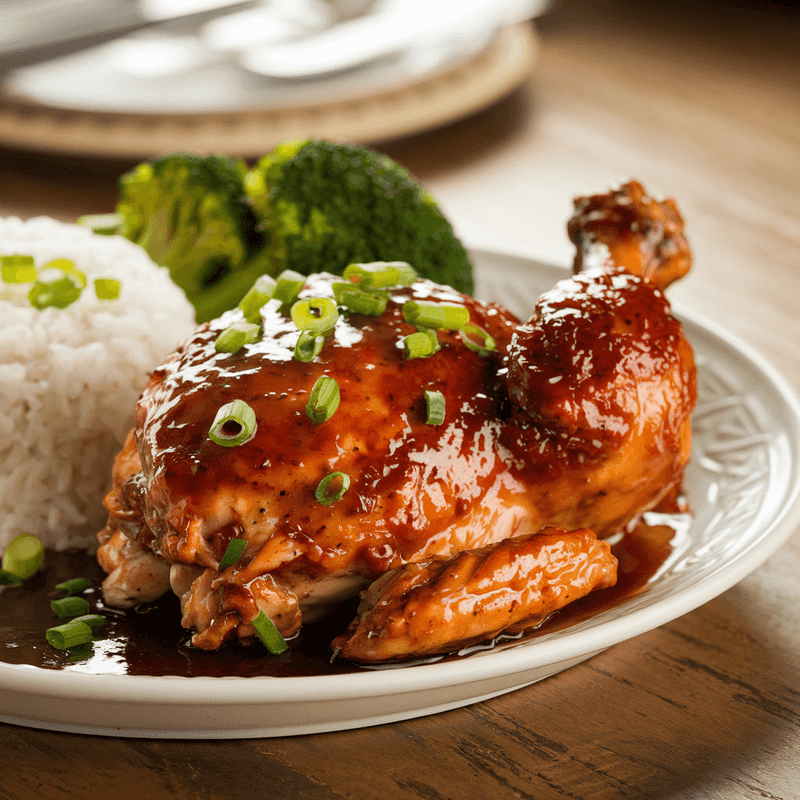
Many cook chicken until zero pink remains, then keep going. Overcooked chicken becomes chalky and stringy.
Use a thermometer and pull breasts at 160 degrees, thighs around 175 for tenderness.
Brining or marinating adds moisture and forgiveness. Sear, then finish gently in the oven, or poach for silky results.
Rest briefly so juices settle before slicing.
Dark meat tolerates higher heat; white meat prefers gentle methods. Pound breasts to even thickness for consistent cooking.
Accuracy and restraint transform chicken from nervous dryness to reliably juicy.
Watery soup
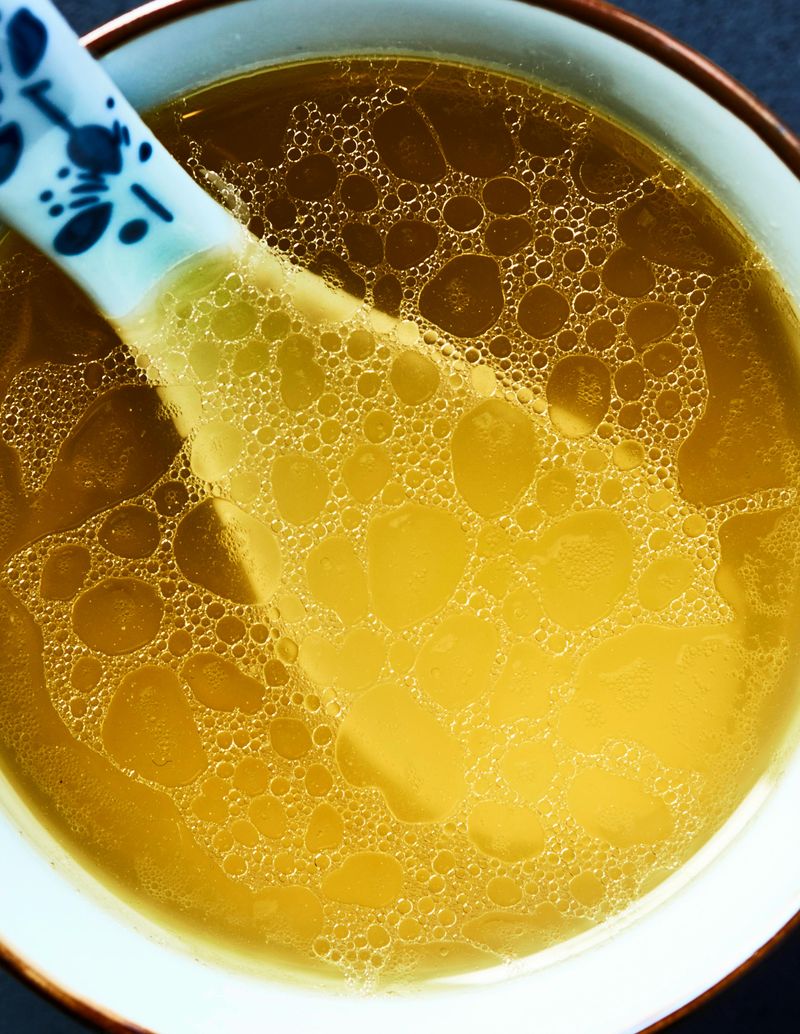
Dumping in extra water to stretch a soup dilutes flavor and body. The result tastes thin and unsatisfying.
Reduce uncovered to concentrate, or add a small starch to thicken gently.
Use a flavorful base like homemade stock. Roast vegetables or bones for depth.
Finish with acid and salt to wake everything up.
For texture, blend part of the soup and return it. Add beans, potatoes, or a slurry if needed.
Layer aromatics at the start and garnish at the end for a full, rounded bowl.
Microwave everything
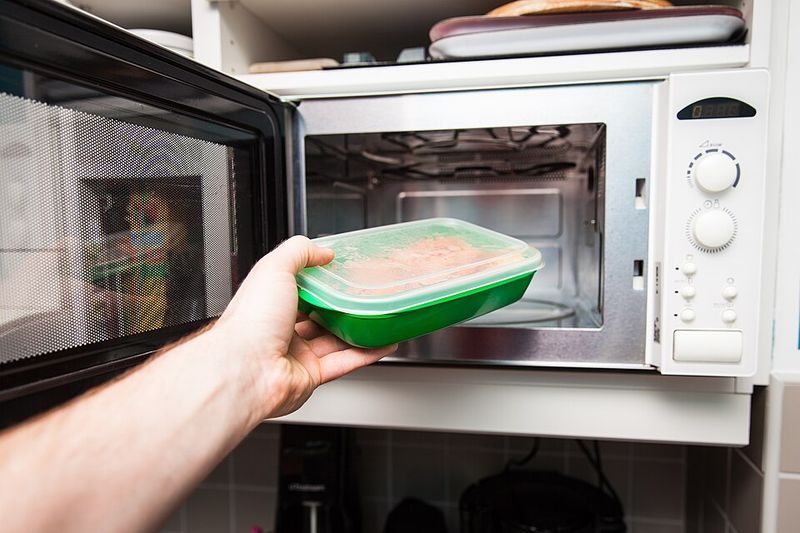
Microwaves are convenient, but relying on them for everything sacrifices texture. You lose crisp edges, caramelization, and proper browning.
Use the microwave strategically for reheating, melting, or par-cooking.
Re-crisp foods in a skillet, toaster oven, or broiler. Steam vegetables lightly in the microwave, then finish with a quick sauté.
For leftovers, heat gently and refresh with acid or fresh herbs.
Choose the right tool for the result you want. You will gain better textures and flavor contrasts.
Convenience and quality can coexist when you mix methods intentionally.
Not preheating oven
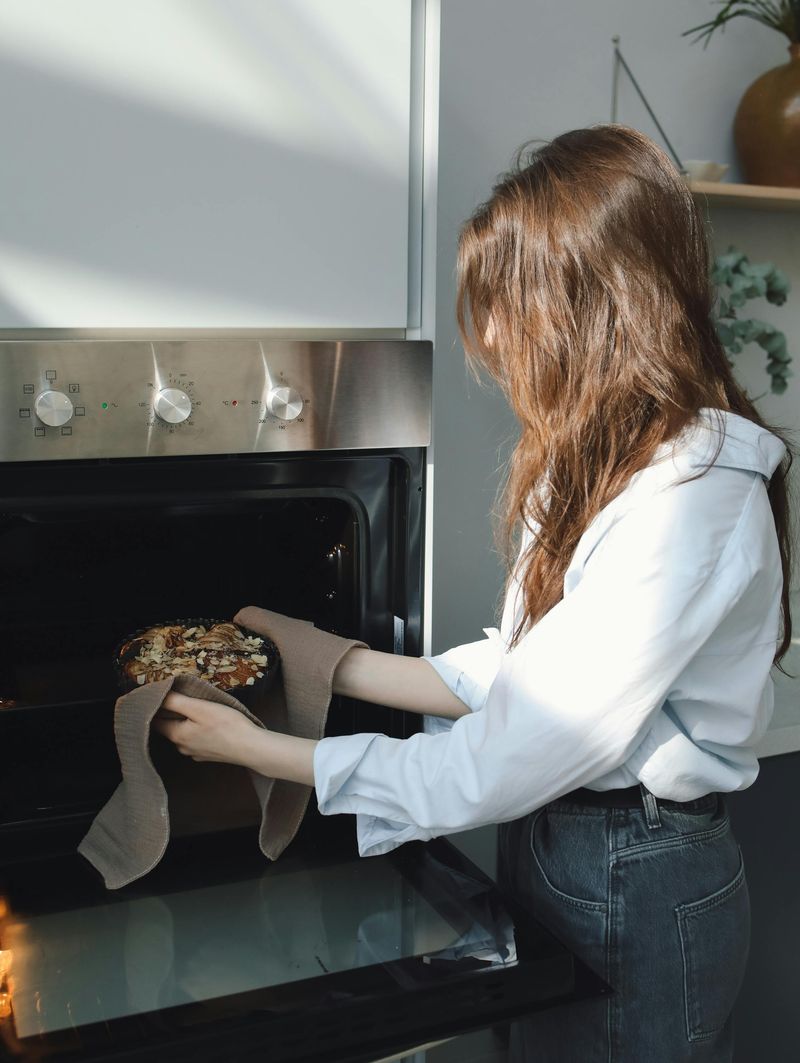
Sliding food into a cold or barely warm oven invites disappointment. Baking relies on predictable heat for rise, set, and browning.
Preheat fully and allow extra time for thick pans or pizza stones.
Use an oven thermometer because many dials lie. Wait for heat to stabilize after opening the door.
Rotating pans halfway helps compensate for hot spots.
For bread and pizza, preheating creates crucial oven spring. For roasts, it builds the initial sear.
Respect preheating and your results will suddenly look bakery and bistro worthy.