


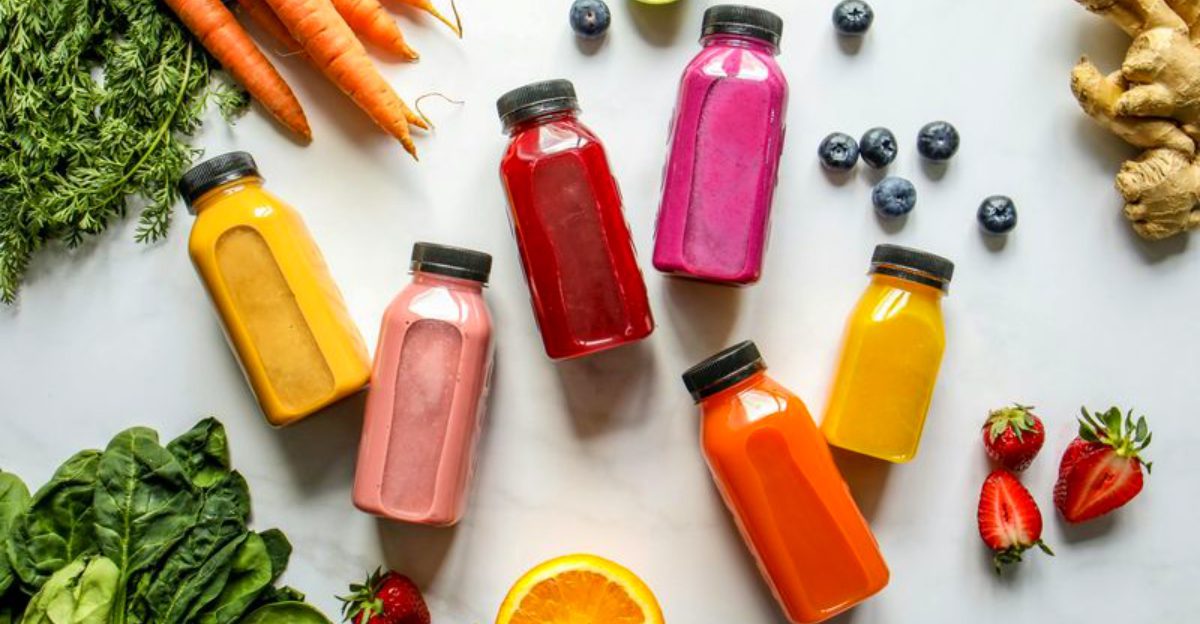
You are trying to eat lighter, yet the scale will not budge. The truth is, many foods marketed as healthy hide sneaky calories, sugars, and portions that add up fast. Labels can be confusing, and health halos make it easy to overeat. Let us break down popular diet picks that often backfire so you can shop smarter and feel better.
Granola bag

Granola sounds wholesome, but many bags pack lots of oil and sugar to make clusters stick. Portions are tiny, yet handfuls feel harmless, so calories stack quickly. Dried fruit and nuts are nutrient dense but very energy dense, too.
Check the label for added sugars and serving sizes that look unrealistically small. Try sprinkling a tablespoon over plain yogurt instead of pouring a bowl. You could also make a lighter batch at home with fewer sweeteners and more puffed grains.
Protein bar
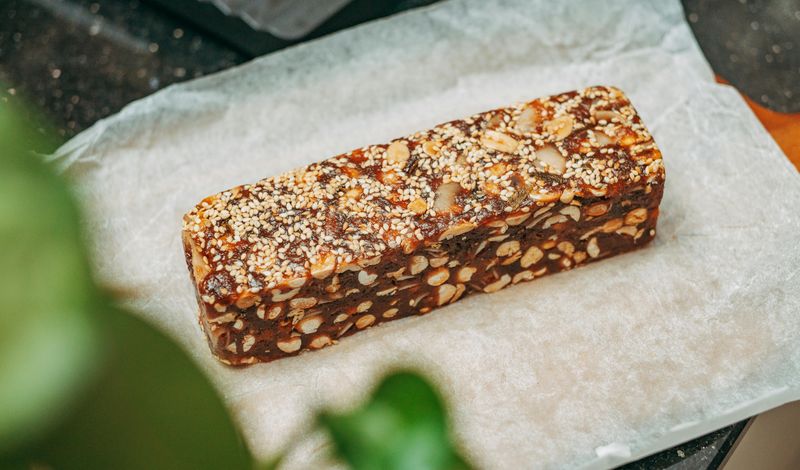
Protein bars promise energy and muscle support, but many are candy bars in disguise. Coatings, syrups, and crunchy inclusions add sugar alcohols and calories that go down fast. One bar can rival a meal, without the satisfaction of real food.
Scan fiber, sugar, and total calories before tossing one into your bag. If you need quick protein, pair a smaller bar with fruit, or choose Greek yogurt. Better yet, assemble simple snacks like boiled eggs and nuts, so you control portions.
Flavored yogurt
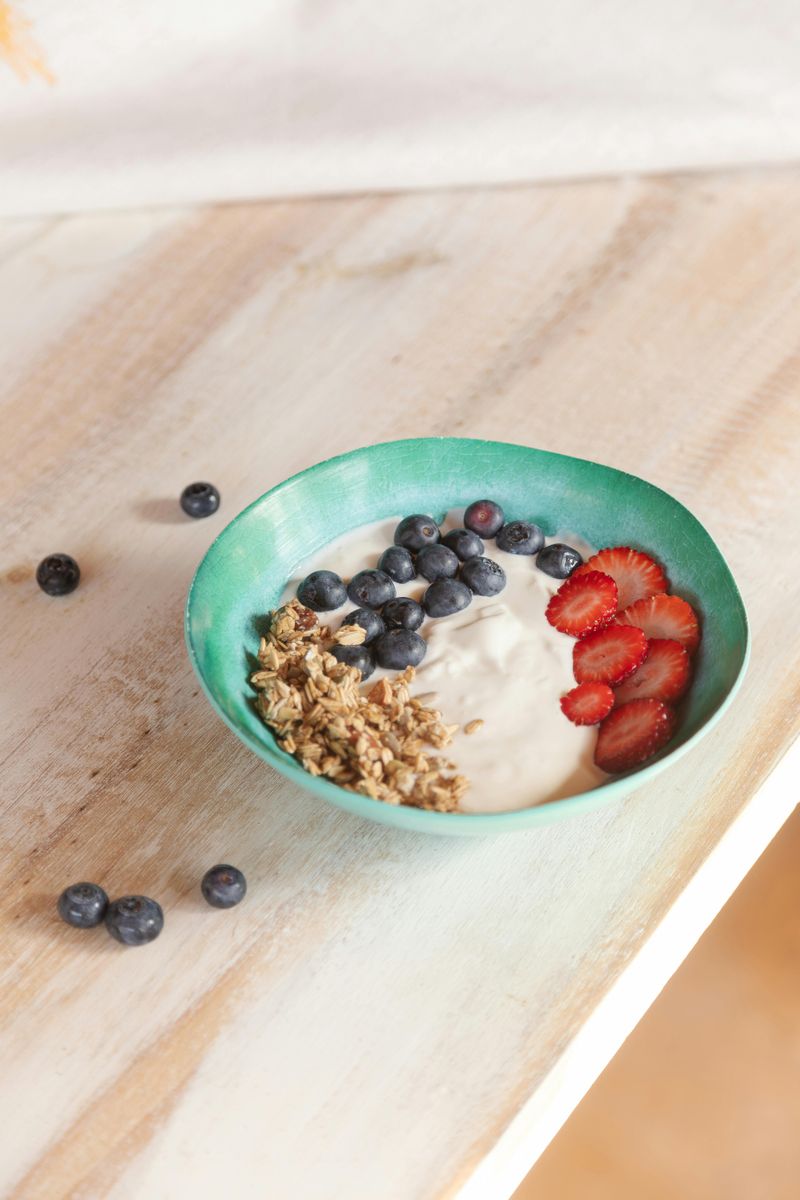
Flavored yogurt tastes like dessert for a reason. Many cups hide multiple teaspoons of added sugar under fruit swirls and sweet vanilla. Low fat versions remove satiating fat, so you might get hungry sooner and eat more.
Pick plain yogurt and add your own fruit to control sweetness. If you prefer flavored, aim for lower sugar options under 8 grams per serving. Add nuts or seeds for staying power, and watch portion sizes to keep calories aligned.
Trail mix
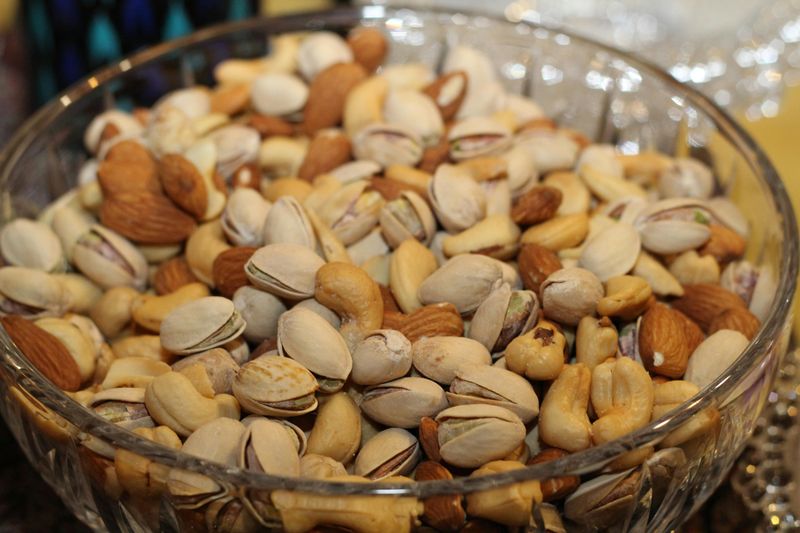
Trail mix is calorie dense by design to fuel long hikes, not desk snacking. Nuts, dried fruit, and chocolate combine into a small handful with big energy. Sweet yogurt chips and candy add sugar that encourages more nibbling.
Pre-portion into small snack bags instead of eating from the container. Choose mixes without candy and with more seeds for lighter bites. Pair a measured serving with sparkling water or coffee to slow things down.
Rice cakes
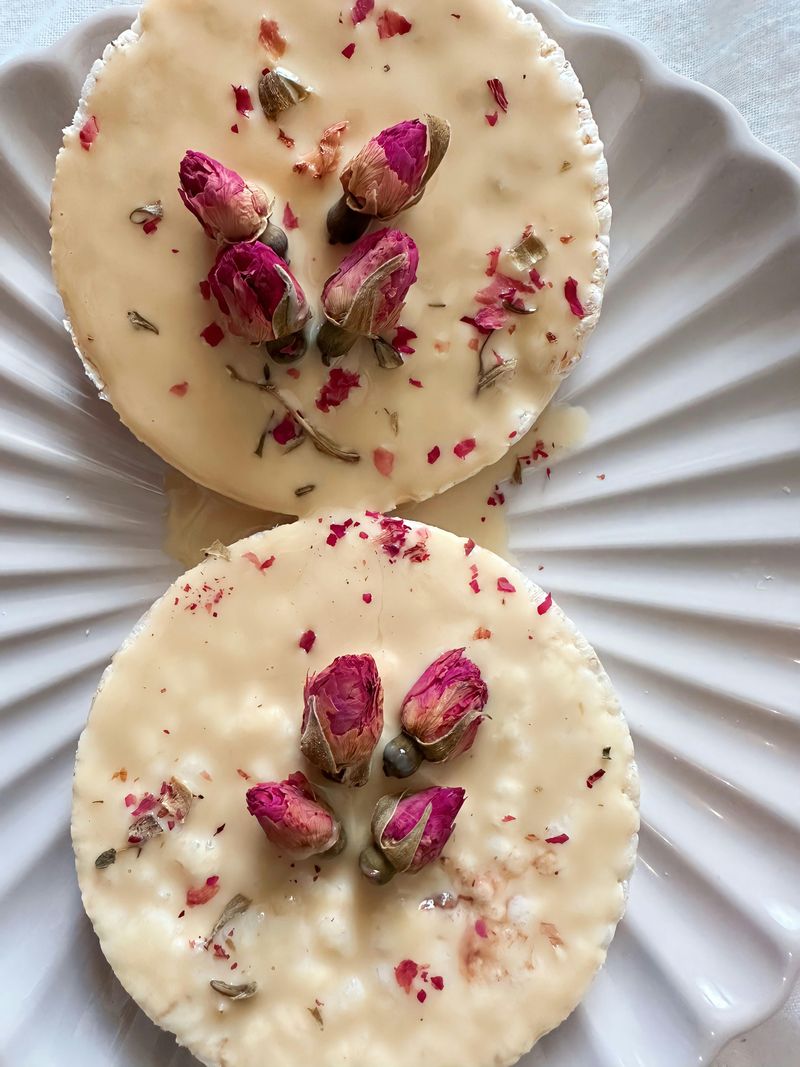
Rice cakes seem light, but they are mostly airy carbs that digest quickly. Without protein or fat, hunger returns fast, leading to extra snacking. Flavored versions can include added sugars and salts that encourage mindless munching.
If you love them, add satiating toppings like cottage cheese and sliced tomato. Keep count of how many you eat instead of grazing from the sleeve. Alternatively, swap for whole grain crackers with fiber and a protein-rich spread.
Diet cereal
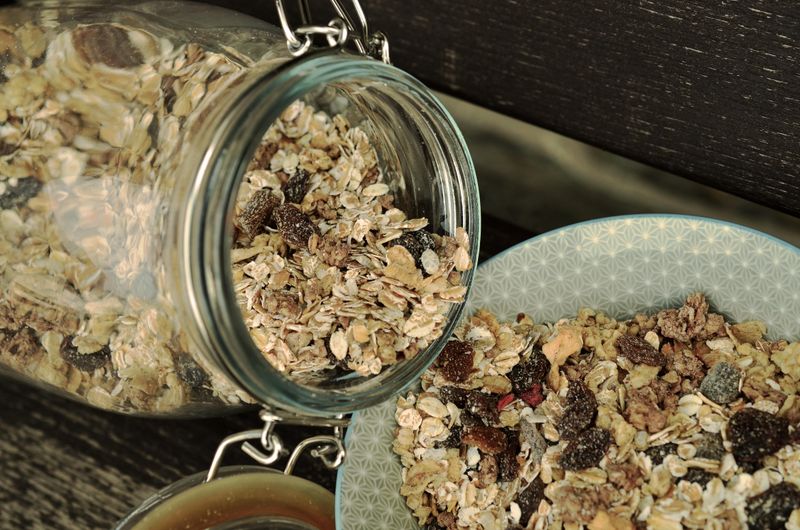
Diet cereal leans on buzzwords while pouring on refined grains. Bowls at home rarely match the tiny serving sizes on labels. Without enough protein or fiber, you get hungry again, leading to second bowls and extra snacks.
Measure portions and add Greek yogurt or protein milk for staying power. Choose cereals with at least five grams of fiber and minimal added sugar. Better still, build a savory breakfast with eggs and veggies.
Low fat chips
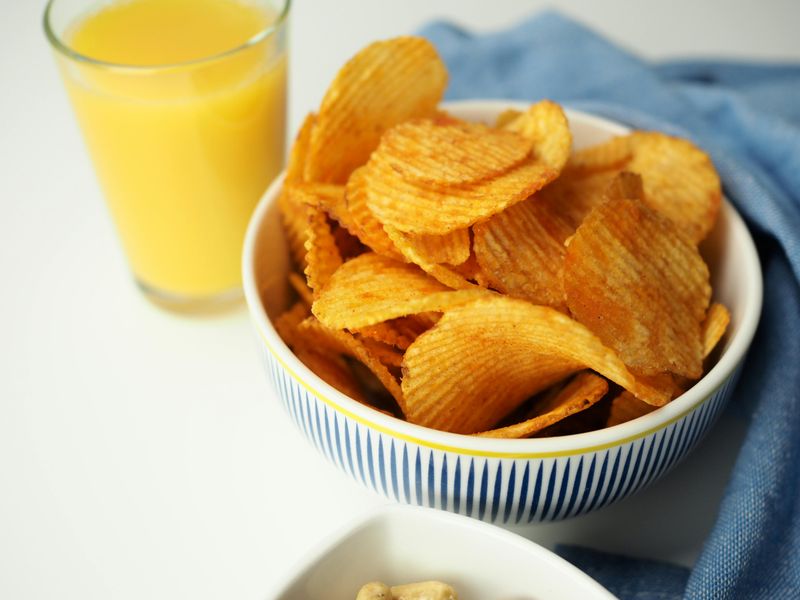
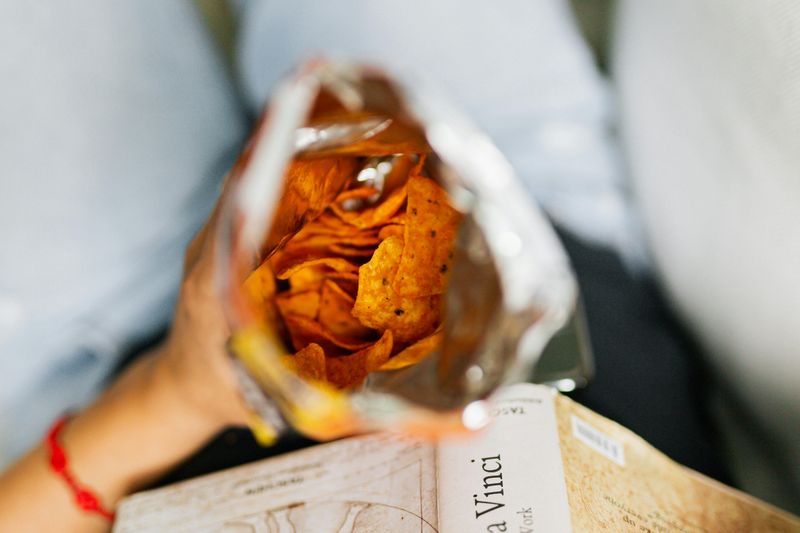
Low fat chips trade oil for starches and seasonings that still bring serious calories. The health halo encourages bigger handfuls and longer snacking sessions. Without fat, flavor relies on salts and sugars that keep you reaching back in.
Serve a small bowl instead of the bag. Pair chips with protein rich sides like tuna salad or hummus to curb overeating. Or swap for crunchy veggies with a creamy high protein dip for lasting satisfaction.
Sugar free candy
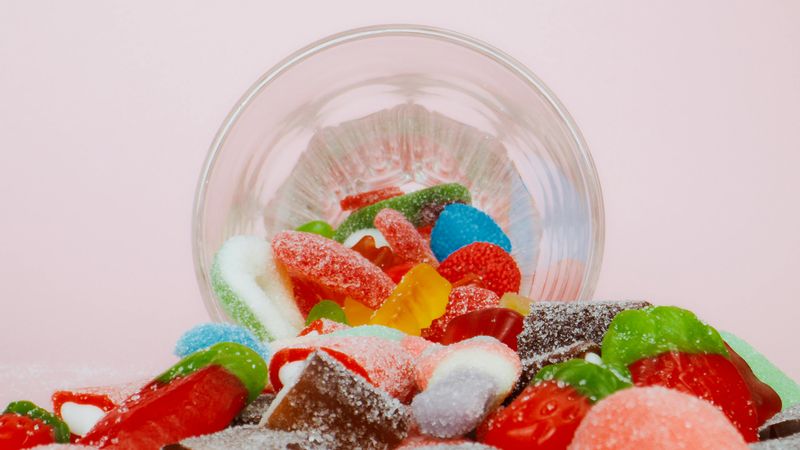
Sugar free does not mean calorie free. Many candies use sugar alcohols that still contribute energy and can cause stomach distress. The label can lure you into eating more pieces than planned.
Count servings and watch total calories, not just sugars. If sweet cravings hit, try fruit or dark chocolate squares you can savor slowly. Keep candies out of sight to avoid mindless nibbling throughout the day.
Keto snack
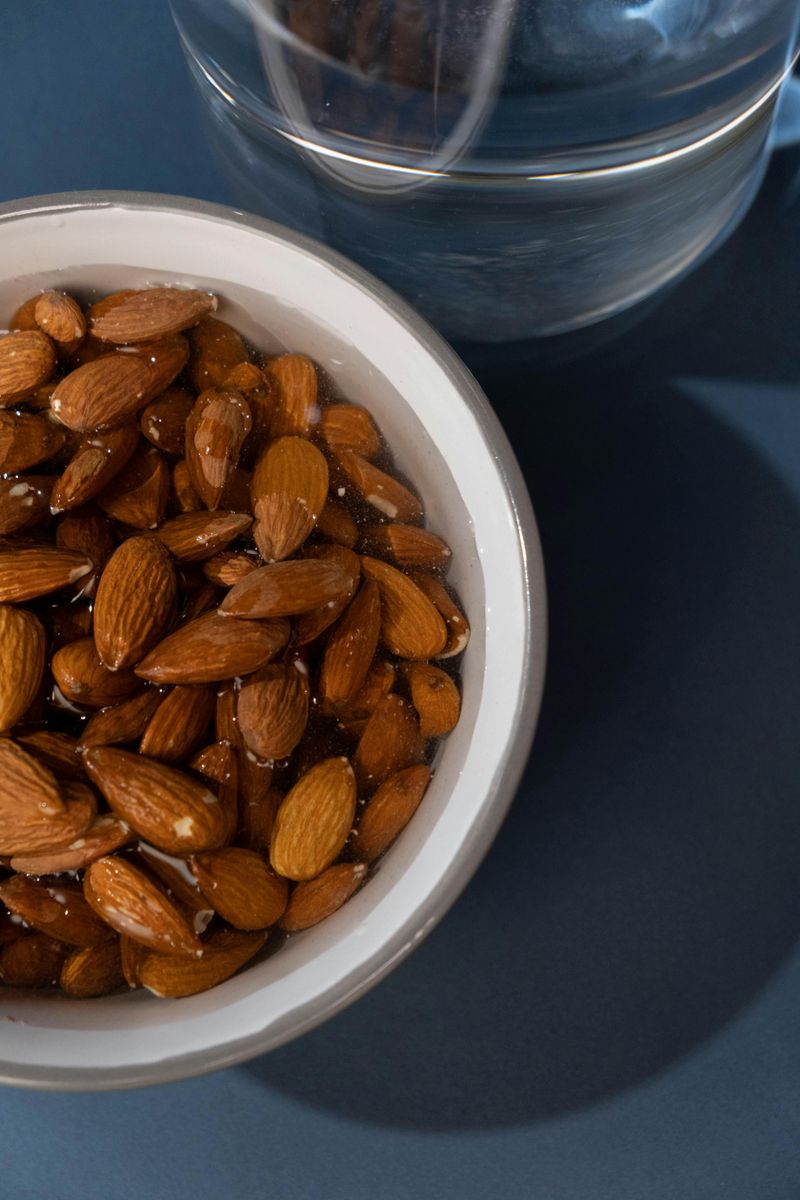
Keto snacks focus on low carbs, but fat and calories can skyrocket. Crunchy cheese bites and nut based treats are easy to overeat because they taste indulgent. Net carb math can mask large portions that push you into surplus.
Weigh servings or pre-portion to stay honest. Choose snacks with protein and fiber, like jerky with veggies, for balance. Remember, ketosis is not a magic pass on energy balance.
Gluten free cookies
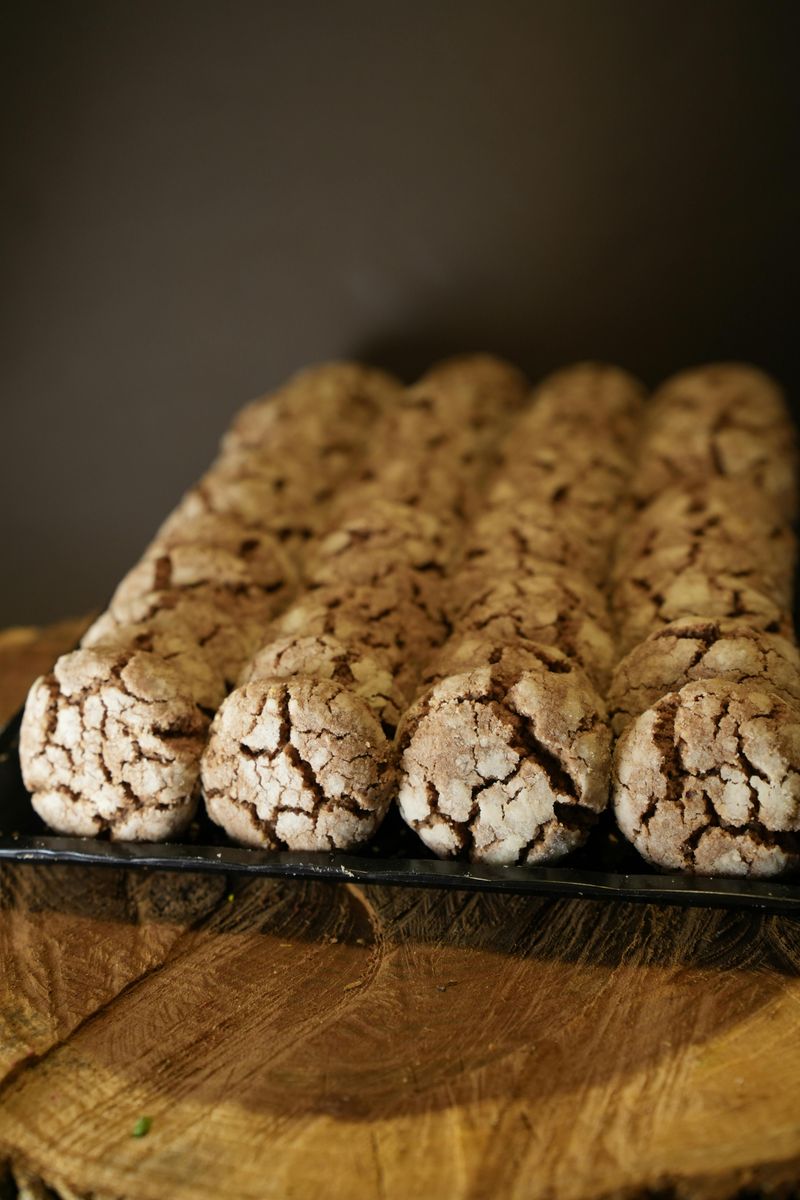
Gluten free does not equal diet friendly. Many cookies swap wheat for refined starches and added sugars to mimic texture. The result is similar calories, sometimes more, with less fiber to keep you full.
Check calories per cookie and limit portions. If you need gluten free, look for options with oats, nuts, or seeds for better nutrition. Or bake your own using almond flour and reduced sugar to control ingredients.
Veggie chips
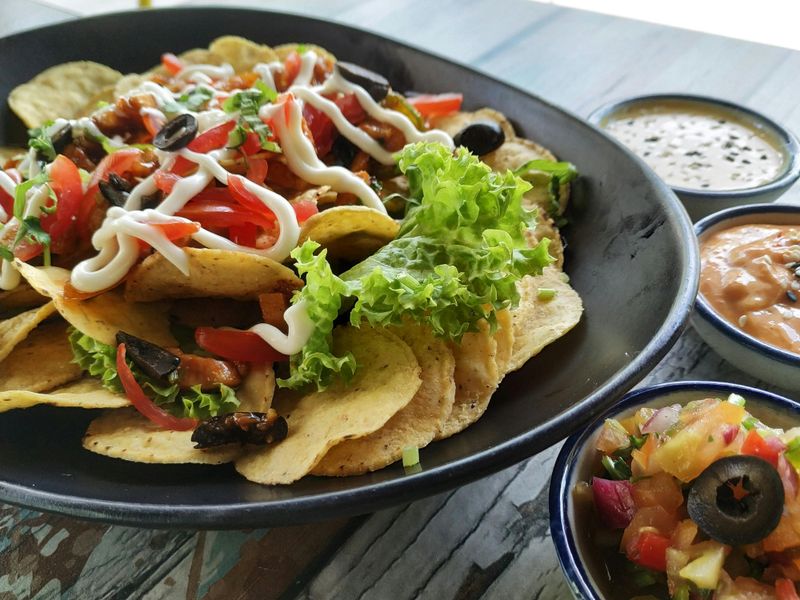
Veggie chips sound virtuous, but most are fried or baked in oil like regular chips. Thin slices pack densely, so a serving delivers hefty calories and sodium. The veggie label can make you forget they are still snack chips.
Compare calories and fat to standard potato chips. If you want vegetables, go for raw slices with dip or roasted veggies. Save chips for measured treats rather than everyday sides.
Nut butter
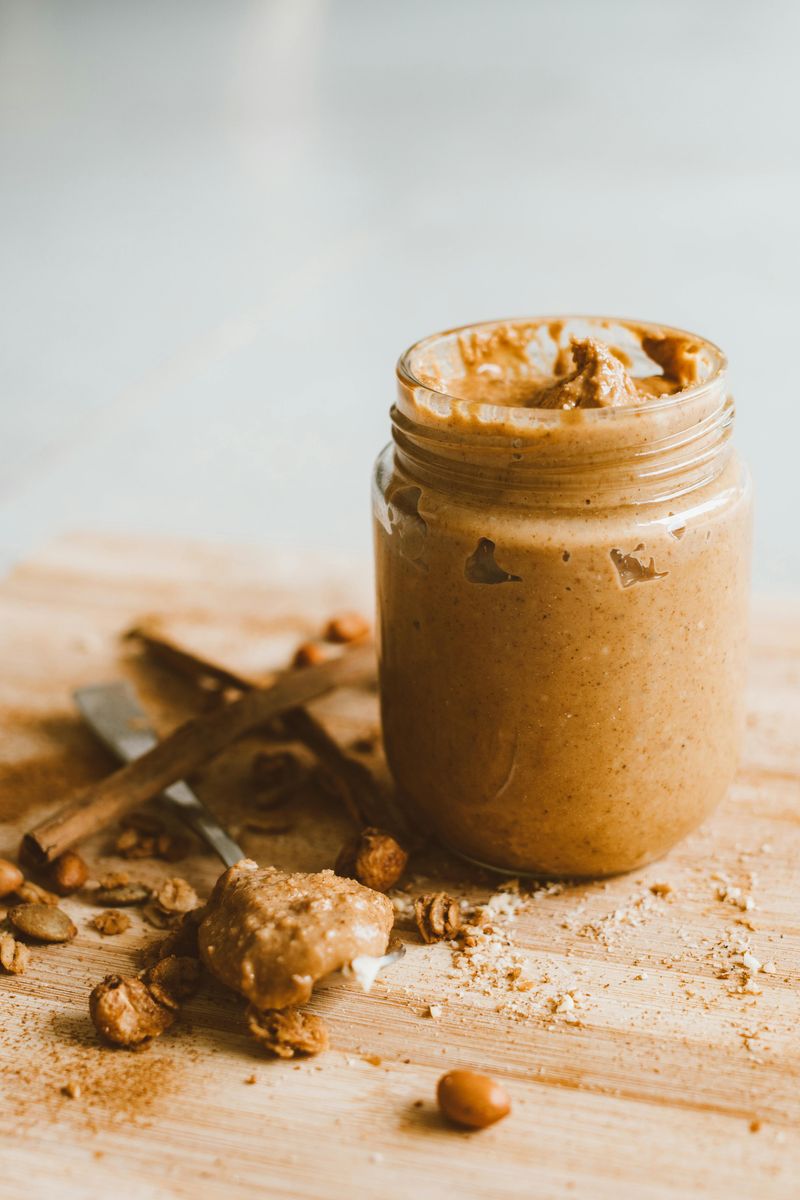
Nut butter is nutritious but extremely calorie dense. A casual spoonful can be two servings, especially when spread thickly on bread. Added sugars and oils in flavored varieties further raise calories.
Use a measured tablespoon and pair with apple slices for volume. Choose natural versions with only nuts and salt, and stir well. For sandwiches, go open faced to cut surplus calories while still enjoying the flavor.
Fruit juice
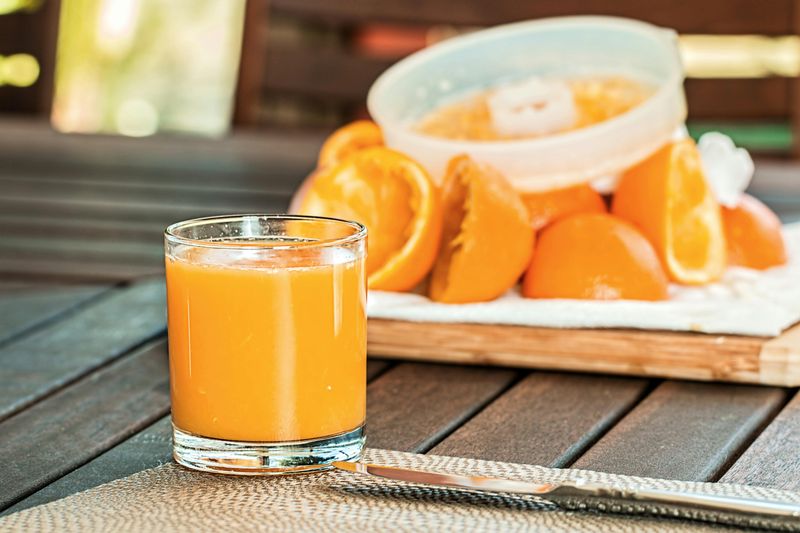
Fruit juice strips out most fiber, leaving concentrated sugars that spike appetite. Even small glasses carry as many calories as soda. It is easy to refill without registering how much you drank.
Limit juice to a few ounces or dilute with sparkling water. Better yet, eat whole fruit for fiber and chewing time. If you love juice flavor, use it as a splash in smoothies packed with greens and protein.
Oat milk latte
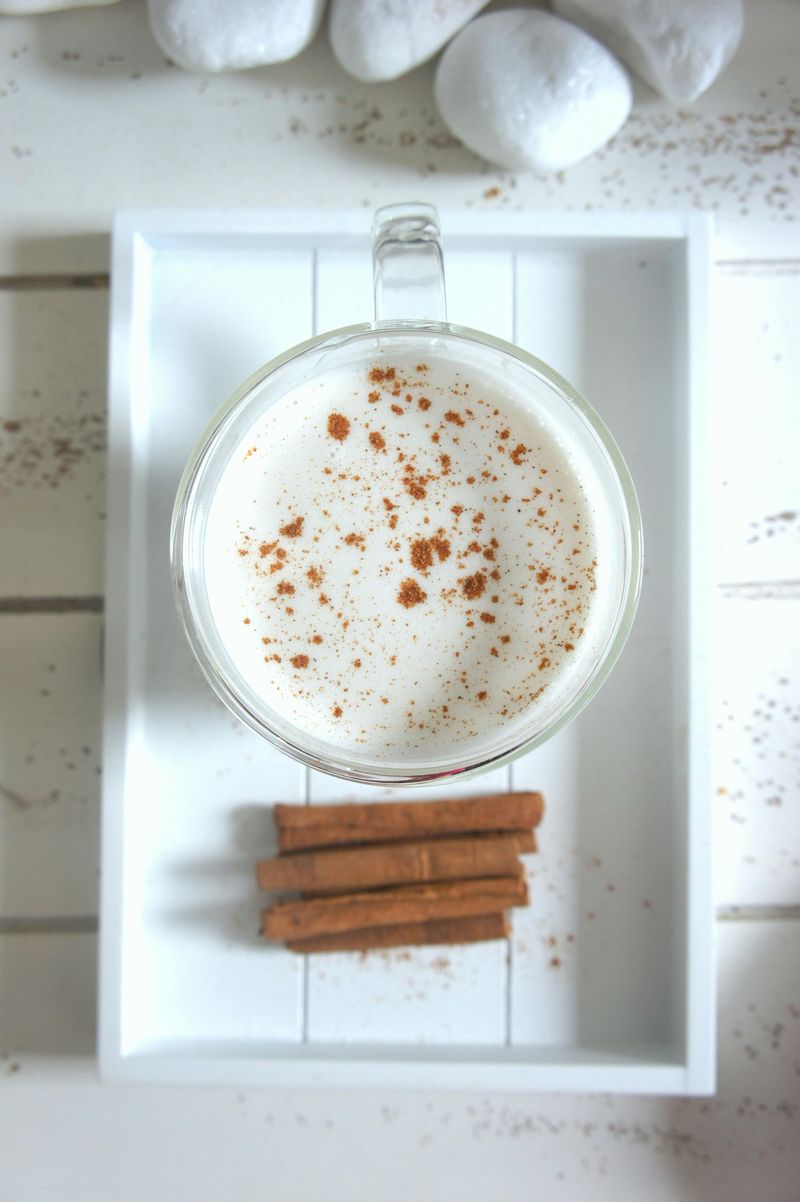
Oat milk tastes creamy, and that creaminess often means more carbs and calories than expected. Add flavored syrups, and your latte becomes a dessert in a cup. Large sizes can rival a snack without making you full.
Order smaller cups, skip syrups, and ask for unsweetened oat milk. Consider a cappuccino for more foam and fewer ounces of milk. Balance your day by counting beverages toward your calorie budget.
Meal replacement shake
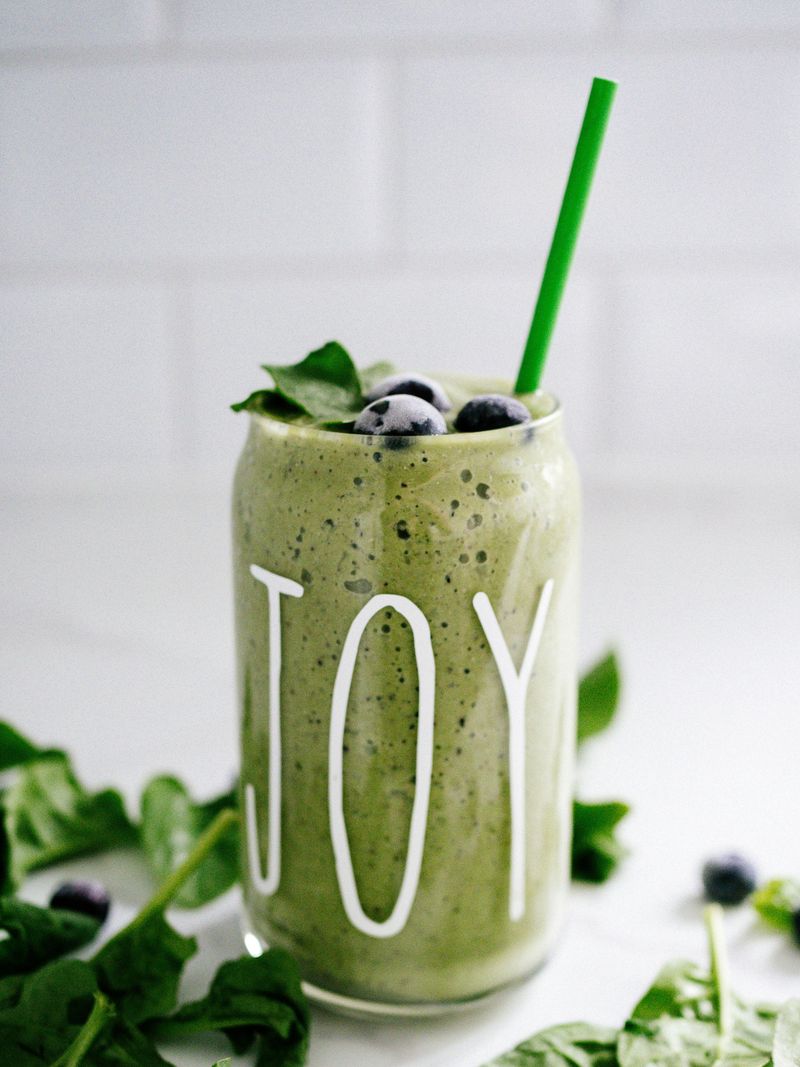
Meal shakes promise control but can invite mindless sipping. Some blends are high in carbs and oils, with minimal fiber, leaving you hungry again soon. Drinking instead of chewing reduces fullness signals, so snacks sneak back in.
Choose shakes with at least 20 grams protein and 5 grams fiber. Drink slowly and pair with crunchy produce to engage satiety. Track total daily calories to ensure the shake actually replaces a meal.
Energy drink

Energy drinks often load sugar alongside caffeine, driving quick energy and quicker crashes. Even zero sugar versions can nudge appetite later, leading to bigger meals. Large cans contain multiple servings that easily double calories.
Choose smaller sizes, or opt for plain coffee or tea. If you need flavor, use unsweetened seltzer with a squeeze of citrus. Hydration and regular meals beat the roller coaster of sugary stimulants.
Snack pack
Convenience snack packs make portions look controlled, yet they can be surprisingly high in calories. Refined crackers and processed meats do not keep you full for long. You might add another snack soon after, doubling your intake.
Build your own with whole grain crackers, lean protein, and veggies to increase volume. If buying, pick packs with nuts and fruit and check protein content. Always compare calories to a real meal you could assemble.
Frozen diet meal
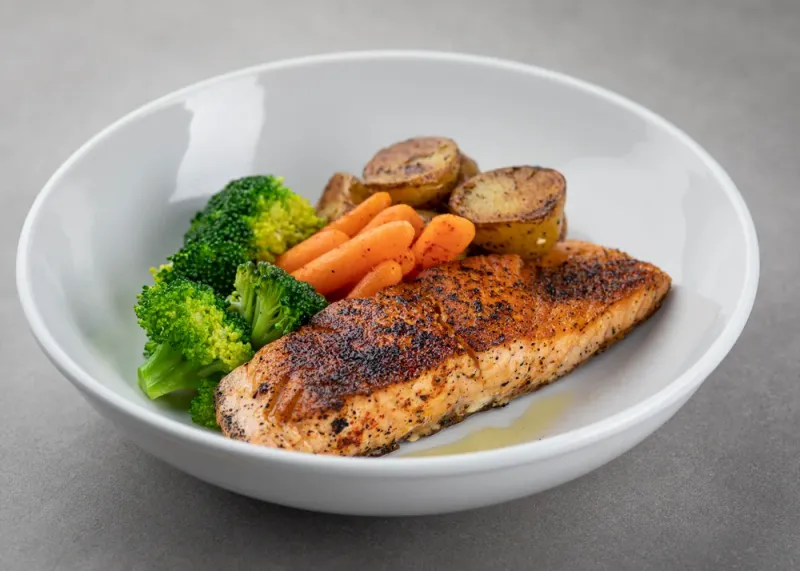
Frozen diet meals look tidy on paper but often skimp on protein and fiber. Small portions leave you prowling for snacks an hour later. Sauces can be sugary or salty, inflating cravings and water retention.
Boost with extra veggies and a side of beans or chicken to round it out. Compare labels and aim for at least 20 grams of protein. Do not rely on them nightly if they do not satisfy you.
Light ice cream

Light ice cream tempts you to polish off the whole pint because the number looks friendly. Sugar substitutes and air can reduce satisfaction, leading to more snacking later. Cold, sweet, and endless bites make portions hard to control.
Scoop into a bowl and add berries for volume and texture. Choose flavors you genuinely enjoy so a small serving feels worth it. Remember, calories still count, even when labels say light.
Smoothie bottle
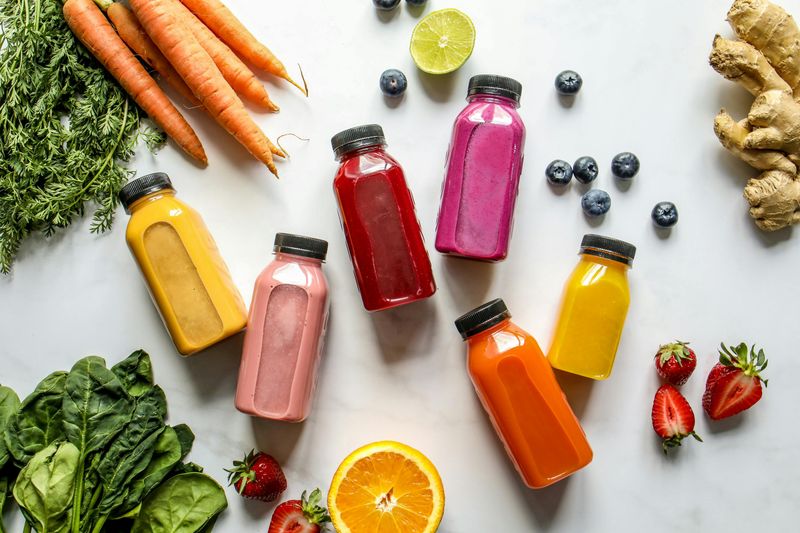
Bottled smoothies often blend fruit purées, juice concentrates, and added sweeteners into a concentrated calorie bomb. Fiber is lower than whole fruit, so fullness fades quickly. Big bottles may contain two servings, which doubles everything.
Read serving sizes and total sugar before sipping the whole thing. Choose a smoothie with veggies, no added sugar, and protein like Greek yogurt. Better yet, blend at home with frozen berries, spinach, and chia to keep sugar in check.