


Some foods sneak into daily routines and quietly work against long-term health goals. Doctors often nudge people to cut back not because of fear, but because small shifts can deliver big benefits.
This list breaks down common culprits and practical swaps that still taste great. Use it to tune your pantry and feel better, one easy change at a time.
Table salt

Table salt seems harmless, yet it quietly pushes blood pressure higher. Too much sodium makes your body hold onto water, straining the heart and kidneys over time.
You do not need to ditch flavor, but you do want to lean on herbs, acids, and spices more often. Taste buds actually adapt within weeks, so smaller pinches start to satisfy.
Read labels closely, because bread, soup, and sauces often hide surprising sodium. Cook more at home and salt near the end, which keeps flavor bright with less.
If headaches, swelling, or thirst show up regularly, consider cutting back and tracking changes.
White sugar
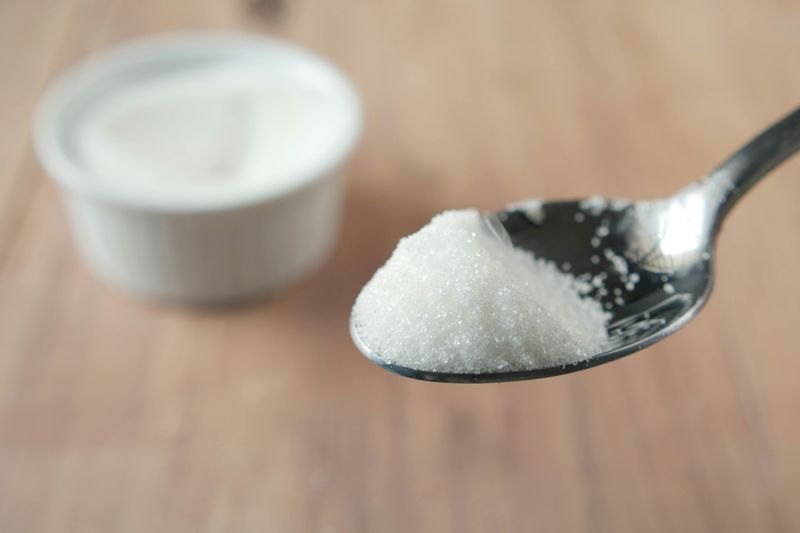
White sugar delivers quick energy, then leaves you crashing and hungry again. Over time, frequent spikes tire the pancreas and nudge insulin resistance, which raises diabetes and heart risks.
It also feeds tooth decay and inflames skin. You do not need perfection, but awareness helps you choose moments that truly feel worth it.
Check drinks, yogurt, sauces, and cereals for added sugars hiding in cheerful labels. Sweeten oatmeal with fruit, cinnamon, or vanilla, and brew tea unsweetened first.
When cravings hit, pause ten minutes, drink water, and reassess. That tiny gap often lets the urge fade without feeling deprived.
White bread
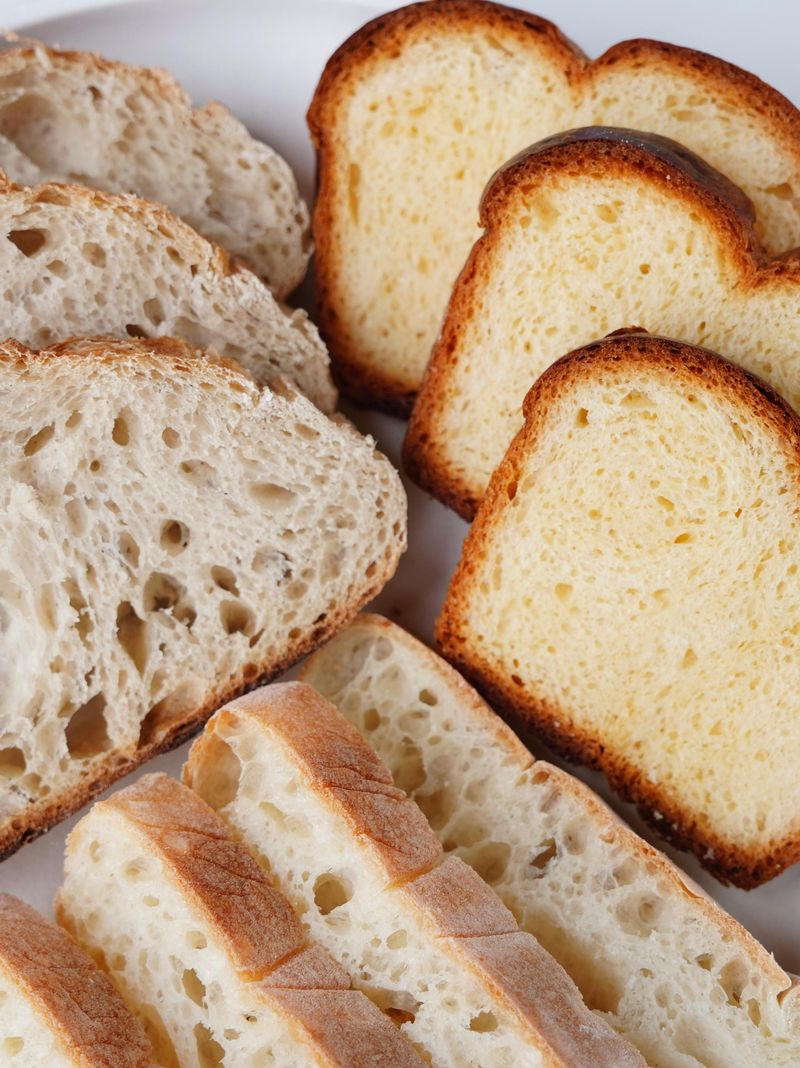
White bread is fluffy and convenient, but it digests almost like sugar. The refined flour lacks fiber and many nutrients, so blood glucose rises fast and hunger returns quickly.
Energy swings can sabotage focus and trigger more snacking. Choose whole grain options most days and save the pillowy slices for rare treats.
Scan labels for at least three grams of fiber per slice and whole wheat as the first ingredient. Toasting does not change nutrition, but pairing with protein helps.
Try avocado, eggs, or hummus for staying power. If cravings persist, gradually blend in heartier loaves to retrain taste.
Butter
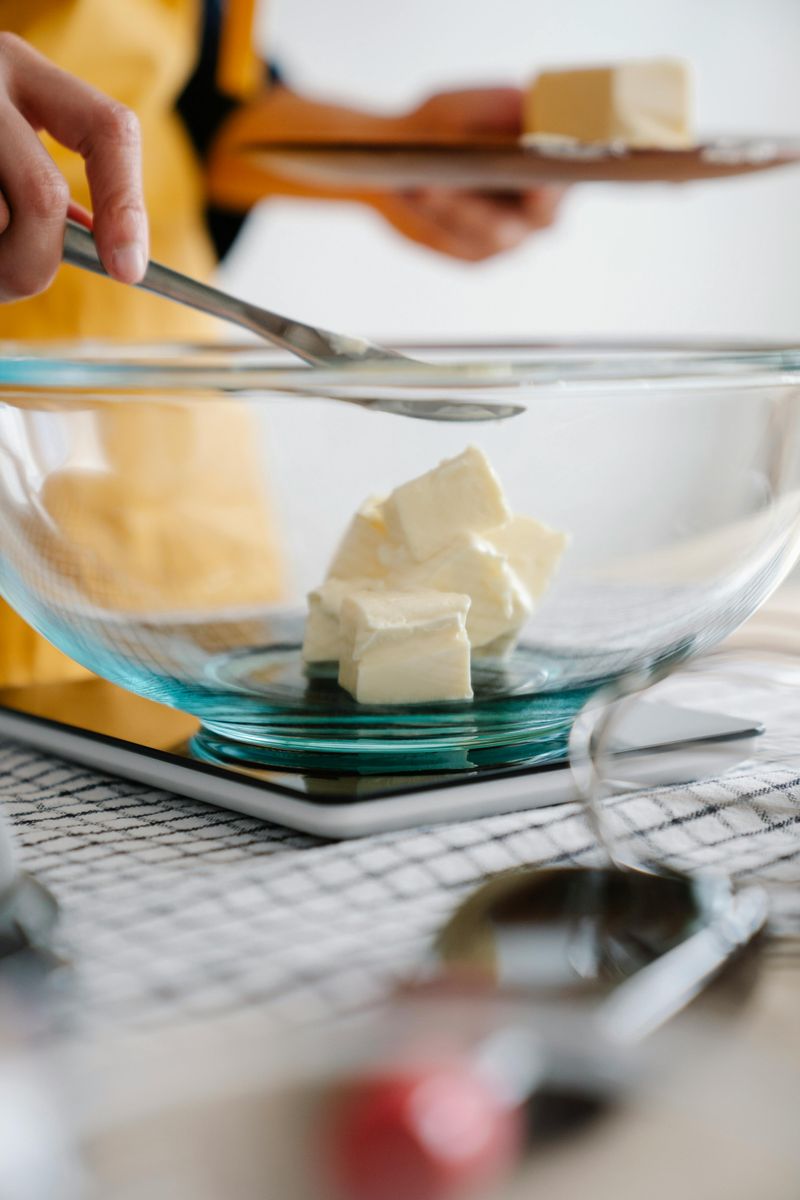
Butter brings rich flavor, yet its saturated fat can nudge LDL cholesterol upward. That does not make it evil, but daily heavy use may crowd out healthier fats.
Small swaps, like olive oil on vegetables or yogurt in baking, add creaminess without the same risk profile. Think of butter as a finishing accent, not the main act.
Measure pats instead of guessing, and melt less than you think you need. Explore spices, citrus zest, and roasted garlic for depth.
If you miss the buttery vibe, try ghee sparingly or whip butter with olive oil. The lighter texture stretches flavor further.
Processed cheese
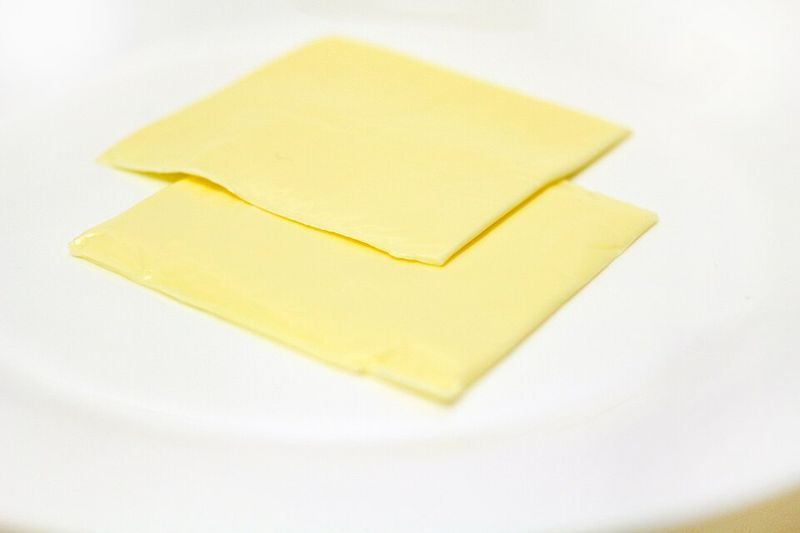
Processed cheese melts beautifully, but its additives and sodium can stack up fast. Many slices contain stabilizers and oils that push out natural dairy nutrients.
The result tastes salty and satisfying while quietly nudging blood pressure and cravings. Choose real cheese in modest portions, and grate it yourself for maximum flavor with less.
When a gooey fix is calling, try a sharp cheddar or Swiss and use a thinner layer. Add tomatoes, pickles, or mustard for brightness so you need less cheese.
If convenience matters, pre-portion wedges at home. Your sandwiches still feel indulgent without the extra salt and fillers.
Bacon
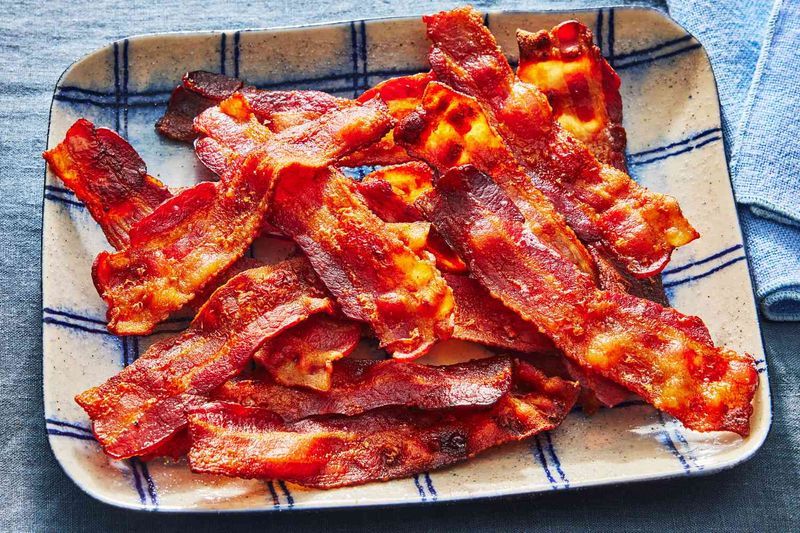
Bacon brings crunch and nostalgia, yet it is high in sodium and saturated fat. Processed meats also contain nitrites that, when heated, can form potentially harmful compounds.
Enjoying it occasionally is one thing, but daily strips quietly raise long term risk. Treat bacon like a garnish rather than a staple, and savor every bite.
Choose thinner slices, bake on a rack to render more fat, and pair with fruit or vegetables. Consider turkey bacon sometimes, knowing it is still processed.
For smoky flavor without the baggage, try smoked paprika or mushrooms. A little smart restraint keeps breakfast delicious and balanced.
Sausages

Sausages pack protein, but they often arrive with heavy sodium, saturated fat, and preservatives. Many varieties include fillers that make portions feel light while calories add up.
Regular intake has been linked with higher colorectal and heart risks. If you love them, make them a weekend treat, not a nightly dinner fallback.
Look for chicken or turkey versions with shorter ingredient lists and less salt. Prick and parboil before searing to render extra fat.
Serve alongside plenty of vegetables and whole grains so smaller links still satisfy. Spiced beans, lentils, or roasted mushrooms can mimic that savory comfort on weekdays.
Mayonnaise
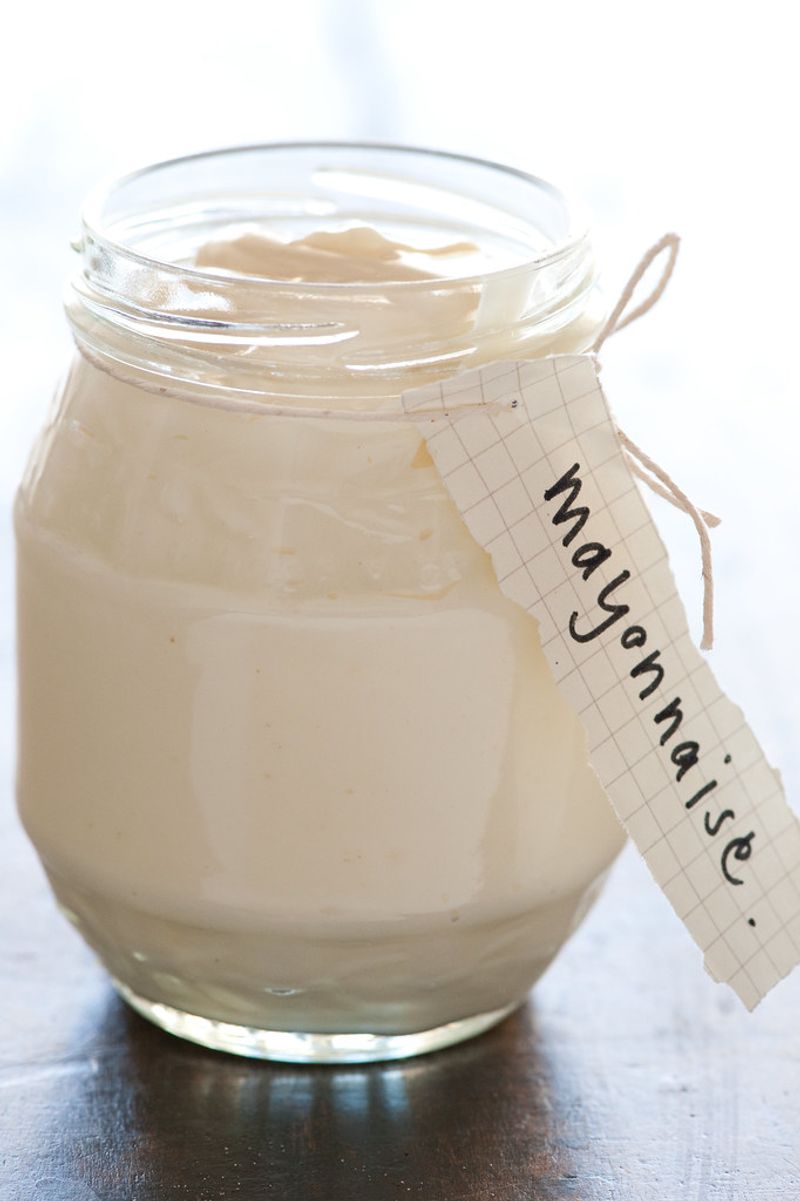
Mayonnaise adds silky richness, but it is calorie dense and easy to overdo. Two tablespoons can eclipse a snack’s worth of energy without much fullness.
Many brands also pack added sugar and salt. Keep the spoon light and consider Greek yogurt blends for tang, or whip your own with lemon to control ingredients.
Spread thinly on bread, toss salads with a measured dollop, and brighten with vinegar so you use less. Avocado can stand in for creaminess on sandwiches.
If you adore mayo, pick one favorite meal for it each day. Mindful portions protect goals without sacrificing pleasure.
Fried foods
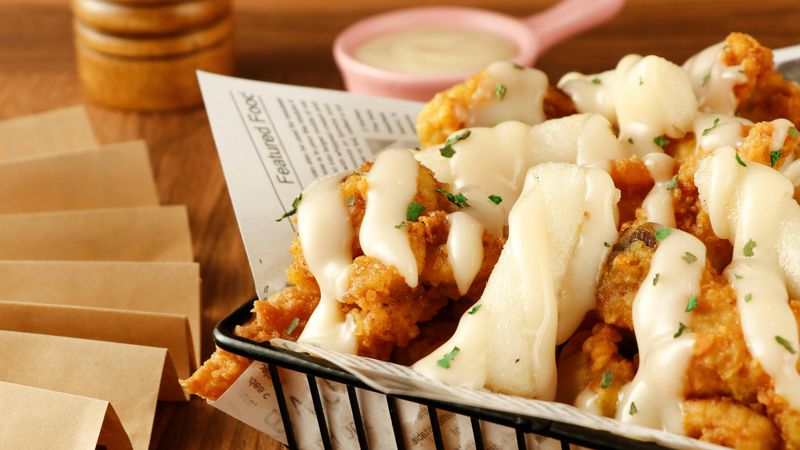
Fried foods hit that bliss point where crunch meets salt and fat. Unfortunately, high heat can create inflammatory compounds, and the oil adds lots of calories without helpful nutrients.
Portions that look small can still overwhelm daily goals. Save deep fried cravings for occasional outings and favor air frying or oven roasting at home.
Choose oils with higher smoke points, pat food dry, and keep temperatures steady. Pair crispy bites with fiber rich sides to slow digestion.
If the urge strikes, start with a salad and water first. Often you will feel satisfied with fewer fries or shared appetizers.
Pastries

Pastries charm with flaky layers and buttery perfume, but they combine white flour, sugar, and fat. That trio spikes blood sugar and rarely keeps you full, so a second pastry sounds tempting soon.
They are also easy to eat mindlessly. Make them a planned treat, not an autopilot breakfast.
When cravings hit, pair a small pastry with eggs or yogurt to add protein. Split one with a friend and linger over coffee so the moment feels special.
At home, bake with almond flour or fruit for sweetness. You will satisfy the ritual without the same crash.
Soda
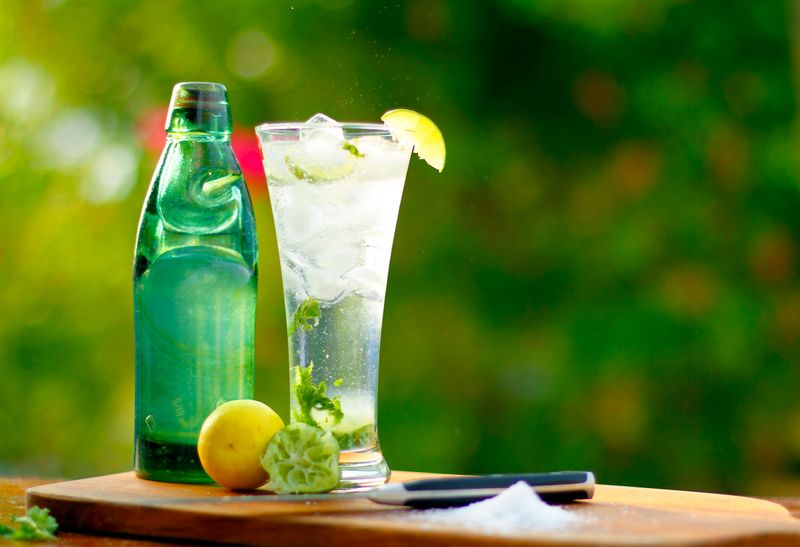
Soda delivers sugar in a form that bypasses fullness signals almost entirely. Calorie counts soar, insulin surges, and energy dips follow quickly.
Over time, that pattern can raise risks for fatty liver, diabetes, and dental problems. Even diet versions may stoke sweet cravings and bloat.
Cutting back makes room for tastier, more nourishing drinks.
Start with sparkling water, citrus slices, or unsweetened iced tea. If you love fizz, mix half soda and half seltzer for a while.
Keep bottles out of sight and stock the fridge with fun alternatives. Your taste buds will recalibrate, and hydration will come easier.
Alcohol

Alcohol feels relaxing, yet it can disrupt sleep, strain the liver, and add empty calories. Even moderate intake may raise blood pressure and cancer risk.
It also lowers inhibitions, making late night snacking and skipped workouts more likely. Cutting back often reveals steadier moods, better mornings, and clearer skin.
Set a weekly drink budget and plan alcohol free nights. Swap in bitters with seltzer, shrubs, or alcohol free beer for the ritual without the buzz.
Hydrate between drinks and eat before pouring. If stress is the trigger, explore walks, breathwork, or calling a friend to unwind.
Candy
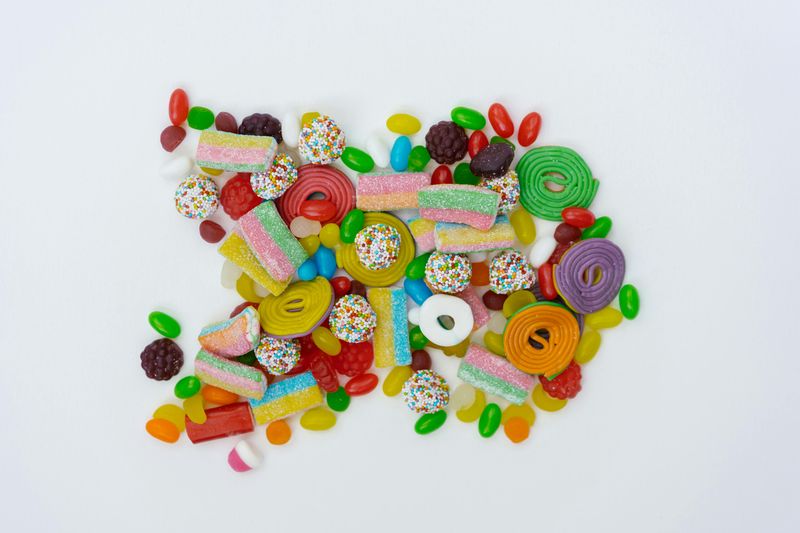
Candy is designed to disappear quickly while delivering big sweetness. Most options offer little more than sugar, artificial colors, and a fleeting mood bump.
That quick hit can fuel cravings later and crowd out nourishing snacks. Keep small portions around if you like, and choose moments that feel joyful, not automatic.
Try dark chocolate squares with nuts, or keep fruit chilled for a crisp bite. After meals, brush teeth early to signal you are done.
If vending machines tempt you, carry a satisfying alternative in your bag. With planning, you can enjoy treats without letting them run the day.
Ice cream

Ice cream blends sugar, saturated fat, and creamy bliss into spoonable temptation. A few generous scoops can match a small meal’s calories without lasting fullness.
For some, dairy also stirs bloating. You can still enjoy it, but plan the portion, use a small bowl, and sit down to savor slowly.
On hot days, try frozen banana whips or fruit sorbet for lighter refreshment. Add berries or chopped nuts so less ice cream still satisfies.
If late night cravings strike, brew tea and wait ten minutes. The pause cushions impulse, and many urges fade on their own.
Instant meals
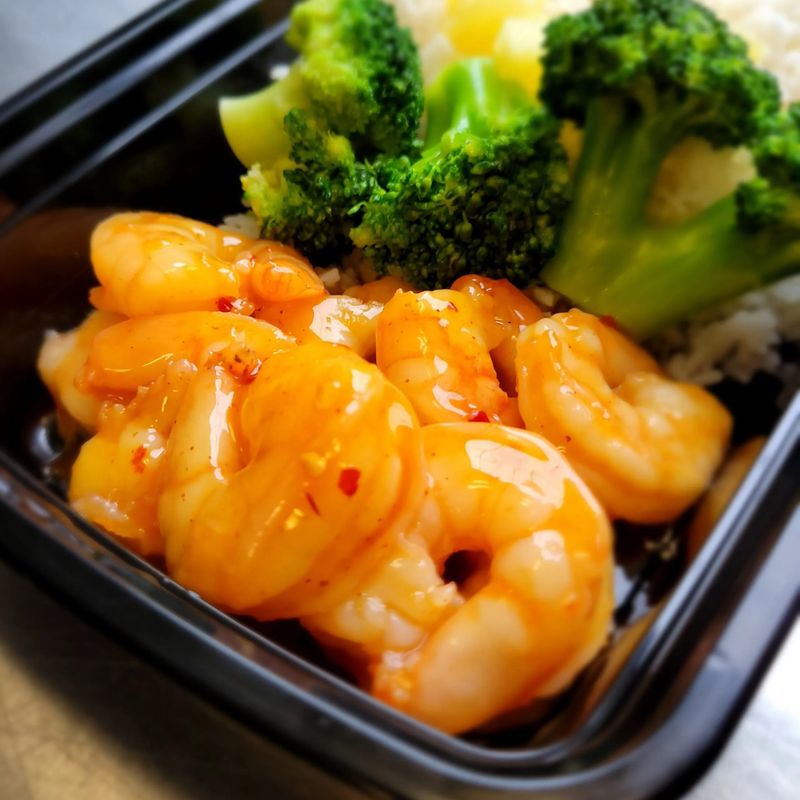
Instant meals promise convenience, but many are loaded with sodium, refined carbs, and tiny portions of vegetables. They rarely satisfy for long, pushing you to snack again soon.
Additives and preservatives can bloat and leave a flat aftertaste. When time is tight, there are better shortcuts that still respect health and budget.
Batch cook grains, roast sheet pans of vegetables, and keep canned beans ready. Assemble speedy bowls with a fried egg, salsa, and greens.
If you buy instant options, compare labels and add frozen vegetables. A few upgrades transform a bland tray into something filling and balanced.
Packaged snacks
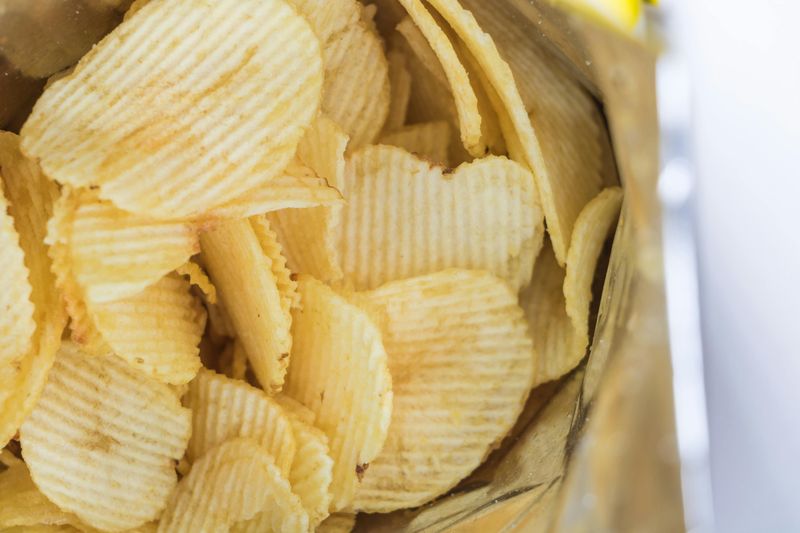
Packaged snacks are built for crunch, salt, and repeat bites that feel hard to stop. Many combine refined starches, oils, and flavor dust that sidestep fullness.
Portions balloon when eating from a bag. You can still enjoy them, but pour a serving into a bowl and sit down to eat mindfully.
Stock nuts, roasted chickpeas, fresh fruit, and cheese sticks for options with staying power. If chips call your name, buy small bags and pair with salsa or vegetables.
Read labels for fiber and protein. When the snack drawer hums, drink water first and wait a moment.
Sweet spreads

Sweet spreads like jam, honey, and chocolate hazelnut butter seem innocent on toast. Yet a couple spoonfuls can equal dessert’s sugar, especially without protein or fiber.
The quick rush fades, and hunger returns. You can still enjoy them, but measure, add nuts or seeds, and choose moments that truly delight you.
Stir a teaspoon into yogurt with berries, or smear a thin layer under peanut butter. Try mashed berries for freshness and less sugar.
If mornings feel rushed, pre portion spreads in tiny containers. That small habit keeps breakfasts balanced and your energy steadier through the morning.
Refined pasta
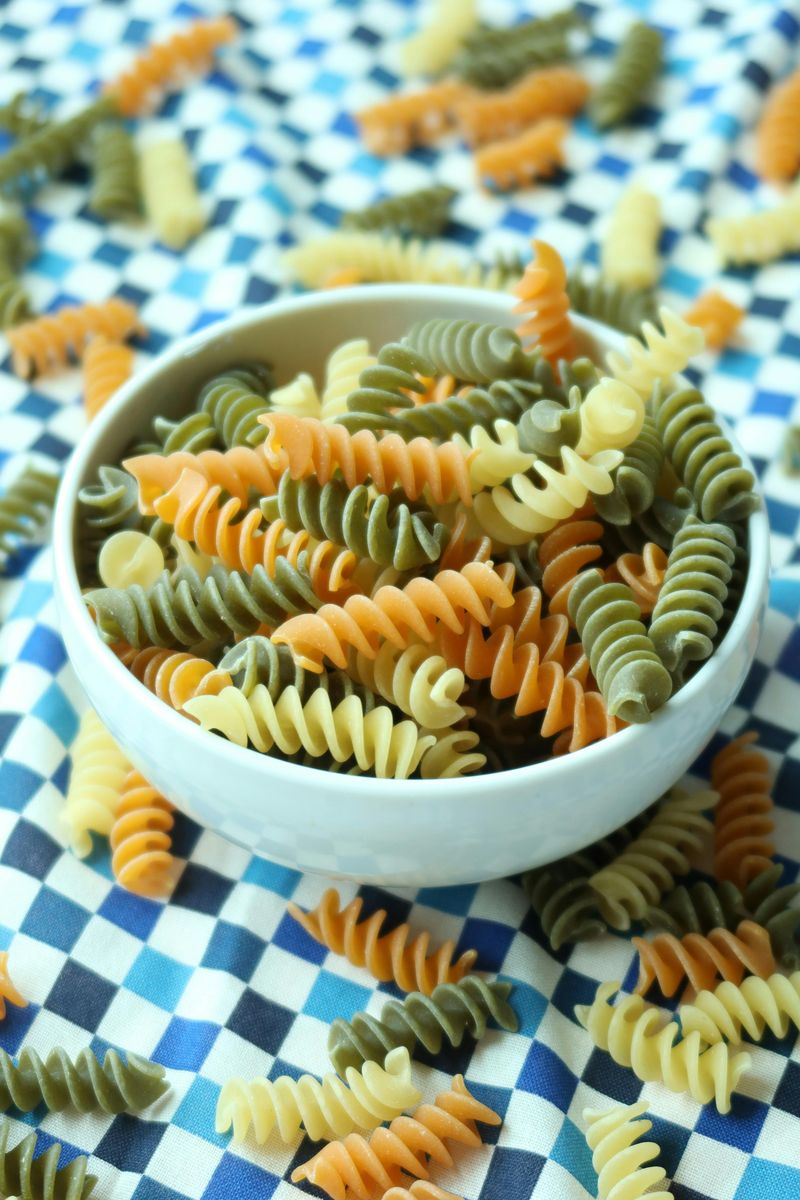
Refined pasta satisfies quickly, but the missing fiber means blood sugar can rise faster and crash sooner. Big bowls go down easily, and seconds feel natural.
That pattern can crowd out vegetables and protein your body needs. Choose smaller portions more often, and build the plate with color first.
Swap in whole wheat, chickpea, or lentil pasta for extra fiber and protein. Add olive oil, garlic, and vegetables so flavor pops without heavy sauces.
Cook al dente to slow digestion a bit. If you love classic pasta, mix half refined with half whole grain while taste adjusts.
White rice
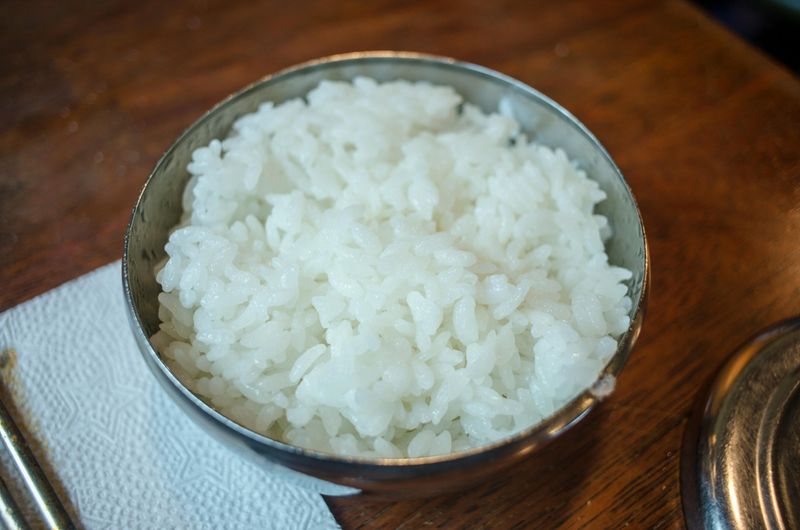
White rice is gentle and familiar, but its lack of fiber means quicker blood sugar swings. Large portions are easy to eat, and hunger often returns too soon.
Over time, that cycle can challenge metabolic health. You do not need to quit rice, just right size portions and lean on add ins.
Stir in edamame, vegetables, or eggs to boost protein and fiber. Try half rice and half cauliflower rice, or go for brown or jasmine occasionally.
Cool leftovers and reheat to raise resistant starch slightly. Season boldly with herbs and vinegar so smaller scoops still satisfy.
Fast food
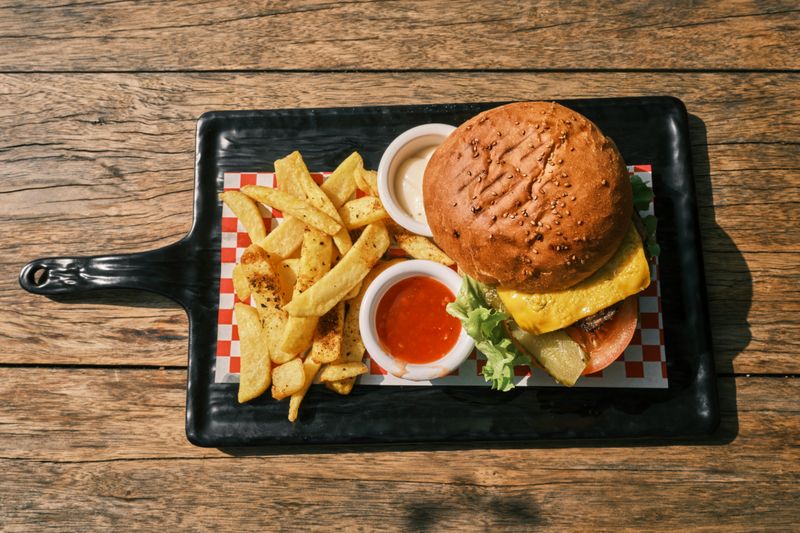
Fast food wins on speed and predictability, but portions, sodium, and refined carbs run high. The combination encourages overeating while leaving you hungry again soon.
Regular stops can nudge blood pressure, cholesterol, and weight upward. Keep it occasional, plan your order ahead, and upgrade the sides.
Choose grilled options, add vegetables, skip sugary drinks, and size down fries. Ask for sauces on the side so you control every dip.
If travel demands drive throughs, pack fruit and nuts for balance. Remember, the goal is not perfection, just steady choices that keep you feeling energized and clear headed.