


Some foods taste like recipes, but others taste like people. You remember the hands that stirred, the voice that said taste, the smile that served you first.
These dishes are defended not by critics, but by memory and love. Ready to visit the plates you would argue for forever?
Meatloaf
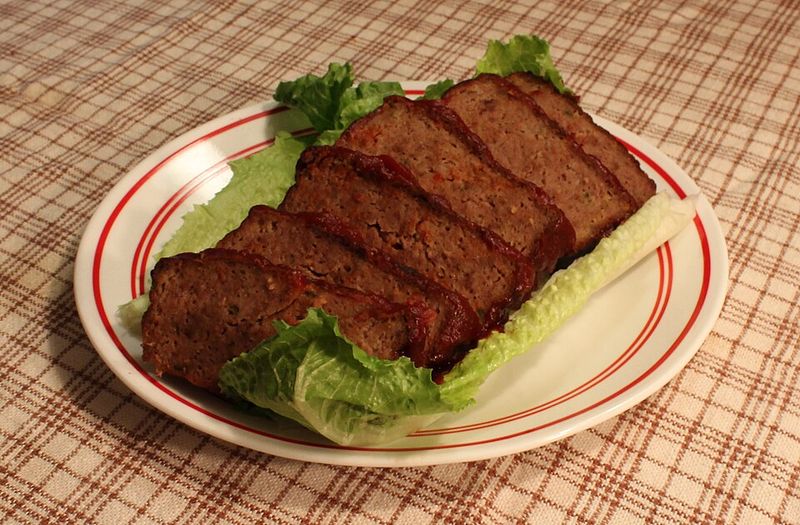
Some meatloaf tastes like a dry brick, but the one you remember carries a melody of onions, ketchup glaze, and soft crumbs. You picture the baking pan, the steam when sliced, the weeknight chatter.
You defend it because it tasted like patience, and because someone watched the oven just for you.
You can tweak spices, swap meats, or sneak in grated veggies, yet the magic hangs on a memory. Serve it with buttery mashed potatoes, maybe green beans, and the ritual returns.
If someone criticizes it, you laugh. They did not sit at your table.
They did not know.
Pot roast
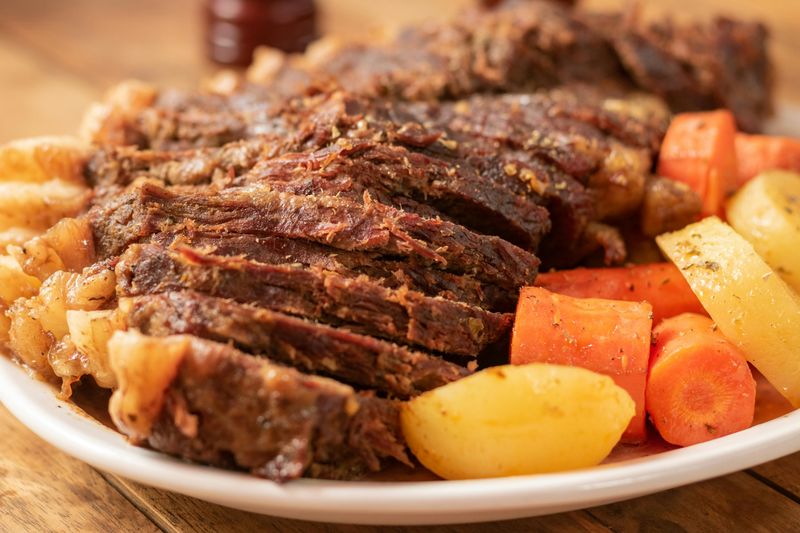
Pot roast is slow Sunday courage, the kind that perfumes a hallway and forgives a long week. You remember the fork sliding in, the carrots turning sweet, the onions melting silk-soft.
You defend it because the cook timed every simmer by heartbeat, not by clock, and served you the best pieces.
You can chase deeper browning, richer stock, or a splash of wine, but the soul stays familiar. Ladle over fluffy potatoes or buttered noodles and listen for chairs scraping close.
Critics call it basic. You call it dependable.
They were not there when the lid finally lifted.
Chicken soup
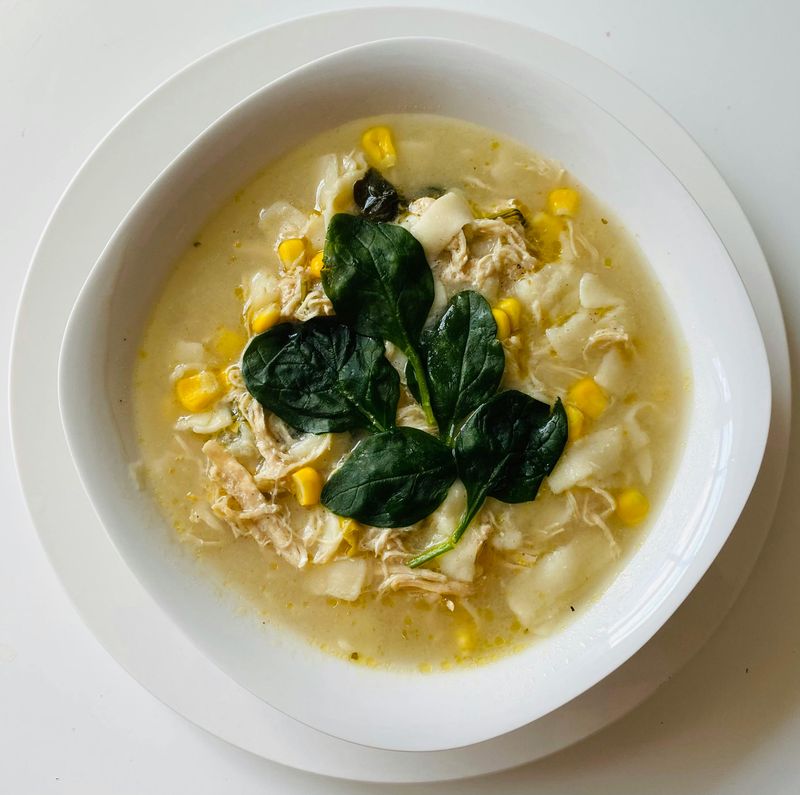
Chicken soup is proof that care can be ladled. You remember the golden fat moons, the soft noodles, the pepper rising with the steam.
Someone skimmed, tasted, and waited, then carried a bowl to your couch. You defend that bowl because it listened when nothing else could, and it helped.
You can add dill, lemon, or ginger, but the comfort arrives first. Let bones simmer low, let carrots tilt sweet, let the house hush.
When anyone mocks its simplicity, you shrug. Simplicity is the point.
It is the spoon you hold when the world feels too big.
Beef stew
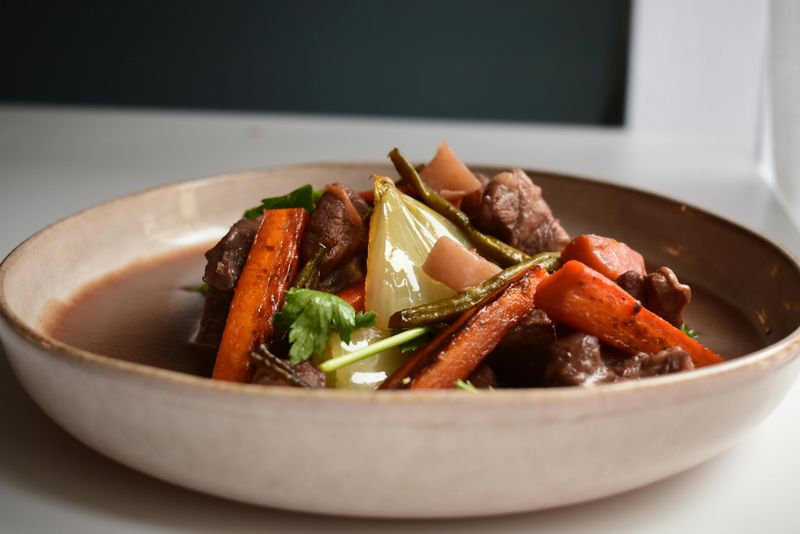
Beef stew remembers the cold and answers with kindness. You see the browned cubes, the thyme flecks, the potatoes surrendering their edges to the broth.
Someone scraped the fond and waited while flavors shook hands. You defend it because it tasted like shelter, and because the cook tasted for you.
There are fancier braises, but none erase a shiver faster. Keep the simmer gentle, the vegetables honest, and the bowl wide.
Tear bread, chase the last glossy spoonfuls, and breathe easier. If anyone calls it heavy, smile.
Warmth can be heavy. Comfort often is indeed.
Mac and cheese
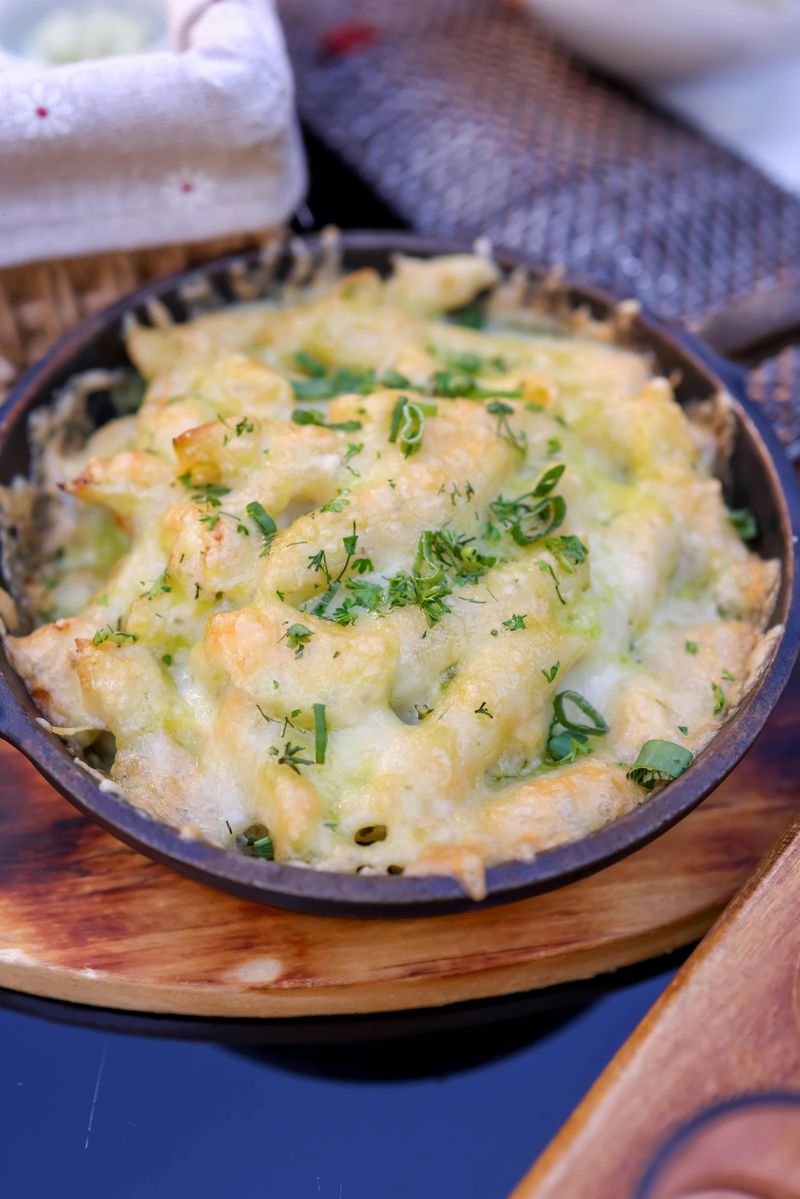
Mac and cheese is a bowl of bright promise. You remember the elbows shining, the cheese clinging, the top bubbling at the corners.
Someone whisked a roux without rushing, salted the pasta right, and called you first to the table. You defend it because it tasted like permission to smile.
Add sharp cheddar, gouda, or a crunchy breadcrumb crown. Stir in roasted broccoli or ham, or keep it plain like a lullaby.
The point is creamy courage on a spoon. When skeptics say it is kid food, you nod kindly.
We all need to be kids sometimes.
Mashed potatoes
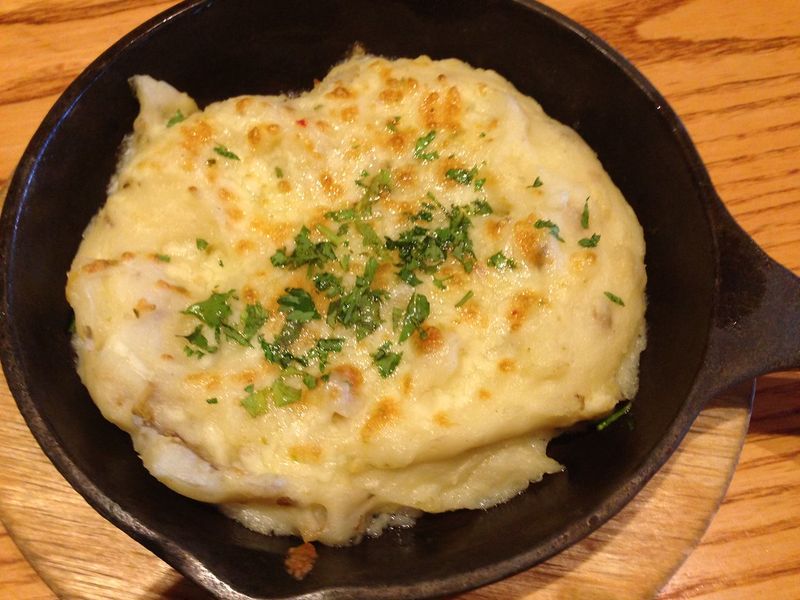
Mashed potatoes hold secrets in their swirl. You remember the warm bowl, the butter softening into glossy pools, the tiny flecks of pepper.
Someone chose the right potato, heated the milk, and never overmixed. You defend them because they caught the gravy, and because they tasted like a welcome.
Use russets for fluff, Yukon Golds for velvet, or a mix if you are bold. Salt the water, warm the dairy, and taste as you go.
When lumps appear, call them character. Serve a cratered mound and watch plates come home smiling.
Save a pat of butter for the top.
Gravy
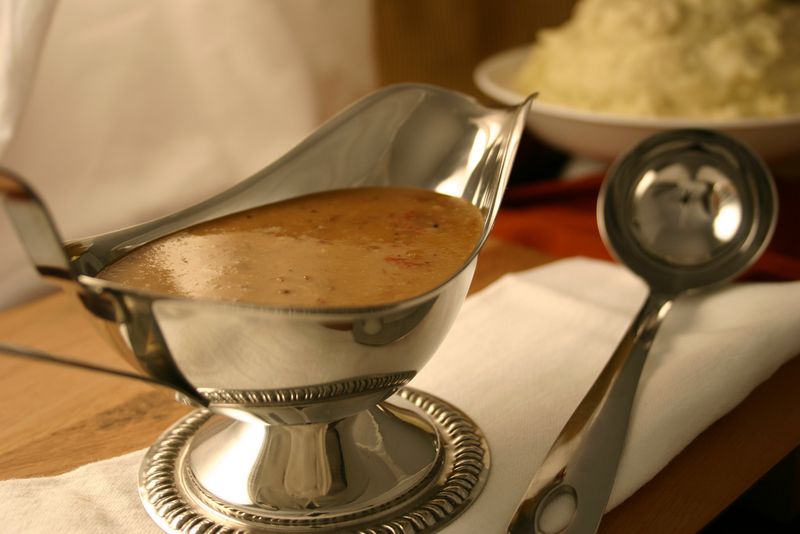
Gravy is the quiet hero, stitching a plate together. You remember the whisk scraping the pan, the flour toasting, the first sip going from salty to perfect.
Someone coaxed flavor from fond, tasted constantly, and poured with a proud wrist. You defend it because it turned sides into friends.
Start with drippings, add stock, and season like you mean it. Keep the simmer gentle and the whisk moving so lumps surrender.
A splash of coffee or soy can deepen color. When it glosses the spoon, call everyone over.
You know what happens next. Plates lean closer automatically.
Chicken pot pie
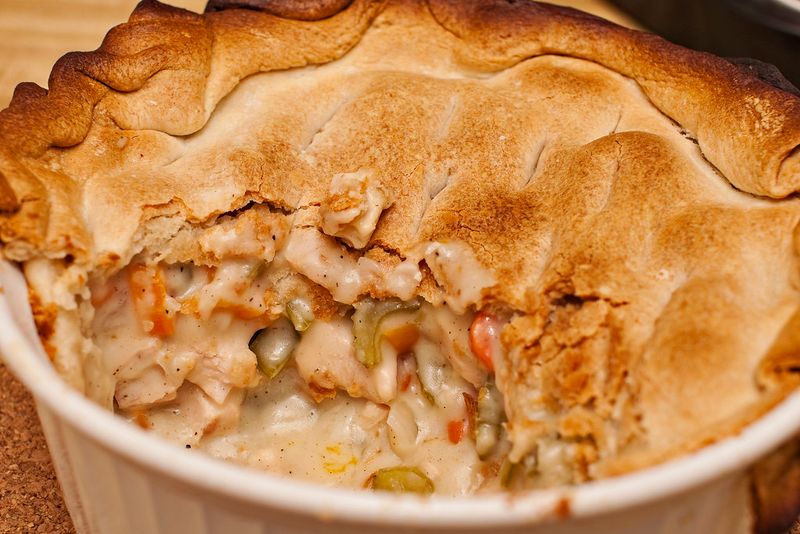
Chicken pot pie is a whole story under pastry. You remember the flaky lid shattering, the steam fogging glasses, the creamy pool finding peas.
Someone chilled the butter, rolled the dough, and sealed the edges tight. You defend it because it fed your hope and kept your fork busy.
Use leftover roast, tender vegetables, and a sauce that coats without clinging. Season generously, vent the crust, and rest before cutting.
Serve big spoonfuls, watch the table exhale, and feel the room warm. If anyone calls it old fashioned, smile.
Old fashioned usually works. It has earned trust.
Shepherd’s pie
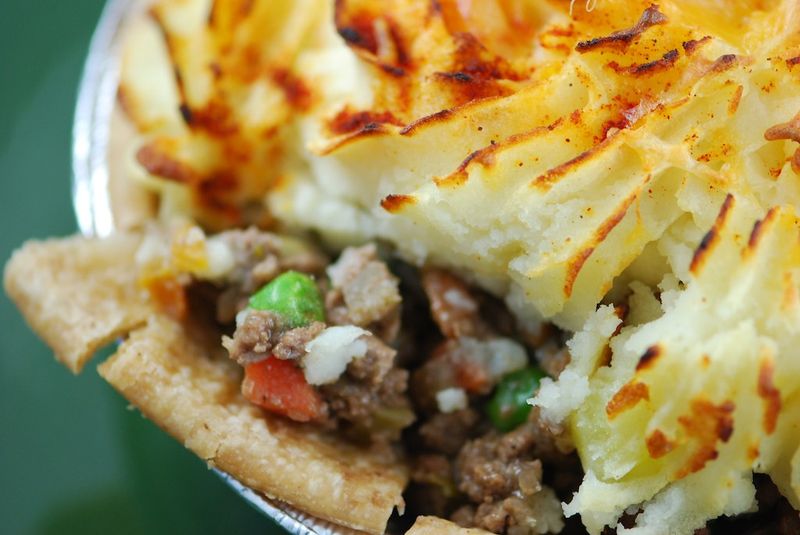
Shepherd’s pie layers comfort with intent. You remember the mashed top ridged by a fork, the butter catching light, the savory filling bubbling at the rim.
Someone scraped carrots, browned lamb, and waited for edges to caramelize. You defend it because every scoop held balance, and because it stayed warm.
Season boldly, mash smoothly, and do not rush the broil. A little cheddar on top can blister beautifully.
Serve with peas and a joke, then spoon seconds without ceremony. When detractors say it is simple, nod.
Simple done right is everything. It feeds late nights kindly.
Biscuits and gravy
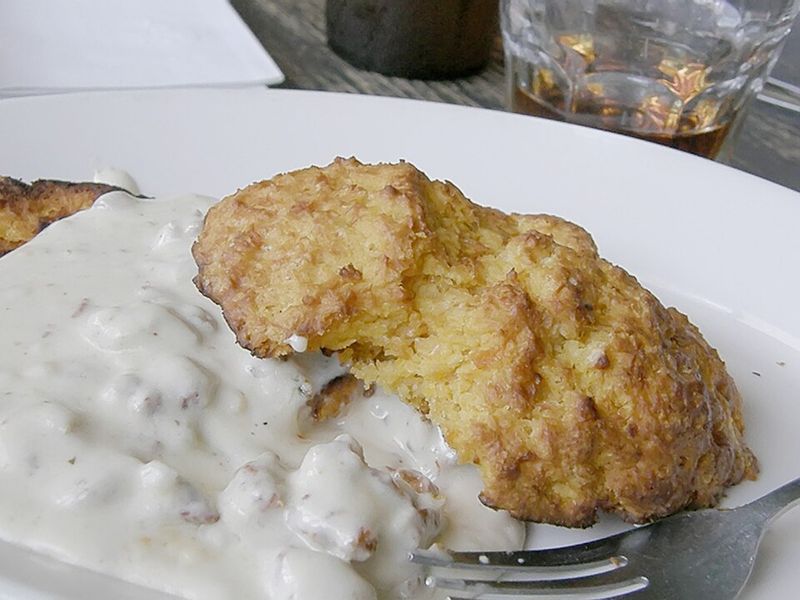
Biscuits and gravy are morning mercy. You remember splitting a biscuit and watching steam curl, then covering it with peppery cream.
Someone cut in cold butter, baked until high, and stirred sausage until the sizzle softened. You defend it because the first bite erased doubt and begged a second.
Keep biscuits tender, keep gravy loose, and then drown the plate. Offer hot sauce, pour coffee, and let daylight take its time.
When people call it heavy, invite them for a slow morning. Heaviness can be a hug.
Some days you need two. Bring napkins and patience.
Cabbage rolls
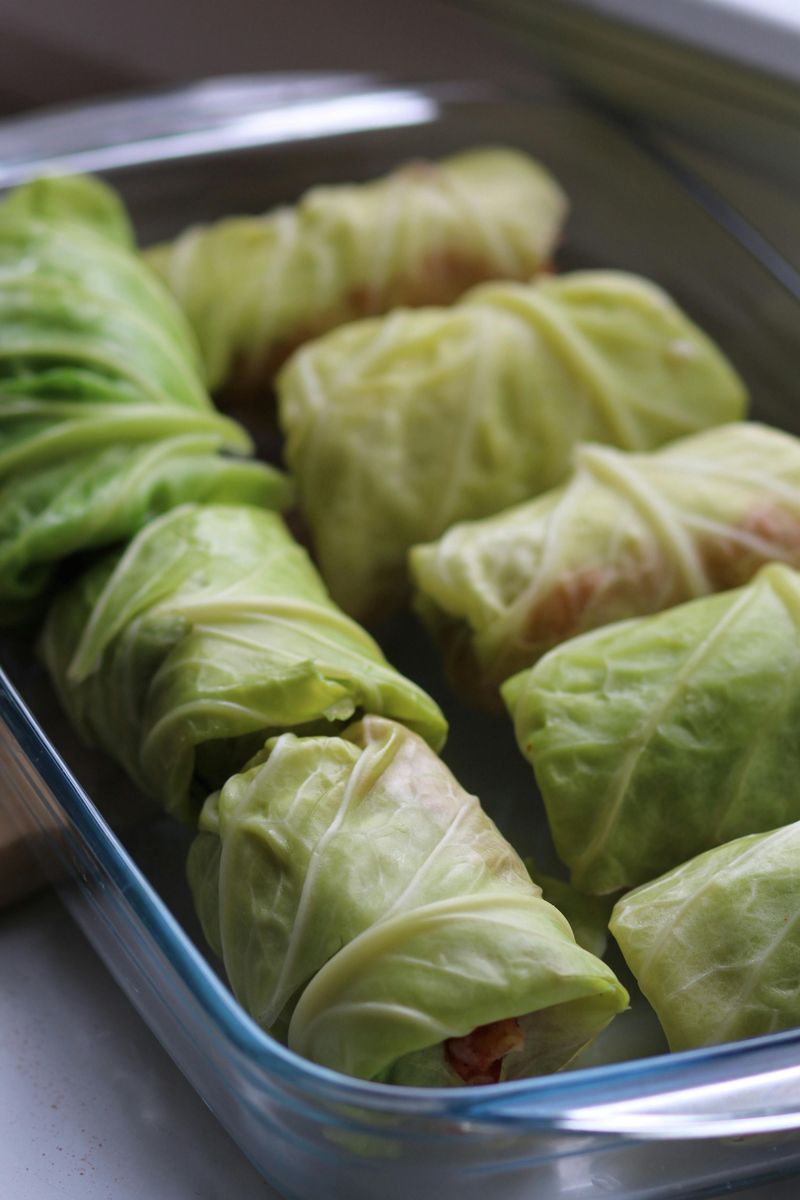
Cabbage rolls reward patience and clean hands. You remember the leaves blanched tender, the filling snug and seasoned, the tomato sauce quietly sweet.
Someone rolled every bundle tight and lined the dish like a little army. You defend them because they tasted like thrift turned generous.
Parboil leaves, cool them, and trim thick ribs for easier rolling. Mix rice with meat and herbs, then bake low until everything agrees.
Serve with sour cream and stories. When critics say cabbage is boring, grin.
Boring food does not take this much work to feel special. Respect is earned.
Spaghetti and meatballs
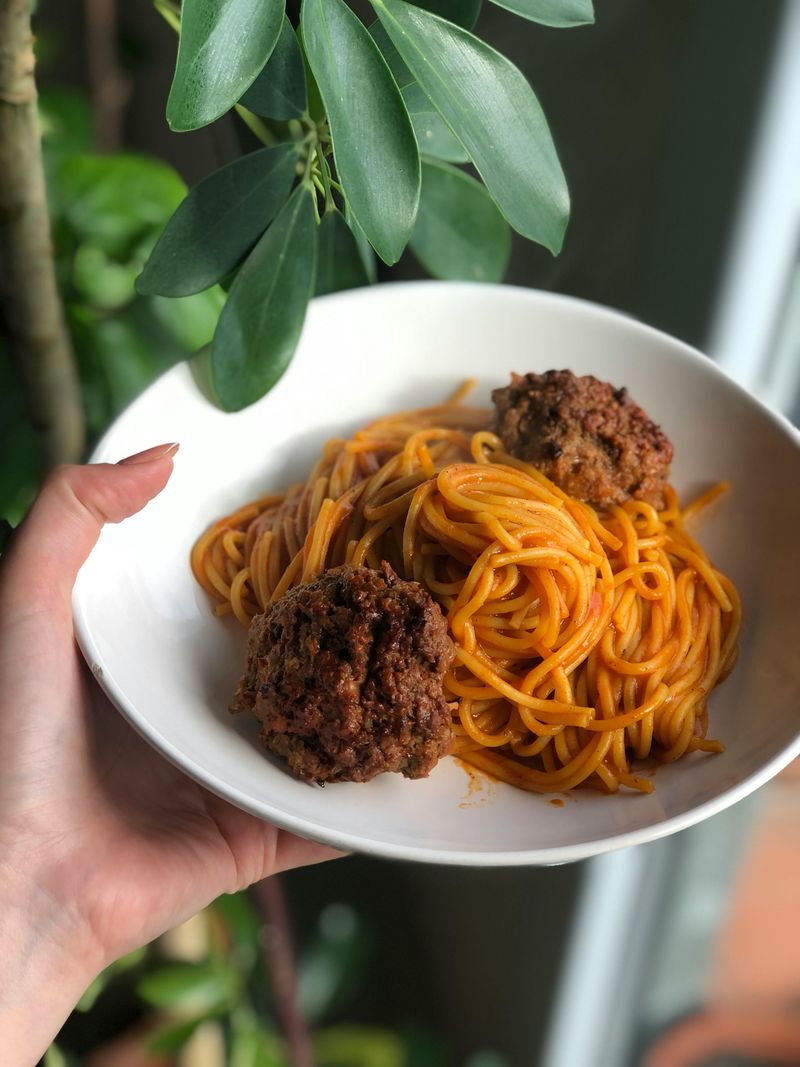
Spaghetti and meatballs are a handshake between twirl and bite. You remember the sauce kissing cheeks, the parmesan snow, the meatballs soft but sturdy.
Someone browned gently, simmered slowly, and tasted until the room went quiet. You defend it because red sauce makes almost everything feel solvable.
Use breadcrumbs soaked in milk, season assertively, and do not scorch the garlic. Salt the pasta water like the sea, then marry noodles and sauce.
Serve with a big spoon and bigger kindness. If someone complains about tradition, let them.
Your bowl is already convincing. Seconds are expected.
Rice pudding
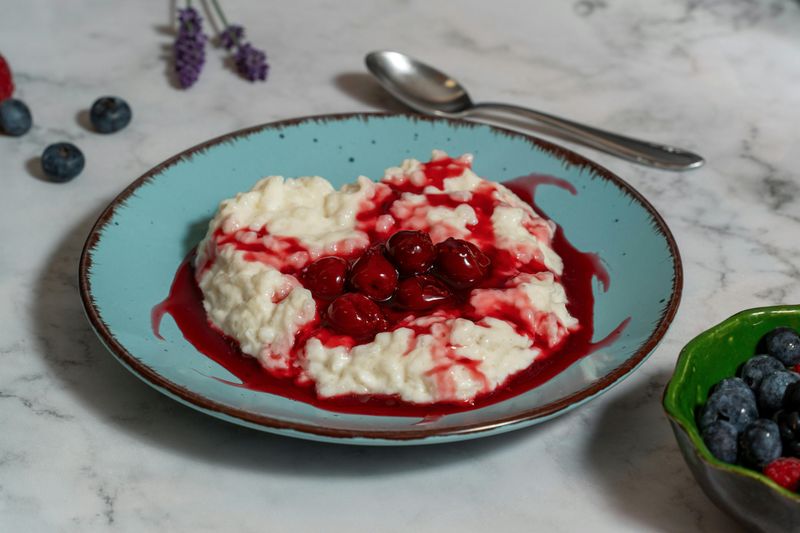
Rice pudding is dessert that whispers. You remember the vanilla rising, the cinnamon settling, the spoon trails closing slowly.
Someone stood at the stove, kept the milk from scorching, and sweetened with care. You defend it because it soothed the edges and felt like being known.
Use short grain rice, gentle heat, and patience you can taste. Raisins are optional, nutmeg too, but salt is essential.
Serve warm or cold, with a sprinkle of sugar for sparkle. When people call it plain, nod.
Plain can also be perfect. It carries rainy afternoons faithfully.
Keep spoons ready.
Bread pudding
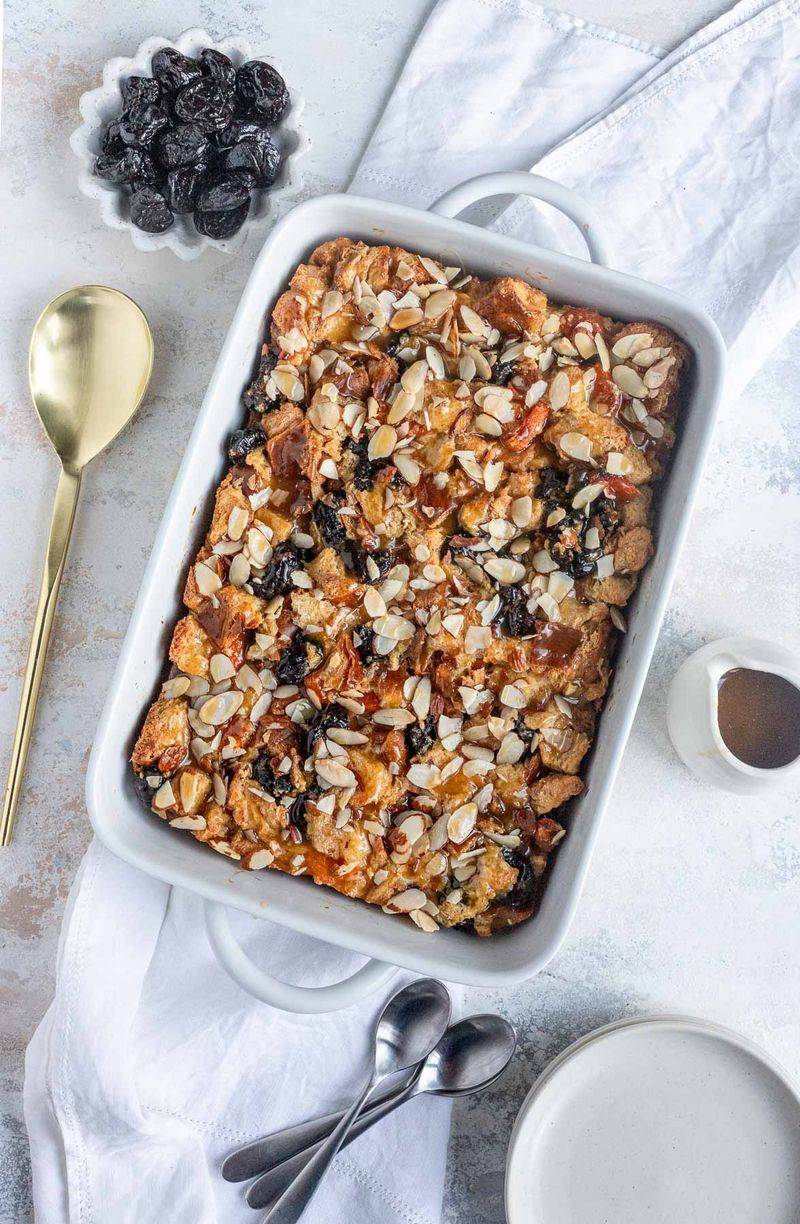
Bread pudding rescues yesterday and turns it golden. You remember the custard soaking through, the edges toasty, the center trembling slightly.
Someone cubed stale bread on purpose, whisked eggs and cream, and baked until the house smelled like a bakery. You defend it because second chances taste wonderful.
Add raisins, chocolate, or bourbon sauce, or keep it simple with vanilla. Let it rest so slices hold.
Serve warm with whipped cream and a grateful pause. If anyone sneers at stale bread, smile.
Frugality often makes the richest desserts. It teaches thrift without scolding.
Save room tonight.
Apple pie
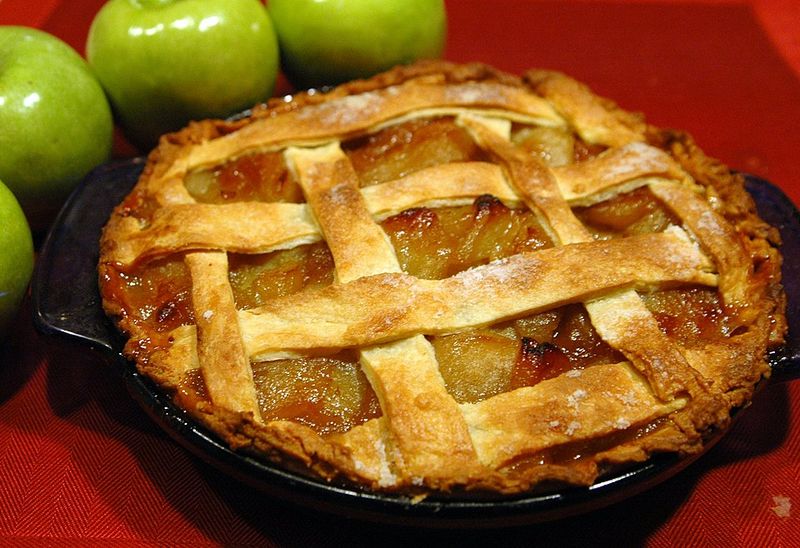
Apple pie is a postcard from home. You remember the lattice shining, the cinnamon breathing, the filling bubbling just enough.
Someone balanced tart and sweet, chilled the dough, and waited for the window test. You defend it because the first slice always steadied your day.
Use firm apples, mix varieties, and do not skimp on salt. Pile the fruit tall so it slumps into greatness.
Let the pie rest before cutting or you will chase juice. Serve warm with cheddar or ice cream.
Either way, you win. Brush with egg for shine.
Sugar the top generously.
Roast chicken
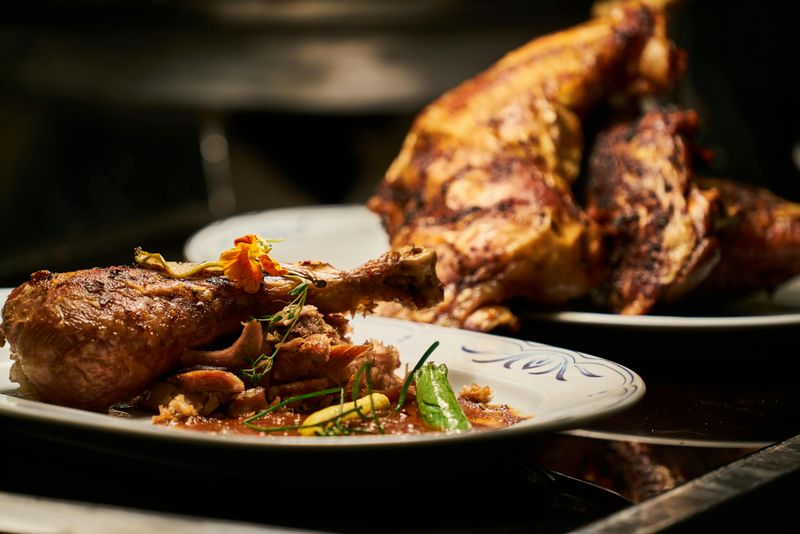
Roast chicken is the smell that makes neighbors curious. You remember the skin crackling, the pan juices snapping, the lemon collapsing in the heat.
Someone salted early, tied the legs, and trusted the oven. You defend it because carving felt like ceremony and tasted like grace.
Dry the skin, preheat hard, and leave room for air. Slide butter under the skin, season the cavity, and let it rest properly.
Make a little pan sauce and save the bones. If anyone calls it ordinary, nod.
Ordinary made extraordinary is the point. Leftovers improve everything tomorrow.
Promise.
Stuffed peppers
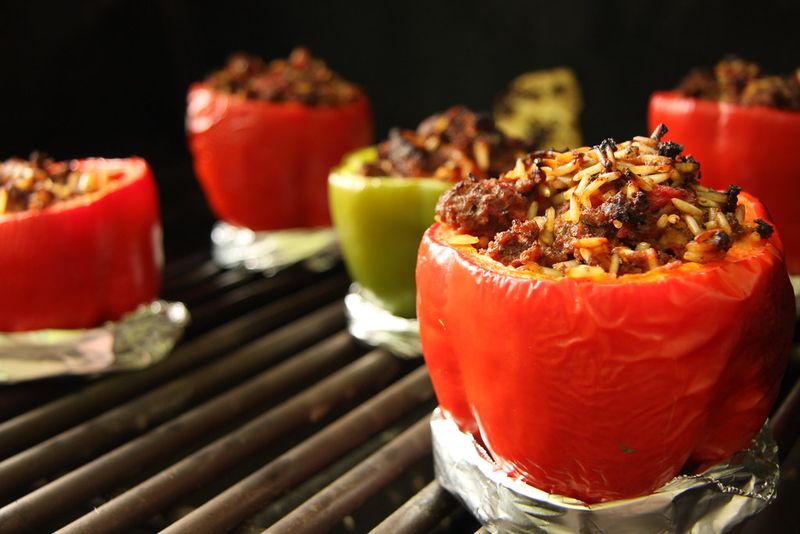
Stuffed peppers are edible care packages. You remember the softened walls, the rice and meat tucked inside, the sauce pooling bright.
Someone cored carefully, salted properly, and baked until the tops blushed. You defend them because every bite felt organized, and because the plate looked like a small parade.
Use colorful peppers for sweetness, and season the filling with herbs. Add cheese if that is your style.
Let the peppers relax before serving so juices settle. If someone says they are fussy, shrug.
Some projects taste like love the whole way through. That counts today.
Baked beans
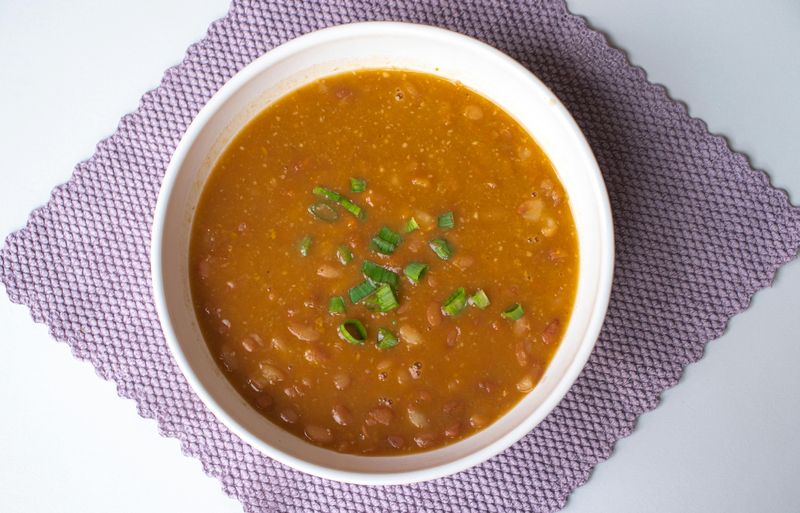
Baked beans taste like a patient chorus. You remember the molasses shining, the smoky corners, the spoon standing a little on its own.
Someone soaked overnight, trusted low heat, and stirred with purpose. You defend them because they turned picnics into parties and held their ground.
Use navy beans, salt wisely, and let sweetness meet acid. Bacon helps, mustard too, but time is the real ingredient.
Serve alongside hot dogs, ribs, or a soft roll. If someone complains about sweetness, hand them a dill pickle.
Balance is teamwork. Stir gently near the end.
Let the pot speak.
Pancakes
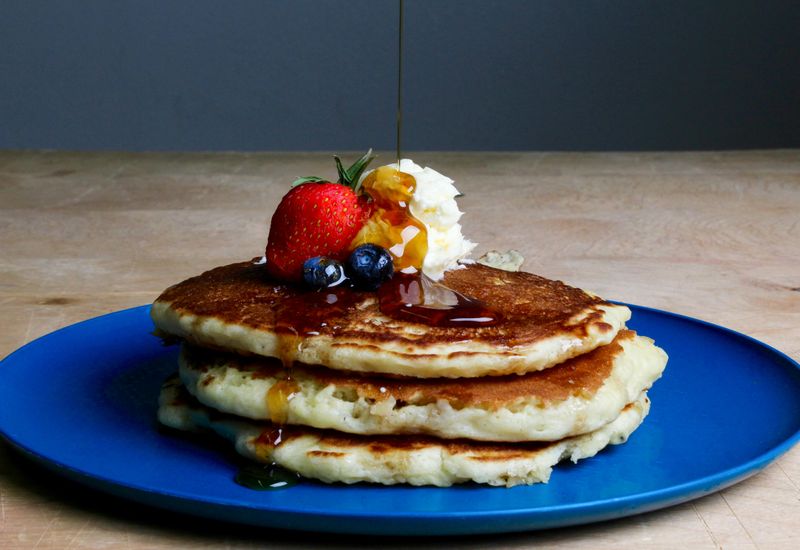
Pancakes are weekend music, tiny cymbals of butter. You remember the first flip, the soft landing, the pat of butter melting into rivers.
Someone stirred just enough, let the batter breathe, and waited for bubbles. You defend them because the stack said slow down and stay awhile.
Do not overmix. Let the griddle be truly hot.
Use real maple syrup, and warm the plates if you can. Add blueberries or chocolate chips, or keep them plain and proud.
When someone rushes breakfast, you pass another pancake and prove them wrong. Serve with sunshine and patience.
Cornbread
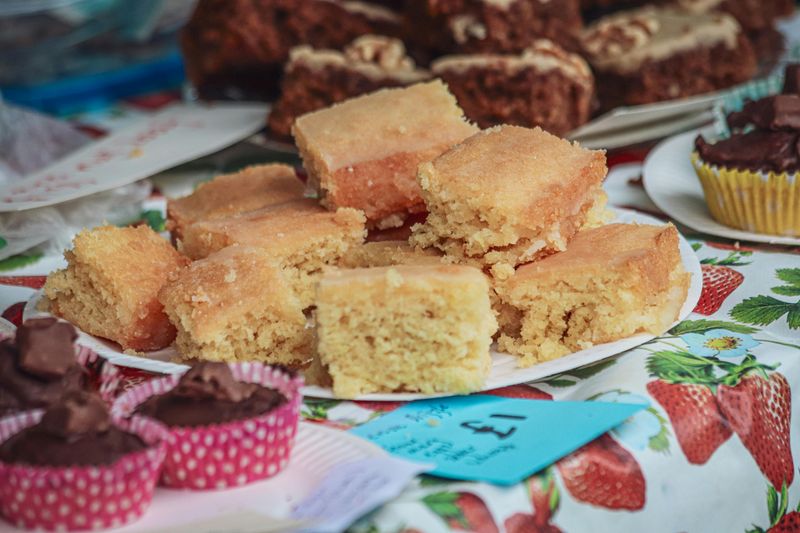
Cornbread tastes like a porch you can carry. You remember the hot skillet, the crisp edges, the honey waiting in a jar.
Someone preheated the pan, whisked buttermilk and cornmeal, and did not fuss. You defend it because each crumb felt sunny, and because it forgave extra butter.
Keep it tender with a light hand, or go crumbly for dunking in chili. Add jalapeños, cheddar, or nothing at all.
Slice warm, share fast, and listen for yeses around the table. If someone argues sweet versus savory, smile.
The answer is whichever you were handed. Both are faithful.