


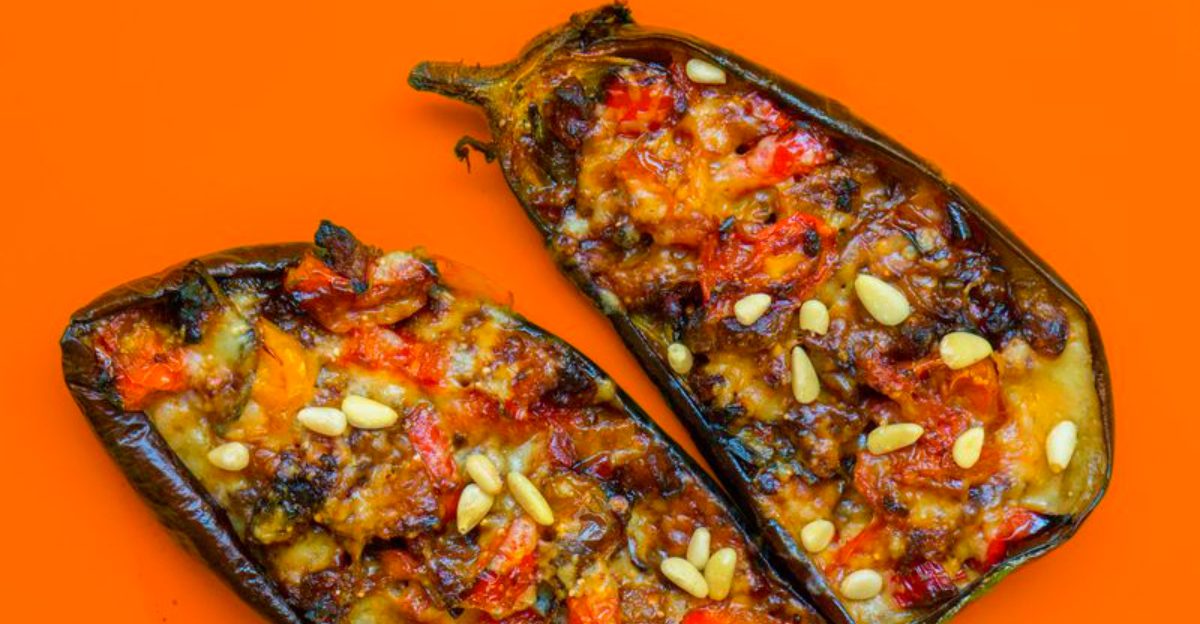
If the feel of a bite can make or break your meal, you are not alone. Some foods are delicious but undeniably difficult when texture takes center stage.
This list calls out the usual suspects that make picky eaters squirm, plus tips so you can navigate them with confidence. Keep reading to see which textures trip people up and how to handle them like a pro.
Mushrooms
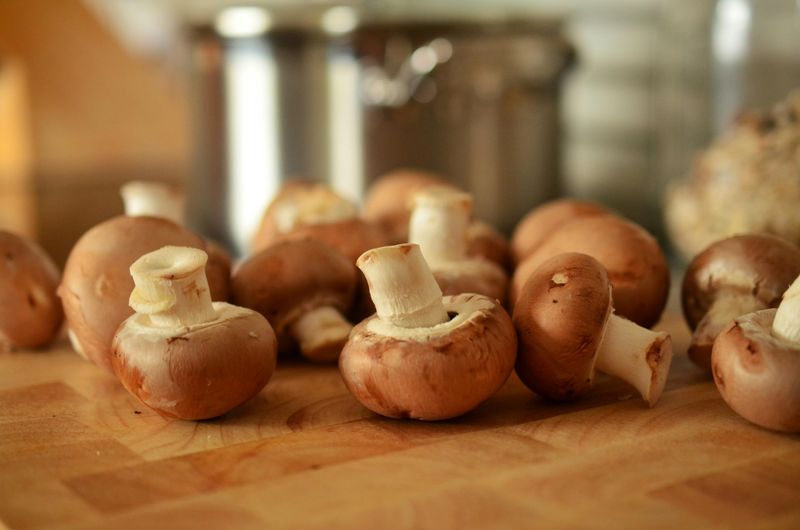
Mushrooms are the poster child for texture debates. They can feel spongy, squeaky, and slightly slippery all at once, which is a lot for sensitive eaters.
Even when perfectly cooked, they retain bounce that some find rubbery and strange.
If you are texture wary, try finely chopping and browning them until crisp edges form. That reduces the chew and boosts savoriness.
Blending into sauces or grinding into burger mixes helps too. Avoid undercooking, which exaggerates the squeak.
Roast hot, season boldly, and aim for golden edges.
Oysters
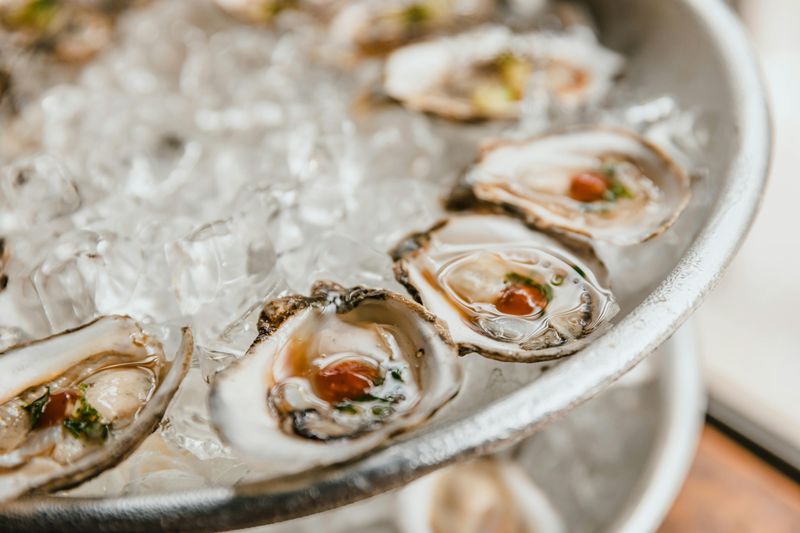
Oysters are a slippery rollercoaster. The cool, briny slide, the soft body, and that quick pop can be overwhelming if you dislike slick textures.
Some people love the sea-breeze essence, while others fixate on the gel-like mouthfeel.
Start with a grilled oyster topped with garlic butter to firm things up. Heat tightens the flesh and adds a toasty note, balancing the glide.
A squeeze of lemon and crunchy breadcrumbs introduce contrast. If raw still calls you, chase with a crisp cracker for bite.
Slurp confidently and commit.
Cottage cheese
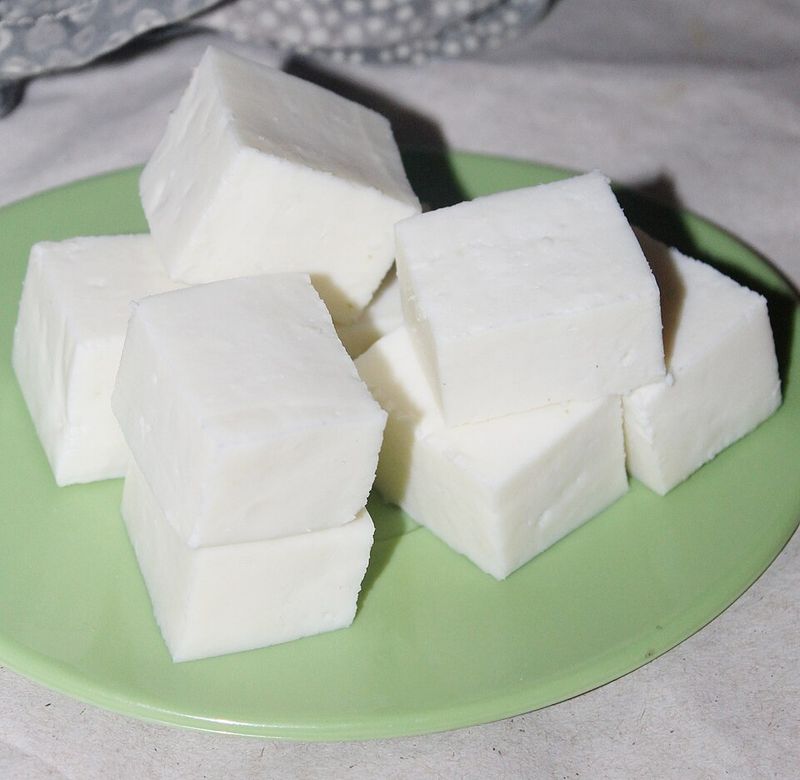
Cottage cheese brings distinct curds swimming in creamy whey, a double texture that unsettles many. The bouncy curds contrast with the loose sauce, so every spoonful shifts between lumpy and smooth.
It is nutritious, but those curds do not hide.
To make it friendlier, blend until silky and use like ricotta on toast. Fold into pancakes or smoothies for protein without curds.
Choose small-curd versions to reduce bounce. Add crunchy toppings like nuts or cucumber for balance.
Season boldly with herbs, lemon, and pepper to distract.
Tofu
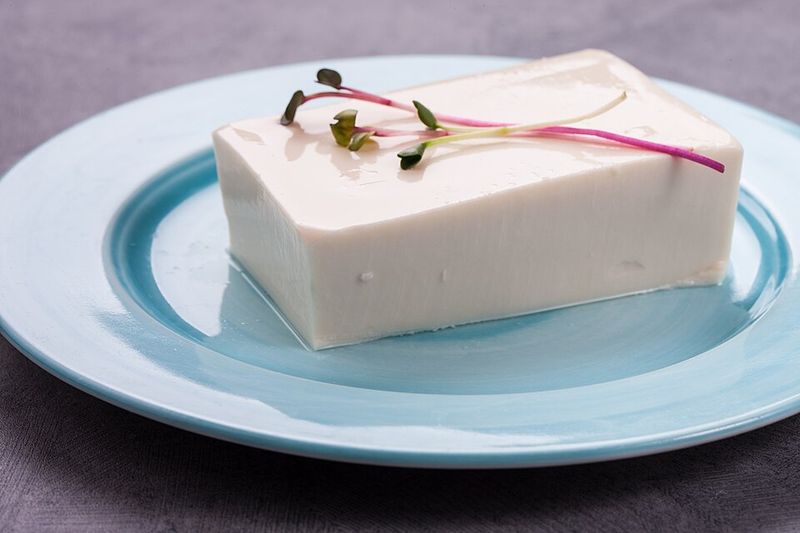
Tofu can be custardy, bouncy, or sponge-like depending on type and prep. Silken glides like pudding, while firm can squeak or feel porous.
That variety is great for cooks but scary for texture-sensitive eaters.
Press firm tofu to remove moisture, then pan fry until crisp corners form. The crunch breaks up the bounce.
For silken, steam gently and spoon with soy, ginger, and scallions for a smooth, savory custard. Marinate boldly to avoid blandness.
Crumble and roast for a chewy crumble that mimics ground meat textures.
Avocado
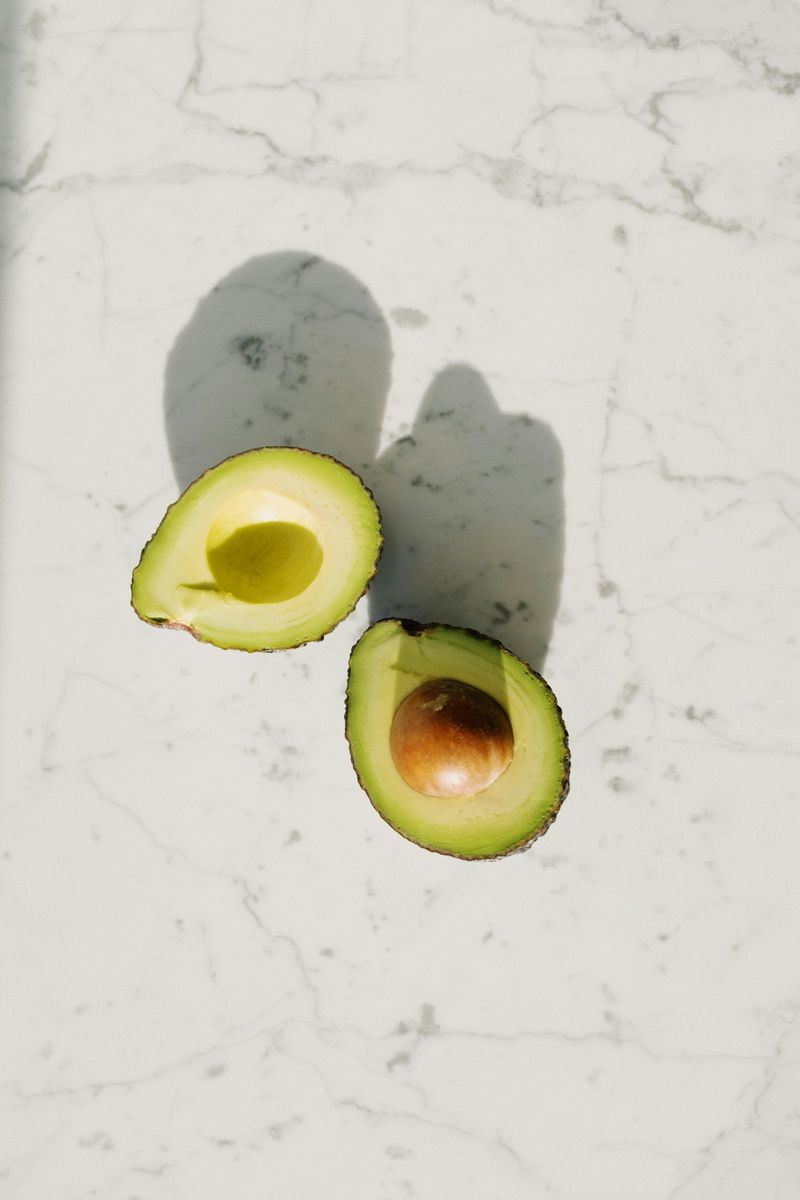
Avocado is a creamy dream for some and a mushy ordeal for others. When perfectly ripe, it spreads like butter, but overripe turns slippery and stringy.
That smush against the palate can feel cloying if you prefer bite.
For texture relief, cube it and pair with crunchy toast, radishes, or corn chips. Chill it slightly to firm the flesh.
Mash with lime, onion, and jalapeno for guacamole that tastes brighter and less gluey. Avoid underripe fruit, which is oddly firm and squeaky.
Cut right before serving to maintain structure.
Bananas
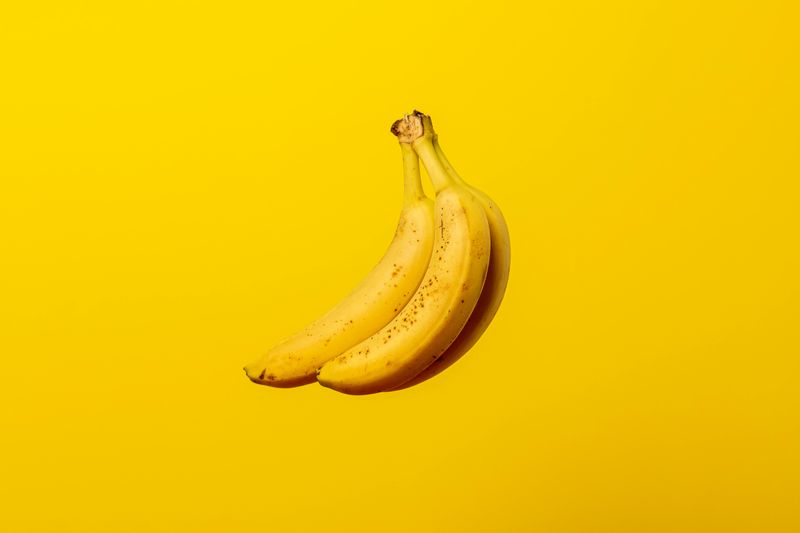
Bananas are soft, dense, and slightly sticky, which can read as mushy in the mouth. Overripe ones add strings and a slippery surface that some find unbearable.
The texture is uniform, so there is little contrast to distract.
Chill slices for a firmer bite or freeze and blend into ice cream for smoother spooning. Grill briefly to caramelize and add a crust.
Pair with crunchy peanut butter or granola to break up the mush. Avoid bruised spots that feel gummy.
Opt for just-yellow fruit with minimal brown speckles.
Tomatoes
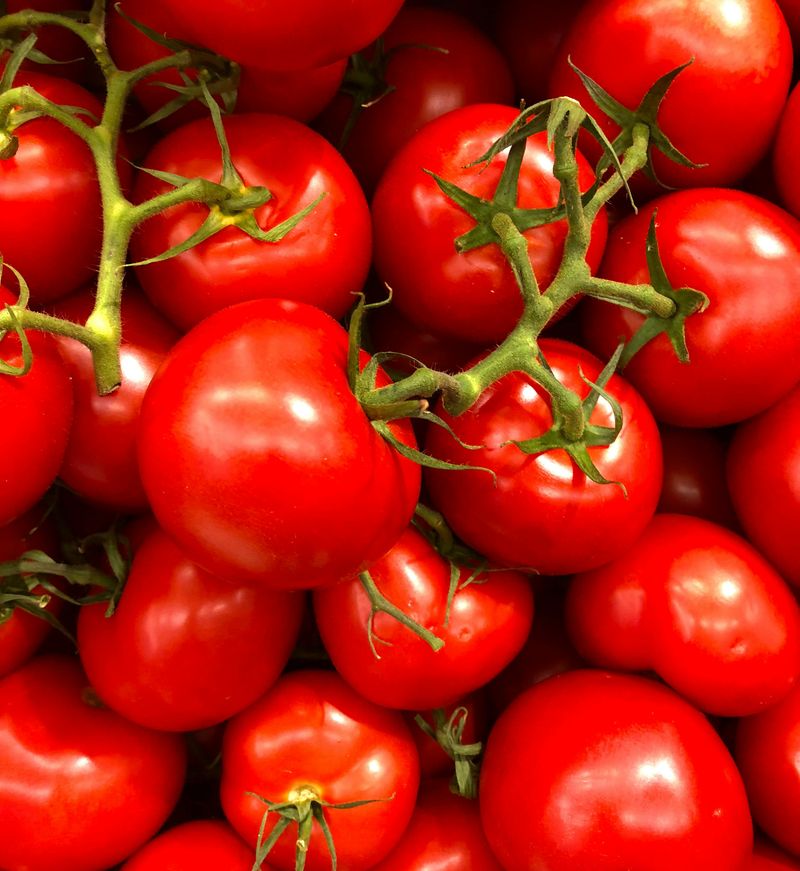
Tomatoes hide a lot of textures inside one bite. The firm skin pops, the flesh turns juicy, and the seedy gel oozes.
That combination can feel chaotic if you prefer predictable chewing.
Try roasting cherry tomatoes until the skins wrinkle and sweetness concentrates. The gel thickens, and the burst mellows.
Deseed for cleaner slices in sandwiches. For raw salads, pair with crunchy cucumbers and croutons.
Use thick-cut slabs with a sprinkle of salt to temper the gush. A good knife helps keep things tidy.
Onions
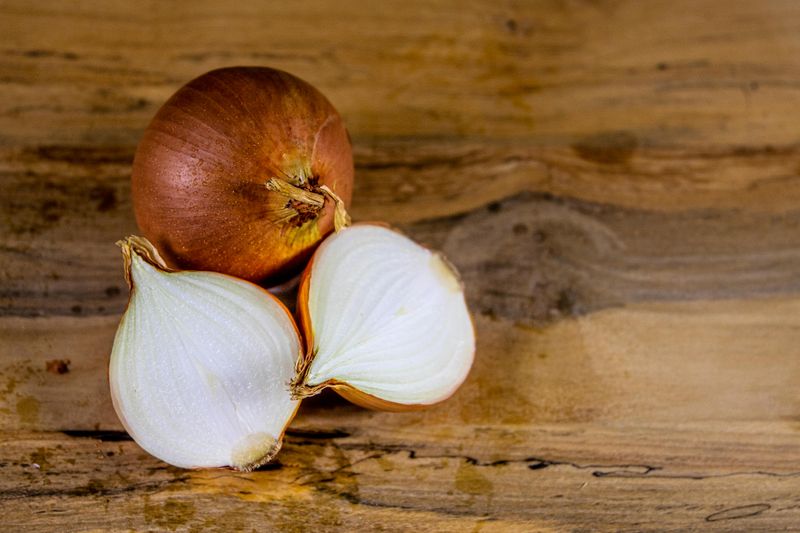
Raw onions crunch, squeak, and release sharp juices. That crisp snap plus lingering bite can overwhelm texture-sensitive eaters.
Meanwhile, undercooked onions in dishes stay wiry and slippery, a tough combination to love.
For friendlier texture, go slow and caramelize until deeply jammy. They turn silky, sweet, and spreadable.
Quick-pickle thin slices for a gentler crunch without the harsh burn. Mince finely and sweat until translucent to soften edges.
Choose sweeter varieties like Vidalia when eating raw. Knife work matters a lot here.
Jello
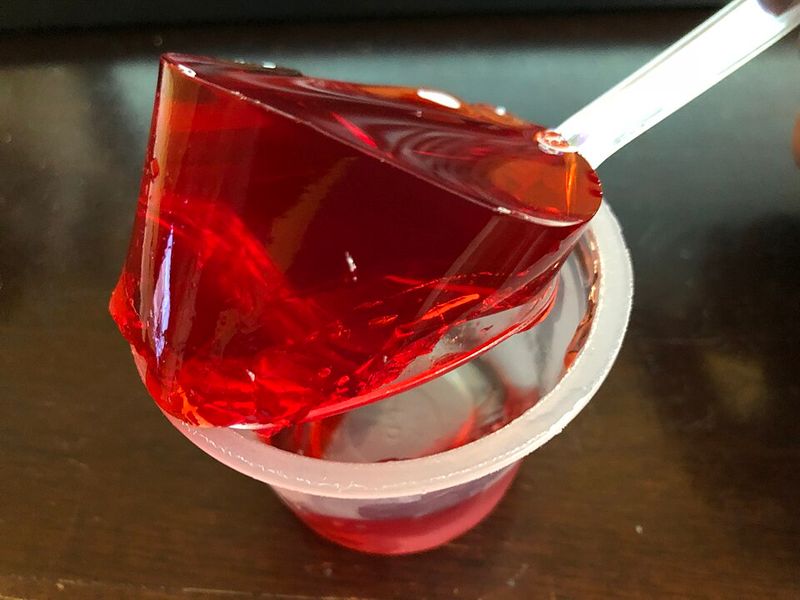
Jello is defined by wobble. The bouncy, quivering jiggle can feel playful or unnerving, especially if mouthfeel makes or breaks dessert for you.
Each bite resists, then slides away, leaving a slick finish.
If that movement gives you pause, set it firmer with slightly more gelatin for a tighter bite. Pair with whipped cream or crunchy cookie crumbs for contrast.
Cut small cubes to reduce the bounce per bite. Fruit suspended inside can add helpful nubs of texture, though some find that even weirder.
Start simple and chilled.
Pudding
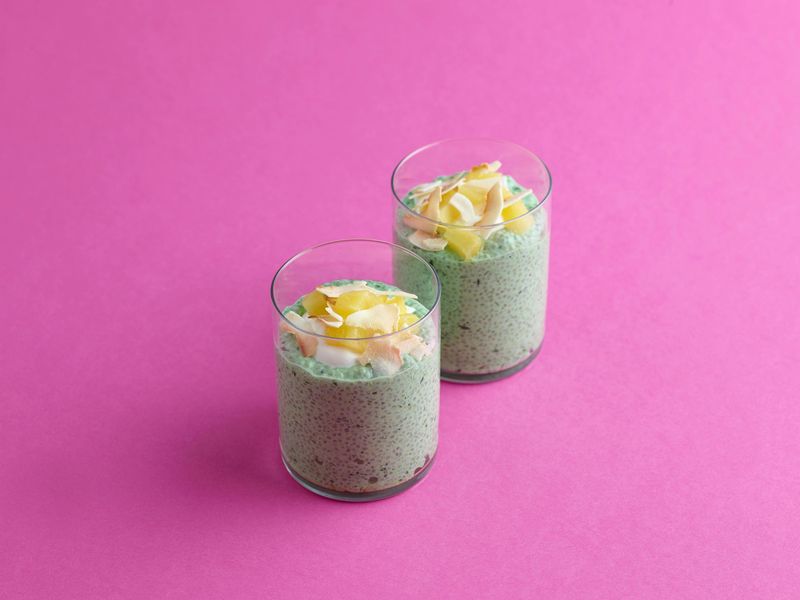
Pudding is smooth, thick, and sometimes a little gloopy. That spoon-coating texture can feel suffocating if you prefer chew.
Some versions also form a skin on top, adding an unexpected layer that turns people off.
To ease in, choose lighter puddings or mousse that incorporate air. Serve cold and add a crunchy topping like nuts, cookie crumbs, or cacao nibs.
Avoid overcooking, which thickens into paste. For homemade, whisk thoroughly for silk.
Portion into small cups for quick, less intense bites. Vanilla bean helps lift the heaviness.
Oatmeal
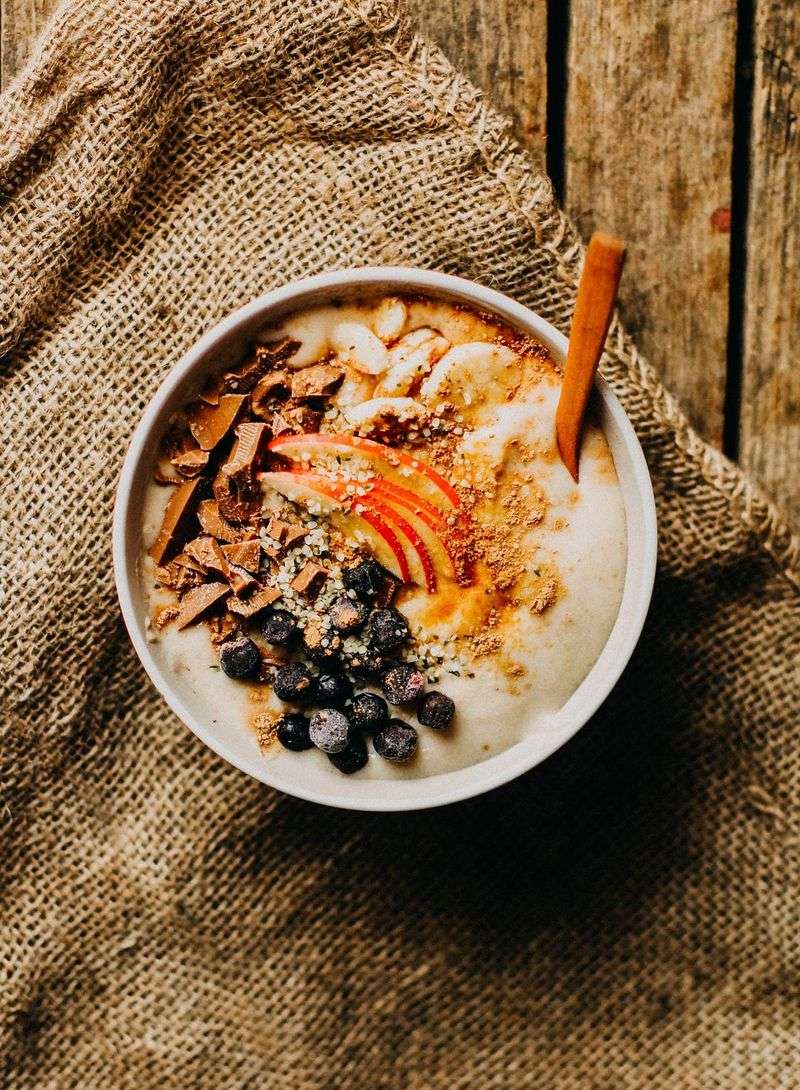
Oatmeal can veer from creamy comfort to gluey paste fast. The swollen oats, slick starch, and soft edges lack contrast, which texture-sensitive eaters notice immediately.
Overcooked oats magnify the mush and feel heavy.
Cook with extra liquid and stir in chopped nuts or seeds for crunch. Toast oats beforehand for a nuttier flavor and less slime.
Go for steel-cut for chew, or quick oats if you want smoother spooning. Top with crisp apples or toasted coconut to break up the bowl.
Serve warm, not hot, to avoid gummy thickening.
Rice pudding
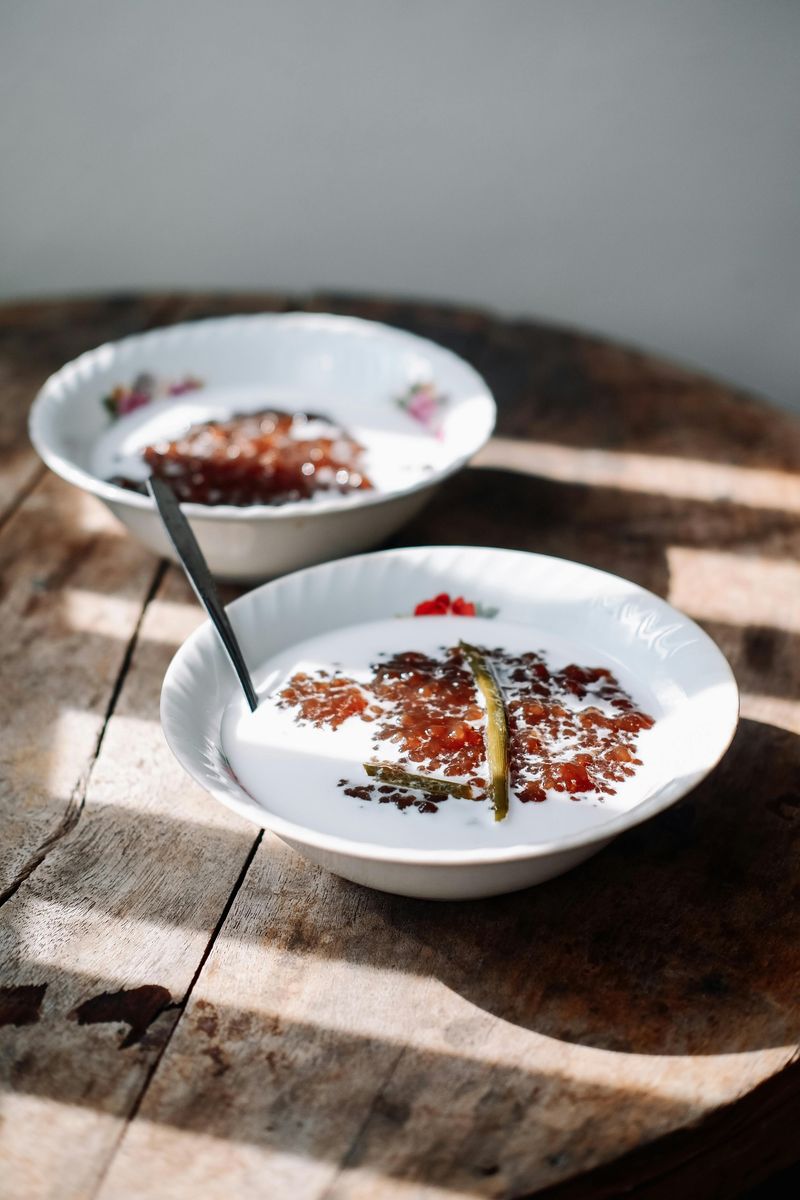
Rice pudding mixes tender grains with custardy cream, which can feel confusing if you dislike mixed textures. Each spoonful alternates between soft rice nubs and silky sauce.
Some versions get gluey as starch thickens.
Cook rice separately to perfect tenderness, then fold into custard to avoid mush. Use arborio for a plumper bite or basmati for distinct grains.
Serve chilled for a firmer set. Add toasted almonds or brittle for crunch.
A sprinkle of citrus zest brightens and lifts the heft. Keep portions small for comfort.
Tapioca pudding
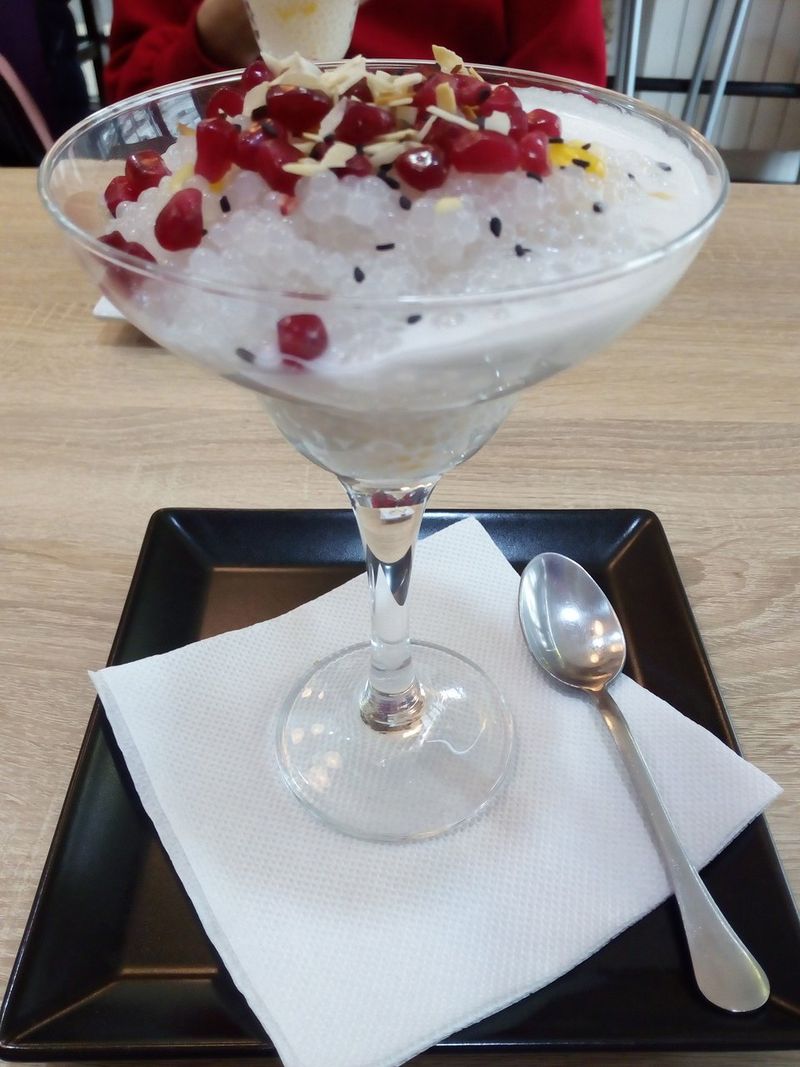
Tapioca pudding is a texture playground of tiny pearls suspended in cream. The pearls are bouncy and slick, popping subtly between teeth.
For some, that sensation is delightful. For others, it screams no thanks immediately.
If curious, start with small pearls and a thicker custard for stability. Chill well so the pearls feel firmer.
Add fruit compote or cookie crumbles for varied bites. Stir constantly while cooking to keep pearls separate and prevent gloop.
Vanilla and salt help tame the sweetness so the texture can shine without overwhelming.
Okra
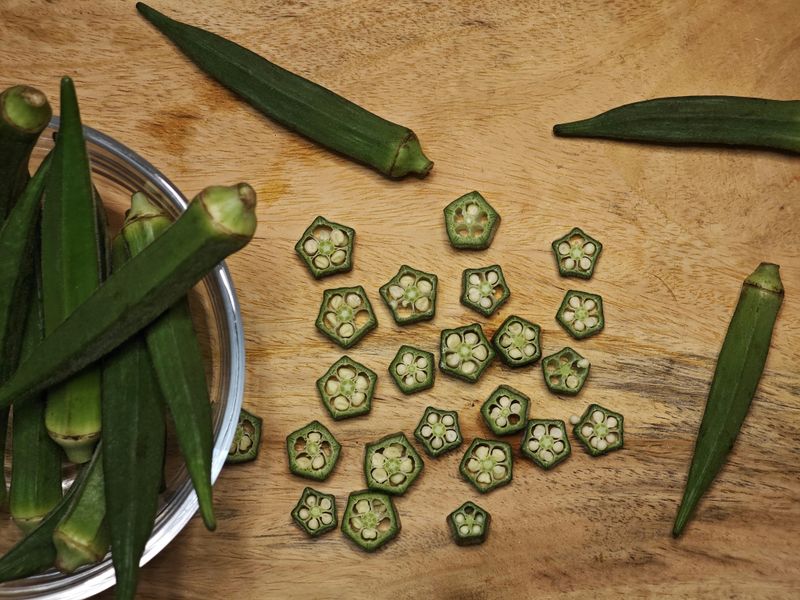
Okra gets a reputation for slime. When cut, it releases mucilage that thickens stews but can feel slippery and stringy.
That mouth-coating texture is a hard stop for many people.
To tame it, cook hot and fast to char, or long and slow in acidic tomato stews. Vinegar, lemon, or tomatoes reduce sliminess.
Keep pods dry, and avoid overcrowding the pan. Frying or roasting creates a crisp shell that balances the interior.
Choose young, small pods for less mucilage. Slice lengthwise for more surface area and browning.
Seaweed
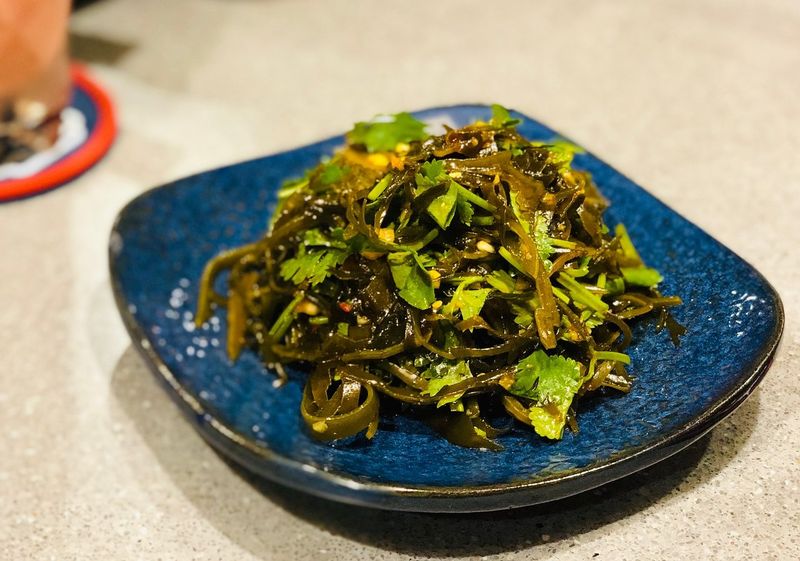
Seaweed spans papery crisp to slippery strands. Nori can melt into chewy bits once damp, while wakame salads bring a glossy bounce.
The oceanic aroma adds intensity that some interpret as slimy, even when fresh.
For beginners, try toasted nori chips that stay crisp. Mix wakame with crunchy cucumbers and sesame seeds for balance.
Rinse well to reduce excess slickness. In soups, add at the end so it softens without dissolving.
Season with citrus and ginger to brighten the brine. Portion modestly to acclimate.
Shrimp
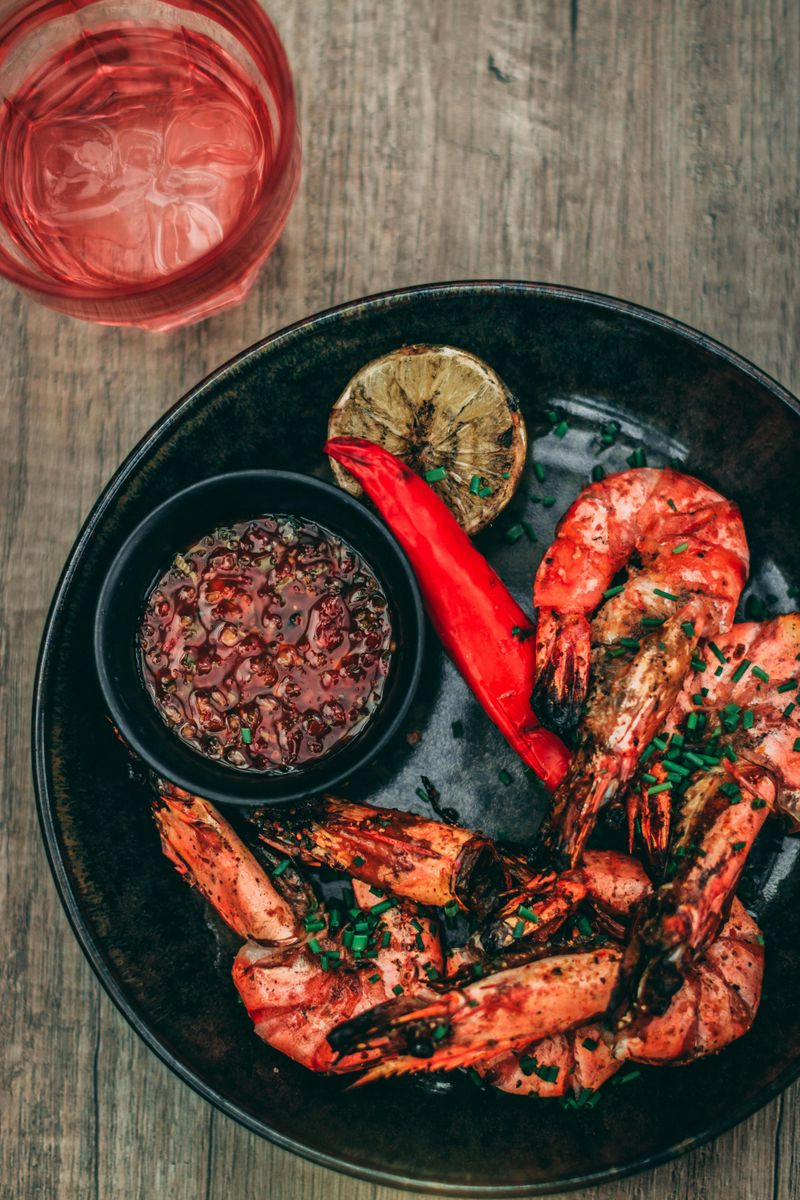
Shrimp walks a tightrope between snappy and rubbery. Perfectly cooked, it has a clean pop and juicy bite.
Overcooked turns tough, squeaky, and dry, emphasizing bounce that some find unpleasant.
Brine briefly for tenderness, then cook just until pink and curled into a gentle C. Ice immediately to stop carryover.
Pat dry for good sear, adding texture on the surface. Pair with crunchy vegetables or rice to diversify mouthfeel.
Avoid pre-cooked shrimp that often feels chalky. Freshness matters for sweetness and snap.
Clams
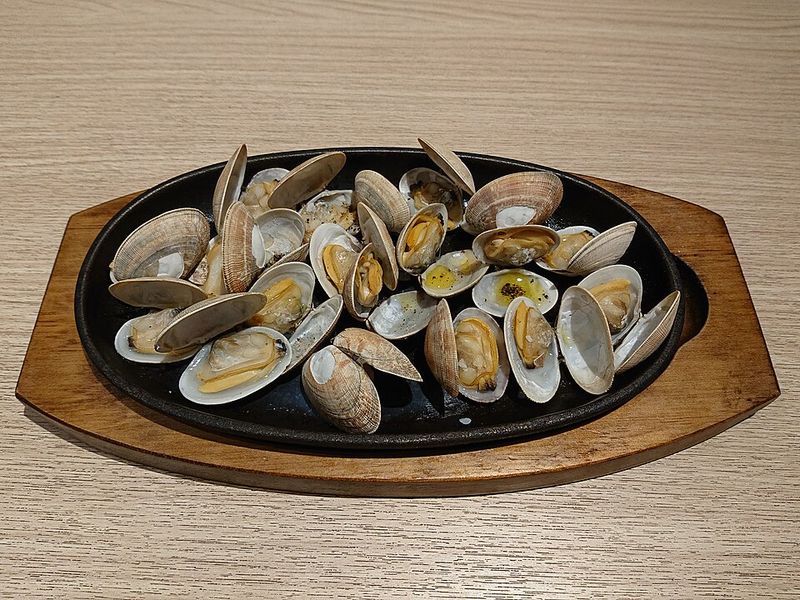
Clams can be tender yet chewy, with a slight elasticity that catches texture-sensitive eaters off guard. There is also a briny slickness and occasional grit if not cleaned well.
That trio makes some people tap out quickly.
Purge clams in salted water to remove sand. Steam gently until shells just open, then stop.
Overcooking toughens them. Serve with toasted bread for crunch and to soak juices.
Chop finely and fold into pasta or chowder for smaller bites. Lemon and herbs brighten the brine.
Fatty meat
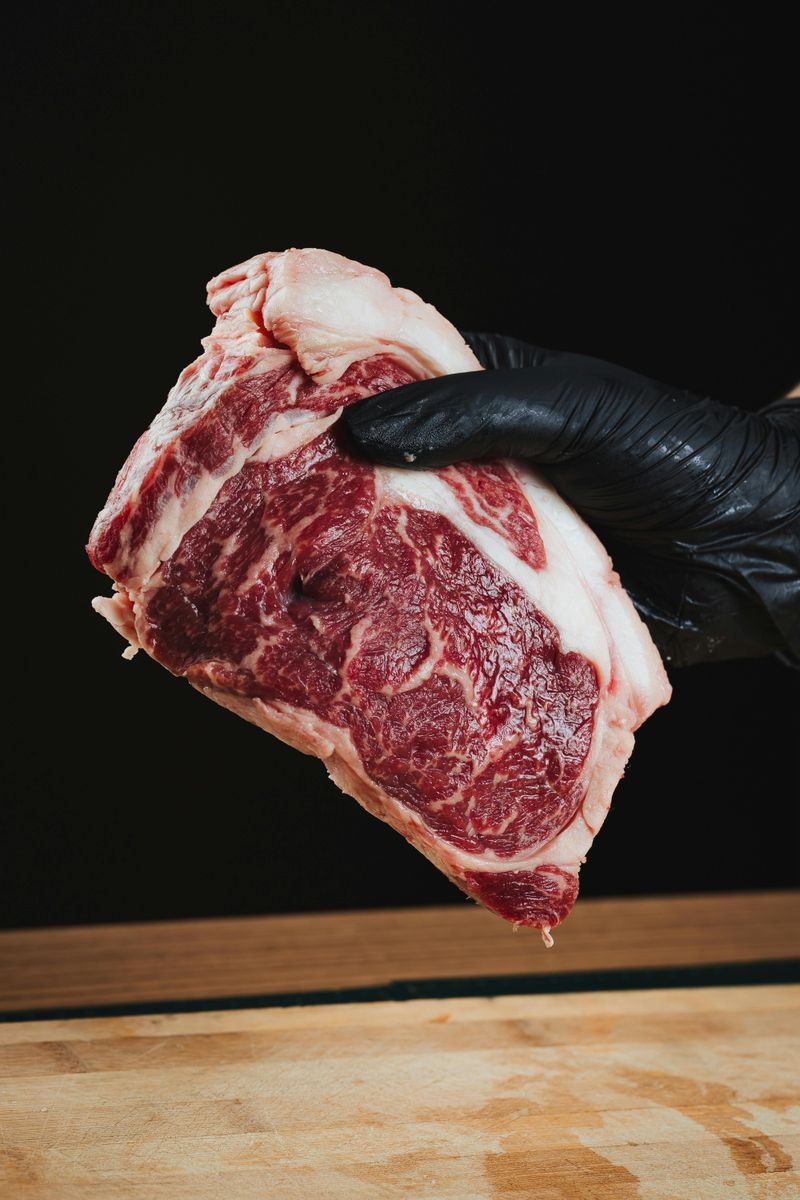
Fatty meat offers luscious flavor but challenging mouthfeel. Unrendered fat can feel waxy and chewy, while rendered fat turns slippery and coats the tongue.
Both sensations can be jarring if you prefer lean, tidy bites.
Seek cuts with even marbling and cook low and slow to render thoroughly. Crisp edges on a hot pan or grill add welcome texture.
Slice thin across the grain to reduce chew. Pair with acidic slaws or pickles to cut richness.
Trim excess fat caps if the wobble bothers you. Balance is everything here.
Soft cheese
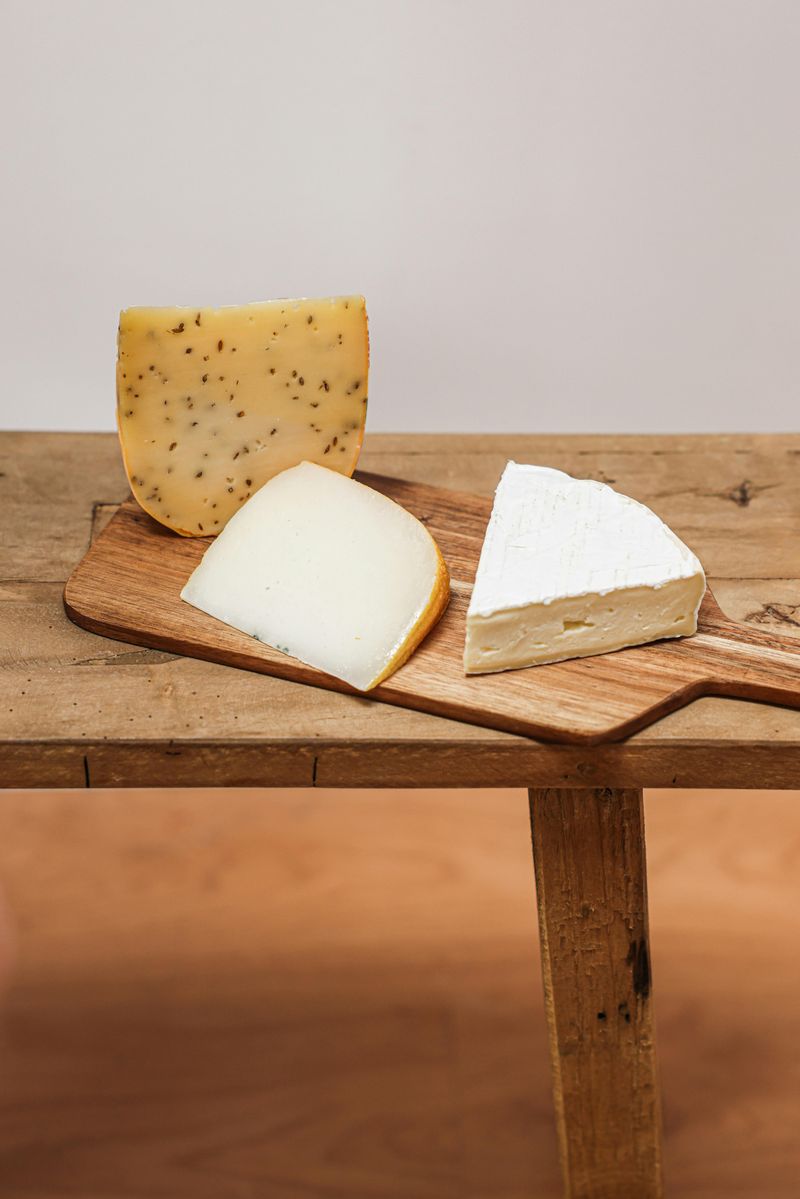
Soft cheese ranges from spreadable to oozy. Brie and camembert ooze with a buttery flow, while goat cheese crumbles creamy.
The rind can be bloomy and tender, adding a delicate skin that some find odd.
Serve chilled for a firmer feel, then let warm slightly for flavor. Pair with crunchy crackers or crisp apples to counter the cream.
If rinds worry you, scoop from the center. Drizzle honey or add pickles for contrast.
Start with whipped goat cheese for a lighter, airy spread before tackling runny wheels.
Eggplant
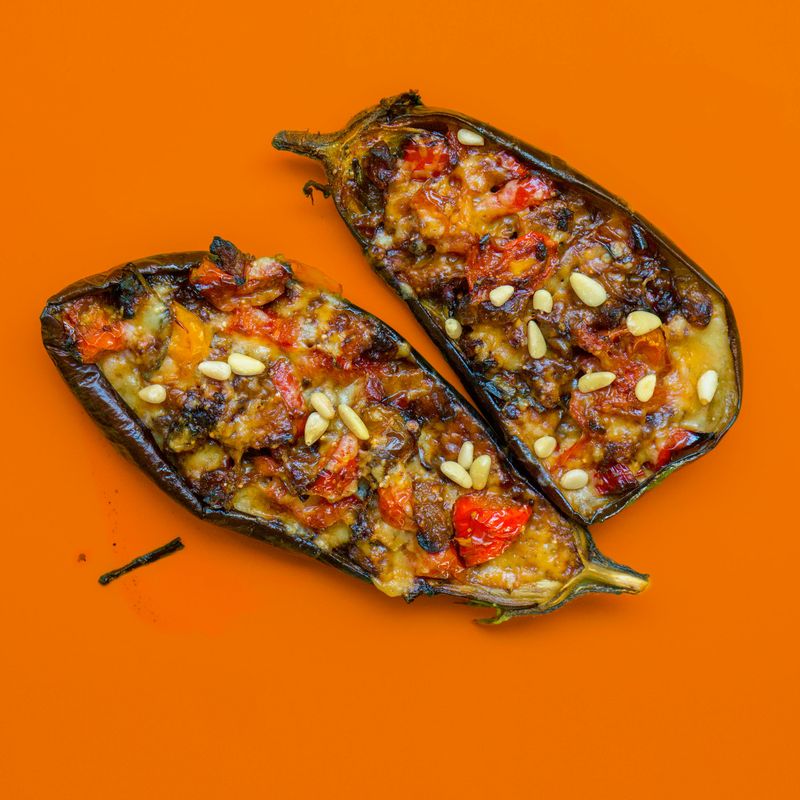
Eggplant swings wildly from silky to sponge-like. Undercooked, it can be tough and squeaky.
Over-oiled, it drinks fat and turns greasy, which amplifies slipperiness. Many texture-sensitive eaters give up after one bad bite.
Salt slices to draw moisture and firm the flesh before cooking. Roast at high heat until the edges char and centers soften like custard.
The contrast helps enormously. For structure, cube small and stir fry quickly.
Baba ganoush is smooth and smoky if you want spreadable. Choose young eggplants for fewer seeds and less bitterness.