


Remember when building a high protein grocery list was easy on the wallet? Lately, staple items that once stretched budgets now feel like splurges.
Supply chain shocks, feed costs, and shifting demand turned former bargains into price surprises. Let’s break down the foods you probably counted on and figure out what happened, plus where you can still squeeze value.
Eggs

Eggs used to be the MVP of frugal protein, showing up in scrambles, sandwiches, and bakes without denting your budget. Then came feed spikes, disease outbreaks, and transportation hiccups that sent prices climbing.
Suddenly, a dozen did not feel like a deal.
You still get complete protein, choline, and versatility, but value takes strategy now. Shop warehouse packs, compare large versus extra large, and watch weekly ads.
When prices dip, batch-cook egg bites, frittatas, and hard-boiled eggs for grab-and-go meals.
Bacon
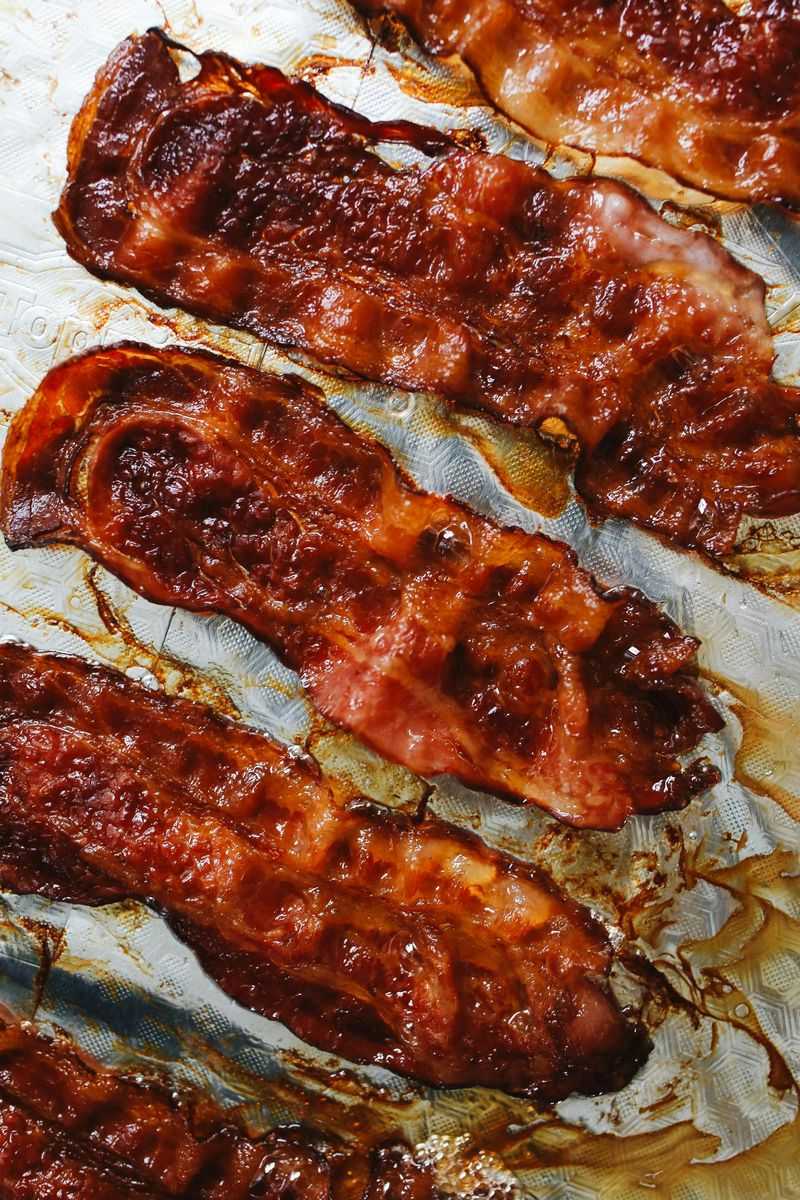
Bacon was once an indulgent protein you could sneak into breakfast without overthinking cost. Pork supply swings, processing bottlenecks, and brand markups changed that math.
The per-slice price now competes with premium proteins.
If you love the flavor, use it like a seasoning instead of the main event. A few chopped strips can elevate soups, salads, or Brussels sprouts.
Seek store brands, buy family packs, and freeze in half-pound portions. Consider center-cut or thin-sliced to stretch further.
Chicken wings
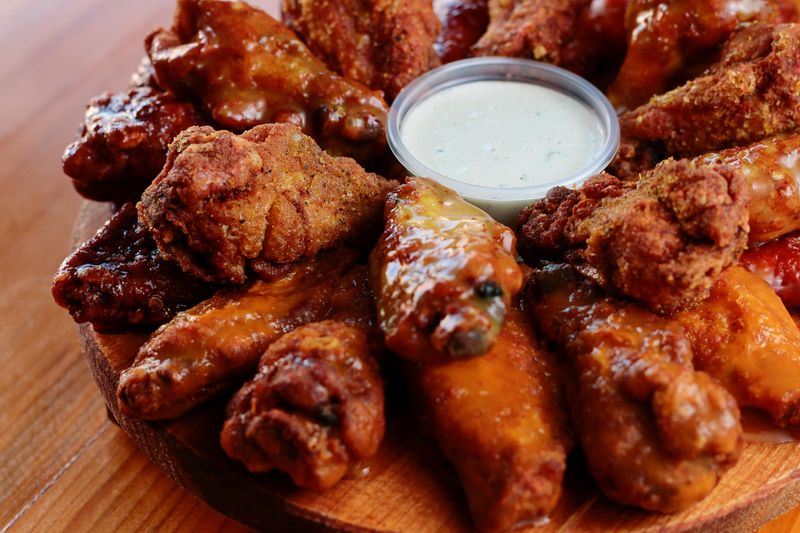
Wings were the scrappy, budget-friendly cut no one bragged about. Then restaurants and game-day demand crowned them kings of bar menus, and prices followed.
Processing capacity and export pulls added pressure, pushing wings above other chicken cuts.
For savings, pivot to drumsticks or thighs and cut them smaller for wing-like bites. Bake with a cornstarch rub for crisp edges, then toss in buffalo or honey-garlic sauce.
When wings go on sale, stock up and freeze flat in zip bags.
Ground beef
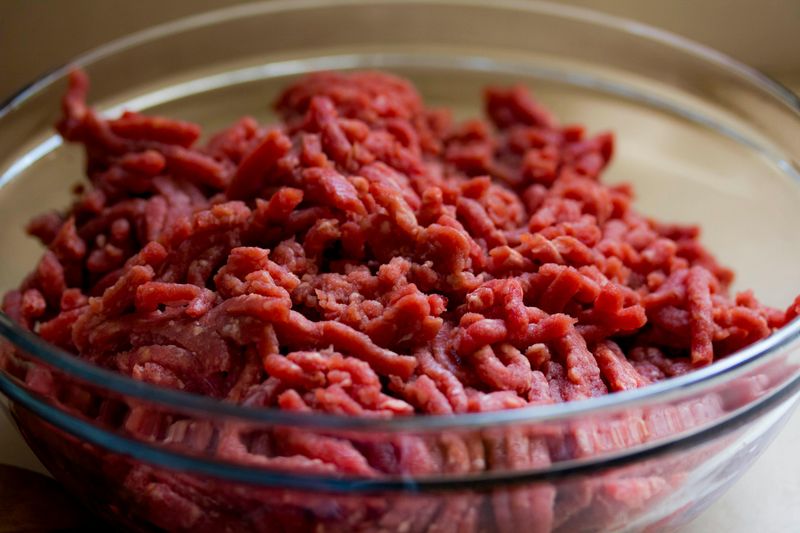
Ground beef used to be the thrifty base for chili, tacos, and burgers. Feed costs, droughts affecting cattle herds, and tight supplies nudged prices higher.
Leaner blends command even more, squeezing weeknight budgets.
To stretch it, blend in mushrooms, lentils, or grated zucchini. Choose 80-85 percent lean for value and drain excess fat after browning.
Buy larger chubs, portion, and freeze flat for quick thawing. Keep an eye on manager specials and cook once for multiple meals.
Beef steak
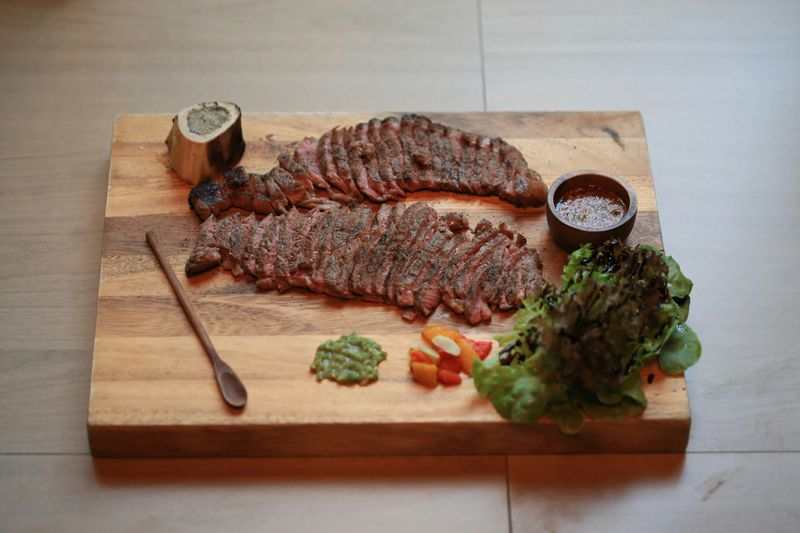
Steak was never dirt cheap, but choice cuts sometimes dipped low enough to justify a splurge. Now, tighter cattle supplies, logistics costs, and restaurant competition keep prices lofty.
Even mid-tier cuts feel premium.
Shift strategy: hunt value in flat iron, top sirloin, chuck eye, or bavette. Marinate for tenderness, slice thinly against the grain, and plate with hearty sides.
Grab whole subprimals at warehouse clubs and portion yourself. Rest steaks properly to maximize every juicy bite.
Salmon
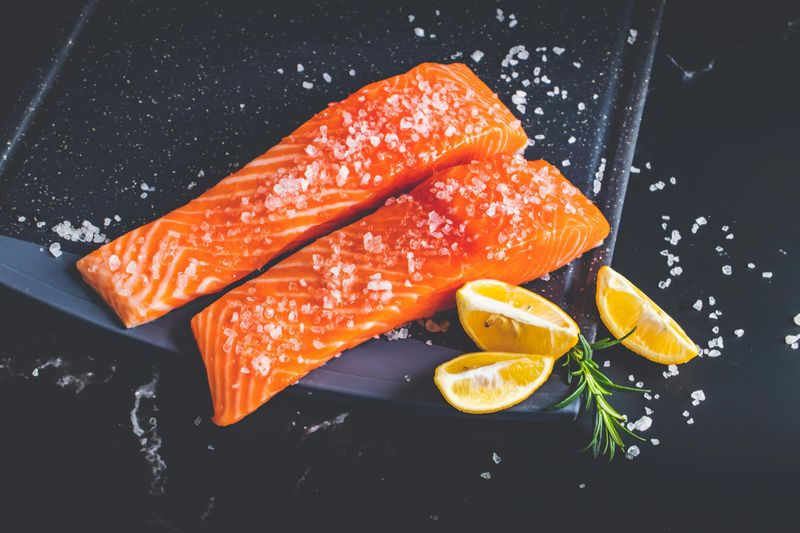
Salmon became a weeknight favorite when farmed supply made it widely available and relatively affordable. Feed inflation, disease management, and global demand pressed prices upward.
Wild-caught has long been pricier, but even farmed feels premium now.
Stretch value with frozen fillets, canned salmon cakes, or portion-controlled servings. Try steelhead trout or Arctic char when they undercut salmon.
Bake sheet-pan style with vegetables to keep portions reasonable. Use bold sauces like miso glaze or chimichurri to make smaller pieces satisfying.
Fresh shrimp
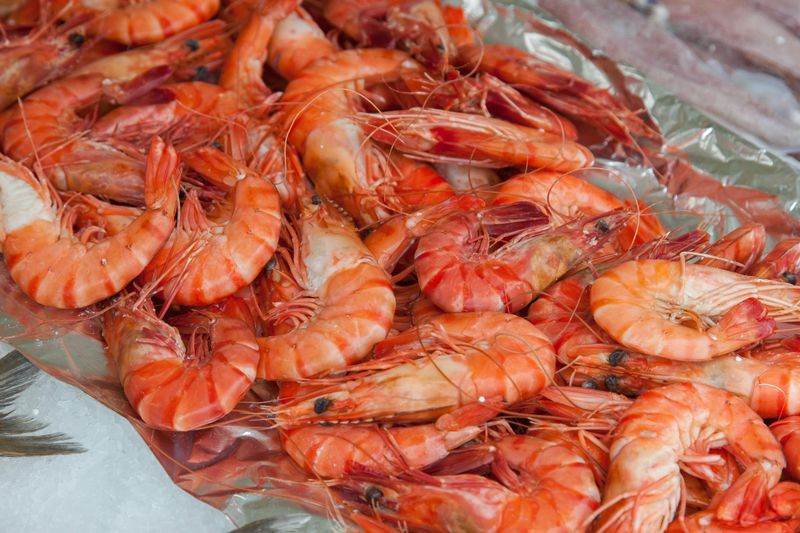
Shrimp used to be the budget-friendly way to feel fancy on a Tuesday. Weather, disease cycles, feed costs, and import dynamics reshaped pricing.
Large counts especially carry premiums that add up quickly.
Go for frozen, shell-on bags, and thaw only what you need. Smaller sizes like 41-50 count still satisfy in stir-fries and tacos.
Save shells for stock to extract extra value. Watch holiday sales and buy an extra bag for future meals.
Canned tuna

Canned tuna once anchored ultra-cheap lunches. Prices rose with fishing regulations, fuel costs, and brand positioning, plus a shift toward higher-quality albacore and line-caught options.
Even light tuna no longer feels like a steal.
For value, choose tuna in water, buy multi-packs, and compare per-ounce costs. Boost sandwiches with crunchy veg to stretch servings.
Switch it up with tuna pasta, stuffed peppers, or rice bowls. When sales hit, stock the pantry and rotate by date.
Peanut butter

Peanut butter used to be a no-brainer protein for snacks and smoothies. Crop variability, transportation, and branding turns pushed jars higher.
Fancy add-ins and specialty grinds widened the gap further.
Stick with store brands, larger sizes, and simple ingredients. Compare price per ounce and consider powdered peanut butter for shakes.
Stir natural jars and store upside down to keep texture easy. Use it in sauces for noodles, oats, and energy bites to stretch servings.
Greek yogurt

Greek yogurt earned its place as a protein bargain, especially in big tubs. Milk prices, straining costs, and brand premiums gradually inflated the price tag.
Single-serve cups hit hardest.
For savings, buy plain tubs and sweeten yourself. Strain regular yogurt overnight for a thicker texture and better value.
Use it as sour cream, in marinades, and in overnight oats. Track unit prices and rotate flavors only when they are on promotion.
Cottage cheese
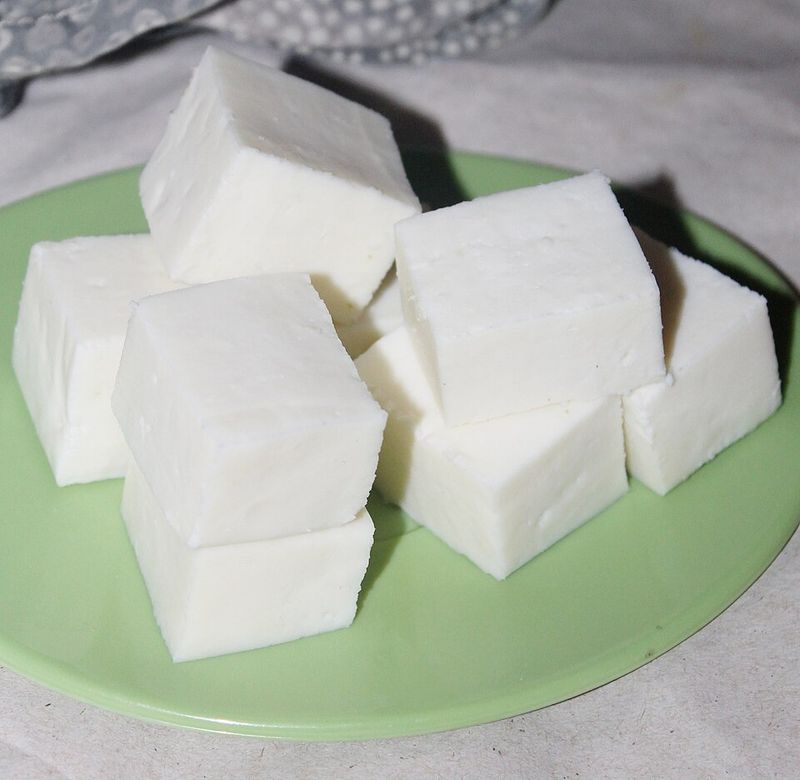
Cottage cheese quietly went from sleeper deal to trending snack, and prices followed. Higher milk costs and viral recipes spiked demand, pushing shelves to rotate faster at premium pricing.
Even store brands crept up.
Buy larger tubs, compare fat levels, and watch for loyalty app deals. Blend it for creamy dips, whip into pancakes, or layer with fruit and nuts.
If prices bite, try quark or strained yogurt as stand-ins. Keep the lid tight to extend freshness and reduce waste.
Chicken breast
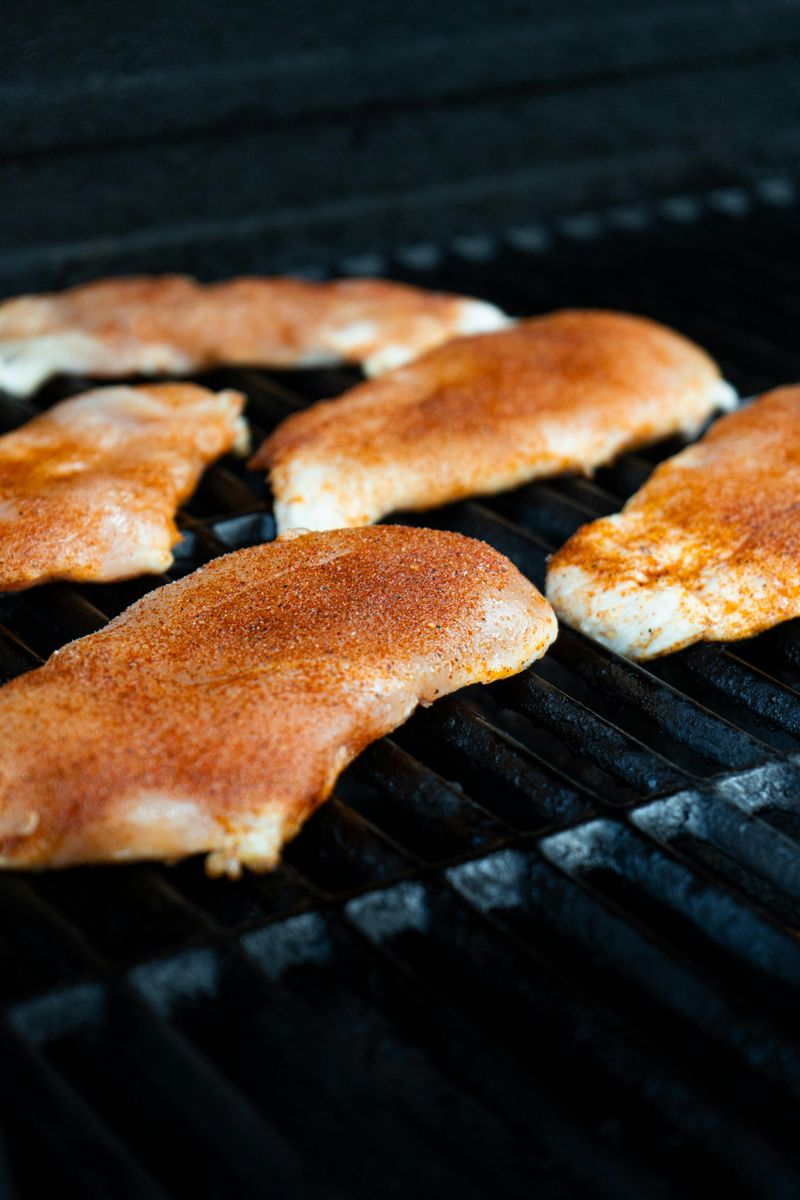
Chicken breast was once the automatic lean protein choice on sale every other week. Now, flock issues, processing costs, and heavy demand keep prices elevated.
Boneless skinless convenience adds a premium too.
To save, buy bone-in and debone at home, or choose thighs for better value and flavor. Pound breasts thin for even cooking and portion control.
Vacuum-seal bulk packs and freeze flat. Marinate with yogurt or citrus to maximize tenderness.
Sausage

Sausage turned pricey as meat inputs, spices, and labor costs climbed. Artisan varieties and trendy flavors made the baseline feel expensive.
Even basic links can rival whole cuts on a per-pound basis.
Stretch it by slicing and mixing with beans, potatoes, or vegetables. Choose bulk packs or chubs and form patties yourself.
Compare pork to chicken or turkey sausage for savings. Freeze cooked crumbles in small bags for quick pastas and soups.
Deli turkey
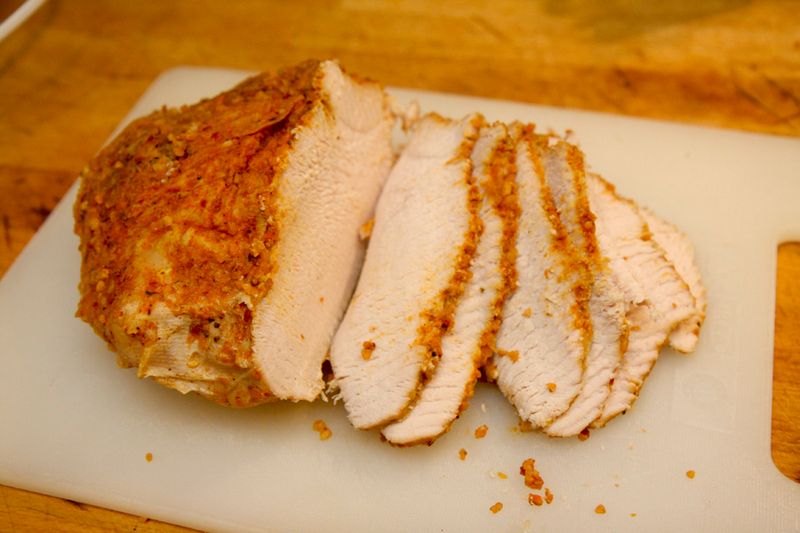
Deli turkey used to be the low-fat, budget sandwich star. Now slicing labor, packaging, and brand premiums have lifted prices beyond expectation.
Per-pound, it can exceed roast turkey you cook yourself.
Buy whole breasts to roast and slice at home, then portion and freeze. Choose off-peak flavors or ends-and-pieces when available.
Stack sandwiches with crunchy veg to use fewer slices. Check unit prices at warehouse clubs before committing.
Cheese
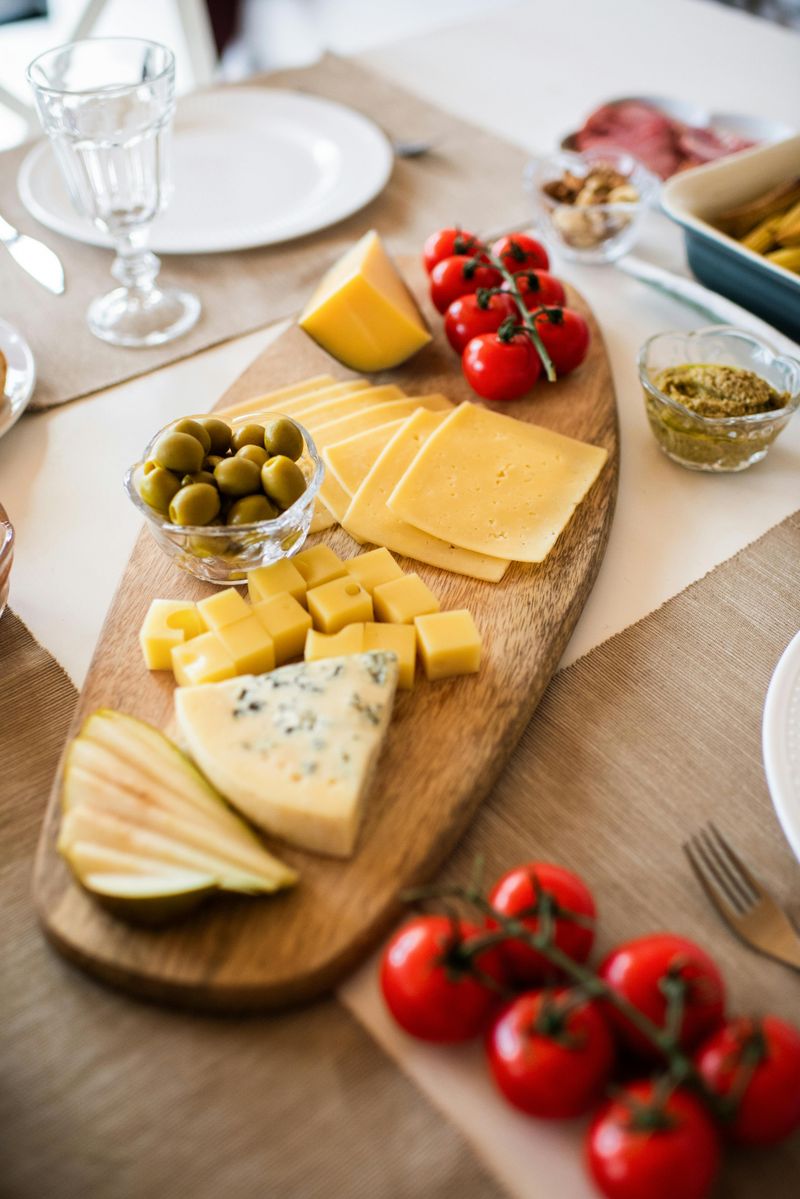
Cheese prices rose with milk costs, aging time, and specialty branding. Blocks that were once weekly staples now feel occasional.
Pre-shredded convenience adds hidden expense.
For value, buy whole blocks and shred or slice yourself. Choose versatile workhorses like cheddar, mozzarella, or jack.
Shop close-dated markdowns for cooking. Keep cheese wrapped properly to reduce waste and protect your budget.
Beans

Even beans, the classic budget protein, feel pricier in canned form. Packaging, transport, and convenience taxes add up.
Dried beans still win, but prices nudged upward too.
Buy in bulk and cook big batches for the freezer. Use a pressure cooker to save time and energy.
Season assertively with aromatics, then repurpose into chili, bowls, and dips. Compare per-ounce costs across international markets for surprise deals.
Lentils

Lentils were the stealth hero for cheap protein and fiber. Globally, shipping and crop variability nudged prices up, especially for specialty colors.
Still affordable, yes, but less dirt-cheap than before.
Stretch value by buying plain varieties in bulk bags. Cook with concentrated spices, tomato paste, and onions for depth.
Freeze portions flat for fast thawing. Use in tacos, sloppy joes, or salads to replace part of pricier meats without missing satisfaction.
Tofu
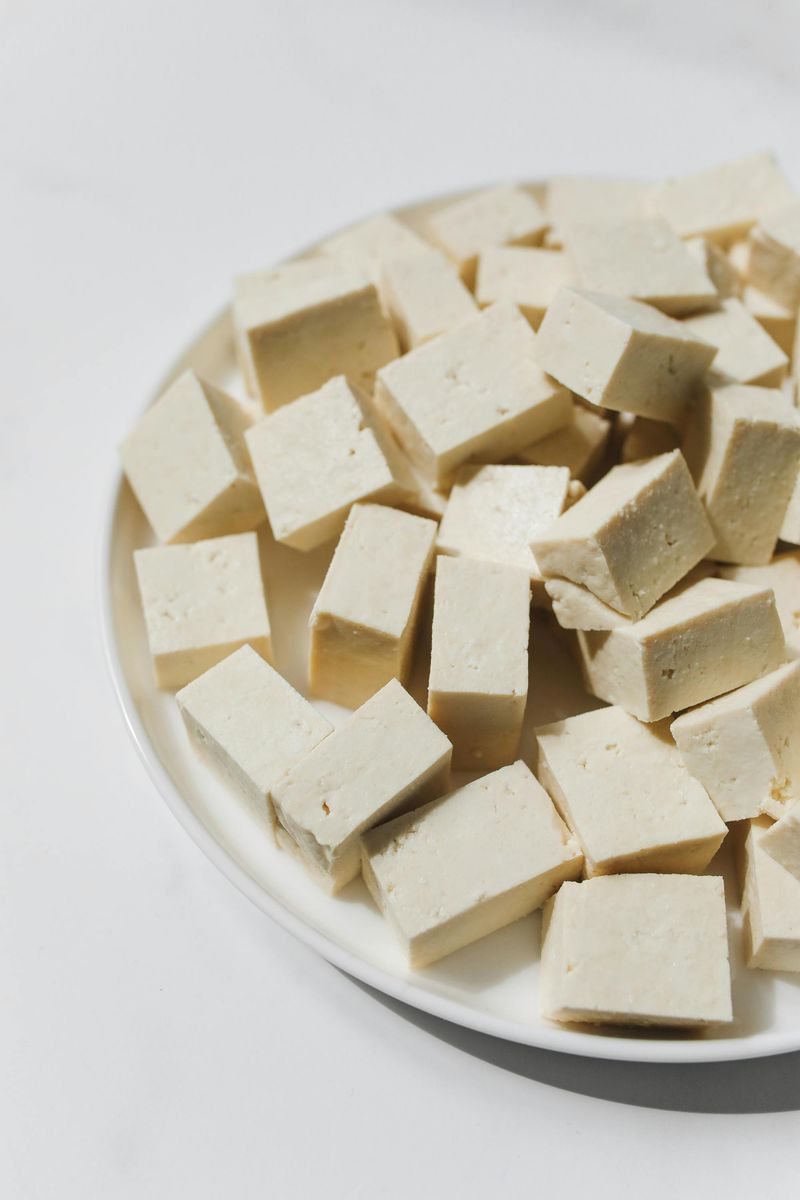
Tofu long offered steady, low-cost protein, but packaging, transport, and demand ticked prices higher. Extra-firm and organic varieties add premiums.
Still, it remains competitive if treated right.
Press to remove moisture, marinate boldly, and sear hard for texture. Buy twin-packs, check sell-by discounts, and freeze for meatier chew.
Use cornstarch for crisp cubes in stir-fries. Pair with grains and veggies to keep portions balanced and affordable.
Protein powder

Protein powder was a gym-budget staple before whey and plant inputs surged. Dairy prices, processing, and branding escalated tubs fast.
Single-serve packets can be eye-watering on a per-serving basis.
Choose larger tubs, unflavored or basic flavors, and compare price per gram of protein. Consider blends or soy when cheaper.
Watch subscription deals and warehouse sales, and store scoops in airtight containers. Use smoothies strategically to complement whole-food proteins instead of replacing meals.
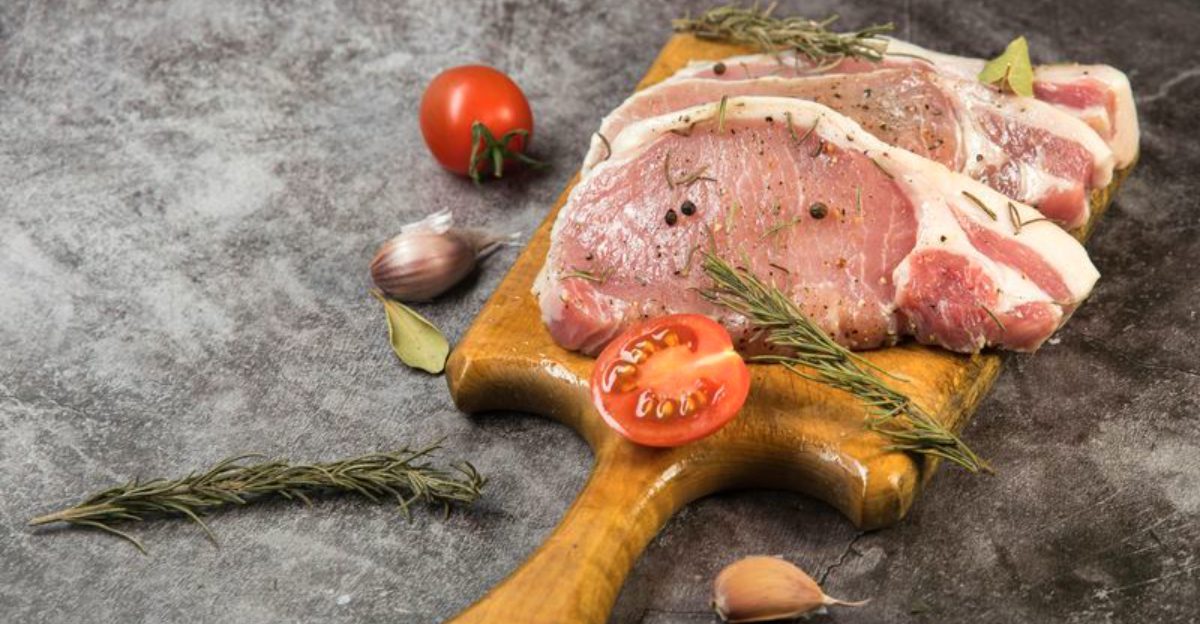
Pork chops
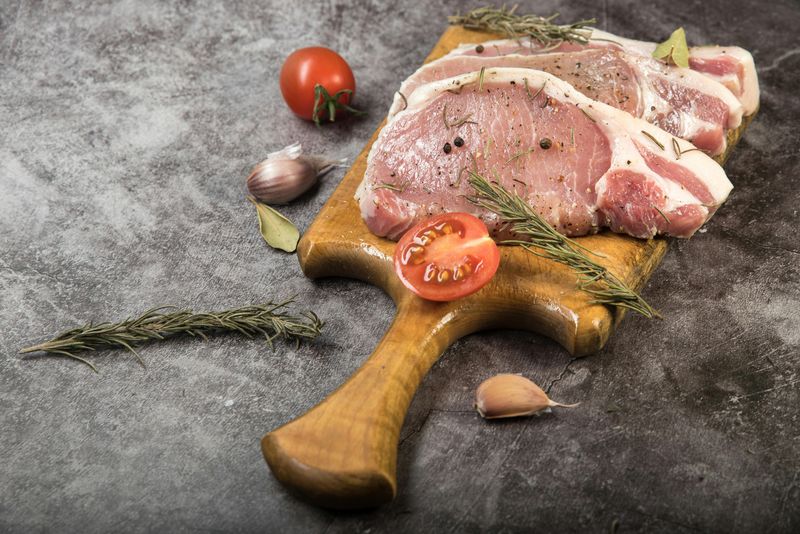
Pork chops once anchored budget dinners without complaint. Feed costs, processing, and export demand nudged prices up, especially for thick-cut or frenched chops.
The value gap with chicken narrowed.
Look for family packs, bone-in options, and blade or sirloin chops. Brine briefly for juiciness, then sear hot and finish low.
Slice thin for rice bowls to stretch portions. When sales appear, freeze individually for easy weeknight cooking.