



Remember when a few pantry staples could carry you through the week without stressing your wallet? Lately, those go to items feel like they have price tags that keep creeping up.
Still, with a little strategy and a few smart swaps, you can squeeze more meals from every cart. Let’s talk about the classic budget stretchers and how to make them work hard for you today.
Eggs

Eggs used to be the no brainer protein for any tight week. Prices spiked, cooled a bit, then stayed stubborn, so you feel every dozen.
The trick now is leaning into versatility and reducing waste by planning.
Batch cook egg muffins with leftover veggies, or make shakshuka for dinner. Buy large instead of extra large, and compare store brands.
When possible, grab 18 count packs for lower per egg costs.
Hard boil for lunchboxes, freeze surplus scrambled in portions, and save shells for compost. You still get protein, speed, and endless meals if you shop smart.
Rice
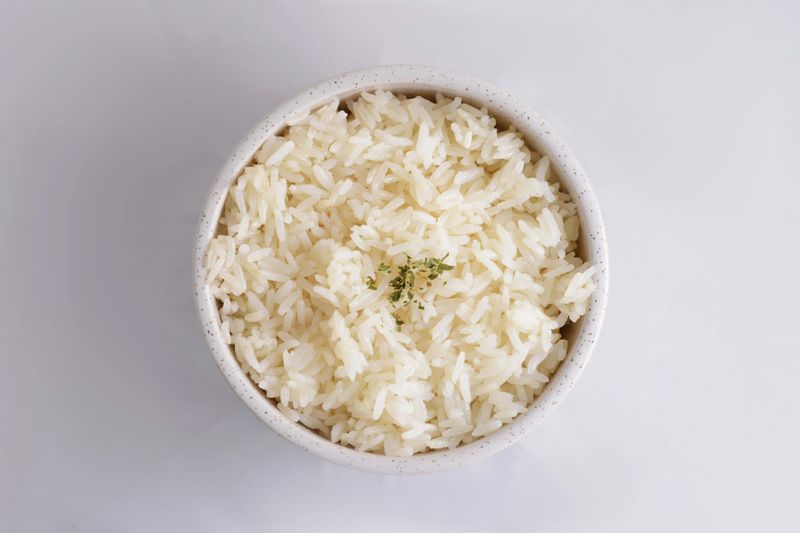
Rice used to be the backbone of cheap dinners. Even with higher prices, it remains a budget ally when bought in bulk and stored well.
Skip small bags and aim for 10 to 20 pound sacks if space allows.
Rinse to improve texture, then cook extra for fried rice and burrito bowls. Mix half white, half brown for balance.
Turn leftovers into congee or rice pudding to avoid waste.
Store in airtight bins with bay leaves to discourage pests. Stretch stews and curries over rice instead of serving meat heavy plates.
It quietly multiplies meals.
Beans
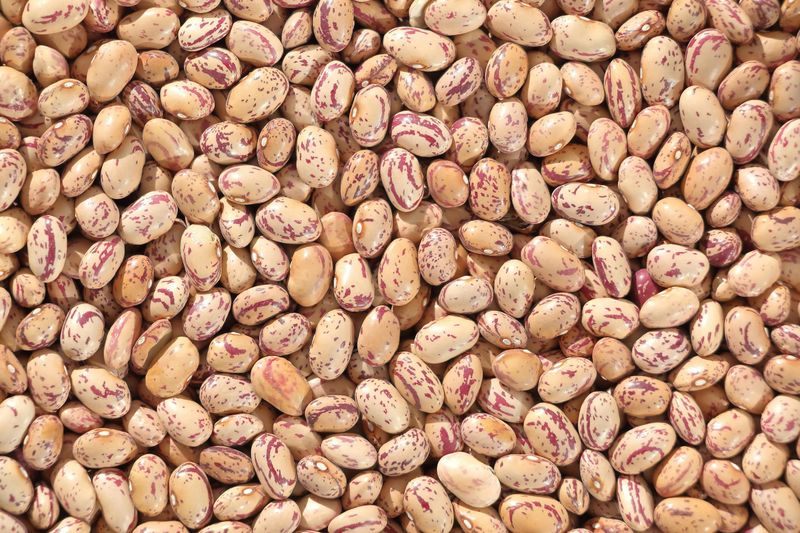
Beans were once the undisputed kings of cheap protein. Canned prices climbed, and dried beans also nudged up, but value remains strong.
Dried still beats canned per serving, especially when pressure cooked.
Soak or quick soak, salt late, and freeze in two cup portions. Turn one pot into tacos, chili, and hummus style dips across days.
Add aromatics to elevate flavor without costly meat.
Buy mixed varieties to avoid menu fatigue. Mash beans to extend ground meat in patties or sauces.
With a few spices, beans anchor hearty, comforting meals that still respect your budget.
Lentils
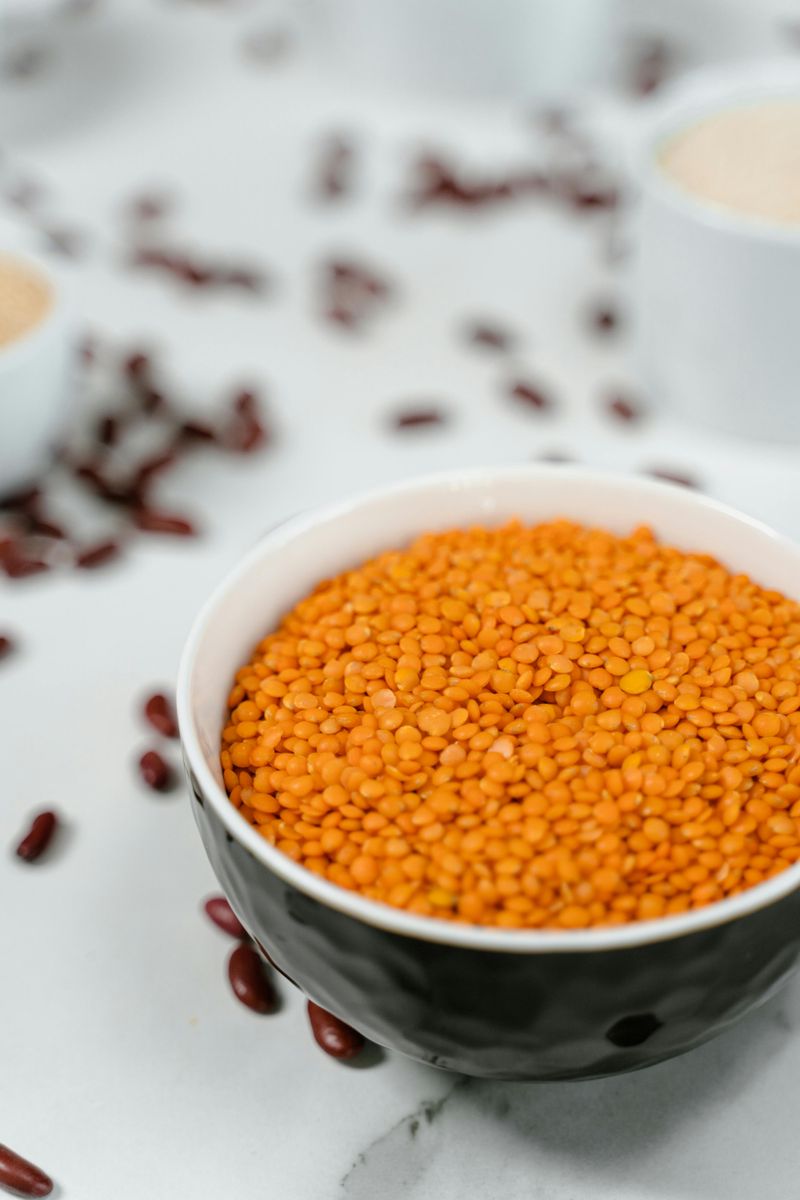
Lentils used to hide in the shadows of beans, quietly cheap and fast. Prices rose but remain fair, especially compared to meat.
They cook without soaking, which saves time and energy costs.
Make a big pot of dal, then transform leftovers into patties or shepherd’s pie topping. Red lentils thicken soups quickly.
Green and brown hold shape for salads and bowls.
Season generously with onions, garlic, and warming spices. Add a splash of vinegar or lemon to brighten.
Lentils carry flavors beautifully and keep the budget in check, even when grocery receipts feel relentless.
Potatoes
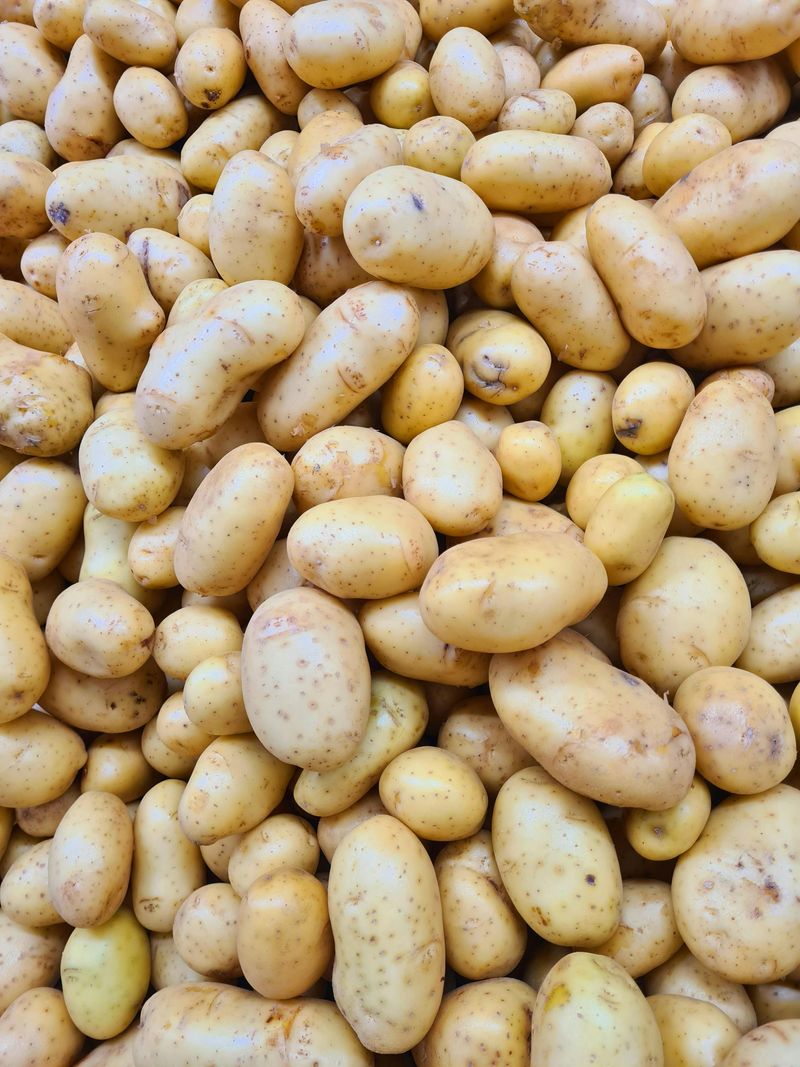
Potatoes were the classic fill you up ingredient. Costs have ticked upward, but pound for pound they still deliver.
Buy big bags when firm and unblemished, store cool and dark, and rotate often.
Roast extras for breakfast hashes, mash and freeze, or make potato soup from peels and scraps. Keep skins on for nutrients.
A simple tray bake turns odds and ends into dinner.
Stretch ground meat by grating potatoes into patties. Turn leftover mash into gnocchi or savory waffles.
With seasoning and heat, potatoes remain a canvas for satisfying, budget friendly meals.
Pasta
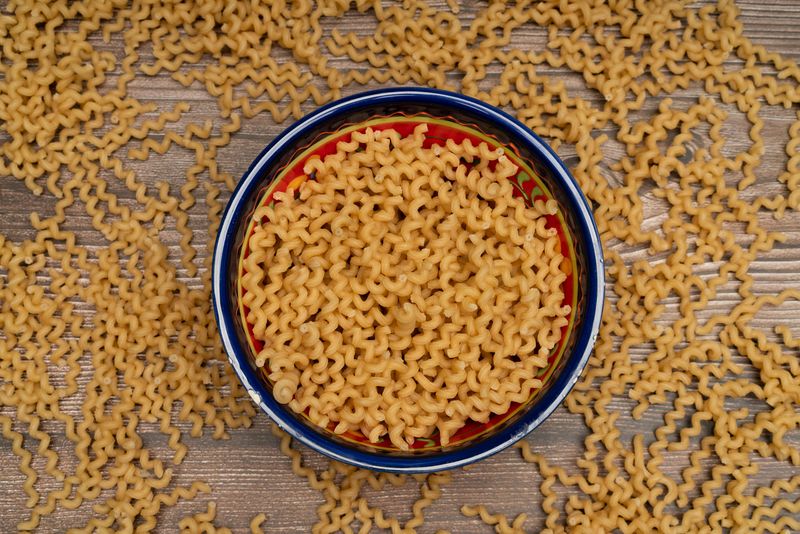
Pasta was once two for a dollar territory. Those days feel gone, yet pasta still stretches sauces and tiny amounts of protein into many plates.
Watch unit prices and stock up during real sales.
Cook just to al dente and reserve pasta water to build silky sauces. Add beans or lentils for protein.
Roast vegetables to bulk out portions without piling on costs.
Turn leftovers into pasta frittata or baked pasta cups for lunches. Choose shapes that hold sauce well so you use less.
With smart pairing, pasta continues to be weeknight reliable and budget wise.
Ground beef
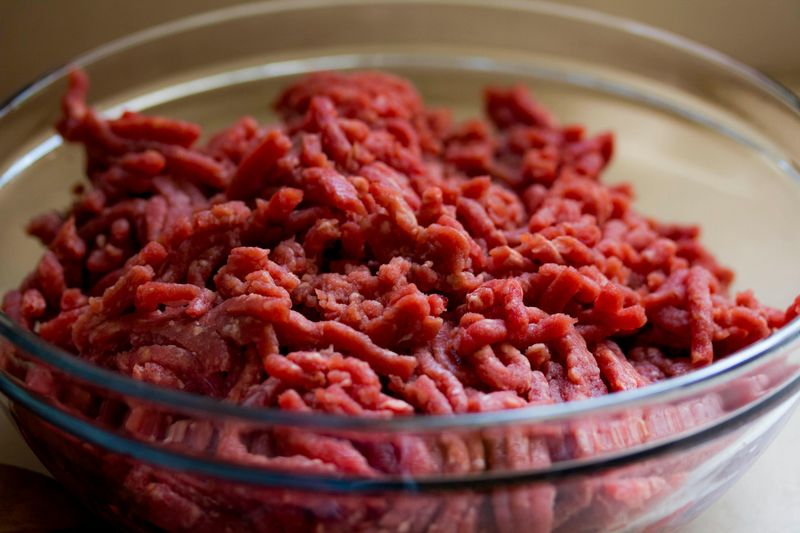
Ground beef used to be the cheap meat fix. Sticker shock is real now, so stretching matters.
Buy family packs on markdown and portion flat for quick thawing.
Season boldly, add minced mushrooms or grated veggies to extend without losing texture. Use half meat, half beans for chili or tacos.
Simmer in tomato sauce and serve over polenta or pasta to spread servings.
Fat content affects price and yield, so compare 73 vs 80 vs 93 carefully. Brown once, use twice for speedy meals.
With planning, flavor stays big while portions stay reasonable.
Chicken thighs
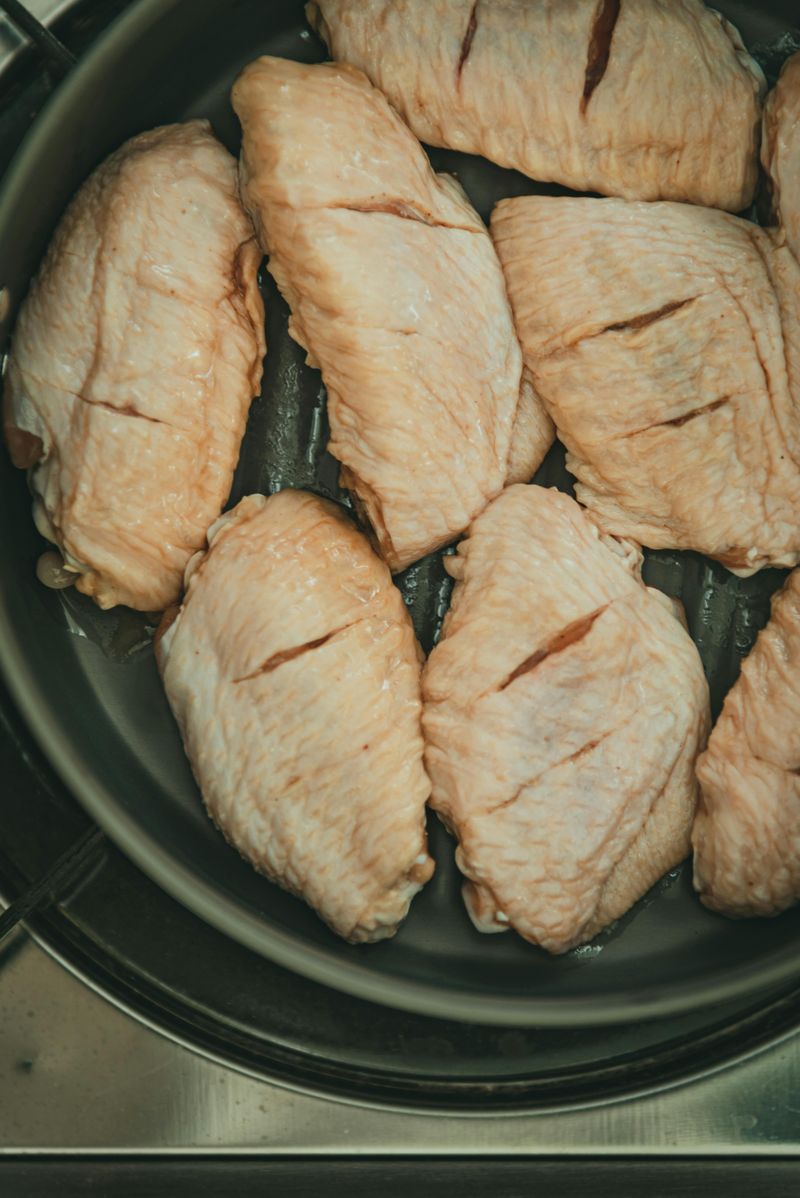
Chicken thighs used to be the thrifty pick compared to breasts. Prices climbed but value holds because dark meat is forgiving and flavorful.
Buy bone in, skin on for best cost per pound and better roasting.
Dry brine with salt, then roast a big batch. Shred leftovers for tacos, soups, and fried rice.
Save bones and skin for rich stock that powers stews.
Marinate with pantry spices, citrus, or yogurt. Portion and freeze to dodge takeout on busy nights.
Thighs keep meals juicy, flexible, and more affordable than many proteins today.
Peanut butter
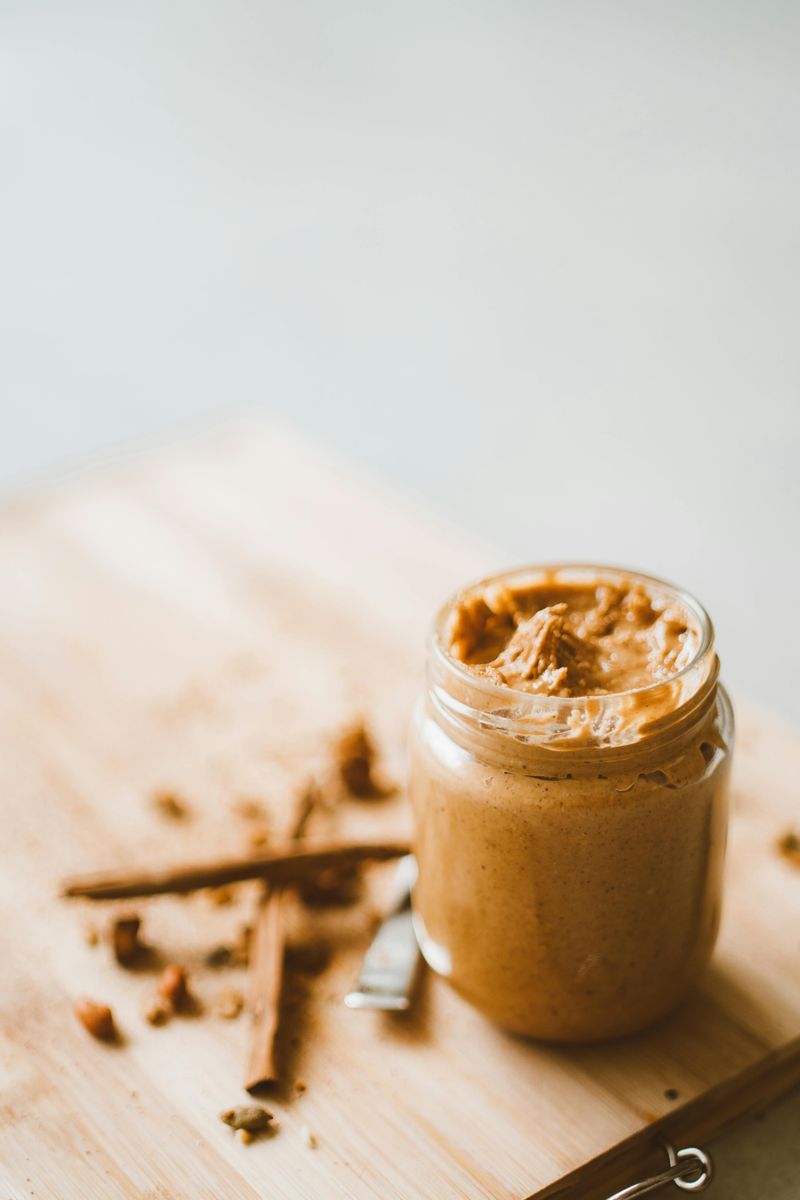
Peanut butter used to be the unbeatable sandwich spread on the cheap. Jars cost more now, and sizes quietly shrink, so look closely at unit prices.
Store brands often win on value without sacrificing taste.
Use it for protein in smoothies, satay noodles, and no bake bars. Stir natural varieties to blend oil, then refrigerate.
Scrape every bit from the jar and whisk with hot water for sauces.
Consider powdered peanut butter for baking and light sauces. Rotate with other nut or seed butters only if promos make sense.
It still fuels inexpensive, filling snacks and meals.
Bread loaf

That simple loaf used to be the ultimate stretcher. Prices have risen, and quality varies, so strategy helps.
Freeze half the loaf to prevent waste and toast straight from frozen when needed.
Revive stale slices into croutons, breadcrumbs, French toast, or strata. Make grilled cheese with add ins like onions or spinach.
A hearty bread turns soup into a complete meal.
Compare bakery markdown racks and warehouse packs. Consider baking a basic sandwich loaf if time allows.
With careful storage and creative uses, bread still works overtime for breakfasts, lunches, and dinners.
Milk

Milk felt like a predictable staple until prices yo yoed. Now every gallon counts, so buy sizes that match how fast you use them.
Skim or 2 percent often go on sale more than specialty options.
Stretch by using milk in oatmeal, soups, and smoothies where a little goes far. Powdered milk can fill gaps for baking.
Freeze small portions for sauces and hot chocolate.
Check expiration dates tucked behind front rows. If dairy is pricey in your area, consider shelf stable cartons for emergencies.
With planning, milk still anchors breakfasts and baking without derailing your budget.
Oatmeal

Oatmeal long reigned as the budget breakfast hero. Even with increases, bulk rolled oats deliver major value.
Skip flavored packets and build your own with cinnamon, fruit, and a drizzle of peanut butter.
Cook once, eat twice by making overnight oats and stovetop oats for the week. Blend oats into flour for pancakes.
Turn leftovers into baked oatmeal squares for snacks.
Buy in big bags from the bottom shelf, then store airtight to keep fresh. Oats provide fiber, comfort, and flexibility.
They still start mornings strong while protecting your grocery dollars.
Cornbread
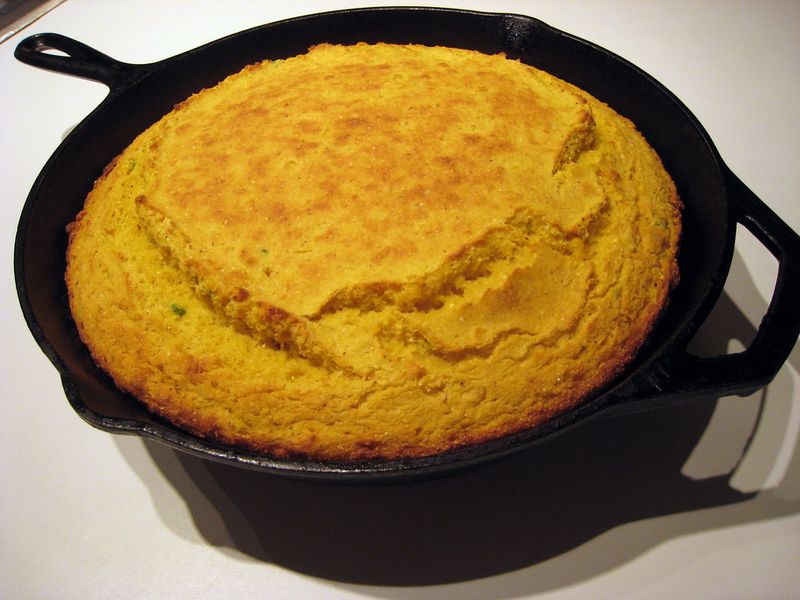
Cornbread used to turn a pot of beans into a feast for pennies. Mix prices rose, but making it from basic pantry staples still wins.
Cornmeal, flour, baking powder, and a splash of oil make magic.
Use a hot skillet for crusty edges and slice leftovers for stuffing or croutons. Add diced jalapenos or corn kernels when on hand.
Serve with soup to stretch portions without extra meat.
Store wrapped to keep moisture. Freeze wedges for speedy sides.
Cornbread remains a morale booster that fills plates and spirits when budgets feel tightest.
Hot dogs

Hot dogs were the classic low cost crowd pleaser. Prices bumped up, and quality matters more than ever.
Look for sales on all beef or mixed varieties, then freeze extras in meal size packs.
Slice into skillet dinners with onions, peppers, and potatoes. Top baked beans or mac and cheese for quick comfort.
Grill when possible for better flavor with minimal effort.
Scan unit prices and avoid tiny specialty packs. Use sturdy buns or toast bread slices to prevent waste.
When time and cash are tight, hot dogs still bridge the gap between convenience and affordability.
Cabbage
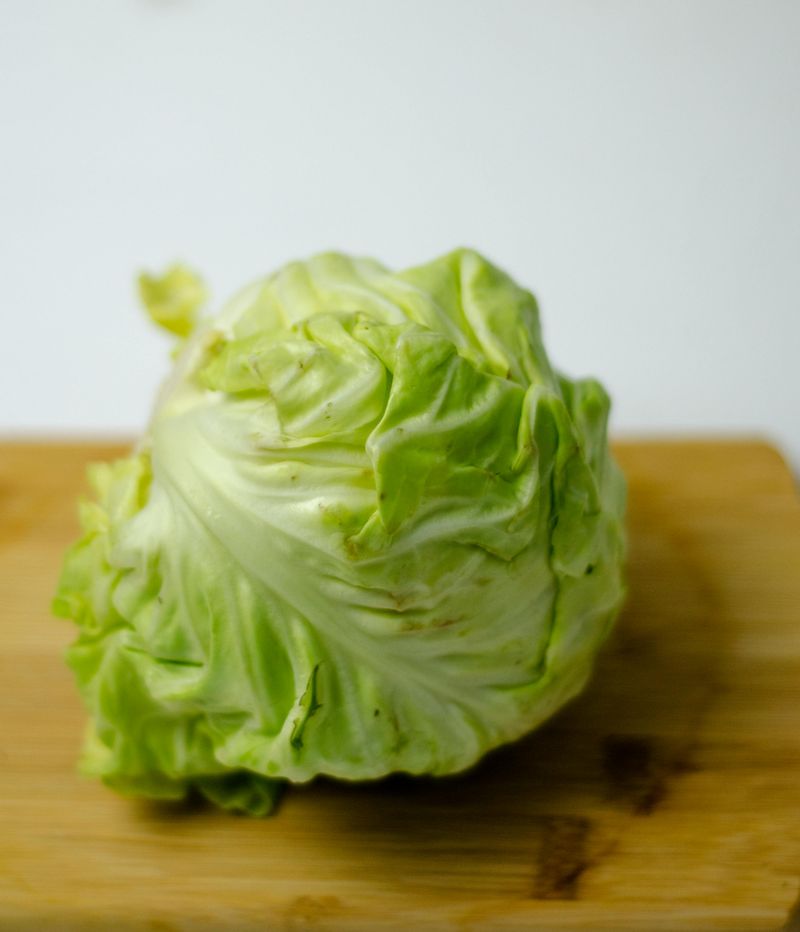
Cabbage used to feel almost free. Prices rose with everything else, but the value per serving still punches above its weight.
Dense heads last long in the crisper when wrapped well.
Shred for slaw, sauté with onions, or add to soups and fried rice. Roast wedges for caramelized edges.
Mix with a little ground meat and rice for stuffed cabbage style flavors.
Buy whole heads, not bagged shreds, to save. Use outer leaves in broth or ferments.
Cabbage is hearty, versatile, and reliably inexpensive, especially when other greens run expensive.
Onions
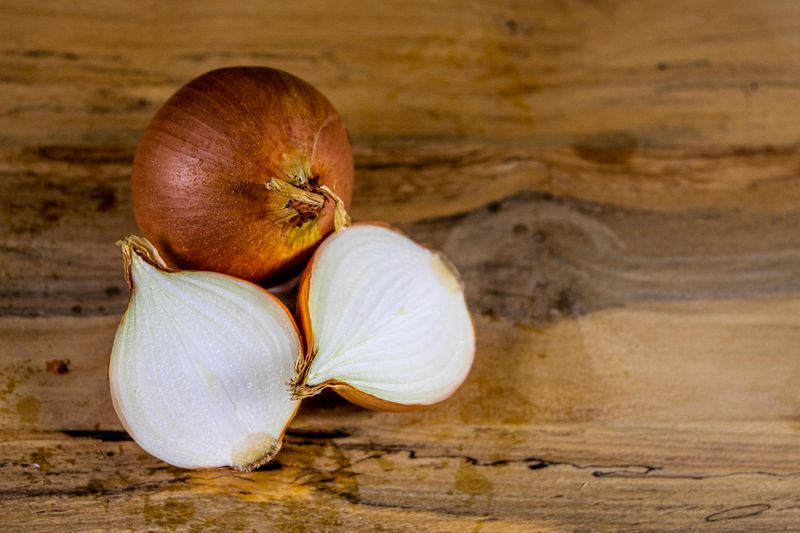
Onions used to be an afterthought line on the receipt. Now even aromatics feel pricier, but onions still transform cheap ingredients.
Yellow onions are your everyday workhorse, with sweet onions reserved for deals.
Buy bags, store cool and dry, and keep away from potatoes. Cook big batches of caramelized onions to freeze in scoops.
They elevate burgers, grains, and soups.
Use onion tops or scraps for stock. Quick pickled onions brighten tacos and sandwiches.
Even small amounts add depth, helping you use less meat while keeping meals exciting and satisfying on a budget.
Cooking oil

Cooking oil once felt cheap and endless. Supply swings changed that, so every splash counts.
Choose a neutral, high heat oil for everyday sautéing and save olive oil for finishing and dressings.
Buy mid size bottles to avoid rancidity and waste. Compare unit prices at warehouse clubs versus sales at supermarkets.
Keep lids tight and store away from heat and light.
Use nonstick surfaces and proper preheating to cook with less. Try roasting with a light brush instead of heavy pours.
Thoughtful oil use trims costs while still delivering delicious, satisfying meals.
Butter
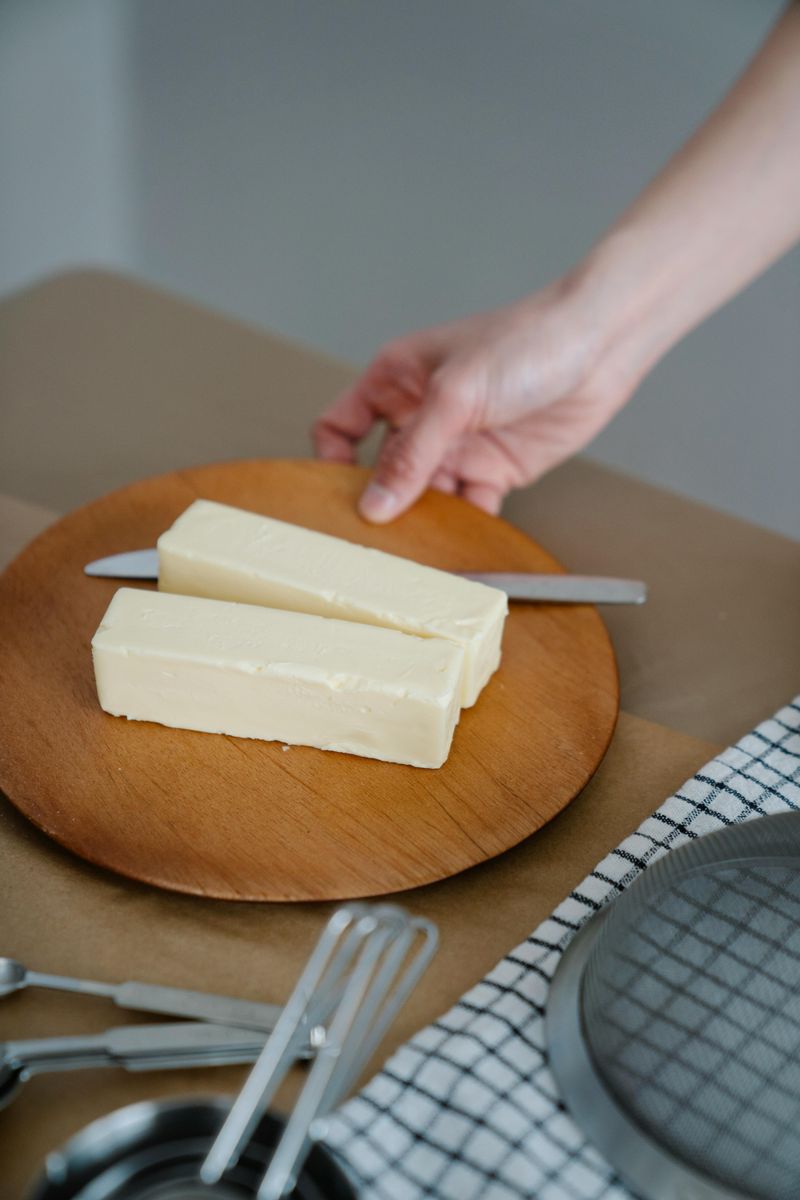
Butter prices jumped hard, turning baking and everyday cooking into a calculation. Sales cycles matter here, so stock up and freeze when the price dips.
European style tastes great, but store brand unsalted often wins.
Use butter where it counts, like finishing sauces and baking. Swap oil for part of the fat in sautéing.
Brown butter to amplify flavor so you need less.
Slice sticks into tablespoon portions for control. Keep a backup in the freezer.
With a little restraint and timing, butter still brings comfort without overwhelming the grocery budget.
Coffee
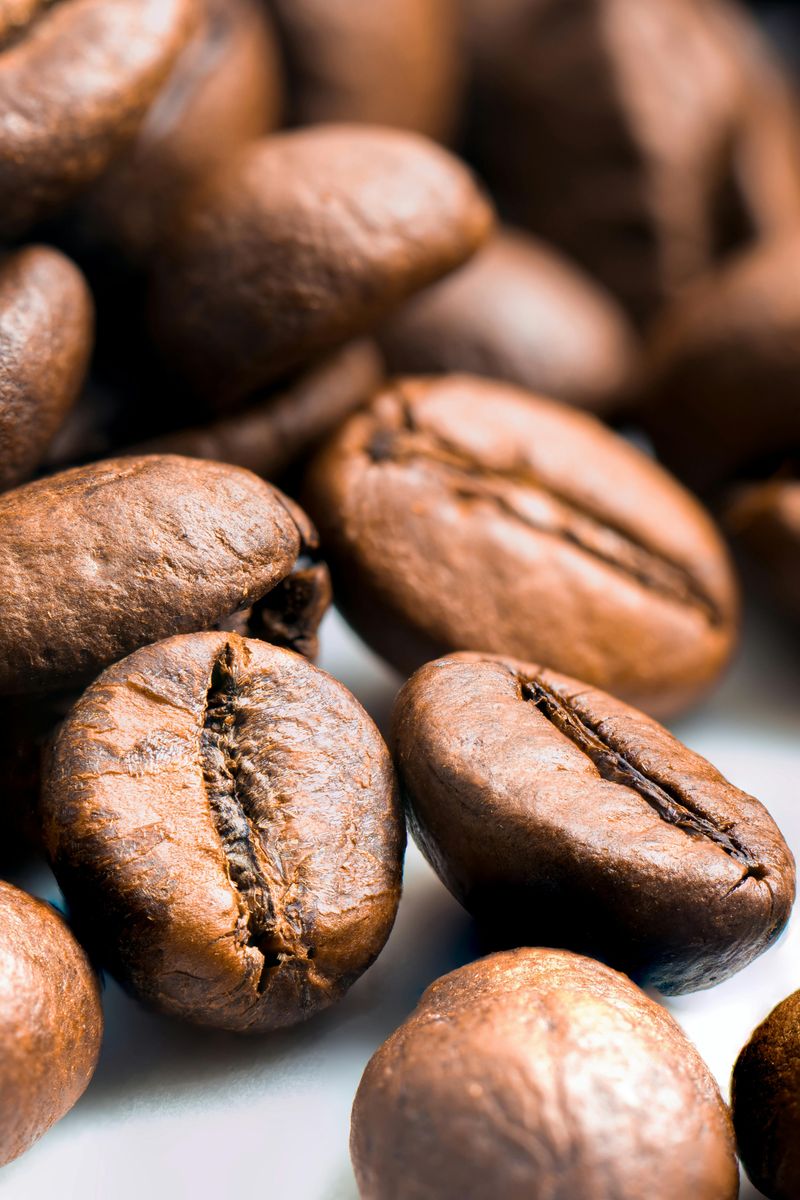
Coffee used to be a small luxury that barely nudged the budget. Now beans and pods hit harder, especially for daily drinkers.
Brew at home with a basic grinder and scale to control strength and cost.
Buy whole beans on sale, then freeze in small bags. Skip pods and use a reusable filter.
Brew stronger, then add hot water for Americanos that stretch grounds.
Try store brands or warehouse roasts. Keep equipment clean to avoid waste.
With a tiny routine shift, you still get that comforting morning cup without surrendering half your paycheck to caffeine.
Canned tuna
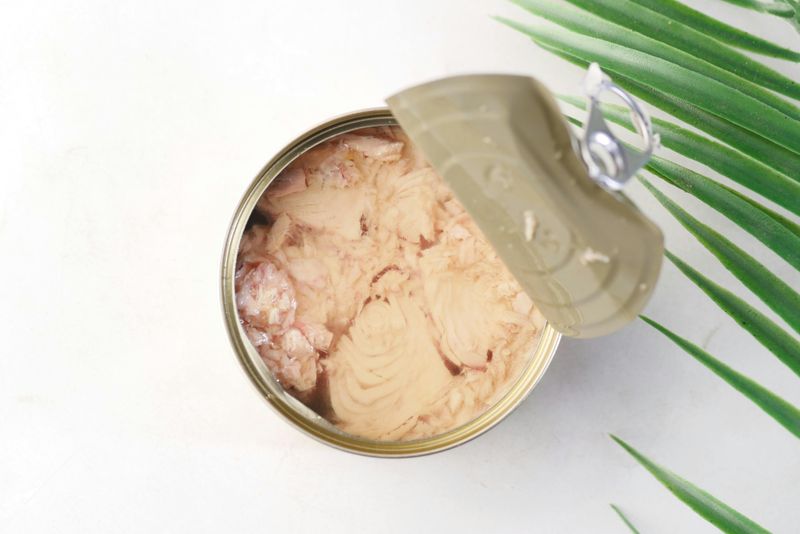
Canned tuna used to be bargain protein for sandwiches and casseroles. Now prices vary wildly by brand and type.
Chunk light in water still offers better value than fancy albacore options.
Boost flavor with lemon, mustard, and herbs instead of heavy mayo. Stretch with cooked pasta, beans, or crackers.
Turn a can into tuna cakes or top baked potatoes for quick dinners.
Watch multi can promotions and compare per ounce costs. Rotate stock to keep freshness.
When you want affordable seafood, tuna remains dependable if you shop smart and season generously.