


School lunch rules have gotten a lot stricter, and some nostalgic favorites would never make the cut today. Think sugar bombs, ultra-processed bites, and sodium-heavy snacks that once felt harmless.
You might remember the taste, but not the nutrition labels hiding in plain sight. Let’s revisit the guilty pleasures that modern cafeterias would shut down before they ever hit a tray.
Snack cakes

Those cream-filled cakes promise comfort but deliver a sugar-fat blitz. Trans fats may be reduced, yet saturated fat and empty calories still dominate.
Schools aim for nutrient density, and these treats are mostly air and frosting.
They also undermine wellness policies that discourage marketing sweets on campus. Portion control is tough when the entire cake is the portion.
Fresh-baked whole grain muffins or fruit are better aligned with guidelines and keep attention spans from crashing by period three.
Candy bars
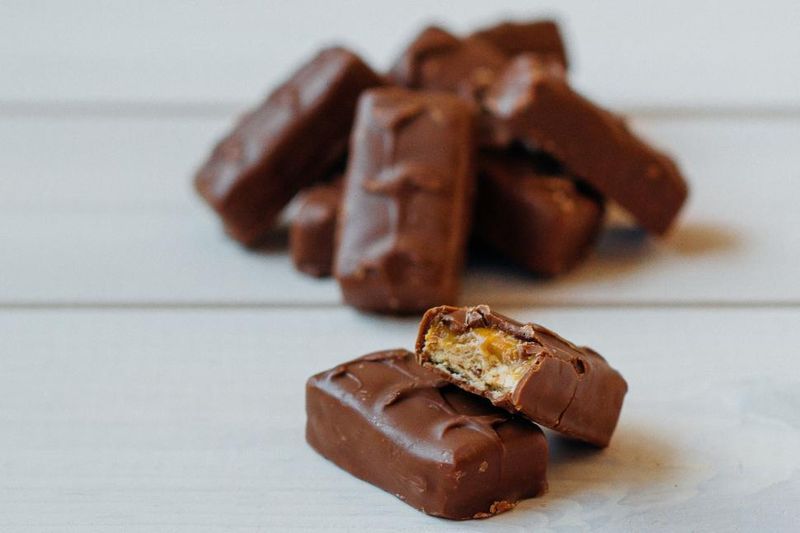
Candy bars were once a trading goldmine, but they flunk modern nutrition standards. With concentrated sugars and saturated fats, they defy calorie and added sugar limits.
Schools also restrict competitive foods that crowd out real meals.
Chocolate coatings and caramel centers deliver energy without lasting fullness. Behavioral dips after the sugar high are not exactly classroom friendly.
Now you will find fruit cups in juice or nuts where allowed, offering fiber, protein, and fewer crashes.
Soda
Soda is practically the poster child for banned beverages in schools. It is pure added sugar with no nutrients and undermines milk and water consumption.
Carbonation also does nothing for hydration in active kids.
Most districts removed soda from cafeterias and vending machines years ago. Even diet sodas face scrutiny due to artificial sweeteners and caffeine.
Water, low fat milk, or seltzer without sugar fit better with hydration and calorie goals.
Juice boxes
Juice sounds wholesome, but small boxes can hide lots of sugar. Even 100 percent juice counts toward limits because it misses fiber from whole fruit.
Many come in portions larger than recommended for kids.
Schools now push water and actual fruit, reserving juice for tiny servings if offered at all. Added sugar blends are especially off limits.
You will see apple slices before you will see a rainbow of juice straws.
Lunchables
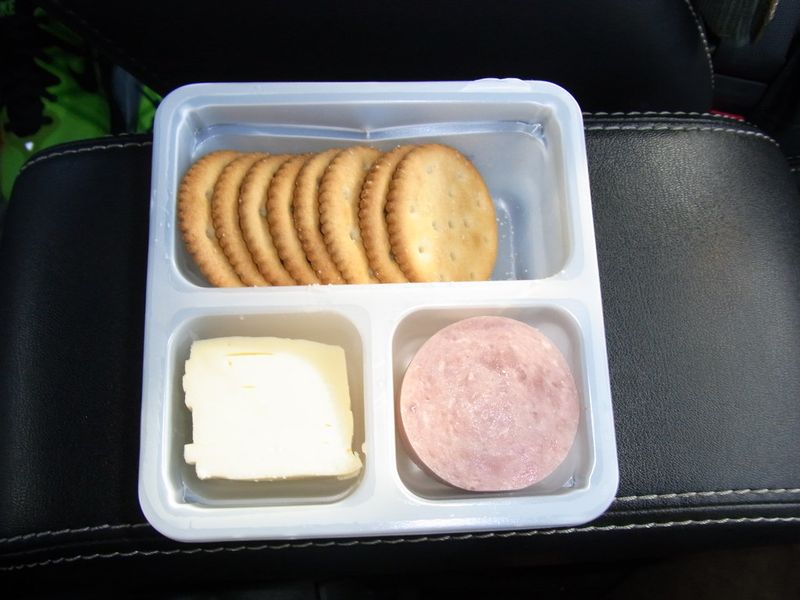
Prepacked kits seem convenient, yet sodium and saturated fat balloon fast. Processed meats and cheese slices rarely meet ingredient or sodium targets.
The optional candy or drink pushes sugar past comfort too.
Modern standards encourage whole grains, lean proteins, and real produce. A DIY bento with turkey, whole grain crackers, carrots, and hummus fits better and stays fun.
Convenience is great, but labels matter more than compartments now.
Frozen pizza
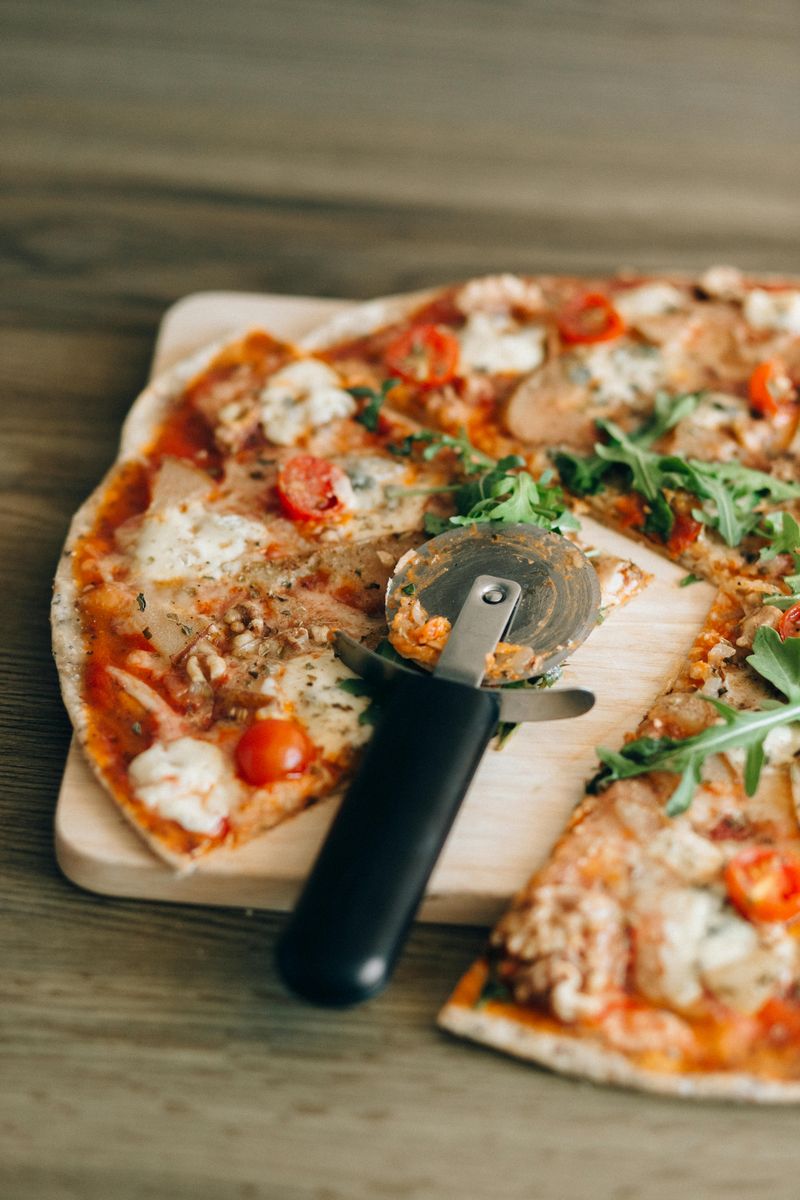
That gooey slice hides a sodium avalanche and refined crust. Many frozen pies use processed cheese and meats, clashing with fat and sodium caps.
Portion sizes also overshoot calorie ranges for younger students.
Schools that serve pizza now often reformulate: whole grain crusts, lighter cheese, and veggie toppings. The freezer kind loaded with pepperoni and extra cheese would not pass.
You can still get Friday pizza, just not the nostalgia-heavy version.
Pizza rolls
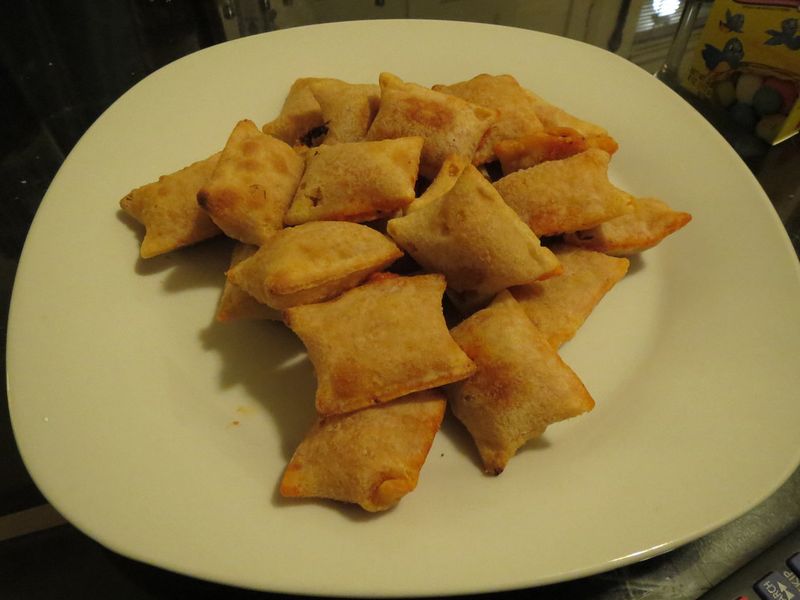
Pizza rolls pack pizza problems into bite sized pockets. Refined flour, greasy fillings, and sodium-heavy sauce make them tough to justify.
They are engineered for cravings, not classrooms.
Air-fried versions still struggle because ingredients remain ultra processed. Schools prefer baked entrees with identifiable veggies and lean proteins.
If you want handheld fun, whole grain calzones with spinach and mozzarella pass more tests.
Bagel bites
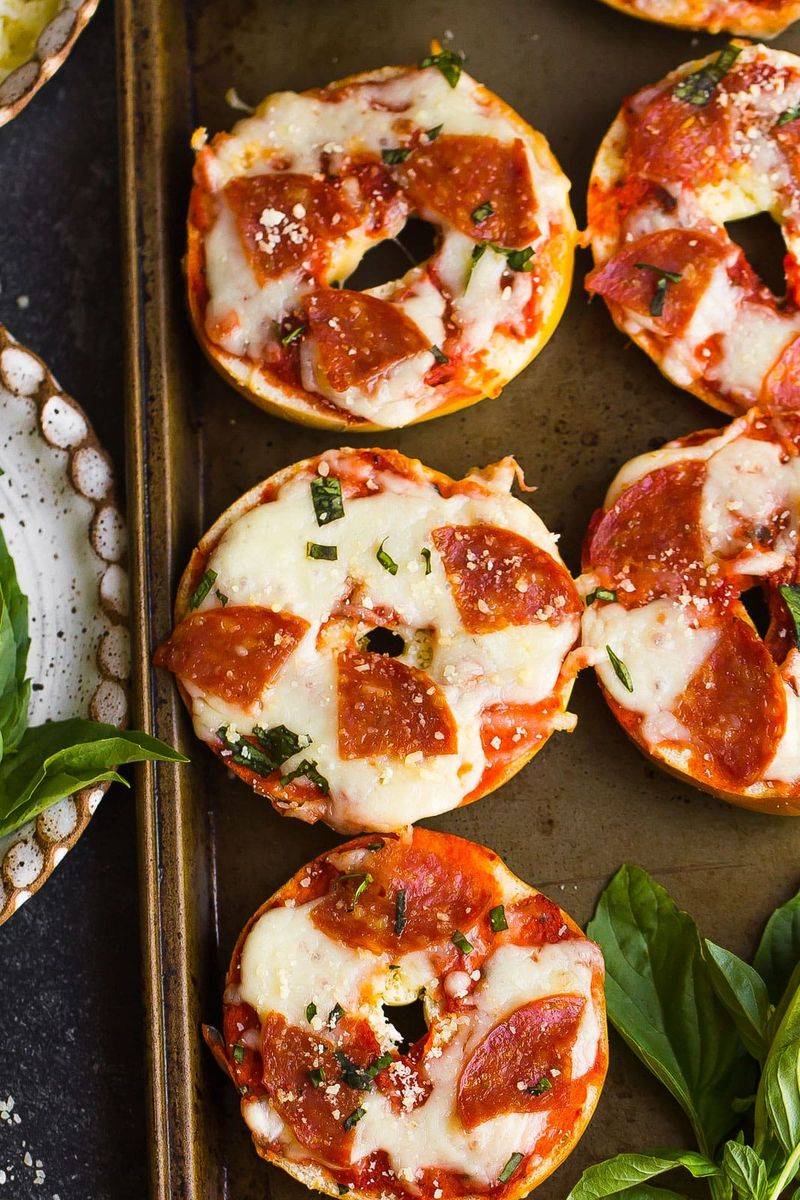
Mini pizzas multiply the issue of refined carbs and salty toppings. Each bite seems small, but servings stack up quickly on sodium.
The cheese is often processed, pushing saturated fat above limits.
Schools now swap in whole grains and veggies to balance meals. A mini size does not equal a healthy choice when ingredients miss the mark.
Expect to see veggie flatbreads before trays of tiny pepperoni disks.
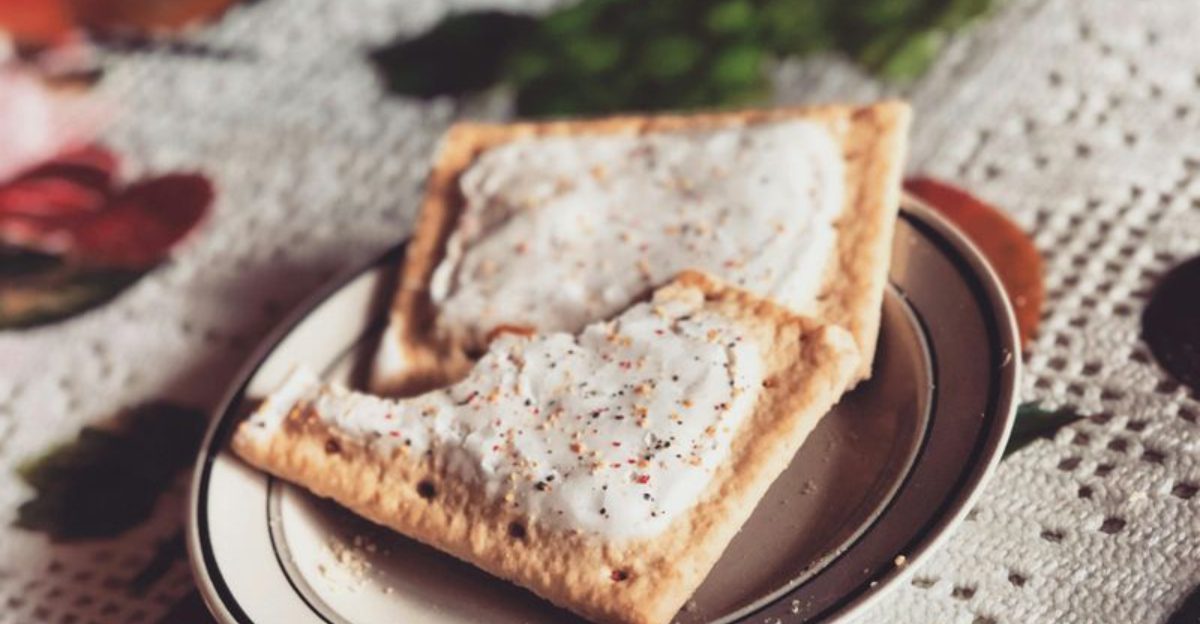
Pop tarts
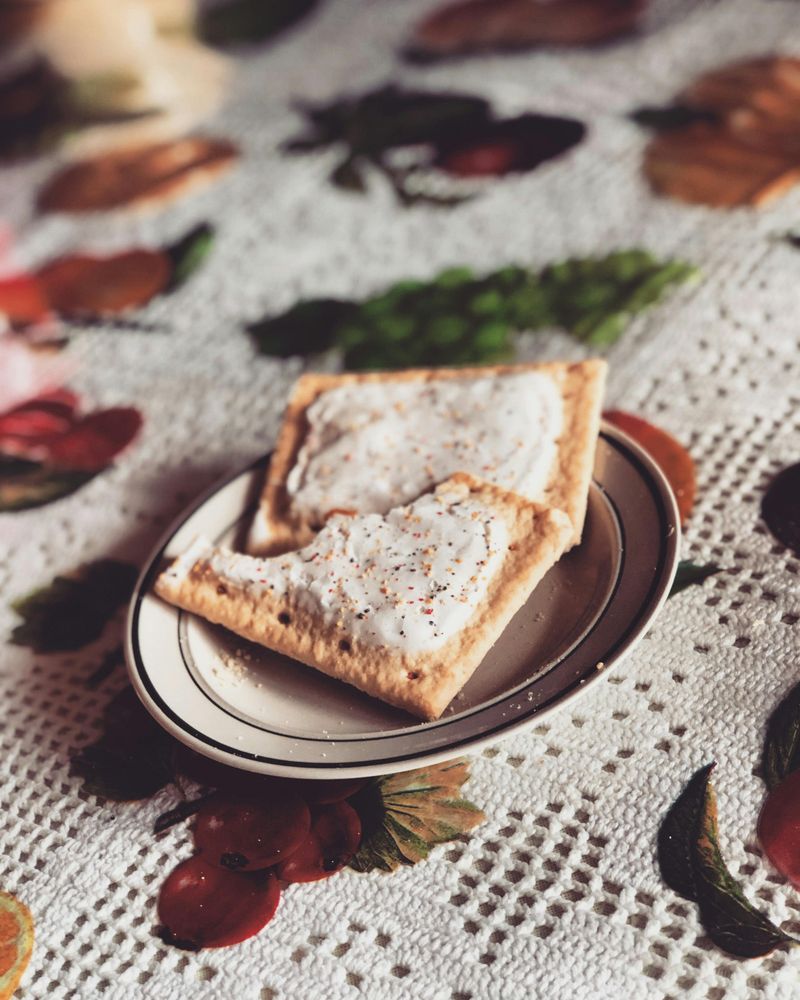
Frosted toaster pastries feel like breakfast, but the nutrition panel reads like a dessert. Refined flour, added sugars, and palm oil stack up fast against school standards.
Even the fruit flavors barely include real fruit, more vibe than substance.
Modern guidelines favor whole grains, limited added sugar, and reasonable sodium. Pop tarts usually miss all three targets in one shiny wrapper.
Schools now pivot to whole grain toast, yogurt, and real fruit, keeping energy steady without the sugar spike.
Chicken nuggets
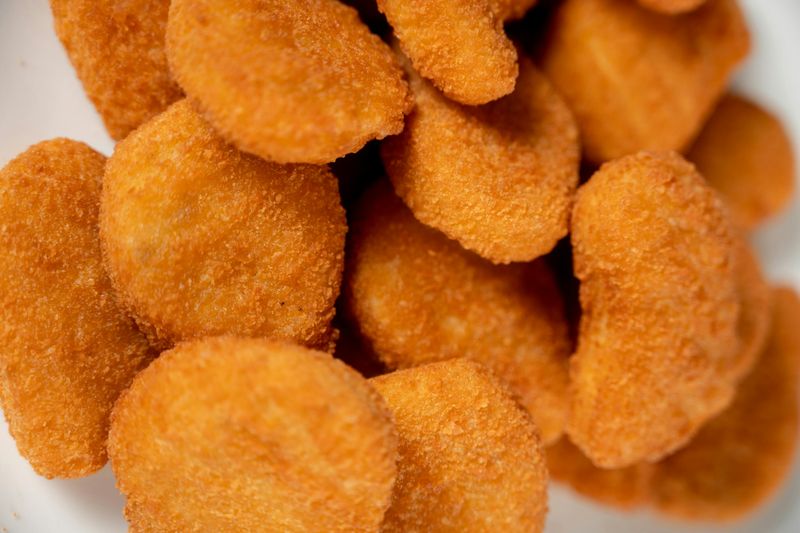
Nuggets can pass if baked and whole muscle, but many classics are not. Older versions relied on fillers, excess sodium, and deep frying.
That combo fails modern fat and ingredient standards.
Schools still serve chicken, just reworked: baked tenders, cleaner labels, whole grain breading. The drive is toward recognizable, minimally processed meat.
You will get crunch, but not the mystery blend from yesteryear.
Hot dogs
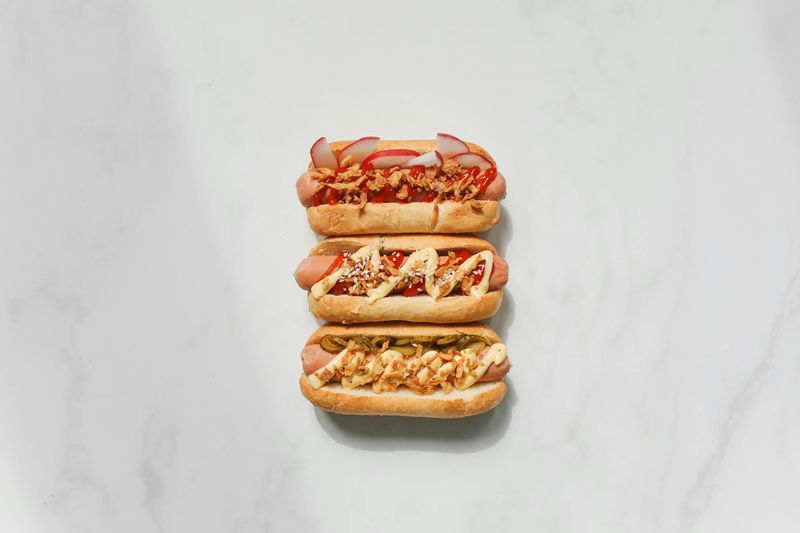
Classic hot dogs raise flags for sodium, nitrites, and processed meat categories. Many districts limit or avoid them entirely, especially with buns that are not whole grain.
Add condiments and the numbers climb higher.
Turkey or chicken dogs with better labels exist, but they still struggle on sodium. Schools favor lean proteins like grilled chicken or bean chili instead.
Ballpark nostalgia does not outweigh wellness policies anymore.
Bologna sandwich
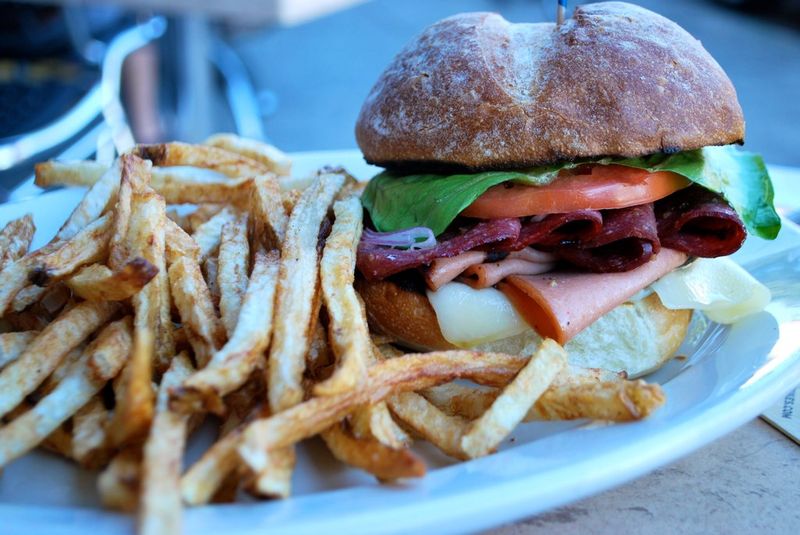
Bologna brings the same processed meat concerns as hot dogs, plus refined bread. Sodium, saturated fat, and preservatives combine into an easy no from nutrition teams.
It feels familiar but does not fuel learning well.
Whole grain bread and lean turkey, hummus, or bean spreads are common replacements. Add lettuce and tomato, and you get fiber and crunch without the tradeoffs.
The nostalgia of bologna meets a healthier, modern remix.
Processed cheese
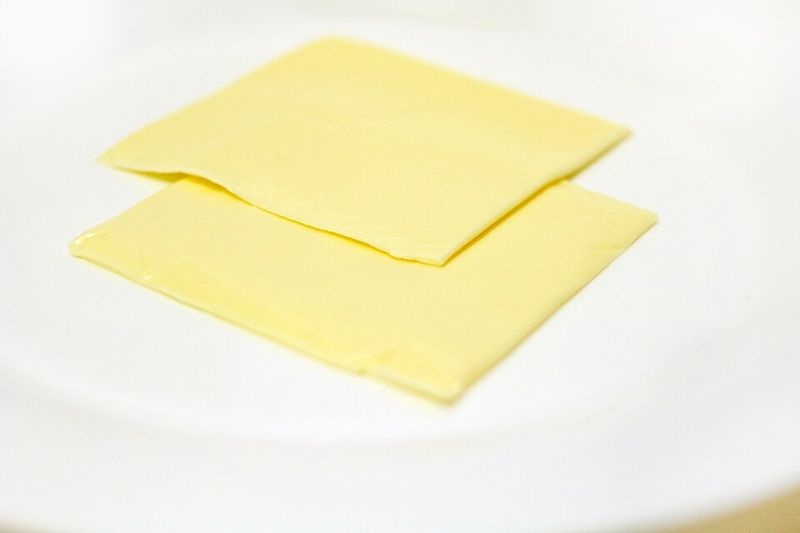
Individually wrapped slices melt great but often carry additives and extra sodium. Schools lean toward real cheese in controlled portions to meet calcium without excess salt.
The yellow square is convenient, not necessarily compliant.
Processed cheese also pairs with refined crackers or meats, compounding issues. When cheese shows up now, it is lower fat, sliced thinner, or shredded on veggies.
Flavor yes, but fewer engineered shortcuts.
Fruit snacks
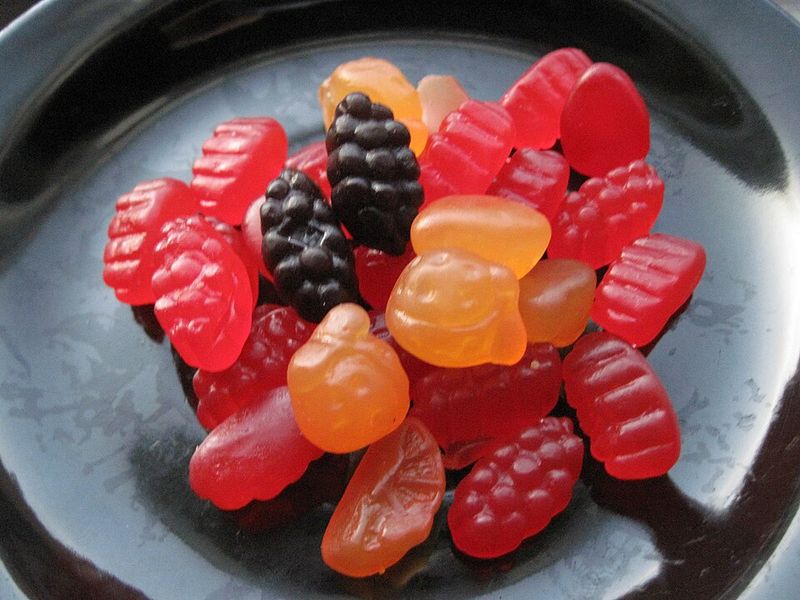
Fruit shaped does not equal fruit. Many gummies list sugar and corn syrup first, with tiny fruit concentrate at best.
Without fiber, they act like candy and vanish fast.
Schools emphasize whole fruit, which delivers vitamins and texture kids actually chew. Dried fruit appears in small portions, but gelatinous candies do not count.
If you want sweet, reach for an apple or clementine instead.
Pudding cups
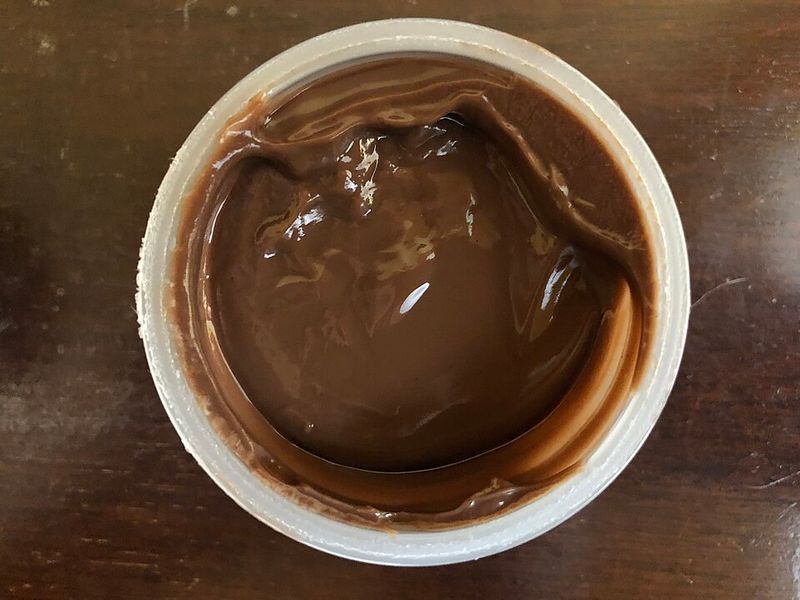
Creamy pudding cups blur the line between dessert and snack. Sugar and saturated fat often push them outside Smart Snacks rules during the school day.
Some are fortified, but that does not cancel the sweet load.
Schools might offer yogurt with fruit as a smarter creamy option. Protein and probiotics beat a sugar skim.
Dessert still has a lane, just not the daily cafeteria lineup.
Microwave popcorn

Popcorn can be fine, but butter-flavored microwave bags tip into excess sodium and oils. Some brands used additives that schools avoid.
Portion sizes balloon quickly, becoming a salty distraction.
Baked, lightly salted popcorn in portioned bags can qualify, but classic movie-butter styles do not. Schools look for whole grain snacks that keep greasy fingers off desks.
Air-popped versions win when seasoning stays sensible.
Chips bag
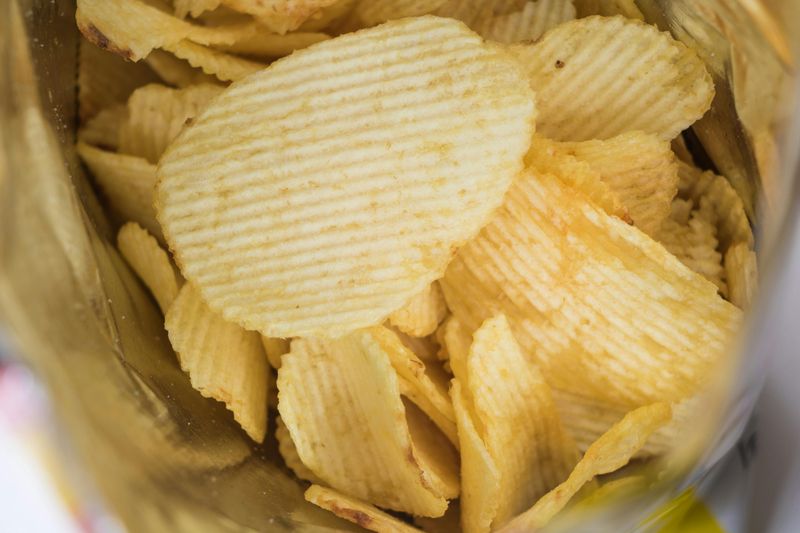
Regular chips bring refined oils, sodium, and little satiation. Even small bags can crowd out fruits and veggies that meet meal components.
Flamin hot anything gets extra scrutiny for dyes and heat.
Schools may allow baked or whole grain versions in limited calories and sodium. Still, they are controlled tightly, especially during lunch service.
Expect crunchy carrots or whole grain crisps instead of a classic salty crinkle.
Chocolate milk
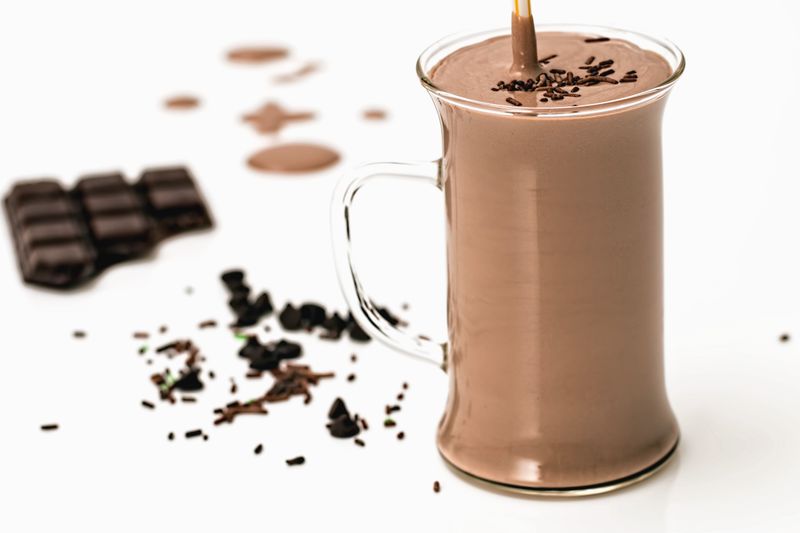
Chocolate milk stirs debate because it delivers calcium but adds sugar. Many districts cut it or reformulate to ultra low sugar versions.
The goal is to keep milk intake without training sweet palates.
Plain low fat or fat free milk typically gets the nod. If flavored remains, it must meet strict sugar caps.
The days of syrupy chocolate cartons every lunch are fading fast.
Ice cream cup

Ice cream is classic fun but not daily-fuel material. Saturated fat and sugar crowd out nutrients schools need to prioritize.
Even small cups can blow past dessert guidelines during lunch hours.
Some programs save ice cream for special events or after-school sales within rules. Yogurt parfaits or frozen fruit bars fit better for routine service.
Sweet moments stay, just not in every tray rotation.
Sugary cereal
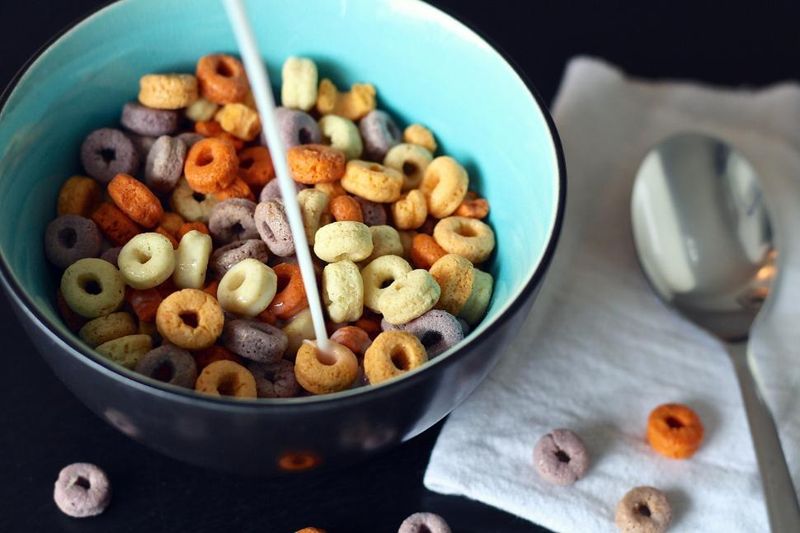
That rainbow bowl looks innocent, but a single serving can pack more sugar than a dessert. Schools today cap added sugars and push whole grains, making frosted loops and marshmallow bits a no-go.
Beyond cavities, there is the crash that leaves students unfocused.
Portion sizes used to trick you too, since labels often list unrealistically small servings. With fiber low and artificial colors high, administrators prefer oatmeal or low sugar flakes.
You can still get crunch, just not in neon hues that turn milk pastel.