



Remember when a quick grocery run felt harmless to your wallet? Now every aisle whispers, Are you sure about that?
Prices keep creeping up on the basics you reach for weekly, turning simple meals into budgeting puzzles. Let’s break down the everyday staples that jumped from cheap to are you kidding me, plus why it feels like your cart got heavier while your receipt got scarier.
Eggs

Eggs used to be the definition of affordable protein, the dependable dozen you grabbed without thinking. Now you probably pause at the shelf, comparing brands, cage free labels, and sale tags like a hawk.
Avian flu outbreaks, feed costs, and supply squeezes pushed prices up fast.
Scrambles, bakes, and breakfast sandwiches suddenly feel pricier per bite. You may switch to store brands, smaller cartons, or grab eggs only when a promotion pops.
Planning around weekly deals helps.
Bacon
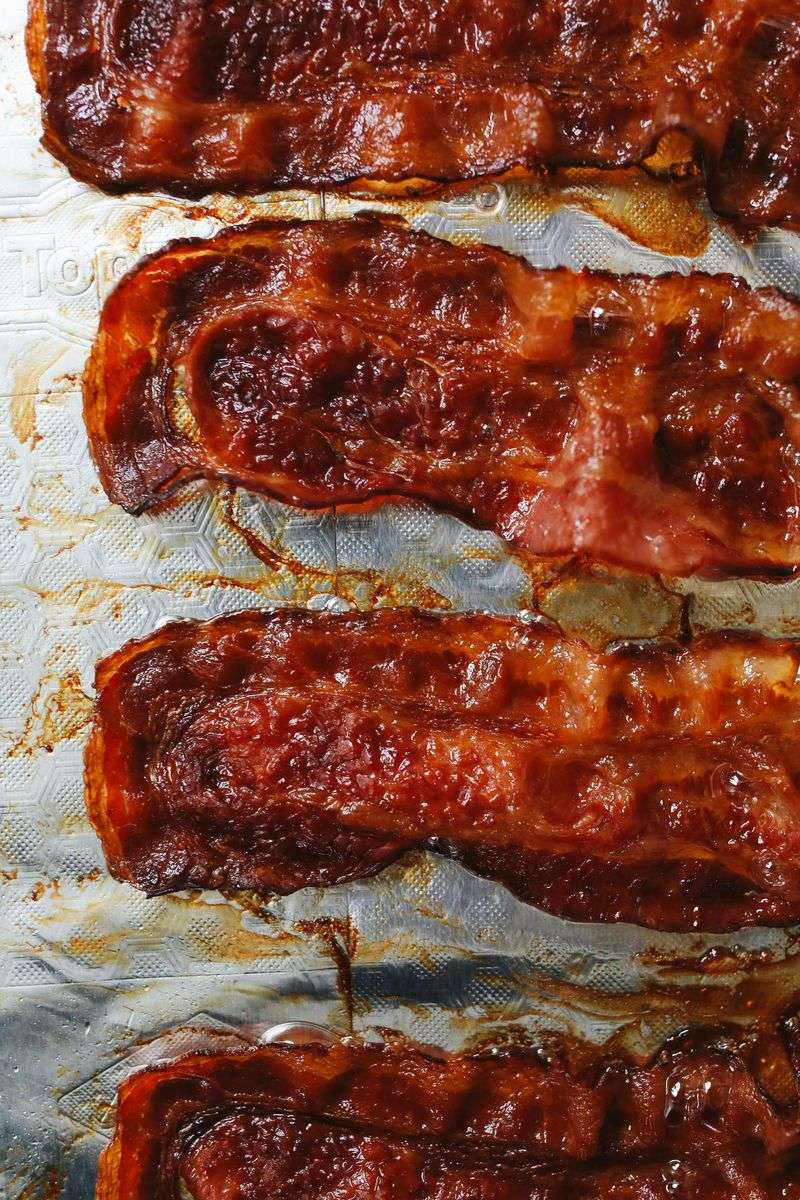
Bacon used to be the fun weekend splurge that did not dent the budget. Lately those thin slices come with a thick price tag, thanks to pork supply swings, processing costs, and packaging.
You can taste the sizzle, but you also feel the sting at checkout.
Many shoppers shift to smaller packs or skip premium applewood cuts. Sales cycles matter more, and freezing extra during discounts stretches dollars.
Breakfast still smells amazing, but strategies help.
Butter
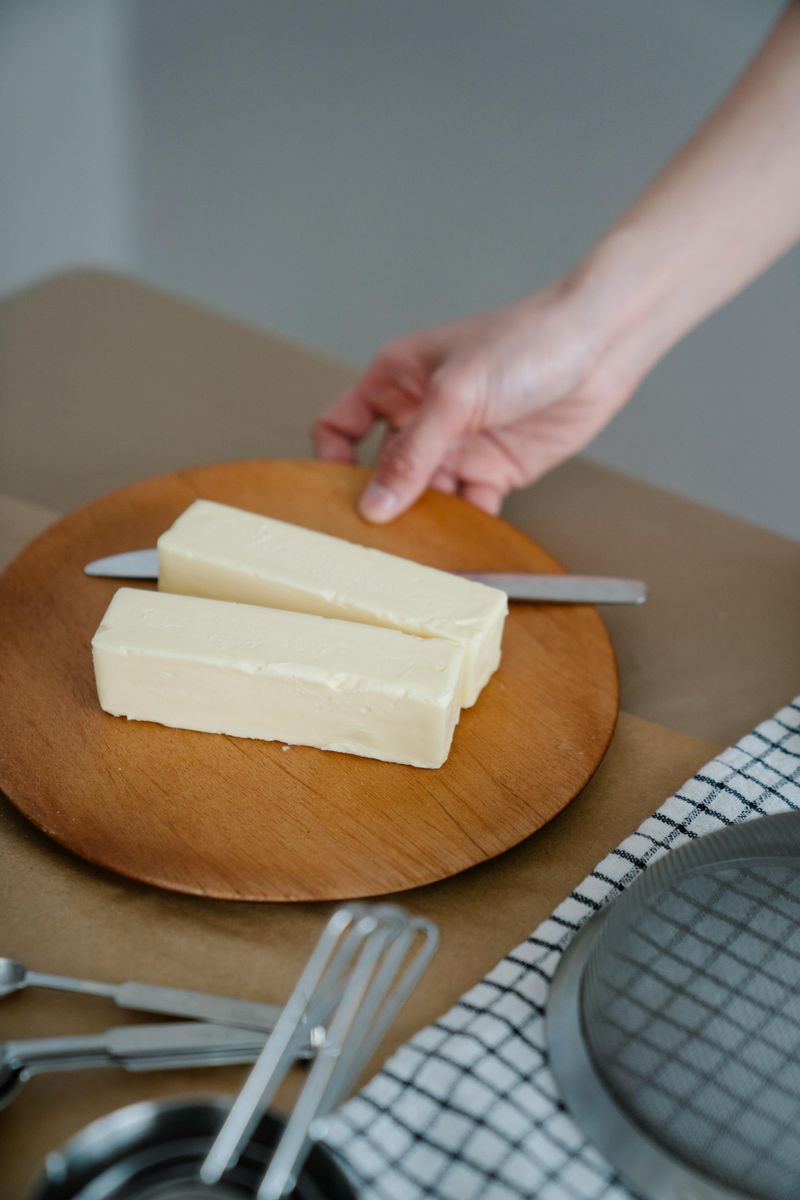
Butter’s simple richness now carries complex costs. Dairy farms juggle feed prices, labor, transportation, and weather driven shortages, and all of it shows up on that little box.
You might swap to store brand or buy in bulk when baking season hits.
Recipes that once felt casual need measured planning. Freezing extra sticks preserves freshness and savings.
Some switch to blends or use olive oil for sautéing, saving butter for special uses.
Coffee
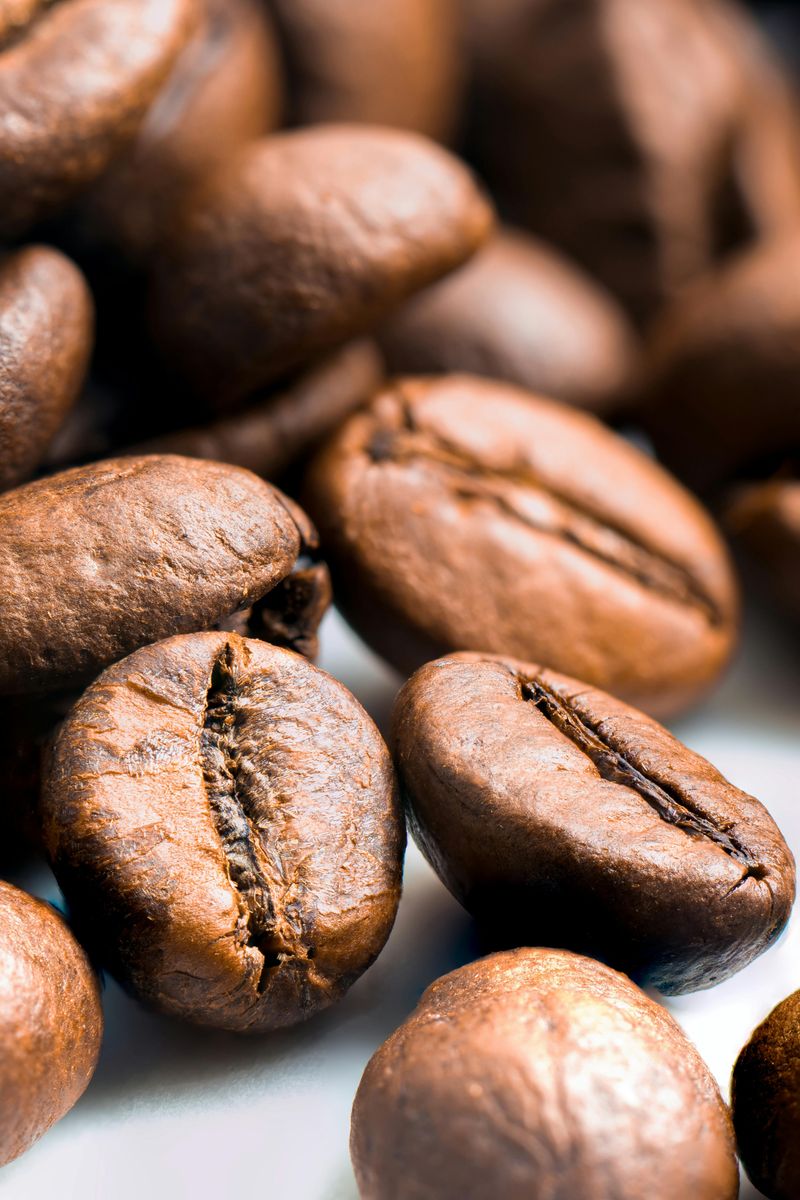
Your morning ritual costs more thanks to weather shocks in major growing regions and higher shipping. Arabica shortages and currency swings ripple into every cup, from café lattes to grocery beans.
You feel it when you grab your usual bag and wince.
Consider grinding at home, buying whole beans on sale, and storing in airtight containers. Explore blends or mid roast options for better value.
A reusable filter and scaled brewing squeeze more flavor per ounce.
Cheese
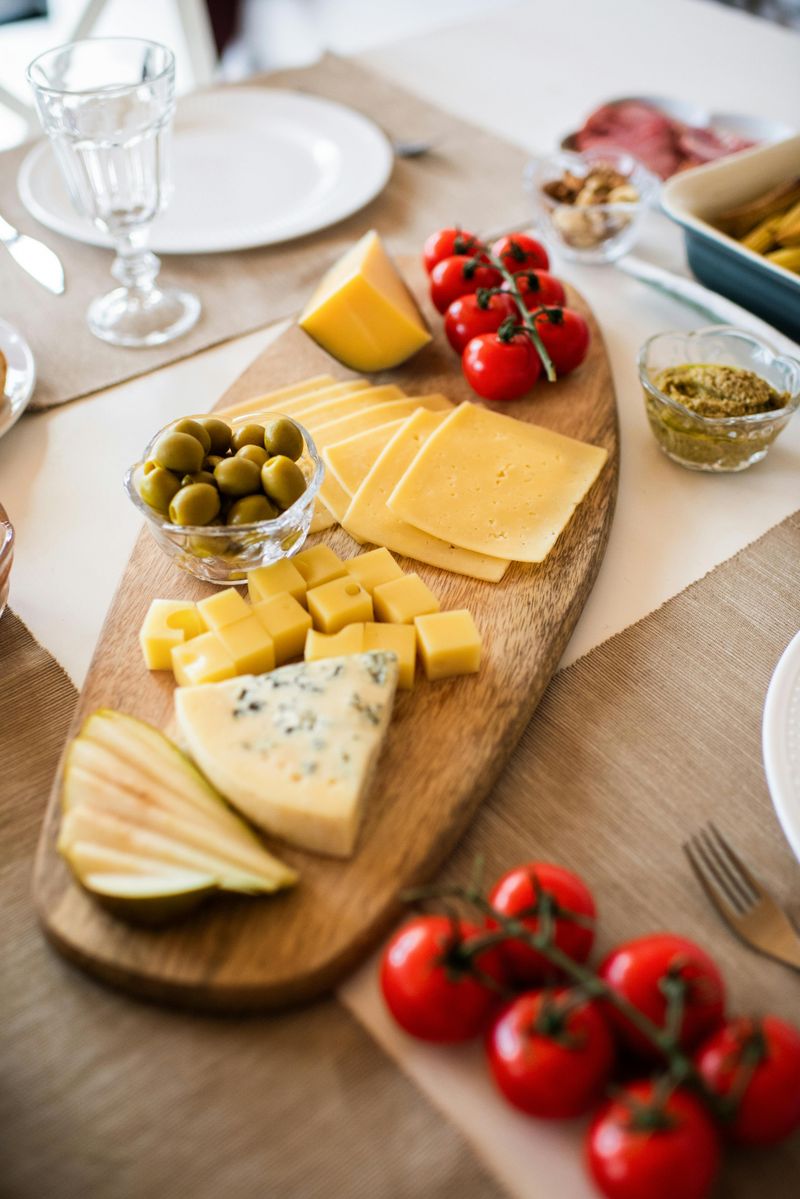
Cheese stretches from sandwiches to snacks, yet the budget is what feels stretched now. Milk prices, aging time, and transport add layers of cost, especially for specialty wheels.
Even shredded bags and slices climbed, nudging you to compare ounces closely.
Try block cheese and shred it yourself to save. Rotate versatile picks like cheddar and mozzarella.
Freeze portions, and shop warehouse deals carefully to avoid waste while still enjoying melty comfort.
Milk

That classic gallon used to be a predictable purchase. Feed, fuel, and processing expenses have lifted prices, and volatility means one week looks different from the next.
You notice when cereal mornings start costing more.
Consider half gallons if waste creeps in, or powdered milk for backup baking. Store properly at colder fridge spots to extend freshness.
Loyalty app coupons and store brand options keep calcium coming without gutting the budget.
Bread loaf

Sandwich bread used to be the no brainer staple. Now flour costs, labor, and packaging hike the price of every slice.
You feel it packing lunches or toasting breakfast, especially with premium grains.
Check unit prices, and consider bakery outlet stores for big savings. Freeze half the loaf to prevent mold and waste.
If you are adventurous, a basic no knead recipe can undercut costs and taste amazing.
Ground beef
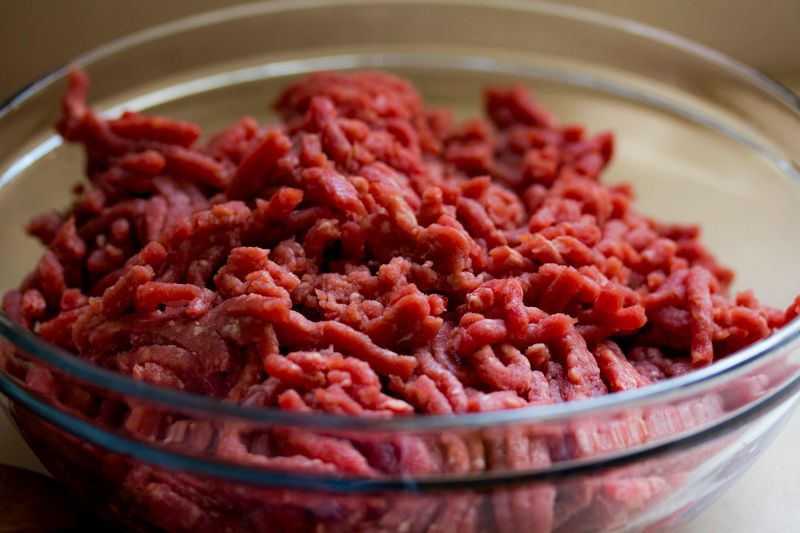
Ground beef anchors tacos, burgers, and meatballs, but cattle cycles and feed costs pushed prices up. You stare at the per pound number and start recalculating dinner plans.
Lean blends and organic options raise the bill even faster.
Stretch it with beans, mushrooms, or breadcrumbs without losing flavor. Buy family packs, portion, and freeze flat for quick thaws.
Rotate in meatless nights to balance the budget and keep variety on the table.
Chicken wings
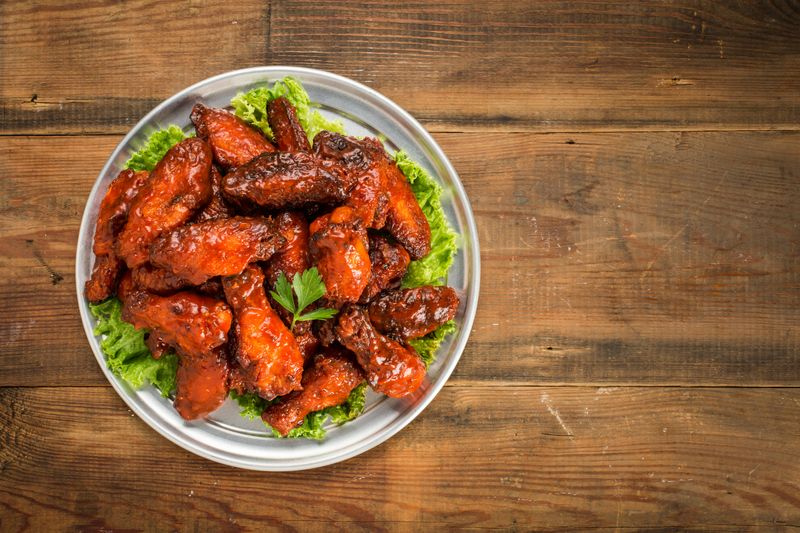
Wings became party gold, and prices followed. Supply chain hiccups and restaurant demand made this once cheap cut surprisingly spendy at the store.
Game day platters now feel like a luxury move.
Watch for whole wing deals, then break them down at home. Air fryers crisp beautifully with less oil, so smaller batches go further.
Sauces stretch flavor, letting you serve veggies and dips alongside without disappointment.
Cooking oil
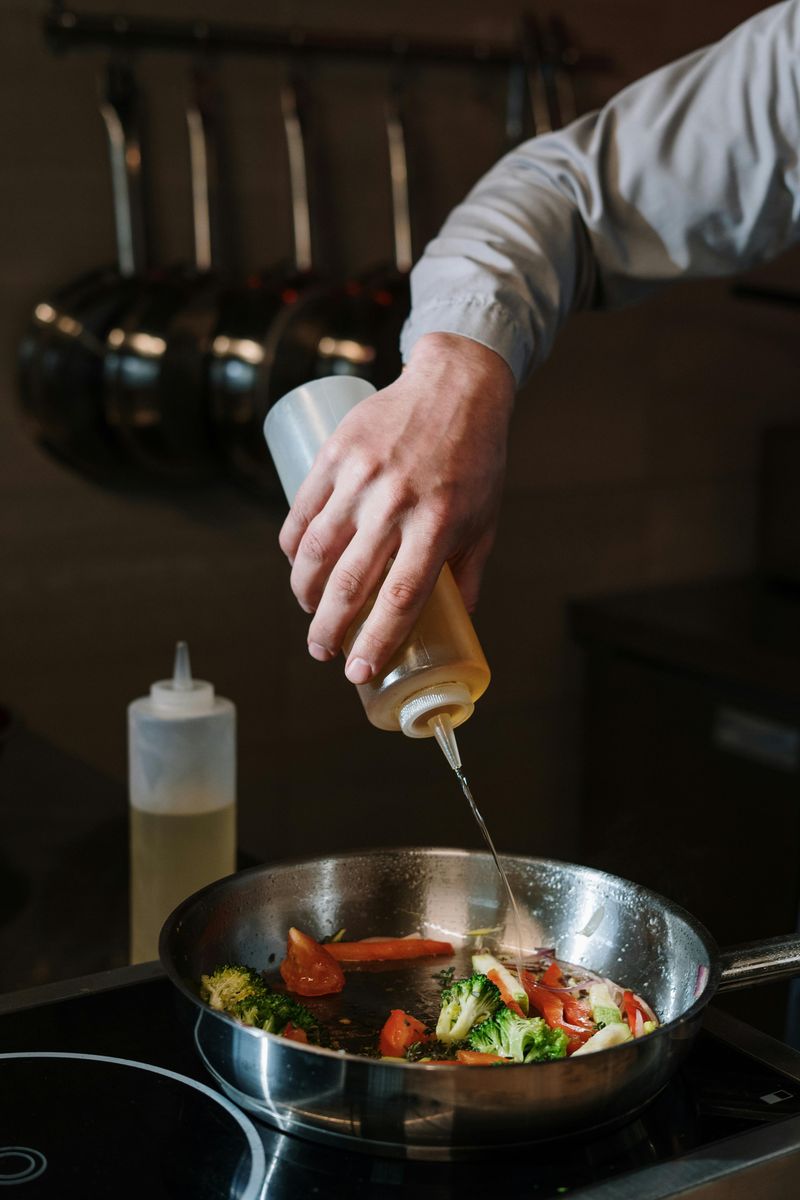
Neutral oils once hid in the background and on the receipt. Sunflower, canola, and soybean oil prices jumped with global crop issues and export limits.
Frying a batch of cutlets suddenly adds up more than expected.
Use a thermometer to avoid waste, and strain oil to reuse safely. For sautéing, smaller amounts and nonstick pans help.
Keep a versatile bottle, and grab store brand when sales align.
Cereal
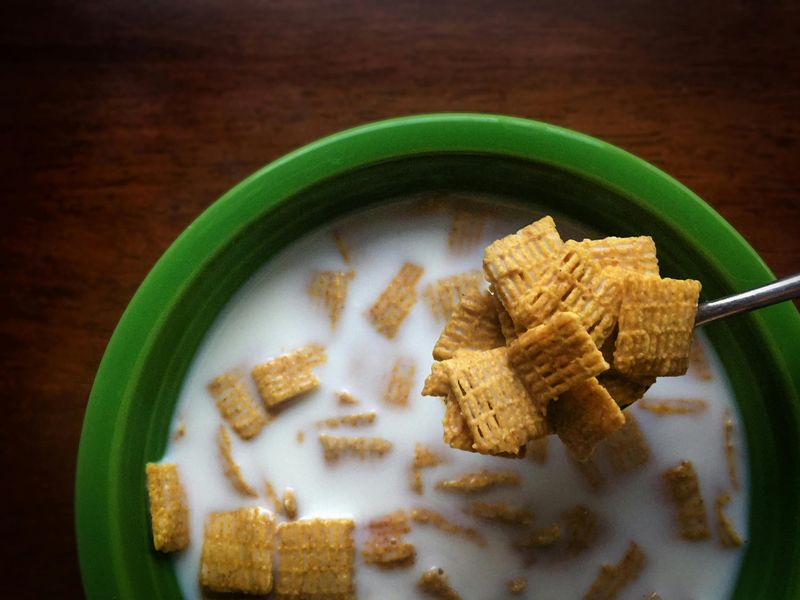
Breakfast cereal slid from easy staple to budget watcher. Grain costs, branding, and shrinkflation mean fewer flakes for more money.
You compare ounces like a pro now, judging box size against unit price.
Generic versions can be shockingly close in taste. Rotate hot oats for savings and warmth, then save boxed cereal for quick mornings.
Loyalty apps stack coupons that soften the blow without skipping your favorite crunch.
Peanut butter
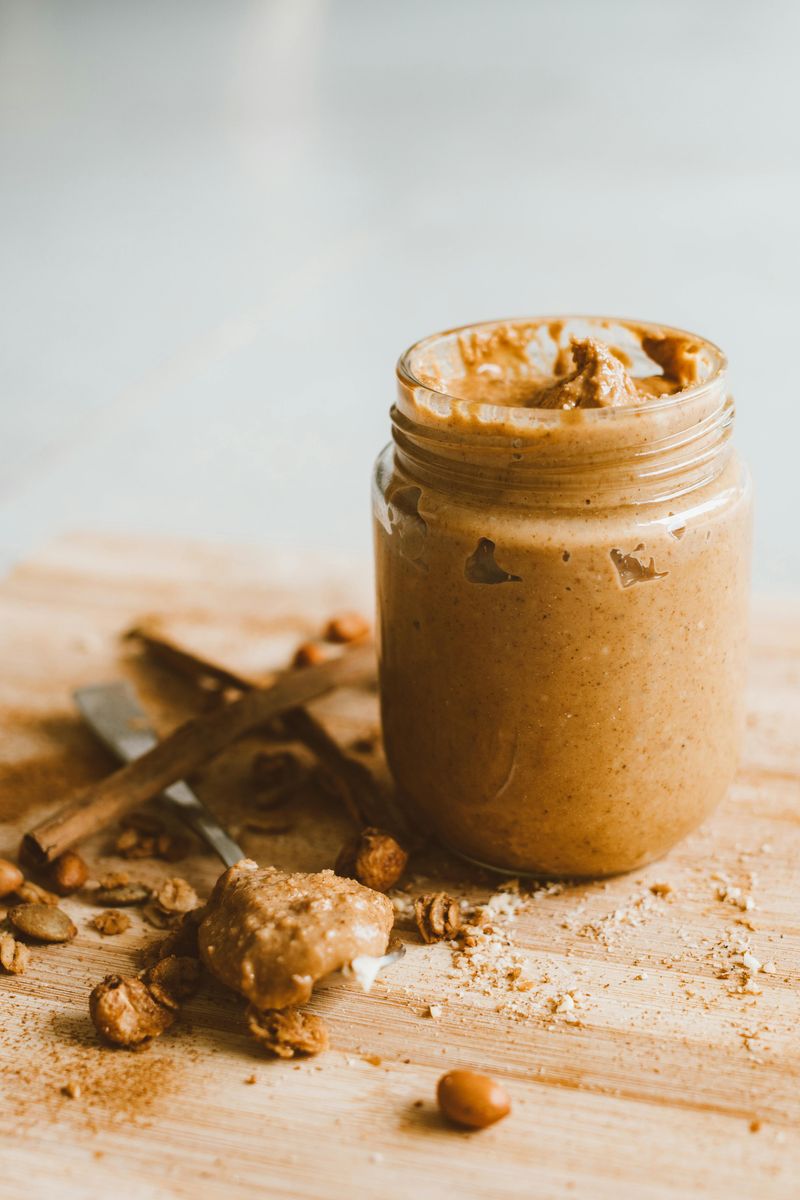
Peanut butter once rescued budgets with protein rich spreads. Now crop yields, processing, and glass or plastic packaging spikes raised the price per jar.
You notice it on lunch days and snack nights alike.
Compare unit prices across sizes, and watch for two for deals. Stir natural jars and refrigerate to extend freshness.
If allergies allow, rotate almond or sunflower seed spreads only when sales make sense.
Yogurt
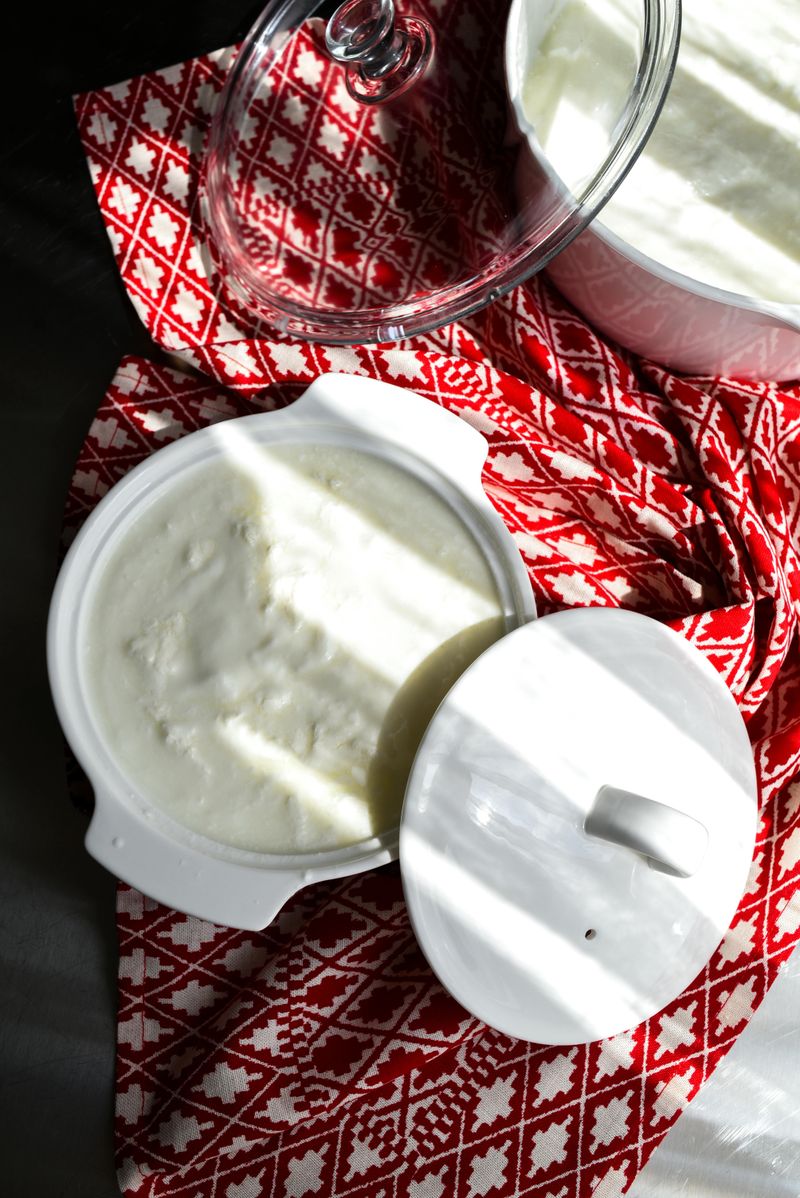
Those little cups add up fast now. Milk prices, fruit add ins, and fancy packaging push single servings into premium territory.
The convenience is great, but the total on your receipt tells another story.
Grab big tubs and portion into reusable containers. Add your own fruit and honey for flavor with fewer dollars.
Greek styles stretch further in recipes, doubling as sauces and marinades to earn their keep.
Chocolate bar

Even treats are not safe. Cocoa shortages, weather disruptions, and higher labor costs have made chocolate bars jump in price.
You feel a little hesitation at the checkout candy display now.
Buy multi packs when they drop on sale, or choose smaller sizes for portion control and savings. Store bars cool and dry so none goes to waste.
Savor slowly, pairing with coffee or fruit to make each square go further.
Avocados

Guacamole dreams meet reality at the register. Weather swings, water constraints, and trucking costs make avocado prices swing wildly.
You wait for that sweet spot between too firm and too pricey.
Buy in stages for ripeness, and refrigerate when perfect to slow aging. Consider smaller varieties or bagged deals.
Stretch flavor with tomatoes, onions, and lime so fewer avocados still deliver that creamy payoff.
Berries
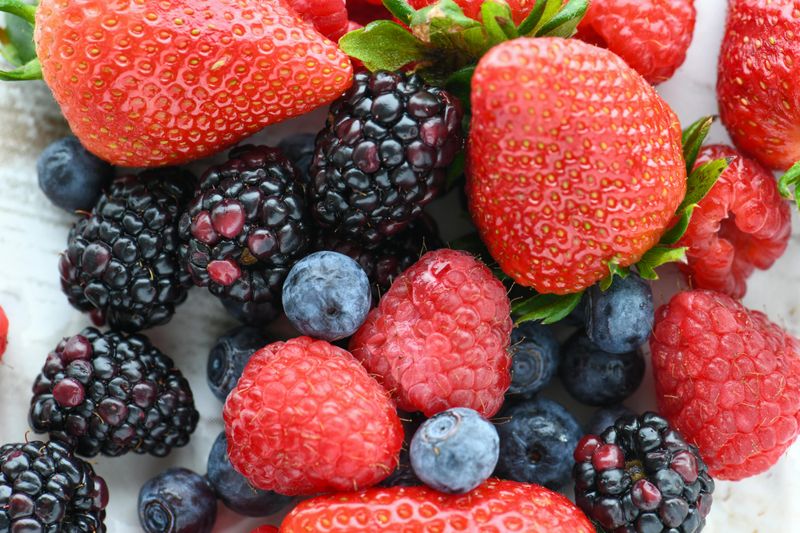
Berries bring joy but bruise the budget now. Fragile crops, labor intensity, and transport time make prices jump with seasons.
You feel the splurge when loading pints into the cart.
Buy in season, freeze extras on trays, and use for smoothies and oats. Frozen berries offer consistent pricing and solid nutrition.
Rinse right before eating to extend shelf life and avoid waste from moldy surprises.
Frozen meals
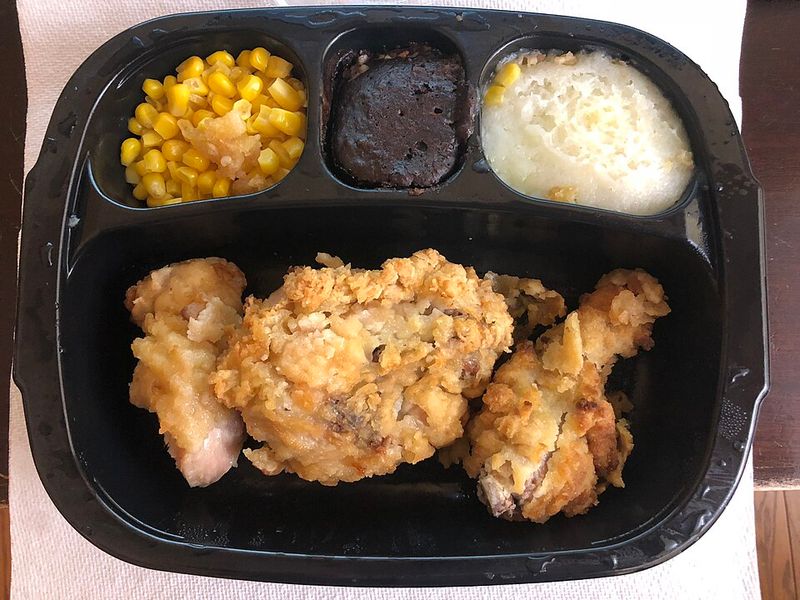
Convenience used to be the value pitch for frozen dinners. Now ingredient costs, branding, and freight have turned quick fixes into pricier choices.
You still appreciate the speed, but your budget notices.
Hunt for multi buy promotions and keep a few balanced options on hand. Supplement with frozen veggies or rice to stretch portions.
Batch cooking a weekend casserole delivers similar convenience at a friendlier cost.
Soda pack
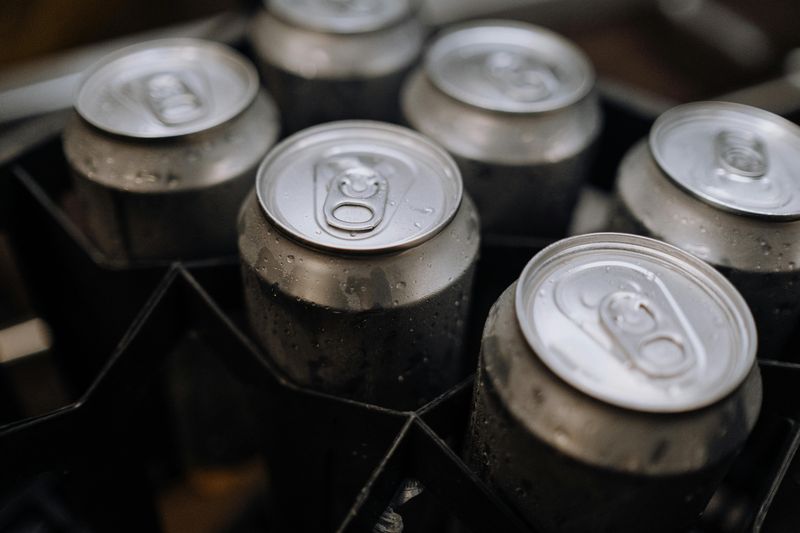
That case of fizz used to be a casual toss into the cart. Sweetener costs, aluminum cans, and distribution have raised the price of multipacks.
You may start rationing for gatherings instead of everyday sipping.
Watch for buy two get one deals and consider store brand colas. A SodaStream or similar can trim long term costs with syrups.
Keep cold water front and center so the pricey cans last longer.
Chicken breast
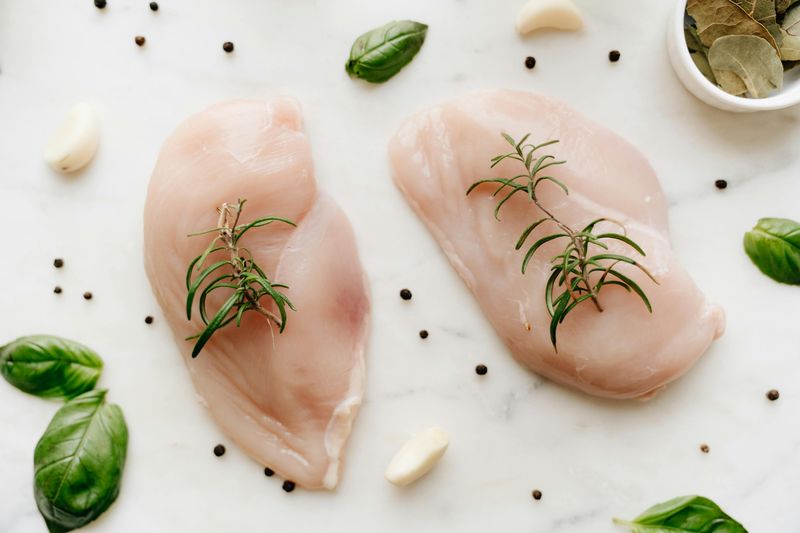
Boneless skinless breasts were the healthy default for years. Processing, feed, and demand made them pricier, turning value packs into investment decisions.
You probably scan for manager specials and freeze extras now.
Butterfly thick pieces to cook faster and stretch portions. Marinate to boost flavor in smaller servings.
Rotate in bone in thighs when they are cheaper, keeping protein goals steady without the sticker shock.
Olive oil

Extra virgin olive oil used to feel like a smart upgrade. Now poor harvests, climate stress, and export constraints have tightened supply, pushing prices up sharply.
That green gold on your counter suddenly looks more like liquid savings.
You might switch to smaller drizzles, blended oils for high heat cooking, and keep the fancy bottle just for salads. Watch for reputable bulk deals and harvest dates.
Store it cool and dark to make every drop count.