


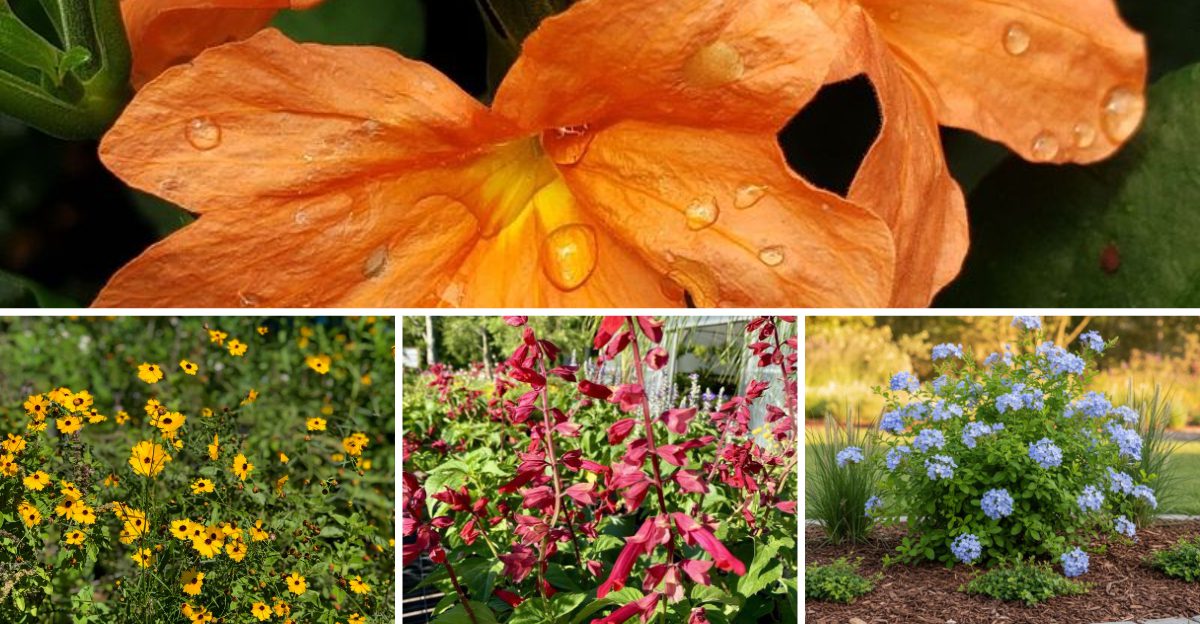
Gardening in Florida can feel like a battle against the sun, storms, and soggy soil. The good news is that plenty of beautiful flowering plants actually thrive in those tough conditions.
Whether you’re dealing with blazing summer heat or afternoon downpours, these tough bloomers keep your yard looking colorful all season long. Here are 20 flowering plants that Florida gardeners swear by.
Pentas
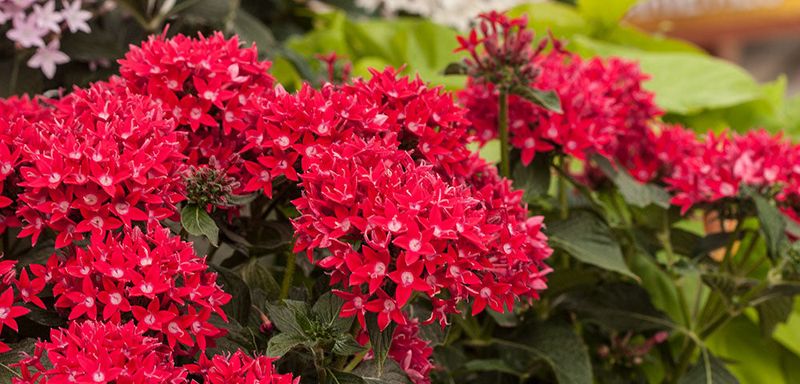
Butterflies and hummingbirds can’t resist Pentas, making it one of the most rewarding plants you can grow in Florida. This cheerful star-shaped bloomer handles full sun and high humidity like a champ.
It flowers almost year-round in warmer zones, giving your garden constant color.
Water it regularly when young, but once established, it handles Florida’s feast-or-famine rainfall with ease. Plant it in well-drained soil and watch it go.
Lantana
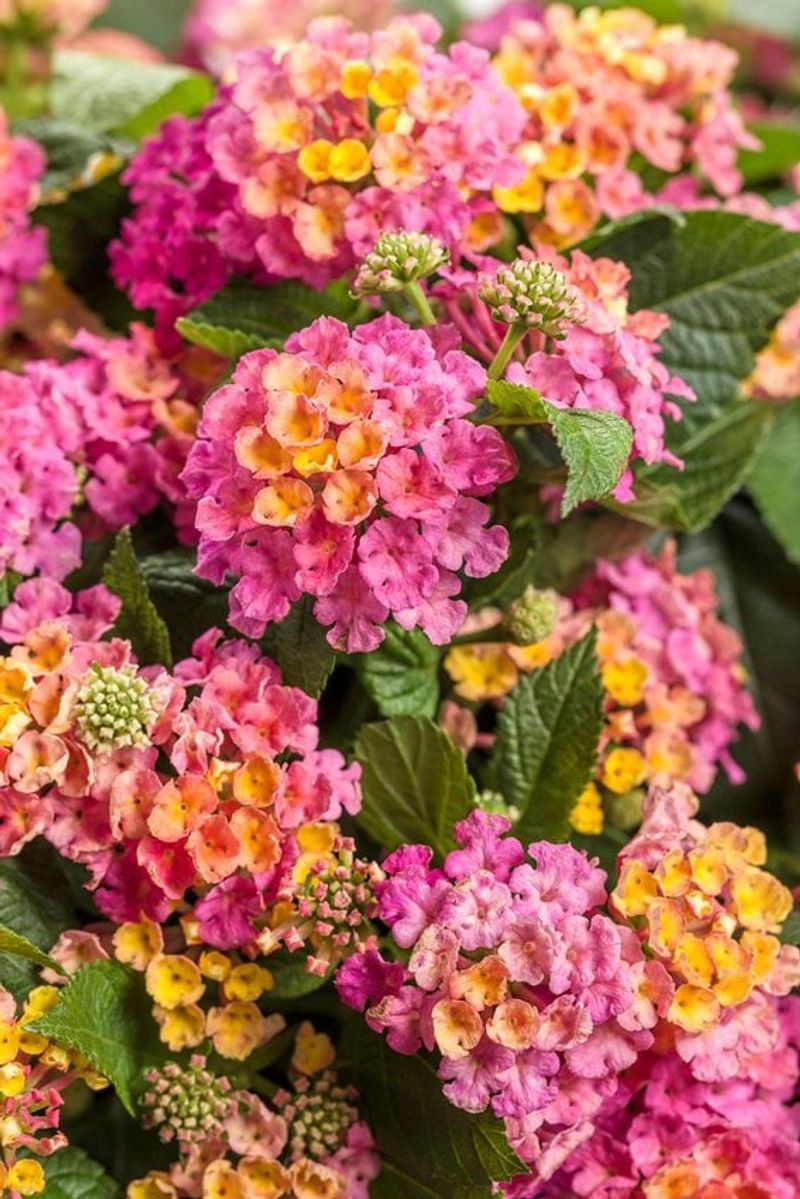
Few plants are as tough and showy as Lantana. Originally from tropical regions, it was practically made for Florida’s punishing summers.
The clusters of tiny multicolored flowers keep blooming even when temperatures soar past 95 degrees.
Butterflies flock to it, and deer tend to leave it alone — a double win for Florida gardeners. Just give it full sun and decent drainage, and it practically takes care of itself.
Vinca
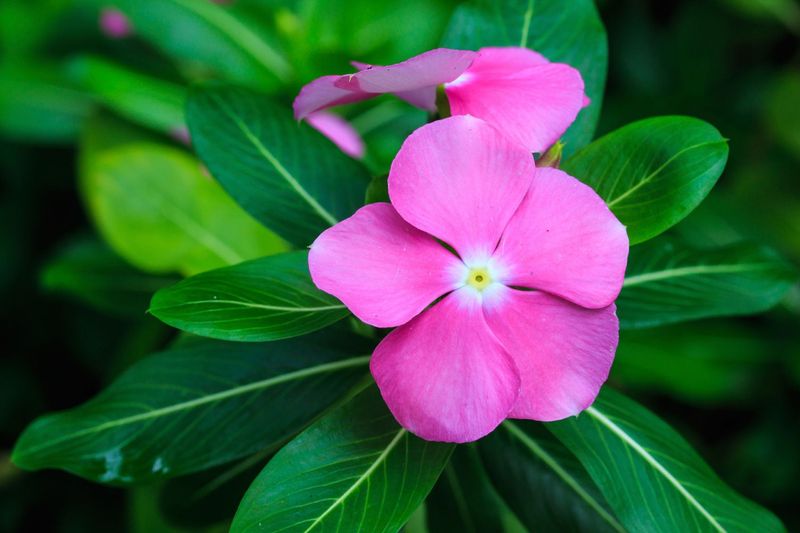
Vinca — also called Catharanthus or annual periwinkle — is a Florida summer staple for a reason. It laughs in the face of scorching heat and keeps pumping out cheerful blooms even when other flowers give up.
The waxy petals seem almost heat-proof.
Plant it in full sun with good drainage and it rewards you all the way into fall. It also handles brief flooding better than most annuals you’ll find at the nursery.
Angelonia
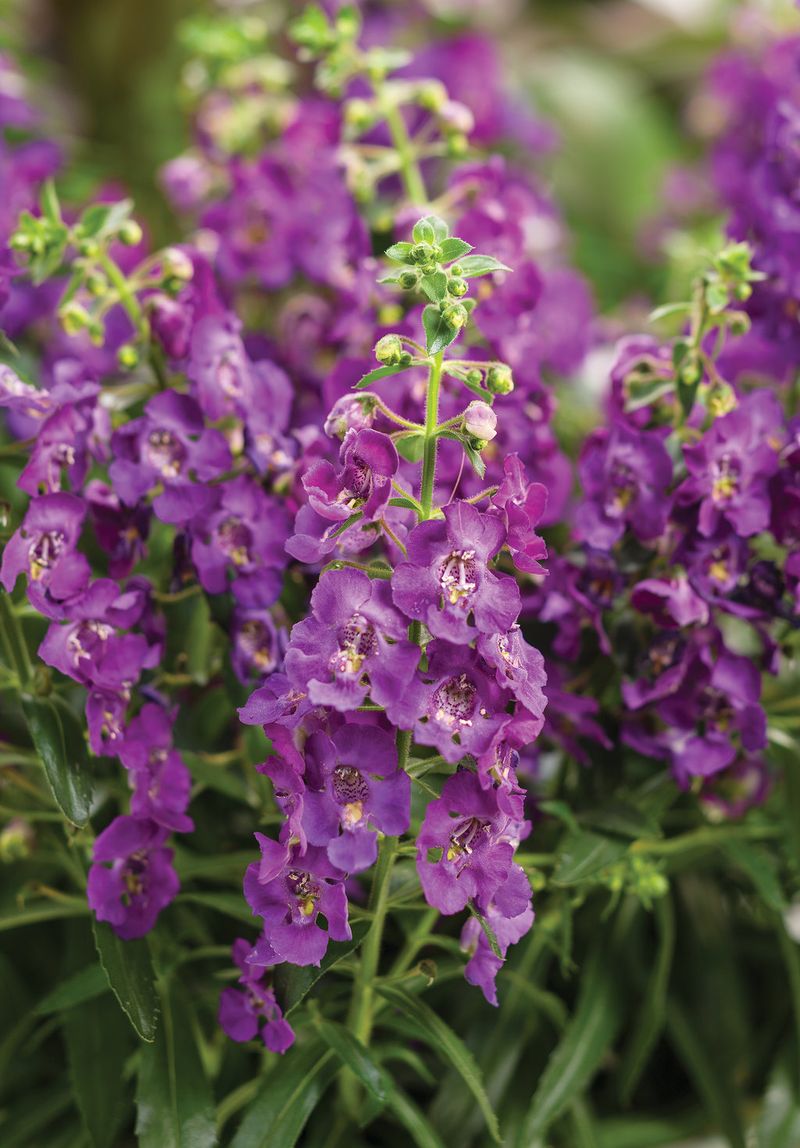
Sometimes called summer snapdragon, Angelonia brings elegant vertical interest to Florida gardens without any of the drama. It smells faintly of grape candy, which is a fun surprise when you brush past it on a garden path.
The tall spikes of orchid-like blooms hold up beautifully in the heat.
Unlike many flowering plants, Angelonia actually prefers dry spells over soggy conditions. It’s a reliable performer from spring through the first cool snap of fall.
Firebush
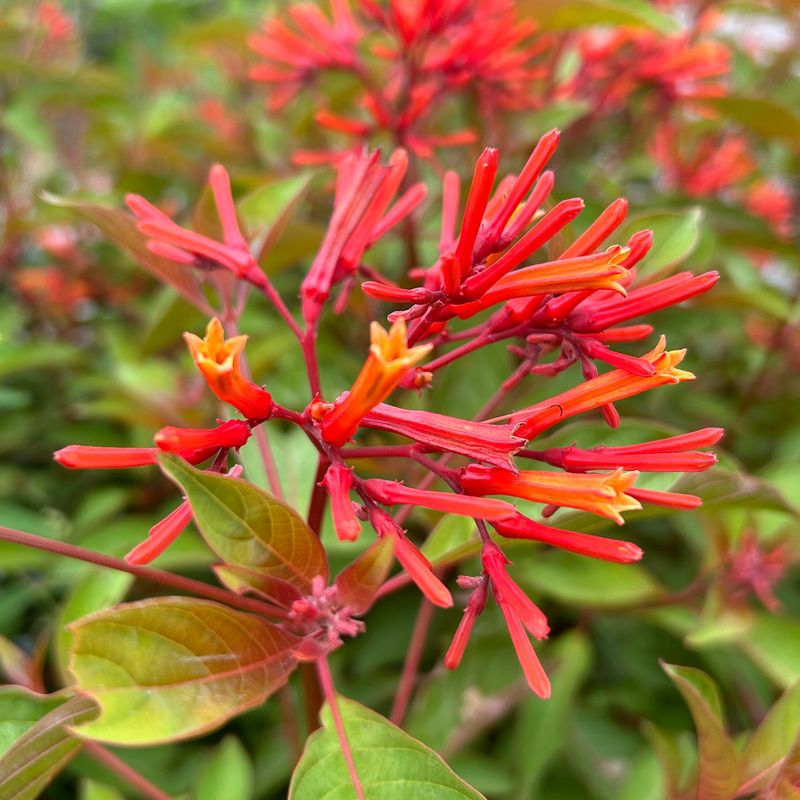
Firebush earns its name with blazing clusters of orange-red tubular flowers that look like tiny flames. Native to Florida and the tropics, it’s perfectly adapted to survive both drought and heavy rain without missing a beat.
Hummingbirds absolutely love the long, nectar-rich blooms.
It can grow into a large shrub if left unpruned, so trim it back occasionally to keep it tidy. Full sun brings out the most intense color and the most blooms.
Bulbine
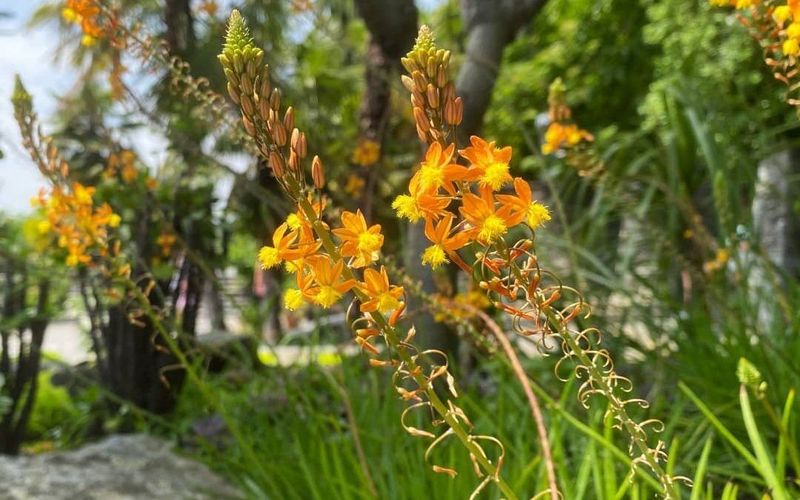
Bulbine is one of those underrated gems that deserves far more attention in Florida gardens. Its cheerful yellow and orange star-shaped flowers rise on thin stems above succulent-like foliage that stores water for dry spells.
That makes it naturally drought-tolerant once it gets established.
Heavy rain doesn’t faze it either, as long as the soil drains well. Plant it along borders or in rock gardens where it can spread freely and bloom from spring through fall.
Blue Daze
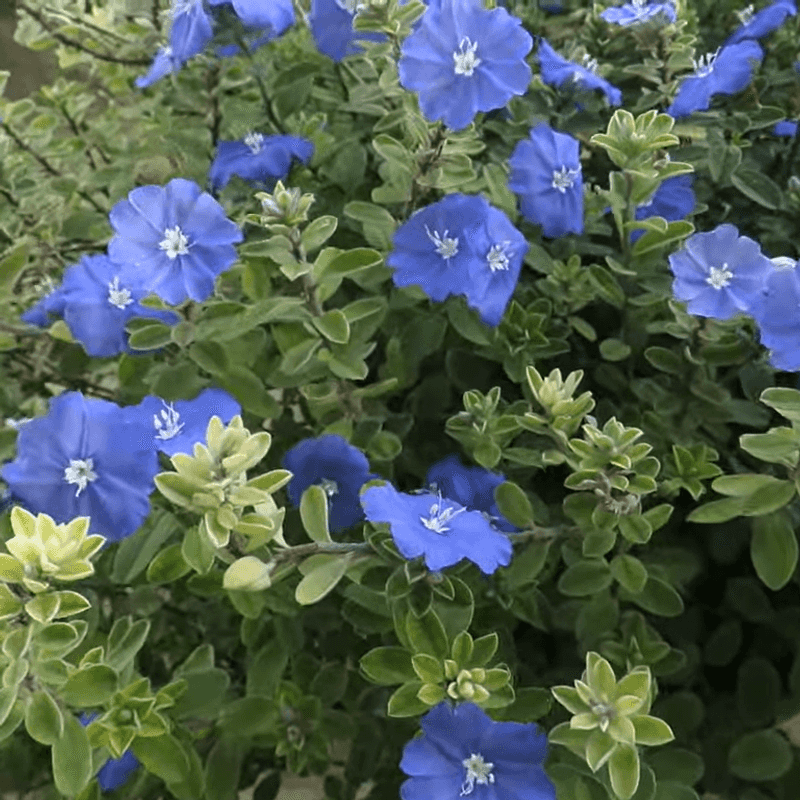
There’s something almost magical about the sky-blue flowers of Blue Daze spilling over a garden border on a hot Florida afternoon. The blooms are small but produced in huge numbers, creating a soft blue carpet effect that few other plants can match in summer heat.
Blue Daze thrives in full sun and actually prefers to dry out a little between waterings. It makes a stunning ground cover or trailing plant for containers on a sunny Florida porch.
Plumbago
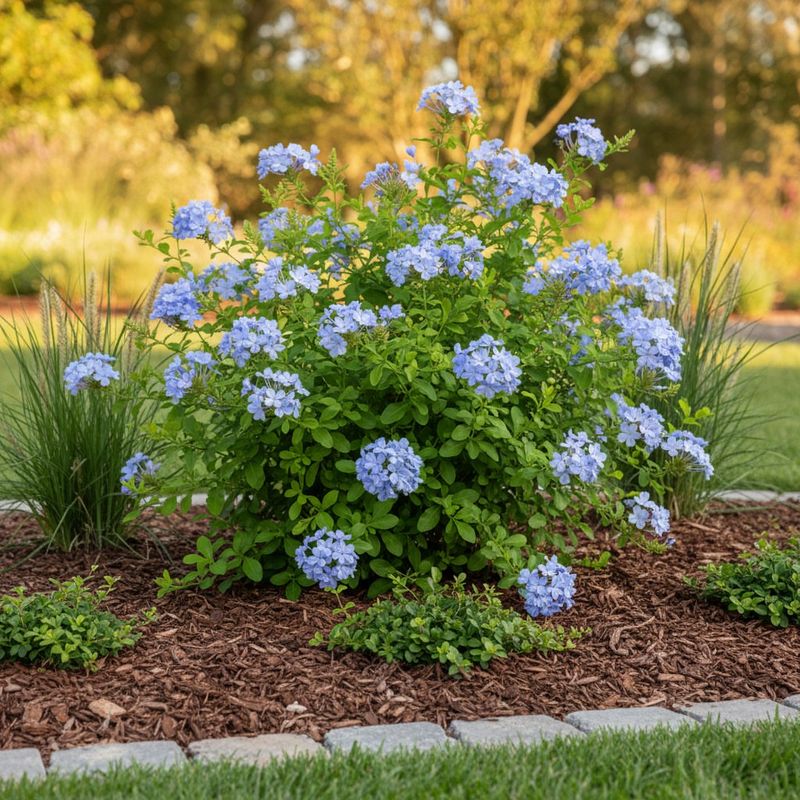
Plumbago is the kind of plant that makes neighbors stop and ask what it is. The soft powder-blue flower clusters look almost delicate, but this shrub is tougher than it looks.
It handles Florida heat, humidity, and the occasional flooding with surprising resilience.
It blooms almost nonstop from spring through fall, attracting butterflies all season long. Prune it back hard in late winter and it comes roaring back fuller and more floriferous than ever.
Mexican Heather
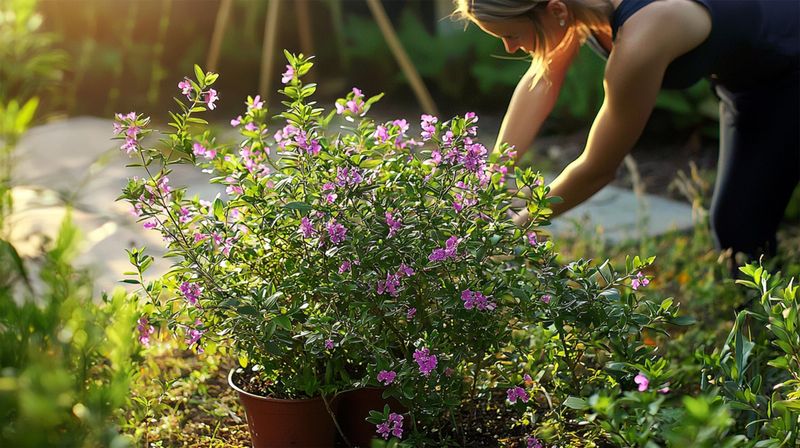
Don’t let the dainty appearance of Mexican Heather fool you — this little plant is incredibly tough. Covered in tiny purple or pink blooms almost year-round, it’s one of the most consistent performers in Florida’s challenging climate.
It handles both the dry season and the rainy season without much complaint.
It stays compact and tidy, making it ideal for edging pathways or filling gaps in garden beds. Butterflies visit it regularly, adding extra life to the garden.
Porterweed
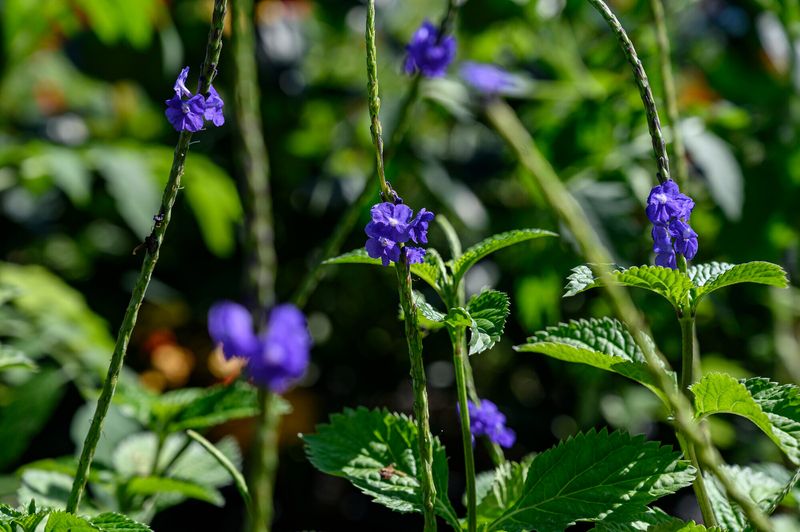
Porterweed is a butterfly magnet that also happens to be nearly indestructible in Florida’s climate. The long, arching spikes of tiny blue or purple flowers are constantly visited by swallowtails, skippers, and other pollinators.
It blooms from late spring all the way through fall.
Native blue Porterweed is especially recommended for Florida gardens because it supports local wildlife without spreading invasively. Give it full sun and it will sprawl happily, filling large spaces with color and life.
Crossandra
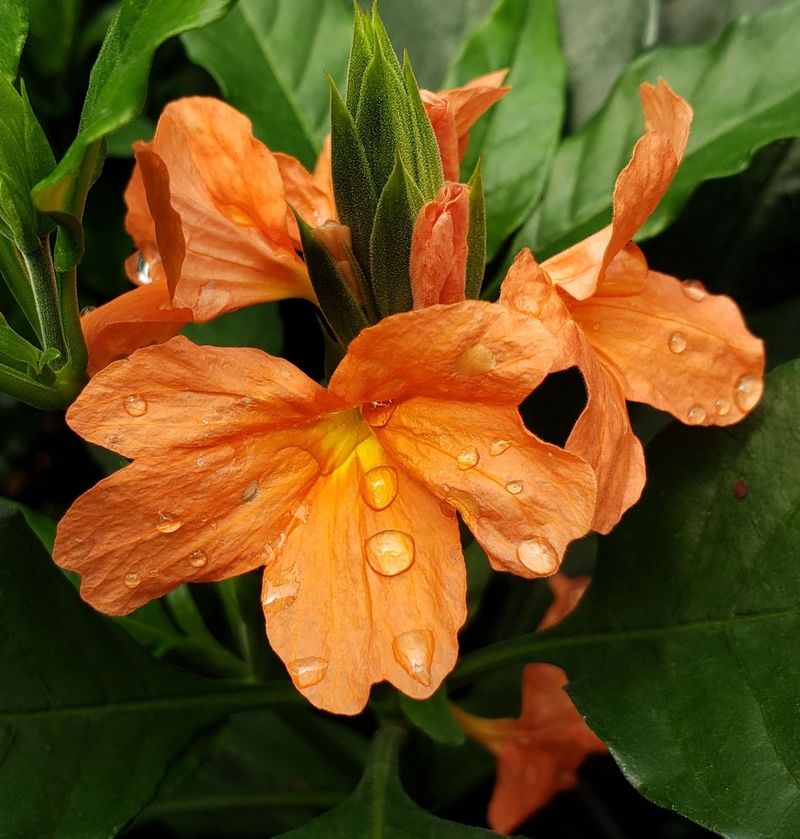
Crossandra is one of the few flowering plants that actually prefers a bit of shade, making it perfect for spots under trees where other plants struggle. The salmon-orange blooms are vivid and eye-catching, standing out beautifully against the plant’s glossy dark green leaves.
It tolerates Florida’s high humidity extremely well and keeps blooming through the hot summer months when many shade plants look tired. Water it consistently and feed it monthly for the best flower production.
Society Garlic
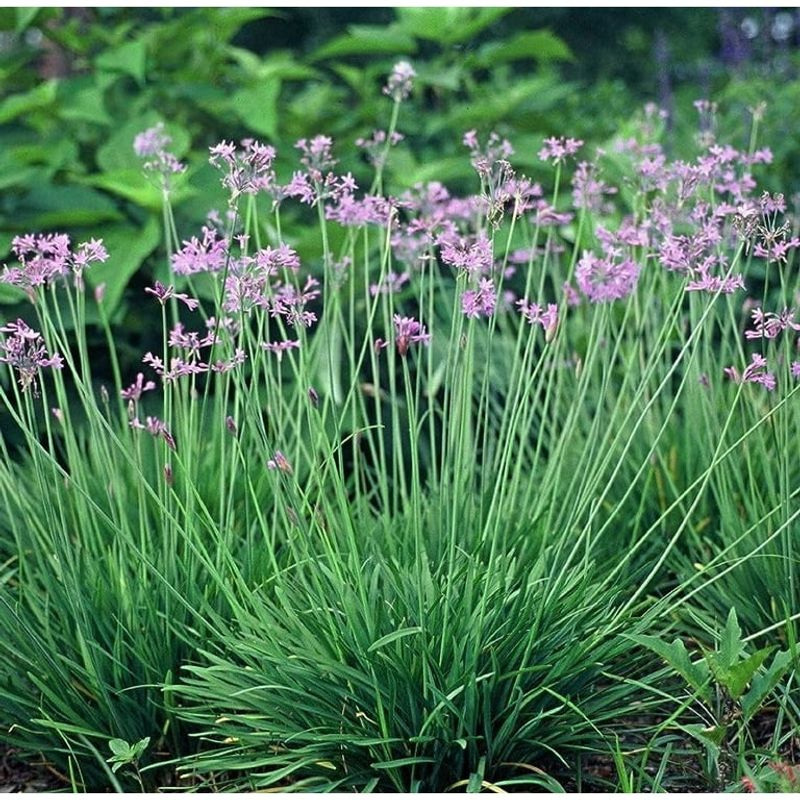
Society Garlic has one of the best names in the plant world, and it lives up to the intrigue. The lavender-pink flower clusters sit atop tall, elegant stems and bloom repeatedly throughout the warm months.
It gets its name from the mild garlic scent released when the leaves are crushed.
Deer and pests generally avoid it, which is a big plus in Florida. It handles heat, drought, and occasional flooding with equal ease once established in well-drained soil.
Blanket Flower
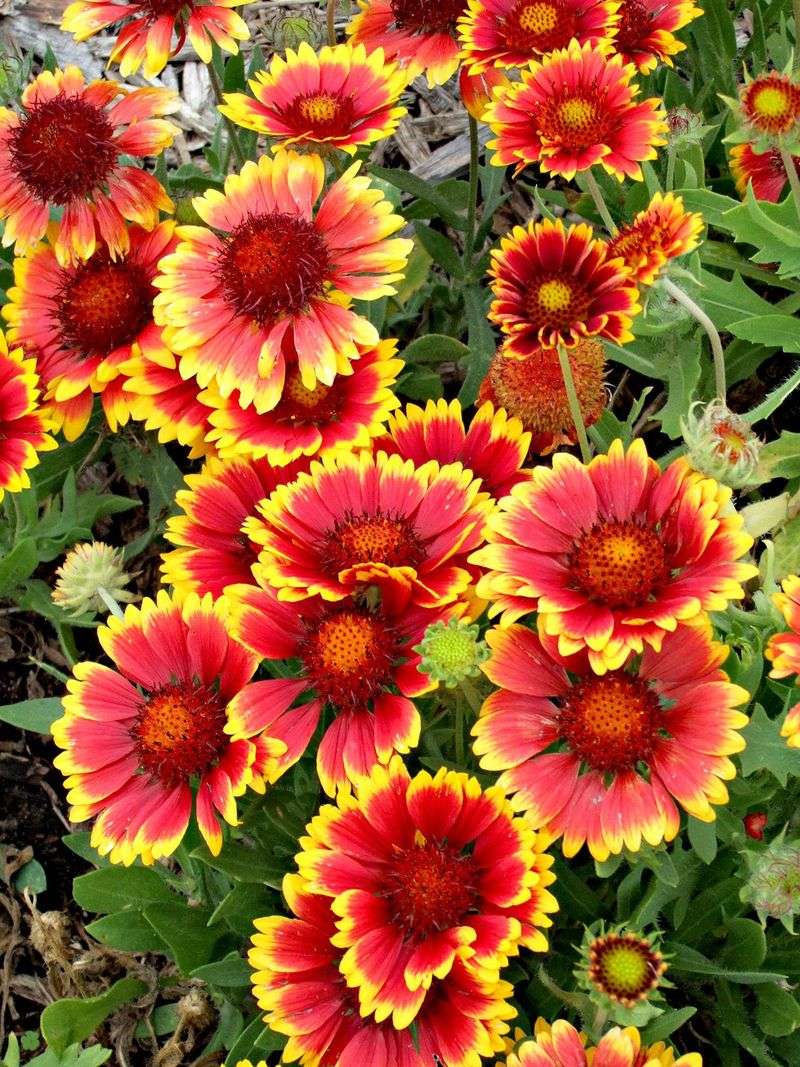
Named for the vivid, patterned petals that resemble Native American blankets, this wildflower brings serious color to Florida gardens. The bold red, orange, and yellow blooms are produced nonstop from spring through fall, even in sandy coastal soils with little nutrition.
Blanket Flower actually performs better in poor, dry soil than in rich, moist conditions — which makes it a perfect fit for Florida’s sandy landscapes. Full sun is a must, and deadheading spent blooms keeps the flowers coming strong.
Coreopsis
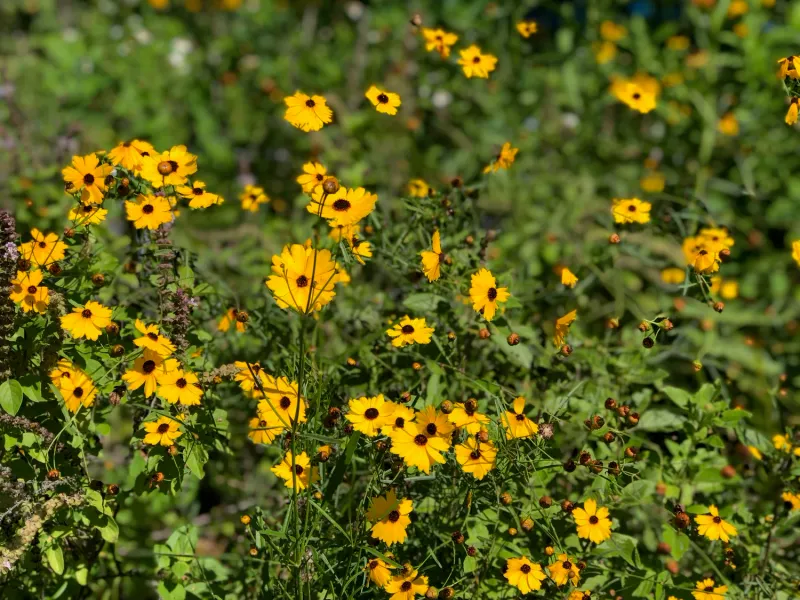
Coreopsis is Florida’s official state wildflower, and it earns that title by blanketing roadsides and gardens in golden yellow every spring. It’s one of the most low-maintenance flowering plants you can grow, asking for little more than full sun and well-drained soil.
Once established, it handles drought periods easily and bounces right back after heavy rains. The cheerful daisy-like blooms attract bees and butterflies, and cutting the plants back after the main flush of flowers encourages a second round of blooming.
Salvia
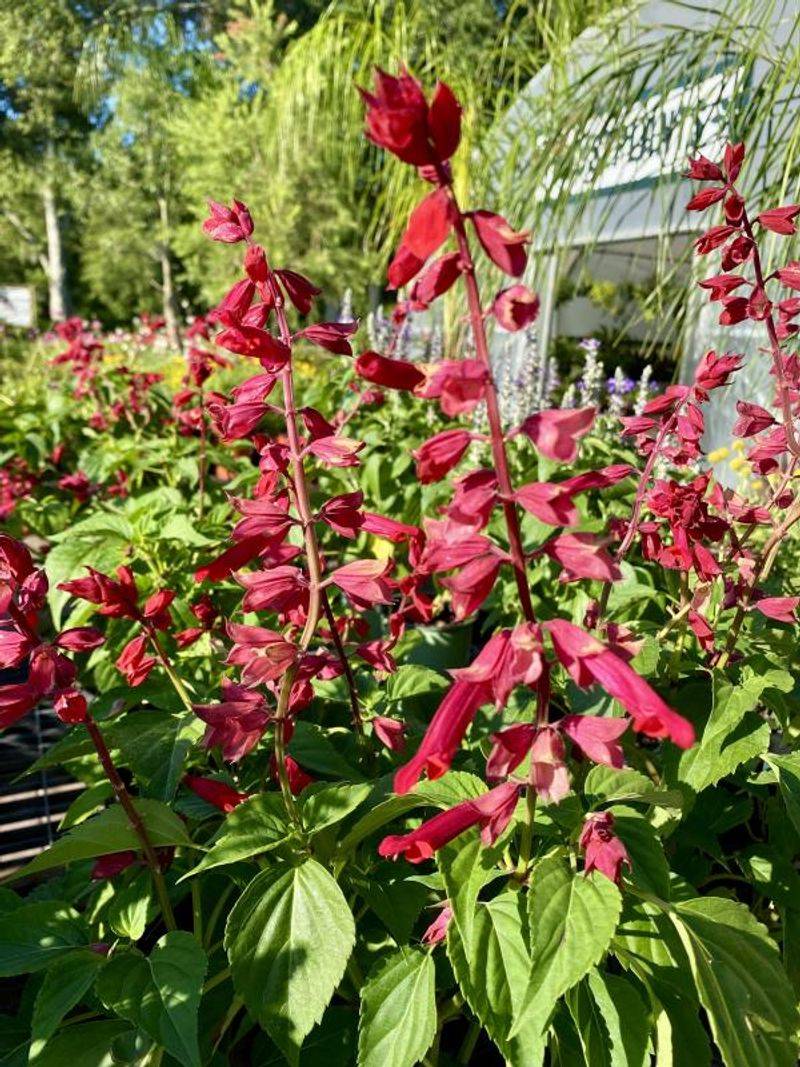
Walk through any Florida garden center in summer and you’ll find Salvia front and center — for good reason. The upright spikes of red, blue, or purple flowers are heat-proof and keep blooming through Florida’s toughest months.
Hummingbirds treat Salvia plants like a favorite diner.
There are many varieties suited to Florida, from native Lyreleaf Salvia to the bold Scarlet Sage. Most prefer full sun and tolerate both dry spells and Florida’s heavy summer downpours without losing a step.
Scaevola
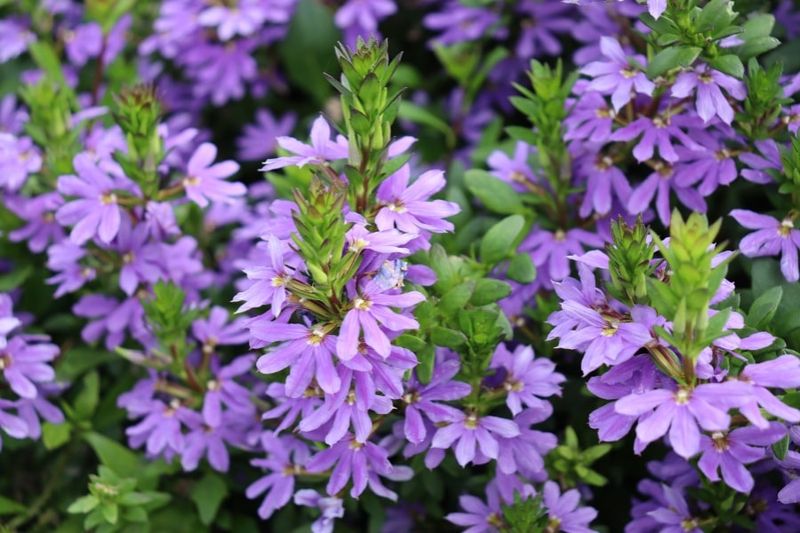
Originally from Australian beaches, Scaevola — also called fan flower — found a second home on Florida’s sandy coasts and sunny gardens. The unusual fan-shaped blooms in shades of lavender, purple, or white are produced almost continuously from spring through fall.
Salt spray, heat, and heavy rain don’t slow it down at all. It works brilliantly as a ground cover or in hanging baskets, and it pairs beautifully with other sun-loving annuals for a long-lasting, low-fuss display.
Ruellia
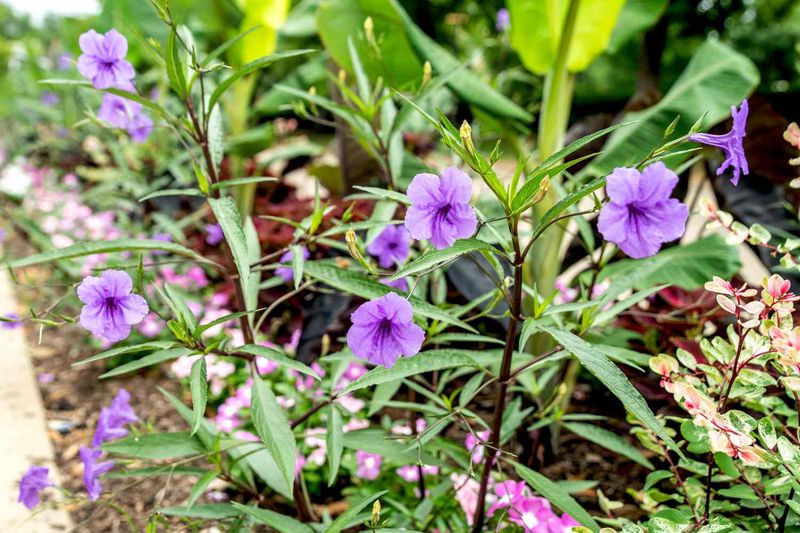
Ruellia — sometimes called Mexican petunia — is practically a Florida legend for its toughness. The purple, pink, or white trumpet-shaped flowers open fresh each morning and cover the plant in blooms from spring through fall.
It handles both flooding and drought without much visible stress.
One thing to keep in mind: some varieties can spread aggressively, so opt for dwarf or sterile cultivars in managed garden beds. Those well-behaved versions give you all the beauty with none of the headache.
Coneflower
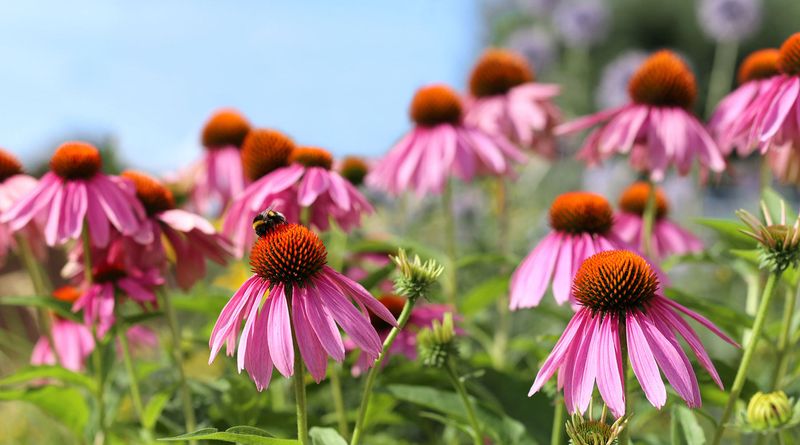
Coneflowers bring a wildflower charm to Florida gardens that’s hard to match. The bold purple-pink petals surrounding a spiky orange-brown center are iconic, and pollinators — from bees to goldfinches — can’t get enough of them.
They bloom from late spring well into summer.
Purple Coneflower (Echinacea purpurea) adapts well to Florida’s climate, especially in northern and central parts of the state. Good drainage is key, as the roots don’t like sitting in waterlogged soil after heavy storms.
Tropical Sage
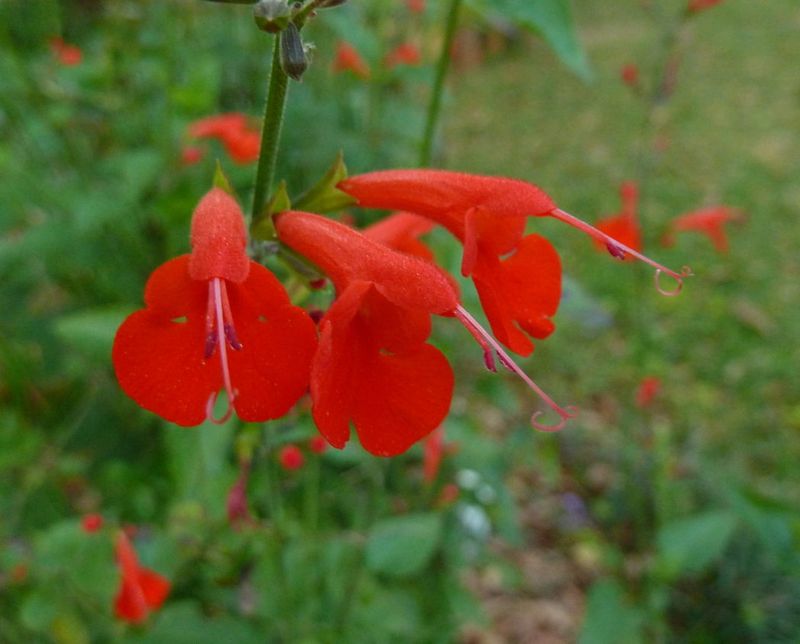
Tropical Sage is a Florida native that’s been brightening wild meadows and roadsides long before anyone thought to plant it in a garden. The brilliant scarlet tubular flowers are hummingbird favorites, and the plant blooms repeatedly through the warm months with very little care required.
It reseeds freely, which means once you plant it, you’ll likely have it forever — in a good way. Full sun and average soil are all it needs to thrive through heat and heavy rain alike.
Dwarf Lantana
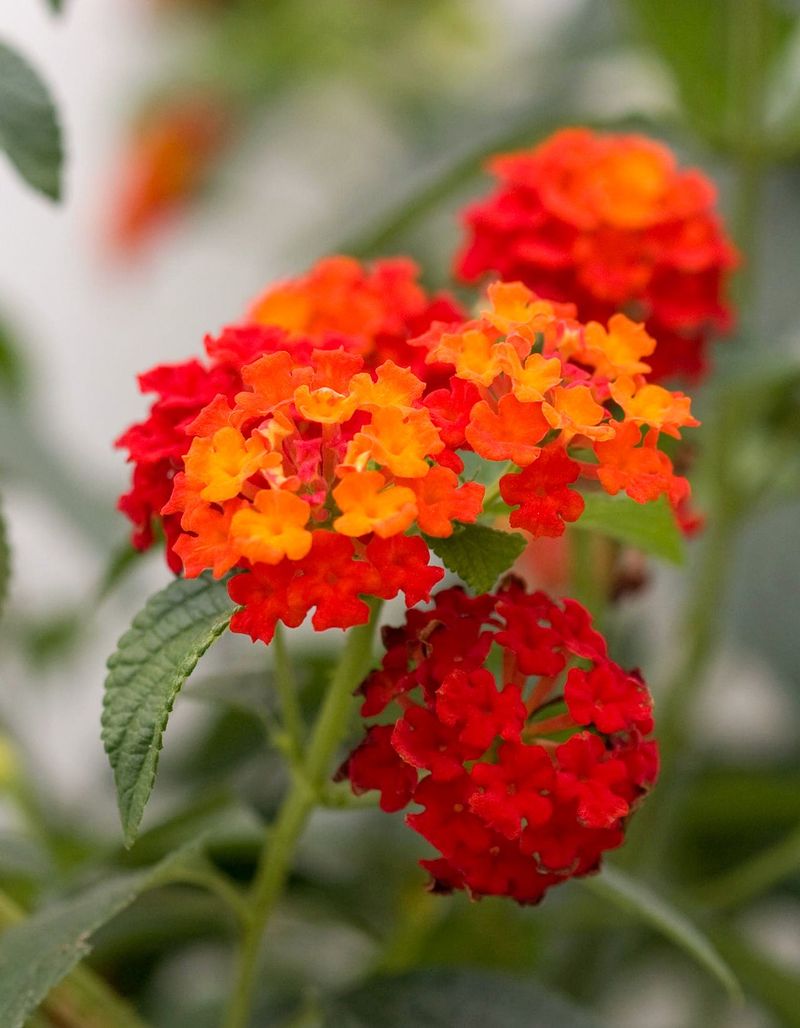
All the toughness of regular Lantana packed into a tidy, low-growing mound — that’s Dwarf Lantana in a nutshell. It stays compact without much pruning, making it ideal for garden borders, containers, or mass plantings along driveways and walkways.
The flower clusters shift from yellow to orange to red as they age.
Butterflies swarm it all season long. It shrugs off Florida heat, sandy soil, and summer downpours with zero complaints, making it one of the most reliable low-maintenance bloomers you can plant.