


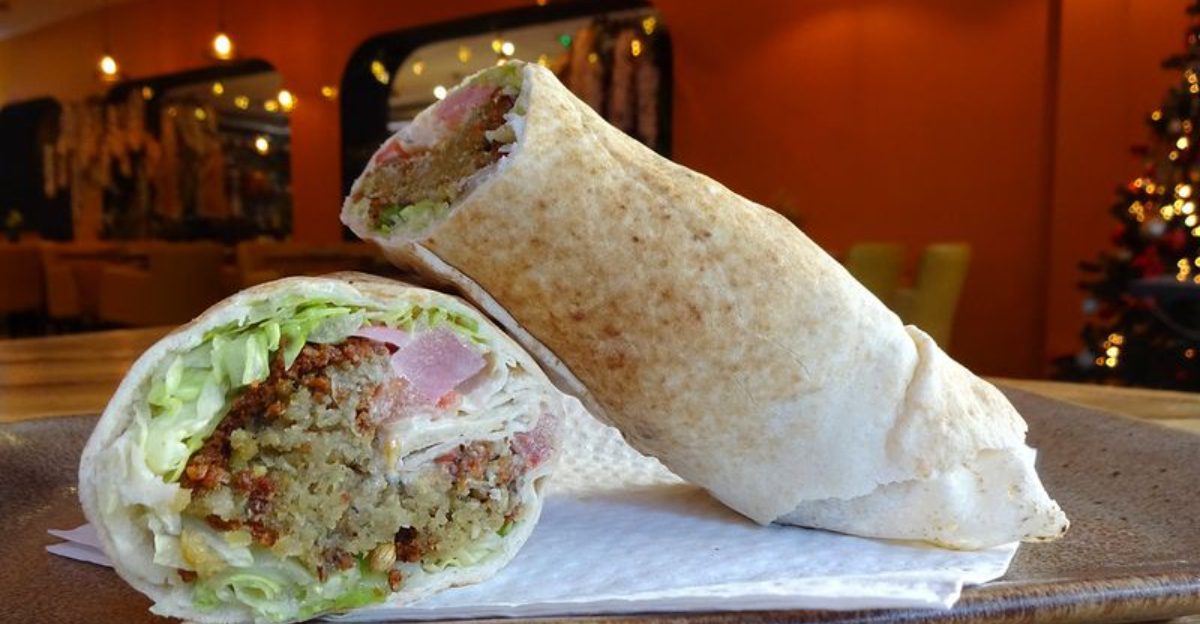
Ever order something that sounds light, only to leave feeling weirdly weighed down? You are not imagining it. Restaurants often pack subtle calorie bombs into dishes that read fresh and clean on the menu. Before your next “healthy” pick, here are the sneaky culprits that can still hit heavy and what to watch for so you feel satisfied, not sluggish.
Caesar salad
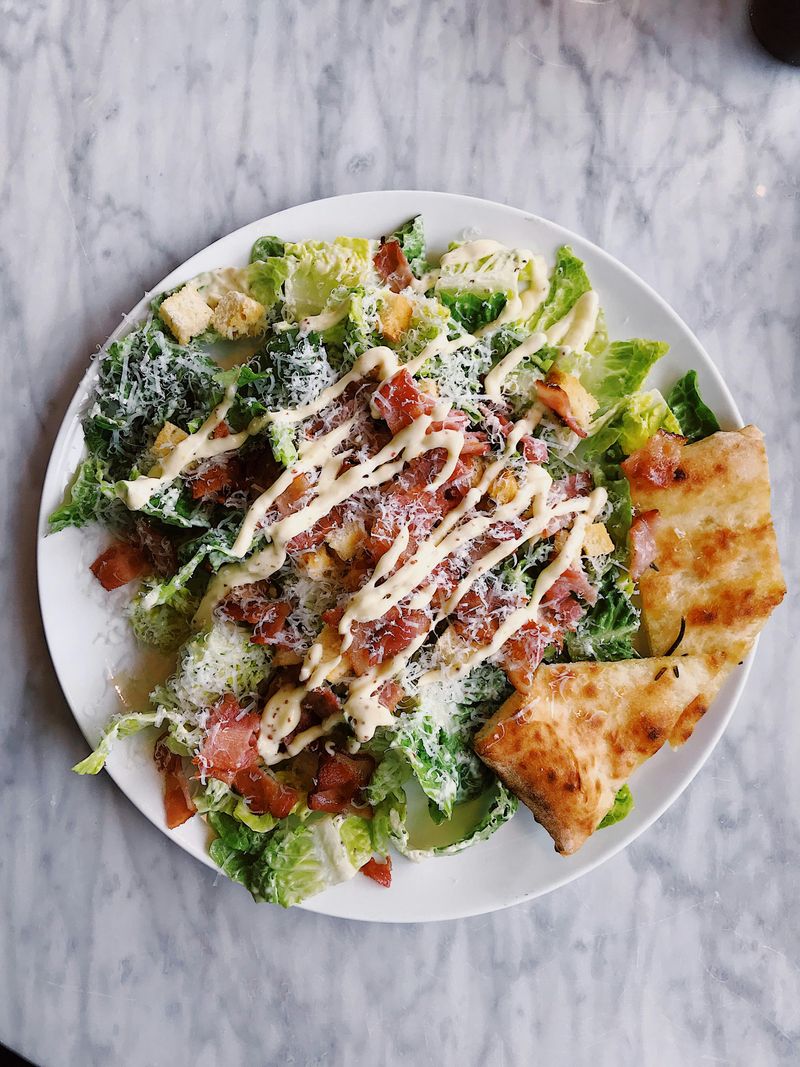
Caesar sounds simple, but it can be a calorie trap. The creamy dressing is usually loaded with oil, egg yolks, and cheese, adding dense richness fast. Croutons are often fried or soaked in butter, and extra Parmesan piles on sodium that keeps you feeling puffy.
If you want it lighter, ask for dressing on the side and go easy. Swap croutons for crunchy veggies, and add grilled chicken for staying power without heaviness. You will still get that classic flavor, just with less drag afterward.
Chicken wrap
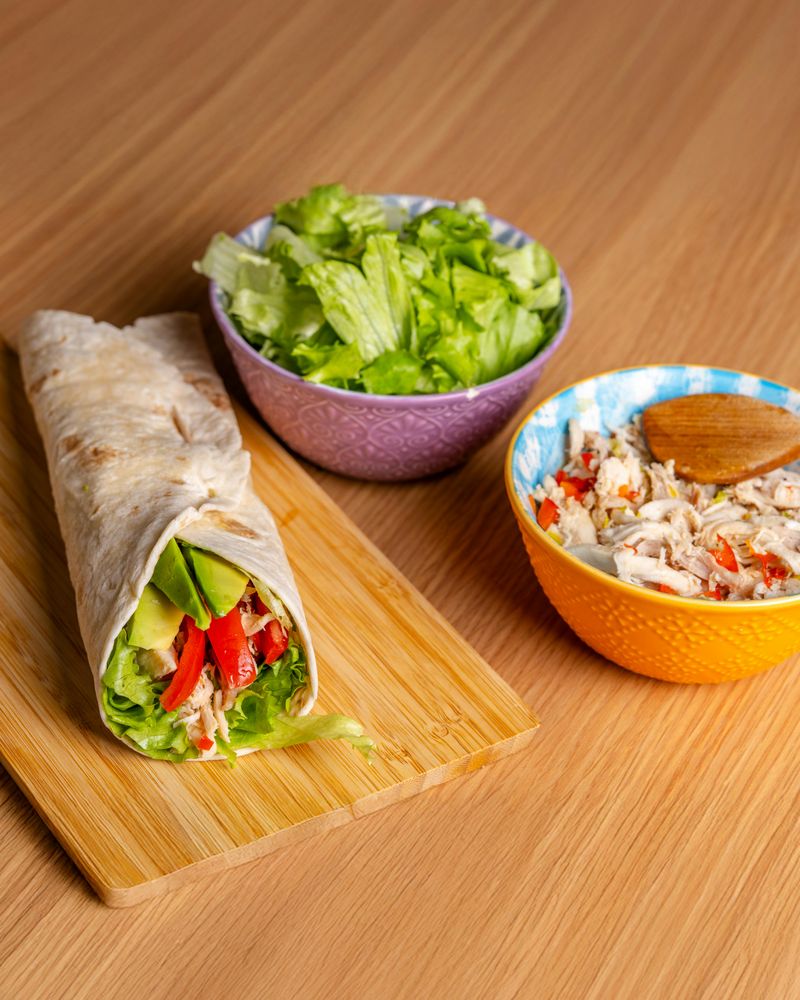
Chicken wraps seem innocent, but oversized tortillas can hide as many carbs as several slices of bread. Add creamy sauces, cheese, and fried chicken, and suddenly it is a gut bomb. The wrap format encourages more fillings, making portions deceptively large.
Ask for grilled chicken, skip heavy spreads, and add crunchy vegetables for texture. Choose a smaller tortilla or lettuce wrap to prevent the brick-in-your-stomach effect. You will still enjoy the convenience, just without the post-lunch slump that sneaks up on you later.
Turkey sandwich
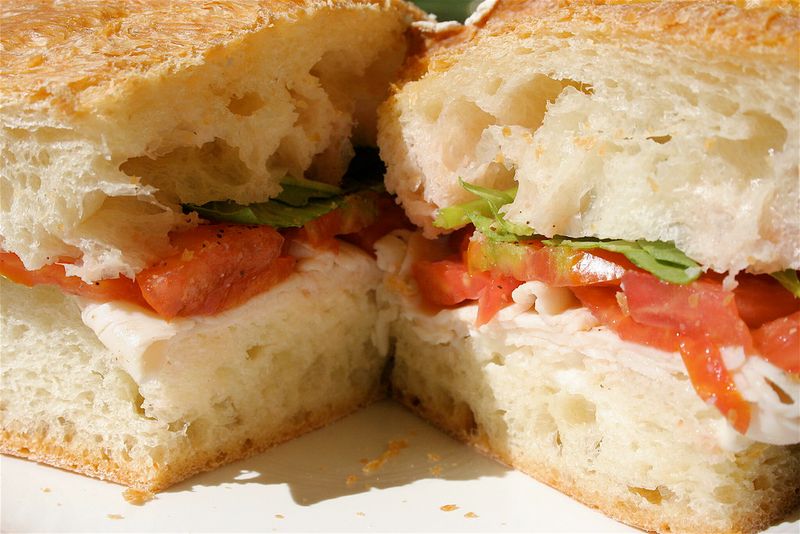
Turkey sounds lean, but restaurant versions can stack thick bread, mayo, cheese, and bacon. Deli turkey is frequently salty, which can cause water retention and a heavy feel. Add avocado or aioli and the calories quietly climb.
Ask for whole grain bread sliced thin, mustard instead of mayo, and extra greens for volume. Keep cheese to one slice and skip bacon if you want lighter. You get satisfying protein and crunch without the nap-worthy aftermath that often follows a seemingly harmless turkey order.
Smoothie bowl
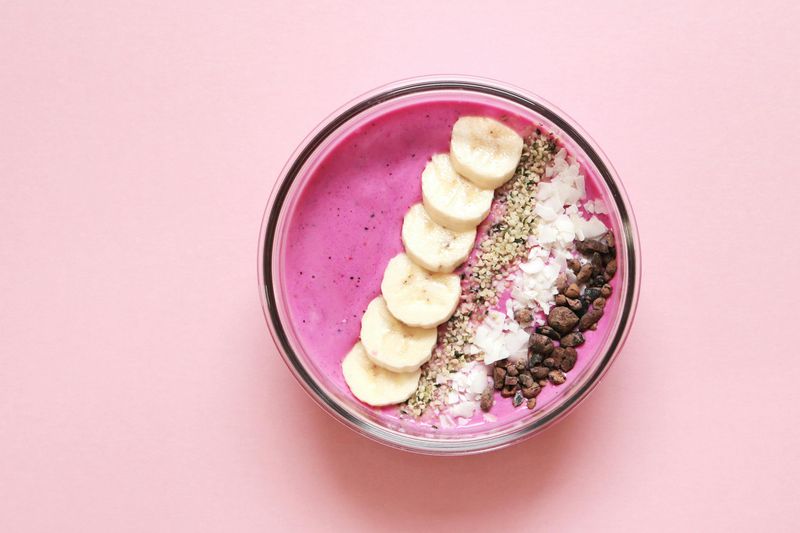
Smoothie bowls look virtuous but can be sugar bombs. Blended fruit plus juice, honey, and sweet granola quickly push calories high. Nut butters and coconut flakes add richness that sits heavily if portions are large.
Go for unsweetened bases, add Greek yogurt for protein, and limit toppings to one crunchy and one creamy. Ask about portion sizes and skip extra drizzle. You still get the refreshing vibe and color, but without the sneaky heaviness that often hits an hour after finishing.
Pasta salad
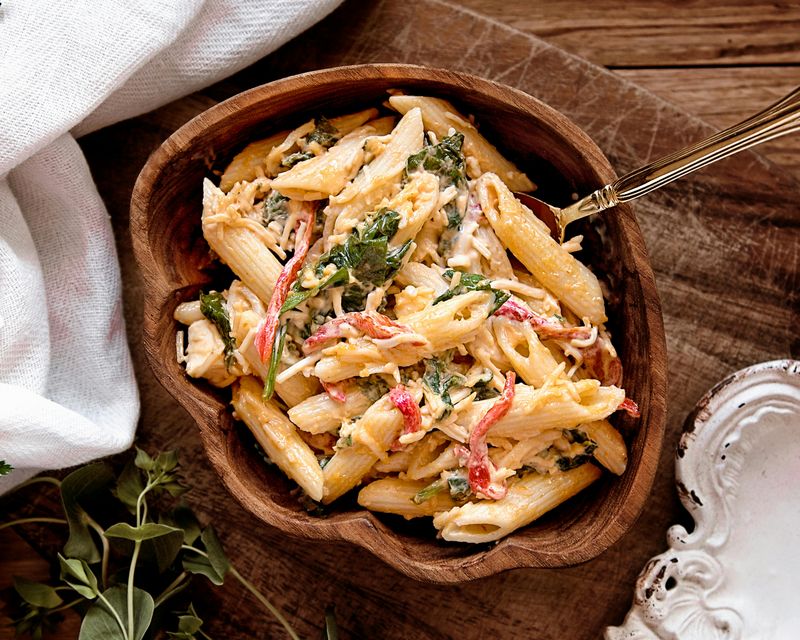
Pasta salad often hides oil-heavy dressing that clings to every noodle. Add cheese cubes, cured meats, and olives and you get a salt-fat combo that lingers. Cold pasta can be easy to overeat because it is bite-sized and refreshing.
Ask for vinaigrette on the lighter side, extra veggies, and a smaller scoop. Choose versions with beans or chicken for protein to prevent overeating. You will enjoy that picnic nostalgia without the weighed-down feeling that tends to creep in by mid-afternoon.
Avocado toast
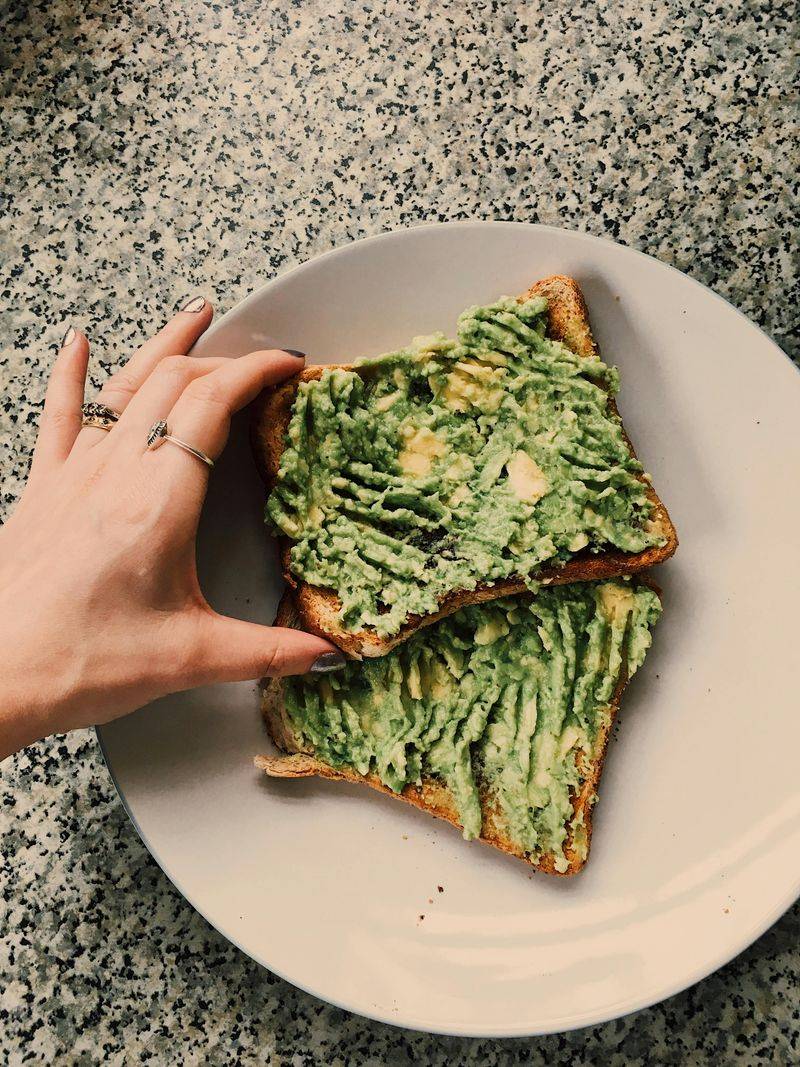
Avocado is great, but restaurant toast can be huge and drenched in oil. Thick sourdough slices pack more starch than expected, and toppings like feta, bacon, or poached eggs push it heavier. The open-face look can trick you into thinking it is lighter.
Ask for one slice, no extra oil, and choose lean protein like smoked salmon sparingly. Add greens or tomato to lighten the bite. You get creaminess and crunch without the food coma that sometimes follows brunch favorites.
Grain bowl
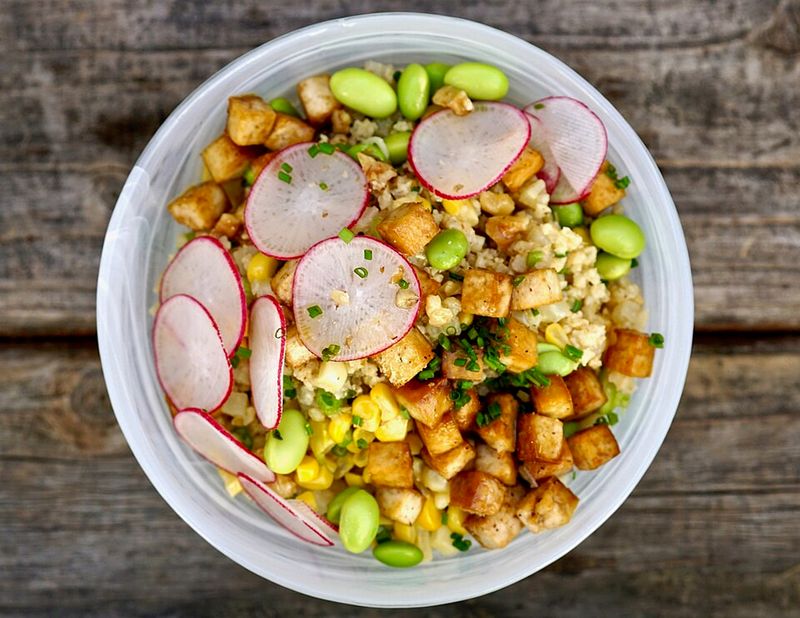
Grain bowls sound balanced, but portions can be oversized. Multiple grains, roasted veggies cooked in oil, creamy sauces, and seeds add up fast. What feels clean can be calorically dense, especially with tahini or aioli.
Ask for half grains, double greens, and sauce on the side. Pick one fat source, like avocado or nuts, not both. You will still feel nourished and satisfied, just not overly full, and the flavors stay bright rather than sluggish.
Chicken salad
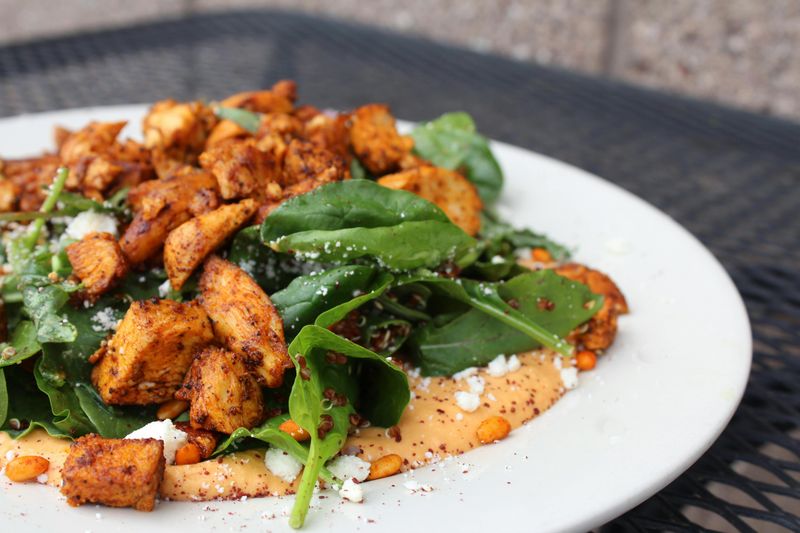
Chicken salad often relies on mayo for texture. Add dried fruit, nuts, and croissant or buttery bread, and it sits heavy quickly. Sweet dressings can spike sugar, while sodium hides in pre-cooked chicken.
Ask for a yogurt-based dressing or half-mayo blend, and serve it on greens instead of a buttery base. Keep nuts to a sprinkle and skip sugary mix-ins. You will still get that creamy, satisfying bite without the nap-inducing richness that can sneak in disguised as a “light” lunch.
Sushi roll
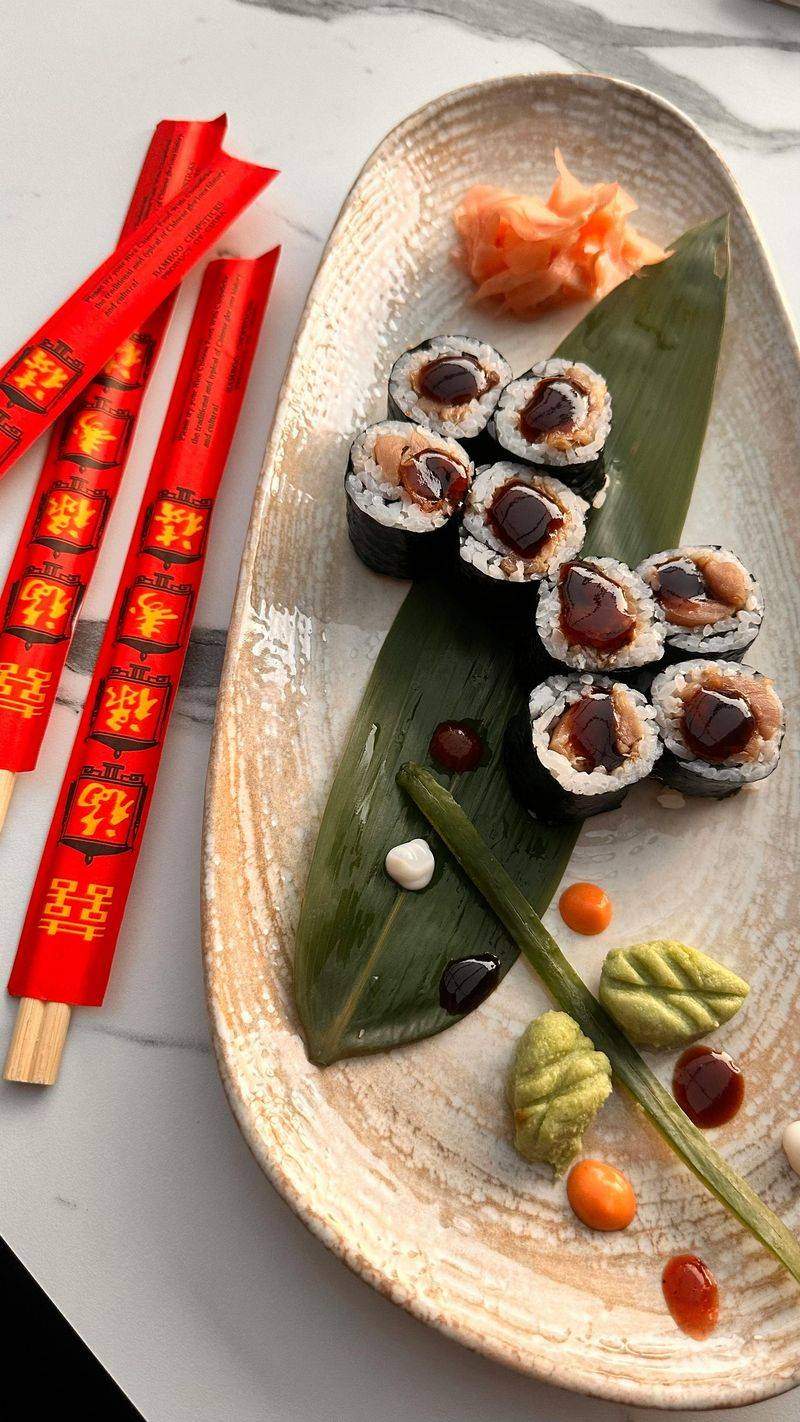
Sushi feels light, but many rolls use mayo sauces, fried tempura, and cream cheese. White rice portions are bigger than you think and add up quickly. Soy sauce adds sodium, leading to that bloated, heavy afterward.
Choose simple rolls with fish, veggies, and minimal sauce. Ask for less rice or try sashimi with a side of edamame. You will keep the fresh, clean flavors without the heavy surprise that often follows specialty rolls piled high with crunchy toppings.
Veggie burger
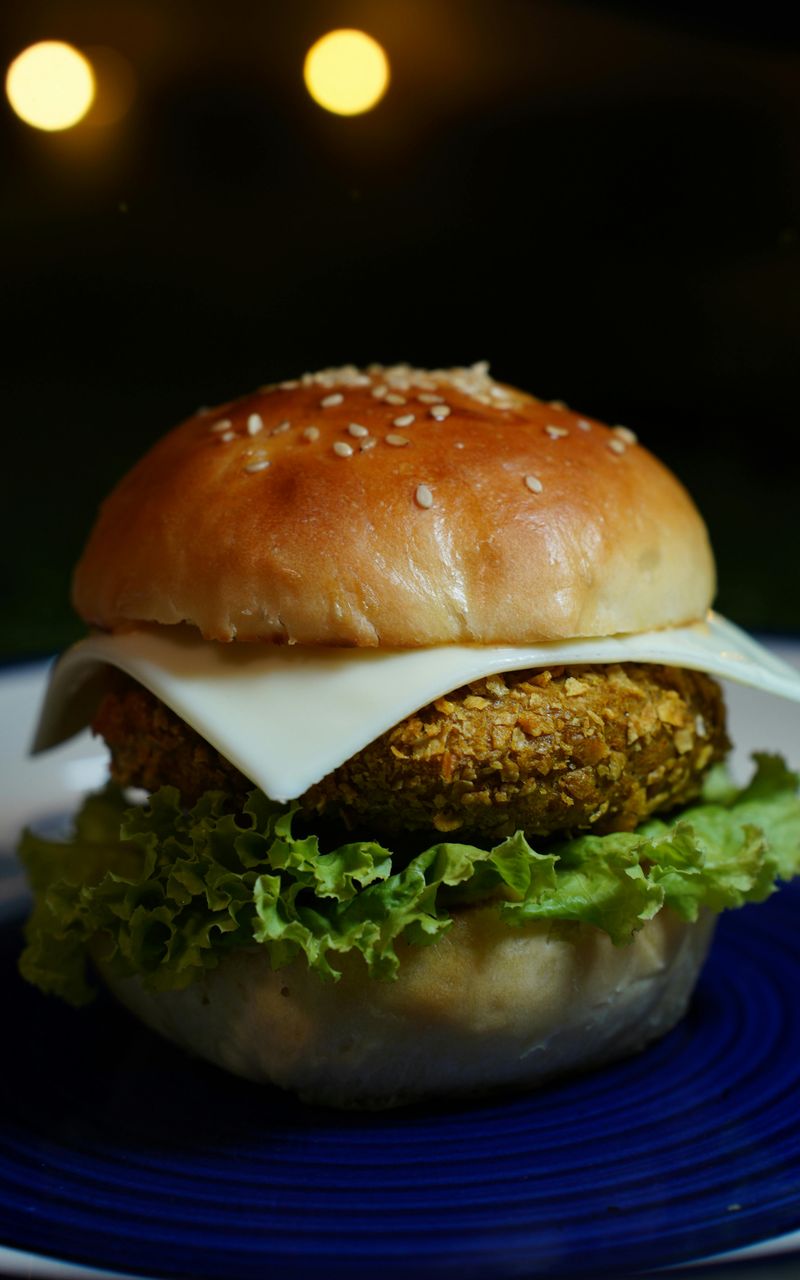
Veggie burgers can be calorie-dense, especially if they are fried or packed with oils and cheese. Large brioche buns, sauces, and fries on the side turn it into a heavy meal. Even plant-based patties can be highly processed.
Look for grilled patties, whole grain buns, and lighter condiments. Load up on lettuce, tomato, and pickles, and consider a side salad over fries. You still get the burger experience, without the lingering heaviness that contradicts the name “veggie.”
Yogurt parfait
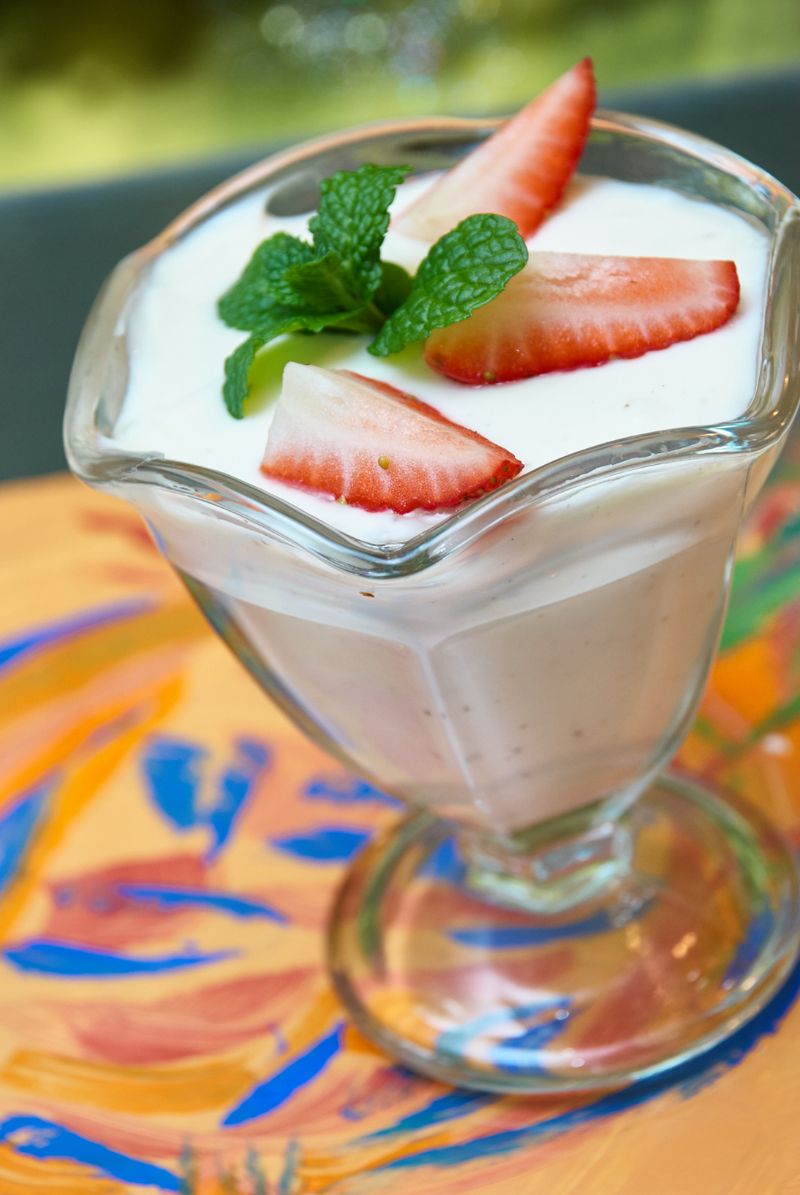
Parfaits look delicate, but they often hide sugary yogurt and generous granola. Layers of honey, fruit syrup, and nuts can stack calories quickly. Portion sizes in tall glasses make it easy to underestimate how much you ate.
Ask for plain Greek yogurt, fresh fruit, and a sprinkle of low-sugar granola. Skip added honey and request a smaller portion. You will still get creaminess and crunch, but without the stealthy heaviness that sometimes follows what seems like a light breakfast.
Soup and bread
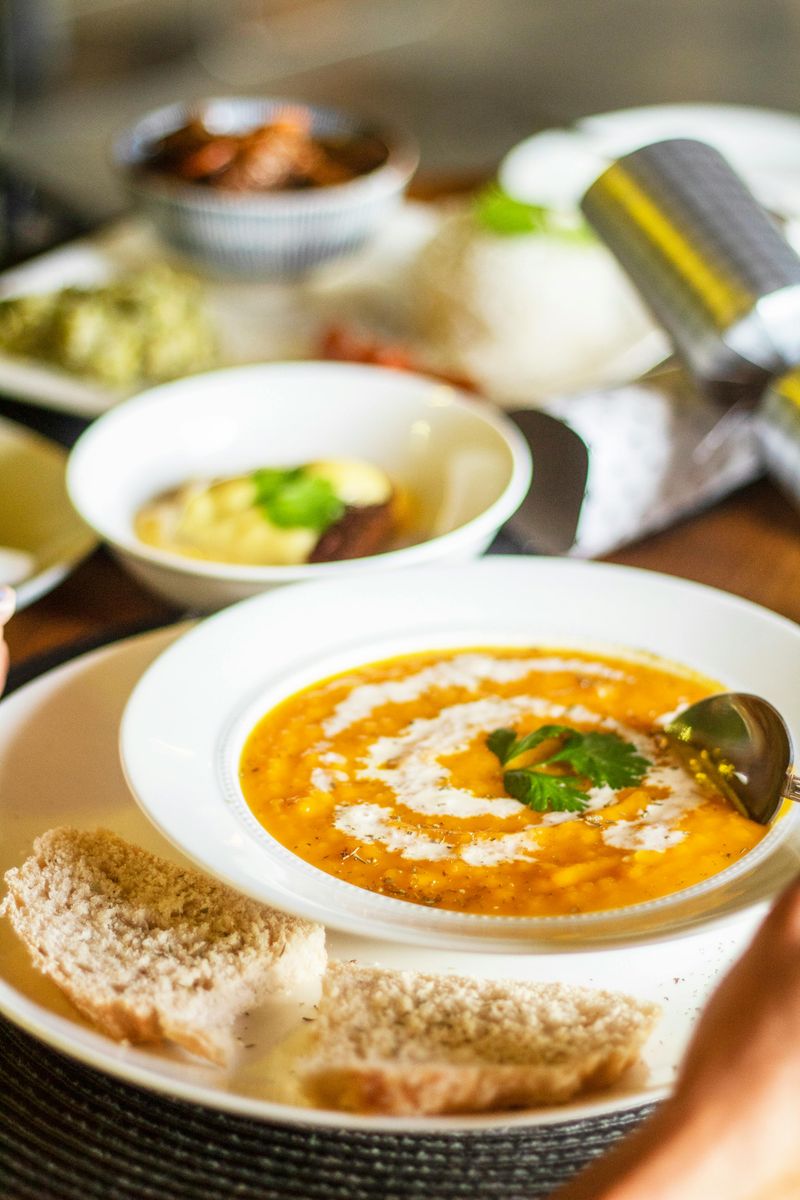
Soup feels comforting, but cream-based versions deliver heavy richness. Even brothy soups can be sodium-heavy, leading to bloat. Add a large buttered bread basket and you have got a sleepy afternoon incoming.
Pick broth-based soups with lean protein and veggies, and limit bread to one slice without extra butter. Ask for a cup instead of a bowl. You still get warmth and satisfaction, minus the leaden feeling that sometimes follows a seemingly harmless soup-and-bread combo.
Flatbread pizza
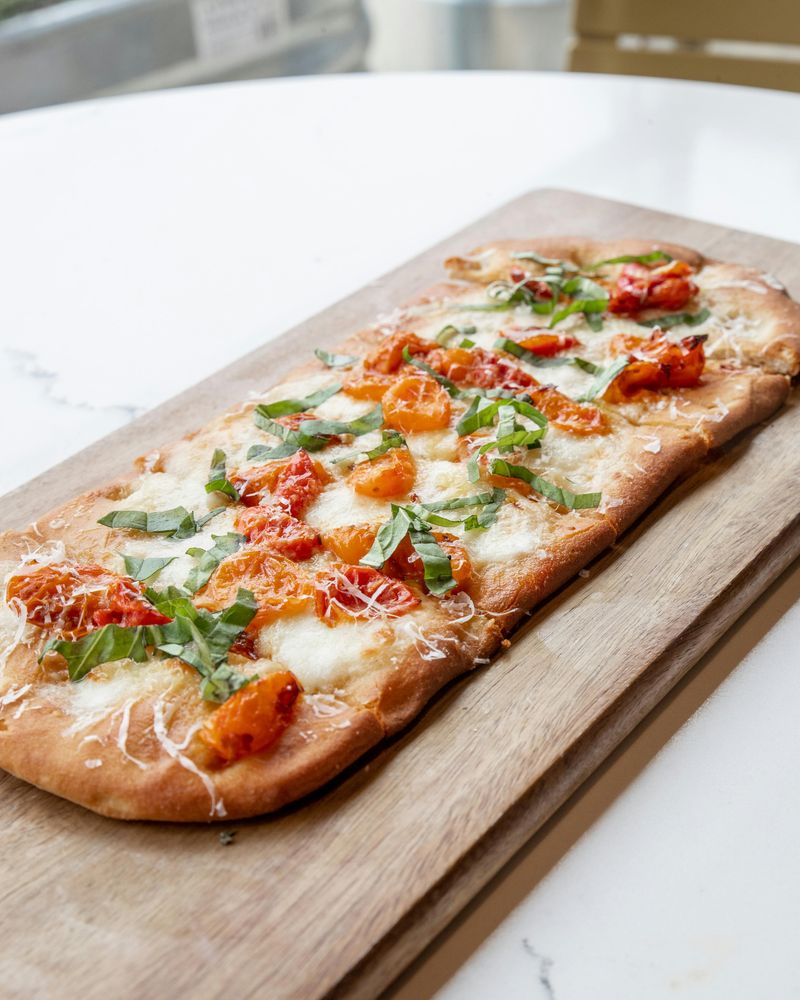
Flatbread sounds lighter than pizza, but it is often just a thinner crust with the same toppings. Oil-brushed dough, cheese, and cured meats make it rich. The shareable format encourages overeating because pieces feel small and crisp.
Choose veggie-forward toppings, go light on cheese, and split with a friend alongside a salad. Ask the kitchen to skip extra oil. You will still enjoy the crackly crust and flavors without the heavy aftermath that sometimes follows “small plate” orders.
Chicken rice bowl
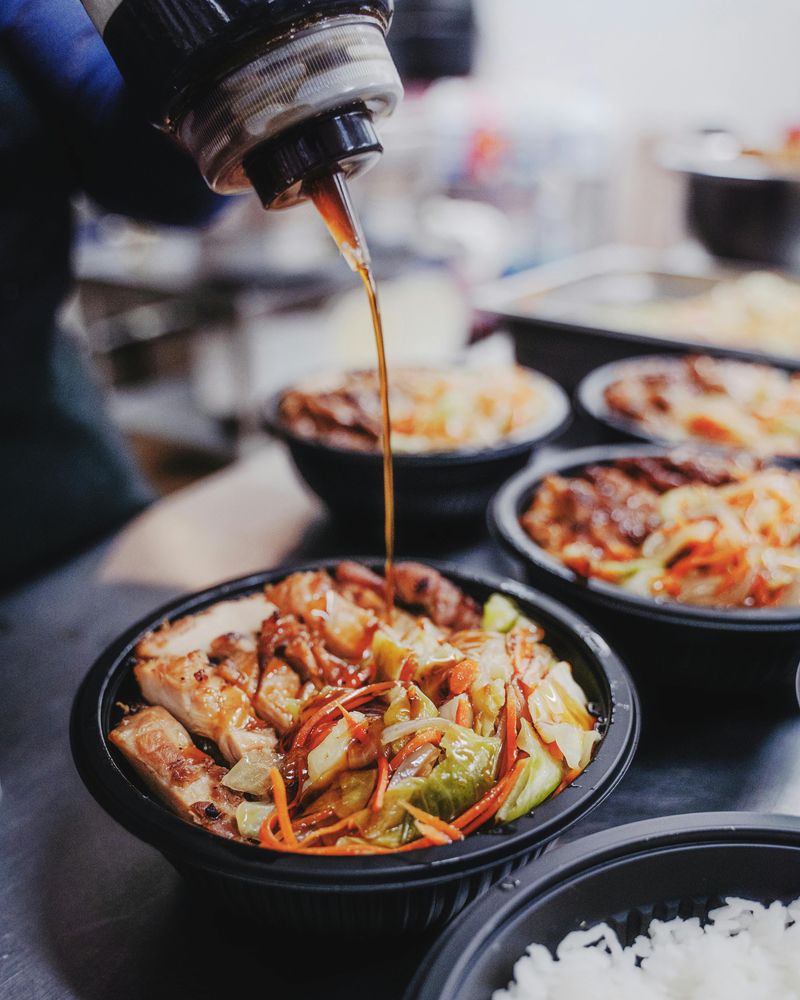
Chicken and rice sound basic, but portions can be huge. Sauces like teriyaki or creamy dressings add sugar and fat, while oily vegetables boost calories. The bowl shape makes it easy to pack more than you realize.
Ask for half rice, extra greens, and grilled chicken. Choose one sauce on the side and drizzle lightly. You will still get comfort and balance, but without feeling anchored to your chair afterward.
Tuna melt
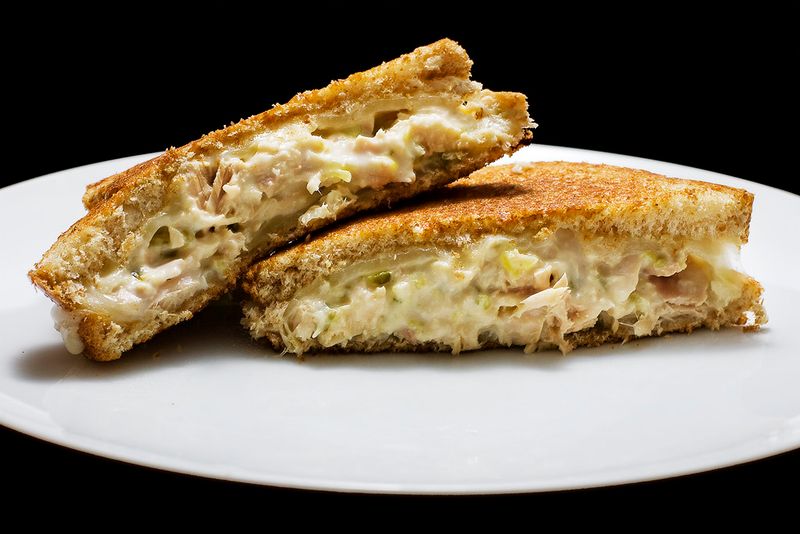
Tuna melts combine mayo-rich salad with cheese and buttered bread. The result is salty, creamy, and heavy, even if tuna itself is lean. Griddled bread soaks up fat that lingers.
Ask for a lighter tuna mix using Greek yogurt or half-mayo, one slice of cheese, and whole grain bread unbuttered. Add tomato for freshness and acidity. You still get gooey comfort, but without the sluggish aftermath that tends to follow diner-style melts.
Poke bowl
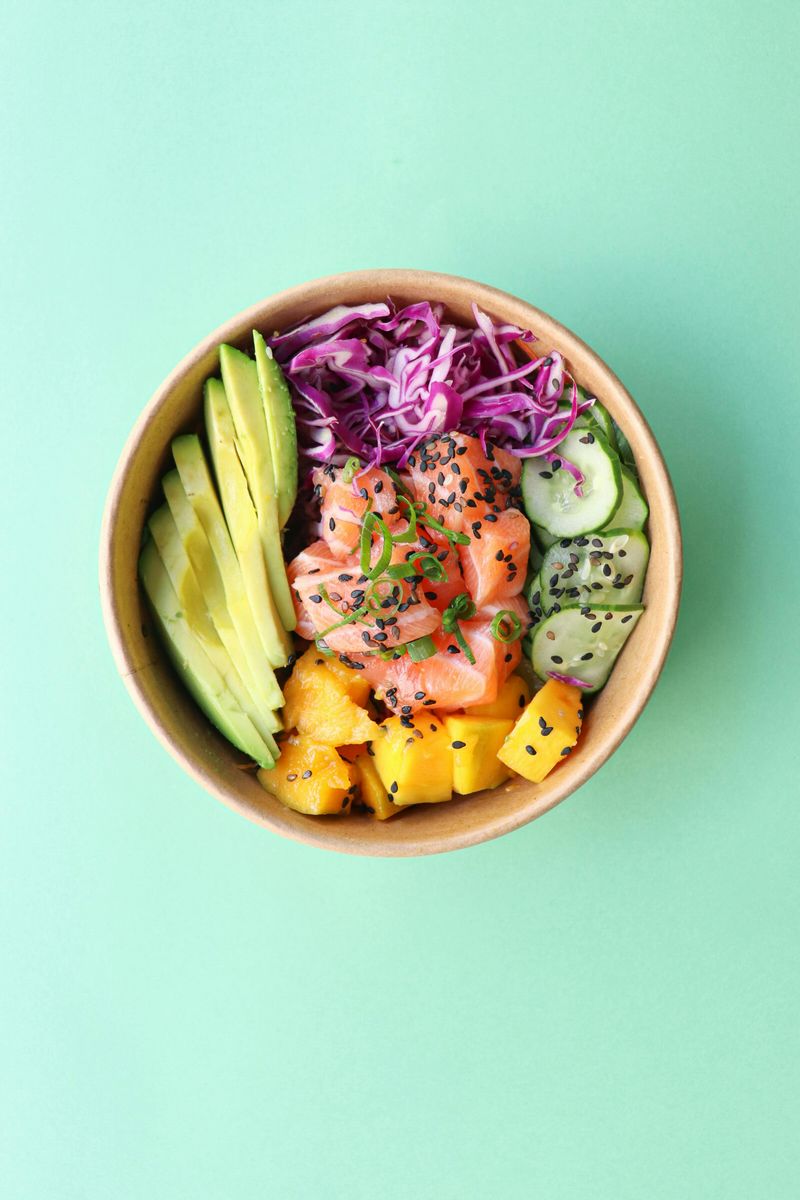
Poke bowls start fresh, but sauces like spicy mayo and eel sauce quickly overload calories. Large scoops of rice plus avocado and crispy toppings add heft. Soy-heavy marinades contribute to bloat afterward.
Go half rice or choose greens, pick one rich topping, and favor lighter sauces like ponzu. Ask for the sauce on the side so you control the drizzle. You still get bright, clean flavors of fresh fish without the surprisingly heavy finish.
Egg sandwich
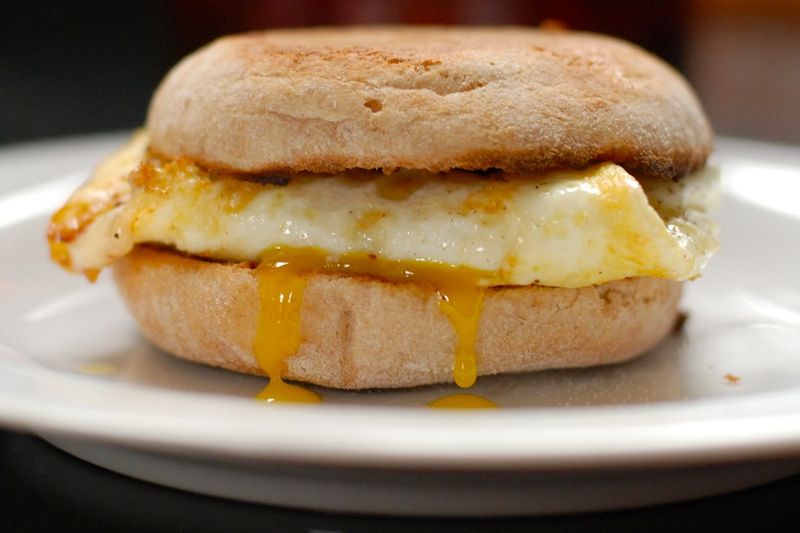
Egg sandwiches can be buttery and dense with croissants or brioche. Add cheese, bacon, and aioli and it stops feeling light fast. The combo of fat and refined starch can leave you groggy.
Choose whole grain bread or an English muffin, go single cheese, and add greens or tomato. Skip extra butter and opt for a fried egg cooked with minimal oil. You will still get a satisfying breakfast without the midmorning crash that can follow richer builds.
Greek yogurt bowl
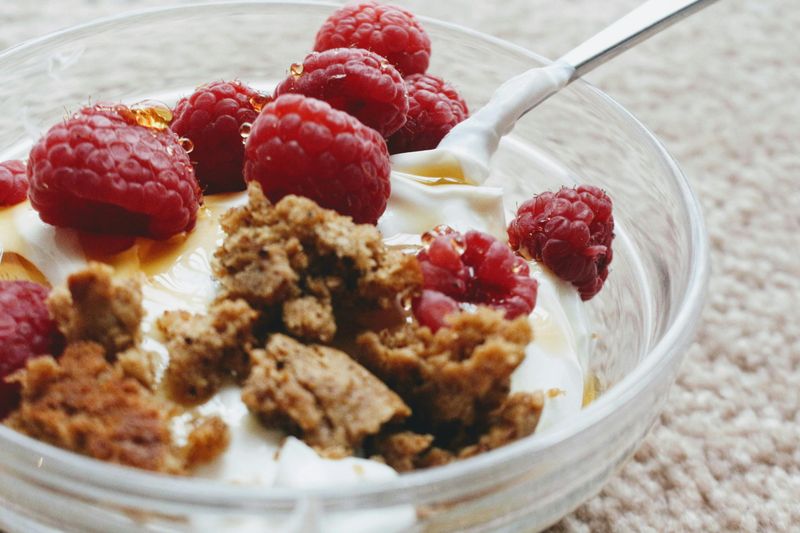
Greek yogurt bowls can be great, but sweetened yogurt, honey, and granola quickly escalate. Nut butter and seeds, while healthy, add heavy richness in large amounts. Fruits in syrup sneak extra sugar.
Pick plain yogurt, fresh fruit, and a measured portion of granola. Choose one add-on like nuts or seeds, not both. You still get creamy protein and crunch, without the sluggishness that sometimes follows a “healthy” bowl stacked high.
Acai bowl
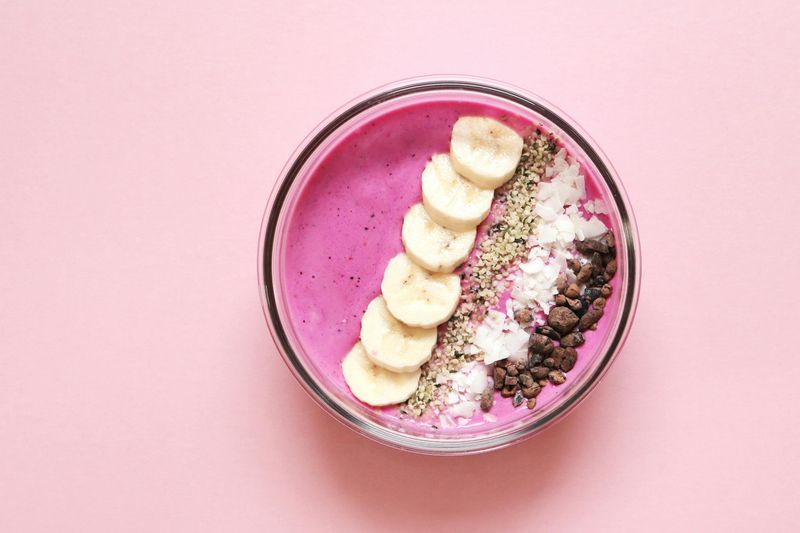
Acai bowls are often blended with juices and topped with sweet granola, coconut, and nut butter. The sugars stack up quickly, and large bowls can rival a dessert. Cold and fruity can mask how filling it truly is.
Ask for unsweetened puree, add protein like Greek yogurt, and keep toppings minimal. Choose a small size if available. You will still enjoy the refreshing, berry-rich flavor without the dense, sleepy feeling that sometimes sneaks up after finishing.
Falafel wrap
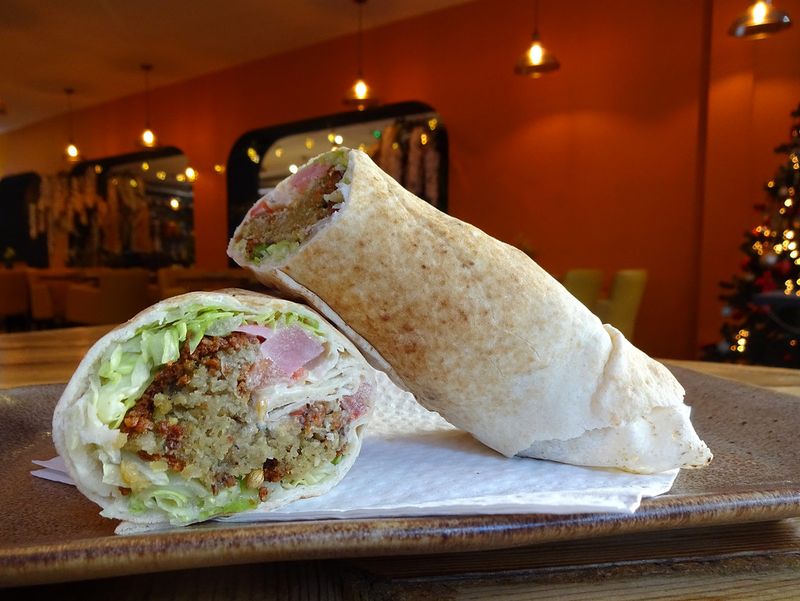
Falafel can be fried and dense, and wraps are often oversized. Add tahini, hummus, and fries tucked inside and you have a calorie bomb. Sodium from pickles adds to bloat, despite otherwise wholesome ingredients.
Ask for baked falafel if available, extra salad fillings, and light tahini. Consider a pita pocket or bowl with greens to cut starch. You will still enjoy that herby crunch without the post-meal heaviness that can catch you off guard.