


Remember when the coolest lunchbox simply meant the loudest crinkle and sweetest sip? Times change, and so do ideas about what belongs between those ice packs.
The snacks that once made you a cafeteria legend now come with labels, warnings, and side-eye from nutrition apps. Let’s unpack the classics you loved and why they stir up debates today, without shaming your childhood self.
Lunchables
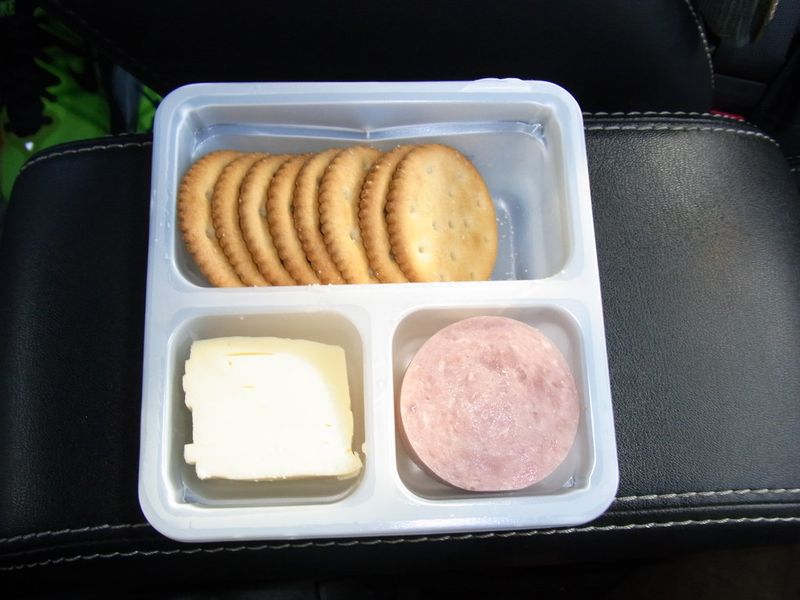
They felt like mini independence, a DIY meal that turned lunch into playtime. Crackers, cheese, and meat fit together like edible Lego, with a dessert or tiny drink sealing the deal.
Convenience won every argument, even if the nutrition panel whispered otherwise.
Now people question the sodium, additives, and plastic waste wrapped around each portion. Some schools push fresh options and bigger protein from real foods.
Still, the allure of control and fun remains tough to beat.
Bologna sandwich
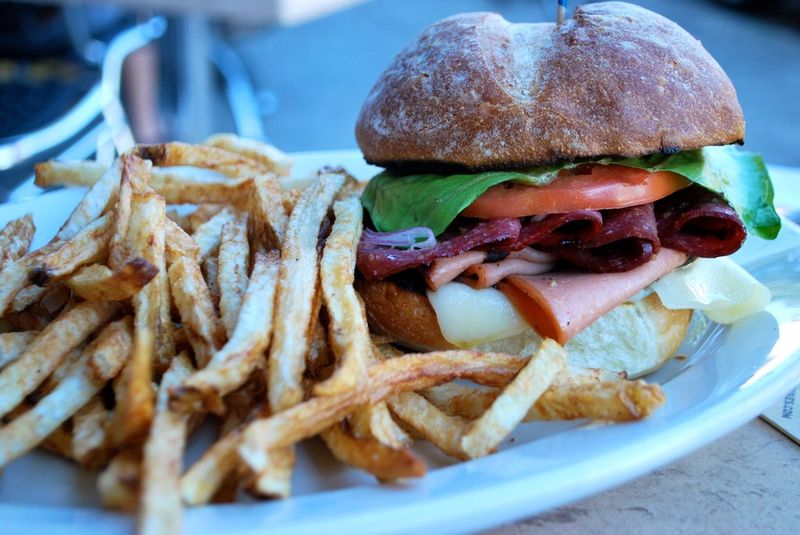
This was the no-fuss standby, a round of pink bologna slapped between soft bread. It traveled well, tasted salty, and felt like childhood routine.
For busy mornings, it was reliable, cheap, and quick to assemble without complaints from picky eaters.
Today, ultra-processed meat raises red flags about nitrates, sodium, and long-term health. Some swap in roasted turkey or hummus, chasing cleaner labels.
Still, nostalgia sneaks back with that mustard tang and squeaky bite.
Peanut butter sandwich
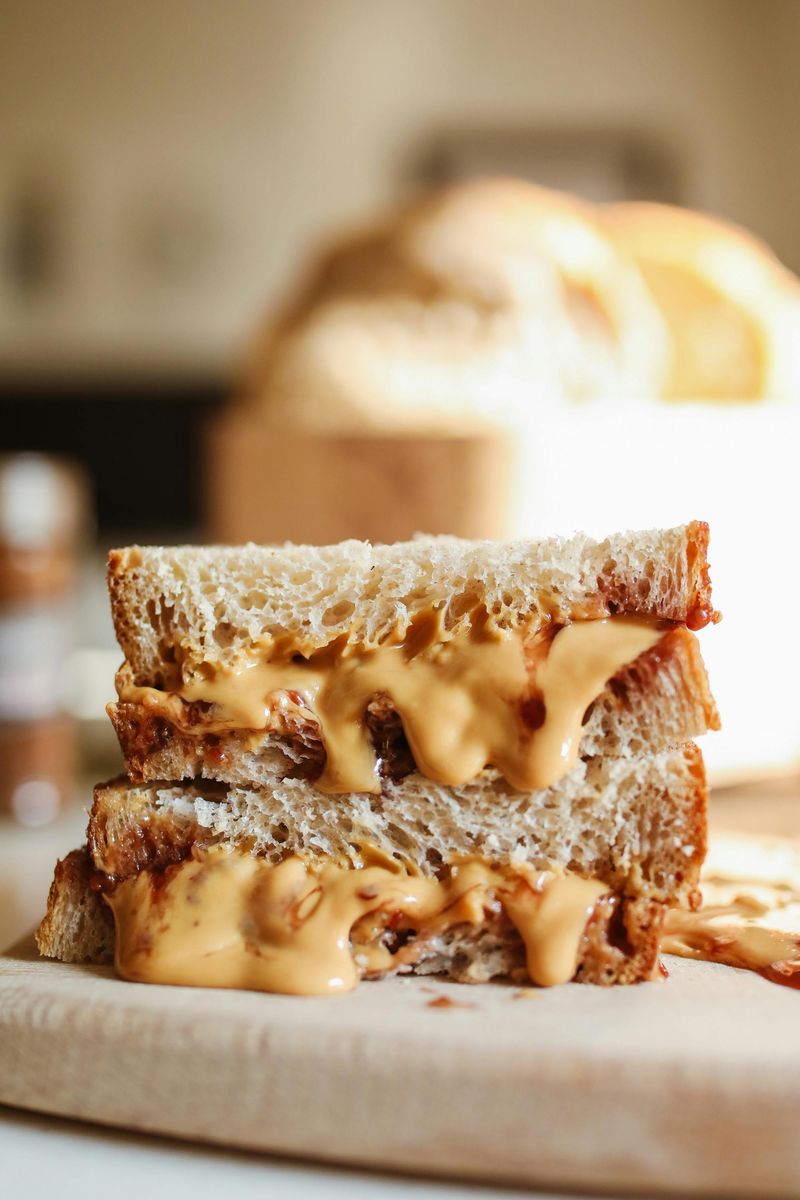
It is simplicity perfected: creamy or crunchy spread on soft bread, sticky and satisfying. Protein, fat, and comfort all in one smear.
Add honey or banana, and you have a low-cost classic that powers an afternoon without much fuss.
But peanut allergies changed the rules, turning cafeterias into nut-aware zones. Cross-contact worries and EpiPens reshaped policies.
Sunflower seed butter steps in, though flavor memories cling stubbornly to peanutty days.
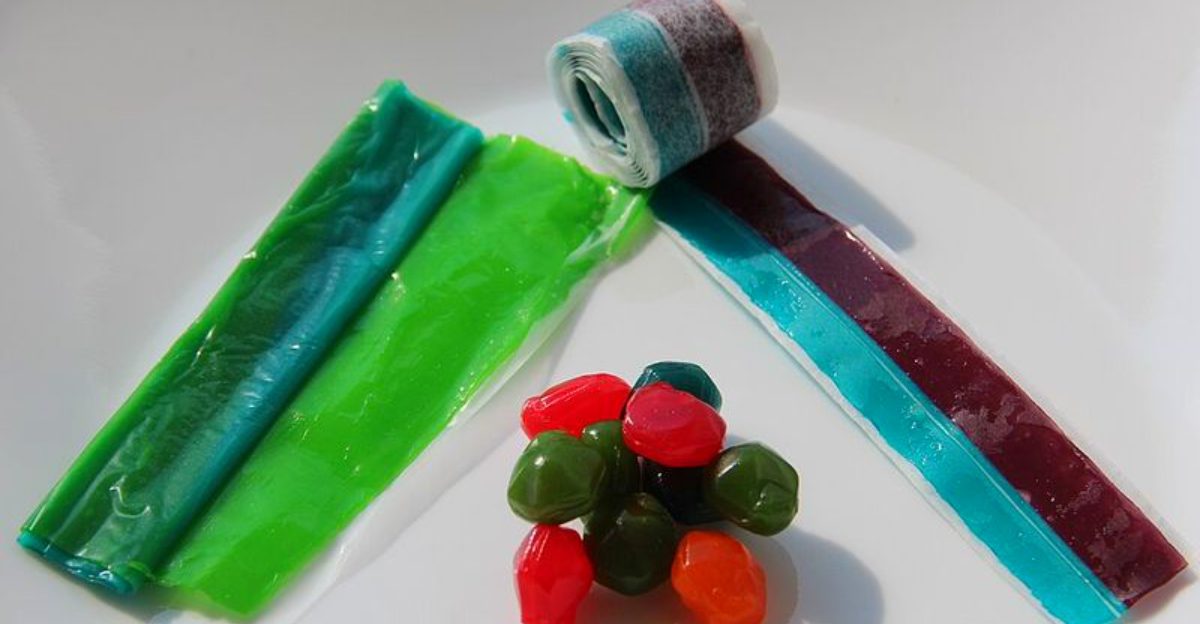
Fruit snacks
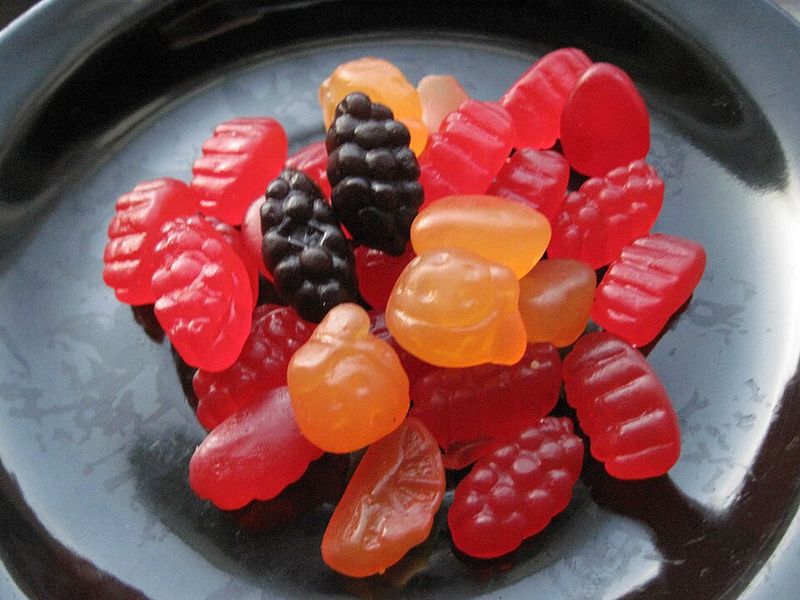
They masqueraded as fruit in gummy form, a sweet way to check the “produce” box. Individual packs made sharing easy and portioning simple.
For parents, it felt like a tidy compromise between candy and vitamins.
Later came the reckoning: mostly sugar, added colors, and little actual fruit. Dental health and blood sugar spikes became concerns.
Some choose dried fruit or real berries instead, but that chewy, jewel-like pop still tempts lunchboxes everywhere.
Snack cakes
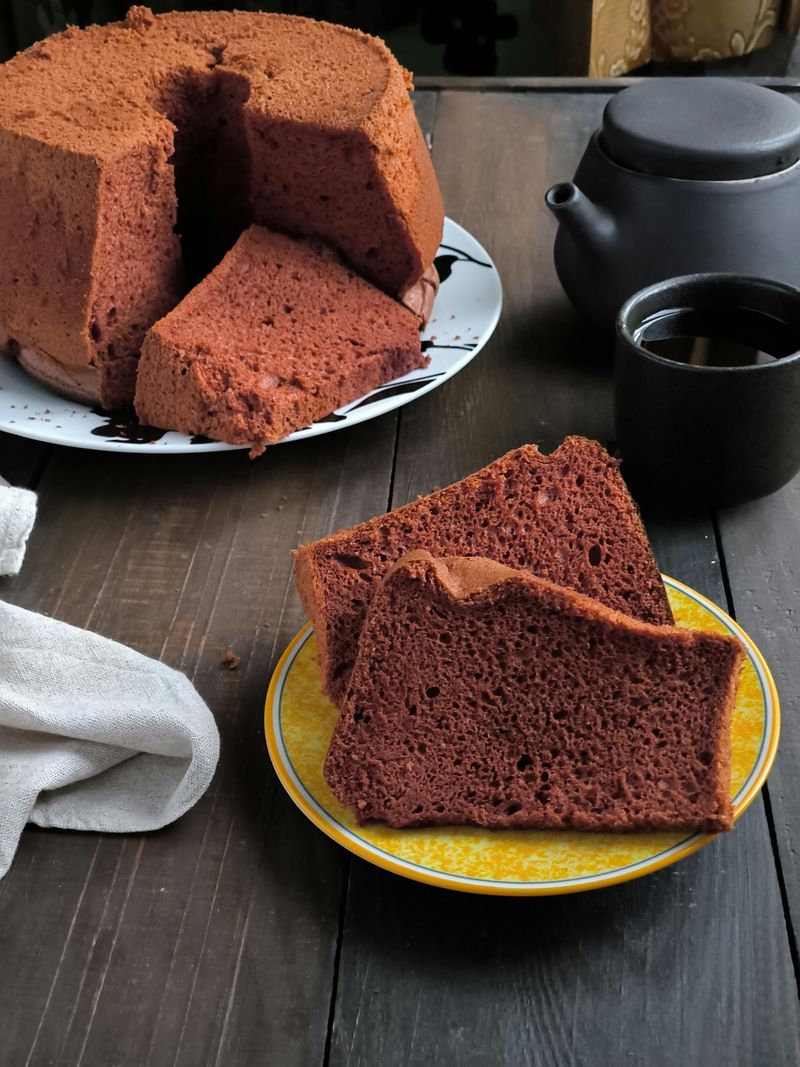
Individually wrapped cakes made weekday lunches feel like birthdays. Cream-filled, frosted, or rolled, they promised a guaranteed smile at noon.
Portion control seemed straightforward when the treat came single-serve and shelf-stable.
Concerns stacked up: trans fats history, high sugar, and long ingredient lists. School wellness policies started nudging desserts out.
Parents compromise with smaller portions or homemade muffins, though the crinkle of that wrapper still flips a happiness switch.
Pop tarts
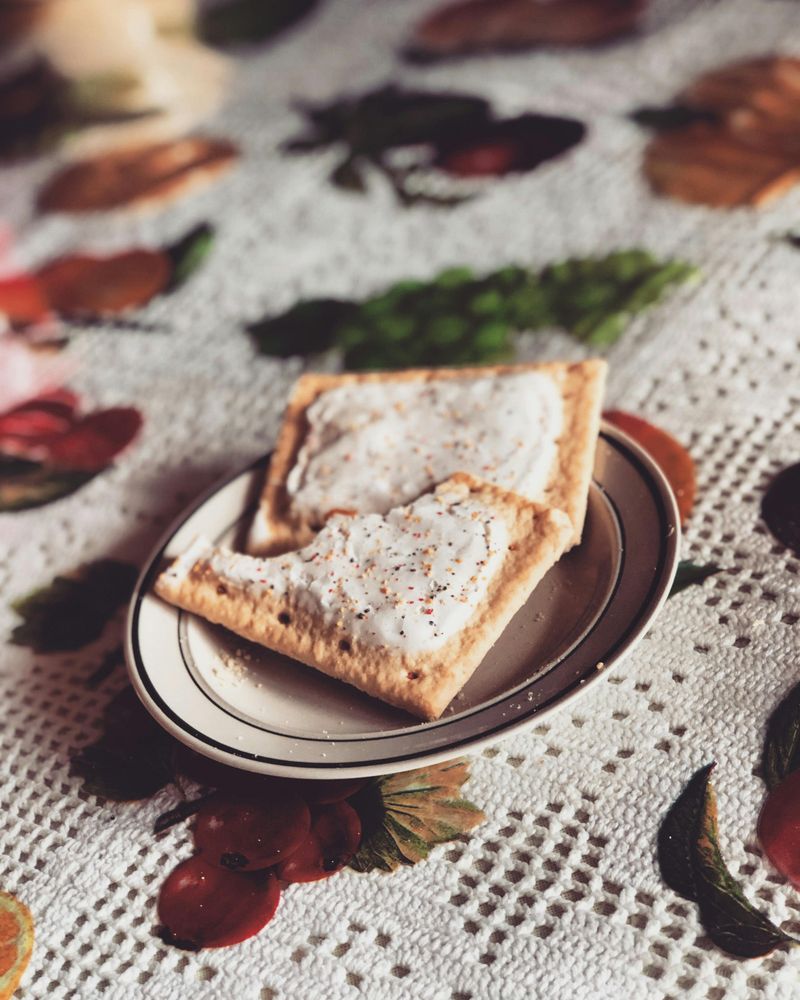
Warm or not, these pastries felt like contraband dessert for breakfast and lunch. Frosting, sprinkles, and jammy centers brought instant excitement.
They stack easily in a lunchbox and survive backpack jostles like champs.
Critics cite refined flour, sugar load, and minimal protein. Some schools discourage them for everyday eating.
Whole-grain versions and toaster alternatives exist, but kids still chase the frosted nostalgia, especially when energy dips before recess.
Juice box
The slurp of a tiny straw made lunch feel official. Juice boxes packed fruit flavor without requiring peelers or refrigeration.
For many, 100 percent juice meant an easy vitamin boost and quick hydration between classes.
Now sugar content, serving size, and dental effects draw scrutiny. Water and whole fruit often replace daily juice.
Some families save boxes for field trips or sports, balancing convenience with mindful habits.
Chocolate milk
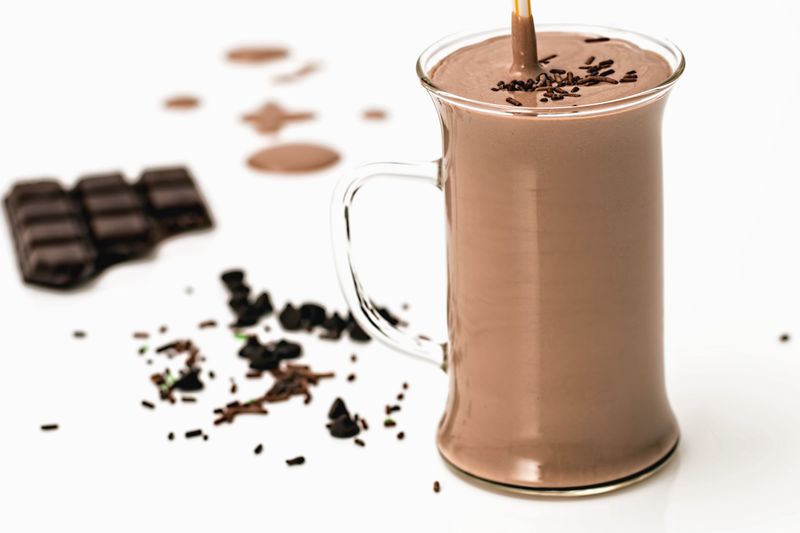
It felt like dessert you were allowed to drink. Calcium, protein, and a familiar taste made it an easy yes for picky kids.
Coaches swore by it for post-practice recovery, making it a cafeteria favorite.
The sugar debate complicated things, despite the nutrients. Some districts pulled it, others kept low-sugar versions.
Parents now weigh protein gains against added sweeteners, negotiating with kids who equate chocolate milk with lunchtime joy.
Chips bag
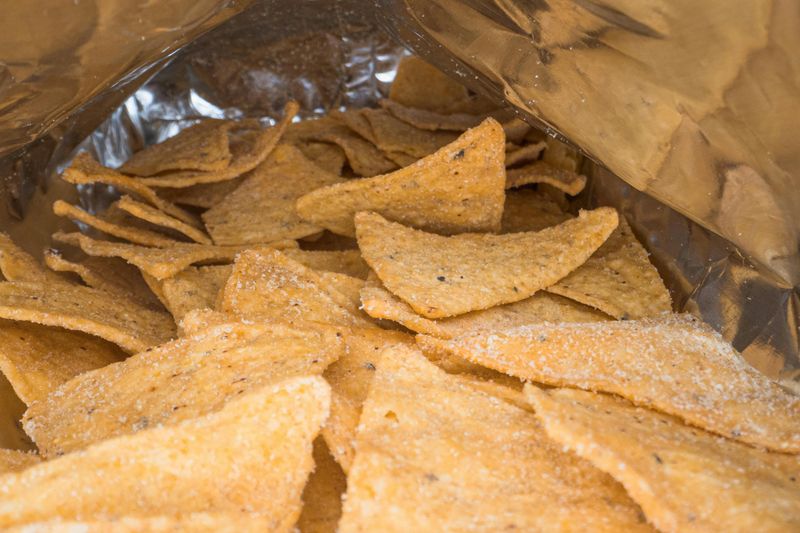
That crunchy soundtrack turned the lunchroom into a party. Single-serve bags offered predictable portion sizes and favorite flavors.
They paired with sandwiches like a loyal sidekick, reliably salty and satisfying.
Concerns rise around ultra-processed oils, sodium, and addictive snacking patterns. Baked or kettle versions help a little, but not by much.
Some swap in popcorn, veggie sticks, or nuts where allowed, though nothing replaces that crisp-shatter thrill.
String cheese
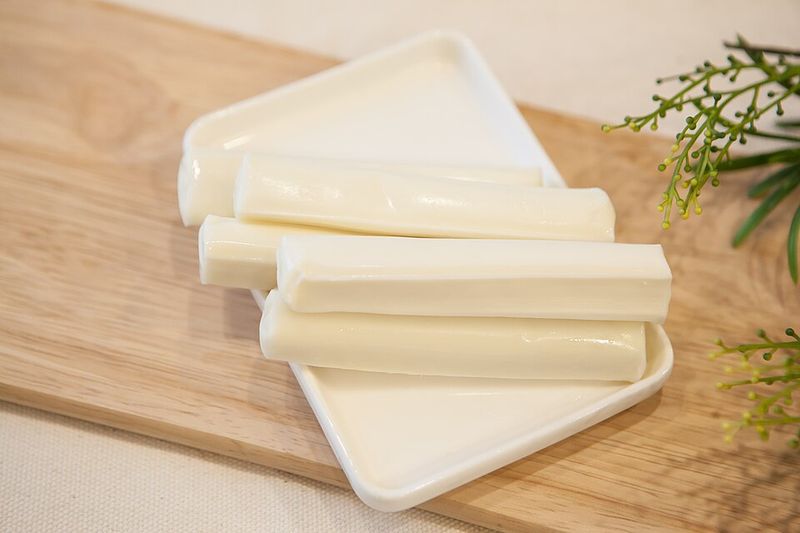
Peeling strands turned protein into a fidget toy. It is portable calcium that feels interactive and tidy.
Paired with crackers or fruit, it rounds out a lunch with satisfying chew and decent macros.
The controversy is quieter: saturated fat, sodium, and dairy tolerance. Some push plant-based options, though protein can dip.
When allergies or ethics enter, alternatives step in, but that peelable ritual still wins hearts.
Cheese crackers
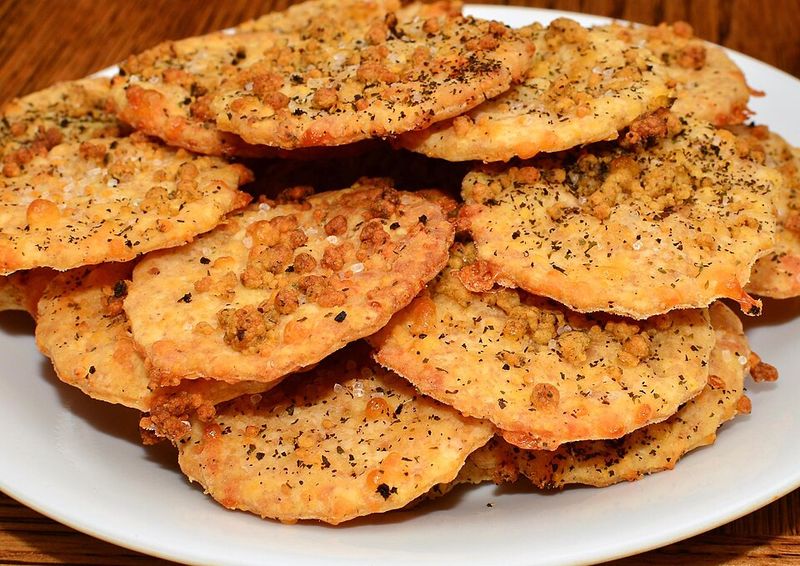
Crunchy, cheesy squares felt like edible confetti. The tidy boxes made packing effortless and portion control simple.
Paired with fruit, they brought a satisfying salty counterpoint that kids reached for first.
Now labels reveal refined flour, seed oils, and powdered cheese additives. Whole-grain varieties exist, but flavor expectations are stubborn.
Parents juggle convenience with ingredient lists, sometimes decanting into smaller containers to reduce mindless munching.
Mini muffins
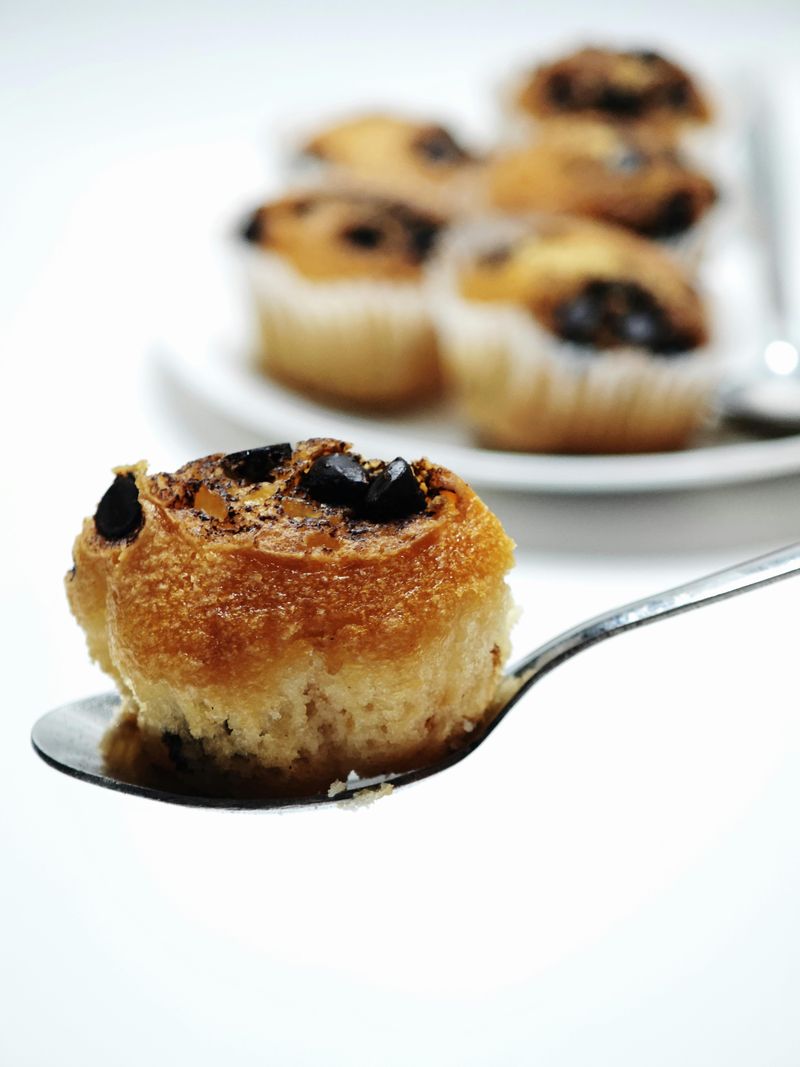
Two bites, instant comfort. Mini muffins slide into bento slots and feel like bakery joy without crumbs everywhere.
They balance a lunch with sweetness that travels well and freezes easily for busy weeks.
But sugar, refined flour, and oils bring criticism. Store-bought options can be candy in disguise.
Homemade swaps with oats, fruit, and less sugar help, though the fluffy, cake-like texture is what kids crave most.
Granola bar
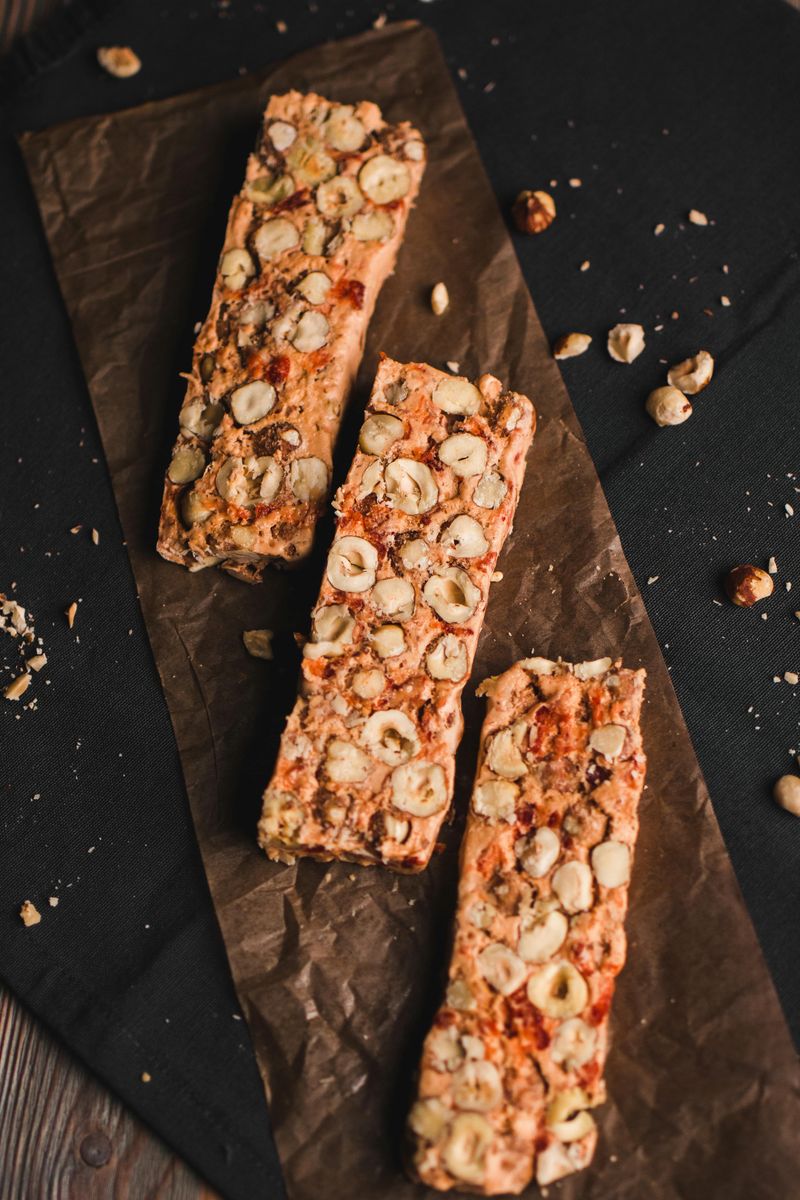
Marketed as outdoorsy fuel, bars made lunch feel adventure-ready. Oats, nuts, and chocolate chips delivered crunch and sweetness in tidy wrappers.
They hold up during bus rides and late practices, making them a parent favorite.
Hidden sugars, syrups, and low fiber spoil the halo for many brands. Protein can be minimal unless you choose wisely.
Now people scan labels for short ingredients, fiber, and less added sugar, or make bars at home.
Pudding cups
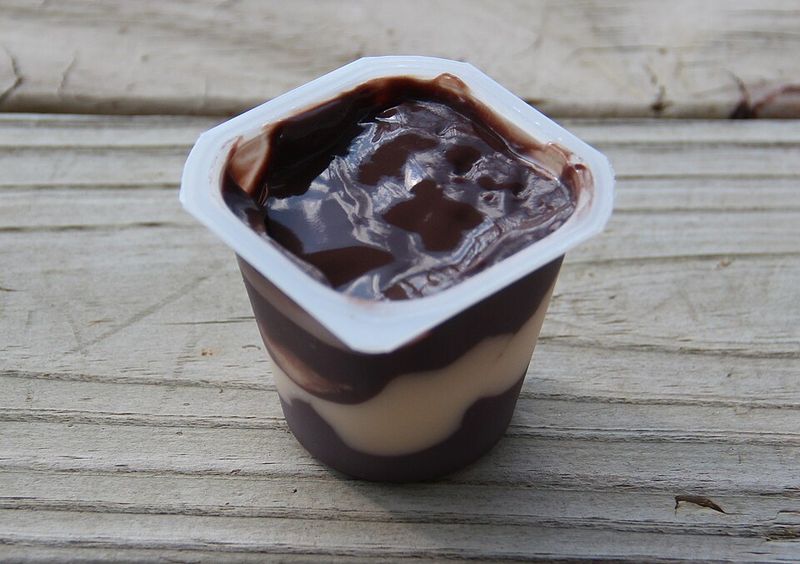
Silky, spoonable sweetness brightened any Monday. Shelf-stable cups traveled perfectly and felt special without bakery chaos.
Chocolate, vanilla, or swirl satisfied picky eaters and lunch trades alike.
Concerns center on added sugar, artificial flavors, and plastic waste. Some choose dairy-free or lower-sugar versions, or make chia pudding in reusable jars.
The nostalgia remains thick as the pudding itself, though habits are shifting bite by bite.
Pizza rolls
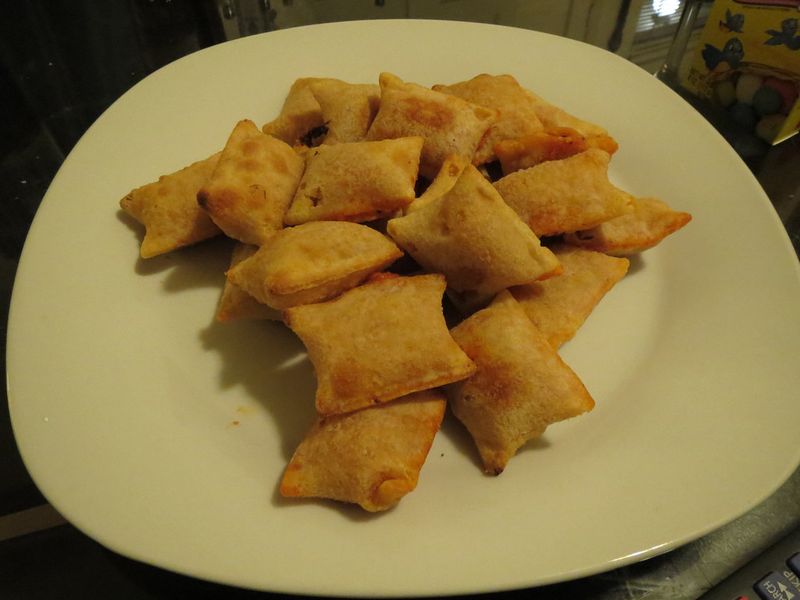
Tiny pockets of cheese and sauce felt like party food smuggled into school. They satisfy cravings with crispy edges and gooey centers.
Air fryers made them lunch-ready in minutes on hectic mornings.
But grease, sodium, and ultra-processed ingredients lead to pushback. Some schools discourage them, and parents reserve them for Fridays.
Homemade versions with whole-wheat dough exist, though kids still chase that classic pizzeria blast.
Bagel bites
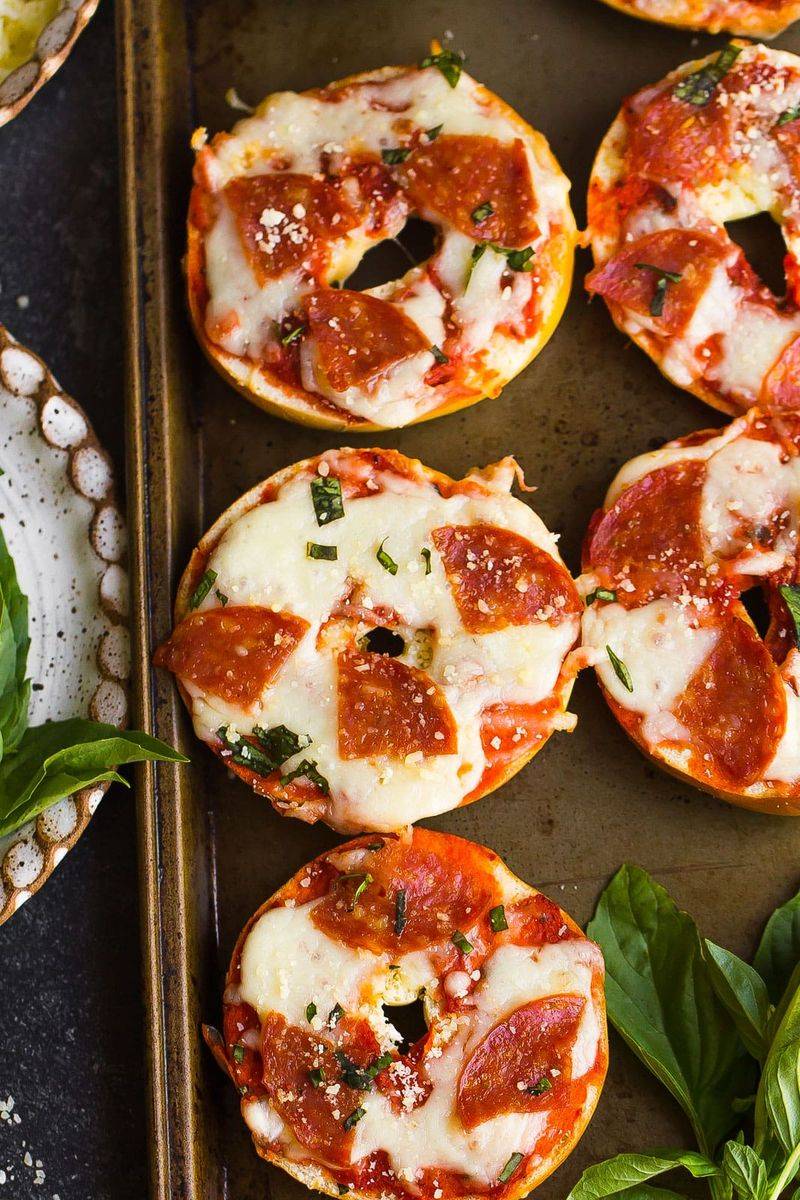
Mini pizzas on bagels felt like after-school TV come to life. The chewy base and bubbly cheese hit every comfort button.
They pack easily in a thermos or wrapped foil when mornings run wild.
Health critiques mirror other frozen snacks: sodium, additives, and refined grains. Some parents top whole-grain minis with sauce and mozzarella at home.
Still, there is something unbeatable about that nostalgic freezer-aisle flavor.
White bread sandwich
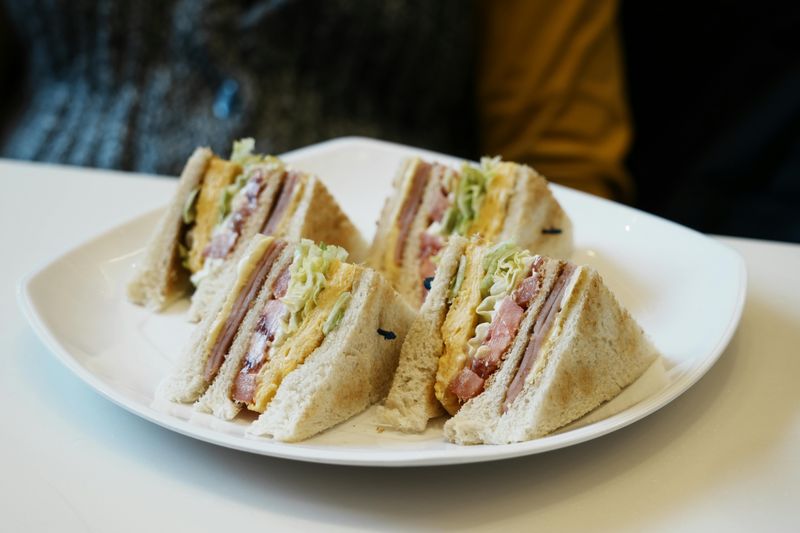
Pillowy slices gave sandwiches a cloud-soft bite. They paired beautifully with everything from turkey to jam.
For kids who dislike seeds or crusty textures, white bread kept peace at the table and in the lunchroom.
The flip side is low fiber, quick blood sugar spikes, and fewer nutrients. Whole-grain options win points, but picky palates resist.
Some mix half-and-half or choose softer whole wheat, easing the shift without lunchtime mutiny.
Sugary cereal bar
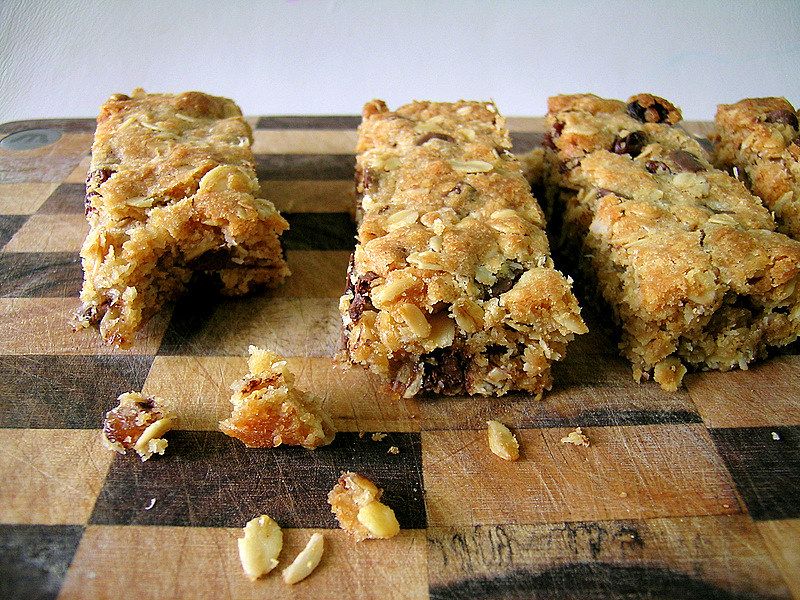
Breakfast-in-a-bar promised speed and smiles. Rainbow bits, marshmallow binders, and crunch made them feel like a treat disguised as fuel.
They practically begged to be swapped on the bus.
Nutrition labels say otherwise: high sugar, low fiber, and little protein. Schools and parents now treat them like dessert, not breakfast.
Some look for oat-heavy bars with nuts or seeds, but nostalgia is sticky as that sweet glaze.
Microwave leftovers
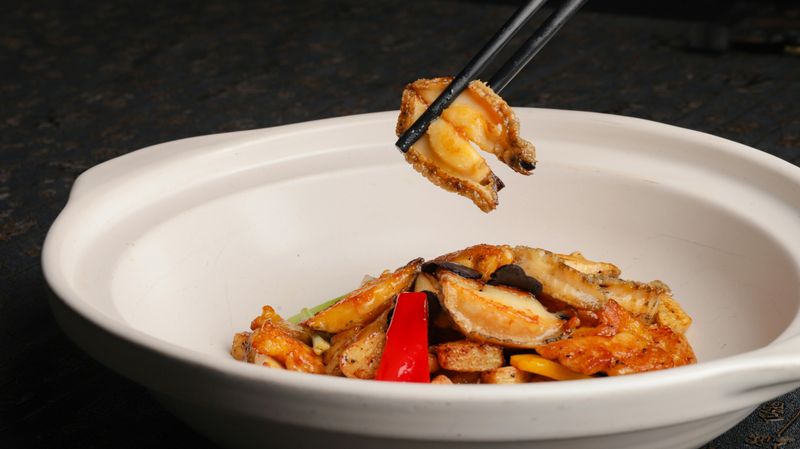
Leftovers felt thrifty and real, a warm taste of dinner at noon. Pasta, stir-fry, or chili made lunch more satisfying than snacks alone.
Packing a thermos or reheating brought comfort and fewer wrappers.
Concerns include food safety, uneven reheating, and access to microwaves. Some schools limit appliances, and time crunch matters.
Insulated containers, quick-chill methods, and reheating at home help keep this option safe and tasty.
Fruit roll ups
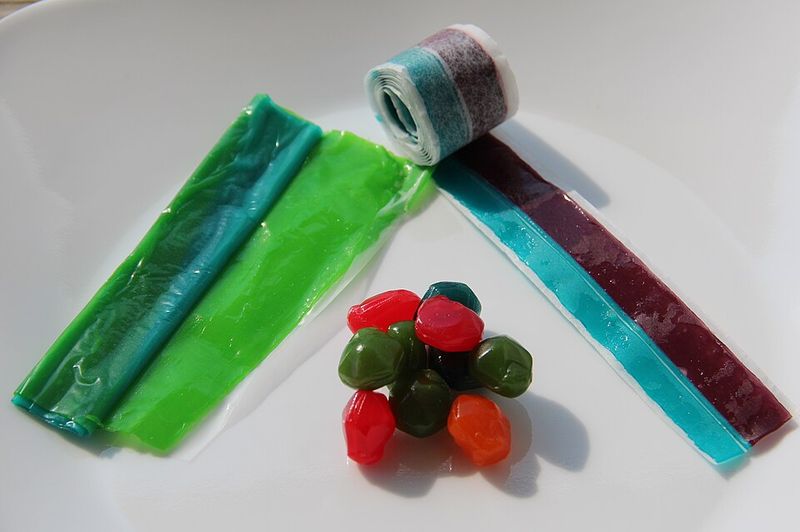
Peel, stretch, and stick to your tongue like a goofy badge. These technicolor sheets tasted like summer in sticker form.
Parents loved the no-mess factor, and kids loved pretending it was a dessert ribbon.
Now the sugar content and dye lineup are the headline. Real fruit claims sometimes mask concentrated sweeteners.
Homemade fruit leather or lower-sugar brands try to recapture the fun without the neon hangover, though the playful peel is tough to replace.