


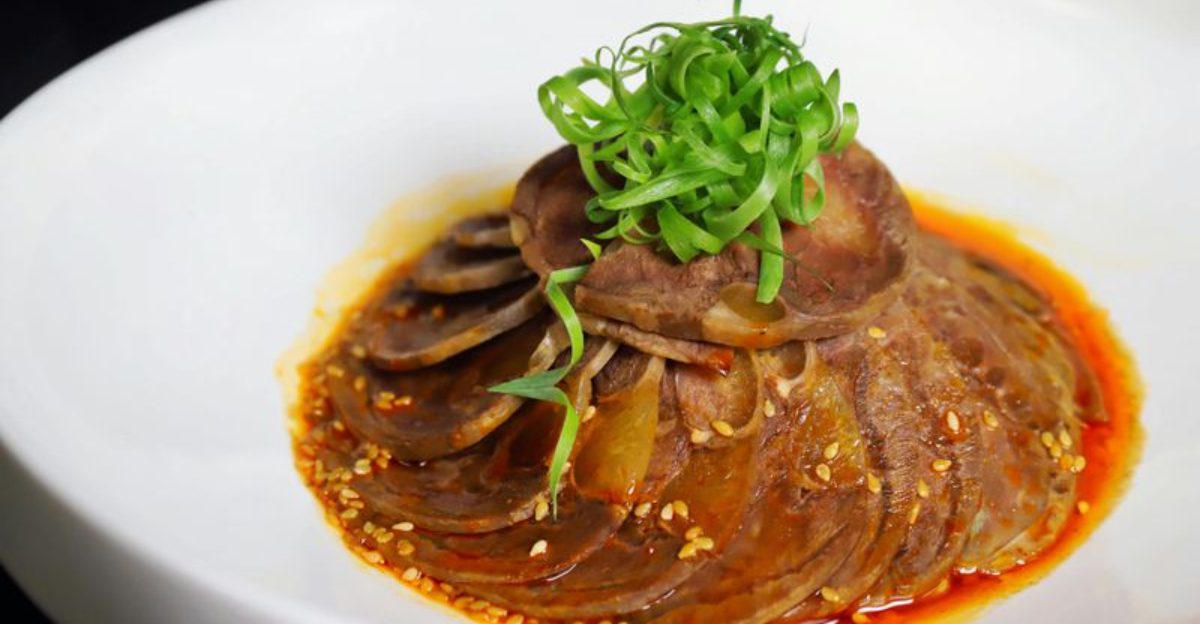
Some dinners we grew up with now make us pause, laugh, or cringe a little. Nostalgia is powerful, but it also reveals how much our tastes and values have shifted.
You might remember these plates from weeknights, church basements, and TV trays glowing under a sitcom laugh track. Let’s revisit the classics with curiosity and kindness, knowing you can honor the past without repeating every bite.
Liver and onions
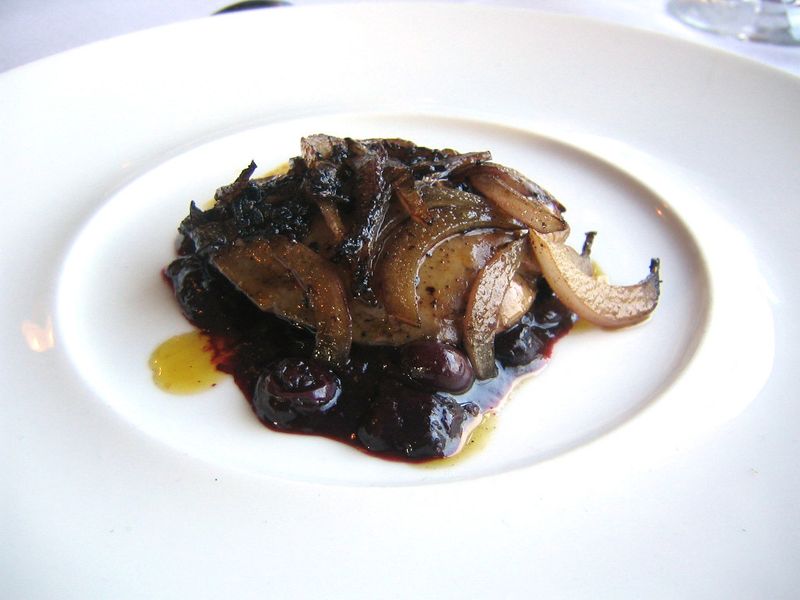
Liver and onions used to announce itself with a smell that filled the house before you walked in. The iron rich bite felt like homework on a plate, respectable yet divisive, a parent’s idea of responsible eating.
You may remember polite bites, a glass of milk, and a promise of dessert.
Now, it reads more like a culinary dare than dinner. Ethical sourcing, texture aversions, and changing tastes make it rare outside old school diners.
Still, seared just right, onions sweet and glossy, it whispers of thrift and nutrition, a time when offal meant respect for the whole animal.
Spam and eggs
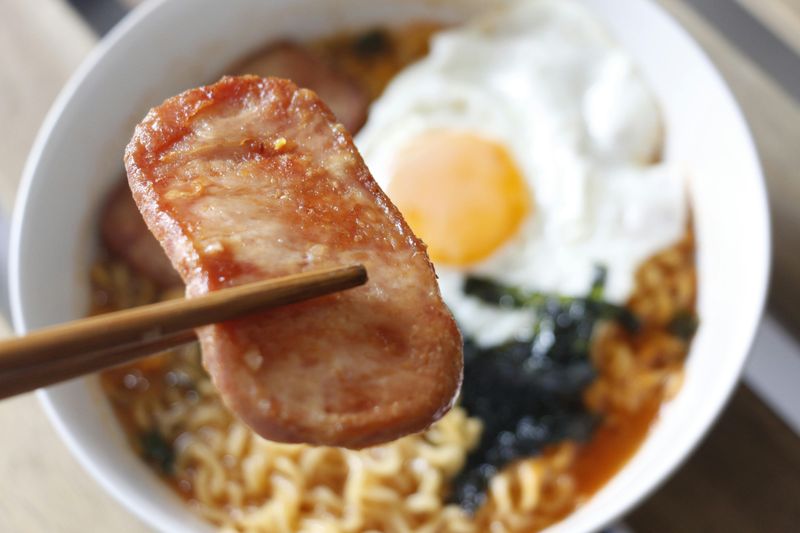
Spam and eggs showed up fast, salty, and unapologetic. Slice, sizzle, flip, done, with crisp edges and a soft center that hugged the yolk.
Wartime roots and pantry convenience made it heroic, but the sodium and mystery factor feel out of step with wellness chatter today.
You can still taste the crunch against the tender eggs, the guilty pleasure of a square meal that ignored labels. For some, it is comfort; for others, a culinary side eye.
Either way, it reminds you that breakfast did not always need farmer’s market pedigree to feel complete.
Cream soup casserole
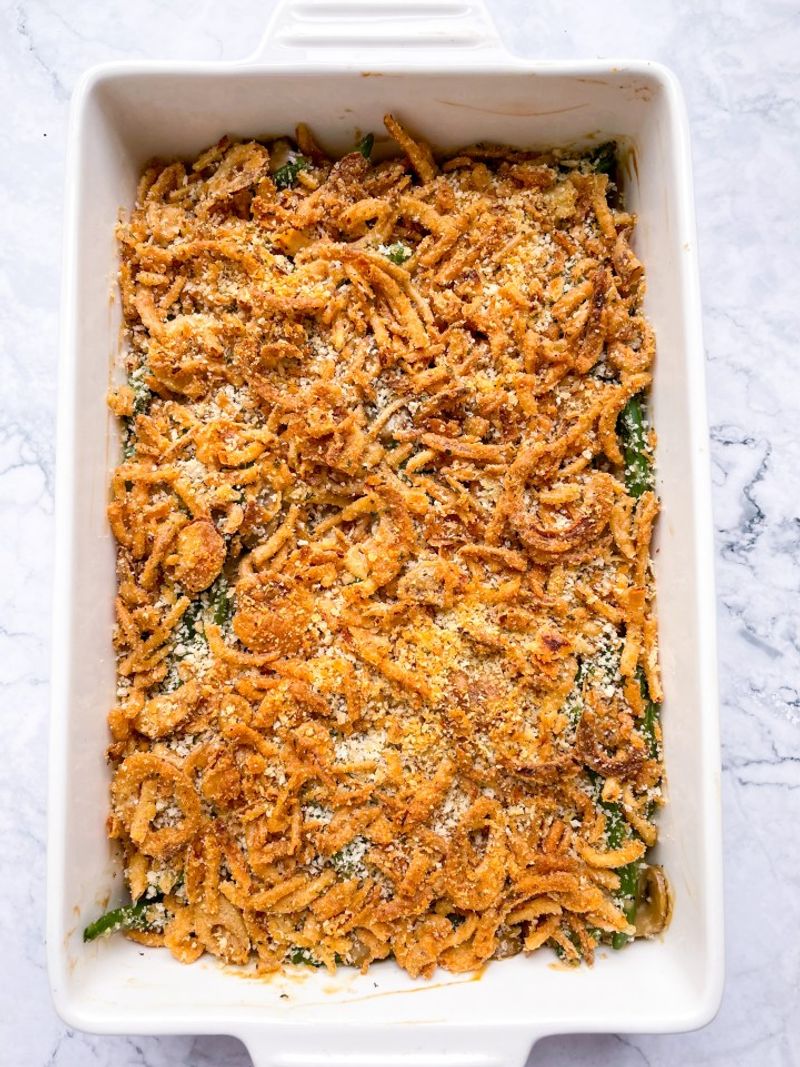
Cream soup casseroles were the duct tape of weeknight cooking. A can opened, a stir, a bake, and dinner stretched to feed whoever showed up.
Velvety, salty, and beige, they smoothed over texture and turned leftovers into a unified, steaming whole.
Today, that canned convenience feels a bit like culinary cheating, heavy on sodium and light on nuance. Yet there is security in that creamy hug of mushroom or celery soup.
You might try making a scratch version, but part of the charm is the label’s metallic click and the way it poured out like certainty.
Tuna casserole
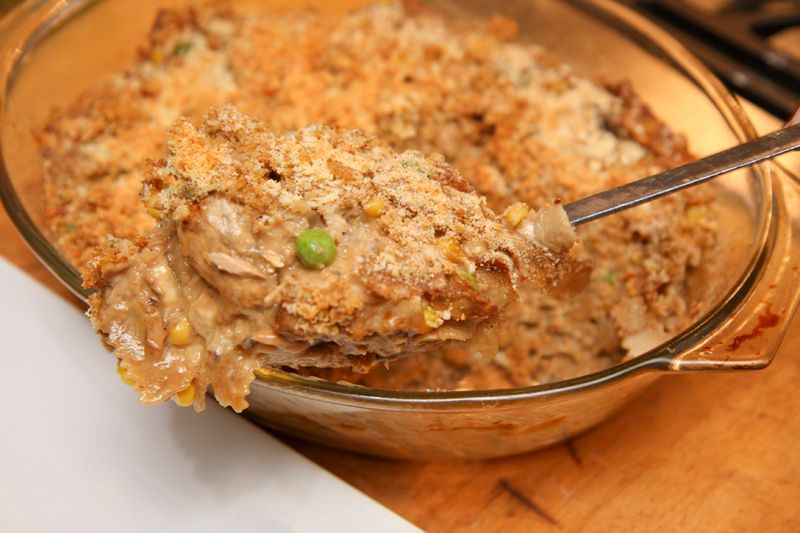
Tuna casserole made pantry odds and ends feel like a plan. Egg noodles, peas, canned tuna, and something creamy created a hot dish that could survive potlucks and PTA nights.
Crunchy crumbs or chips on top added drama to an otherwise humble bowl.
Now, you might question the sustainability of tuna, the sodium, the beige palette. Still, there is undeniable comfort in that scoop that holds its shape on your plate.
It is starchy reassurance, thrift wearing a Sunday smile, and proof that a can opener used to be a weeknight hero you counted on.
Boiled cabbage
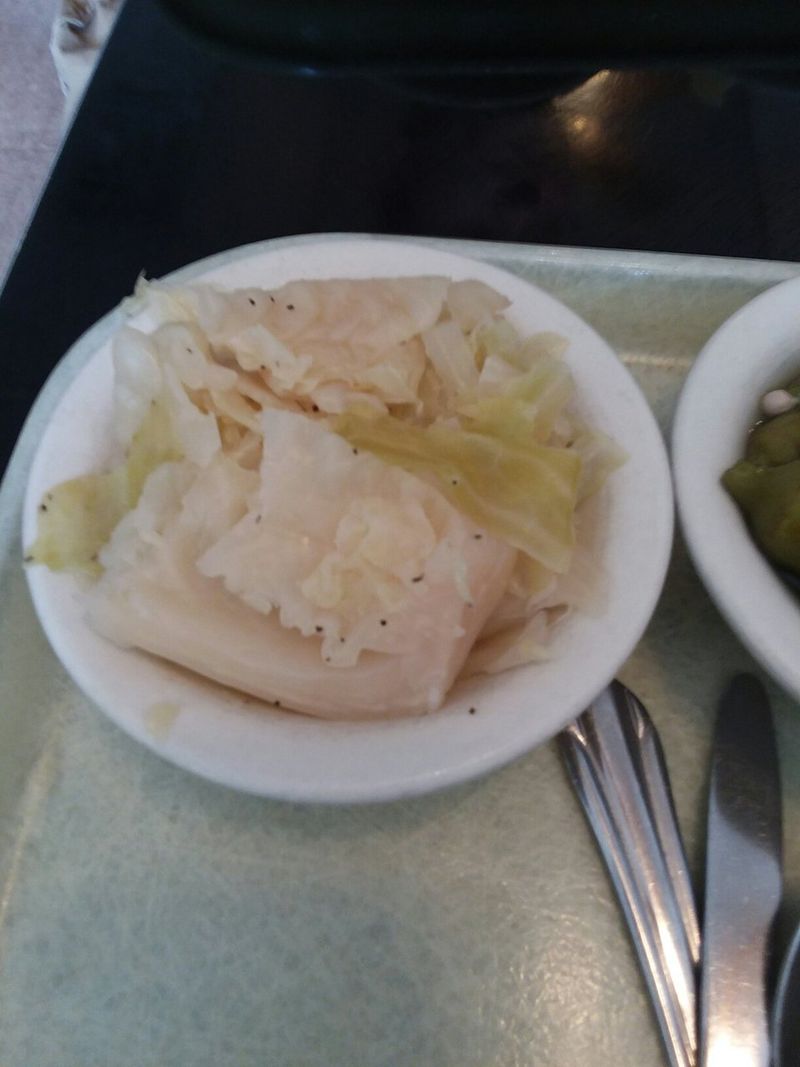
Boiled cabbage perfumed the whole house, then lingered in your coat like an unwanted souvenir. It was the definition of cheap and filling, a vegetable made obedient by hot water and patience.
Butter, salt, and maybe vinegar tried to brighten the soft leaves.
Modern diners prefer crunch, char, and color, so this tender heap feels out of time. Still, it speaks to immigrant tables and tight budgets, a pot that made sure nobody left hungry.
Roast it now, shred it into slaws, or remember how a single head could anchor a week’s worth of plates with grit.
Cabbage rolls
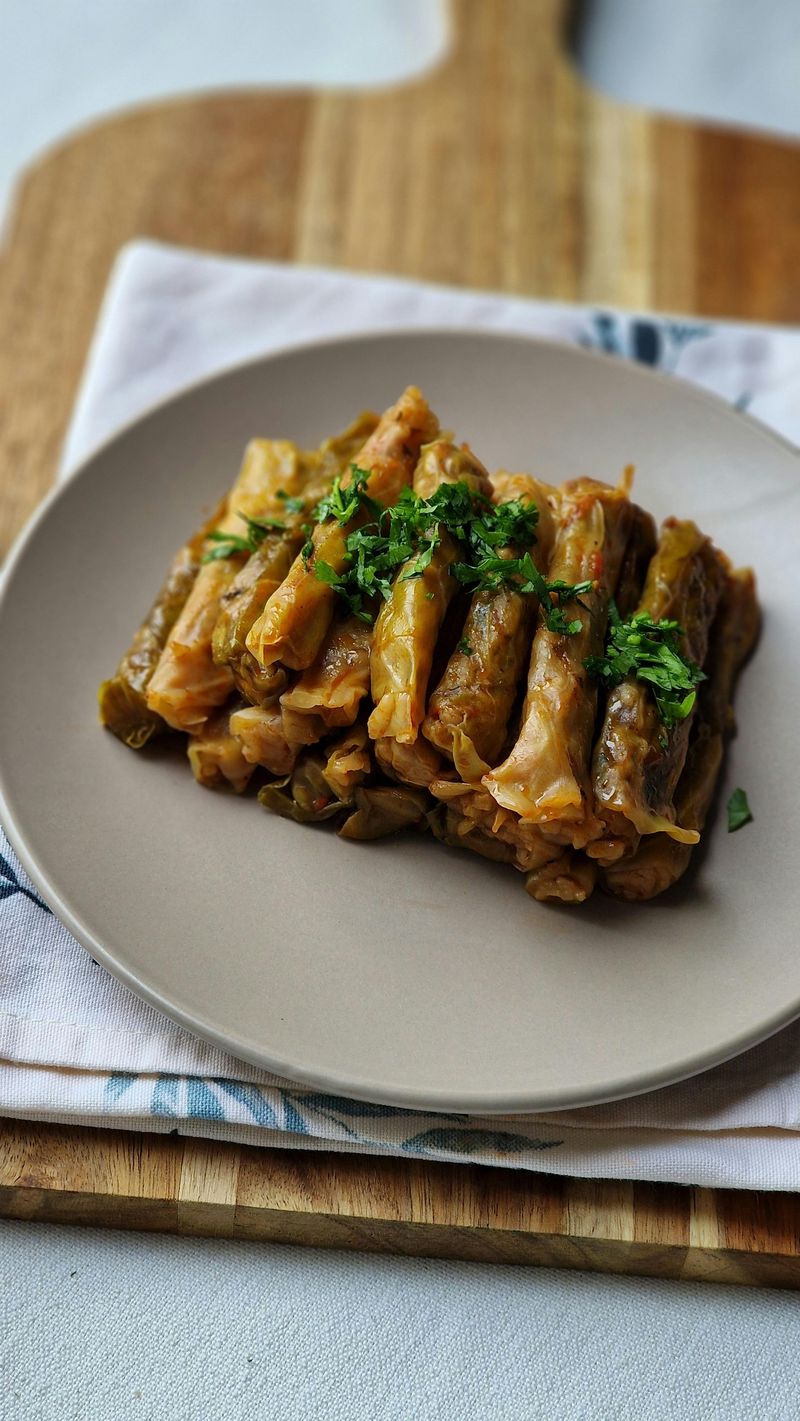
Cabbage rolls were careful work on a quiet afternoon. Leaves blanched, stuffed, tucked, and nestled into tomato sauce like letters in envelopes.
They tasted like family reunions, patience, and someone watching the clock so you did not have to.
Today, the heavy meat rice combo might feel stodgy next to lighter bowls. But each roll is a handshake from a dozen kitchens across Europe and beyond.
You can modernize the filling or go classic and slow. Either way, they whisper that comfort sometimes wears a wrinkled leaf and takes its sweet, saucy time.
Ham and beans
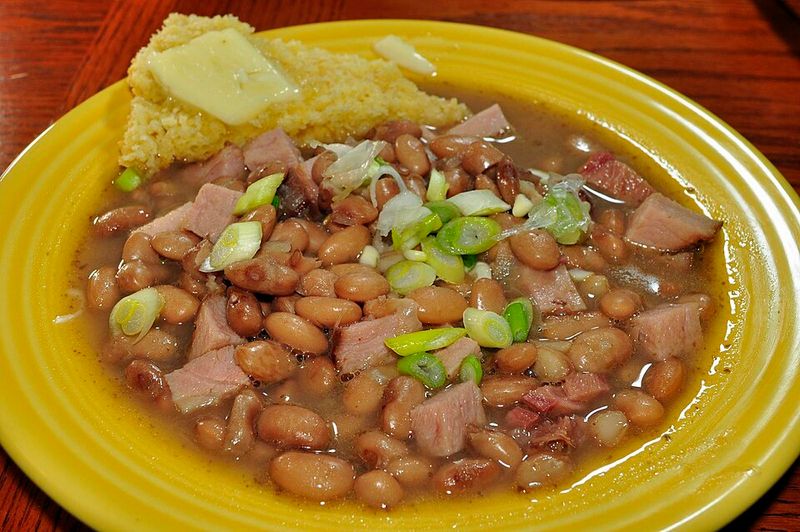
Ham and beans turned scraps into supper with a long simmer and a quiet house. The pot talked softly, releasing smoky promises while beans gave up their starch.
A heel of bread or cornbread made it a feast that respected every leftover.
Now, it can feel heavy, salty, and slow in a world of quick clicks. But there is a lesson in patience and thrift that still feeds the soul.
You stir, you wait, you season at the end, and somehow it tastes like generosity, the alchemy of bones and time.
Chicken gizzards
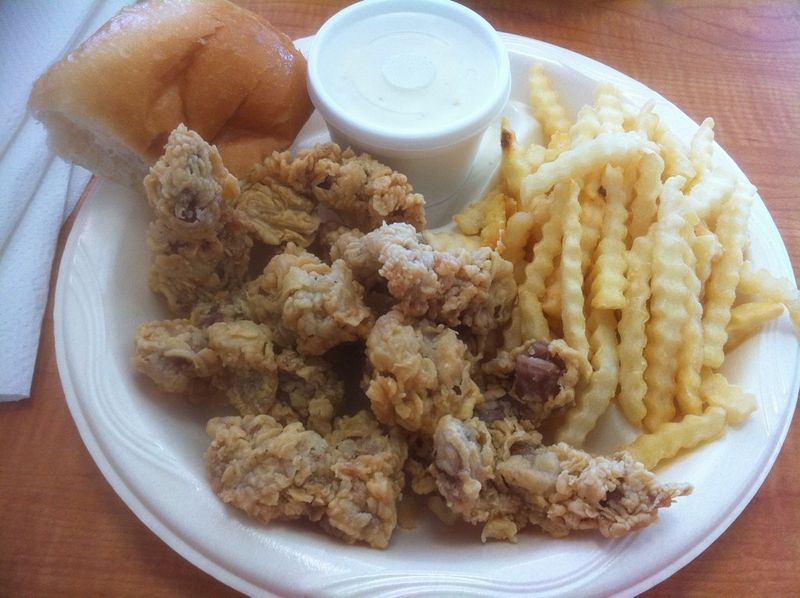
Chicken gizzards were crunchy proof that nothing went to waste. Boil then fry, or just slow braise until tender, and you got a snack that fought back a little.
Dipped in hot sauce, they felt like a dare accepted.
Nowadays, offal squeamishness and fast casual menus push them aside. But bite through that crust and you get minerally, meaty chew that pairs with cold soda and tall stories.
They are blue collar tapas, a reminder that flavor lives in the overlooked. If you know, you know, and you keep a bottle of hot sauce nearby.
Fried bologna
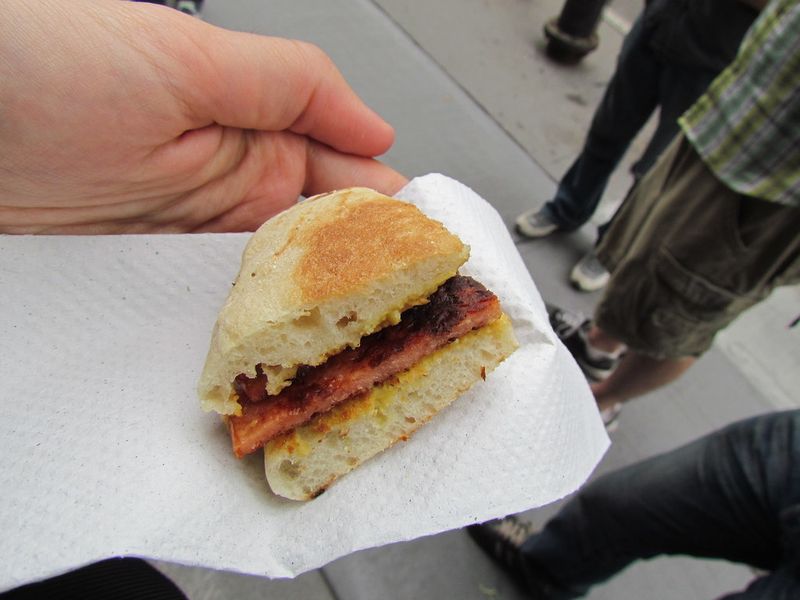
Fried bologna was a rebellion in a skillet. The slice blistered, edges curling like a cartoon smile, then hit white bread with mustard and maybe cheese.
It crackled with salt and childhood, cheap and perfect in its own lane.
Now, deli alternatives and wellness trends make it a guilty whisper. But sometimes you want that sizzle and the way the kitchen smells like Saturday cartoons.
It is not refined, it is remembered. Take a bite and you are eight again, swinging your feet off a chair, happy for no fancy reason at all.
Potted meat
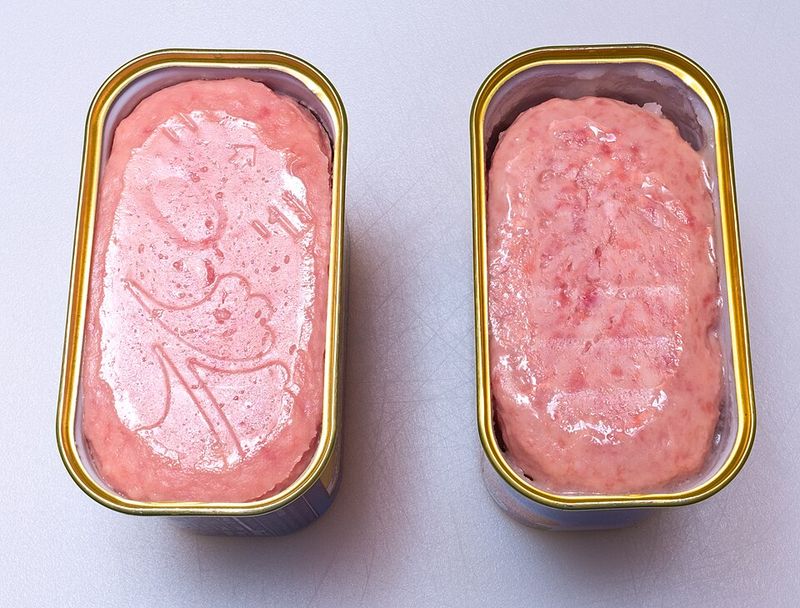
Potted meat came out of the can soft, pink, and suspiciously smooth. Spread on crackers, it tasted salty and comforting if you did not read the label too closely.
It was pantry insurance, a secret weapon when payday was far away.
Modern ingredient transparency makes it a harder sell, and that texture divides rooms. But nostalgia softens edges, especially when you remember late night snacks that needed no cooking.
Today, you might upgrade to pâté, but the instinct is the same. A spread, a cracker, a quiet moment, and a problem solved for now.
Corned beef
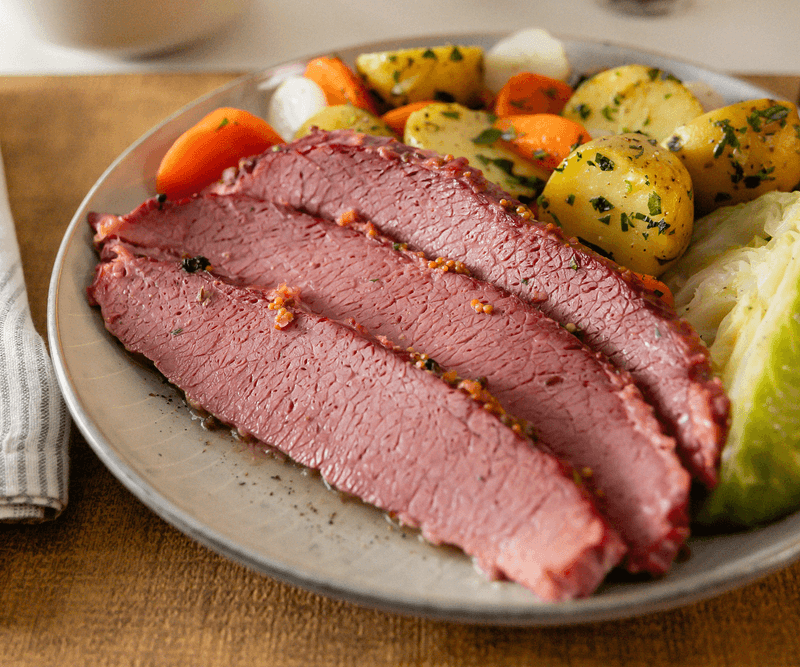
Corned beef is brined patience turned rosy and tender. Served with potatoes and carrots, it feels like a holiday even on a Tuesday.
The salt, the spice, and the slice against the grain deliver comfort with a wink of celebration.
Today, some see it as processed or seasonal only, a once a year nod. But the sandwich potential alone argues for keeping it around.
Piled high on rye with mustard, it sings. Whether boiled or slow cooked, it teaches that time and salt can turn tough into tender and ordinary into ritual.
Jello side dish

The Jello side dish was edible stained glass, wobbly and cheerful. Fruit suspended like fossils and a crown of whipped topping made it a party trick.
It slid onto plates with a shimmy that made kids grin and adults politely stab.
Now, dessert as side feels like a nutritional loophole nobody wants to defend. Still, the colors, the molds, the ceremony of unmolding hold endless charm.
You can swap in fresh fruit or let it be gloriously tacky. Either way, it captures an era when dinners dressed like parties just because.
Aspic dish
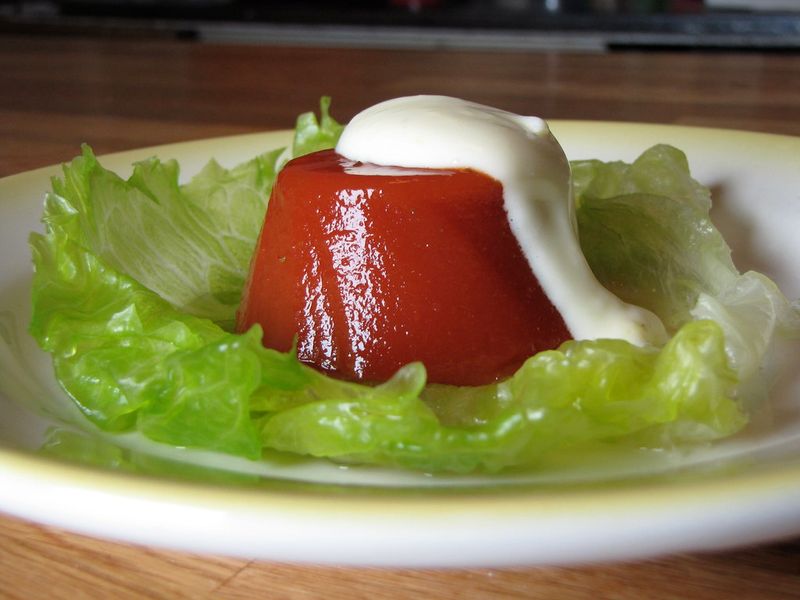
Aspic was the sophisticated cousin of Jello, sparkling and savory. Vegetables, meats, even eggs floated in a clear cathedral of gelatin.
It looked impressive and slightly unsettling, like a museum for leftovers.
Today, the texture reads odd, and refrigeration safety rules police the fun. But at its best, aspic is craftsmanship and clarity, a chef’s puzzle solved cold.
You might not crave it, yet you cannot ignore the shimmer, the patience, the knife revealing cross sections. It is dinner as sculpture, a conversation piece that jiggles back.
TV dinner tray
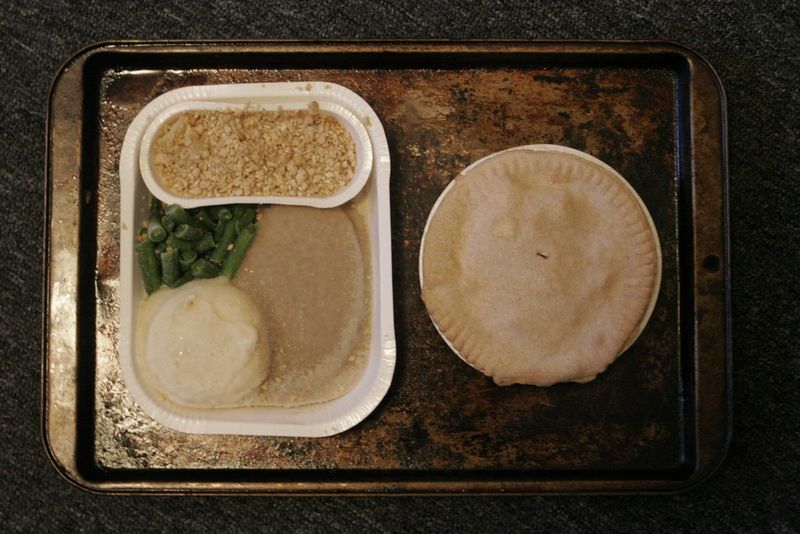
The TV dinner tray promised freedom wrapped in foil. Peel back, heat, and eat while sitcom laughter filled the room.
Compartments kept peas in their lane and mashed potatoes obediently square.
Now, single use trays and sodium raise eyebrows, and screens at dinner feel complicated. But there was magic in choosing your entree and balancing the tray on your knees.
It tasted like agency for kids and a break for tired parents. Convenience won the night, and nobody argued about dishes afterward.
White bread dinner
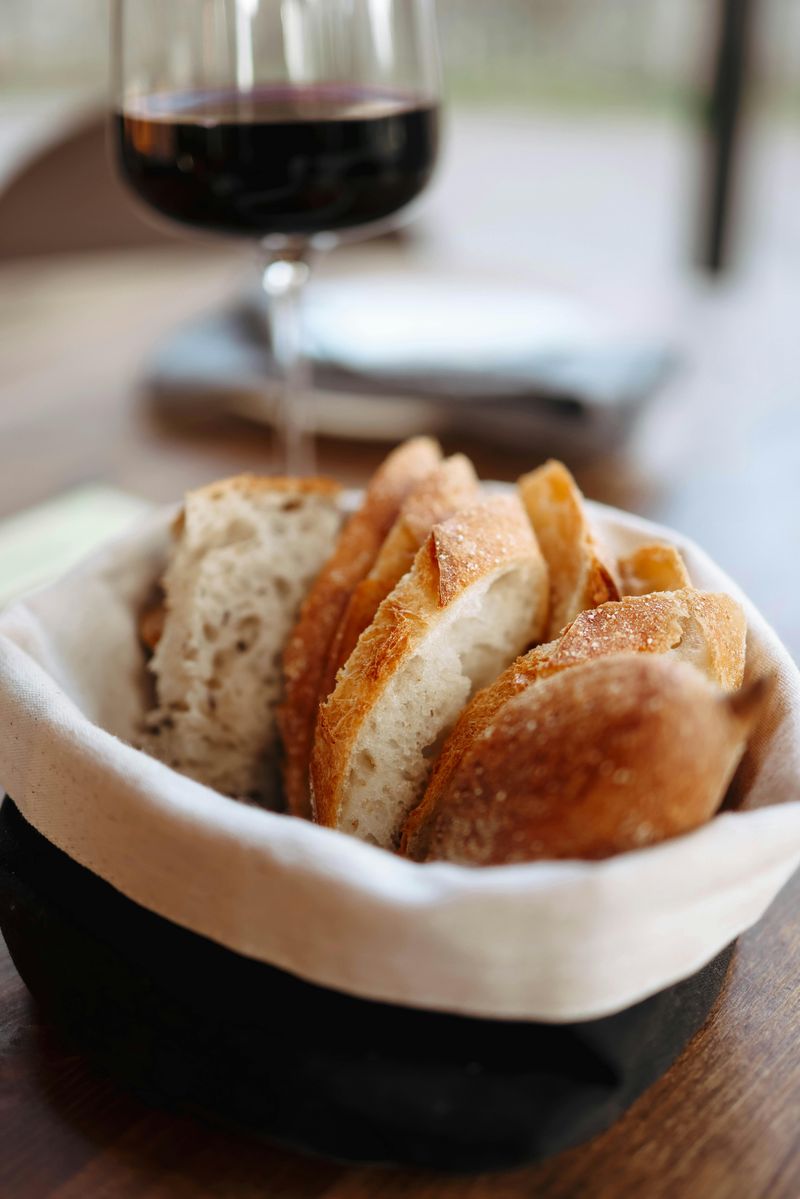
White bread dinners made softness a lifestyle. Fluffy slices mopped gravy, framed bologna, and held meatloaf together like a gentle handshake.
It was comfort defined by uniform holes and a forgiving crust.
Now, fiber talk and whole grains dominate, and the sugar content gets side eye. Still, a squish test can bring back entire summers at once.
Sometimes you want bread that yields without protest and turns everything into a sandwich. It is nostalgia in slices, stacked high and ready to agree with you.
Gravy heavy plates
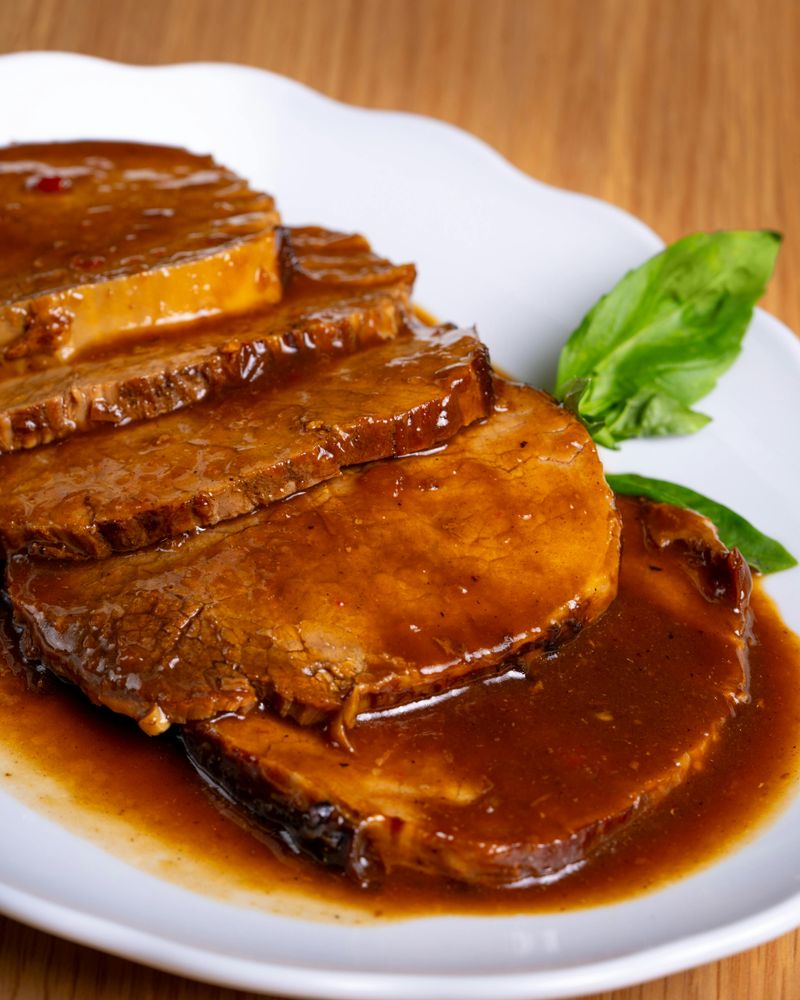
Gravy heavy plates were edible hugs, brown rivers covering any culinary sins beneath. Meat, potatoes, and bread merged under a glossy blanket.
It was about generosity and hiding dryness with flavor and salt.
Today, lighter sauces and clearer plating win Instagram, while gravy feels old guard. But that first forkful through the top layer to the mashed beneath remains irresistible.
It says dinner is served, imperfections forgiven. You pour, you breathe, you slow down, and everything seems solvable for a moment.
Fish sticks
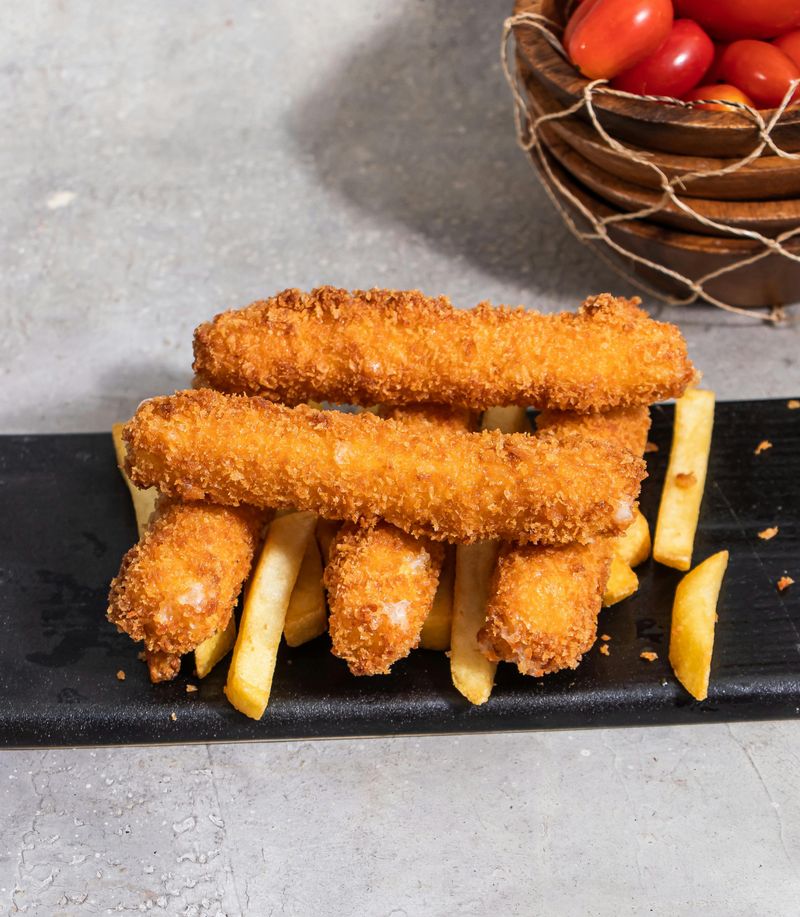
Fish sticks taught weeknights to behave. From freezer to oven to plate, they provided crunch without questions.
Dip in tartar sauce, add peas, and everyone got protein without bones or lectures.
Now, sustainability, additives, and texture debates make them feel dated. Still, their uniformity is part of the charm, each stick a promise of the same bite.
Air fry them if you must, or make homemade versions. Either way, that golden rectangle still summons cartoons, homework breaks, and the comfort of predictable crunch.
Canned ham
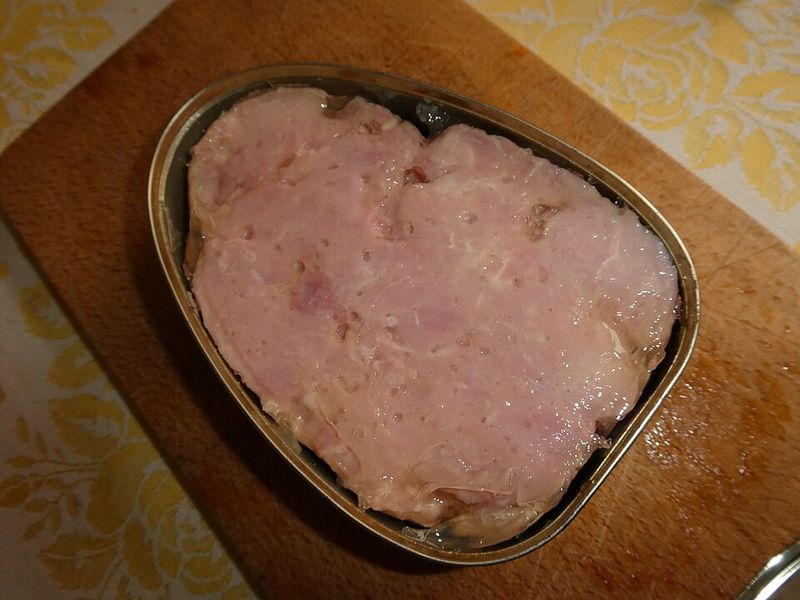
Canned ham arrived with a key and a ta da. Gelled edges, a pink sheen, and sweet glaze made it the budget centerpiece that posed for photos.
Pineapple rings turned it into a pageant winner with minimal effort.
Today, the texture and additives earn side eye, but the spectacle remains oddly charming. Slice it thin for sandwiches or cube it into fried rice like a thrifty magician.
It is part performance, part protein, and all memory of holidays that ran on coupons and creativity.
Mystery meat
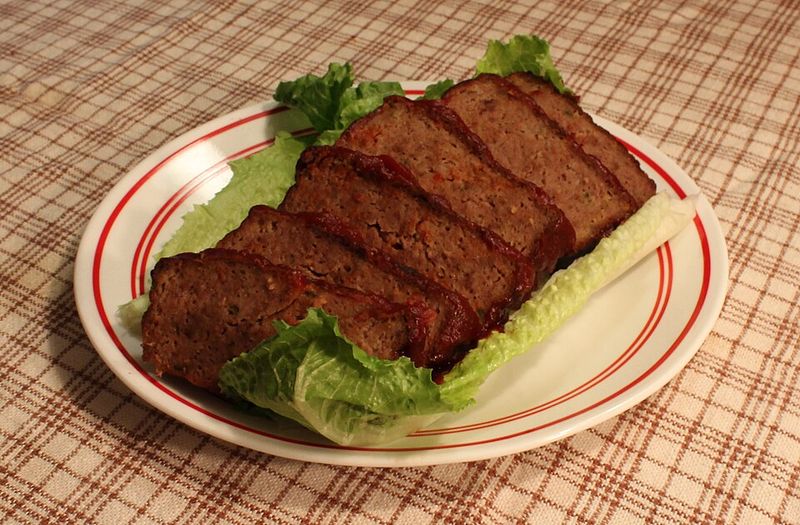
Mystery meat was the joke and the meal. A patty that tasted like salt, umami, and a question, drowned in gravy to stay friendly.
It fed crowds on budgets and schedules that did not allow for stories on the plate.
Now, transparency and sourcing matter, and this relic feels like a punchline. But it also speaks to systems trying to feed many with little.
You might not miss the texture, but you remember the tray lines, friends, and trading milk for cookies. It was edible logistics, not romance, and somehow you made it through.
Beef tongue
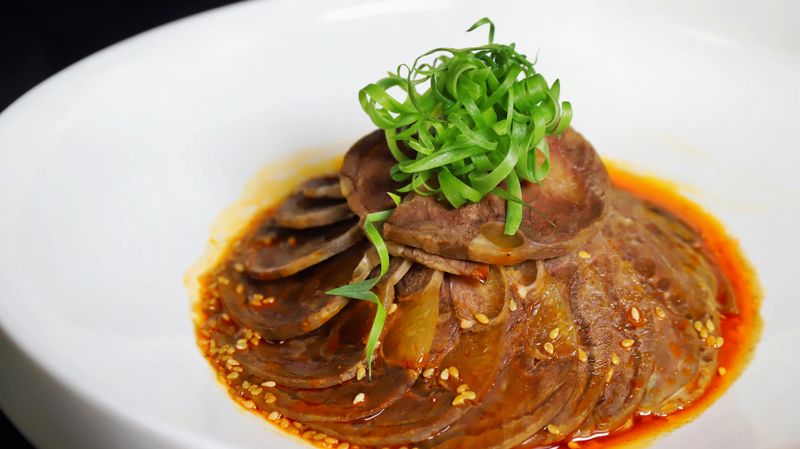
Beef tongue is the dish many remember hearing about, not eating. The name alone can stop conversation, yet the meat is tender and deeply beefy when cooked right.
Sliced thin, it makes sandwiches that taste like secrets from a butcher’s back room.
Still, it feels taboo at modern tables focused on familiar cuts. The prep is hands on and honest, asking you to face the animal behind dinner.
If you try it, you join a tradition that honored the whole beast. It is not fashionable, but it is undeniably real and surprisingly elegant.