


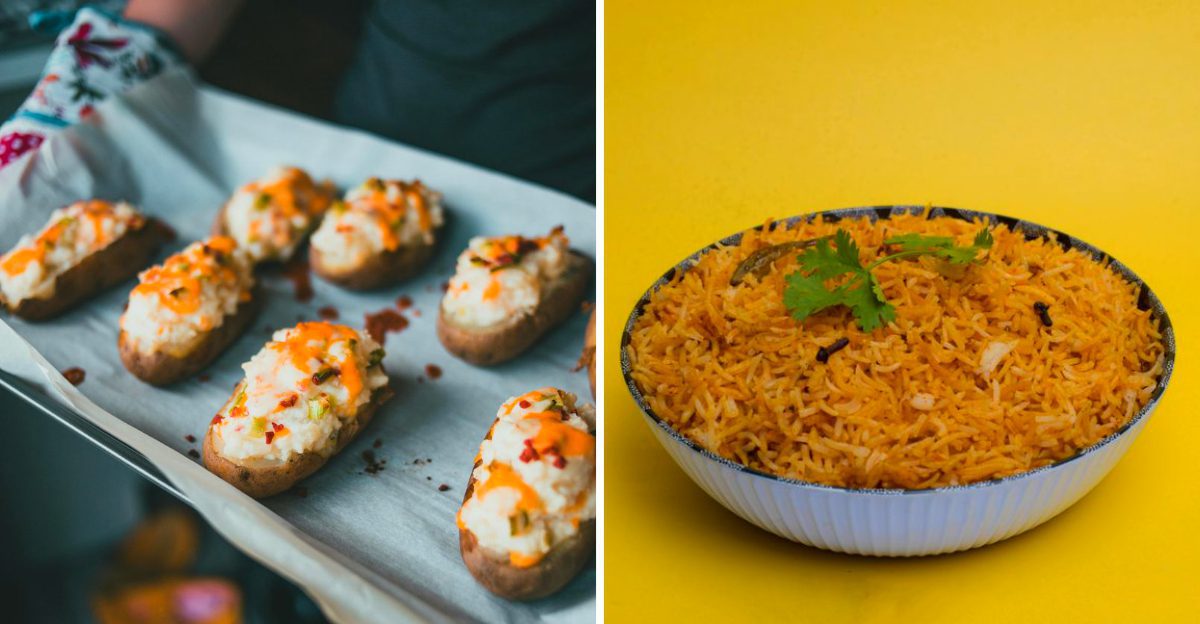
Some side dishes taste like pure nostalgia, and copying them at home feels like chasing a memory. You follow every hack and still wonder why the texture, the crunch, or that tiny hint of sweetness feels different. These sides look simple, yet chains guard techniques with sly precision. Ready to peek behind the curtain and see why your best attempts still land just shy of the mark?
French fries
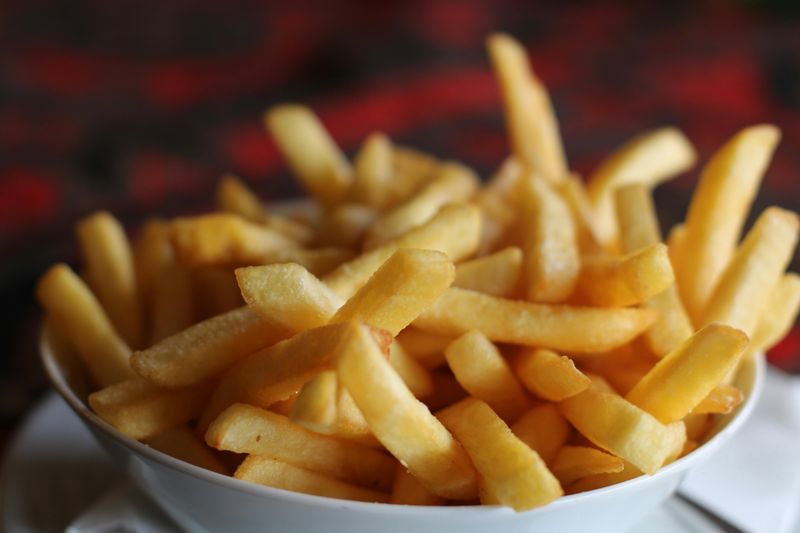
Perfect chain fries strike a balance you can taste. They are blanched, dried, and twice fried so the outside shatters while the center stays cloud soft. At home, oil temperature drifts and starch rinses vary, leaving either limp or browned-too-fast fries.
Even the salt hits differently. Some chains dust with ultra fine salt that clings to hot oil slicks. Others season with dextrose for gentle sweetness and enhanced browning, a detail most home cooks skip. The real secret is consistency, from potato variety to cut size.
Onion rings
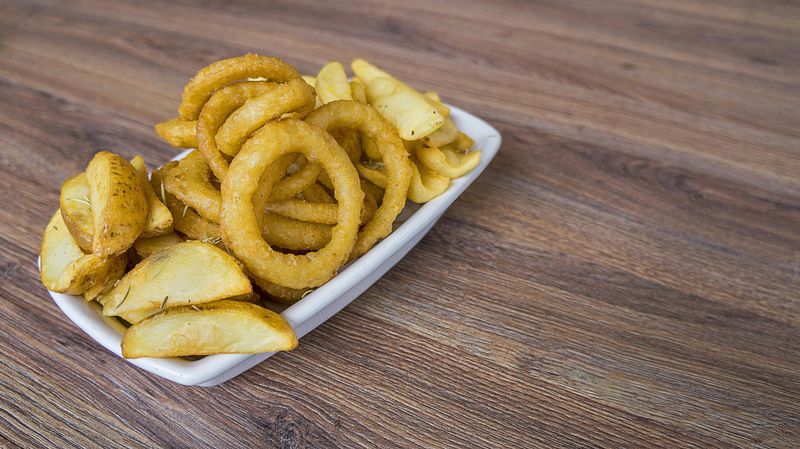
That lacy crunch does not happen by accident. Chains juggle batter viscosity, onion moisture, and fryer recovery so the coating puffs without slipping. Home kitchens usually miss that icy cold batter hitting screaming hot oil, the shock that sets delicate bubbles.
Sweet onions help, but so does a dusting of seasoned flour before dipping, creating a glue for the batter. Cornstarch boosts crispness while a splash of seltzer adds lift. Timing matters too, because onions go from tender to slippery in seconds.
Mashed potatoes and gravy
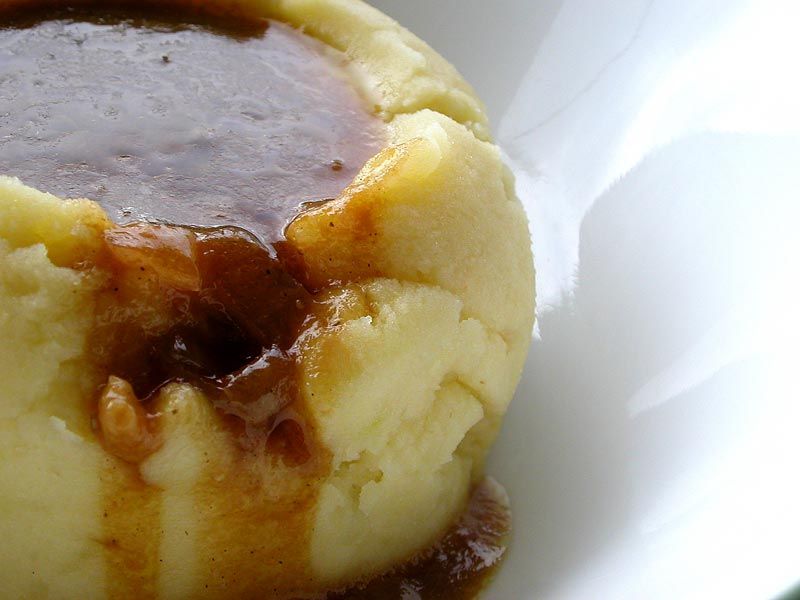
Restaurant mashed potatoes feel impossibly smooth, almost cloud like. Chains often rice hot potatoes, then fold in butter before dairy so fat coats starch granules. At home, overmixing turns them gluey and the butter melts too late, changing texture and shine.
The gravy is its own puzzle. Many chains use stock concentrates, umami boosters, and a roux cooked just shy of nutty. Your pan drippings help, but consistency swings. Temperature control and whisk timing separate silky from lumpy.
Mac and cheese
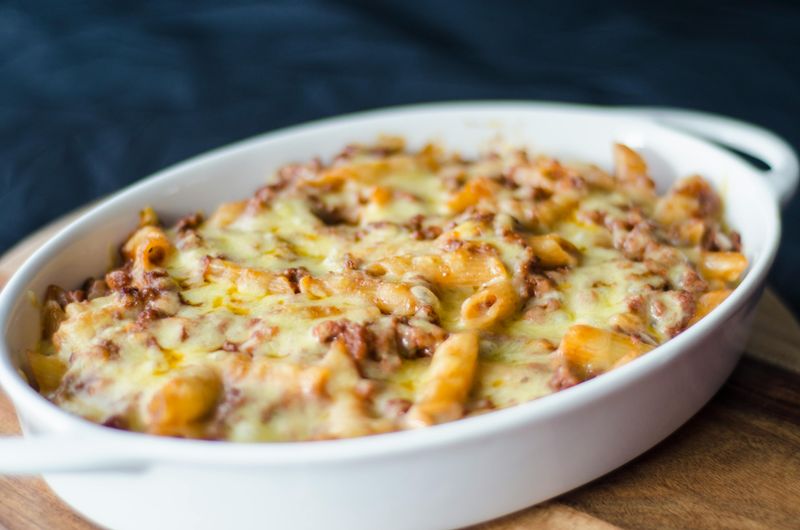
That luscious, spoon-coating sauce hides a formula. Chains blend processed cheese for melt stability with sharp cheddar for flavor, plus sodium citrate to keep emulsions silky. Home versions curdle when the roux runs too hot or the cheese hits boiling milk.
Texture matters from noodle to bake. Slight undercooking protects against sogginess under sauce. A buttery crumb or torched top adds crunch, but reheats can break the emulsion. Precision keeps it glossy and scoopable every time.
Coleslaw
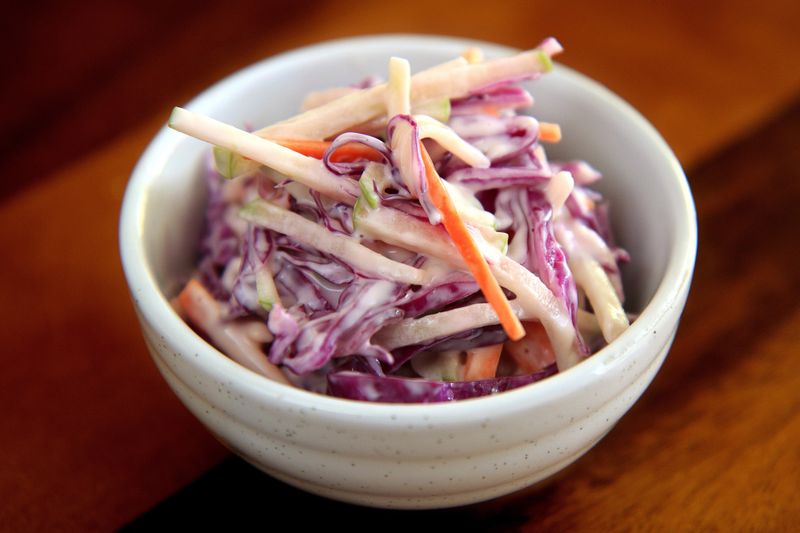
Chain coleslaw tastes crisp yet tender, sweet but tangy, with dressing that clings. The trick is salting cabbage to draw moisture, then draining before mixing. Home versions skip this step, so watery juices dilute flavor and drown the dressing.
Acidity is precise. A blend of vinegar and a hint of sugar rounds out the bite, with celery seed whispering nostalgia. Finely shredded texture maximizes surface area for even coating. Chill time matters, letting flavors marry without losing crunch.
Biscuits
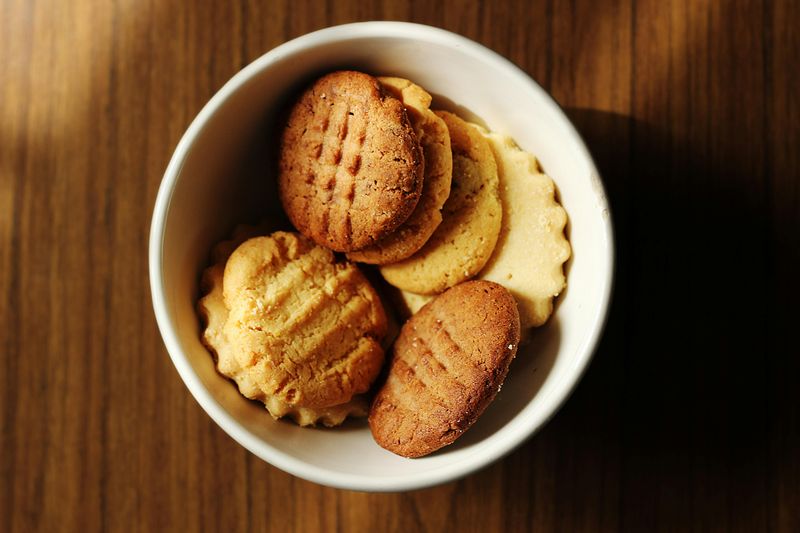
Those towering layers come from cold fat and confident handling. Chains use high hydration, low protein flour, and laminated folds to build height without toughness. At home, warm kitchens melt butter too early and overmixing crushes steam pockets.
Buttermilk adds tang and tender crumb, while a brush of cream encourages bronzed tops. The cutter should be sharp and straight down to avoid sealing edges. Bake hot for quick lift. Your oven’s heat map determines whether layers soar or slump.
Cornbread

Skillet cornbread from chains walks a line between cake soft and corn forward. They often balance fine cornmeal with a little flour, melted butter, and a preheated pan for that sizzling edge. Home versions miss the audible sizzle, so crusts stay timid.
Sweetness varies by region, and many chains slip in creamed corn for moisture. A splash of buttermilk brings tang and better crumb. Do not overmix or the crumb tightens. Serve warm so honey butter melts into every pore.
Baked beans
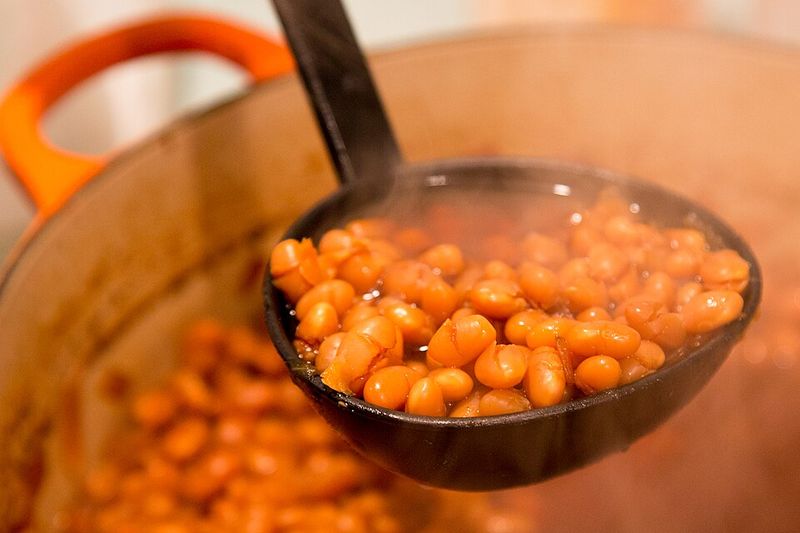
Chain baked beans have a glossy, clingy sauce that hugs each bean. Molasses, brown sugar, and tomato base simmer long with mustard heat. Many chains add smoky bacon or liquid smoke for that pit vibe. Home cooks rush the simmer and miss the syrupy reduction.
Bean choice matters too. Tender but intact beans hold shape through reheats. A splash of vinegar at the end brightens sweetness. The pot should burble gently, not boil, or skins split and sauce turns starchy.
Cheese curds
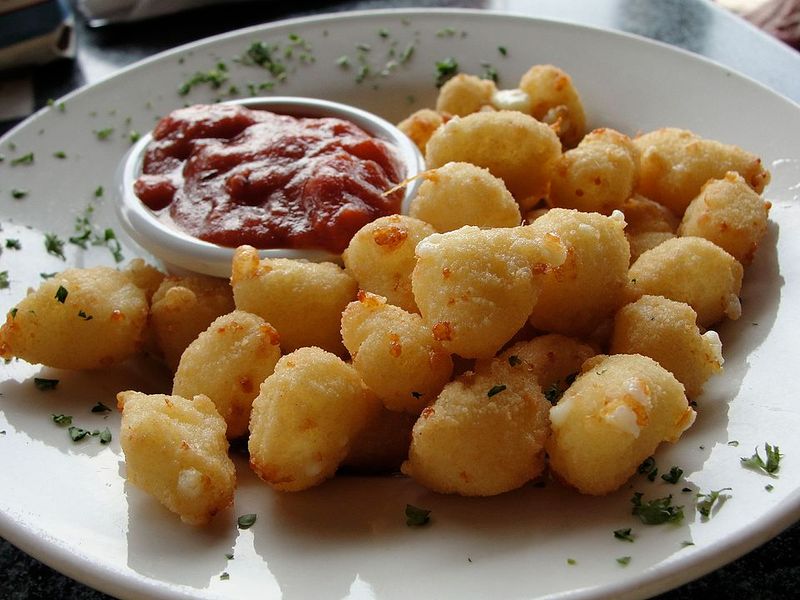
Real cheese curds squeak before frying and stretch after. Chains keep them cold, then batter fast to trap steam that inflates the crust. Home fryers often drop temperature, so cheese leaks before crust sets, and soggy coats follow.
A light, carbonated batter helps with crispness, while cornstarch boosts crunch. Salt immediately so it sticks to hot oil. Serve within minutes or they toughen. Dipping sauces are backup singers to the buttery dairy bassline.
Texas toast

Those thick slices get a buttery crust outside and pillowy center inside. Chains slather whipped butter with garlic powder and a whisper of sugar for browning, then griddle on flat tops with steady heat. Home pans have hot spots and dry edges.
Use thick bread with tight crumb so it does not collapse. Butter both sides for even color. Flip once to avoid tearing. That gentle sweetness separates chain toast from plain garlic bread, balancing salt and butter richness.
Garlic bread
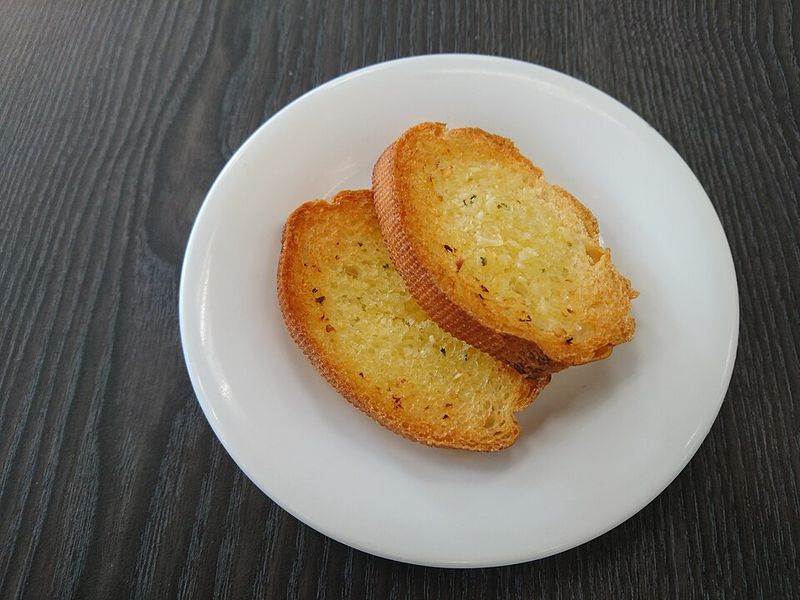
Chain garlic bread blooms with aroma because butter carries fat soluble flavors. They blend butter with garlic, parsley, and a touch of parm, then broil for crisp edges and soft centers. Home cooks overbake and dry it out, losing that tender middle.
Spread edge to edge for even browning. Add a pinch of sugar to promote color. Garlic can burn fast, so infuse butter first and strain bits if sensitive. Serve immediately while the crumb still steams.
Dinner rolls
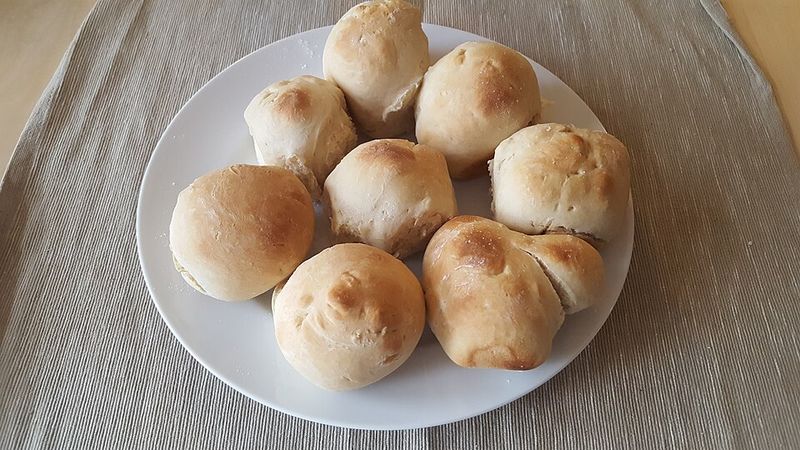
Chain rolls pull apart in feathery strands because of enriched dough and patient proofing. Milk, eggs, and sugar tenderize while butter adds flavor. Home kitchens rush the rise, shortchanging gluten development and oven spring. That trademark shine comes from egg wash.
Portioning matters for identical domes. Bake close together so they kiss and stay soft on the sides. Brush with butter right out of the oven for aroma and softness. The crumb should sigh when pressed.
Hush puppies

Perfect hush puppies are crisp outside and custardy inside. Chains use a cornmeal heavy batter with minced onion, a hint of sugar, and careful leavening. Oil temperature must stay steady or the centers stay raw while exteriors scorch. Home fryers wobble under big batches.
Resting the batter hydrates cornmeal for tender interiors. Scoop with a wet spoon for rounded shapes. Salt immediately. Serve hot because steam is the magic that keeps them light.
Creamed corn
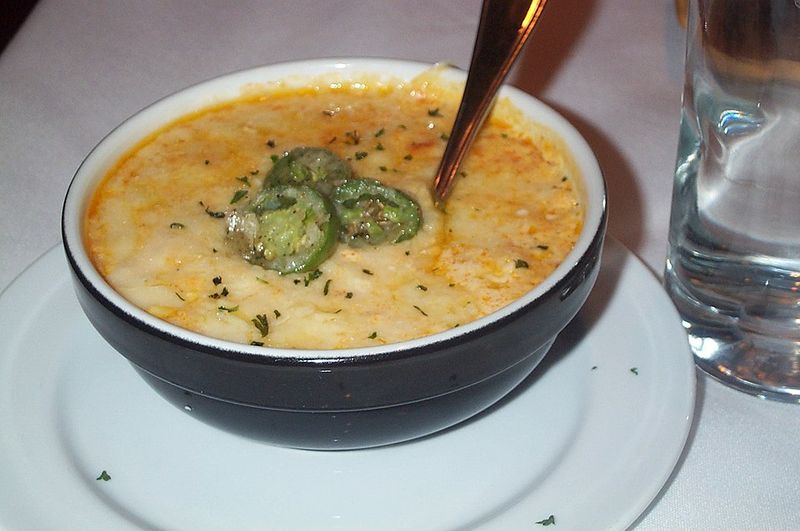
Chain creamed corn tastes like sweet summer concentrated. They scrape milk from the cob to thicken naturally, then add cream and butter for gloss. Home cooks skip the cob milk, leaning on flour thickeners that dull corn brightness and mouthfeel.
A pinch of sugar can boost off season kernels, but salt and pepper must stay gentle. Some kitchens blend a portion for body, leaving whole kernels for pop. Serve warm, not hot, to preserve sweetness.
Grits
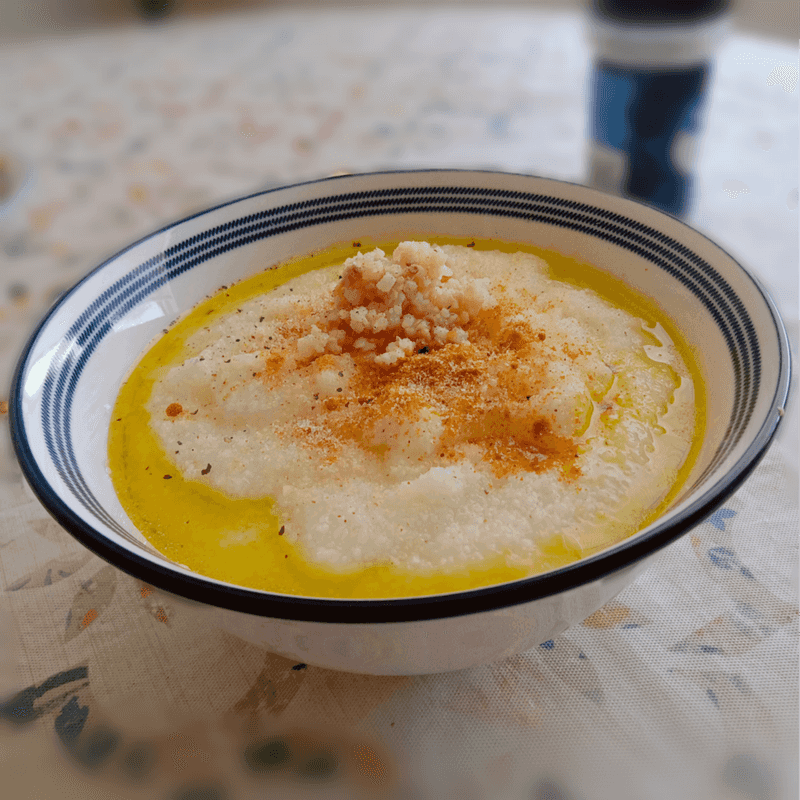
Silky grits demand time and quality corn. Chains use stone ground grits simmered low with heavy stirring, plus a dairy finish for richness. Home versions cut time and rely on instant grits, losing body, aroma, and that soft, slow bloom of flavor.
Salt early so the corn absorbs it. Add cheese off heat to avoid breaking. A final knob of butter gives shine and slip. Patience turns grainy into plush.
Fried okra
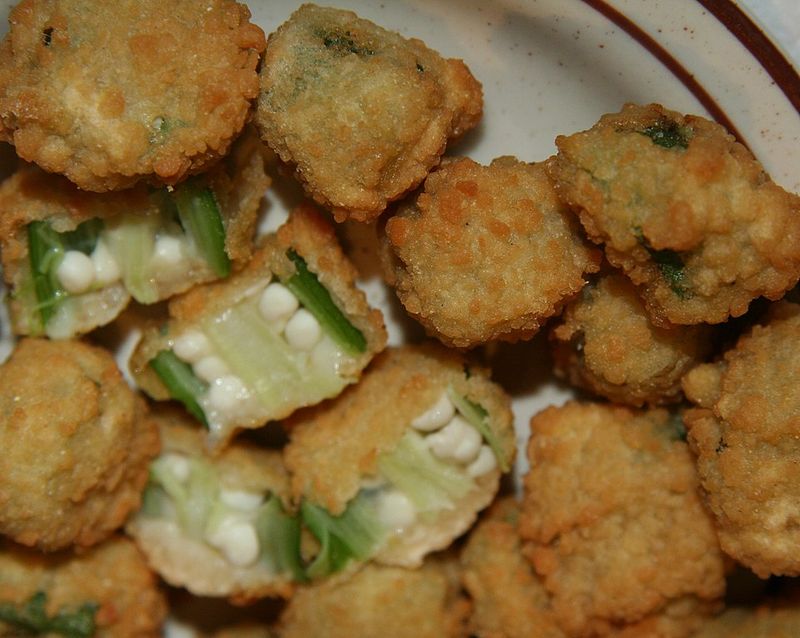
Chain fried okra snaps gently under a sandy cornmeal crust. They dry the pods, dust with seasoned flour, then dredge in buttermilk and cornmeal. Oil stays hot between batches. Home fryers overload baskets, lowering temperature and inviting sog.
Slice evenly for predictable doneness. A pinch of cayenne perks up the earthiness. Salt the moment they leave the oil so crystals stick. Serve fast, because fried okra loses crispness with every passing minute.
Collard greens
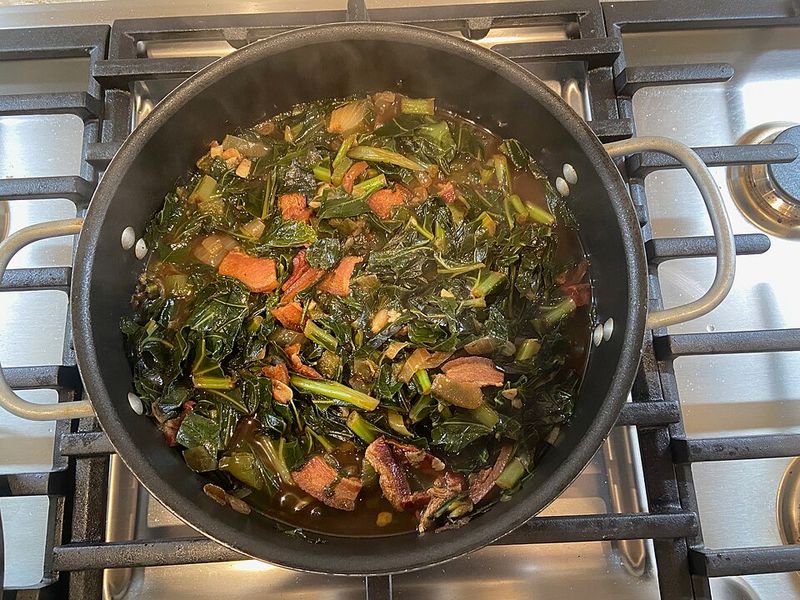
Restaurant collards taste deep and balanced, never muddy. They use smoked turkey or ham hocks for savory backbone, then simmer low with vinegar and a touch of sugar. Home pots often boil too hard, toughening leaves and clouding the pot liquor.
Stem trimming matters for tenderness. Add vinegar near the end to keep greens bright. A little chili flake awakens the broth. Resting improves flavor as greens settle into the cooking liquid.
Side salads
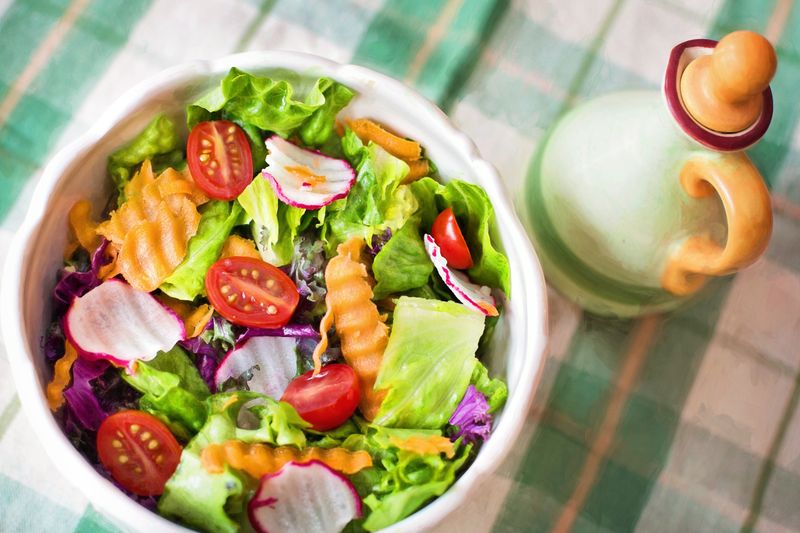
Chain side salads seem simple, yet they hit freshness perfectly. Pre chilled plates and greens keep snap, while finely cut veg delivers balanced bites. Home salads suffer from soggy lettuce and dressing dumped too early, bruising leaves and muting crunch.
Salt your greens lightly before dressing so flavors pop. Toss gently with a thin coat, not a puddle. Croutons should be crisp, not jawbreakers. Temperature and cut size make every forkful feel composed.
Rice pilaf
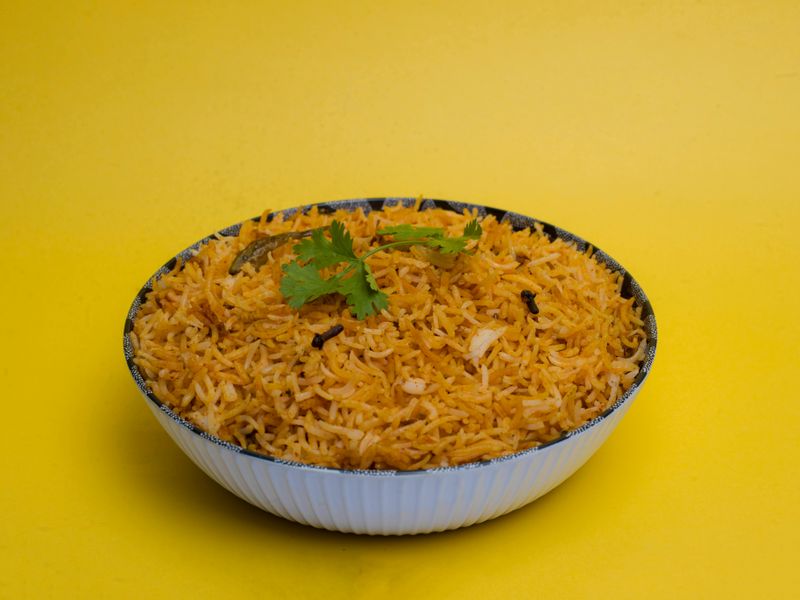
Restaurant pilaf has distinct, glossy grains. They rinse and dry rice, then toast in fat with aromatics before adding hot stock. Home cooks often skip the rinse or use cold stock, shocking grains and turning the pot sticky. Lid discipline keeps steam even.
Finish with butter for sheen and herbs for freshness. Resting is crucial so moisture redistributes and grains relax. A fork fluff, not a stir, preserves separation. Small details protect that elegant texture.
Loaded baked potatoes
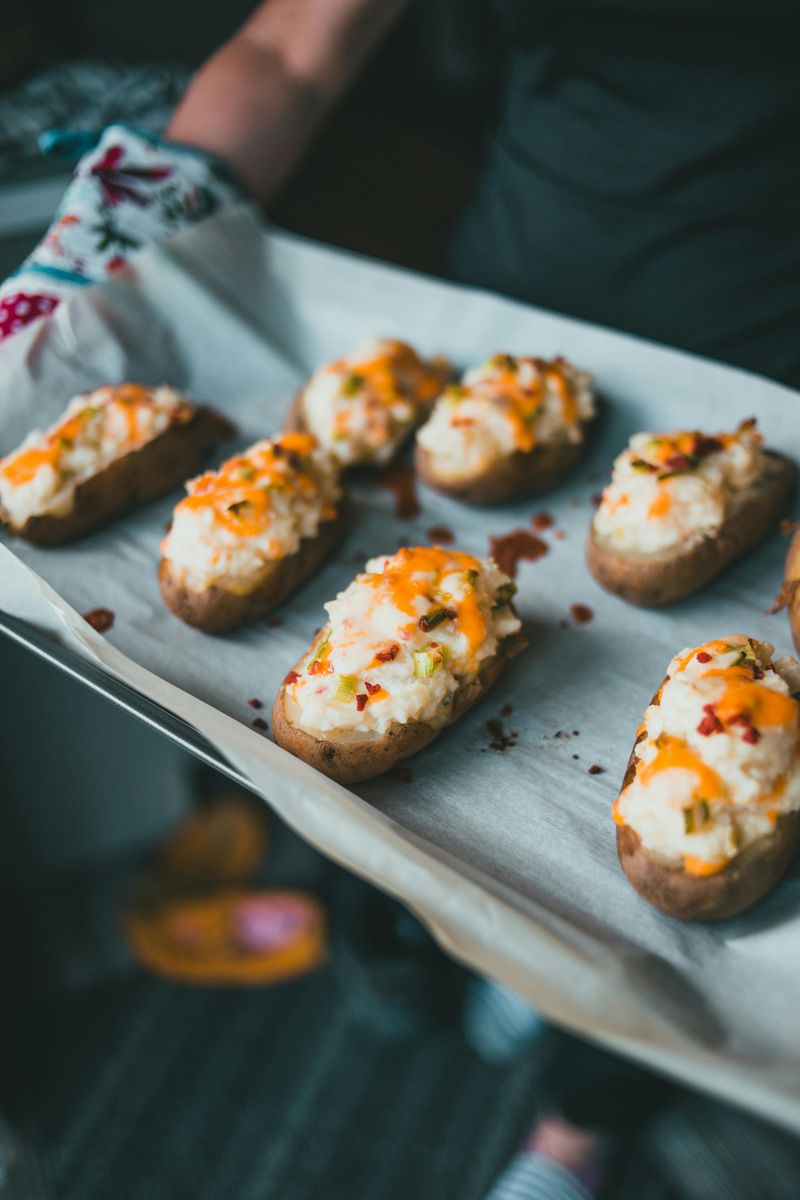
That steakhouse fluff comes from dry brining skins and baking directly on racks for airflow. Chains use russets, oil, and salt, then hold in warming drawers so starches set. Home foil traps steam, yielding gummy interiors that cannot hold toppings.
Load strategically. Butter first, then salt, then cheese so it melts into steam. Sour cream cools heat while bacon and chives add texture and pop. Timing makes everything meld without sog.