


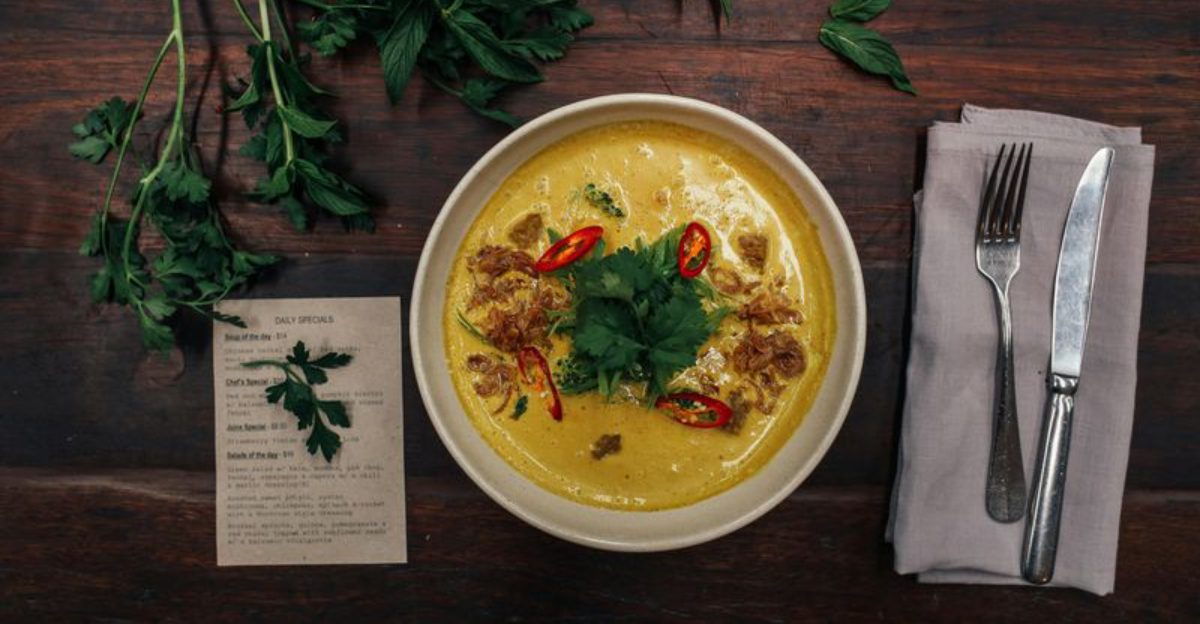
Ever order something that sounded just like grandma’s, only to discover it tastes suspiciously identical to every other place in town? You’re not imagining it.
Plenty of “house-made” favorites arrive prepped in distant facilities and merely reheated on site. Here’s how to spot the telltale signs so you can choose better and avoid paying home-cooked prices for factory-made food.
Gravy
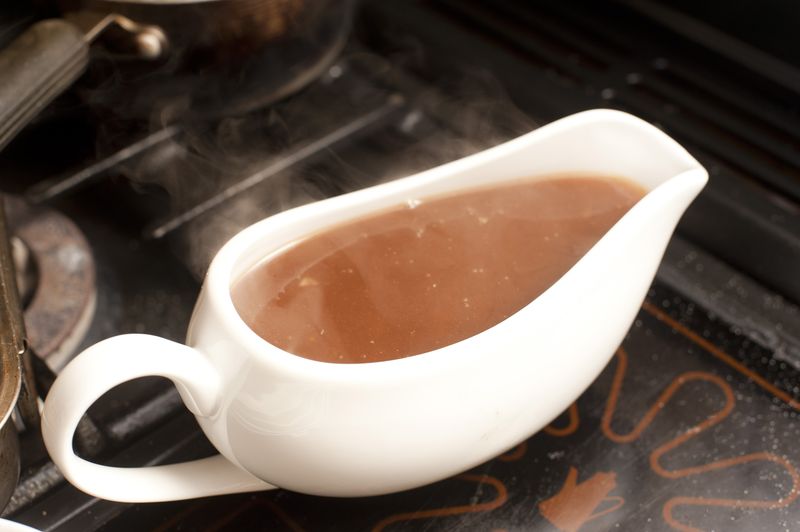
Menus say pan drippings and slow simmer, yet the sheen screams packet mix. It sits thick and glossy, with a bouillon punch and that telltale pepper flake pattern you recognize from cafeterias.
Instead of roasted depth, you get cornstarch and caramel color doing all the heavy lifting.
Notice the skin forming as it cools, like pudding. Real gravy separates slightly, then reunites when stirred.
Ask about wine reduction, fond, and deglazing. If the answer is house blend, expect a powdered base.
When it tastes the same on turkey, steak, and fries, you are sipping seasoning, not Sunday gravy.
Chili
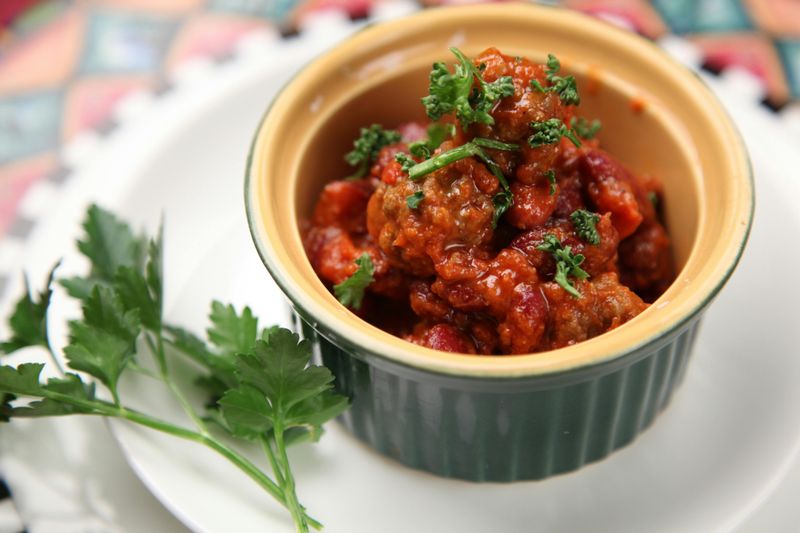
Supposedly slow-cooked, it often arrives with a uniform tang and identical bean firmness. The meat crumbles without character, as if par-cooked in bulk, then simmered in tomato paste and sugar.
Smokiness tastes bottled, and the heat blooms like spice mix rather than layers built over hours.
Look for floating orange oil and a sweet aftertaste. Real chili clings, then releases, showing tender strands and toasted spices.
When every bite matches a stadium concession, you know it came from a bag. Ask about specific chiles and toasting.
Vague answers mean factory consistency, not a pot babied all afternoon.
Mac and cheese
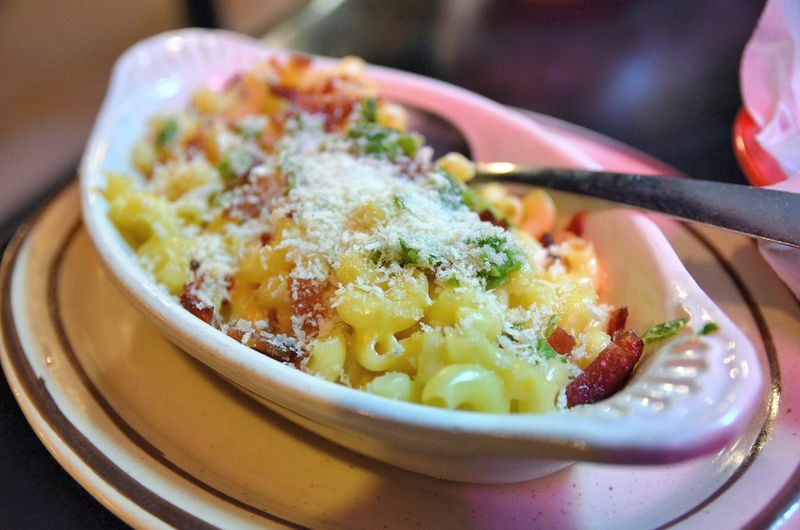
Comfort is promised, but the sauce slicks like velvet without soul. That glossy orange sheen hints at emulsifiers, not a slow béchamel married to sharp cheddar.
Noodles hold a curiously elastic bite, as if parboiled, chilled, and reheated in steam pans rather than finished in a skillet.
Real mac breaks a little, with pockets of stretch and browned edges. Ask about gruyere, cheddar, and a baked crust.
When the answer is signature blend, expect a bagged sauce. If it tastes identical bite to bite with no cheese tang building, you are eating nostalgia engineered by committee.
Lasagna
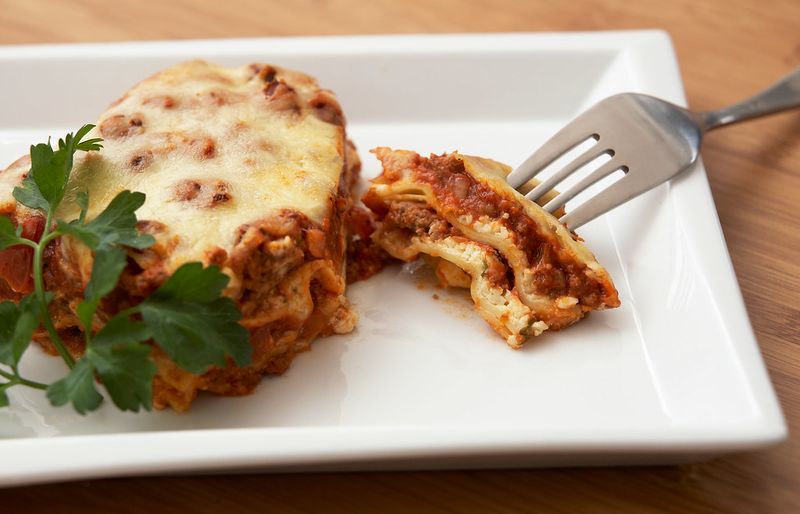
It sounds like nonna’s pan, but the slice stands too proud and perfect. The ricotta layer is sweet and uniform, noodles are identical, and the sauce carries a jarred basil aroma.
No caramelized corners, no wavy cheese pull, just tidy geometry that travels well from factory to oven.
Real lasagna slumps slightly with joy. Ask if they finish portions to order.
If it arrives in five minutes, it started the day in plastic. Taste for fennel sausage, browned bits, and fresh oregano.
When everything blends into red and white paste, you found a production line wearing grandma’s apron.
Meatballs
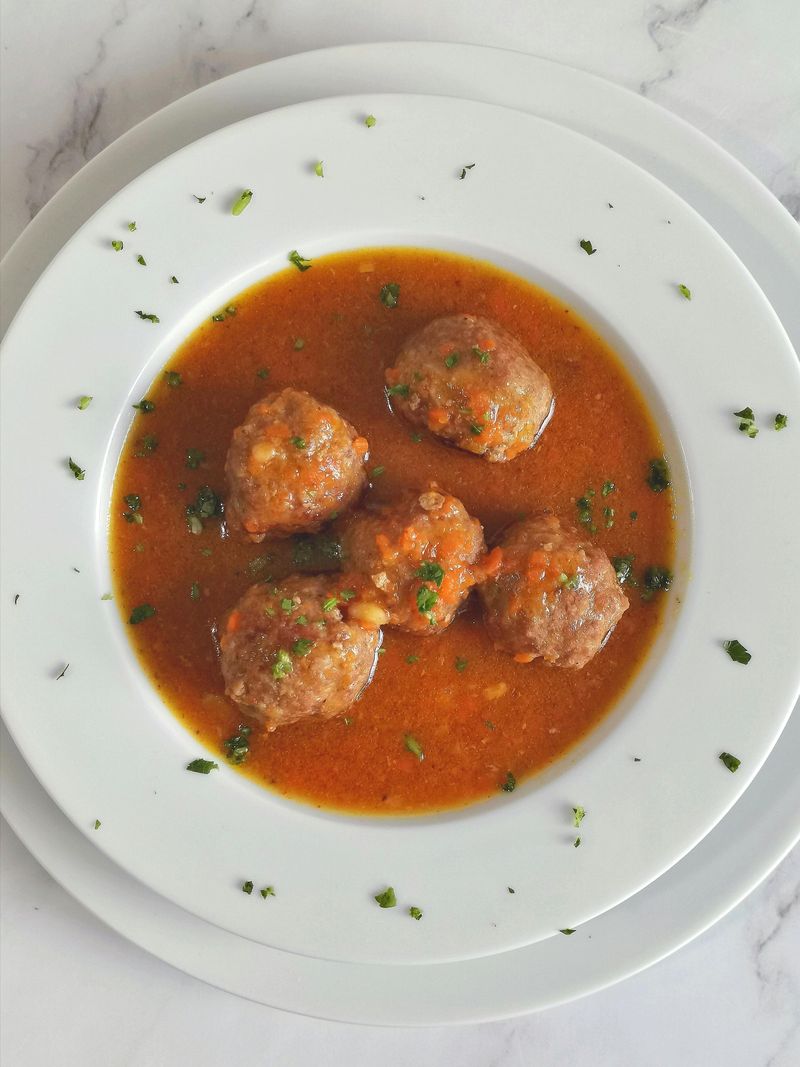
They read like hand-rolled treasures, but the bite springs back unnaturally. Texture is tight, seasoning is generic, and every sphere matches the next as if portioned by machine.
Sauce clings without mingling, suggesting a retherm instead of a gentle braise that lets pork, beef, and breadcrumbs marry.
Real meatballs breathe and crumble slightly. Ask about soaking bread in milk and finishing in sauce.
If you hear pre-seared and held, expect a bag. Taste for parmesan, parsley, and black pepper bloom.
When none emerge, and the center is gray, congratulations, you met the warehouse nonna you never wanted.
Chicken parmesan
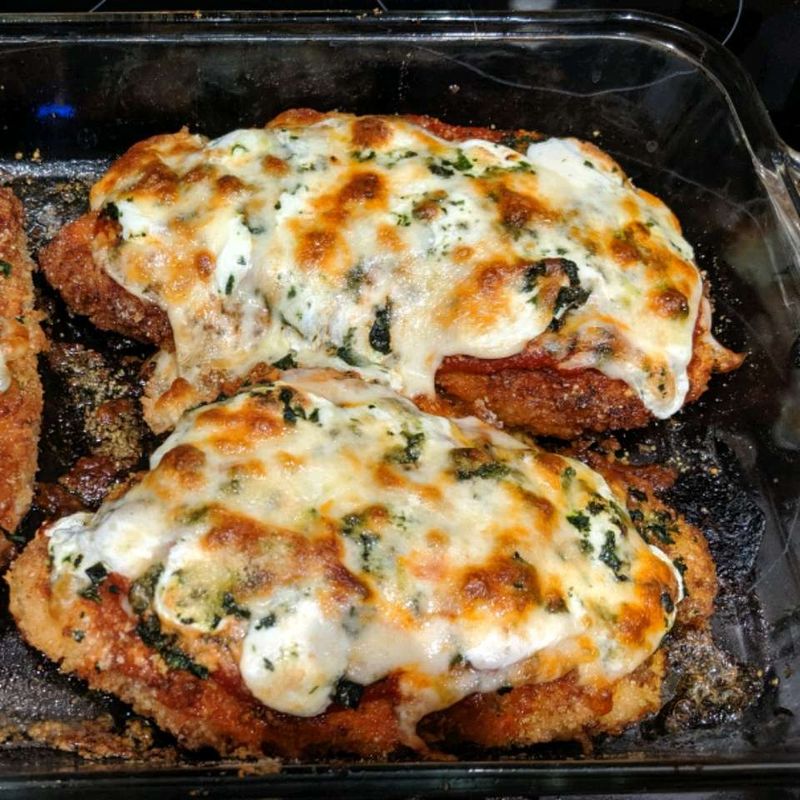
Promised as crispy and bubbling, it often lands soggy under a blanket of uniform mozzarella. The cutlet tastes brined in something industrial, with a bready crust that steams into mush beneath ladled marinara.
Sauce screams sugar and dried basil, more pizza station than a skillet finished with love.
Listen for crunch when you cut. If none, it was sauced too early or reheated.
Ask about pounding to thickness and frying in oil, not a conveyor oven. Real parm has leopard-spotted cheese and lively acidity.
When it eats like cafeteria comfort, your fork proves the romance was outsourced.
Fettuccine Alfredo
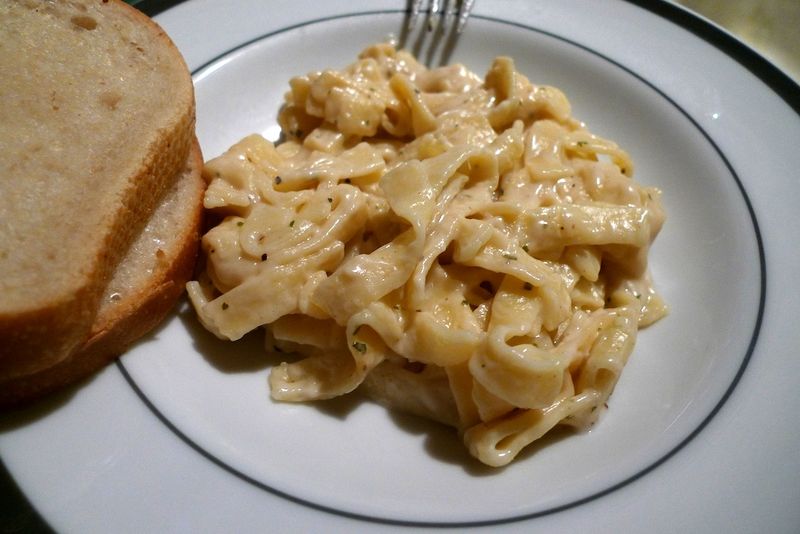
Menus boast silky cream and butter, yet the sauce coats like lotion, suspiciously stable. Real Alfredo breaks if mishandled, but this clings forever thanks to modified starches.
Noodles slide in a gloss that tastes more nutmeg and garlic powder than Parmigiano-Reggiano melted into emulsified butter.
Ask whether they finish pasta in the pan with starchy water. If the answer dodges technique, assume a bag.
Real versions are fragile and fragrant. When steam smells like hotel banquet, you are eating consistency.
Watch for chicken add-ons that taste steamed. That combo screams central kitchen, not a Roman grandmother whispering secrets.
Chicken noodle soup
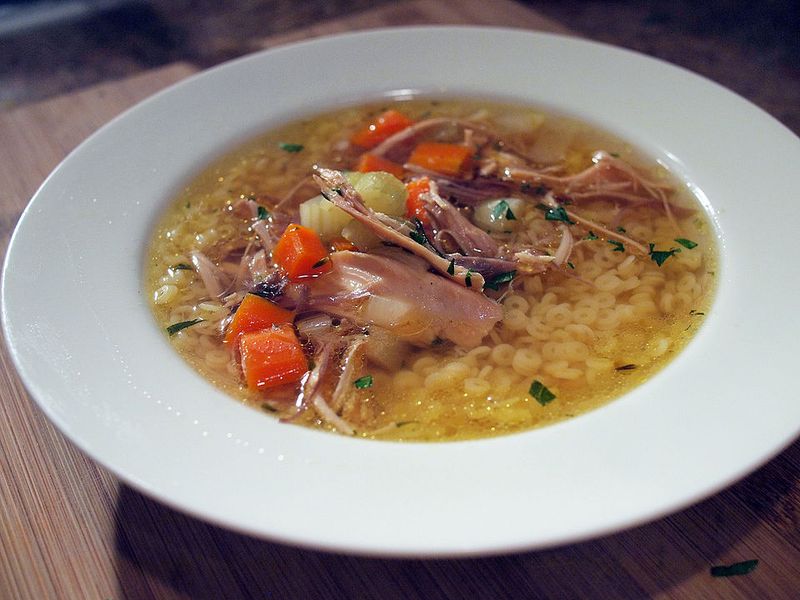
It should whisper home, but the broth glows yellow and tastes of cubes. Carrots are laser-cut, noodles are slick and resilient, and chicken shreds without any roasted edges.
It comforts, sure, yet the perfume says concentrate plus water instead of hours of bones humming on the stove.
Notice the identical noodle curl and perfect salt level. Real soup varies spoon to spoon.
Ask if they simmer carcasses and add dill. If the answer is proprietary stock, you already know.
When it reheats without clouding, stabilizers are working hard, not a patient simmer releasing collagen today.
Fish fillets
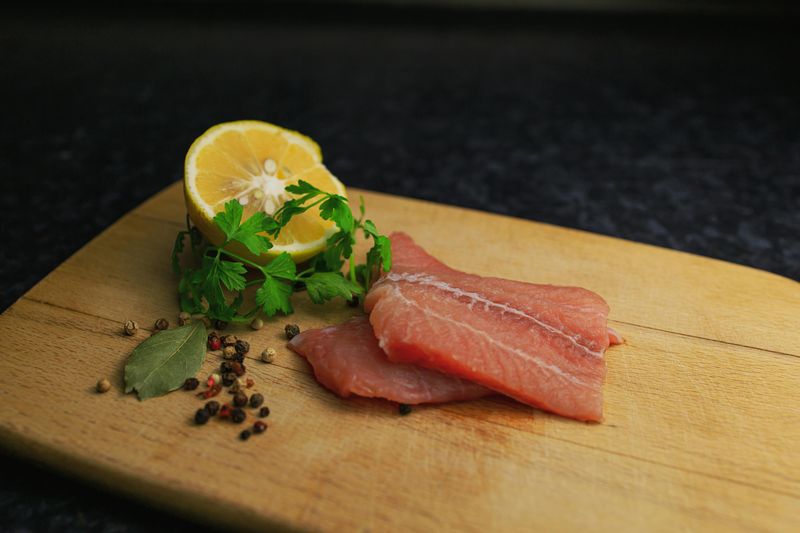
They promise flaky and fresh, but the breading tells the story. Uniform crumbs, identical golden color, and a crunch that persists long after cooling suggest par-fried, frozen pieces.
Inside, the fish weeps water and tastes faintly of storage rather than sea, with edges too square to be hand-cut.
Real fillets vary in shape and scent. Ask about species, sourcing, and whether they batter to order.
If the kitchen dodges specifics, expect a box. Taste for sweetness and clean brine.
When tartar sauce does all the work, you are touring the freezer aisle with table service.
Chicken wings
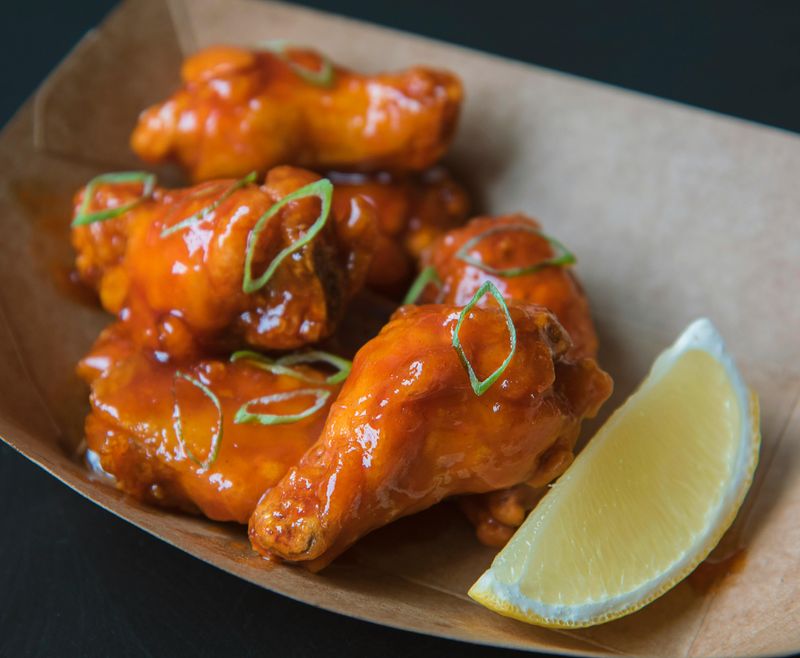
They sound twice-fried and tossed to order, but the skin arrives rubbery under a thick glaze. That sticky sweetness hides a lack of smoke and the telltale damp of reheated fryers.
Flats and drums match in size like clones, pointing to pre-sorted bags instead of a butcher’s mixed tray.
Real wings crackle and drip. Ask whether they parbake, then fry, or go straight into hot oil.
If times are identical for any quantity, think frozen. Sauces should sting and perfume.
When every flavor leans syrupy and the meat pulls off in one clean tube, it was engineered for convenience.
Ribs
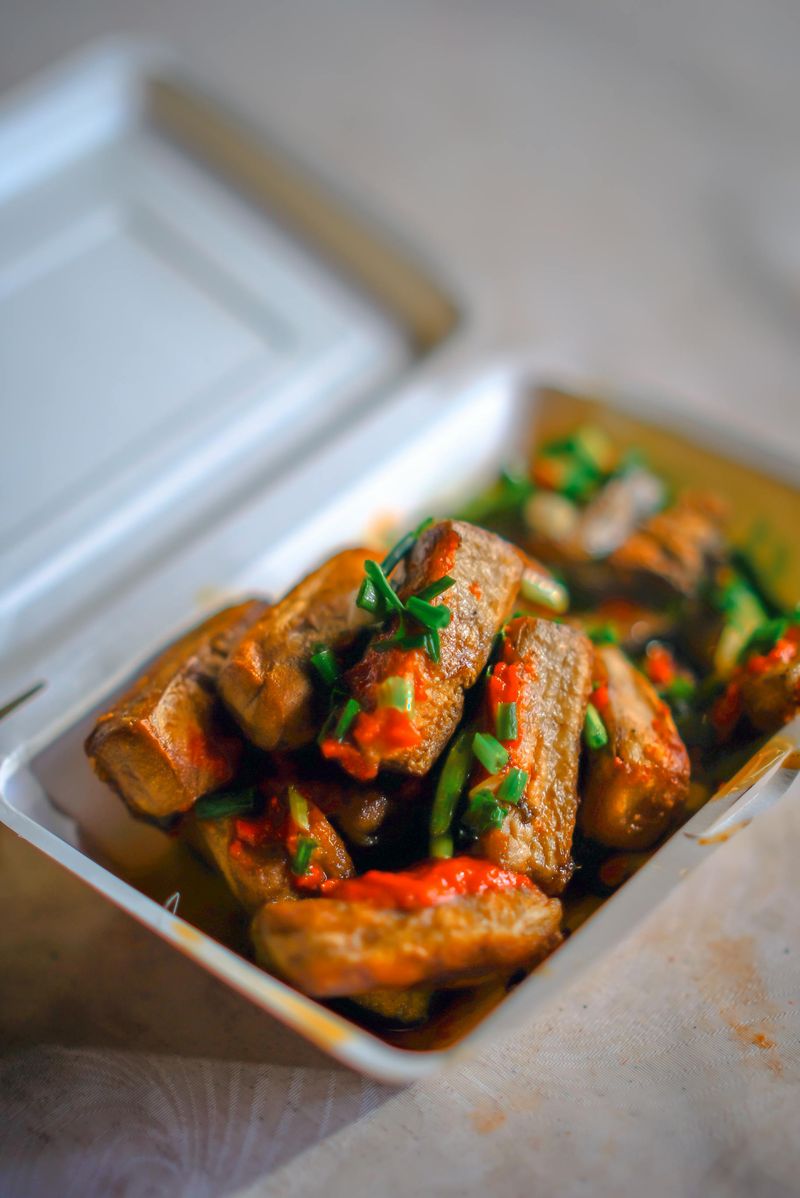
Menus whisper smokehouse, but the bark looks painted on. The meat slides off the bone in a neat sheet, more braise plus grill marks than low-and-slow magic.
Sauce dominates with liquid smoke and sugar, leaving no room for pink kiss or peppery rub.
Real ribs tug, then give lightly, with insistence. Ask about wood, hours, and temperature.
If they say oven first, smoker second, you have your answer. Taste for clean pork and rendered fat.
When napkins stay surprisingly tidy and bones are squeaky clean with no resistance, it is catering science, not backyard patience.
Pulled pork
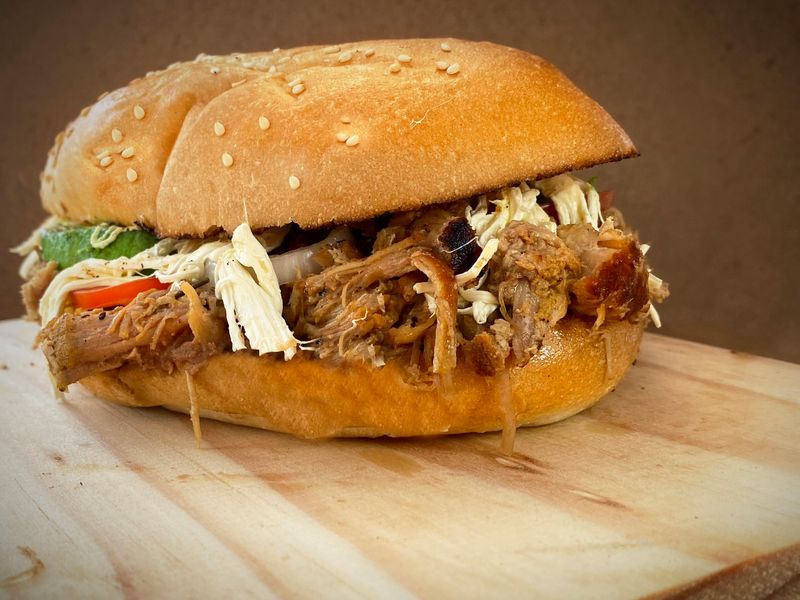
It promises hickory whispers, but the pile tastes wet and sweet without smoke. Shreds are uniform, short, and oddly pale, suggesting pressure-cooked meat finished with bottled sauce.
There is no bark, no glistening fat pearls, just saucy strands designed to reheat fast and please gently.
Real pork has chewy bark bits and juices that taste like fire. Ask about shoulders, rubs, and rest times.
If they say vacuum-sealed, think commissary. Taste before saucing.
When vinegar or sugar is doing all the talking and the meat itself is quiet, the pit was probably a steam table.
Brisket
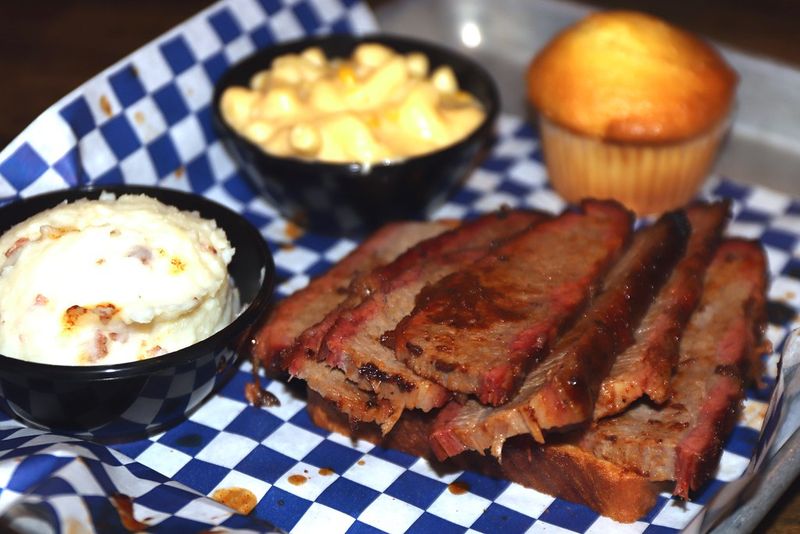
They sell midnight tending, but the slice bends like deli roast beef. Juices run gray, edges lack pepper bark, and the smoke ring is faint or suspiciously uniform.
Texture chews tight instead of melting, a clue it was cooked fast, chilled, and revived in hot broth.
Real brisket trembles and breaks under its own weight. Ask about prime grade, fat cap, and hours on oak.
If they quote yield percentages, you are in spreadsheet territory. Taste for pepper, salt, and real smoke.
When sauce seems mandatory, the pitmaster is probably a reheater with a thermometer.
Caesar salad
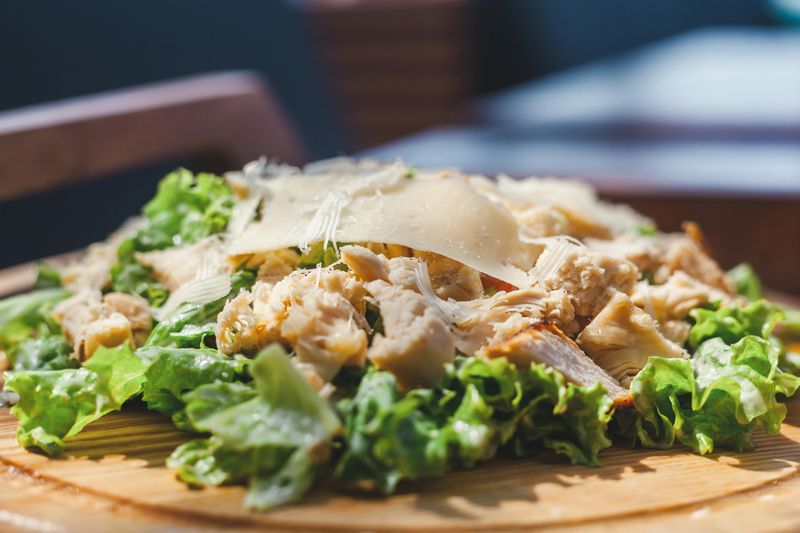
Tableside theater is implied, but the dressing tastes like jarred garlic and stabilizers. Romaine arrives pre-chopped and icy, with croutons that shatter like packaged snacks.
You miss anchovy depth and eggy silk, replaced by a uniform tang that survives hours because it was built in a plant.
Real Caesar is creamy yet delicate. Ask if they emulsify yolk, oil, and anchovy to order.
If the answer is house bottle, you know. Look for shaved Parm, not grated dust.
When every leaf shines identically and the lemon tastes fluorescent, your salad is a factory tour in disguise.
Garden salad
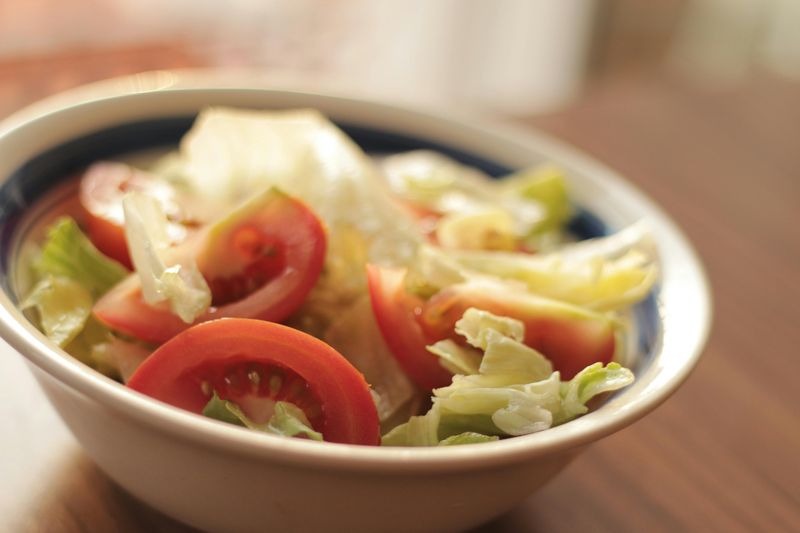
It claims farm-fresh, but the leaves feel cold and damp from sealed tubs. Tomatoes are pale and mealy, cucumbers perfect coins, and shredded carrots carry that bagged sweetness.
The mix crunches loudly without fragrance, which tells you it traveled far and spent days rehearsing for your plate.
Real salads smell green and peppery. Ask about local farms and cutting greens to order.
If they cannot name one, you have your clue. Look for irregular cuts and bruised edges from an actual knife.
When nothing tastes seasonal, the garden lived in a warehouse cooler, not a field.
Cheesecake
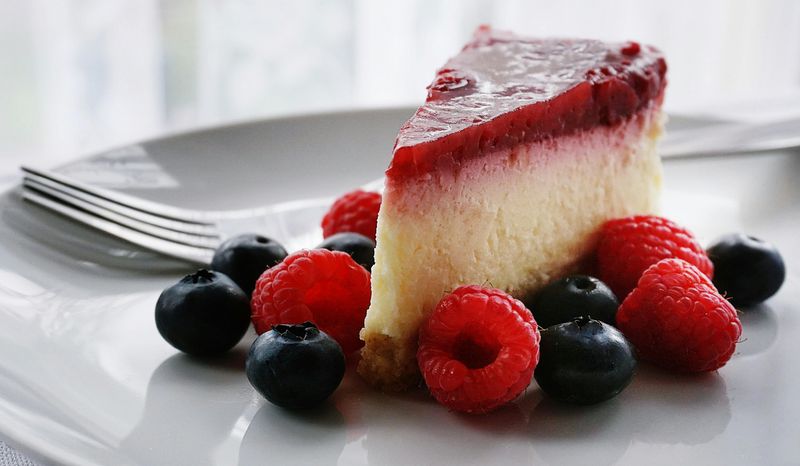
The menu promises New York richness, but the slice stands tall with aeration that screams whip. Texture is uniform, lemon is shy, and the crust tastes like prefab graham crumbs glued with margarine.
It holds at room temp too well, a giveaway that stabilizers are doing the heavy lifting.
Real cheesecake sighs when cut and softens at the edge. Ask about water baths and cream cheese brands.
If they mention thaw-and-serve, mystery solved. Taste for tang and dairy perfume.
When toppings carry the flavor and the cake seems springy, you are sharing dessert with a factory line.
Brownies
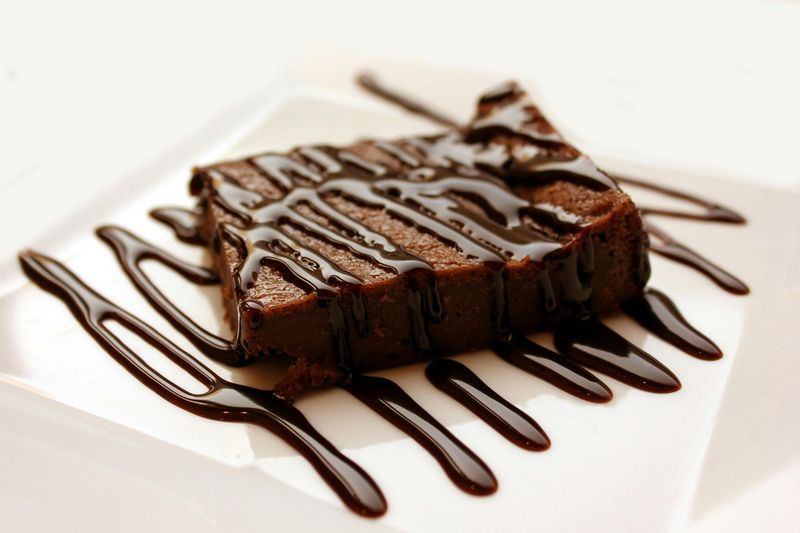
They read as fudgy, but the squares look cloned and wear identical shiny tops. The crumb is dry-chewy, with edges that taste more oil than butter.
Chocolate notes feel flat, like cocoa powder boosted by syrup, and there is no perfume of melted bar or toasted nuts.
Real brownies sink a touch in the center. Ask about melted chocolate, brown butter, and cooling time.
If they say thawed daily, you know. Taste for salt bloom and bittersweet finish.
When every bite is sticky yet hollow, you are eating a boxed mix upgraded with marketing words.
Chocolate cake
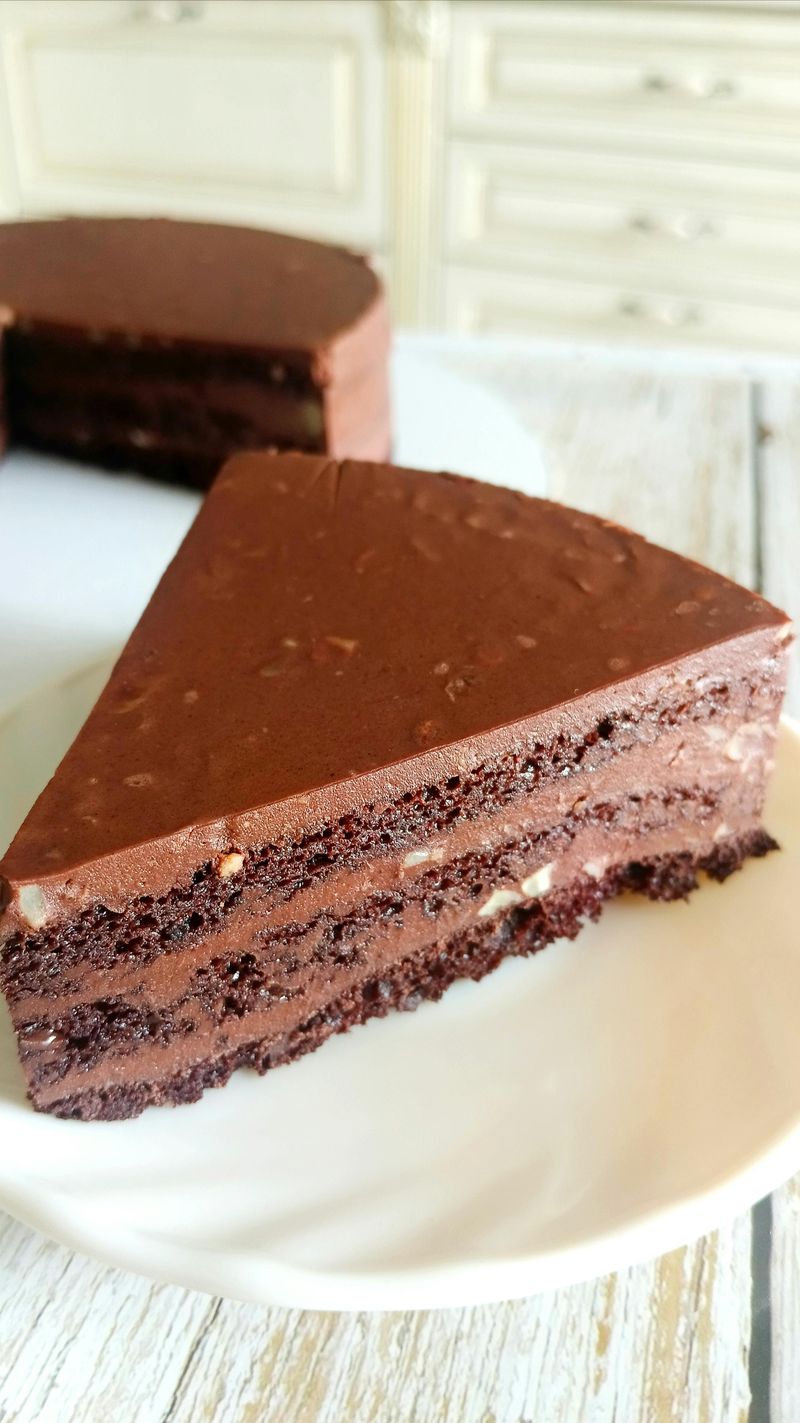
It promises bakery nostalgia, but the crumb is perfectly even and oddly springy. The frosting tastes whipped from shortening with cocoa, leaving a waxy coat instead of a chocolate rush.
Slices hold forever under heat lamps, which tells you stabilizers and syrups are running the show.
Real cake sheds a few crumbs and smells like coffee, vanilla, and cocoa blooming. Ask about buttermilk, hot coffee, and buttercream.
If they say pre-cut and layered in-house, that often means delivered frozen. Taste for melt and depth.
When sweetness shouts while chocolate whispers, the factory beat the baker.
Mashed potatoes
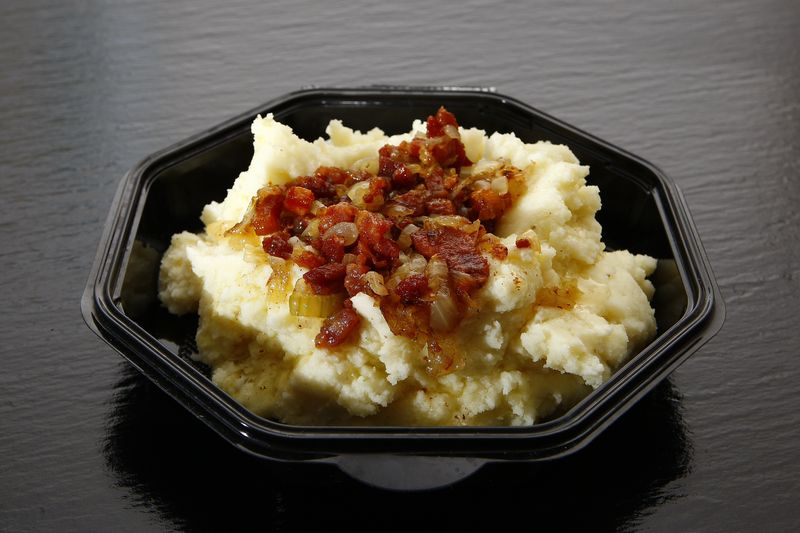
They promise buttery, hand-mashed comfort, but the texture gives it away. Uniformly smooth, a little gluey, and oddly consistent from plate to plate, these potatoes often come from dehydrated flakes whisked with hot water and margarine.
You taste salt first, not real cream or potato.
Watch for perfect quenelles and no lumps anywhere. Real mash has tiny potato freckles, steam, and a whisper of irregularity.
If it holds a spoon upright like spackle, you know. Ask if they use russets, fresh butter, and a ricer.
When the server hesitates, you already have your answer, and the gravy will not help.
Soup of the day
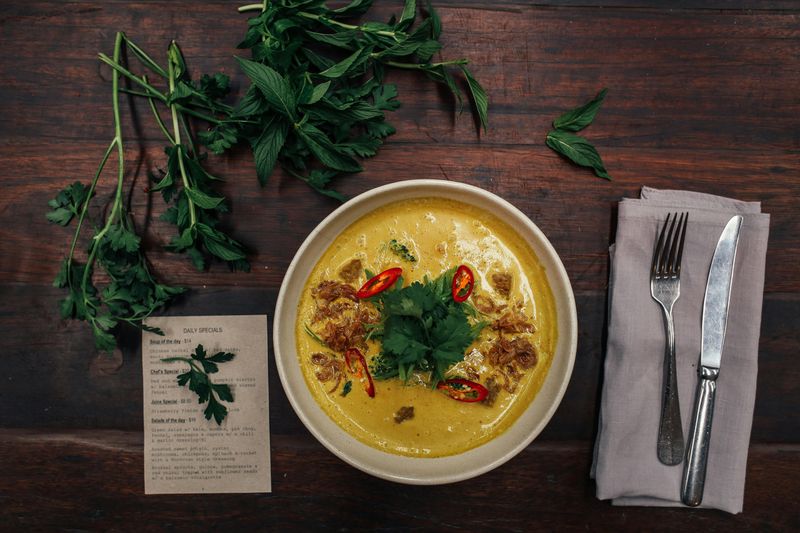
It sounds cozy and spontaneous, but the flavor feels mapped by a corporate lab. The broth is salty-sweet, vegetables are perfectly cubed, and every bowl tastes identical no matter the season.
You notice a slick mouthfeel that whispers concentrate, not bones slowly simmered on the back burner.
Ask what inspired today’s pot. If the answer is delivery schedule, brace yourself.
Real soup shifts with scraps, herbs, and whim. Factory batches ride stabilizers, so heat lingers without depth.
If your spoon catches gelatinous gloss yet the stock lacks aroma, it likely arrived in a bag, ready to warm.