



You can tell a lot about someone by how they behave at a restaurant. Little habits leave big impressions, and people notice more than you think. If you want smoother service and better company, a few thoughtful tweaks go a long way. Here are the habits that quietly drain respect, plus how to avoid them so you feel confident every time you dine out.
Snapping fingers

Snapping at a server broadcasts impatience and entitlement. It reduces a person to a summonable accessory rather than a professional doing demanding work. You might feel overlooked, but finger snaps make everyone around you cringe.
There are better ways to get help. Catch the server’s eye with a small wave, or simply wait a beat until they pass again. If timing is crucial, politely say excuse me when they’re near.
Respect travels both directions. When you treat staff like partners, they will often move mountains for you.
Talking loud

Volume creeps up when conversations get exciting, but a restaurant is shared space. Shouting over music or dominating the room steals comfort from tables that came to relax. Loud talk reads as self importance and disregard.
You can fix it without killing the vibe. Lean in, lower your voice, and let the moment feel intimate. If the room is noisy, ask the host for a quieter spot.
Your friends will appreciate the calm, and staff will, too. Keeping voices measured signals you understand you are part of a community, not the main event.
No tipping
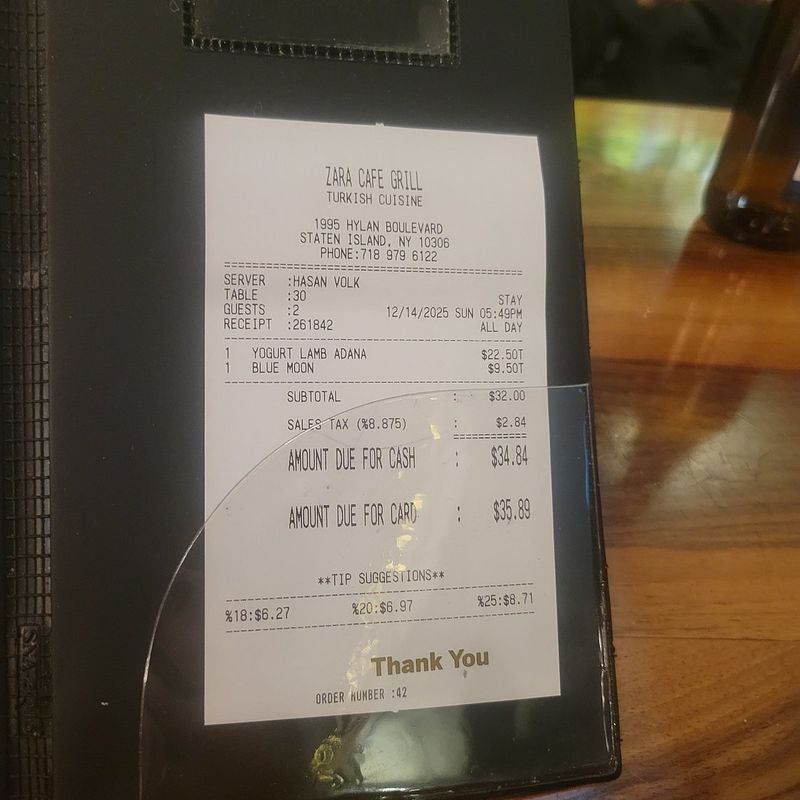
Skipping the tip feels like a silent punishment to the person who carried your night. In many places, tips are a significant part of income, and no tip reads as disregard. Even when service stumbles, a baseline tip acknowledges effort.
If something truly missed the mark, speak kindly to a manager. Give specific feedback and allow a fix. You can still leave a modest tip while addressing concerns.
Consistent tipping shows gratitude and maturity. It tells staff you see the work behind your meal and respect their time.
Sending food back
Sometimes a dish is wrong or poorly executed, and sending it back is reasonable. The respect line is crossed when tone turns accusatory or dramatic. Making a scene punishes the wrong people and ruins nearby tables’ experience.
Be clear and calm: This was supposed to be medium, but it’s rare. Could you please have it redone. Offer the plate back immediately. Thank the server for the help.
Most kitchens want to make it right. Politeness gets your fix faster and keeps dignity intact for everyone involved.
Changing orders
Swapping sides happens, but rewriting a dish into something entirely different strains the kitchen. Long substitution lists slow service for everyone and risk disappointing results. It signals distrust of the chef’s intent and creates stress.
Pick places that match your preferences, then order as designed. Ask about simple swaps instead of complex rebuilds, and accept no when a dish cannot be changed. If allergies exist, state them clearly at the start.
Respecting the menu respects the team’s workflow. You get a better meal, and the room runs smoother for all.
Splitting bills

Endless math at the table kills the mood and jams the payment system. When splitting devolves into penny counting, it reads cheap and inconsiderate to staff and friends. The server becomes an accountant instead of a host.
Decide the split before ordering. Use one or two cards, then settle the rest through an app afterward. If itemizing is necessary, keep it quick and organized.
Clarity shows respect for everyone’s time. Smooth payments leave a final impression that you are thoughtful company worth meeting again.
Asking for freebies
Fishing for complimentary extras turns a pleasant meal into a negotiation. Staff hear those hints all night, and it signals you value perks over people. Freebies are lovely when offered, but asking can feel like cornering someone.
If you want more, order it. Celebrate the special occasion without pressuring the team to comp something. When the house gifts you, receive it graciously and say thank you.
Generosity is the restaurant’s decision. Let surprises stay surprising, and your reputation stays generous, too.
Ignoring the menu
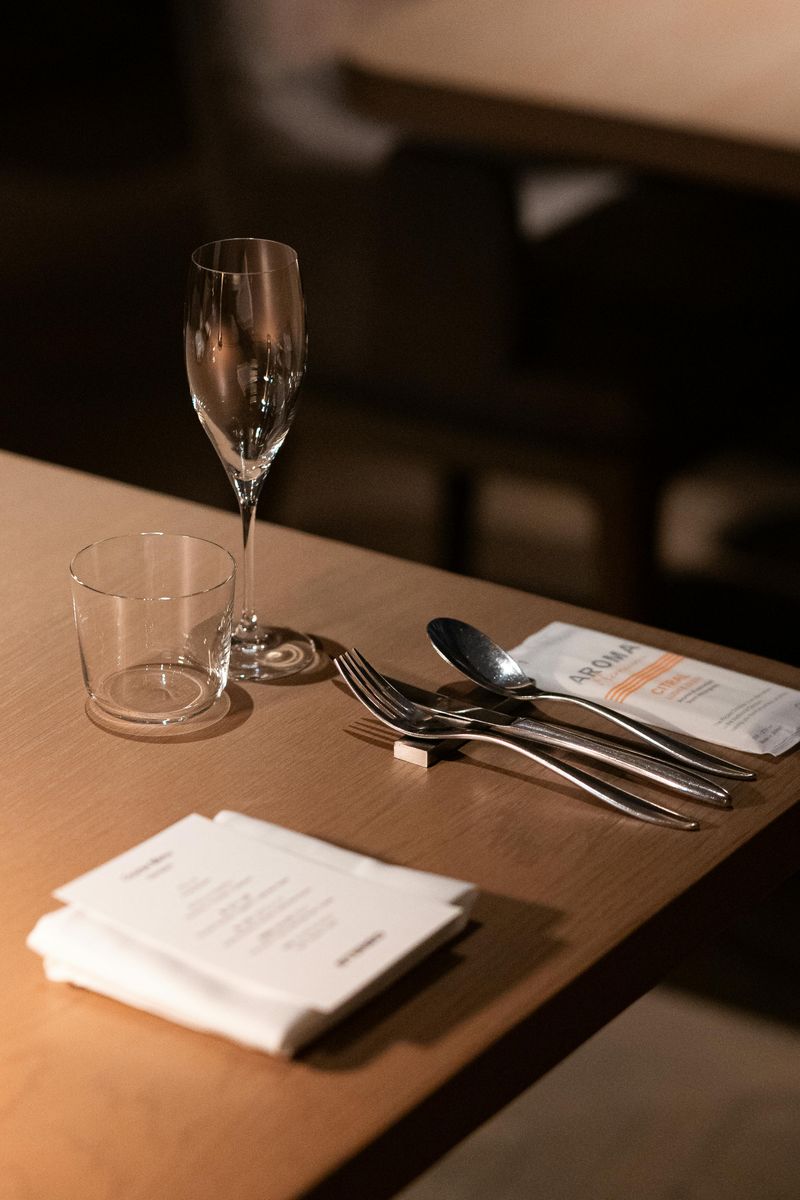
Menus are roadmaps. Asking about every listed detail communicates you did not bother to read, and it slows service for the whole room. It comes off as careless and demanding.
Scan the menu first. If something is unclear or you have allergies, then ask focused questions. Servers love helping curious guests who respect their time.
Reading shows engagement and maturity. You get faster, better answers, and the team can keep the evening moving for everyone else as well.
Phone on speaker

Speakerphone turns your table into a stage and drags strangers into your conversation. It is disruptive, rude, and signals that the people with you matter less than whoever is on the line. Even quick calls feel long in a dining room.
Step outside or use headphones away from the table. Better yet, let the call go and text later. Protect the shared atmosphere.
Silence shows respect and presence. Your companions will feel valued, and staff will appreciate the peace you helped maintain.
Messy table

Chaos on a table slows service and sends mess onto floors, seats, and neighboring guests. It signals carelessness and makes clearing exponentially harder. No one expects perfection, but a disaster zone is avoidable.
Stack plates neatly, contain spills with napkins, and hand over trash when the server swings by. Ask for extra napkins if needed and use them. Keep personal items compact.
Small tidiness shows consideration. The team works faster, your space feels better, and people around you appreciate the shared cleanliness.
Arriving late
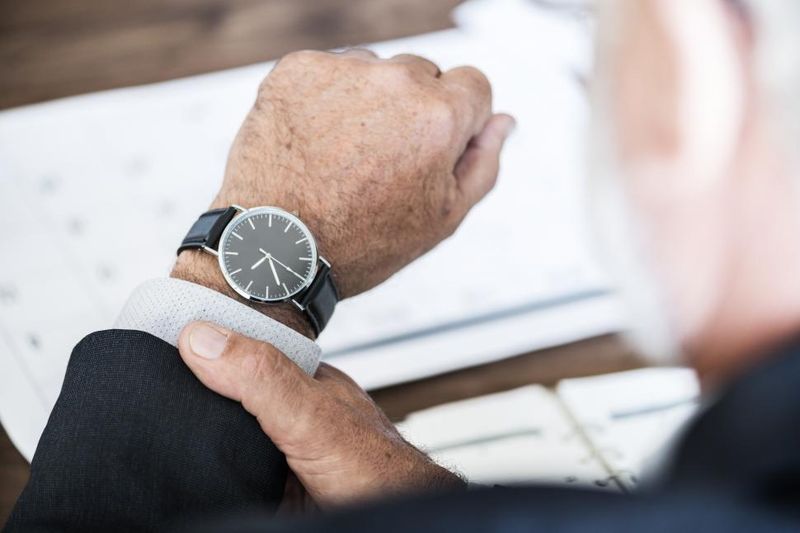
Being late without notice strands a table and scrambles the seating chart. It wastes a prime slot and backs up service for guests who arrived on time. The message is your time matters more than everyone else’s.
If you are running behind, call. Give an honest ETA, or release the reservation entirely. Apologize upon arrival and reset with kindness.
Punctuality keeps the room humming. When you respect the schedule, the restaurant can deliver its best to you and others.
Camping tables
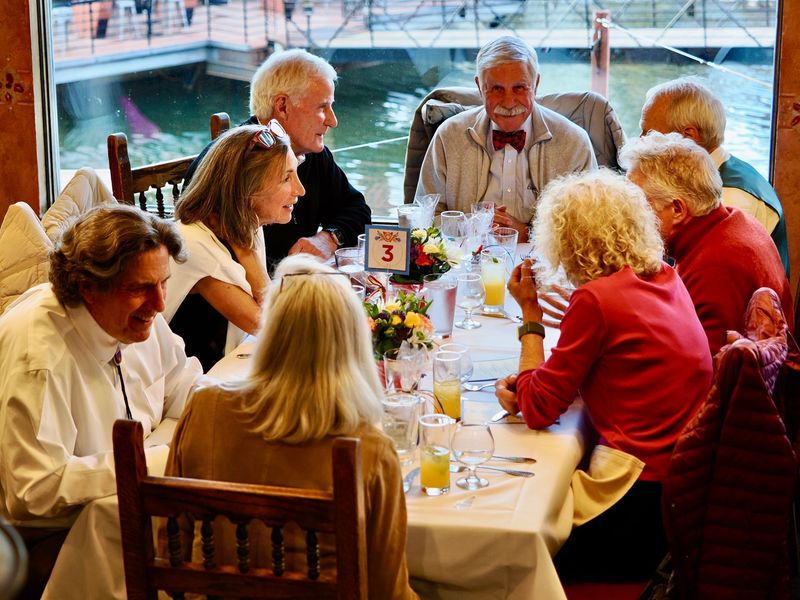
Sitting long after the bill clears locks a table that the next party needs. It chokes the flow of service and tips, and it feels inconsiderate on busy nights. Lingering can be lovely, but timing matters.
Read the room. If there is a wait, move to the bar or take a walk. Ask if it is okay to linger when things are slow.
Leaving gracefully helps everyone. You will be welcomed back warmly because you kept the evening fair.
Complaining nonstop
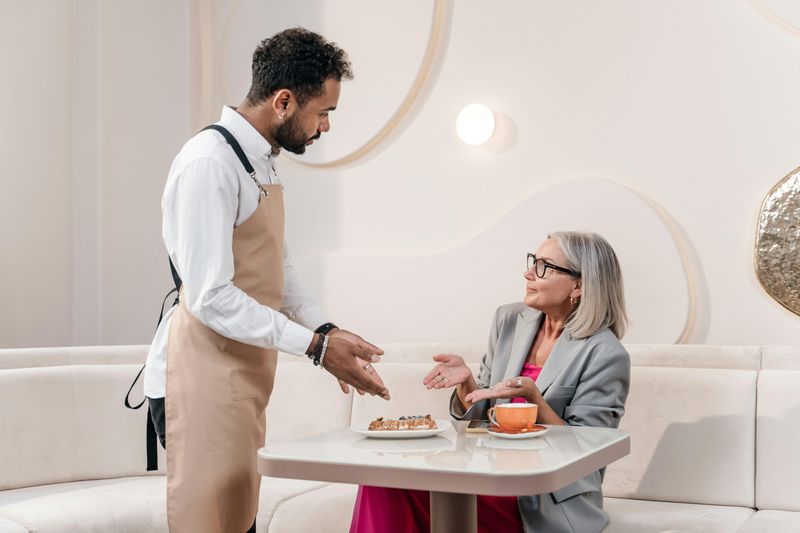
Pointing out every flaw turns dinner into a gripe session. It drains your table’s energy and burdens the staff who cannot change the past. It signals a habit of negativity, not high standards.
Pick your spots. Offer clear, constructive feedback once, then let the team respond. Enjoy what works, and move on.
Graciousness is memorable. People trust diners who balance honesty with perspective, and restaurants do their best work for them.
Kids running
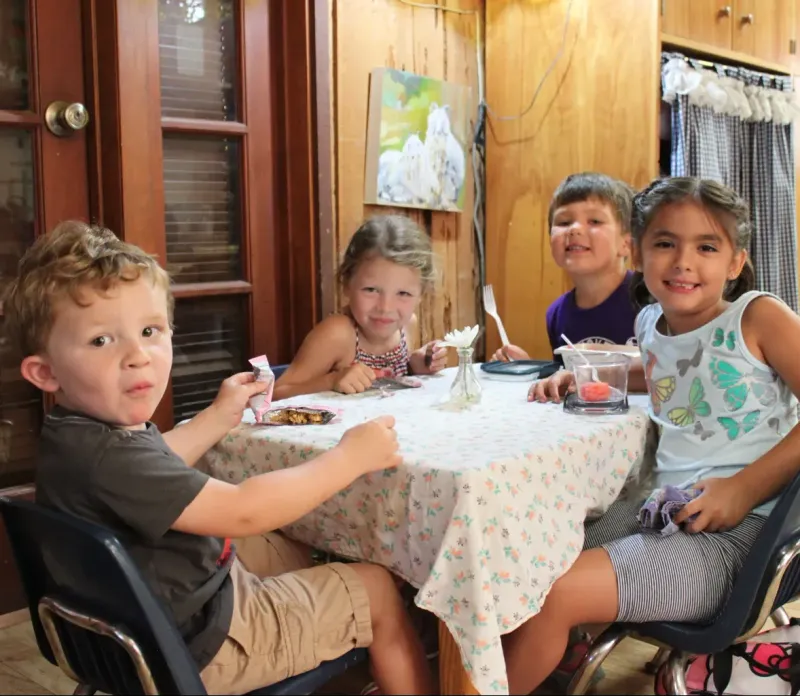
Kids need space, but dining rooms are full of hot plates and fast moving staff. Running risks safety and disturbs other guests. It reads as checked out parenting, even if you are exhausted.
Bring quiet activities, set expectations early, and take movement breaks outside if needed. Praise good behavior and keep meals shorter when possible. Ask for a corner table for wiggle room.
When children succeed, everyone relaxes. You model respect for shared spaces and keep the night accident free.
Interrupting server
Interrupting derails the flow and scatters information you need. Specials, allergens, and timing cues get lost when you jump in too fast. It signals impatience and disregard for the person guiding your meal.
Listen fully, then ask questions. Keep eye contact and let them finish a thought. You will order better and faster.
Good conversations have turns. When you give the server space to speak, they return the courtesy all night.
Arguing about price
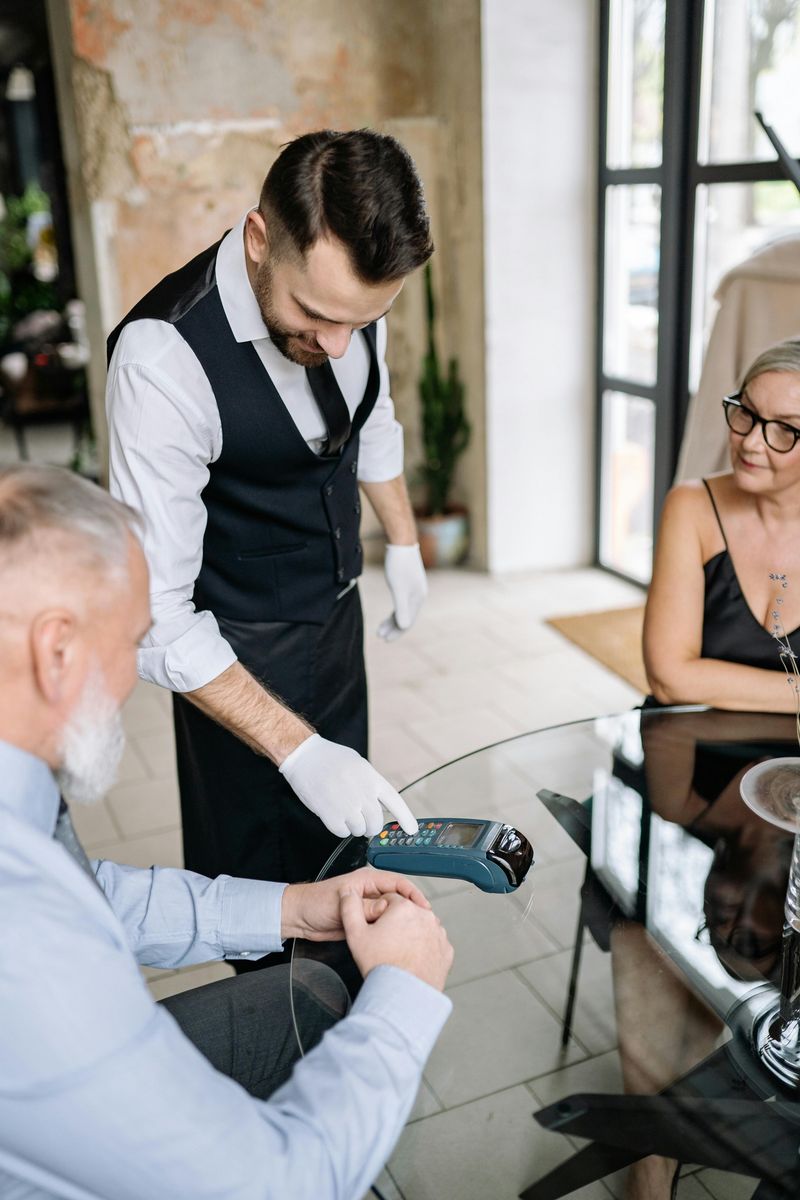
Prices are posted, and arguing after eating feels like moving the goalposts. It places frontline staff in an impossible bind and creates unnecessary tension. If costs matter, check the menu or ask beforehand.
Discrepancies happen. If something is incorrect, point it out calmly and invite a correction. Otherwise, choose a place that fits your budget.
Owning your choices earns trust. You look prepared, fair, and respectful of how restaurants survive.
Overordering
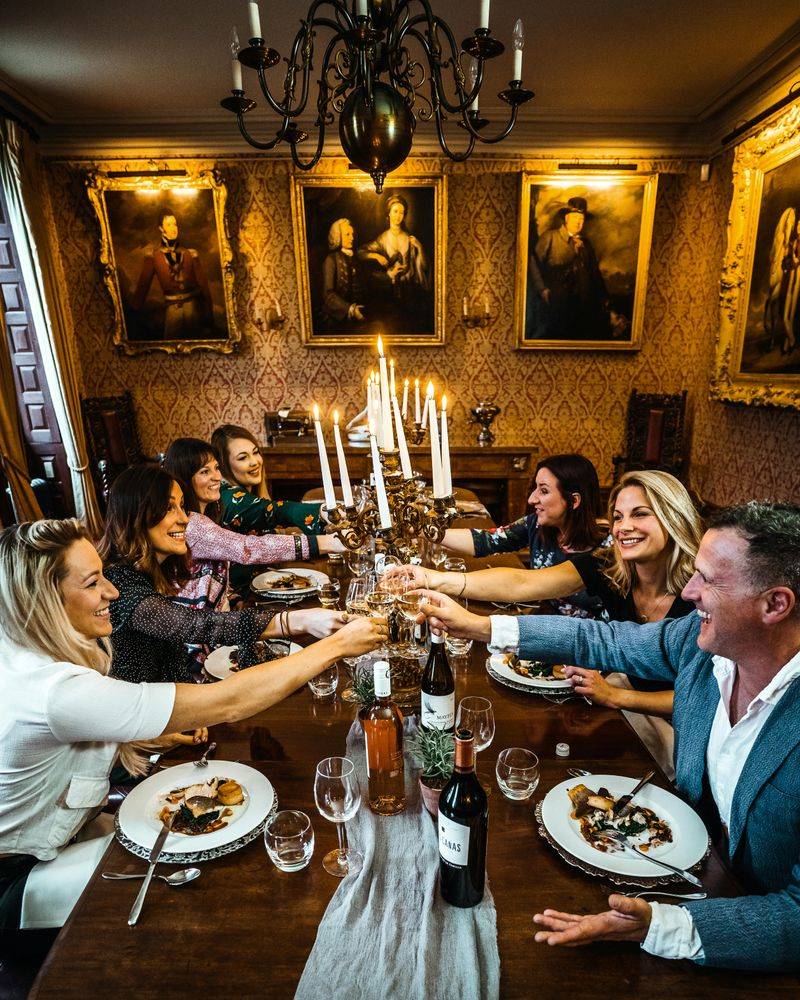
Ordering far more than you can eat wastes food and money, and it clogs the table so service slows. It can feel like showing off rather than savoring. Staff notice when plates return heavy.
Start modestly and add as you go. Ask about portion sizes and pacing so the kitchen can support a steady flow. Share plates to sample widely without excess.
Restraint reads as confidence. You enjoy food at its best and leave without waste or regret.
Underordering
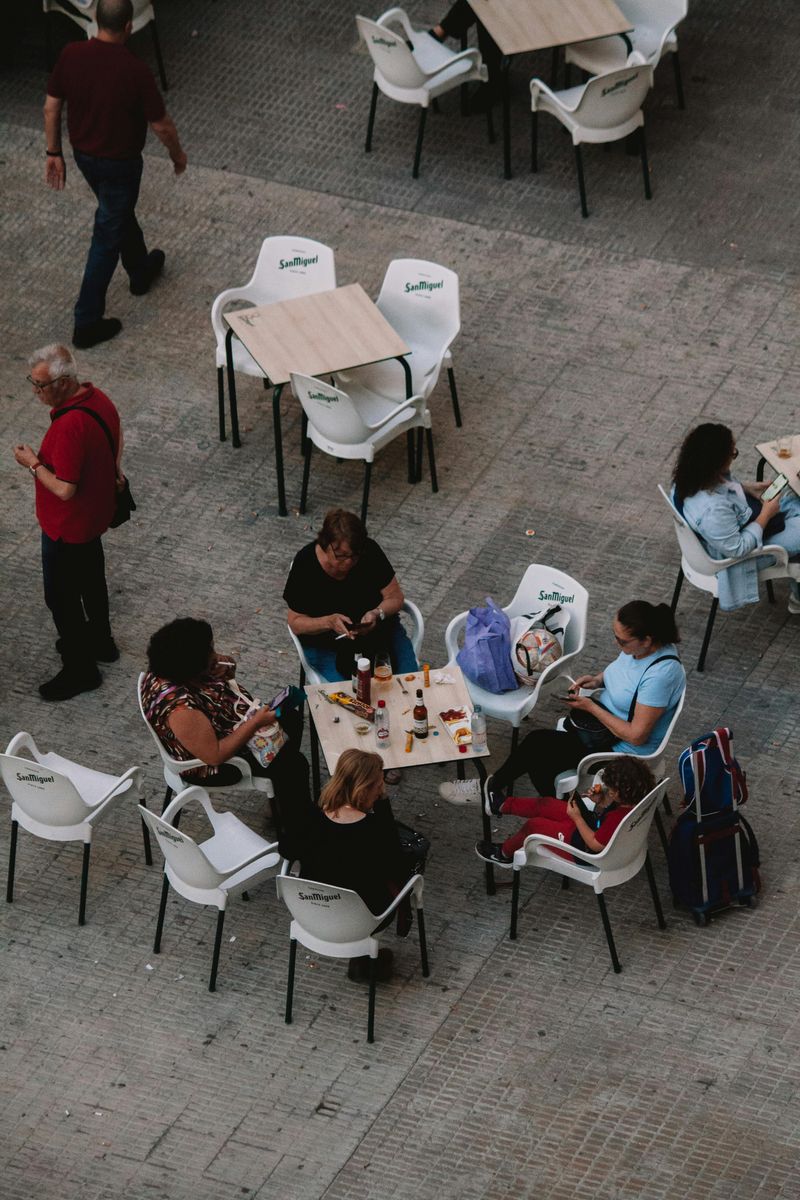
Nursing one appetizer for two hours ties up a table without supporting the business. It can feel like taking advantage of hospitality. Staff rely on reasonable orders to keep seats available and service fair.
If you are there to chat, choose a cafe or bar. Order something appropriate for the time you plan to stay, or keep the visit brief. Communicate with the team.
Balance earns goodwill. Spend in line with the space you occupy, and you will always be welcome.
Leaving trash
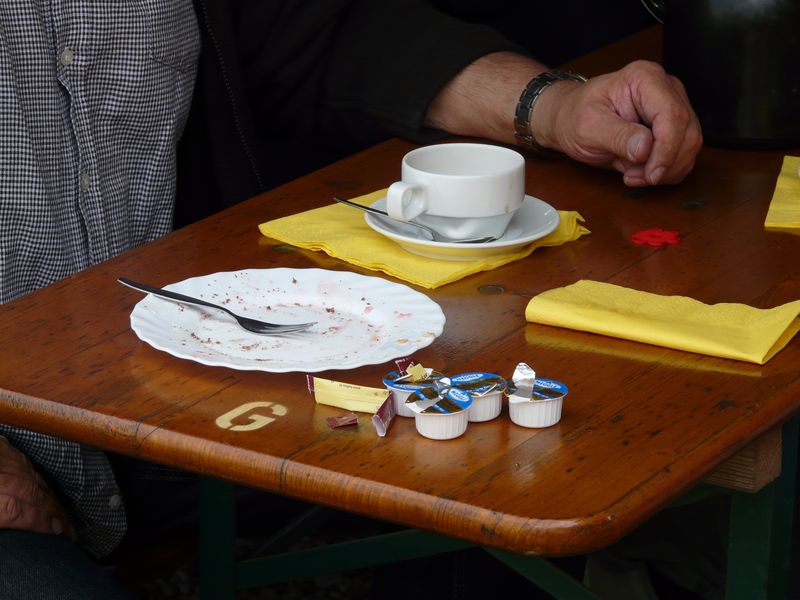
Abandoning trash under chairs or on floors sends a message that someone else is beneath you. It creates extra work and degrades the space for the next guest. Little bits add up to a big mess fast.
Gather disposables, hand them to the server, or place them neatly for pickup. Use bins near exits if provided. Treat the room like a friend’s home.
Clean exits are remembered. You leave a trail of respect, and people notice.
Filming food
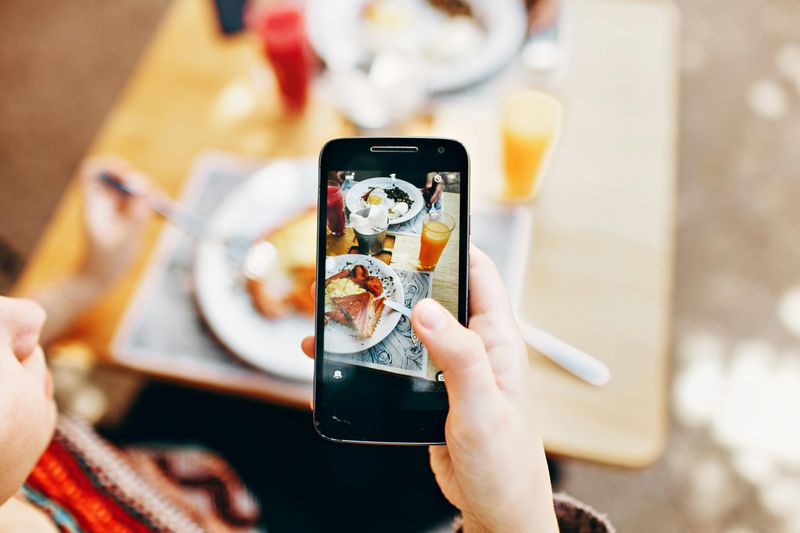
Capturing a memory is fine, but turning dinner into a mini film shoot can hijack the room. Bright lights, multiple retakes, and rearranging plates keeps others waiting and the food cooling. It reads as performance over pleasure.
Take two quick shots without flash and tuck the phone away. If you need more content, ask permission from staff and friends first. Keep it discreet.
Eating is the main event. When the moment stays human, not theatrical, respect follows naturally and the meal tastes better.