


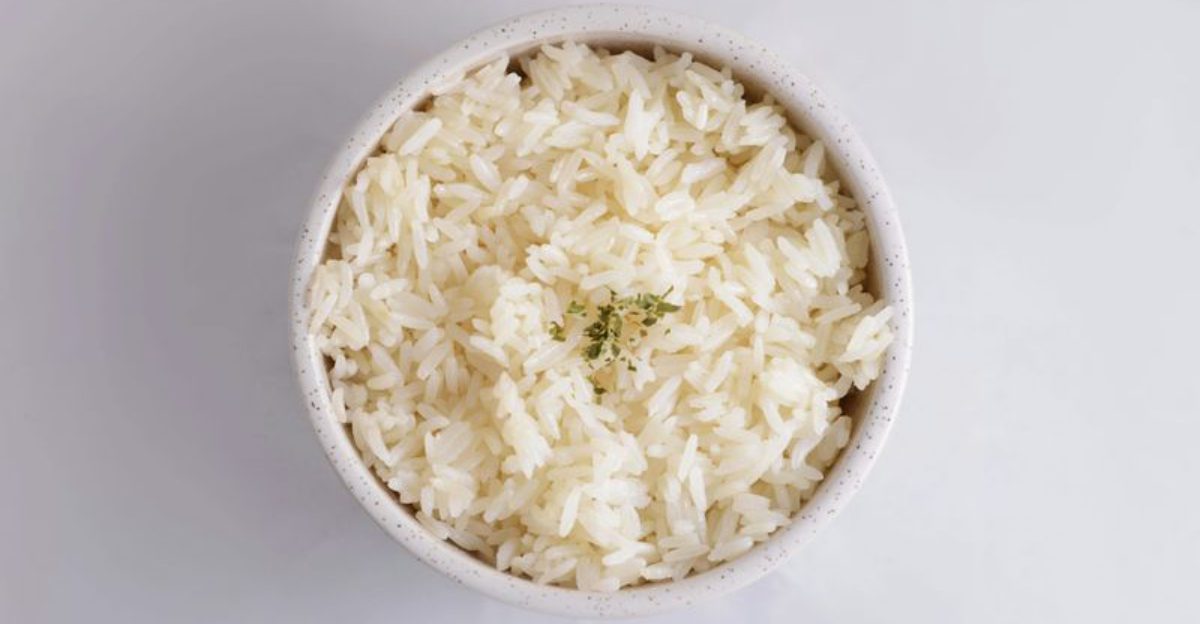
You can spot a shortcut the second your fork hits the plate. The textures feel off, the flavors fall flat, and the timing screams convenience over care.
Once you know the tells, you will notice them everywhere. Consider this your friendly guide to trusting your taste buds and sending lackluster bites back with confidence.
Microwaved mashed potatoes
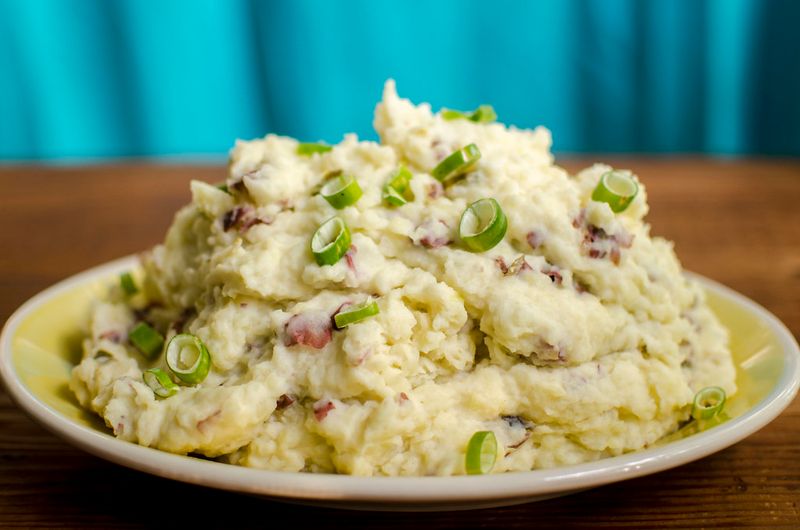
You know that oddly uniform texture that clings to the spoon like paste? That is a dead giveaway for microwaved mashed potatoes.
Steam pockets burn your tongue while the center stays cool, and the butter tastes separated, not whipped in. The skin flavor is missing, and the mouthfeel turns gummy after a few bites.
Real potatoes carry lumps, steam lightly, and smell like dairy meeting starch. When shortcuts happen, you taste boxed flakes, sour notes, and that rubbery elasticity.
Ask for gravy on the side, because thin, hot gravy often hides reheats. If you spot perfect quenelles arriving tablewide, you can safely suspect a zap.
Bagged salad mix
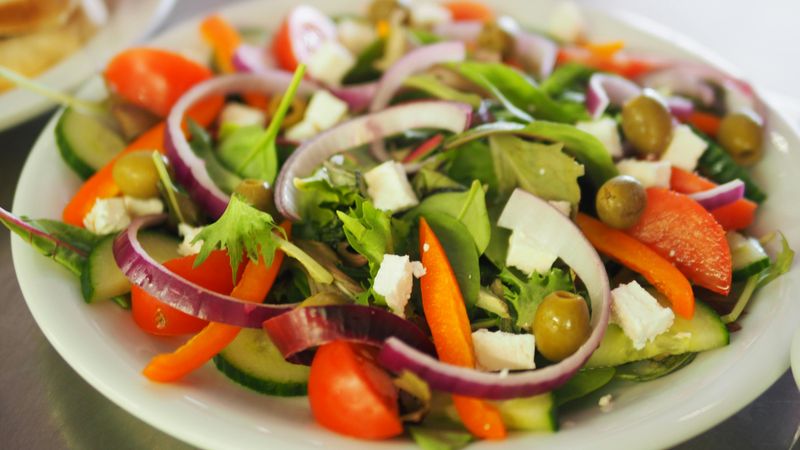
Bagged salad mixes look tidy but taste tired. You notice carrot shreds and cabbage strips repeating like copy and paste, with lettuce cores turning pink or brown at the edges.
The greens feel dry on the outside yet waterlogged underneath, and the dressing slides off instead of clinging.
Freshly cut salads smell bright and snap when you bite. When that snap is gone, you are eating convenience, not care.
Ask for dressing on the side and look for whole-leaf options. If the side salad tastes like airplane food, you can bet it came prewashed and sealed days ago.
Frozen desserts
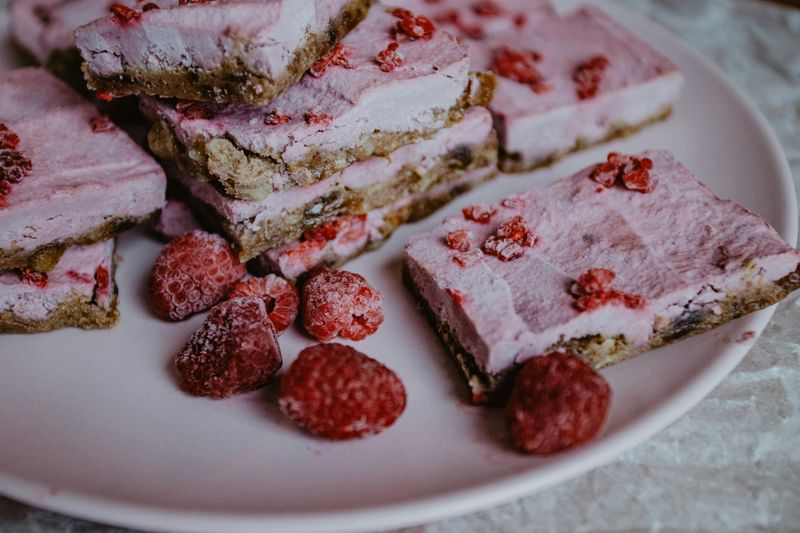
The first clue is temperature whiplash. Your fork hits a frosty edge, then sinks into a slushy middle that bleeds water onto the plate.
The crust tastes sandy, not toasty, and a syrupy topping tries to distract with sweetness instead of nuance.
Housemade desserts feel balanced, warm slightly at the edges, and carry aromas beyond sugar. When you taste freezer, you will know.
Look for condensation rings and icy crystals on chocolate or glaze. If every dessert is available in identical wedges, arriving in under two minutes, you are almost certainly meeting a box that came straight from the walk-in.
Premade sauces
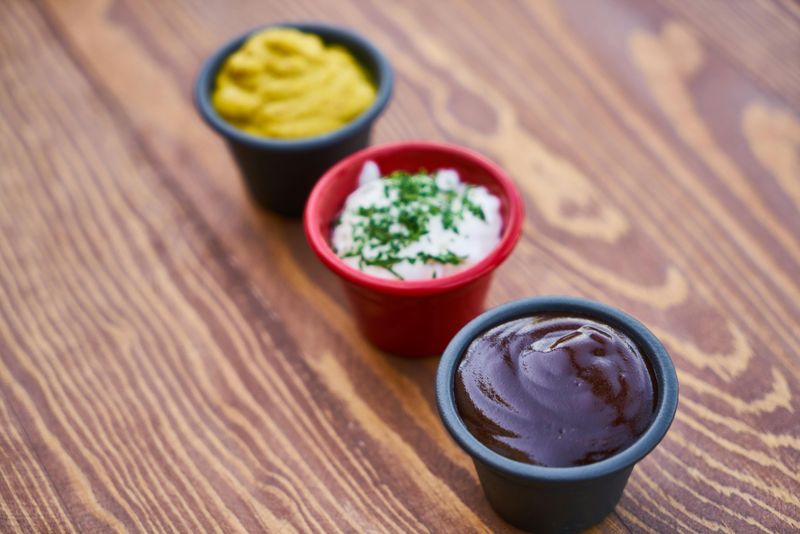
Premade sauces give themselves away with sameness. The color looks flat, the flavor sits only on the surface, and a thin skin forms if the ramekin lingers.
You taste salt first, then sugar, with no warm middle where aromatics and fond should live.
Fresh sauce blooms in waves and clings silkily. When shortcuts happen, oil separates, specks float without purpose, and acidity feels sharp instead of woven.
Ask about the reduction or the stock base. If every entree wears the exact same glossy coat, you are likely getting ladled convenience from a hotel pan rather than something whisked to order.
Old frying oil
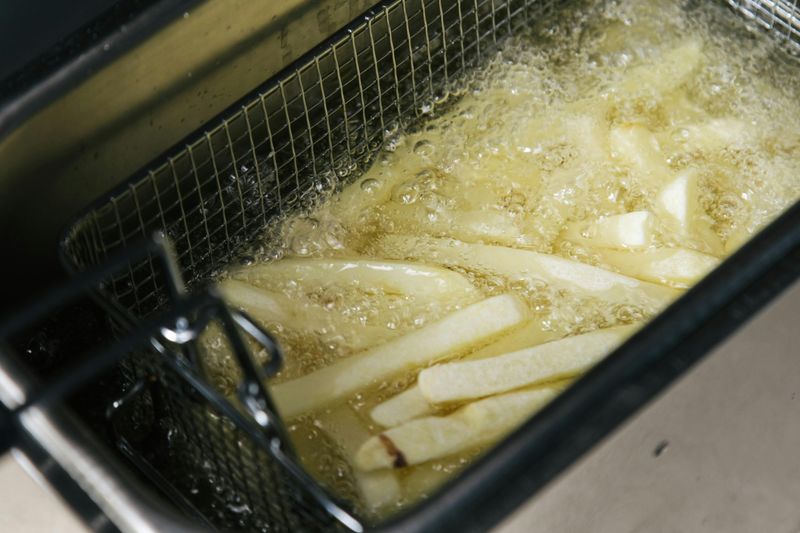
You taste old oil as bitterness that lingers past the salt. Fries or cutlets wear a too-dark jacket with tiny black freckles, and the crunch collapses into soggy chew.
Your mouth feels coated, not cleansed, and any delicate seasoning gets bulldozed.
Fresh oil gives clean snap and a light, toasty aroma. When shortcuts happen, kitchens stretch oil far beyond its peak to save costs.
Check for smoky dining rooms, tacky tables, and heavy smells clinging to clothes. If fried foods all taste the same and finish with a throat scratch, you are eating yesterday’s fryer in today’s basket.
Pre portioned pasta
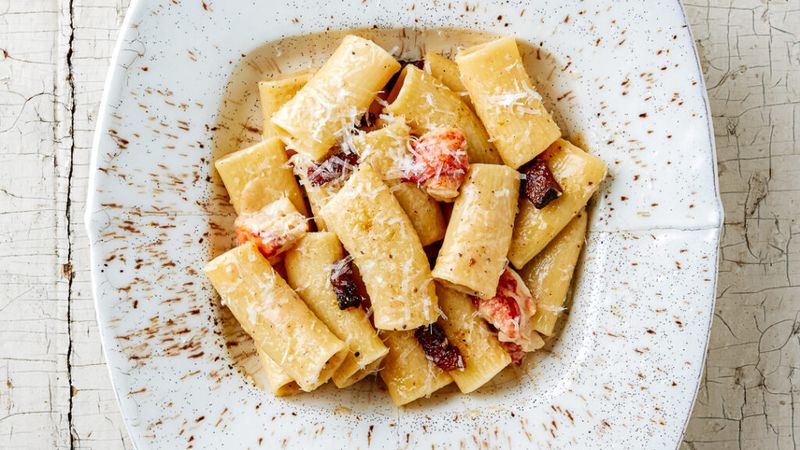
Pre portioned pasta feels oddly tidy. Noodles arrive in perfect nests with broken ends, and the sauce sits under rather than marrying with the pasta.
You taste heat from the sauce but a lukewarm core in the noodles, like they were dunked briefly to wake up.
Great pasta finishes in the pan, absorbing flavor. When shortcuts happen, you get slick surfaces, watery pooling, and seasoning that slides off.
Look for clumps that pull free like a bundle. If plates land too fast with copycat twirls across the room, chances are those portions came out of cold bins and took a quick bath.
Watery gravy
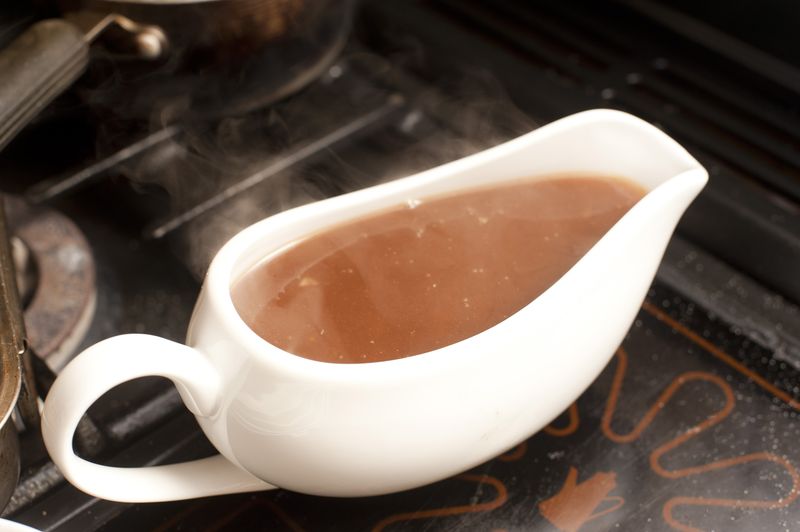
Watery gravy announces itself the second it runs for the plate’s edge. The color looks pale, the flavor tastes like salt and starch, and it cannot cling to meat or potatoes.
You might see tiny white flour bursts and a glossy, hollow sheen.
Good gravy is body, not puddle. When shortcuts happen, cooks stretch pan drippings with water and a quick slurry.
Ask for a taste before drowning your food. If the gravy forms a moat around everything, cooling into a gel film without depth, you are dealing with shortcuts that value volume over flavor and texture where it matters.
Rubbery chicken
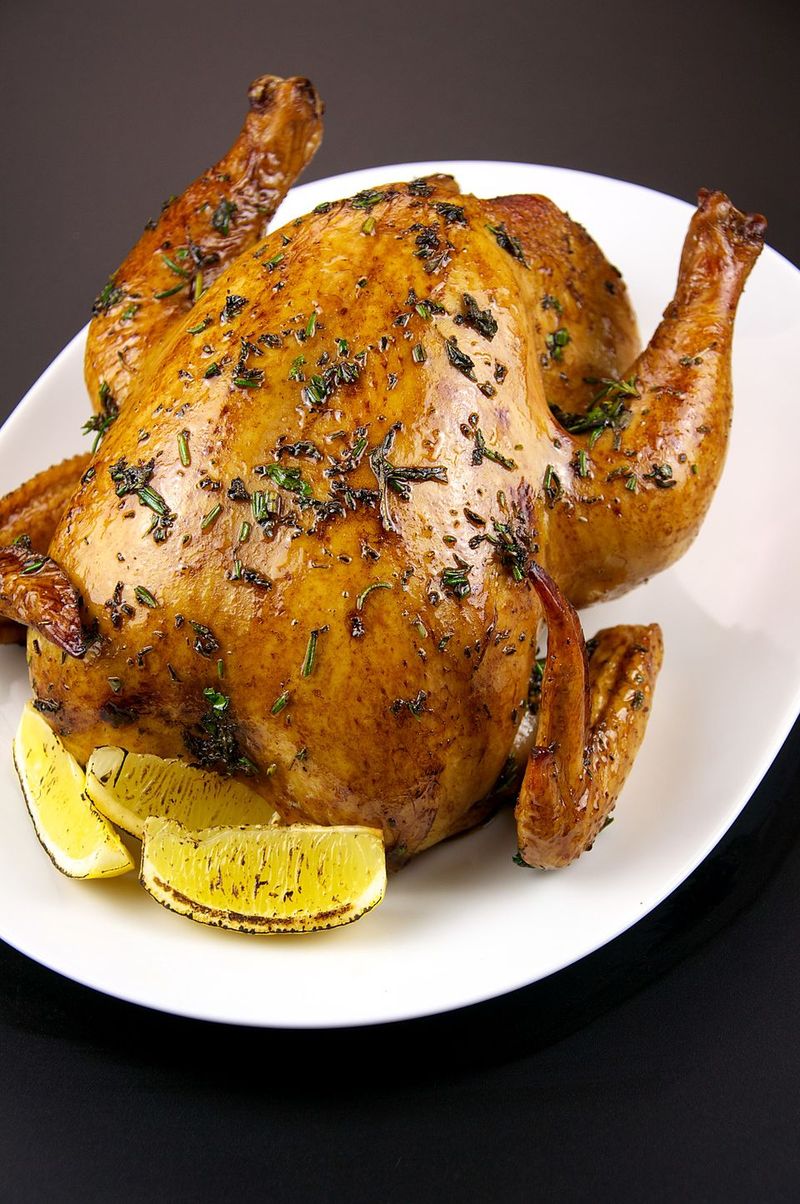
Rubbery chicken bounces back at your teeth. It squeaks slightly, sheds thin watery juices, and shows perfect but suspicious grill marks that taste like char without smoke.
The seasoning sits on the surface because the protein was cooked fast or reheated hard.
Properly cooked chicken feels tender and juicy throughout. When shortcuts happen, precooked breasts are parked in hot boxes, then finished on a grill to order.
Cut across the grain and check the fibers. If the slices look uniform, glossy, and springy with a dense white core, you are meeting efficiency, not a bird that was cared for in the pan.
Frozen fish fillets
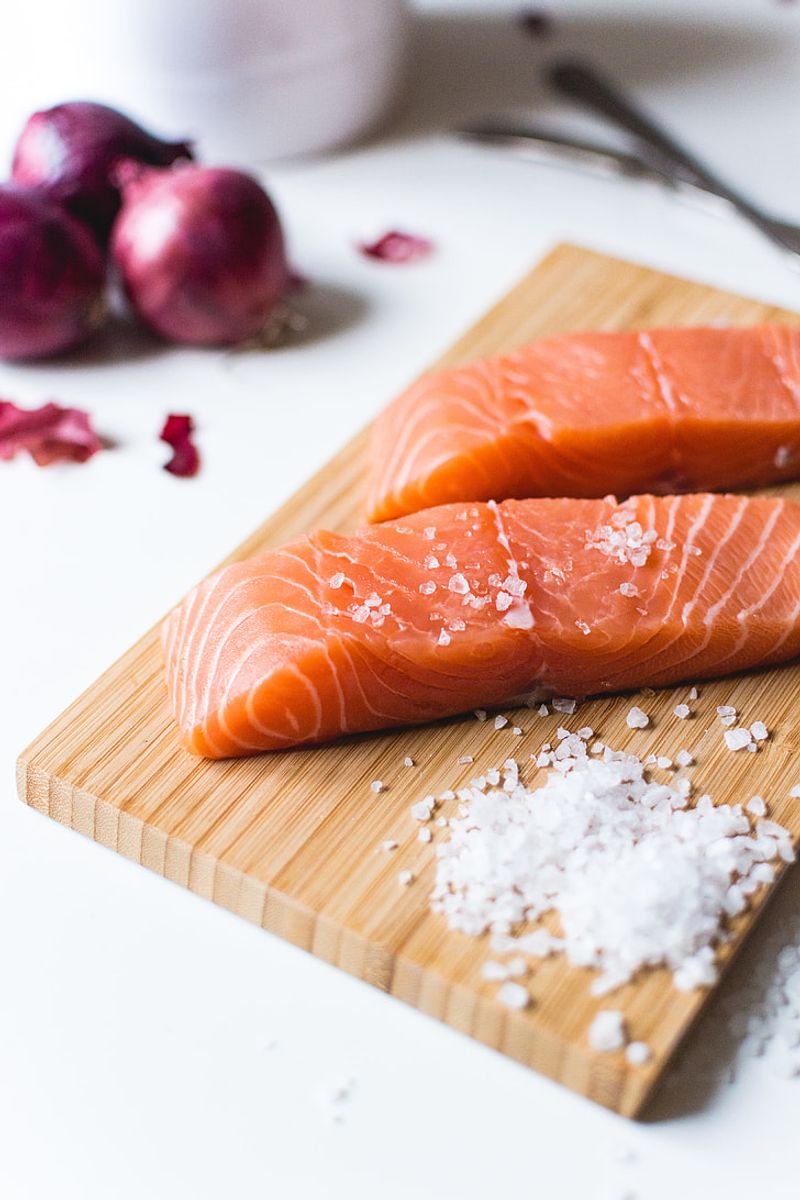
Frozen fish gives itself away with uniform shapes and thick armor. Bite in and the crust separates from the fillet, revealing a steamy gap where ice once lived.
The flavor is timid, more breadcrumb than sea, and the flakes compact instead of lifting.
Fresh fish breaks gently and smells like clean tide. When shortcuts happen, everything tastes identical, whether advertised as cod or pollock.
Look for aggressive breading and identical lengths. If the kitchen hesitates when you ask about the species or sourcing, you are likely eating a bulk box that traveled more freezer miles than honest minutes in a pan.
Reheated bread
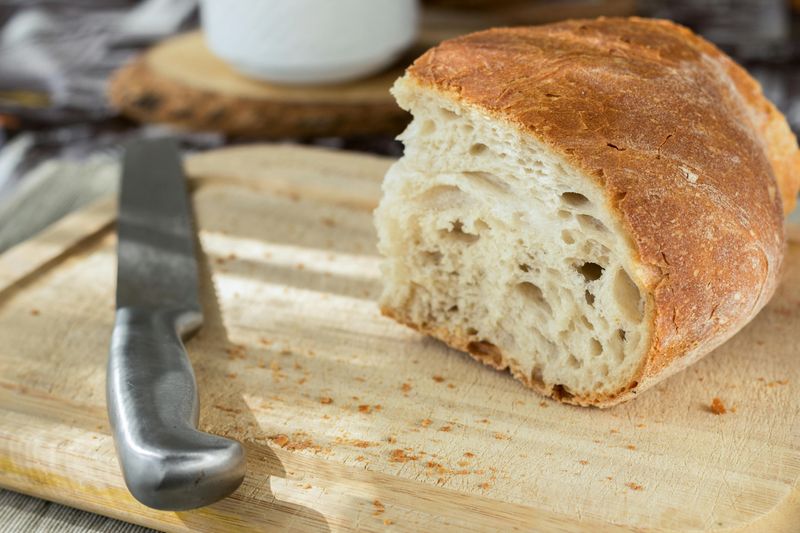
Reheated bread smells warm but tastes sleepy. The crust turns leathery, not crisp, and the crumb feels damp near the surface while oddly dry inside.
You notice condensation if it arrived wrapped, and butter refuses to melt evenly.
Fresh bread crackles and releases steam that smells alive. When shortcuts happen, servers race microwaved rolls to the table before they toughen.
Tap the bottom for a hollow thump. If it thuds and tears instead of shattering lightly, or if every basket carries identical rolls, you are nibbling convenience that briefly met heat rather than true, fresh-baked comfort.
Cheap butter packets
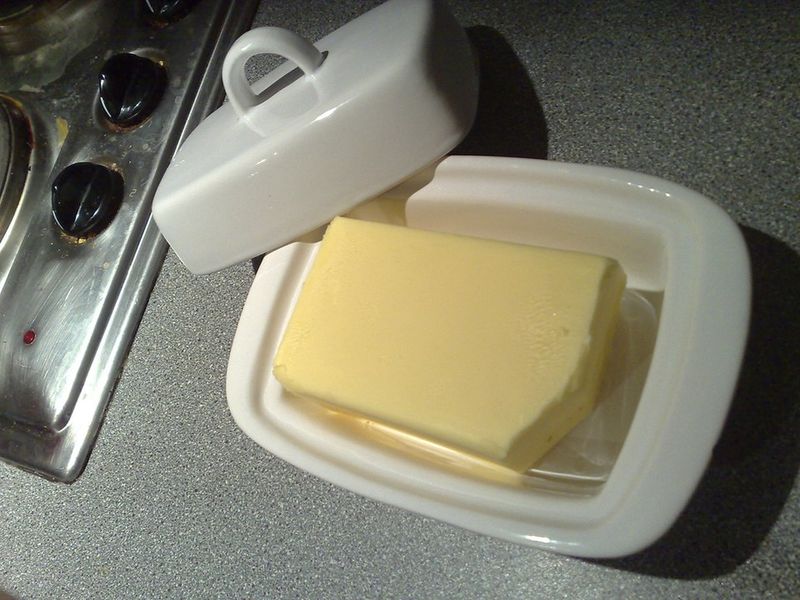
Cheap butter packets shout shortcut before you peel the foil. The butter is pale, waxy, and rock hard or strangely oily at room temperature.
When you spread, it tears the bread instead of melting into it, and the flavor tastes flat, almost plasticky.
Quality butter arrives softened or whipped, sometimes sprinkled with salt flakes. When shortcuts happen, you get generic single-serves saved for speed and cost.
Ask for olive oil if you must. If a place touts farm-to-table yet drops icy packets, you are seeing the mismatch on your bread plate before the entree even arrives at your seat.
Powdered eggs
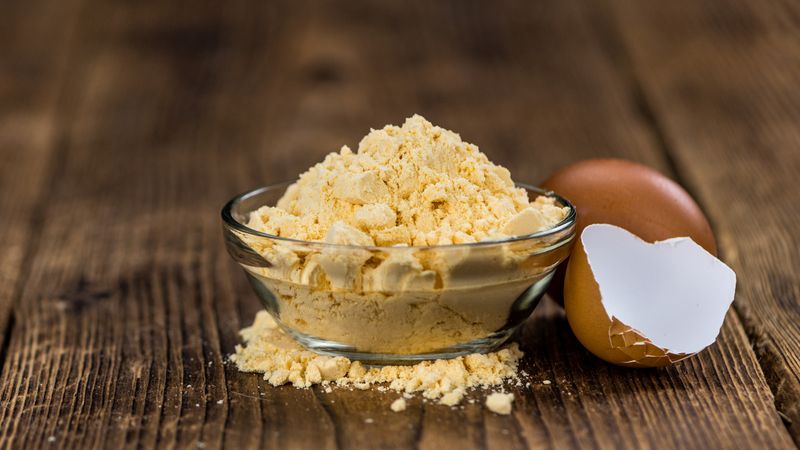
Powdered eggs look too even. Curds form small, uniform pebbles that taste dry outside and strangely bouncy inside.
The aroma leans sulfurous without buttery lift, and a faint chalkiness lingers as you chew.
Real scrambled eggs are tender, glossy, and a little unpredictable. When shortcuts happen, kitchens reach for shelf-stable mixes that hold forever but taste like yesterday.
Ask for over easy or poached if you suspect a mix. If the scramble arrives in minutes, ultra bright yellow, perfectly pebble-like, and unseasoned beyond salt, you are eating a cost saver, not comfort cooked low and slow.
Canned vegetables
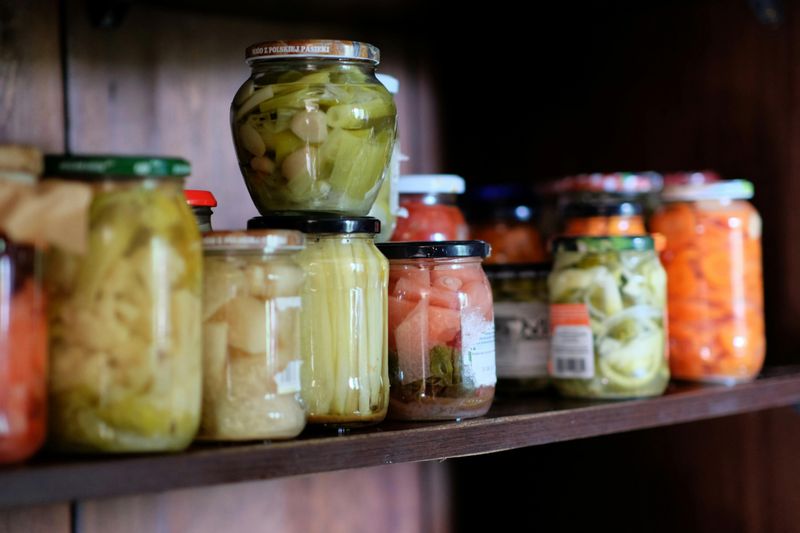
Canned vegetables lose their backbone. Green beans arrive olive dull, carrots taste syrupy, and corn gives off a metallic echo.
Textures blur into one soft note, and the cooking liquid pools like lightly salted water around the edge.
Fresh or well-frozen veg keep color and snap. When shortcuts happen, kitchens open tins to patch sides cheaply.
Ask how the vegetables are prepared. If the flavor feels tinny and the bite collapses without resistance, you are eating pantry stock, not a seasonal side.
Your palate notices, even when heavy butter or bacon tries to dress the truth.
Pre shredded cheese
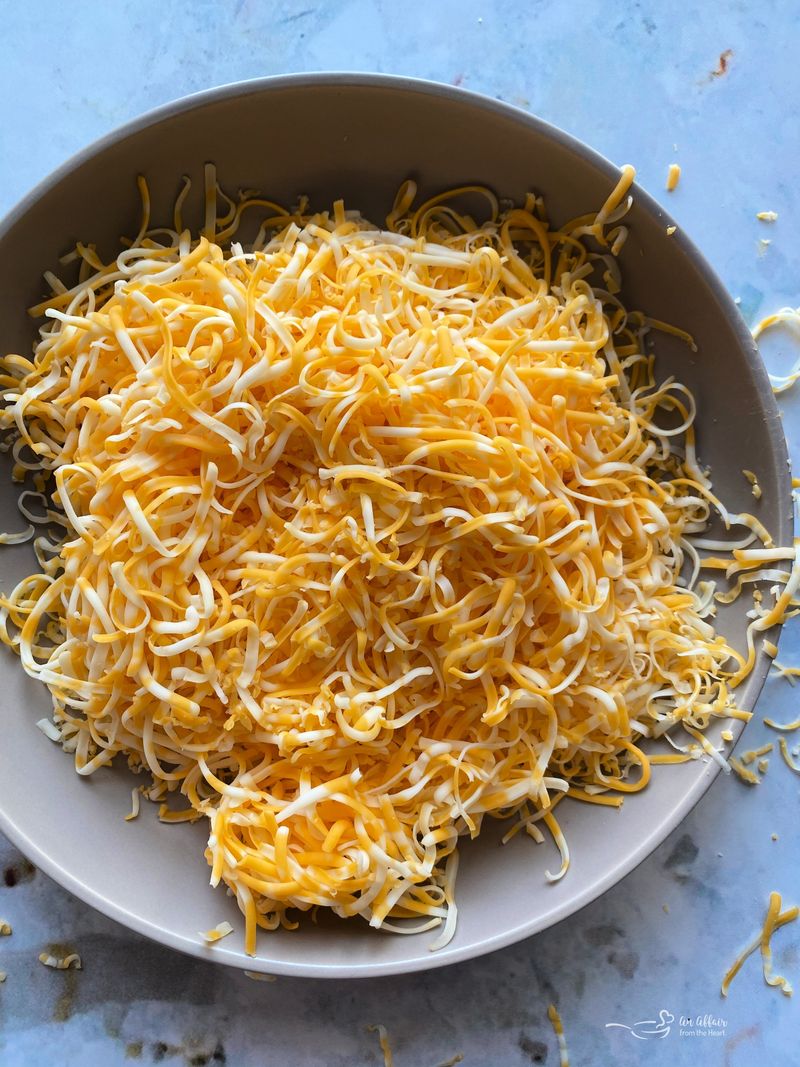
Pre shredded cheese tells on itself with powdery coats. The anti-caking starch dulls flavor and blocks melting, so shreds sit like confetti rather than blending creamy.
Edges look dry and squeaky, and you get grease pools without stretch.
Freshly grated cheese melts silkily and tastes sharper. When shortcuts happen, you bite chalk and oil.
Ask if they grate to order, especially for pizza and tacos. If every shred is identical, short, and stubborn, you are not imagining the lack of pull.
Convenience lives in that bag, and your nachos or pasta are paying the quiet price.
Dessert from freezer
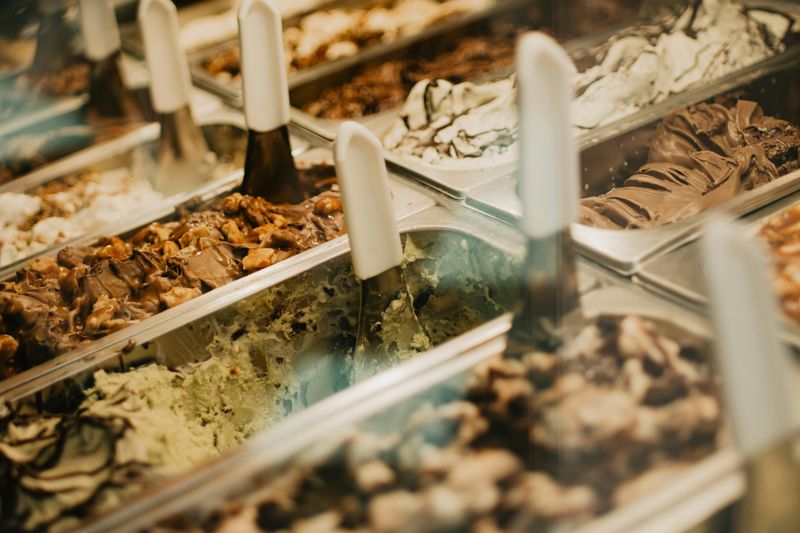
You cut in and hit ice. The center resists while the rim slumps, and condensation paints the plate.
A zigzag of bottled chocolate tries hard to charm, but the bite tastes cold-sweet instead of layered and rich.
House desserts breathe and bloom as they warm. When shortcuts happen, thaw times get rushed, then sugar tries to mask the freeze.
Ask what was baked today. If the server says everything, but your fork says freezer, trust your mouth.
Identical portions and stiff whipped cream are classic flags that point straight to a box in the back.
Thin cocktail pours

Thin cocktail pours taste like regret and meltwater. You get a flash of citrus, then a long, boring fade because the spirit is scarce.
The drink appears pale, carries too much ice, and warms into nothing within minutes.
Balanced cocktails feel lush and linger. When shortcuts happen, bars stretch bottles and over-shake to dilute.
Order something spirit-forward and notice the backbone. If your martini tastes like cold tap with perfume, or your margarita lands weak and sweet, you are sipping savings, not craftsmanship.
Tip accordingly and find a bar that treats ounces like promises, not suggestions.
Watered down dressing
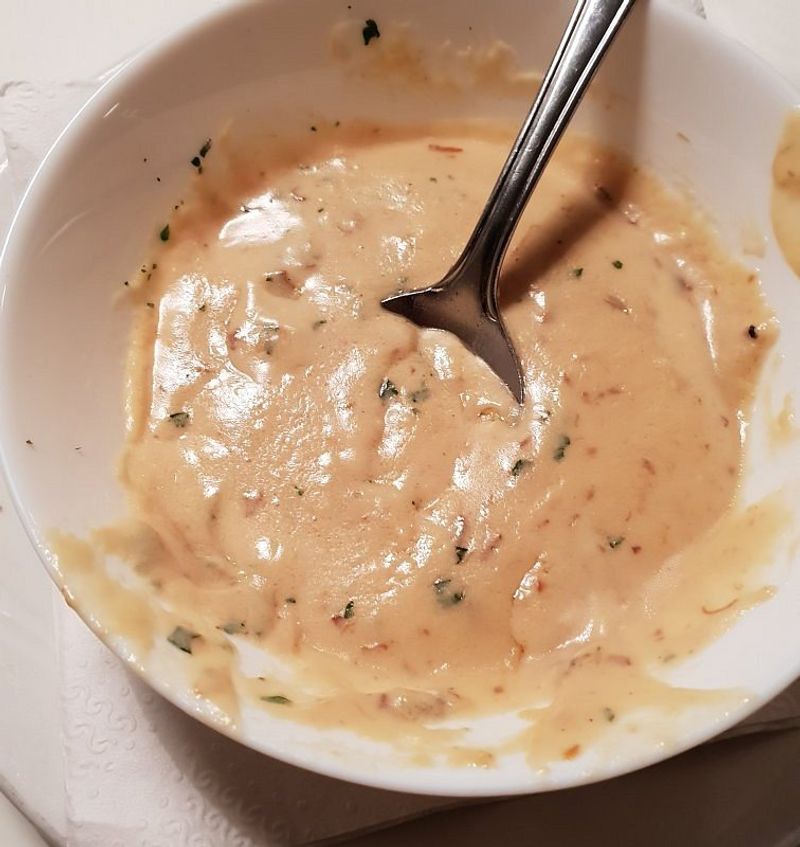
Watered down dressing slides, it does not coat. Leaves look glossy but taste like little, and the flavor hits quick then disappears.
Oil separates into timid dots while vinegar stings without body, leaving a puddle at the rim of the plate.
Good dressing clings and balances acid, fat, and salt. When shortcuts happen, kitchens stretch bottles with water or old pickle brine.
Ask for it on the side and swirl the ramekin. If it moves like juice and smells faint, you are about to eat a salad that works harder than the dressing helping it shine.
Bottle sauce on plate
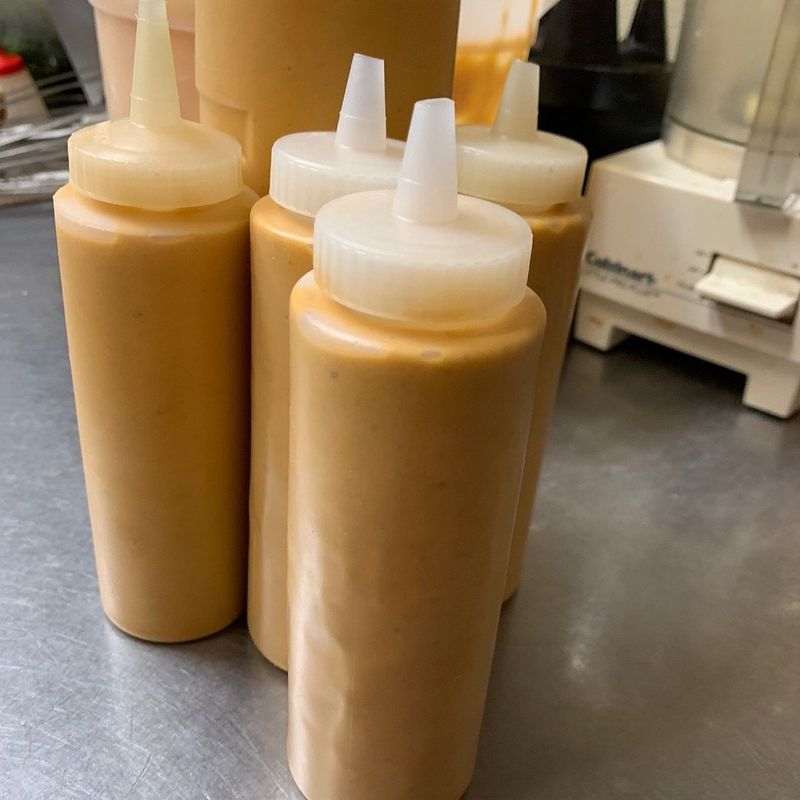
Bottle sauce on a plate looks clever but tastes generic. You spot perfect dots and squiggles that never touch the food’s juices, and the flavor screams shelf-stable.
The sauce finishes sweet or sticky without depth, more design than seasoning.
Real sauces anchor and connect components. When shortcuts happen, squeeze bottles replace reductions and pan sauces.
Drag a bite through and listen to your palate. If the garnish tastes like fridge and sugar, not the dish itself, you are dealing with decoration.
Pretty plates are fine, but flavor must lead, not follow a paint-by-numbers drizzle.
Reheated soup
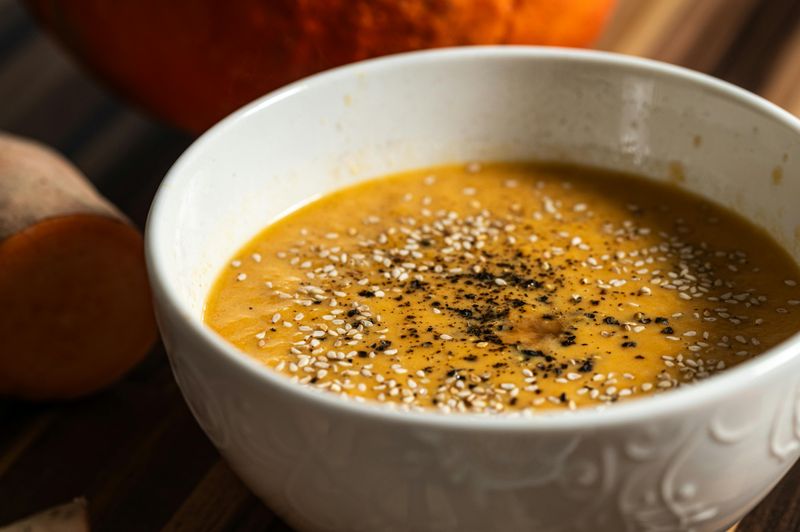
Reheated soup smells muted, like yesterday’s leftovers losing their nerve. A film gathers on top, and the broth tastes tired or slightly stale.
Vegetables feel mushy at the edges but stubborn in the middle, classic signs of multiple heat cycles.
Fresh soup sings with aromatics and balance. When shortcuts happen, salt and pepper show up loud because the base has faded.
Look for a scum ring on the bowl, or noodles that have swollen into sponges. If it arrives lukewarm yet steaming at the surface, you are sipping a warm-up, not something simmered thoughtfully and ladled fresh for you.
Instant rice
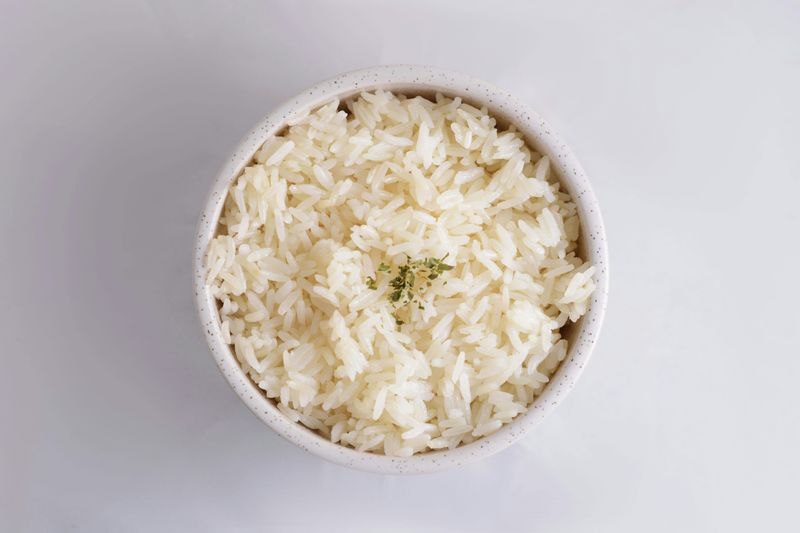
Instant rice gives mixed signals. Some bites are soggy clumps while others feel parched, and the grains split down the middle like tiny seams.
The aroma is faint, and seasoning sits outside the grain, never soaking in deep.
Proper rice carries perfume and separate grains that still feel tender. When shortcuts happen, cooks nuke or soak quick-cook rice, then fluff and pray.
Ask for sauce on the side to judge texture honestly. If the kitchen calls it jasmine yet it tastes like cardboard confetti, you have spotted instant convenience hiding under a pretty garnish on the plate.