


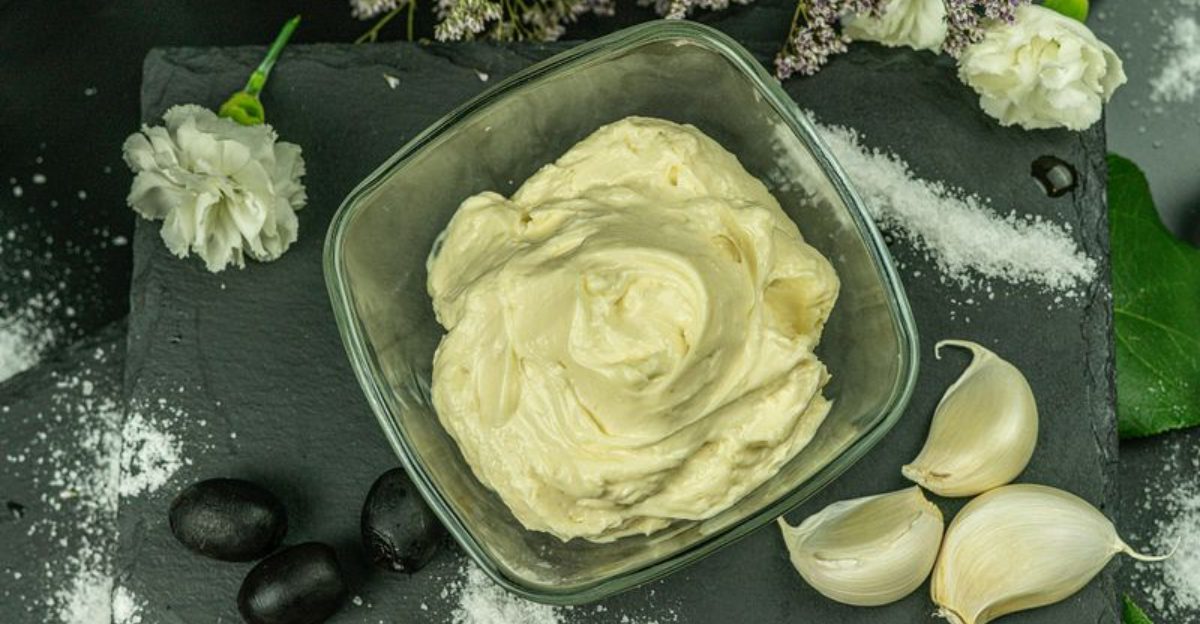
Ever notice how every restaurant swears their signature sauce is a secret, yet it tastes suspiciously familiar? Once you start paying attention, you will realize most of them are just creamy garlic or spicy mayo wearing new outfits. That is not a complaint, just a delicious truth worth calling out. Let us break down the classics you keep meeting again and again, no matter the menu or branding.
Spicy mayo
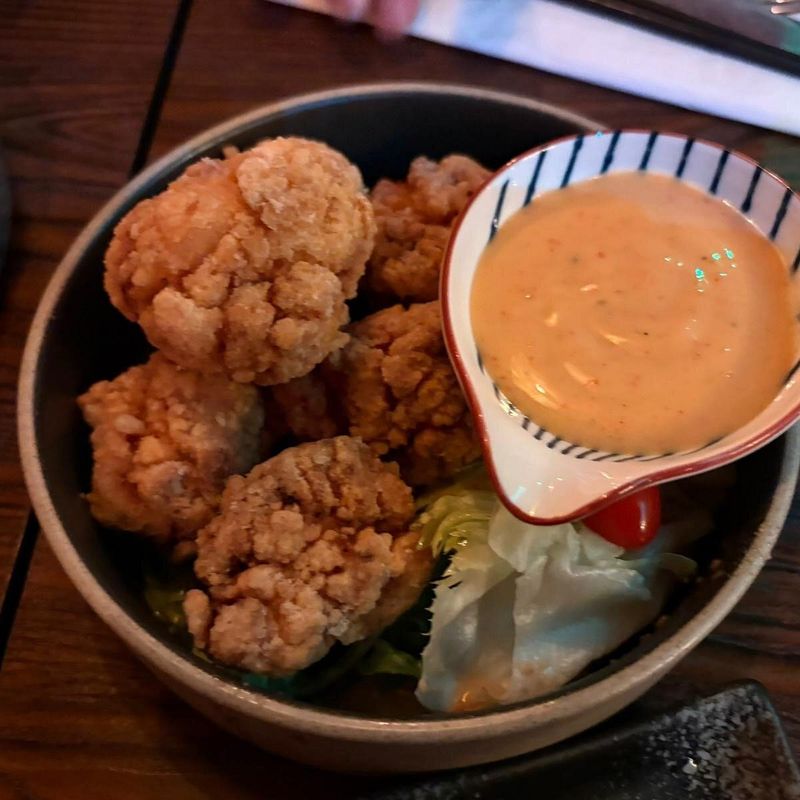
Spicy mayo rides the same creamy road but drops heat in the passenger seat. Usually it is mayo plus sriracha or chili paste, sometimes with a squeeze of lime. The color turns sunset orange and the flavor feels friendly rather than fierce.
You will find it on sushi rolls, chicken sandwiches, fry baskets, and tacos. Restaurants call it volcano sauce, dragon sauce, or fire mayo. You are not fooled.
It is crowd pleasing heat that flatters everything crispy or fatty. When menus brag about a kick, they usually mean this exact whisper of warmth.
BBQ sauce
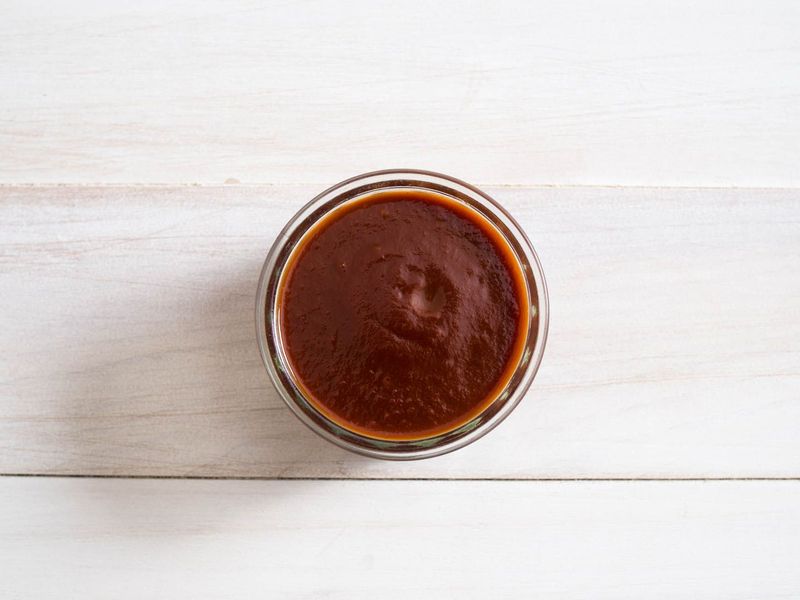
BBQ sauce promises smoke and tang, then leans sweet to keep everyone happy. Ketchup or tomato base meets brown sugar, molasses, vinegar, mustard powder, and spices. The result clings and glazes like a shiny jacket.
Across regions, you get tweaks: more vinegar here, more molasses there. Yet the core remains familiar, a sticky balance of sweet, sour, and savory. On wings, burgers, or brisket, it behaves like edible lacquer.
If a place says signature barbecue glaze, odds are it is this classic formula, polished and bottled. Comfortable, nostalgic, and hard to resist.
Ranch dressing
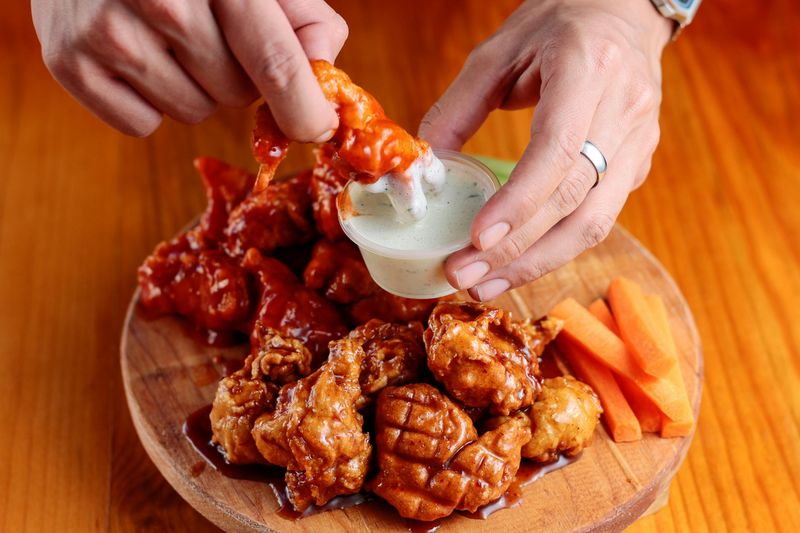
Ranch is the cool kid in every dipping circle. Buttermilk, mayo, garlic, onion, dill, and chives create that tangy, herby chill you know instantly. It tames heat, softens salt, and pairs with everything crunchy.
Restaurants rebrand it as house herb dressing or buttermilk dip, then slide it next to wings and pizza. The flavor is unmistakable and comforting. It is like air conditioning for your tongue.
When a menu claims a secret creamy herb sauce, you can bet ranch is showing up. Call it what you want, it stays beloved.
Honey mustard
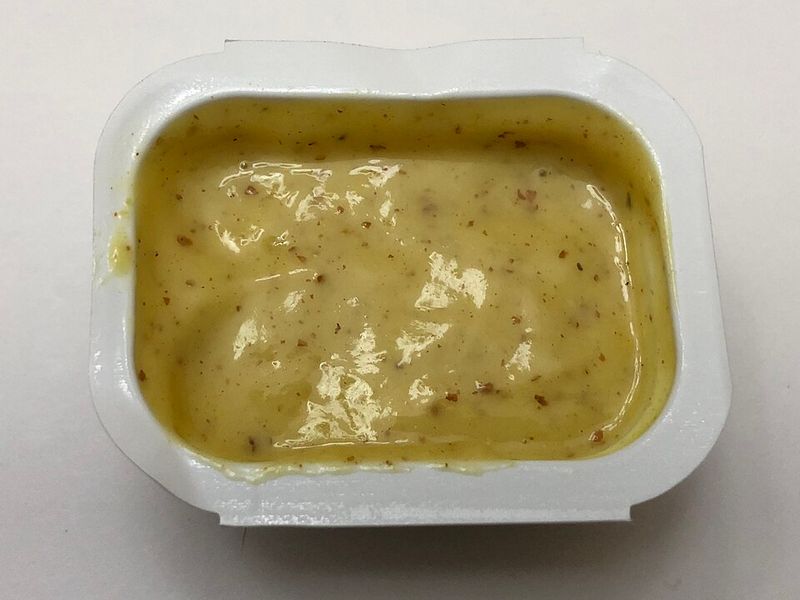
Honey mustard is where sweet hugs tang. You mix mustard with honey, sometimes mayo, sometimes vinegar, and a pinch of salt. The texture ranges from silky to grainy depending on the mustard.
Restaurants deploy it for chicken tenders, pretzels, and salad drizzles. Even when renamed as golden dip or sweet tang glaze, your taste buds know. It hits the same high notes every time.
The appeal is balance and bounce, never too sharp, never too sugary. If you crave friendly brightness without heat, this is the exact lane you want.
Cheese sauce
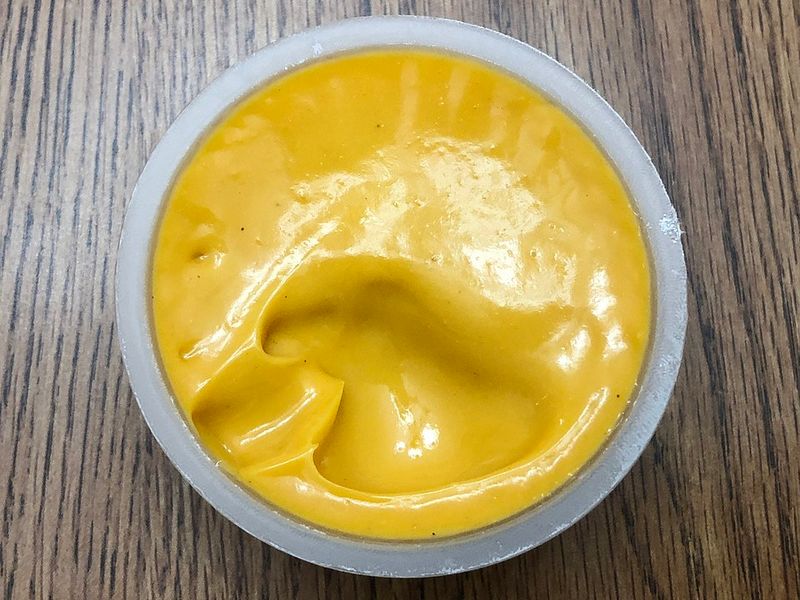
Cheese sauce is liquid comfort with a salty grin. A roux plus milk plus melting cheeses creates that velvety pour. Sometimes there is beer, jalapeno, or paprika, but the vibe stays stadium friendly.
Restaurants slather it on fries, nachos, and burgers, then call it house queso or artisan cheese melt. We know the script. It is rich, mellow, and engineered for cravings.
When a menu promises a decadent signature pour, this usually arrives, beaming and clingy. It does not need mystery to win hearts, just warmth and extra napkins.
Sriracha sauce
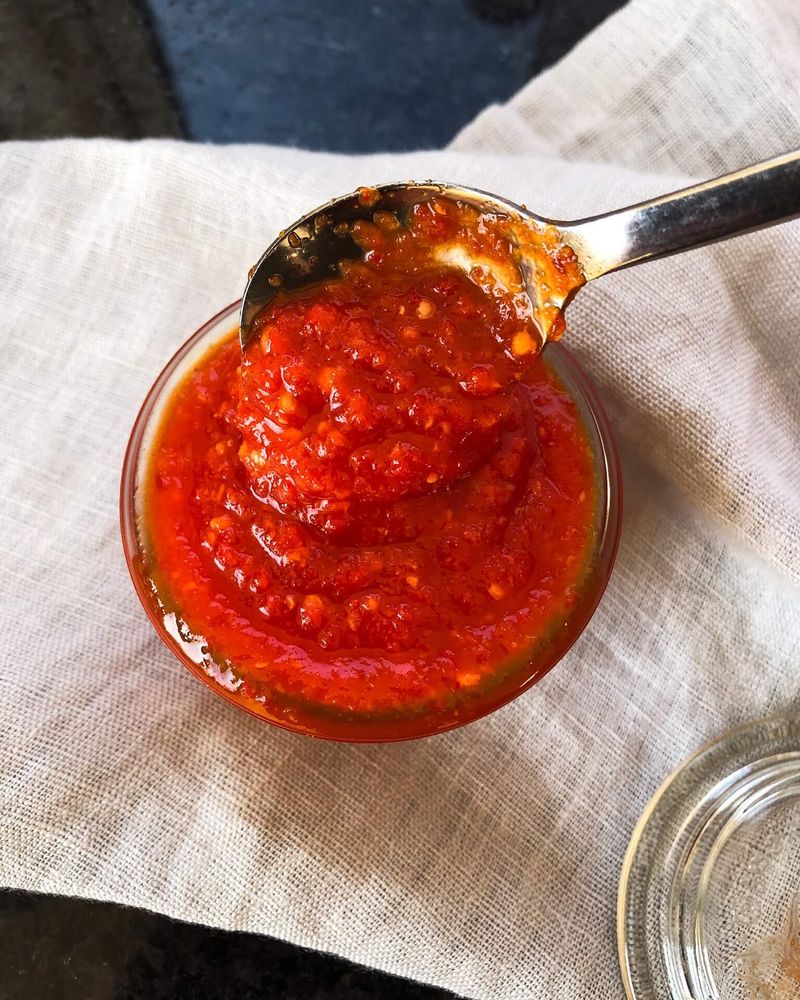
Sriracha is that clean chili heat with gentle garlic and a hint of vinegar. It is bold yet friendly, sliding easily into mayo, glazes, and marinades. Restaurants love its instant credibility and recognizable kick.
When you see a ruby drizzle on bowls or sandwiches, there is a good chance it is sriracha. They might call it red hot drizzle or chili streak. You know better.
Used straight, it sparks. Stirred into mayo, it becomes the familiar spicy mayo loop again. Either way, you get reliable heat, color, and brightness.
Chipotle sauce
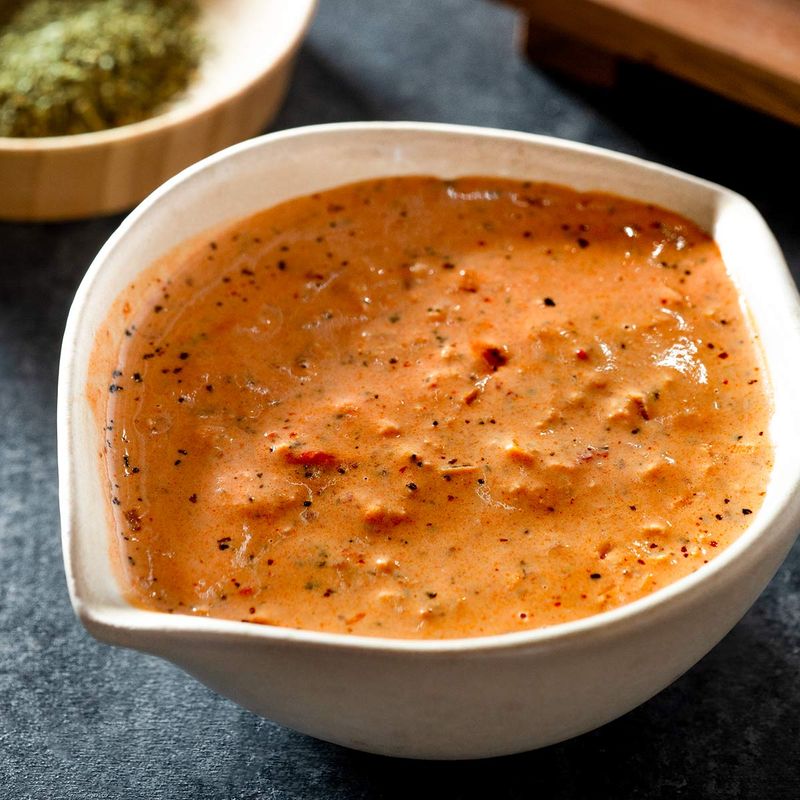
Chipotle sauce leans smoky and creamy, a cousin to spicy mayo with campfire vibes. Blended chipotle in adobo meets mayo or sour cream, lime, and salt. The result coats everything with satisfying warmth.
Restaurants love to crown tacos, bowls, and chicken sandwiches with it. Names like Southwest drizzle or smoked chili crema appear often. The flavor lands familiar, just deeper and dusky.
When you crave complexity without extra effort, chipotle sauce scratches the itch. It is the same creamy platform turned smoldering, and it flatters charred edges beautifully.
Teriyaki glaze
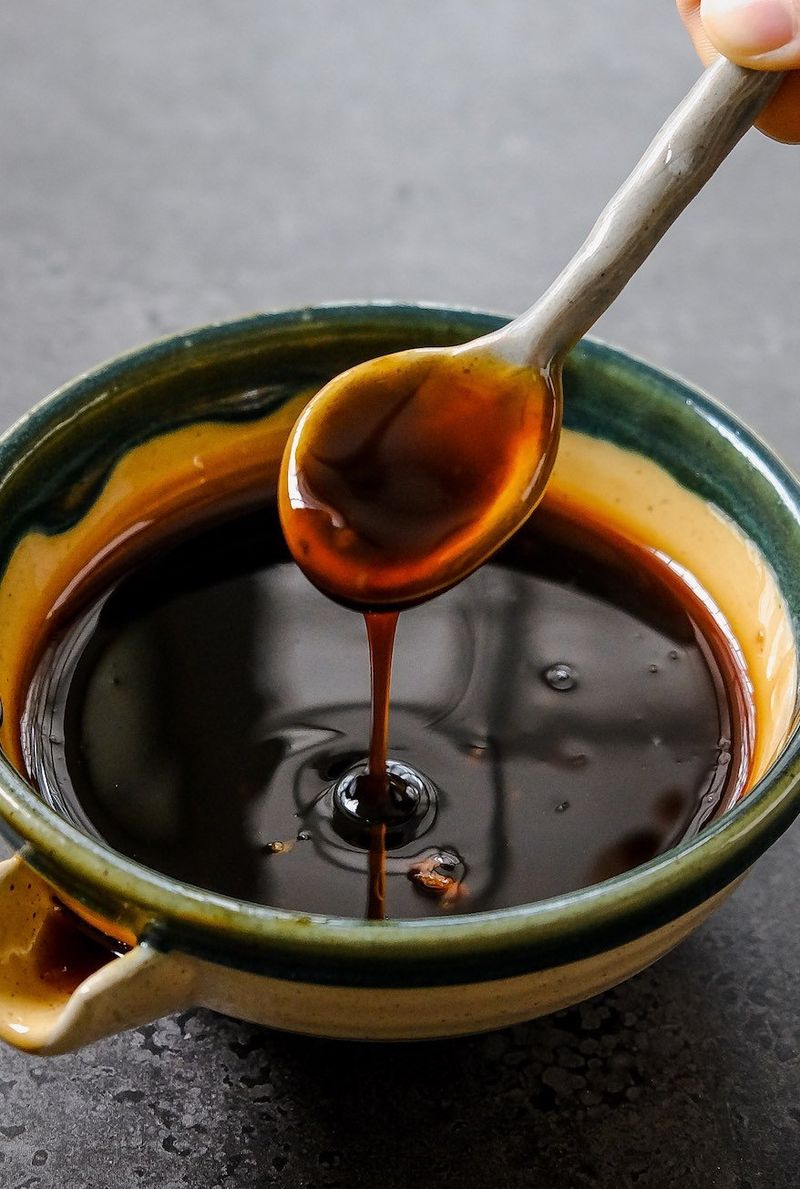
Teriyaki glaze is the glossy sweet savory jacket for grilled things. Soy sauce, sugar, mirin, and ginger reduce into a sticky sheen. The flavor is predictable in the best way: salty, sweet, and aromatic.
Restaurants paint it on salmon, chicken, or skewers, then shower with sesame seeds. Even when labeled house umami glaze, the cues are unmistakable. Shine plus soy equals crowd pleaser.
If you love a lacquered finish and a whisper of ginger warmth, this is your lane. It is dependable, photogenic, and always a little shiny.
Buffalo sauce
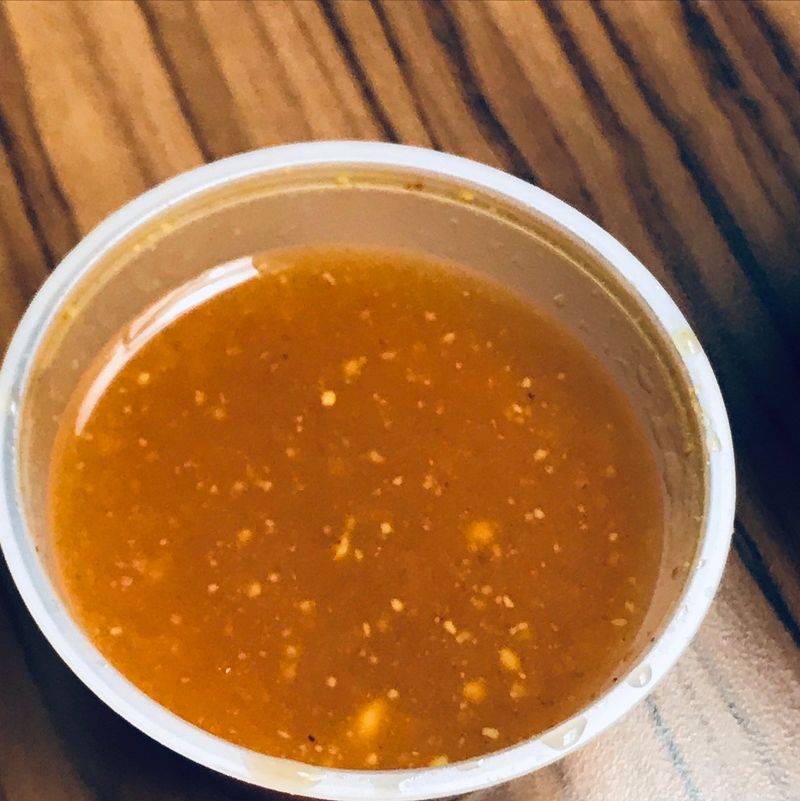
Buffalo sauce is hot sauce blended with melted butter until silky and orange. The butter tamps down the sting and adds cling. It is designed for wings but sneaks onto sandwiches and fries.
Menus may pitch it as tangy wing glaze or fiery orange dip. You recognize the buttery buzz immediately. The aroma alone sells the first bite.
When you want heat that hugs, Buffalo is your move. It is not mysterious, just perfectly calibrated comfort with a kick. Blue cheese on the side, naturally.
Sweet chili sauce
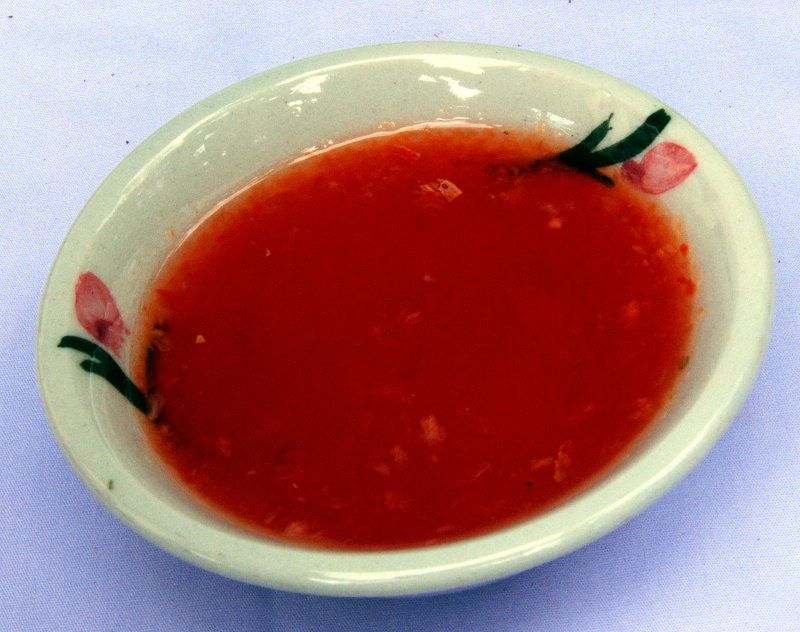
Sweet chili sauce glows ruby and tastes like pleasant fireworks. Sugar, vinegar, garlic, and red chili flakes create a sticky, mild heat that welcomes everyone. It is the diplomatic sauce at the party.
Restaurants use it for spring rolls, shrimp, or crispy cauliflower. Sometimes they call it tangy red glaze to sound unique. Your tongue recognizes that candied sparkle instantly.
It brushes beautifully and doubles as a dip. If a dish needs shine, this sauce delivers. Predictable, lovable, and perfect for people who like gentle heat.
Tartar sauce
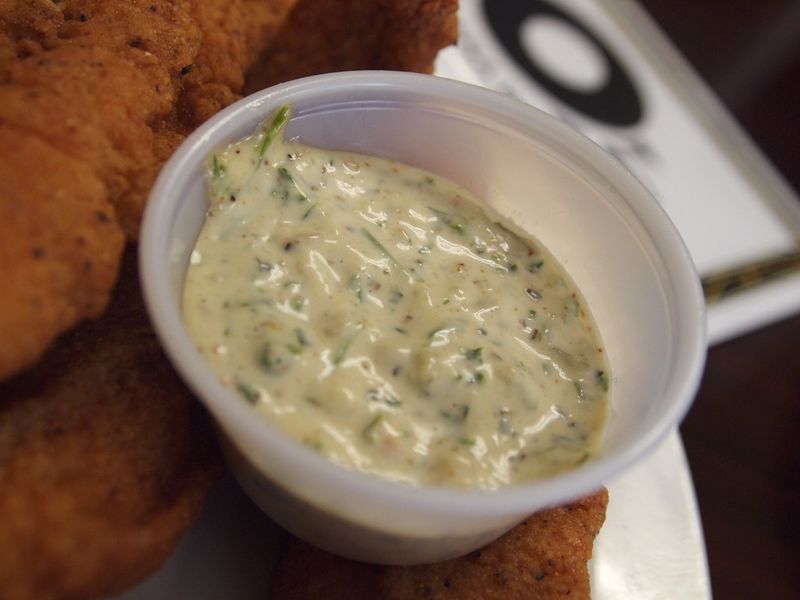
Tartar sauce is basically pickle party meets creamy chill. Mayo, chopped pickles, capers, lemon, and herbs make it briny and bright. Fish and chips would feel naked without it.
Restaurants sometimes tweak it with dill, shallot, or extra lemon zest. The result remains unmistakable: crunchy bits in a cool blanket. Renaming it coastal house relish does not hide the truth.
It is the zippy counterweight to fried seafood richness. When you want pops of vinegar against crunch, this sauce hits perfectly. Simple, reliable, and proudly old school.
Marinara sauce
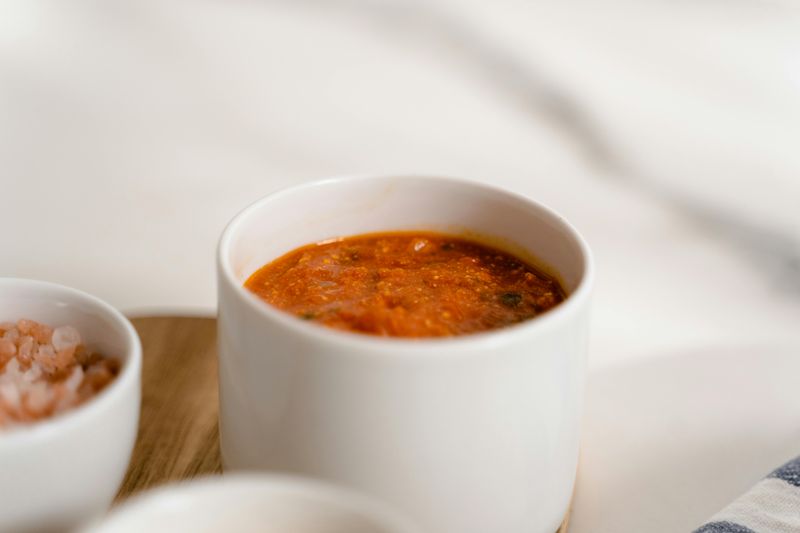
Marinara is tomato comfort with basil whispers and garlic honesty. Olive oil, tomatoes, onion, garlic, and a pinch of chili simmer into a red hug. It is bright, slightly sweet, and deeply familiar.
Restaurants spoon it over pasta, meatballs, and mozzarella sticks. Even when branded as house red or heritage sugo, the profile stays classic. You taste Sunday afternoons and easy warmth.
If you crave tang without heaviness, marinara keeps things lively. It is a dependable baseline that lets toppings shine. A little parmesan snow never hurts.
Alfredo sauce
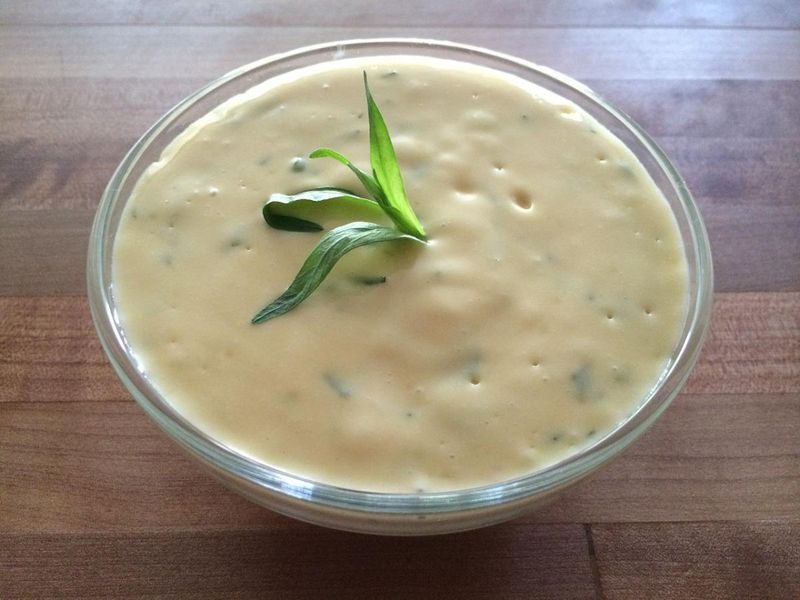
Alfredo is velvet in a bowl. Butter, cream, and Parmesan fuse into a lush, clinging sauce that loves pasta. Black pepper brings a gentle nudge, and garlic is sometimes invited.
Restaurants may call it white cream sauce or signature Parmesan cream. We get the idea. It is indulgent, soothing, and friendly to grilled chicken or broccoli add ons.
When menus promise decadent comfort, this is usually the script. It is not shy about richness, and that is the point. A little goes far, but refills happen.
Pesto sauce
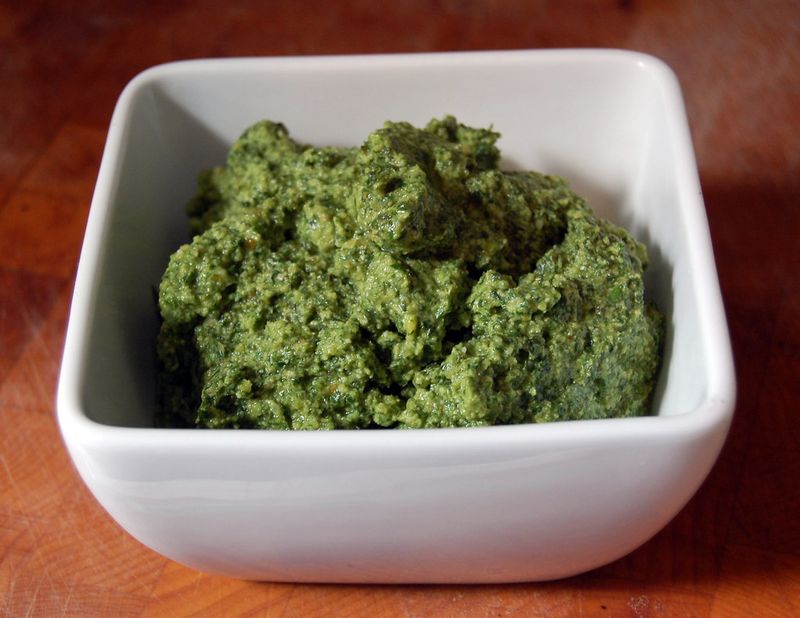
Pesto is summer bottled, all basil, garlic, pine nuts, Parmesan, and olive oil. It smells like a garden and tastes like bright green umami. The texture can be rustic or smooth, but always vibrant.
Restaurants swirl it on pastas, sandwiches, and pizzas. When they rename it herb verde or basil drizzle, the basil still does the talking. You feel that fresh punch instantly.
If a dish needs lift without heat, pesto steps in elegantly. It is creamy by oil, not dairy, which keeps it lively. Green, glossy, and joyful.
Mushroom sauce
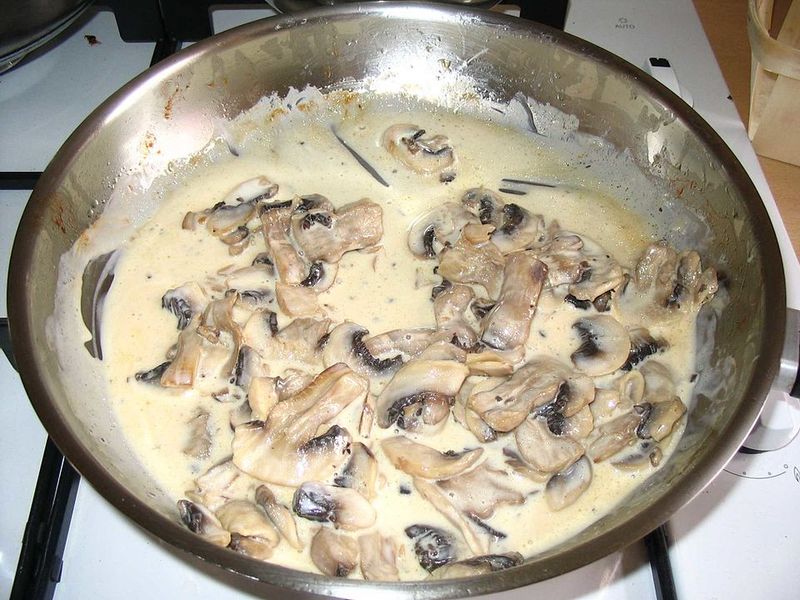
Mushroom sauce brings earthy depth and a little luxury. Sautéed mushrooms, butter, shallots, thyme, and cream create a savory cloud. Sometimes there is sherry or soy for extra umami shadows.
Restaurants ladle it over steaks, chops, and pasta. They might call it woodland cream or forest jus, but the taste remains unmistakable. It is comfort dressed in earth tones.
When you want cozy richness without tomato or heat, this is your friend. The aroma alone feels like a hug from a bistro. Satisfying, rounded, and gently indulgent.
Gravy
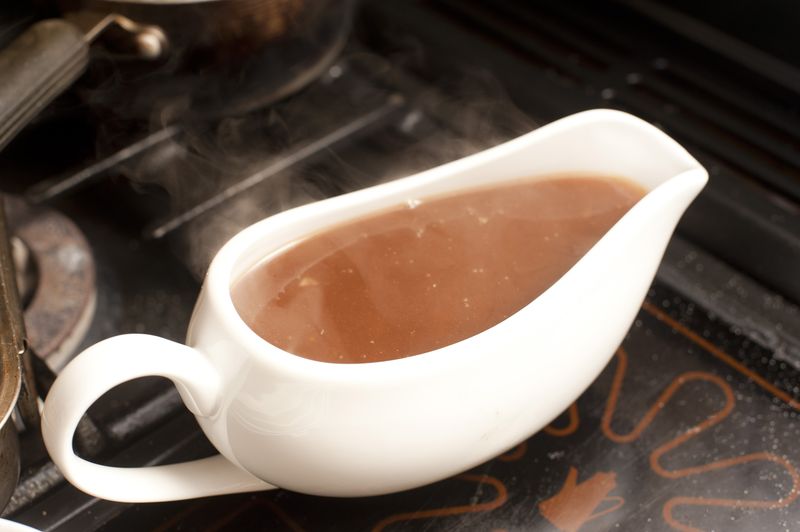
Gravy starts with drippings, then becomes glossy and savory with stock and thickener. It is the definition of holiday comfort and diner reliability. Pepper and a splash of Worcestershire add backbone.
Restaurants pair it with mashed potatoes, chicken fried steak, and roasted meats. Call it pan sauce or jus if you want, the feeling is the same. It ties everything together.
If a plate needs cohesion, gravy shows up like glue with flavor. It is homey, satisfying, and hard to overthink. Spoon generously and relax.
Burger sauce
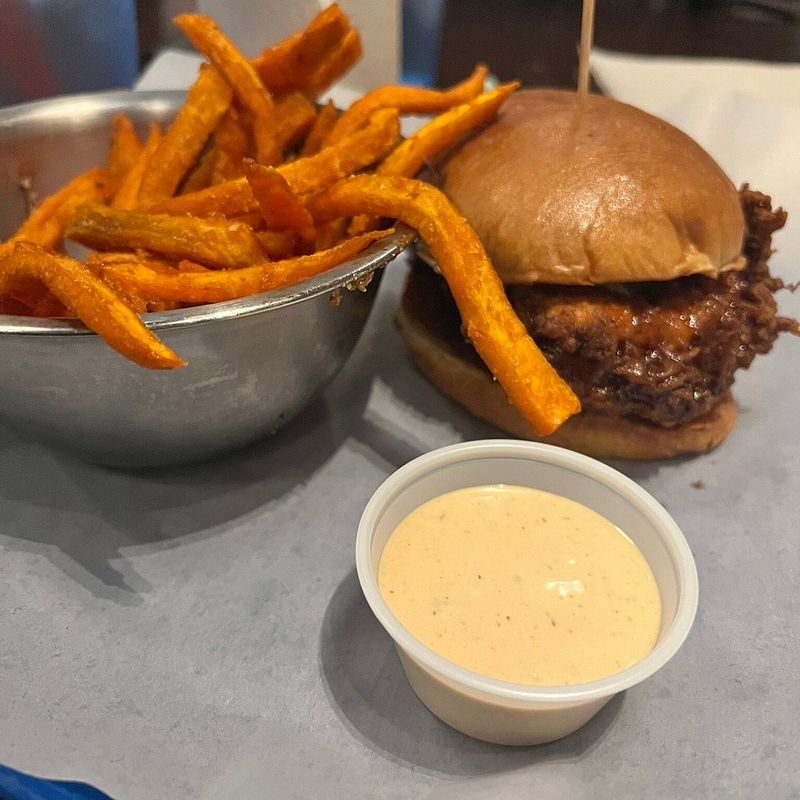
Burger sauce is the diplomat between ketchup and mayo, often with chopped pickles or relish. A little mustard, vinegar, and paprika join the party. The color turns peachy and the flavor screams nostalgia.
Restaurants call it house special or secret spread, but you know the handshake. It brings sweet tang and creamy cling to every bite. Fries like it too.
If a burger tastes strangely familiar, this sauce is probably why. It is the same lovable blend in a new outfit. Predictable, messy, and perfect.
Hot sauce
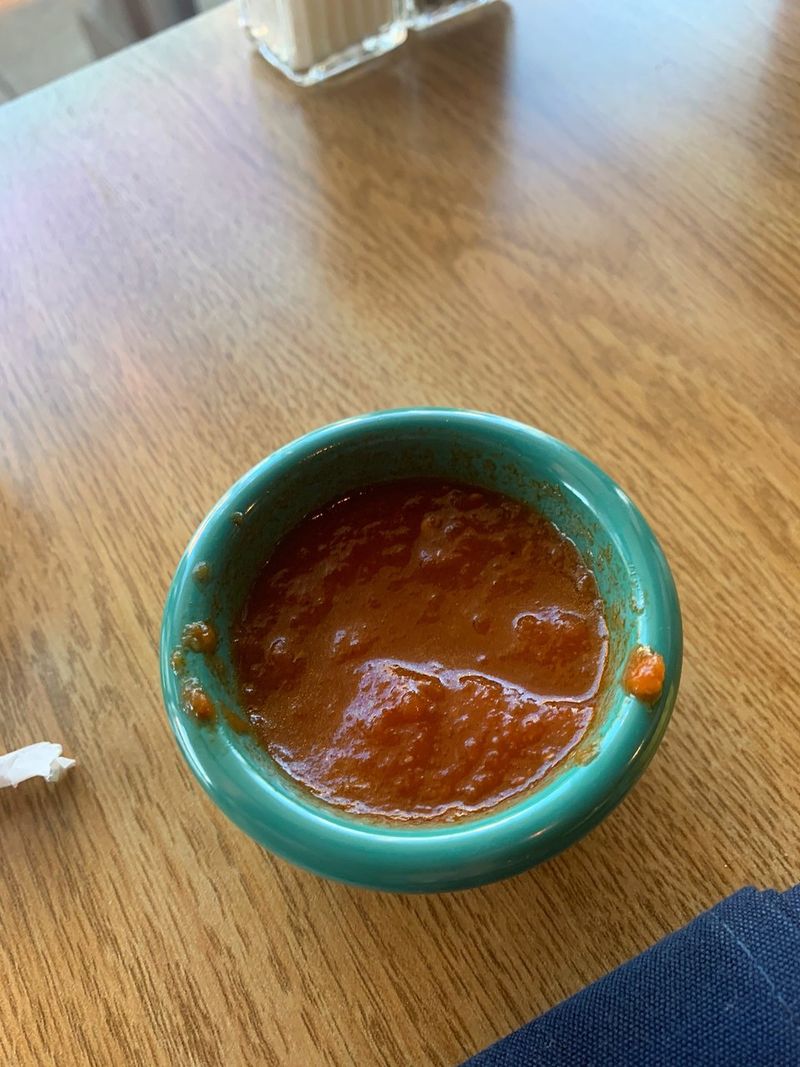
Hot sauce is the simplest path to heat and brightness. Chilies, vinegar, and salt make a clean, sharp spark that wakes food up. A few drops change the whole mood.
Restaurants keep bottles on tables because everyone has a favorite. When they stir it into butter, it becomes Buffalo. When they stir it into mayo, we return to spicy mayo territory.
It is modular heat that plays well with everything. If you want control, this is your reliable dial. Add, taste, repeat, enjoy.
Dipping sauce
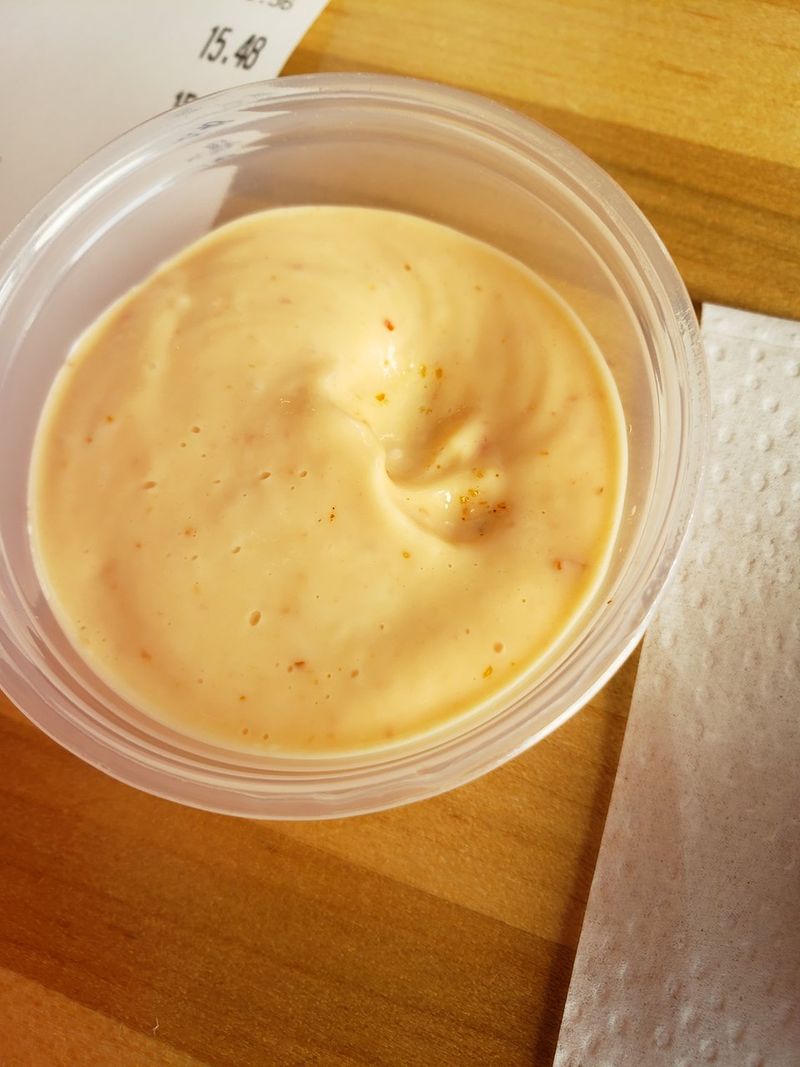
Dipping sauce is the umbrella term that hides familiar faces. Usually it is a rotation of ranch, spicy mayo, honey mustard, and something red. The menu frames it as a trio or flight for fun.
Restaurants know variety feels generous. Yet each cup pulls from the same pantry of mayo, ketchup, vinegar, sugar, and spice. You get comfort in different outfits.
When in doubt, order the sampler and play favorites. You will taste echoes of the same two ideas: creamy garlic and spicy tang. Honestly, that is why it works.
Garlic aioli
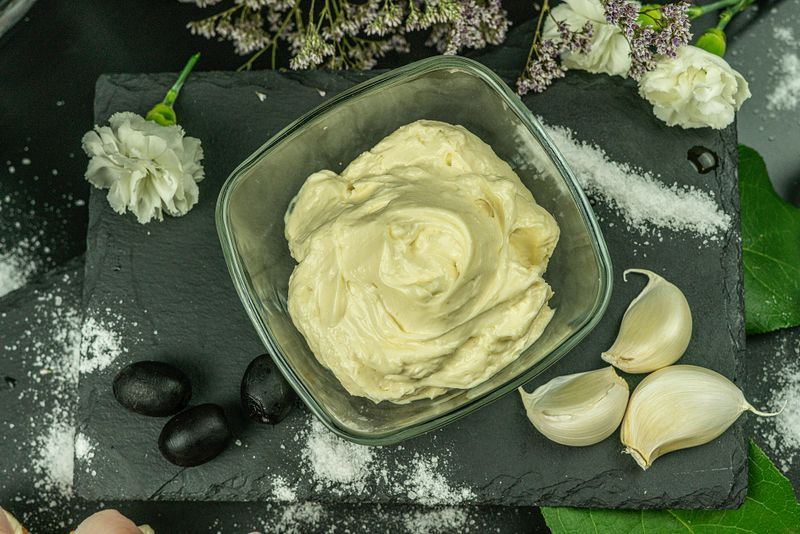
Order fries anywhere and someone will suggest garlic aioli. It is mayo, garlic, lemon, and sometimes olive oil, whisked until plush. The bite feels bold at first, but the creaminess keeps you coming back.
Restaurants rename it house aioli, truffle aioli, or herb aioli, yet the backbone remains the same. You taste garlicky richness with a citrus wink. It is comfort sauce dressed as sophistication.
Spread it on burgers or dip roasted veggies, and it behaves like a flavor blanket. Familiar, reliable, and quietly addictive, it is the creamy baseline.