


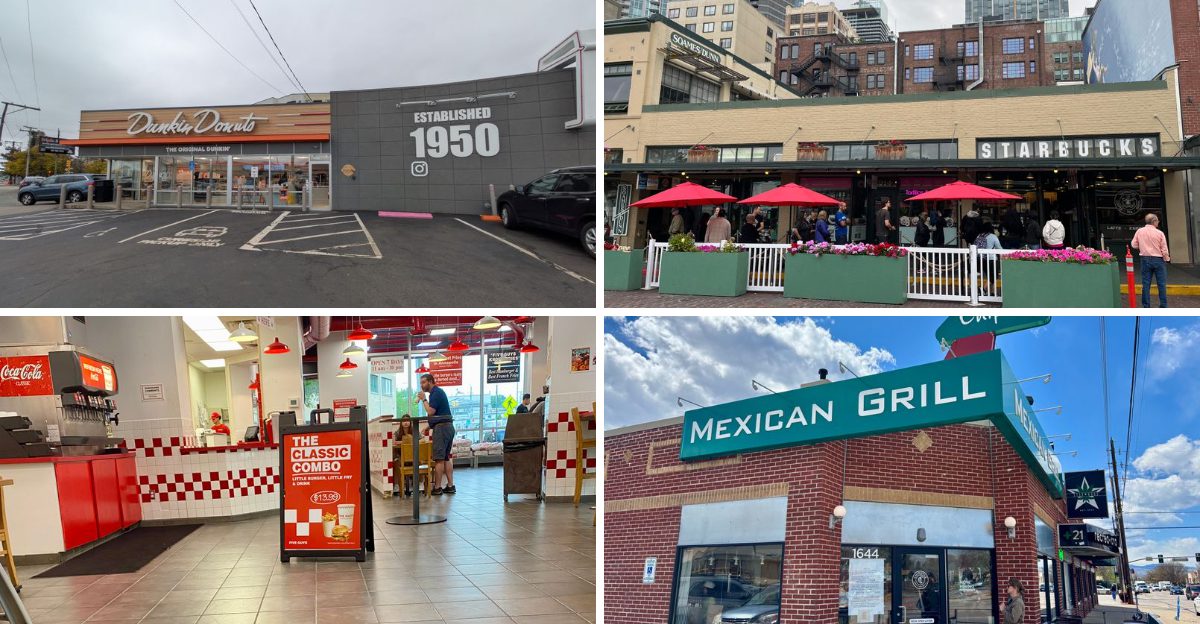
Some of the biggest names in American dining started with a tiny idea and a short menu. Blink, and suddenly they are in every shopping center, road trip stop, and hometown. You have probably celebrated birthdays, late nights, or first jobs under their neon signs without thinking about where they began. Let’s trace how these small starts became coast to coast traditions you still crave today.
Chili’s Grill & Bar – Dallas, Texas
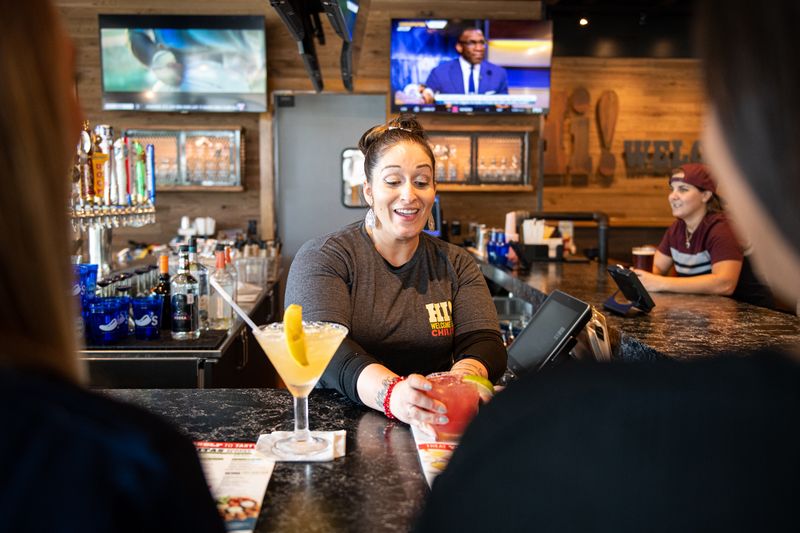
Chili’s began as a quirky Dallas burger and chili joint that felt like a neighborhood hangout. You could hear plates sizzling before you even opened the door. That sound turned into a signature, and suddenly fajitas and big margaritas were an everywhere thing, not just a Texas treat.
What made it spread was simple familiarity. You knew the menu, the vibe, and the price point no matter which town you landed in. Chili’s taught Americans that casual could still feel celebratory, weeknight friendly, and a little spicy.
Today, the neon pepper feels like a road sign guiding road trippers and after-work crews. You go for comfort, linger for refills, and leave smelling like smoke and lime.
TGI Fridays – Valley Stream, New York
TGI Fridays kicked off in Valley Stream as a friendly neighborhood bar where strangers became talkers over bright cocktails. That casual, bring-your-friends energy felt like a Friday even on a Tuesday. Soon the striped awnings and flair behind the bar became cultural shorthand for a good time.
The chain grew by selling a ritual, not just a meal. You showed up for mozzarella sticks, but stayed because the place made ordinary nights feel a bit louder and lighter. It sparked the casual bar-and-bites template many followed.
Now Fridays is nostalgia wrapped in red stripes. You recognize the chandeliers, the sizzle, the welcome. It is where happy hour became a national pastime.
The Cheesecake Factory – Los Angeles, California
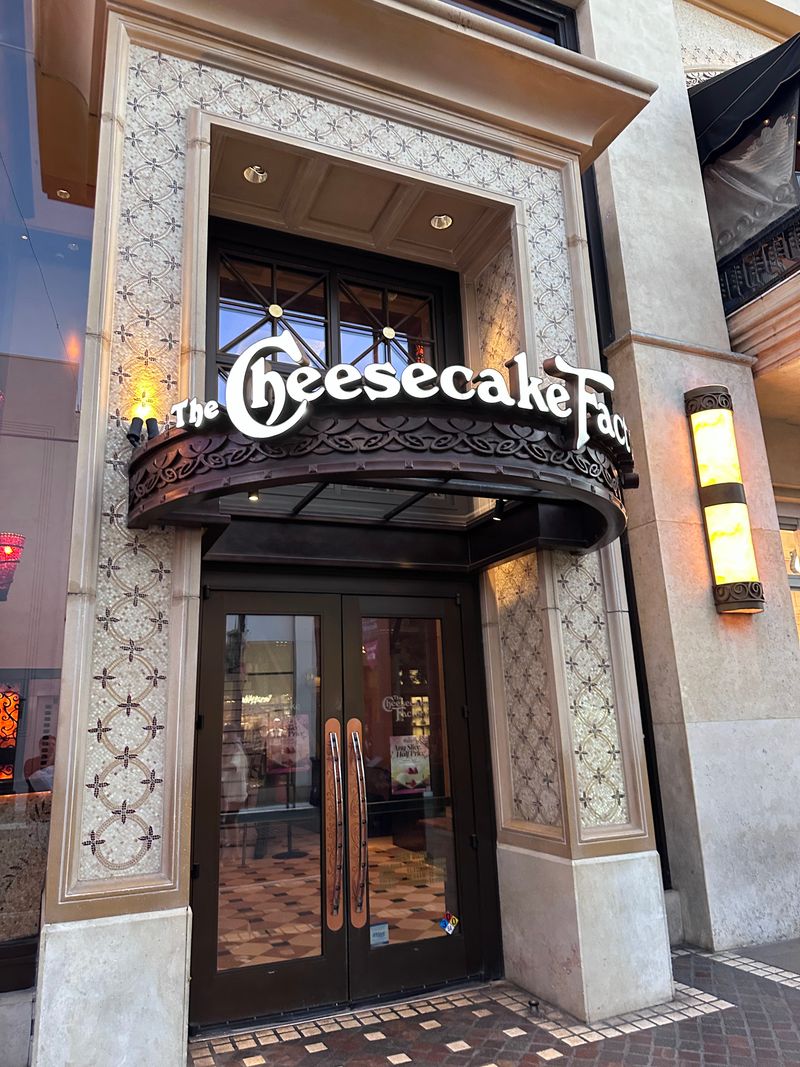
In Los Angeles, a bakery obsession with cheesecake turned into a maximalist dream. The menu grew until it felt like a novel, and somehow that became the attraction. You could bring a picky friend and still find something comforting, then finish with a slice that towered like architecture.
The abundance created its own tradition. Birthdays, graduations, and shopping-break dinners slot right into that golden glow. The place promises a special occasion without making you whisper.
What started as a sweet tooth now feels like a stage. You sit down, flip pages, and plan leftovers. Cheesecake brought America to the table, and opulence kept everyone lingering.
P.F. Chang’s – Scottsdale, Arizona
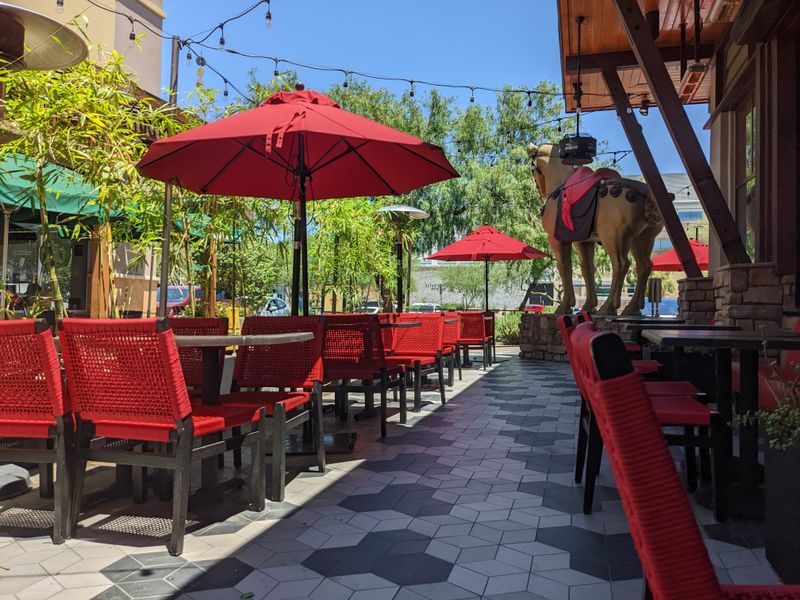
P.F. Chang’s took Scottsdale by surprise with big stone horses guarding the door and the smell of wok-fired garlic. Lettuce wraps became a handshake, inviting first timers into something that felt new but friendly. The theatrical flames turned dinner into a show you could taste.
It scaled by balancing craveable sauces with polished service. You knew what the Mongolian beef would deliver, and you trusted the experience for date nights or family gatherings. Consistency made it a comfort across airports, malls, and city corners.
Now those horses are national landmarks in miniature. You go for the heat, stay for the leftovers, and remember the table talk. Scottsdale’s spark became a nationwide ritual.
Outback Steakhouse – Tampa, Florida
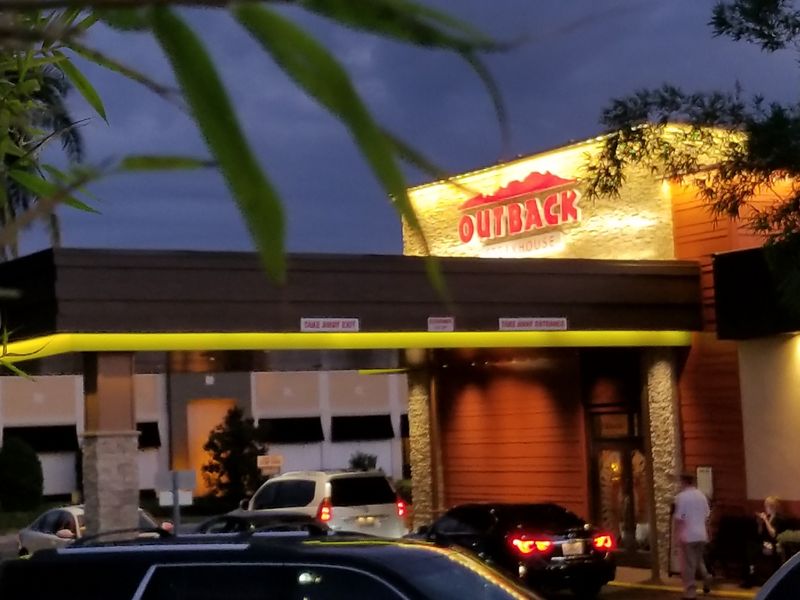
Outback started in Tampa with a playful take on Australian adventure, even if the accent was more hometown than outback. The promise was bold flavor without fussy dress codes. A Bloomin Onion on the table turned strangers into sharers faster than small talk.
Steaks came hearty, sides came generous, and value kept folks returning. The theme was a nudge to relax, laugh, and order another round of brown bread. It traveled fast because it felt casual yet celebratory.
Today, that boomerang logo signals dependable comfort. You go for the spice rubs, the big plates, and the familiar sizzle. Tampa’s playful idea became America’s steak-night standby.
Texas Roadhouse – Louisville, Kentucky
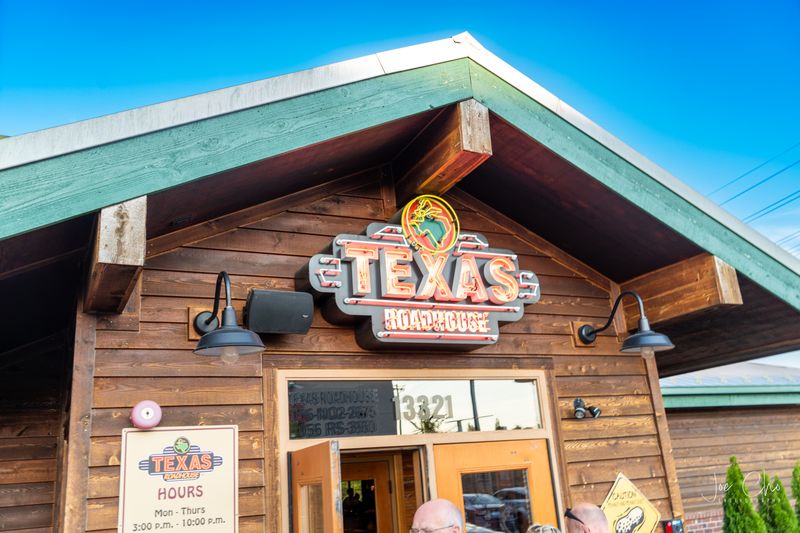
Texas Roadhouse began in Louisville with a loud promise: fresh-baked rolls, cinnamon butter, and hand-cut steaks. The music bumped, servers line danced, and the peanuts cracked underfoot like applause. It felt like a party that happened to serve dinner.
What spread was the show of freshness and fun. Butchers in the window and big cuts on display built trust you could taste. The cinnamon butter alone convinced entire tables to rebook.
Now, the neon glow means hearty value and a yeehaw of hospitality. You plan birthdays there because the energy lifts everyone’s mood. Louisville’s honky-tonk vision became a weekly ritual from suburbs to small towns.
Red Lobster – Orlando, Florida
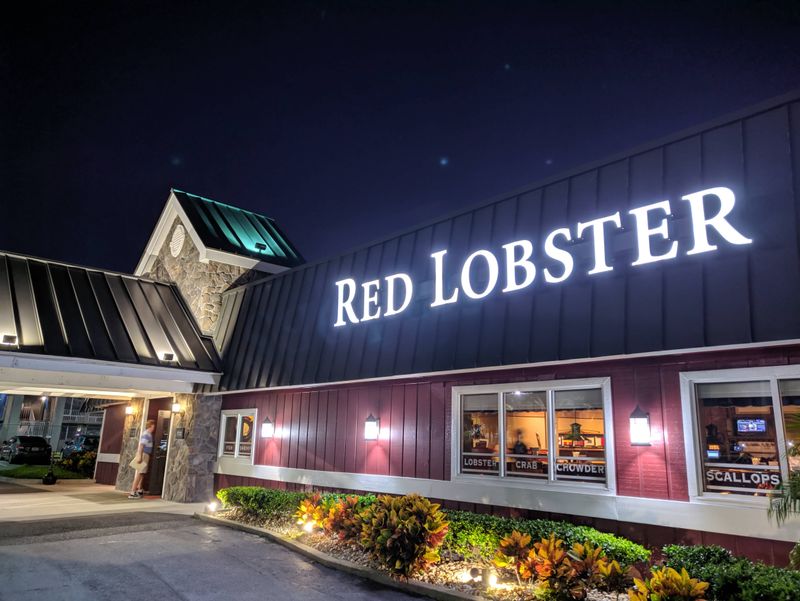
Red Lobster launched from Orlando with a promise of approachable seafood for landlocked diners. Nautical ropes, ship wheels, and tanks made the ocean feel closer, even miles from the coast. Then came the Cheddar Bay Biscuits, turning every table into a repeat visitor.
It grew by offering a taste of vacation without airfare. Shrimp fests, lobster deals, and combo platters became seasonal events people planned around. Families found it easy, celebratory, and consistent.
Today the red sign is a beacon for butter and nostalgia. You remember first dates, prom nights, or grandparents cracking shells. Orlando’s seaside dream taught America to love seafood on a Tuesday.
Olive Garden Italian Restaurant – Orlando, Florida
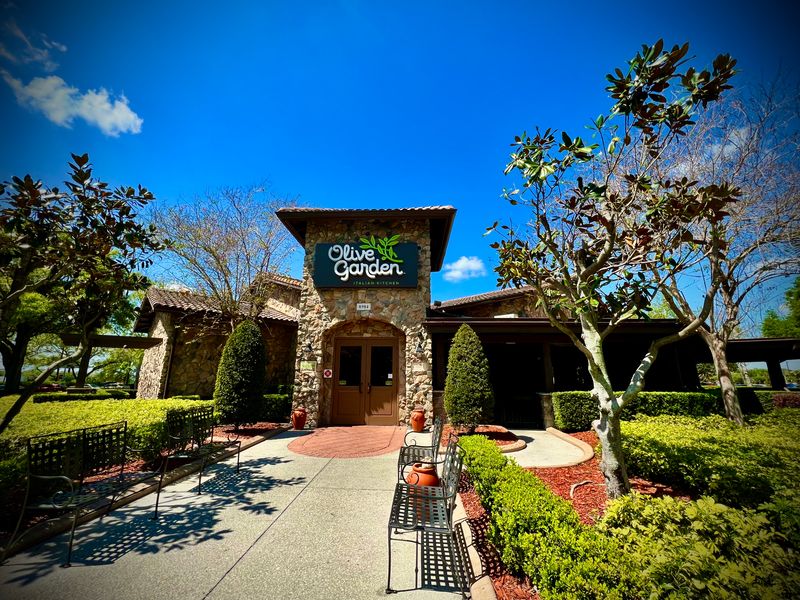
Olive Garden began in Orlando, offering Italian comfort as if you had a nonna on call. The endless salad and breadsticks created a ritual even picky eaters could love. Pastas came creamy, saucy, and generous enough for leftovers.
The phrase when you’re here, you’re family made the brand a feeling. You could count on consistent dishes, friendly prices, and that soup-salad-breadstick trifecta. It taught America that casual Italian could be an everyday treat.
Now the green sign signals uncomplicated warmth. You sit, share, twirl, and pass plates until the table quiets into contentment. Orlando’s big-hearted invitation echoed across countless neighborhoods and malls.
BJ’s Restaurant & Brewhouse – Huntington Beach, California
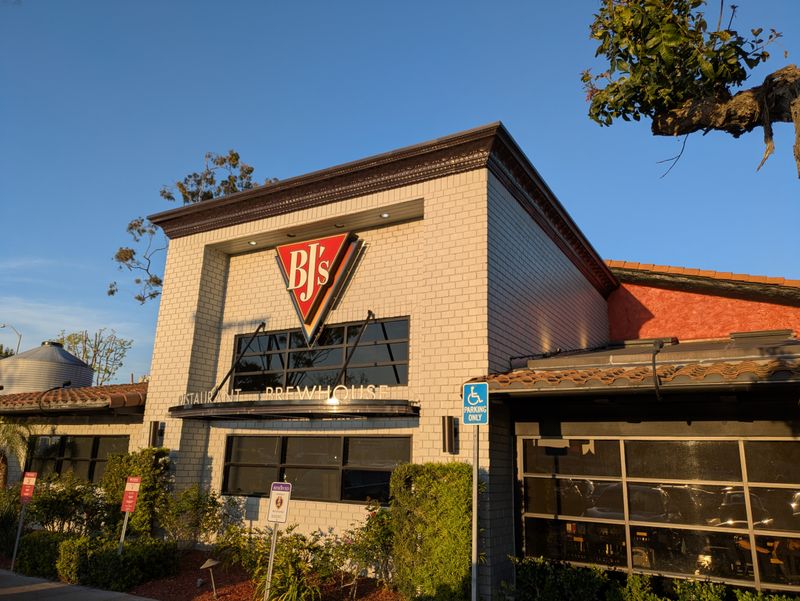
BJ’s grew from Huntington Beach with craft beer pride and a menu built for groups. The deep-dish pizzas fed teams after games, while the Pizookie turned dessert into a ceremony. Tap handles lined the bar like trophies for good times.
It scaled by pairing reliable brews with big, shareable plates. Everyone could mix and match, from salads to rib dinners. Consistency kept crowds returning for office parties and family meetups.
Now, the brewhouse vibe is a comfort language. You plan a table, pass slices, and wait for the skillet to arrive sizzling. Huntington Beach’s neighborhood pub spirit became a national hangout.
Buffalo Wild Wings – Columbus, Ohio
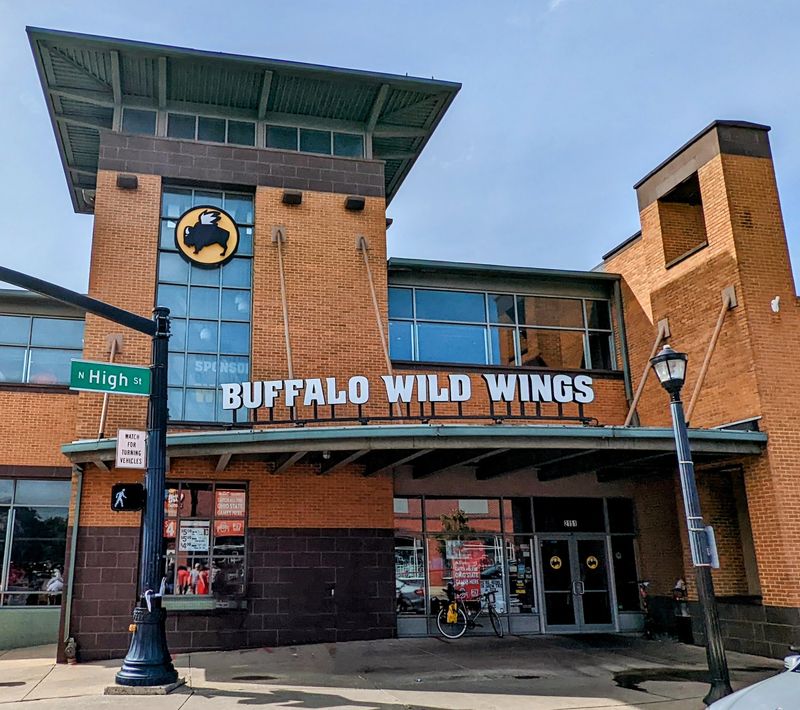
Buffalo Wild Wings started near Ohio State with a simple obsession: wings and sports together. Sauces multiplied until choosing became a ritual. Big screens turned every table into stadium seating, and the games shaped the night.
It expanded because game day needed a home. Friends could root, argue calls, and chase heat levels without cooking or cleanup. The place made loyalty taste like honey barbecue, mango habanero, or blazing.
Now that yellow sign means community under kickoff rules. You pull up a chair, order a sampler, and pick a side. Columbus’s campus craving became America’s sports bar heartbeat.
Yard House – Long Beach, California
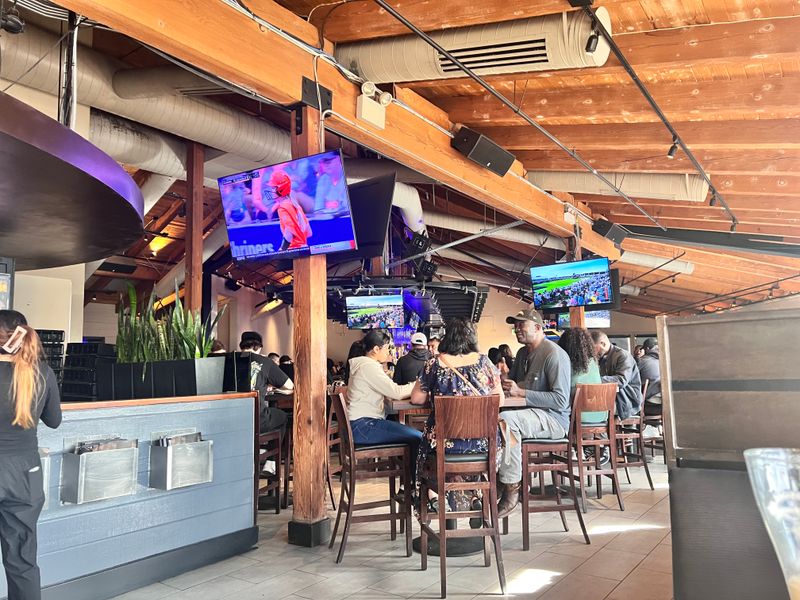
Yard House poured its first pints in Long Beach with a legendary wall of taps. Choices stretched so far you needed a friendly nudge from the bartender. The menu matched the beer list with global pub fare that felt adventurous but comfortable.
It grew by mastering the after-work hour and pre-concert meetups. Loud enough to buzz, quiet enough to talk. The sheer selection made it a discovery zone for beer-curious friends.
Today, that long tap lineup is a beacon for gatherings. You graze on shareables, sample flights, and trade notes. Long Beach’s big beer dream made the modern gastropub a mainstream habit.
Bonefish Grill – Tampa, Florida
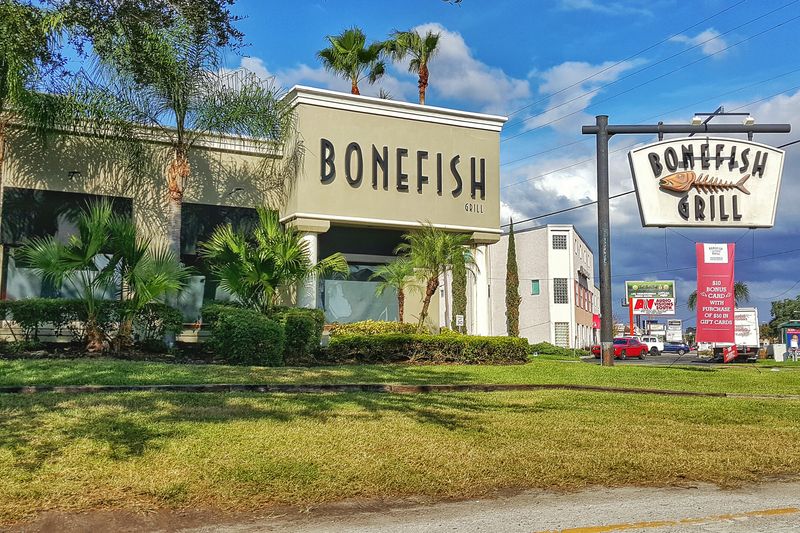
Bonefish Grill began in Tampa as a date-night seafood spot that did not feel stuffy. The Bang Bang Shrimp became the icebreaker, sweet heat that convinced skeptics to share. From there, wood-grilled fish and clean plating signaled care without a white tablecloth tax.
Expansion leaned on consistency and timing. Early dinner deals, attentive bar programs, and polished service made it feel special yet easy. It gave suburbs a reason to dress a little nicer.
Now the candlelit glow means reliable quality. You order a martini, listen to the clink of forks, and talk slower. Tampa’s coastal polish became a nationwide go-to for gentle celebrations.
Carrabba’s Italian Grill – Tampa, Florida
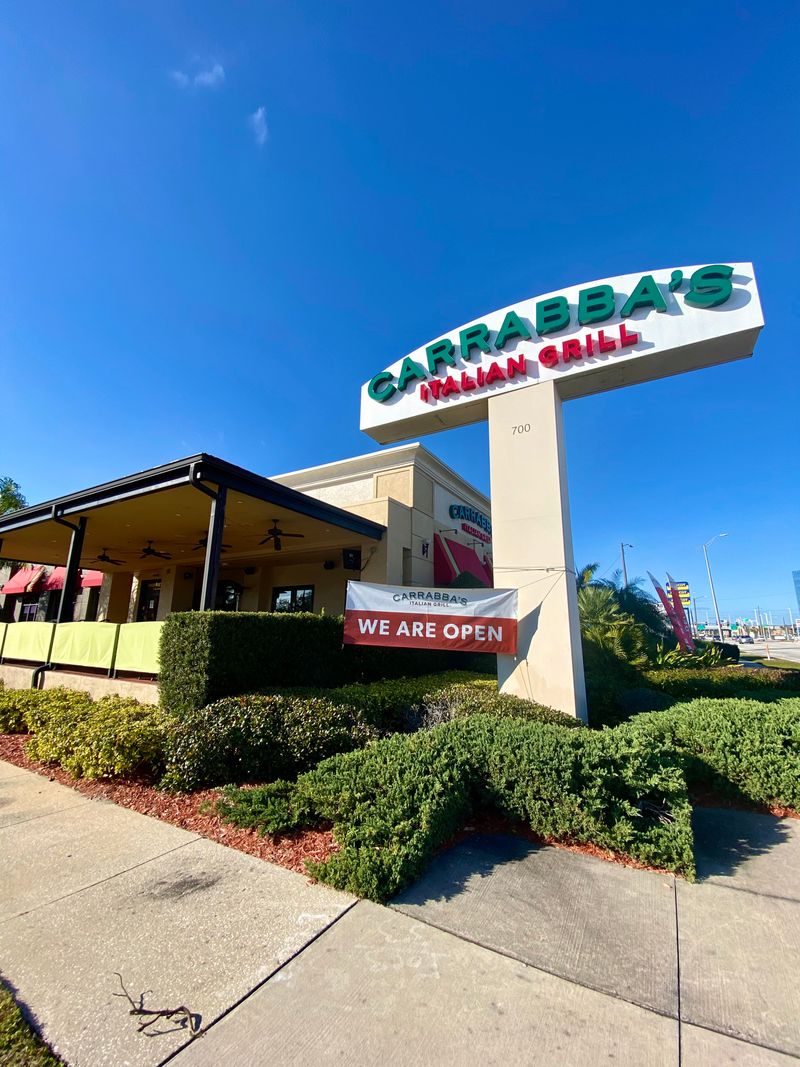
Carrabba’s grew from Tampa with recipes that tasted like someone’s family guarded them. The open kitchen let you watch the flames kiss chicken Bryan and seafood. Bread dipped in olive oil and herbs turned waiting into part of the meal.
It scaled by keeping warmth front and center. Servers knew the menu like storytellers, and the grill smoke delivered trust. Neighborhood energy carried across cities, from first dates to Sunday dinners.
Now, you go for comfort with a little theater. Plates arrive generous, sauces bright, and conversation unhurried. Tampa’s family-forward spirit expanded into a coast to coast Italian hug.
LongHorn Steakhouse – Atlanta, Georgia
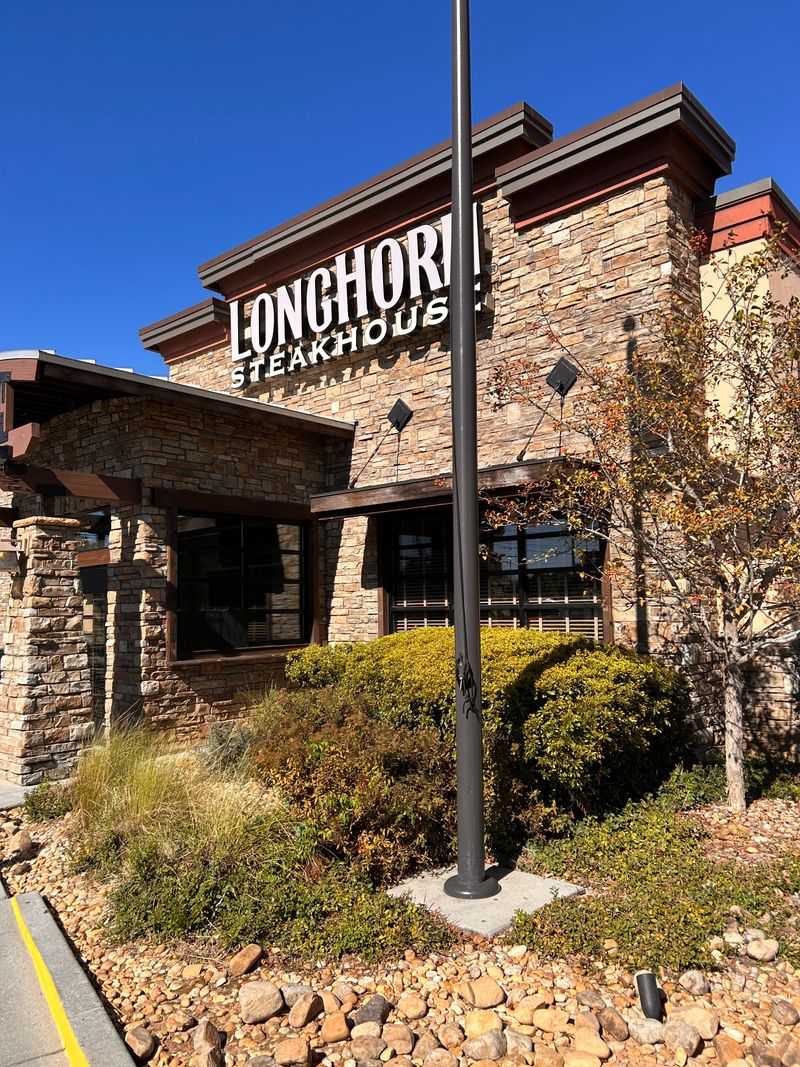
LongHorn started in Atlanta with a storm story and a cowboy attitude, feeding stranded diners who spread the word. The steaks came boldly seasoned and the atmosphere felt rugged but inviting. You could trust those grill marks to deliver a satisfying bite.
Growth followed a straightforward promise: good steak, fair price, no pretense. The western decor signaled hearty comfort after long days. Communities embraced it for birthdays, promotions, and casual Fridays.
Now the steer logo is a road-trip reassurance. You sit, order a Flo’s Filet, and relax into the booths. Atlanta’s grit turned into reliable steak nights across the country.
Red Robin Gourmet Burgers and Brews – Seattle, Washington
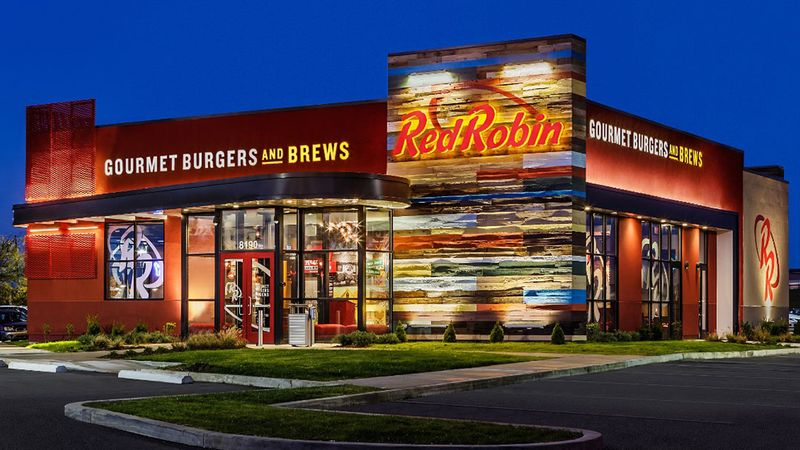
Red Robin grew from Seattle with a quirky vibe and burgers stacked like skyscrapers. Bottomless fries changed the math of lunch, making the table feel taken care of. The menu leaned fun, with names you remembered and sauces you craved later.
It spread by being family friendly without losing personality. Kids felt welcome, adults found brews, and everyone left full. The jingle and red color scheme became cheerful signals from the parking lot.
Today, you know exactly what the basket promises. Conversation flows while fries keep arriving. Seattle’s playful burger lab became America’s dependable treat-yourself stop.
Maggiano’s Little Italy – Chicago, Illinois
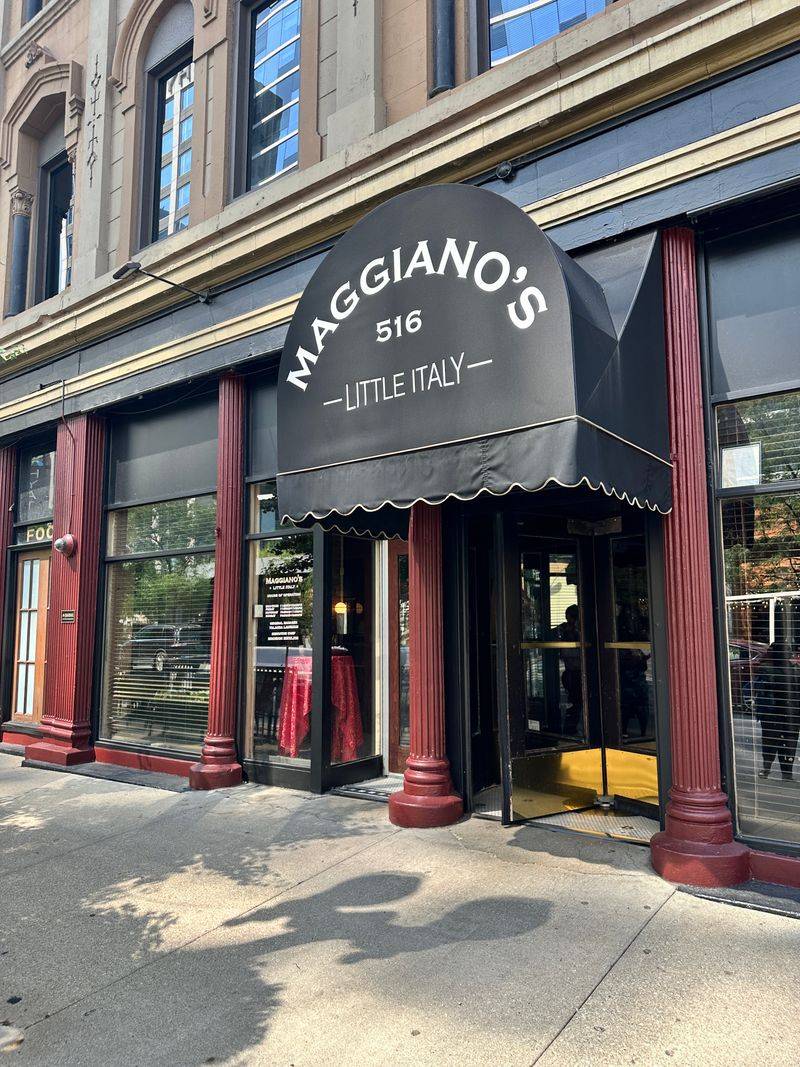
Maggiano’s opened in Chicago as a love letter to Italian-American Sunday suppers. Family-style platters encouraged passing, storytelling, and second helpings. The vibe felt nostalgic without being dated, all warm lamps and red checks.
It expanded by promising an occasion every night. Dress up a little, bring the grandparents, and leave blissfully full. The take-home pasta deal turned one dinner into tomorrow’s lunch.
Now, the name signals generosity and ceremony. You settle in, order classics, and watch the table fill like a parade. Chicago’s big-family spirit became a chain that still feels personal.
Cracker Barrel Old Country Store – Lebanon, Tennessee
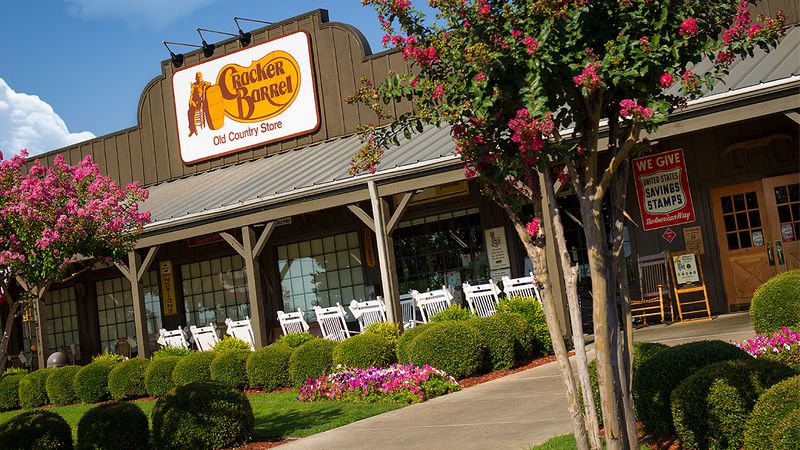
Cracker Barrel began in Lebanon as a fuel stop dream where travelers could eat, shop, and rest. Rocking chairs out front slowed the pace, while pancakes and gravy warmed early mornings. The country store turned waiting into browsing.
It spread along interstates by promising comfort at mile markers. No matter the exit, you found biscuits, a fireplace in winter, and checkerboards to pass the time. Families planned stops like mini traditions.
Now, that wooden facade is road trip shorthand. You stretch, sip sweet tea, and feel at home far from home. Lebanon’s porch hospitality mapped itself across America’s highways.
In-N-Out Burger – Baldwin Park, California
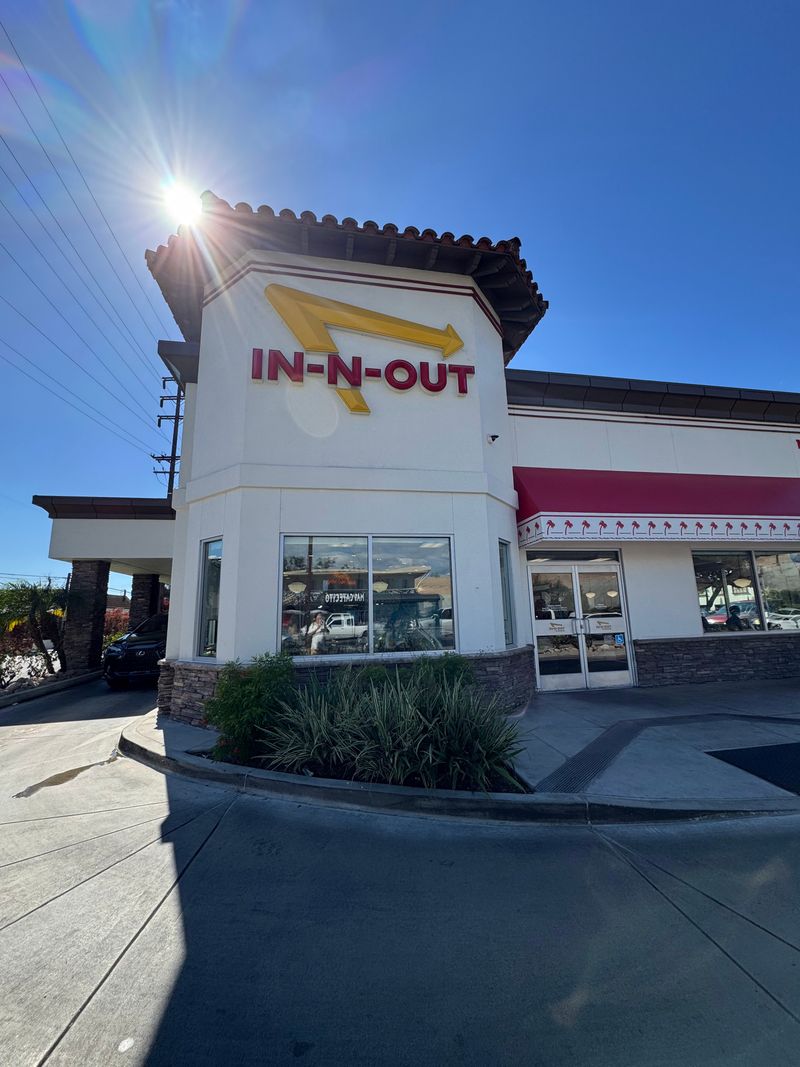
In-N-Out started tiny in Baldwin Park with a drive-thru and a simple promise: fresh, fast, honest. A short menu, quality ingredients, and a secret menu wink built devotion. The crossed palms became a lighthouse for burger pilgrims.
Growth stayed careful, which only deepened the craving. Lines formed like love letters, and fries cut to order turned patience into payoff. Consistency made every stop feel like homecoming.
Today, a double-double tastes like California sunshine. You order Animal Style, sip a shake, and nod at the palm trees. Baldwin Park’s little stand taught America the power of restraint.
Shake Shack – New York, New York
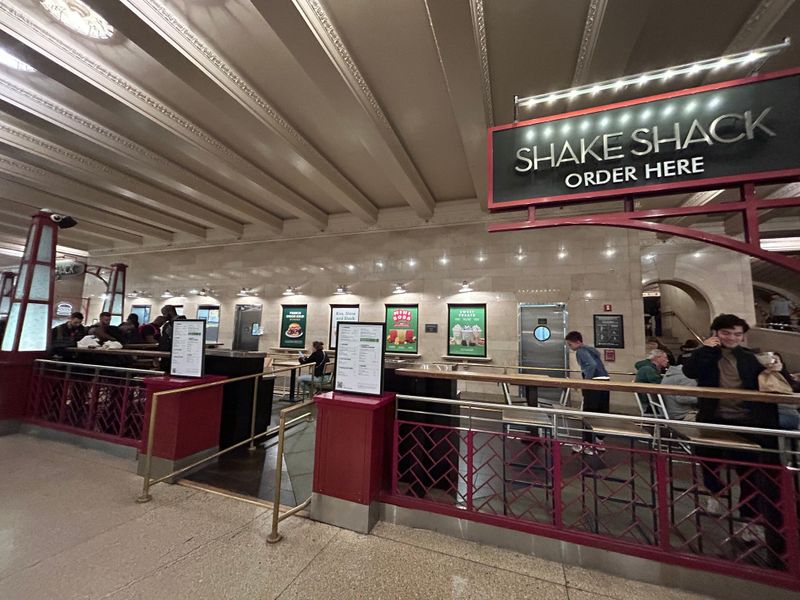
Shake Shack grew from a park kiosk into a phenomenon by making fast food feel modern and neighborly. The burgers tasted nostalgic, the branding felt fresh, and the lines turned into a social scene. Crinkle fries and custard sealed the ritual.
It expanded by choosing urban corners and travel hubs where community naturally gathers. Quality stayed center stage, and the menu evolved carefully. The vibe said casual, but the details whispered care.
Now, a Shack in sight means a reliable pause in a busy day. You queue, chat, and snap the tray pic. New York’s park experiment became an international comfort language.
Dunkin’ – Quincy, Massachusetts
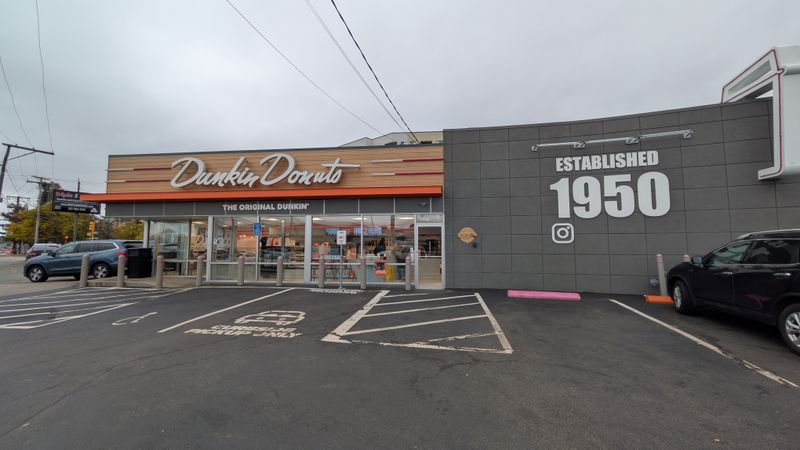
Dunkin’ began in Quincy as a simple coffee and donut stop for workers on the go. Speed, warmth, and prices that felt friendly built trust before sunrise. The pink and orange smile spread across commuter routes like a ritual.
It grew by owning the everyday. You grab a box for the office, fuel up on road trips, and learn your regular order by heart. Consistency became comfort in a cup.
Now, that sign is a morning beacon. You swing in, say your order, and leave ready. Quincy’s humble counter turned into America’s caffeine common ground.
Starbucks – Seattle, Washington
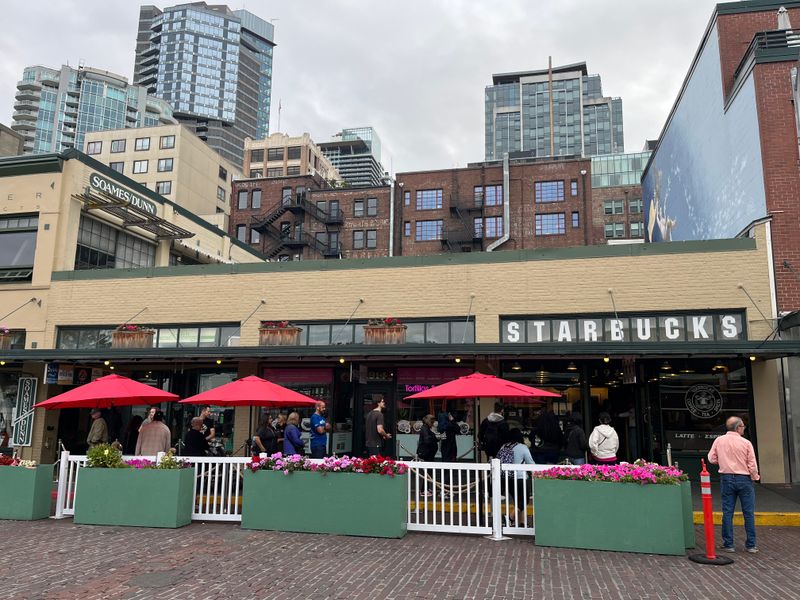
Starbucks started in Seattle selling beans before espresso culture took hold. A cup became more than caffeine, it became a table, a meeting, a pause. The third place idea made it feel like community property.
Expansion followed the aroma of consistency. You knew the taste, the names, the sizes, and the space to linger. Travelers found language and comfort wherever the siren appeared.
Now, you can order blindfolded and still get your favorite. Foam art, playlists, and seasonal cups mark time. Seattle’s rainy day ritual soaked into the national routine.
Chipotle Mexican Grill – Denver, Colorado
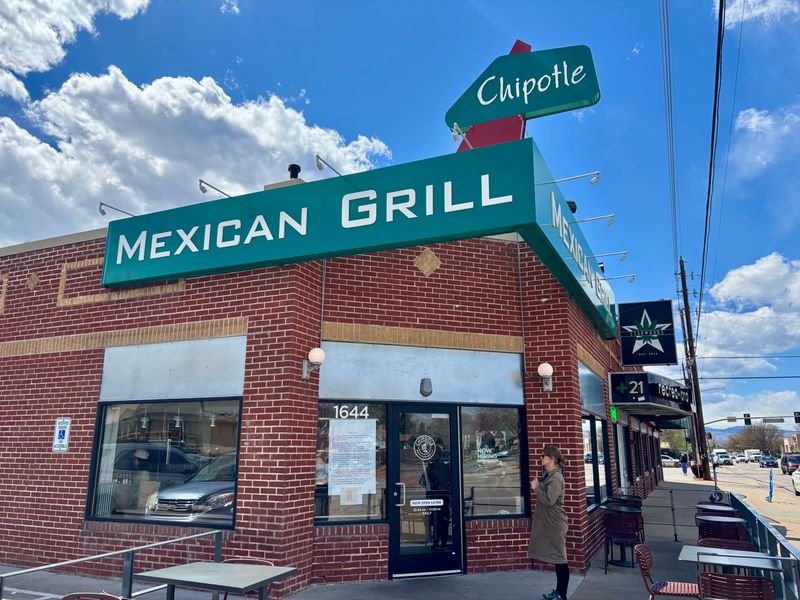
Chipotle opened in Denver with a simple line and a bold burrito. You watched every choice happen and felt ownership of the result. The foil wrap became a warm handshake you could eat with one hand.
It scaled by treating fast food like a craft. Freshness, transparency, and speed made lunchtime feel smarter. The rice-to-salsa ratio debates turned into a shared language.
Now, the burrito bowl is workplace currency. You customize, shake the lid, and power on. Denver’s little taqueria idea reframed fast casual across the map.
Five Guys – Arlington, Virginia
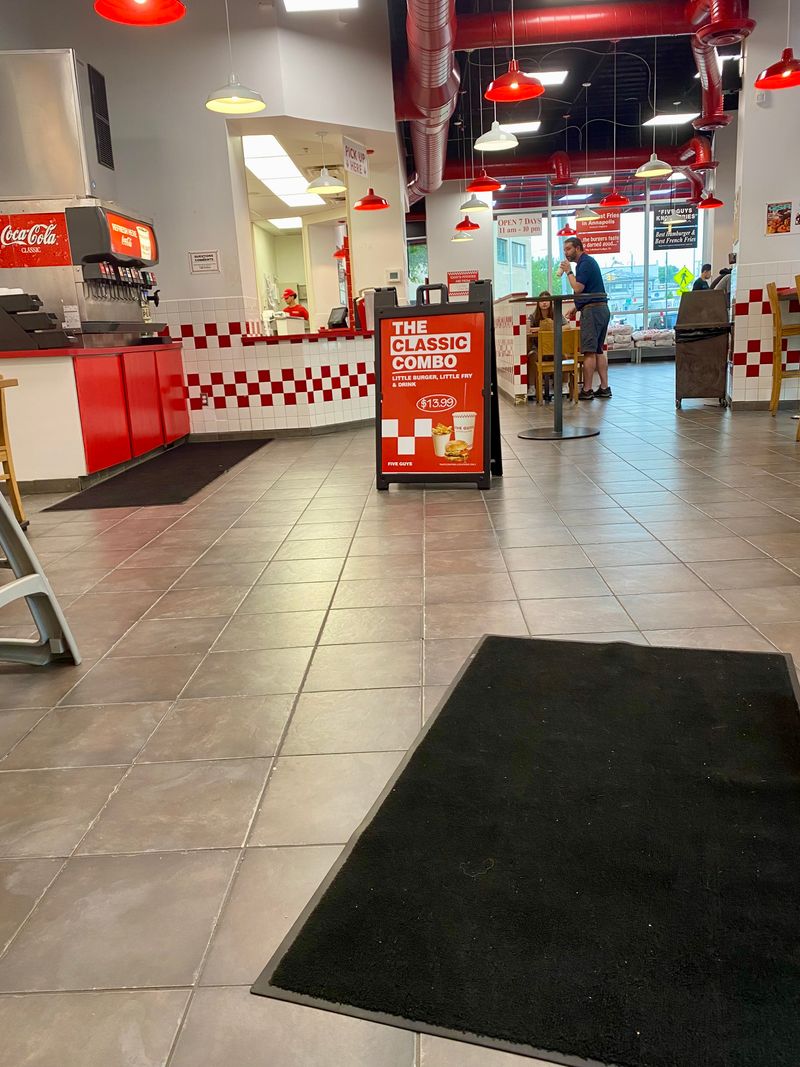
Five Guys began in Arlington with a straightforward goal: make a killer burger and fry it right. Peanut oil, fresh potatoes, and visible grills proved the point. Free toppings turned ordering into a small adventure.
It expanded by refusing shortcuts. No freezers, generous portions, and brown bags stained with fry oil became the calling card. Word of mouth carried the sizzle.
Now, the red-and-white tiles feel like a promise. You crunch peanuts, watch the stack get built, and leave content. Arlington’s burger honesty became a coast to coast standard.