


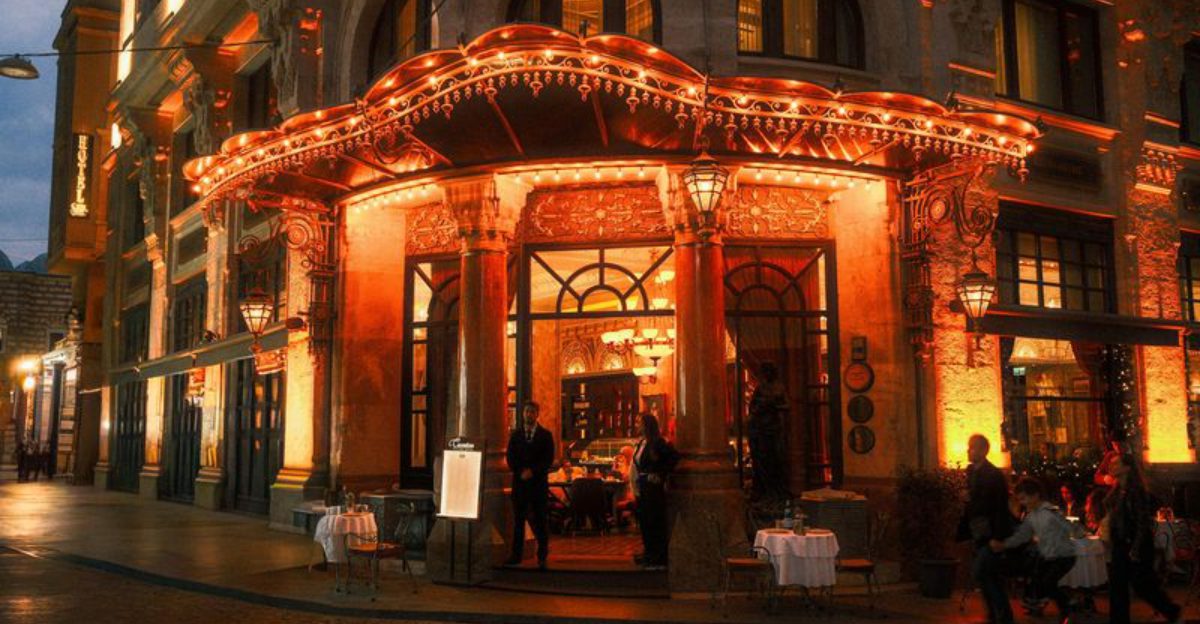
Some house rules keep a meal smooth, but others make you want to grab your coat before appetizers land. You came to relax, laugh, and savor, not tiptoe through a minefield of nitpicks. These dining rules can turn a simple night out into a stress test you never signed up for. If any of these sound familiar, you will feel seen, a little vindicated, and maybe ready to choose better tables.
No phones
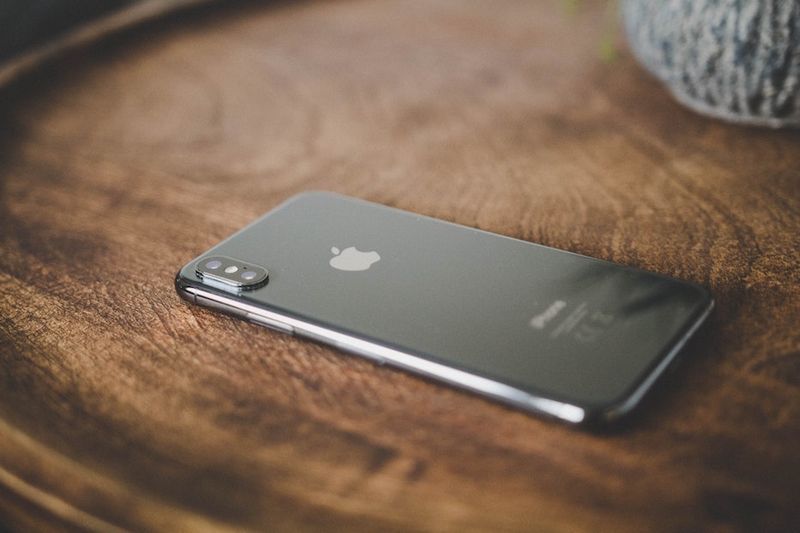
Phones on the table can be rude, sure, but banning them entirely feels extreme. Sometimes you need to coordinate childcare, check a work alert, or snap a quick memory. A gentle reminder beats a hard rule every time.
When a restaurant polices your pocket, it changes the vibe from welcome to watchful. You start worrying about getting scolded instead of enjoying your meal. Let guests be adults and set their own boundaries.
No tipping talk
Tipping can feel awkward, but banning any conversation about it makes paying more confusing. You want clarity with friends about how the bill will be handled. A little transparency keeps everyone comfortable and avoids mistakes.
When a place forbids money talk, it turns a simple moment into a hush-hush ritual. People worry about offending staff or each other. Open, brief discussion keeps trust intact and the evening light.
No splitting checks
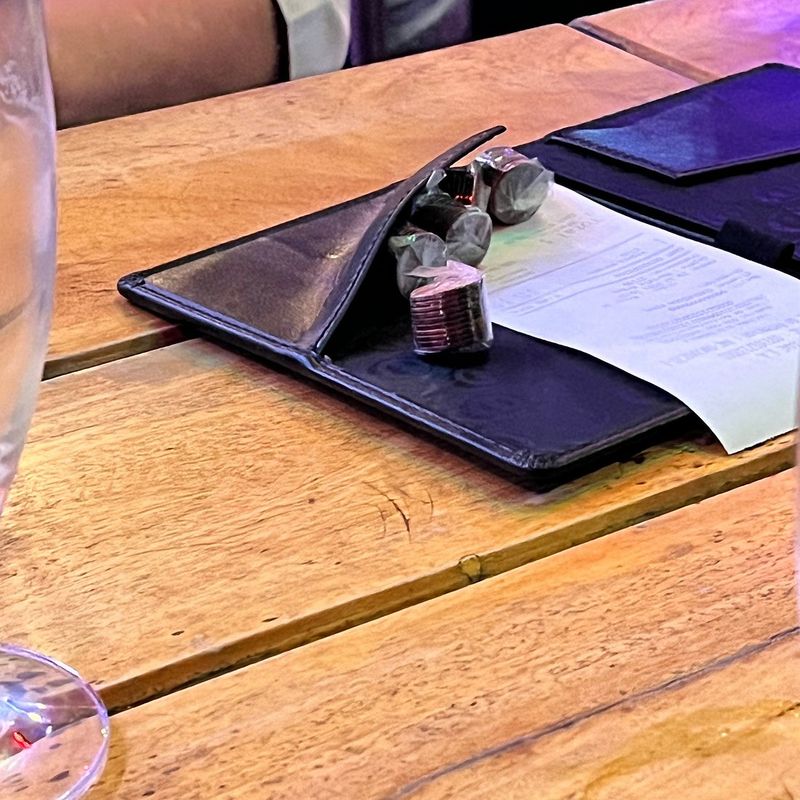
Not everyone orders the same price dishes or drinks. Refusing to split checks punishes the careful spender and pressures people to overpay. You should be allowed to enjoy dinner without doing complicated math or subsidizing others.
Technology makes dividing bills easy, yet some places cling to a hard no. It feels outdated and inconsiderate. Give guests options so groups can relax and return often.
No substitutions
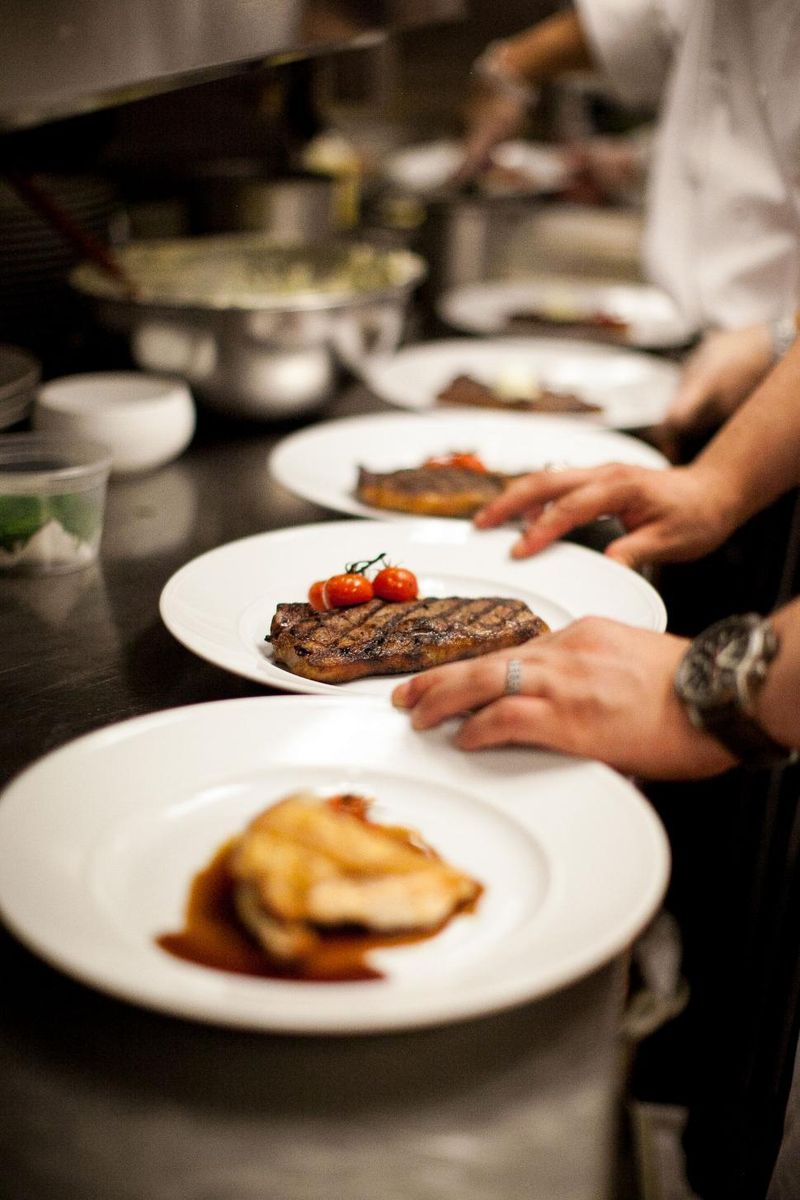
Allergies, intolerances, and preferences are real. A blanket no substitutions policy tells guests their needs are an inconvenience. Swapping a side or leaving off a garnish should not be controversial.
Chefs deserve creative control, but hospitality means meeting people halfway. You want to feel taken care of, not like a problem. Reasonable flexibility shows confidence and care without compromising the dish.
No kids menu
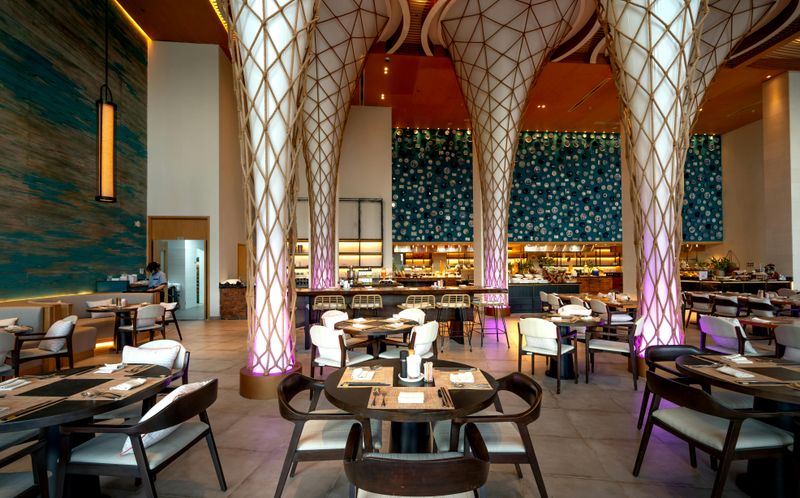
Families want to go out too, and tiny appetites need simpler plates. No kids menu means expensive entrées or waste. A few kid friendly options keep parents happy and prevent meltdowns.
It is not about chicken nuggets every time. It is about smaller portions, milder flavors, and sanity. Welcoming children respectfully builds loyal regulars who grow up loving the place.
No water refills
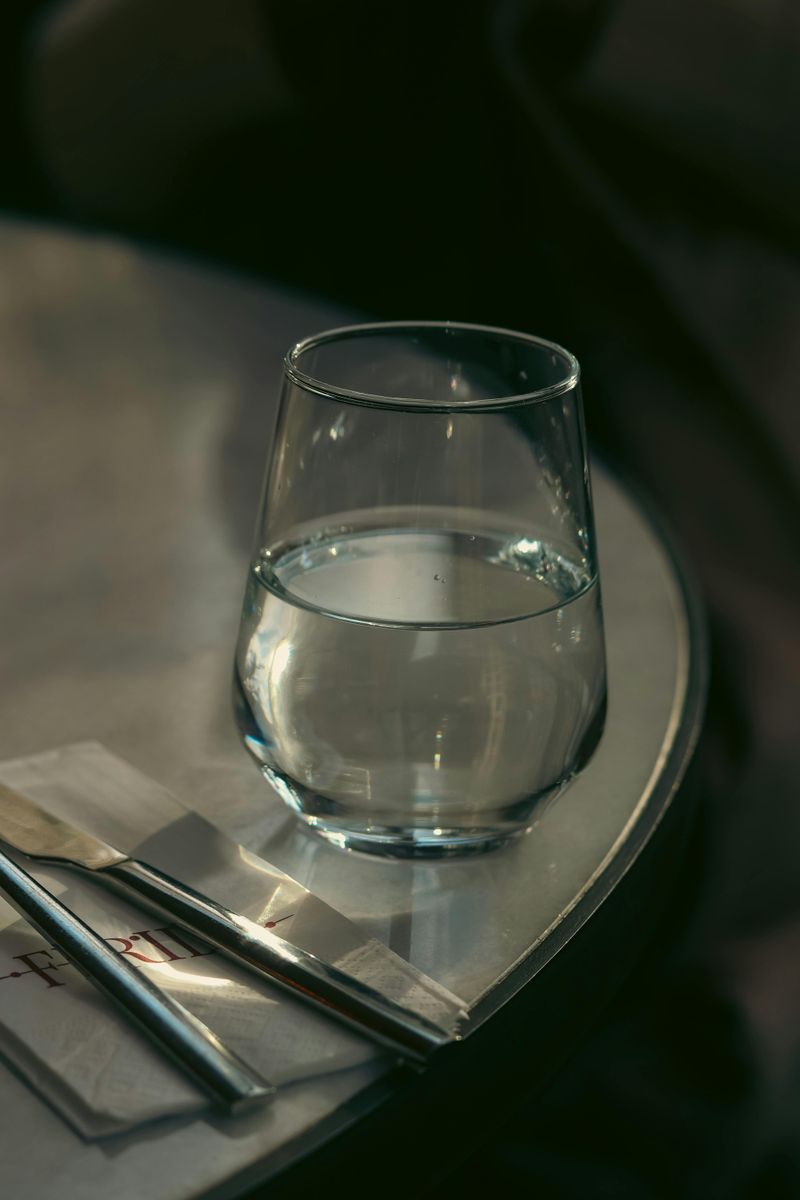
Staying hydrated should not feel like a luxury. When refills are withheld or monetized, the message is penny-pinching over comfort. You should not ration sips between bites of salty food.
Refilling water is one of the simplest hospitality gestures. It costs little and earns goodwill instantly. Let guests focus on conversation, not on parched throats or pleading waves for a pitcher.
No ketchup
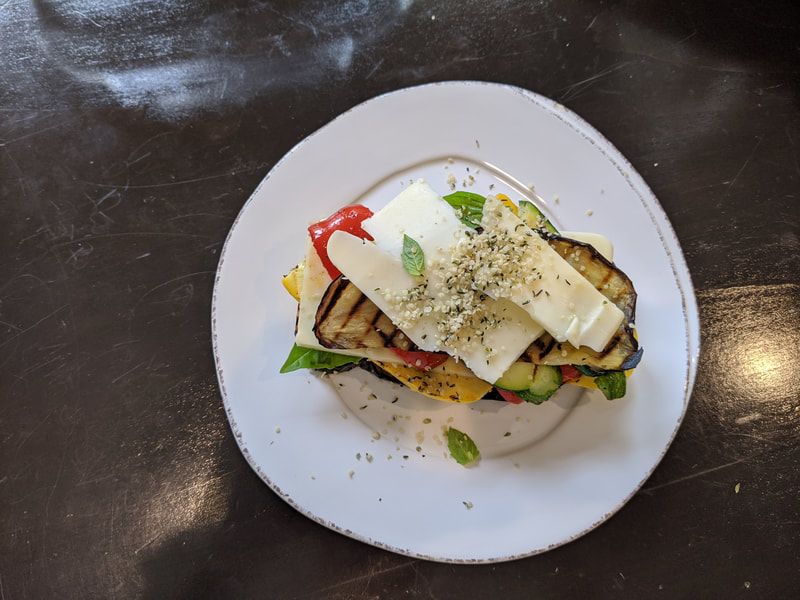
Chefs may prefer their sauce pairings, but forbidding ketchup feels snobby. People have taste memories and comfort habits. Asking for a basic condiment should not be a rebellion.
When you are told no, it turns a casual request into a power struggle. A little bottle on the side harms no artistry. Let guests enjoy their food their way.
No salt
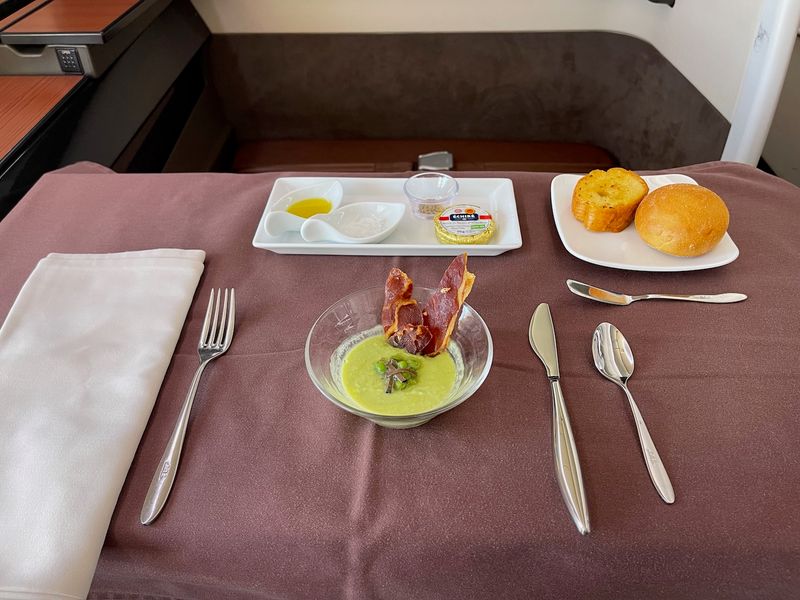
Seasoning is personal. If a dish arrives under seasoned for your palate, you should not feel trapped. Removing salt shakers suggests the kitchen knows your taste better than you do.
Great cooking is adjustable within reason. Providing salt signals confidence, not defeat. Let people finish the dish to their liking and leave happy, not silently resentful.
No photos

Yes, flashes can be disruptive, but an outright ban ignores how people share experiences. A quick shot of your birthday dessert is harmless and joyful. You want memories, not reprimands.
Encourage no-flash and be considerate, and most guests will follow. Turning cameras into contraband creates tension. Hospitality should welcome celebration, not dim it.
No talking loud
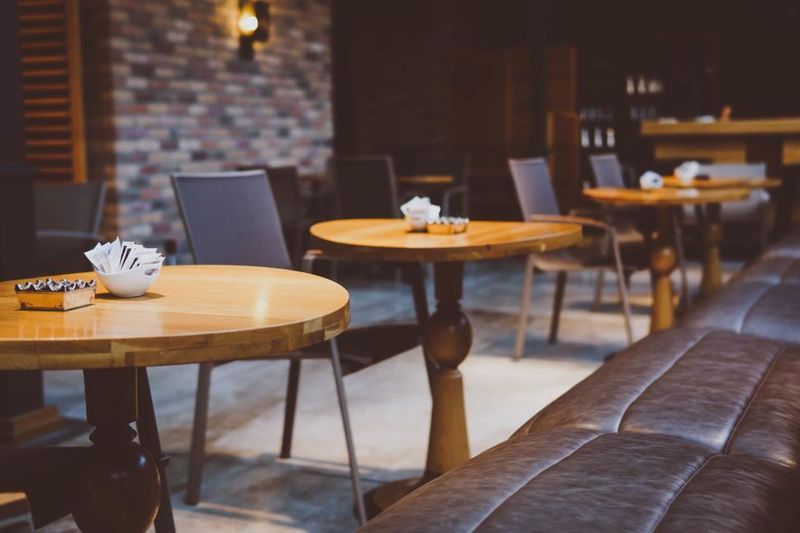
Conversation is the heart of dining. Policing volume too aggressively makes you whisper through jokes and stories. You came to connect, not tiptoe verbally.
Reasonable reminders are fine when neighbors are disturbed. Blanket shushing feels hostile and joyless. Design choices like spacing and sound panels should carry the burden, not constant guest correction.
No hats
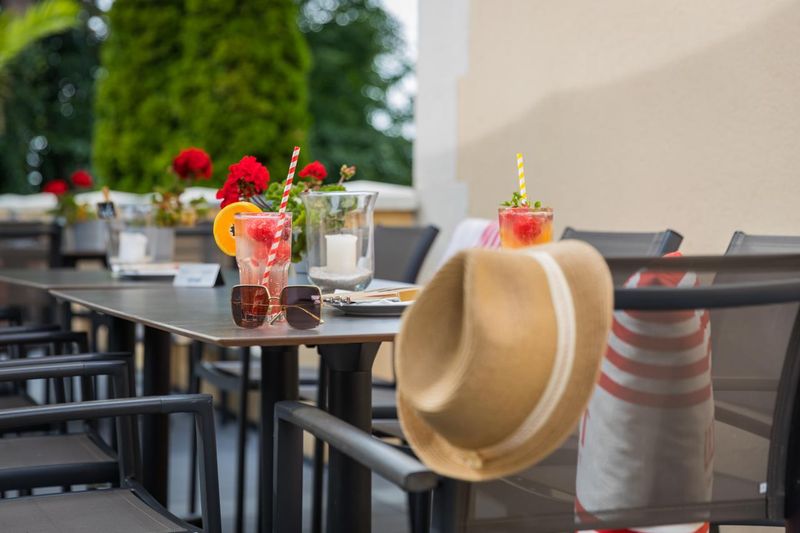
Dress codes can elevate a room, but hats are often harmless and personal. Maybe it is a bad hair day or cultural wear. Making someone remove it can feel intrusive.
Set a vibe through ambiance, not enforcement. If you want polish, encourage it kindly. Hospitality means accommodating comfort while still keeping standards tasteful.
No shorts
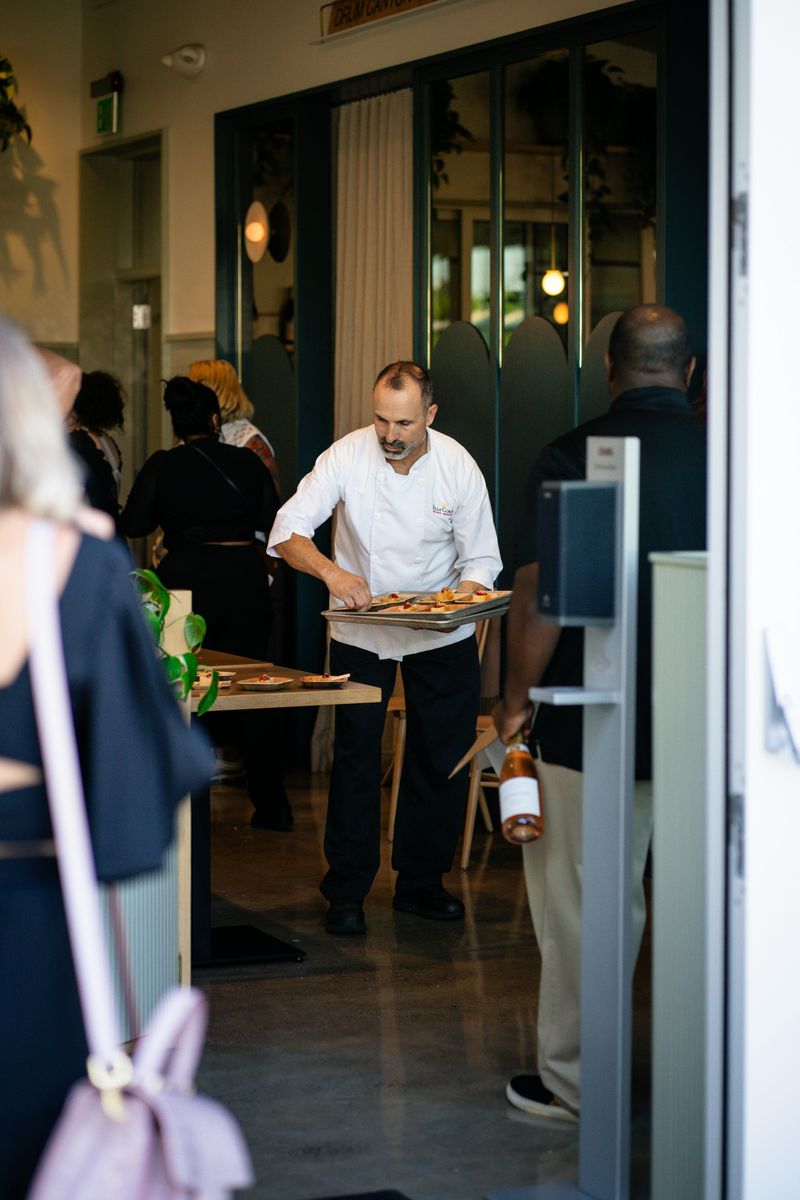
Warm weather and outdoor seating make shorts practical. Barring them can punish comfort over performative formality. Guests want to relax, not pass a wardrobe exam.
There is a difference between sloppy and casual. Clear guidance about neat attire works better than blanket bans. Create an atmosphere that invites good choices without shaming customers.
No outside drinks
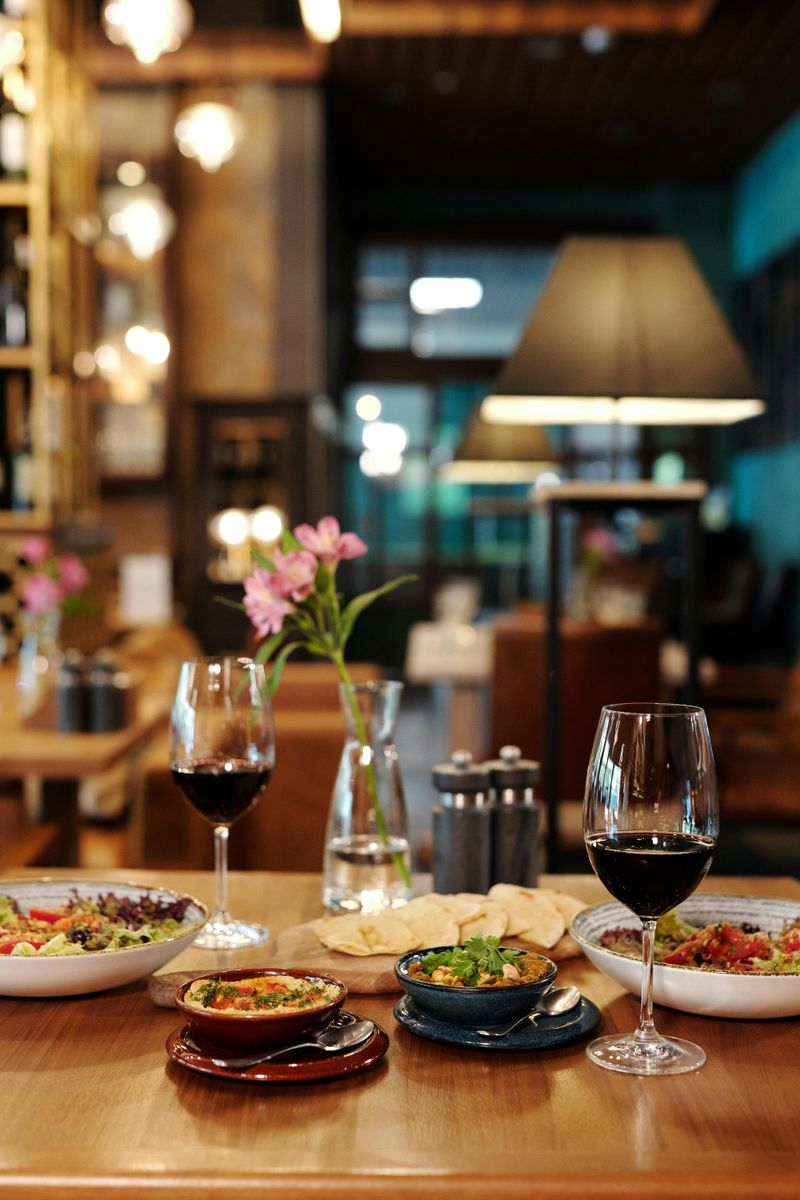
Concerns about revenue and spills are real, but sometimes guests bring medical beverages or baby bottles. A strict ban ignores legitimate needs. You want staff to show discretion, not rigidity.
Offer to store items or provide alternatives when possible. Being human about exceptions builds trust. Policies should protect the business without punishing kindness.
No dessert sharing
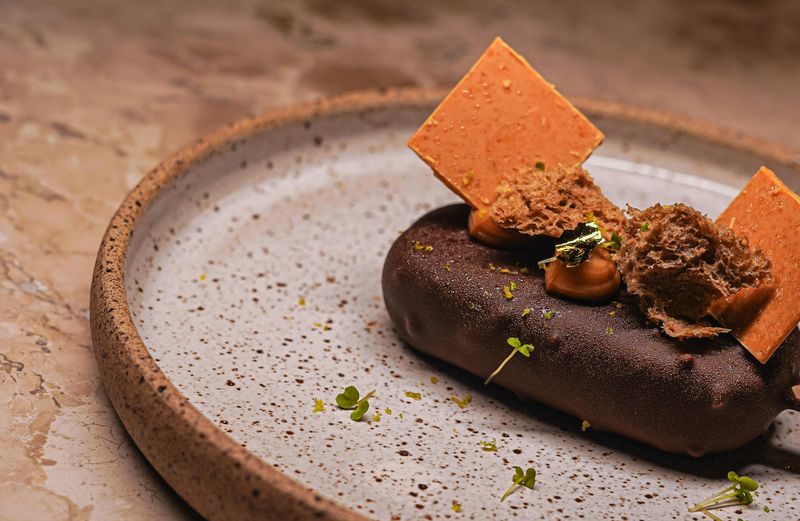
Sharing dessert is part of the ritual. It is playful, thrifty, and intimate. Outlawing it feels like nickel and diming, especially when portions are generous.
If there is a minimum order, be transparent and fair. Otherwise, let people split a sweet without guilt. The memory should be about the flavor, not the rule that spoiled the moment.
No separate bills
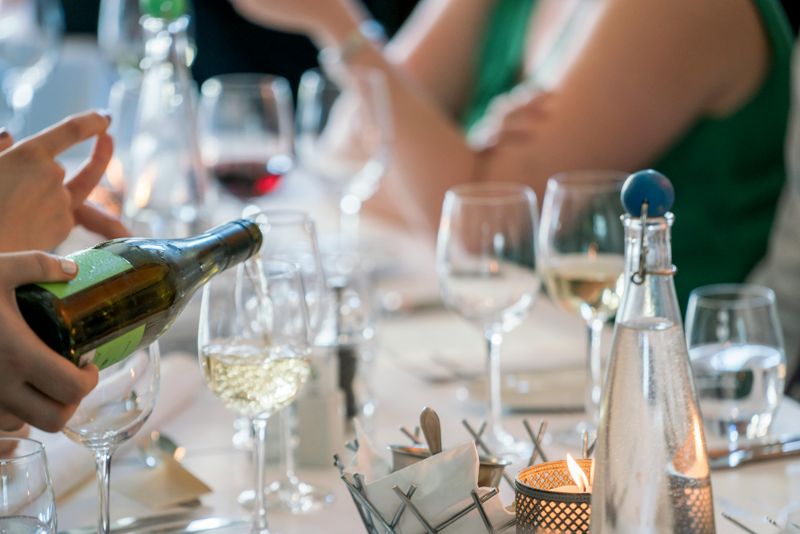
Groups are complicated. One bill means someone fronts cash or plays accountant. That stress lingers long after dessert.
Offering separate bills or at least itemization respects budgets and friendships. With modern POS, it is doable. The smoother the exit, the more likely you return.
No modifications
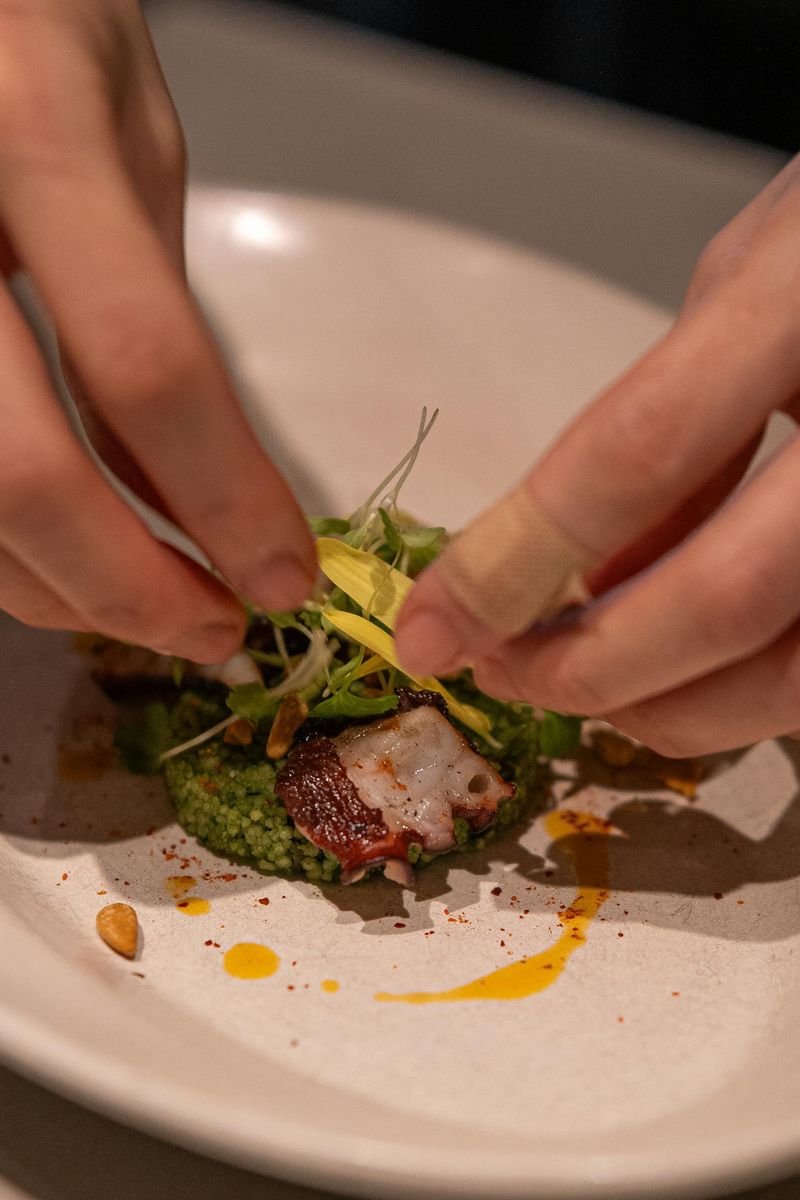
There is a difference between creativity and inflexibility. Allergies and dietary restrictions are not trends. Refusing to hold an ingredient can exclude people entirely.
Thoughtful boundaries are fine. Absolute lines feel careless. When a kitchen adapts safely and clearly, guests feel seen and loyal.
No takeout boxes
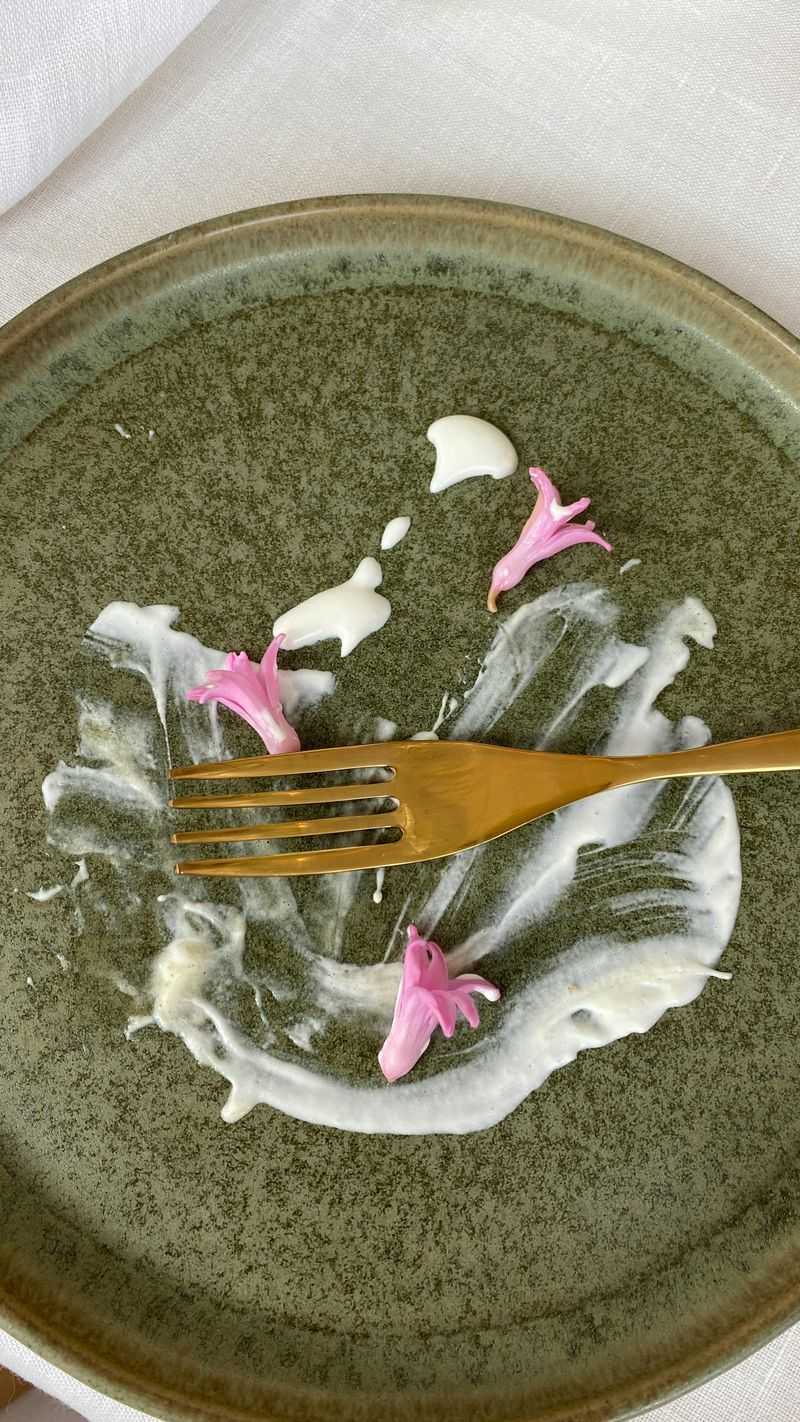
Leftovers are part of value and sustainability. Refusing boxes wastes food and money, and it leaves you hungry tomorrow. Safety concerns can be addressed with proper containers and disclaimers.
Let guests take what they paid for. A simple box keeps goodwill intact. No one wants to sneak bites because finishing is mandatory.
No music requests
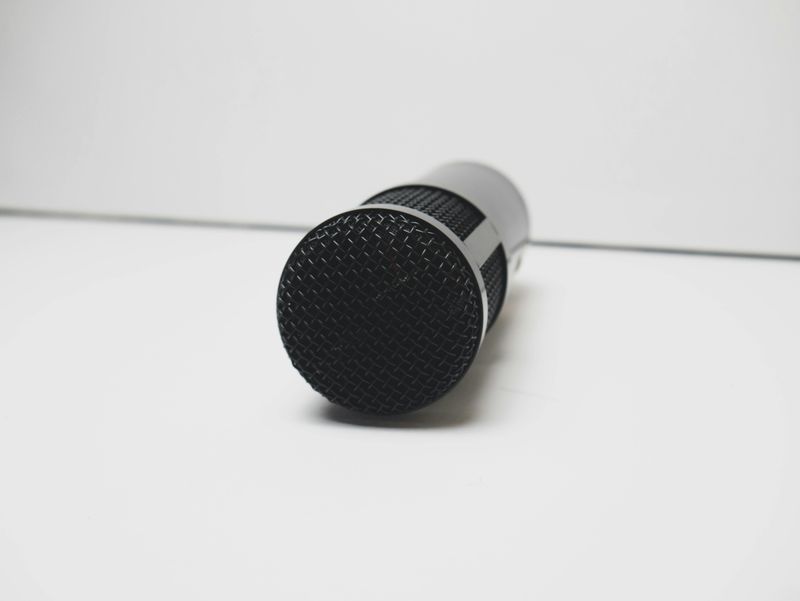
Playlists set a mood, but forbidding any request can feel chilly. Sometimes a birthday song or volume tweak makes the night. You are not trying to DJ, just feel considered.
Staff can keep control while being approachable. A polite no with a smile goes further than a posted rule. Hospitality means listening, even when the answer is no.
No seating changes
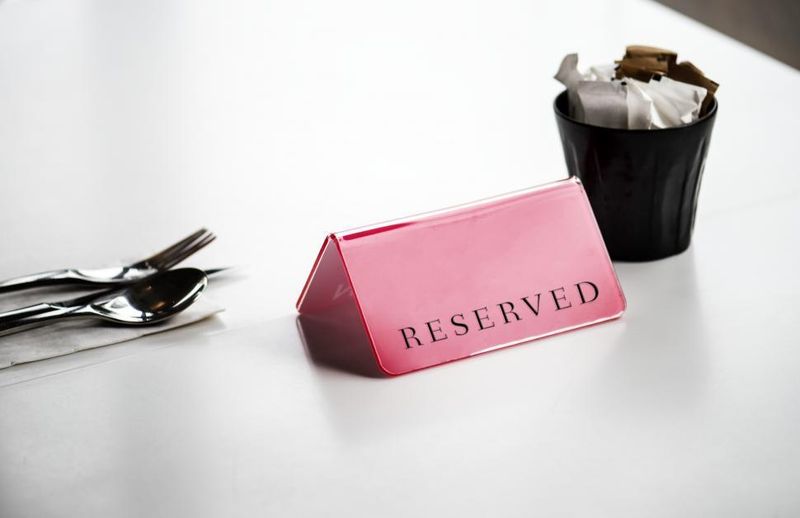
Comfort matters: drafts, noise, and tight spaces can ruin a meal. Barring seat changes dismisses simple fixes. You want to feel welcomed, not stuck.
Reasonable flexibility keeps the room flowing and guests content. If a section is closed, explain why and offer alternatives. Clear communication beats hard walls every time.
No reservations
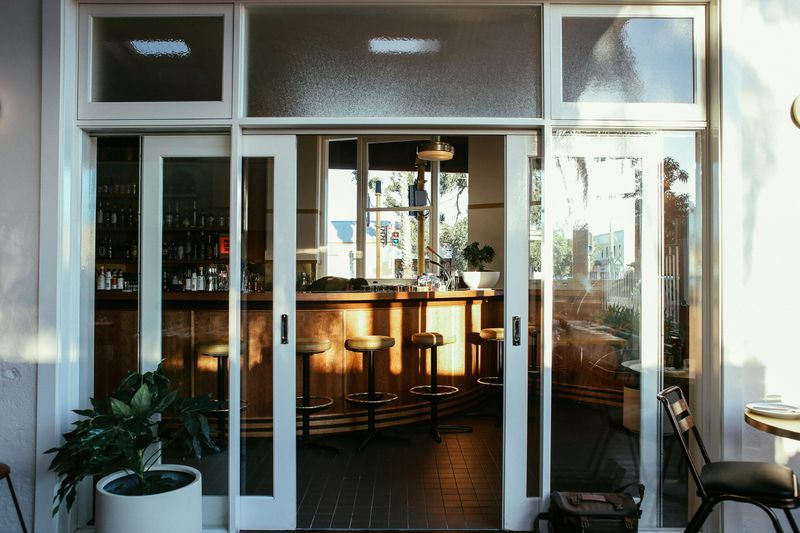
Walk-in only can be fun for spontaneity, but it punishes planners and families. Long waits drain energy and wallets at the bar. Sometimes you just want a sure thing.
Offering limited reservations balances fairness and flow. Predictability makes special nights smoother. A little structure opens the door to more loyal diners.
No walk ins
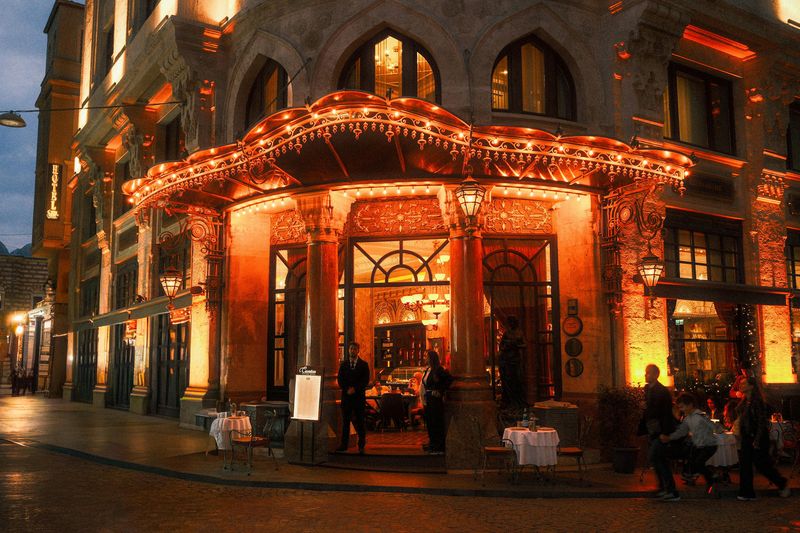
Exclusivity can elevate an experience, but shutting out spontaneous guests feels cold. Travel plans change, and locals explore. Turning people away outright leaves a sour first impression.
Hold a few seats for last-minute diners. Flexibility signals confidence, not chaos. A full book should not mean a closed door to goodwill.