


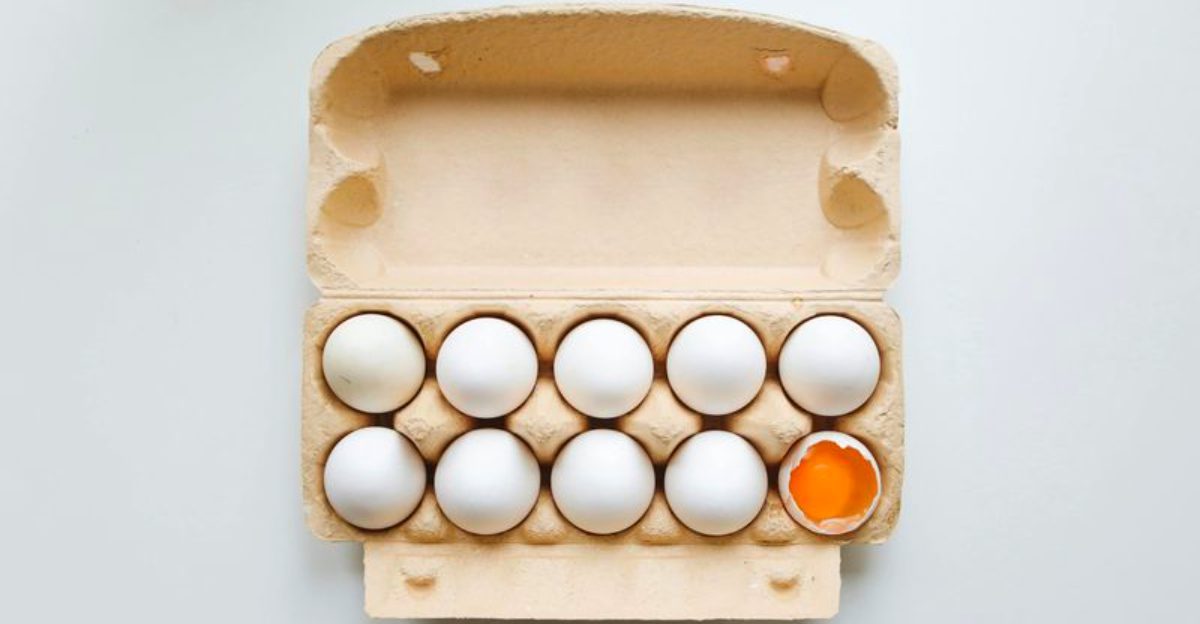
It is funny how some foods only get real respect once the price tag jumps. Suddenly, the everyday stuff you barely noticed becomes treasure you plan, savor, and stretch.
When costs soar, you taste with more attention and waste a lot less. Let’s walk through the pantry and see which staples earned newfound admiration the moment they got pricey.
Bacon
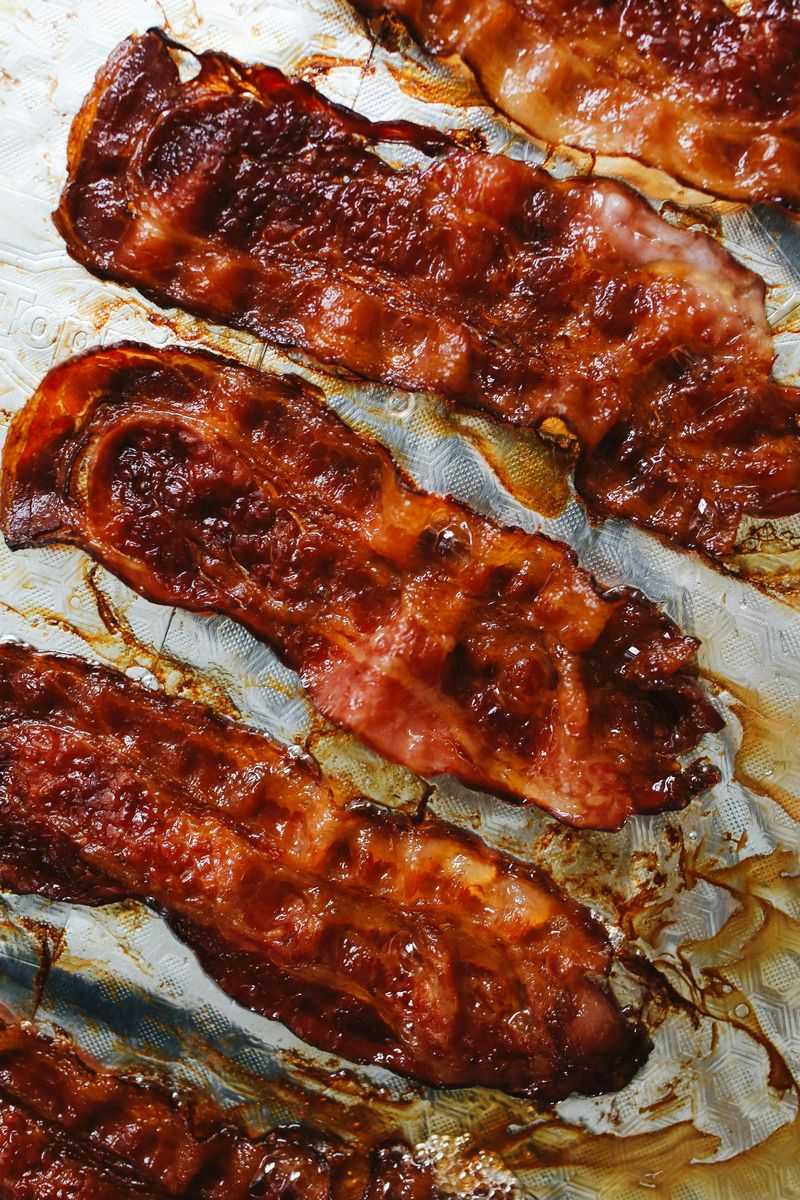
Bacon once felt like a casual weekend side, tossed into a pan without much thought. When the price jumped, you paid attention to heat, splatter, and timing.
Suddenly, rendering fat for later use felt savvy, not strange.
You stack strips carefully, bake on a rack, and save every crispy shard. BLTs become deliberate masterpieces, layered with peak tomatoes and fresh lettuce.
You stop overcooking and start aiming for chewy-crisp balance.
Buying thick-cut becomes a considered treat, not an impulse. Portioning matters because flavor carries further than volume.
Expensive bacon teaches restraint and craft.
Ground beef
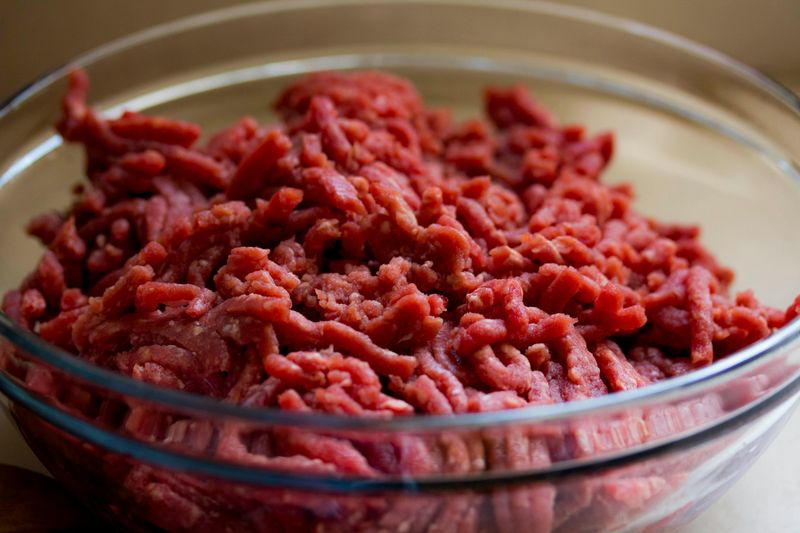
Ground beef used to be the default weeknight protein, browned and forgotten. When the price climbed, seasoning stopped being an afterthought.
You learned to salt early, bloom spices, and deglaze with stock for depth.
You stretch it with mushrooms, lentils, or grated zucchini without losing satisfaction. Burgers get handled gently, avoiding overmixing for tenderness.
Fat percentage becomes a choice, not a guess.
Suddenly, meatloaf means panade and patience. Taco night includes proper toasting of chili powder and cumin.
The price tag nudged real technique into the skillet.
Butter
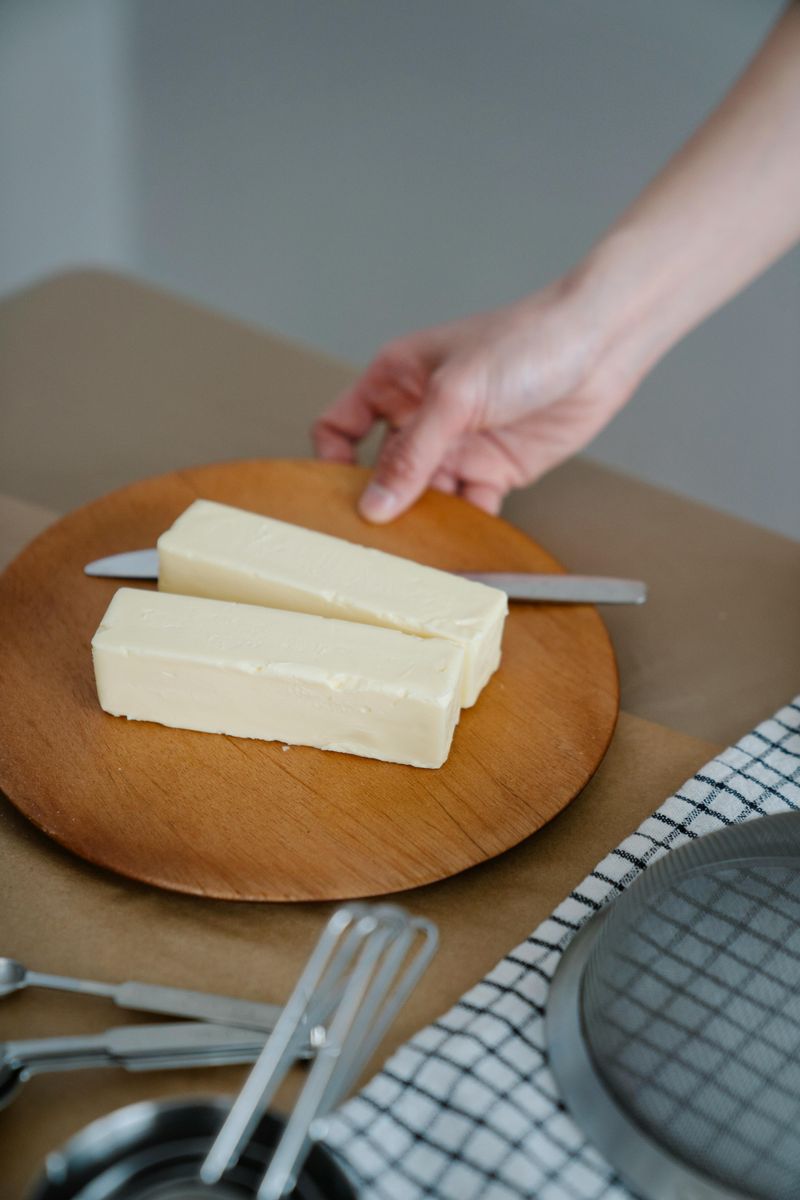
Butter was once spread with abandon, a background flavor. After prices rose, you started tasting brand differences and noticing butterfat percentages.
Unsalted versus salted finally meant something beyond a recipe note.
You soften it correctly, brown it intentionally, and chill it for flaky pastry layers. Suddenly, butter becomes a tool with personality, not just fat.
Toast transforms when you let it melt slowly.
Even storage matters, like keeping it wrapped tight to avoid fridge odors. You reserve browned bits to drizzle on vegetables or fish.
Expensive butter invites ceremony and restraint.
Olive oil
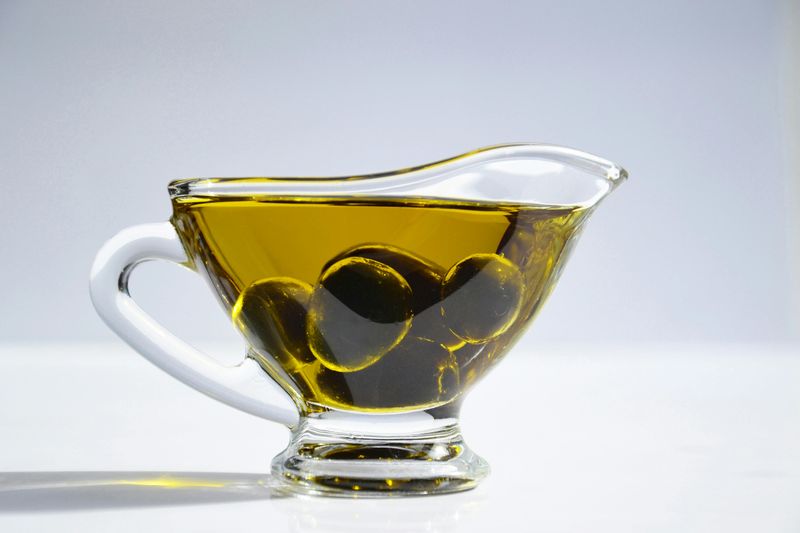
Olive oil shifts from generic pantry lube to liquid nuance once prices climb. You start sniffing for peppery finish and fruitiness, reading harvest dates.
Suddenly, a drizzle becomes the main flavor note, not just gloss.
You separate a cooking oil from a finishing oil and protect it from heat. Dark bottles, tight caps, and smaller quantities become routine.
Salads turn remarkable with a confident pour.
Even simple bread feels special when dipped with flaky salt. You begin tasting regions and cultivars like wine.
The cost teaches respect for freshness and quality.
Coffee
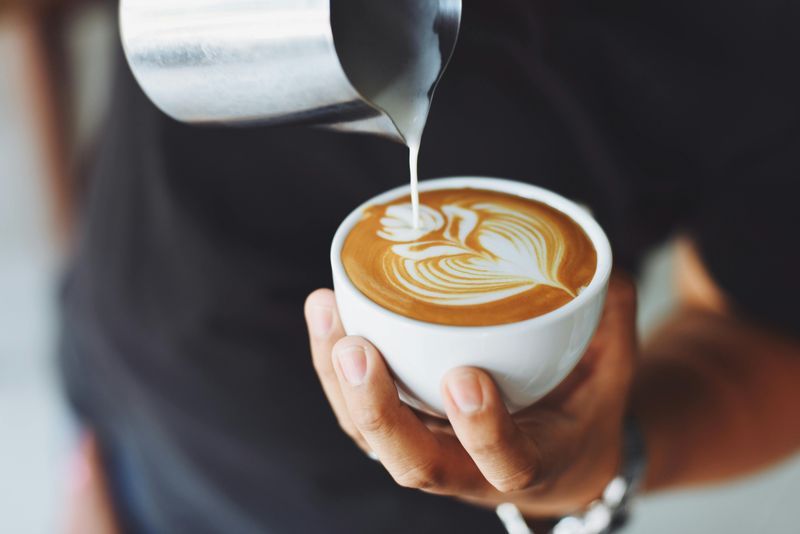
Coffee used to be fuel. When bags got pricey, measuring grams, grind size, and water temperature did not feel fussy anymore.
You dial in ratios and notice origin notes like chocolate, citrus, or floral.
Suddenly, you store beans in airtight containers and grind fresh. Cheap bitterness gives way to balanced extraction and patience.
The daily ritual feels intentional, even comforting.
You might skip sugary add-ins because the cup tastes complete. Brewing becomes a small craft, not a chore.
Cost turned caffeine into a mindful moment.
Chocolate
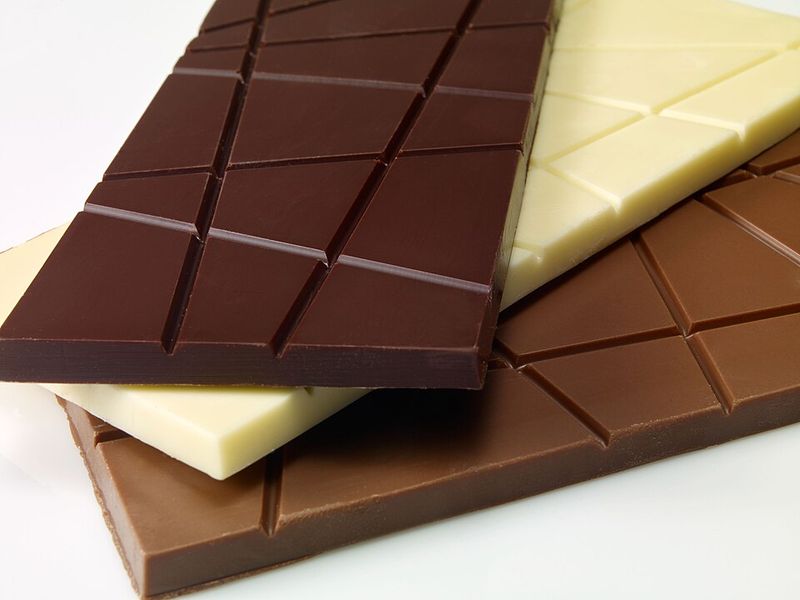
Chocolate goes from candy to craft the moment prices climb. You start checking cacao percentages, origins, and conching time.
The snap of a well-tempered bar suddenly matters.
Instead of inhaling pieces, you let them melt slowly and notice notes. Nuts, red fruits, or earthy tones emerge like a tasting flight.
Baking chocolate gets measured like a potion.
You store it away from heat and strong aromas, protecting that cocoa aroma. Smaller servings still satisfy because flavor runs deep.
Cost encourages savoring rather than snacking mindlessly.
Avocados
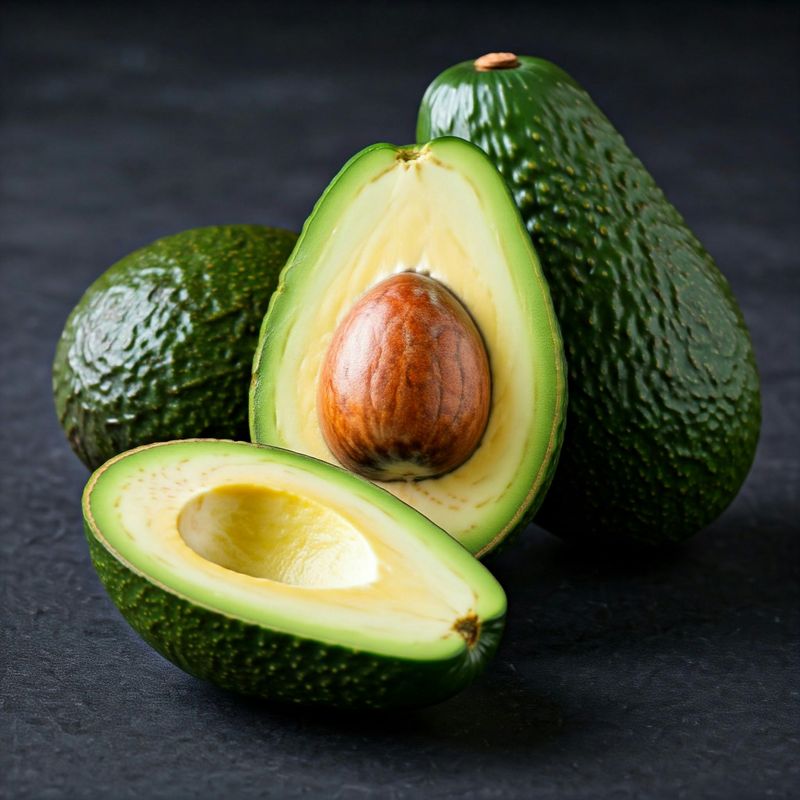
Avocados used to sit on the counter until forgotten. After seeing the price, you plan ripeness like a calendar.
Gentle squeezes, paper bags with bananas, and fridge pauses become routine.
You slice with care, twist the pit safely, and brush exposed flesh with lime. Toast becomes a weekend moment, not an everyday habit.
Guacamole gets shielded with plastic pressed tight.
Every creamy bite earns appreciation when you prevent waste. Brown spots motivate smarter timing.
High cost turned ripeness management into an art.
Berries
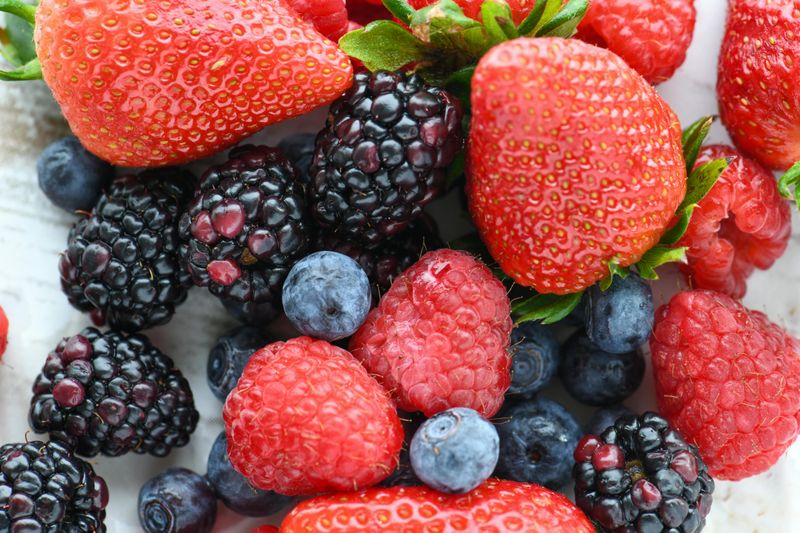
Berries are delicate and suddenly precious when the price rises. You stop rinsing until the moment you eat them.
Paper towel-lined containers and airflow keep them vibrant longer.
Each handful tastes brighter when you pick stems and sort soft ones first. You freeze extras on a sheet pan before bagging, saving every gem.
Smoothies become a way to honor leftovers.
Pancakes feel special with macerated berries and a squeeze of lemon. You savor, not shovel.
Respect arrives with careful storage and smart timing.
Cheese
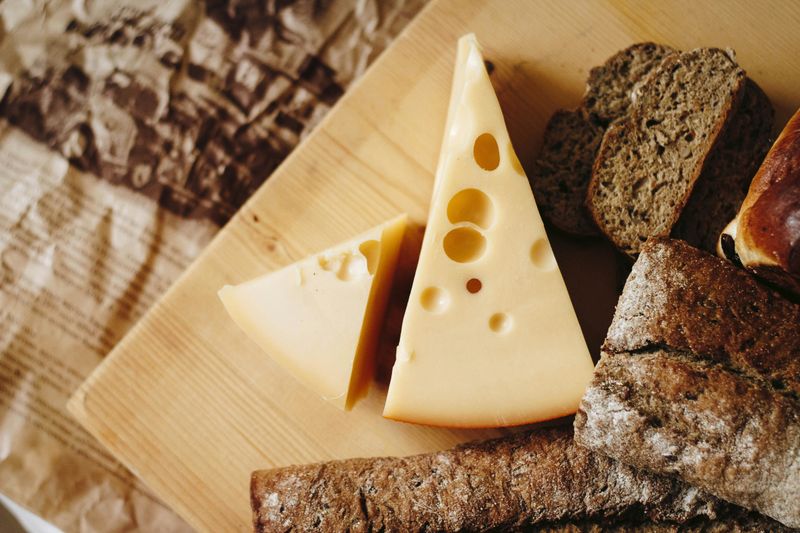
Cheese shifts from background shred to centerpiece when it gets expensive. You learn to wrap it in breathable paper, not plastic.
Rinds get respected rather than discarded on sight.
Suddenly, small portions feel luxurious because flavor carries. You taste styles side by side and compare textures.
Melting becomes strategic, using low heat to keep it silky.
Even grilled cheese turns elevated with a mix of sharp and creamy. You grate only what you need.
Cost inspires curiosity and restraint in every slice.
Beef steak
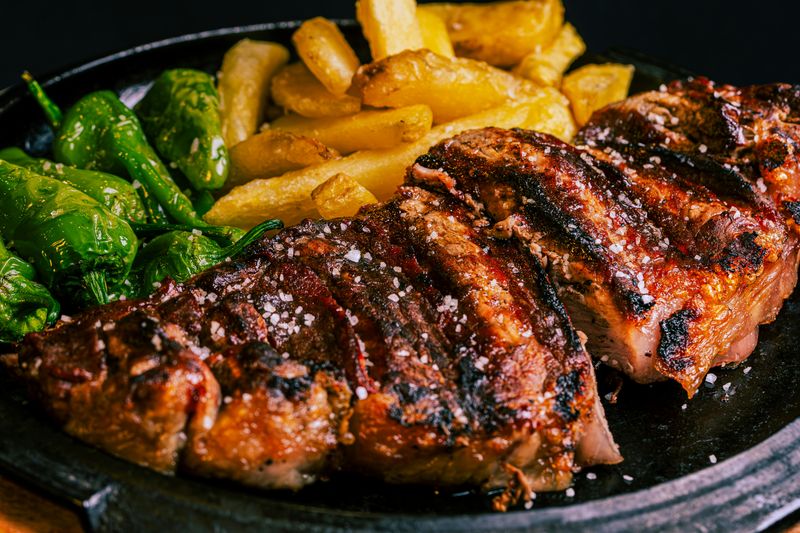
Steak prices teach patience. You bring it to room temperature, pat dry, and season simply.
A ripping hot pan or grill becomes nonnegotiable for crust.
Resting on a rack preserves juices instead of bleeding onto the plate. You slice against the grain and finish with butter or olive oil.
Thermometers replace guesswork, protecting every dollar.
Cheaper cuts like hanger or blade earn respect when cooked right. Marinating, reverse searing, and proper resting matter.
Cost turns steak night into a careful ceremony.
Chicken wings
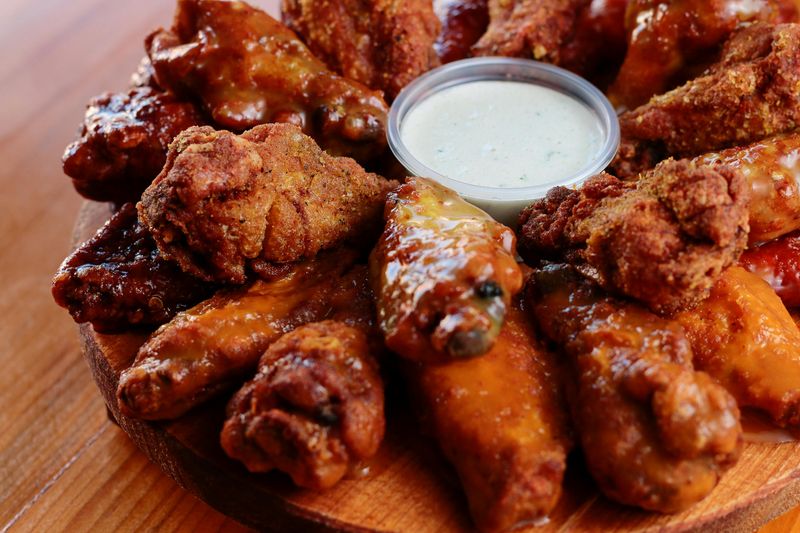
Wings used to be cheap party food. When prices rose, you started treating them like prized bites.
Dry brining overnight and baking on racks suddenly felt right.
You parboil or steam to render fat, then blast heat for crisp. Sauce gets tossed after cooking, not before, to keep crunch.
Every wing receives attention like a tiny steak.
Portioning matters, so you savor instead of inhaling. You try new rubs and careful timing.
Expense transformed casual snacking into a craft project.
Cooking oil
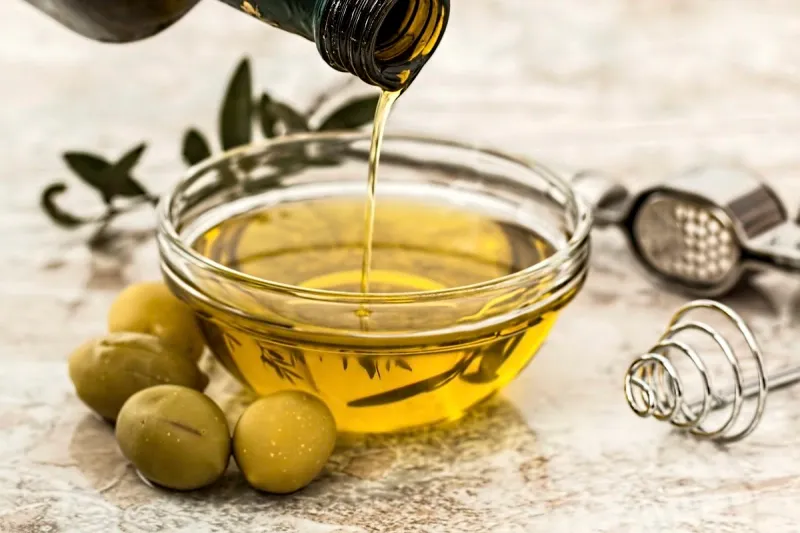
Generic cooking oil gets interesting when it stops being cheap. You begin matching oils to tasks: high smoke points for searing, neutral flavors for baking.
Labels about refining and expeller pressing suddenly matter.
Storing away from heat and light becomes habit. You strain and reuse frying oil carefully, noting aroma and color.
Waste feels expensive, so you filter through coffee filters.
Even stir-fry texture improves with the right oil choice. You avoid overheating and burnt notes.
Respect grows as technique catches up to cost.
Milk
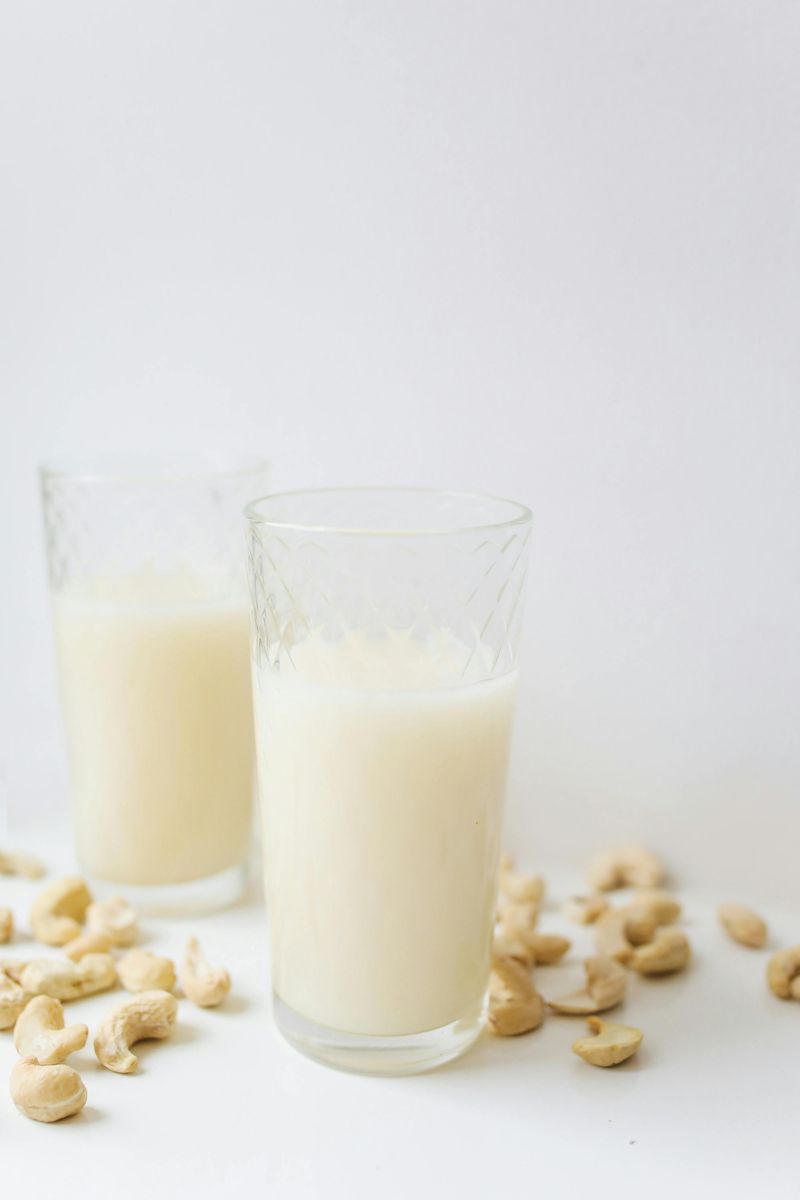
Milk quietly anchors so many meals. When prices jump, you monitor freshness, shake before pouring, and store it in the coldest fridge zone.
Suddenly, waste feels like a luxury you cannot afford.
You consider fat levels for taste and cooking performance. Frothing for coffee becomes a skill, chasing that glossy microfoam.
Pancake batter benefits from room-temperature milk.
Even small spills sting because every ounce counts. You swap to smaller containers if big ones spoil.
Cost turns milk management into mindful habit.
Bread loaf
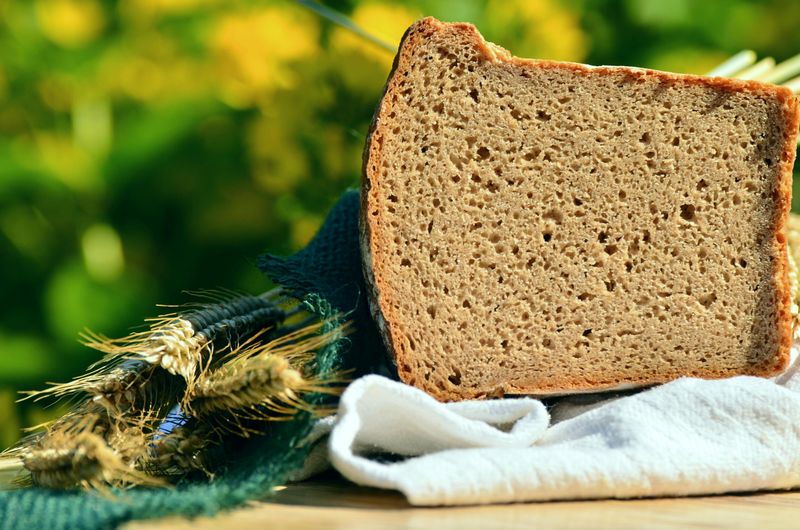
Bread used to be a background side. Higher prices push you to slice thoughtfully, freeze portions, and toast with intention.
Stale ends become croutons or breadcrumbs instead of trash.
You read labels for long fermentation and real ingredients. A good loaf becomes the star with olive oil, butter, or cheese.
Sandwiches taste better when slices are sized right.
Sometimes you bake at home and learn about hydration and autolyse. Even store-bought gets treated tenderly.
Cost turned bread into something worth planning around.
Cereal
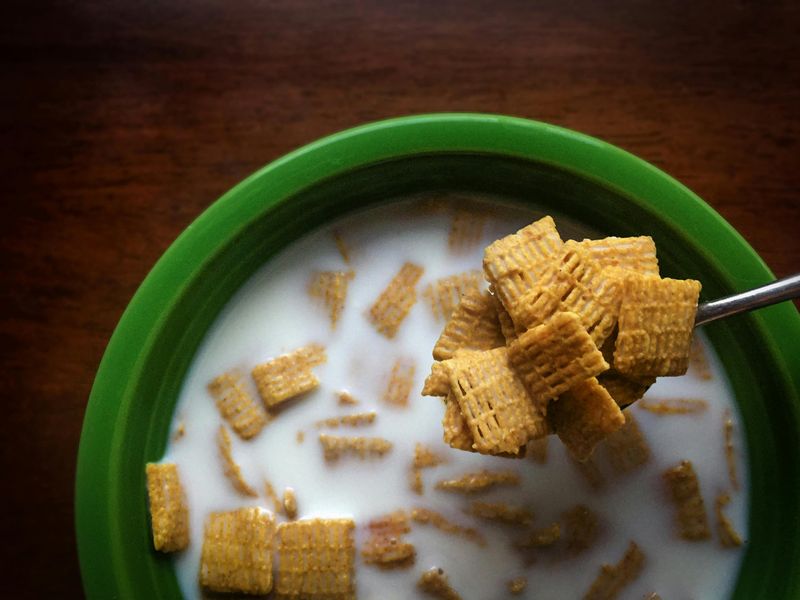
Cereal feels mindless until the price per bowl hits you. Then you measure portions, seal bags tightly, and avoid soggy seconds.
You notice which boxes actually stay crisp in milk.
Mixing high-fiber with sweet favorites stretches value without sacrificing joy. You add nuts or fruit rather than pouring an extra bowl.
Stale cereal gets baked into snack bars.
Deals and unit pricing become second nature. Suddenly, cereal nights feel intentional, not lazy.
Expense turns a casual crunch into calculated comfort.
Frozen meals
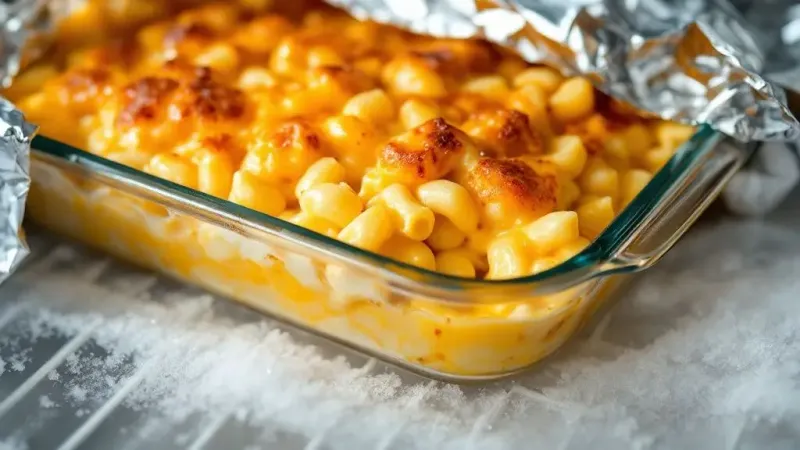
Frozen meals once felt like backup plans. When prices rose, you read labels closely for protein, veggies, and sodium.
You start pairing them with fresh sides to feel complete.
Microwave timing gets dialed in to avoid hot-and-cold bites. You plate them instead of eating from trays, which weirdly makes them taste better.
Freezer organization prevents forgotten boxes.
Sales cycles and batch buying save real money. You treat these meals like building blocks, not the whole dinner.
Cost encourages smarter, less wasteful convenience.
Rice
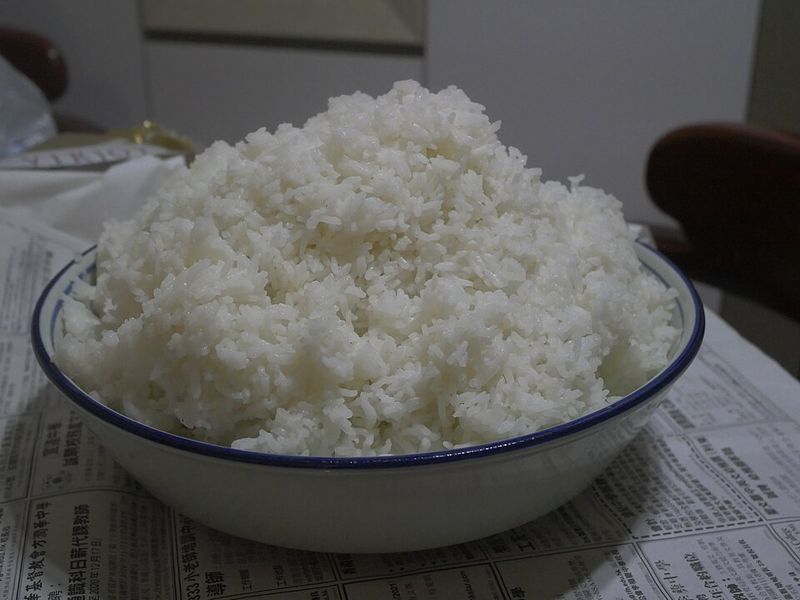
Rice transforms from filler to craft when every bag costs more. You rinse to remove excess starch and choose the right pot.
Water ratios and resting time suddenly matter.
You explore varieties like jasmine, basmati, or short-grain, noticing aroma and texture. Leftovers become fried rice with proper day-old dryness.
You avoid mush by measuring carefully.
Buying in reasonable sizes prevents staling or pantry pests. A simple bowl becomes satisfying when cooked right.
Price taught patience and precision with every grain.
Pasta
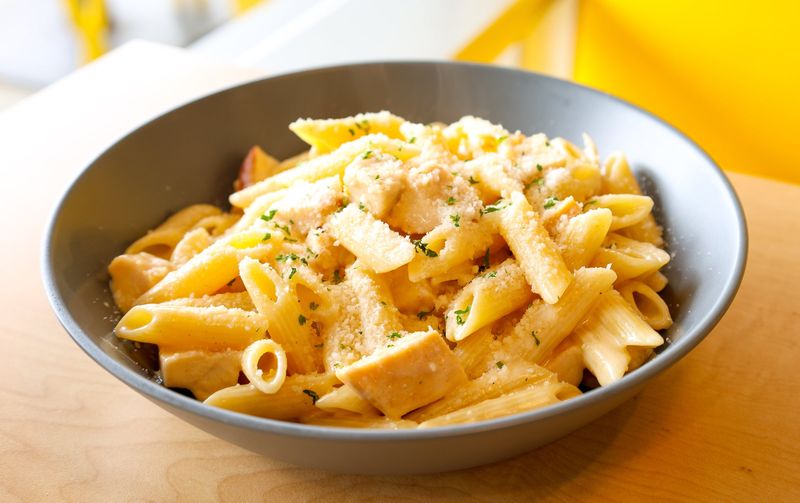
Pasta goes from cheap comfort to deliberate cooking when prices inch up. You salt water like the sea, chase al dente, and finish in the sauce.
Starch water becomes a silky secret weapon.
You weigh portions to avoid waste and leftovers that turn mushy. Shapes match sauces, making every bite feel intentional.
Even boxed pasta gets treated like something worth timing perfectly.
Good olive oil, garlic, and heat control elevate simple dishes. You respect texture like a mission.
Price turned pasta nights into tiny lessons in restraint.
Canned tuna
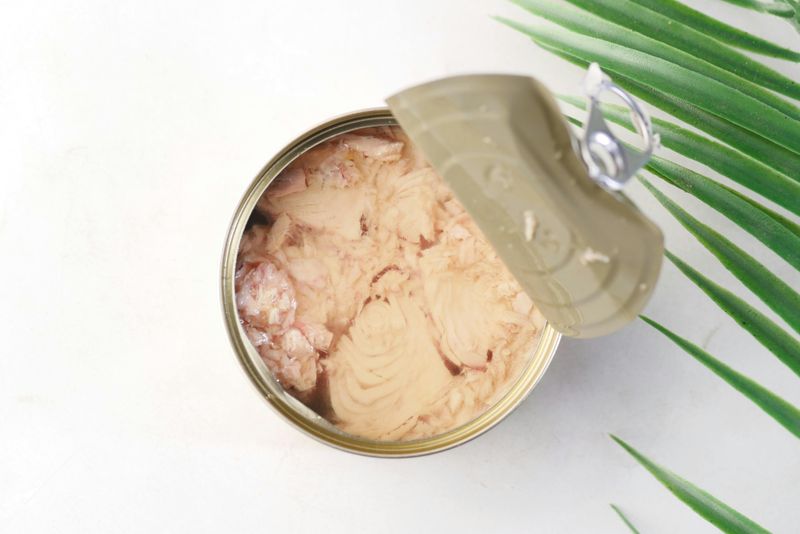
Canned tuna used to be shrugged off. Rising prices make you compare oil-packed versus water-packed for flavor.
You drain thoughtfully and fold with care to keep flakes intact.
Adding lemon, capers, and good olive oil transforms a quick lunch. You chill it before serving to meld flavors.
Sandwiches suddenly feel gourmet with better bread.
Mercury guidelines and species labels start to matter. You stock up during sales and rotate cans.
Cost inspires careful choices and zero-waste tuna salads.
Peanut butter
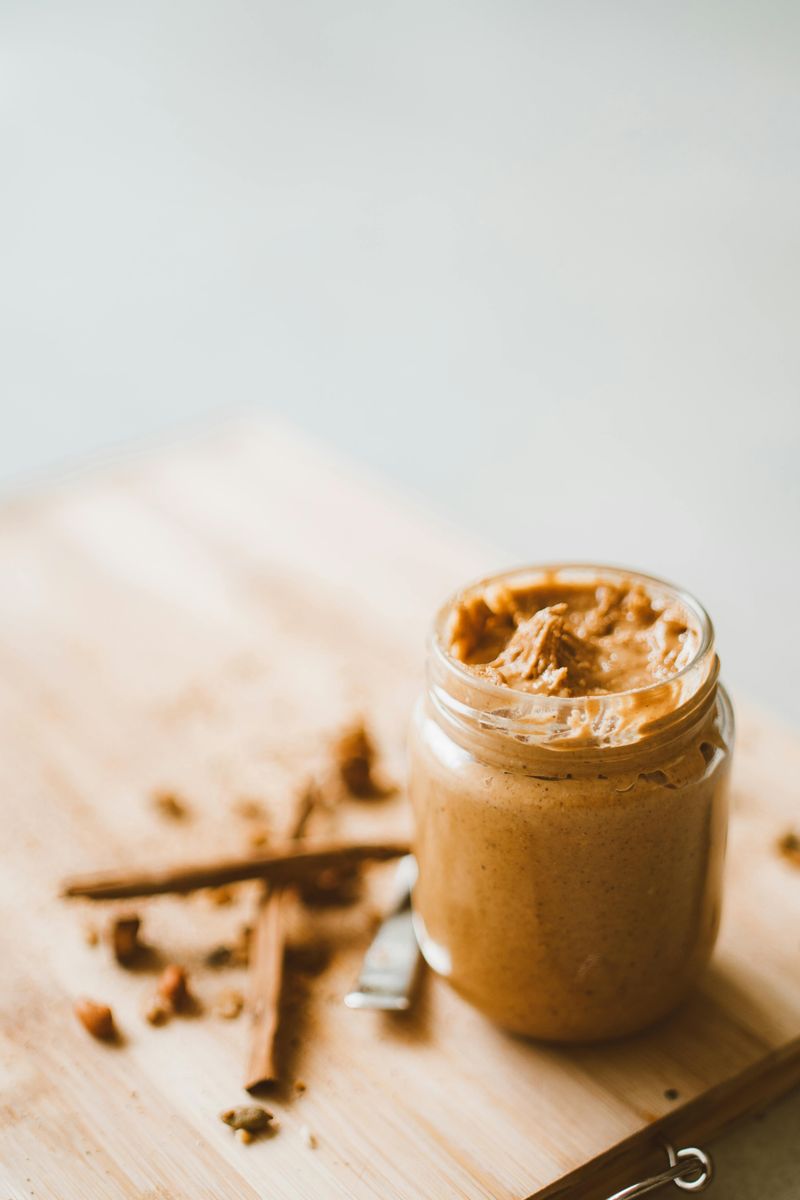
Peanut butter becomes more than a spread when prices rise. You compare natural and no-stir, sugar levels, and roast depth.
Stirring carefully keeps texture even without wasting a drip.
You scrape jars with spatulas and repurpose the last spoonfuls in sauces. Sandwiches get balanced with jam ratios that respect both flavors.
You refrigerate or not based on texture preferences.
Energy bites and satay make the jar earn its keep. Portioning prevents mindless spoonful raids.
Cost brings mindful spreading and smarter recipes.
Eggs
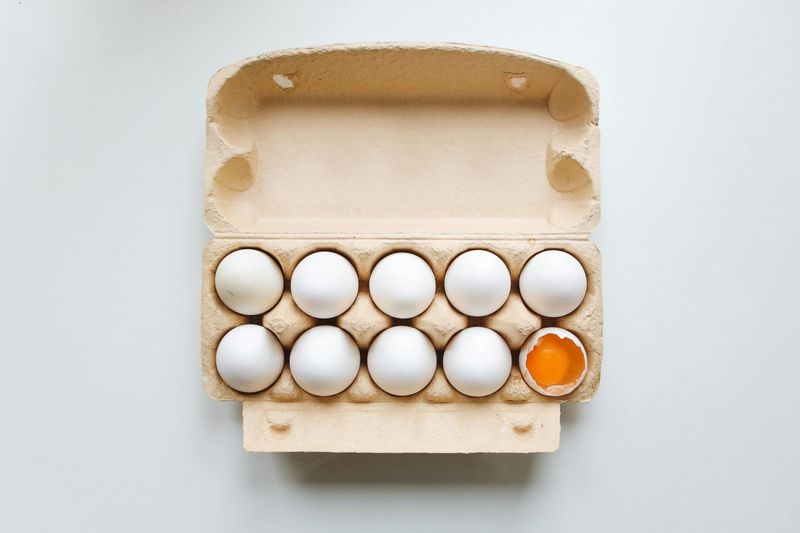
Eggs used to feel like a throwaway protein, something you cracked without thinking. Then prices spiked, and suddenly every yolk looked like gold worth guarding.
You start timing your scramble, lowering heat, and seasoning with care.
You might hunt for local farms, compare grades, and store them properly to keep freshness. Breakfast-for-dinner becomes intentional, not lazy.
Even shells get a second life in compost, because nothing goes to waste.
You learn recipes like soft-boiled perfection and custardy frittatas. Baking becomes strategic, not casual.
Respect shows up with every careful crack.