


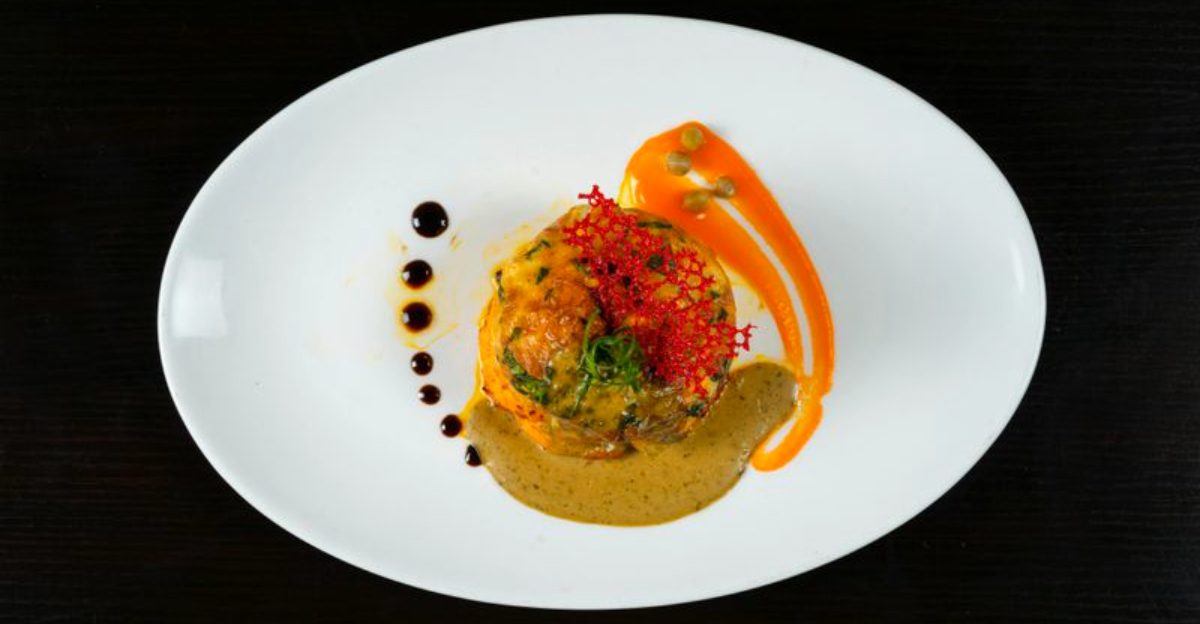
You know that friend who swears they adore bitter coffee and sea-salty fish eggs, then grimaces when no one is looking? This list is for them and for anyone who has ever nodded through a pretentious tasting menu. Some foods are genuinely great, but others ride on hype and social pressure. Let’s separate the delicious from the performative so you can decide what you actually enjoy without the side of ego.
Oysters
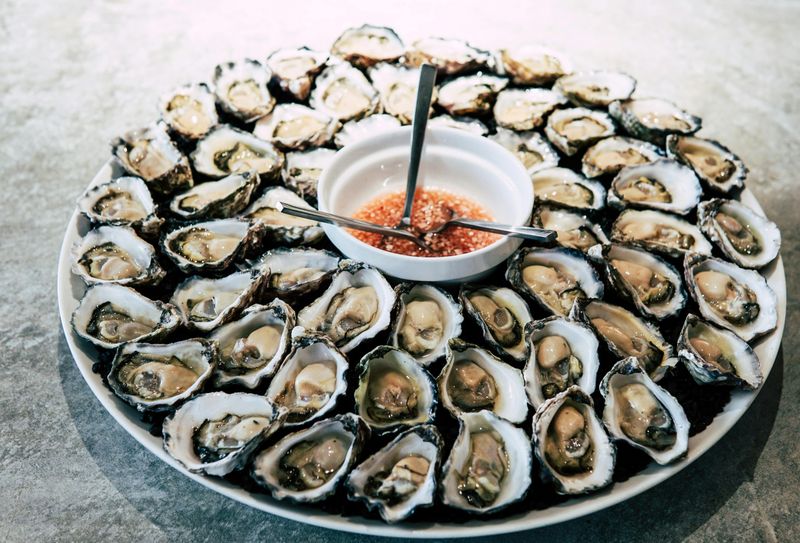
They glisten on crushed ice, promising ocean-kissed glamour, yet many people swallow them whole to avoid the texture. Bragging about oyster bars sounds sophisticated, but brine and slipperiness can surprise an unprepared palate. Lemon, mignonette, and hot sauce are often doing the heavy lifting.
Try different regions because flavor varies wildly, from cucumber-bright to metallic. If you do not love them, do not force it. No one gets a medal for pretending they are easy. Start with smaller varieties and chew once to catch sweetness. Or skip them and keep your dignity.
Caviar
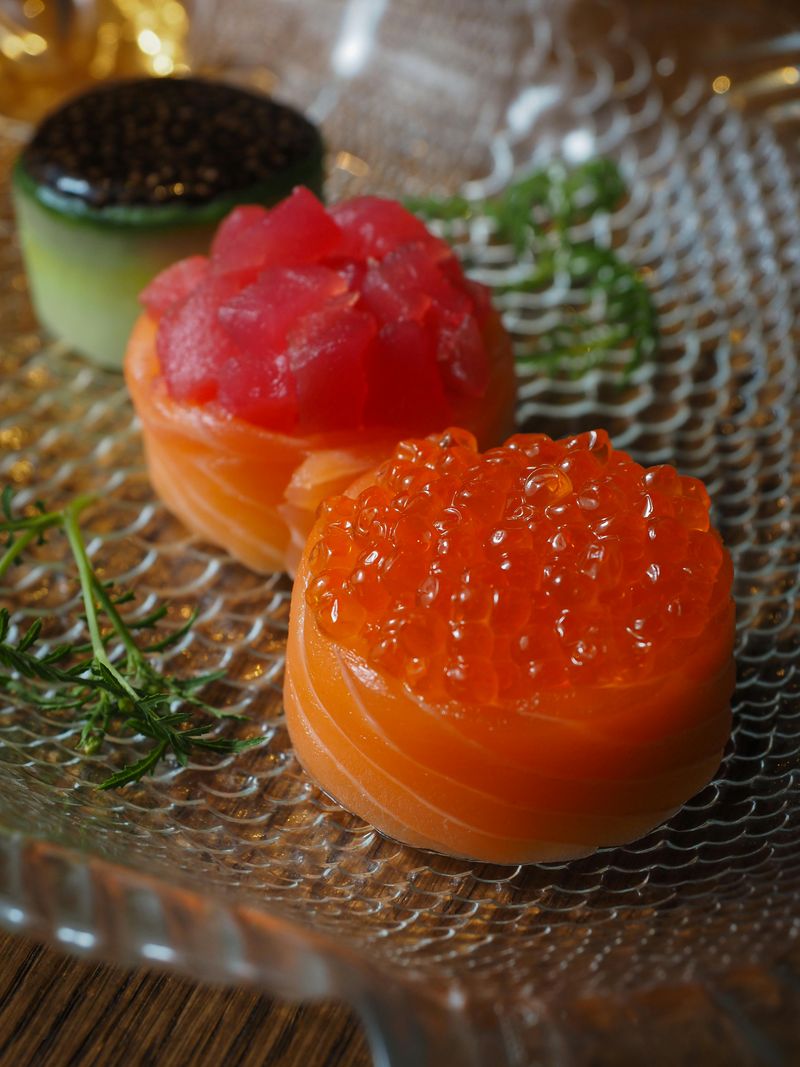
Tiny beads on mother-of-pearl spoons scream luxury, but the flavor can be briny, fishy, and oddly buttery. People post photos, then whisper that it tastes like the ocean punched their toast. Price tags make honesty difficult.
Real enjoyment comes from pairing and texture, not status. Try it with blini, creme fraiche, and chilled vodka to tame intensity. A small amount offers sparkle without overload. If your taste buds say no, listen. Refinement is not measured in roes consumed, and your wallet will thank you.
Blue cheese
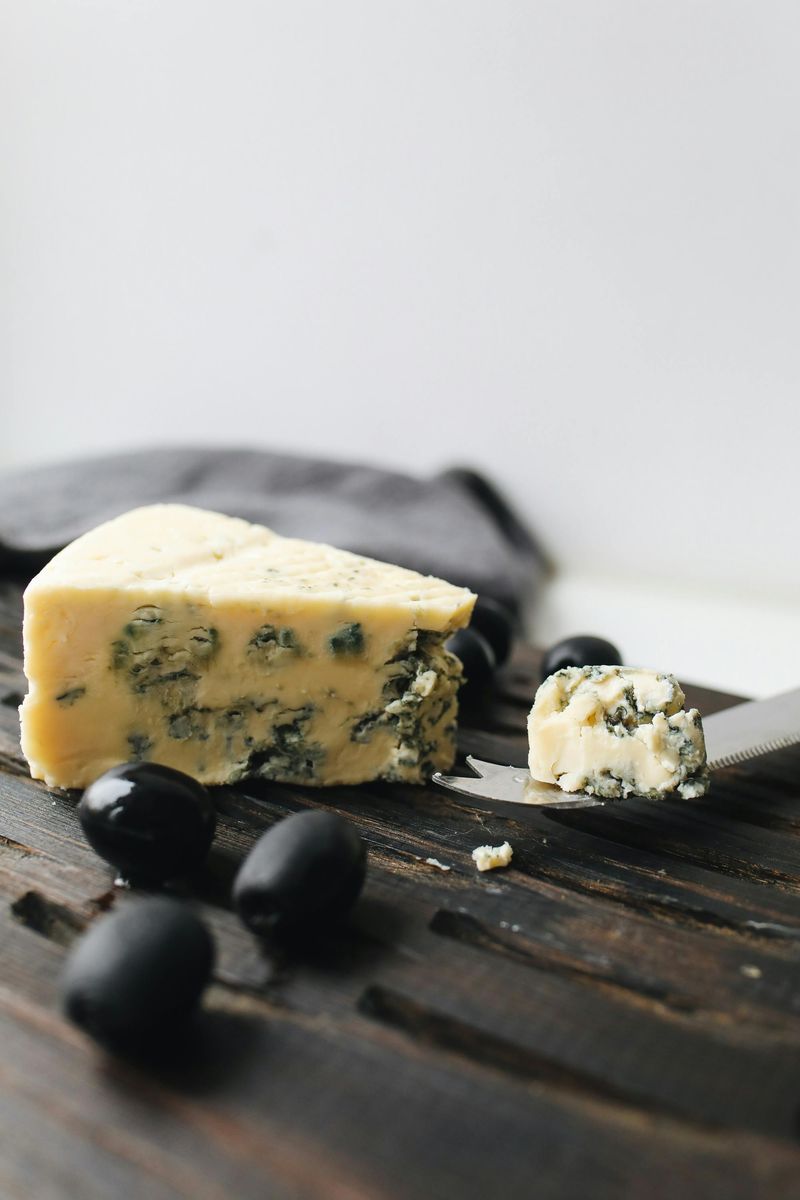
Bold, veiny, and unapologetically funky, blue cheese dares you to admit discomfort. People nod sagely while hiding crackers under mountains of honey. The aroma can dominate a room before the platter sits down.
There is a difference between complex and confrontational. Beginners might prefer milder styles like gorgonzola dolce, then graduate to roquefort or stilton. Balance with pears, walnuts, or fig jam. Crumble sparingly in salads for depth instead of shock value. If the vibe feels like licking a cave wall, your taste is valid and understandable.
Kale salad

Kale arrived as the crunchy badge of wellness and never left. People claim it is tender and delicious, yet chew for hours like goats on assignment. Raw kale can be punishing without the right technique.
Massage leaves with olive oil, salt, and acid to soften fibers. Add citrus, parmesan, and crunchy seeds for balance. If you still feel like you are eating a scrub brush, you are not alone. Wilt it slightly or mix with romaine. You can like vegetables without martyrdom, promise.
Quinoa bowl
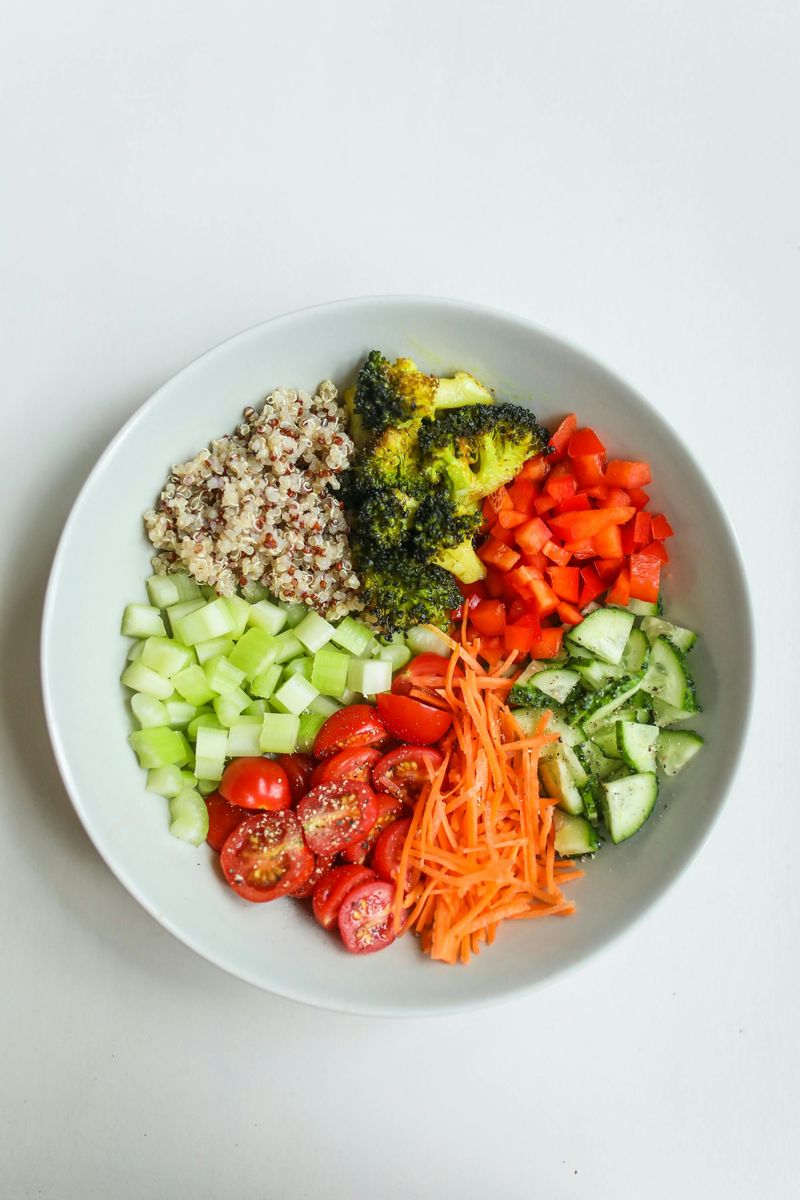
Quinoa bowls look virtuous, stacked with colorful toppings and promises of complete protein. The grain itself can taste earthy and slightly bitter if you skip rinsing. People pretend the fluff is thrilling when it often needs help.
Rinse thoroughly, toast lightly, and season with stock or garlic. Layer textures like roasted veggies, avocado, and a punchy dressing. A soft egg or feta can add richness. If it still feels like beige nutrition homework, choose rice or farro instead. Balance matters more than buzzwords.
Black coffee

Ordering black coffee feels like a tough badge, but bitterness can be a shock. Many pretend it is perfect while sneaking sugar packets later. Roast level and brew method change everything.
Try lighter roasts for fruit notes, medium for balance, and adjust grind to reduce bitterness. A proper ratio and fresh beans help more than bravado. If you still prefer milk, that is taste, not weakness. Coffee culture should be about flavor, not austerity performances. Drink what makes mornings better.
Matcha tea
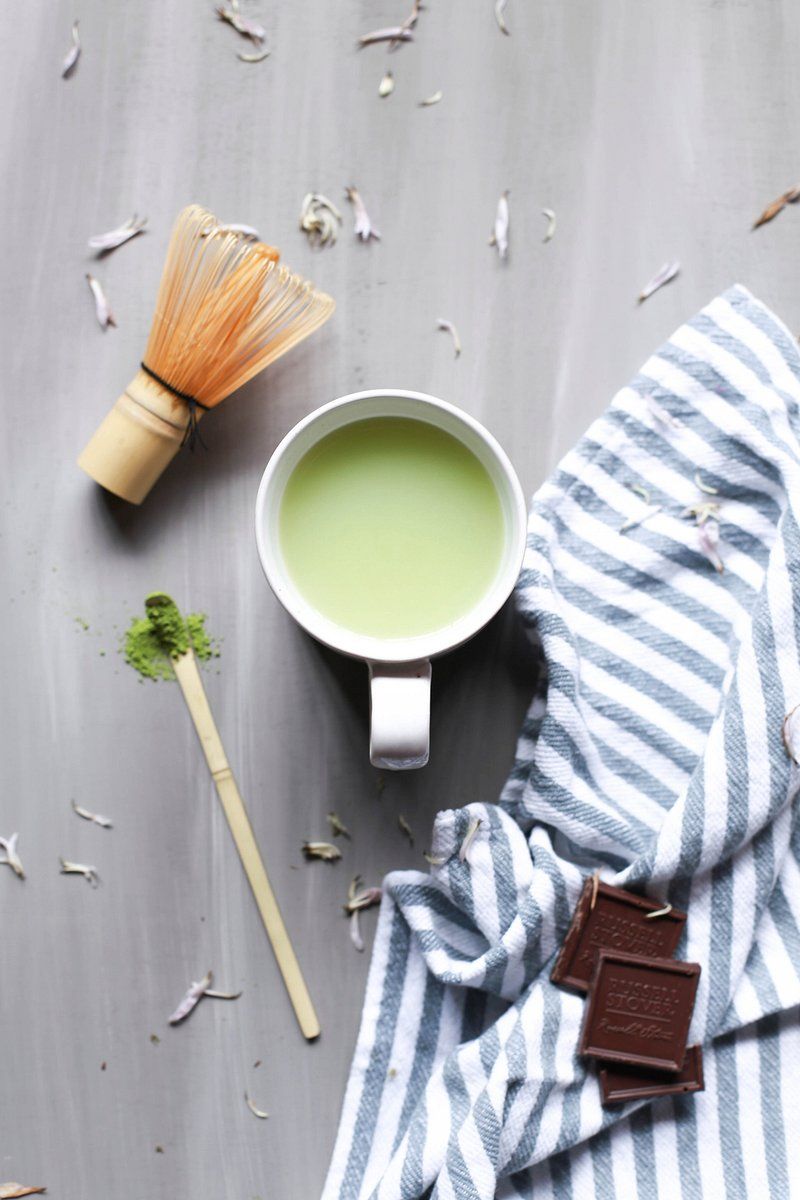
Whisked to a jade froth, matcha looks serene and ceremonial, yet can taste grassy and astringent. People post the foam, then wince at the first sip. Grade and water temperature matter more than hype.
Use ceremonial grade, cool the water slightly, and sift the powder to avoid clumps. Sweeten lightly or pair with milk to ease bitterness. The ritual is soothing when flavor balances. If it still tastes like lawn in a cup, there is no shame in moving on. Your palate decides, not Instagram.
Sushi rolls
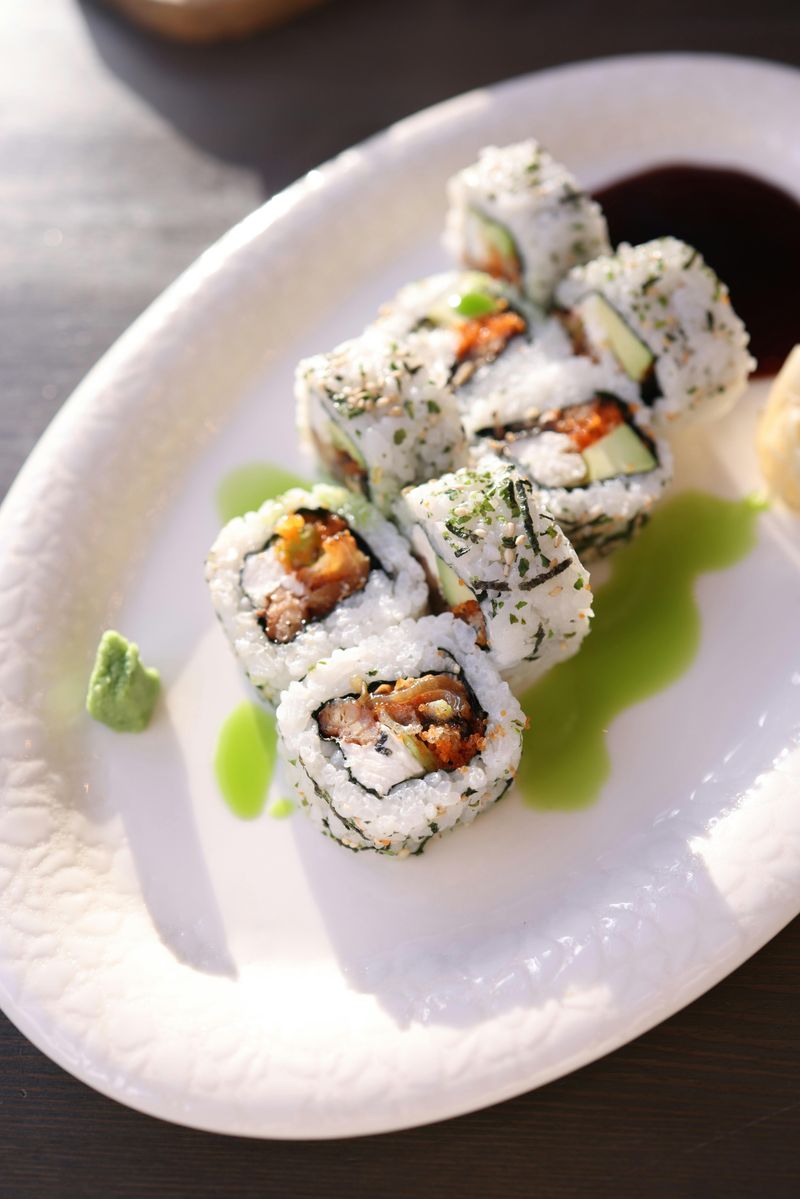
Endless rolls promise sophistication, but many contain mayo, tempura, and sugar that mask fish quality. People rehearse Japanese words while drowning pieces in soy sauce. Simplicity reveals skill.
Start with classic tuna or salmon and learn to appreciate rice temperature and seasoning. Ask for less sauce, more balance. If seaweed texture bothers you, try cucumber-wrapped or hand rolls. Good sushi tastes clean, not smothered. You do not need a dragon volcano spectacle to be cultured.
Avocado toast
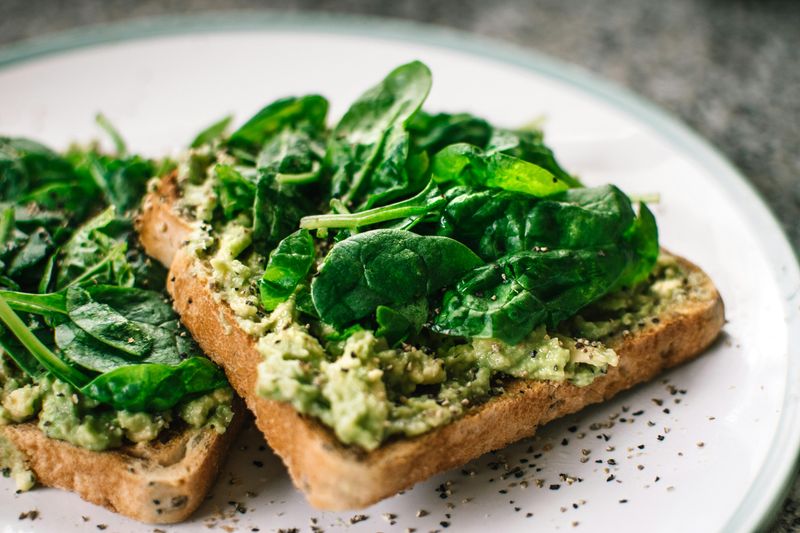
It photographs perfectly, green and generous, but sometimes eats like mush on overpriced bread. People claim nuanced flavors when it is often lemon, salt, and trend. Texture is everything here.
Use sturdy sourdough, add crunch with seeds or radish, and balance richness with chili or pickled onions. A fried egg can help, but it is still a simple snack, not enlightenment. Enjoy it, sure, but do not pretend it is culinary genius. Your budget might prefer a whole avocado and decent toast at home.
Truffle oil
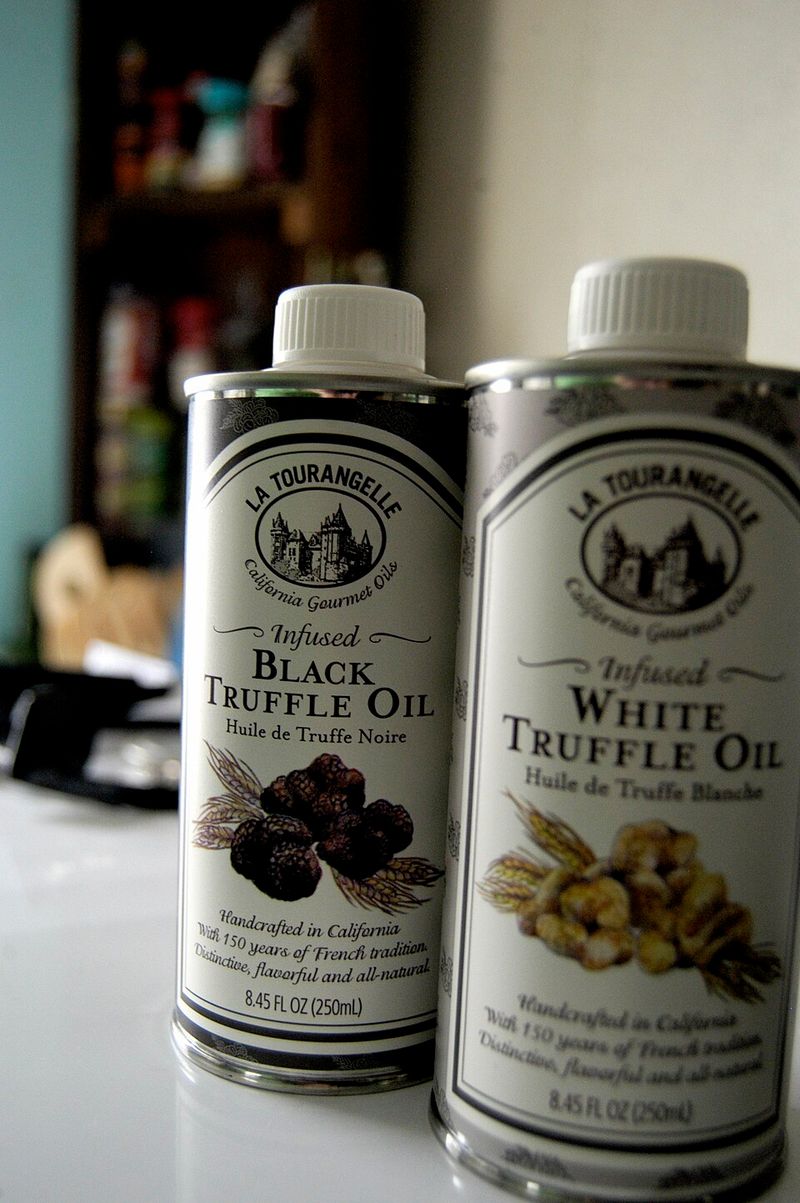
One drizzle promises luxury, then bulldozes every other flavor. Most truffle oil is synthetic, delivering a loud aroma that lingers like perfume. People nod like sommeliers while food tastes like gas station mushrooms.
Use a microscopic amount, if at all. Real truffles are delicate and seasonal, nothing like the bottled intensity. Try butter, mushrooms, and parmesan instead for earthy depth. If the room smells like a truffle factory accident, you have used too much. Subtlety beats swagger every time.
Artisan bread
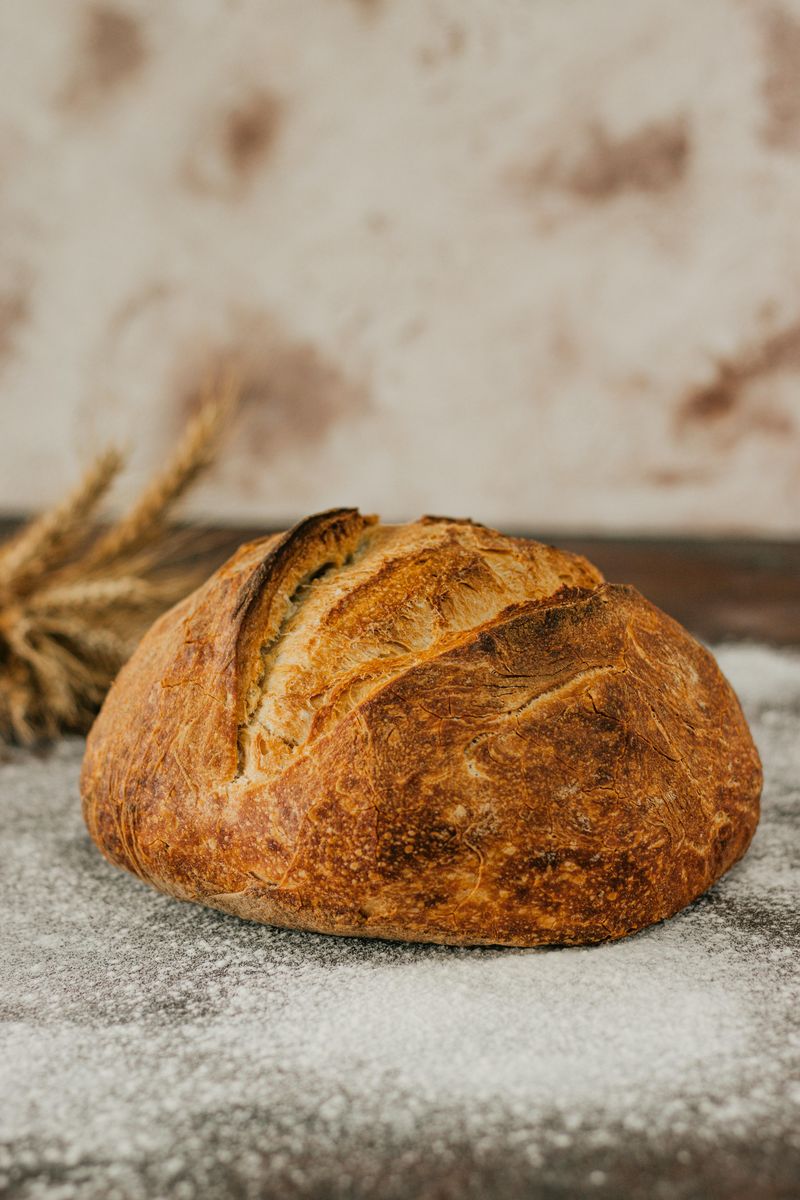
Crackly crusts and open crumbs look impressive, yet some loaves feel jaw-breakingly tough or sour to a fault. People boast about hydration percentages while sawing at dinner. Good bread should invite, not punish.
Seek balance: a shattery crust, tender crumb, and gentle tang. Slice thinner, warm slightly, and serve with quality butter. If chewing becomes cardio, try milk breads or enriched styles. Not every boule deserves a pedestal simply because it looks rustic on a board.
Raw fish
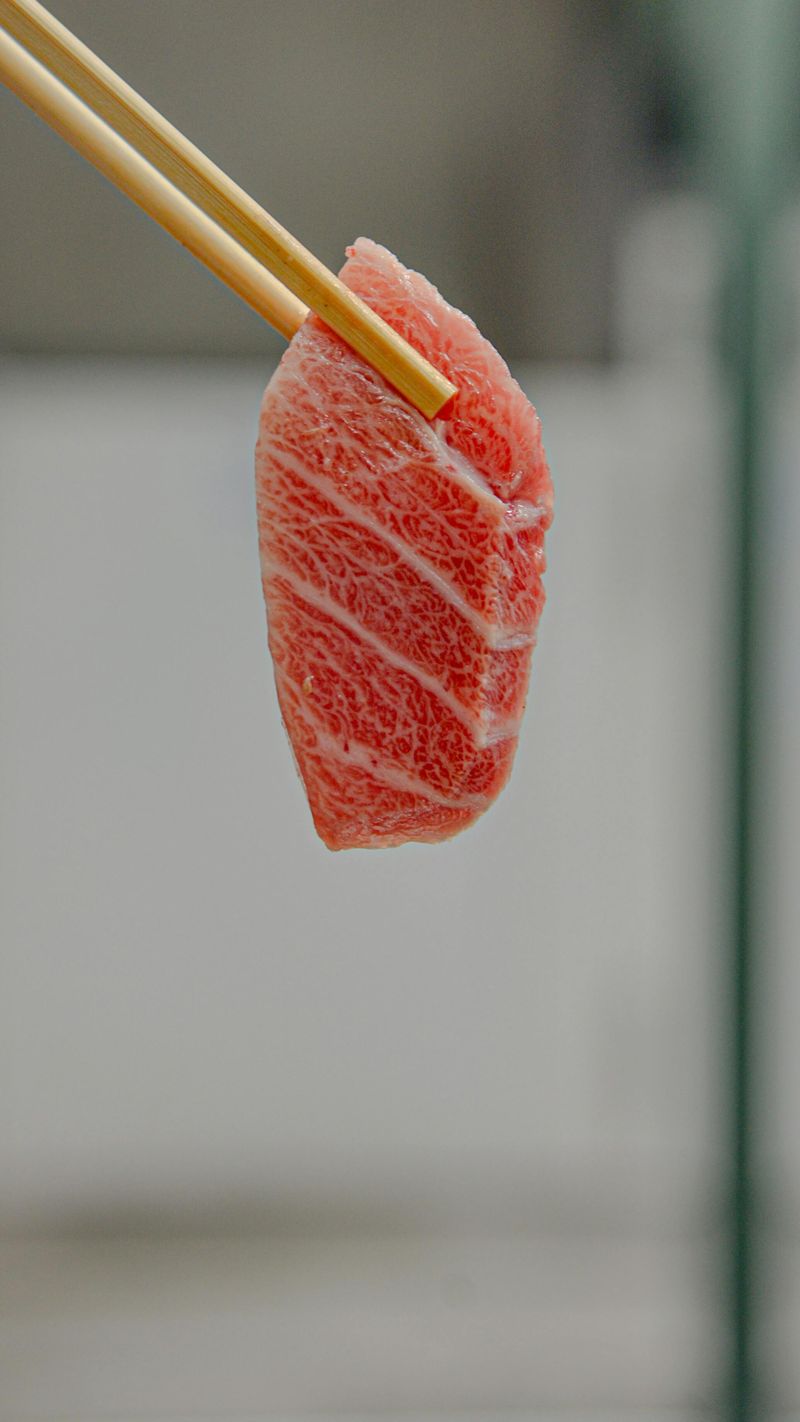
Raw fish sounds bold and worldly, but texture can unsettle many. People pretend it melts like butter when it sometimes feels slick or chewy. Freshness and cut matter as much as species.
Start with salmon or hamachi, which are mild and silky. Dip lightly in soy and wasabi, or try ponzu for brightness. If your brain says no after a fair try, trust it. Cooked preparations like tataki or seared edges bridge the gap beautifully.
Fancy cheese
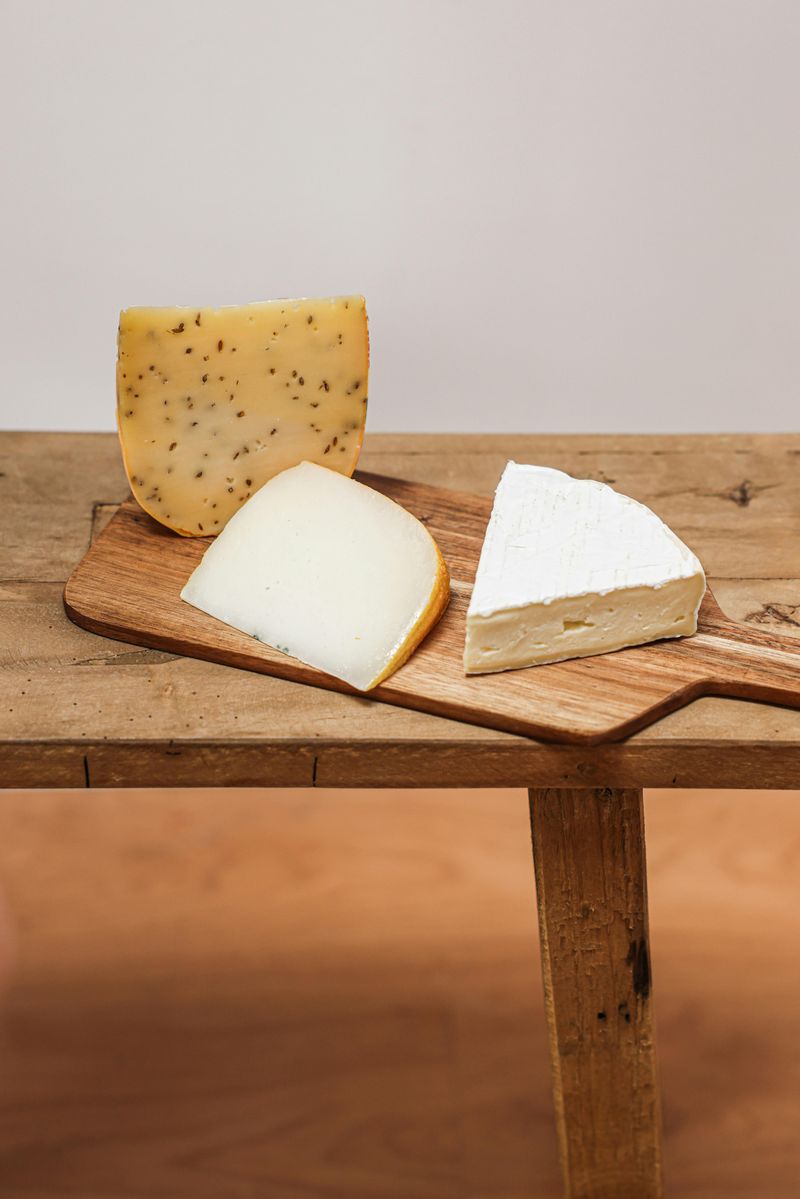
Cheese counters can feel like libraries of edible puzzles. Bloomy rinds, washed rinds, and alpine wheels all claim sophistication. People nod at words like affinage without tasting anything.
Ask for samples and follow your senses. Soft-ripened cheeses should smell clean, not barnyard scary, unless you like funk. Pair with simple bread and fruit, not a fireworks display of chutneys. You are cultured when you know what you actually enjoy, not when you memorize labels.
Bone broth
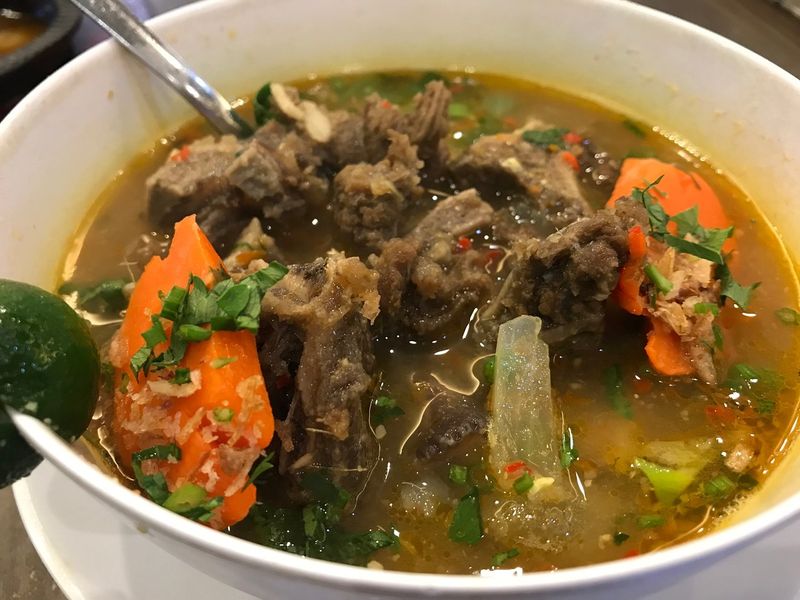
Marketed as liquid wellness, bone broth can taste bland or greasy if poorly made. People sip it from jars, pretending to love the savoriness while longing for real soup. Technique matters more than buzz.
Roast bones, add aromatics, and simmer long and gentle for clarity. Skim diligently. Season thoughtfully with salt and acid. If you prefer soup with vegetables and noodles, do that. You are not failing health by liking flavor. Warm comfort should not feel like punishment.
Charcuterie board

Overflowing boards look stunning, but much of the meat can taste similar and salty. People pretend to savor nuance while building towers for photos. Variety should mean more than shapes.
Add contrasting textures, pickles, fresh fruit, and one creamy element. Choose fewer, better items rather than a crowded collage. Learn what you like: fennel salami, silky prosciutto, or smoky speck. If it feels like salty fatigue after three bites, pivot to a simple sandwich and enjoy life.
Sparkling water

Bubbles suggest refinement, yet many brands taste like static and pennies. People power through, insisting it is refreshing while wishing for lemonade. Mineral composition changes flavor more than labels admit.
Try different sources, from softer bubbles to mineral-heavy styles. Add citrus or bitters for personality. There is no rule that hydration must be fizzy to be classy. Still water is fine, and so is a flavored seltzer that actually tastes pleasant. Drink what you will finish, not what looks chic.
Dark chocolate
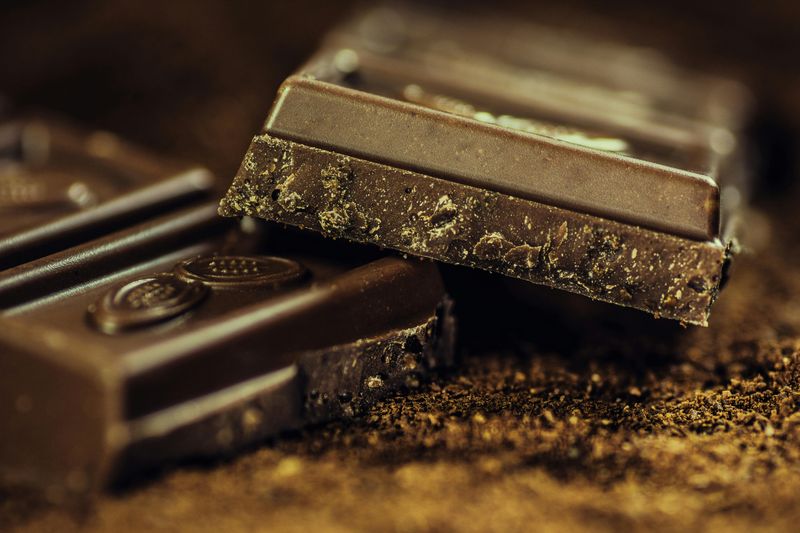
High cacao percentages look impressive, but some bars taste dusty and sour. People announce 90 percent like a badge of courage. Balance, not bravado, makes great chocolate.
Start around 60 to 72 percent to find complexity without sandpaper dryness. Look for origin notes and conching time. Let it melt slowly instead of chewing. If you prefer milk chocolate, you are not uncultured, you are honest. Dessert should delight, not dare you.
Vegan burger
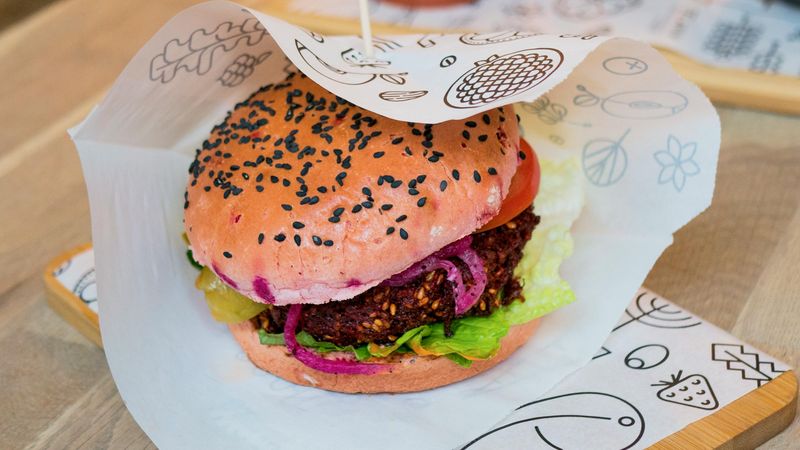
Photos promise juicy plant magic, but textures sometimes mimic wet cardboard. People rave publicly while secretly missing sear and fat. Technology is improving, yet not every patty earns applause.
Seek options with crisp edges and umami boosters like mushrooms or soy sauce. Add pickles, onions, and a good bun for balance. If you prefer falafel or a bean patty, own it. You can eat less meat without pretending every substitute tastes exactly like beef.
Cold brew
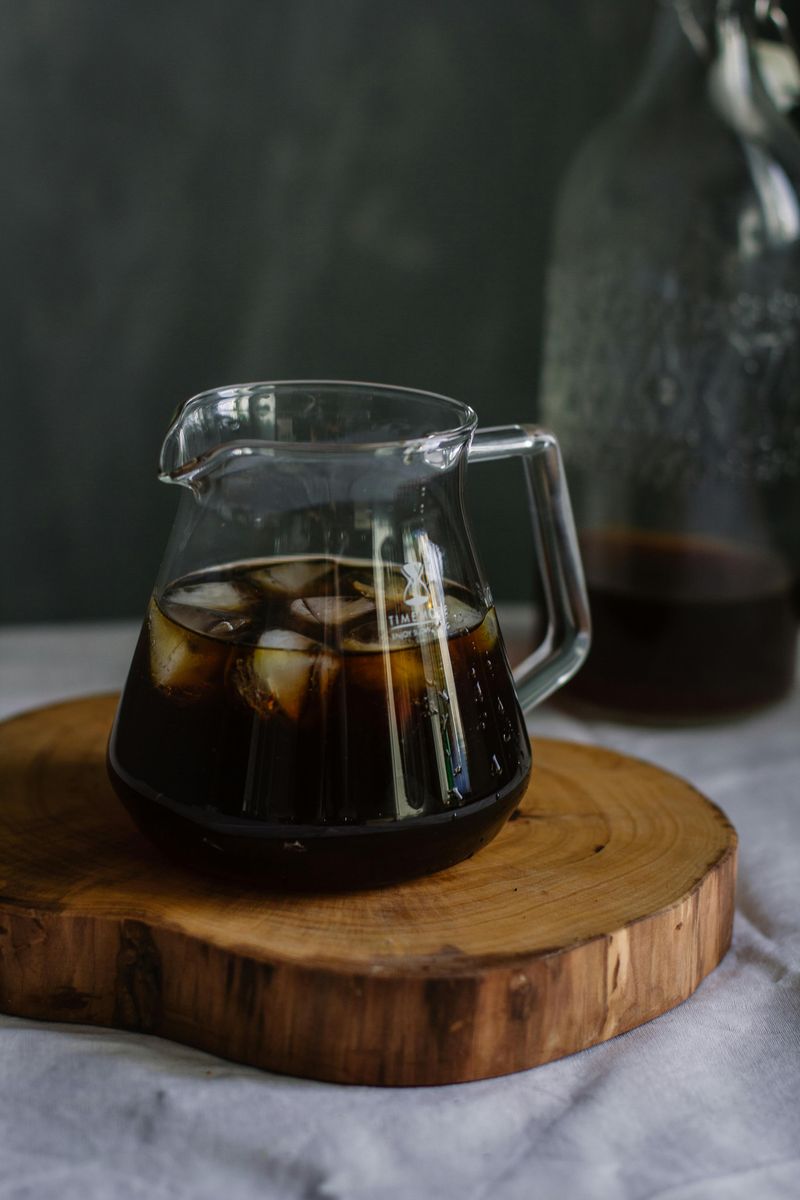
Cold brew wears a cool reputation, but its smoothness can hide flat flavors. People claim notes of chocolate while sipping something that tastes like diluted brownies. Brew ratio and time matter.
Use fresh medium-coarse beans, steep 12 to 16 hours, and cut with water to taste. Add milk or simple syrup if desired. If you miss acidity and sparkle, try flash brew instead. Trendy does not equal better, just different. Drink what energizes you happily.
Seaweed snacks
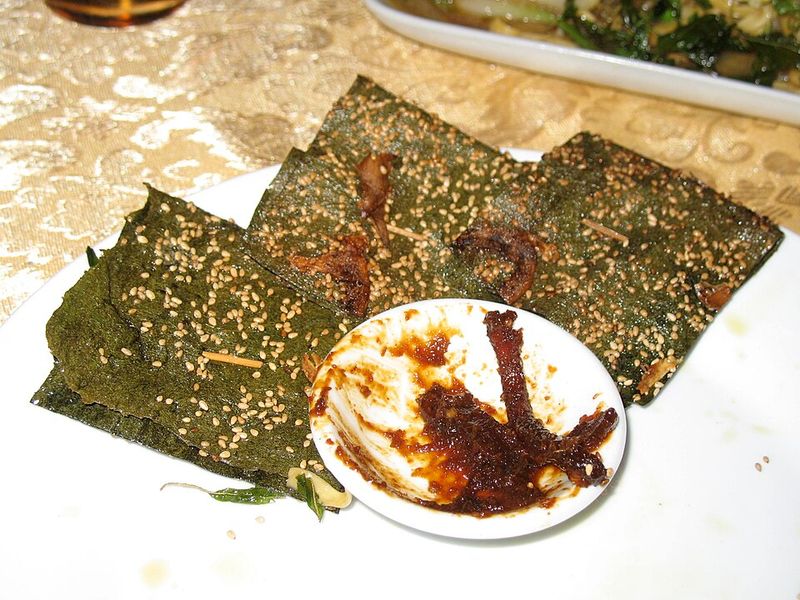
Crinkly packs promise umami and minerals, yet the ocean funk can surprise newcomers. People smile through the first sheet, then stall. Texture swings from crisp to papery in seconds.
Choose toasted varieties with sesame oil and a touch of salt. Crumble over rice or salads instead of eating straight. If you dislike the tidepool vibe, try furikake seasoning for gentler sea flavor. Your snack should satisfy, not challenge your courage every bite.
Fine dining plate
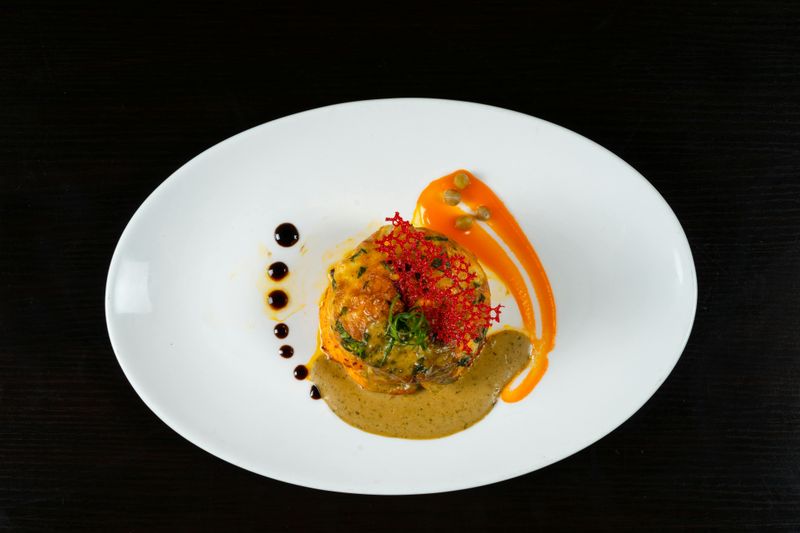
Tiny portions, tweezers, and poetic menu descriptions make people nod solemnly. Sometimes the dish is brilliant, sometimes it is a whisper wearing a price tag. Diners pretend to love the story more than the bites.
Great tasting menus build arcs of flavor, texture, and temperature. Ask questions, savor slowly, and remain honest about preferences. If you leave hungry or confused, that feedback matters. Cuisine is art, but dinner should still feel like dinner, not theater without snacks.