


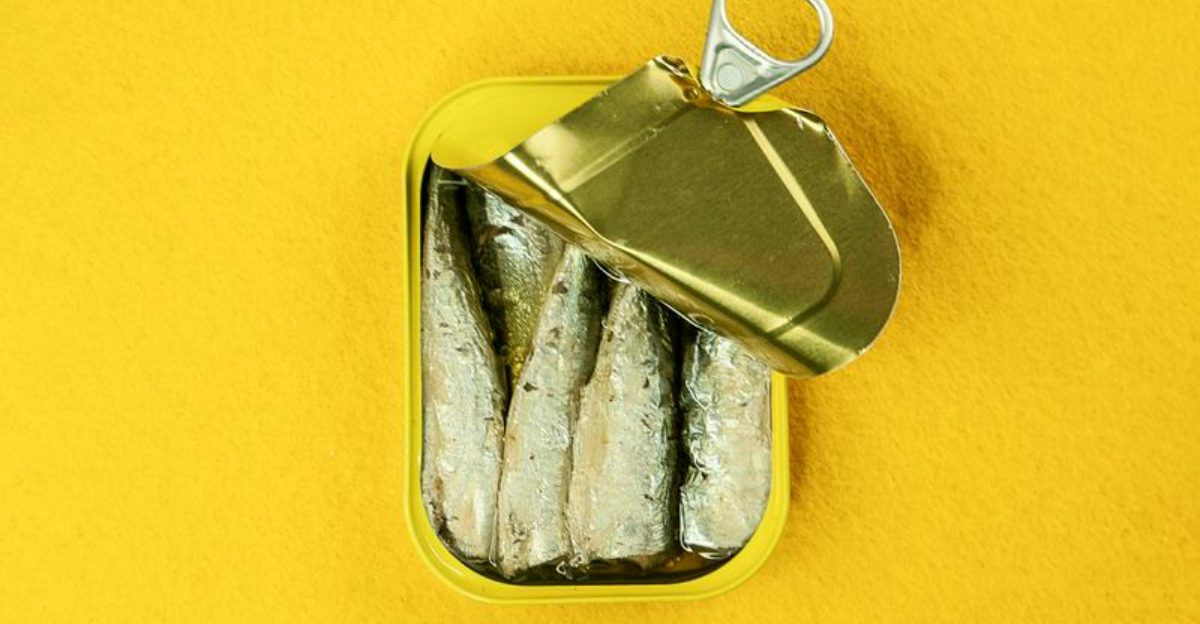
Some foods spark strong opinions, yet somehow they keep showing up on grocery lists and dinner tables. Maybe it is nostalgia, health benefits, or the way a good recipe flips a “nope” into a “wow.” You will find familiar villains here, plus tips on making them lovable.
Keep an open mind and you might discover a new favorite hiding in plain sight.
Olives
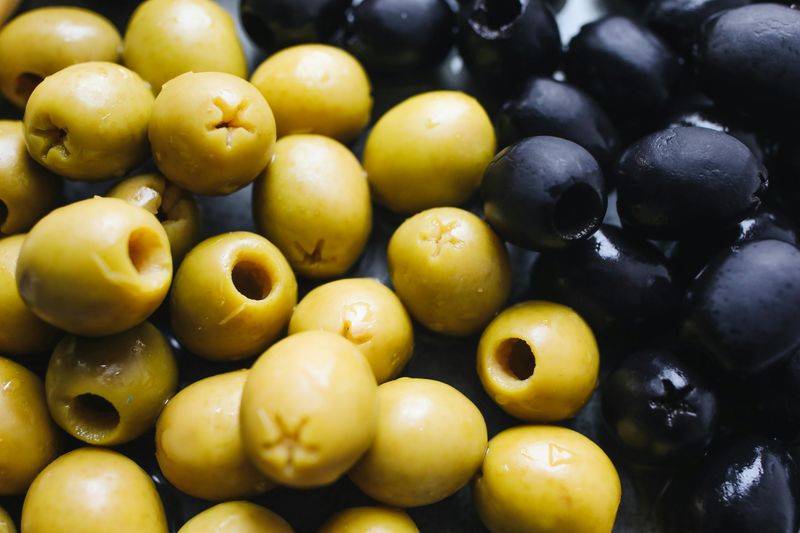
Olives can taste briny, bitter, and bold, which is exactly why they win loyal fans. If they seem too intense, try milder varieties like Castelvetrano with a buttery bite.
Toss them into salads, sheet pan chicken, or charcuterie boards, and they turn simple bites into bold moments.
To tame the salt, rinse or marinate with citrus zest, garlic, and herbs. Warm them briefly in olive oil to soften flavors and release aroma.
Even skeptics often nibble them with bread and cheese. You will understand the appeal once you find your preferred variety and preparation.
Blue cheese
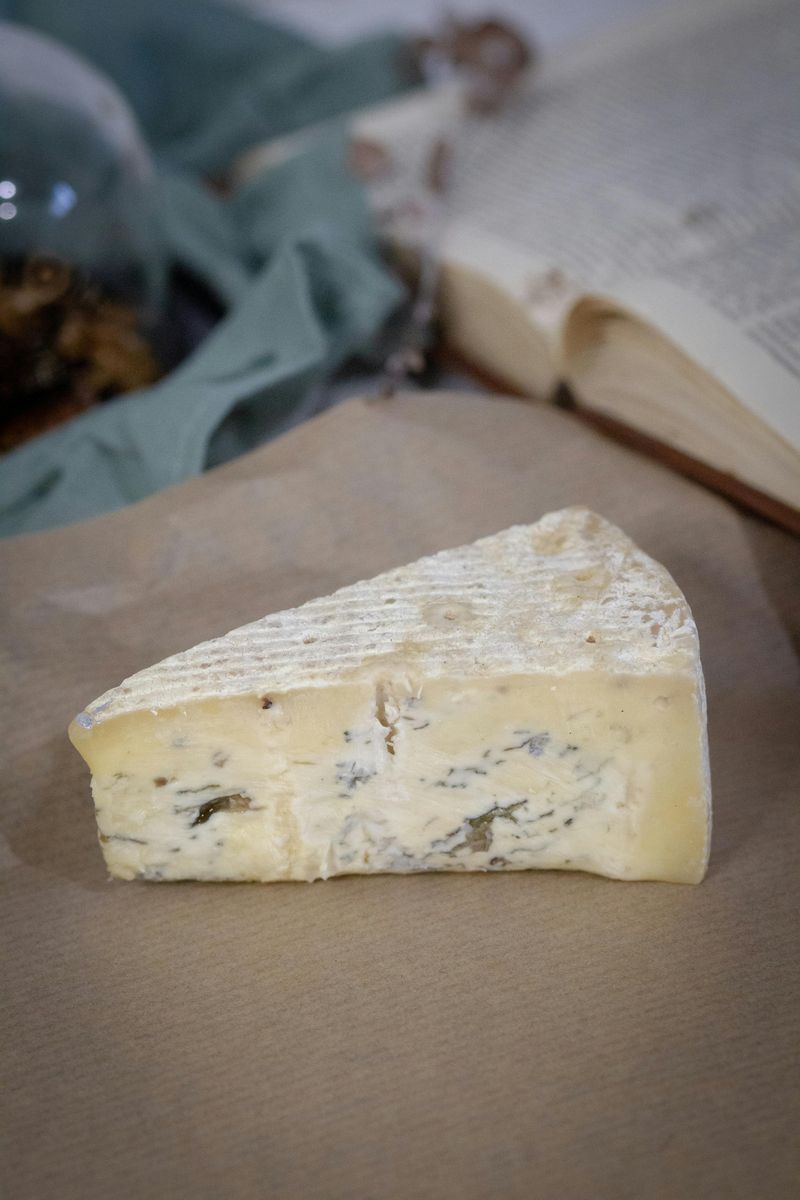
Blue cheese intimidates with funky aroma and blue veins, yet it can be stunningly balanced. Crumble it lightly over burgers or steak salad where richness meets char and greens.
A drizzle of honey or sliced pear softens the edge and highlights a creamy finish that surprises skeptics.
Start with milder styles like Gorgonzola dolce before moving to Roquefort. Whisk it into dressing with yogurt for tang without overload.
When the funk meets sweetness or acidity, it becomes luxurious instead of scary. Give yourself small tastes and build comfort slowly.
Anchovies
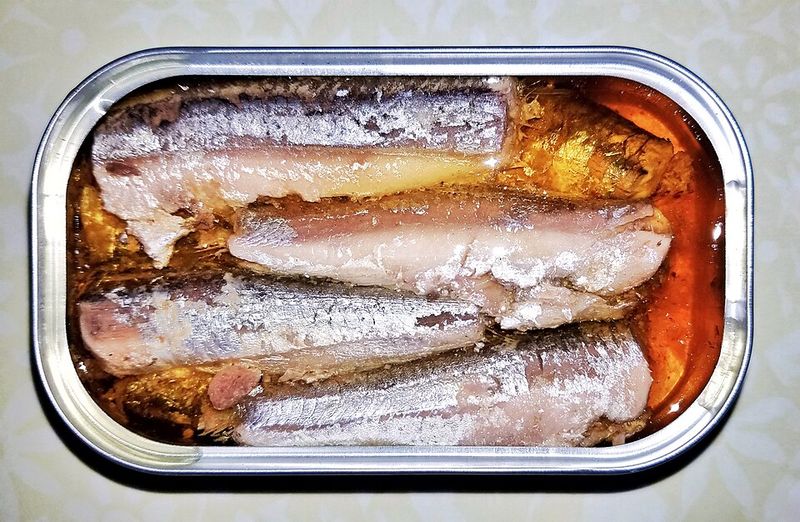
Anchovies look intense, but they are secret umami boosters. Melt them in hot olive oil with garlic until they disappear, then toss with pasta or roasted vegetables.
No fishiness, just depth. Caesar dressing, bagna cauda, and puttanesca rely on that savory backbone anchovies provide flawlessly.
Buy high quality fillets packed in olive oil for best texture. Rinse salt-cured versions and pat dry.
If whole fillets scare you, start with anchovy paste and add a small squeeze. You will notice food tastes fuller, like restaurant magic.
Keep a tin in the pantry always.
Oysters
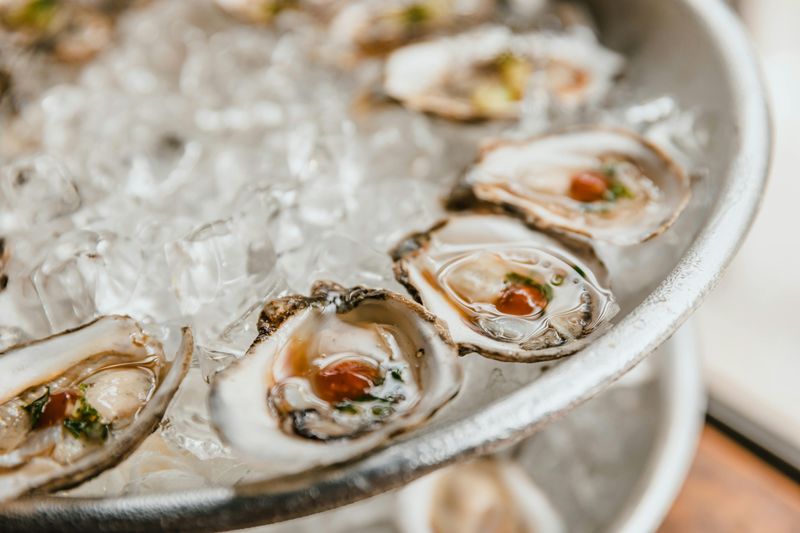
Oysters can scare people with texture, yet freshness makes all the difference. Start with small, sweet varieties on ice and add a bright mignonette.
Chew once or twice to taste brine, butter, and mineral notes. If raw feels daunting, try chargrilled oysters with garlic butter and parsley.
Ask fishmongers about local, in-season picks. Cold water tends to mean cleaner flavors.
Pair with crisp white wine or lemon soda for a refreshing counterpoint. Once you experience that ocean snap, it becomes addictive.
Slurp confidently and you will likely order another dozen.
Mushrooms
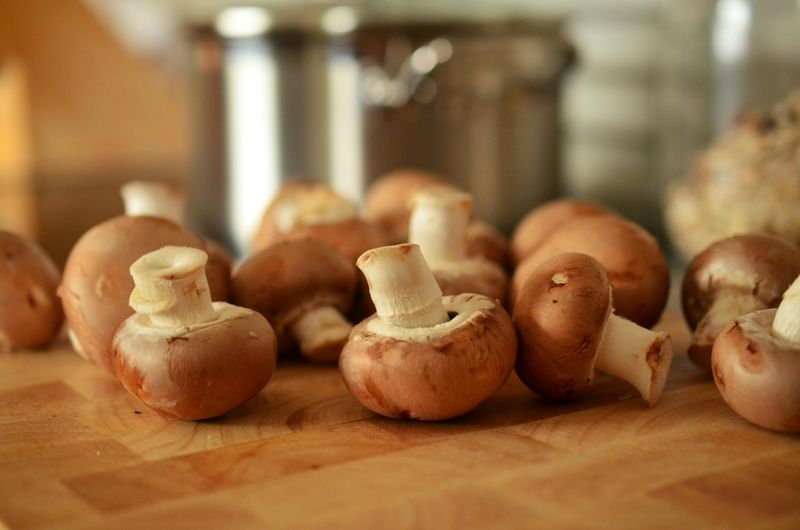
Mushrooms can be spongy if mishandled, but high heat transforms them. Spread them out in a hot pan, leave them alone, and let edges brown.
Add butter, garlic, and thyme near the end for irresistible aroma. Suddenly they are meaty, savory, and a natural steak companion.
Roast or grill for concentrated flavor. Use in risotto, tacos, or umami-rich ramen broth.
Even people who claim to hate mushrooms often enjoy them crispy. The trick is not crowding the pan and seasoning assertively.
You will hear sizzle and taste deep satisfaction.
Brussels sprouts
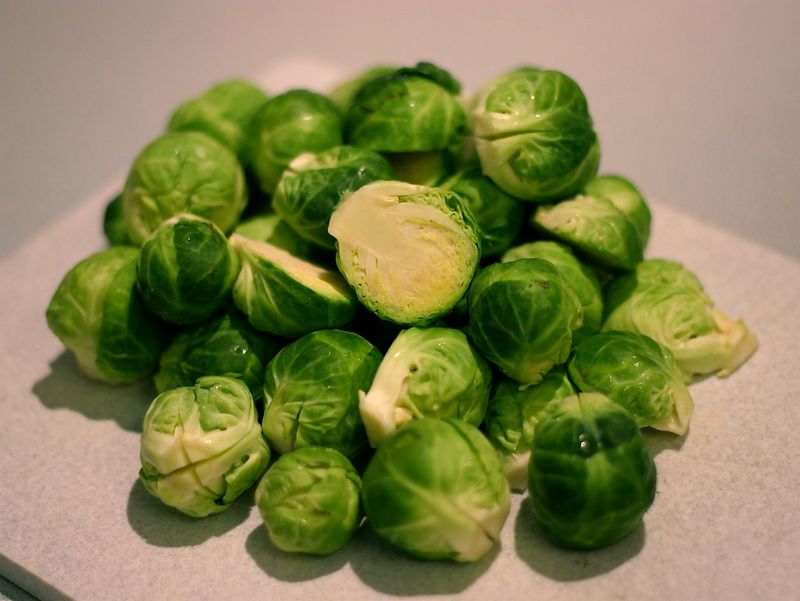
Brussels sprouts suffer from overboiled memories. Roast them cut-side down at high heat until edges char and centers caramelize.
Toss with balsamic or lemon, maybe bacon or parmesan, and they go from bitter to irresistible. The crispy bits convert doubters fast.
Shred them for a raw salad with honey mustard and apples if roasting is not possible. A hot skillet and patience deliver the best texture.
Keep portions small at first and build up comfort. When sweetness emerges, that dreaded sprout becomes a weeknight favorite and holiday staple.
Beets
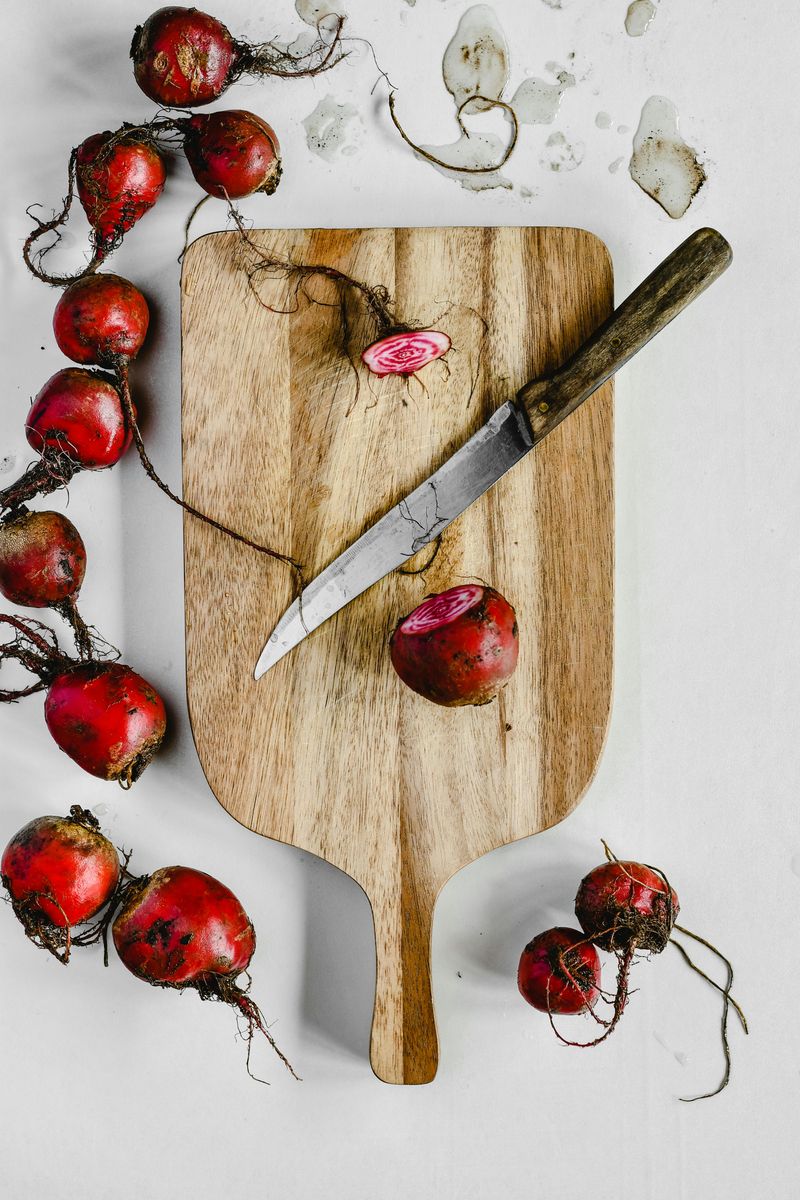
Beets get called earthy, even like dirt, but roasting reveals sweetness. Wrap in foil, bake until tender, then peel easily.
Pair with citrus, goat cheese, or yogurt to brighten flavors. Pickled beets also pop in grain bowls and sandwiches, adding color and tang without heaviness.
Golden beets are milder and stain less. Spiralize or grate raw beets into slaws for crunch.
If red beets seem intense, blend into smoothies with berries for a gentle introduction. You will appreciate how they elevate salads and sides while delivering fiber, folate, and eye-catching color.
Sauerkraut
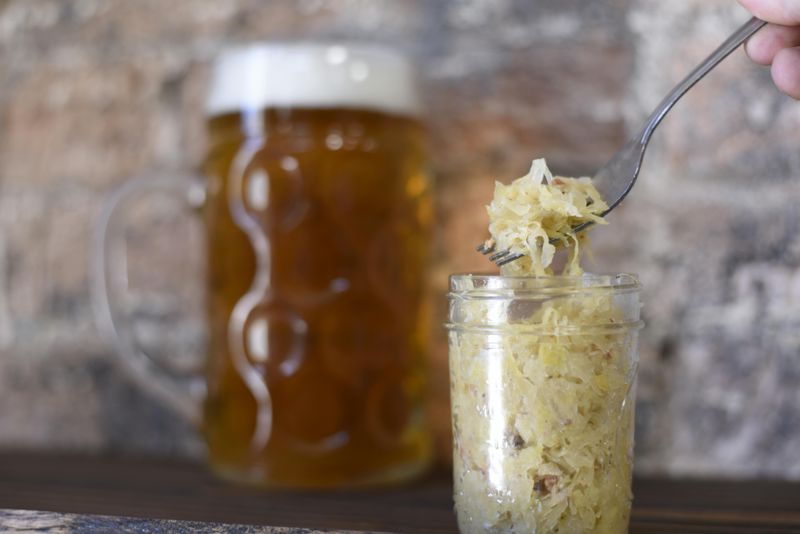
Sauerkraut smells strong, but that tangy crunch wakes up heavy dishes. Pile it onto brats, tuck into Reubens, or serve alongside roast pork.
A quick rinse mellows the flavor while preserving snap. The probiotics can support gut health, and the brightness cuts through rich, fatty foods effortlessly.
Try raw, unpasteurized kraut from the refrigerated section for best texture. Mix with apple, dill, or caraway for variety.
Stir into skillet potatoes right before serving. With good seasoning and balance, kraut becomes more than a condiment.
It becomes the bite that brings everything together.
Kimchi
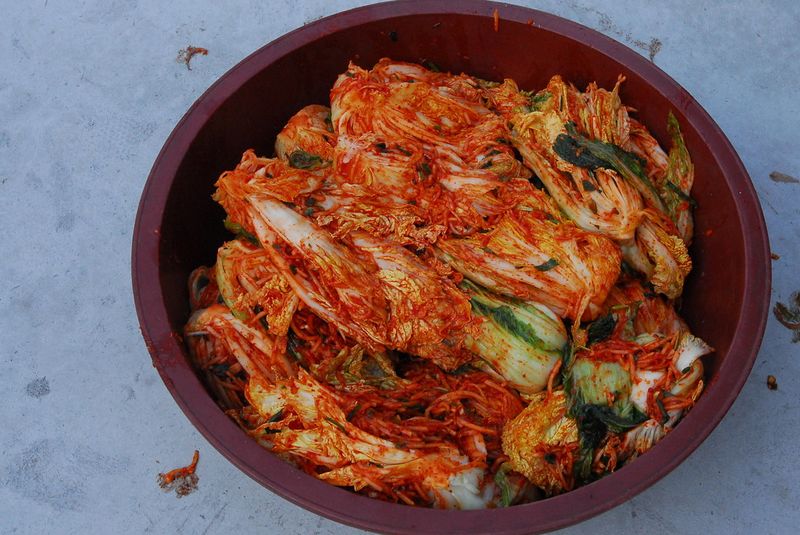
Kimchi’s funk can seem intense, but it is a flavor playground. Eat it straight with rice, or chop it into fried rice where heat softens edges.
Kimchi pancakes and grilled cheese are unexpected winners. The spicy-sour profile brightens fatty meats and turns bland noodles into something memorable.
Look for napa cabbage kimchi as a friendly start. Pan fry briefly to bring out sweetness and tame the sharpness.
It is loaded with probiotics and vitamins. Keep a jar in the fridge and watch leftovers become exciting.
Soon, you will crave that satisfying crunch and warmth.
Tofu
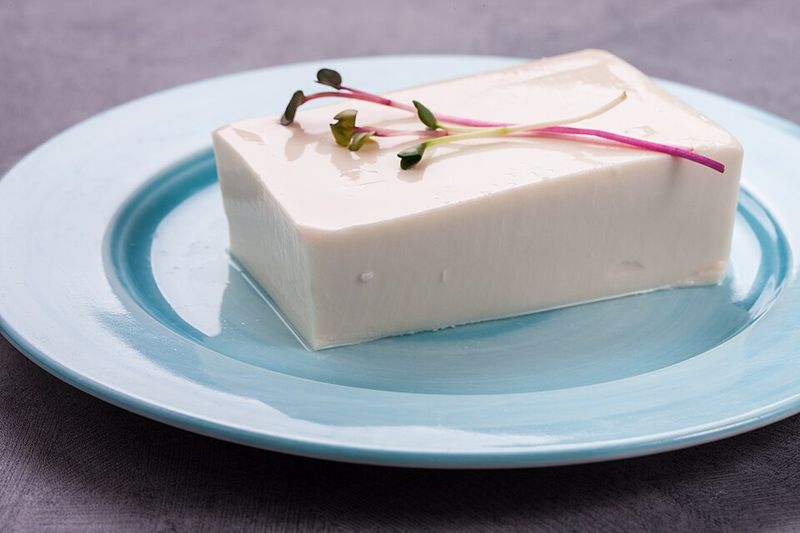
Tofu tastes plain until you treat it right. Press out moisture, toss with cornstarch, and bake or pan fry until crisp.
Then add sauce. Think soy garlic, gochujang, or peanut-lime.
Suddenly it is a blank canvas carrying big flavor with a satisfying crunch outside and tender center.
Choose firm or extra-firm for stir-fries and bowls. Silken suits soups and smoothies.
Marinate longer than you think and season confidently. Once you nail texture, tofu becomes weeknight gold.
It absorbs flavor like a sponge and keeps well for meal prep.
Cottage cheese
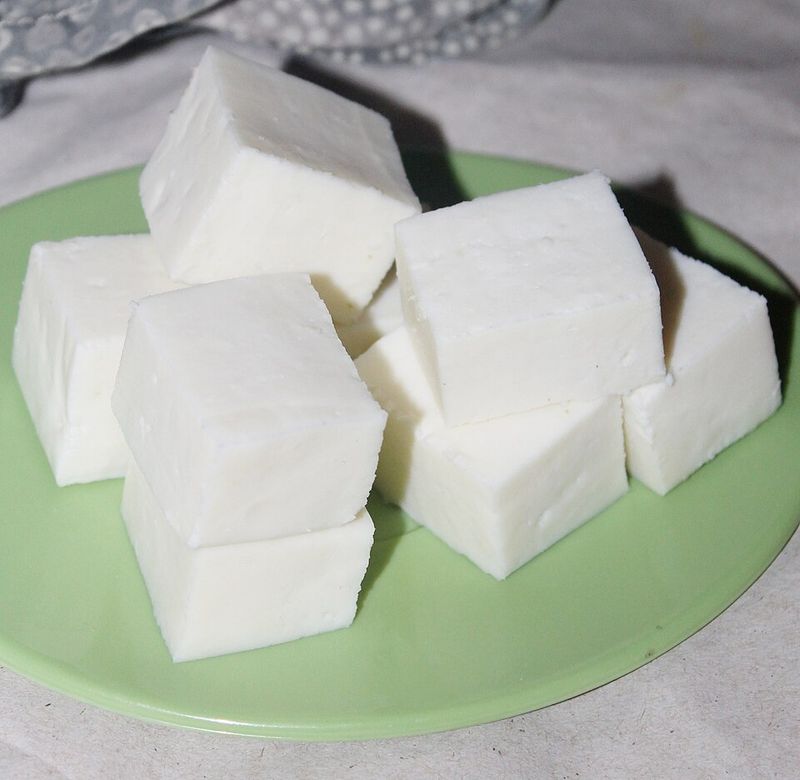
Cottage cheese feels lumpy, but whipping changes everything. Blitz it until smooth and it becomes creamy like ricotta.
Spoon over toast with honey or into pasta with lemon and pepper. Packed with protein, it keeps you full without heaviness, and sweetness or savory toppings both work beautifully.
Try it in pancakes, smoothies, or baked into egg muffins. Season with everything bagel spice for a quick snack.
When texture is right, the flavor is mild and versatile. Give it one more chance whipped, and you might keep a tub ready always.
Grapefruit
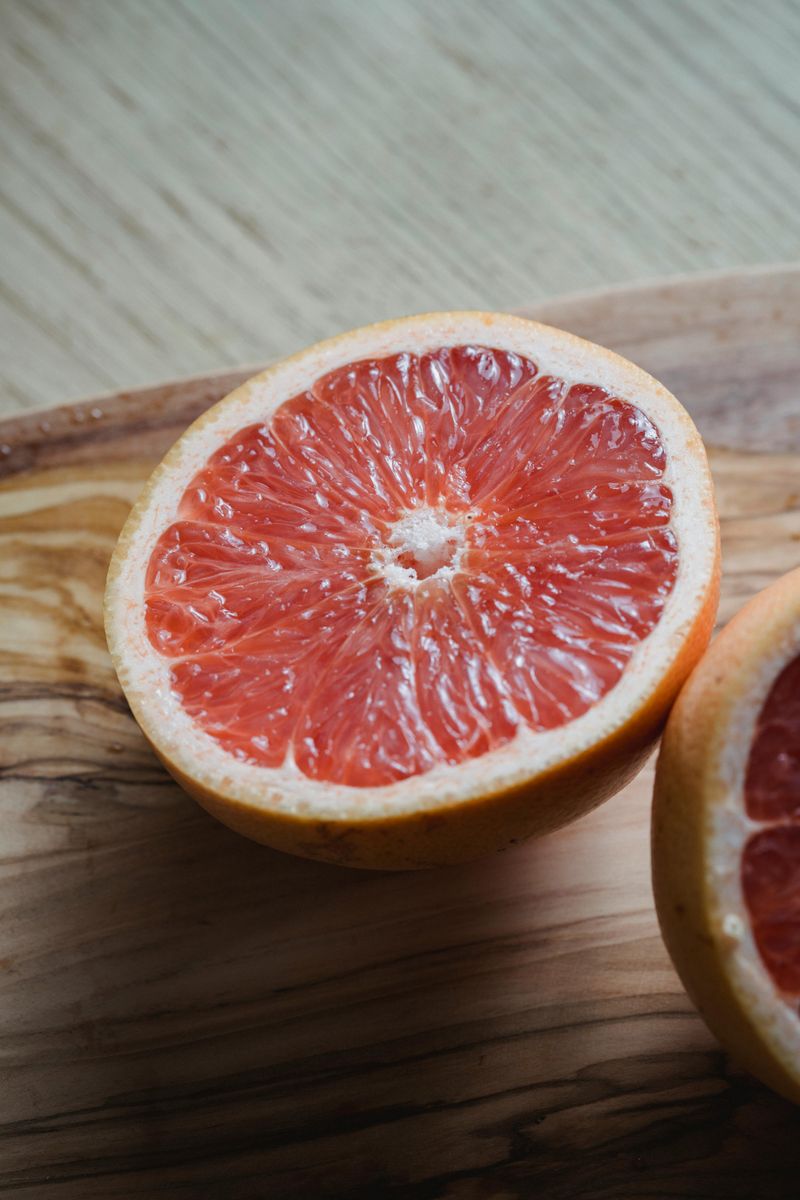
Grapefruit can be aggressively bitter, but a little technique helps. Segment it to remove pith, then add a sprinkle of sugar and a quick torch or broil.
The heat caramelizes edges and softens the bite. Pair with yogurt, mint, and a pinch of salt for balance and brightness.
Juice it into spritzers or vinaigrettes where acidity shines. Ruby red varieties are sweeter and make a friendly introduction.
Enjoy chilled for refreshing snap. Once you control the bitterness, grapefruit tastes floral, zesty, and energizing, perfect for mornings or light desserts.
Dark chocolate
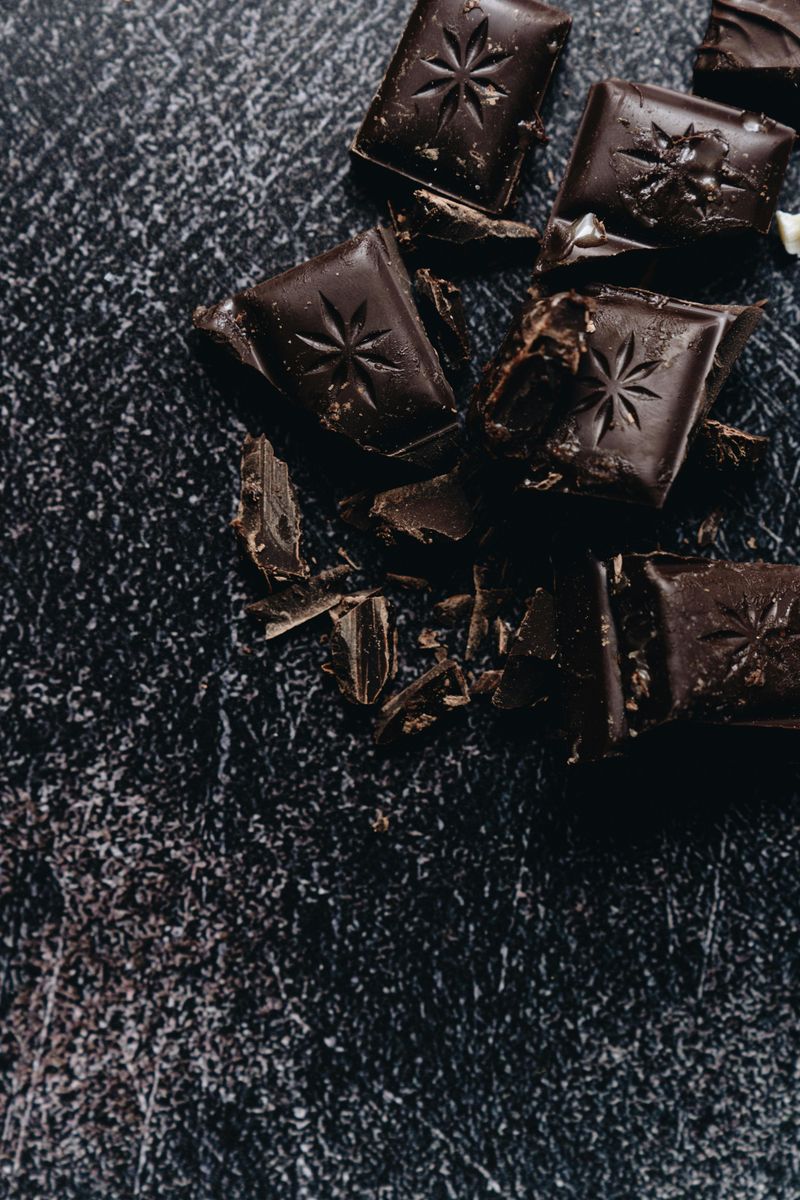
Dark chocolate can seem too bitter at first, but quality matters. Start around 60 to 70 percent cacao where sweetness balances nuance.
Let a square melt slowly on your tongue to catch notes of coffee, cherry, or orange. Pair with espresso or fruit for a pleasant contrast.
Use it in brownies with olive oil for silkiness, or shave over yogurt. As the palate adjusts, higher cacao becomes appealing.
A small daily piece satisfies cravings without sugar overload. Soon, you will seek that sophisticated snap and lingering finish.
Pickles

Pickles divide people, but their crunch cuts through rich, heavy meals. Stack them on burgers, tuck into grilled cheese, or dice into potato salad.
Quick pickles come together in minutes with vinegar, sugar, and spices. You control sweetness and tang, making friendly flavors for hesitant eaters.
Dill, bread-and-butter, and spicy spears each have fans. Start mild, then explore garlicky or hot versions.
Use leftover brine in marinades or salad dressings to avoid waste. That zippy bite wakes up everything on the plate and quickly becomes habit forming.
Cilantro
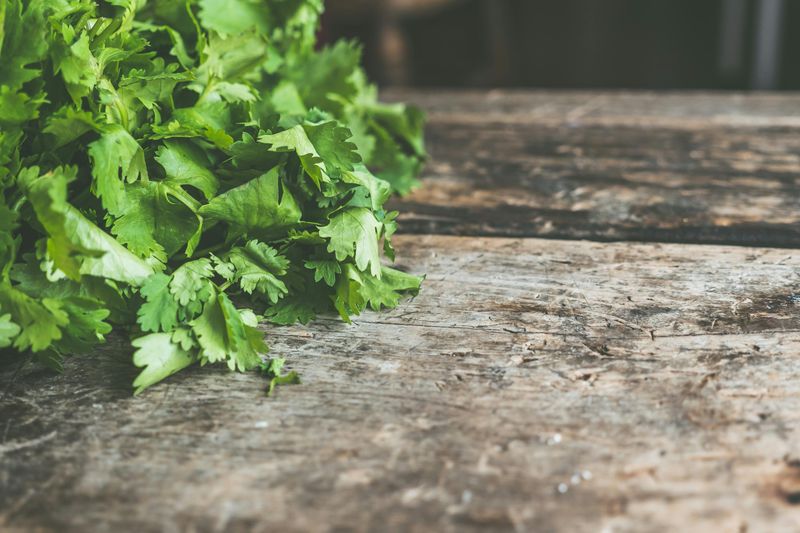
Cilantro tastes soapy for some due to genetics, but careful use helps. Chop it finely and add at the very end with lime, letting brightness bloom.
Use leaves, not stems, if sensitive. In salsa, tacos, or pho, it lifts flavors without dominating when sprinkled lightly.
Try mixing with parsley to dial back intensity. Toasted cumin and citrus pair especially well.
If the flavor still overwhelms, swap in culantro or mint for a related vibe. With small amounts and smart pairing, cilantro becomes refreshing instead of polarizing.
Eggplant
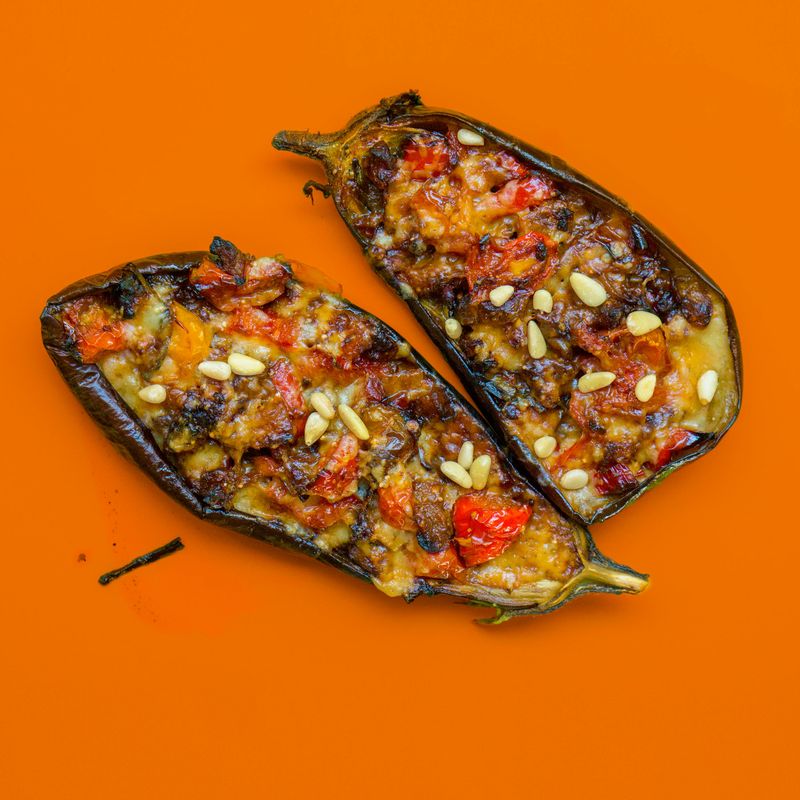
Eggplant can turn soggy or bitter, but technique saves it. Salt slices to draw out moisture, pat dry, then roast hot until deeply browned.
The texture turns silky inside with caramelized edges. Finish with tahini, lemon, and herbs, or fold into pasta with tomatoes and garlic for comfort.
Choose smaller, firm eggplants for fewer seeds. Grill thick planks for smoky sandwiches.
For a crunch, bread and bake into cutlets. Once you learn to drive off water and add plenty of oil and heat, eggplant becomes lush and satisfying.
Canned tuna
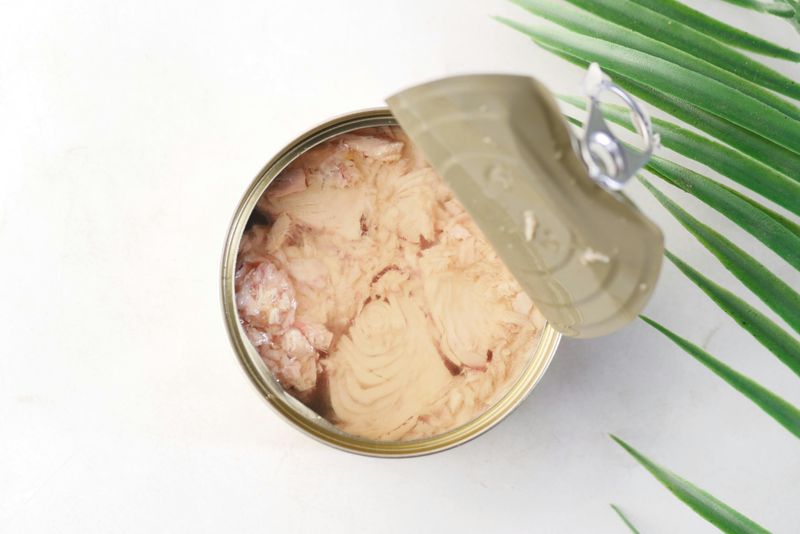
Canned tuna can taste dry, but oil-packed brands are juicy and rich. Flake gently, add lemon, capers, and parsley, then spoon onto toast.
Mix with yogurt and Dijon for a lighter salad that still feels creamy. With good tuna, you need fewer add-ins, and the flavor stays clean.
Do not overmix, which turns it mushy. Keep pantry cans for quick protein after work.
Toss into pasta with garlic and chilies for an easy dinner. Quality really matters here, and small tweaks elevate humble tuna into something craveable.
Liver and onions
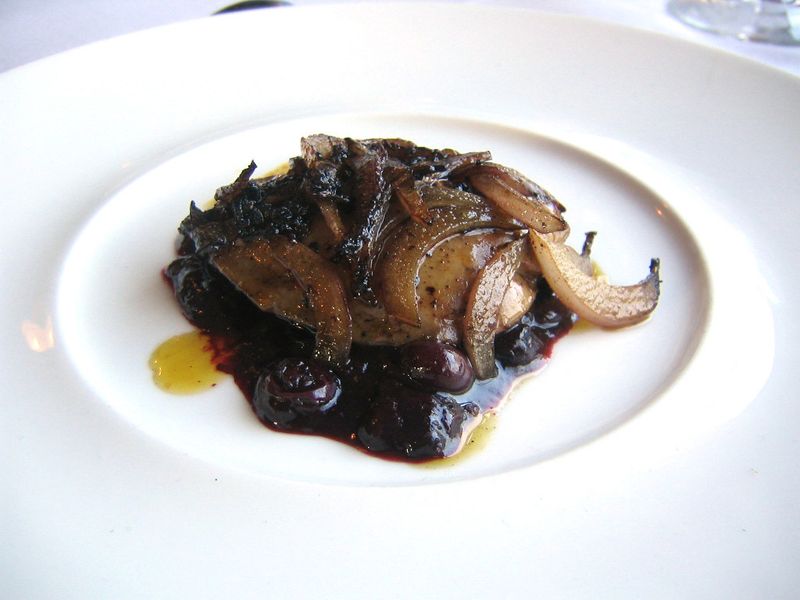
Liver scares people with mineral intensity, but careful cooking helps. Choose calf or chicken liver for a milder flavor.
Slice thin, pat dry, and sear quickly over high heat, leaving a blush inside. Pair with deeply caramelized onions and a squeeze of lemon to balance richness and bring brightness.
Soak in milk briefly to mellow any harshness. Serve with mashed potatoes or polenta for comfort.
Overcooking makes it chalky, so timing is everything. When handled gently, liver becomes tender, savory, and surprisingly elegant.
Seaweed snacks
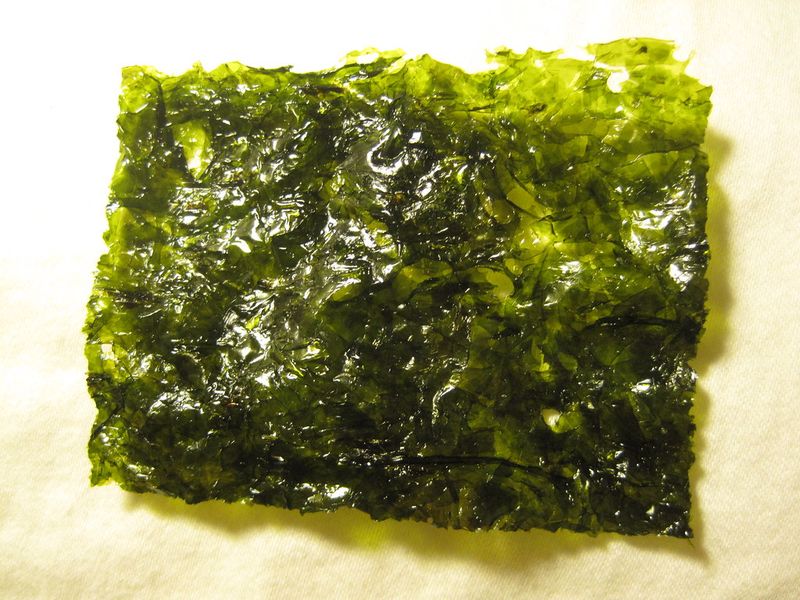
Seaweed snacks taste oceanic, which can surprise at first bite. Choose lightly salted or sesame flavors for beginners.
Pair with warm rice or wrap around avocado slices for a gentle introduction. The crispy, melt away texture keeps fingers reaching back into the pack almost automatically.
They are low calorie and loaded with minerals like iodine. Crumble over salads or ramen for savoriness.
If worried about intensity, try furikake blends to sprinkle instead of full sheets. Soon, you will appreciate that clean, toasty, slightly sweet sea flavor.
Cauliflower
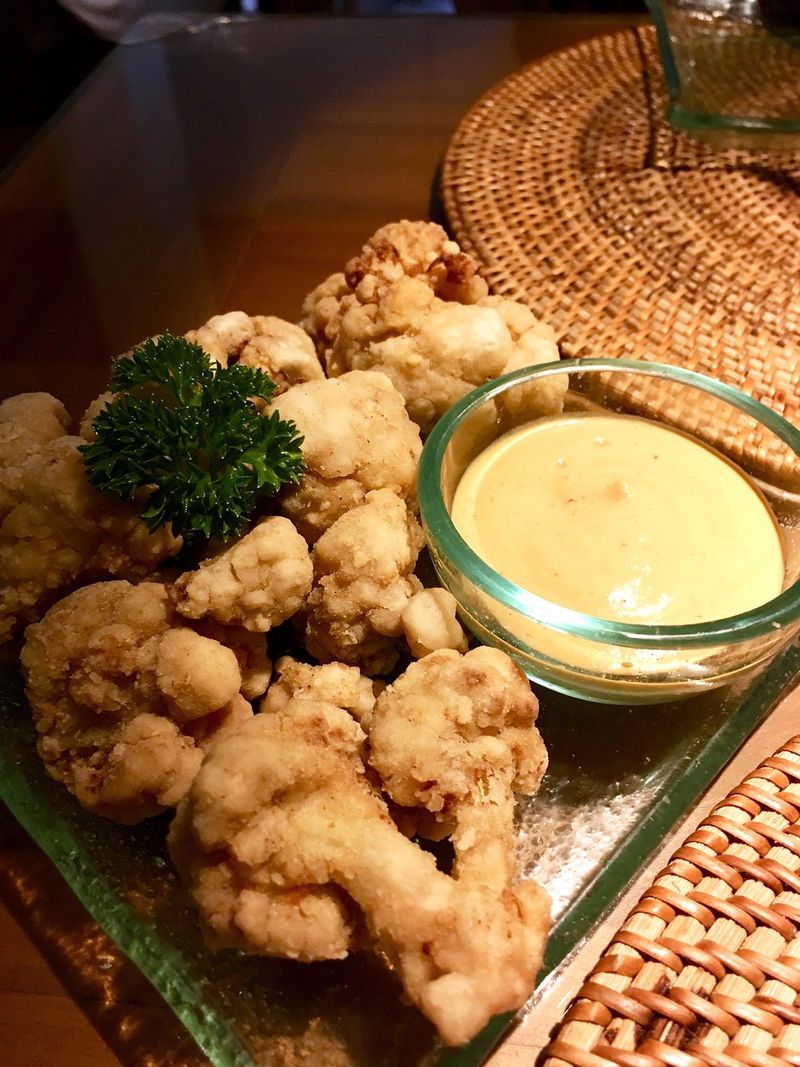
Cauliflower has a cabbagey smell when boiled, but roasting changes the game. High heat creates caramelized edges and a nutty flavor.
Toss with spices like turmeric and cumin, then serve with yogurt sauce. It becomes hearty enough to star in tacos, grain bowls, and even pasta dishes.
Ricing cauliflower works for lighter fried rice or pizza crust, though texture varies. Blending into soups gives silky body without cream.
Add plenty of salt and acid to keep flavors lively. With the right treatment, cauliflower moves from bland to undeniably satisfying.
Sardines
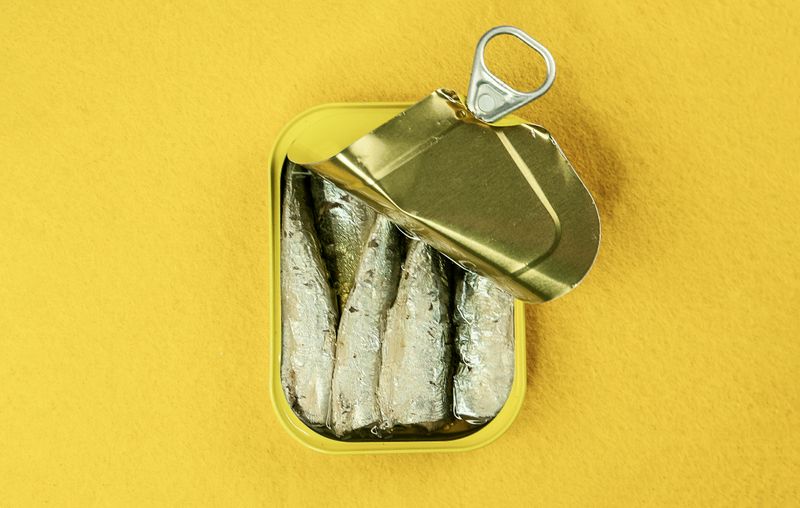
Sardines get labeled fishy, yet they are rich, meaty, and convenient. Smash with lemon zest, olive oil, and capers, then spoon over toast.
Or grill whole sardines until skin blisters and squeeze on more lemon. The flavor becomes smoky and clean, not harsh.
Canned versions vary, so test brands packed in olive oil or tomato sauce. Remove backbone for a gentler bite if needed.
Nutritionally, sardines are omega-3 powerhouses with calcium and protein. With crisp bread and fresh herbs, you will understand why people swear by them for quick, satisfying meals.