


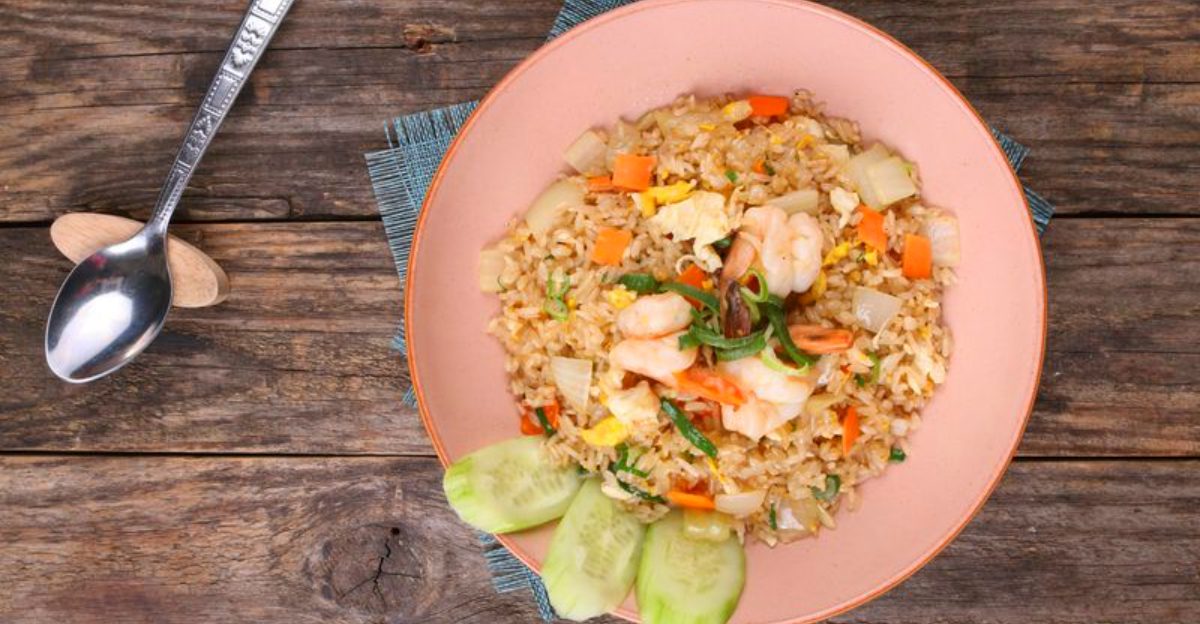
Some meals are more than recipes. They are memories of scraping by, making magic from almost nothing, and stretching every dollar until Friday.
If you know, you know the pride of turning pantry scraps into comfort that warms the whole room. Here are the humble plates that say you learned to thrive on less and still eat well.
Rice and beans
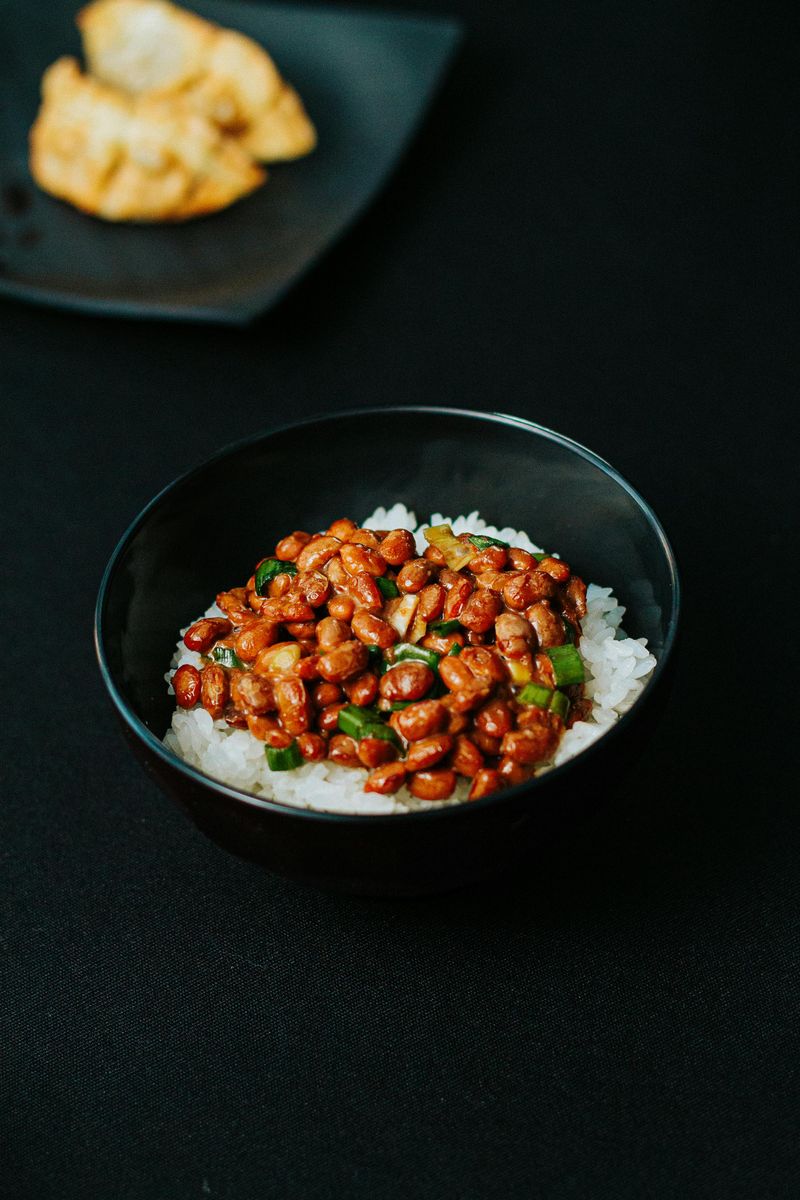
Rice and beans taught you timing, patience, and balance. You learned how a pinch of salt could wake up a pot, and how cumin or garlic changed everything.
A little salsa on top felt like a celebration.
You figured out stovetop tricks to keep the rice fluffy and the beans tender. Leftovers became burritos, bowls, or breakfast with an egg.
It is protein, carbs, and pride in one cheap, steady staple.
Lentil soup
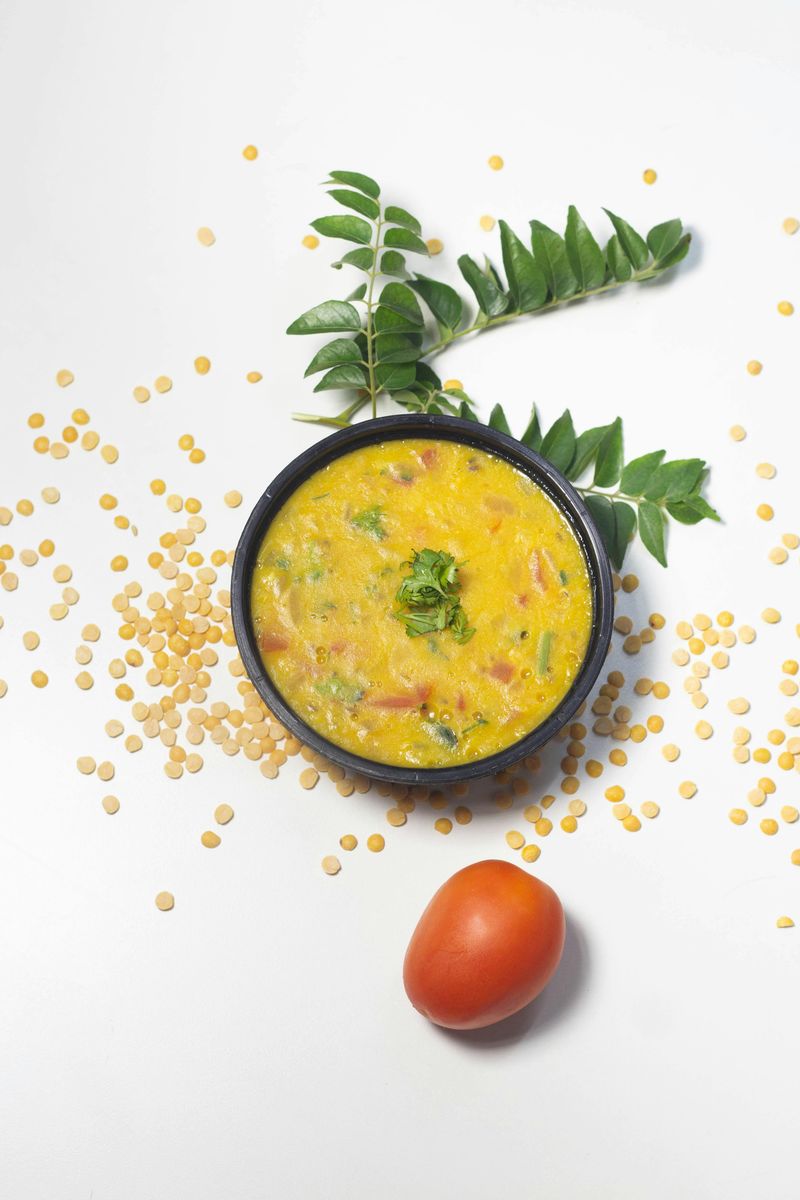
Lentil soup was the weeknight hero. Lentils cost pennies, softened fast, and turned water into something hearty.
Toss in carrots, onions, and a bay leaf, and it felt like comfort on a schedule.
You learned to blend half for creaminess without buying cream. Bread heels became dunkers, herbs from the windowsill made it bright, and leftovers froze beautifully.
Each bowl said you could nourish yourself without spending much.
Potato soup
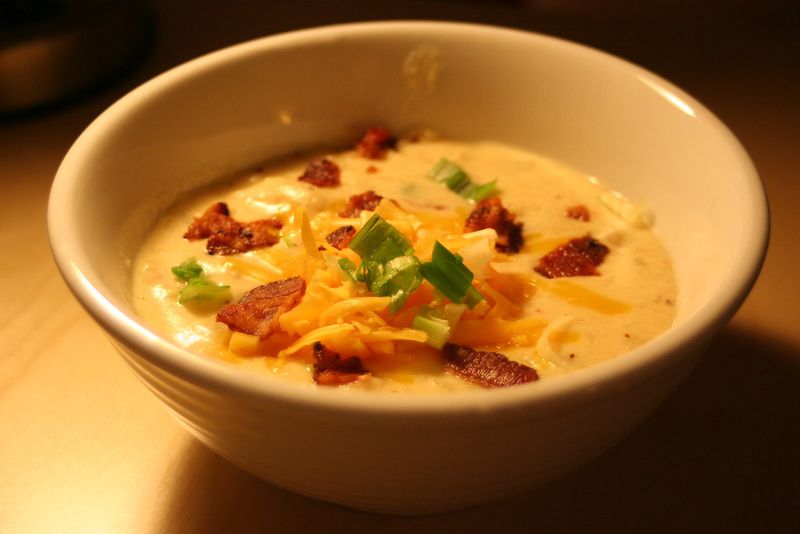
Potato soup stretched one bag into days of warmth. Dice, simmer, mash a little, and suddenly plain potatoes turned silky.
If milk was around, a splash made it richer, but water and onions still did the job.
Croutons from stale bread added crunch. A sprinkle of cheese, if blessed, felt like payday.
You learned thickening tricks with flour or just patient simmering, proof that thrift can be delicious.
Cabbage stew
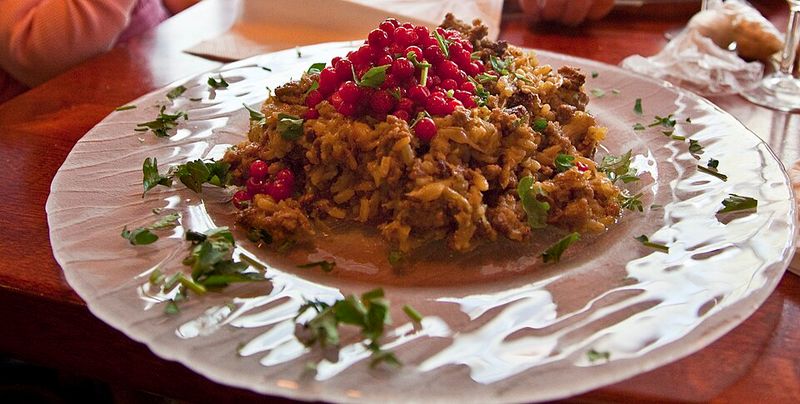
Cabbage stew was the quiet workhorse. A head of cabbage, a can of tomatoes, maybe potatoes, and onion turned into a pot that fed everyone.
It smelled humble and homy, the kind of steam that fogs cold windows.
Seasonings were flexible: paprika, vinegar splash, or a pinch of sugar to balance. It reheated like a dream and tasted better overnight.
You served big bowls and felt abundantly frugal.
Buttered noodles
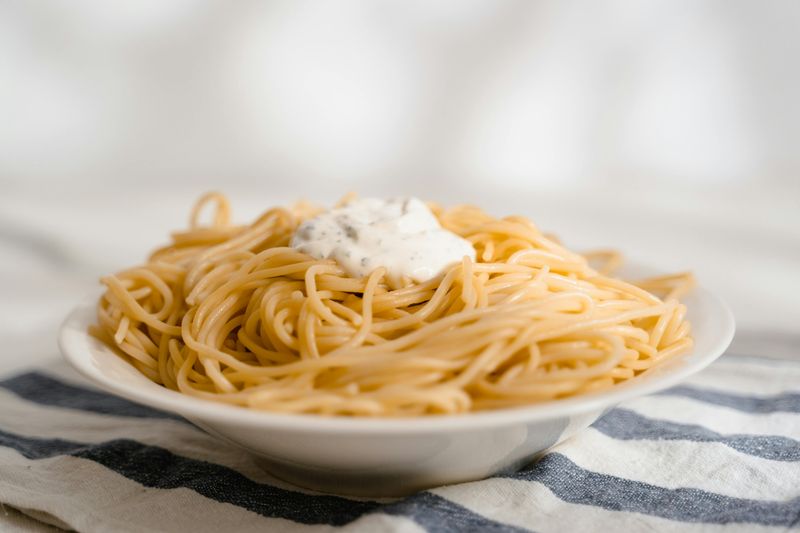
Buttered noodles meant dinner was fast and cheap. Boil, drain, add butter, salt, and pepper.
Maybe a shake of garlic powder if you were fancy. It tasted like safety and solved hunger without drama.
Leftover noodles showed up tomorrow with an egg or frozen peas. The bowl felt bottomless when money felt thin.
You learned that simplicity, done right, can taste surprisingly luxurious.
Tomato pasta
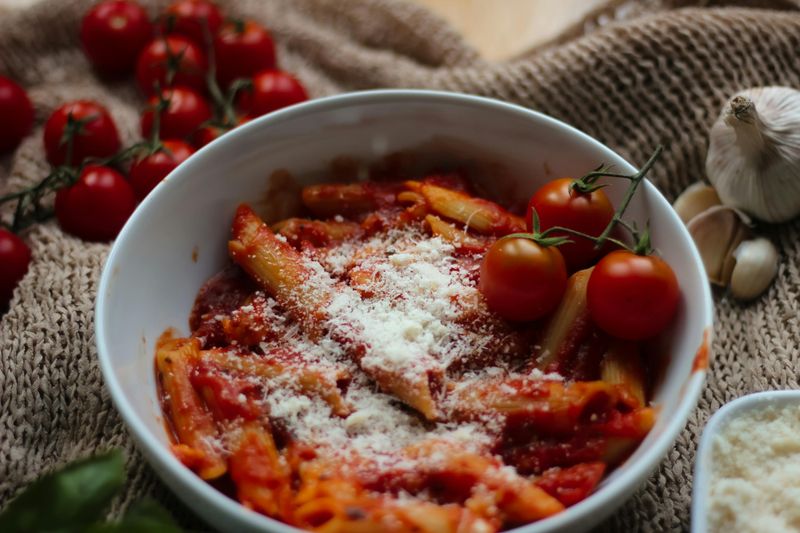
Tomato pasta was pantry alchemy. A can of tomatoes, onion, and a sizzle of oil made a sauce that hugged spaghetti just right.
Simmered with salt and a pinch of sugar, it tasted patient, even when you were not.
Sometimes a carrot sweetened things, sometimes a chili flake added heat. A final splash of pasta water brought it together.
It proved technique beats price tags.
Oatmeal
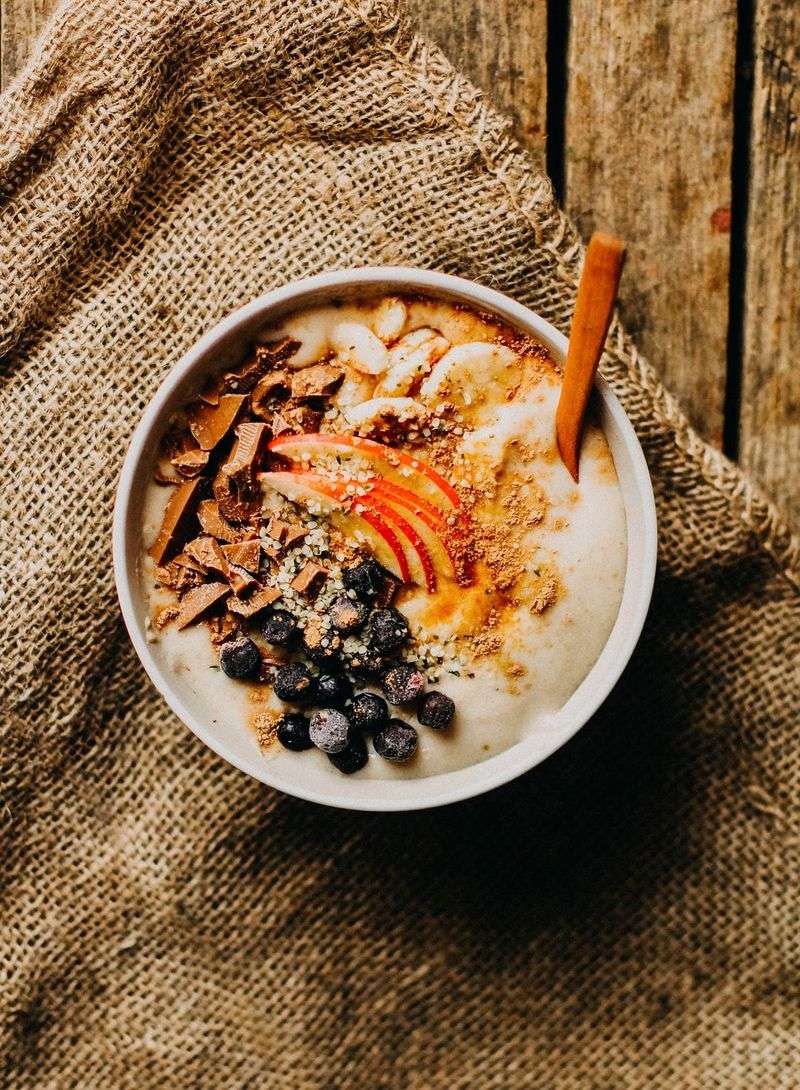
Oatmeal was breakfast that stuck with you. Rolled oats simmered in water or milk became creamy, soothing, and incredibly cheap.
Cinnamon, banana slices, or a spoon of peanut butter kept it interesting.
You figured out the ratio, the stir, and patience to avoid glue. Overnight versions saved mornings.
It felt like caring for yourself when budgets were tight, one warm spoonful at a time.
Cornbread
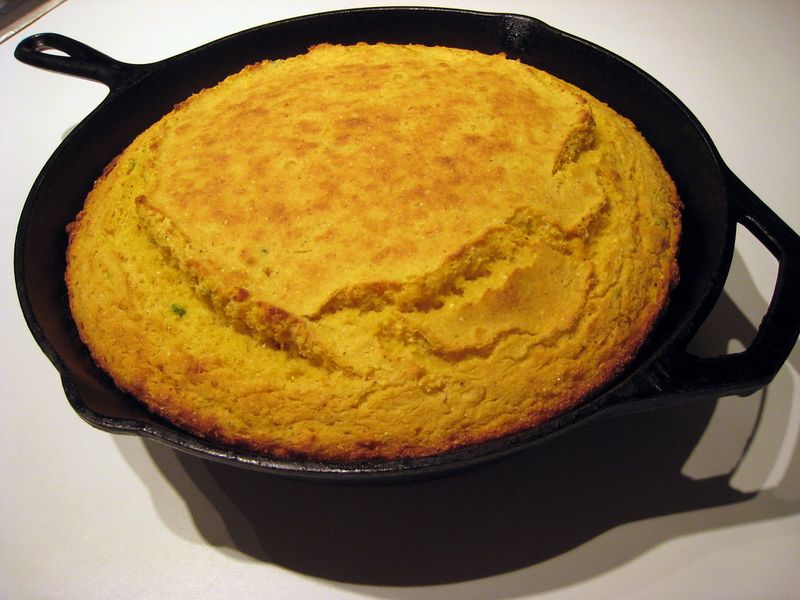
Cornbread stretched soup nights and made chili feel grand. Cornmeal, a little flour, oil, and milk created a crunchy edge and tender middle.
Sweet or not, it filled plates and bellies on the cheap.
Skillet heat gave it that satisfying crust. Leftovers turned into breakfast with butter and a dab of jam.
It taught you that a side can quietly carry the whole meal.
Eggs and toast
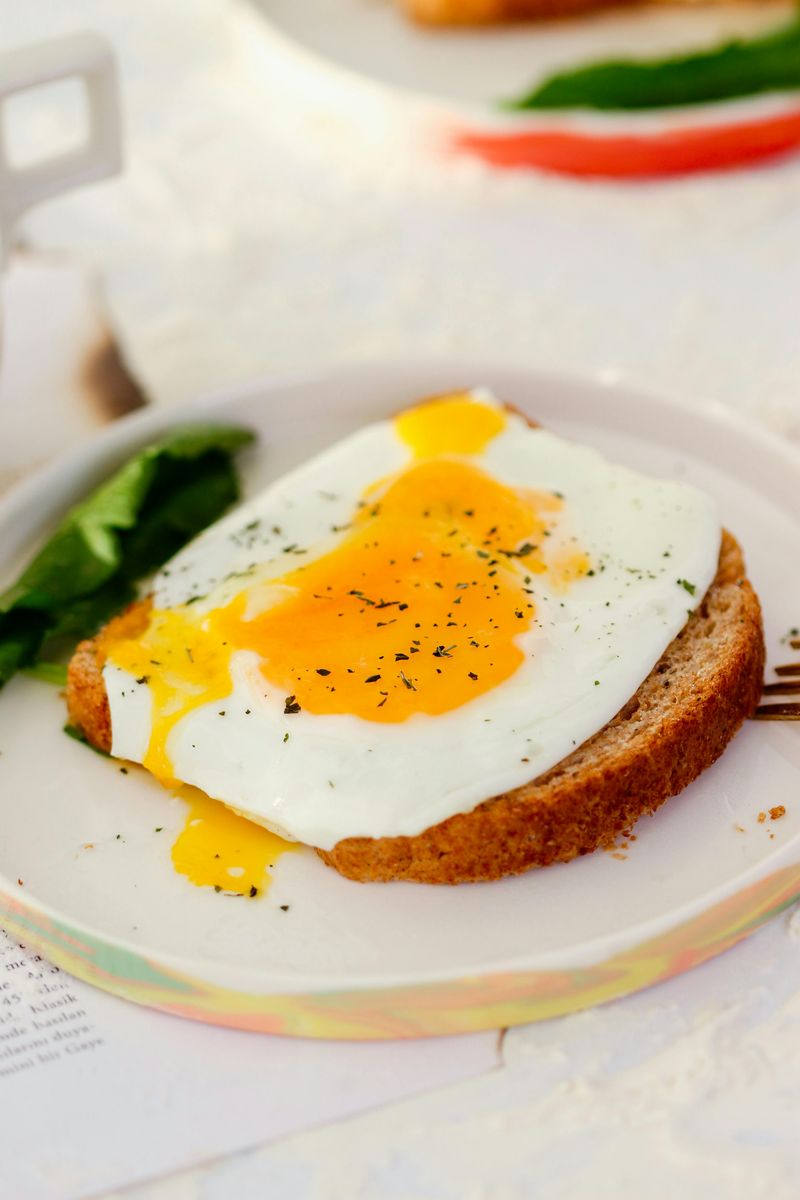
Eggs and toast felt like a small feast. Protein, fat, and crunch for pocket change.
Scrambled on Tuesday, fried on Wednesday, and a quick sandwich on Thursday. The yolk was sauce you did not have to buy.
Toast caught every drop. Add hot sauce when available, or a slice of tomato in summer.
It proved breakfast for dinner is a smart move, not a compromise.
Tuna sandwich
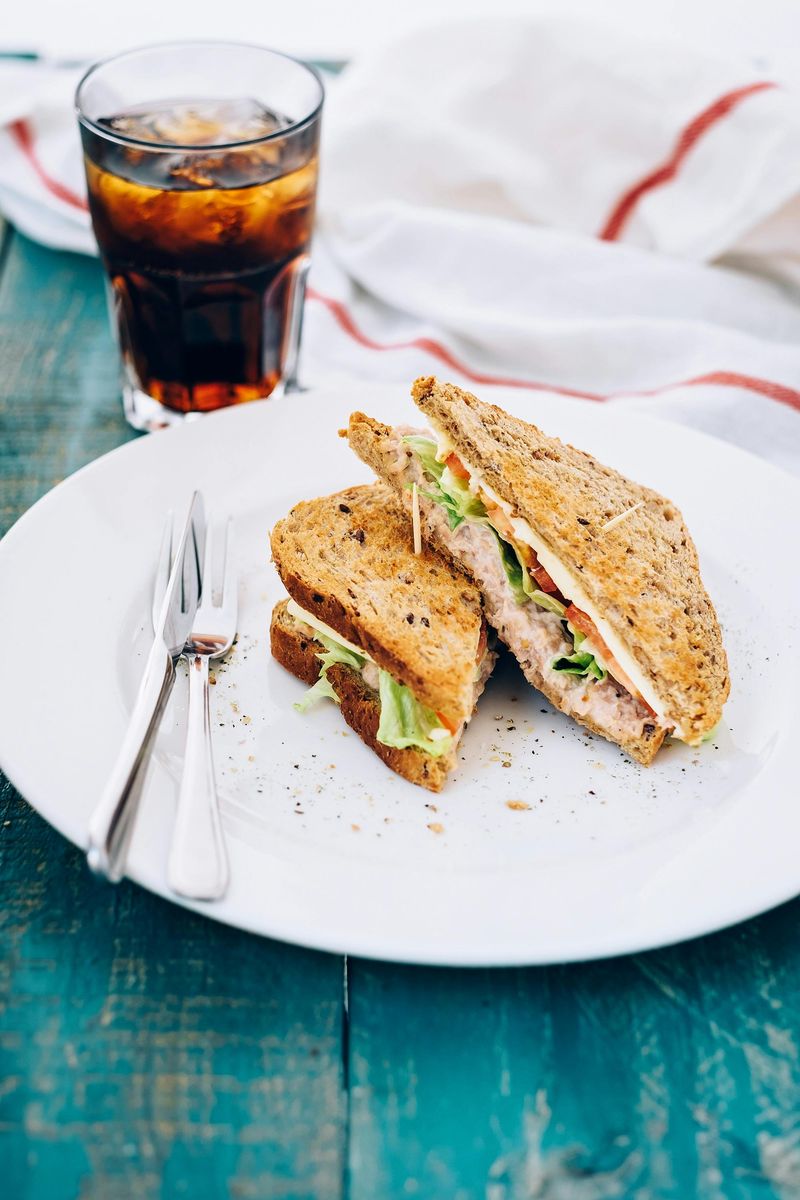
The tuna sandwich was reliable. One can, a dab of mayo, maybe relish or chopped onion, and lunch was solved.
It held together on white bread that stuck to the roof of your mouth in a satisfying way.
Sometimes you toasted it, sometimes you melted cheese if luck allowed. Packed for school or work, it felt solid and grown up.
Shelf-stable protein saved many weeks.
Peanut butter toast
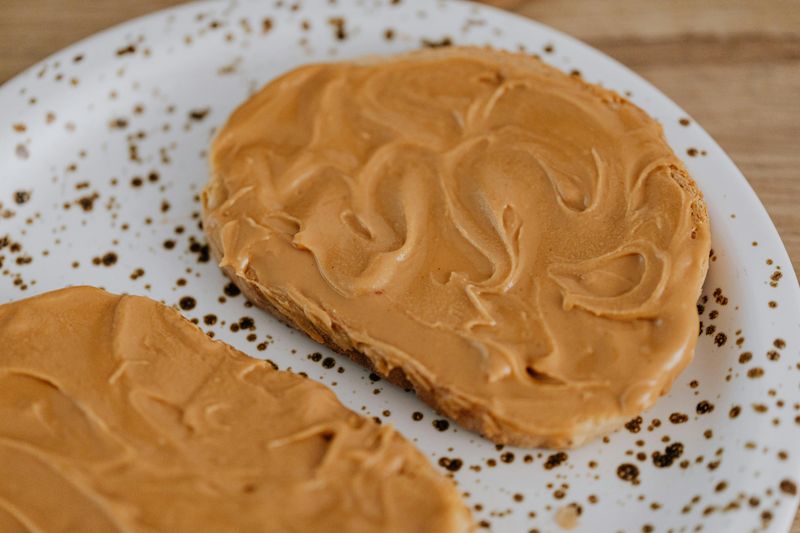
Peanut butter toast was fast, filling, and friendly to the wallet. The spread stuck to your ribs and your schedule.
Bananas, if around, made it feel deluxe. Honey or cinnamon transformed it into something cozy.
After school or before work, it stood in for meals without complaint. Crunchy or smooth did not matter.
It taught you that protein can hide in plain sight.
Canned soup
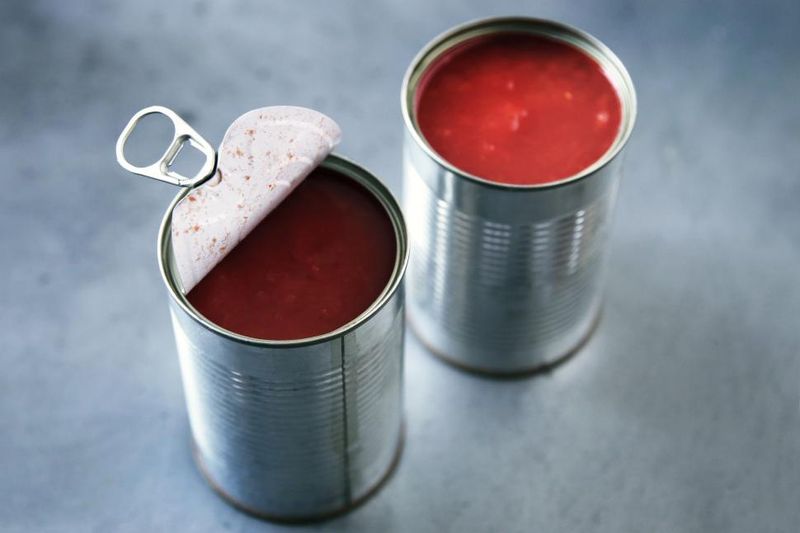
Canned soup was emergency comfort. Pop the top, heat, and pretend those tiny carrots were from a garden.
Saltines on the side counted as flair. On long days, it tasted like relief in ten minutes.
You learned to doctor it with frozen veggies, leftover chicken, or a squeeze of lemon. Two cans could stretch to three bowls with extra water.
It was survival in a pantry row.
Boiled potatoes
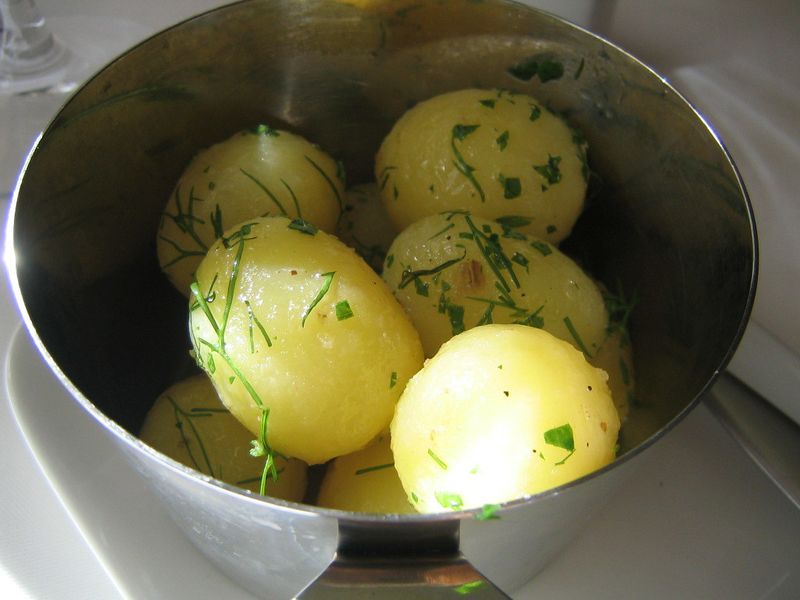
Boiled potatoes were blank canvases. Salt the water, cook until tender, and you have a base for everything.
Butter if you had it, oil if you did not. A sprinkle of herbs made them feel intentional.
They turned into salad, hash, or quick pan fries the next day. Cheap, sturdy, and endlessly adaptable, they kept meals grounded.
You learned to respect basics done right.
Vegetable soup
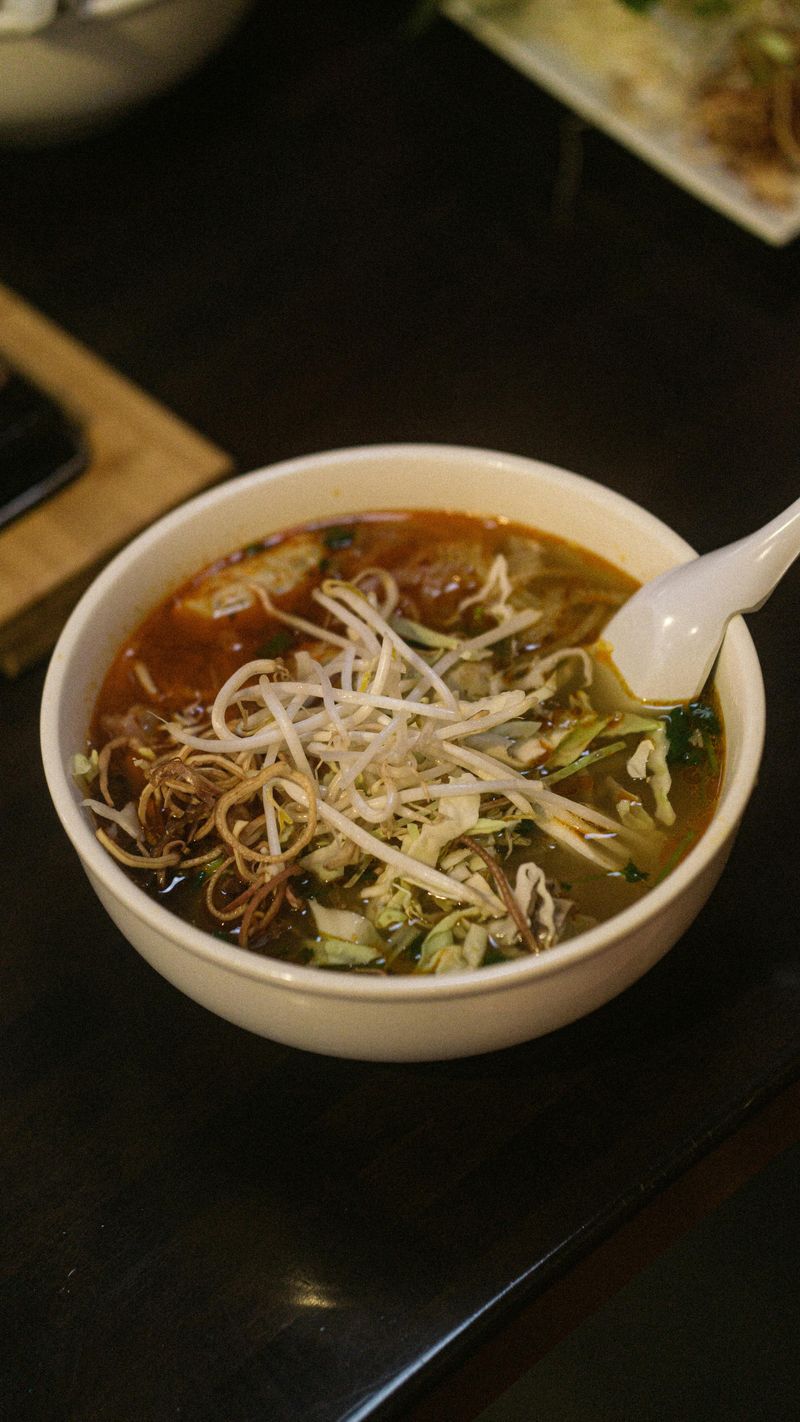
Vegetable soup was a fridge cleanout ritual. Ends of carrots, that lonely celery stick, and a potato or two built a honest broth.
A bay leaf and peppercorns pretended to be fancy without costing a thing.
Noodles or rice stretched it further. It froze well, fed crowds, and welcomed toast on the side.
Each spoonful said resourcefulness can taste like abundance.
Leftovers
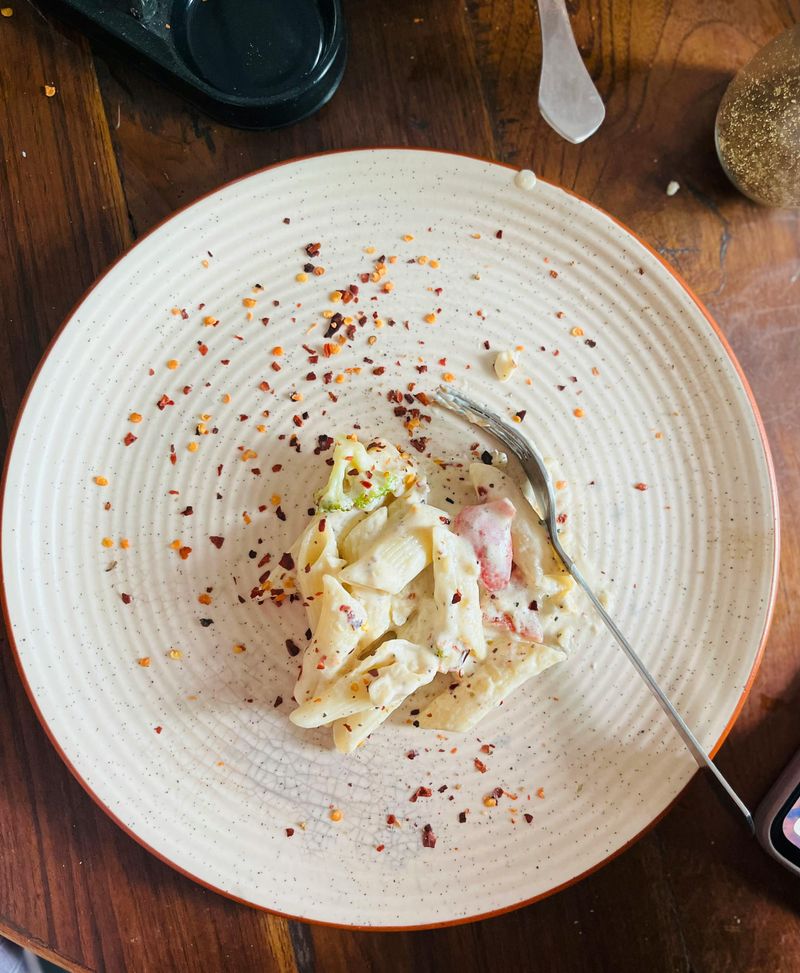
Leftovers were strategy, not shame. Sunday’s roast scraps became tacos, rice bowls, or soup starters.
You learned to season twice: once when cooking, again when repurposing. Nothing wasted, everything transformed.
Cold pizza became breakfast, stir fry met eggs, and stale bread earned new life as croutons. Planning around leftovers kept the lights on and the fridge humming with possibility.
Frugality felt creative.
Pantry pasta
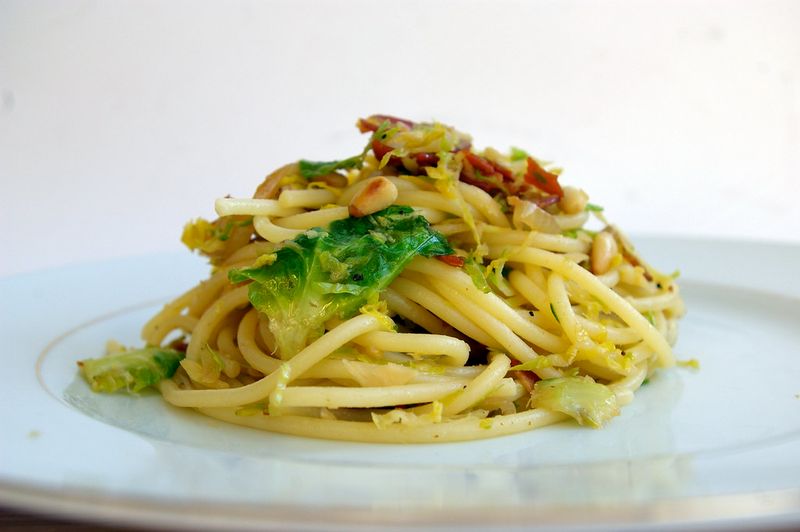
Pantry pasta was improvisation you could count on. Garlic, oil, chili flakes, and maybe breadcrumbs turned noodles into dinner that tasted intentional.
Toasted crumbs mimicked crunch you could not afford elsewhere.
Lemon zest if available, parsley if the windowsill was cooperating. A splash of starchy water made it glossy.
It proved that technique and heat can elevate the simplest shelf staples.
Hot dog dinner
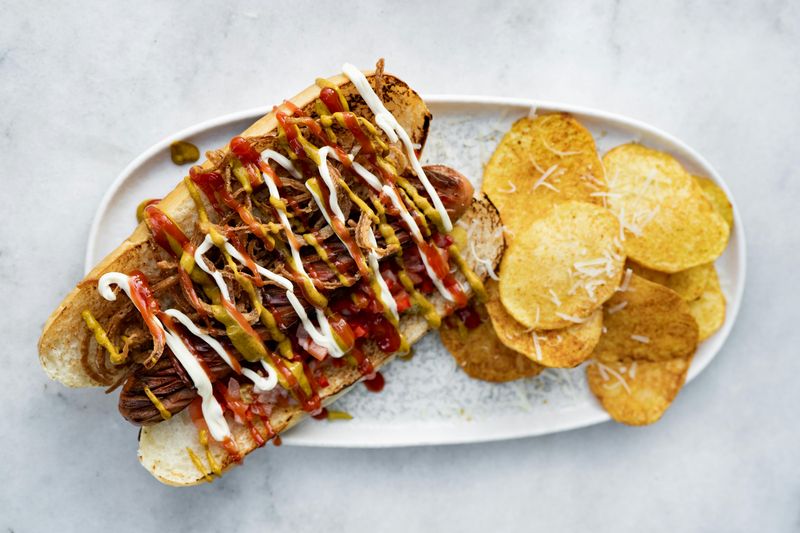
Hot dog dinner showed up when paychecks lagged. Pan sizzle, split buns, and a few onions caramelized just enough.
It was salty, cheerful, and quick. Beans or chips rounded the plate when vegetables could not.
Leftovers sliced into eggs or fried rice kept waste low. You knew the brands on sale by heart.
It was not glamorous, but it was honest and filling.
Cheap ramen
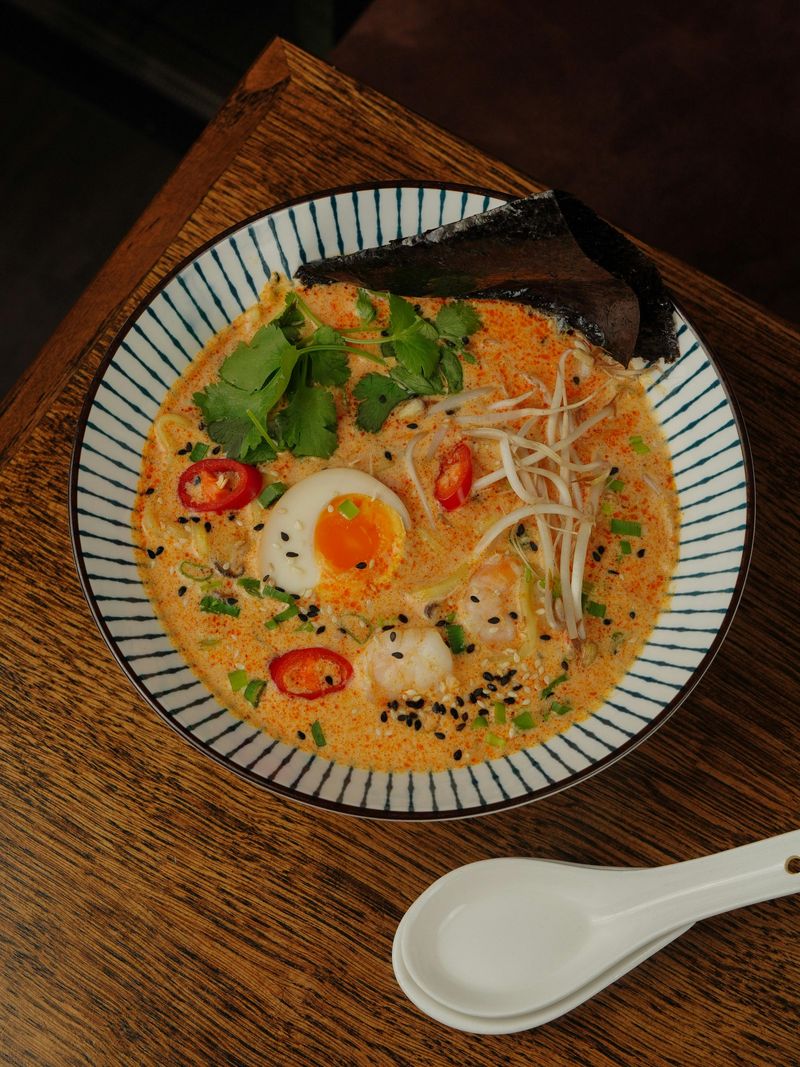
Cheap ramen became a canvas. The packet alone did the job, but you learned to add an egg, some frozen corn, or leftover chicken.
A splash of soy or vinegar leveled it up fast.
Breaking the noodles for a thicker slurp felt personal. On cold nights, it hugged from the inside.
You respected how ninety-nine cents could feel like a plan.
Bean stew
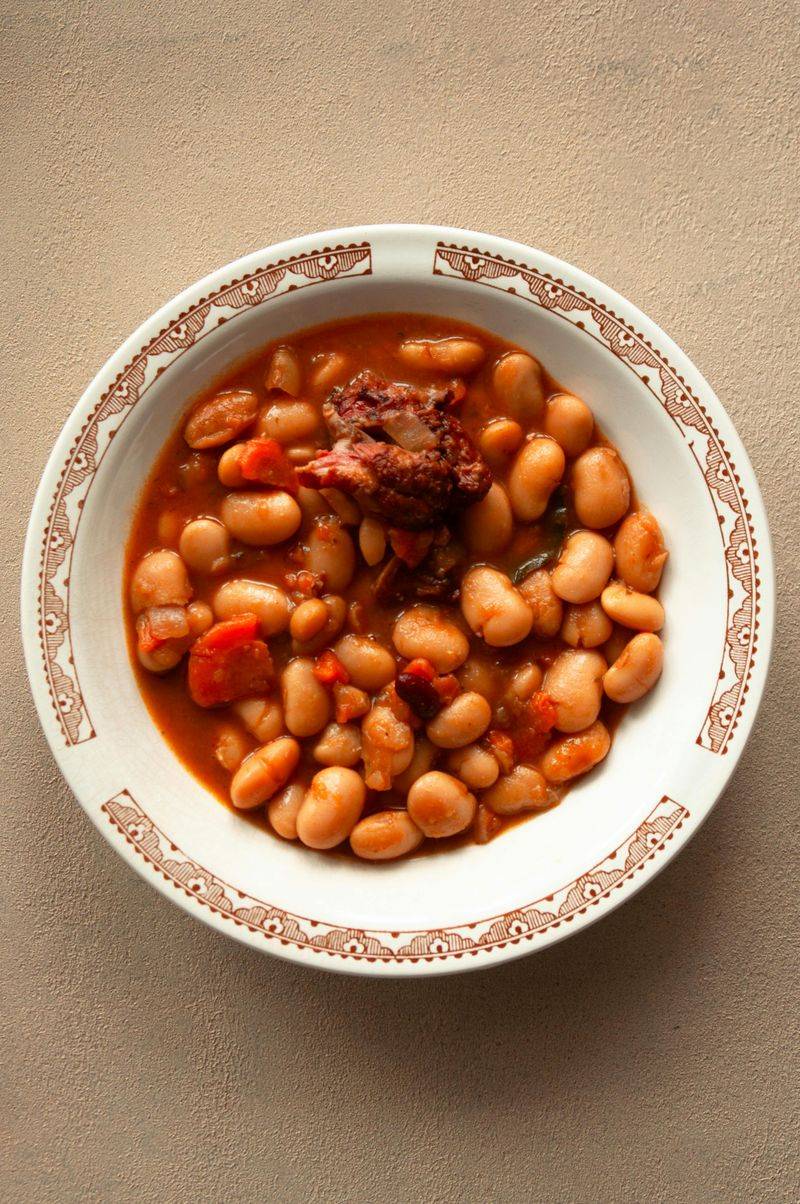
Bean stew tasted like patience. Dried beans soaked overnight, then simmered with onions, tomatoes, and a bay leaf until tender.
Spices shifted by mood and budget. Cornbread or rice turned it into a complete plate.
It reheated beautifully and thickened with time. A drizzle of oil at the end felt luxurious for pennies.
You learned slow cooking rewards more than it asks.
Grilled cheese
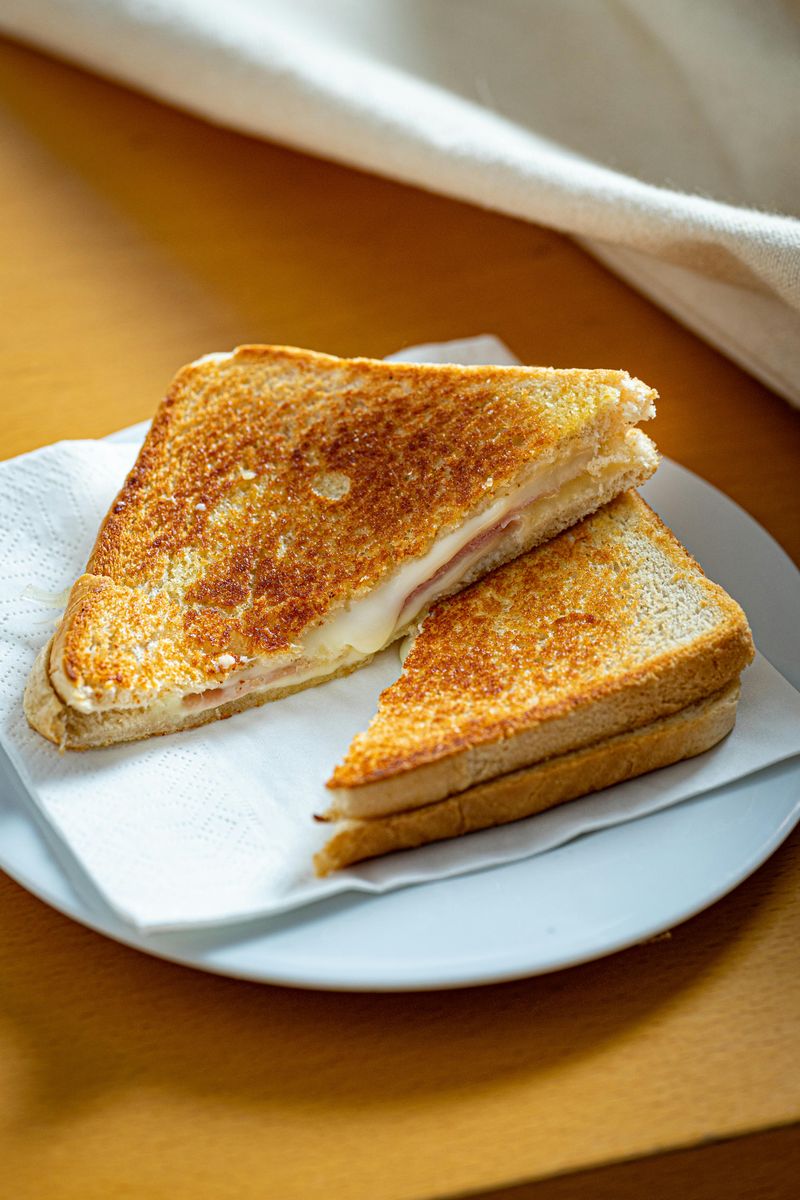
Grilled cheese was the treat that still made financial sense. Butter the bread, low heat, slow patience, and flip when it sings.
The cheese stretch felt like a reward after a long day.
Tomato soup on the side made it a complete ritual. Stale bread worked great, and any cheese blended into happiness.
It proved small luxuries can fit small budgets.
Fried rice
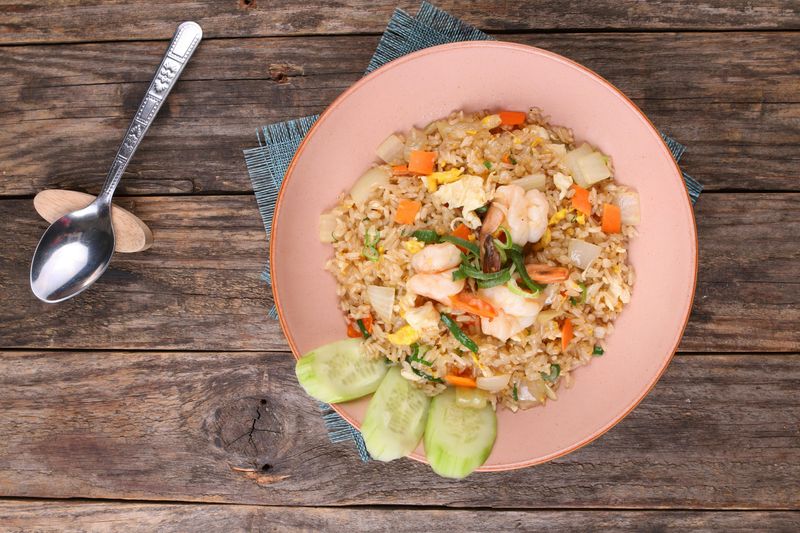
Fried rice turned leftovers into a win. Day-old rice, a beaten egg, and whatever vegetables hung around became dinner with sizzle and shine.
Soy sauce brought depth you could afford.
The trick was hot pan, cold rice, and not crowding the wok. A few green onions made it feel restaurant-level.
You learned resourcefulness tastes amazing, especially when it crisps at the edges.