


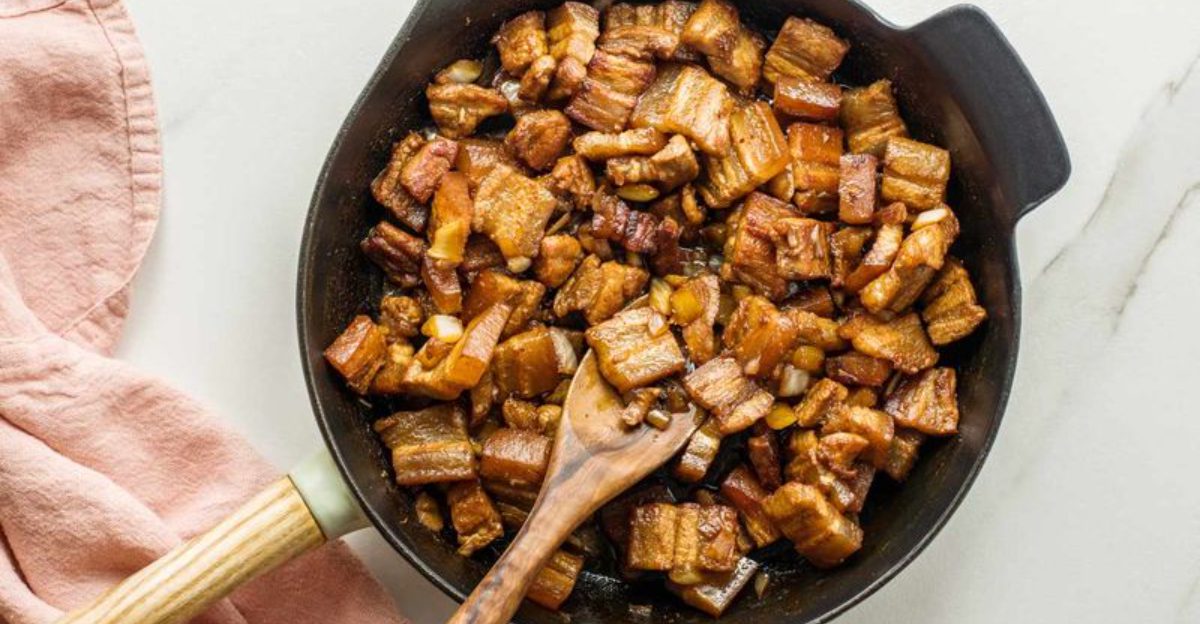
Blink and you miss it: some dishes just slipped away while we were busy chasing new flavors. These classics once filled plates, soothed budgets, and warmed kitchens, yet they faded quietly from weeknight routines.
You might taste a memory reading this list, or discover something you never knew you missed. Let it nudge your curiosity back to the stove.
Boiled turnips
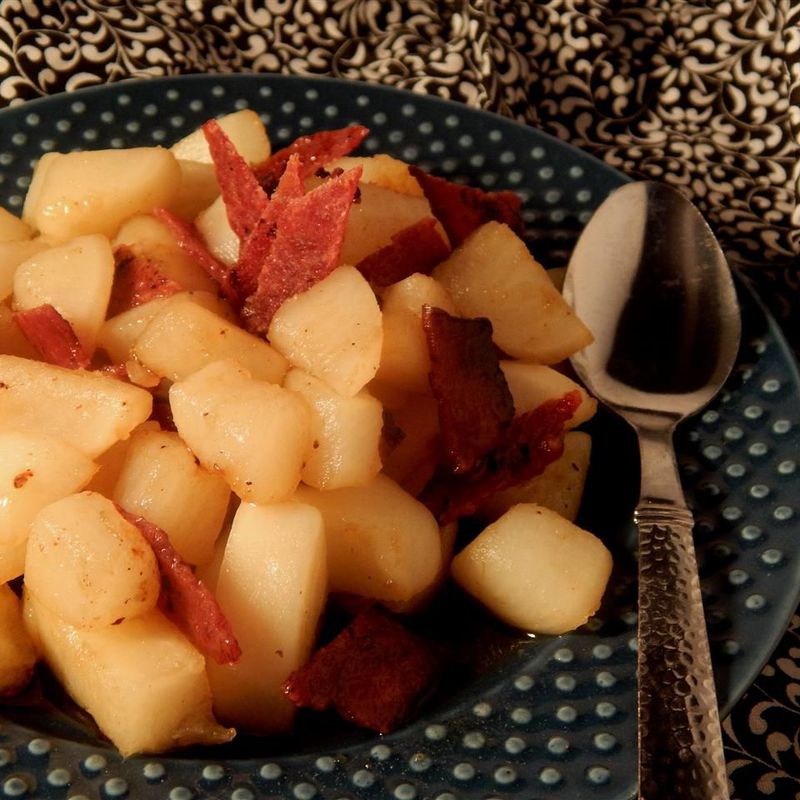
Boiled turnips used to anchor humble weeknight plates, soft, pale, and politely earthy. They were cheap, filling, and easy to stretch with butter, salt, and a little pepper.
Some swore the sweetness bloomed after a frost, turning bitterness into comfort.
Then other sides stole the spotlight, and turnips slipped quietly off shopping lists. You might remember the scent from a grandparent’s kitchen, but fewer pots simmer now.
Cook them again with olive oil, herbs, and lemon, and nostalgia tastes surprisingly new. They reward patience, turning silky, sweet, and slightly peppery when seasoned generously and finished gently at low heat carefully.
Creamed corn from scratch
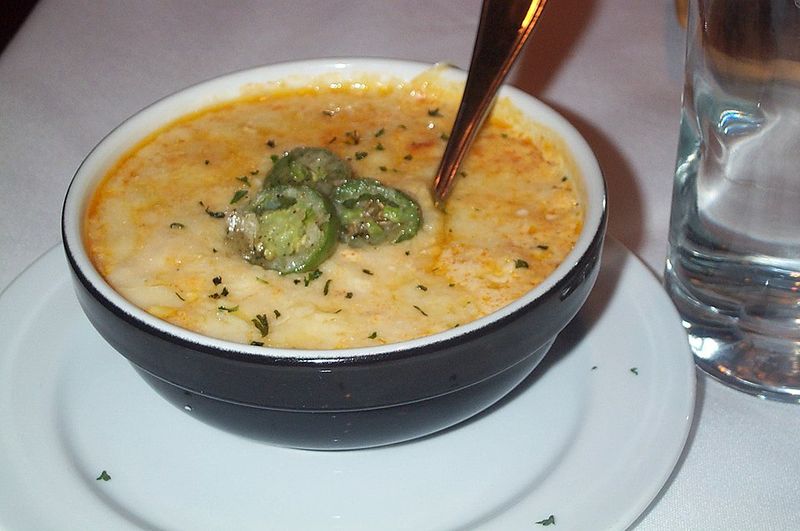
Scratch creamed corn was once a gentle luxury, sweet kernels scraped to release their milk. The pan hissed softly, cream thickened, and a knob of butter turned everything plush.
It tasted like summer slowed down and spooned beside roast chicken.
Then canned shortcuts and frozen bags took over, and the ritual disappeared. You rarely see a cook stand, blade angled, patiently coaxing flavor from cobs.
Try it again with fresh corn, a splash of cream, and nutmeg. You will taste sunshine, texture, and tenderness, and remember that simple techniques can still outshine convenience when you give them time.
Canned creamed beef
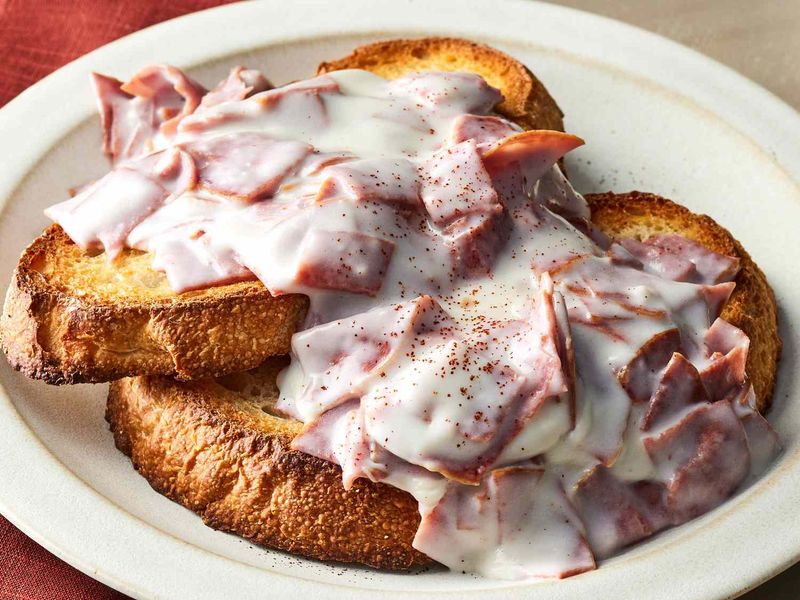
Canned creamed beef sat ready for emergencies, a salty, starchy blanket over toast. It was quick, bracing, and oddly comforting on rushed nights.
You could feed a crowd on pennies, and nobody complained if pepper rained freely.
As tastes shifted toward fresher, brighter meals, that beige glow lost its charm. Yet the idea still works when you make a lighter skillet version.
Sauté lean beef, whisk milk with broth, and season with mustard, paprika, and chives. Suddenly the same spirit feels modern, balanced, and weeknight friendly, proving some pantry memories just need better ingredients, less salt, and kinder texture.
Hominy
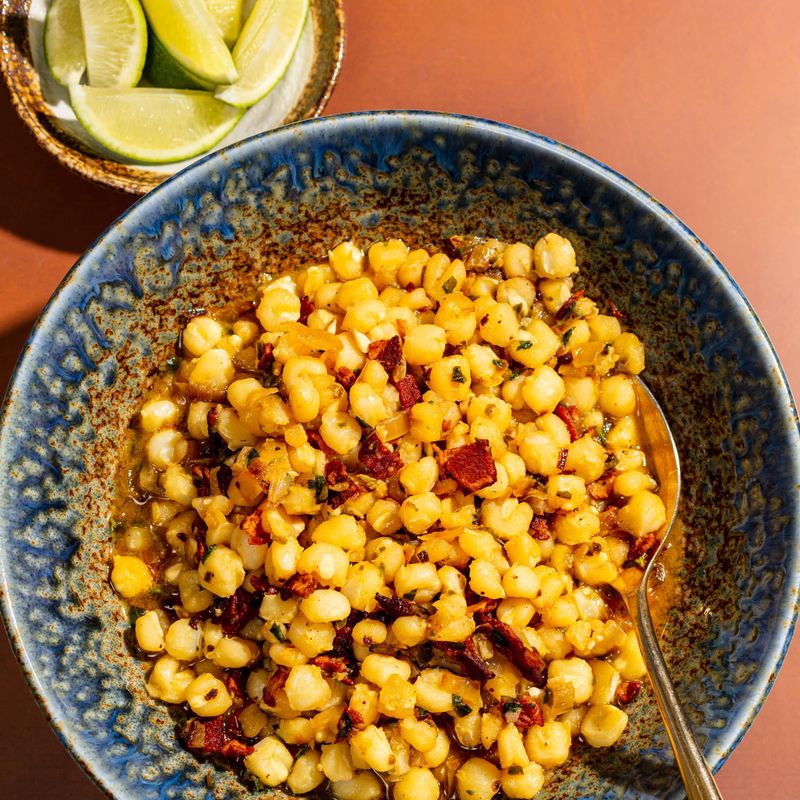
Hominy used to show up often, puffed kernels with a squeaky bite and gentle corn perfume. It stretched stews, brightened breakfasts, and built pozole into a celebration.
You could crisp it in a skillet or simmer it until supremely tender.
Somewhere, it slipped from everyday rotation, boxed out by rice and pasta. Bring it back with chili-lime butter, charred scallions, and crumbled cheese.
Or stir into soups for body without heaviness. That nixtamalized depth makes everything taste more grounded.
One spoonful reminds you why humble textures matter, how simple food can feel both hearty and light, satisfying without shouting.
Canned stewed tomatoes
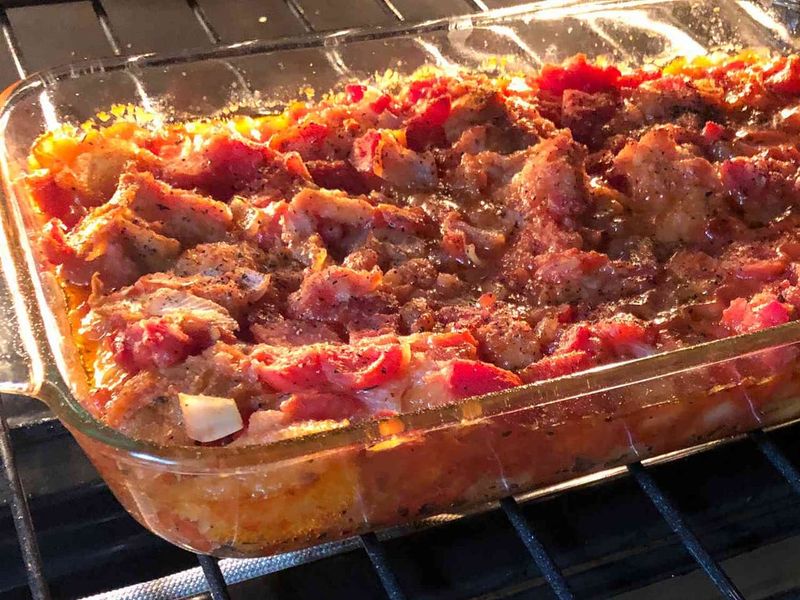
Canned stewed tomatoes once anchored casseroles and quick sauces, sweetened with onions and peppers. They tasted like weeknight rescue, friendly and forgiving.
You could pour, simmer, and be halfway to dinner without fuss or ceremony.
Fresh sauces took the crown, yet those stewed tomatoes still have their place. Crush them into a skillet with garlic and chili for a fast shakshuka base.
Stir through beans and sausages for gentle comfort. Add vinegar or lemon to cut sweetness, and herbs for lift.
The result is bright, balanced, and satisfyingly old-school, a pantry classic nudged toward modern tastes.
Pickled eggs
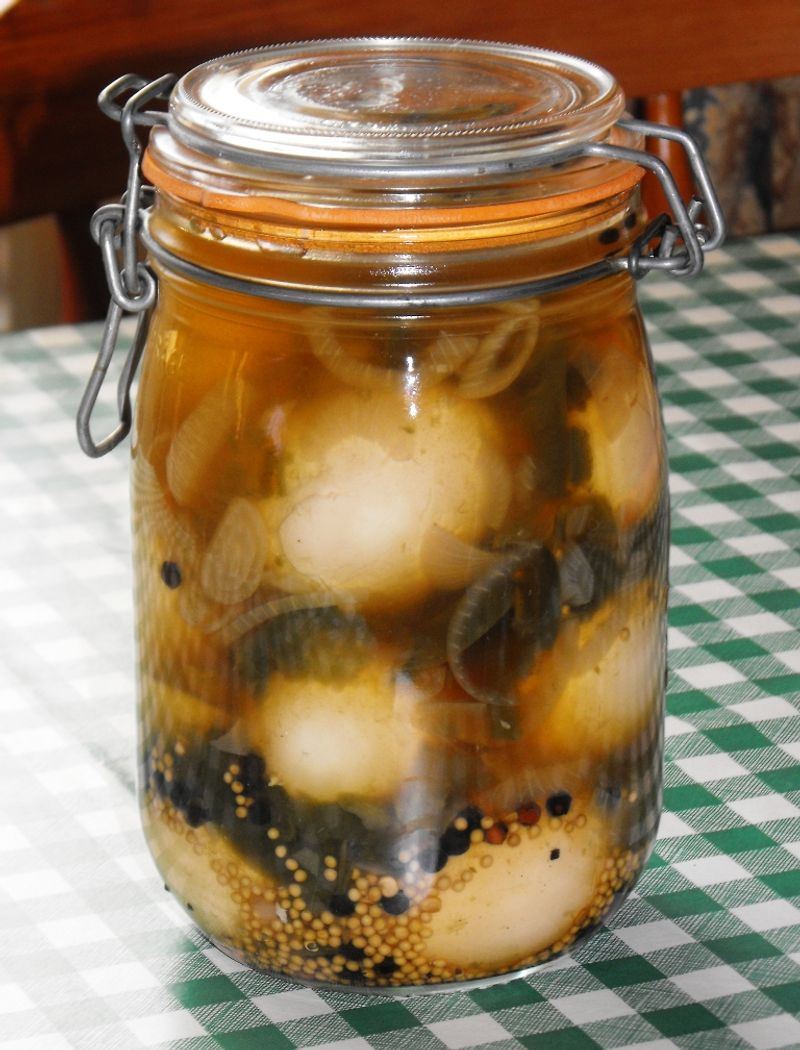
Pickled eggs glowed like barroom jewels, a tangy snack with a wink. They traveled well, cost little, and lasted ages.
You might remember grabbing one with mustard, a cracker, and a cold drink.
As snacking modernized, the jar faded behind shiny packages. Still, pickled eggs are effortless if you already love boiling eggs.
Submerge in beet, turmeric, or jalapeño brine, and wait. The whites firm, yolks become jammy, and flavor soars.
Serve with crunchy vegetables, herbs, and flaky salt. Suddenly they feel chic again, protein-packed, picnic-ready, and sparkling with personality from your spice jar.
Fried salt fish

Fried salt fish married thrift and indulgence, briny flakes inside a crisp shell. Soaked to tame the salt, then battered or patted with flour, it crackled beautifully.
You got big flavor from small pieces, perfect with lemon and hot sauce.
When fresh fillets dominated menus, salt fish fell quiet. Bring it back for tapas night or a cozy appetizer.
Soak well, add mashed potato or herbs, and fry gently. The contrast between crunchy outside and tender, savory inside still thrills.
Pair with olives, pickles, and a bright salad, and the old-world charm feels new, sociable, and irresistible again.
Lard-fried biscuits

Lard-fried biscuits were unapologetically rich, all crackle outside and steamy tenderness within. The aroma alone turned kitchens into gathering spots.
A quick swipe through sorghum or honey and you had breakfast that felt like hospitality made edible.
As oils changed and ovens ruled, skillets went quiet. Still, a small batch invites celebration.
Use cold dough, gentle handling, and hot fat. Drain well, salt lightly, and serve with tangy jam to cut richness.
You get texture you cannot bake, real layers, and satisfying contrast. It is occasional food, yes, but the memory it leaves lingers warmly.
Chicken backs

Chicken backs used to represent kitchen wisdom, cheap pieces packed with flavor for stock. Roast them hard, then simmer low, and you get liquid gold.
You could also crisp the skin for a cook’s treat, salt and vinegar ready.
As boneless cuts took over, backs lost their audience. But for soup that tastes like Sunday, nothing works better.
Layer onions, carrots, celery, and thyme, then let time do its work. Strain, chill, and skim.
The broth sets softly, proof of collagen well won. Your noodles, grains, and vegetables will taste fully supported, comforting without needing much else.
Bone marrow toast
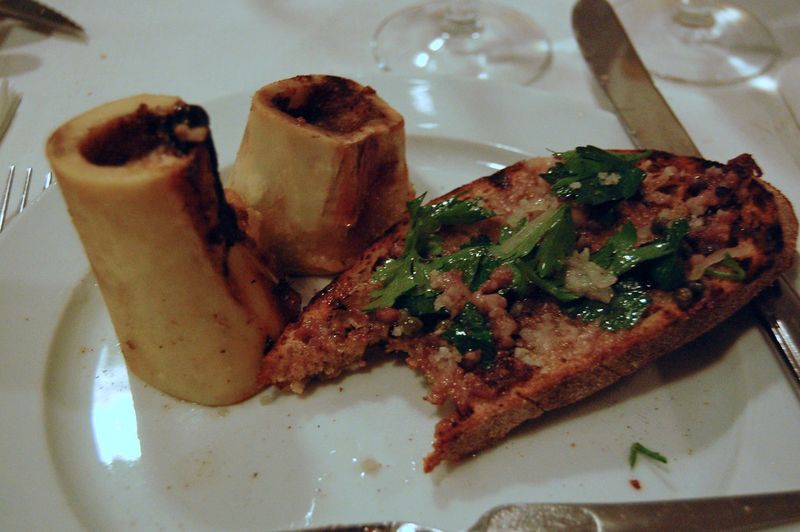
Bone marrow toast once felt daring, restaurant-fancy, and a bit primal. Roast bones until quivering and scoop the buttery center onto toast.
A sharp parsley salad cuts through, and suddenly richness and brightness dance together.
Trends moved on, but the pleasure never left. You can make it at home with a hot oven and patience.
Salt generously, roast upright, and watch for that gentle tremble. Spoon with restraint and finish with lemon, capers, or pickled shallots.
It becomes luxurious without heft, a small portion that satisfies deeply, reminding you how simple ingredients can feel thrilling and celebratory.
Suet pudding

Suet pudding was the definition of thrifty comfort, steamed slow and dense with warmth. Suet gave it tenderness and character, a richness that held fruit and spice beautifully.
A drizzle of custard turned it into ceremony.
Modern desserts prefer fluff, but suet pudding rewards patience. Use grated frozen suet, fresh citrus zest, and dark syrup.
Steam gently, then rest before slicing for the best texture. The result is rib-sticking but not cloying, nostalgic yet nuanced.
Share thin slices after a simple meal, and watch quiet smiles appear as the sauce pools, golden and inviting.
Chipped beef on toast
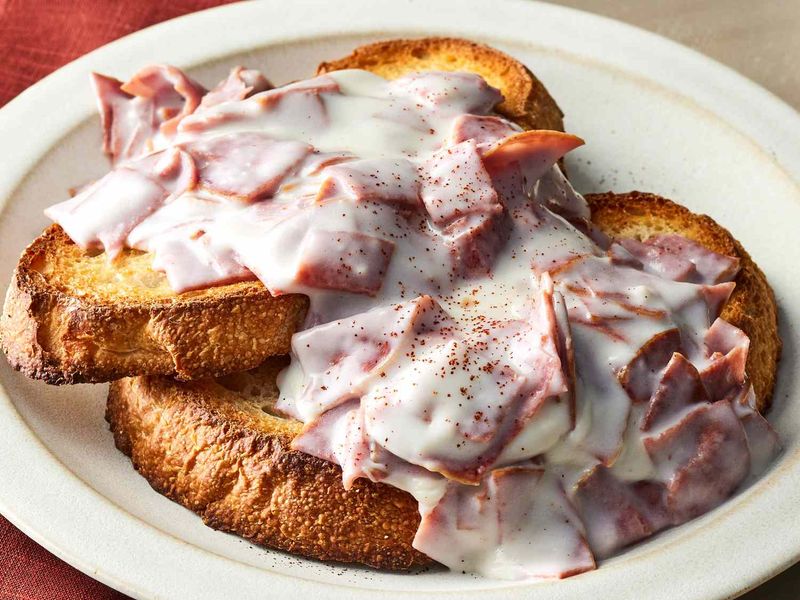
Chipped beef on toast was weeknight armor, salty, creamy, and undeniably fortifying. Dried beef ribbons met a pale gravy, and toast soaked up everything.
It was quick, cheap, and friendly to tired cooks with hungry mouths nearby.
Today, you can keep the soul and lighten the salt. Rinse the beef, toast bread well, and build a peppery roux with milk.
Add nutmeg, Worcestershire, and chives for depth. Serve with a bright side salad to balance heft.
It becomes comfort you can revisit proudly, respectful of memory without the sodium wallop.
Boiled onions
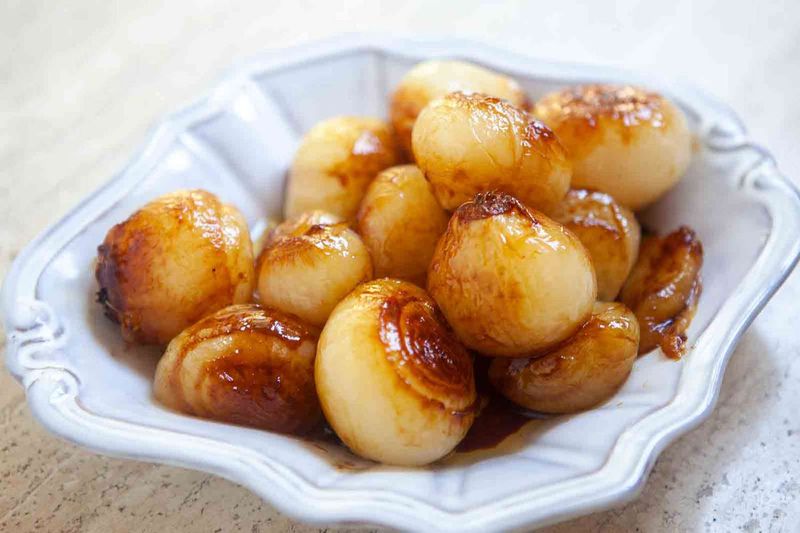
Boiled onions used to sit quietly beside roasts, mellow and sweet. The heat stripped harshness, leaving pearls that loved butter and parsley.
You could spoon them like candy, unexpected and tender, a side dish that surprised newcomers.
They vanished as bolder vegetables grabbed attention. Bring them back by simmering in salted water, then glazing with butter and stock.
A hint of vinegar or lemon keeps them lively. Finish with herbs and fresh pepper.
That gentle snap, followed by sweetness, feels elegant and easy. Suddenly a forgotten side steals the show again at your table.
Canned asparagus
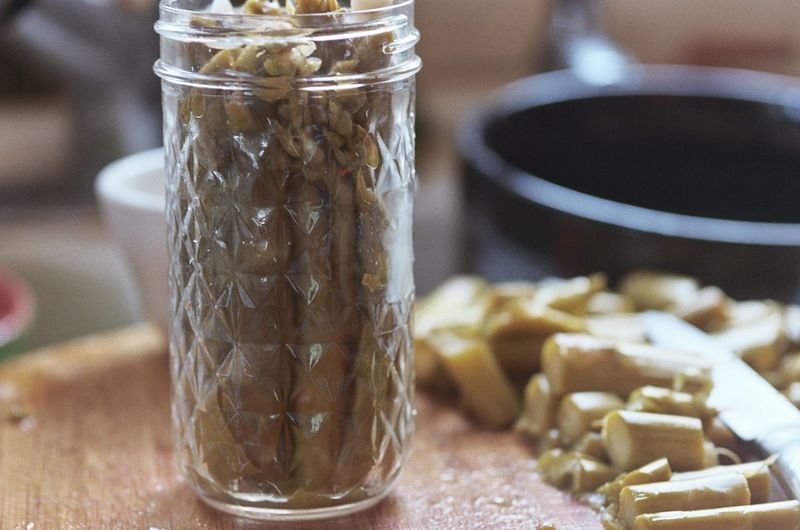
Canned asparagus once symbolized special occasions, pale spears laid gently on a platter. A dab of mayonnaise or hollandaise made them feel elegant.
You tasted spring through a softened filter, convenient and polite.
Fresh asparagus changed everything with snap and green perfume. Still, canned spears can work when treated kindly.
Pat dry, sear briefly in a hot pan, and finish with lemon and chili. Or chop into quiches where texture matters less.
Balance the softness with crunch somewhere else, and you recover charm without apology. It is about context, not shame, and smart seasoning saves the day.
Salted cod
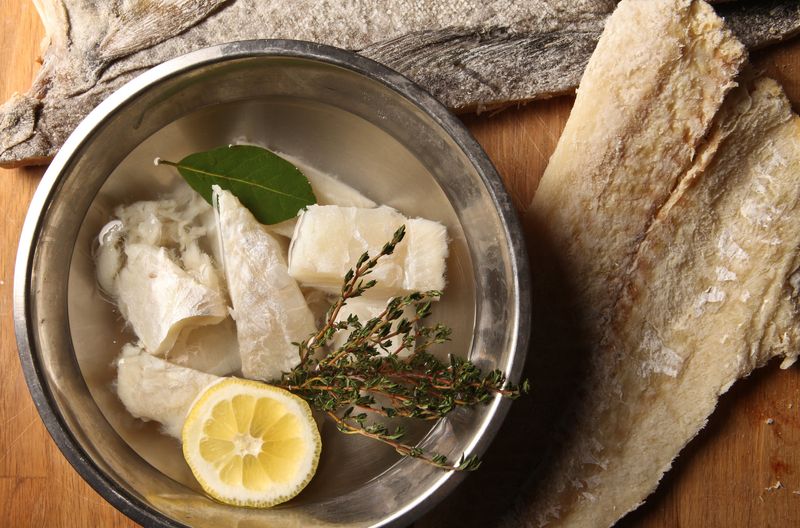
Salted cod powered kitchens for centuries, reliable, packable, and endlessly transformable. Soak it patiently, and the fish returns to tenderness with deep flavor.
From brandade to stews, it makes modest ingredients taste intentional and storied.
It slipped away as refrigeration removed its necessity. Yet few proteins offer that same gentle brine and structure.
Mash with olive oil and garlic for brandade, or poach and flake into lemony salads. Add potatoes, capers, and herbs.
The result is light yet robust, savory without shouting. You rediscover why preservation can create flavor, not just survive scarcity.
Pan drippings gravy
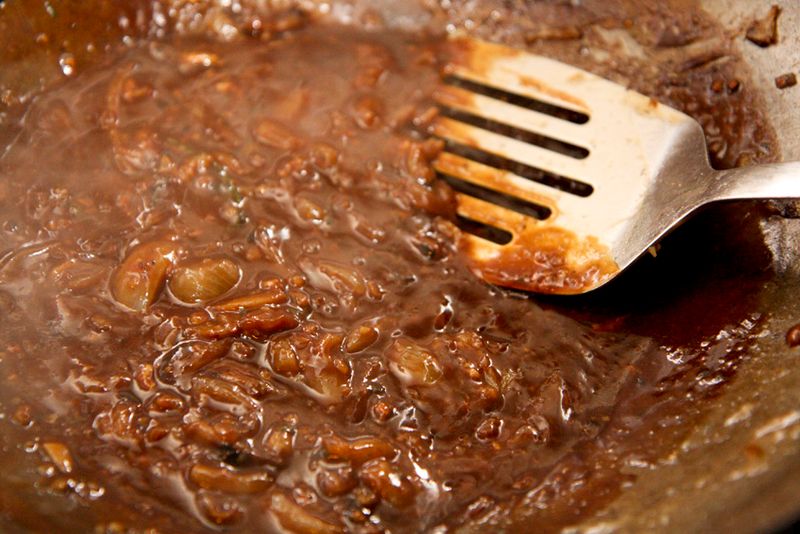
Pan drippings gravy felt like kitchen alchemy, transforming brown bits into silk. A spoon of flour, splash of stock, and steady whisk turned Sunday roasts complete.
You could taste every caramelized corner of the pan, layered and honest.
Packets replaced practice, and something essential went missing. Bring it back with patience and a splash of vinegar or wine for brightness.
Skim excess fat, toast the flour, and season with restraint. Fresh herbs at the end keep it lively.
Pour over anything roasted, and the plate suddenly makes complete sense again.
Fried chicken skins

Fried chicken skins were the cook’s secret snack, blistered, salty, and feather-light. Nothing crunches quite the same.
A quick fry and a sprinkle of spice turned trimmings into treasure, especially with something cold to sip.
As trimming habits changed, the treat faded. But rendered gently, then fried hot, chicken skins still deliver joy.
Dust with smoked paprika, sugar, and vinegar powder for balance. Serve with pickles or a sharp dip to cut richness.
They are indulgent, yes, but unforgettable in small, shared portions. Waste becomes celebration, and texture becomes the headline you chase happily.
Molasses bread
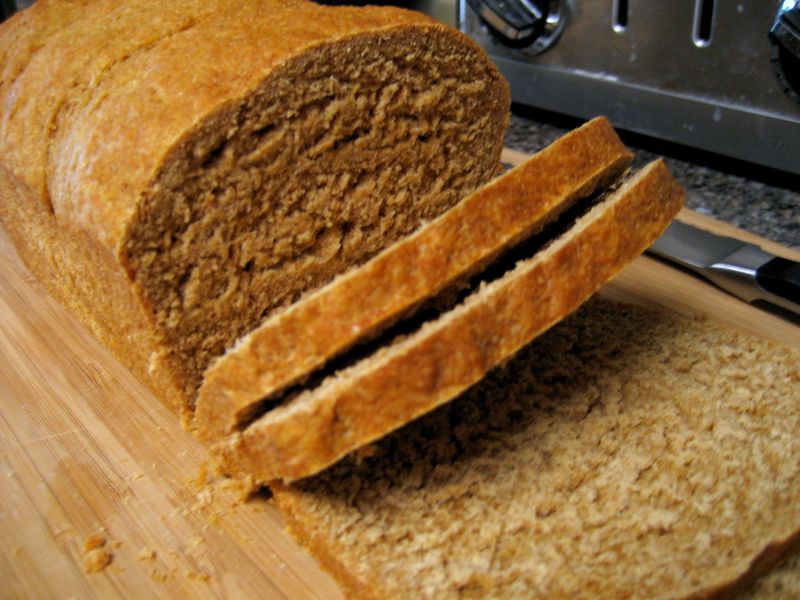
Molasses bread once felt like a hug, dark, slightly bitter, and deeply fragrant. The crumb carried rye or whole wheat, and a smear of butter bloomed with heat.
You tasted history, ships and barrels condensed into sweetness with backbone.
It drifted away as lighter loaves crowded shelves. Bake it again with coffee, ginger, and orange zest.
The crust shines, the house smells incredible, and breakfast feels composed. Pair slices with sharp cheese or smoky fish for contrast.
Suddenly, the loaf earns a regular spot, comforting yet complex, sweet but grounded, a steady companion for slow mornings.
Fatback slices
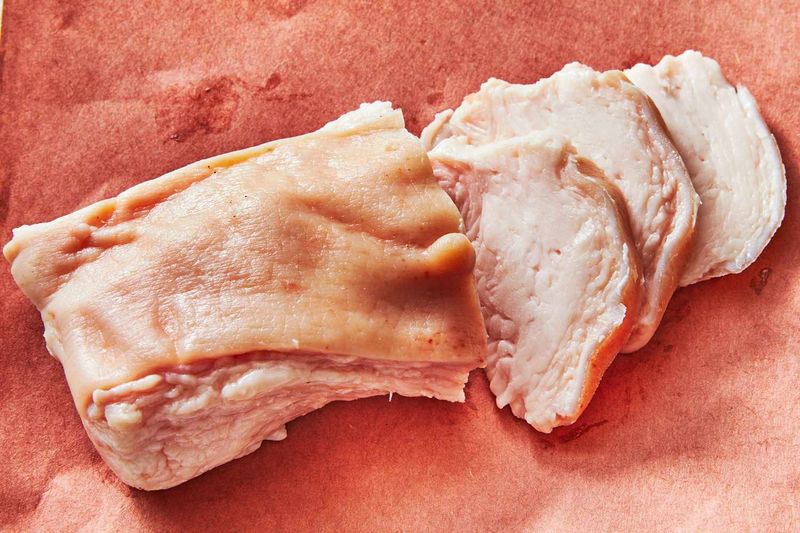
Fatback slices once crisped into savory confetti, seasoning beans, greens, and cornbread crumbs. A tiny piece carried huge flavor.
Rendered slowly, it turned silky, then crisp, leaving behind a pan ready to build dinner.
Lean cooking pushed it aside, but used thoughtfully, fatback still shines. Slice thin, fry gently, and drain well.
Shower with vinegar and pepper to wake the palate. Crumble over braised vegetables, or tuck into warm biscuits sparingly.
You keep the heritage while tempering the heaviness. It becomes a garnish, not the meal, a respectful nod to frugal brilliance.
Pickled beets
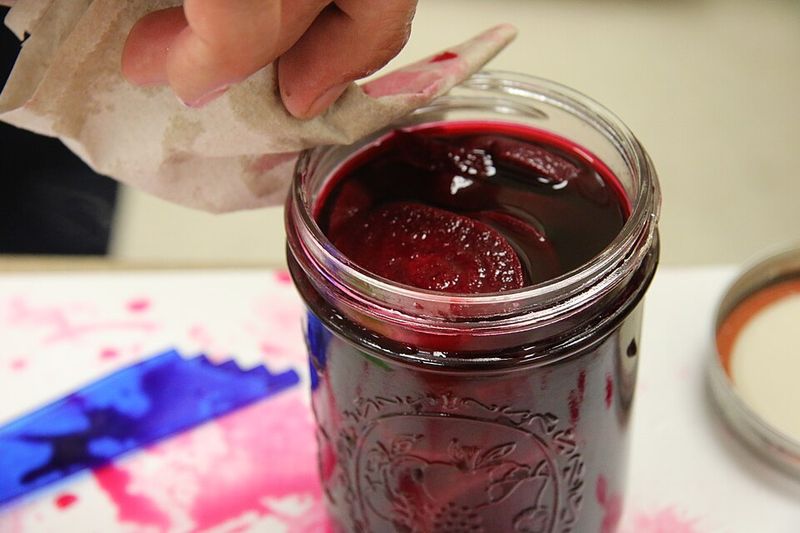
Pickled beets colored plates with jewel tones and gentle sweetness. They lived in jars that waited patiently, ready to cut through rich roasts.
You might remember them beside Sunday ham, quietly doing important balance work.
They retreated as salads grew fancier, but they deserve a comeback. Simmer vinegar with sugar, cloves, and orange peel.
Pour over roasted beets and chill until flavors marry. Serve with goat cheese, herbs, and pepper.
The bite is lively, the color electric, and the cost modest. You get brightness on demand, a pantry accessory that rescues heavy dinners instantly.
Salt pork
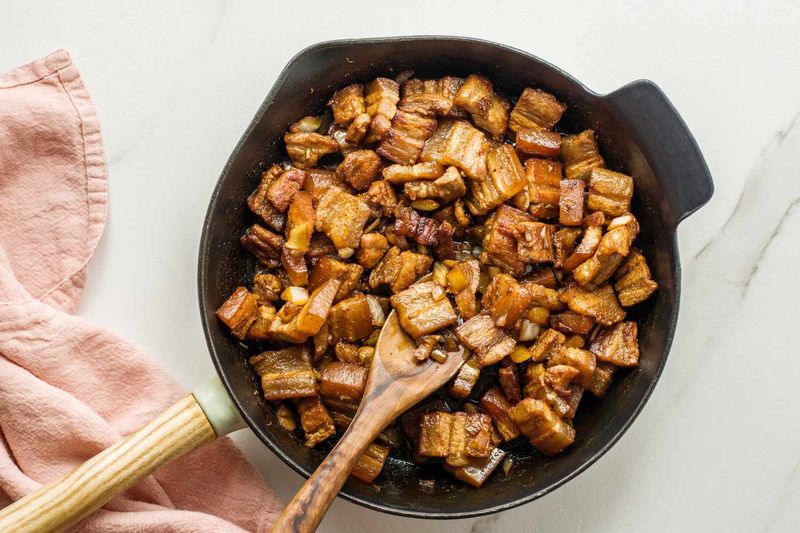
Salt pork once flavored beans, greens, and chowders with deep, smoky backbone. A little chunk rendered slowly could season a whole pot.
You tasted thrift, preservation, and patience in every spoonful, like a time capsule of resourcefulness.
Then leaner habits and new oils replaced its role in the pantry. But salt pork still whispers magic when used sparingly and thoughtfully.
Brown it, crisp bits for garnish, and build soups on the rendered fat. Add acid, herbs, and brightness, and you balance richness with lift.
It becomes an accent instead of a crutch, a classic taught to behave.