


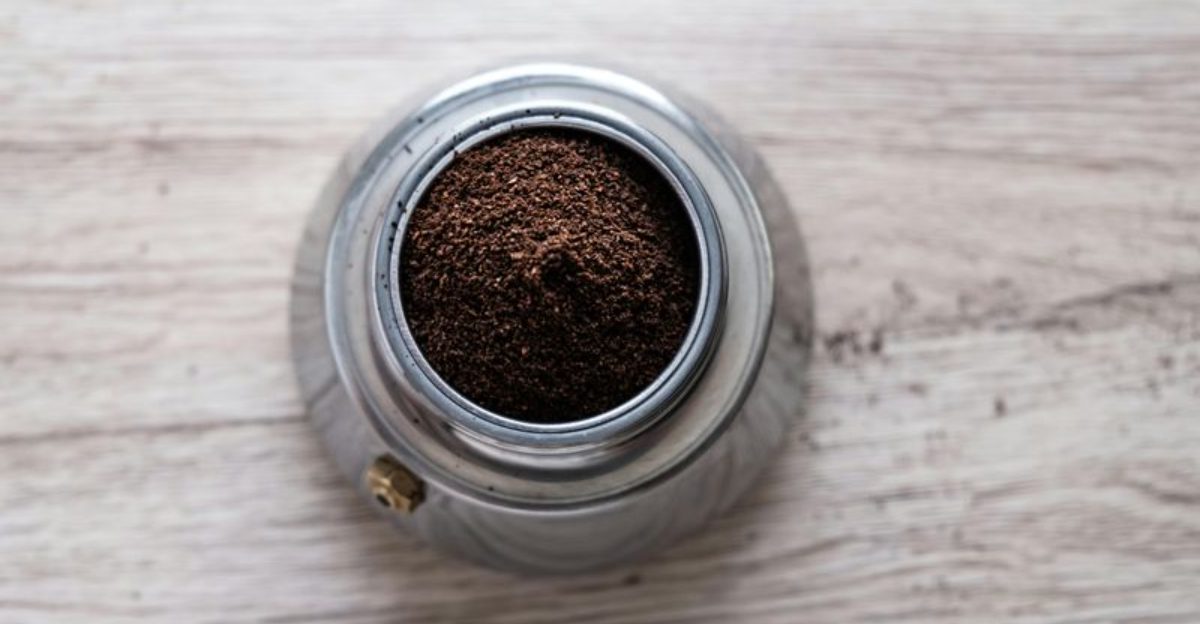
Some foods feel so ordinary today that it is easy to forget they once signaled status and wealth. From sugar to tea, these pantry staples traveled across oceans and empires before landing in your cupboard.
You will spot everyday favorites here, each with a surprising past that rewrote grocery lists. Ready to see which luxuries became weekly essentials and how that shift changed the way you cook and eat?
Dry pasta
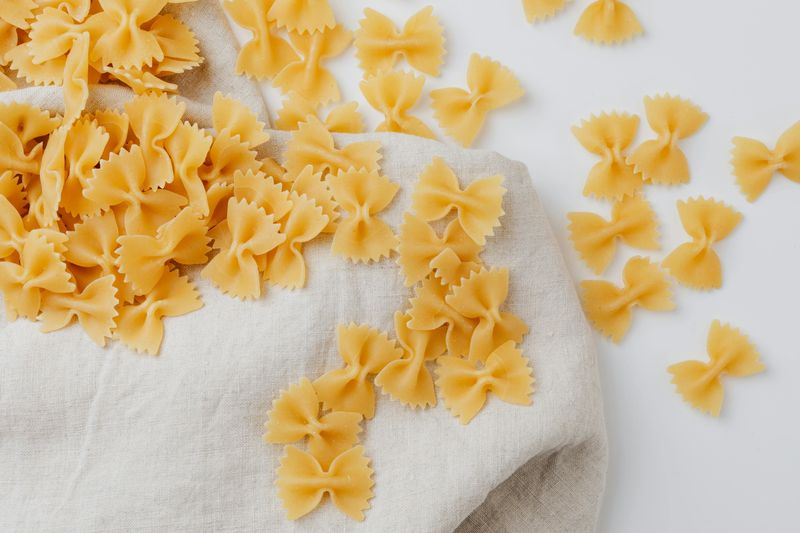
Pasta was once handmade, slow, and precious, tied to regional traditions and festive meals. Industrial extrusion and drying turned a fragile art into sturdy pantry gold.
Suddenly, spaghetti and penne could travel, store well, and feed crowds cheaply. You boil water, salt it, and dinner practically makes itself.
Sauce choices mirror your mood and budget, from butter and garlic to tomatoes and basil. Boxed shapes are now universal, with gluten free and whole wheat options, too.
A luxury of time became a convenience of minutes. Twirl a fork, grate cheese, and feel how simple food can still feel special.
Olive oil
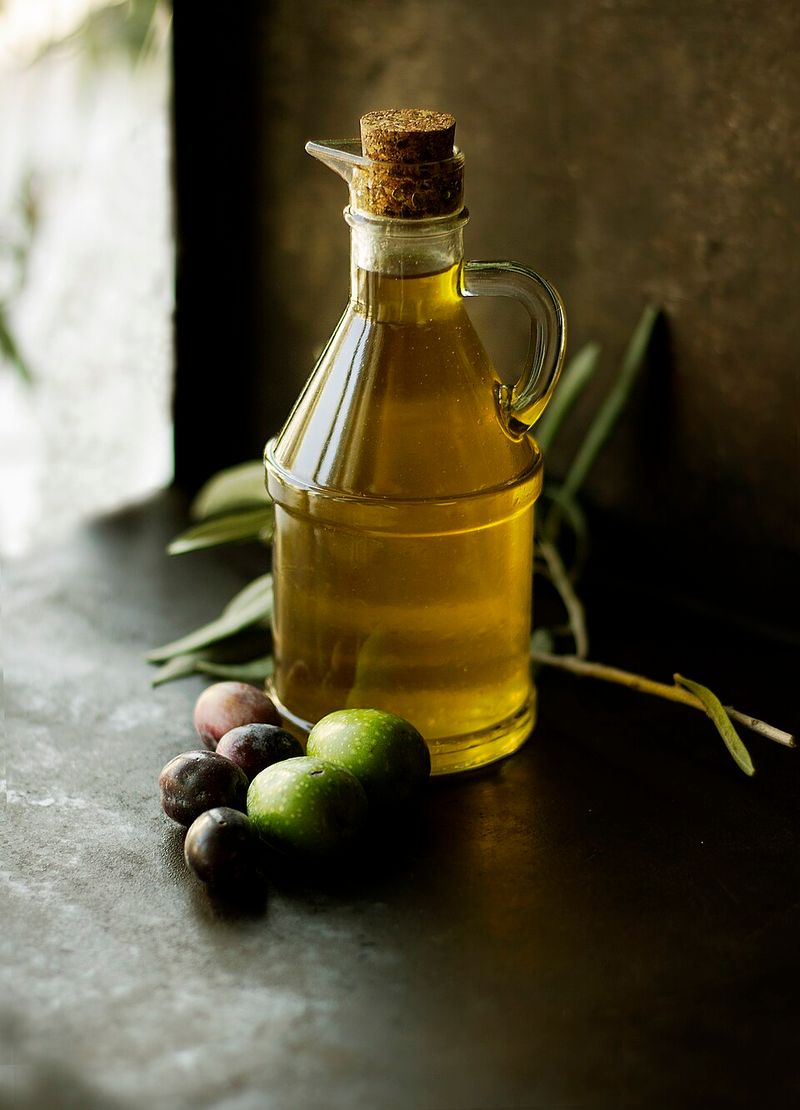
Once reserved for rituals and the wealthy, olive oil signaled refinement and prosperity. Pressing olives demanded labor, seasonality, and proximity to groves.
Modern mills, global shipping, and better storage made it reachable and reliable. Today you drizzle confidently, tasting peppery notes that chefs once guarded closely.
You sauté, roast, and finish dishes with a pour that feels like sunshine. Labels list regions, olive varieties, and harvest dates, yet prices span friendly to fancy.
That green gold left villas and entered apartments everywhere. Every salad and skillet reminds you that luxury can be bottled, shelved, and used on Tuesday.
Cheddar cheese
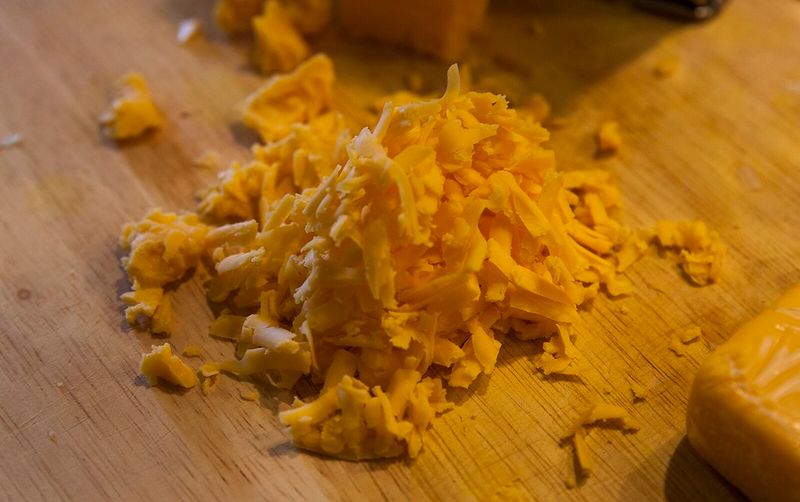
Cheddar began as a regional treasure, aging in caves, traded like fine goods. Skills, time, and controlled environments kept it scarce.
Industrial dairies standardized cultures and temperatures, multiplying wheels for everyday use. Now you grate it over eggs, melt it on burgers, and cube it for snacks.
You compare sharpness levels and colors without thinking about centuries of tinkering. Affordable blocks sit beside artisanal wedges, letting you choose mood over money.
That nutty bite once whispered privilege, now it shouts weeknight convenience. A sandwich, a casserole, a quick nibble by the fridge light, cheddar fits them all.
Salted butter
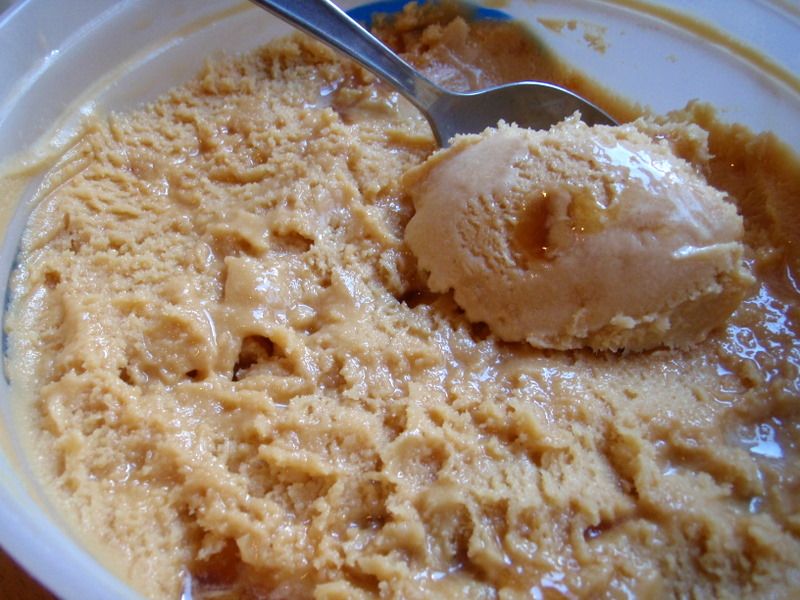
Butter required pasture, careful churning, and cold storage that many lacked. Salt preserved flavor and extended life, turning a delicate product into trade worthy gold.
With refrigeration and creameries, butter moved from luxury to routine. Now you swipe it across toast, caramelize onions, and bake flaky pies.
You choose between cultured, European style, or standard sticks depending on recipes. Price no longer fences it behind special occasions.
That glossy melt bridges rustic kitchens and city apartments alike. A simple pat delivers richness and satisfaction, reminding you how technology turned scarcity into a reliable, irresistible staple.
Plain yogurt
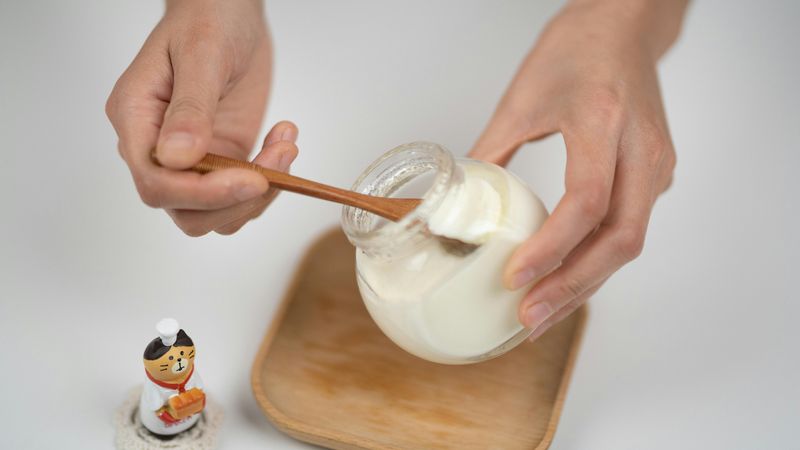
Yogurt was once a regional craft, nurtured by luck, climate, and heirloom cultures. Its tart creaminess hinted at tradition and careful tending.
Pasteurization, starter packets, and cold chains pushed it mainstream. Now you scoop it at breakfast, whisk it into dressings, or cool spicy stews.
You choose full fat for silkiness or low fat for lightness, and both feel accessible. Probiotic benefits stand next to affordability on the label.
What started as precious fermentation became a weeklong tub in your fridge. Each tangy spoonful tastes like thrift, comfort, and quiet nourishment wrapped into one easy habit.
White rice
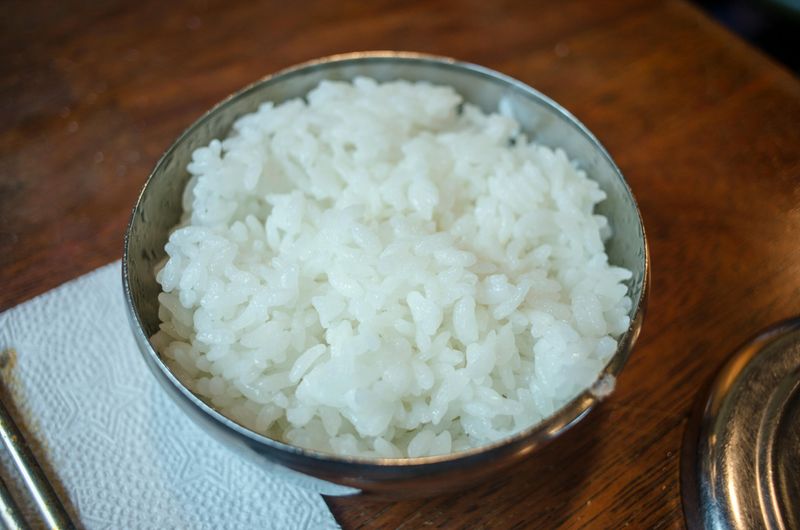
Polished rice once traveled long distances, taxed and prized, a polished status symbol. Milling and irrigation systems reshaped supply, while shipping linked fields to cities.
Today you rinse, simmer, and fluff without ceremony. It anchors curries, stir fries, stews, and leftovers, turning scraps into satisfying meals.
You keep a bag in the pantry because it is dependable and soothing. Nutritional talk comes and goes, but comfort stays.
What was polished for elites now supports busy weeks and tight budgets. A simple bowl arrives like a blank page, ready for butter, soy sauce, or whatever you have.
White sugar
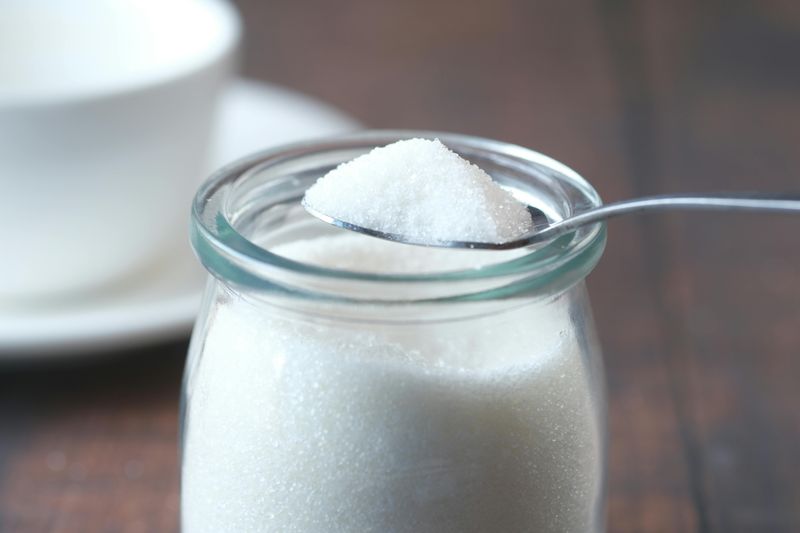
Refined sugar once demanded plantations, perilous voyages, and staggering prices, sweetening only privileged cups. Industrial refining and beet sugar transformed cost and access.
Now it sits by your coffee, hides in sauces, and caramelizes your desserts. You measure a spoonful without thinking of empires and labor.
Debates about health do not erase its cultural shift. Bakers at home do what royal kitchens once showcased.
From jam jars to birthday cakes, sweetness feels ordinary and expected. That crystalline glitter on your counter proves how quickly luxury can dissolve into routine, one teaspoon at a time.
Bananas
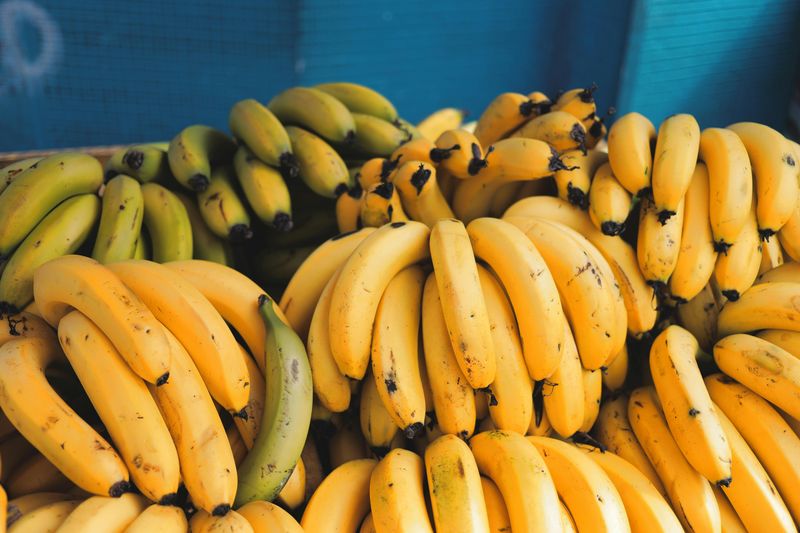
Bananas were once exotic, fragile treasures arriving by ship to curious diners. Refrigerated transport and ripening rooms turned them into daily fuel.
Now you add one to oatmeal, blend it into smoothies, or bake banana bread. The peel opens with a snap, and you get portable sweetness.
You trust their price and predictability during busy weeks. Yet every speckled skin whispers a global story of farms and logistics.
What was a rare tropical wonder now sits beside cereal. You taste familiarity, not spectacle, and that is exactly why bananas feel like home on any counter.
Oranges

Oranges once symbolized winter luxury, gifted carefully and savored slowly. Steamships, railways, and groves expanded access, while refrigeration locked in freshness.
Today you peel one at lunch or squeeze quick juice. The burst of citrus oils feels luxurious, yet the act is wonderfully routine.
You keep a few on the counter because they brighten any day. Price drops made vitamin C a kitchen constant, not a seasonal miracle.
That sunny color against a gray morning feels like hope. Each segment reminds you how logistics and farming turned holiday magic into everyday refreshment.
Chicken breast
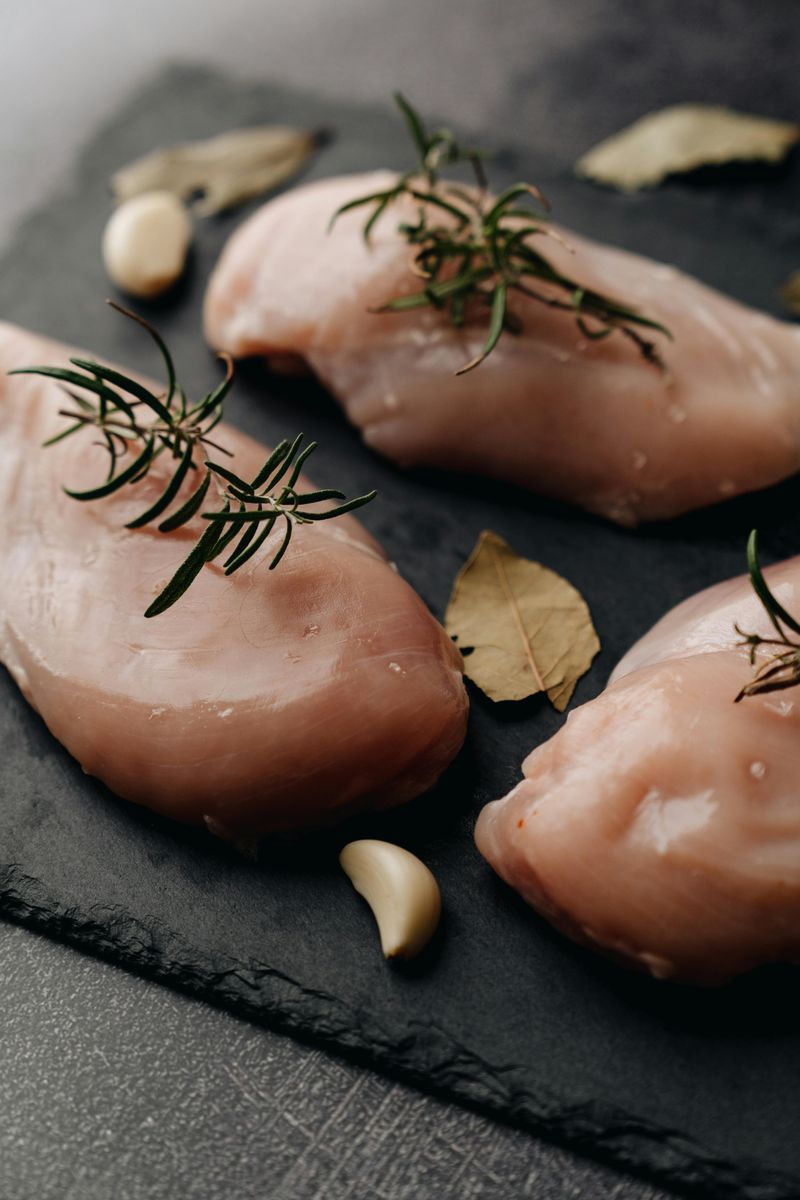
Chicken was once a special occasion bird, raised slowly and eaten sparingly. Breeding, feed science, and refrigeration transformed supply and predictability.
Boneless breasts made cooking simpler and faster. Now you sauté, grill, or roast with minimal fuss, seasoning to match whatever cuisine speaks to you tonight.
You appreciate lean protein that adapts to budgets and schedules. Still, you try to source responsibly when you can.
What was rare meat turned into a neutral canvas for weekly meals. Marinate, sear, and slice thin, and you get comfort without ceremony, efficiency without losing the pleasure of a good bite.
Eggs
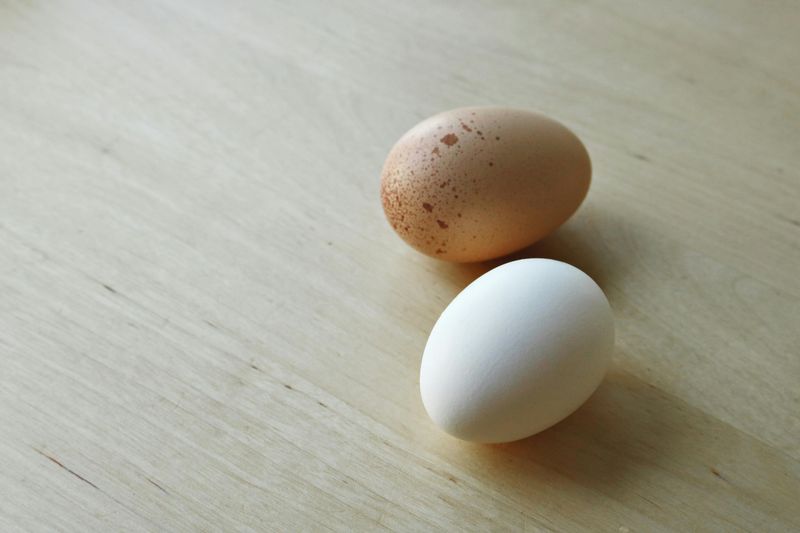
Eggs once signaled fresh farm access and seasonal cycles, with prices rising in winter. Modern hens, feed, and distribution stabilized supply.
Now you fry, scramble, poach, or bake without thinking twice. You count on eggs to glue cakes, enrich sauces, and become dinner in minutes.
A dozen means possibility at any hour. From silky custards to golden omelets, versatility keeps them essential.
Their shells hide quiet luxury that became everyday comfort. Crack one, and you get pure potential sliding into a pan, ready to set into something nourishing, affordable, and deeply satisfying for busy lives.
Chocolate bars
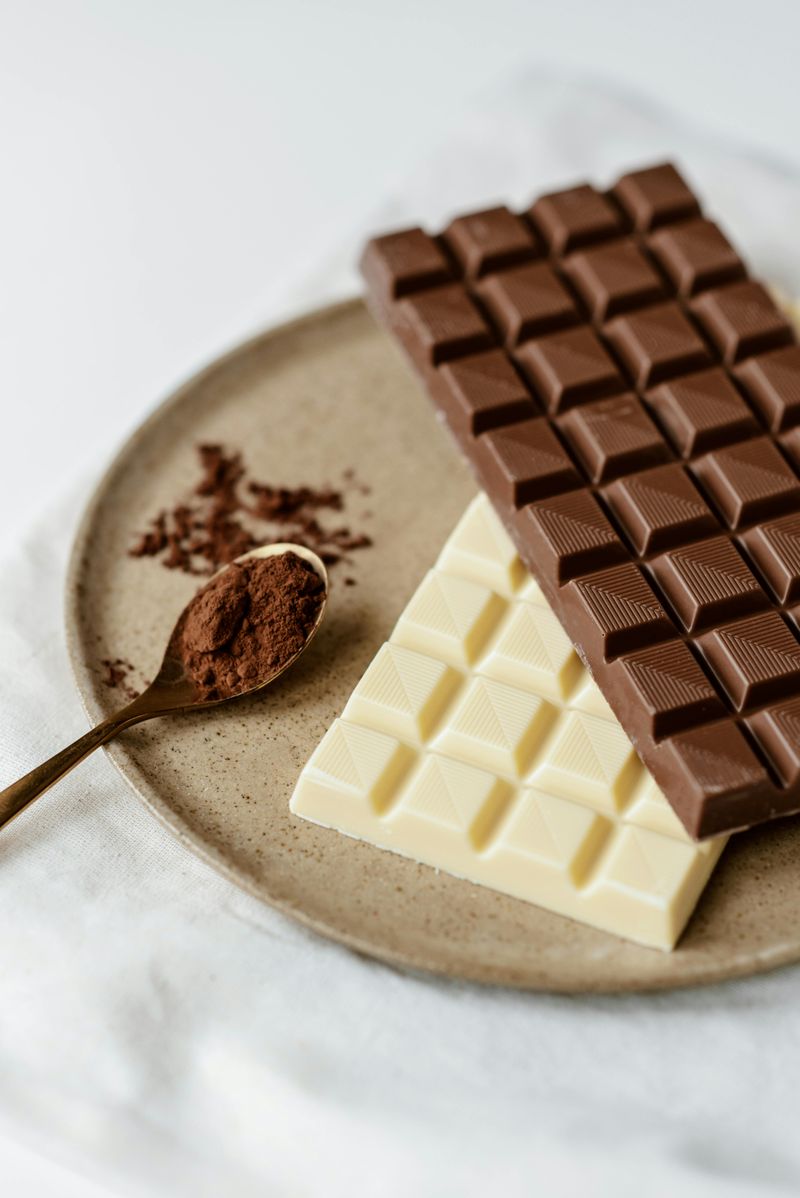
Centuries ago, chocolate was a frothy drink for nobles, spiced and ceremonial. Sugar was precious, cacao rarer, and the tools to process it expensive.
Industrial grinders and conching changed everything, turning luxury into a portable treat. Now you grab a bar for dessert, baking, or an afternoon lift.
You compare percentages, flavors, and origins like a casual connoisseur. Fair trade labels sit next to bargain multipacks, and both melt into brownies at home.
What once crowned royal tables now hides in desk drawers and lunchboxes. You taste comfort, not status, every time a square snaps between your fingers.
White bread
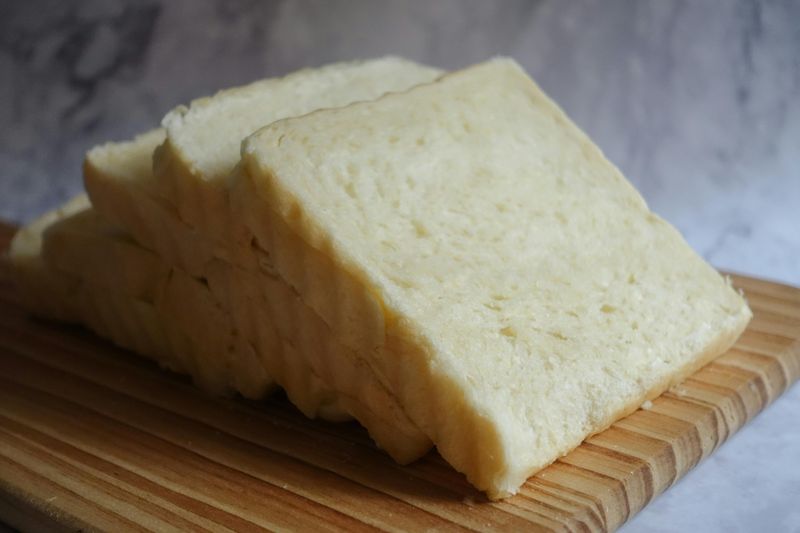
Refined white bread once cost more than coarse loaves, prized for purity and status. Roller milling and fortified flour brought softness to everyone’s table.
Now you toast it, press it into grilled cheese, or stack it into lunchbox sandwiches. Convenience beats ceremony when hunger hits between meetings.
You might prefer sourdough on weekends, yet this standby solves everyday needs. It freezes well, spreads evenly, and disappears under butter and jam.
What was a luxury of whiteness and refinement became a neutral, reliable canvas. Slice by slice, it proves that practicality can taste like simple comfort.
Fruit jam
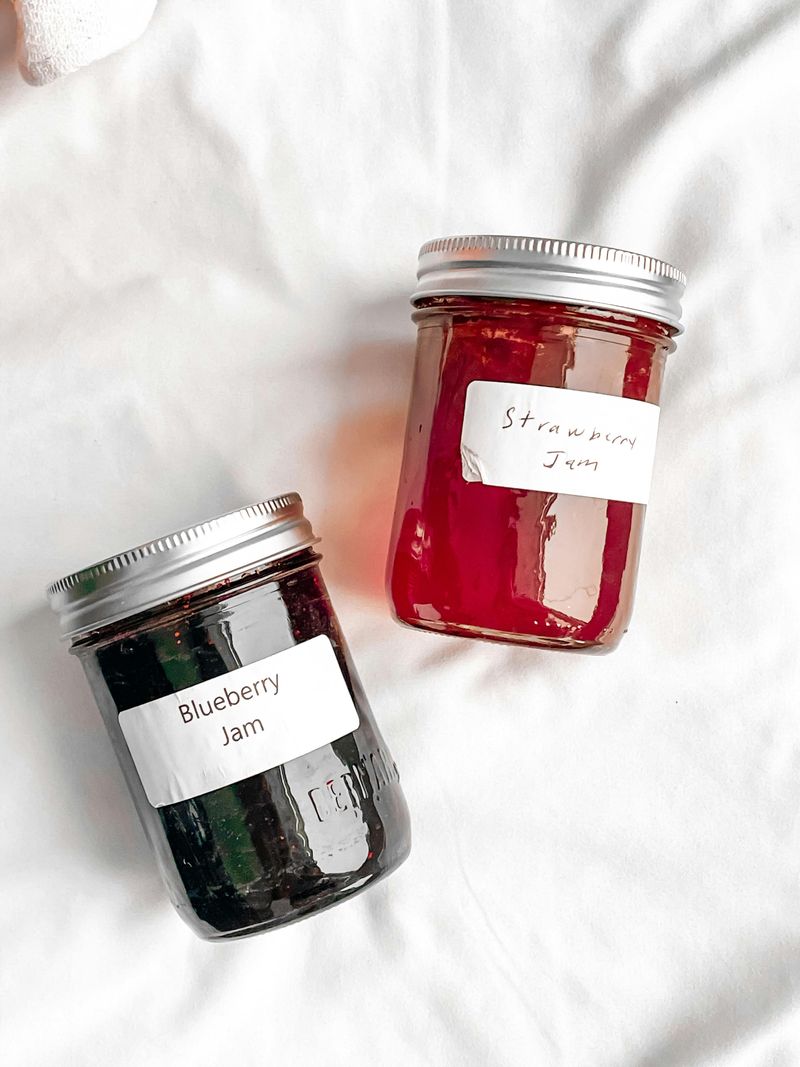
Jam began as a way to rescue precious fruit, sweetened with costly sugar for special guests. As sugar prices fell and glass jars spread, preserves moved into everyday breakfasts.
Now you swipe jam across toast, fold it into yogurt, or glaze pastries.
You pick flavors to match seasons you miss, like summer berries in midwinter. A spoonful brightens gray mornings without much effort.
What once symbolized hospitality became weekday routine. Twist the lid, breathe the sweetness, and remember how preservation turned scarcity into abundance, then into habit.
Whole milk
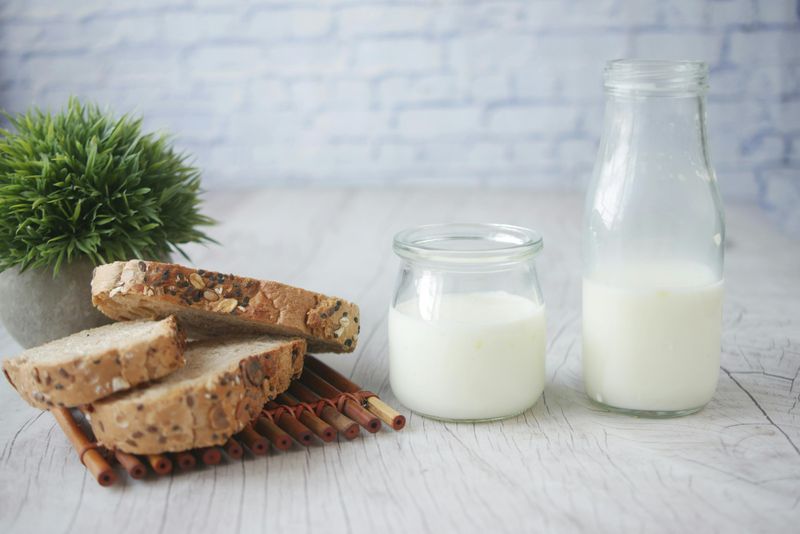
Milk used to be risky and perishable, a fresh luxury closest to farms. Pasteurization, refrigeration, and standardized fat content changed trust and reach.
Whole milk became an everyday anchor for cereal, baking, and creamy sauces. You pour confidently, knowing safety and consistency back every sip.
Skim and plant alternatives share the shelf, yet richness still charms. That gentle sweetness fills coffee, steadies hot cocoa, and comforts late night cookies.
The shift from fragile to dependable reshaped breakfasts everywhere. A glass cold from the fridge tastes like home, not privilege, and that is a quiet revolution.
Black tea

Tea once traveled in guarded chests, traded like jewels, sipped in elite circles. Colonies and clipper ships widened supply, and tea shops flourished.
Now a teabag dunks into your mug between tasks. You steep, add milk or lemon, and feel comfort flood the afternoon.
Loose leaf still charms, yet convenience rules on weekdays. What once signified empire sits in a simple box on your shelf.
You reach for it to reset your mood, not to signal status. The warmth in your hands proves how luxury can become daily ritual without losing its grace.
Potatoes
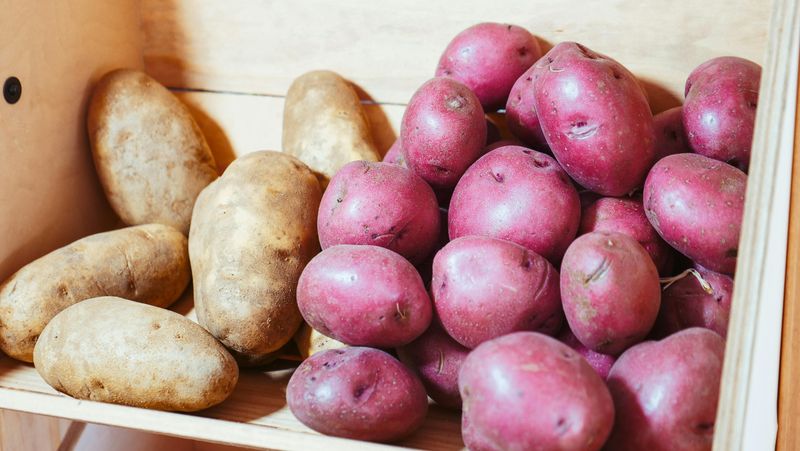
Potatoes crossed oceans as curiosities before feeding entire populations. Once a garden experiment for the wealthy, they became reliable calories for everyone.
Storage, hardy yields, and simple cooking pushed them into daily rotation. Now you roast, mash, or pan fry as easily as breathing.
You season with salt, herbs, or butter, and every version tastes like home. Affordability never erased their quiet versatility.
A potato transforms scraps into comfort, from tortilla española to shepherd’s pie. What began as novelty ended as necessity, and your weeknight menu is grateful for that humble, generous tuber.
Honey

Honey once sweetened palaces and temples, harvested with risk and reverence. Beekeeping advances and wider trade made jars more common and affordable.
Now you drizzle it on toast, stir it into tea, or glaze carrots. Its floral notes feel special even when used midweek.
You read labels for region and raw styles, choosing what fits your budget. Crystallization no longer scares you because a warm bath resets it.
That golden ribbon connects ancient luxury to your spoon. Every drop tastes like sunlight tamed and shared, a small miracle within easy reach.
Flour
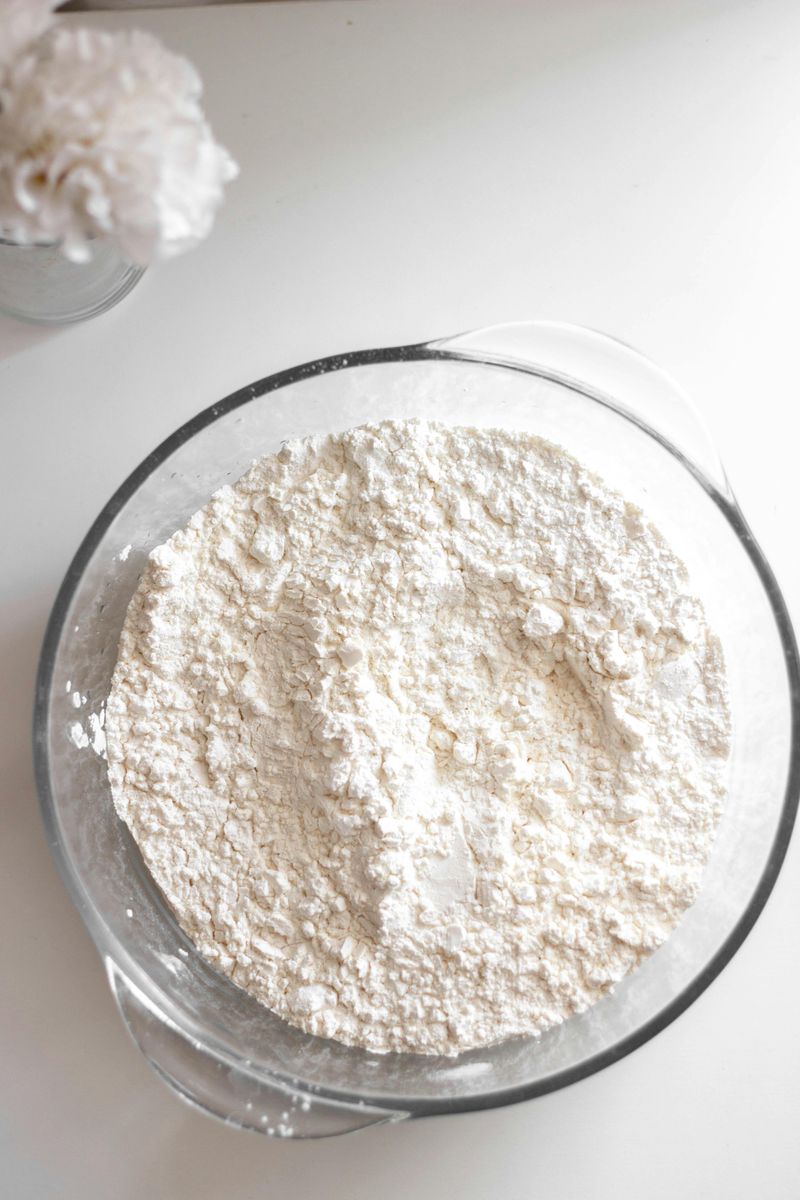
Fine flour demanded advanced milling once reserved for the well connected. Roller mills and standardized grades lowered costs and lifted consistency.
Suddenly, biscuits, cakes, and breads became realistic for any kitchen. You scoop, level, and whisk without thinking about millstones or class.
From pancakes to roux, flour quietly carries meals. Storage is simple, price is friendly, and results feel reliable.
That silky dust once signaled privilege, now it signals potential. With a bowl, a spoon, and heat, you can turn flour into comfort so quickly that it almost feels like magic.
Table salt

Salt funded empires and guarded caravans, preserved food, and commanded taxes. Evaporation ponds and mining once kept supply scarce and valuable.
Industrial extraction and iodization shifted salt from treasure to health essential. Now you pinch, season, and bring flavors into focus without hesitation.
You keep a shaker on the table and a box by the stove. Its reliability anchors every dish you make.
What began as currency ended as common sense. A simple sprinkle balances sweetness, tames bitterness, and welcomes dinner to the table with quiet confidence every single day.
Ground coffee
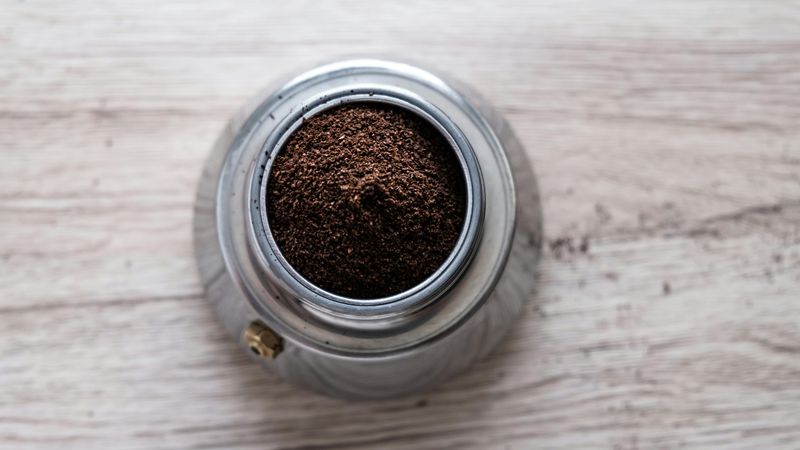
Coffee used to be an imported indulgence, sipped in salons and exclusive coffeehouses. Roasting and grinding required skill, and freshness vanished fast.
Vacuum canning and instant options democratized the ritual. Now you choose a grind size, twist a grinder, or open a bag, chasing aroma at dawn.
You brew pour-over on weekdays and a French press for lazy Sundays. Cafes still feel special, yet your kitchen does the job beautifully.
Once a merchant luxury, coffee became the daily engine. The first sip hits, and traffic jams or inbox chaos suddenly feel manageable as you cradle that warm cup.