


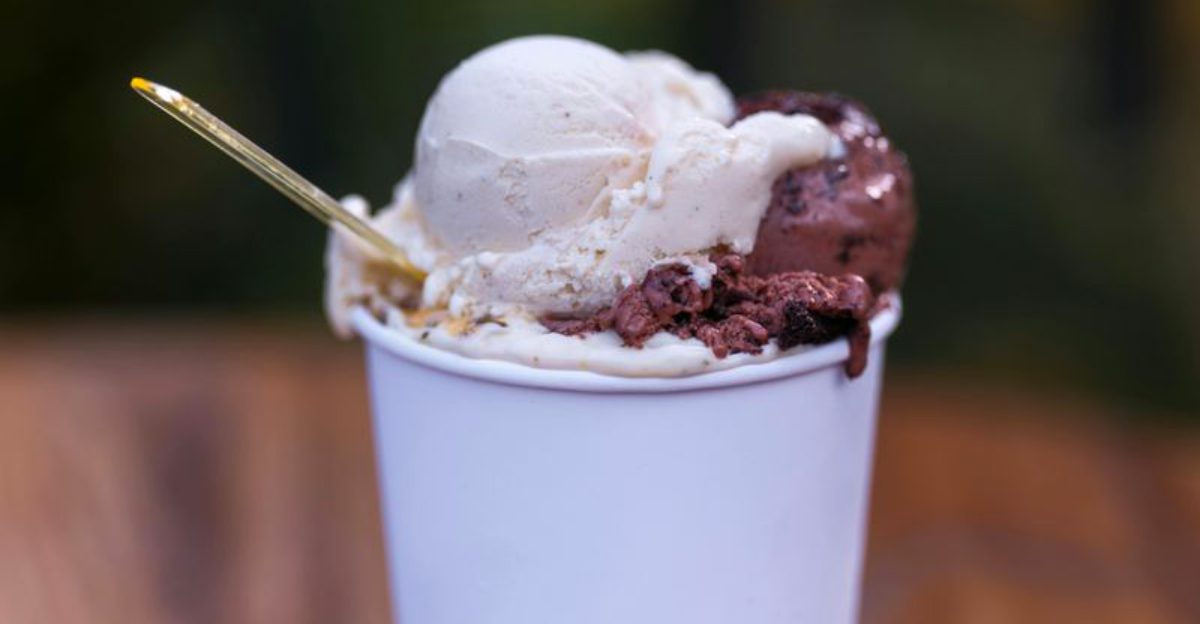
Remember when cafeteria trays were a free-for-all of sugar, salt, and mystery ingredients? So many foods that felt totally normal back then would raise eyebrows or outright bans today.
It is not just nostalgia talking either, nutrition standards and allergy awareness have changed the game. Let’s revisit the classics you used to trade at lunch, the ones that would never fly in today’s schools.
Sugary cereal
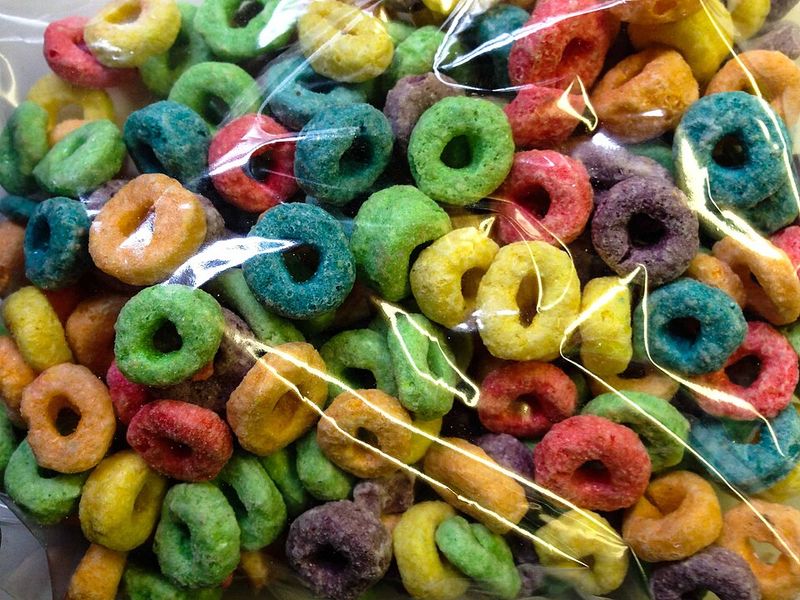
You remember the rainbow loops that promised energy but delivered a sugar rush before third period. Back then, a tiny box felt like a prize, with cartoon mascots and games on the back.
Today, many schools would flag it for high added sugars, artificial colors, and negligible fiber.
Parents now push for whole grains and less processed options, and breakfast programs follow suit. You might still crave that crunch, but the nutrition labels are louder than the mascots.
If it appears, it is likely a reformulated, lower sugar version, not the candy-in-a-bowl you used to love.
Pop tarts
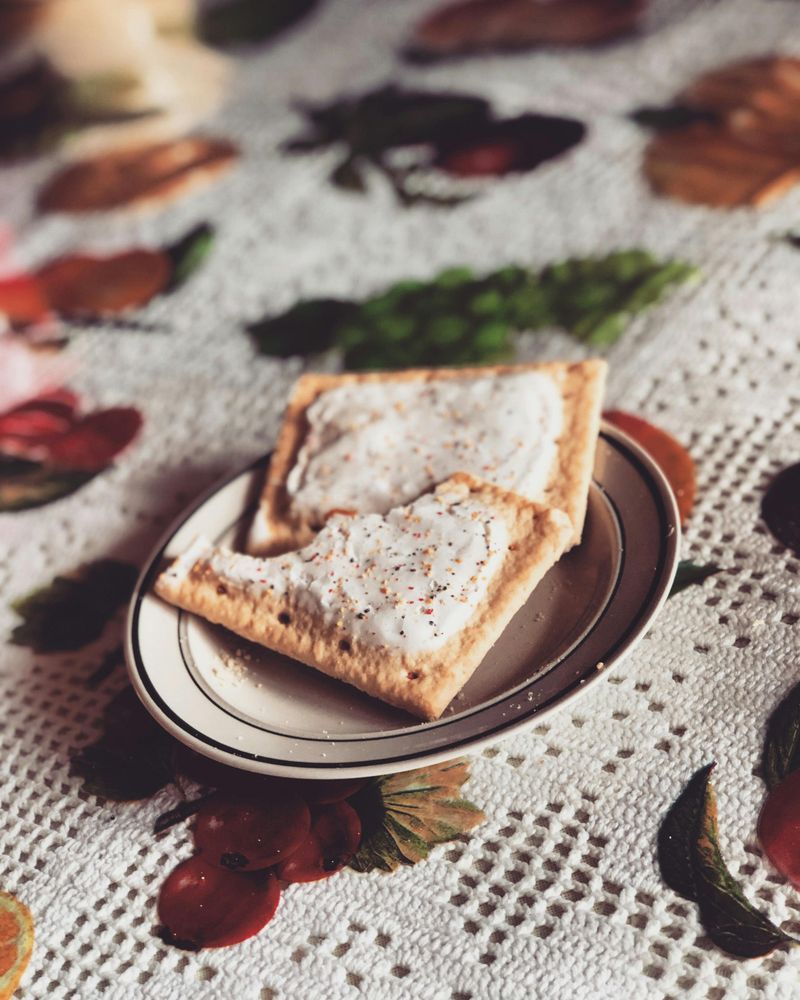
Those shiny-foiled pastries felt like a breakfast hack, especially when mornings were rushed. You could eat them cold on the bus or sneak them into first period.
But with sky-high sugar, refined flour, and artificial flavors, they do not fit modern school wellness policies.
Many districts cap added sugars and promote balanced meals that actually keep kids focused. A pastry that tastes like dessert before 8 am would face quick removal.
Even the “whole grain” versions struggle under stricter standards. At home, maybe, but on campus, Pop tarts are the snack time relic you remember more fondly than your teachers would approve.
Snack cakes

There was always someone trading for the last chocolate-covered, cream-filled cake. You knew they were not healthy, but they were portable, cheap, and delicious.
Now, trans-fat bans, added sugar limits, and sodium caps make these a no-go in most school settings.
Wellness policies prefer snacks with whole grains, real fruit, or yogurt, not shelf-stable frosting. Even if reformulated, snack cakes still read like a dessert.
Teachers noticed the sugar crash after lunch anyway. Today, these treats live in nostalgia and convenience stores, not the cafeteria line.
Your inner kid might protest, but school nutrition standards would definitely win.
Candy bars
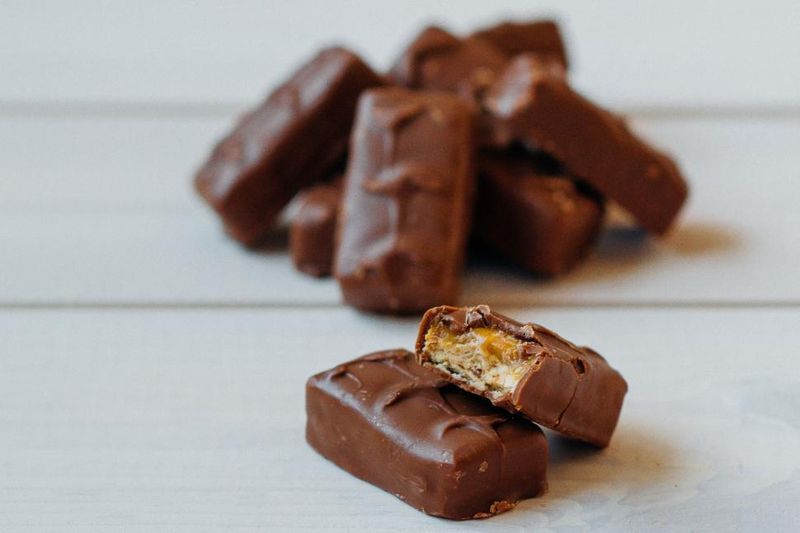
Vending machines used to tempt you between classes with nougat, caramel, and peanuts. A candy bar could replace lunch, for better or worse.
Today, most schools either remove them or limit sales to after-hours events due to high sugar and saturated fat.
Smart Snacks rules and wellness policies clamp down hard on candy during the school day. Fundraisers shifted toward nonfood options or compliant snacks.
Sure, sports games might still sell them, but daily access is rare. You can still imagine the clatter of coins and the spiral turning.
In class hours though, candy bars are history.
Soda
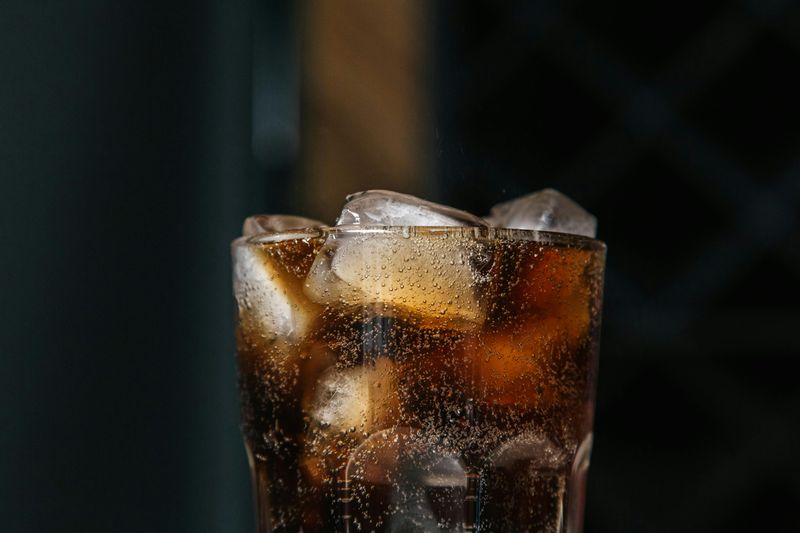
Cracking open a cola at lunch used to feel grown-up, especially with pizza Fridays. But sugary drinks are a top target now.
Many districts ban full-calorie soda entirely during school hours to fight empty calories and tooth decay.
Water, milk, and some lower sugar options replaced the fizz. Even diet soda is often restricted, depending on age group.
The caffeine, acidity, and marketing do not help its case. You might still hear the hiss of carbonation at games or after school.
In the cafeteria though, soda fountains have mostly gone the way of pay phones.
Chocolate milk
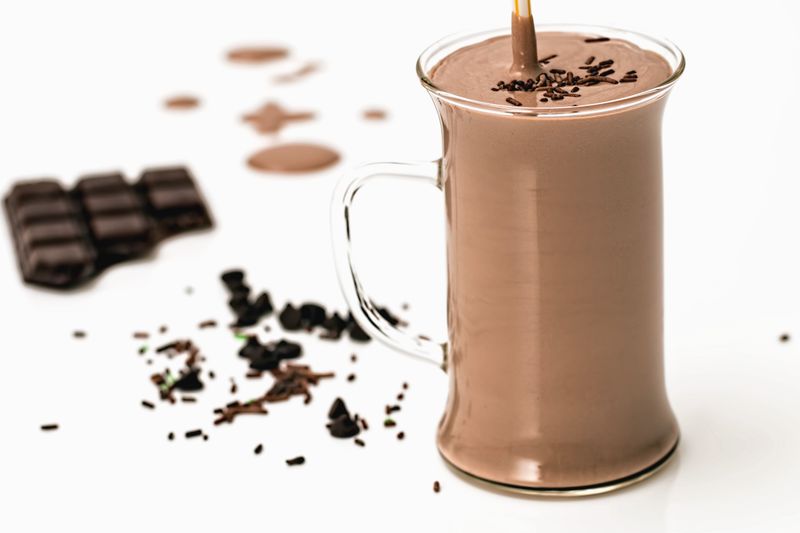
It tasted like a loophole: milk with dessert energy. For years, it was a cafeteria staple because kids actually drank it.
But the sugar content sparked debates and pilot bans, especially in elementary schools trying to reduce added sugar.
Some districts offer lower sugar formulations, others remove it entirely. The argument is calcium and protein versus sweetened habits.
You might still find it on Fridays or for special menus, but not as ubiquitous as before. If it shows up now, it is closely evaluated, portioned, and reformulated.
The chocolatey nostalgia meets modern nutrition math, and nostalgia usually loses.
Juice boxes
Piercing that straw into a tiny foil dot took real skill. Juice boxes felt like fruit but drank like soda, especially the 10 percent juice varieties.
With sugar limits tightening, many schools restrict them to 100 percent juice in small portions, if at all.
Nutrition staff now push whole fruit for fiber and satiety. Those sweet sips do not keep kids full through algebra.
If juice appears, it is strictly portioned and typically breakfast-only. Your backpack might still have one for field trips, but daily lunchroom lineups rarely feature a rainbow of juice boxes anymore.
Lunchables
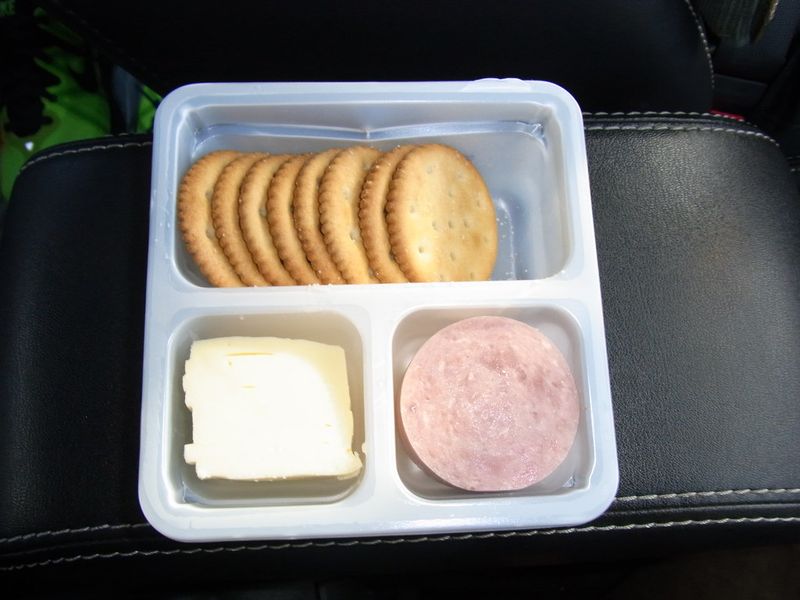
The click of that plastic lid was pure power. Build-your-own crackers, meat, and cheese felt like culinary freedom at your desk.
Today, processed meats, sodium overload, and minimal veggies make these kits tough to justify in school nutrition settings.
Some revamped versions try whole grains and fruit cups, but the classic combo still reads highly processed. Wellness policies prefer balanced meals with fresh items and fewer additives.
You might pack one occasionally, but cafeterias mostly pass. The appeal is still there, yet health standards have moved the goalposts far from that yellow tray.
Frozen pizza
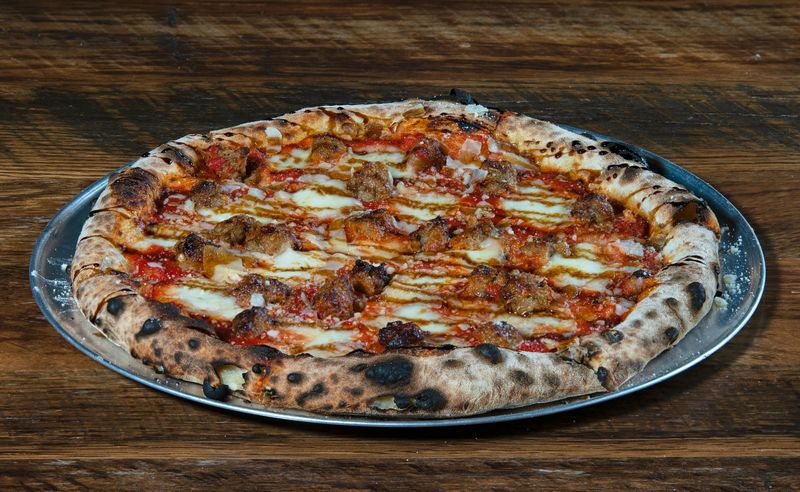
Pizza day was sacred, even when slices came from a box and tasted suspiciously uniform. Back then, no one asked about sodium or refined flour.
Now, stricter standards demand whole grain crusts, reduced sodium sauce, and real cheese, pushing classic frozen pies off the menu.
Districts still serve pizza, but it is often reformulated to meet guidelines. The old-school heat-lamp slice with grease pooling would not make the cut.
You might miss that sheen, but your heart and blood pressure will not. Nostalgia is strong, yet policy is stronger, and frozen pizza lost its easy pass.
Pizza rolls
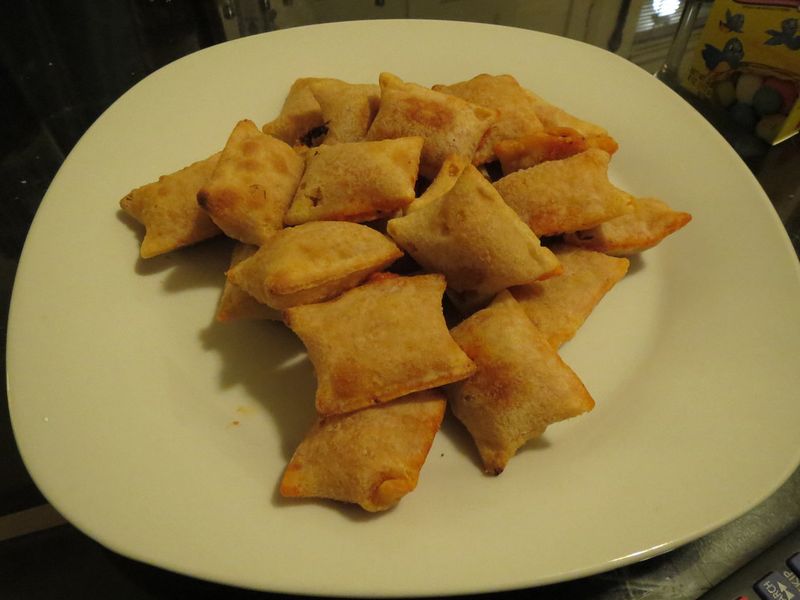
These bite-size lava pockets fueled many recess victories and a few burnt tongues. They were perfect for trading and sharing, even if the filling was a mystery.
Today, deep-fried or highly processed snacks with saturated fat and sodium land on the restricted list.
Air-fried versions and baked alternatives exist, but classic pizza rolls are mostly sidelined. Schools favor items with clearer ingredients, whole grains, and less grease.
You might still demolish a bag on weekends, but cafeteria managers would not stock them now. Fun memories aside, pizza rolls represent exactly what wellness policies are trying to phase out.
Bagel bites
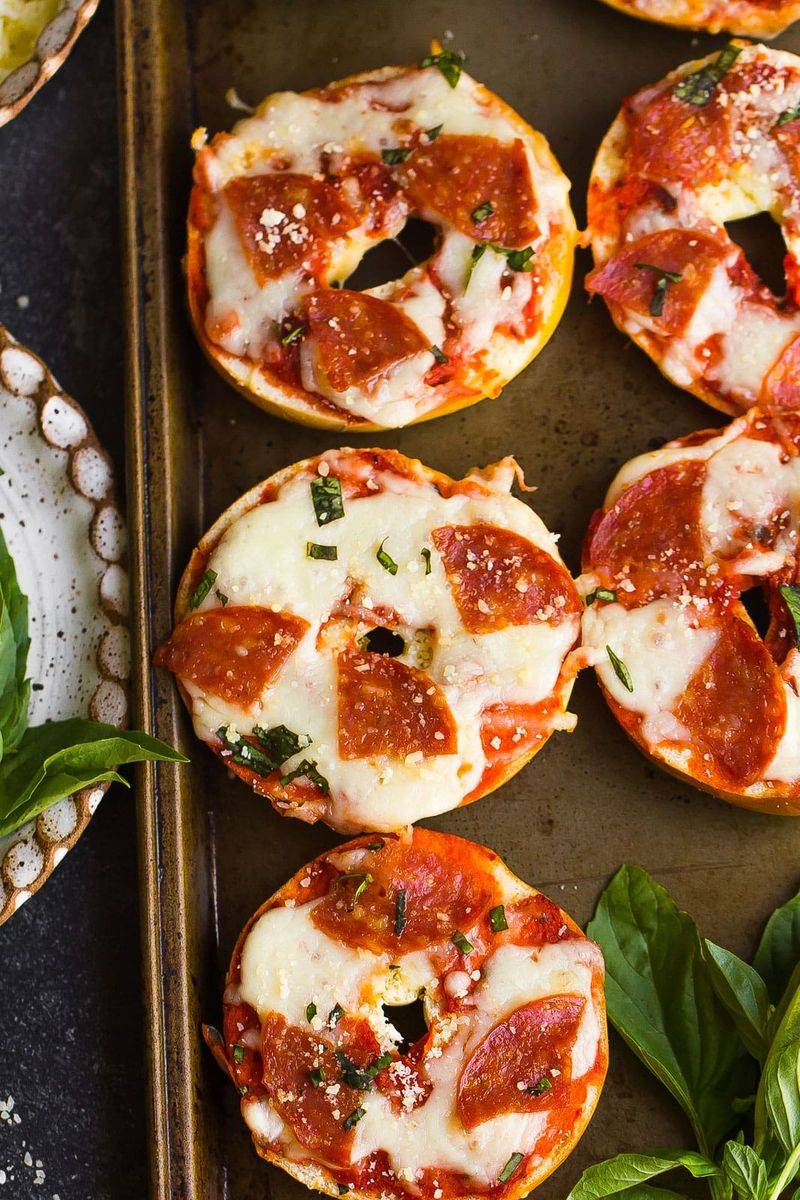
The slogan played in your head as you grabbed a handful. Mini pizzas on bagels felt safe and fun, but the nutrition panel told another story.
Refined flour, processed toppings, and high sodium are tough to justify under modern school standards.
Some cafeterias adapt by offering whole grain bagels with marinara and mozzarella as a scratch-made option. The boxed originals, though, rarely pass.
You remember the chewy bite and quick heat-up. Today, it is more likely a teacher snack at home than a sanctioned lunch item.
Bagel bites wave from the freezer aisle, not the cafeteria line.
Chicken nuggets

You could count classmates by who dipped in ketchup versus ranch. Nuggets felt like universal currency.
While still common, the breaded, processed versions from decades past would struggle with sodium, additives, and inconsistent meat quality under today’s rules.
Many districts now source whole-muscle, baked nuggets with cleaner labels, or rotate in scratch-cooked tenders. The deep-fried mystery-meat era is fading.
You will still find nuggets, but they are not the identical beige bites you remember. Healthier oils, better sourcing, and tighter standards changed the basket without killing the craving.
Hot dogs
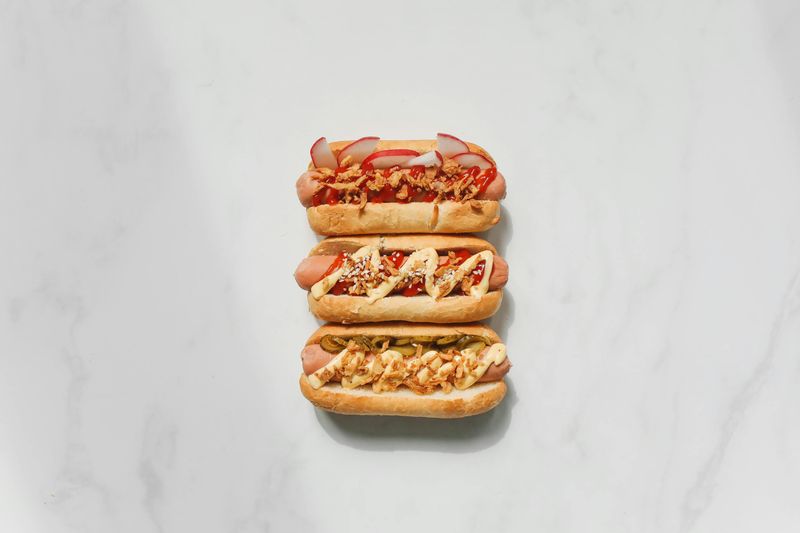
Field day meant hot dogs, neon condiments, and stained T-shirts. But processed meats carry sodium, nitrates, and saturated fat that modern policies scrutinize.
Many schools limit or replace them with turkey dogs or plant-based options, served sparingly if at all.
Allergy and choking considerations also come into play for younger grades. The nostalgia is real, yet the ingredient list is louder.
You might still grab one at a fundraiser or game night, but daily menus moved on. The once-automatic crowd-pleaser now triggers a stack of guideline checks before approval.
Bologna sandwich
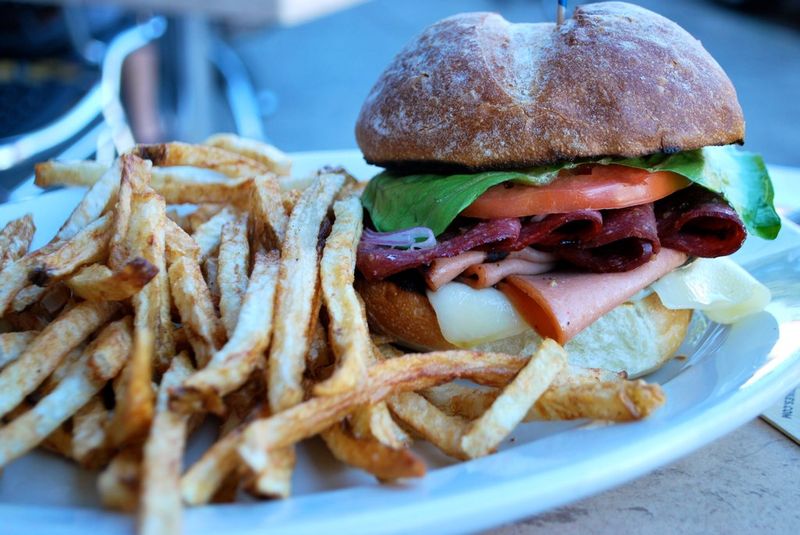
Simple, salty, and always exactly the same, the bologna sandwich defined low-effort lunches. It packed easily and traded even easier.
Today, processed deli meats raise red flags for sodium, preservatives, and potential health risks, pushing schools toward leaner, less processed proteins.
Whole grain bread, fresh veggies, and roasted meats are the new standard. The classic pale slices are a tough sell on a health-conscious menu.
You can still make one for a nostalgia hit, but cafeterias have largely retired it. Your memory keeps the flavor, while policies keep it out of regular rotation.
Processed cheese
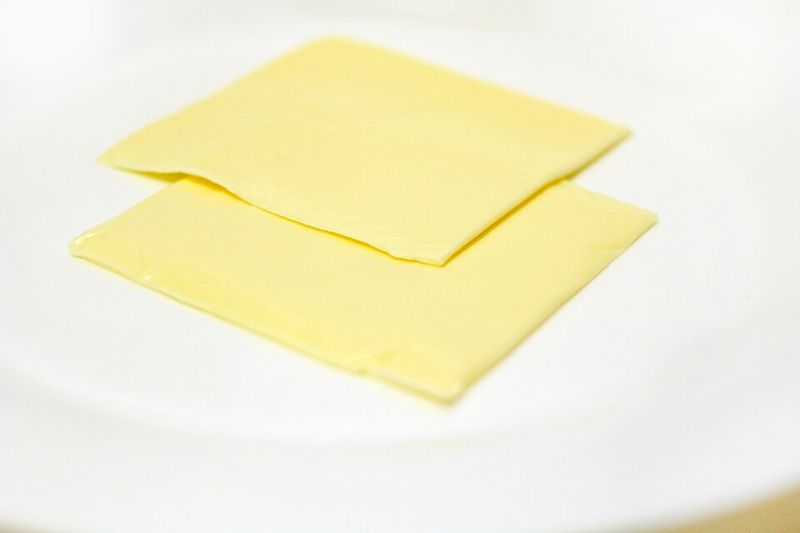
Unwrapping a cheese slice felt oddly satisfying. It melted perfectly on everything, which probably should have been a clue.
Processed cheese often carries emulsifiers, added sodium, and less real dairy than you would expect, making it a target in updated standards.
Schools now lean toward natural cheese in controlled portions, or yogurt for calcium. The orange squares still appear, but far less and usually in reformulated products.
Your grilled cheese memories remain strong. In practice, menus favor fewer additives and clearer labels, nudging processed cheese to the sidelines where it quietly waits in plastic.
Fruit snacks
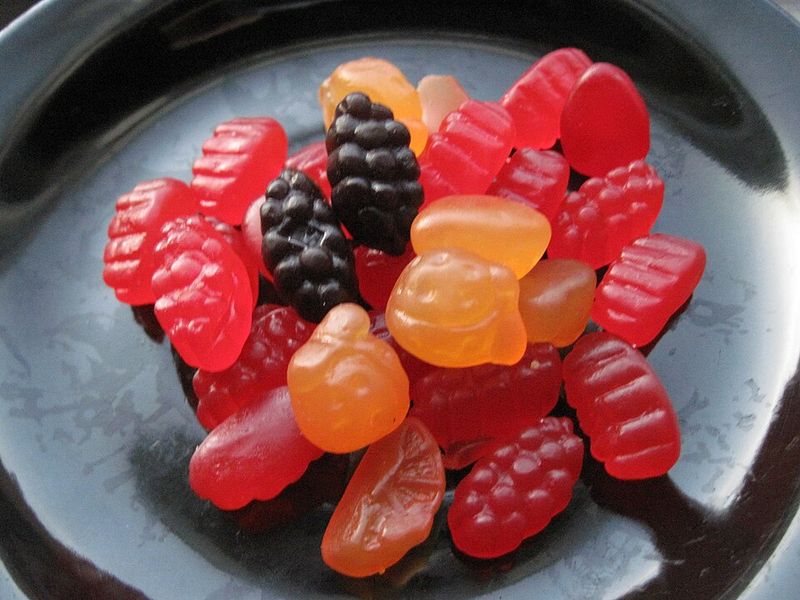
They looked like fruit, tasted like candy, and stuck to molars for hours. Fruit snacks were prime trading items because every packet felt like dessert.
With high sugar and often minimal actual fruit content, they clash with modern nutrition requirements.
Some versions now use fruit puree and less sugar, but the chewy candy vibe remains. Schools push whole fruit for fiber and nutrients instead.
You might still see them in lunchboxes, not on approved menus. The bright shapes are unforgettable; the ingredient list, less charming.
Today’s standards call it what it is: candy in a backpack.
Pudding cups
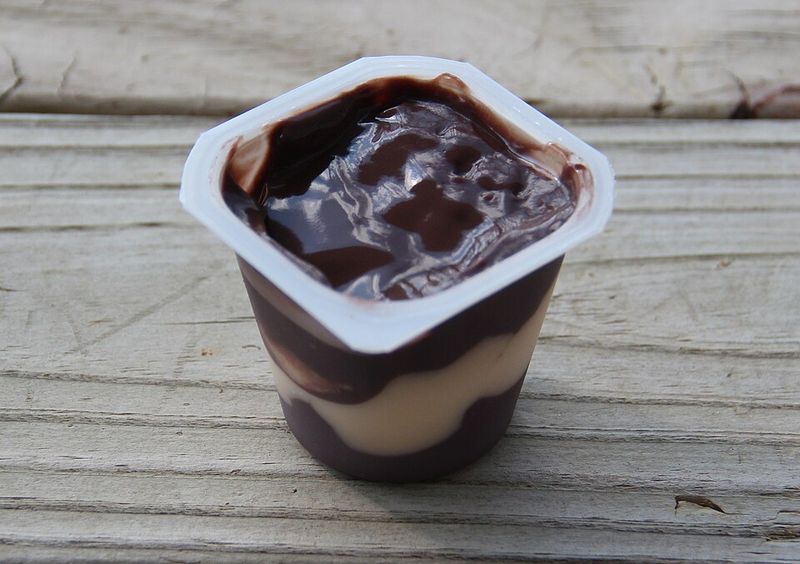
The peel-and-slap lid made a satisfying pop. Chocolate or vanilla, pudding cups were an easy yes when dessert felt rare.
But they deliver added sugar, stabilizers, and few nutrients, which conflicts with stricter snack and a la carte standards.
Some cafeterias swapped in yogurt or fruit parfaits to keep the creamy vibe with better protein. Pudding might appear for special events, but not everyday service.
Your memory of licking the corners stays sweet, while policies keep it occasional. The cafeteria still loves smiles, just with fewer spoonfuls of sugar hiding underneath.
Microwave popcorn

The smell alone could start a stampede down the hallway. Microwave popcorn felt harmless until you checked the label: high sodium, artificial butter flavor, and sometimes problematic packaging chemicals.
Many schools limit it due to mess, allergens, and nutrition concerns.
Air-popped options with light seasoning are more acceptable, but the classic movie-theater style is rare. Teachers may still sneak it on workdays, just not for student sales.
You will forever link that aroma to study hall and movie days. Now, it is a treat with caveats and careful timing, not a regular snack line feature.
Chips bag
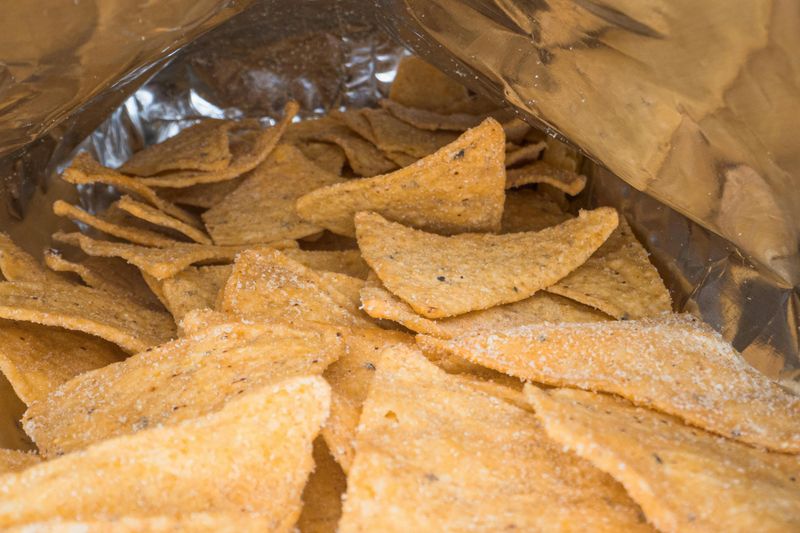
Crinkling a mini bag during algebra felt rebellious and comforting. Chips were the universal sidekick, salty and simple.
But calorie-dense, low-nutrient snacks face tight limits now, from portion sizes to sodium caps, under Smart Snacks rules.
Baked or whole grain versions sometimes qualify, but classic greasy favorites rarely make it. Vending and a la carte sales are closely monitored by age group and time of day.
You might still see them at after-school events, not during lunch. The crunch is timeless, yet policy says choose carrots or a compliant cracker instead.
White bread
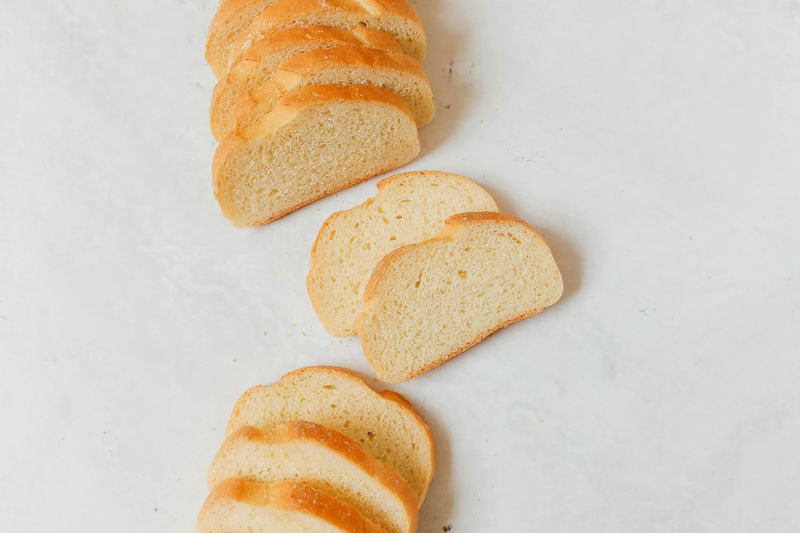
Soft, squishy, and perfect for folding, white bread was the default. But refined flour without fiber does not keep students full or focused.
Whole grain standards pushed white bread out of daily rotation in favor of heartier slices that deliver more nutrients.
Some districts allow occasional enriched options, yet most make whole grain-rich the baseline. Sandwiches taste different now, maybe chewier, but better for staying power.
You can still find white bread at home or special menus, not as a staple. The lunch line is less fluffy and more functional, which is exactly the point today.
Ice cream cup
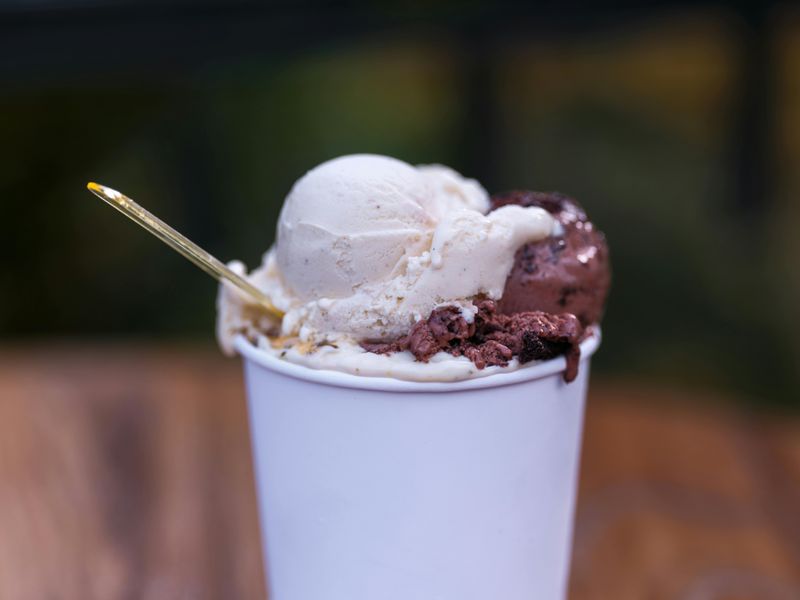
Nothing beat the thrill of a surprise ice cream day. Those tiny wooden spoons felt like tickets to happiness.
Still, added sugar, saturated fat, and allergy risks make daily service a no from modern nutrition policies.
Some schools keep a compliant frozen yogurt or fruit ice on special occasions. Regular a la carte ice cream during the school day is often off-limits, especially for younger grades.
The tradition did not vanish, it just moved to celebrations. You remember the cold bite and brain freeze, while today’s menus focus on steadier fuel for class.