


Remember when weekends smelled like simmering sauce and slow roasts filling the whole house? These days, convenience wins, and many comfort foods quietly disappeared because they ask for time, patience, and a few messy bowls.
Still, there is something magical about dishes that demand hands-on love and unhurried hours. If you have been craving that nostalgia, here is a tour through classics that might tempt you back into the kitchen.
Homemade pie crust
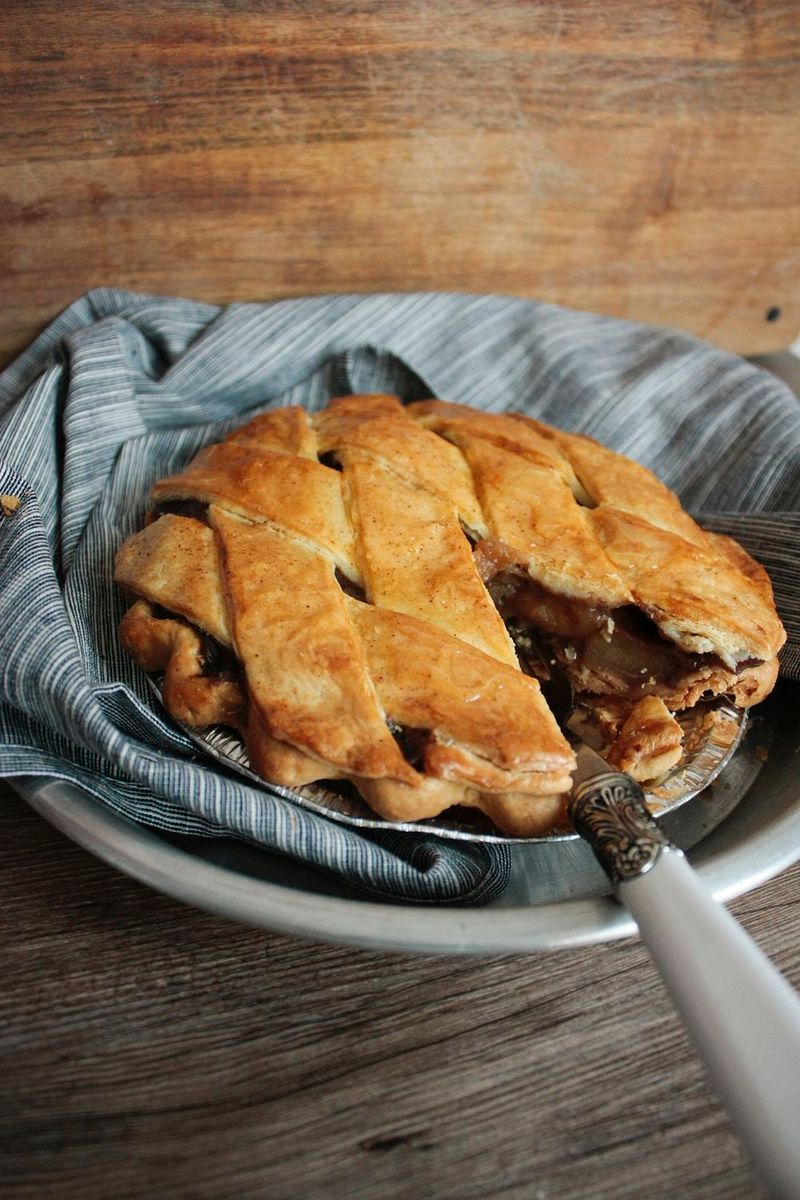
Pie crust seems simple until butter melts, dough cracks, and the clock keeps ticking. You need cold butter, light hands, and patience to chill between steps.
It rewards you with flaky layers supermarket versions rarely deliver, but the learning curve scares many away.
There is also cleanup, a flurry of flour on every surface and sticky bits in the bowl. Pre-made crusts save time and stress.
Still, when you finally nail that tender, shattering edge, every slice feels like a tiny celebration.
Homemade gravy

Good gravy starts with flavorful pan drippings and the right roux. Miss the timing or proportions and you get lumps, grease pools, or blandness.
Constant whisking, careful seasoning, and straining add steps most weeknights cannot handle.
Packets promise consistency and speed, so the ritual fades. Yet silky, glossy gravy that clings perfectly to mashed potatoes is comfort in liquid form.
When you whisk patiently, deglaze properly, and finish with a splash of stock, you taste Sunday.
Homemade bread
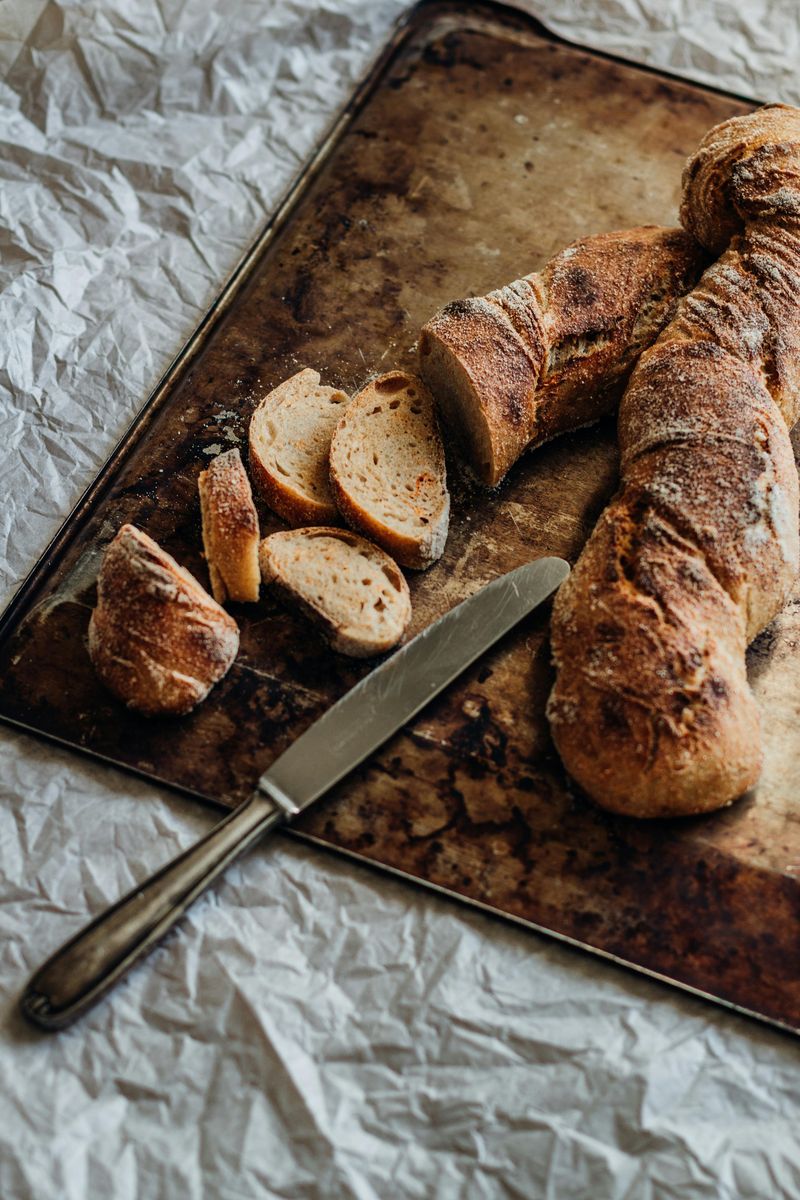
Homemade bread asks for kneading, resting, and timing your day around a dough that has opinions. Starters need feeding, dough needs stretching, and ovens need steam.
Supermarkets sell decent loaves for a few dollars, so the commitment often feels unreasonable.
But the sound of a crackling crust as it cools is unforgettable. Your kitchen smells like a bakery, and butter melts into the warm crumb.
When life slows down, mixing flour, water, salt, and patience becomes therapy.
Stuffed cabbage
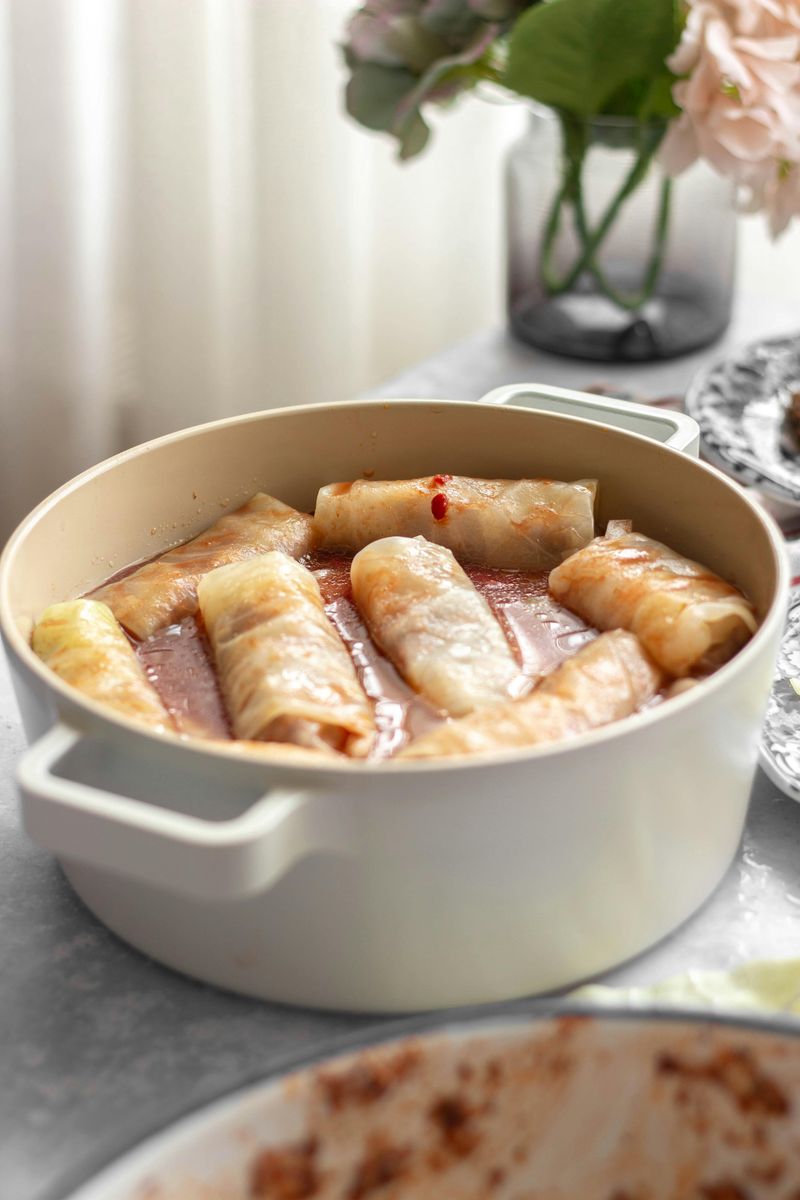
Stuffed cabbage is a love letter wrapped in leaves. You blanch whole heads, peel tender layers, mix filling, and roll each bundle carefully.
Then it simmers gently, perfuming the house while you wash a mountain of dishes.
It is slow food with no shortcuts that truly replicate the texture. Frozen versions exist but rarely deliver that delicate, homey feel.
When you serve a plate with tangy sauce and soft, savory centers, it tastes like patience.
Cabbage rolls
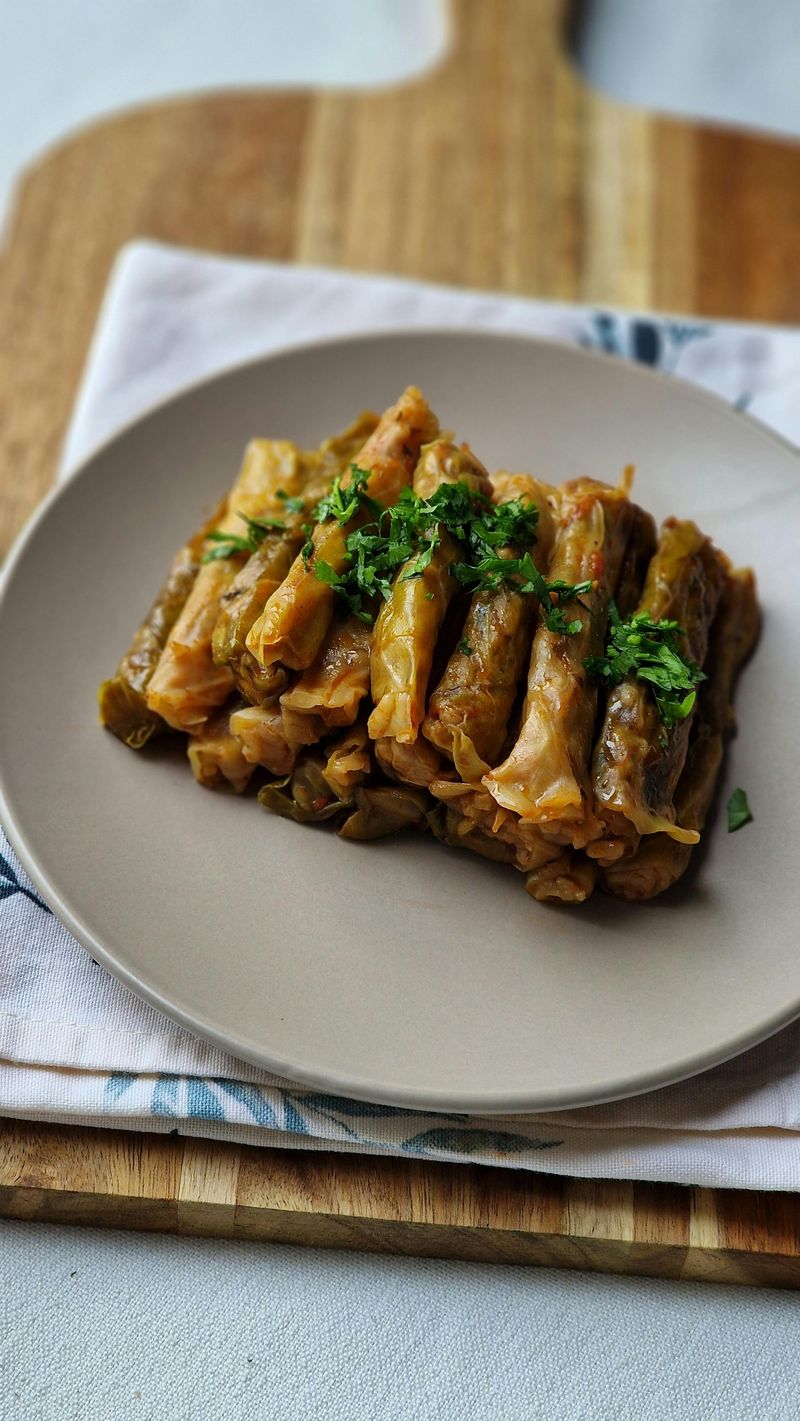
Yes, cabbage rolls are cousins to stuffed cabbage, and they are just as hands-on. Parboil leaves, cool them, trim ribs, and roll tight so they do not unravel.
A slow bake lets flavors mingle, but it steals your afternoon.
Many families remember making these together, assembly-line style. The tradition faded as schedules tightened.
If you revive it on a weekend, you will rediscover how comfort tastes when wrapped and cooked with care.
Chicken and dumplings
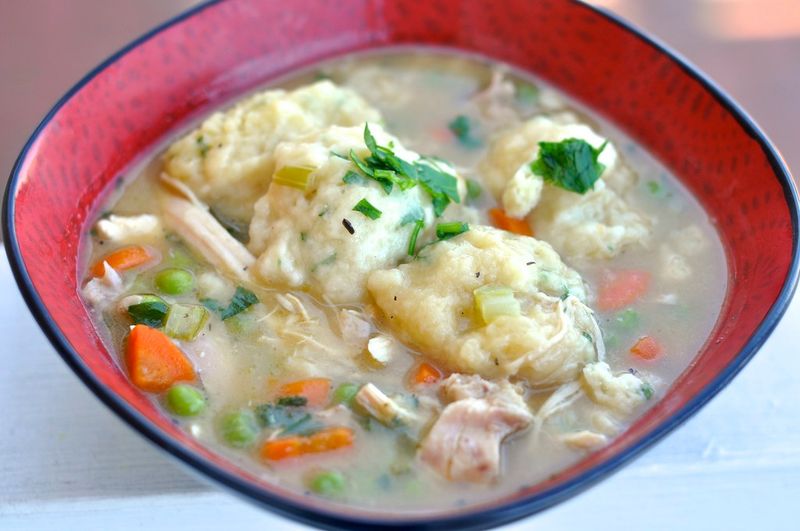
This dish requires a flavorful base, usually from simmered chicken and aromatics. Then come dumplings that must stay tender, not heavy.
Timing is tricky, and lifting the lid too often ruins them.
It is easier to buy a rotisserie chicken and a boxed soup. Yet when dumplings puff just right and the broth turns silky, you have a bowl that hugs back.
It is home, spooned generously, best enjoyed slowly.
Beef brisket
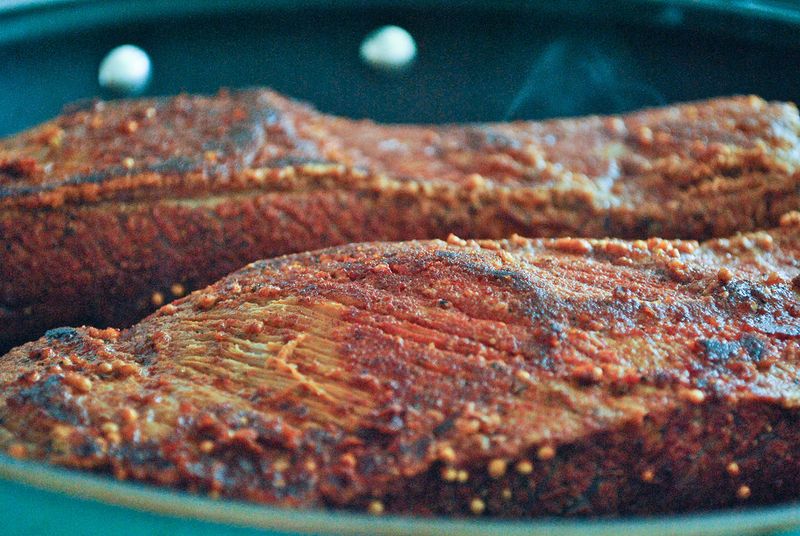
Brisket demands time and trust. Whether smoked low and slow or braised in the oven, it needs hours of steady heat.
Rush it and the meat stays tough; wait and it turns fork-tender and juicy.
It is not a Tuesday night dinner unless you planned ahead. The payoff is huge, with savory drippings and leftovers for days.
Slice against the grain, pour the juices over, and watch silence fall at the table.
Homemade meatballs
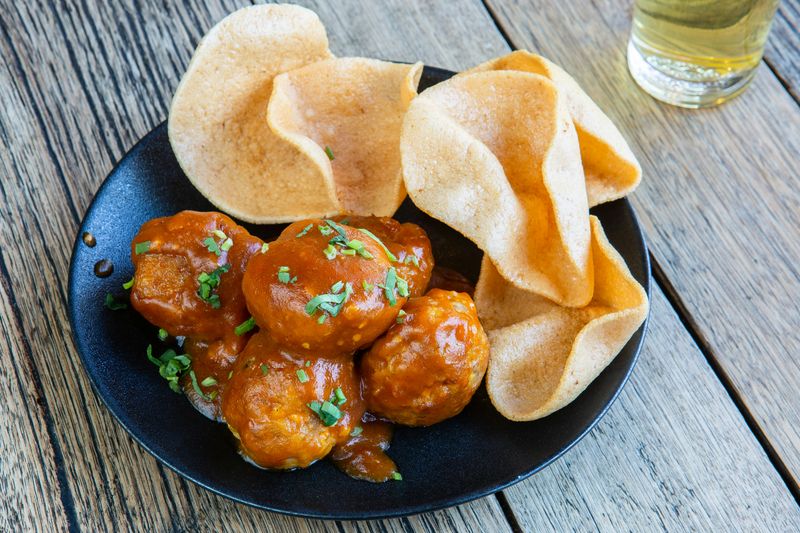
Good meatballs start with a gentle touch: soaked breadcrumbs, mixed meats, and minimal handling. Frying for crust before simmering in sauce adds dishes and time.
The result is tender, juicy spheres that packaged ones rarely match.
Making a double batch and freezing helps, but you still face the mixing and browning. If you are up for it, the kitchen smells unbelievable, and the sauce soaks with flavor.
A little grated cheese on top, and you are transported.
Fresh pasta

Fresh pasta is simple in ingredients but fussy in process. You knead, rest, roll, and cut, keeping dough supple but not sticky.
A machine helps, yet clamping, cranking, and flouring everything turns the kitchen into a workshop.
Boxed pasta cooks in minutes with no mess. Still, silky tagliatelle that hugs sauce makes a strong case for the extra effort.
When strands fall like ribbons from the roller, you understand why nonna insisted.
Homemade soup stock
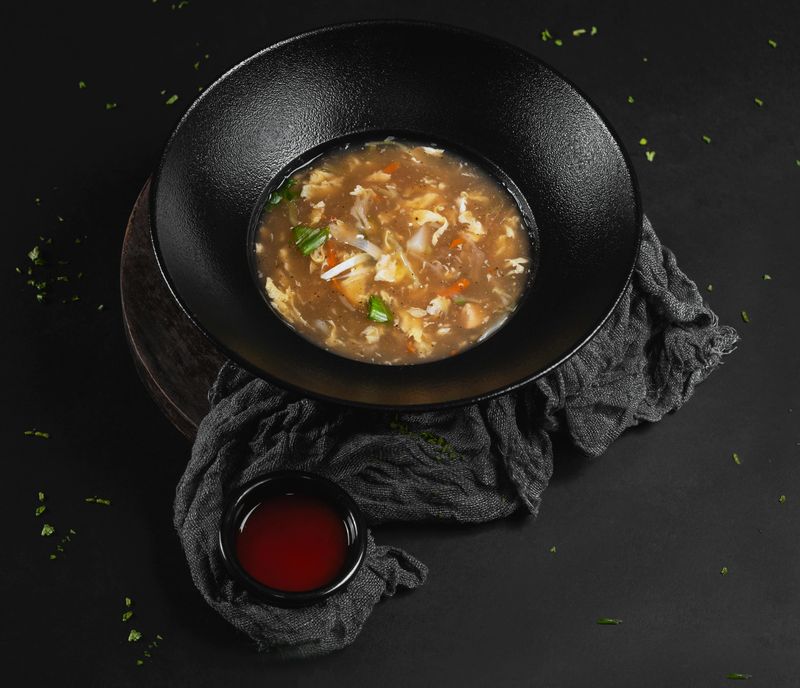
Real stock requires bones, long simmering, and occasional skimming. Your stovetop is occupied for hours, and the house smells like a deli in the best way.
Straining and cooling safely takes planning and fridge space.
Boxed broth is quick and decent, which is why stockpots gather dust. But homemade has body and depth that store-bought cannot fake.
When it sets into a soft gel in the fridge, you know it will make every soup sing.
Pot roast
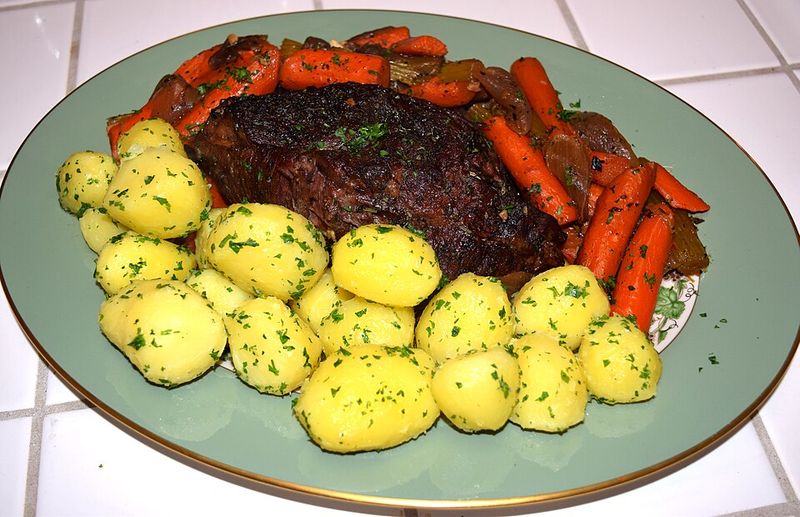
Pot roast needs browning, deglazing, and low, slow braising until collagen melts. It asks for patience and a heavy pot.
Weeknights rarely allow that kind of commitment, so many reach for quicker cuts.
When you do make it, the vegetables soak in savory juices and the meat falls apart at a nudge. Leftovers are even better in sandwiches.
It is the kind of dinner that makes a chilly day feel kinder.
Lasagna from scratch
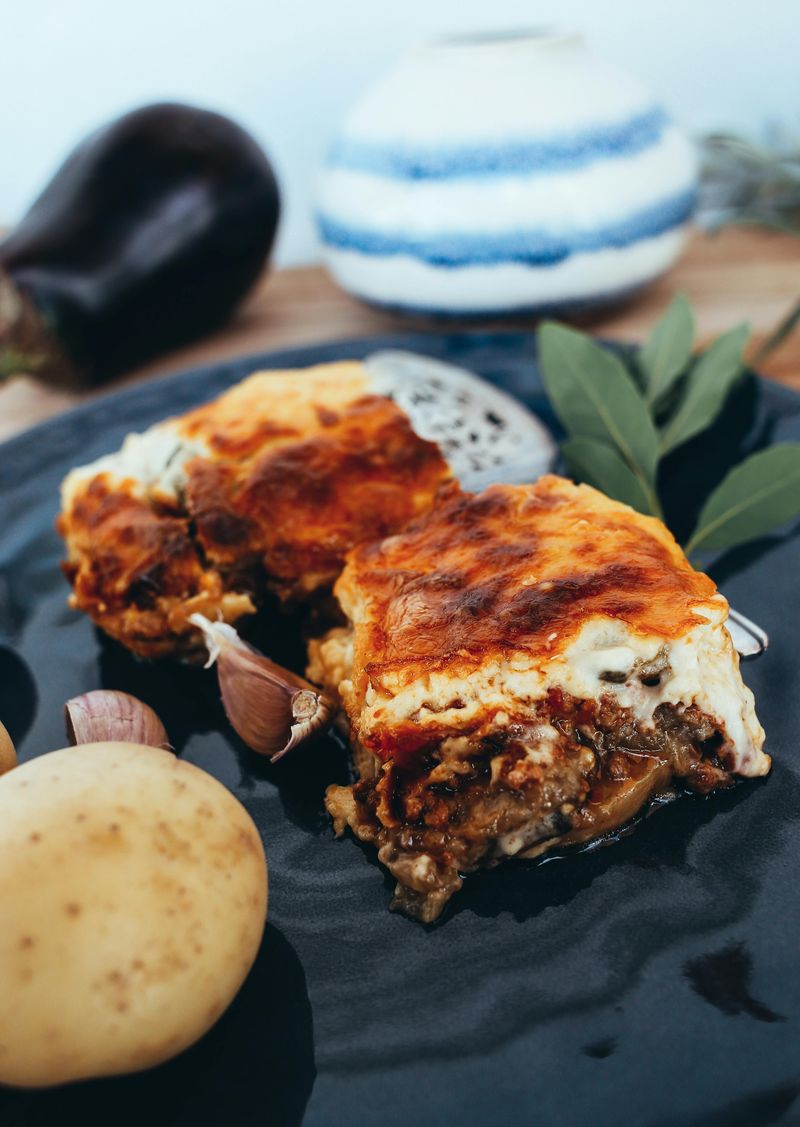
From-scratch lasagna asks for sauce, fresh pasta sheets, and layered assembly. Each component takes time, and baking takes even longer.
Store-bought noodles and jarred sauce cut corners, which is why most people go that route.
When you commit, every bite tastes layered with intention. Silky pasta, rich ragu, and stretchy cheese make a chorus.
You will need a nap afterward, but the leftovers might be even better the next day.
Stuffed peppers
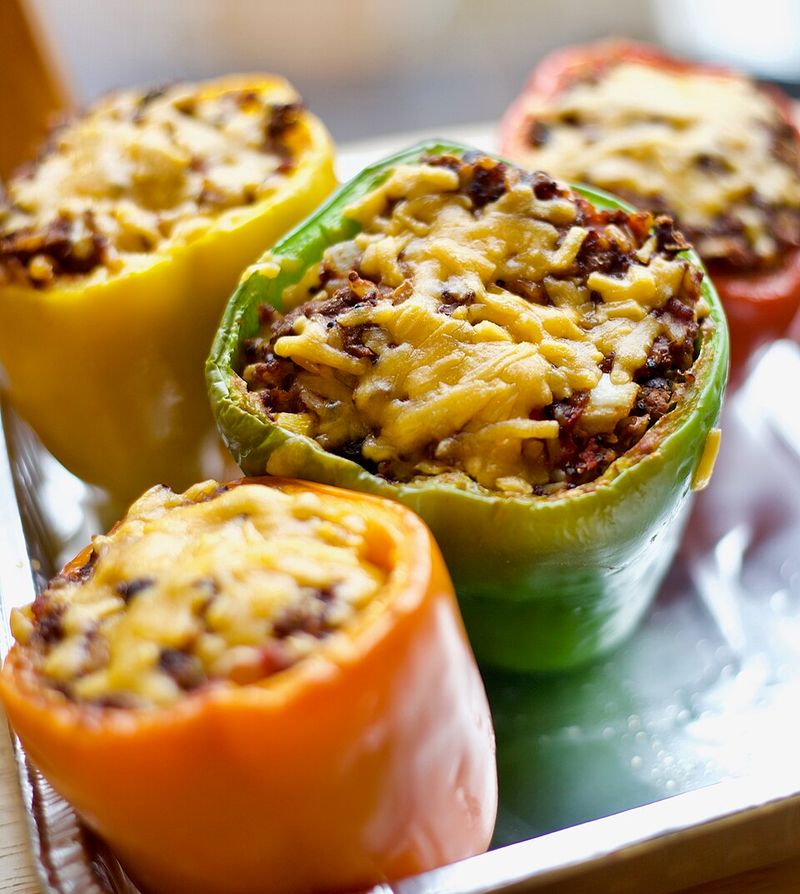
Stuffed peppers require par-cooking peppers, mixing filling, and packing them upright without spills. Then they bake until tender, which can take a while.
Cleanup includes oily pans and scattered rice.
The flavor is hard to argue with: sweet peppers, savory filling, and saucy edges. Many skip the hassle and make a skillet version.
Still, when you slice into a pepper and steam escapes, it feels satisfying in a way shortcuts cannot match.
Whole fish
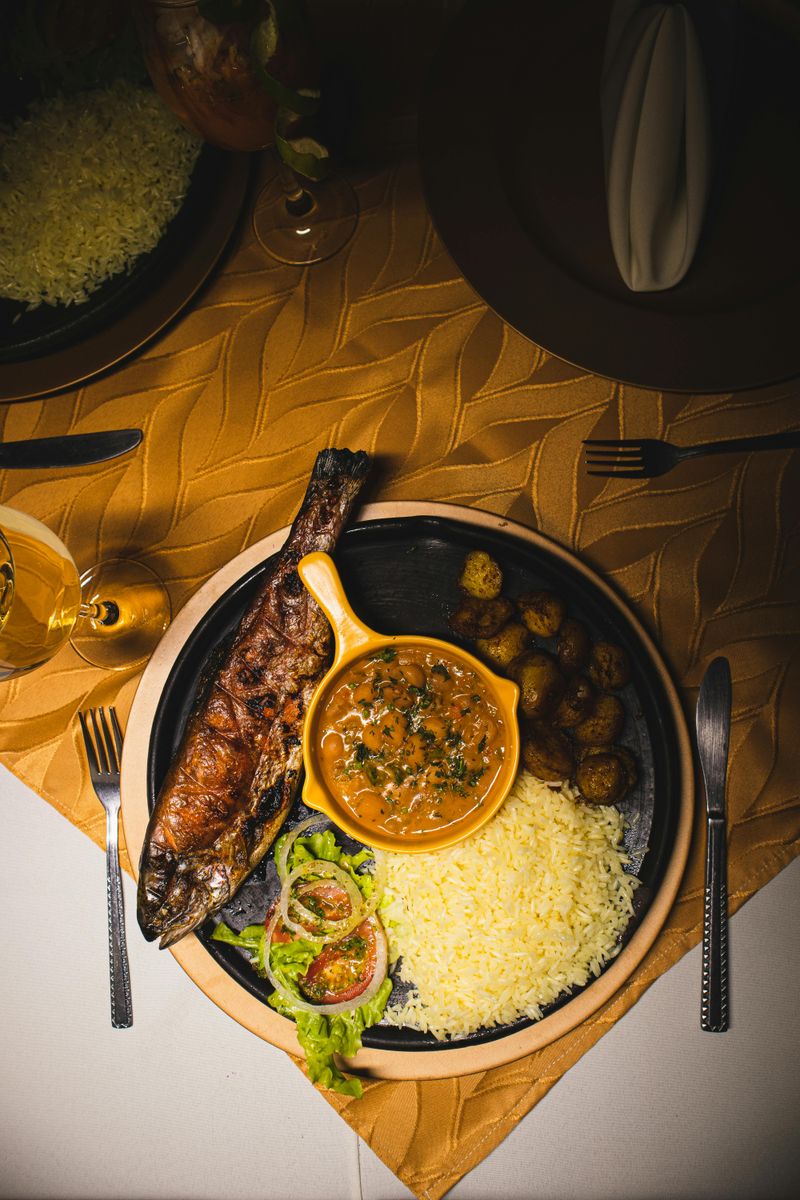
Cooking whole fish intimidates even confident cooks. There are bones, delicate flesh, and the fear of overcooking.
Cleaning, scaling, and trimming add steps that fillets avoid entirely.
Yet roasting on high heat with lemon and herbs gives unbeatable moisture and flavor. The presentation feels restaurant-worthy, and the skin crisps beautifully.
With a good fish spatula and gentle hands, you will wonder why you waited.
Homemade jam
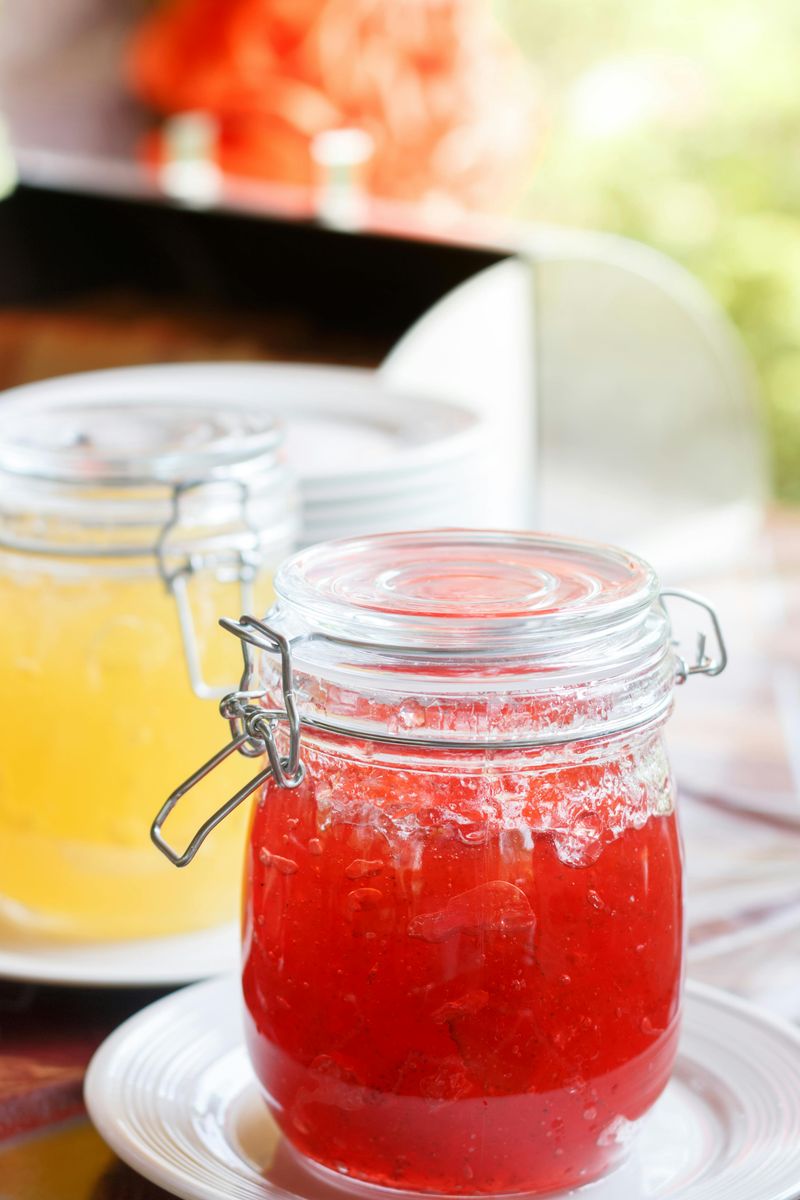
Jam is alchemy plus dishes. You wash fruit, macerate, boil, skim foam, and check set with saucers.
Sugar splatters and sticky counters are part of the deal. Commercial jars cost little and taste fine, so the ritual fades.
But homemade jam smells like summer in a pot. Spread on toast, it sparkles with brightness store brands lack.
If you try once, you might start saving jars for the next batch.
Canning jars
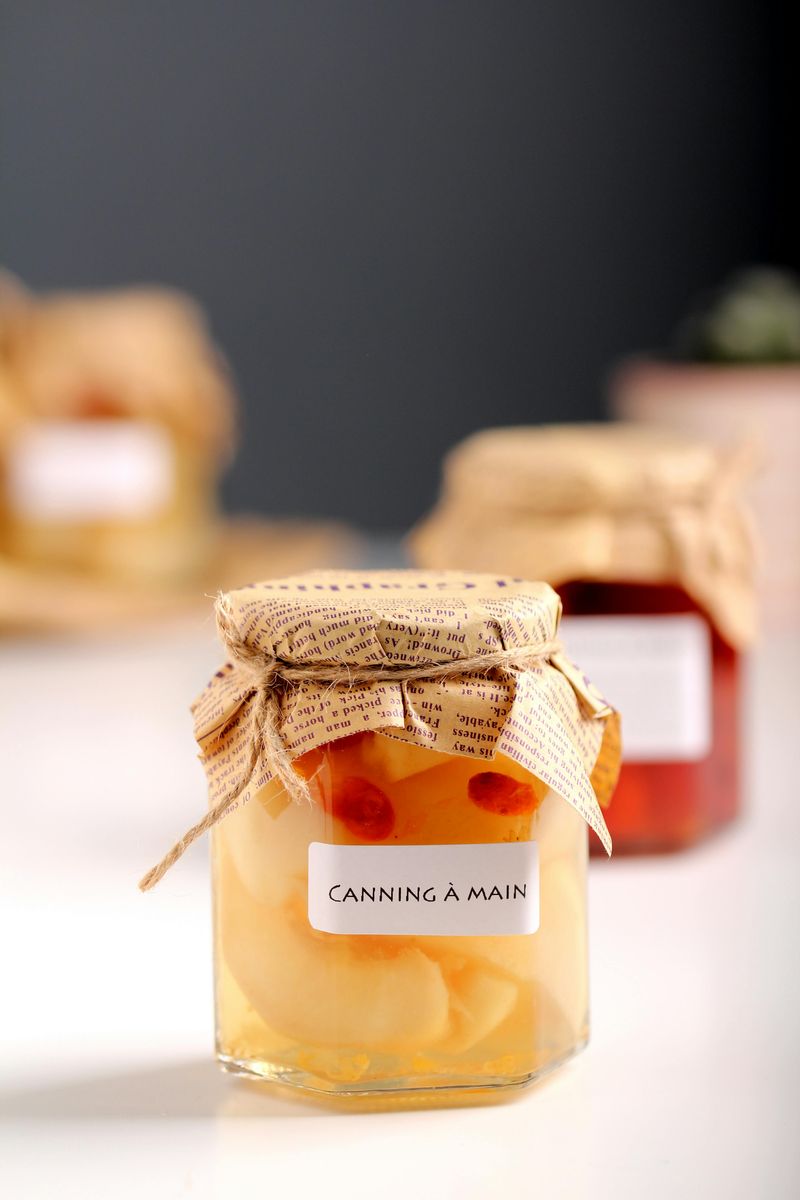
Canning jars represent a whole process many do not have time for anymore. Sterilizing, filling, wiping rims, and monitoring headspace require focus.
Then comes the water bath or pressure canner, followed by the anxious wait for seals to ping.
It is satisfying but equipment-heavy and seasonal. With year-round grocery options, few commit.
Still, a pantry shelf of gleaming jars feels like quiet security and a promise of homemade gifts.
Pickling vegetables
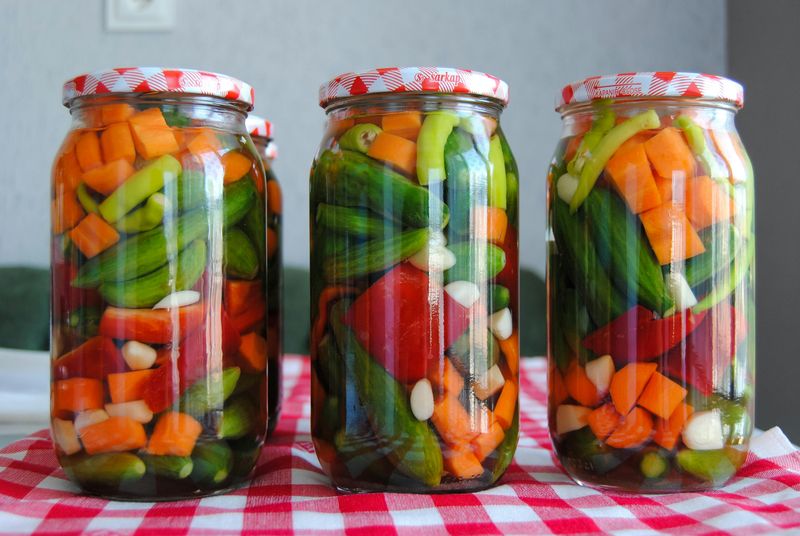
Quick pickles are easy, but traditional pickling can be meticulous. Brine ratios, sterilized jars, and waiting for flavors to develop require patience.
Many settle for store-bought jars that are crisp and consistent.
When you pickle at home, you choose the spice profile and crunch level. The colors brighten the fridge and cut through rich meals.
A single afternoon of brining can elevate sandwiches and boards for weeks.
Sunday sauce
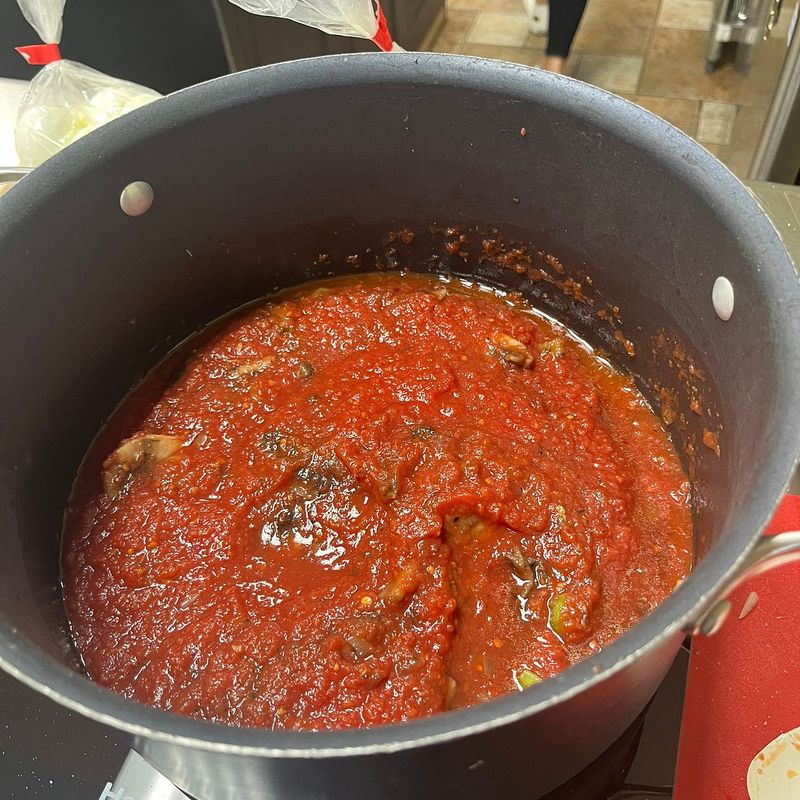
Sunday sauce is an all-day commitment. You brown meats, simmer low and slow, and resist the urge to rush.
As the house fills with tomato, garlic, and basil, time almost stops.
Jars are simpler, but they cannot replicate the meaty depth. This is more than food; it is a ritual that gathers people.
Ladle it over pasta, pass the cheese, and let conversation stretch as long as the simmer did.
Homemade noodles
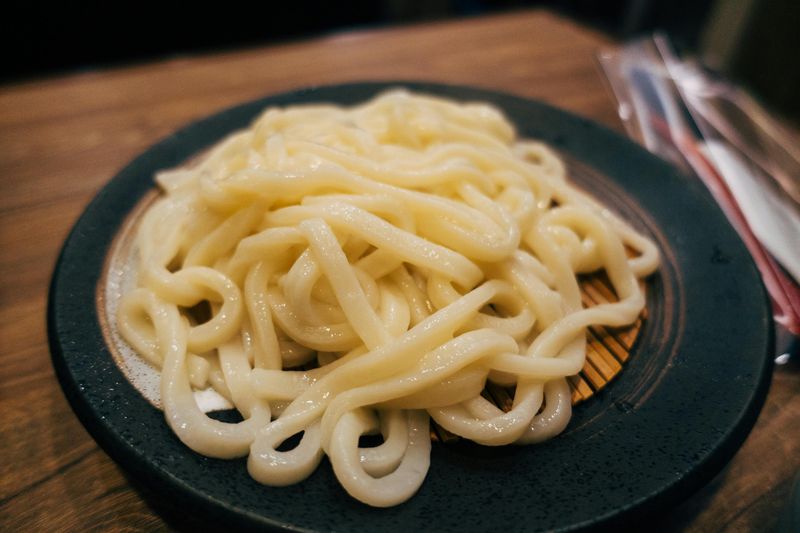
Homemade noodles are cousins to pasta, with the same time demands. Mixing, kneading, resting, and rolling thinly takes practice.
Cutting evenly and cooking briefly adds pressure right at the end.
Dried noodles are fast and consistent. Still, fresh ones carry sauce differently and have a chewier bite.
On a slow afternoon, it is a rewarding project that reminds you food is tactile.
Slow cooked stew
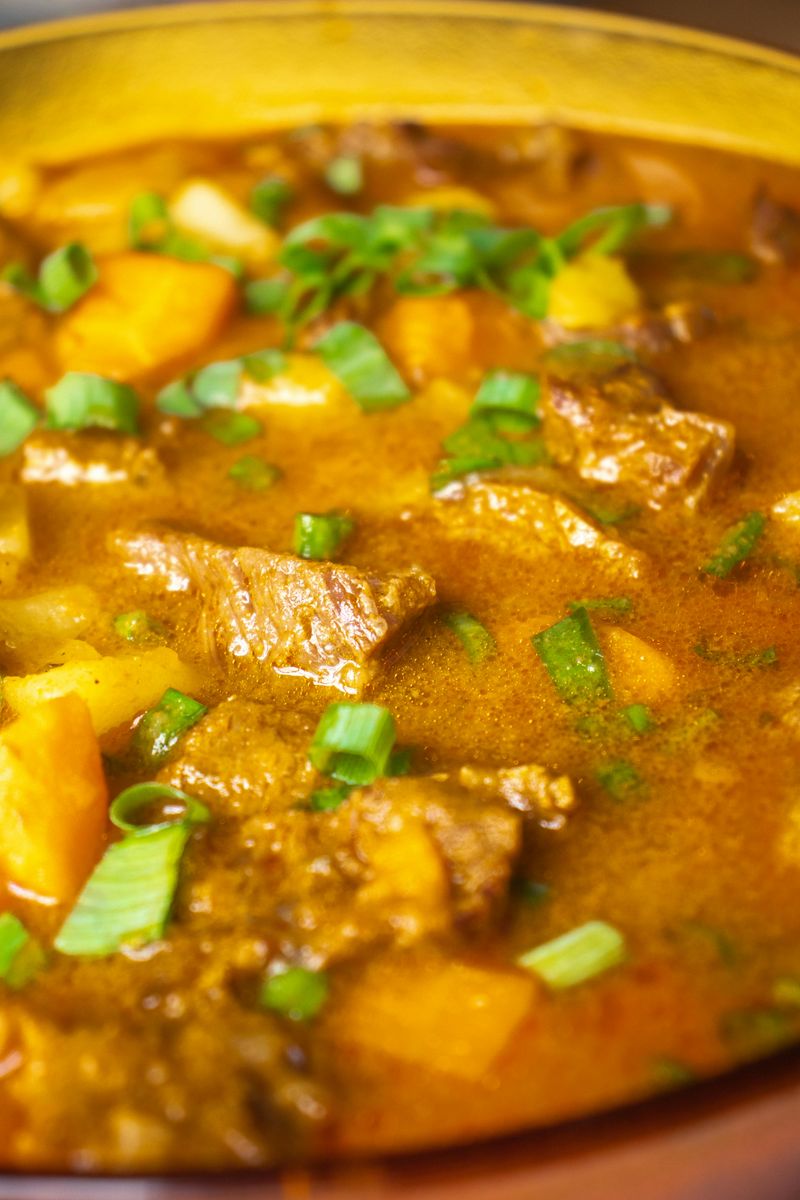
Stew asks for patient browning, careful deglazing, and hours of gentle simmering to soften tough cuts. Tossing everything in a pot without those steps yields flat flavor.
Weekends suit this dish better than weekdays.
When you invest the time, the broth turns glossy and the meat relaxes. The aroma alone makes the house feel warm.
Serve with crusty bread and watch the room go quiet as spoons scrape the bowls.
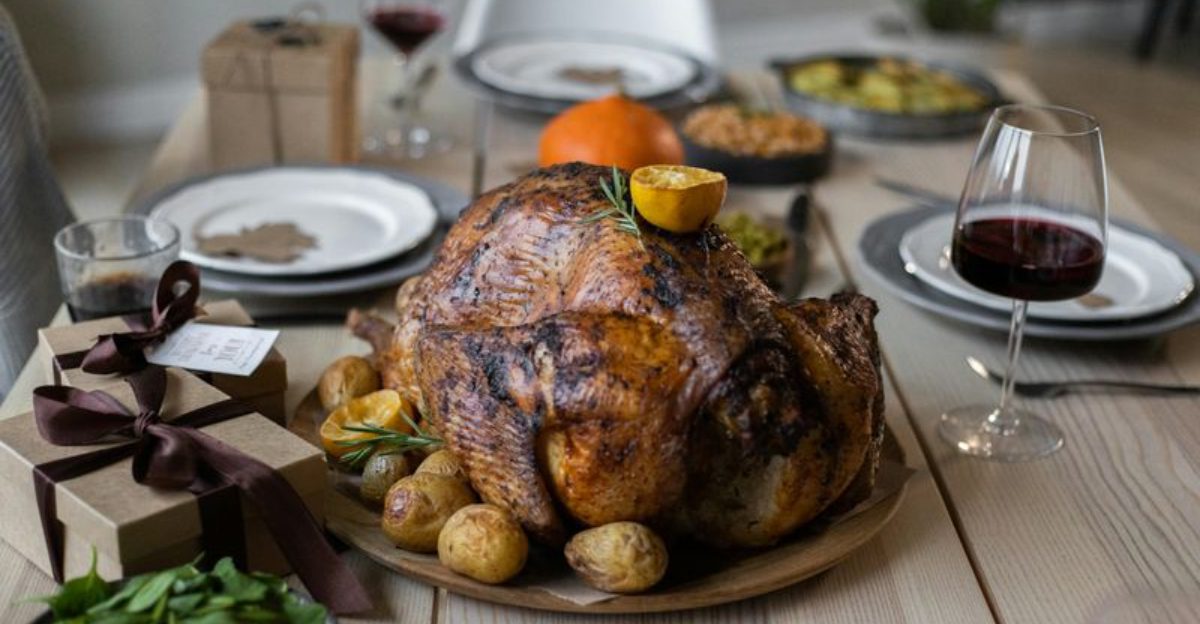
Roast turkey
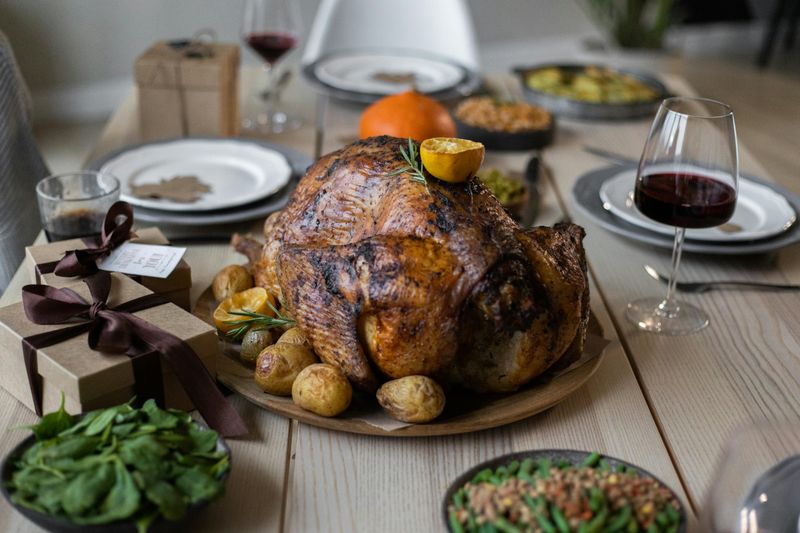
Turkey is a project bird. There is brining, drying, basting, tenting with foil, and tracking temperatures in multiple zones.
One misstep makes it dry, and the bird monopolizes the oven for hours.
Most people only attempt it once a year, which means little practice. Pre-cooked roasts and smaller cuts feel safer.
Still, when the skin shatters and juices run clear, you remember why families planned entire days around that centerpiece.