


Remember when a quick grocery run felt painless and predictable? Lately, the same basket of basics rings up like a splurge, and it is not your imagination.
Prices have crept up on everyday staples, reshaping how we shop, cook, and plan. Let us unpack the quiet shifts behind familiar items and spot smart ways to adapt without giving up what you love.
Butter
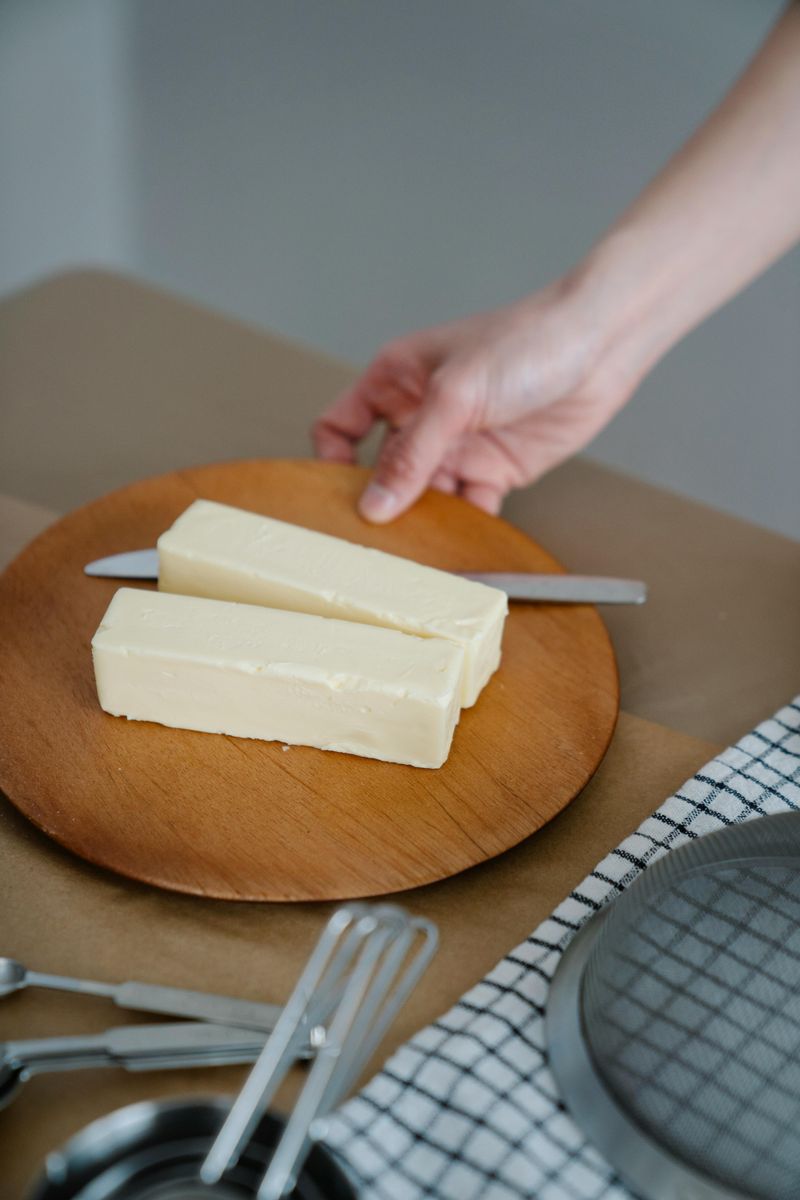
Butter used to be the quiet staple you tossed in the cart without thinking. Dairy feed costs, labor, and export demand pushed it into treat territory.
Holiday baking seasons amplify the squeeze, and suddenly cookies feel like a luxury project.
Compare salted versus unsalted prices and consider store brands for everyday cooking. Freeze extra when it is discounted, since butter stores well.
For sautéing, blend half butter with neutral oil to stretch flavor. In baking, use oil swaps where possible, but keep butter for recipes that rely on it, like shortbread or laminated doughs, where the payoff matters.
Olive oil

Olive oil prices climbed as drought and poor harvests squeezed supply. That golden drizzle for salad or pasta is pricier, pushing many to smaller bottles or blended oils.
You still want flavor and health perks without overspending.
Choose a reputable midrange extra virgin for finishing, and a light olive or canola blend for high-heat cooking. Check harvest date and origin to avoid paying extra for marketing.
Buy in tin or dark glass to protect freshness, and store away from light. Warehouse clubs can deliver value if you cook often, otherwise smaller bottles reduce waste from rancidity.
Coffee
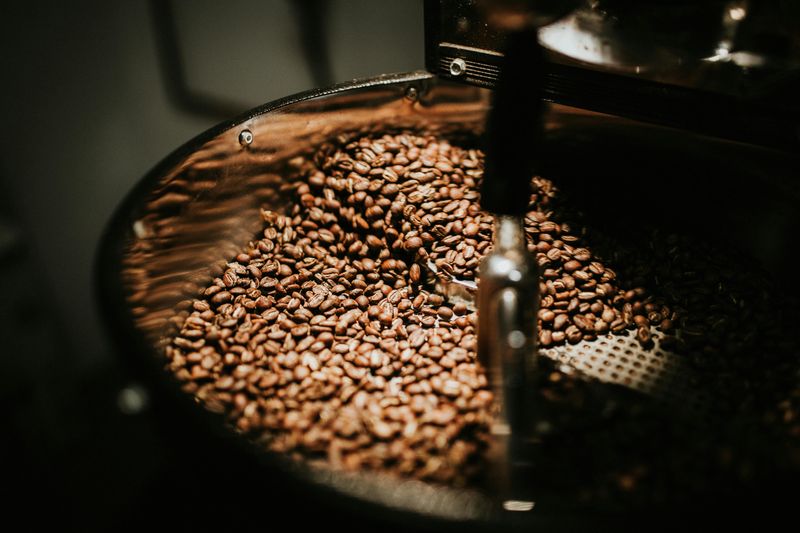
Coffee used to be a daily comfort that barely dented the budget. Weather impacts, shipping costs, and premiumization turned morning brews into cost decisions.
You notice shrinkflation in bag sizes, sneaky blends, and fancy packaging doing the heavy lifting.
Grind whole beans at home for better flavor per dollar. Brew methods like French press or pour over stretch quality, while reusable filters cut waste.
Buy in bulk if you drink daily, or switch afternoons to cold brew concentrate you dilute. Track unit prices per ounce, and try reliable store brands that source well without the third wave hype tax.
Chocolate
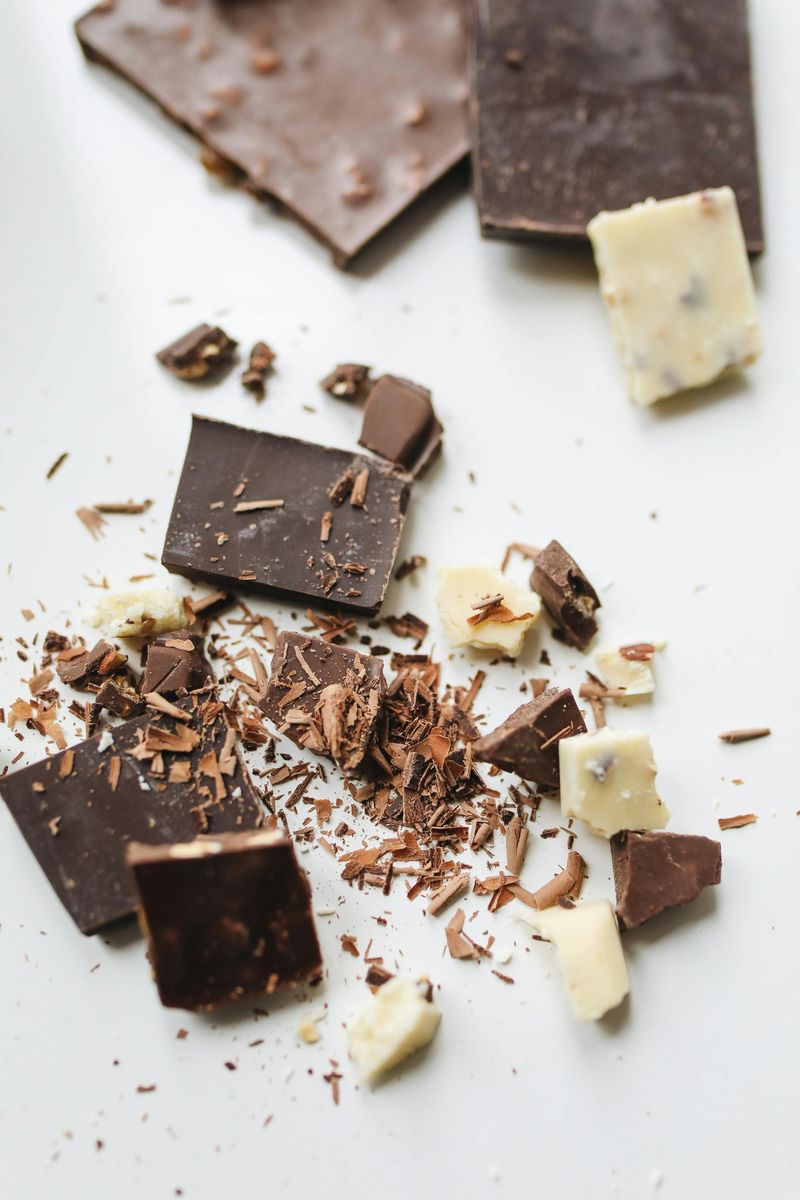
Chocolate costs climbed with cocoa shortages, climate issues, and labor complexities. Your baking chips and favorite bars wear price tags that sting, especially around holidays.
Small bars feel smaller, and multipacks blur the math.
For desserts, consider cocoa powder for brownies or hot chocolate to stretch flavor. Compare cacao percentages and skip gimmicky inclusions that bump price without value.
Store brands often mirror big names in taste. When gifting, buy larger bars and portion creatively.
Keep chocolate sealed and cool to preserve quality, so you savor every bite and make your splurge count.
Cheese
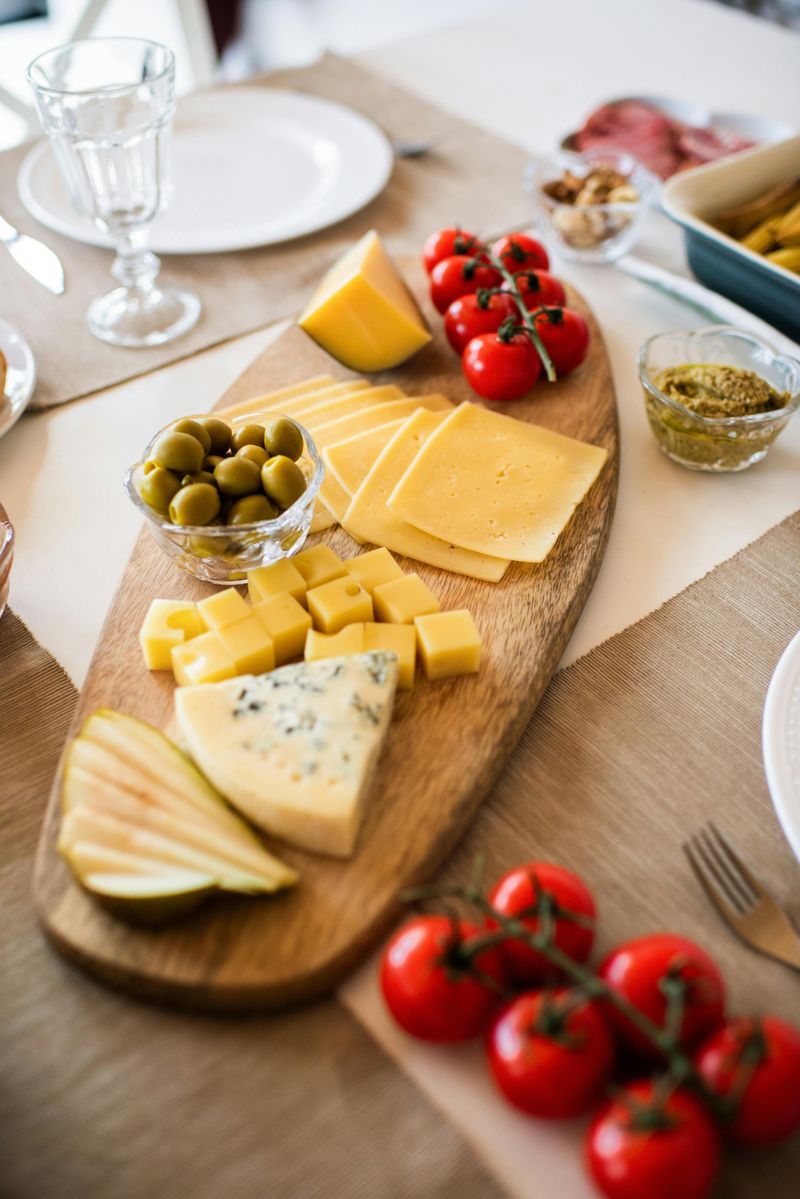
Cheese went from casual snack to budget calculation. Milk prices, aging time, and import fees make even basics feel upscale.
Pre-shredded bags cost more for convenience, and portion sizes seem to shrink while prices creep.
Buy blocks and grate at home to save and improve melt quality. Choose versatile varieties like cheddar, mozzarella, or Swiss that work across meals.
Hunt manager specials for short-dated wedges and freeze extras. For snack boards, mix one splurge cheese with affordable staples, plus nuts and fruit.
A little goes far when you focus on bold flavors and mindful portions.
Ground beef
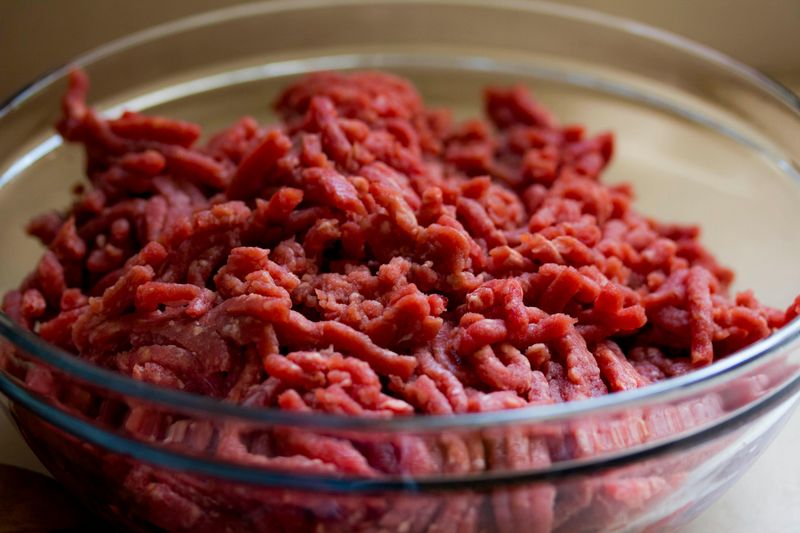
Ground beef used to anchor weeknight dinners without stress. Feed, transport, and processing costs nudged prices up, and lean blends add another premium.
You feel it in burgers, tacos, and meatloaf nights that once felt automatic.
Stretch beef with mushrooms, lentils, or finely chopped veggies for moisture and volume. Buy family packs and portion for the freezer.
Consider 80/20 for flavor, draining fat after browning. Swap in ground turkey or a half-and-half blend when deals appear.
Season assertively with spices and umami boosters like Worcestershire to keep satisfaction high while trimming the meat bill.
Chicken wings
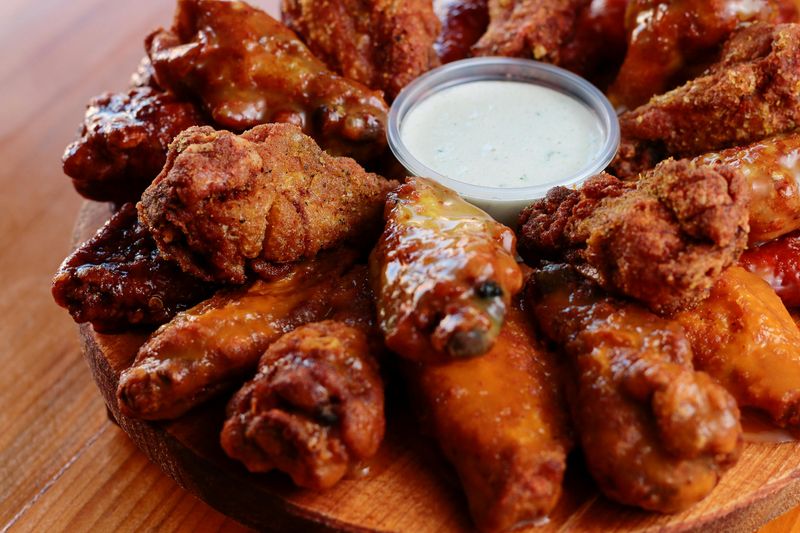
Wings used to be the cheap cut bars basically gave away. Popular demand and processing bottlenecks flipped the script, and per pound prices rival nicer cuts.
You see smaller packs and big-game specials that are not so special anymore.
Buy whole wings and break them down yourself. Roast on racks for crisp skin without deep frying, then toss in homemade sauces.
Consider drumsticks for a similar experience at lower cost. For parties, mix a few wings with veggie platters and dips so everyone gets a taste without blowing the snack budget.
Beef steak
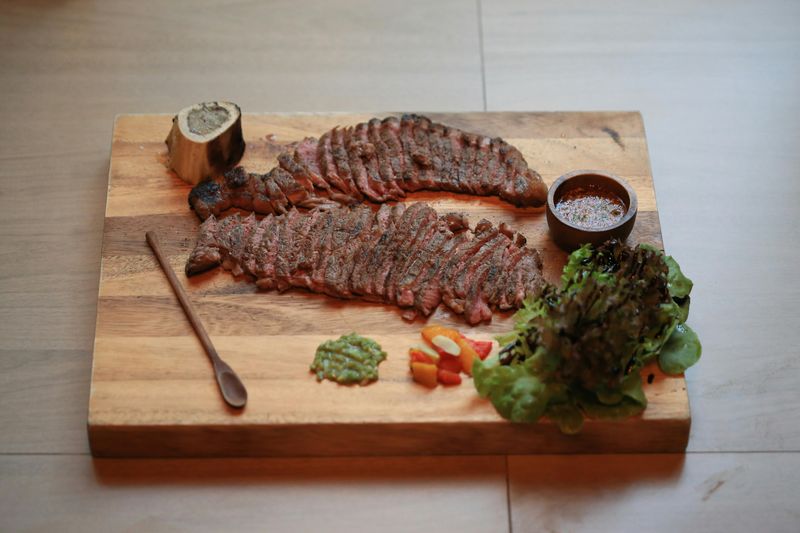
Steak night became a splurge as feed, aging, and demand kept prices high. Ribeye and New York strips lead the sticker shock, while even sirloin is not the bargain it was.
You think twice before tossing two into the cart.
Shop alternative cuts like chuck eye, flank, or sirloin cap that deliver great chew and flavor. Marinate or reverse sear to coax tenderness.
Buy whole subprimals if you are comfortable trimming at home. For date nights, split one nicer steak and bulk out the plate with roasted vegetables, compound butter, and a hearty salad.
Salmon
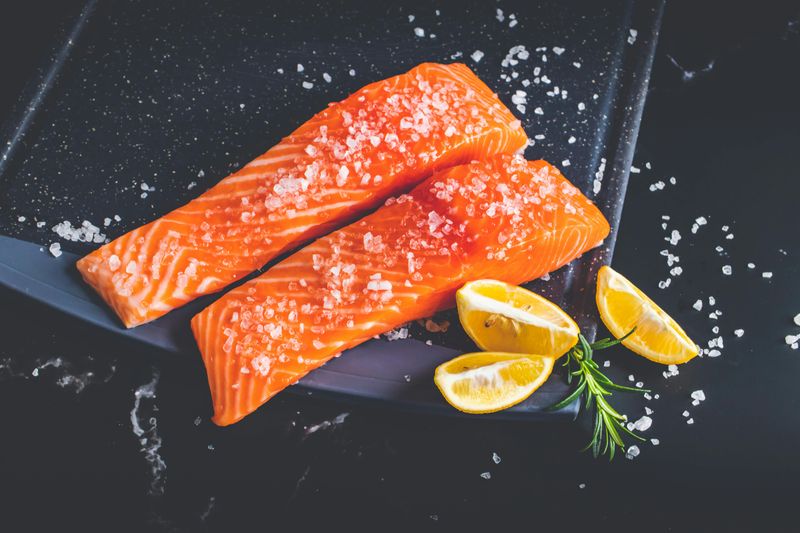
Salmon climbed from weeknight staple to selective purchase. Farm input costs, feed, and logistics all flow into the final tag.
Wild runs vary, and when they dip, prices follow with a jump you feel immediately.
Buy whole sides on sale and portion at home. Try frozen fillets for consistent value, and cook gently to avoid dryness.
Consider trout or mackerel for omega rich alternatives. Sauces like miso glaze or lemon herb yogurt let smaller portions feel generous.
Save the crispy skin for a chef’s treat and you stretch every bit of that spend.
Fresh shrimp
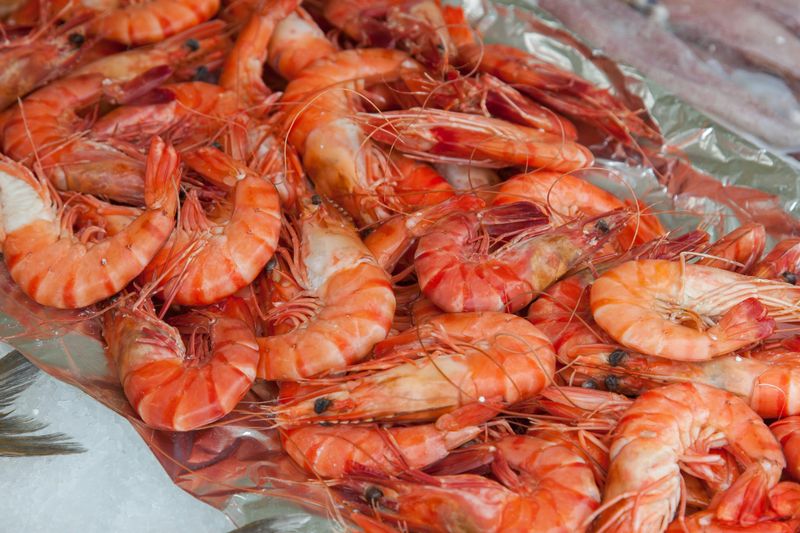
Shrimp used to feel like the affordable seafood upgrade. Now fuel, imports, and labor tacked on premiums, and larger sizes command serious dollars.
You may grab fewer pounds, or settle for smaller shrimp to keep recipes doable.
Frozen, peeled, and deveined bags can be better value and reduce waste. Thaw gently in the fridge and pat dry before searing for a sweet snap.
Use bold flavors like garlic, chili, and lime to let a modest portion star in pastas or tacos. Save shells for stock, extracting extra value for risotto or gumbo.
Avocados
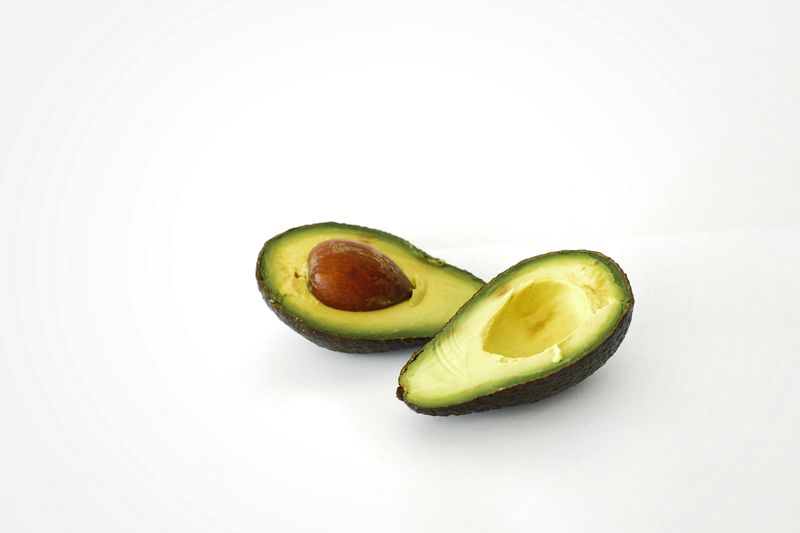
Avocados shifted from trendy toast topper to pricey habit. Weather swings, labor, and transport costs mean those creamy halves leave a bigger dent.
You hesitate to buy multiples when ripeness can betray you a day later.
Choose slightly firm fruit and ripen with bananas in a paper bag. Keep cut halves with lemon juice and tight wrap.
Buy minis for portion control, or frozen chunks for smoothies and dressings. When the price spikes, make bean dips or hummus and garnish with a few slices, stretching satisfaction while keeping that buttery vibe.
Berries
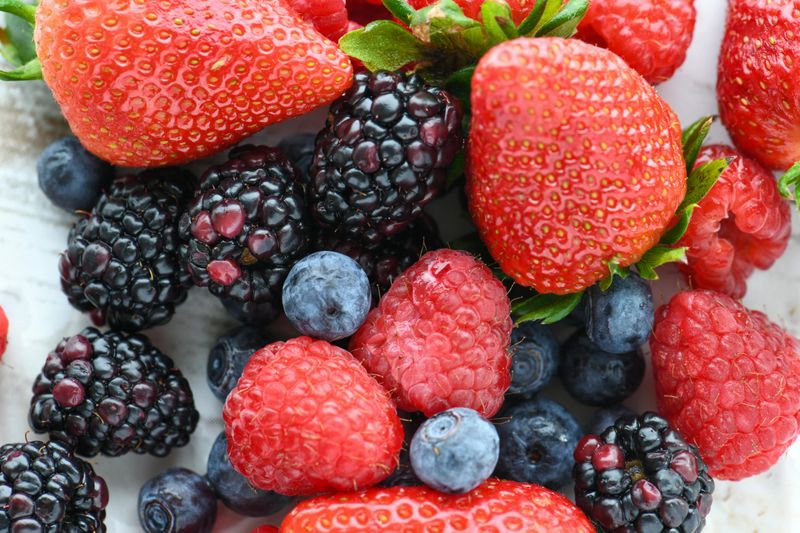
Berries look cheerful but ring up like jewels off season. Weather, perishability, and long travel push costs higher.
You feel it when a simple yogurt parfait becomes a luxury breakfast.
Shop peak season and freeze extras for smoothies and baking. Compare unit prices on mixed packs versus single types.
Rinse just before eating to extend life. When they are costly, lean on apples, bananas, or frozen bags, then spotlight a handful of fresh berries as garnish so you still get that pop of color and tang without draining your cart.
Cooking oil
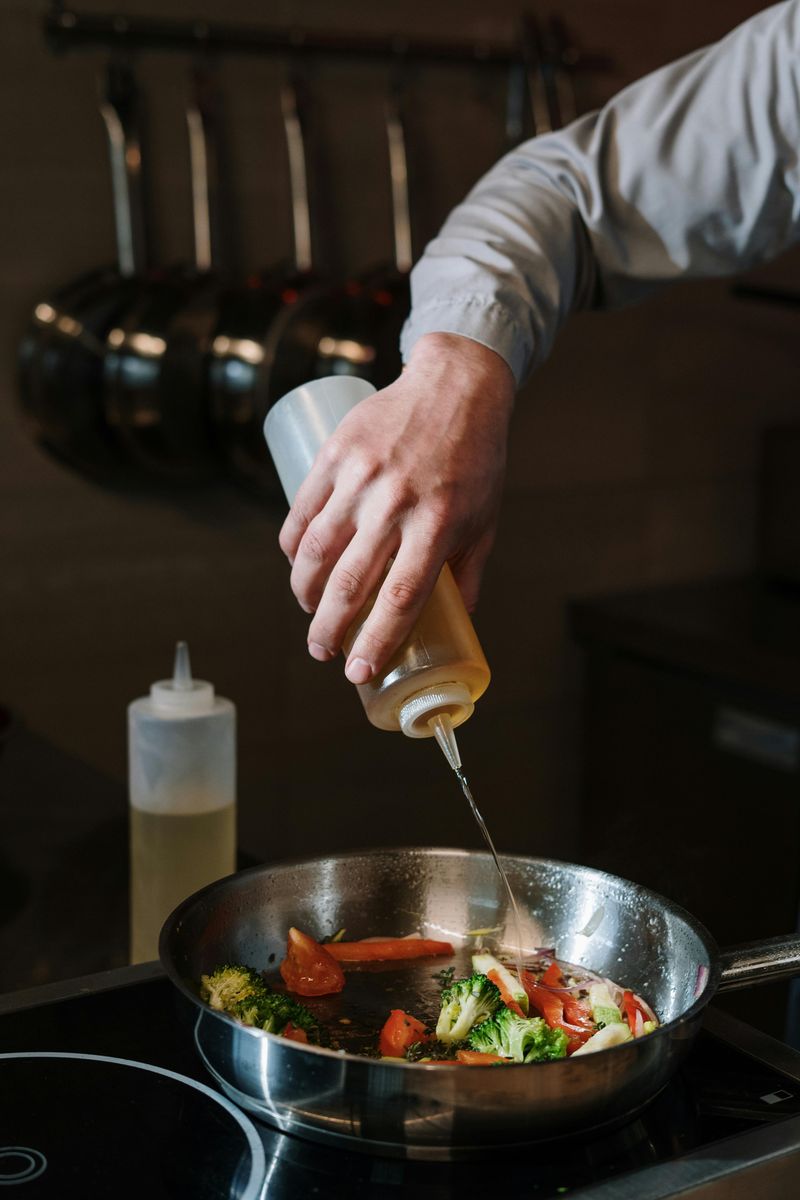
Neutral cooking oils once felt unlimited and cheap. Drought, global demand, and biofuel markets tightened supplies, and bulk jugs no longer feel like pocket change.
You notice smaller containers and higher per-ounce costs.
Rotate oils based on task. Use canola or sunflower for frying, and save specialty oils for finishing.
Watch store brand sales and consider warehouse sizes if you fry occasionally. Keep oil fresh by storing cool and capping tightly.
Strain and reuse frying oil a couple times to stretch value, discarding when it darkens or smells stale.
Bread loaf
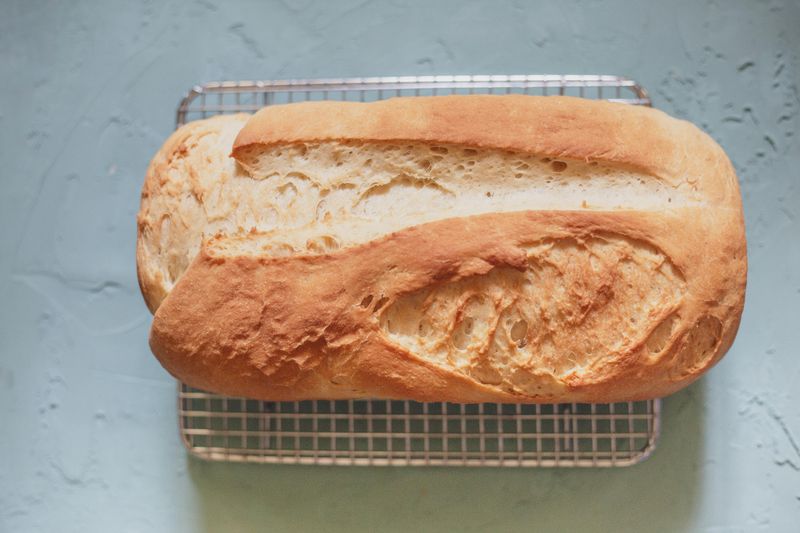
Sliced bread climbed from background item to noticeable expense. Flour, packaging, and transport all add up, and specialty grains layer premiums.
You also see shrinkflation with smaller loaves and wider slices masking fewer pieces.
Compare unit price per ounce, not just per loaf. Store brands and bakery outlet stores can be game changers.
Freeze half the loaf to cut waste. When prices pinch, bake simple no knead bread or use tortillas and pitas, which sometimes stay cheaper.
Toasting can revive day old slices, stretching each purchase without sacrificing texture.
Bacon
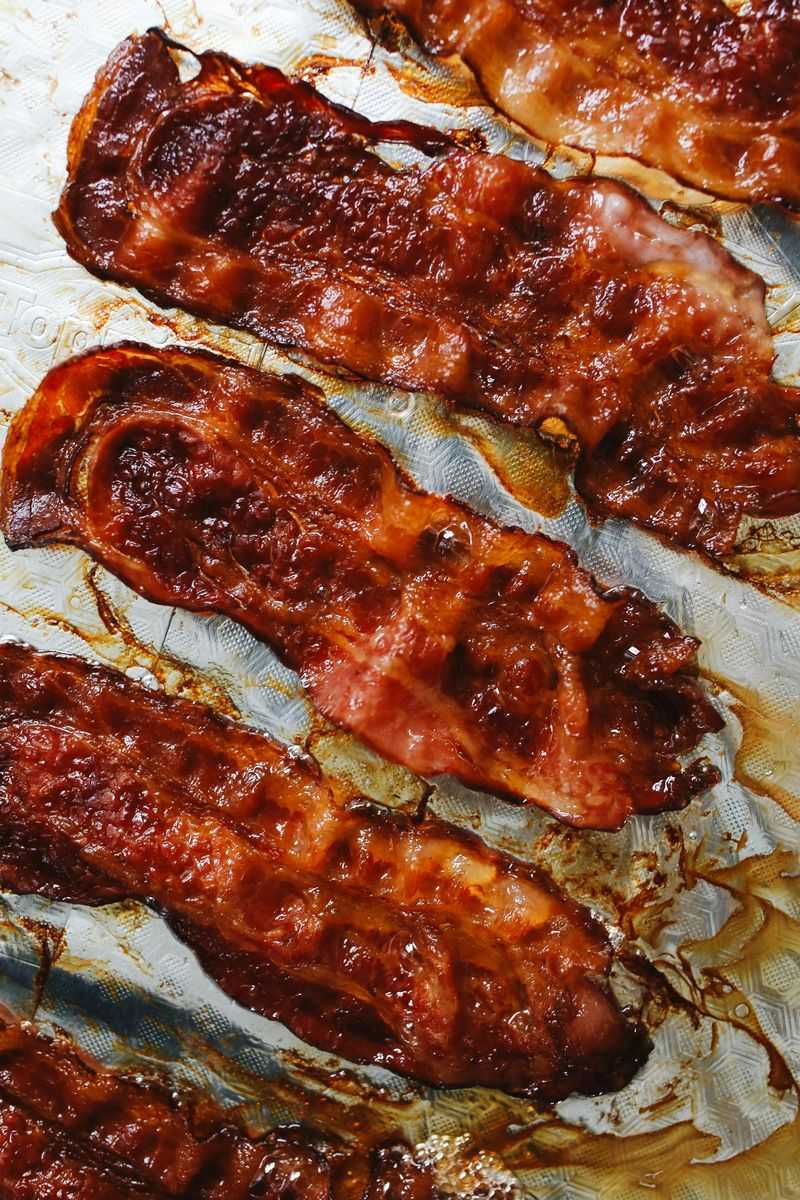
Bacon once felt like a cheap weekend treat. Now hog supply swings, processing costs, and brand markups mean those smoky strips command premium dollars.
You notice smaller packages or thinner slices pretending nothing changed.
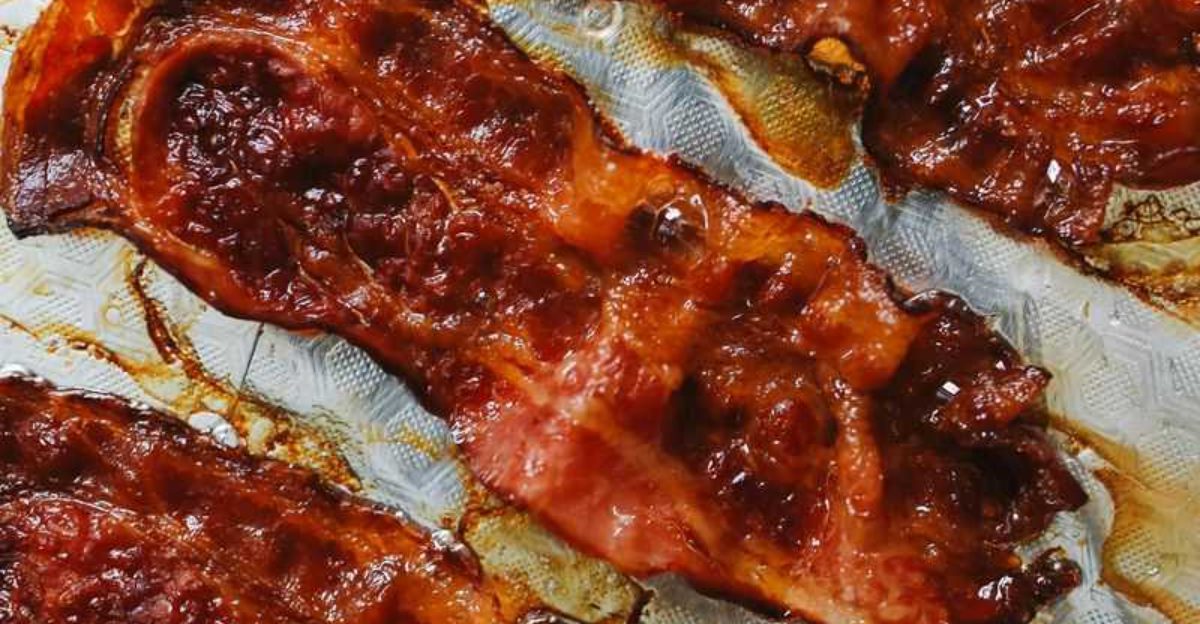
Watch unit prices per ounce and skip fancy flavors that rarely add value. Store brands can taste great if you bake on a sheet pan for crispness.
When prices spike, consider pancetta ends or turkey bacon for recipes, or chop a few strips to season soups and salads so you still get that savory hit without cooking a whole pack.
Cereal
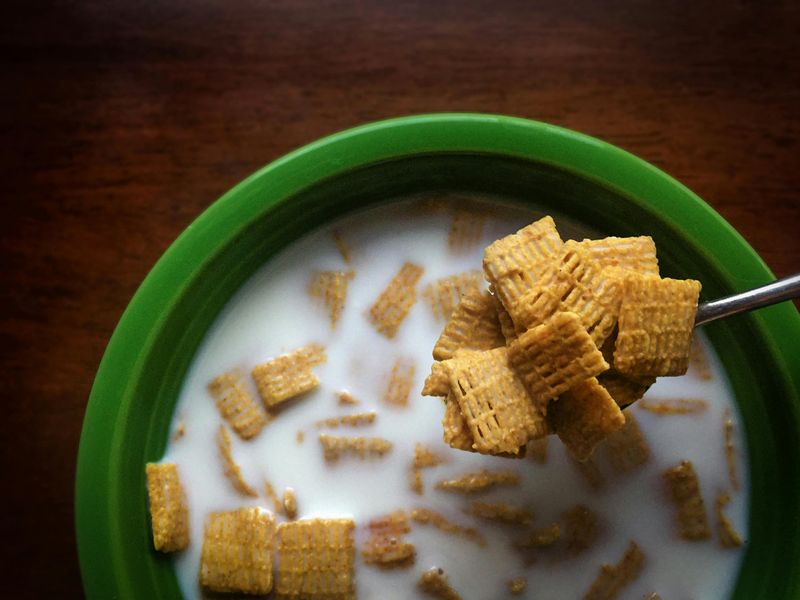
Cereal used to be the budget breakfast fallback. Now sugar-heavy classics and “healthy” blends both command eyebrow-raising prices.
Box sizes shift, and promotions feel rarer, making mornings unexpectedly costly.
Compare unit prices ruthlessly and consider bags instead of boxes. Oats remain a value anchor and can mimic cereal with toppings.
Mix half favorite brand with plain flakes to reduce sugar and price per bowl. Store brands often taste identical.
Keep cereal sealed to preserve crunch so nothing goes stale before payday.
Peanut butter
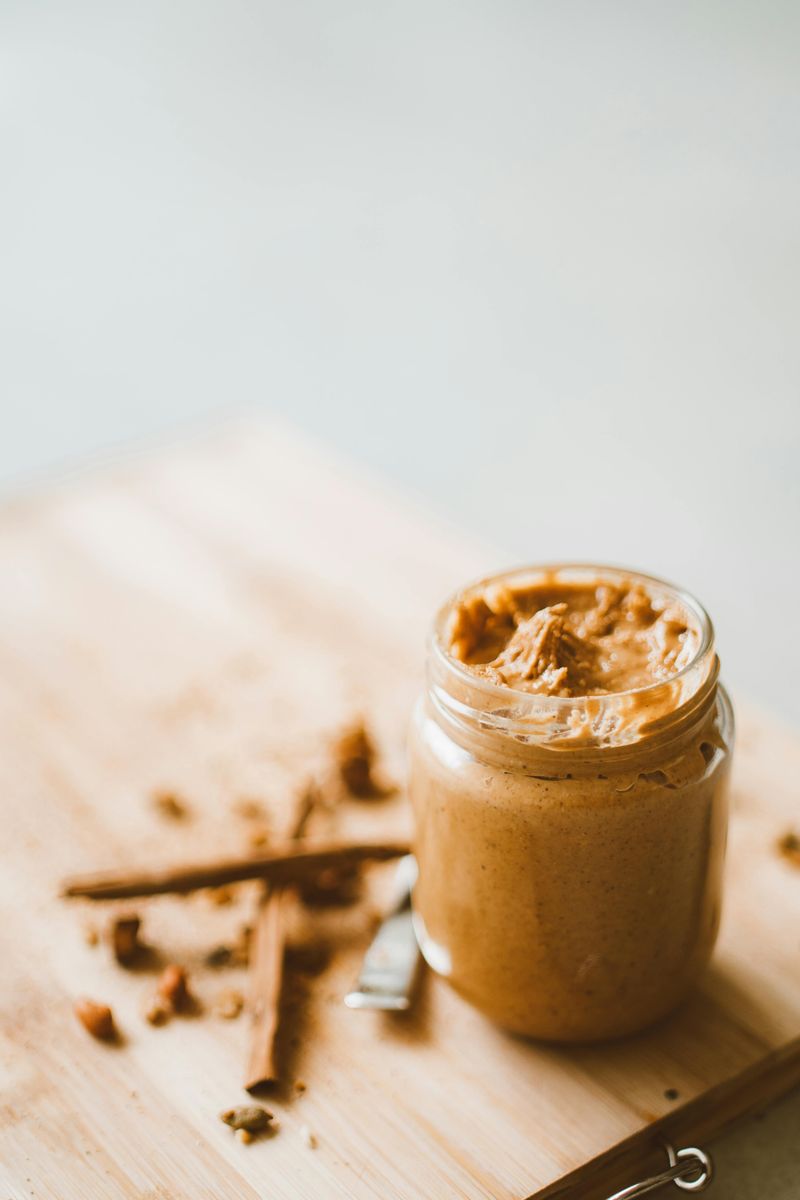
Peanut butter felt immune to price drama for years. Now crop yields, processing, and glass or plastic costs push jars higher.
You might see smaller sizes or “natural” labels adding premiums that do not always improve taste.
Check unit price and ingredients. Two ingredient jars can be affordable and satisfying.
Stir and store upside down to manage oil separation. For sandwiches, spread thinner and add sliced banana or honey for fullness.
Consider other nut or seed butters only when they are on sale, since they usually cost more.
Frozen meals
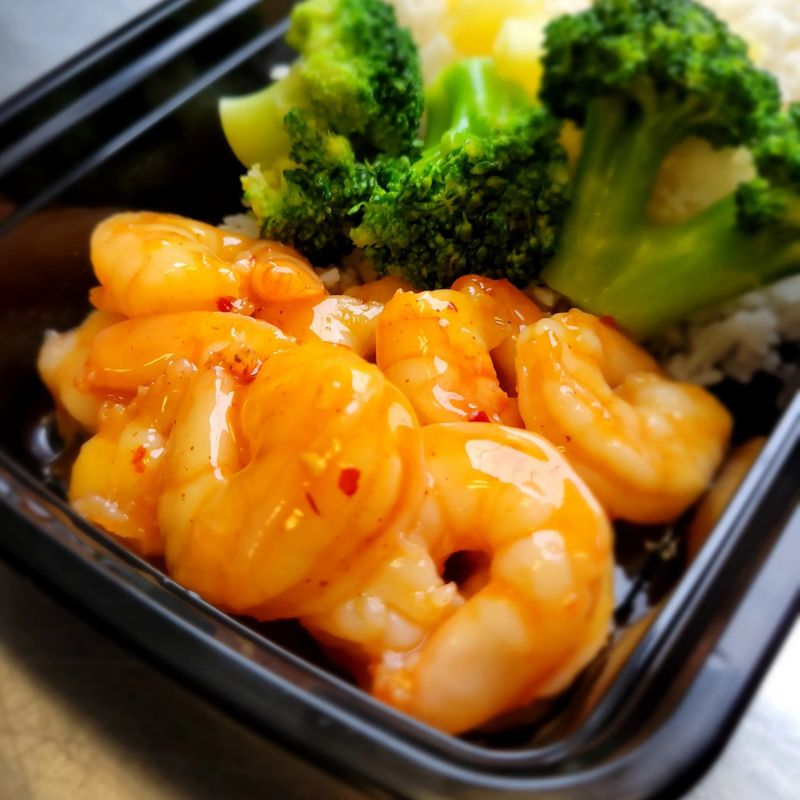
Frozen meals rode the convenience wave and picked up premium pricing along the way. Better ingredients and branding sound nice, but portions stay modest while costs climb.
You pay for speed more than substance.
Stock up during buy one get one sales and add frozen veggies or rice to bulk them out. Compare protein grams per dollar across brands.
Keep a few budget-friendly homemade freezer portions as backup. If a craving hits, split one meal and supplement with salad or soup so the treat satisfies without demolishing the week’s food budget.
Bagged salad
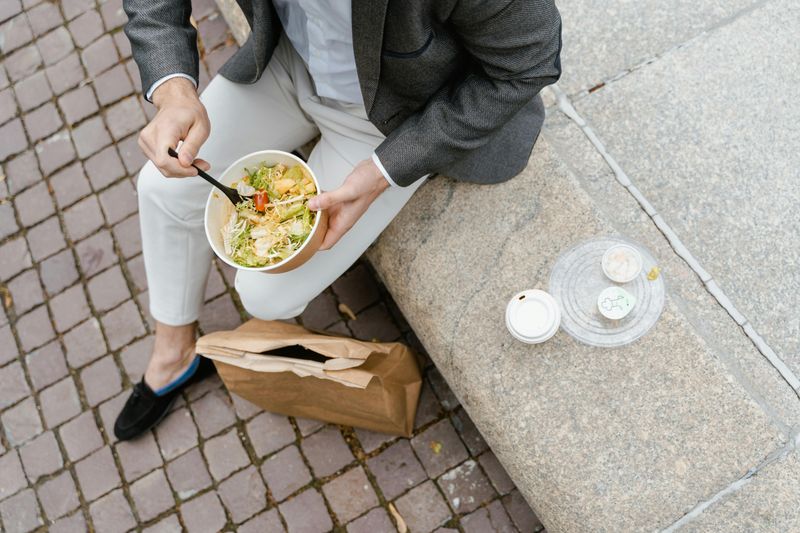
Bagged salads went from easy greens to pricey convenience. Washes, dressings, and toppings stack costs, and shelf life is short, so waste hurts more.
You feel that sting when half a kit wilts by midweek.
Buy whole heads of lettuce and a big box of spinach, then wash and store with paper towels. Make a simple vinaigrette in a jar and keep crunchy add-ons separate.
When kits tempt you, snag them on clearance and eat same day. Building your own bowls takes minutes and costs less per serving without sacrificing freshness or variety.
Pre cut fruit
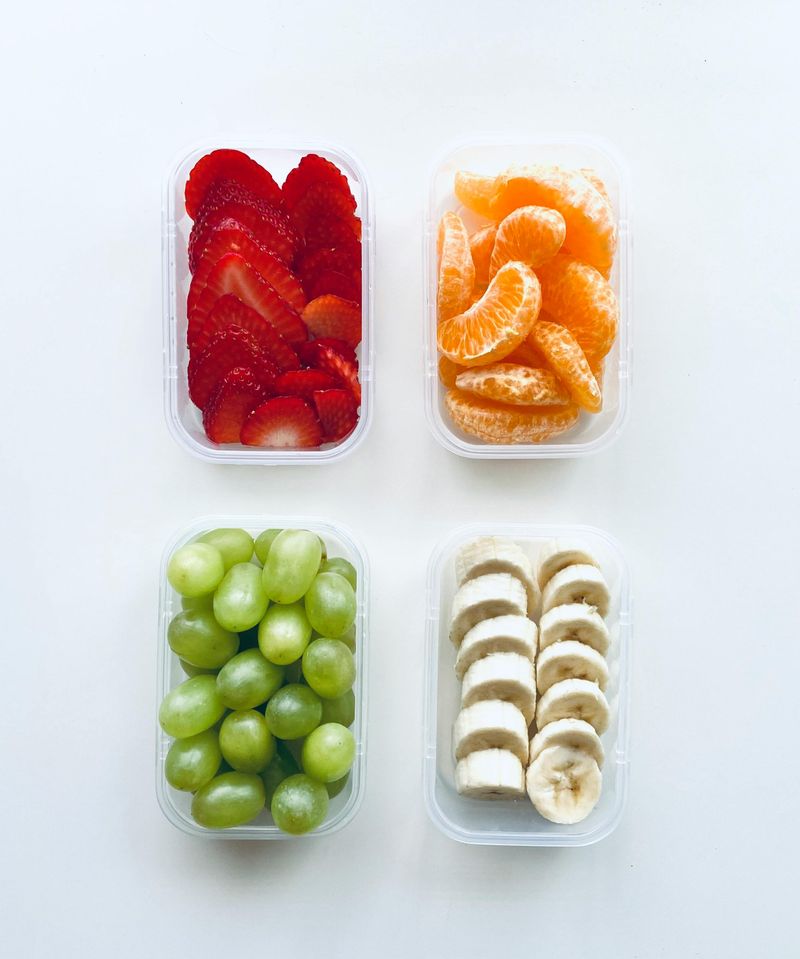
Pre cut fruit screams convenience but taxes your wallet. Labor and packaging turn melons and pineapples into luxury cups.
You pay more for less freshness and a ticking clock on texture.
Buy whole fruit and practice a quick Sunday chop session. A sharp knife and storage containers pay off within weeks.
Prioritize fruits that hold well like pineapple and melon, then add berries right before serving. If convenience is essential, choose store brands and smaller tubs, and eat them same day so not a single premium bite goes to waste.
Eggs

Eggs used to be the easy protein grab, a budget hero for breakfasts and baking. Then supply shocks, feed costs, and disease outbreaks sent prices soaring, leaving shoppers hunting for sales.
You feel it when a simple omelet suddenly costs double.
Brands and carton sizes add confusion, too, with “cage free” and “pasture raised” premiums. If you bake often, large family packs at warehouse clubs can help.
For weekday meals, stretch eggs with veggies, beans, or rice to keep portions satisfying without blowing the budget.