


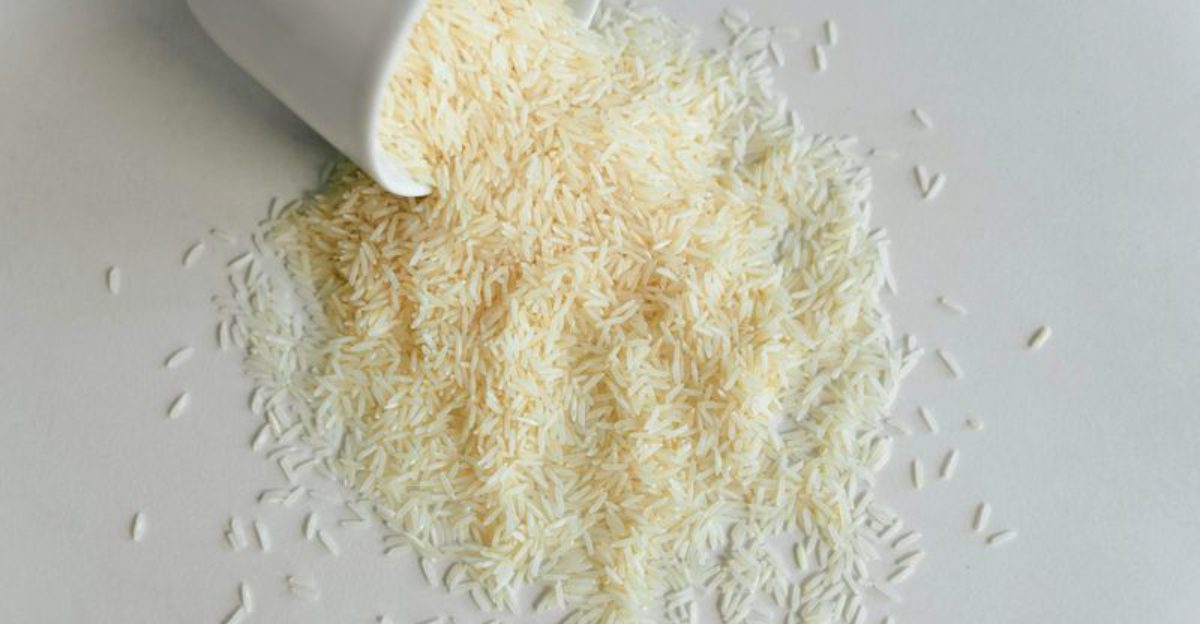
Open your fridge and it feels like every staple suddenly costs a small fortune. The grocery aisle tells the real story of inflation faster than headlines can, and your receipt is the proof.
From breakfast basics to weeknight dinners, prices climbed while sizes quietly shrank. Here is a straight-talk tour of the everyday items that made budgets feel tighter, one cart at a time.
Eggs
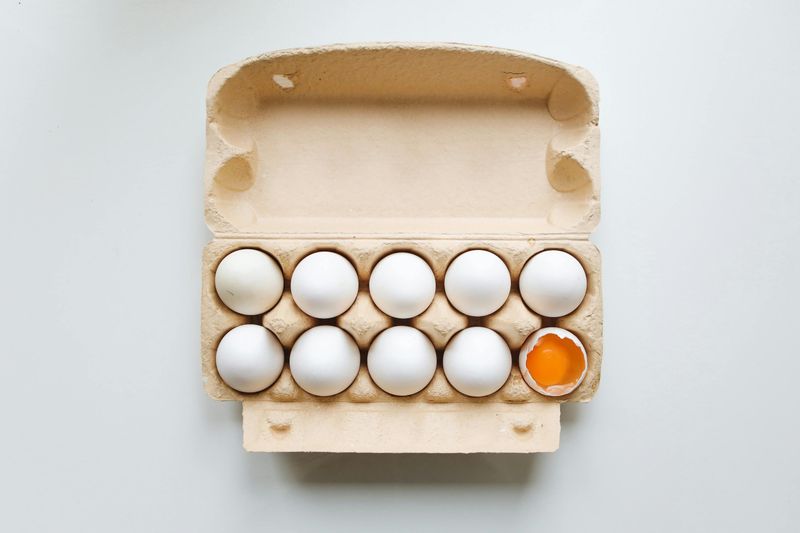
Eggs used to be the dependable hero of budget breakfasts, and now they feel like a splurge. You notice it when omelets become a weekend treat instead of a weekday default.
Sticker shock hits hardest when a simple dozen suddenly rivals fancy coffee.
Producers faced feed costs and supply swings, and your wallet paid. Promotions help, but they vanish fast, and limits sometimes appear.
If you meal prep, shifting to frittatas stretches portions, yet you still count every yolk.
Buy in bulk when prices dip, store properly, and rotate recipes. Scrambles, baked goods, and bowls keep value alive.
Butter
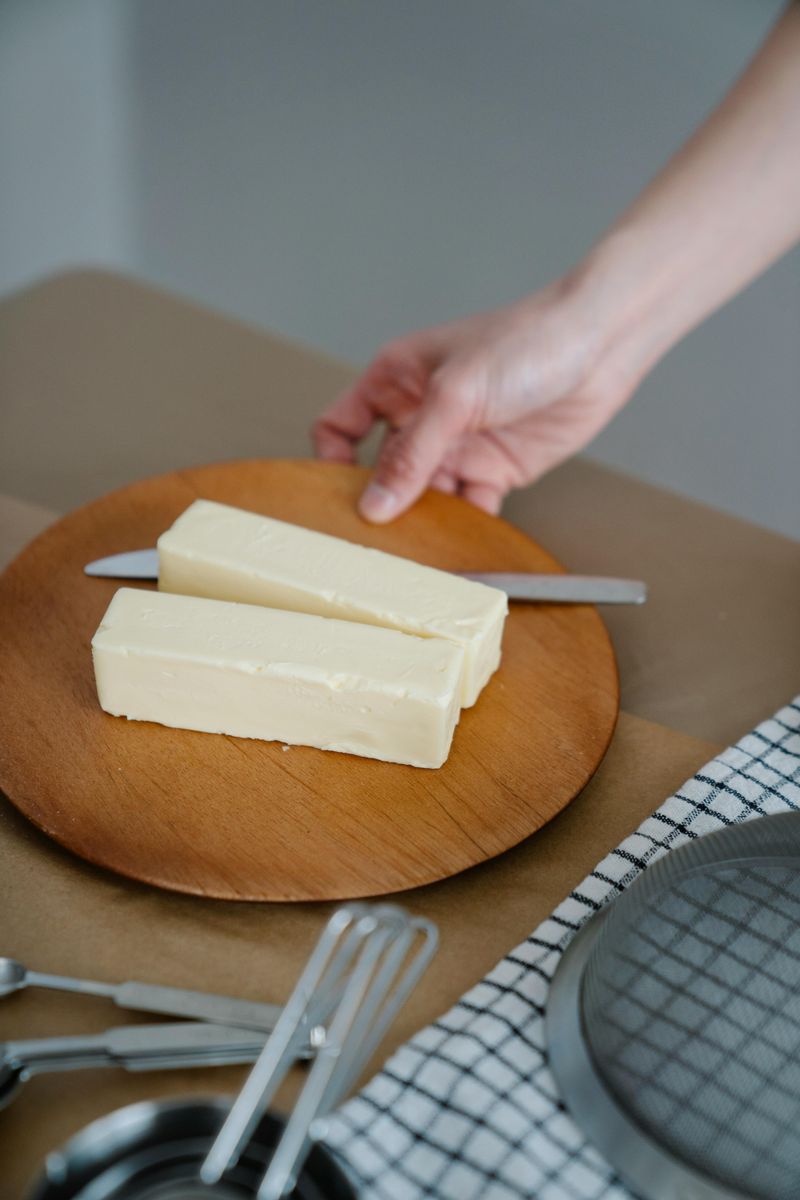
Butter makes everything taste richer, and lately it makes budgets feel thinner. One block used to glide through a week of toast, sautéing, and baking.
Now you ration pats like they are gold nuggets.
Dairy feed, energy, and transport costs piled up, and brand premiums widened. Store brands help, but not as much as they used to.
I suggest freezing extra when sales hit, because butter keeps beautifully.
For cooking, mix half butter with neutral oil to stretch flavor. In baking, swap part with yogurt or applesauce when possible.
Save the pure butter moments for finishing touches.
Bacon
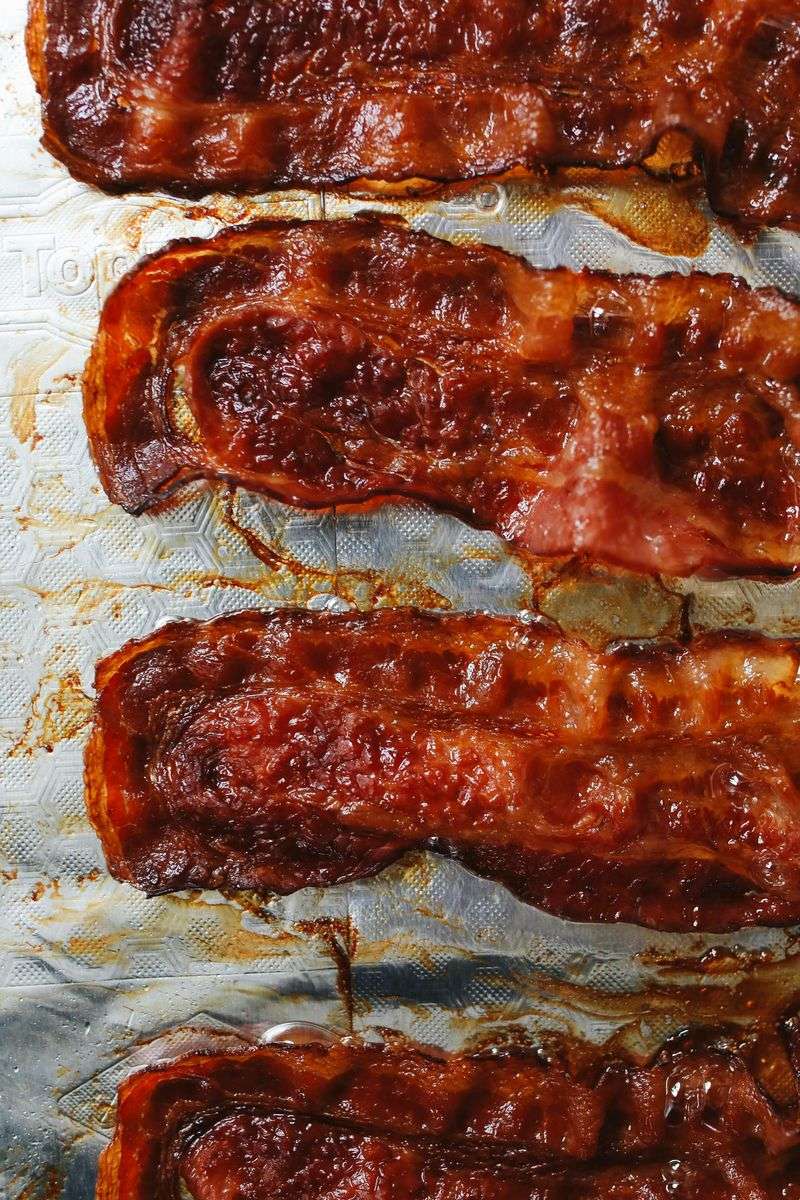
Bacon turned from casual add-on to planned purchase. You feel it when BLTs drift from go-to to occasional indulgence.
Fewer slices hit the plate, and you stack lettuce higher to keep sandwiches satisfying.
Pork supply cycles and processing costs met higher demand, nudging prices up. Family packs can offer relief, but watch shrinkflation in ounce counts.
Baking sheets help render more evenly and capture drippings.
Save those drippings like liquid flavor for sautés and roasted veggies. Consider thick-cut to use fewer slices with bigger impact.
Breakfast still sings, just with smarter portioning and timing.
Coffee
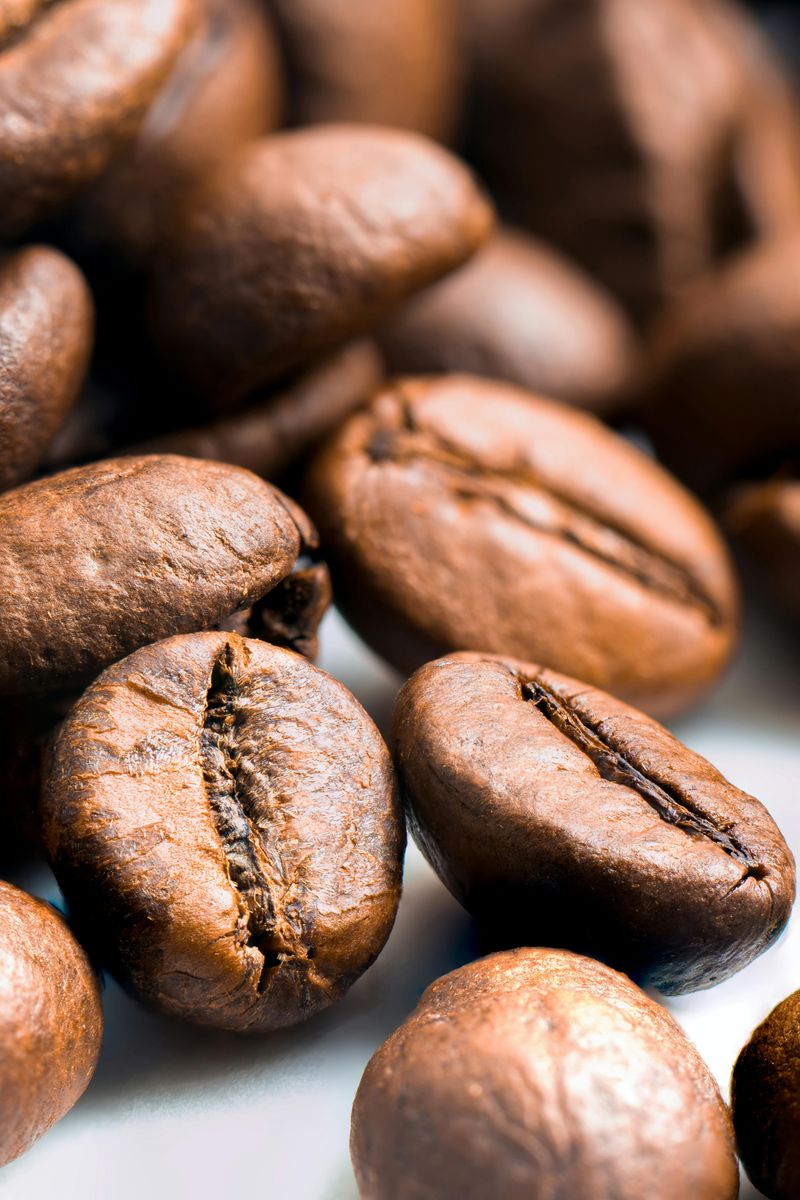
Your morning cup now feels like a line item. Bean prices, climate issues, and logistics brewed a pricier ritual.
You might grind slower, savor longer, and stretch between refills.
Switching to medium roasts or blends can soften costs without killing flavor. Subscriptions help, but only if you truly use them.
Café trips add up faster than you remember.
Brew smarter: measure with a scale, use reusable filters, and store beans airtight. Cold brew concentrate stretches servings across days.
When sales land, stock sealed bags and freeze portions to protect freshness and your budget.
Cheese
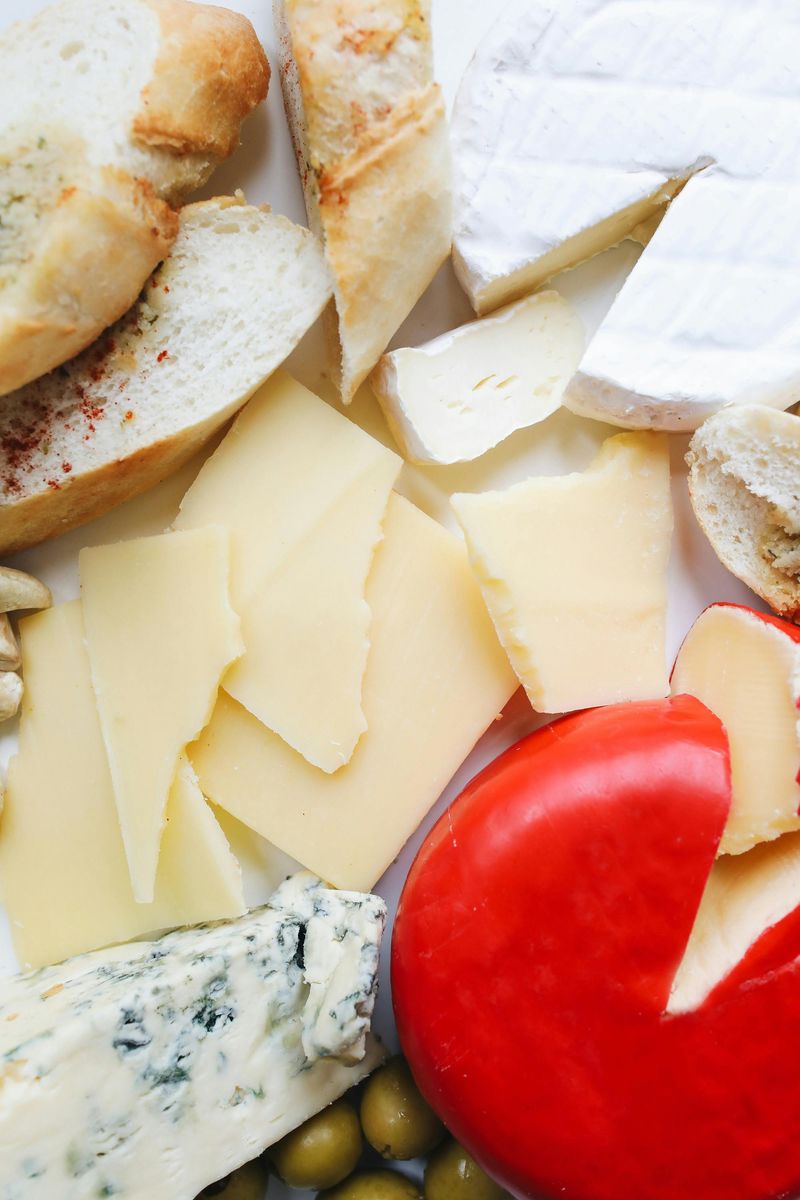
Cheese boards used to feel carefree, and now each wedge feels strategic. You compare ounces, styles, and unit prices like a pro.
Sliced sandwich packs shrink while prices creep.
Dairy inputs and aging time weigh heavily on costs. Choosing versatile cheeses multiplies value across snacks, melts, and pasta.
Shred blocks yourself to dodge pre-shredded premiums and additives.
Buy sharper varieties where less delivers more punch. Wrap properly in parchment, then a loose cover to breathe.
Freeze grated leftovers for casseroles and soups, turning small savings into steady, flavorful wins.
Milk

Milk is the quiet staple that anchors breakfasts, bakes, and bedtime cocoa. Lately, every gallon feels heavier on the wallet.
You start eyeing half-gallons or alternate milks more often.
Feed, fuel, and packaging costs ripple through dairy quickly. Sales help, but brands rotate aggressively, so timing matters.
Consider powdered milk for cooking and baking backups.
Store milk deep in the fridge, not the door, for steadier temps. That extra freshness buys fewer emergency trips.
When possible, choose ultra-pasteurized for longer life, and pour only what you need.
Ground beef
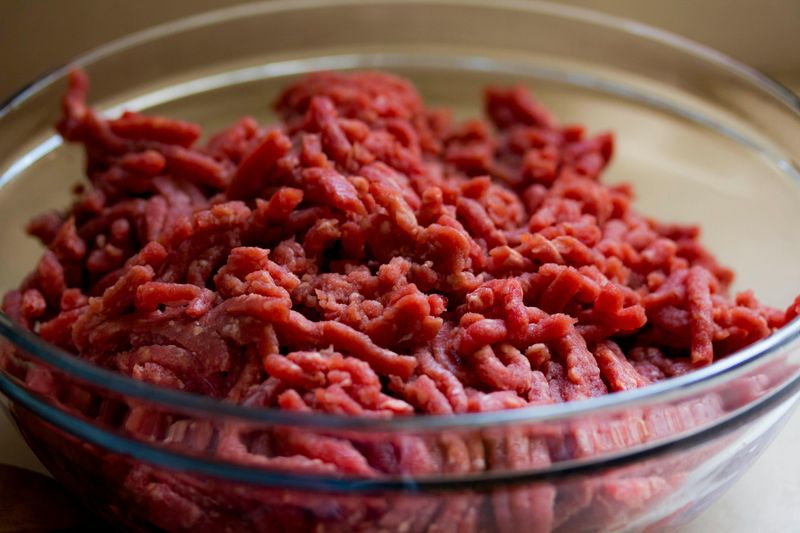
Taco night told the truth before headlines did. Ground beef climbed, and suddenly one pound did not stretch as far.
You notice it when chili bowls feel lighter on meat.
Cattle cycles, feed costs, and processing labor all stacked up. Sales can be great, but pack sizes vary, so unit pricing is key.
Brown larger batches and freeze portions for faster meals.
Mix with lentils, mushrooms, or grated veggies to extend flavor while trimming cost. Choose higher fat for value, then drain well.
Season boldly so every bite still satisfies on a tighter budget.
Chicken breast
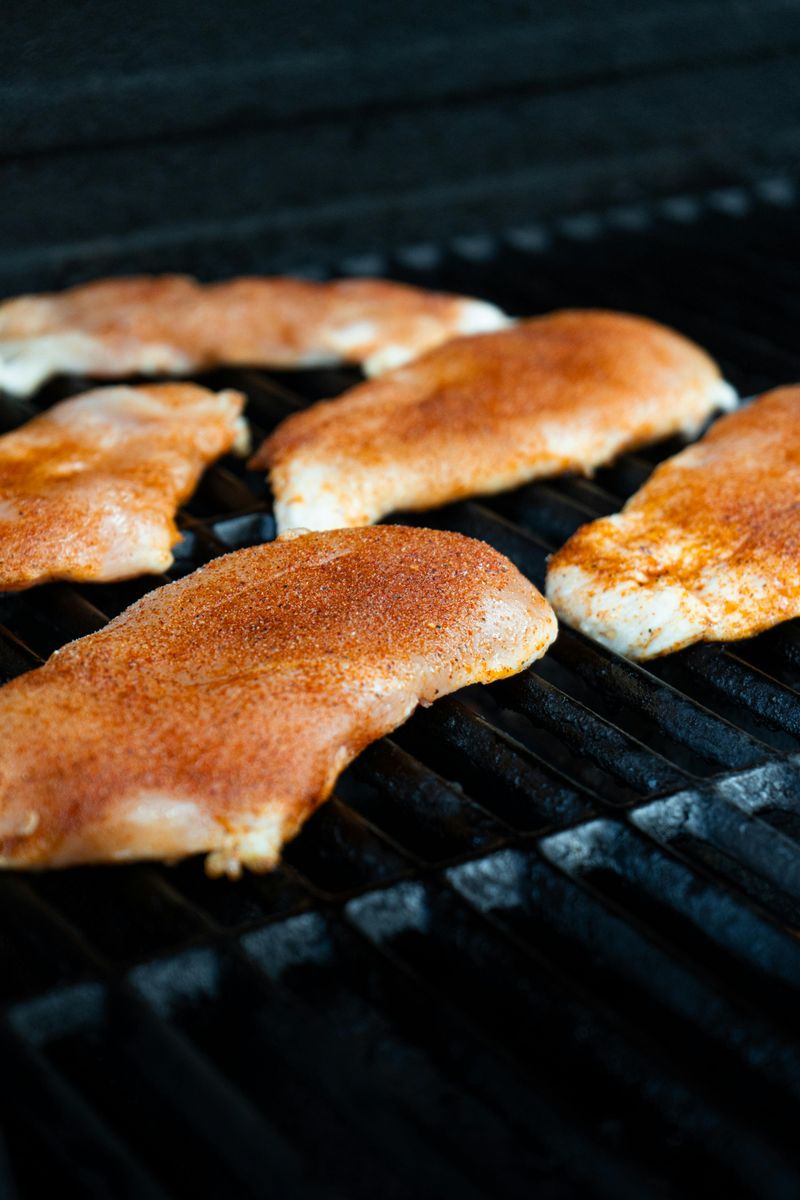
Chicken breast was the predictable lean protein, until prices wobbled and portions shrank. You feel it when meal prep boxes hold more sides than meat.
Boneless convenience carries a premium now.
Switching to bone-in or thighs often saves without losing versatility. Pound or butterfly for even cooking and bigger-looking portions.
Marinate with pantry staples to keep flavor lively.
Watch family-pack sales and freeze flat for easy thawing. Poach gently, shred, and stretch across tacos, salads, and soups.
Your protein plan still works, just with a smarter cut and a sharper eye.
Chicken wings
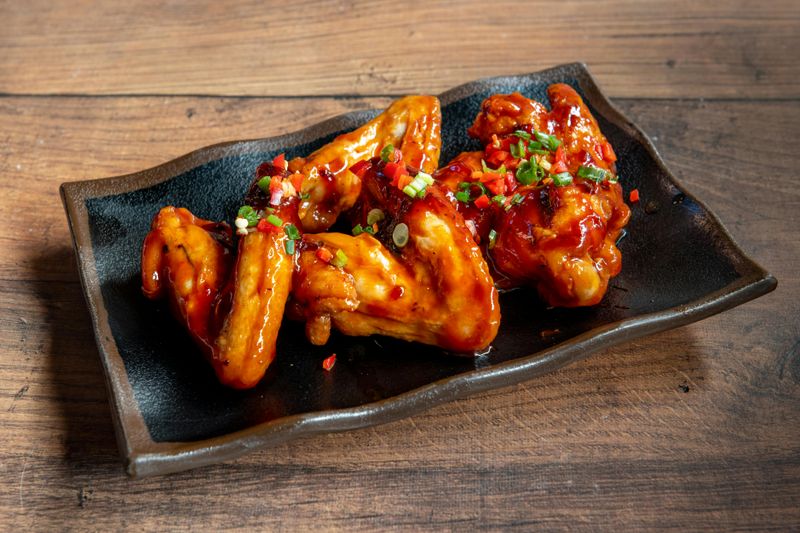
Wings used to be the budget party food. Now game day math hits different.
A platter costs like an entree, and you count flats and drums like treasure.
Restaurant demand and processing costs lifted prices at stores too. Frozen bags are not always cheaper per pound anymore.
Air-frying at home helps stretch oil and cleanup.
Buy whole wings, break them down, and use tips for stock. Sauce strategically with bold flavors so fewer feel like more.
Serve crunchy veggies and dips to round plates without breaking the bank.
Olive oil

That drizzle you love started feeling precious. Olive oil prices climbed as harvests struggled and shipping added strain.
You pour slower, then savor more.
Keep a robust bottle for finishing and a neutral oil for cooking. This split saves money without losing flavor.
Buy in dark glass or tins, then store cool and capped.
Check unit prices across sizes, because bulk is not always better. Consider blends labeled honestly for everyday sautés.
When roasting, a lighter coat still caramelizes beautifully with proper heat.
Bread loaf
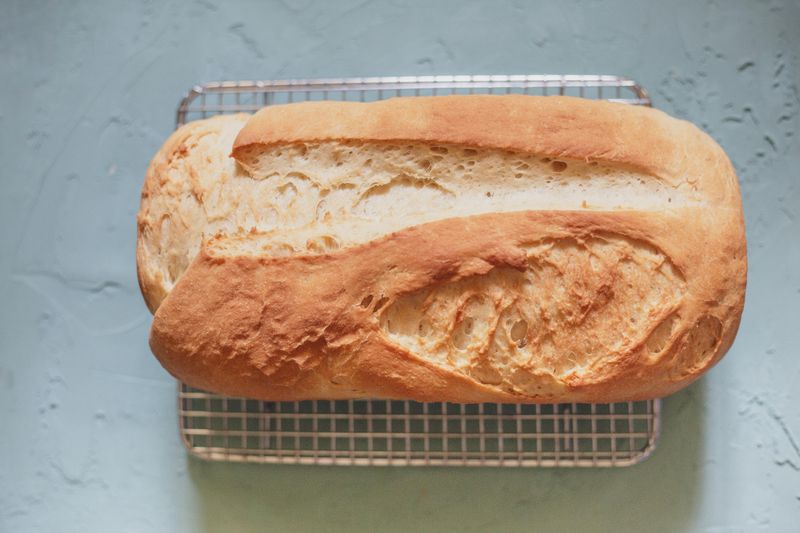
Sandwiches are simple comfort until loaf prices rise again. You notice thinner slices and smaller loaves that disappear midweek.
Toast becomes a rationed ritual.
Flour, energy, and packaging costs push bakeries to adjust. Store brands compete, but flavors vary.
If you bake, a basic pan loaf can cut costs and boost freshness.
Freeze half the loaf to stop waste, pulling slices as needed. Revive day-old bread with a quick toaster pass.
For lunches, stack fillings smarter and add crunchy veg so fewer slices feel satisfying.
Pasta
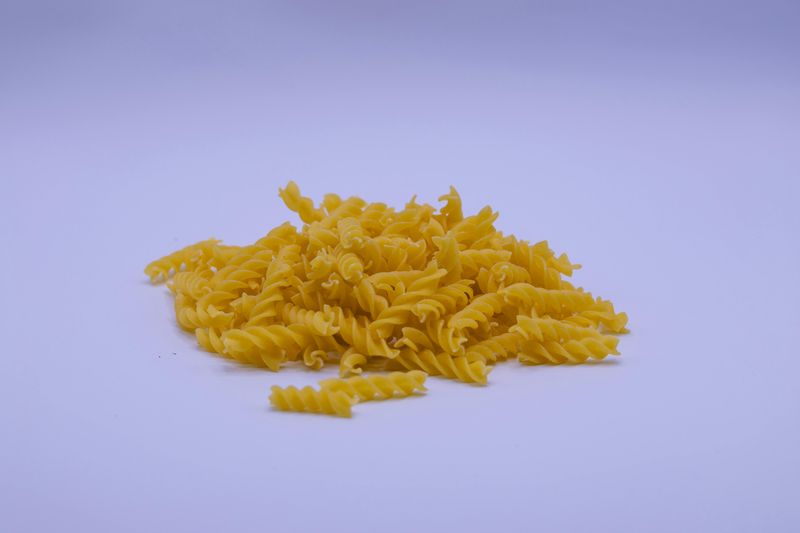
Pasta used to be the lazy-night hero that felt practically free. Lately the unit price and smaller boxes say otherwise.
You still lean on it, just with sharper sauce planning.
Durum wheat costs shift quickly and show up on shelves. Buy when promotions stack and stock short shapes for versatility.
Salt water well so simple sauces shine.
Reserve a cup of pasta water to stretch finishes with gloss. Toss in roasted veggies and beans to boost fullness.
A sprinkle of strong cheese turns budget bowls into comforting keepers.
Cereal
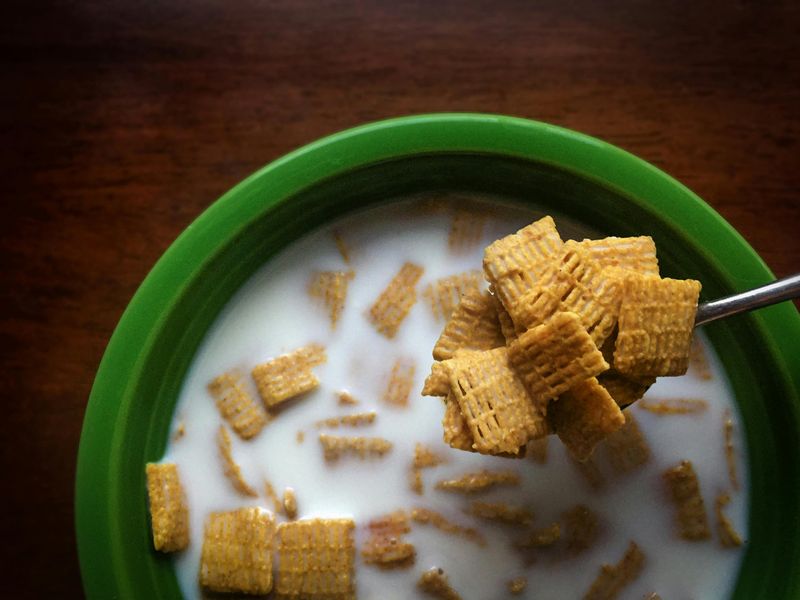
Breakfast cereal is a childhood favorite that now feels premium. Boxes look big, but ounces tell a different story.
You pour smaller bowls or top with fruit to stretch it.
Marketing and packaging add costs alongside grains and sugar. Store brands can taste close if you compare carefully.
Rotate oatmeal days to soften the blow.
Use airtight containers to keep crunch and stop waste. Pick high-fiber options so smaller servings still satisfy.
When sales hit, buy two and hide one for next month’s mornings.
Peanut butter
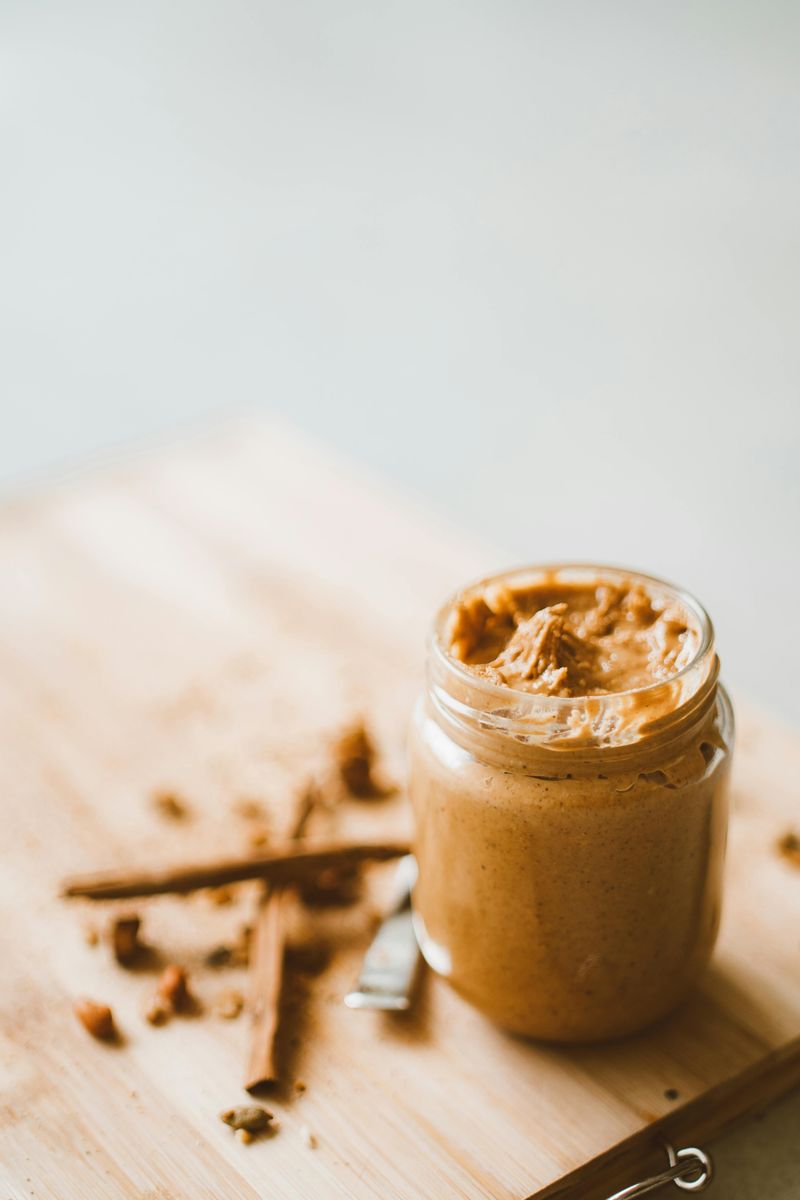
Peanut butter used to be the unbeatable sandwich spread. Now jars feel lighter and receipts feel heavier.
You scrape every last swipe from the corners.
Crop yields, processing, and branding drive swings you feel immediately. Store brands compete well if ingredients stay simple.
Stir natural jars and store upside down to help separation.
For snacks, pair with apples, celery, or oats to stretch. Make quick satay sauce to transform noodles and veggies.
Every spoon becomes strategic, yet it still delivers reliable protein and comfort.
Yogurt
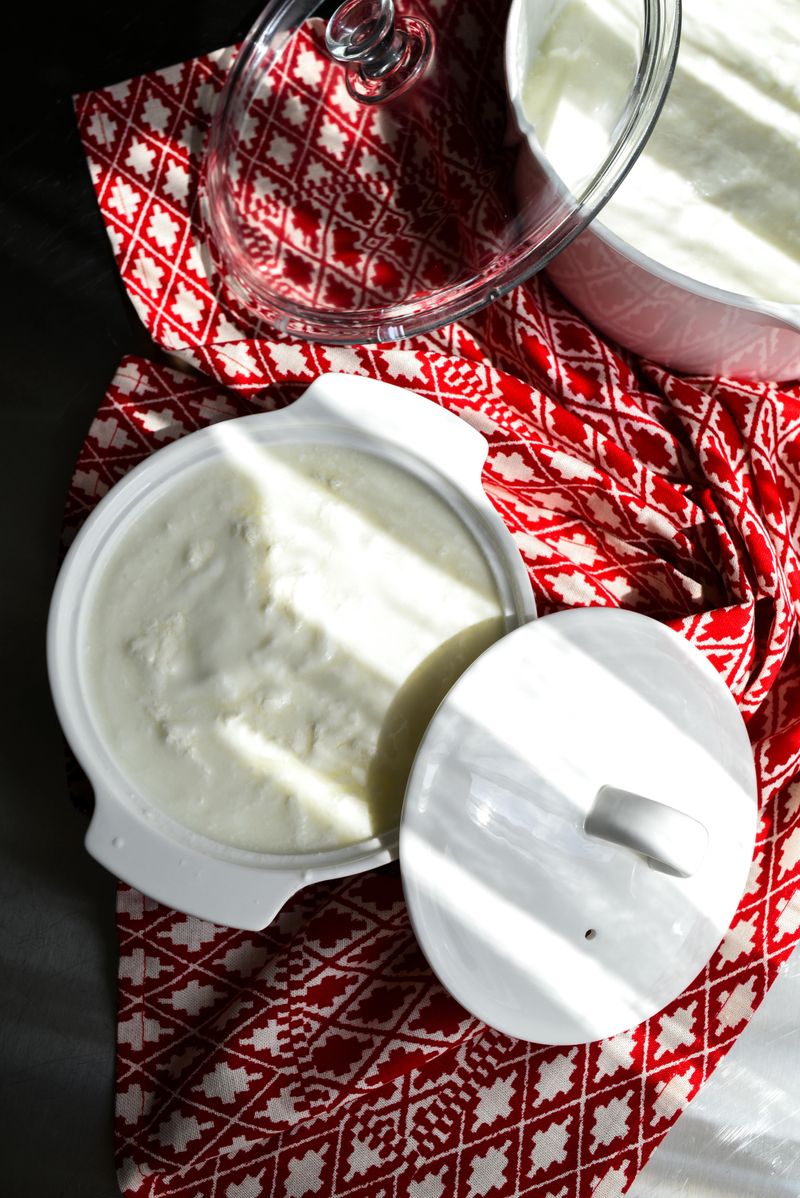
Yogurt walks the line between snack and breakfast, and lately between want and need. Single-serves stack up costs quickly.
Big tubs win on value if you portion wisely.
Dairy and fruit inputs plus packaging make price jumps feel sudden. Choose plain, then sweeten with honey or jam to control spend.
Strain for a thicker texture without paying Greek premiums.
Use leftovers in marinades, dressings, and bakes to avoid waste. Keep a cold spot in the fridge for the longest life.
Top with granola sparingly and berries in season to balance budget and joy.
Frozen meals
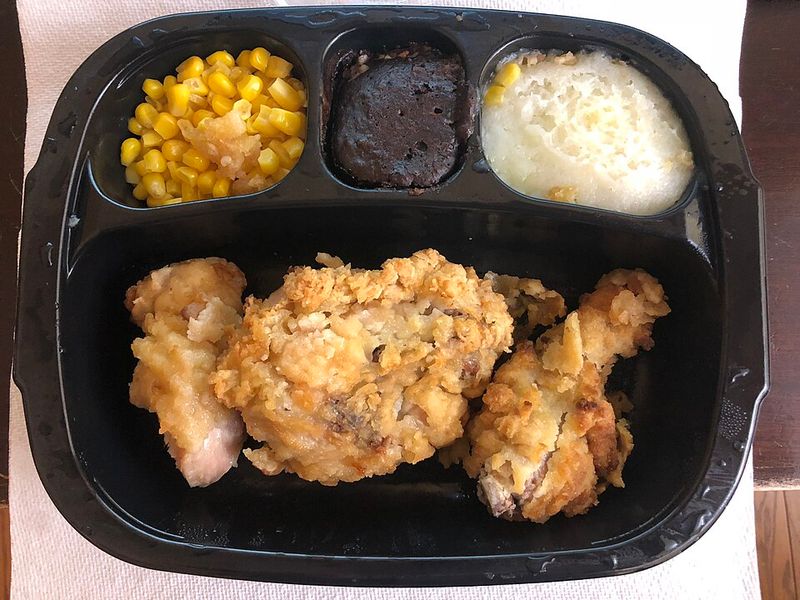
Frozen meals promise convenience, but the price gap versus fresh widened. You notice it on rushed nights when takeout tempts anyway.
Portions feel smaller, too.
Labor, packaging, and transport pile into the sticker. Look for protein-heavy options that truly satisfy.
Bulk cook and freeze your own trays for better cost control.
When buying, compare calories and protein per dollar. Add a quick side salad or steamed veg to round it out.
Keep a few on hand for emergencies, not every night.
Chips bag
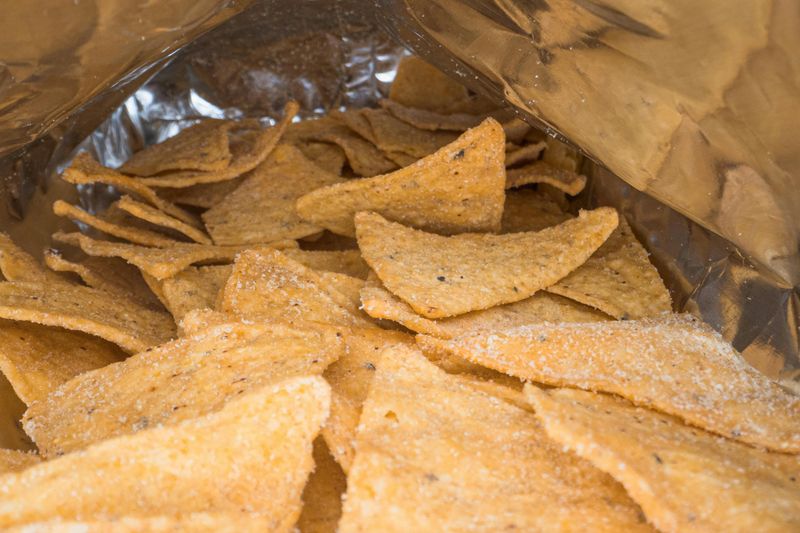
Open a bag and half of it is air, and now it costs more too. Snack inflation hits hardest during movie night.
You start pouring into bowls to pace yourself.
Oil, potatoes, and packaging all nudged prices upward. Store brands can be close, but watch salt and texture.
Kettle styles feel heartier, so fewer chips satisfy.
Buy multipacks only if you truly portion them. Pair with salsa or yogurt dip to make snacks feel complete.
For a budget twist, roast thin potato slices at home.
Chocolate bar

Chocolate breaks were once casual. Now you savor squares like a ceremony because bars cost more and weigh less.
You might switch to higher cacao for intensity.
Cocoa supply strain, climate, and labor reshape prices. Brand tiers stretched, and promotions feel rarer.
Store in a cool, dry spot to protect every bite.
Use chopped chocolate instead of chips for baking flexibility. Share a bar after dinner to turn it into an occasion.
A little goes further when flavor is bold and the moment feels special.
Avocados
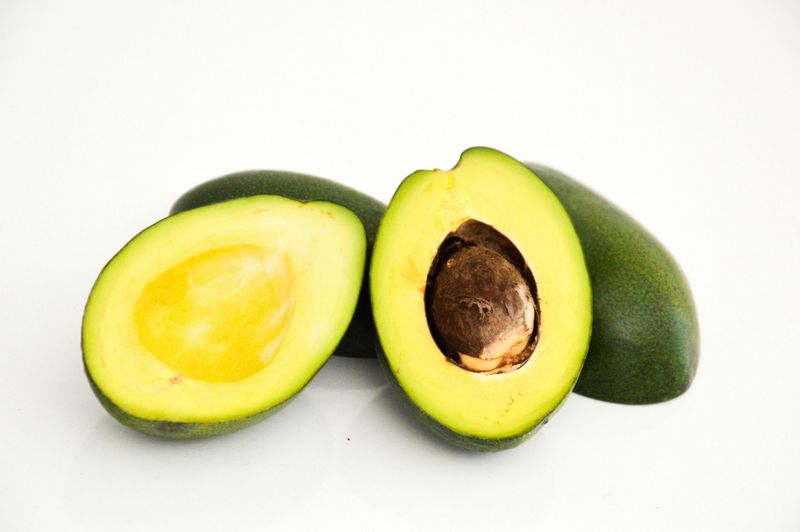
Avocado toast gained a budget reputation, and inflation doubled down. Two-for deals feel rare, and ripeness windows play roulette.
You choose carefully, then plan meals around them.
Weather, transport, and demand push prices seasonally. Buy firm, ripen in a paper bag, and refrigerate at peak.
Halve and store with lemon to slow browning.
Stretch flavor by mashing with peas or edamame for volume. Thin slices over eggs or salads deliver the same joy.
When prices spike, keep guac for gatherings and savor every scoop.
Berries
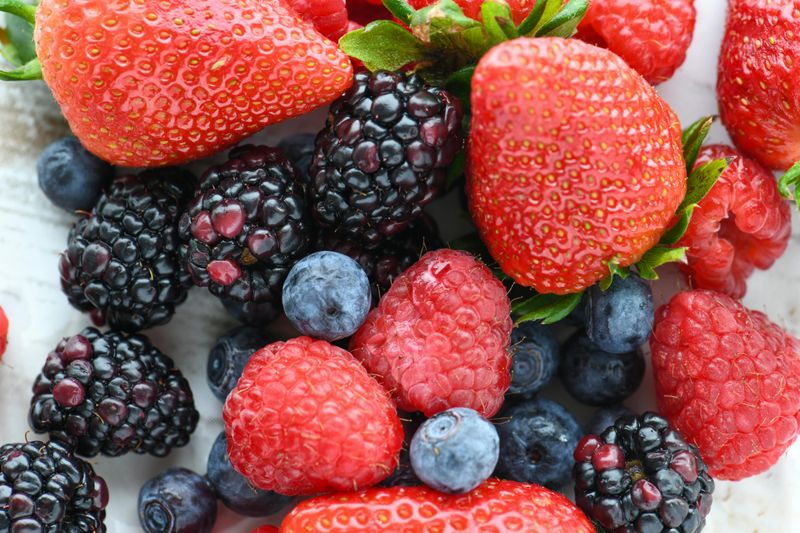
Berries sparkle with promise until you see the price per pint. They spoil fast, so every dollar feels risky.
You rinse gently and plot breakfasts like a strategist.
Seasonality and delicate transport keep costs high. Buy in season, freeze extras on a sheet, and bag for smoothies.
Off-season, choose frozen for better value and sweetness.
Layer small handfuls over yogurt or pancakes instead of heaping. A splash of sugar and lemon revives tired fruit.
With care, you still get bright flavor without bruising your budget.
Rice
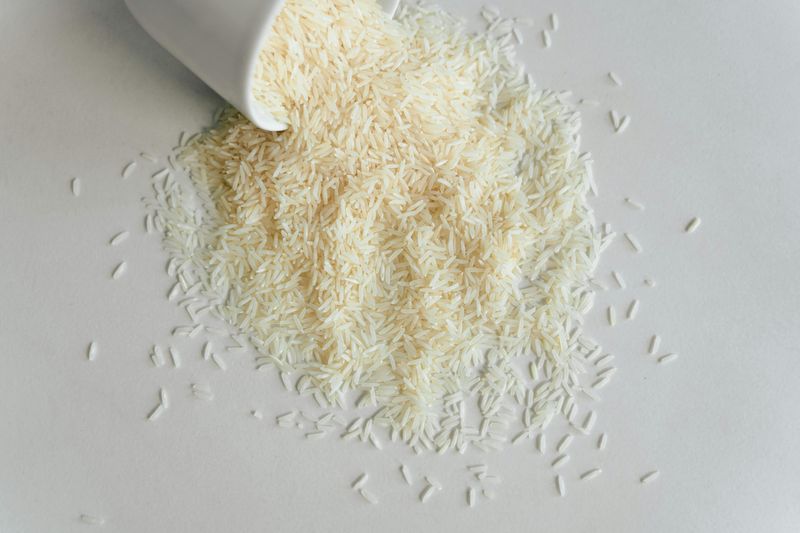
Rice long served as the budget anchor, yet even sacks feel pricier now. You still reach for it because it multiplies meals.
The trick is buying smart and storing smarter.
Weather and export restrictions can shock prices overnight. Bulk can win, but only if you have airtight containers.
Rinse well and use proper ratios to avoid waste.
Turn leftovers into fried rice, congee, or rice salads to keep variety alive. Mix with beans for complete protein on tough weeks.
Every grain stretches better when cooked intentionally and cooled safely.