


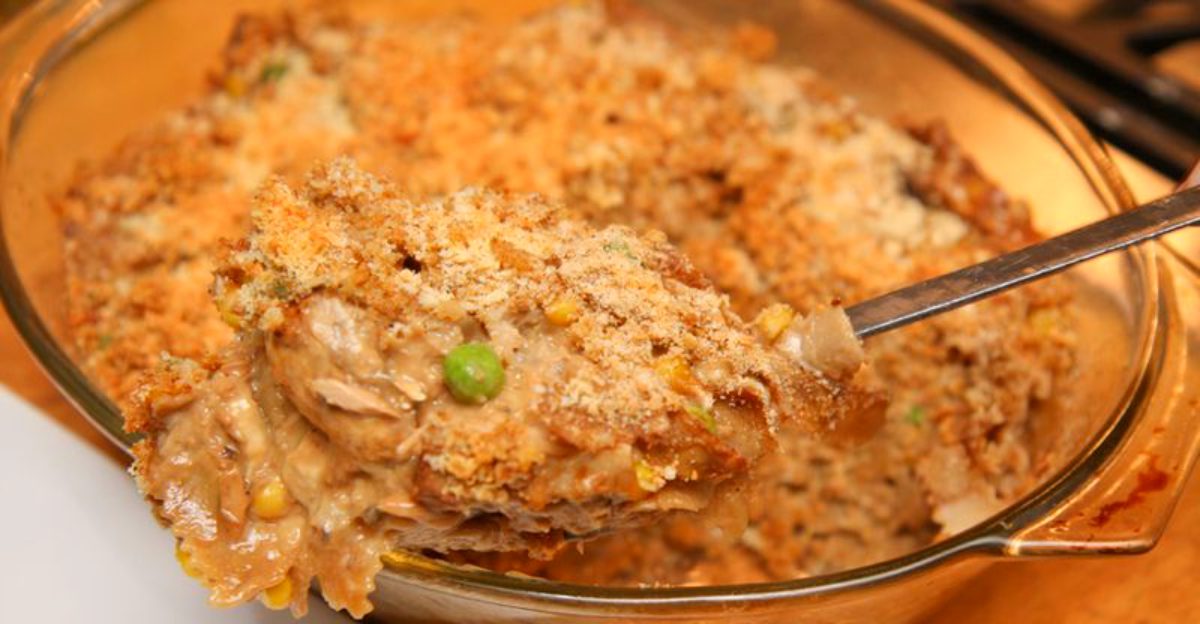
Think back to the dishes that used to perfume the whole house, the ones your grandparents swore by. Many of those hearty classics would spark debates today over nutrition, presentation, or sheer patience in the kitchen.
But there is something irresistible about those cozy, stick-to-your-ribs meals that told stories with every bite. Let’s revisit them with affection, a wink, and maybe a modern tweak or two.
Meatloaf
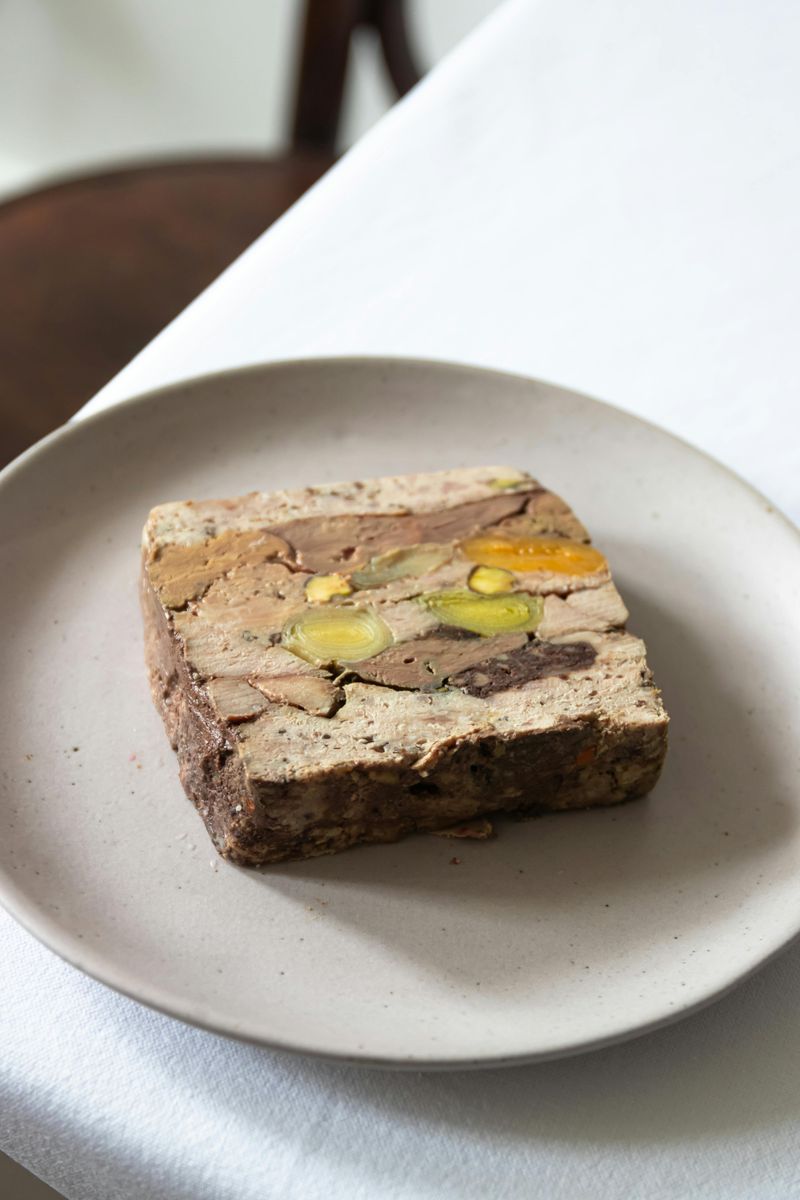
Meatloaf meant a thrifty stretch of ground beef bound with breadcrumbs, egg, and onion, swaddled in a shiny ketchup glaze. Your grandparents sliced it thick, served it beside mashed potatoes, and called it dinner.
Today, someone might argue about fat content, sodium, or the sticky-sweet topping being too basic.
Yet the smell alone can turn back time. You remember the slice marks, the crisp edges, and that tender middle holding together like a family secret.
Maybe swap in leaner meat or oats, and season boldly. Complaints fade fast when nostalgia meets a juicy, well-rested loaf.
Pot roast
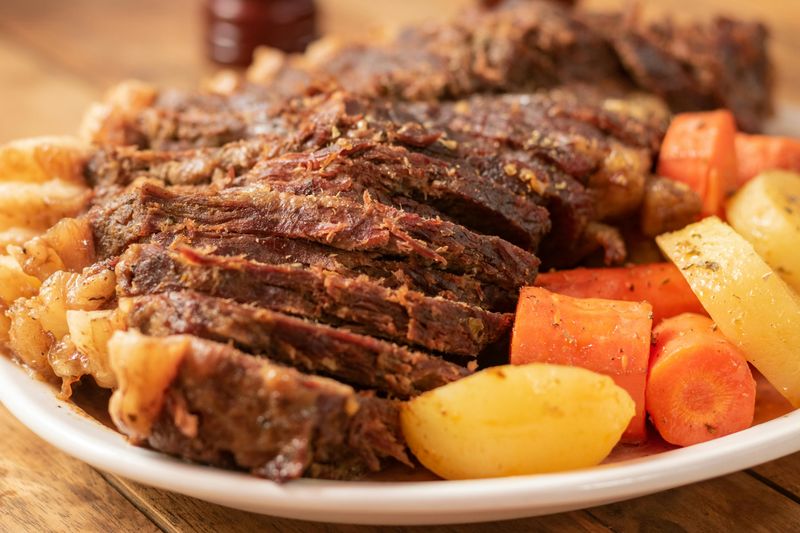
Pot roast took all afternoon, bubbling low with carrots, onions, and potatoes until the chuck surrendered. Your grandparents trusted time, not timers, and dinner arrived fork-tender.
Complaints today would cite overcooked vegetables or the heavy gravy clinging to everything.
But that aroma could bring neighbors knocking. The meat shredded into silky strands, the broth turned glossy, and the vegetables tasted like they absorbed a whole Sunday.
You can trim fat, watch salt, and pull vegetables earlier. Still, the magic remains slow heat meeting tough meat, making something soft enough to forgive any grumbles.
Beef stew
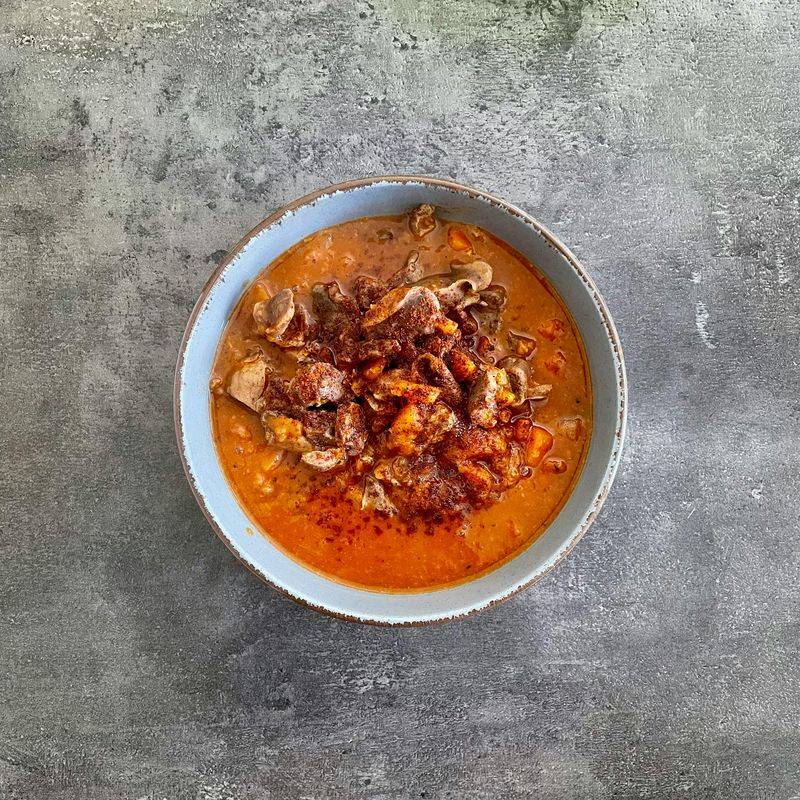
Beef stew landed on the table like a blanket. Chunks of beef, potatoes, and carrots simmered for hours until the broth thickened and the spoon stood up straight.
Today you might hear groans about mushy vegetables or the lack of vibrant greens.
But stew was built for leftovers and cold nights. It tasted better on day two, when everything traded flavors like old friends.
Try bright herbs at the end, splash in vinegar, or add frozen peas for color. Even then, the heart of it remains the same: patient cooking turning scraps into something generous.
Chicken soup
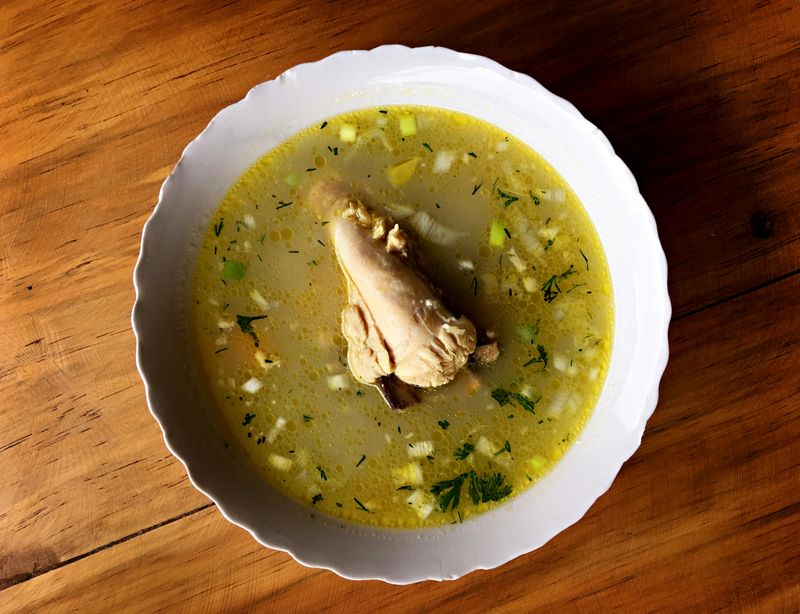
Grandparents made chicken soup by simmering a whole bird until the broth gleamed golden. They skimmed when they remembered, salted by taste, and tossed in carrots, celery, and broad noodles.
Today some would complain about too much salt, too little spice, or the occasional bone sneaking through.
But one sip loosened stubborn colds and tight moods. The noodles swelled happily, carrots turned sweet, and little droplets of fat dotted the surface like confetti.
Modern tweaks help: fresh dill, lemon zest, or a pressure cooker shortcut. Still, the cure might be less recipe and more ritual.
Ham and beans
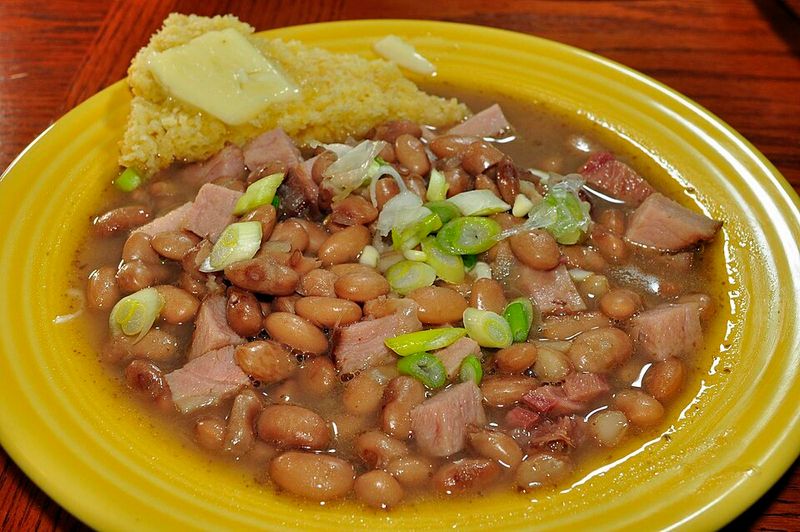
Ham and beans made a feast from scraps. A ham hock or leftover bone simmered with navy beans until everything turned creamy and smoky.
Today, you would hear about sodium, the simple carb load, or the monochrome look.
Still, the bowl soothed. The beans burst softly, the pork gave backbone, and a crumble of cornbread completed the picture.
You can rinse beans well, use smoked turkey for lighter flavor, and add chopped herbs for brightness. Yet that slow, gentle bubbling is what made winter tolerable and made thrift feel like abundance.
Split pea soup
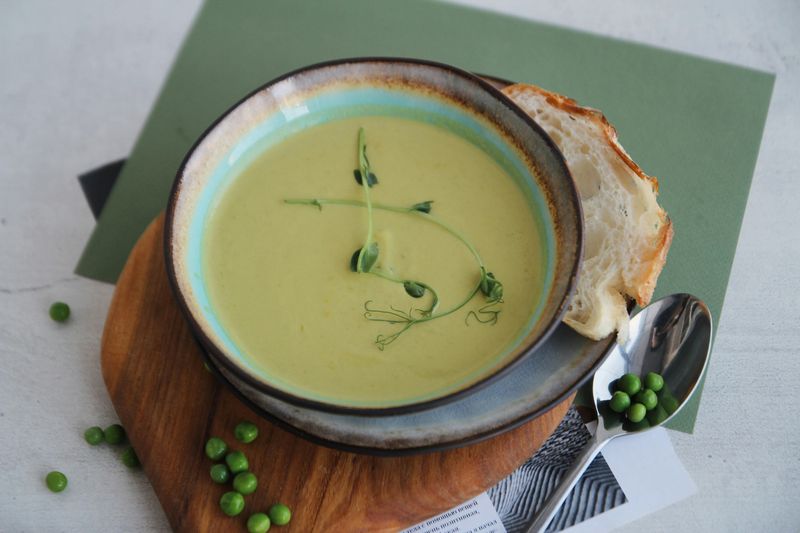
Split pea soup divided households. Verdant, thick, and unapologetically hearty, it clung to the spoon and stuck to ribs.
Grandparents simmered peas with ham bones, carrots, and onions until it turned silken. Today people balk at the texture, the color, or the lack of crunch.
But one bowl warms you from the inside out. Add a squeeze of lemon, cracked pepper, or crunchy croutons to appease modern palates.
Smoke hangs in the background like a memory. And if it thickens overnight, a splash of water revives it beautifully.
Fish sticks
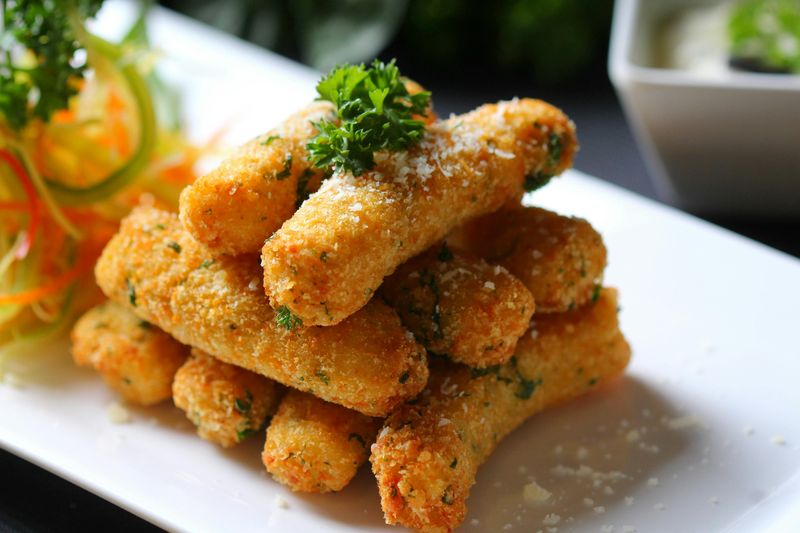
Fish sticks floated straight from the freezer into hot oil. Crunch outside, mystery inside, they were a Friday staple.
Today, complaints point to processed textures, blandness, and the frying.
Still, dunking into tartar sauce could fix almost anything. Try baking instead of frying, pick higher quality fillets, and serve with a bright slaw.
A squeeze of lemon helps the nostalgia shine without the grease. They were training wheels for seafood, a gateway to braver bites later on.
Cabbage rolls
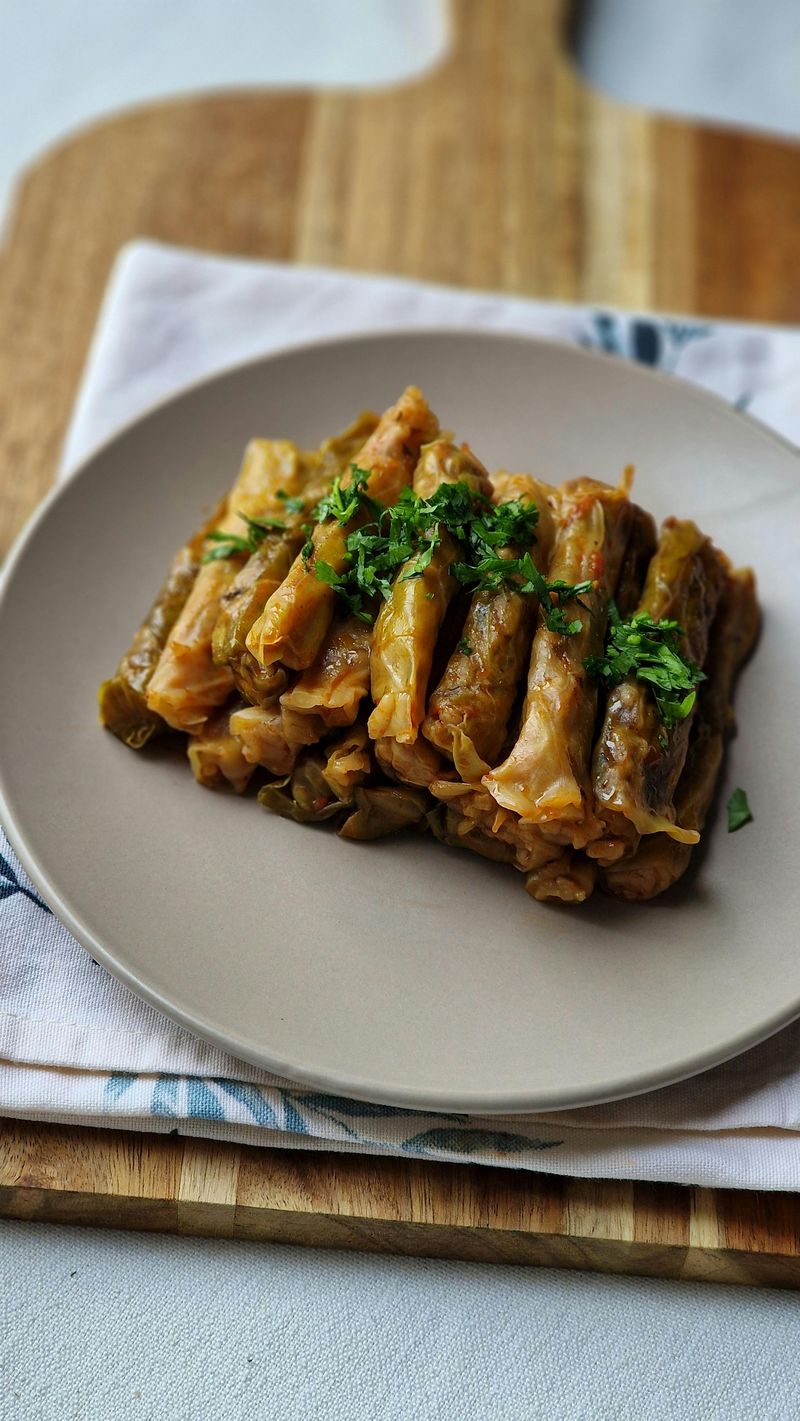
Cabbage rolls took patience and strong hands. Leaves were blanched, stuffed with beef, rice, and onion, then tucked into a tomato bath to simmer.
Today, someone might complain about sulfur smells, long prep, or the heavier filling.
But the payoff tasted like celebration. The cabbage softened to velvet, the sauce turned sweet-savory, and each roll sliced cleanly.
Lighten it with turkey, add herbs, or stir yogurt into sauce. Still, that first forkful always whispers home, translating thrift and time into comfort.
Stuffed peppers
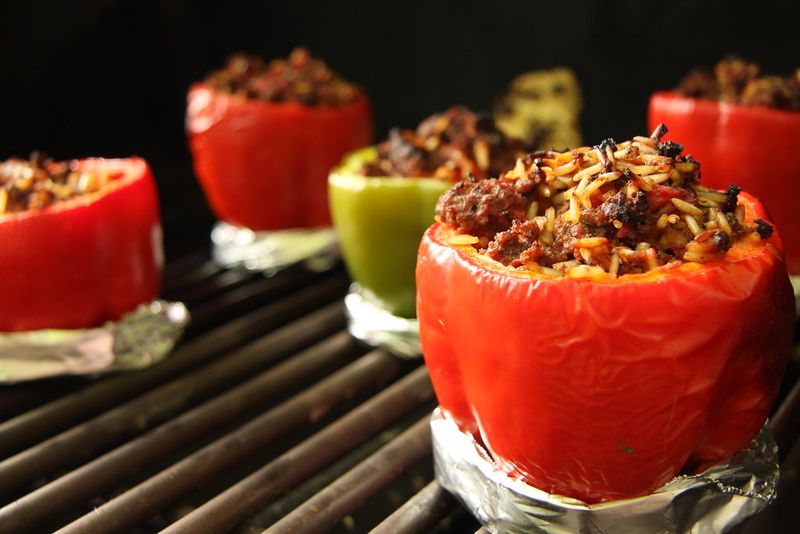
Stuffed peppers came to the table looking cheerful but heavy. Hollowed bells crammed with beef, rice, and onions, then baked in tomato sauce.
Today, there would be gripes about soggy peppers, bland filling, or too much rice.
Still, cutting into one feels like opening a present. Add herbs, swap quinoa, and roast peppers first for deeper flavor.
A sprinkle of cheese seals the deal. The dish remains tidy, satisfying, and easy to stretch across a weeknight when budgets whisper instead of shout.
Chicken pot pie
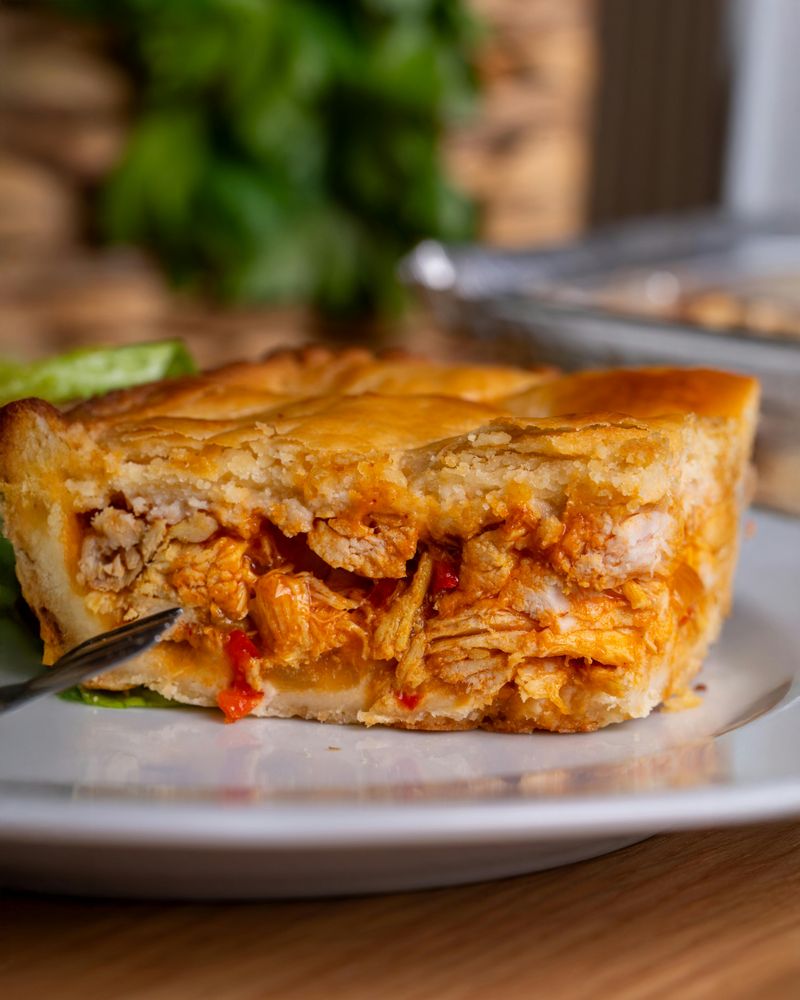
Chicken pot pie promised flake and cream in equal measure. A buttery crust covered chicken, peas, carrots, and a silky sauce.
Today, many would complain about the richness, the time commitment, or pastry that softens underneath.
But one cut through that crust and all is forgiven. The filling sighs out, aromatic and cozy.
Try a lighter milk-based sauce, more vegetables, or puff pastry for speed. Even then, it is the spoon scraping the pan that tells you dinner did its job.
Shepherds pie
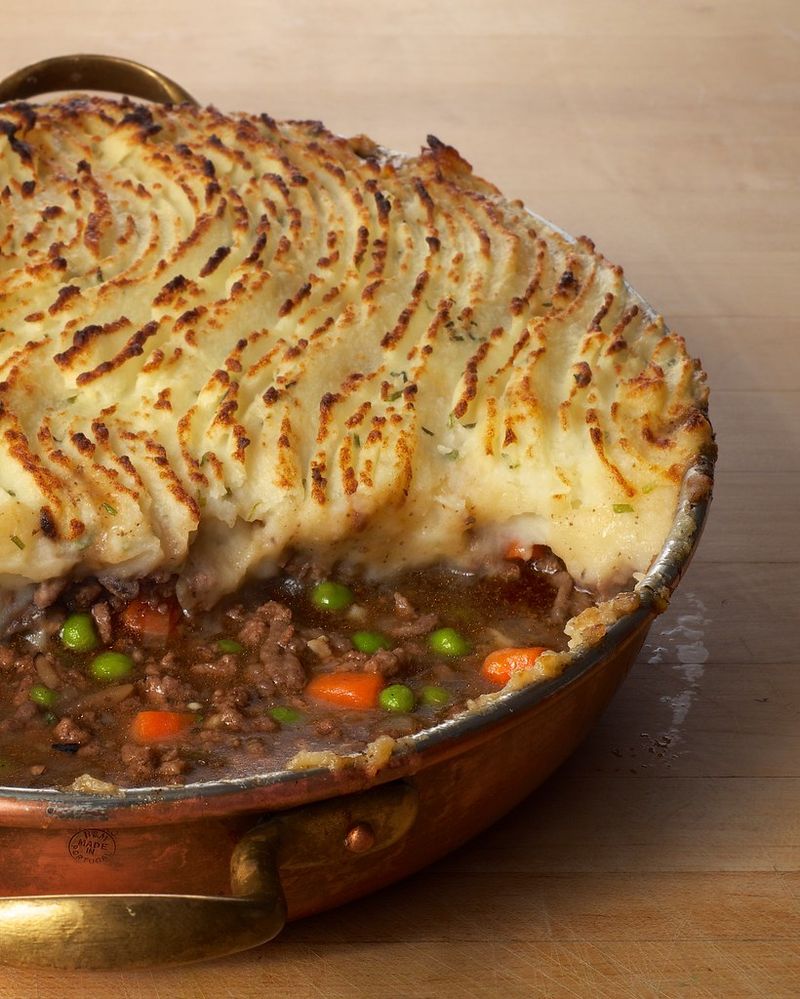
Shepherds pie wore mashed potatoes like a crown. Beneath, ground meat, onions, carrots, and peas mingled in gravy.
Today, some complain it is too heavy, too beige, or a puzzle to reheat without drying out.
Yet the top turns golden and irresistible under a broiler. Add Worcestershire, herbs, and a splash of stock for gloss.
You can lighten the mash with yogurt or swap in cauliflower. Still, that first scoop, where gravy streaks and potato peaks collide, hushes the table.
Cornbread
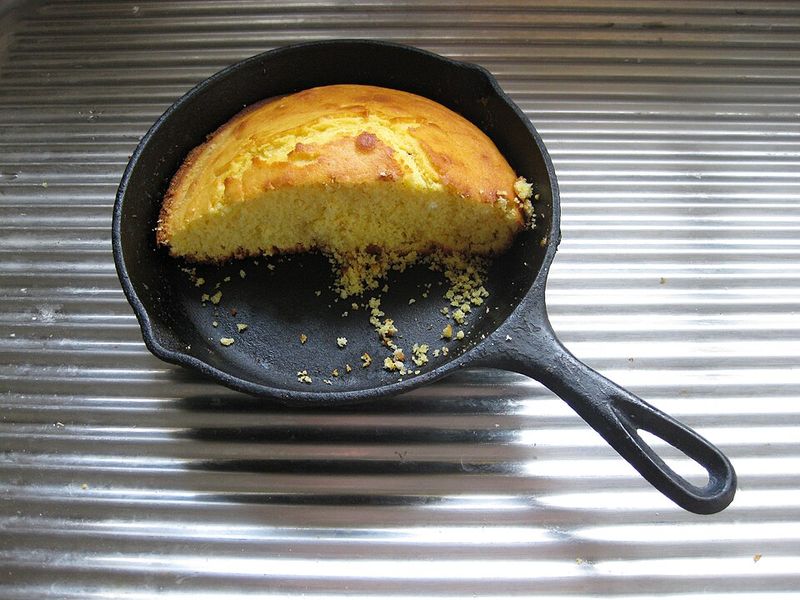
Cornbread split families: sweet or not. Grandparents baked it in a smoking-hot skillet, crust shattering, middle tender.
Today, some complain about dryness, too much sugar, or crumbs everywhere.
Serve it warm with butter and a drizzle of honey, or keep it savory for stews. Use buttermilk for tang, cornmeal with heft, and do not overmix.
That sizzling fat when the batter hits the pan is the whole show. Crumbs are part of the charm.
Gravy
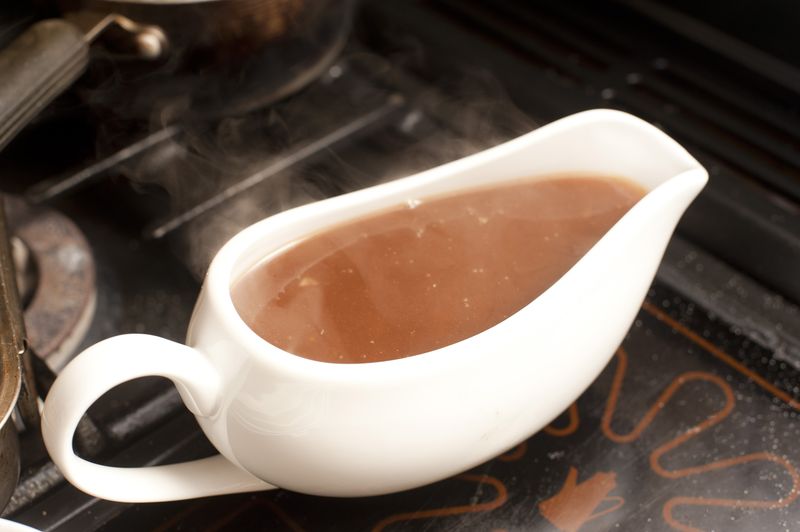
Gravy was alchemy. Flour and fat whisked into drippings, thinned with stock until it coated the back of a spoon.
Today, you hear fretting about lumps, excess salt, and fear of roux.
But when it shines, everything on the plate improves. Deglaze with wine, season patiently, and strain if needed.
A little butter at the end brings gloss. Poured over meatloaf, potatoes, or biscuits, it turns ordinary into Sunday.
Mashed potatoes
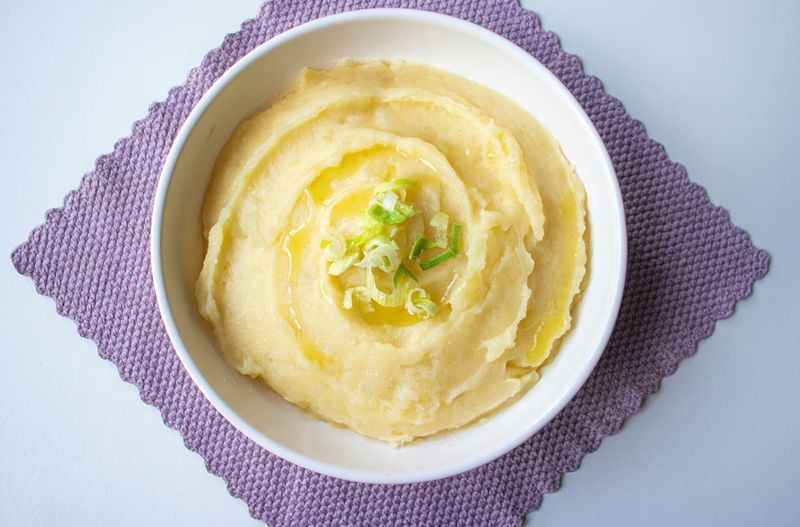
Mashed potatoes were beaten into submission with butter, milk, and salt. Grandparents sometimes overworked them, sometimes skimmed the peels, always served them by the scoop.
Today, complaints chase texture: gluey, lumpy, too rich, not rich enough.
Choose the right potato, warm the dairy, and mash gently. A knob of butter melting in a well feels like ceremony.
Chives or roasted garlic modernize without losing soul. When gravy meets valleys of mash, even picky eaters quiet down.
Boiled potatoes
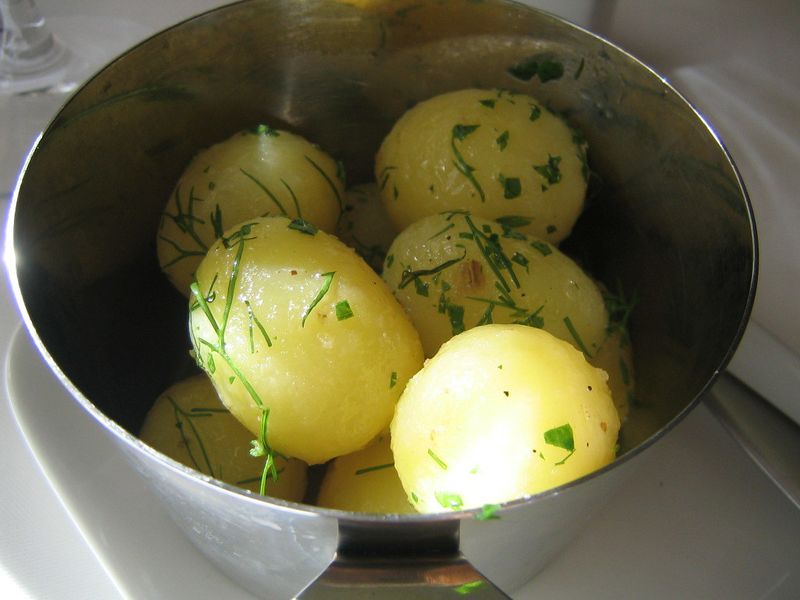
Boiled potatoes were the no-fuss side. Salted water, simmered until tender, then tossed with butter and parsley.
Today the complaint list starts with blandness and ends with carb fears.
Still, a perfectly cooked potato has quiet charm. Salt the water heavily, steam dry for fluff, and finish with olive oil, lemon, or dill.
They support the main dish like a good friend, ready to soak up sauces and praise.
Cream soup casserole
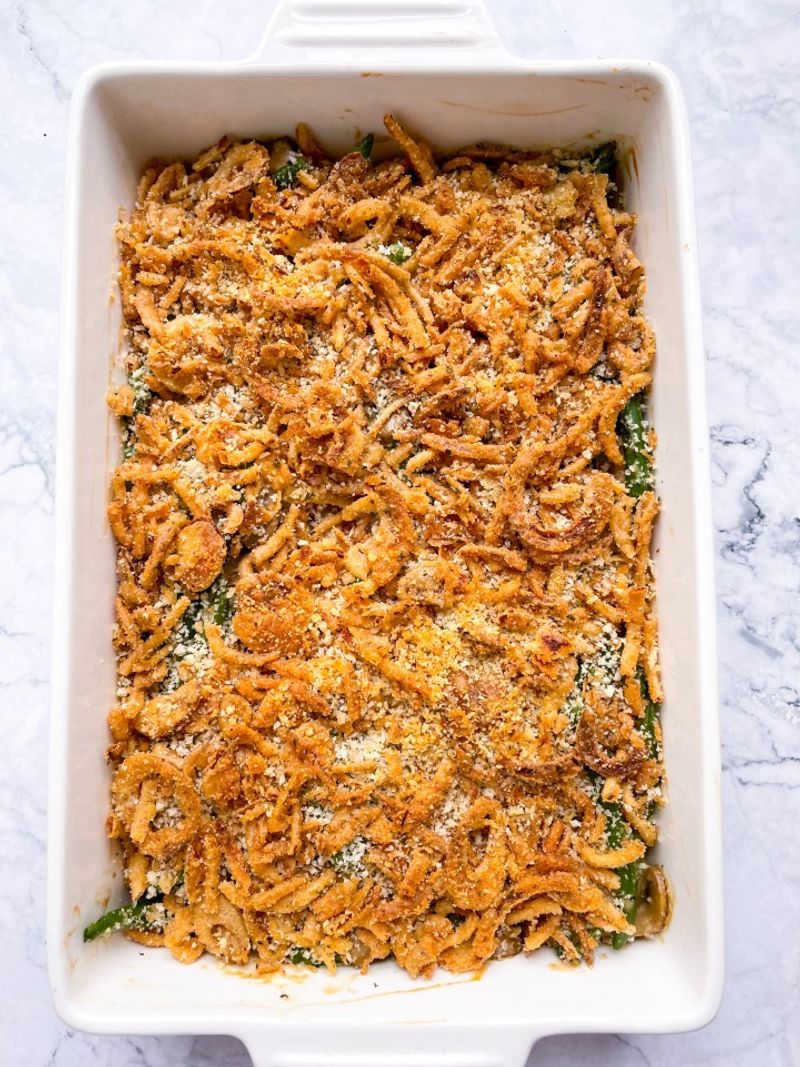
Cream soup casseroles were weeknight saviors. A can of condensed cream of something, leftover chicken or tuna, frozen vegetables, and noodles under a crunchy topping.
Today, complaints target preservatives, sodium, and sameness.
But they delivered speed and satisfaction. Make your own béchamel, fold in mushrooms, and brighten with lemon and parsley.
Toasted breadcrumbs give grown-up crunch. It still hits the spot when schedules squeeze and hunger whines.
Rice pudding
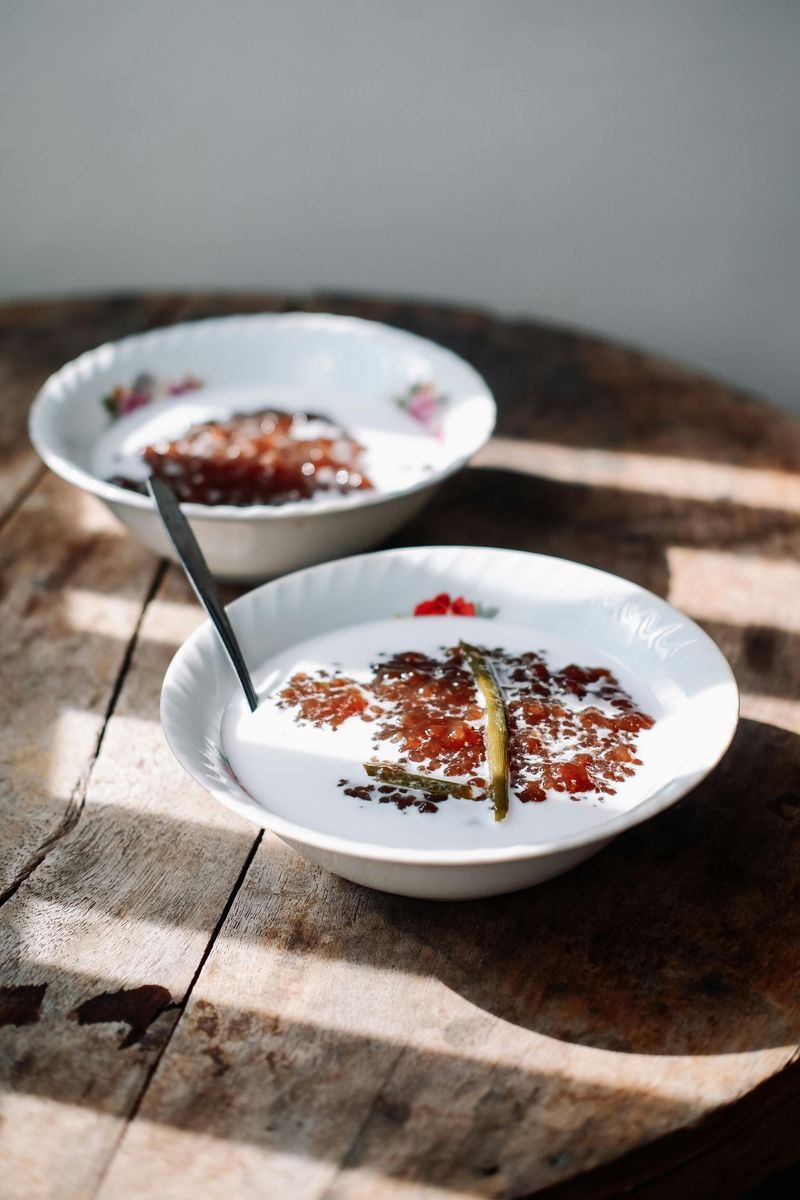
Rice pudding turned leftover rice into dessert. Milk simmered slow with sugar, cinnamon, and a handful of raisins until everything thickened and perfumed the kitchen.
Today, the pushback is about sweetness, raisins, or the soft texture.
Yet a chilled spoonful with nutmeg tastes like quiet. Reduce sugar, swap vanilla, or toast the rice first for depth.
Citrus zest wakes it beautifully. Served warm or cold, it is thrift dressed as comfort.
Bread pudding
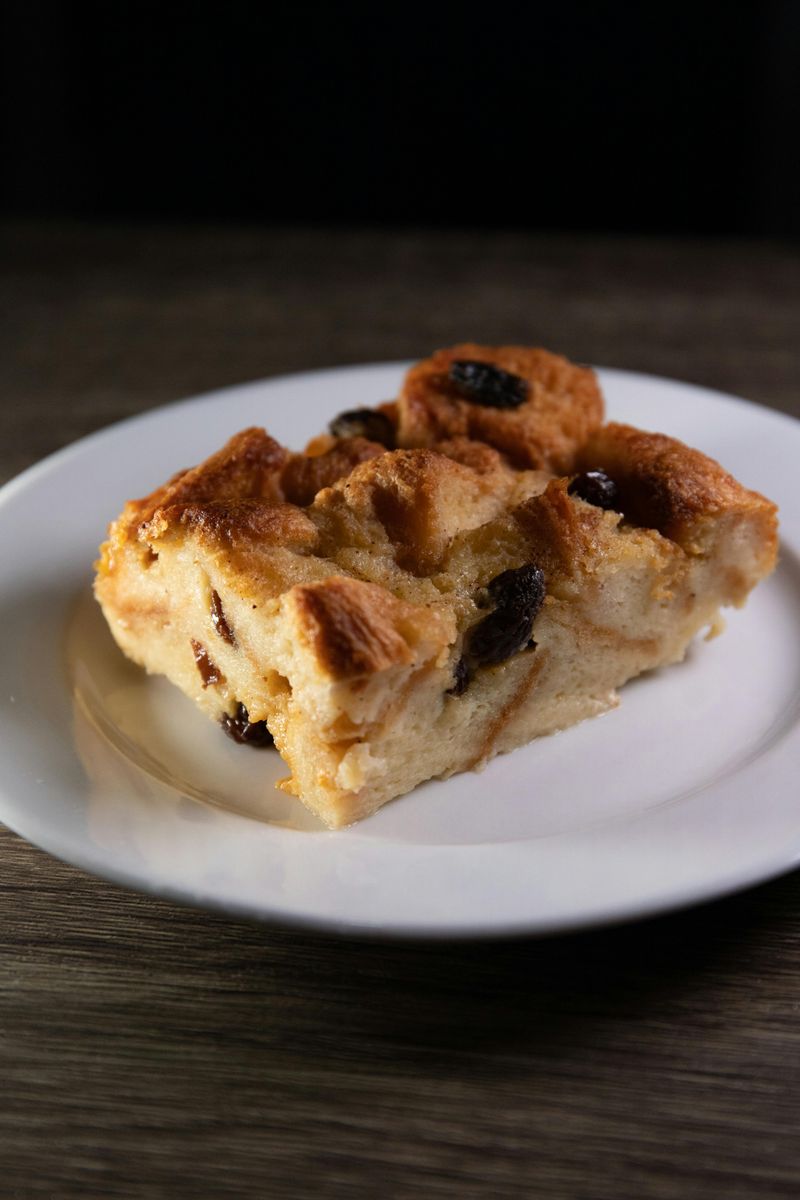
Bread pudding rescued stale loaves, soaking them in custard and baking until the top turned caramel and the middle sighed. Complaints today include sogginess, raisin debates, or too much sugar.
But the smell alone forgives a lot.
Use sturdy bread, more egg than cream, and bake until just set. A bourbon or vanilla sauce makes it sing.
Add chocolate or toasted nuts for modern flair. It is dessert that believes in second chances.
Sauerkraut
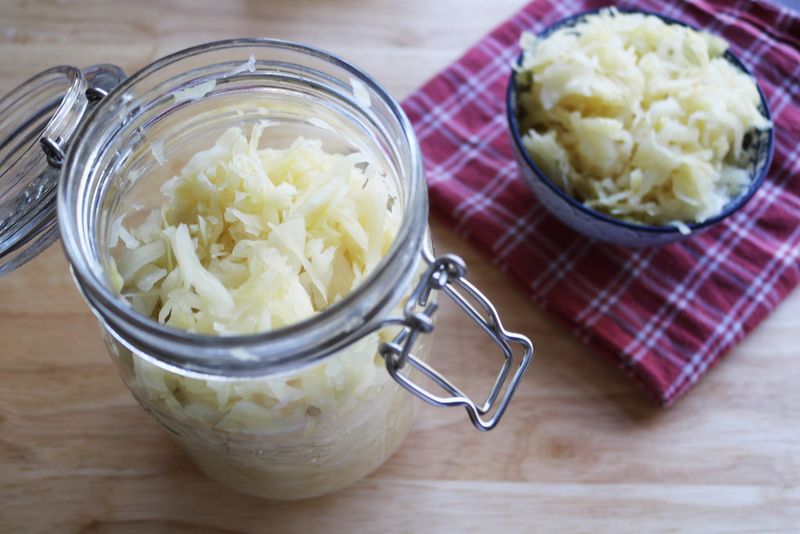
Sauerkraut brought tang and crunch to heavy plates. Grandparents fermented cabbage with salt, sometimes caraway, and waited while the kitchen whispered vinegar notes.
Today, complaints center on smell and assertiveness.
But a forkful wakes the palate. Rinse if needed, warm with apples and onion, or stir into stews for brightness.
It is probiotic before that word went mainstream. A little goes far, cutting through rich meats like a friendly dare.
Liver and onions
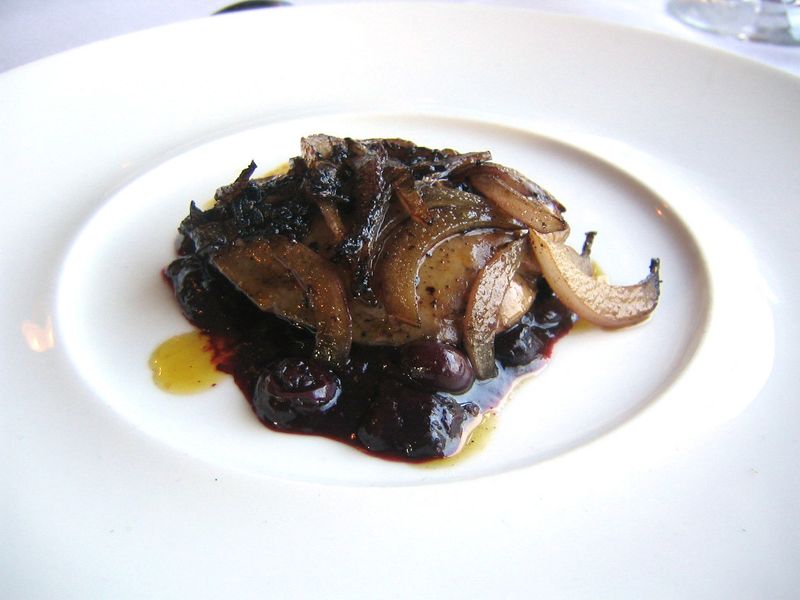
Liver and onions was love or leave it. Sliced liver seared quickly, onions cooked down to sweet ribbons, and maybe a splash of sherry in the pan.
Today, iron-rich flavor scares many, and texture debates get loud.
Treat it kindly: soak in milk, cook briefly, season well. The sweetness of onions balances the mineral bite.
A silky gravy helps, too. For those who stay at the table, it tastes like a lost classic returning.
Tuna casserole
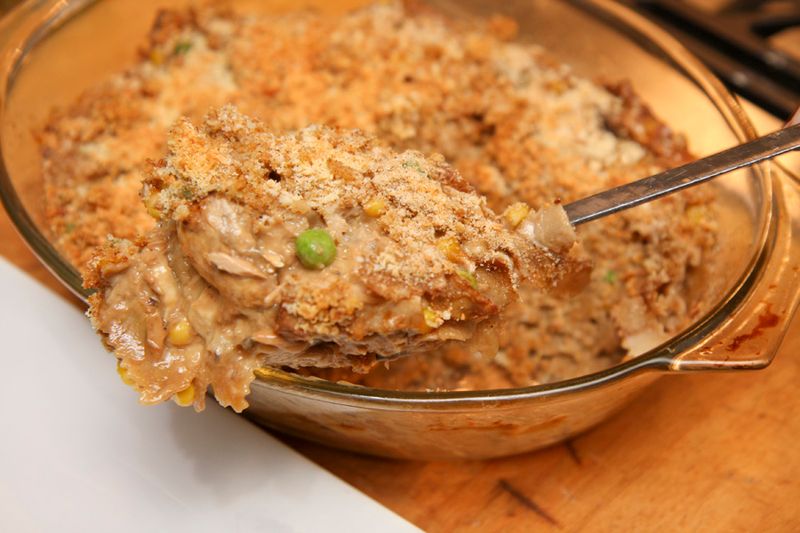
Tuna casserole was pantry magic. Canned tuna, egg noodles, peas, and a can of cream soup baked under breadcrumbs until bubbly.
Today, complaints would target the canned fish aroma, sodium, and that beige-on-beige look.
But it fed a crowd quickly and felt like a hug. Upgrade with albacore, homemade white sauce, and sharper cheddar.
A squeeze of lemon and toasted panko wake it up. Even skeptics will sneak seconds when the corners turn crunchy and the center oozes comfort that only weeknight survivors understand.