


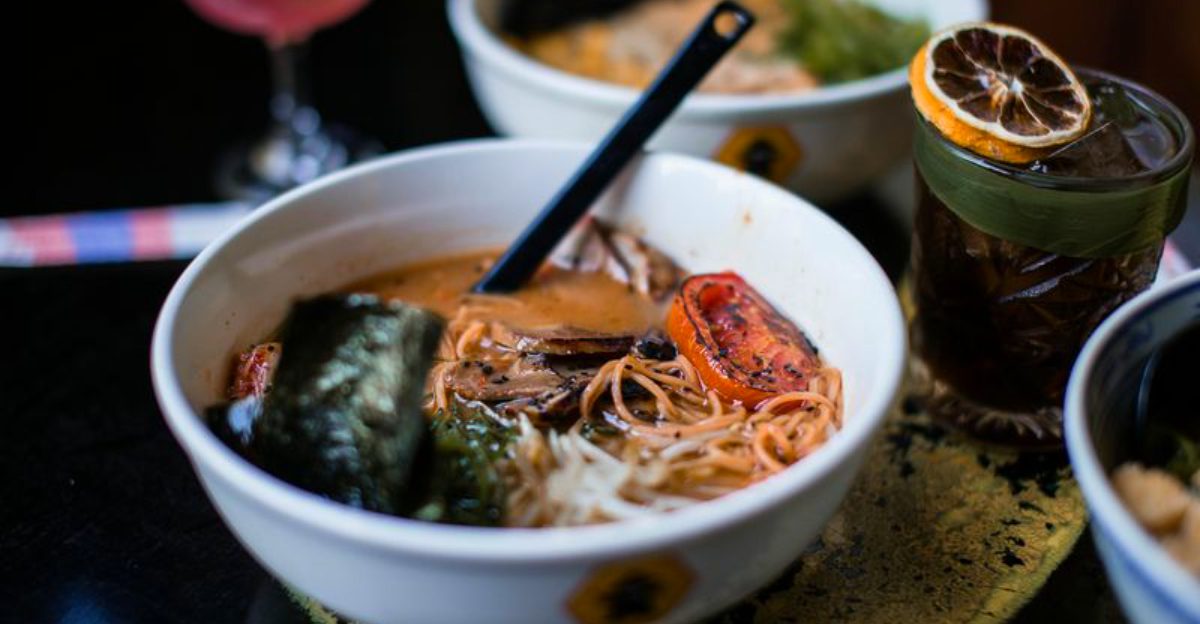
Some dishes look simple on the surface, but the first attempt reveals the truth fast. Timing, texture, and technique can turn an easy recipe into a weekend project.
Mastering them, though, makes you feel unstoppable in the kitchen. These are the meals people call low effort until they finally roll up their sleeves and try them for real.
Risotto
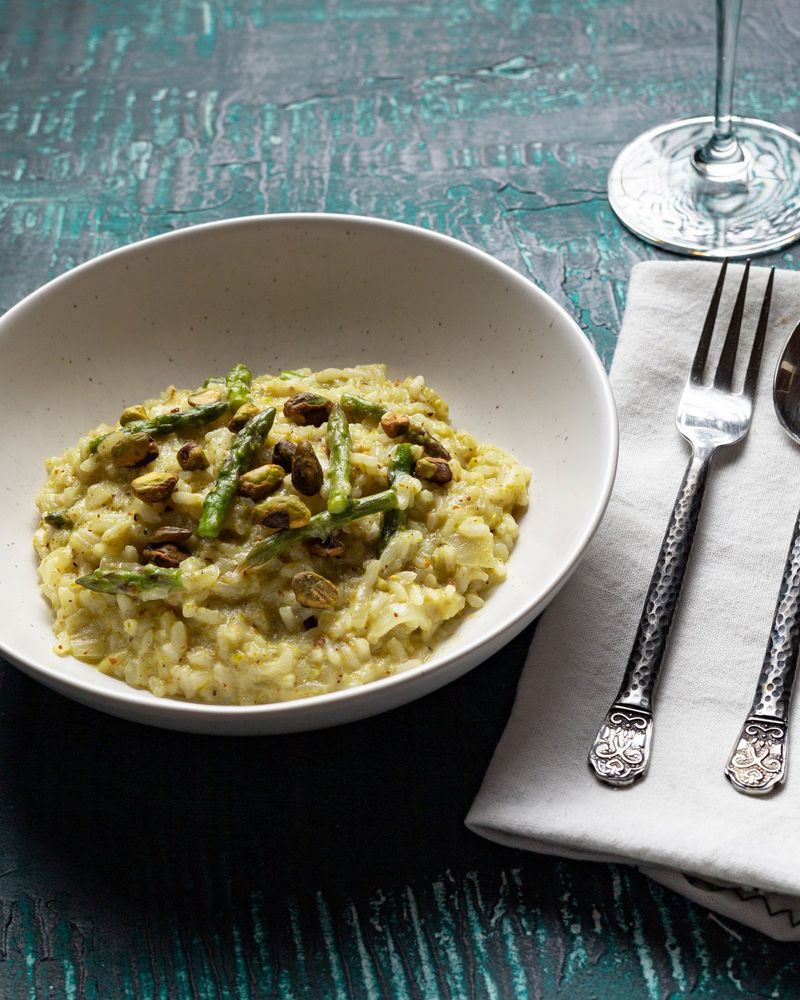
Risotto sounds simple until constant stirring tests patience. Each ladle of hot stock must be added slowly so starches release just right.
Undercook it and you get chalky centers, overcook and it turns gluey. Hitting that al dente creaminess requires heat control and attention.
Then there is timing the finish with butter and parmesan for perfect sheen. The pan shape matters, as does the rice variety and stock flavor.
You taste and adjust salt repeatedly. When it finally flows like lava on the plate, you understand the craft.
Lasagna from scratch
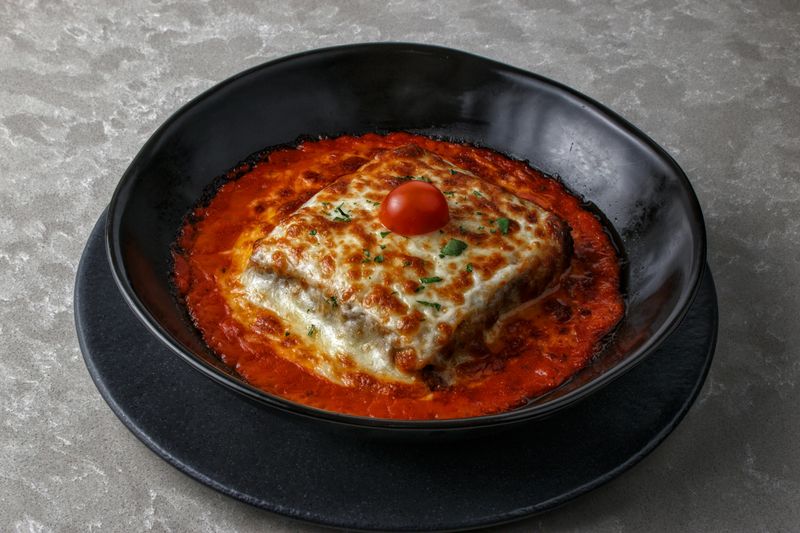
People think lasagna is layer and bake, but scratch work starts days earlier. The ragu needs a slow simmer to melt into sweetness.
Béchamel must be silky without lumps. Fresh sheets require kneading, resting, rolling, and drying to the right tenderness.
Assembly becomes a structural challenge with even sauce distribution. Too wet and it slides apart, too dry and it stiffens.
Resting after baking feels cruel, yet it keeps slices intact. When a knife glides through clean strata, you finally respect the patience baked inside.
Fresh pasta
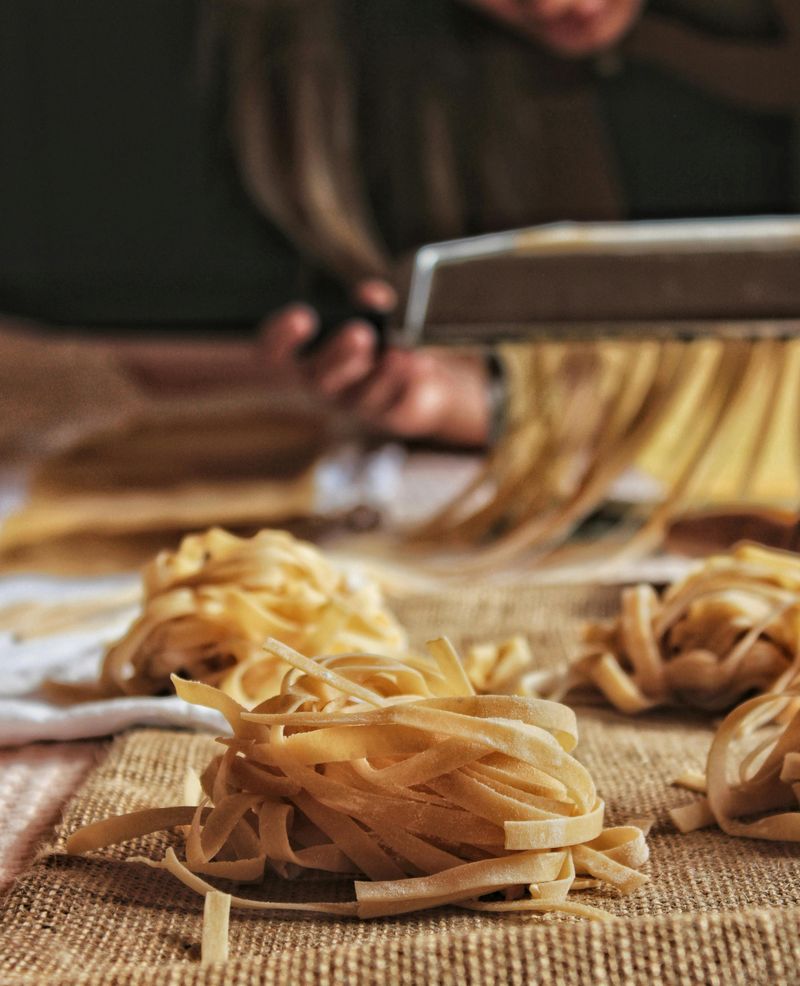
Fresh pasta starts with a humble flour well and eggs, but balance is fussy. Humidity changes hydration, so the dough needs instinct more than measurements.
Kneading transforms shaggy crumbs into a smooth elastic ball. Resting matters for gluten relaxation and easier rolling.
Then comes the lamination dance through the rollers, thinner with each pass. Sheets tear if rushed and stick if you underflour.
Cutting shapes uniformly ensures even cooking. Salted water timing and buttered finishes make texture sing, proving fresh pasta is simple only after practice.
Homemade pizza dough
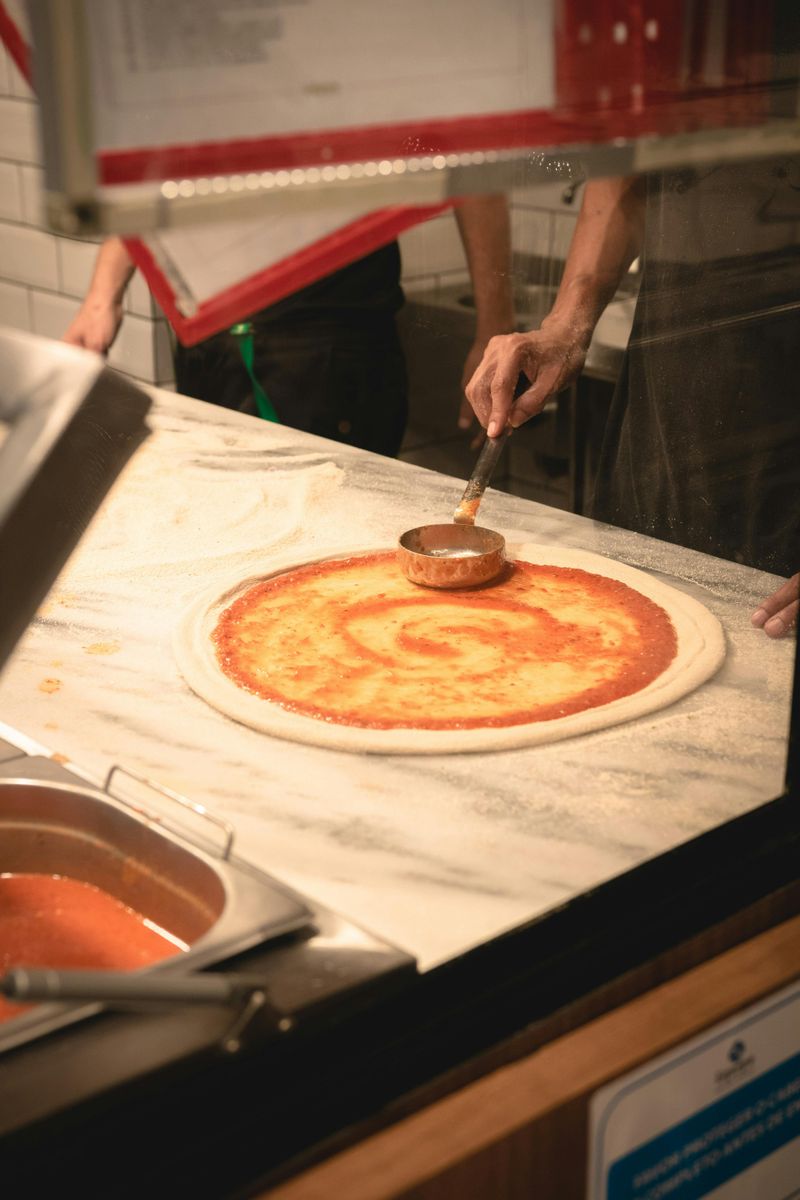
Pizza dough asks for patience with yeast, temperature, and time. Water too warm kills fermentation, too cool slows flavor.
Proper mixing builds gluten while keeping dough supple. Bulk fermentation develops aroma, and gentle folds trap gas for airy cornicione.
Shaping is a craft, stretching without tearing while preserving bubbles. Flour choice affects chew and color, while hydration decides open crumb.
Proofing and stone heat sync with toppings so the bottom blisters instead of sogging. When it puffs and chars, you realize the effort behind a perfect slice.
Dumplings
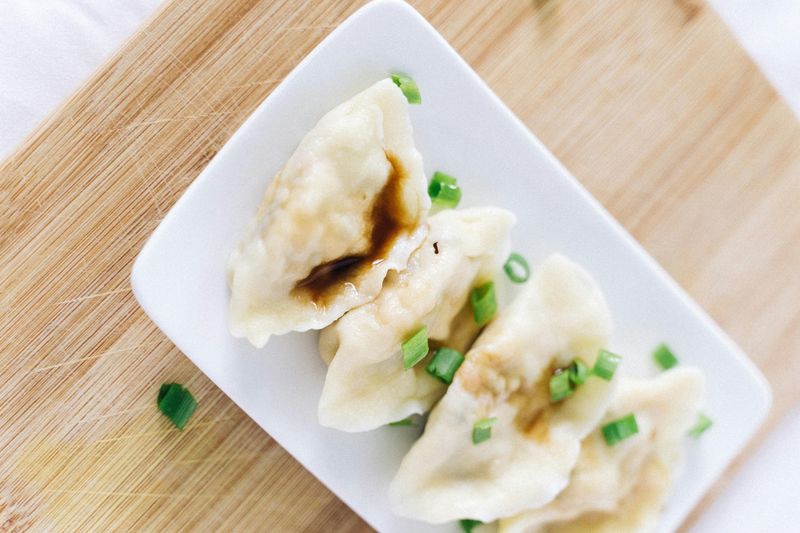
Dumplings look cute until your first pleat refuses to hold. The dough thickness controls bite and translucence.
Fillings must be juicy without leaking, which means balancing fat, aromatics, and binders. Salted cabbage needs squeezing, and gelatinized stock becomes soup when steamed.
Sealing edges demands speed so wrappers do not dry. Pan frying for crispy bottoms and steaming for tenderness requires lid timing.
Steamer paper prevents sticking disasters. When a dumpling bursts with savory broth yet keeps its shape, you finally grasp the hidden skill.
Pho broth
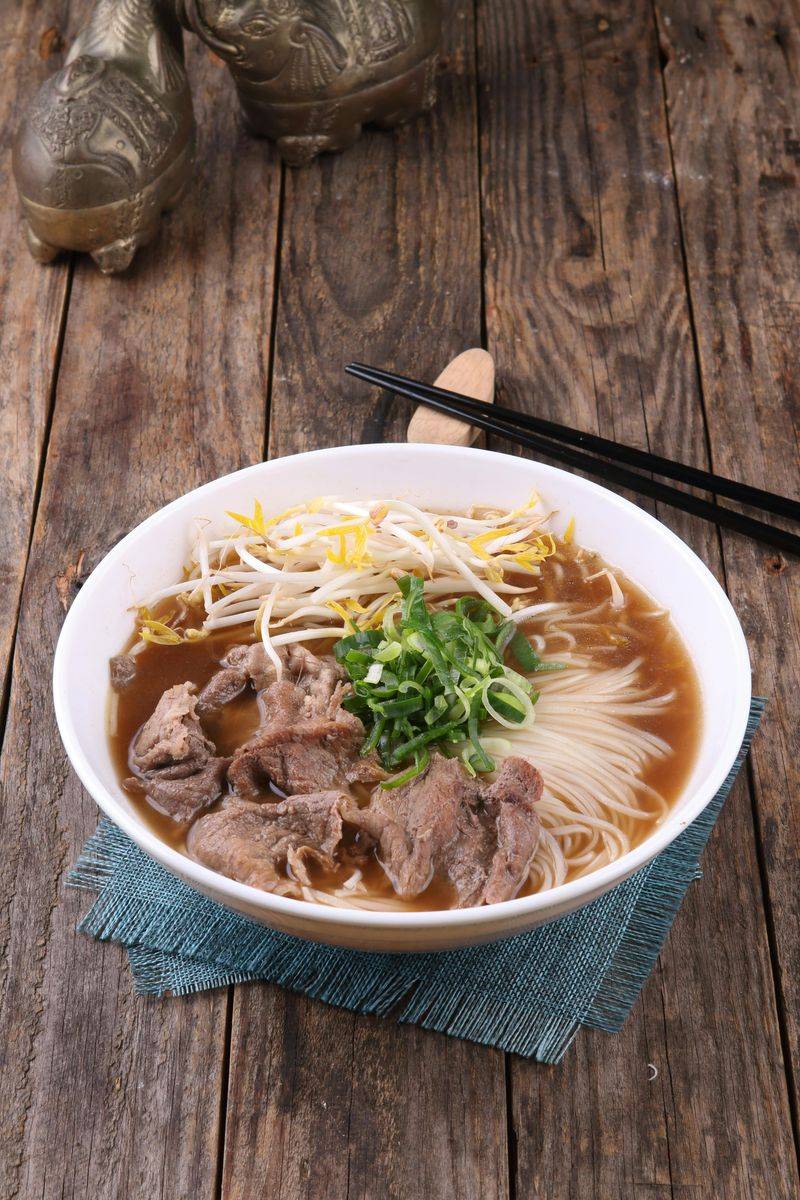
Pho broth seems like simmer and forget, but clarity is an obsession. Bones must be blanched, rinsed, and reboiled to avoid murk.
Spices get toasted for aroma, onions and ginger charred for depth. Skimming is constant, and heat stays gentle to prevent emulsified fat.
Salt, fish sauce, and sugar balance requires restraint. The broth refines over hours, not minutes.
A final strain reveals amber clarity that perfumes the whole kitchen. Ladled over noodles and herbs, it proves how patient technique turns simple bones into magic.
Soup stock
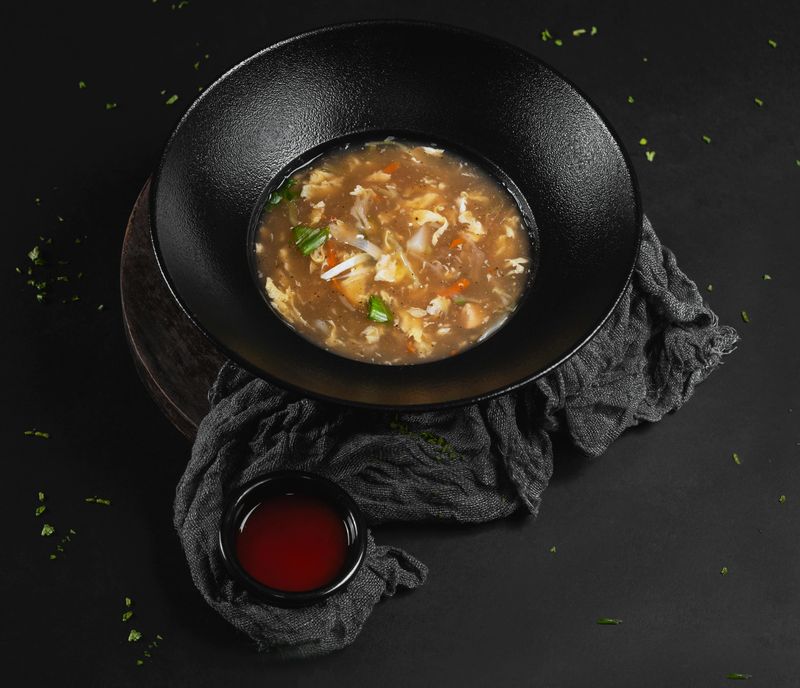
Stock is the quiet backbone of good cooking, never actually simple. Roasting bones or not changes flavor and color.
A bare simmer coaxes clarity, while a boil clouds it fast. Skimming scum, controlling salt, and timing vegetables prevent bitterness.
Gelatin content defines body, so feet or wings matter. Cooling quickly keeps it safe and bright.
Degreasing without stripping flavor requires patience. Reduce for sauces or keep light for soups, and suddenly a humble pot becomes a technique test you taste in every spoonful.
Gravy
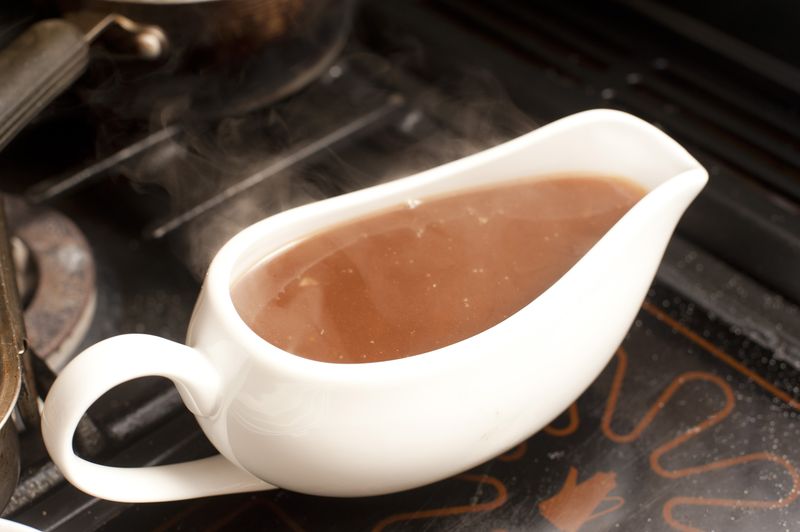
Gravy exposes timing and texture mistakes instantly. A proper roux needs the right color without burning.
Deglazing lifts fond into flavor gold, but you must whisk like you mean it. Lumps form if liquid meets hot roux too fast, so gradual additions save the day.
Seasoning is delicate because salt concentrates as it simmers. Straining polishes mouthfeel and catches pepper flecks.
Finishing with butter adds shine without greasiness. When it coats a spoon like velvet and tastes of the roast, you understand why great gravy is earned.
Pie crust
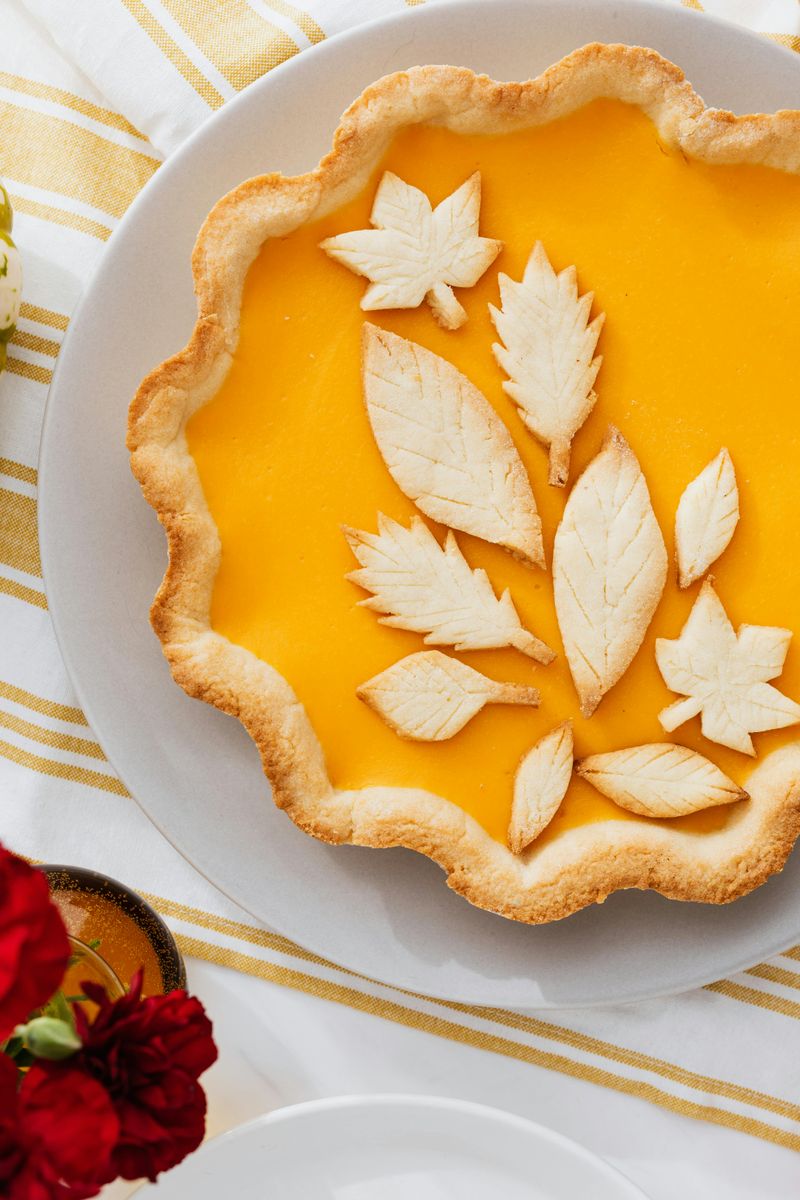
Pie crust humbles everyone at least once. The butter must stay cold, the water minimal, and hands fast.
Overwork toughens gluten, underwork leaves crumbs that fall apart. Visible butter streaks bake into flakes, but only if temperature is right.
Resting and chilling prevent shrinkage, while blind baking stops soggy bottoms. Docking, weights, and foil shields demand attention.
Humidity changes flour behavior day to day. When slices shatter into tender layers that hold juicy filling, it stops being luck and starts being technique.
Homemade bread
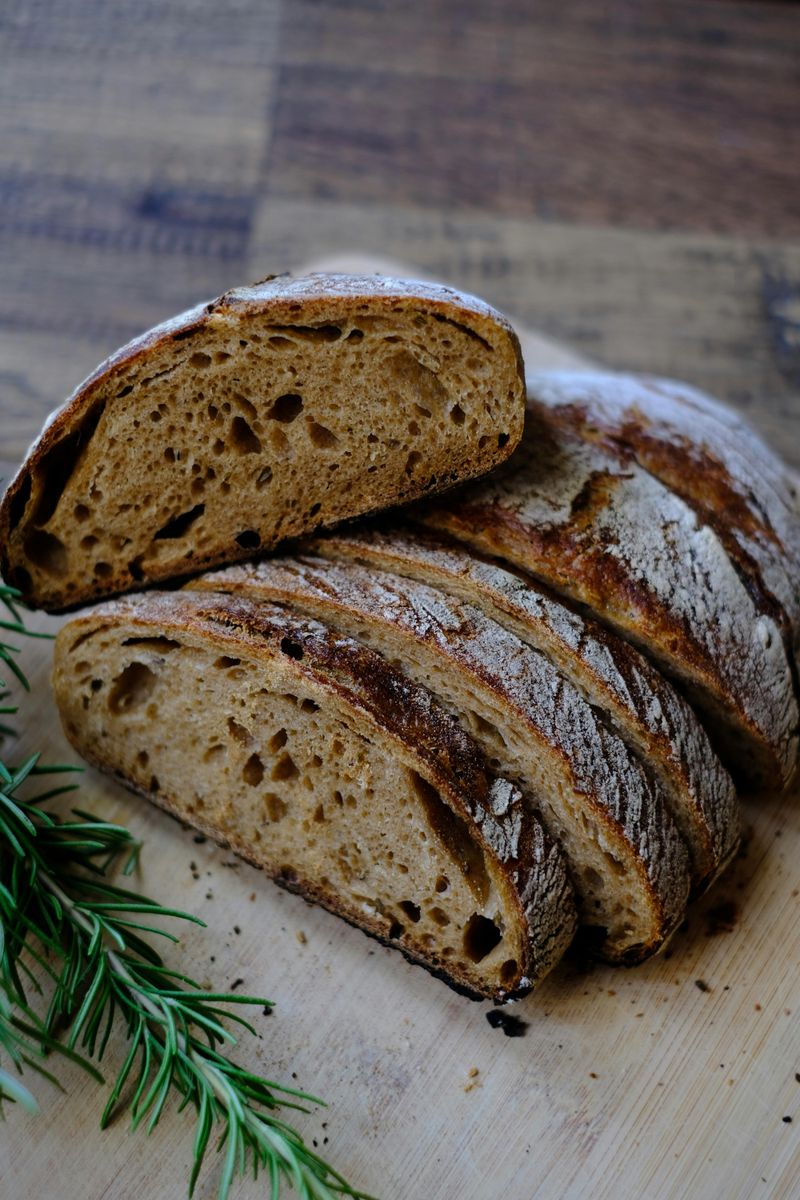
Bread asks for feel more than formulas. Mixing, autolyse, and gentle folds build gluten without tearing.
Temperature guides fermentation speed, and timing rests on dough behavior, not a clock. Shaping creates tension that lifts the loaf, while proofing too long flattens it.
Steam in the oven sets crust sheen, and scoring controls expansion. Hydration changes crumb from tight to wildly open.
Cooling fully protects structure and flavor. When the crackle of the crust sings and the crumb smells nutty, you finally taste time made edible.
Fried chicken
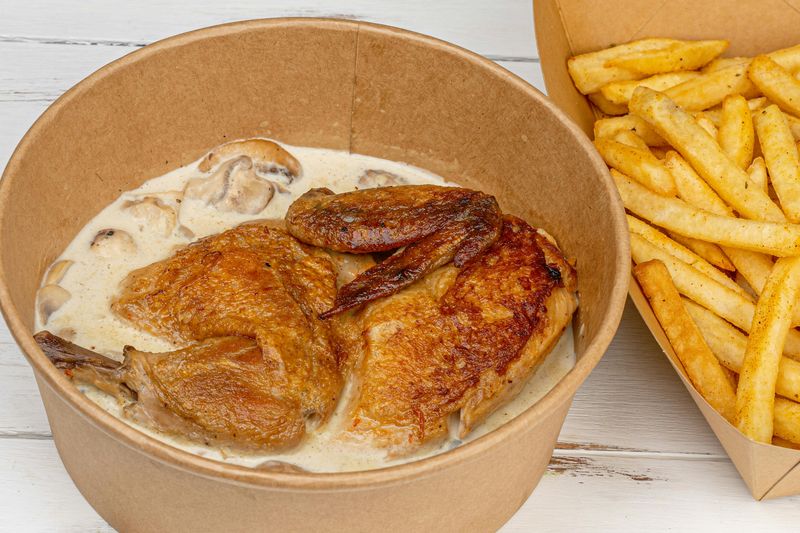
Fried chicken punishes shortcuts. Seasoning must penetrate, which means brining or buttermilk soaks.
Flour mixes need salt and spice, and double dredging builds crags. Oil temperature swings ruin texture, so a thermometer becomes your best friend.
Pieces cook at different rates and demand rest between batches. Carryover heat finishes without drying if you time it right.
Draining on a rack keeps crusts crunchy. One bite of shattering exterior and juicy interior proves the planning, precision, and patience hiding beneath that golden crunch.
Pot roast
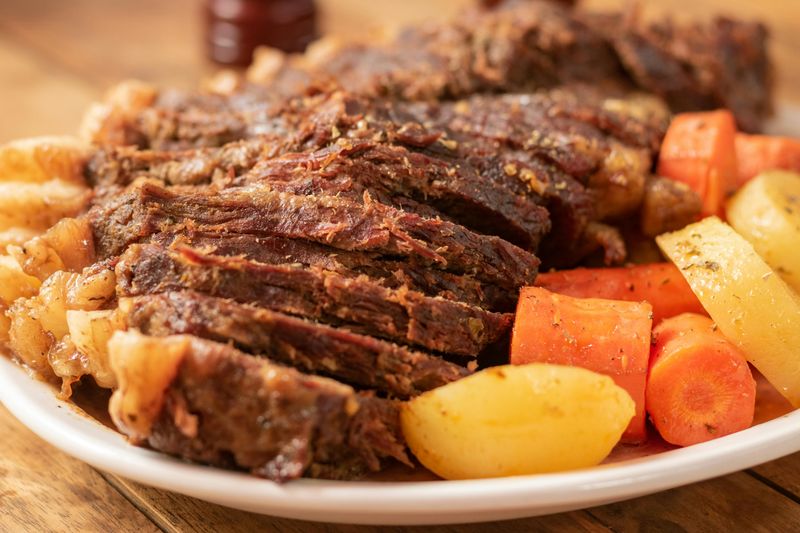
Pot roast can taste flat if you skip fundamentals. Deep browning creates the base flavor, not just color.
Deglazing captures fond, and layering aromatics adds complexity. The braise must gently bubble so collagen melts into silk without drying the meat.
Vegetables need staggered timing to avoid mush. Resting the roast before slicing keeps juices where they belong.
Reducing the sauce concentrates savoriness. When the fork slides through tender beef and glossy gravy coats everything, you appreciate how slow attention turns simple ingredients into comfort.
Beef brisket
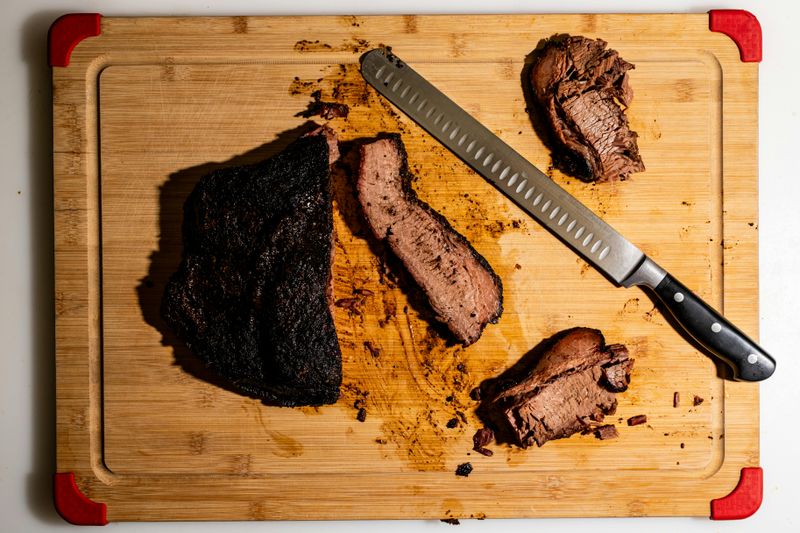
Brisket feels like meat and heat, but it is a stubborn cut. Trimming fat right influences bark and moisture.
Rubs need balance, and smoke must stay clean and steady. Temperature control across hours decides tenderness more than any marinade.
The stall tests patience as collagen transforms. Wrapping, resting, and holding make or break slices.
Cutting against the grain in the flat and point matters. When slices bend without breaking and shine with juices, you taste the science of time, fire, and restraint.
Stuffed peppers
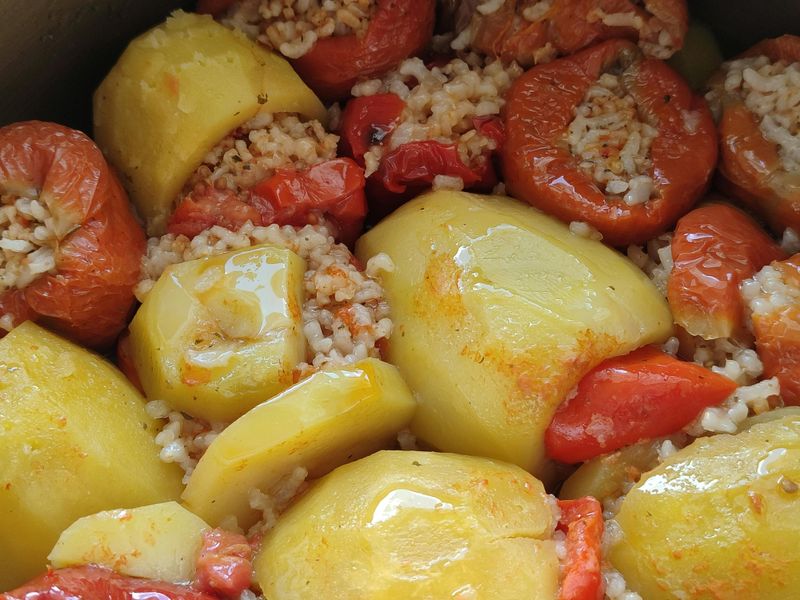
Stuffed peppers ask for moisture management. Rice can be par-cooked or raw, each needing different liquid ratios.
Meat must stay juicy without greasing out, so fat levels matter. Seasoning the filling boldly prevents bland bites inside that thick pepper wall.
Peppers should soften yet remain upright, which means trimming bottoms and tenting with foil. Sauce placement influences steaming and caramelization.
Resting after bake helps set slices. When the fork finds tender pepper, fragrant rice, and savory juices in one bite, the supposed simplicity disappears.
Cabbage rolls
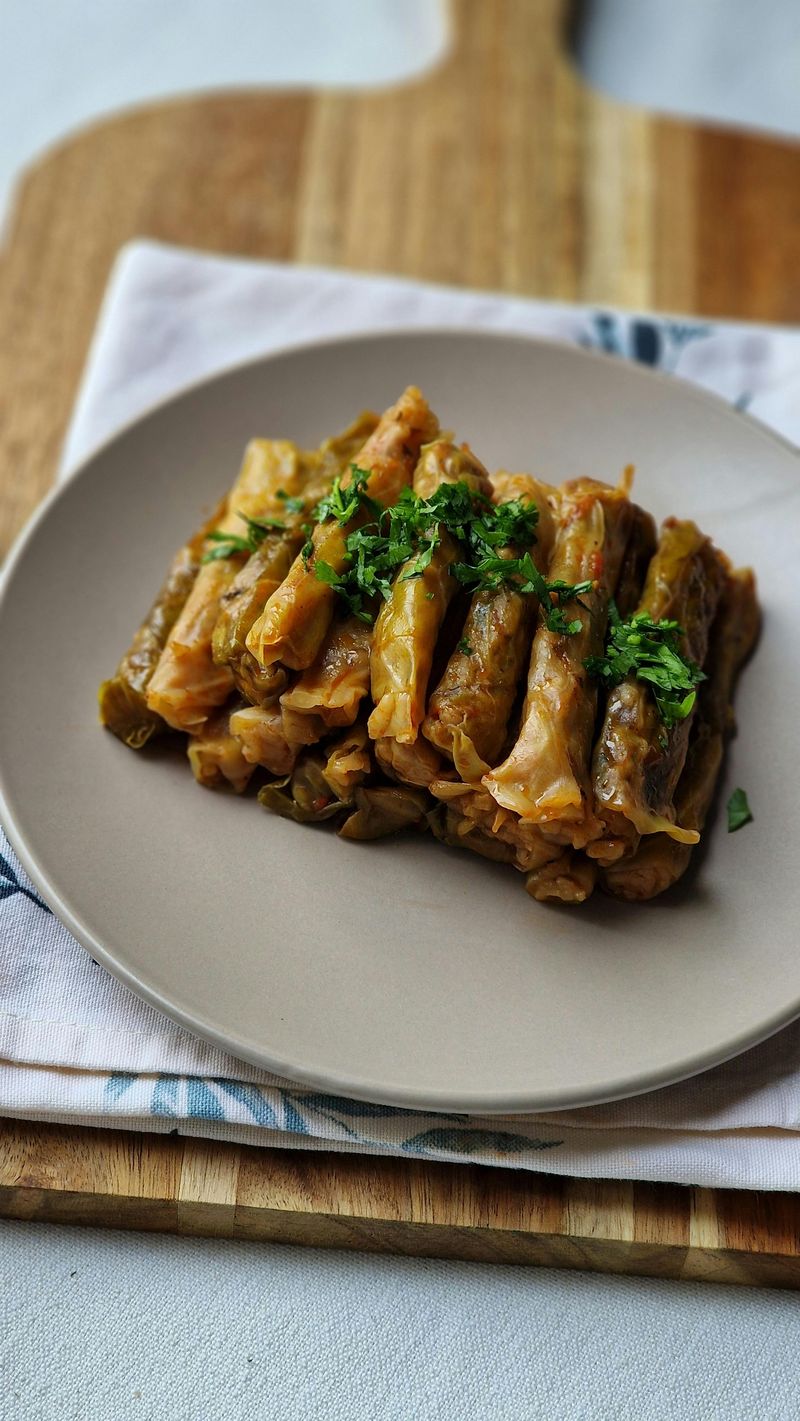
Cabbage rolls demand prep that looks easy until leaves tear. Parboiling and shocking loosen them without turning limp.
Vein trimming helps folding, and filling must cling without bursting. Sauce should be tangy-sweet and plentiful to braise gently.
Stacking too tight prevents even cooking, and too loose dries edges. Timing rice doneness with meat tenderness takes practice.
Resting develops flavors and makes slicing tidy. The moment a roll cuts clean and steams with savory perfume, you realize how many thoughtful steps hide under the comfort.
Sunday sauce
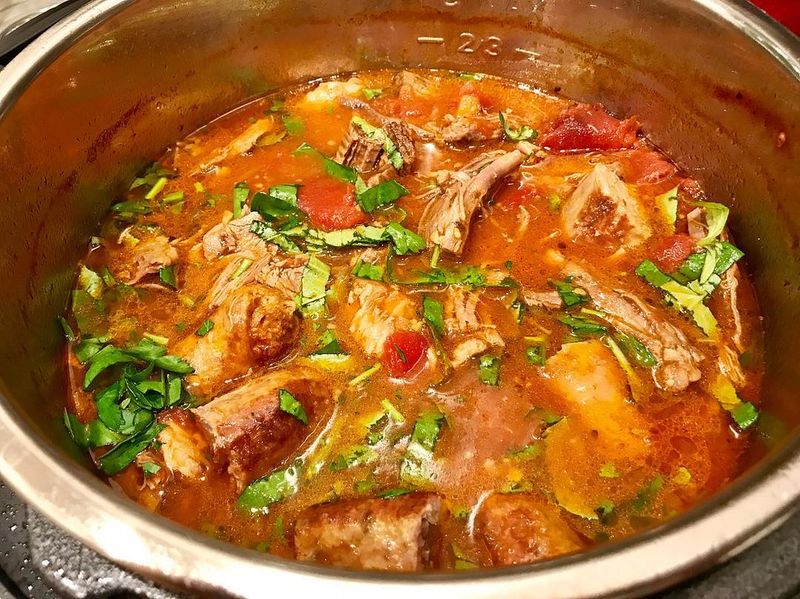
Sunday sauce is less recipe, more ritual. You brown meats for fond, then let tomatoes simmer into sweetness.
Time softens acidity, and bones enrich body. Seasoning shifts as liquid reduces, so tasting becomes constant.
Basil waits until the end to stay bright.
Different meats release fat at different moments, demanding skimming and patience. Meat must be tender yet sliceable.
Pasta water loosens the sauce at service. When the house smells like hugs and the sauce clings to each noodle, you know why an afternoon disappears.
Meatballs
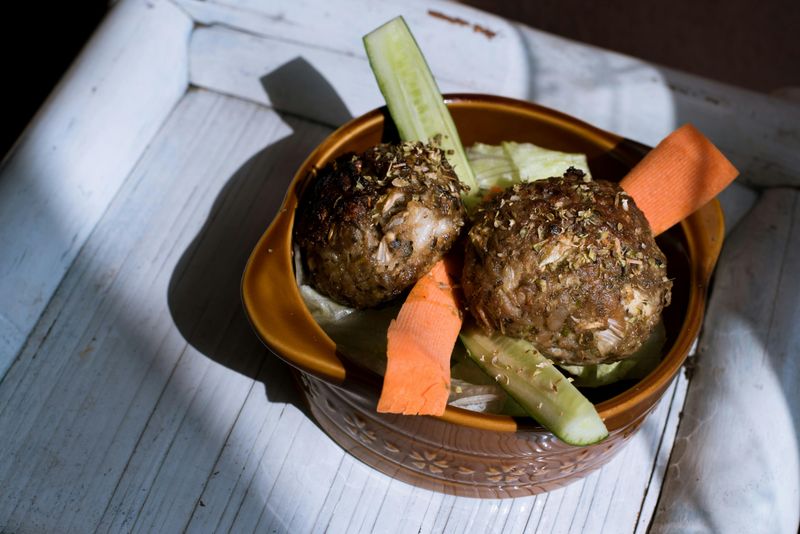
Great meatballs rely on texture more than spice. Bread soaked in milk creates tenderness, while eggs bind without toughening.
Mixing gently avoids dense results. A blend of meats balances fat and flavor.
Browning adds savor, but simmering afterward keeps them juicy.
Salt must be generous but not harsh. Size consistency ensures even cooking.
Resting in sauce lets flavors marry and crumbs hydrate. When a fork slides through a cloudlike center and sauce hugs every curve, calling them easy suddenly sounds silly.
Caramel sauce
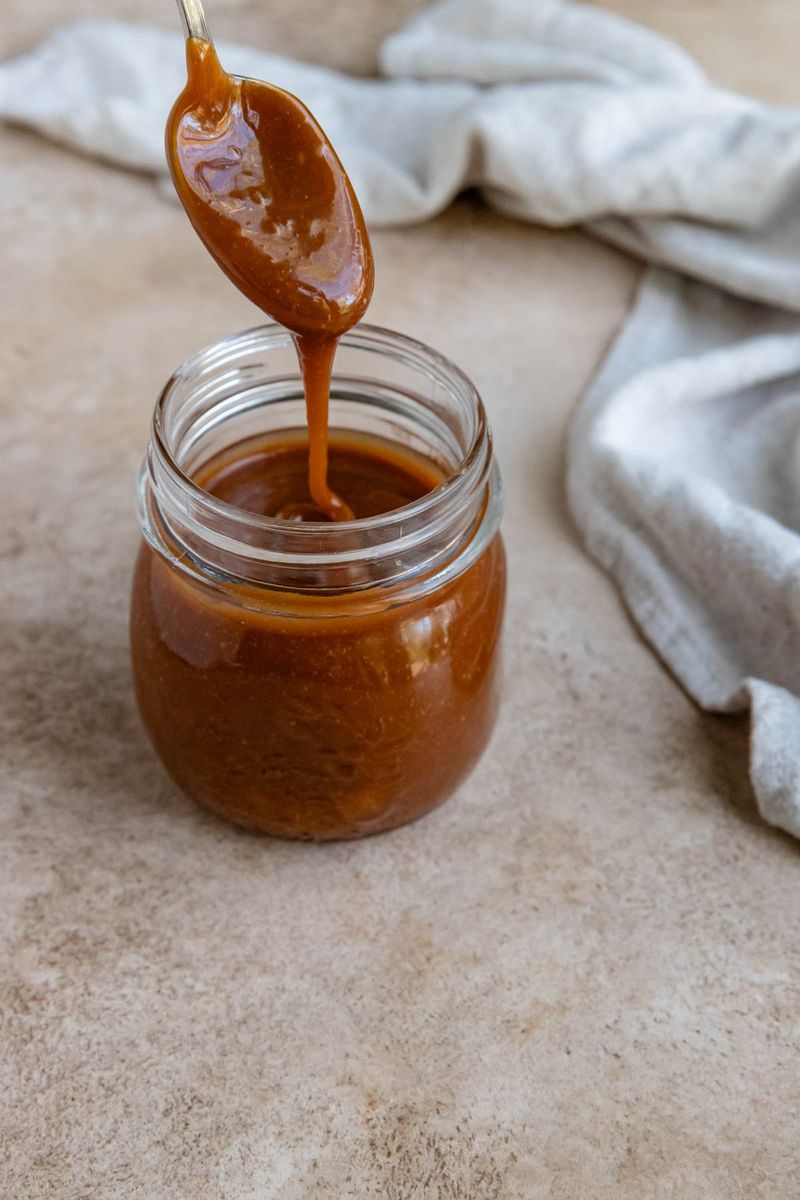
Caramel sauce is sugar, heat, and nerves. The color moves from blonde to burnt in a blink.
Wet versus dry methods behave differently, and crystals can ruin everything. A clean pan, no stirring at the wrong time, and careful brushing prevent disasters.
Adding cream causes volcanic bubbling, so temperature awareness keeps splatter controlled. Butter and salt finish for balance.
Cooling changes thickness, so you plan consistency ahead. When it pours like satin and tastes bitter-sweet instead of scorched, you finally respect the dance.
Roast turkey
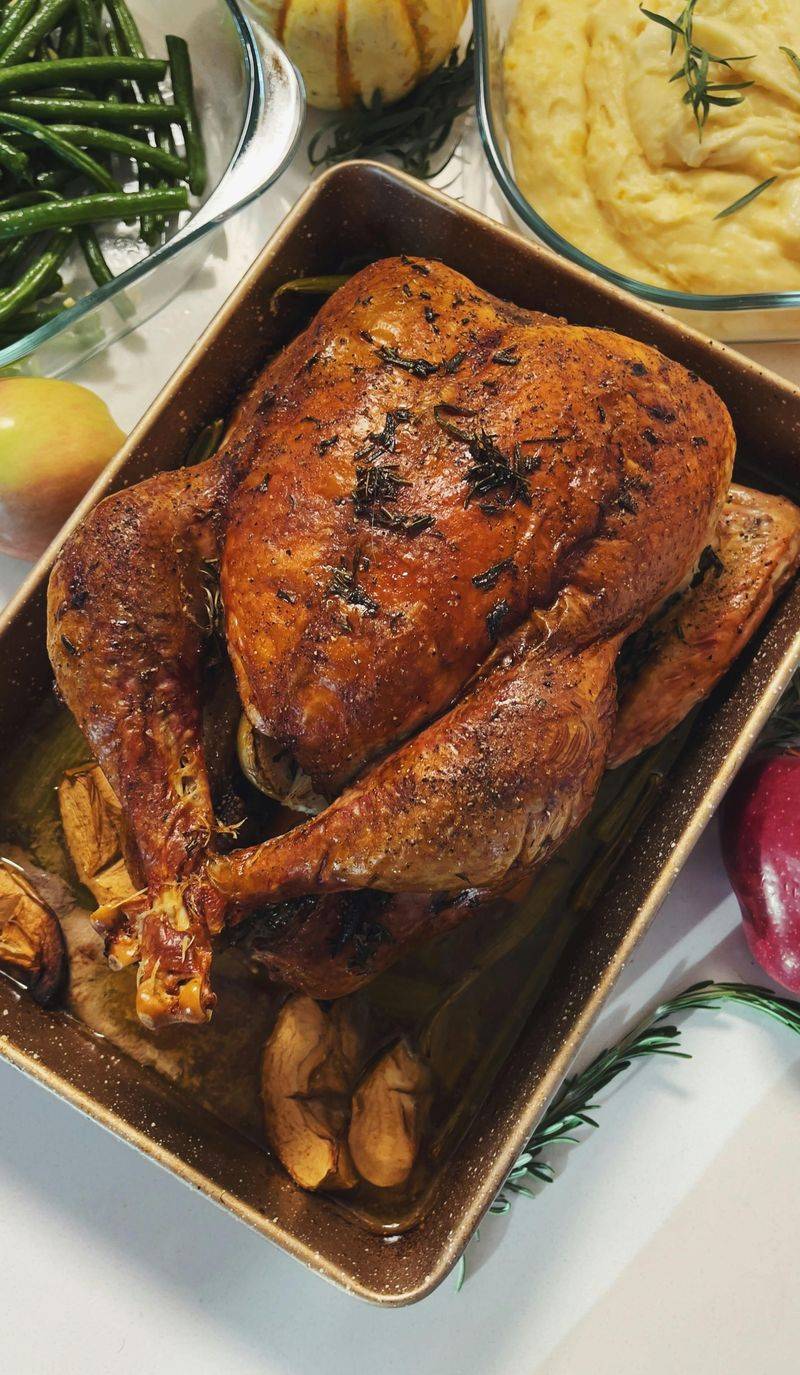
Turkey looks like an oversized chicken but cooks like two birds. The breast dries quickly while legs lag behind.
Spatchcocking, brining, or strategic ice packs even temperatures. Butter under the skin bastes from within, while careful salting seasons deeply.
Thermometer discipline beats guesswork. Resting allows juices to redistribute and skin to stay crisp.
The gravy depends on drippings you manage throughout. When slices carve juicy and flavorful, you remember every step that made a once daunting centerpiece taste effortless.
Perfect steak
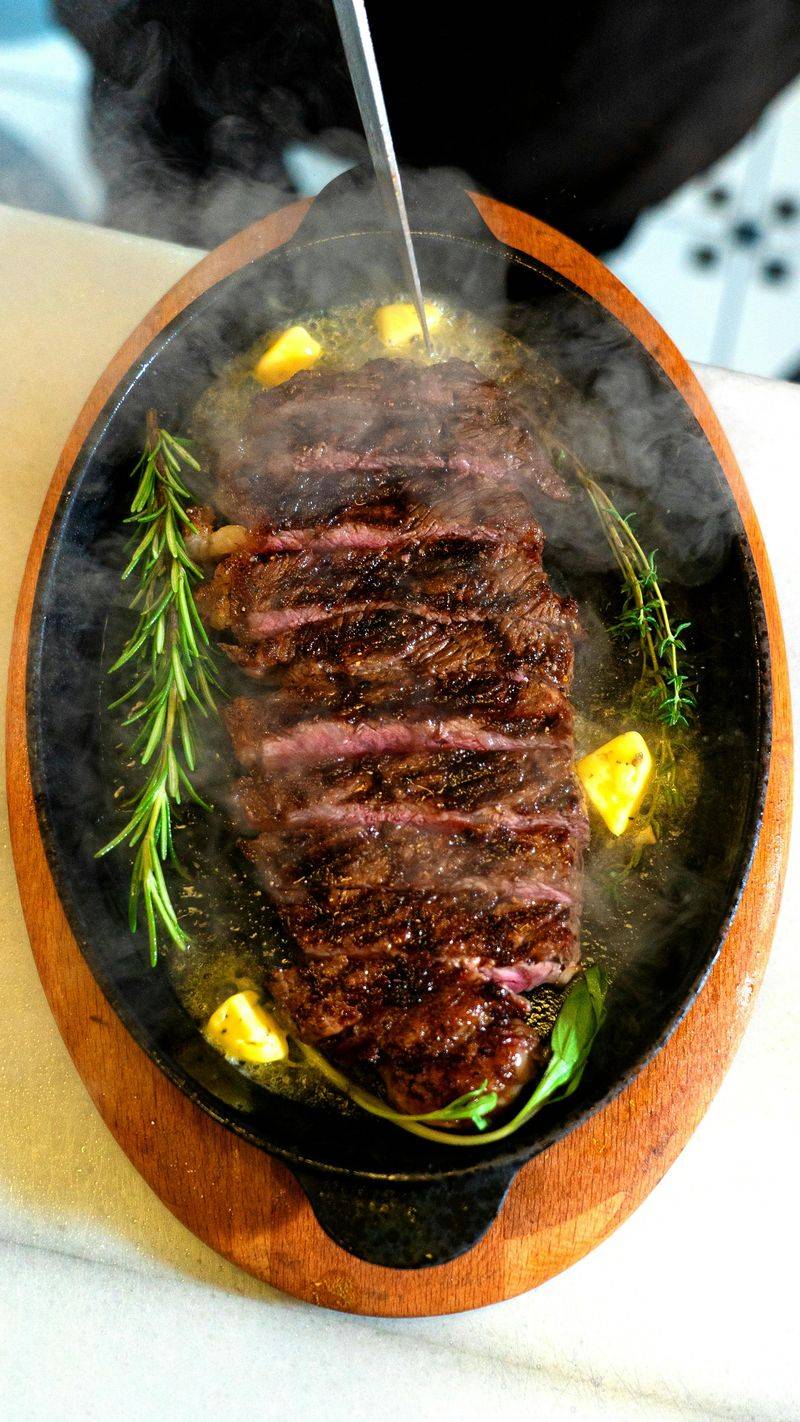
Steak seems simple until heat management enters the chat. Meat temperature, pan material, and fat type all matter.
Patting dry intensifies crust, and salting early changes moisture movement. Flip timing and basting build flavor while avoiding gray bands.
Carryover cooking sneaks past your target if you ignore it. Resting keeps juices inside rather than on the board.
Searing edges finishes rendering. When a slice reveals ruby warmth beneath a crackling crust, you finally understand how practice turns minimal ingredients into maximum satisfaction.
Ramen broth
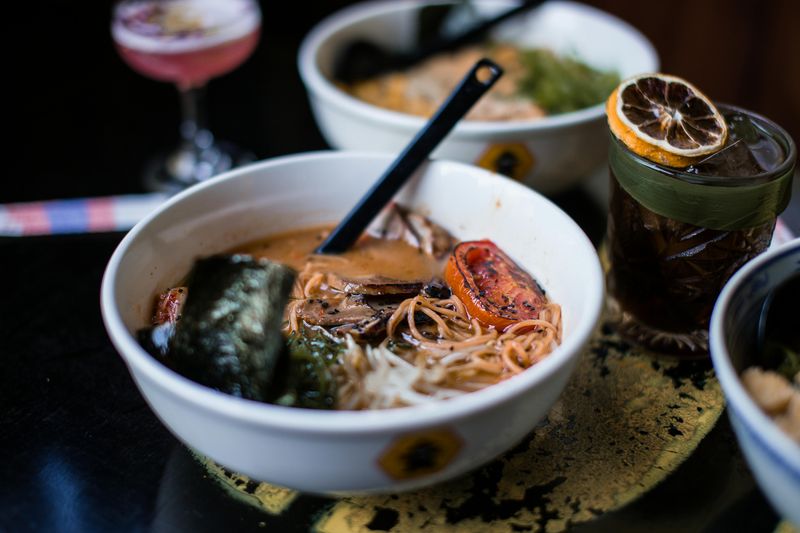
Ramen broth ranges from feather light to pork-cloud heavy, and each path is tricky. Tonkotsu needs a roaring boil to emulsify collagen into creamy body.
Shoyu styles prefer clarity with timed tare blends. Aromatics must not overpower the base bones.
Stock skimming, fat management, and hours of heat create texture you feel, not just taste. Seasoning happens at service with tare and oils, demanding precision.
Noodles must match broth weight. When slurps feel balanced and rich without fatigue, you realize how demanding ramen truly is.