


Some dishes look simple until you try to nail every little detail. That is when technique, timing, and patience separate average from unforgettable.
If you have ever wondered why your version does not taste like your favorite spot, this list explains where things go sideways. Ready to turn deceptively simple meals into bragworthy wins you can repeat anytime?
Gravy
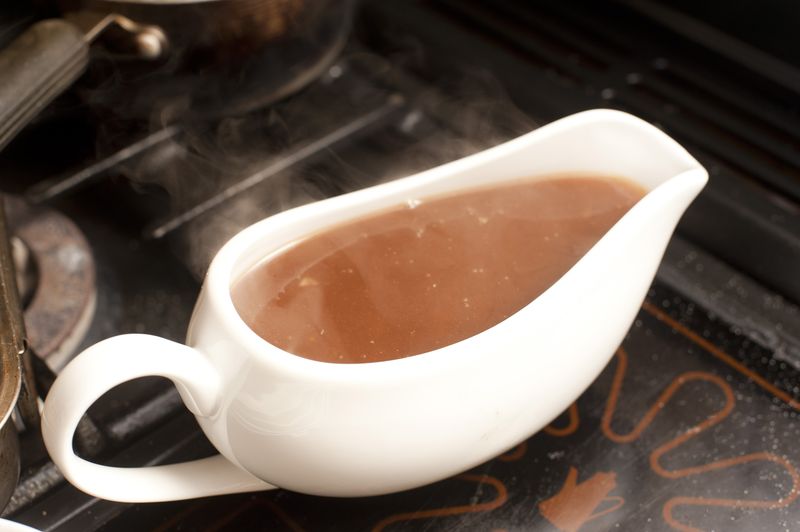
Good gravy starts with a properly cooked roux and flavorful drippings, not just cornstarch. The fat must toast the flour until nutty, or you will taste raw paste.
Deglaze the pan fully, scraping fond without burning, then build layers with stock and a splash of acidity.
Season last, after simmering, because salt concentrates. Skim excess fat so it sips silky, not greasy.
If lumps appear, whisk like you mean it, or finish with a fine mesh strainer and a knob of butter for shine.
Pie crust
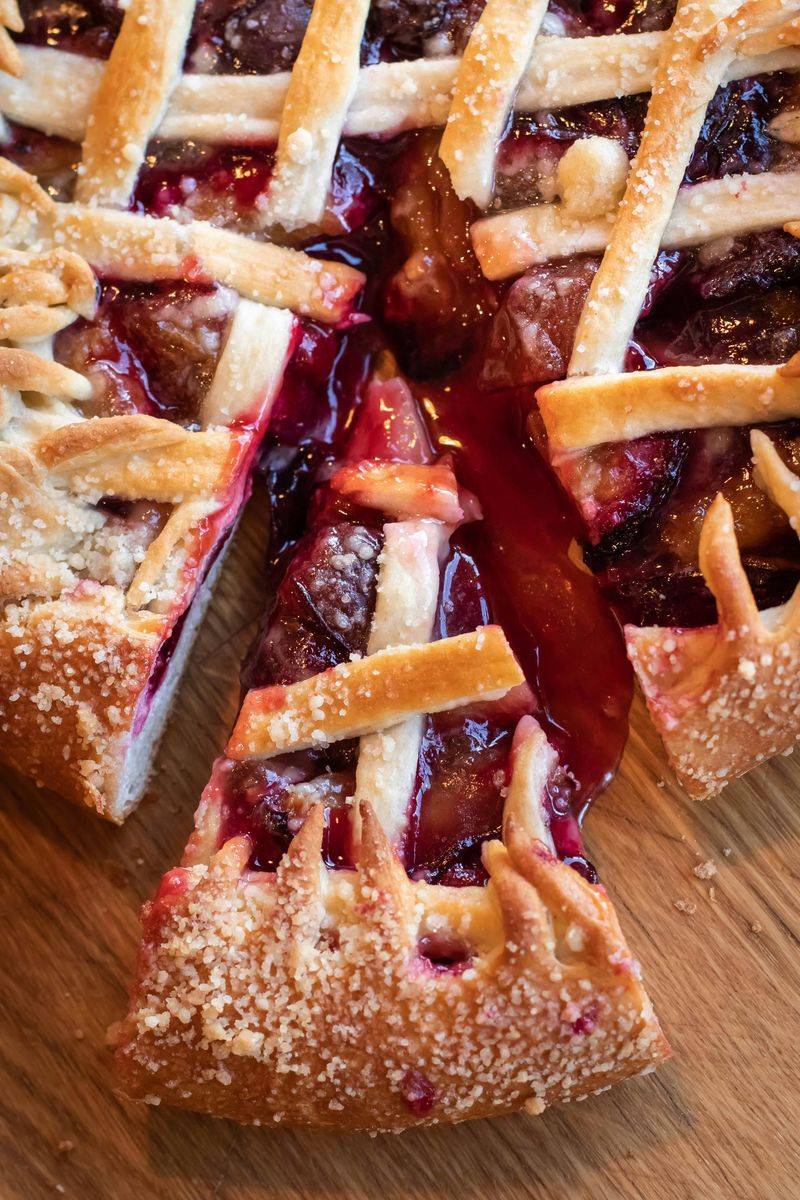
Flaky crust is about temperature control and restraint. Keep butter cold, water icy, and hands off the dough as much as possible.
Visible butter pieces create steam and layers, but overworking turns everything tough. Rest the dough to relax gluten and prevent shrinkage.
Roll from the center outward with light strokes. Chill again before baking, dock or weight for blind bakes, and do not skip a hot start.
A little vinegar or vodka can limit gluten, but balance moisture. Aim for crisp bottoms, bronzed edges, and tender bite.
Homemade bread
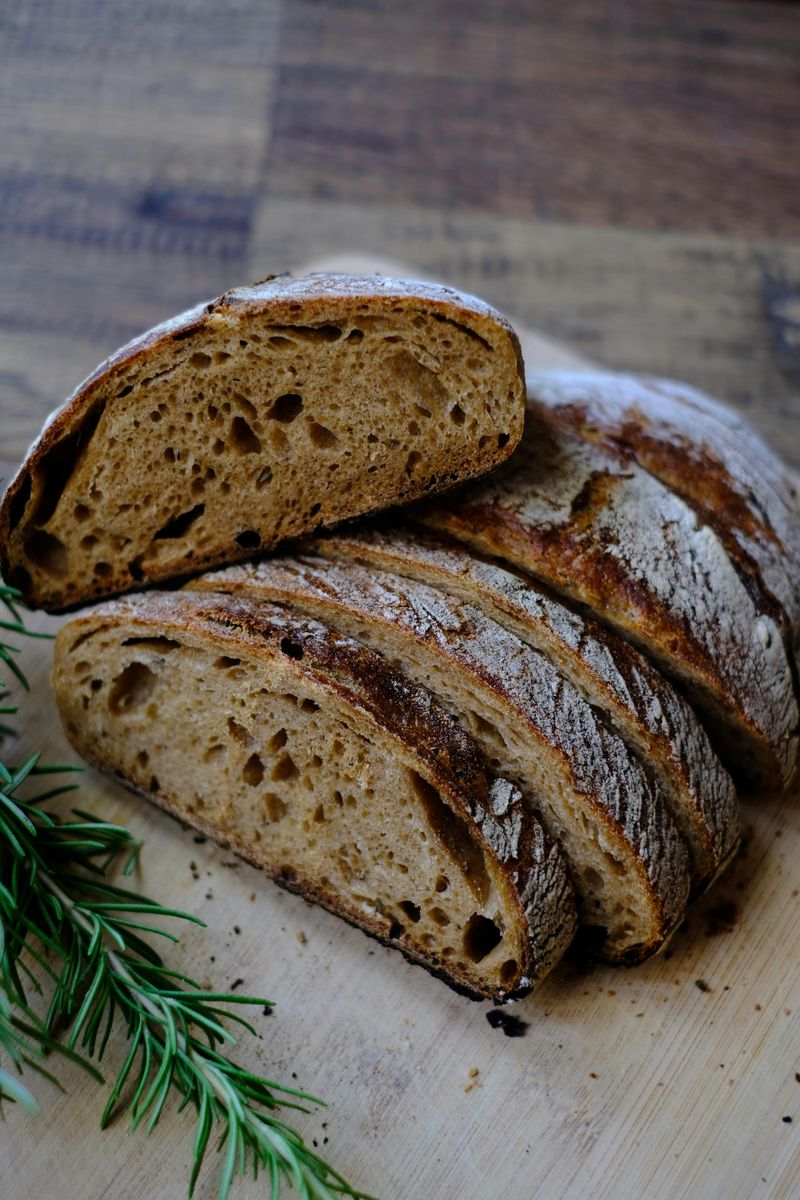
People think bread is flour, water, yeast, and go. Real bread is fermentation, strength, and patience.
Hydration affects crumb, salt controls yeast, and time builds flavor. Knead or fold until the dough feels elastic, then let it rise somewhere not too warm.
Rushing creates bland loaves.
Shaping matters for structure, and a tight skin helps oven spring. Score decisively with a sharp blade.
Bake in a hot, steamy environment so the crust sets late and expands. Cool fully before slicing, even if it is begging you.
Fresh pasta
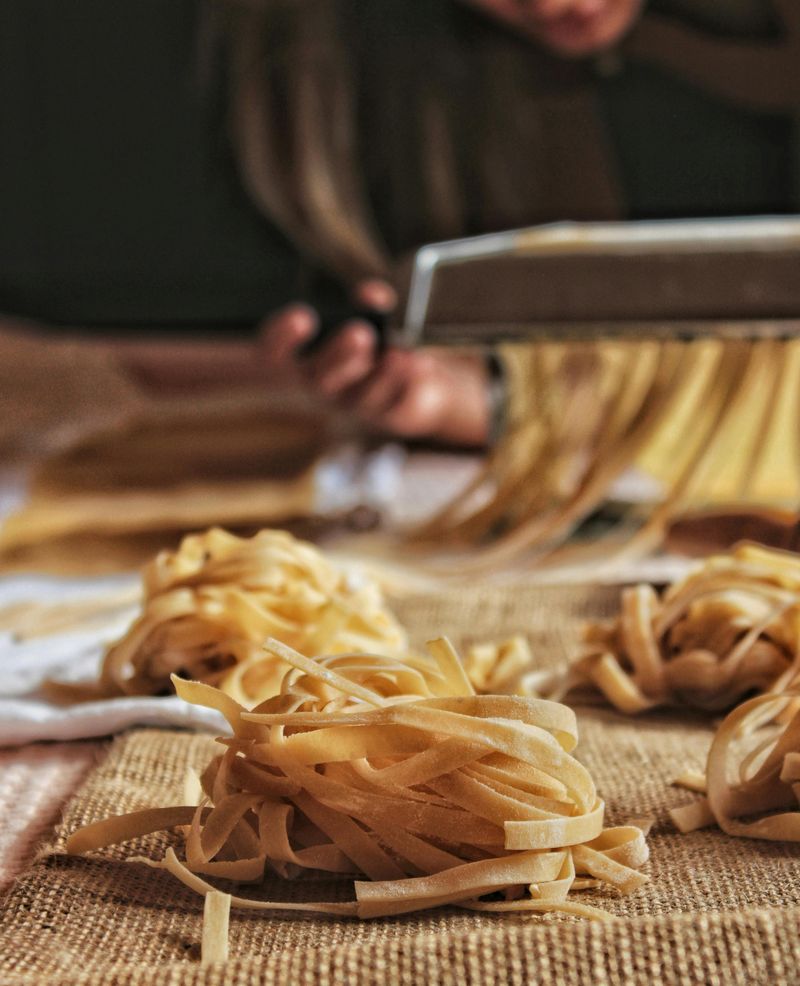
Fresh pasta is about feel more than recipe. The dough should be smooth, elastic, and just tacky.
Hydration varies with flour and humidity, so adjust with water or flour sparingly. Knead until silky, rest to relax gluten, then roll thinner than you think.
Dust with semolina to prevent clumping. Salt the cooking water generously and keep the boil lively.
Finish pasta in the sauce with a splash of starchy water to emulsify. Undercook slightly, then let carryover heat bring it to perfect al dente.
Risotto
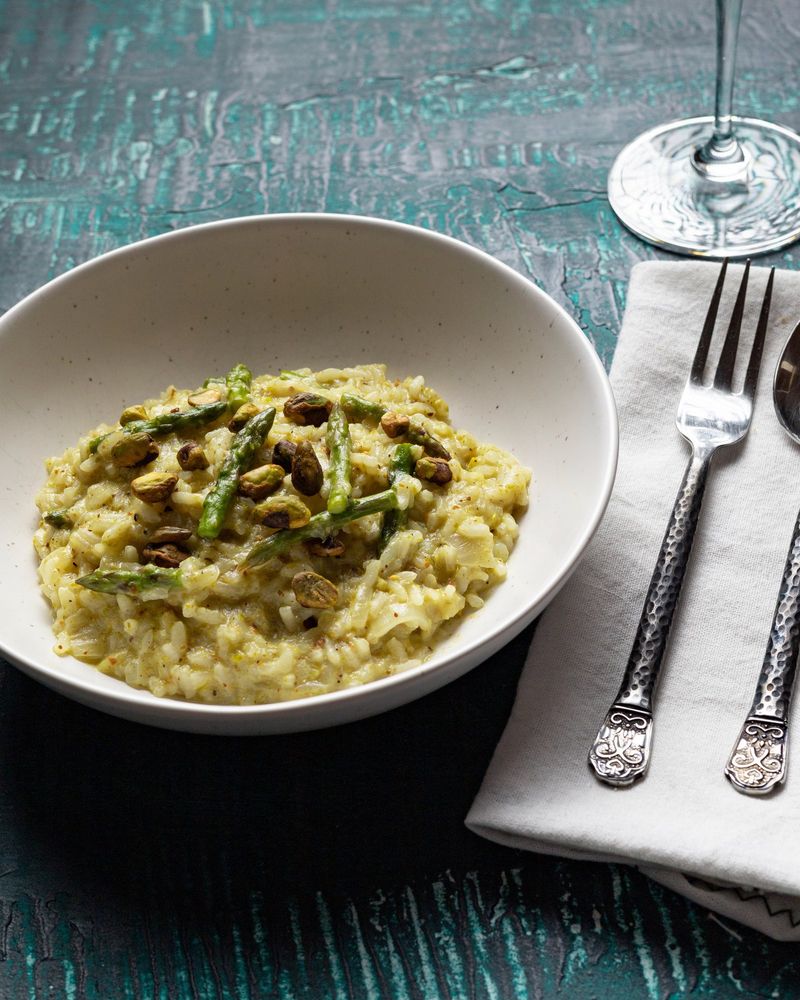
Risotto is patient stirring with purpose, not frantic mixing. Toast the rice until pearly, then deglaze with wine.
Add hot stock in stages so starch releases slowly, building creaminess without cream. Keep it moving but not aggressively, letting grains rub gently.
Season gradually and finish decisively. Off heat, mount with cold butter and Parmesan for sheen.
Aim for all’onda, flowing like a wave on the plate. Overcook and it turns mushy, undercook and the core is chalky.
Serve immediately while it ripples.
Fried chicken
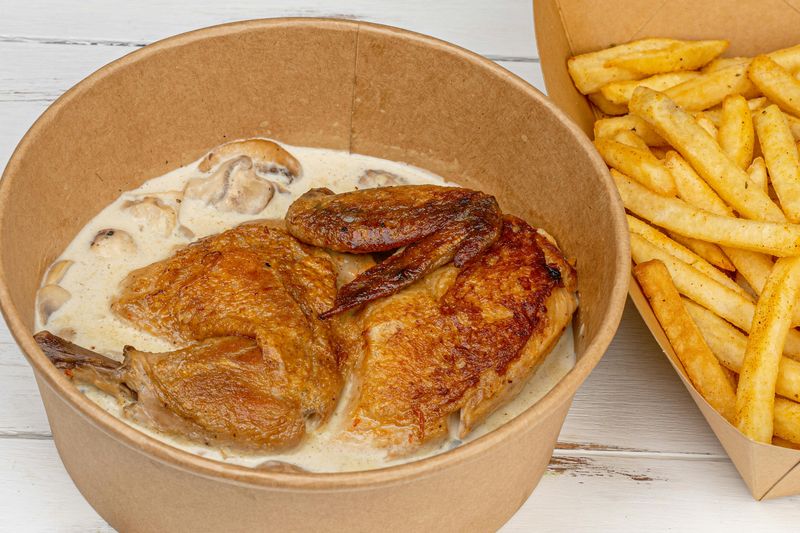
Crispy fried chicken demands brining, seasoning layers, and temperature control. A buttermilk marinade tenderizes and flavors, but salt needs time.
Dredge in seasoned flour, rest to hydrate the crust, then fry in steady oil so bubbles stay lively, not raging. Crowding drops heat and greases things up.
Use a thermometer, not guesswork. Dark meat forgives more, but white meat dries quickly.
Rest on a rack, not paper, to keep crunch. Season again while hot.
The best pieces sing with salt, spice, and shatter.
Dumplings
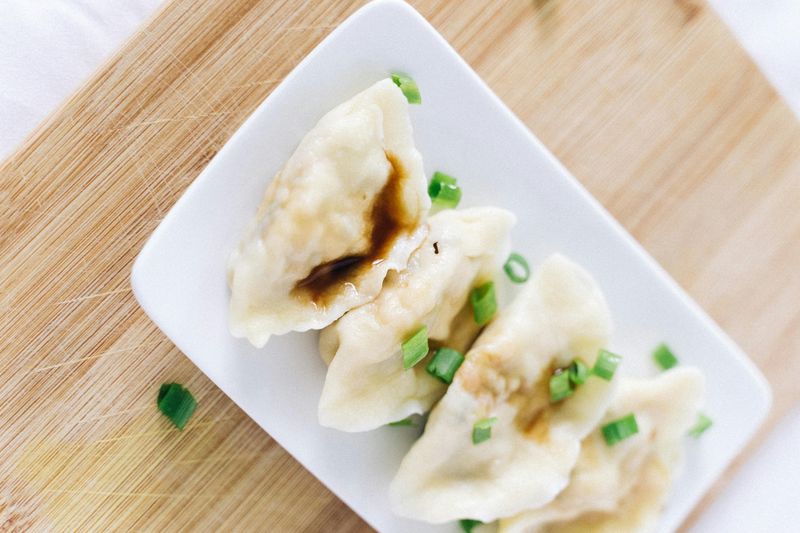
Dumplings look simple until sealing and cooking reveal the truth. Dough hydration must balance elasticity and tenderness.
Filling needs moisture without sog, so use cabbage salt-squeeze or stock gel. Pleats should be tight with no air pockets.
Steam, boil, or fry-steam for potstickers with a crisp skirt. Control heat so bottoms brown, not burn, and steam finishes cooking.
Do not overload the pan. Rest briefly to set wrappers.
Dip in a balanced sauce with vinegar, soy, and heat.
Pho broth
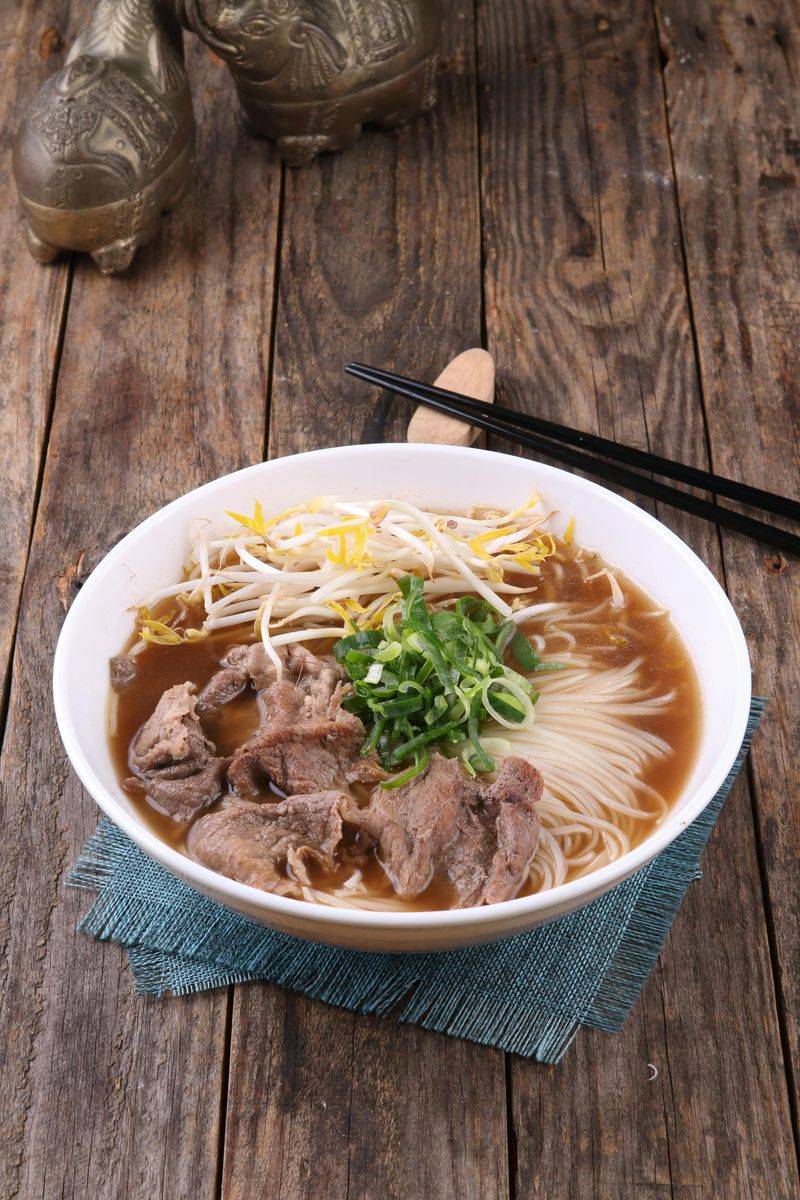
Pho broth is clarity plus depth. Parboil and rinse bones to banish murk.
Char onions and ginger, toast spices, then simmer gently, never boiling, to keep the broth clean. Skim patiently.
Fish sauce seasons, but restraint preserves fragrance.
Do not rush extraction or overstuff the pot. Thin slices of raw beef rely on steaming-hot broth to finish.
Balance sweetness, salt, and anise. Strain carefully and cool fast to keep it bright.
When it sings, the room smells like comfort.
Ramen broth
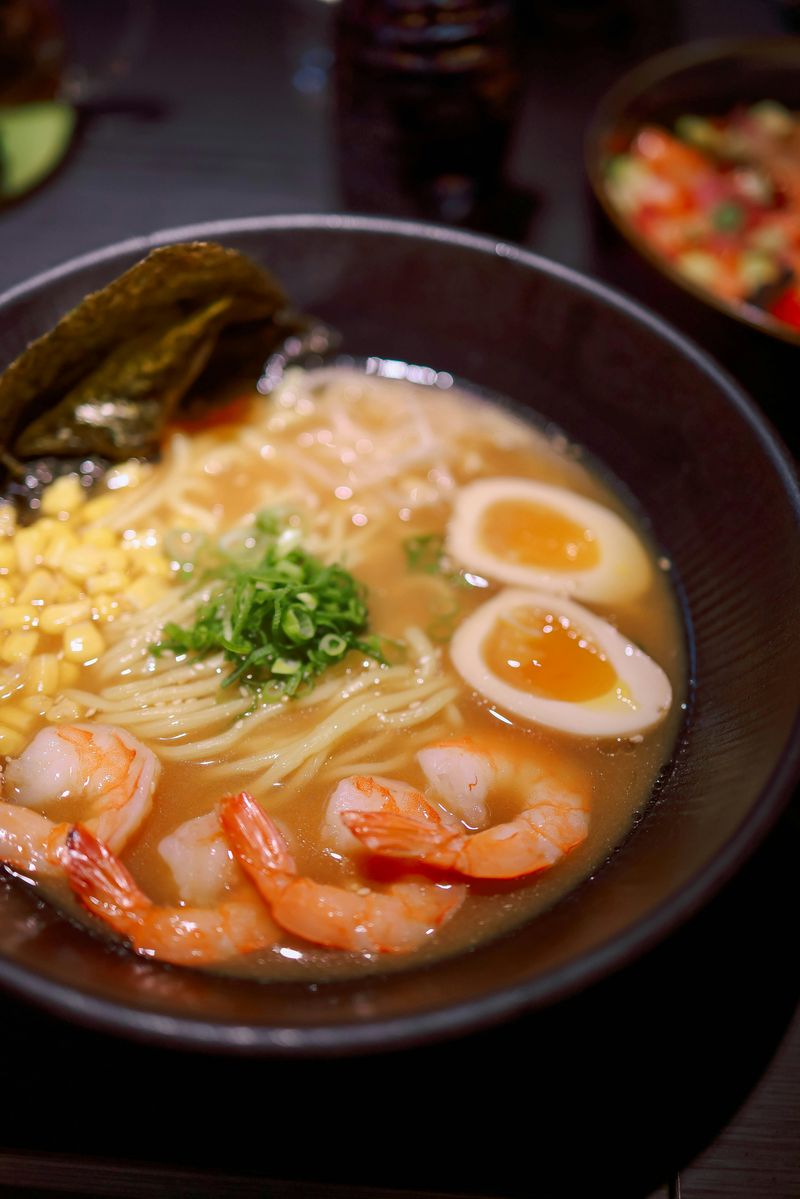
Ramen broth can be feather-light or cloud-rich, but control is everything. For tonkotsu, violently boil to emulsify collagen and fat.
For clear styles, keep heat low and skim. Tare provides salt and personality, so make it separately and season the bowl, not the pot.
Aromas come from bones, kombu, mushrooms, and chicken backs. Time matters, often many hours.
Strain meticulously. Chill and remove excess fat if needed.
The final bowl balances broth, tare, aroma oil, noodles, and toppings like a tiny orchestra.
Paella
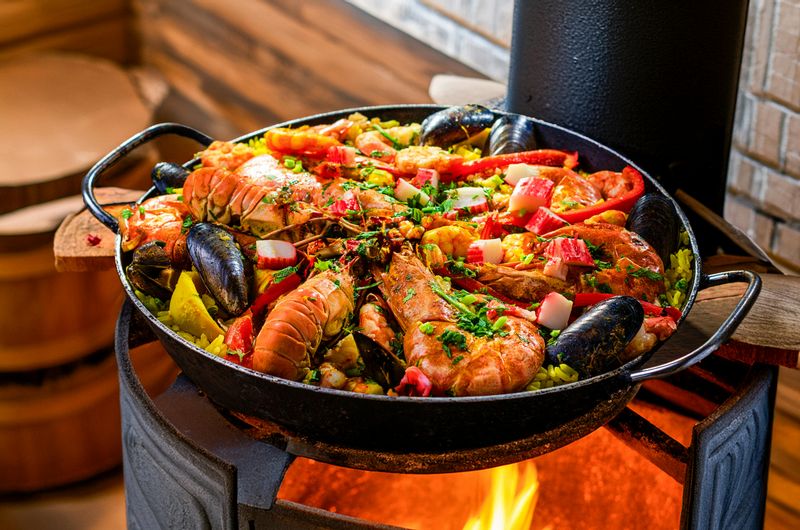
Paella is about rice management and heat zoning. Use a wide pan so grains cook in a shallow layer.
Sauté sofrito until jammy, bloom saffron, and toast rice before adding stock. Do not stir once liquid is in, or you will lose structure.
Rotate the pan for even cooking, and push for socarrat, that caramelized bottom crust. Seafood timing is delicate, so nestle late.
Rest the paella under a cloth. Serve straight from the pan with lemon and pride.
Lasagna from scratch
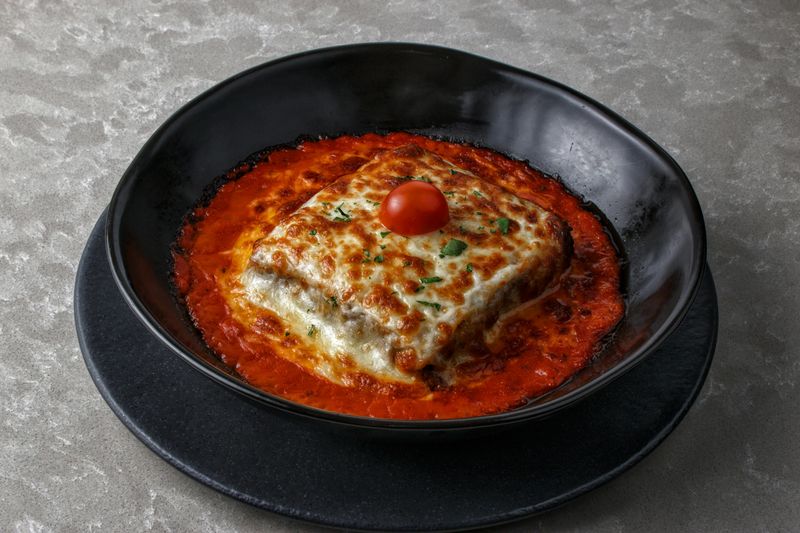
Real lasagna is architecture. Fresh sheets, slow-cooked ragu, and silky béchamel stack into clean layers.
Drain ricotta if using, or skip for béchamel purity. Sauce cannot be watery, or the slice slumps.
Par-cook pasta lightly and dry on towels.
Season every layer, sprinkle cheese judiciously, and rest after baking so it sets. A sharp knife and offset spatula reveal those strata.
Reheat gently to keep edges crisp and center creamy. When balanced, every bite tastes composed, not chaotic.
Meatballs
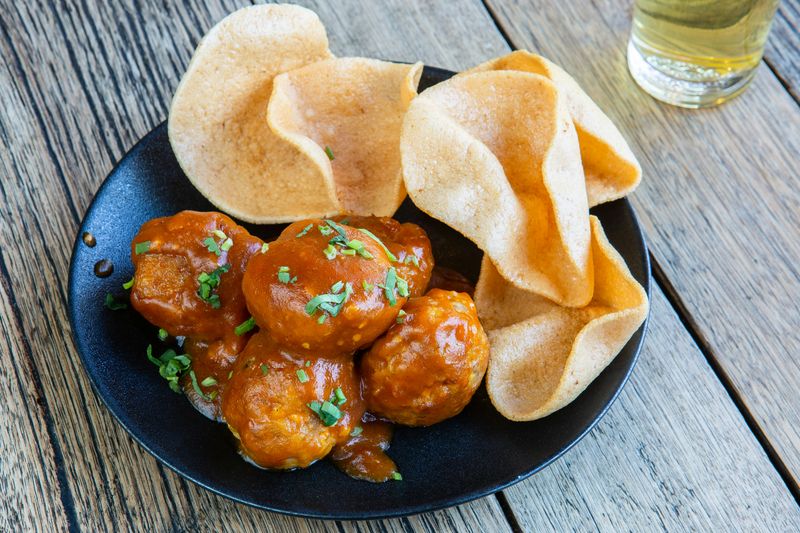
Great meatballs are tender clouds with a seared coat. Use a panade, breadcrumbs soaked in milk, to keep moisture.
Mix gently, just until combined, or they toughen. Combine meats for flavor and fat.
Sear to brown, then finish in sauce so juices mingle.
Season boldly, including salt, pepper, cheese, and herbs. Test a tiny patty first.
Size matters for cook time and texture. Rest briefly before serving, letting sauce hug every curve.
You will taste balance in each bite.
Sunday sauce
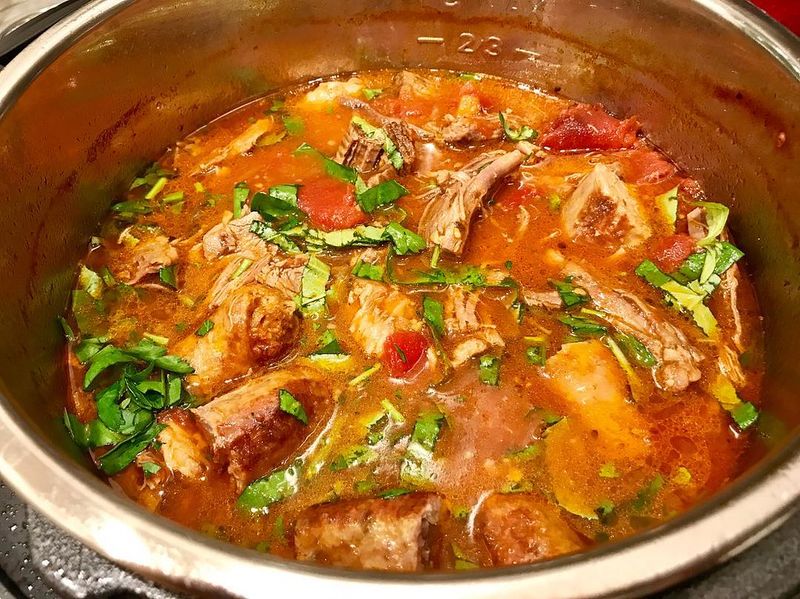
Sunday sauce is time in a pot. Brown meats deeply for fond, then soften aromatics and deglaze.
Use quality tomatoes, crushed by hand for texture. Simmer low for hours so flavors marry and acidity mellows.
Add basil late, not early, to keep it fresh.
Season gradually and taste often. Pull meats when tender and return their juices.
Skim extra fat without losing flavor. Serve with pasta that finishes in the sauce.
It is family in a ladle.
Soup stock
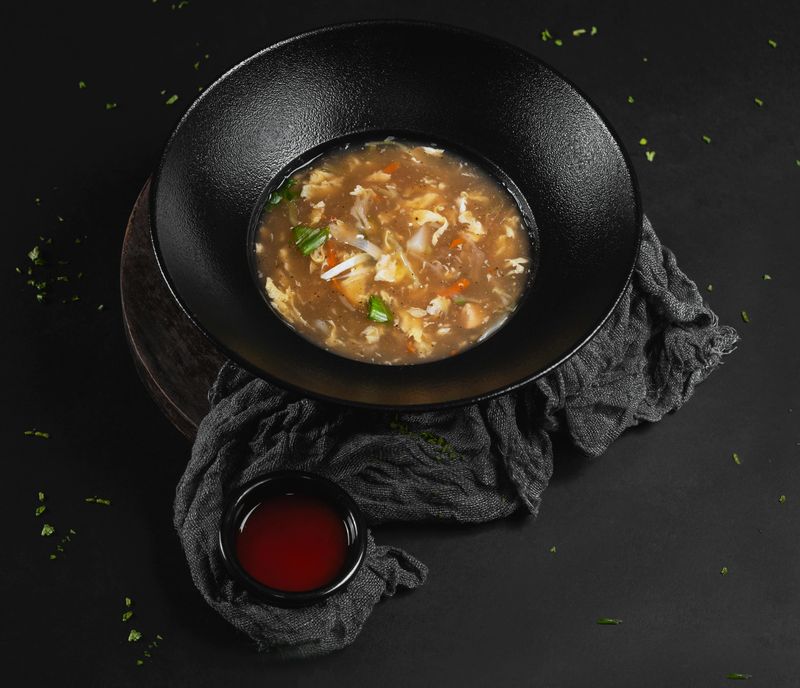
Stock is quiet discipline. Start with cold water, bring to a bare simmer, and skim patiently.
Never boil if you want clarity. Cut aromatics big so they infuse without turning mushy.
Time the salt lightly, since stock reduces later.
Roast bones for brown stock, leave raw for delicate results. Add parsley stems near the end for lift.
Strain through fine mesh without pressing solids. Chill quickly and remove the fat cap.
Your soups and sauces will instantly level up.
Chili from scratch
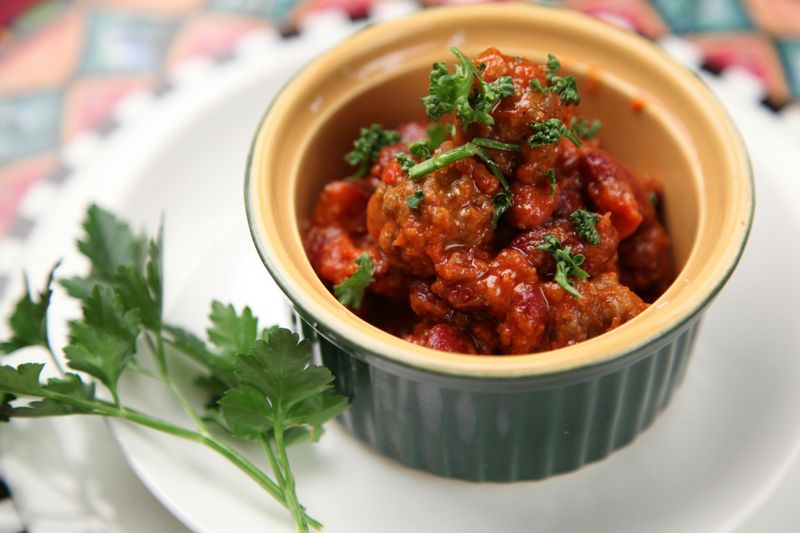
Chili is not just dumping spices. Build flavor by toasting and grinding chilies or blending rehydrated pods.
Brown meat in batches for fond, then bloom spices in fat. Balance heat, sweetness, and acidity with tomatoes, beer, or vinegar.
Simmer until the bite softens and flavors meld.
Salt in stages. Beans, if using, need gentleness to avoid bursts.
Thicken by reduction or a masa slurry. Serve rested, better the next day, with toppings that contrast richness and heat.
Stuffed peppers
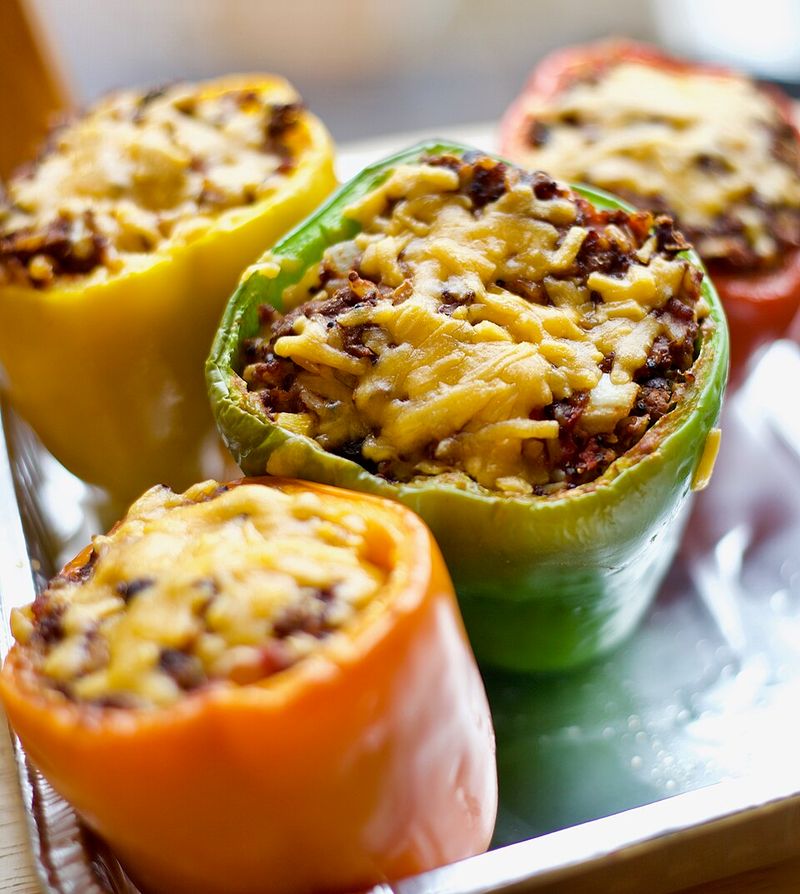
Stuffed peppers fall apart when filling is bland or soggy. Par-cook rice, season aggressively, and include something juicy but structured like tomatoes.
Brown meat, sweat onions, and fold in herbs. Hollow peppers evenly and pre-roast to concentrate flavor.
Pack filling slightly loose so steam moves through. Add a little sauce in the pan, cover to steam, then uncover to brown.
Rest before slicing so juices settle. A squeeze of lemon or vinegar brightens the whole tray.
Cabbage rolls
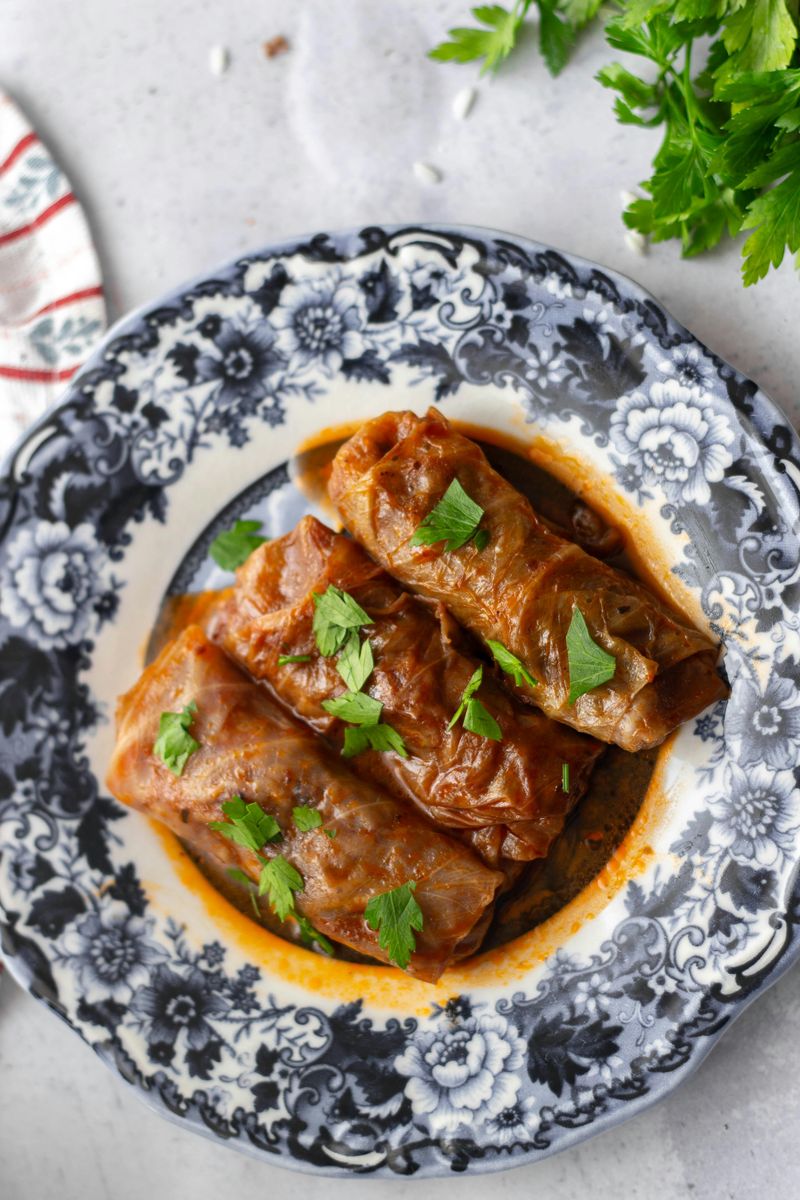
Cabbage rolls hinge on tender leaves and balanced filling. Core, blanch, and shock leaves so they bend without tearing.
Mix meat with rice, aromatics, and enough moisture to stay juicy. Roll tightly but not bursting, tucking sides neatly.
Layer with sauce to braise gently. Do not overpack the pot or they stew unevenly.
Season sauce after reduction to avoid oversalting. Rest to set and slice cleanly.
A dollop of sour cream finishes with tangy comfort.
Caramel sauce
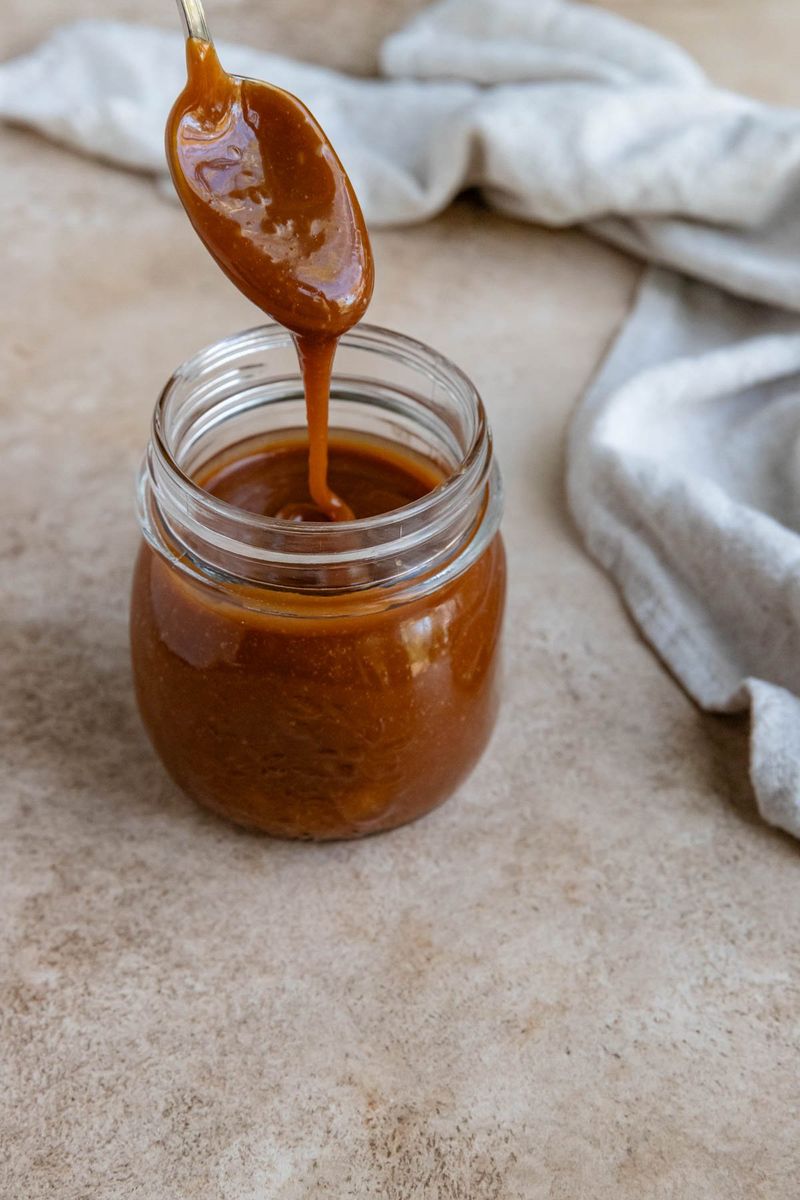
Dry caramel moves fast. Sugar melts, darkens, and can burn in seconds.
Use a light-colored pan to judge color, swirl gently, and avoid stirring early to prevent crystallization. Once amber, add warm cream carefully, then butter and salt.
The sputter is dramatic.
Wet caramel is slower but risks crystals, so wash down sides with water. Temperature carries on after heat, so pull slightly early.
Strain if needed. The result should taste bittersweet, not burned.
Roast turkey
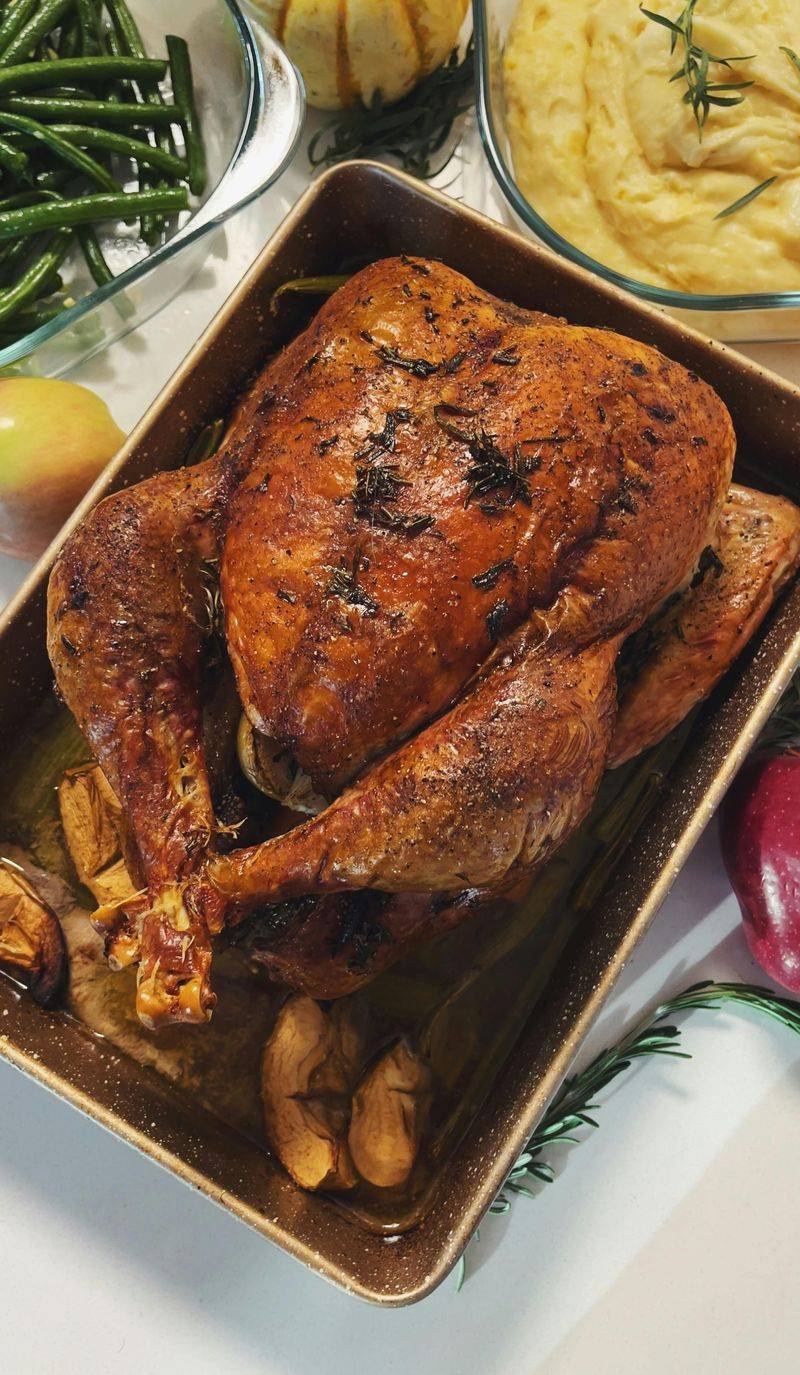
Turkey is a big bird with small margins. Dry brine days ahead for seasoned meat.
Air-dry uncovered to crisp skin. Stuff with aromatics, not dense stuffing.
Start hot to color, then lower heat to finish gently. Monitor temps in breast and thigh, pulling early for carryover.
Rest at least 30 minutes so juices redistribute. Make pan gravy from drippings and fond.
Carve across the grain. The goal is shattering skin and juicy slices, not dry tradition.
Pancakes
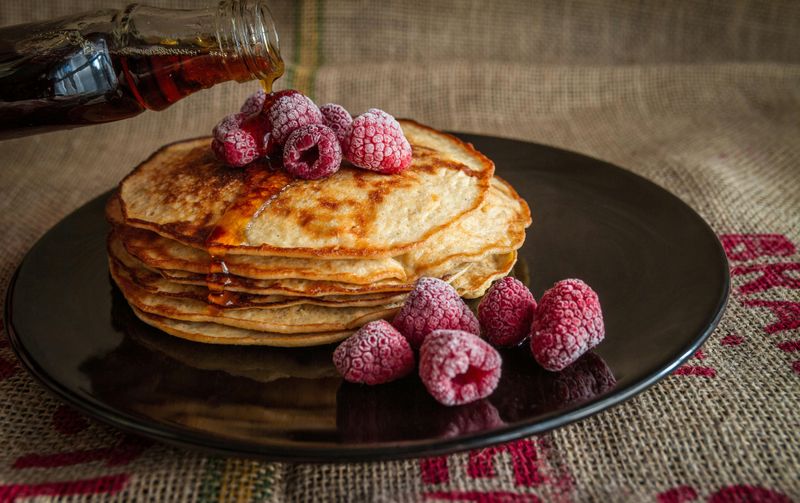
Perfect pancakes are about gentle mixing and heat control. Whisk dry and wet separately, then fold just until combined.
Lumps are fine. Overmixing toughens.
Let batter rest so flour hydrates and leavening relaxes. Cook on a medium griddle, flipping when bubbles set at the edges.
Use clarified butter or neutral oil lightly. Do not press with a spatula.
Keep them warm in a low oven. Serve promptly with real maple syrup, fruit, or a swipe of butter for shine.
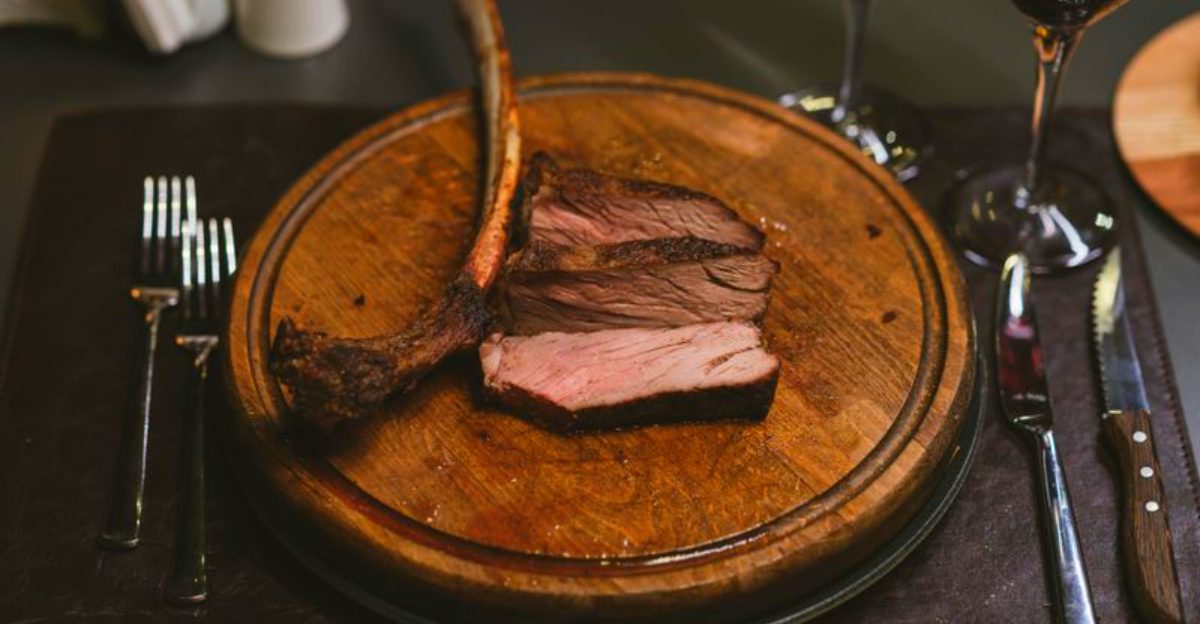
Perfect steak
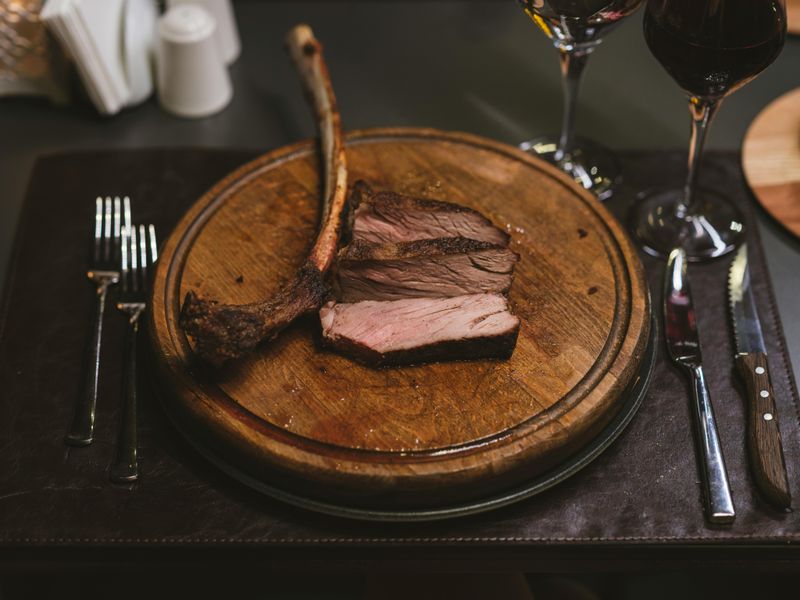
Great steak starts with drying the surface and salting ahead. Thick cuts sear better.
Pat dry, season boldly, and preheat the pan until smoking. Sear without nudging to build crust, then baste with butter, garlic, and herbs.
Use a thermometer to avoid guessy cutting.
Resting matters so juices redistribute. Choose the right method: reverse sear for thick steaks, quick sear for thinner.
Render fat edges. Slice against the grain.
The difference between meh and magic is heat discipline and restraint.