


Some dinners from the past tasted like pure comfort, but today’s ingredient lists would raise eyebrows fast. Between mystery meats, shelf-stable shortcuts, and sodium bombs, a modern scanner would start beeping before the oven preheated.
You can still smell the nostalgia, yet you might also spot additives that were never on grandma’s handwritten cards. Let’s revisit the plates we loved and the labels we now double check.
Tuna casserole
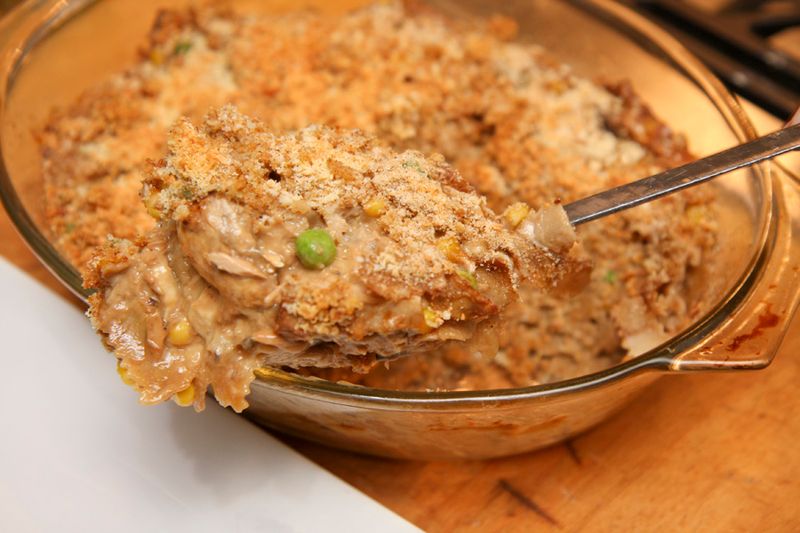
Open two cans, stir, and bake. Tuna casserole was weeknight wizardry built on condensed soup, oil-packed tuna, and crunchy chip topping.
Flavor came cheap, salt came free, and the label was a maze of stabilizers nobody pronounced correctly.
Modern scanners would blink at sodium levels and modified starches in the soup. Still, that steamy noodle tangle with briny fish and peas hits the soul.
It is cozy, crunchy, unapologetically beige, and perfect for cold nights.
Cream soup casserole
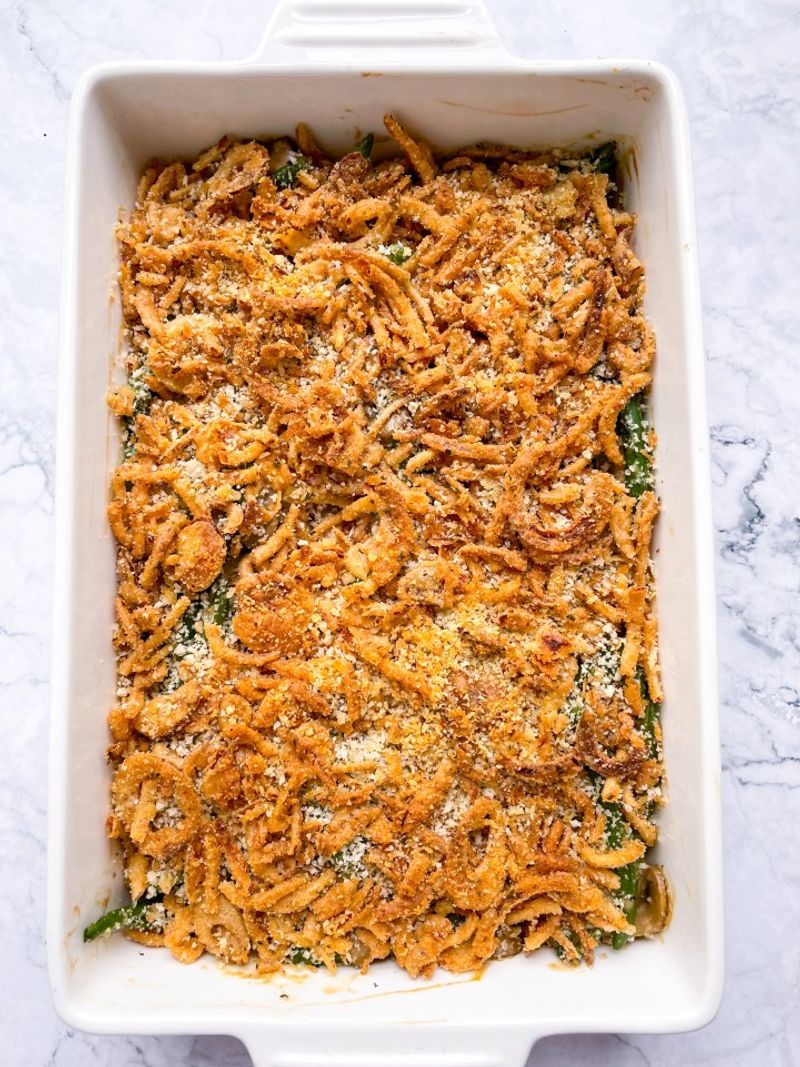
Pick any vegetable, leftover meat, and a can of cream soup, then bake until bubbly. That was the creed of midcentury casseroles, smooth and salty from condensed bases.
The silver-lined can promised dinner in one step, body supplied by modified starch and dairy solids.
Ingredient scanners would ping on flavor enhancers, thickeners, and borderline shocking sodium. Yet the smell of buttered crackers toasting on top makes you linger.
The fork glides through creamy, cozy layers that remembered convenience before clean labels ruled.
Ham and beans
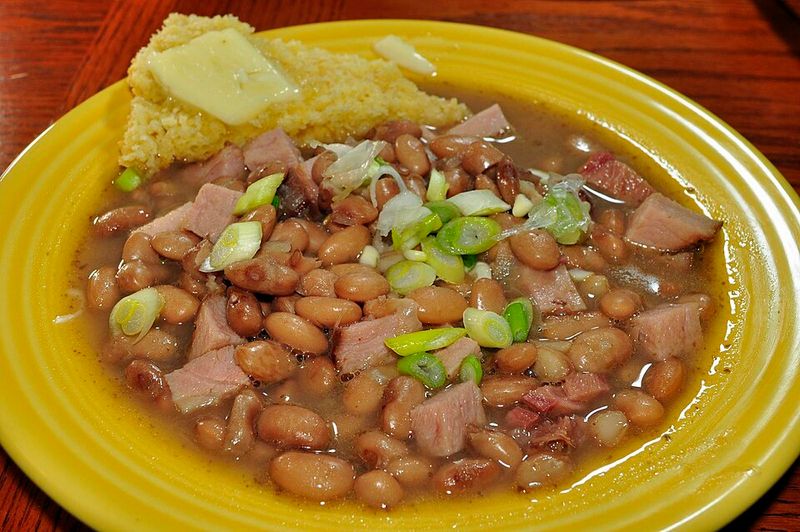
Ham and beans stretched a dollar with smoky power. Cured ham hocks turned plain beans into a rich pot, salty and savory to the core.
That cure, though, often hid nitrites, sugar, and mystery flavorings stamped on tiny labels.
Today’s scanners would glare at preservatives and sky-high sodium per ladle. Still, the broth clings to the spoon like edible history, and a hunk of cornbread makes it sing.
You finish satisfied, thirsty, and strangely homesick.
Split pea soup
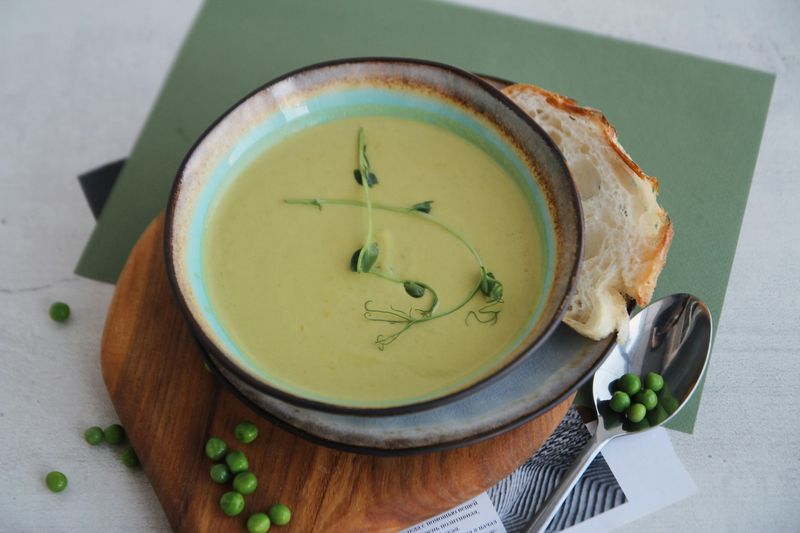
Split pea soup promised thrift and warmth, thick enough to stand a spoon. Smoky ham scraps gave depth while salt did the rest.
Many versions leaned on cured meats with nitrites and bouillon cubes rich in additives.
A scanner would call out the sodium avalanche and flavor enhancers. But ladled hot, it tastes like snow days and long naps.
Smooth peas, wisps of smoke, and a buttery finish make you forgive the label until the glass of water later.
Fried chicken
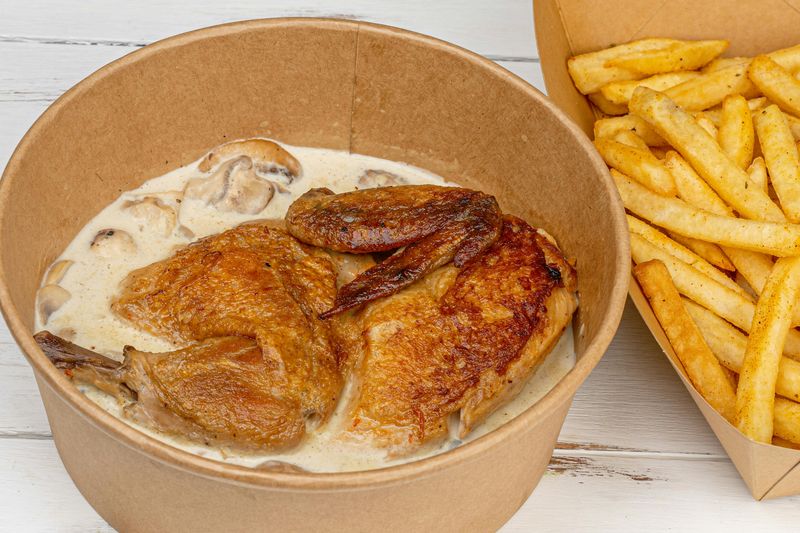
That shattering crust did not come from air fryers. It came from skillet oil and sometimes canned shortening that stayed solid on cold days.
Seasoned flour, maybe a packet mix, amped the crunch while keeping secrets about additives.
Modern ingredient scans might target hydrogenated fats, anti-caking agents, and MSG in premade coatings. Bite in, and all protests stop beneath peppery, juicy meat.
It is celebration food, weekday rebellion, and a nap waiting to happen.
Biscuits and gravy
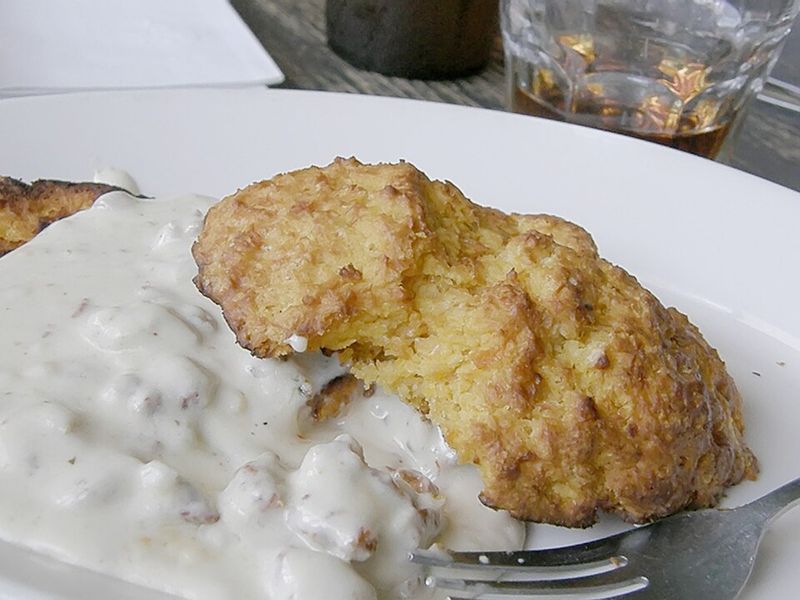
Flour, milk, and sausage drippings make magic, but shortcuts crept in. Canned biscuits puffed easy with conditioners, and bargain sausage brought fillers, sugar, and preservatives.
The skillet did the rest, stirring comfort into a peppery blanket.
Scanners would redline sodium, nitrites, and emulsifiers hiding in dough. Still, split a biscuit and drown it, and the world softens.
You mop every streak, promise moderation tomorrow, and immediately pour more gravy over the plate’s last crumb.
Mashed potatoes
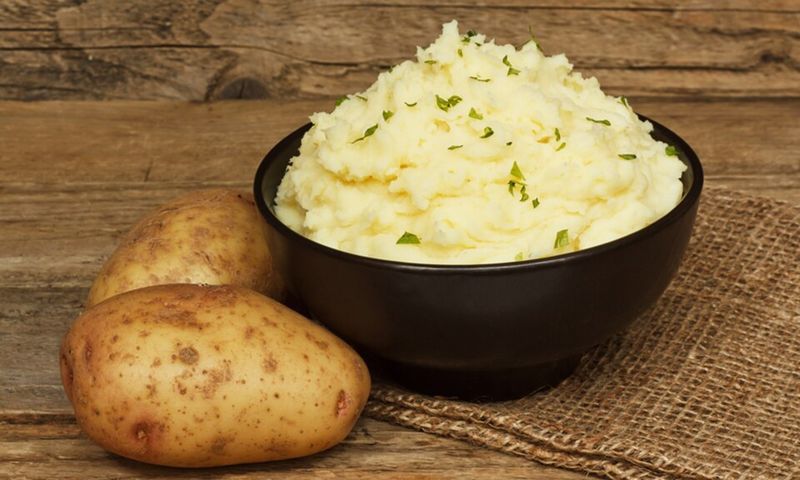
Real potatoes were great, but instant flakes won weeknights. Add margarine, powdered milk, and watch the mixer whip a cloud.
The ingredient list stretched long with emulsifiers and stabilizers, but the bowl looked like Sunday.
Today a scanner would ping on artificial flavors and hydrogenated oils once common in spreads. Still, a buttery spoonful could calm any tantrum at the table.
Smooth, salty, and warm, it made roast anything taste like love.
Gravy

Pan drippings were optional once packets arrived. Brown gravy mix plus water and a bouillon cube made instant depth and suspicious shine.
The label read like a chemistry pop quiz, from hydrolyzed proteins to caramel color.
Ingredient scanners would flash warnings for sodium, flavor enhancers, and artificial colors. Yet over mashed potatoes it felt perfect, coating every bite like velvet.
Even the lumps seemed charming, right until the thirst kicked in later.
Cornbread
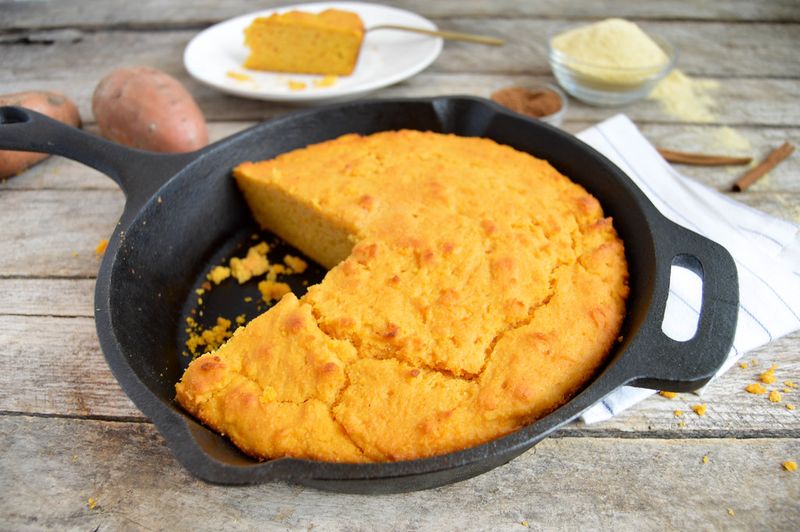
Skillet cornbread walked a line between savory and dessert. Boxed mixes simplified life with enriched flour, sugar, and leaveners that read industrial.
Add oil and an egg, then chase the scent as edges pull from cast iron.
Scanners would note bleached flour, additives, and sweetness levels that nudge closer to cake. Still, a buttered wedge beside beans balances smoke and salt.
Crumbs in the lap, honey drizzle optional, you reach for another square without thinking.
Sloppy joes
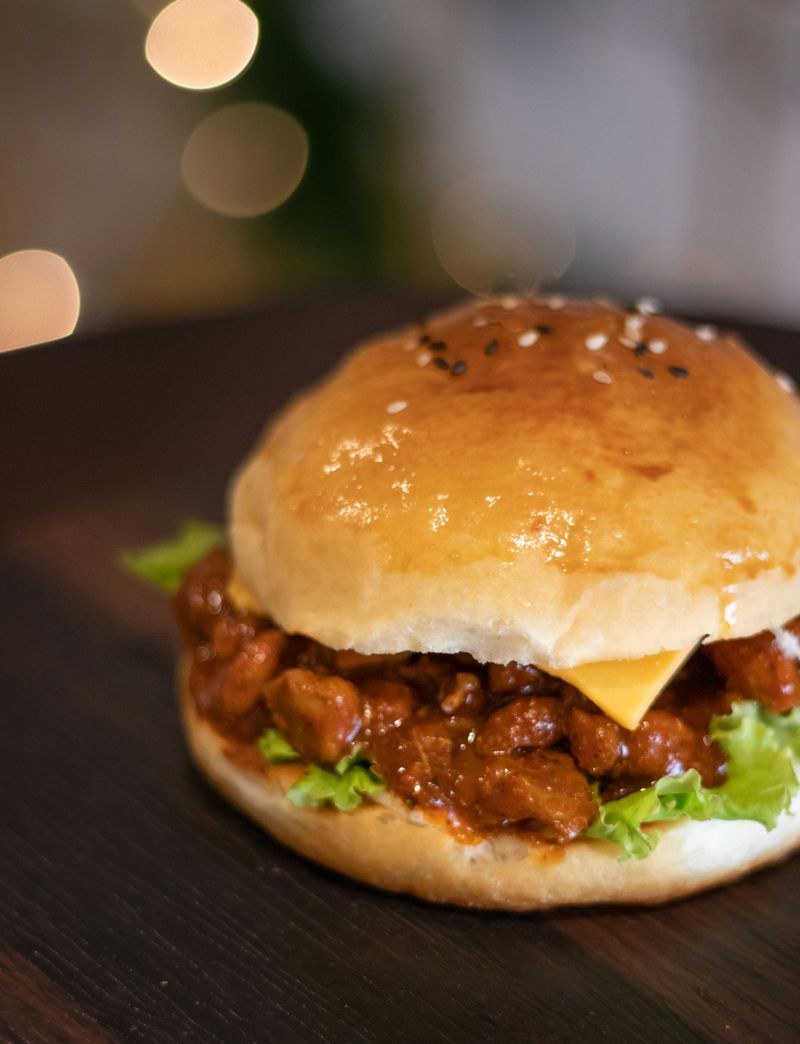
Ground beef met a tangy, sugary sauce that stained every shirt. Many versions leaned on canned sauce or packets starring corn syrup, thickeners, and color.
The bun was so soft it dented at a glance, thanks to conditioners.
Scan that label today and watch sugars and sodium climb. Still, one bite floods memories of summer fairs and paper plates.
Sweet, smoky, and chaotic, it tastes better than it behaves.
Boiled cabbage
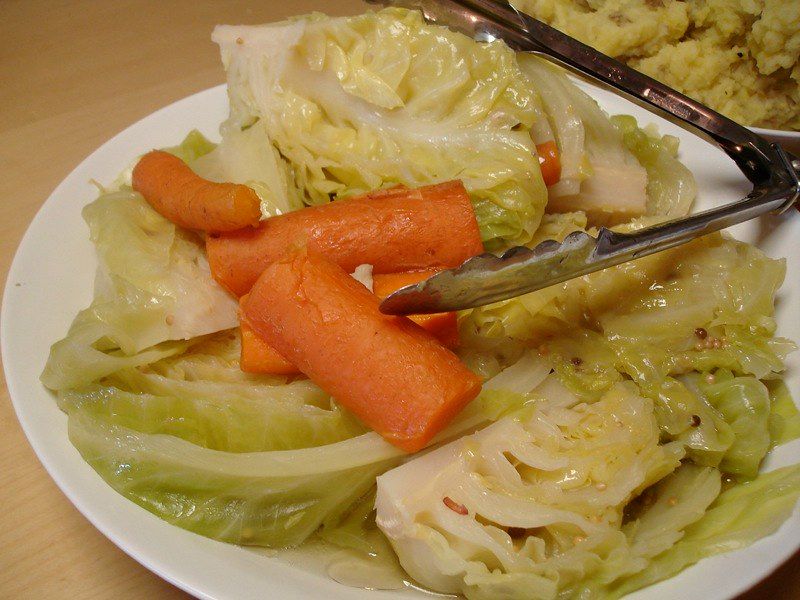
Boiled cabbage fed crowds on pennies, scented the house for hours, and softened into submission. Often finished with margarine and a heavy salt hand, it tasted better than it smelled.
The spread brought colorings and oils the label politely disguised.
Scanners would nudge about artificial flavors and trans fats once common. Still, paired with potatoes, it feels sturdy and honest.
A cheap pot of comfort, even if the kitchen needed every window open while it simmered.
Fried bologna
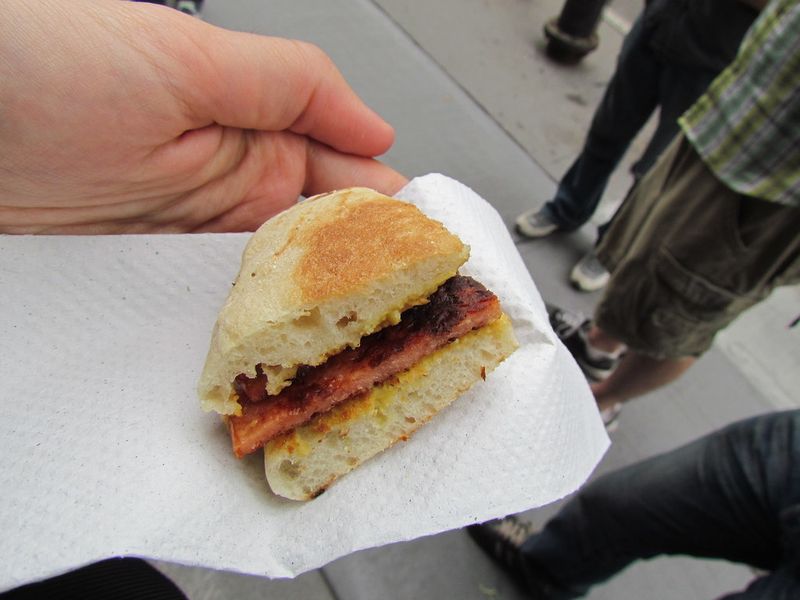
Bologna hit the skillet, cupped at the edges, and snapped with salty joy. Stacked on white bread, it needed only mustard and a paper napkin.
Processed meat meant fillers, nitrites, and a label that felt like fine print homework.
Modern scanners would light up on preservatives and sodium. But that sizzling perfume promises a quick lunch that tastes like childhood.
It is humble, greasy, and perfect with chips, even if your water bottle works overtime later.
Potted meat
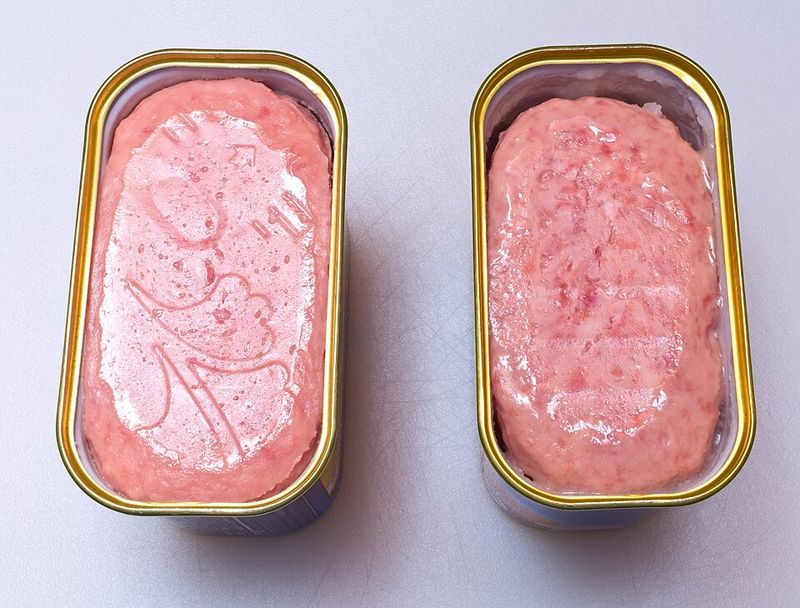
Potted meat spread like secret pâté, smooth and a little spooky. The can said beef and pork, but also binders, gums, and preservatives that kept it shelf-stable forever.
On crackers, it tasted meaty, salty, and strangely sweet.
Scan it, and you will see nitrites, flavor enhancers, and fats from mysterious places. Still, late-night snacks do not ask questions.
A quick smear, a crunch, and another can disappears from the pantry before anyone notices.
Canned ham
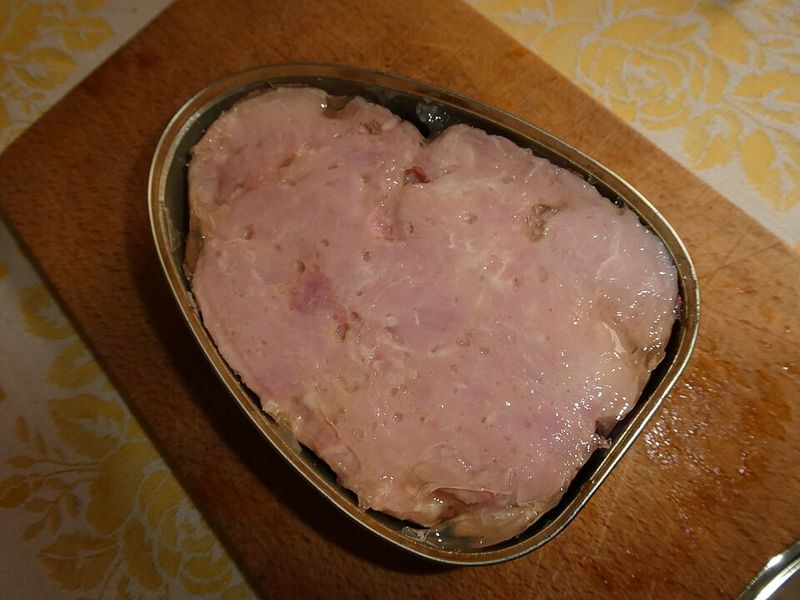
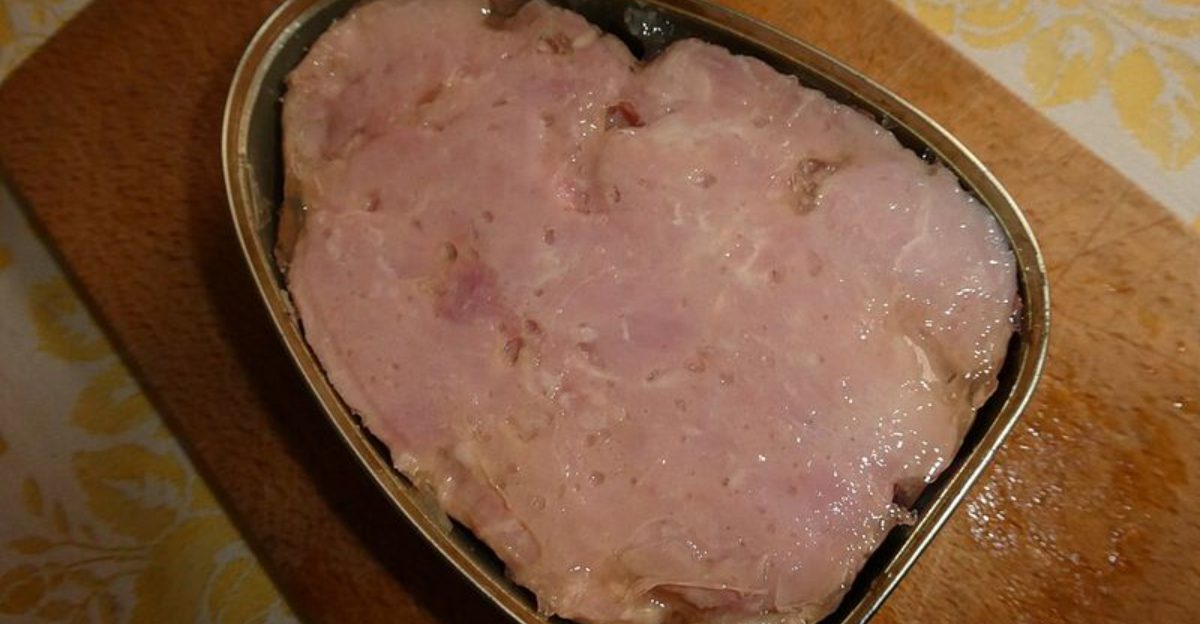
Pop the key, hear the hiss, and slide out a pink oval that shined unnaturally. Canned ham sliced clean, sweet, and endlessly salty, perfect for buffet trays.
The ingredient list leaned on nitrites, sugar, and phosphates to keep the shape.
Today a scanner would underline everything in bold. Yet a warm glaze and pineapple rings transform it into celebration food.
It carves like a memory, even if the label reads more lab than farm.
White bread dinner
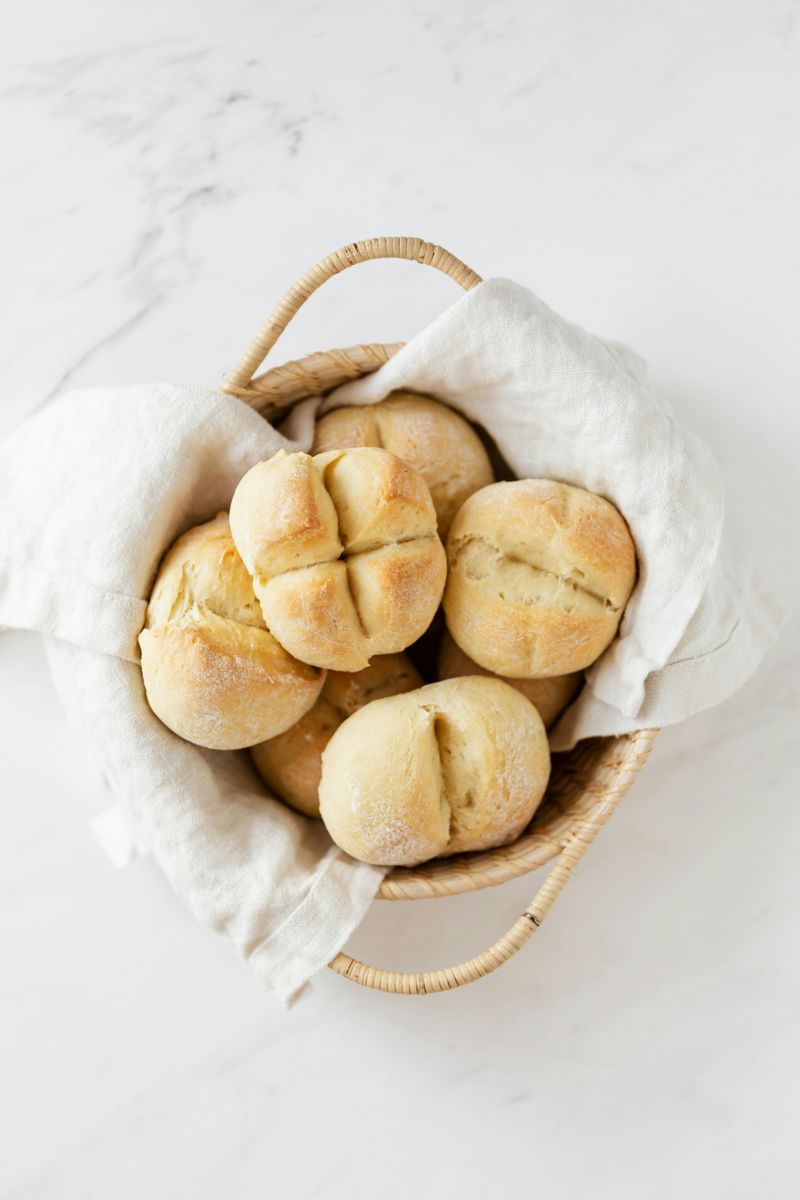
Sometimes dinner was soft white bread, margarine, and a dusting of garlic salt. Fluffy slices came courtesy of dough conditioners, bleached flour, and sugar.
It felt like clouds and tasted like childhood rebellion against vegetables.
Ingredient scanners would point at additives in both bread and spread, plus sneaky sweeteners. Still, bite after bite goes down easy, no chewing required.
It is comfort at its simplest, and sometimes that is all a night asks for.
Fish sticks
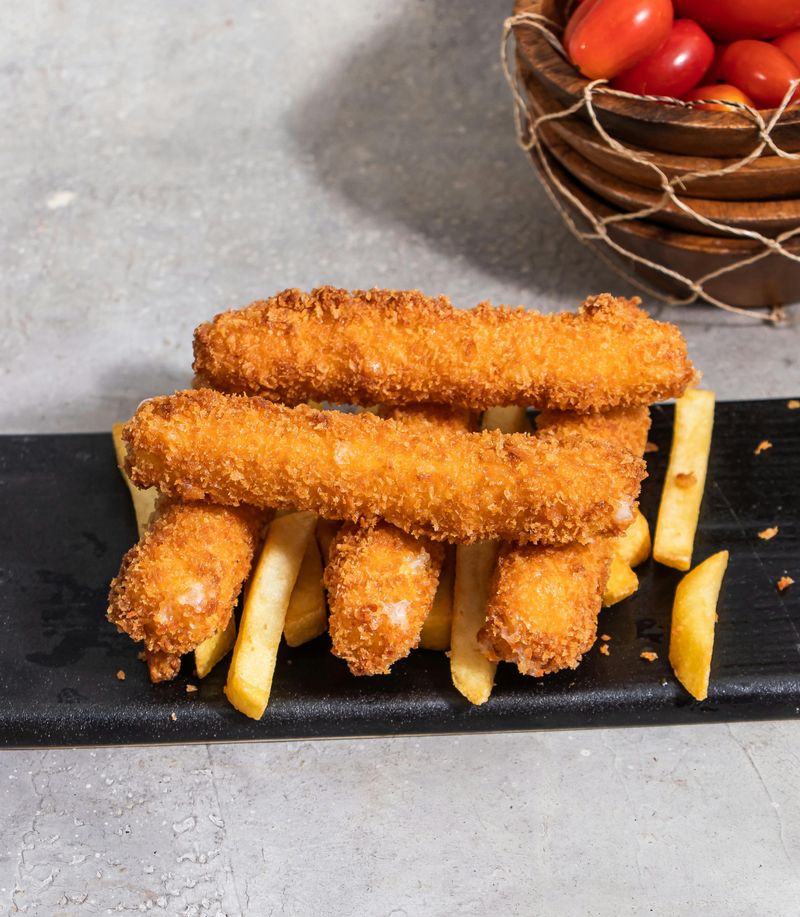
Golden fish sticks made seafood friendly for picky eaters. Minced fish, breading, and a freezer aisle promise turned into crunchy fingers that begged for dipping.
The box hid long lists of stabilizers, oils, and sometimes reformed fish pieces.
Ingredient scanners would flag sodium, additives, and questionable oil blends. Still, dunked in tartar, they are unstoppable on busy nights.
Steam escapes in puffs, crumbs scatter everywhere, and the plate empties while the oven still ticks.
Rice pudding
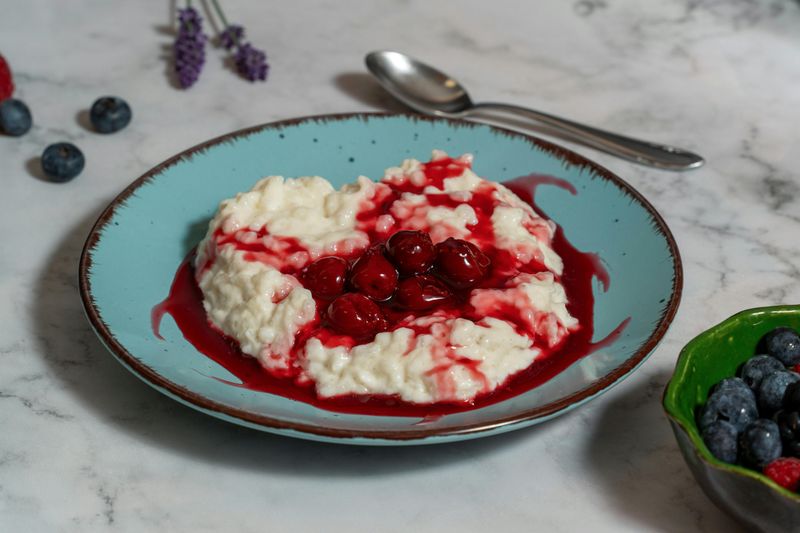
Rice pudding rode the line between dessert and dinner. Many quick versions used instant rice and shelf-stable milk, with thickeners helping the custard cling.
Warm cinnamon and soft raisins did the rest, sweet comfort by the spoonful.
A scanner would call out stabilizers and a sugar load that creeps. Yet it tastes like snowed-in evenings and quiet kitchens.
Each spoonful is gentle, familiar, and just sticky enough to make seconds nonnegotiable.
Bread pudding
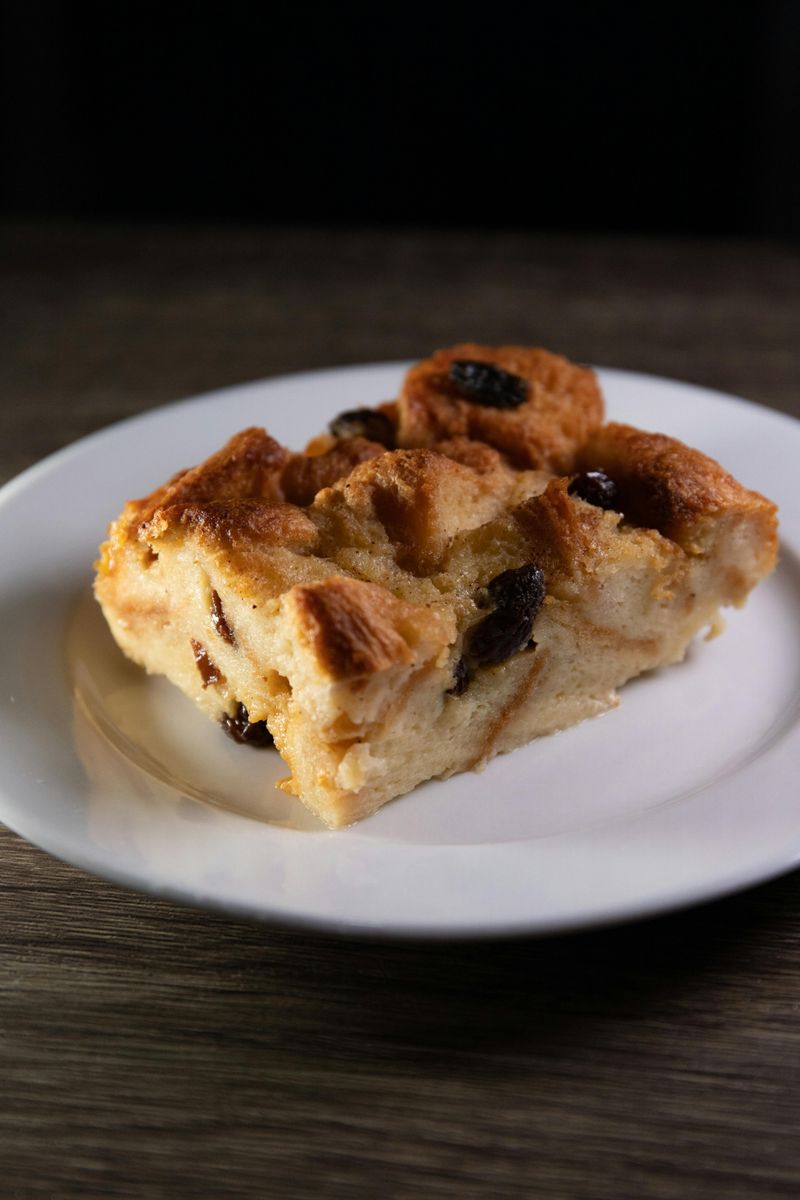
Stale white bread, margarine, and a sweet custard turned waste into wonder. The pan puffed, set, and scented the house with vanilla.
Many recipes leaned on imitation extracts and spreads once heavy with trans fats.
Ingredient scanners would question the additives in the bread and flavorings. Still, a warm square under sauce hushes every doubt.
It is thrifty luxury, soft in the middle, caramelized at the edges, and perfect with a late-night fork.
Shepherds pie
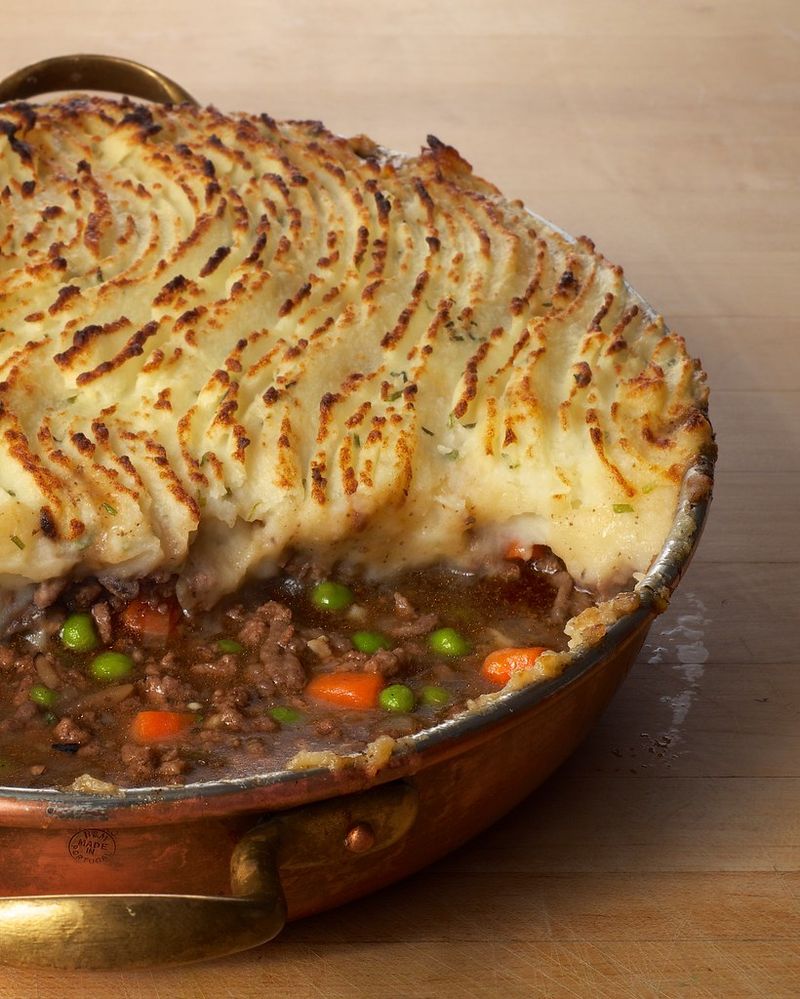
Shepherds pie wore a mashed potato crown over saucy meat. Many versions leaned on gravy packets and instant potatoes, stacking sodium and flavor boosters.
The bake smelled incredible, and the spoon dug through layers like edible archaeology.
Modern scanners would highlight additives in mixes and flakes. Still, each bite blends butter, beefy gravy, and sweet carrot pops.
It is a one-pan lullaby that convinces you seconds are practical, not indulgent.
Chicken pot pie
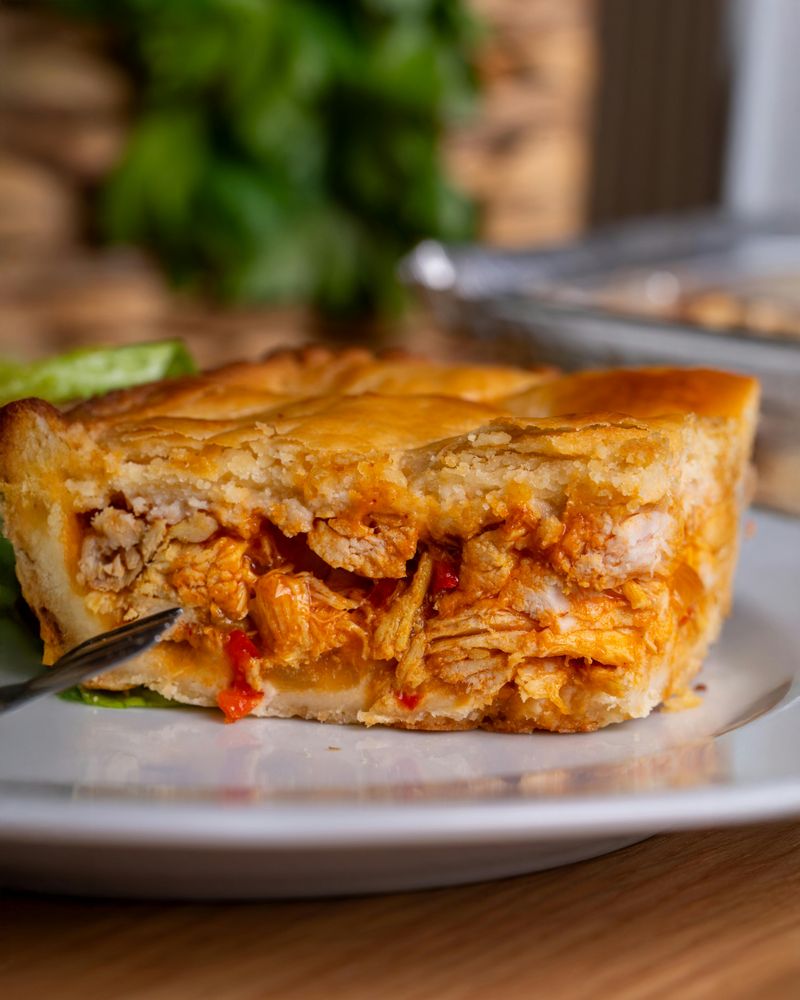
Chicken pot pie promised a full dinner under one lid. Frozen versions delivered buttery crust and thick gravy powered by modified starch, stabilizers, and serious sodium.
Inside, tiny cubes of vegetables and chicken hid like treasures.
Scan it now and the ingredient list nearly wraps the box. Still, crack the crust and inhale.
The steamy, creamy center tastes like home, shortcuts and all, perfect for nights when effort feels optional but comfort feels essential.
Meatloaf
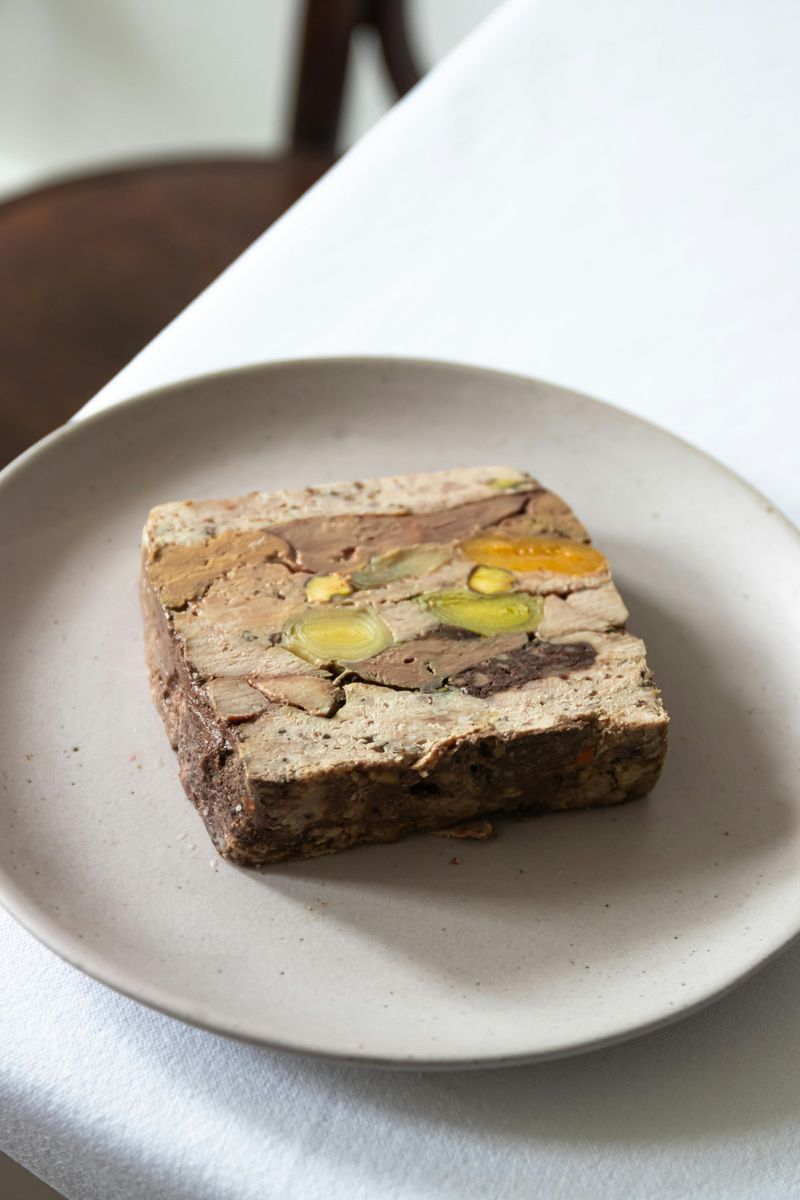
That glossy brick of comfort came loaded with shortcuts. Boxed breadcrumbs, powdered onion soup mix, and a squeeze of sugary ketchup held it together while masking mystery meat blends.
You did not ask which cuts went in, and the label would not tell.
A scanner today might flag caramel color, flavor enhancers, and preservatives hiding in mixes. Still, the aroma of roasting beef and onions tugs hard at memory.
Slice it thick, and nostalgia wins, at least until reading the fine print.