


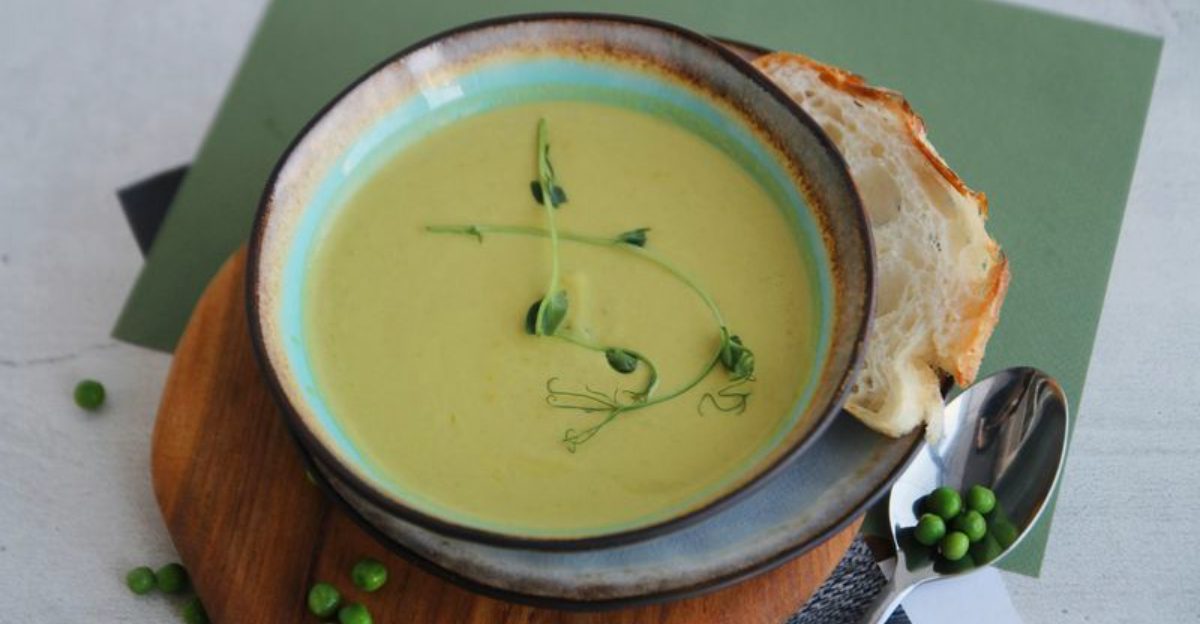
Some classics taste like nostalgia, but their ingredient lists tell another story. If 2026 label laws walked into your pantry, a few beloved dishes might not make the cut.
Think salt bombs, mystery mixes, and shortcuts that once seemed clever but now raise eyebrows. Let’s revisit the favorites you grew up with and see which ones would struggle under modern scrutiny, and why.
Meatloaf
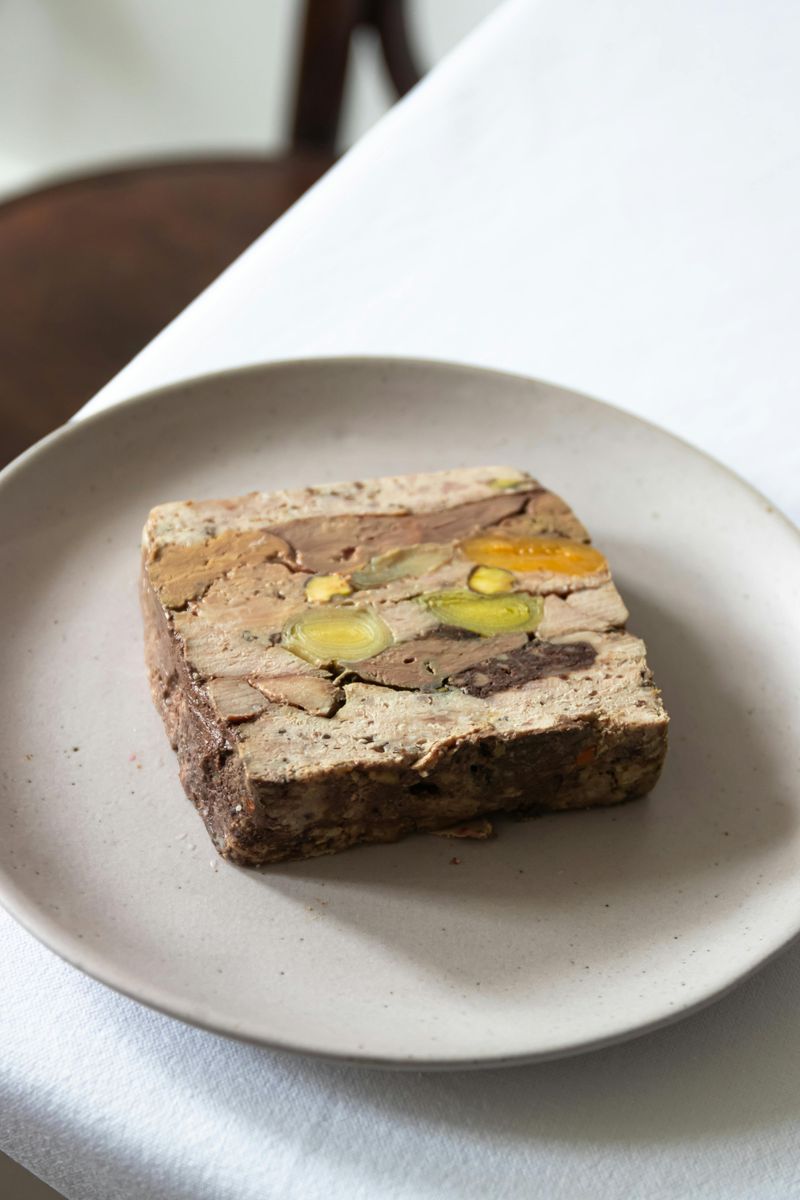
Meatloaf wears nostalgia like a badge, but the label often reads like a pantry confession. Boxed breadcrumbs, onion soup mix, and ketchup loaded with corn syrup turn a simple loaf into a sodium festival.
You taste comfort while your blood pressure takes notes.
In 2026, clean labels ask pointed questions. What exactly is in that “seasoning mix,” and why so much sugar in the glaze.
Swap in oats, real onions, and tomato paste, and you keep the hug while losing the haze. You still get slices for sandwiches, just with fewer mysteries baked in.
Tuna casserole
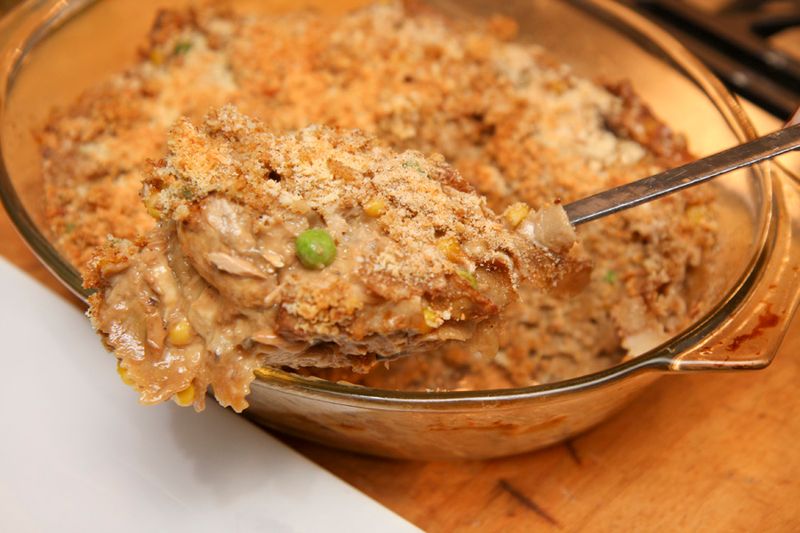
Tuna casserole rescued weeknights with noodles, peas, and economy. The secret weapon was always canned soup and sometimes neon cheese, which hid tired tuna and added stabilizers you never asked for.
Salt, thickeners, and mystery creaminess did the heavy lifting.
In 2026, you want transparency, not sludge. Real béchamel, sustainably caught tuna, and sharp cheddar calm the label anxiety without dumping the comfort.
You still get crunch on top and creamy in the middle, minus the condensed question mark. It is the same hug, just cleaned up and proud.
Cream soup casserole
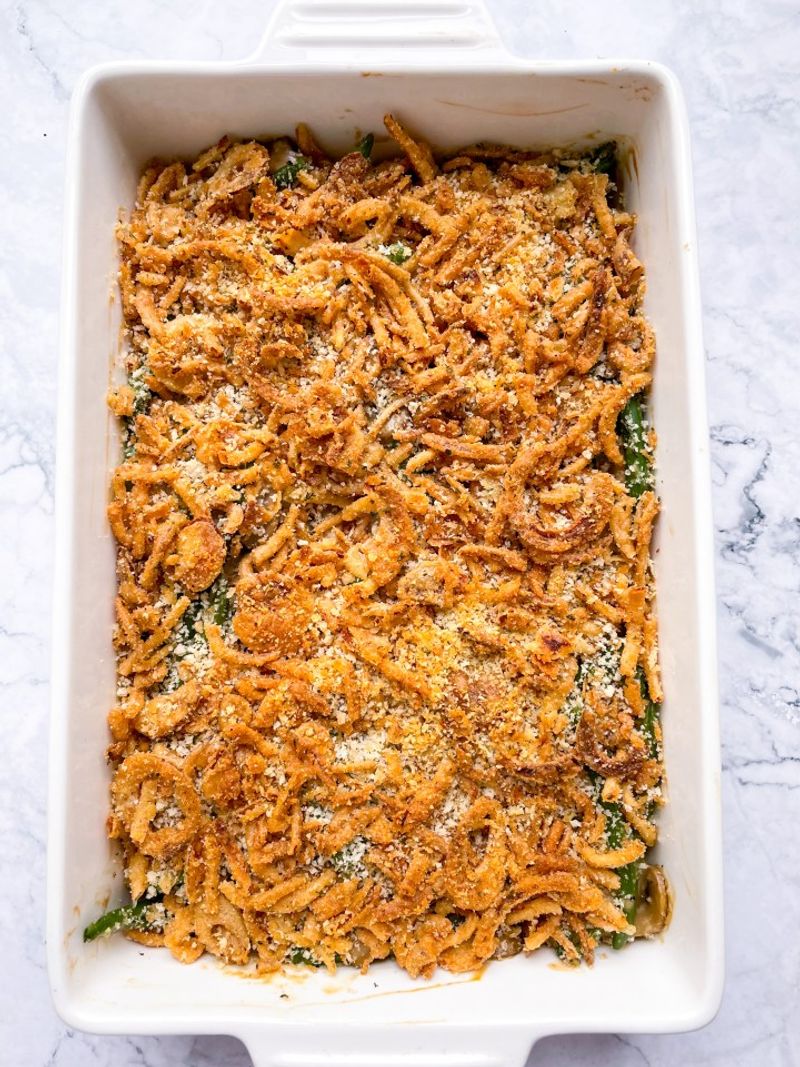
Those condensed cream soups promised dinner in one pour. They also brought modified starches, palm oil, and a sodium wall high enough to block the sun.
The texture was dependable, sure, but it came from a lab more than a stockpot.
Modern ingredient checks ask: could you make this on purpose. A quick roux, actual mushrooms, and homemade stock answer yes.
Bake with vegetables that still look like themselves, and top with toasted breadcrumbs instead of fried onion dust. You get the casserole nostalgia without a can opener dictating your nutrition facts.
Ham and beans
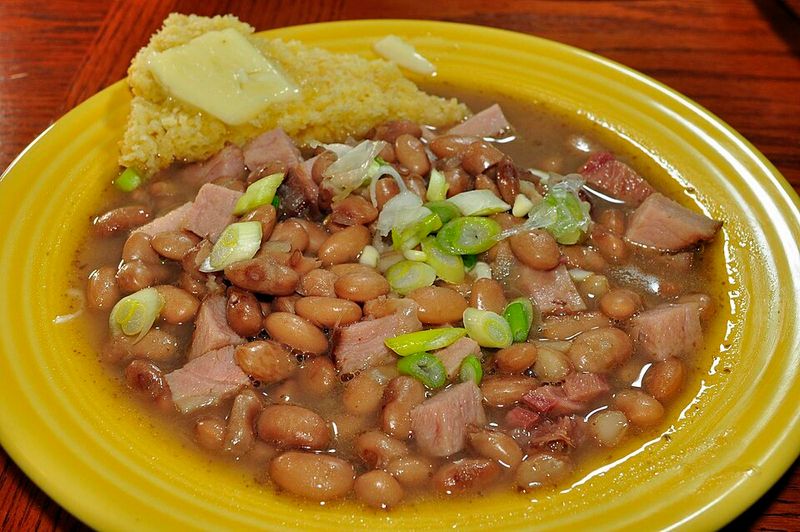
Ham and beans are simple, but the ham is not always innocent. Many hams hide brine injections, nitrites, sugar, and “flavor solutions” that blow past modern sodium goals.
The beans themselves are saints until the ham crashes the party.
In 2026, skip the solution-added ham and choose traditionally cured or low-sodium alternatives. Let aromatics, bay leaves, and a splash of cider vinegar do the work.
The pot still smells like home, just without a preservative parade. You taste smoke, beans, and time, not a chemistry set.
That is the bowl you keep refilling.
Fried chicken
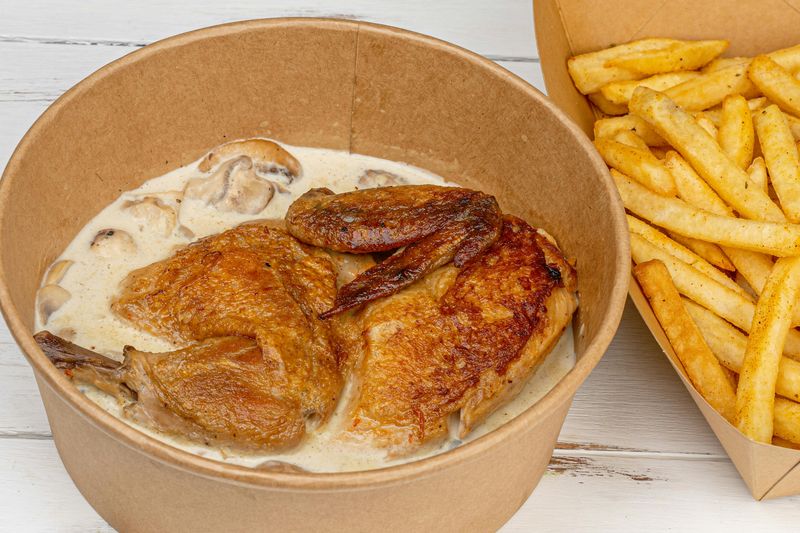
Fried chicken is joy, but the shortcuts can be suspect. Pre-seasoned flour blends and shelf-stable marinades deliver artificial flavors, gums, and salt that scream louder than the bird.
Old oil also adds off notes and questionable compounds.
In 2026, fresh oil, plain flour, real spices, and buttermilk prove enough. A thermometer, not a packet, decides crisp perfection.
You still get shatter-crust and juicy meat without a laundry list of additives. Hot from the rack, with a sprinkle of flaky salt, it is the same victory, just cleaner on paper and palate.
Biscuits and gravy
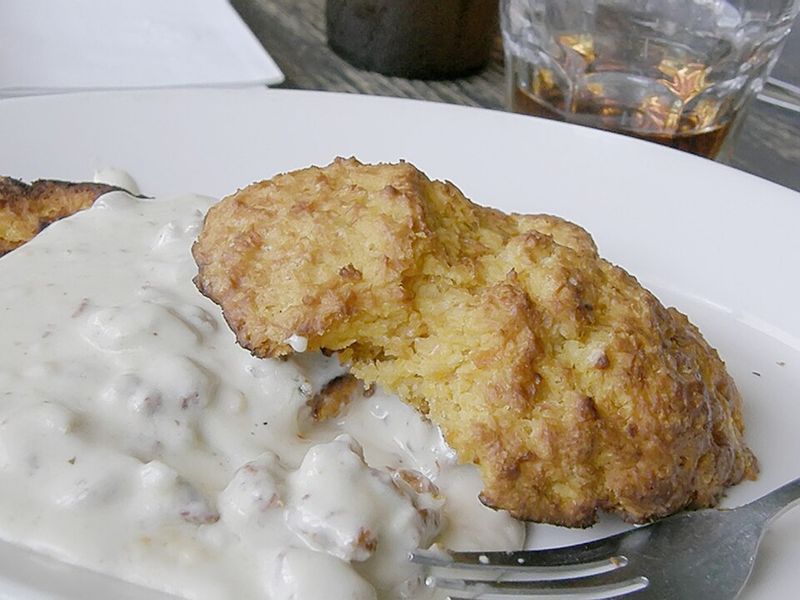
Biscuits and gravy can hide a label inside a label. Tube biscuits with conditioners meet bulk breakfast sausage packed with fillers, MSG, and sweeteners.
The result tastes big but reads bigger on sodium, saturated fat, and mystery spices.
In 2026, cold butter, real flour, and quality pork with sage and pepper make the difference. Milk, not a packet, builds the gravy.
You still mop the plate clean, just without stabilizers tagging along. The comfort stays, the bloat does not, and Sunday morning feels like something you chose, not something chosen for you.
Mashed potatoes
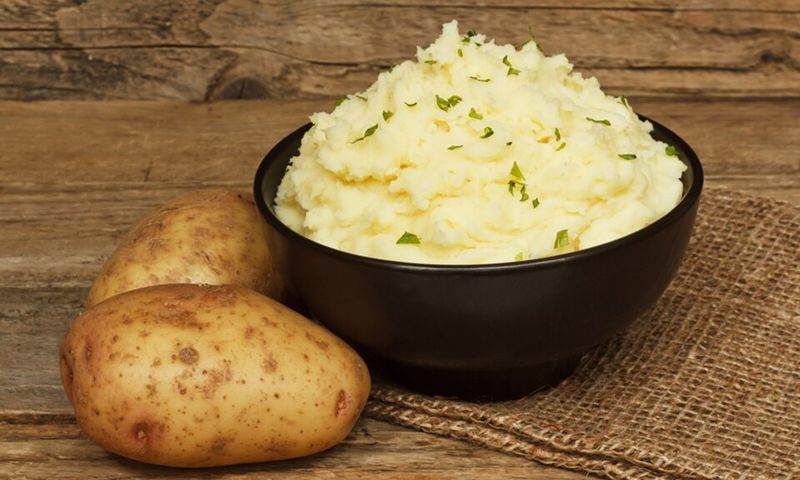
Mashed potatoes sound safe until the shortcuts arrive. Instant flakes, powdered dairy, and garlic salt can turn a farm food into a factory mash.
It is fluffy, sure, but the flavor feels distant, like a memory with interference.
In 2026, steam real potatoes, rice them, and fold in butter, warm milk, and salt. Roast garlic if you want perfume, not powder.
The texture becomes cloudlike without additives, and you taste potato first, always. A swirl of olive oil or tangy yogurt can lighten things up while keeping the spoon tracks satisfying.
Gravy
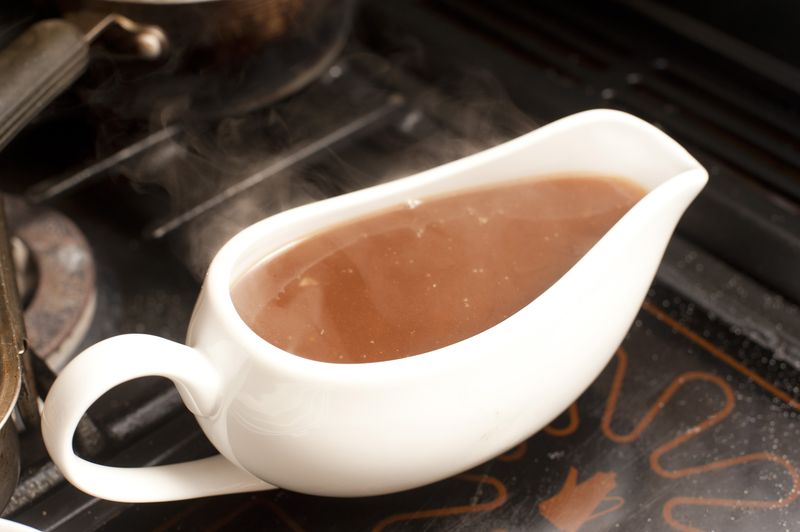
Gravy is where corners get cut. Jarred versions rely on modified starches, caramel color, and “beef flavor” that never met a roast.
Powder packets whip up fast but leave a metallic aftertaste and sodium spike you feel hours later.
In 2026, pan drippings, flour, and stock make the case for patience. Deglaze, whisk, season, and you control every ingredient.
A splash of sherry or soy for depth, maybe miso for umami, and suddenly the label is short and proud. Ladle freely, no footnotes required, over everything deserving a glossy coat.
Cornbread
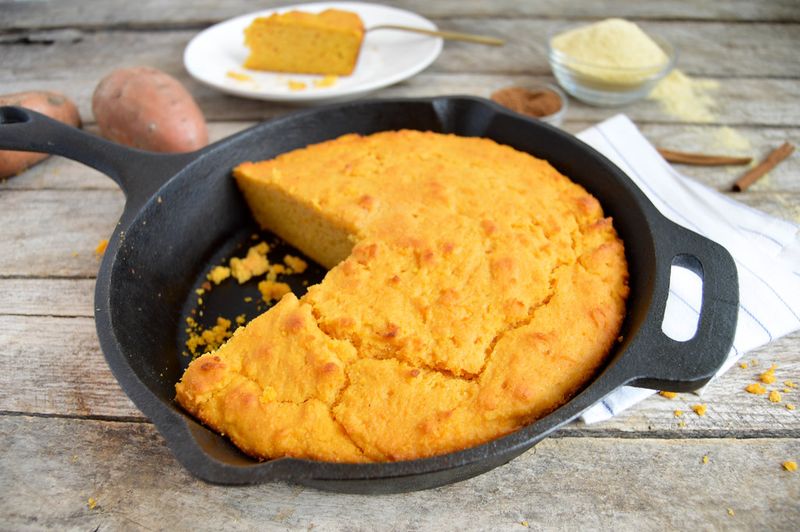
Cornbread should be corn, fat, lift, and love. Boxed mixes add stabilizers, artificial flavors, and excess sugar that crowds out the corn.
The crumb ends up cake-sweet, and the label reads like homework.
In 2026, stone-ground cornmeal, buttermilk, and hot skillet magic put it right. A touch of honey or none at all lets the corn talk.
Rendered bacon fat or butter sets the crust for that signature edge. You cut wedges that taste like fields and fire, not a factory.
Serve with beans or greens, and dinner sings.
Sloppy joes
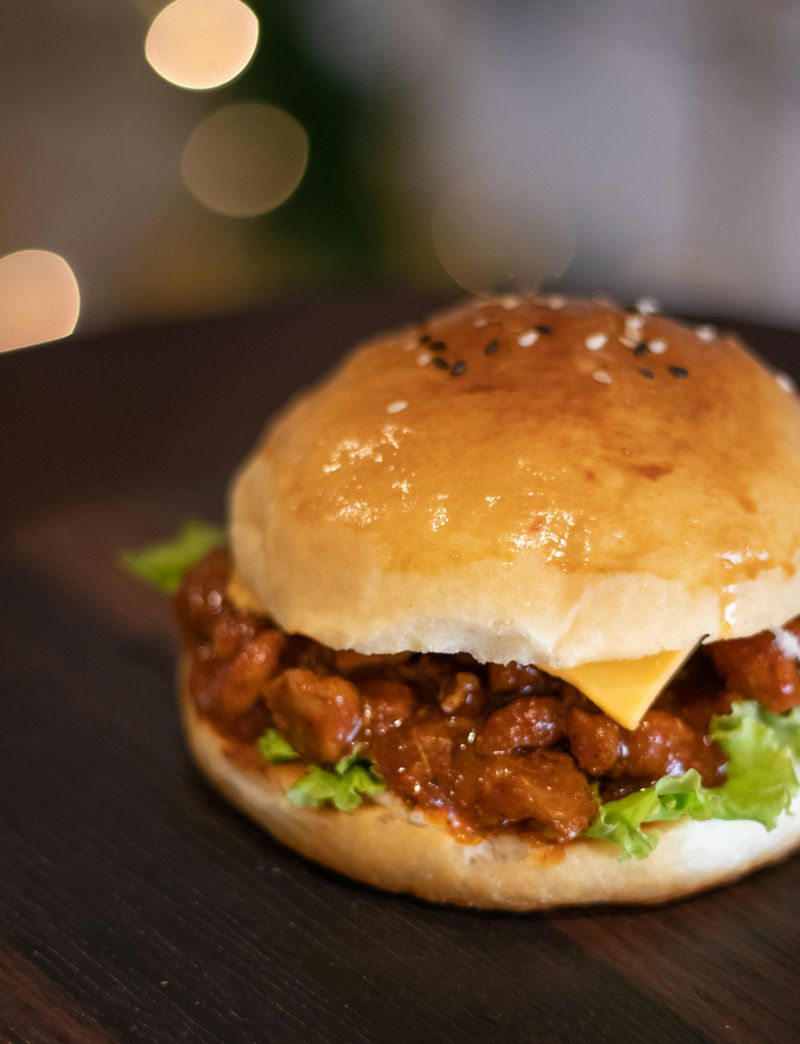
Sloppy joes rode in on canned sauce and sugary ketchup, delivering nostalgia with a corn syrup chaser. The spice blend hid behind “natural flavors,” and the sodium did not exactly whisper.
It tasted great, but the label crashed the party.
In 2026, sauté onions, add tomato paste, vinegar, mustard, and real spices. A little brown sugar, or dates, if you prefer, balances the tang.
Ground turkey or beef works; lentils work too. Pile it high on toasted buns you can pronounce, and you will not miss the can.
Messy is still the point.
Boiled cabbage
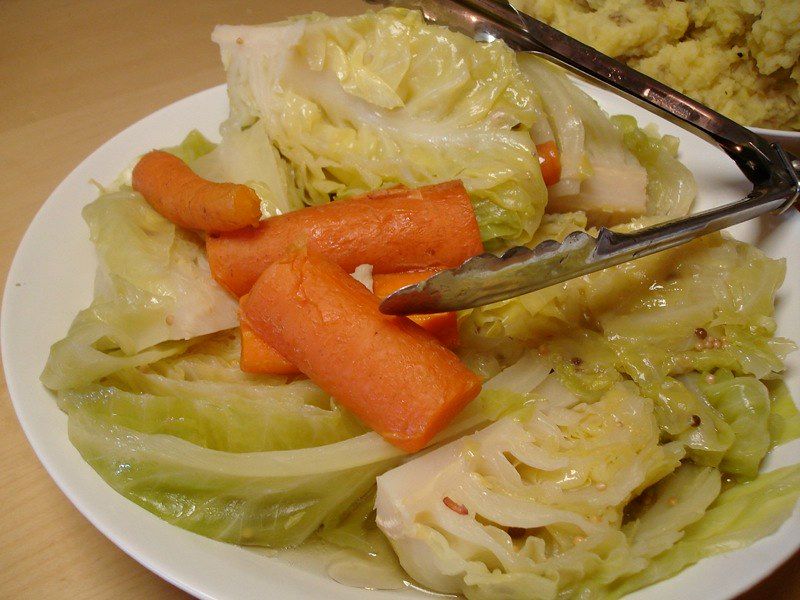
Boiled cabbage sounds plain, but the old playbook drowned it in salted water and margarine. That spread often hid emulsifiers and seed oil blends that aged poorly under scrutiny.
The vegetable deserved better than bland and greasy.
In 2026, braise with olive oil, garlic, and a glug of cider vinegar. Finish with butter you recognize and flaky salt.
The texture turns silky, the sweetness wakes up, and your kitchen smells like care, not cafeteria. You will still get comfort without the aftertaste of additives.
Simple, not sad, becomes the new standard.
Fried bologna
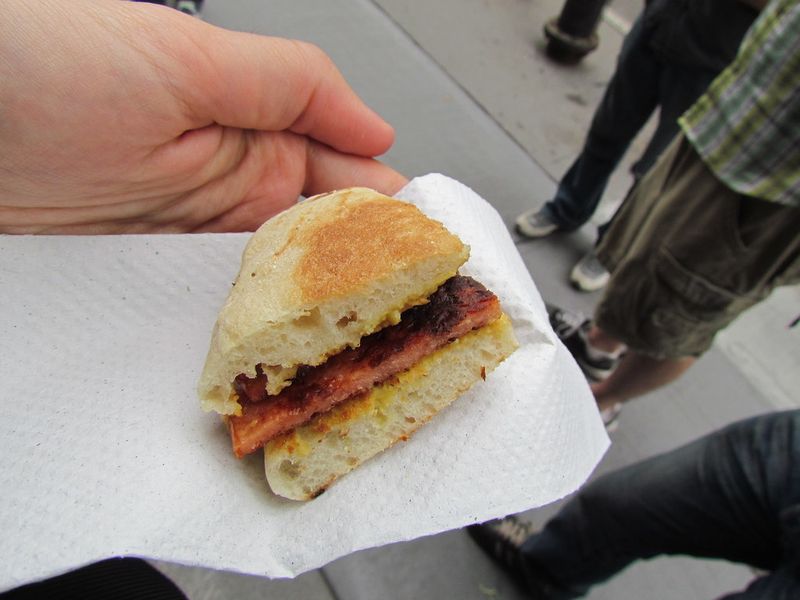
Fried bologna is childhood in a skillet, but the meat is a label labyrinth. Fillers, phosphates, nitrites, and sweeteners prop up texture and color.
Crisp edges taste amazing while the ingredients whisper questions you would rather not ask.
In 2026, look for minimally processed mortadella-style options or switch to clean deli ham. Sear in a hot pan, add mustard and pickles, and keep the diner vibe.
You still hear the sizzle, but you skip the additive chorus. That sandwich becomes nostalgia you can defend without crossing your fingers.
Potted meat
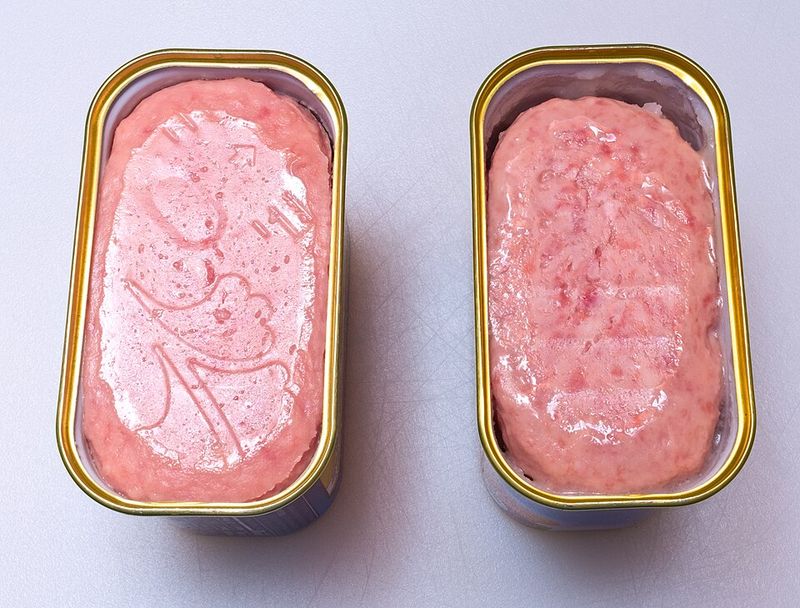
Potted meat once meant preservation; now it often means scraps whipped with stabilizers. The tin promises protein, but the fine print lists binders, nitrites, and ambiguous “flavor.” Shelf-stable convenience wins the day while freshness loses the argument.
In 2026, pâté made from clean liver, butter, and herbs gives spreadable richness without mystery. Or mash beans and olive oil with smoked paprika for a plant riff.
A short ingredient list feels luxurious on toasted bread. You still get the picnic, just without the shrug.
That tiny tin finally retires with honor.
Canned ham
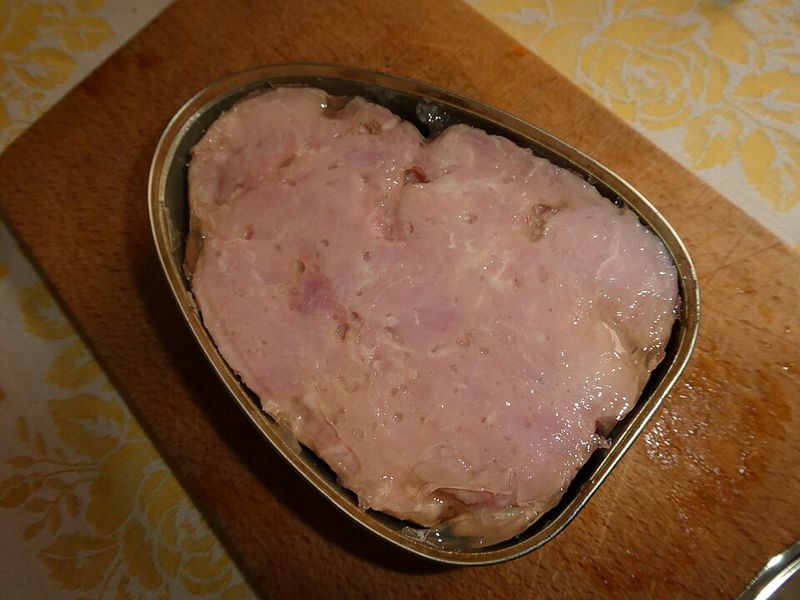
Canned ham walks a tightrope between convenience and chemistry. Water added, gelled brine, sugar, nitrites, and smoke flavor create a pink monument to shelf life.
Sliceable, yes, but the texture feels negotiated rather than earned.
In 2026, choose a small, bone-in ham with transparent curing or go roasted pork shoulder with salt and herbs. Real smoke, patient heat, and rest turn meat into a centerpiece, not a question mark.
Leftovers actually taste better day two, and the label does not need fine print. That is the upgrade worth making.
White bread dinner
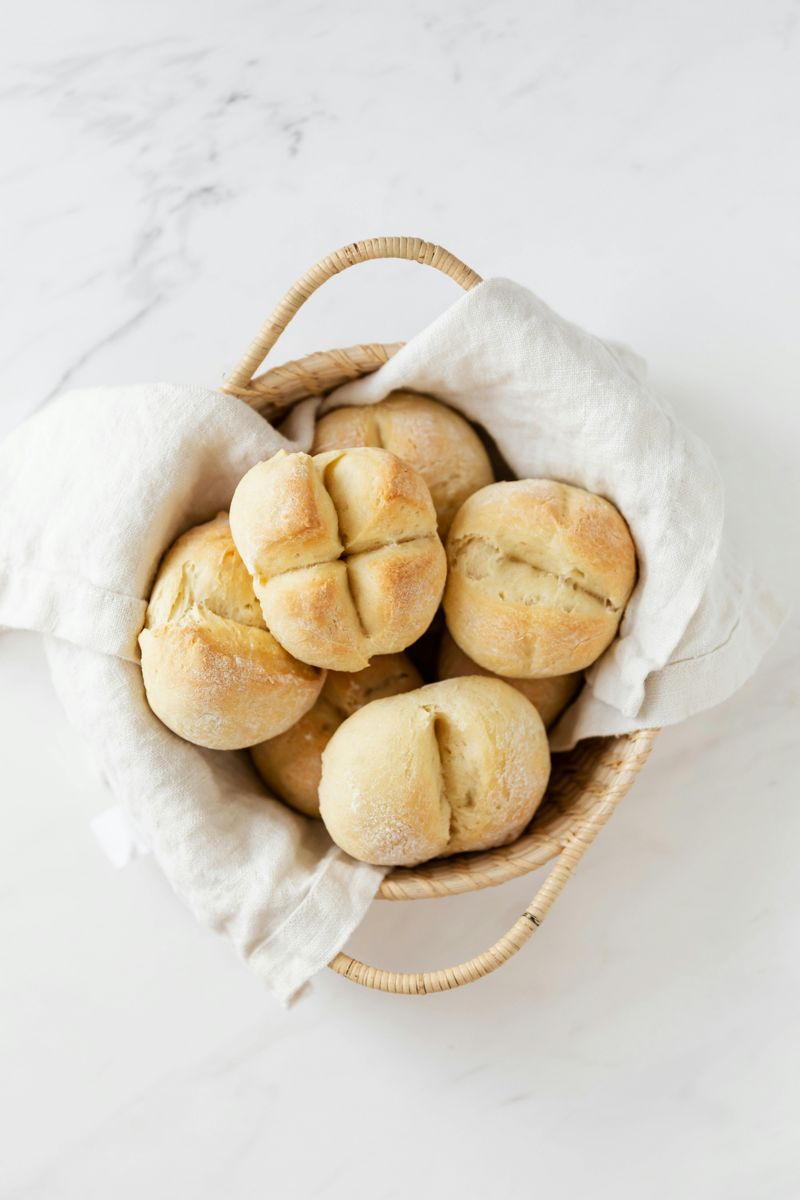
White bread on the dinner table was once neutral ground. Enriched flour, conditioners, and sugar kept it pillowy while fiber took a holiday.
Spread with margarine, it became a delivery system for seed oils and additives.
In 2026, reach for sourdough with real fermentation or whole wheat baked without a chemistry set. Butter beats the spread, and olive oil wins on dip nights.
The basket still passes, but now it brings flavor and substance. You chew more, feel fuller, and your labels shrink.
That small swap upgrades every plate around it.
Rice pudding
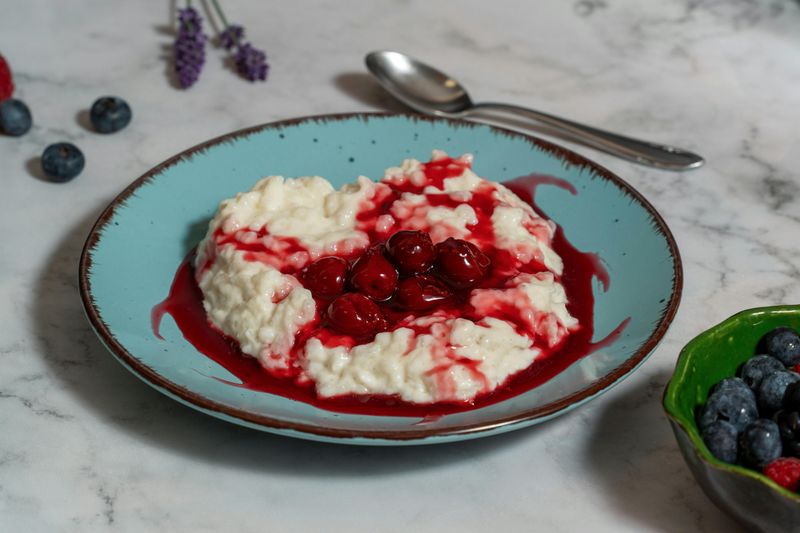
Rice pudding veers off course when instant mixes take over. Stabilizers, artificial vanilla, and heavy thickeners crowd a dessert that needs little more than patience.
It is sweet comfort, yet the aftertaste feels processed instead of homey.
In 2026, simmer short-grain rice with milk, a strip of lemon peel, and a real vanilla pod. Sweeten gently, finish with a knob of butter, and sprinkle cinnamon.
The texture turns custardy without tricks, and leftovers chill like a dream. You taste dairy, grain, and time, not a packet.
Bread pudding
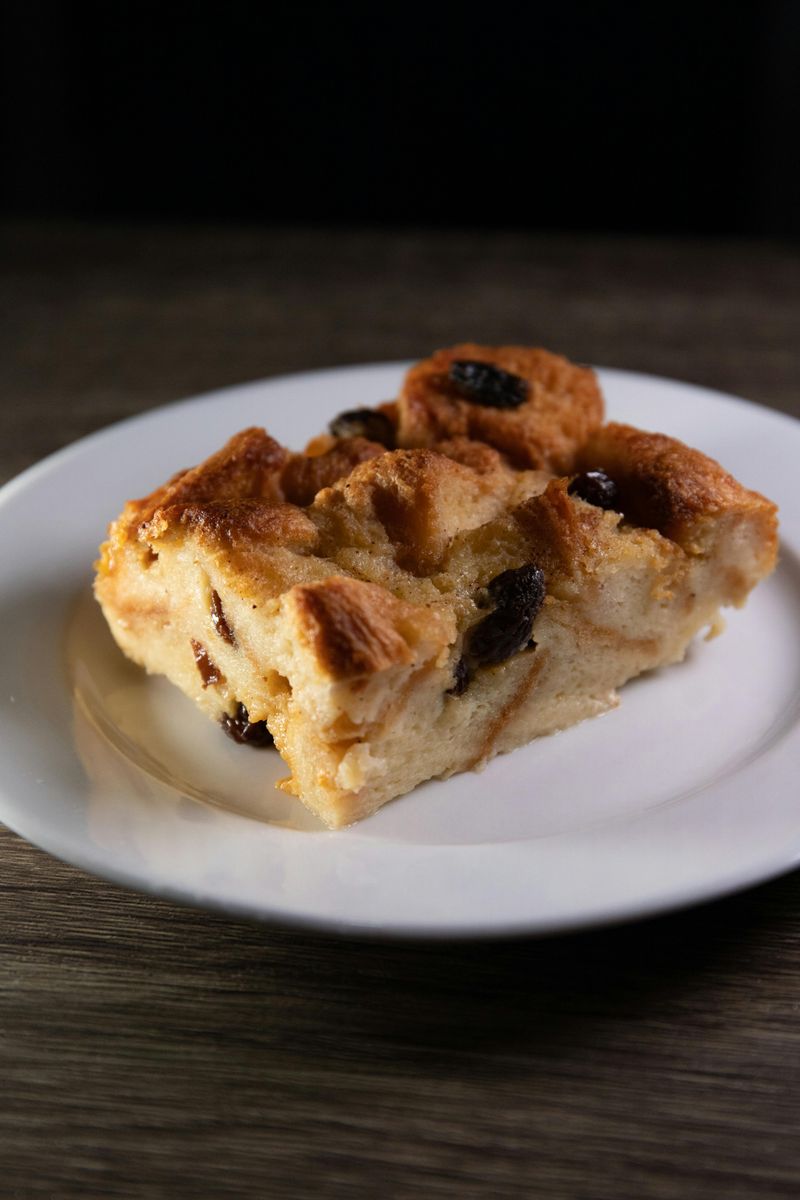
Bread pudding saves stale loaves, but store-bought custard sauces and cheap raisin blends can smuggle in corn syrups and colors. Even the bread sometimes brings conditioners and sugar surprises.
You get gooey comfort with a side of label fatigue.
In 2026, use real milk, eggs, vanilla, and day-old sourdough. Plump raisins in tea or bourbon, and whisk a simple crème anglaise if you want sauce.
The top turns crackly, the inside custardy, and the ingredient list reads like a pantry you trust. Dessert becomes a flex, not a fudge.
Chicken pot pie
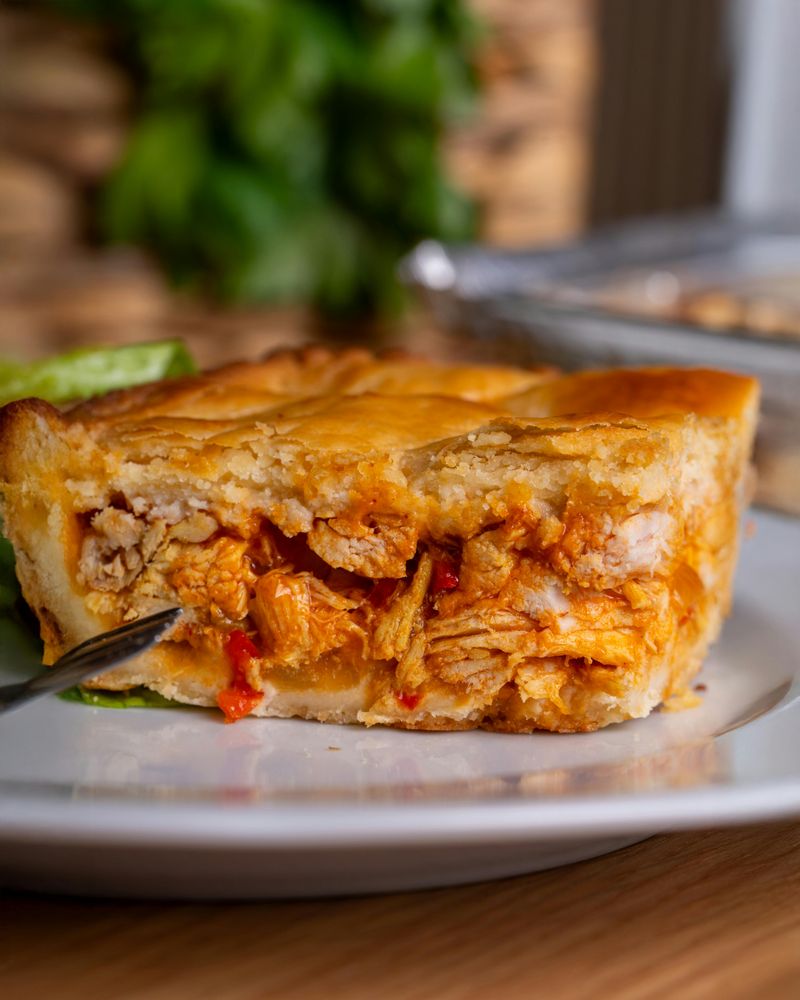
Frozen pot pies solved dinner with a box but brought gums, palm oil, and sodium that outlived the craving. The crust flaked thanks to tricks, not technique, and the chicken floated in a sauce that tasted generically comforting.
In 2026, roast thighs, make a quick roux, add stock, and fold in peas and carrots. A butter crust or puff pastry you trust seals the deal.
Season boldly, bake until bubbling, and let it rest. The label fits on an index card, and the table goes quiet for good reasons.
Shepherds pie
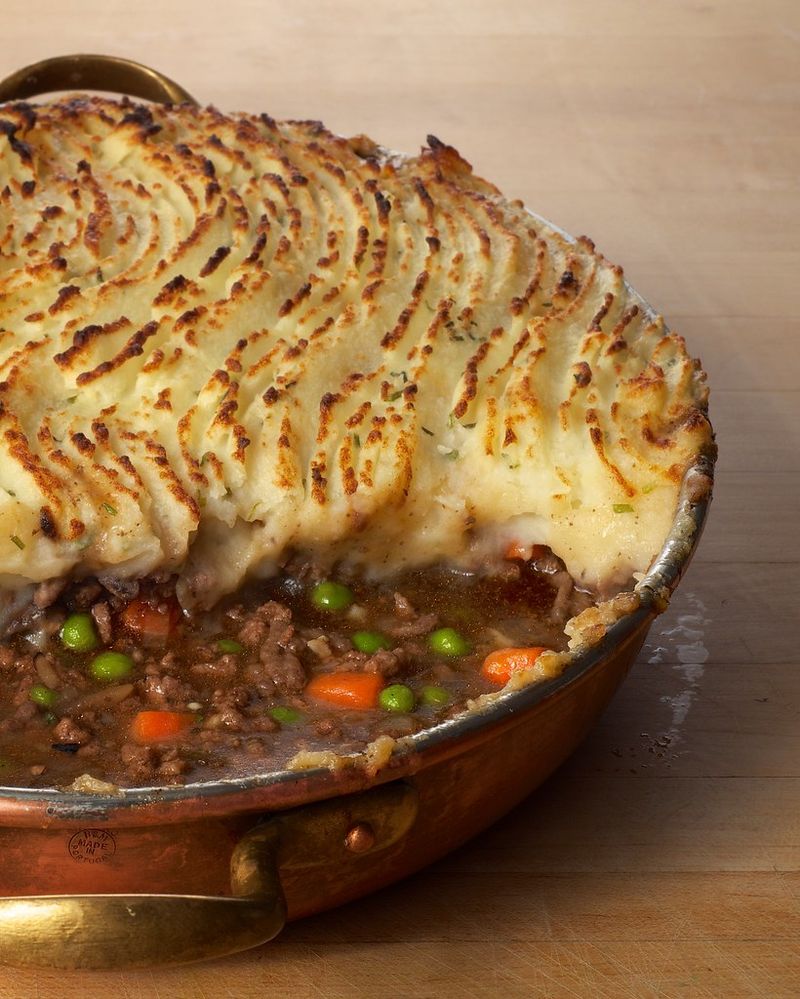
Shepherds pie often slipped in gravy granules and instant mash, turning a pub classic into a packet parade. The meat swam in “beef flavor,” and the topping tasted like powder plus butter.
Comfort showed up; quality did not always.
In 2026, brown lamb with onions, deglaze with stout, and reduce stock until glossy. Pipe real mash enriched with butter and yolk, and bake till peaks singe.
A sprinkle of cheddar is optional, not required. The first spoonful breaks a crust you built, not one engineered in a factory.
Roast turkey
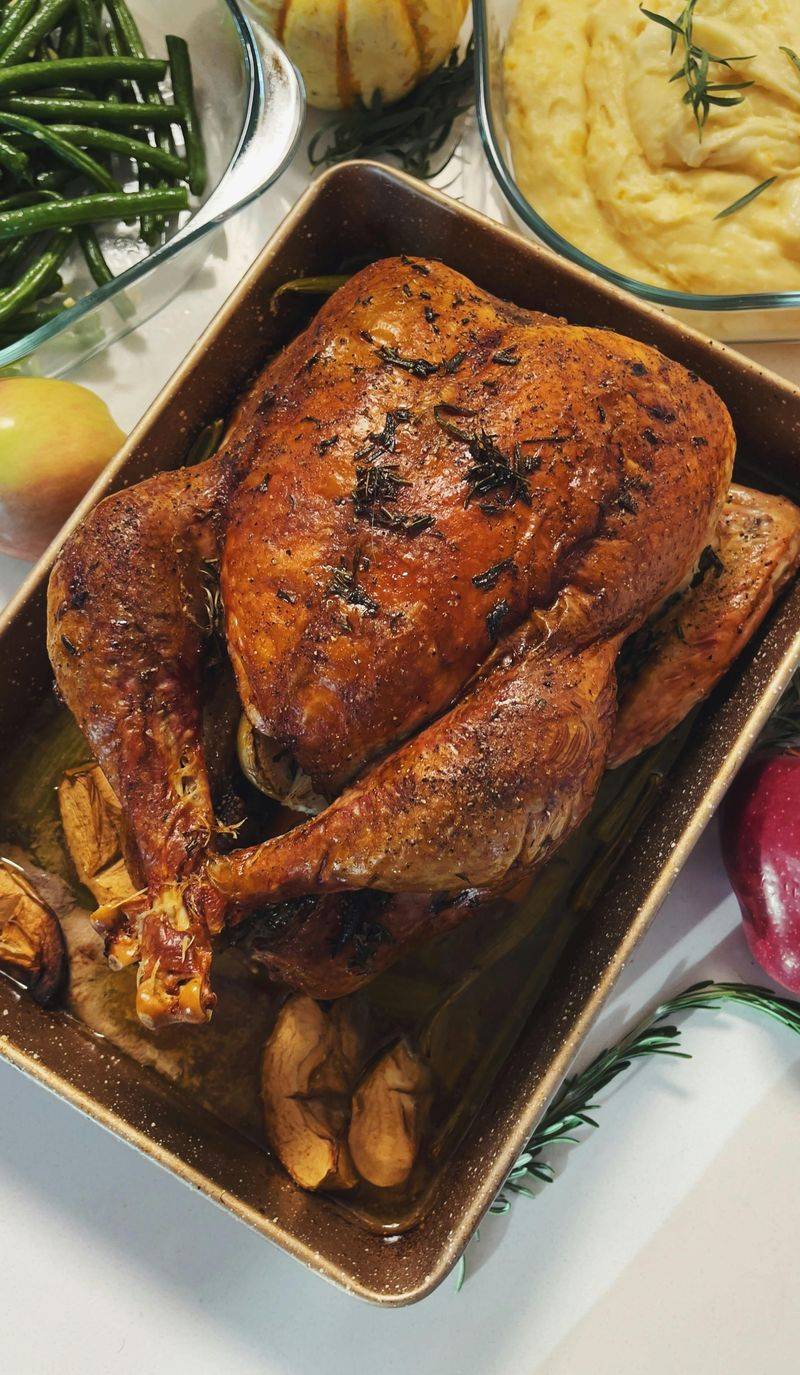
Roast turkey seems virtuous, but self-basting birds hide injected solutions of salt, sugar, and phosphates. The label promises juiciness while locking you into a brine you did not choose.
Gravy packets then pile on the extras.
In 2026, buy a plain bird, dry-brine with salt and herbs, and let air do the drying. Butter under the skin, steady heat, and patience handle the rest.
Pan drippings plus stock become gravy without a packet. The carving moment tastes like turkey, not additives, and leftovers stay honest.
Split pea soup
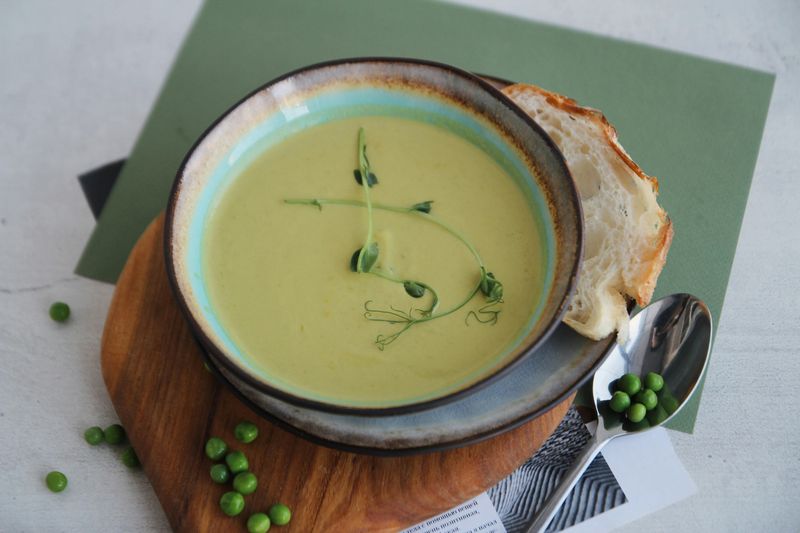
Split pea soup leans on smoky bones and salt to feel rich. The peas are innocent; the ham bone and bouillon often are not, bringing nitrates, high sodium, and ambiguous “natural flavors.” A wholesome bowl shifts when the label reads like fine print.
In 2026, slow-sautéed vegetables, miso or kombu for umami, and a clean-cured ham end the compromise. You can even skip meat and finish with smoked paprika and olive oil.
The texture still comforts, the color still glows, and your heart thanks you after the last spoonful.