


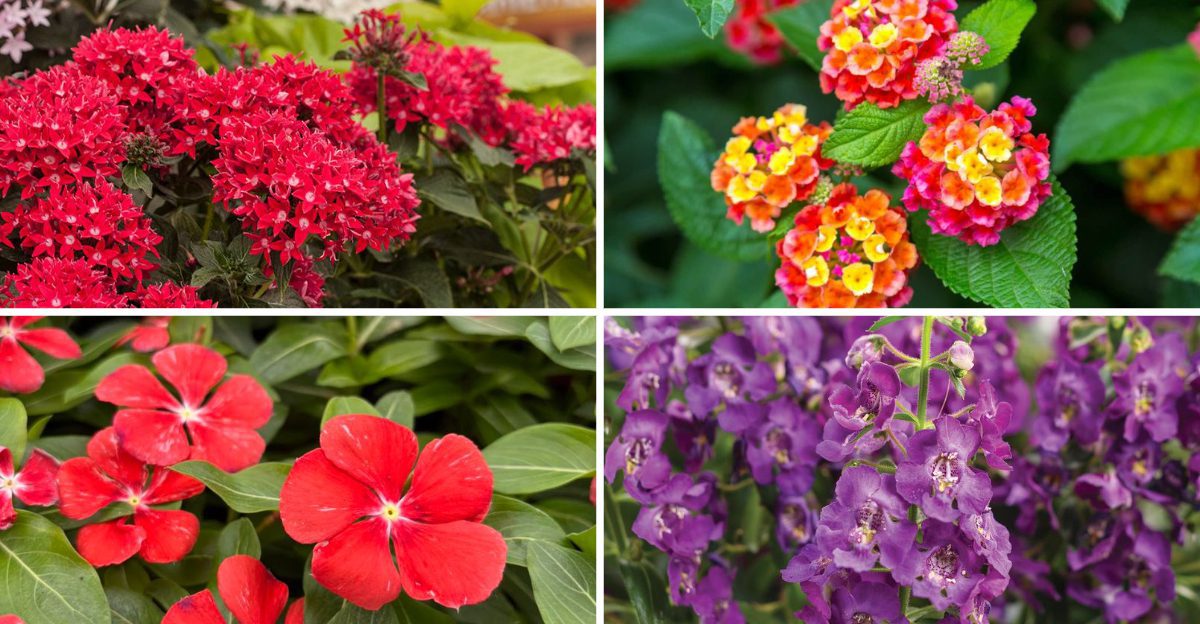
Florida summers are no joke — the blazing sun, sticky humidity, and sudden downpours can turn a beautiful garden into a wilted mess almost overnight. Petunias might look pretty in a catalog, but they often struggle and fade fast once the real Florida heat kicks in.
Luckily, there are plenty of tough, colorful plants that actually thrive in these conditions. Whether you have a sunny yard or a shady corner, these heat-loving champions will keep your garden looking amazing all season long.
Pentas
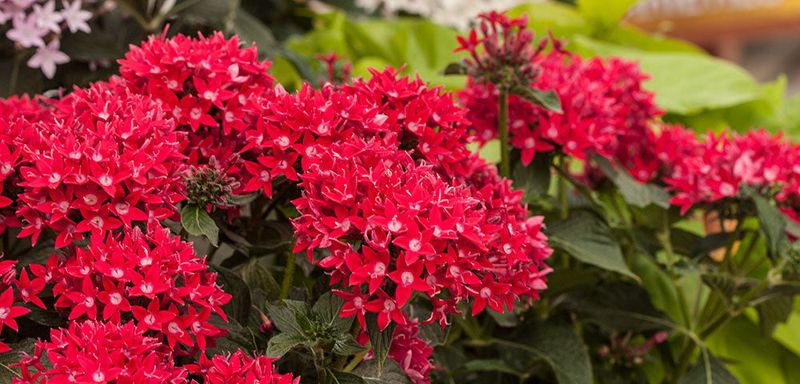
Butterflies and hummingbirds go absolutely wild for pentas, and honestly, it is easy to see why. These star-shaped clusters of blooms come in red, pink, white, and lavender, and they flower non-stop even in the worst summer heat.
Pentas love full sun and handle humidity like a champ. Plant them in well-drained soil and water regularly when they are young.
Once established, they are surprisingly tough and keep on blooming when other plants have long given up.
Lantana
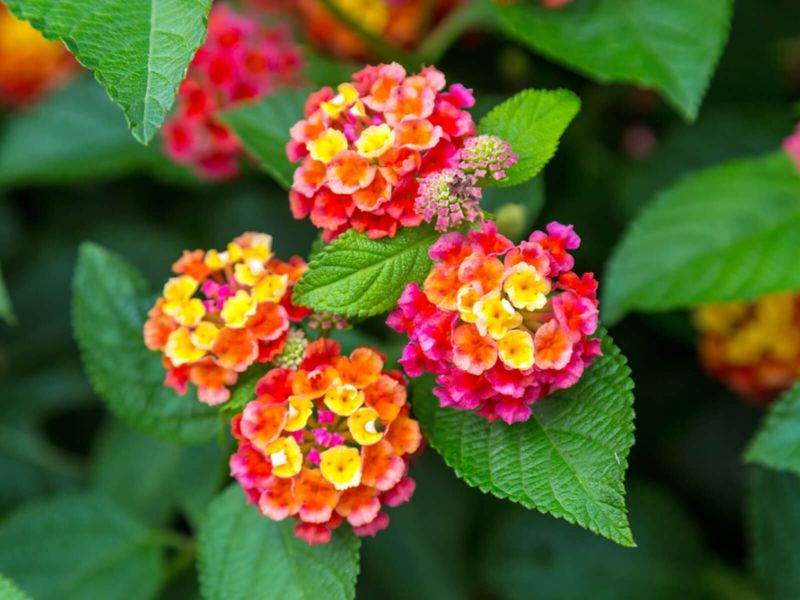
Few plants put on a show quite like lantana. Its multicolored flower clusters shift from yellow to orange to pink as they age, creating a living sunset right in your yard.
Birds and butterflies flock to it constantly.
Lantana is incredibly drought-tolerant once established and laughs at Florida heat. It spreads readily, making it great for filling large spaces or spilling over garden borders.
Just note that it can be invasive, so keep an eye on its spread in natural areas.
Vinca
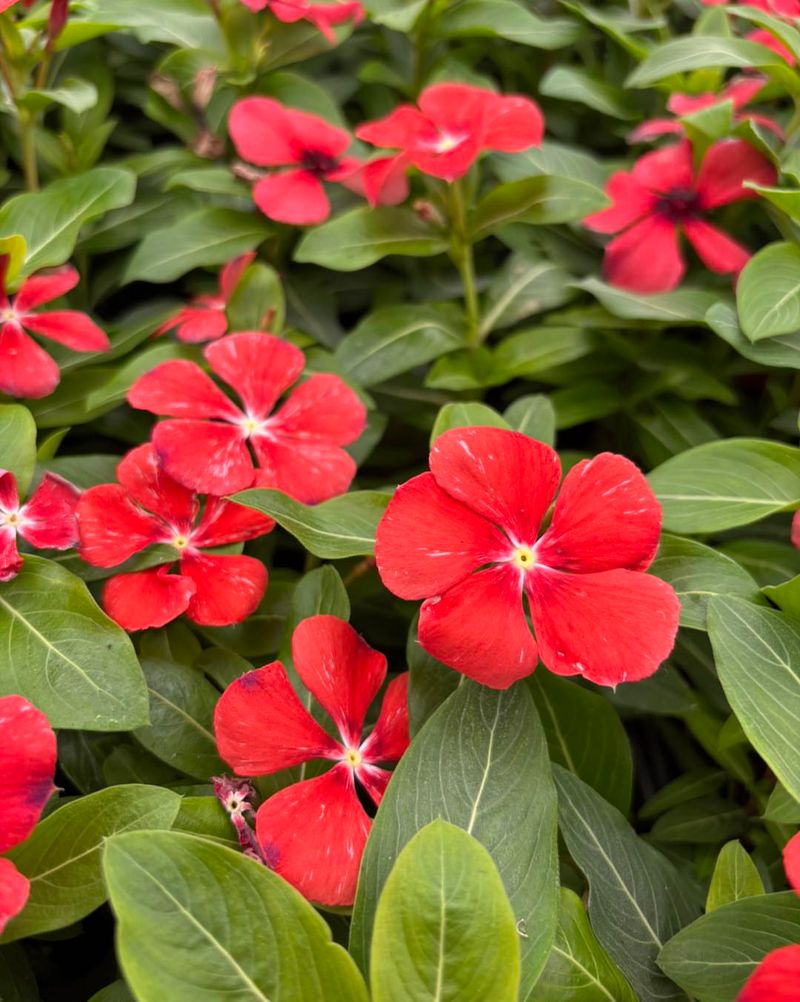
Vinca, also called periwinkle, is one of those plants that seems to get happier the hotter it gets. Unlike petunias that wilt dramatically by noon, vinca just keeps on blooming through intense summer heat and blazing sunshine.
It comes in cheerful shades of red, pink, white, and purple. Vinca thrives in full sun with average watering and resists most pests and diseases.
Gardeners across Florida rely on it as a go-to annual that delivers big color with very little fuss.
Angelonia
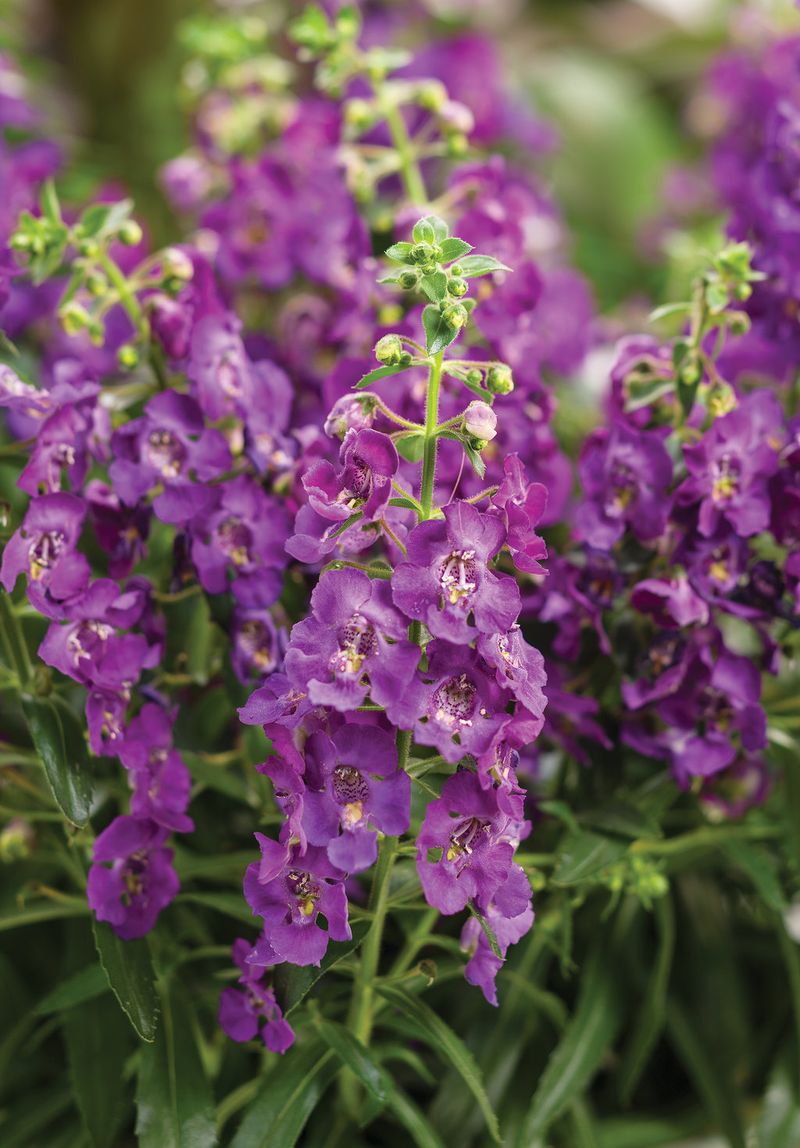
Sometimes called summer snapdragon, angelonia earns that nickname by blooming nonstop through Florida summers when true snapdragons have completely checked out. Its slender spikes of orchid-like flowers add elegant vertical interest to any garden bed.
A subtle sweet scent drifts from the foliage when you brush past it. Angelonia thrives in full sun and handles heat, humidity, and even brief dry spells without missing a beat.
Plant it in groups for a bold, colorful display that lasts from spring straight through fall.
Blue daze
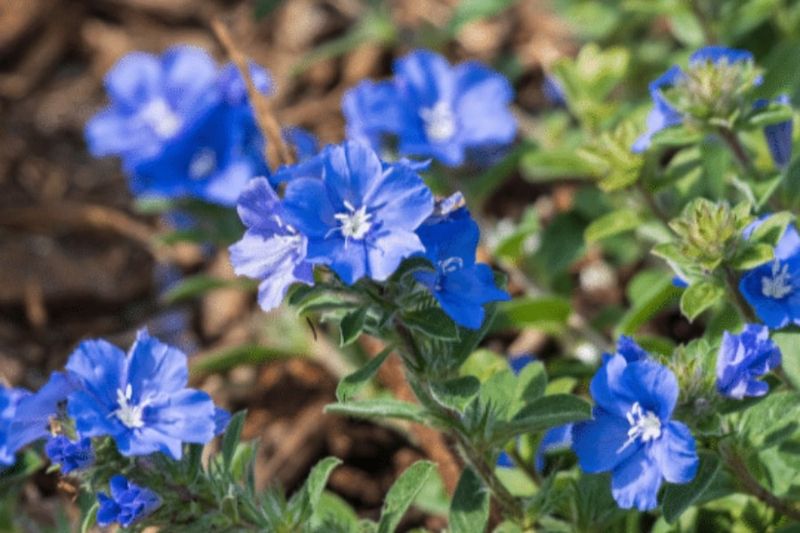
That dreamy sky-blue color is rare in the plant world, which makes blue daze a standout in any Florida garden. Its small, saucer-shaped blooms open each morning and create a soft carpet of color that contrasts beautifully with other bright tropical plants.
Blue daze loves full sun and handles heat and drought once it gets established. It works wonderfully as a ground cover or trailing plant in containers.
The silvery-green foliage stays attractive even on days when the flowers take a break.
Blanket flower
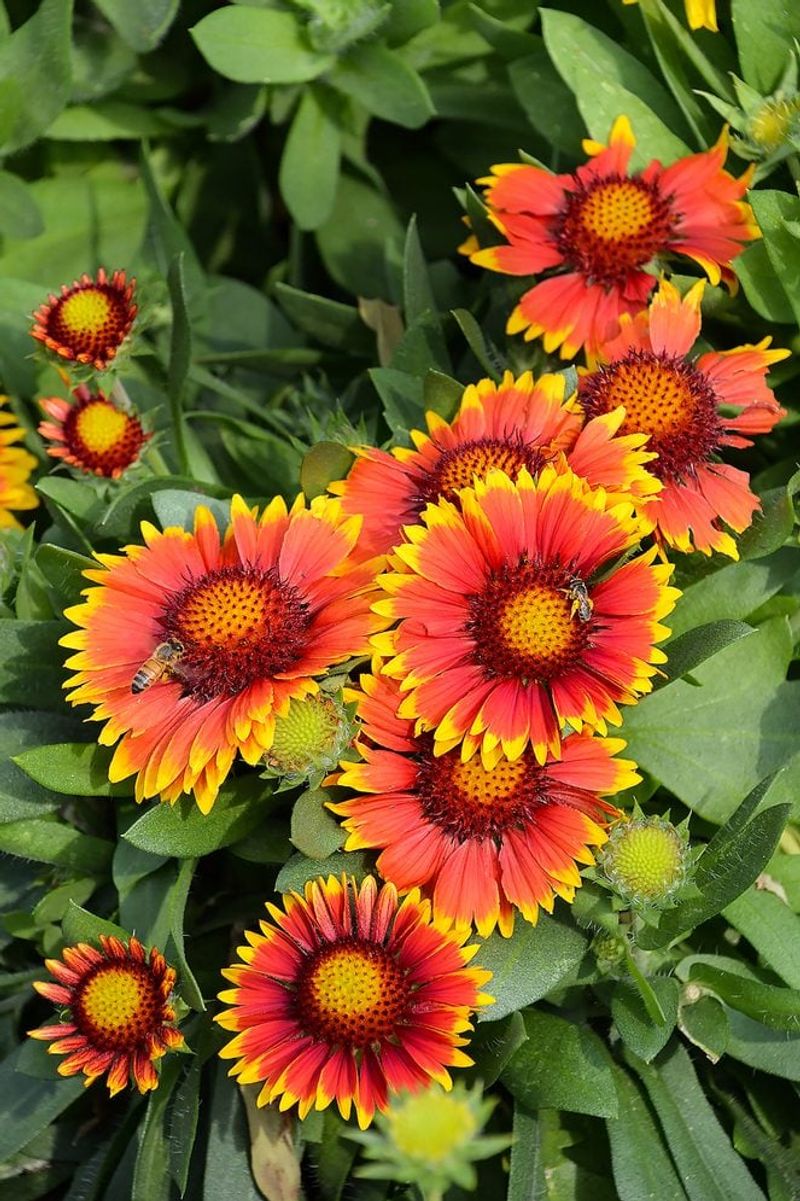
Blanket flower looks like it was painted by someone who could not decide between red, orange, and yellow — so they used all three. Native to North America, this cheerful wildflower is built for tough conditions and practically begs for a spot in your Florida garden.
It thrives in full sun and poor, sandy soil, which is basically a description of many Florida yards. Deadhead spent blooms regularly to keep the flowers coming.
Blanket flower also attracts pollinators and adds a wildflower charm that feels refreshingly natural and laid-back.
Firebush
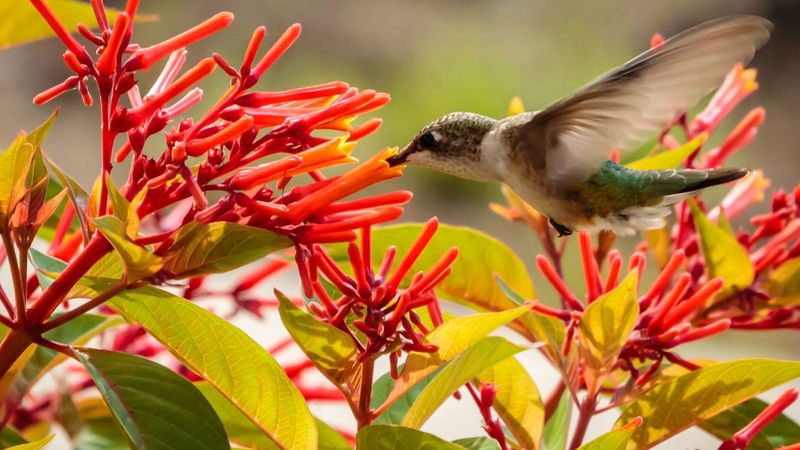
Firebush earns its dramatic name with clusters of fiery red-orange tubular blooms that practically glow in the summer sun. Hummingbirds are obsessed with it, and butterflies are not far behind.
This Florida-friendly native shrub is low-maintenance and genuinely tough.
It can grow quite large, so give it room to spread. Full sun brings out its best color, though it tolerates partial shade too.
Firebush handles heat, humidity, and drought once established, making it one of the most reliable choices for a low-effort, high-reward Florida garden.
Bulbine
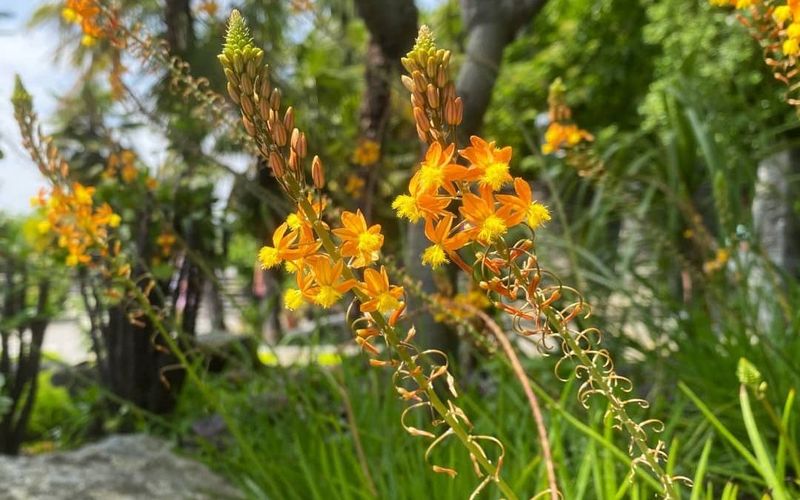
Bulbine might not be the most famous plant at the garden center, but gardeners who discover it tend to become devoted fans fast. Its cheerful yellow or orange star-shaped flowers bloom on tall, slender stalks above succulent-like foliage that stores water for dry spells.
Originally from South Africa, bulbine is perfectly adapted to Florida conditions. It tolerates heat, drought, and sandy soil without complaint.
Plant it along borders or in rock gardens for a low-water, high-charm display that keeps producing flowers for months on end.
Mexican heather
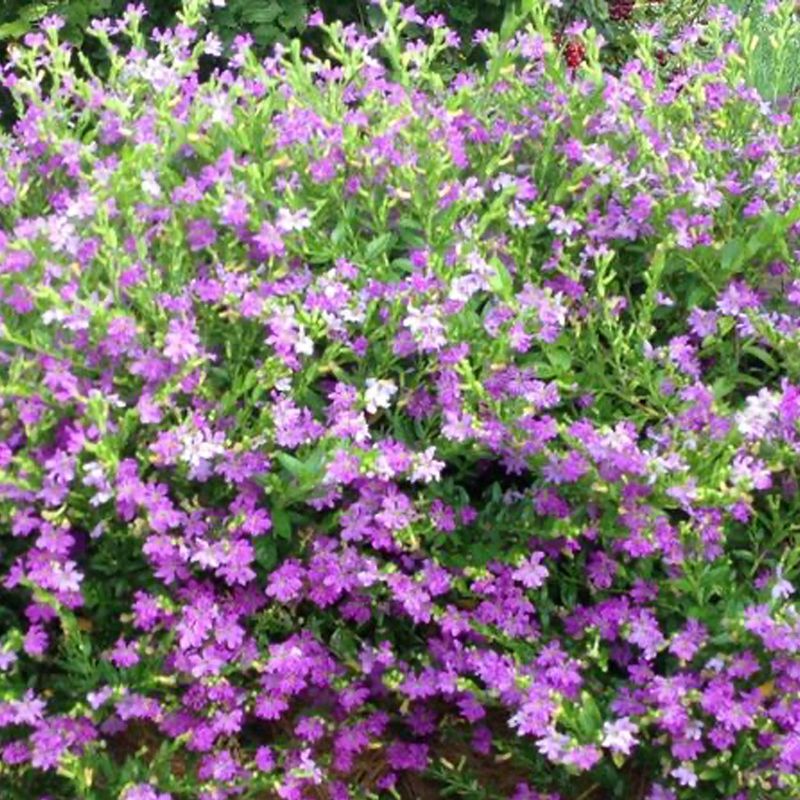
Do not let the delicate appearance fool you — Mexican heather is tougher than it looks. Tiny lavender-purple flowers cover this compact plant in masses, creating a soft, feathery texture that looks elegant alongside bolder tropical plants.
It handles Florida heat and humidity beautifully and works well in both sun and partial shade, giving you flexibility in the garden. Mexican heather stays relatively compact, making it ideal for borders, containers, or filling gaps between larger plants.
Butterflies visit it regularly, adding even more life to your outdoor space.
Society garlic
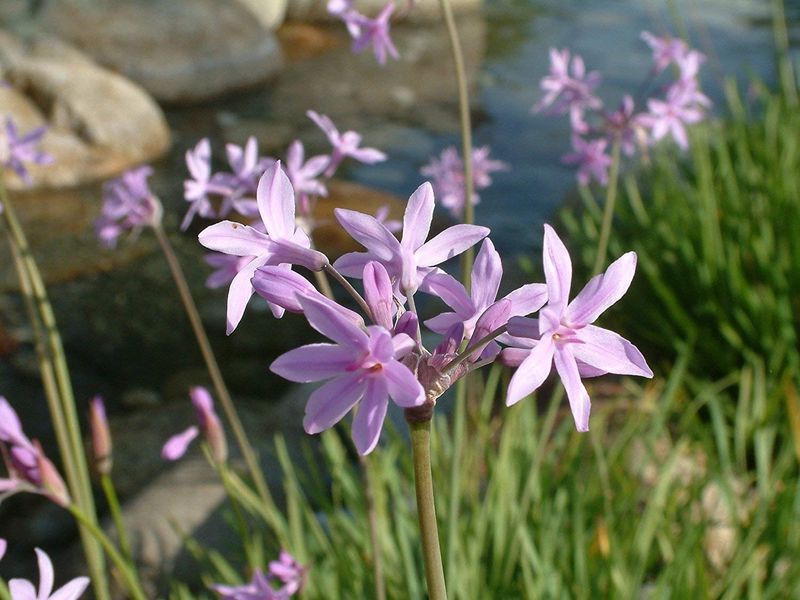
Here is a fun party trick: crush a leaf of society garlic and you will get a distinct garlic scent, yet the dainty clusters of lavender flowers look nothing like anything from a kitchen garden. That surprising contrast is part of what makes it so charming.
Society garlic is extremely heat and drought tolerant, thriving in full sun with very little water once established. It grows in tidy clumps and produces flowers almost year-round in Florida.
Deer and pests tend to avoid it, which is always a bonus for gardeners.
Purslane
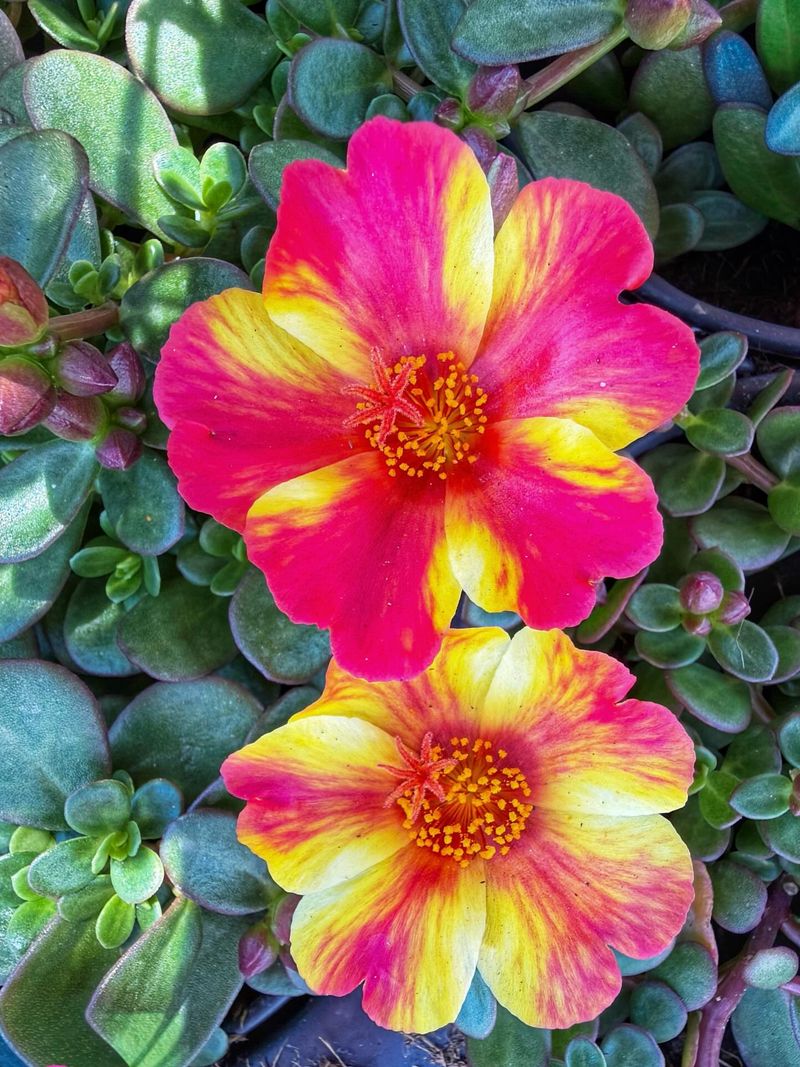
Purslane is the plant that thrives where others refuse to even try. Its thick, succulent stems and leaves store water efficiently, letting it survive intense heat and dry spells that would finish off most flowering annuals in no time.
Jewel-bright flowers in red, orange, yellow, pink, and white open up in full sun and create a dazzling carpet of color. Purslane looks fantastic in hanging baskets or spilling over container edges.
Bonus: the leaves are actually edible and packed with omega-3 fatty acids, making it both beautiful and useful.
Salvia greggii
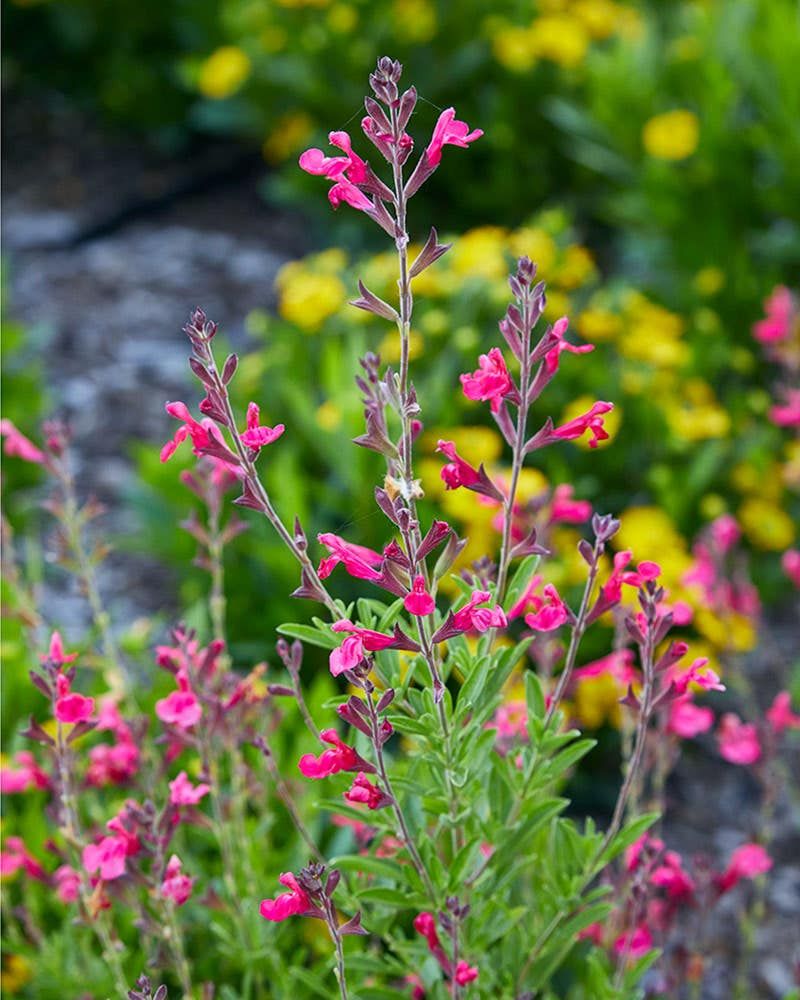
Salvia greggii, commonly called autumn sage, blooms with such enthusiasm in Florida that calling it an autumn plant almost feels unfair — it flowers from spring through fall without much encouragement. Hummingbirds treat it like their personal buffet.
The tubular blooms come in shades of red, pink, coral, and white, adding vivid color to sunny garden spots. It handles heat and drought well once established and actually prefers not to be overwatered.
Trim it back occasionally to keep the plant bushy and encourage a fresh wave of blooms.
Beach sunflower
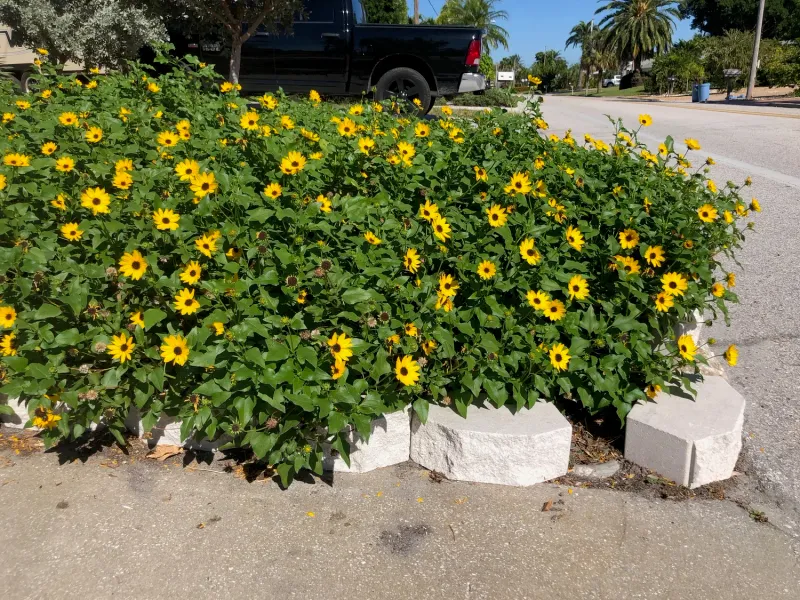
Born and raised in Florida, beach sunflower is basically the state’s unofficial mascot for tough, cheerful gardening. It spreads quickly as a ground cover, smothering weeds and producing bright yellow daisy-like flowers almost continuously throughout the year.
Sandy soil, salt spray, and relentless sun are exactly the conditions beach sunflower was made for. It requires almost no care once established, making it a dream plant for busy gardeners or anyone new to Florida landscaping.
Butterflies and bees visit the blooms regularly, keeping your garden buzzing with life.
Coreopsis
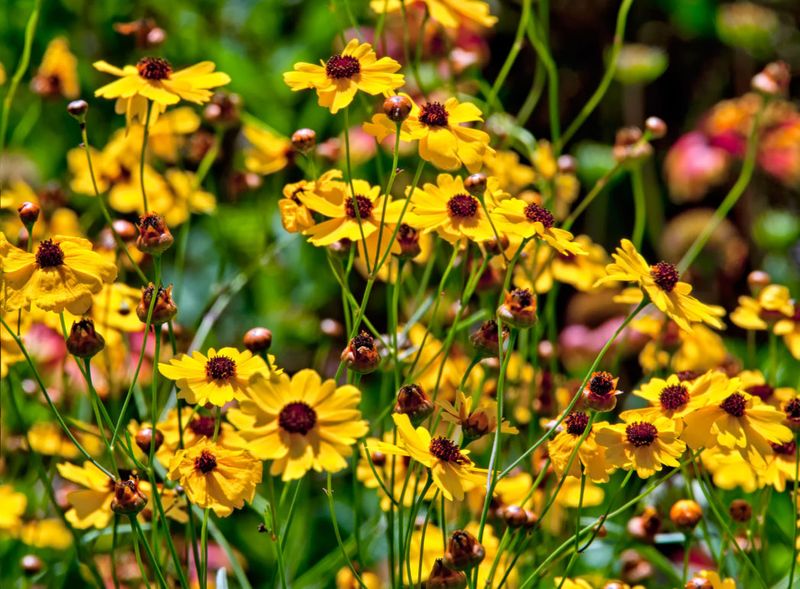
Coreopsis is actually Florida’s official state wildflower, and it has absolutely earned that title. Fields of golden-yellow blooms light up roadsides and gardens across the state, and they do it with almost zero effort from the gardener.
It thrives in full sun and sandy, well-drained soil — two things Florida has in abundance. Coreopsis is drought-tolerant and attracts butterflies and birds.
Deadheading spent flowers encourages more blooms, but even without much attention, this plant delivers season after season of cheerful, sun-bright color that makes any garden feel alive.
Gaillardia
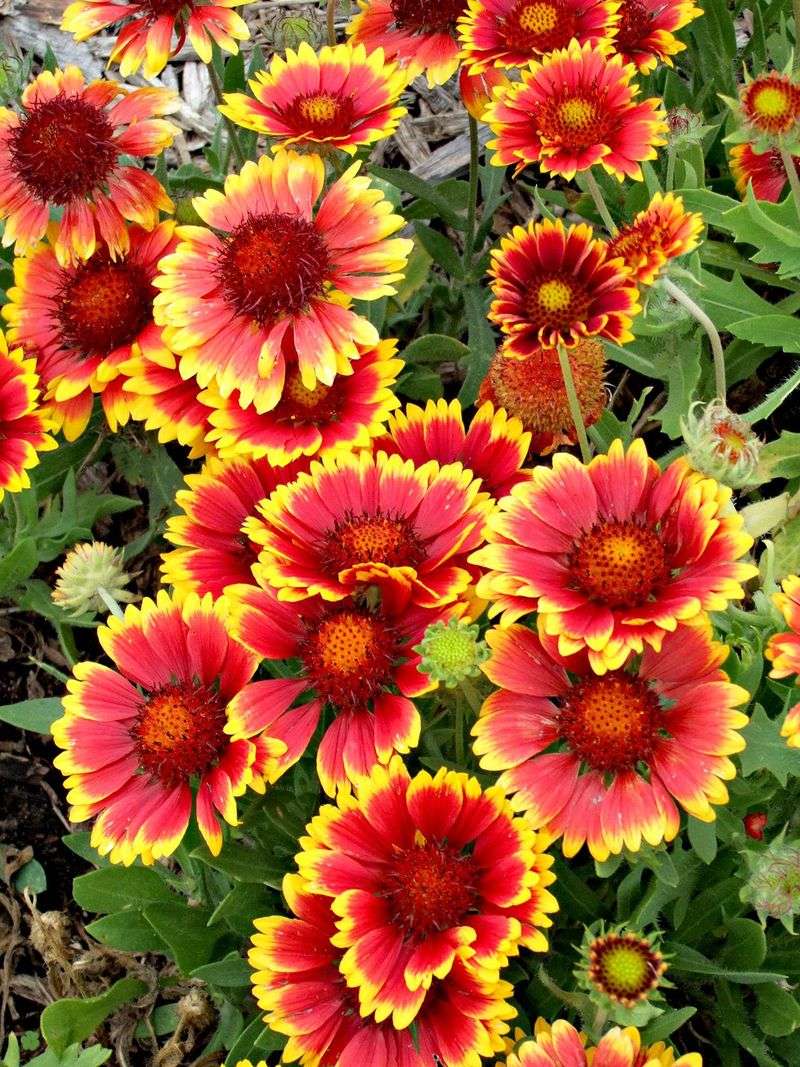
Gaillardia looks like it was designed specifically to stand out. The bold, wheel-shaped blooms in fiery combinations of red, orange, and yellow have a wild, untamed energy that brings a burst of personality to any garden space.
Also known as blanket flower, gaillardia handles full sun and poor soil without complaint — honestly, it performs better when you do not fuss over it too much. It blooms from spring through fall in Florida and reseeds itself generously.
Pollinators love it, and its long stems make it a great cut flower for bringing that summer energy indoors.
Plumbago
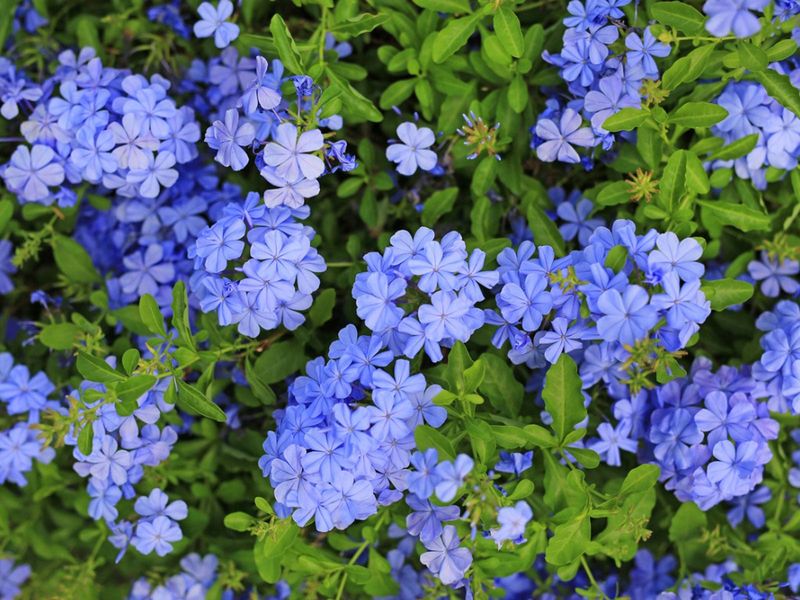
That cool, powdery blue color plumbago produces feels like a refreshing breeze on a sweltering Florida afternoon. Few shrubs deliver that shade of blue so reliably or so abundantly, which is why it shows up in Florida landscapes again and again.
Plumbago grows into a large, sprawling shrub that blooms almost year-round in South Florida. It loves full sun but tolerates partial shade and handles heat and drought well once established.
Butterflies flock to the blooms. Use it as a hedge, a backdrop, or a freeform flowering shrub for maximum impact.
Ixora
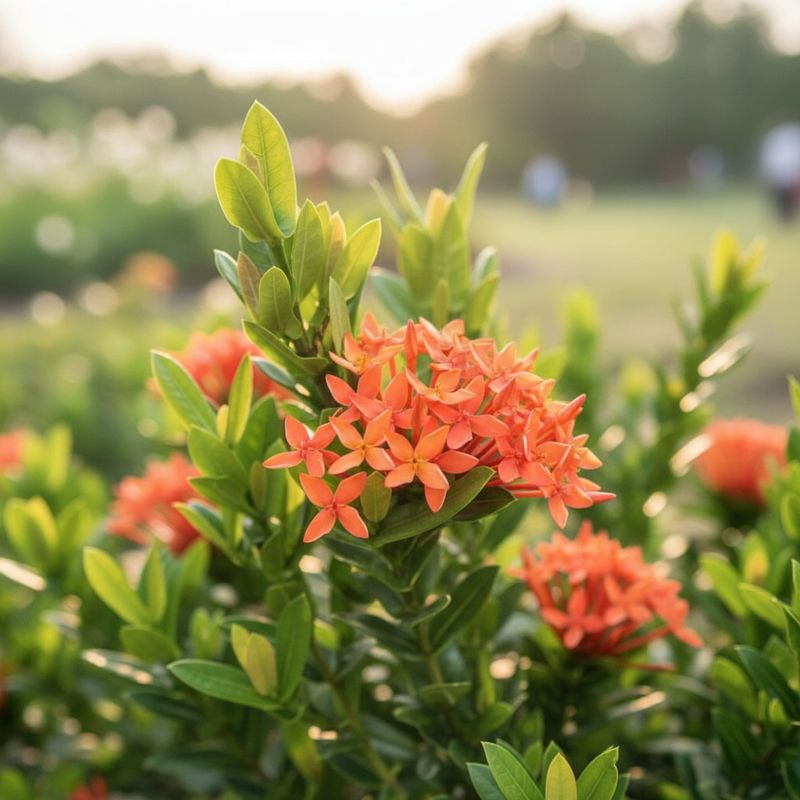
Walk through almost any South Florida neighborhood and you will spot ixora’s brilliant red, orange, or yellow flower clusters glowing against dark green leaves. It is a tropical classic that has been beautifying Florida landscapes for generations, and for good reason.
Ixora loves heat and humidity — the worse the summer gets, the happier it seems. It prefers acidic soil and full to partial sun.
Use it as a flowering hedge or a colorful accent shrub. Regular light pruning keeps it compact and encourages fresh rounds of those showstopping blooms.
Crown of thorns
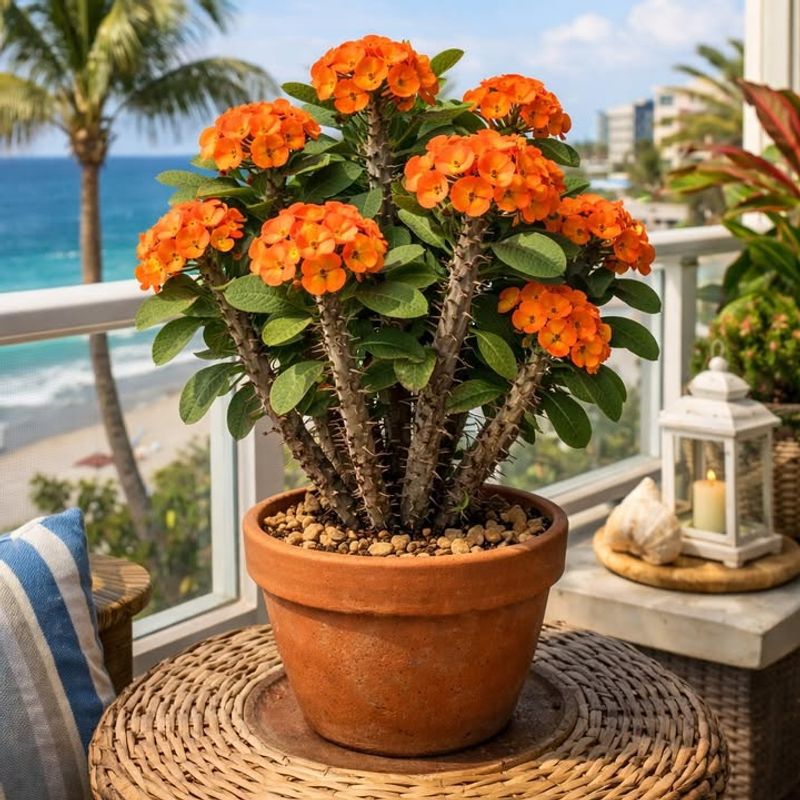
Crown of thorns has been around for centuries, and its toughness borders on legendary. This spiky succulent-like shrub produces cheerful clusters of small flowers in red, pink, yellow, or white almost year-round, even through the most brutal Florida heat waves.
It stores water in its thick stems, so it handles drought without drama. Full sun and well-drained soil are all it really needs.
Keep it away from high-traffic areas because of its sharp thorns. As a container plant or low-maintenance garden accent, crown of thorns is nearly impossible to kill.
Coneflower
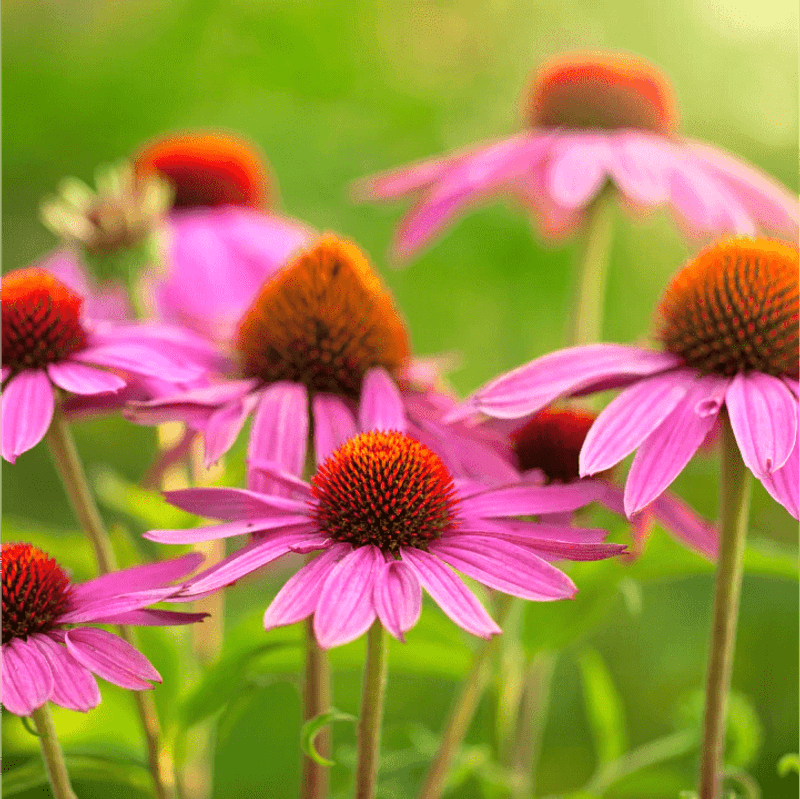
Purple coneflower, or echinacea, brings a wildflower meadow vibe to Florida gardens that feels both relaxed and beautiful. The distinctive spiky orange center surrounded by drooping purple petals is one of the most recognizable flower shapes in North American gardening.
Coneflowers handle heat and humidity reasonably well, especially in North and Central Florida. They attract butterflies during bloom and goldfinches feast on the seed heads in fall.
Plant them in full sun with good drainage. Once established, they spread slowly over time, forming generous clumps that get better every year.
Black-eyed Susan
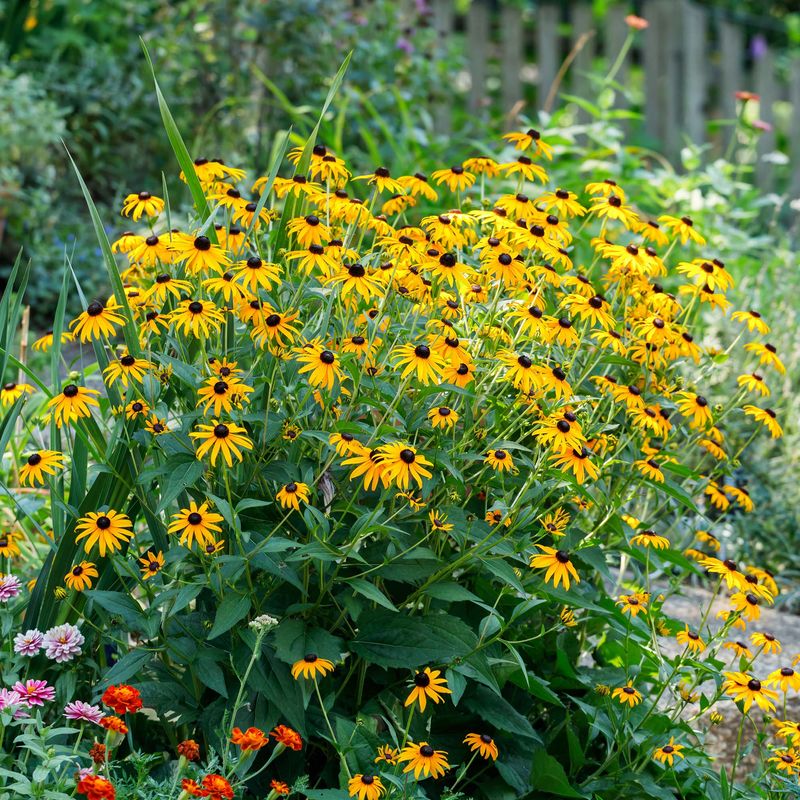
There is something instantly cheerful about a black-eyed Susan. Those bright golden-yellow petals surrounding a dark chocolate-brown center have a bold simplicity that never goes out of style, and they hold up beautifully under Florida’s punishing summer sun.
Black-eyed Susans thrive in full sun and tolerate poor, sandy soil and dry conditions once established. They bloom from late spring through fall and self-seed freely, so your patch will grow larger each year with almost no effort.
Butterflies and bees visit constantly, and the seed heads feed birds well into winter.
Dwarf ruellia
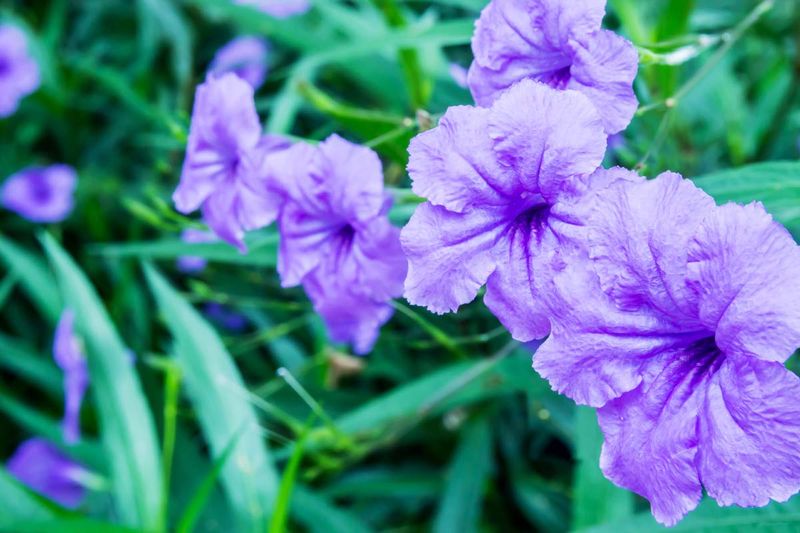
Dwarf ruellia is the kind of plant that makes gardeners look skilled without requiring much skill at all. It spreads steadily into a tidy, low-growing mat covered in small purple, pink, or white trumpet-shaped blooms that open fresh every morning throughout the warm months.
Heat, humidity, and even occasional flooding do not slow it down. Dwarf ruellia works brilliantly as a border plant, ground cover, or container filler.
It tolerates full sun to partial shade and needs minimal watering once established. Just note that it can spread aggressively, so occasional trimming keeps it well-behaved.