


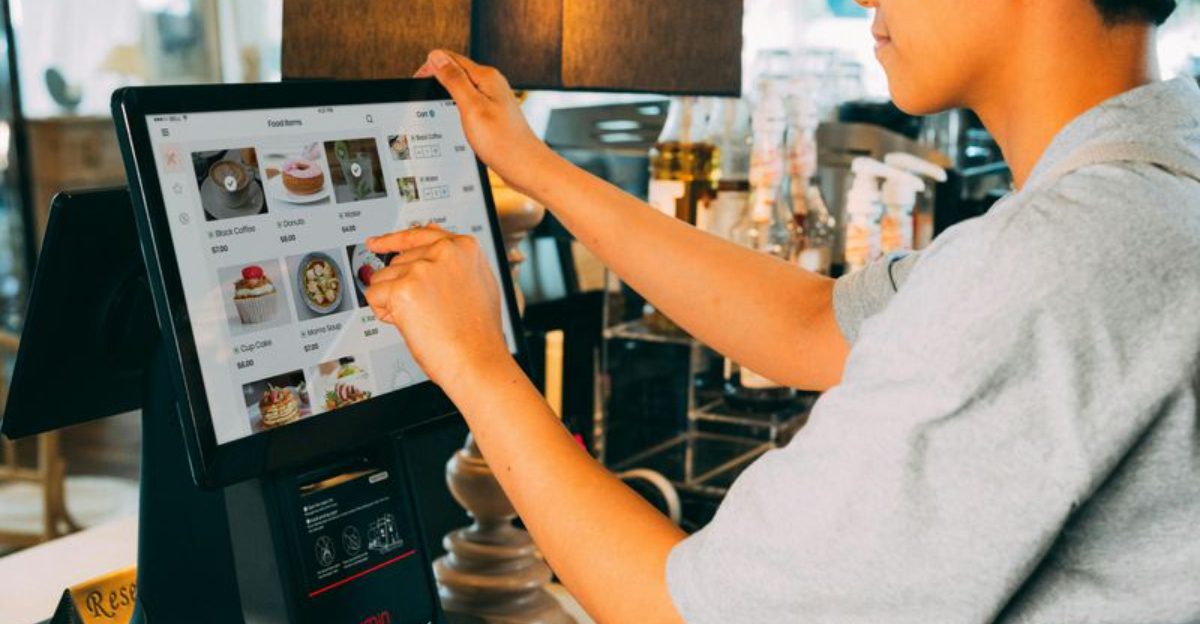
You sit down hungry, order something simple, and still the bill arrives loaded with little extras you never saw coming. Some fees make sense, others feel suspiciously like profit padding in disguise. Yet somehow you still pay them, because arguing after dessert rarely feels worth it. Here is a straight talking guide so you can spot the usual suspects and decide when to push back.
Service charge
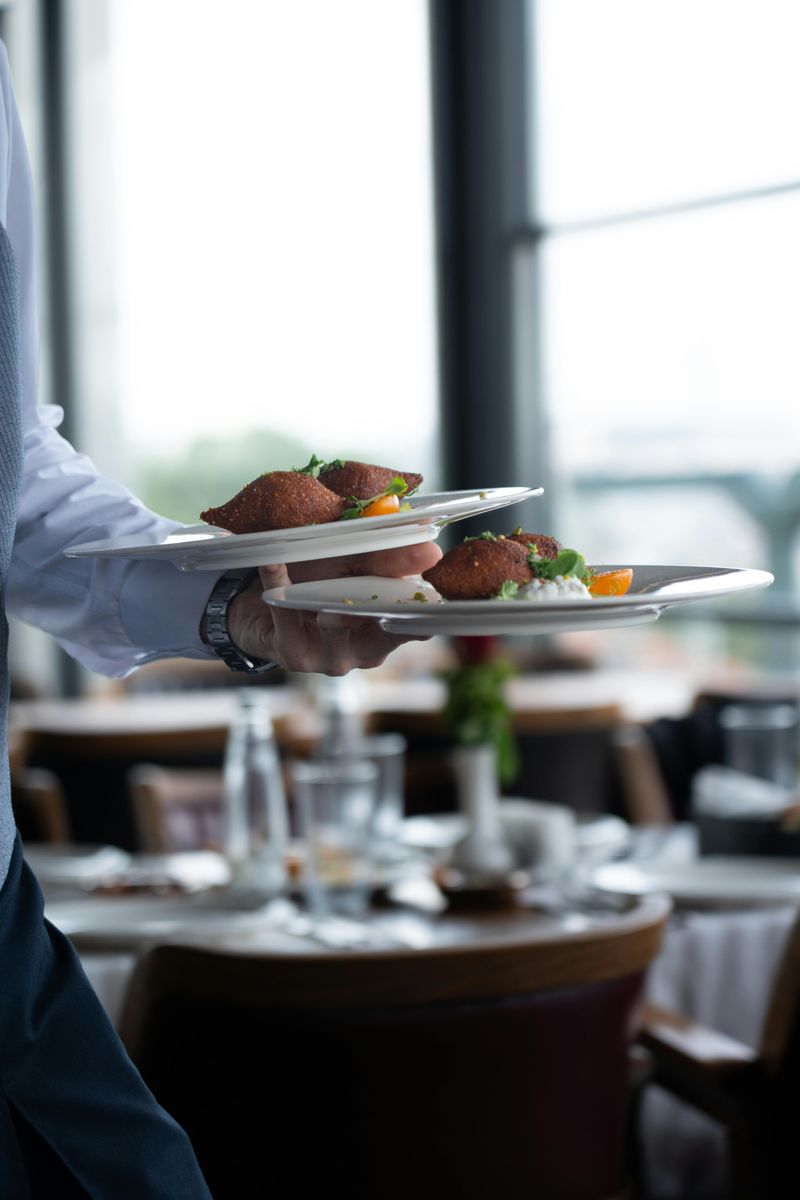
Ever find a mysterious service charge tacked onto your bill? It often covers front of house support, training, or benefits, at least according to the tiny print. In practice, it can also be a way to standardize tipping or buffer wages without raising menu prices.
You may still be expected to tip on top, which stings. Ask your server whether the service charge replaces gratuity. If it does not, you can adjust your tip accordingly. When transparency is murky, politely question it before paying.
Kitchen fee
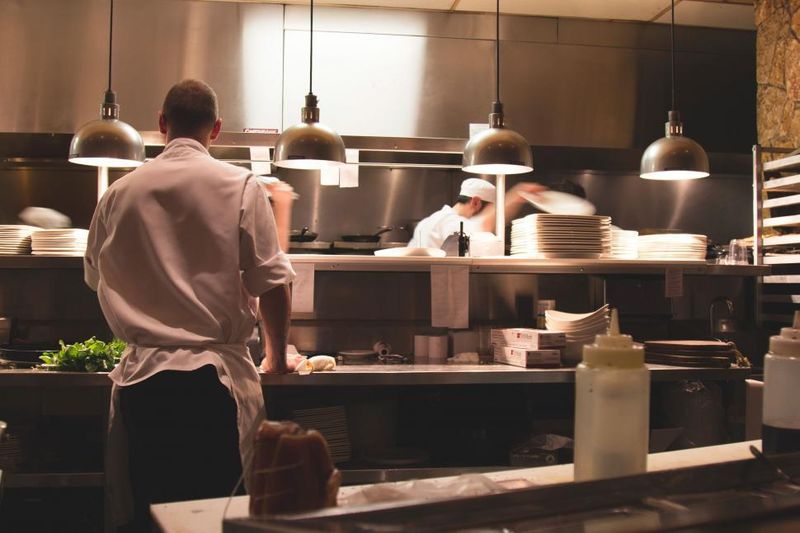
A kitchen fee supposedly supports back of house wages so cooks share in tip like revenue. Restaurants argue it balances pay between servers and line cooks. You might appreciate the intent, but it still feels odd when you already paid for the food and service.
If the menu discloses it clearly, at least you know up front. When it is buried, ask how much goes to staff. If answers feel vague, consider leaving feedback or choosing another spot next time.
Reservation fee
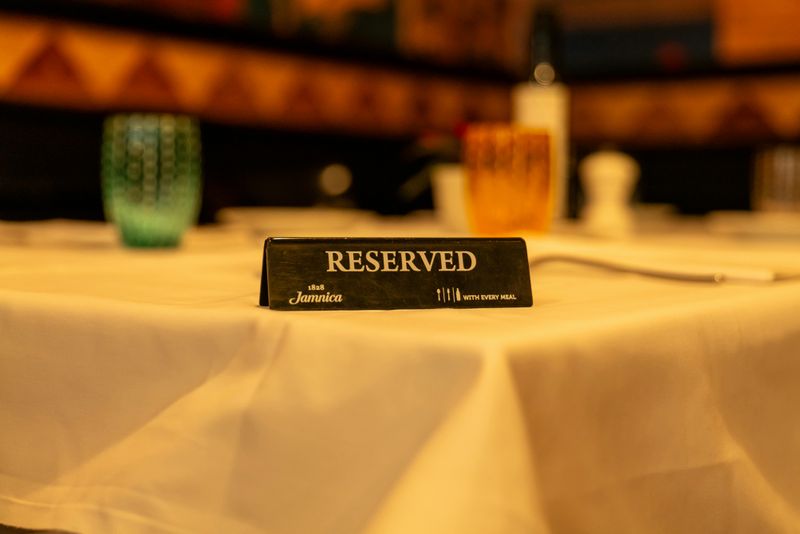
Some restaurants charge to hold your spot, especially for high demand tables. They claim it deters no shows and protects staff planning. Fair point, but it can feel like paying for the privilege of spending more money later.
Look for policies that credit the fee back to your check. Those feel more reasonable than nonrefundable charges. If plans change often, choose places with flexible holds. You can also set reminders so you are not dinged for forgetting a reservation.
Credit card fee
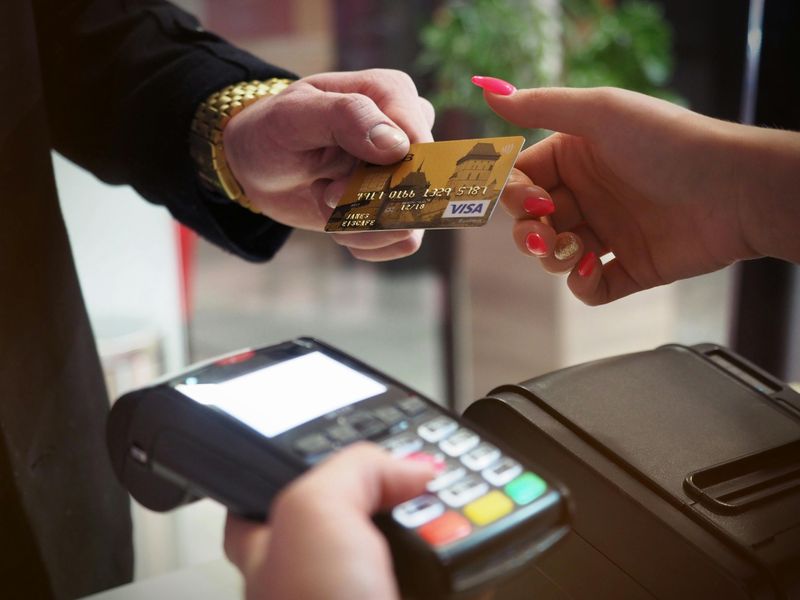
Card processing costs businesses money, and some pass that percentage straight to you. It is called a credit card fee or surcharge. Legality varies by region, and rules often require clear signage and that debit cards be treated differently.
If you want to avoid it, ask whether cash is discounted. Sometimes you will save a couple percent. If the fee is undisclosed, push back politely. You can also factor it into your tip math so you do not tip on the extra fee itself.
Delivery fee
Delivery fees cover drivers, fuel, and platform commissions, at least on paper. In reality, the math is often messy and layered with service fees too. You think you are paying for distance, but sometimes it is just a flat number unrelated to miles.
Check whether the restaurant’s own site charges less. Third party apps pile on extras. If you can swing pickup, that option usually beats fees and keeps food fresher. Tip the driver separately so your gratitude reaches the right person, not just the platform.
Packaging fee
Fancy compostable containers are not cheap, and restaurants sometimes add a packaging fee to cover them. It can also sneak in when they use premium ramekins, insulated bags, or branded boxes. You appreciate sustainability, but nobody loves paying extra for trash or recycling.
Ask whether you can opt out of utensils or sauces to lower the cost. Some places will adjust if you are friendly. If it feels excessive, consider bringing your own container where allowed. Reuse beats fees and helps the planet.
Surcharge

Surcharge is the vaguest catch all fee on menus today. It might cover inflation, healthcare mandates, or rising utilities. Without specifics, it reads like a shrug and a line item. That ambiguity is what frustrates diners most.
Transparency helps. If the restaurant posts a clear note explaining the surcharge and where funds go, it feels less sneaky. You can always ask for clarification before ordering. If you do not like the answer, vote with your wallet and dine elsewhere.
Auto gratuity

Large parties often trigger auto gratuity so servers are not stiffed on big checks. It can also apply on holidays or in tourist zones. You might prefer choosing your tip, but auto service charges create predictable pay for staff handling complex tables.
Check whether it replaces the tip or is separate. If service shines, you can still add more. If it disappoints, ask whether adjusting is possible. Clear communication upfront keeps everyone happy and reduces awkward math at the end.
Tip screen
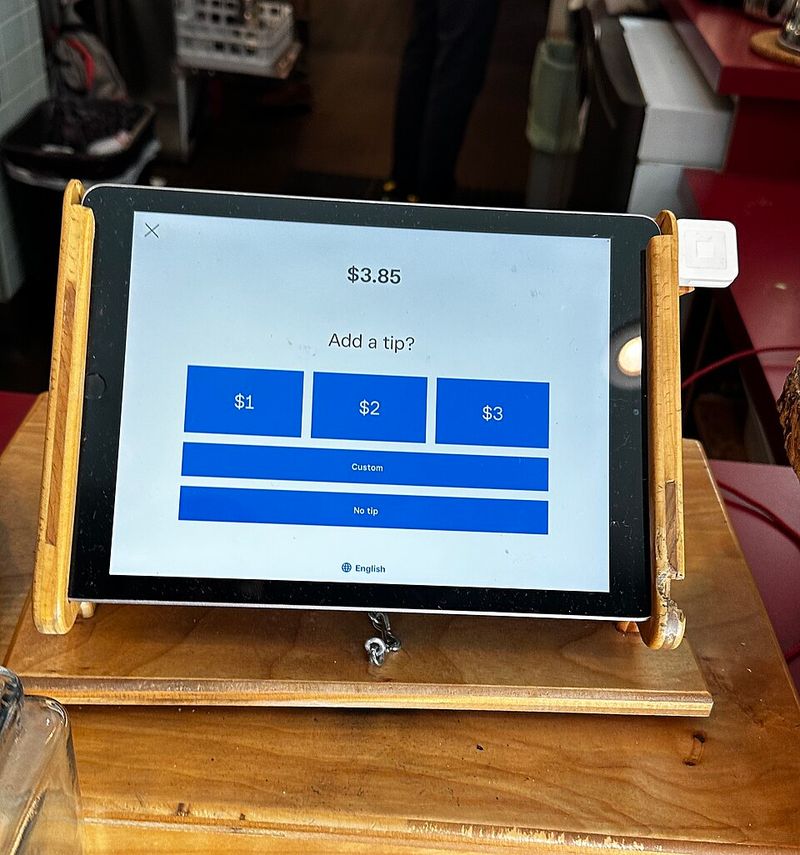
Tip screens greet you everywhere now, even when you poured your own water. The preset percentages often start high, nudging you upward. That pressure can feel awkward when service was minimal or purely transactional.
It is okay to choose custom or no tip when appropriate. Do what matches the experience, not the screen’s suggestions. If staff went above and beyond, be generous. If not, do not let technology guilt you. Your budget and judgment matter more than a button layout.
Water charge

Some restaurants upsell bottled still or sparkling and charge even when you assumed tap. The server’s script can be slick. If you say water, you might get the fancy kind by default. Suddenly you are paying several dollars for hydration.
Speak up early: tap water is fine, please. Most places comply and keep refills coming. If bottled is your thing, enjoy it. Just decide intentionally so you are not surprised later. Clear choices beat stealth charges every time.
Bread charge

Gone are the days of complimentary bread at many spots. Now it is an artisanal basket with cultured butter and a tidy fee. Admittedly, quality has improved, but paying for what used to be free can rub you the wrong way.
Ask whether bread is included or priced. If it is special and you are hungry, it might be worth it. Otherwise skip and save room for the main event. You will miss the nostalgia, but not the extra cost.
Sauce charge
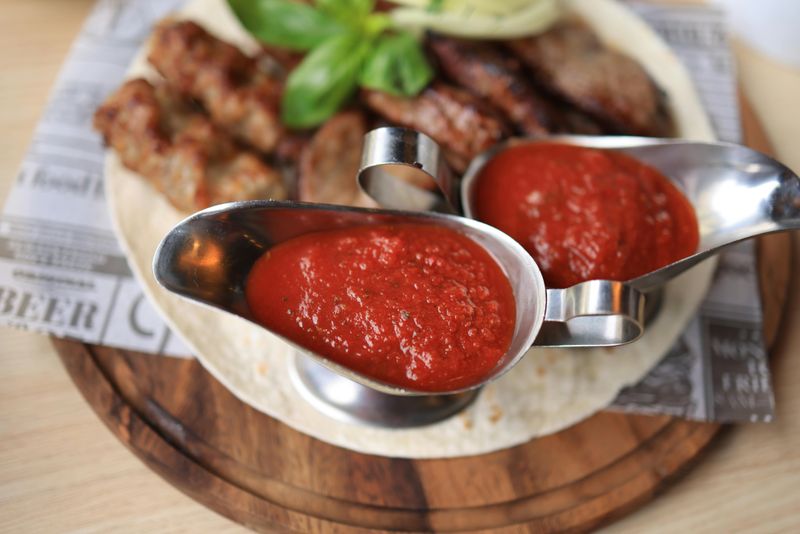
Ketchup used to be free, now extra sauce sometimes costs a dollar or more. Restaurants say it covers labor and ingredient costs for house made blends. Maybe, but paying for a tiny cup feels stingy when you already ordered the dish.
Ask what comes included and what counts as extra. Choose one favorite and skip the rest. If you love sauce, order a larger side to get better value. Do not be shy about confirming costs before you commit.
Split plate fee
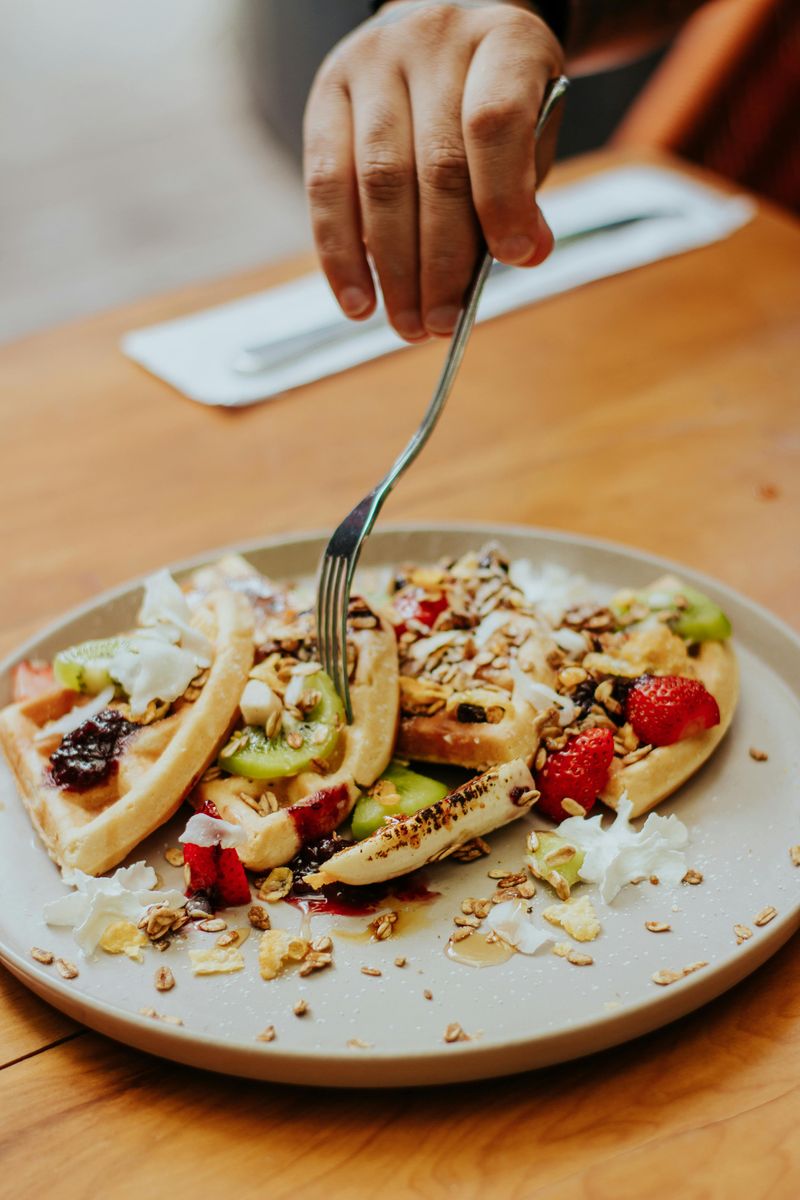
Sharing is caring, but it can trigger a split plate fee to cover extra plating, sides, or service time. The kitchen might portion and garnish twice, which does add work. Still, it can feel like a penalty for being sensible about portions.
Ask what the fee includes. Sometimes you get additional sides or salad, making it fair. If not, consider ordering an appetizer instead. You will share without the surcharge and still enjoy variety without waste.
Extra napkins fee
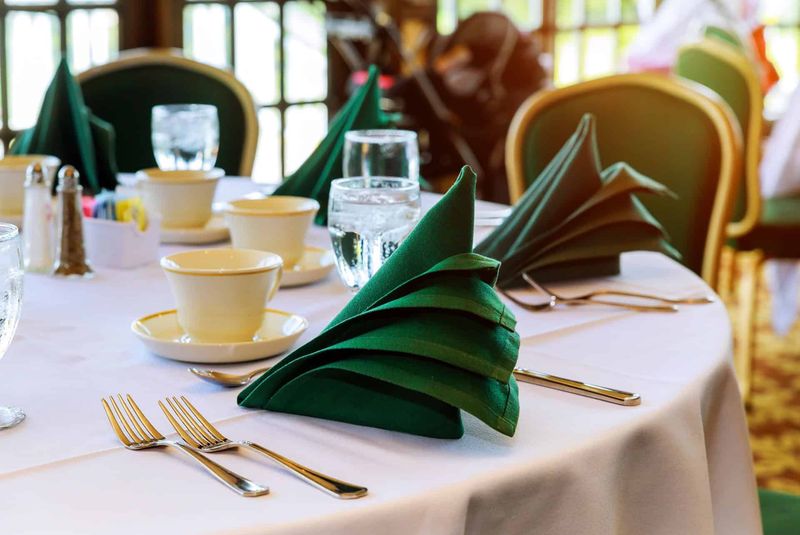
It sounds absurd, but some places limit napkins and charge for extras. They claim sustainability and cost control. Maybe both are true, yet it comes off as penny pinching when your saucy sandwich demands backup.
Grab what you need at the start if the station is self serve. Otherwise, ask politely and confirm if there is a fee. If so, request a reasonable number. Restaurants should encourage less waste without nickeling customers for cleanliness.
Takeout fee
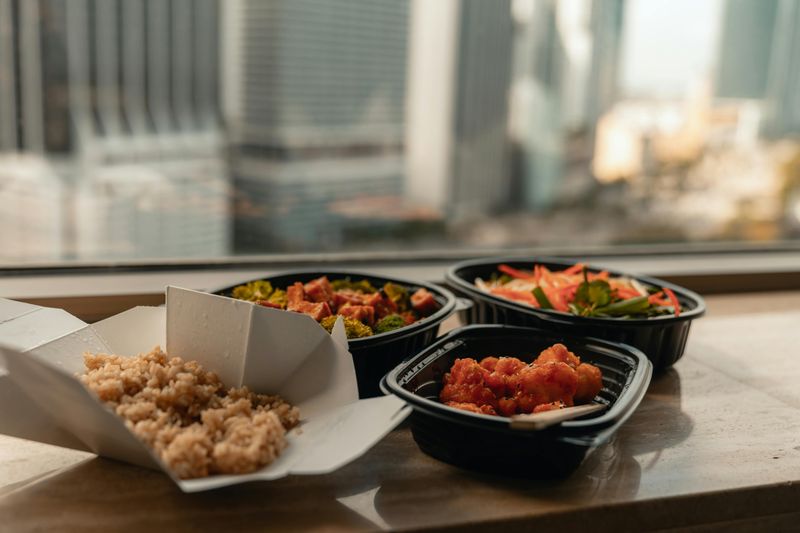
Ordering dine in food to go can add a takeout fee. It covers packaging, extra time, and sometimes impacts table turns. Fair, but it stings when you only switched to takeout for convenience or a tight schedule.
Ask if the menu has separate to go pricing. Some items travel better and avoid fees. If you plan ahead, call before peak times to reduce delays. Friendly communication usually gets you the best outcome and fewer surprises.
Holiday fee

Special dates bring special pricing. A holiday fee might appear to cover premium pay for staff and limited menus. You get the vibe and the celebration, but it still adds up quickly on already expensive nights out.
Expect this around New Year’s Eve, Valentine’s Day, and Mother’s Day. If budget matters, book earlier seatings or choose the day before. You will dodge the fee and the crowds while keeping the festive mood.
Peak time fee

Surge pricing is creeping into dining. A peak time fee appears during high demand hours to manage crowds and increase margins. It feels like airlines but for omelets, and not everyone is onboard with that idea.
Brunch and weekend dinners are the usual suspects. If you are flexible, shift to off peak hours and save. Otherwise accept it as the cost of convenience. At least ask if the fee comes with any perk, like priority seating.
Large party fee

Coordinating big groups is hard, so a large party fee covers extra staff, setup, and cleanup. It may be separate from auto gratuity, which can be confusing. You want to celebrate, not decipher accounting.
Confirm policies when you book. Ask what the fee includes, like special menus or a dedicated server. Split payments ahead of time to avoid a chaotic checkout. Clear planning will keep the celebration fun and the bill predictable.
Minimum spend

Minimum spend policies push each guest to order a certain amount, common at lounges or limited seating spots. Venues argue it ensures revenue for prime seats. You might feel pressured to add a drink you did not want just to hit the threshold.
Ask if food and drinks both count. If you are not hungry, consider sharing plates that travel well. Otherwise choose a venue without minimums. Spending should feel like choice, not a homework assignment.
Processing fee
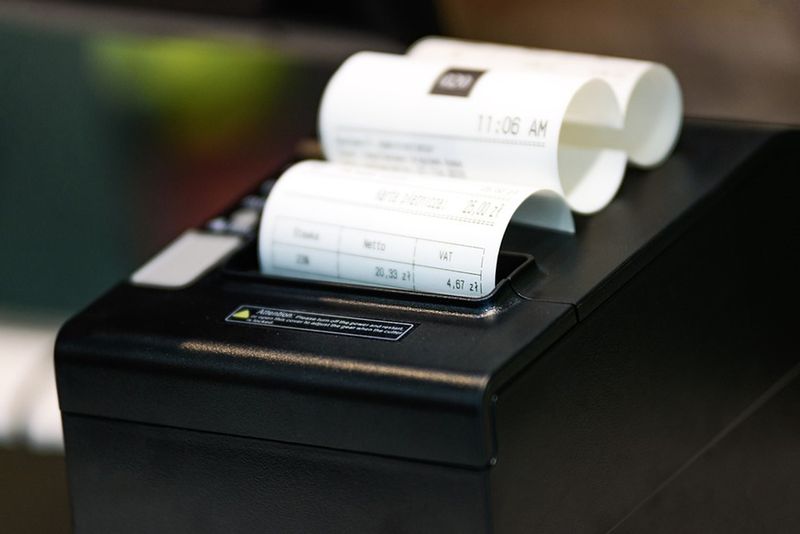
Processing fees appear on online orders, event tickets, and sometimes even dine in checks. The label covers payment gateways, reservation systems, or admin costs. It is broad enough to fit anything, which is exactly why it frustrates you.
If there is a cash or direct order option without the fee, take it. Screenshots and receipts help if you decide to dispute hidden costs later. Ultimately, transparent pricing wins your loyalty, not vague add ons.
Convenience fee
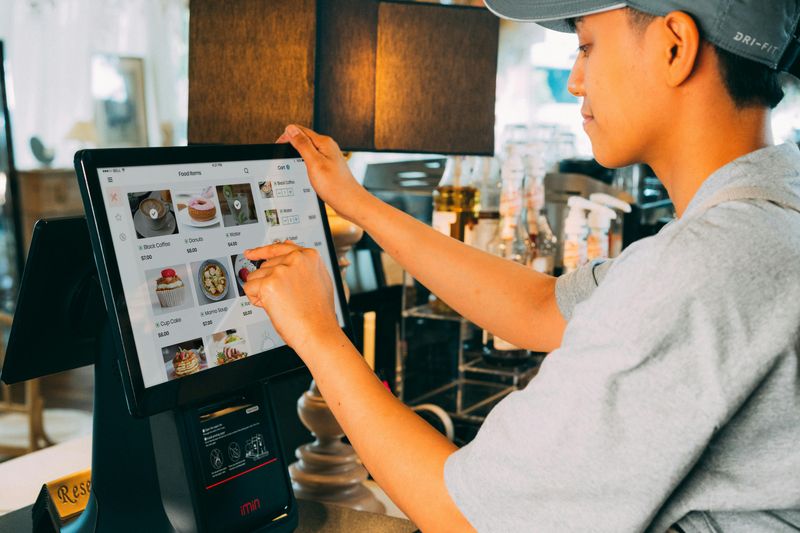
Convenience fees pop up for online orders, phone payments, or app based checkout. Supposedly they offset tech costs and platform commissions. You enjoy the speed, but the irony is paying extra for doing the restaurant’s workflow for them.
Before you click purchase, compare in person pickup pricing. Some places waive the fee if you order directly instead of using delivery apps. If the fee is unavoidable, weigh the time saved against the added cost. Convenience should benefit both sides, not just the restaurant.